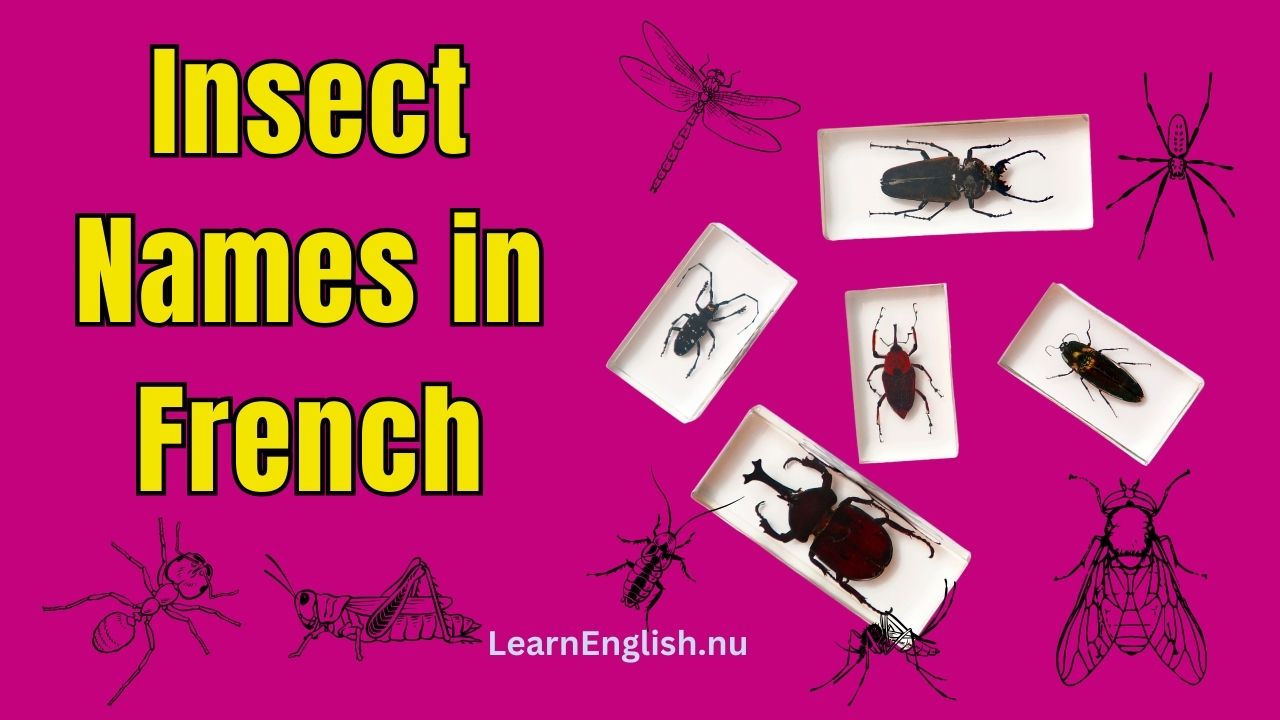
Insects and reptiles are two distinct groups of animals that are not only intriguing but also crucial to our natural world. Insects, known in French as “les insectes”, are characterized by their three-part body structure, six legs, and hard outer shells called exoskeletons. Reptiles, or “les reptiles” in French, are scale-covered vertebrates that thrive in a variety of habitats. They are known for their cold-blooded nature and, in most cases, their egg-laying reproductive behavior. Today, we’ll explore the fascinating world of insects and reptiles, enriching our language skills with the names and characteristics of these diverse creatures.
Click on the text to hear the pronunciation
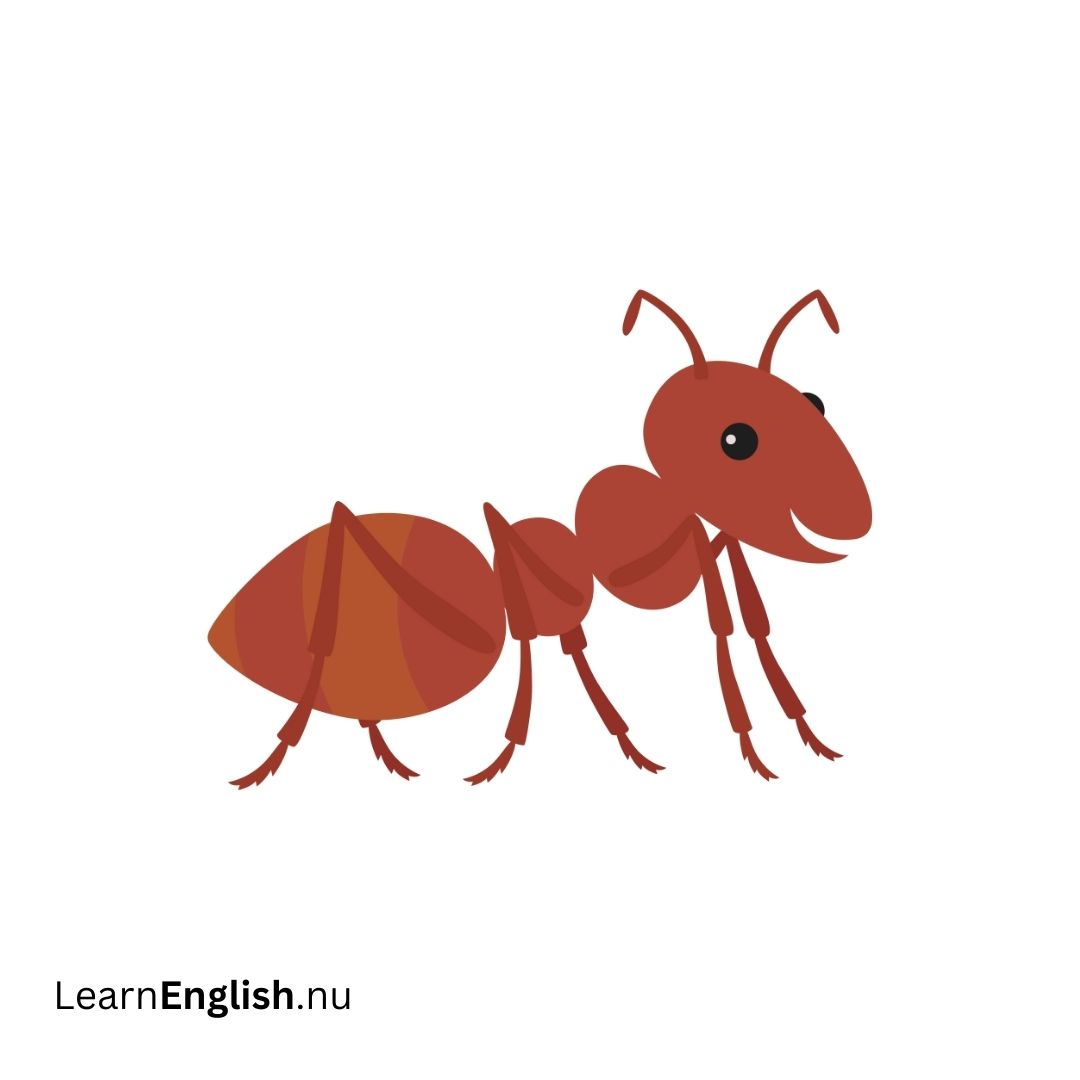 Fourmi
Ant Abeille
Bee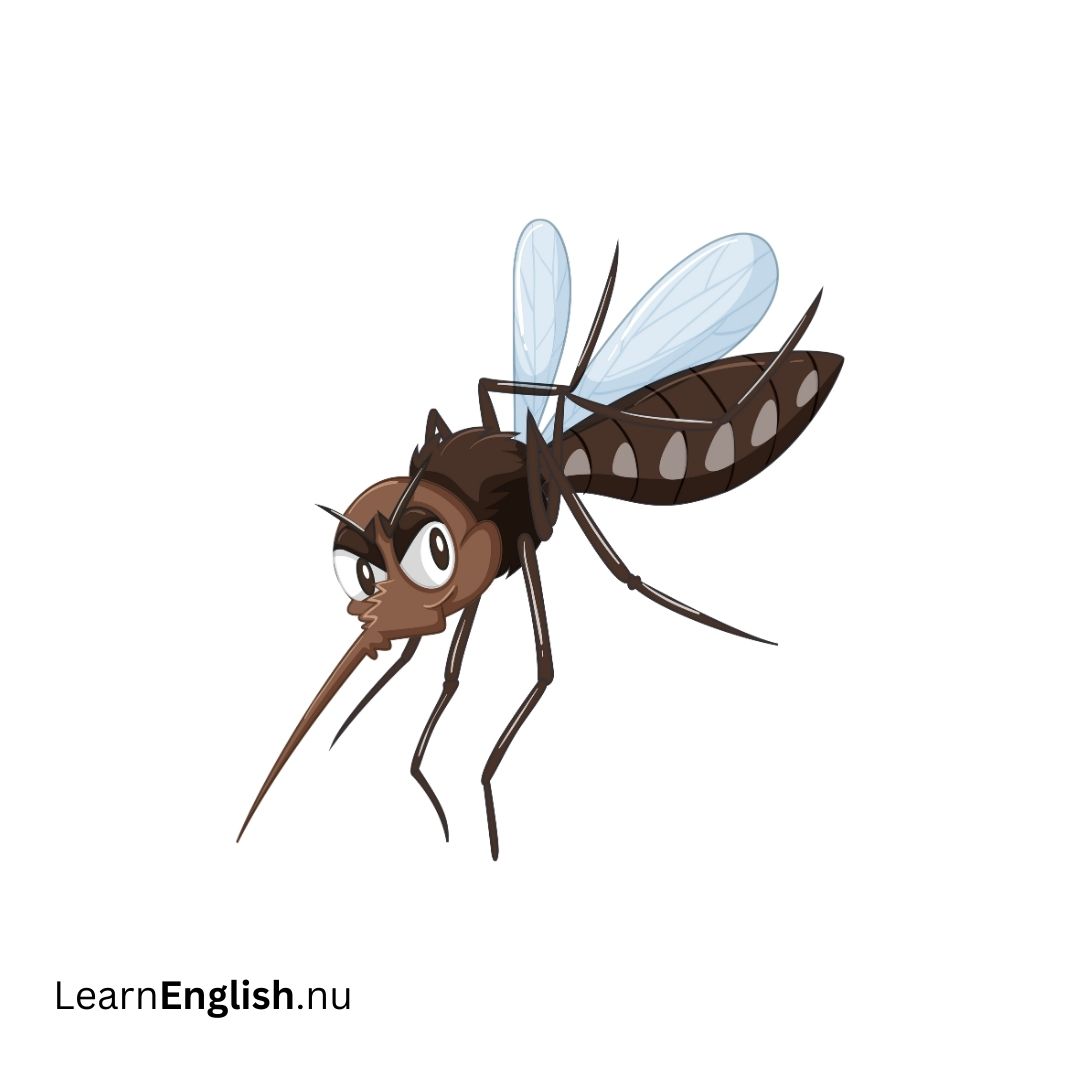 Moustique
Mosquito Sauterelle
Grasshopper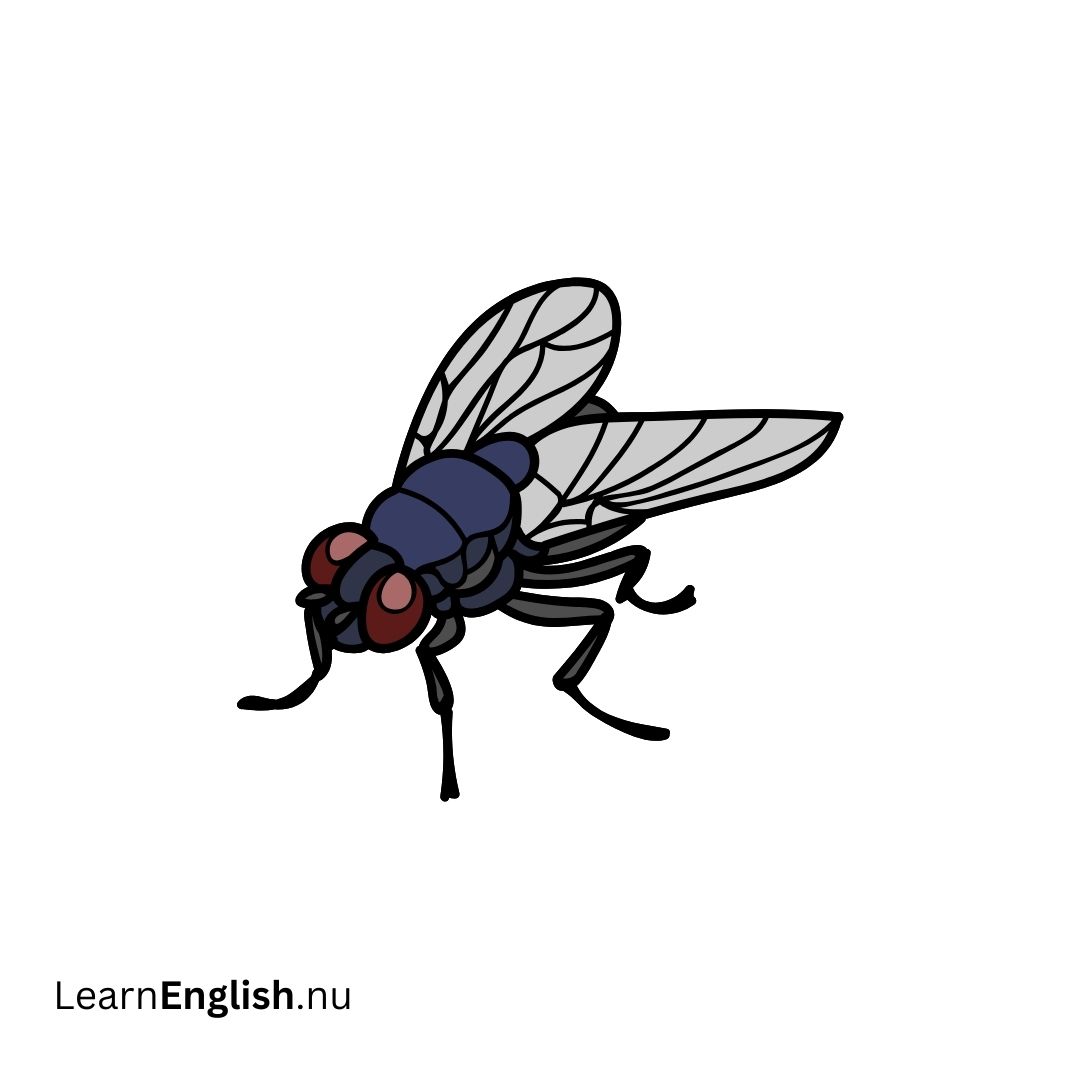 Mouche
Fly Criquet
Cricket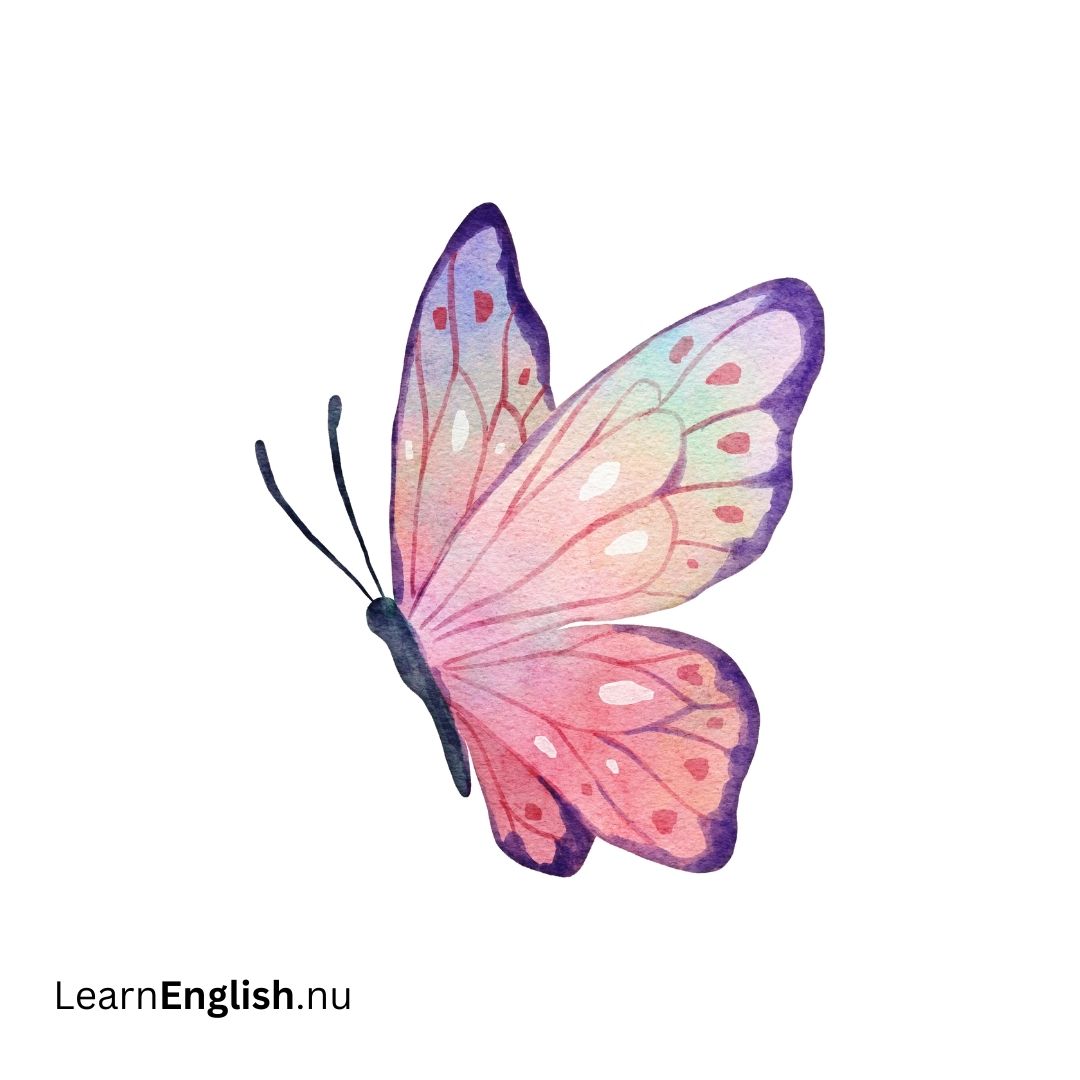 Papillon
Butterfly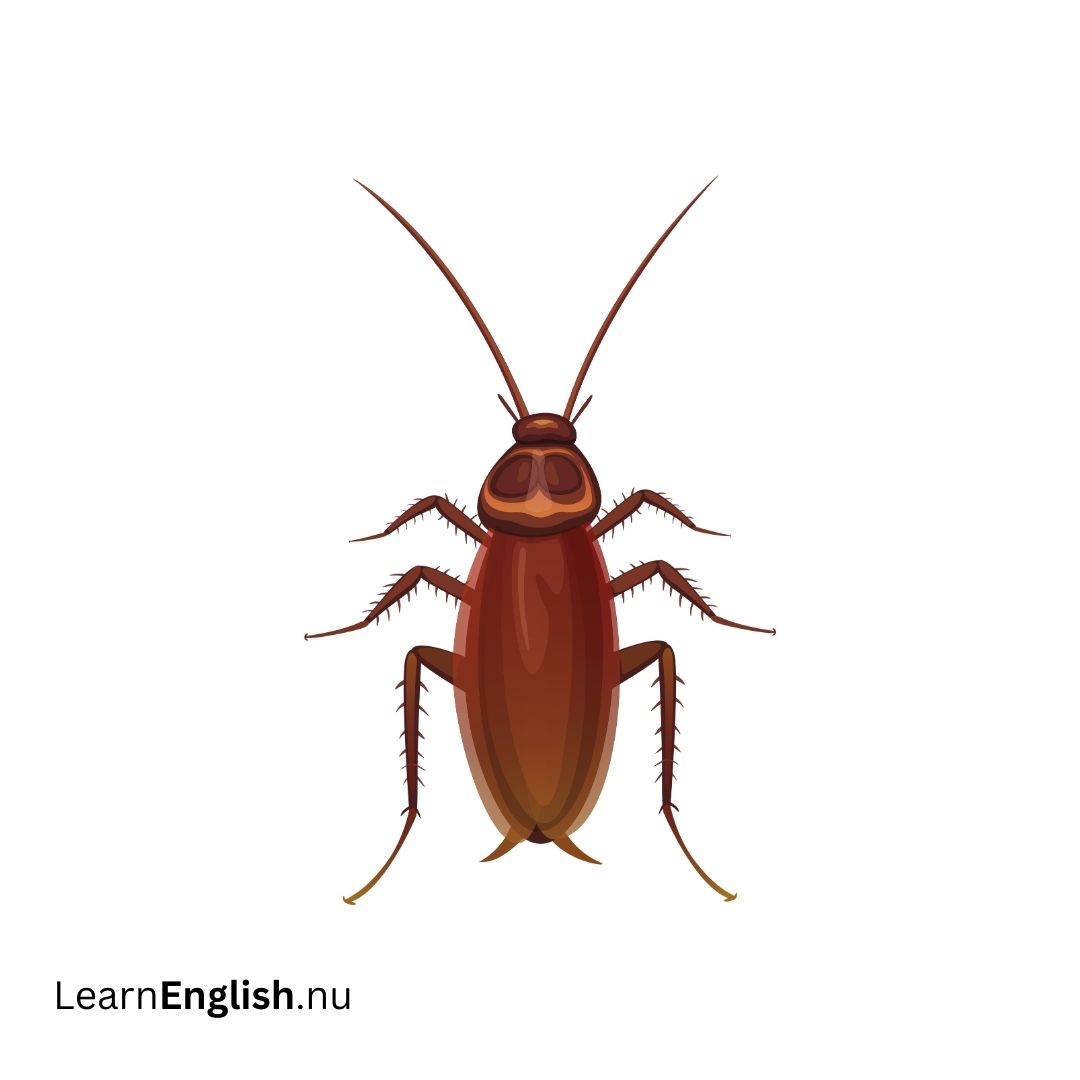 Cafard
Cockroach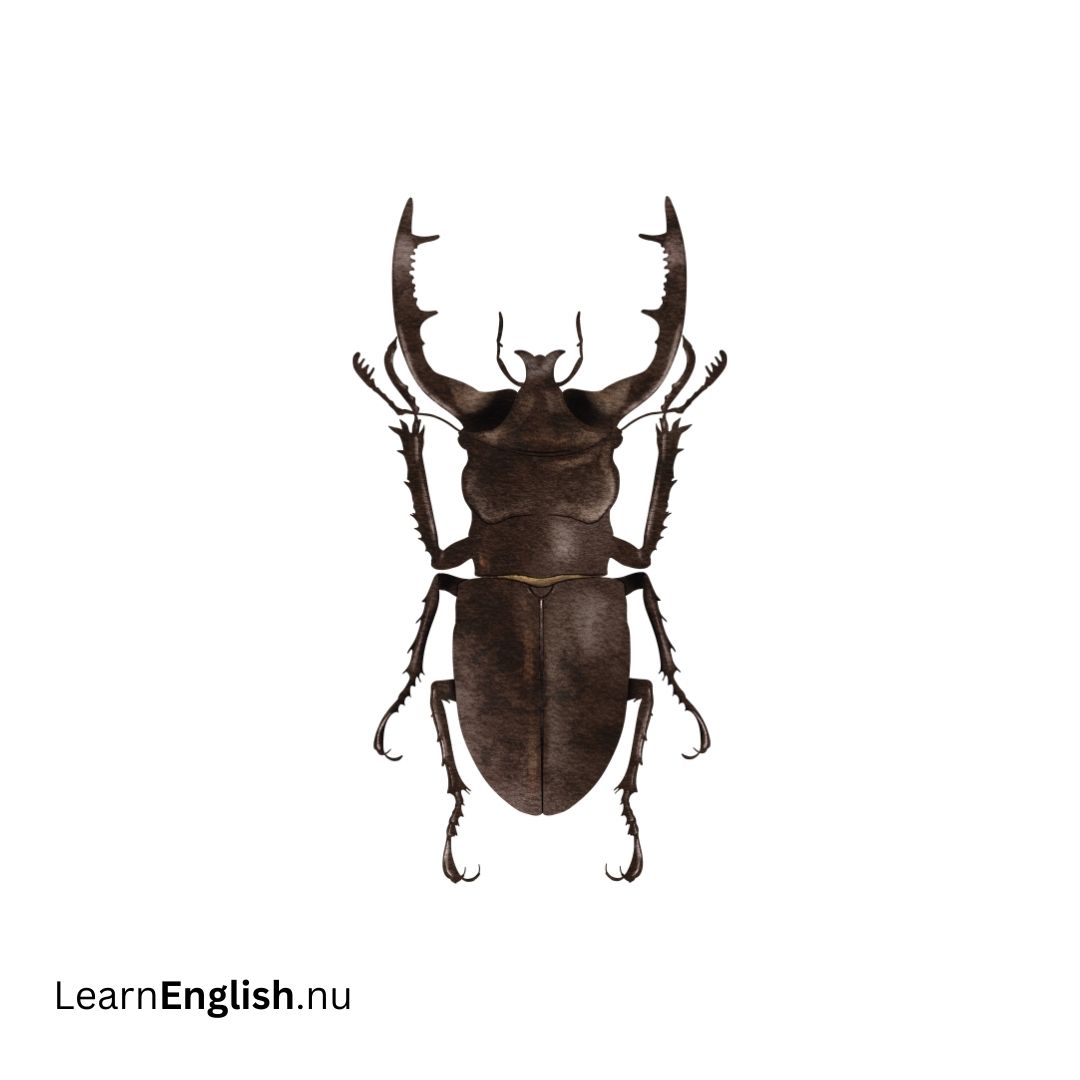 Coléoptère
Beetle Punaise de lit
Bed Bug Libellule
Dragonfly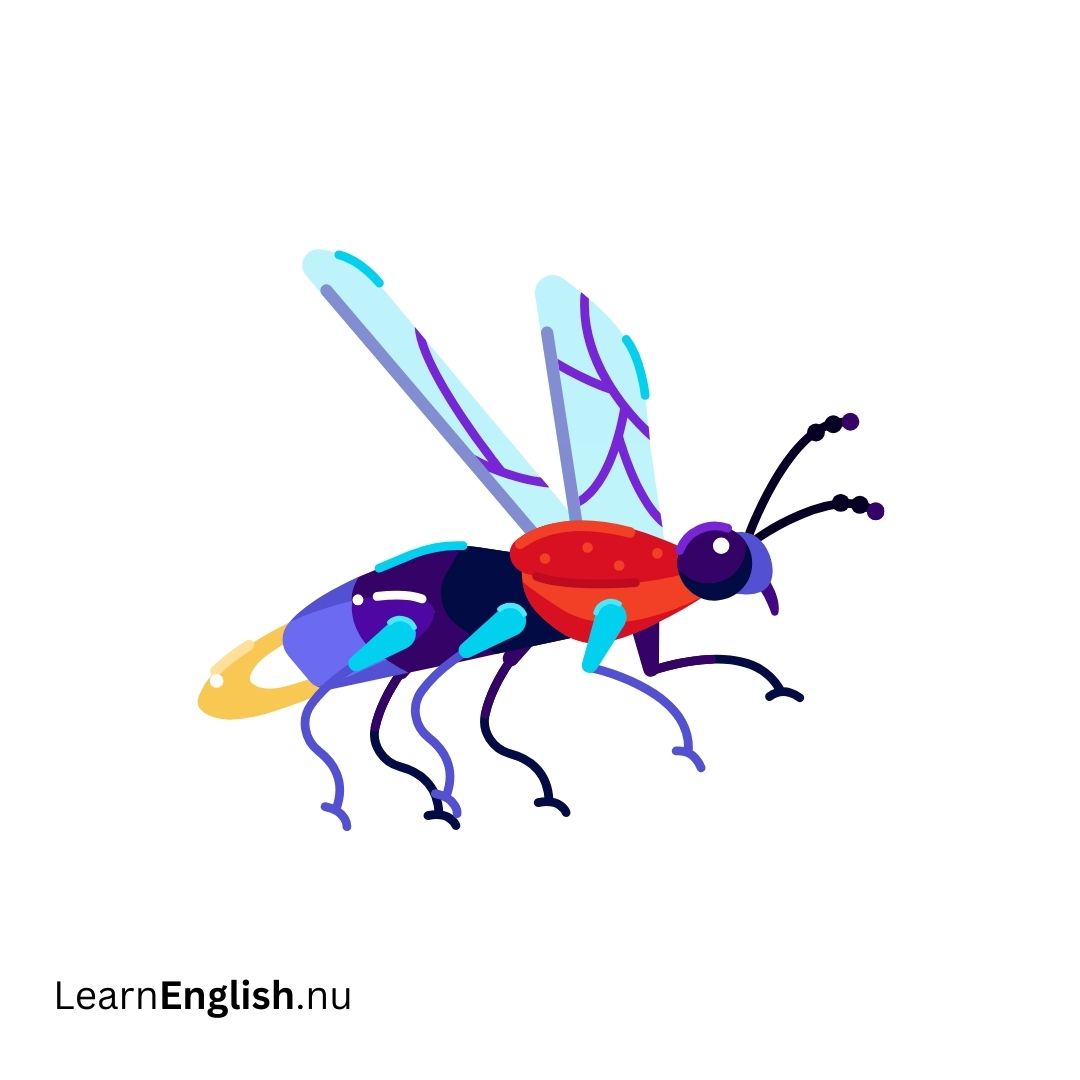 Lucioles
Fireflies Punaise verte
Green Stink Bug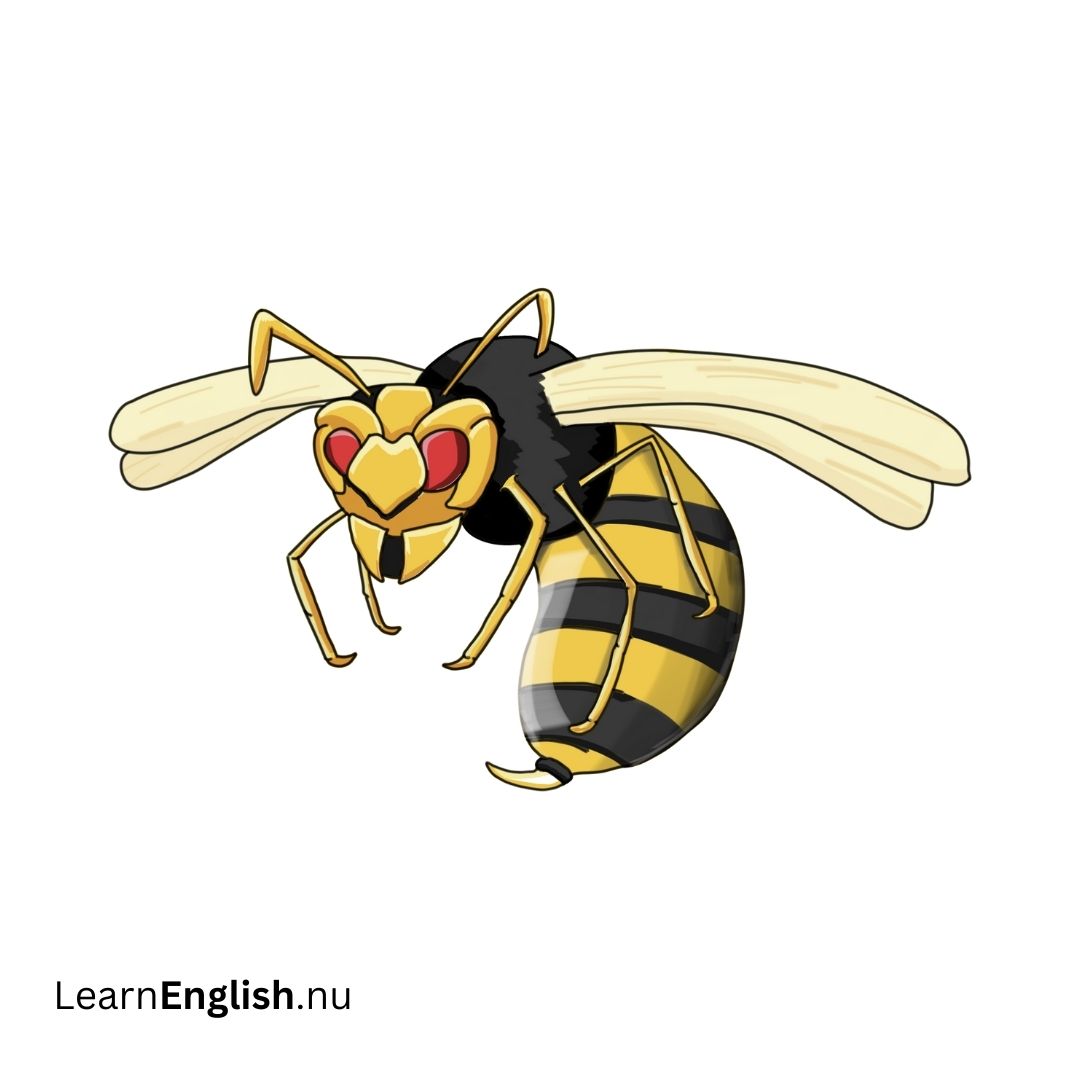 Guêpe indienne
Indian Hornet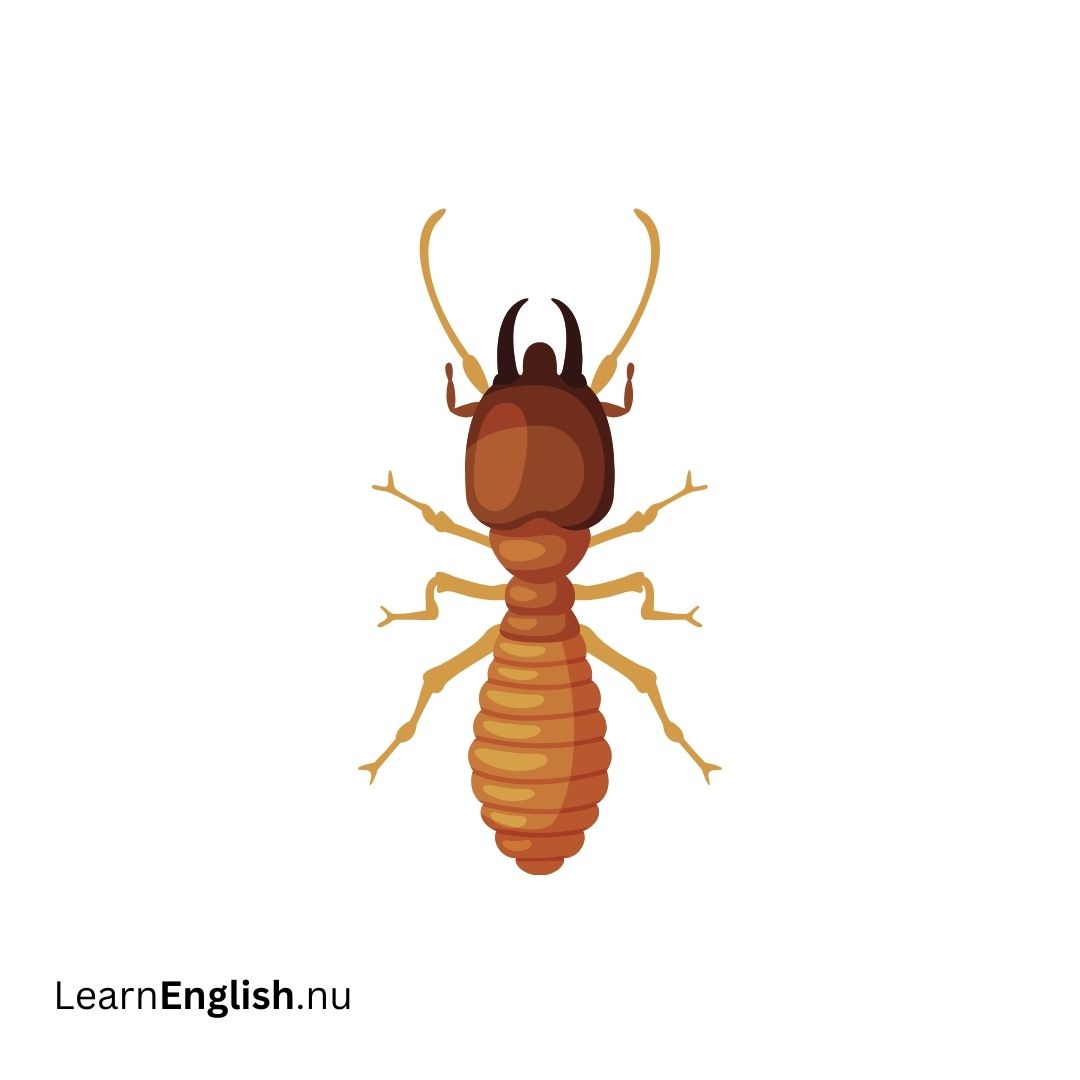 Termite
Termite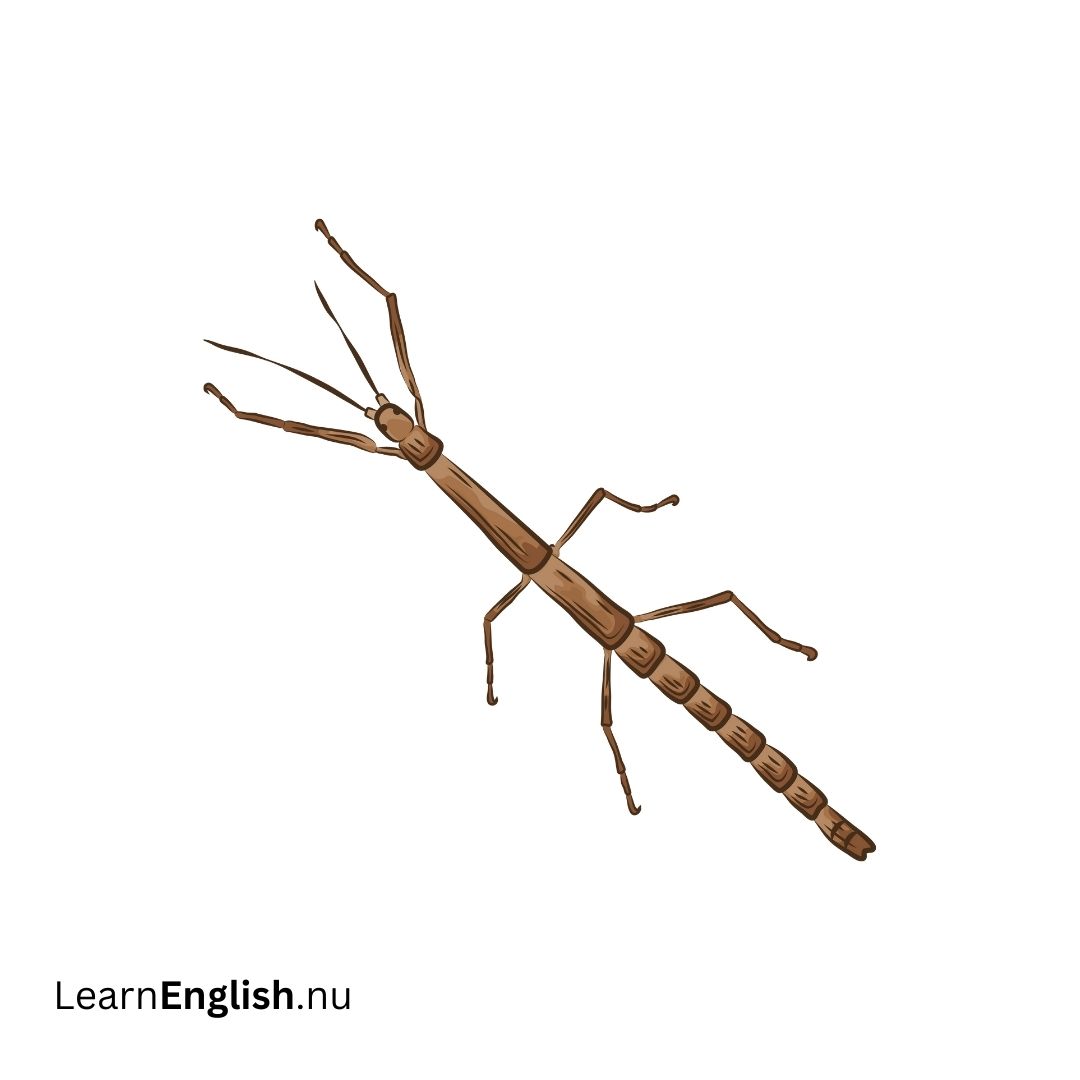 Phasme
Stick Insect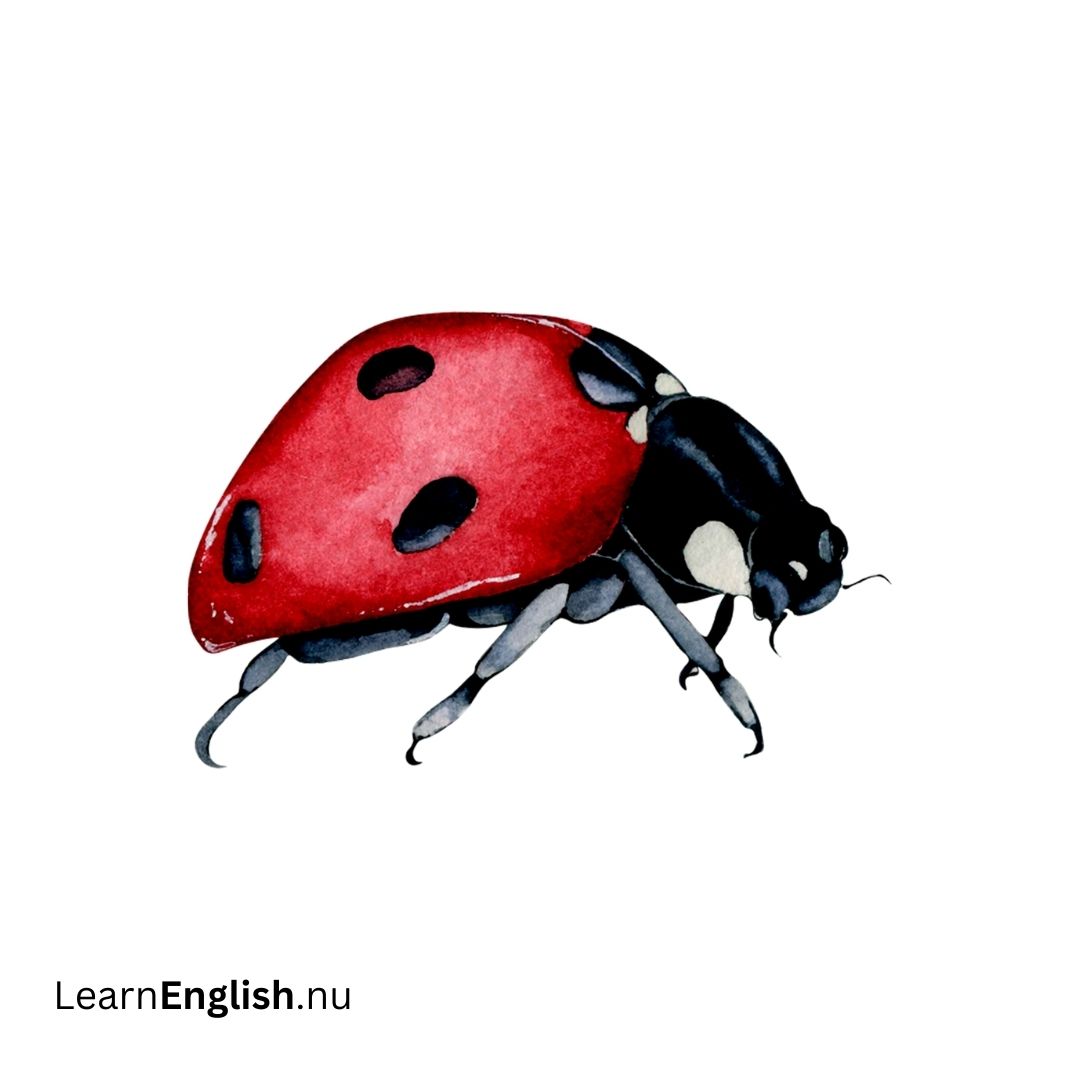 Punaise rouge
Red Bug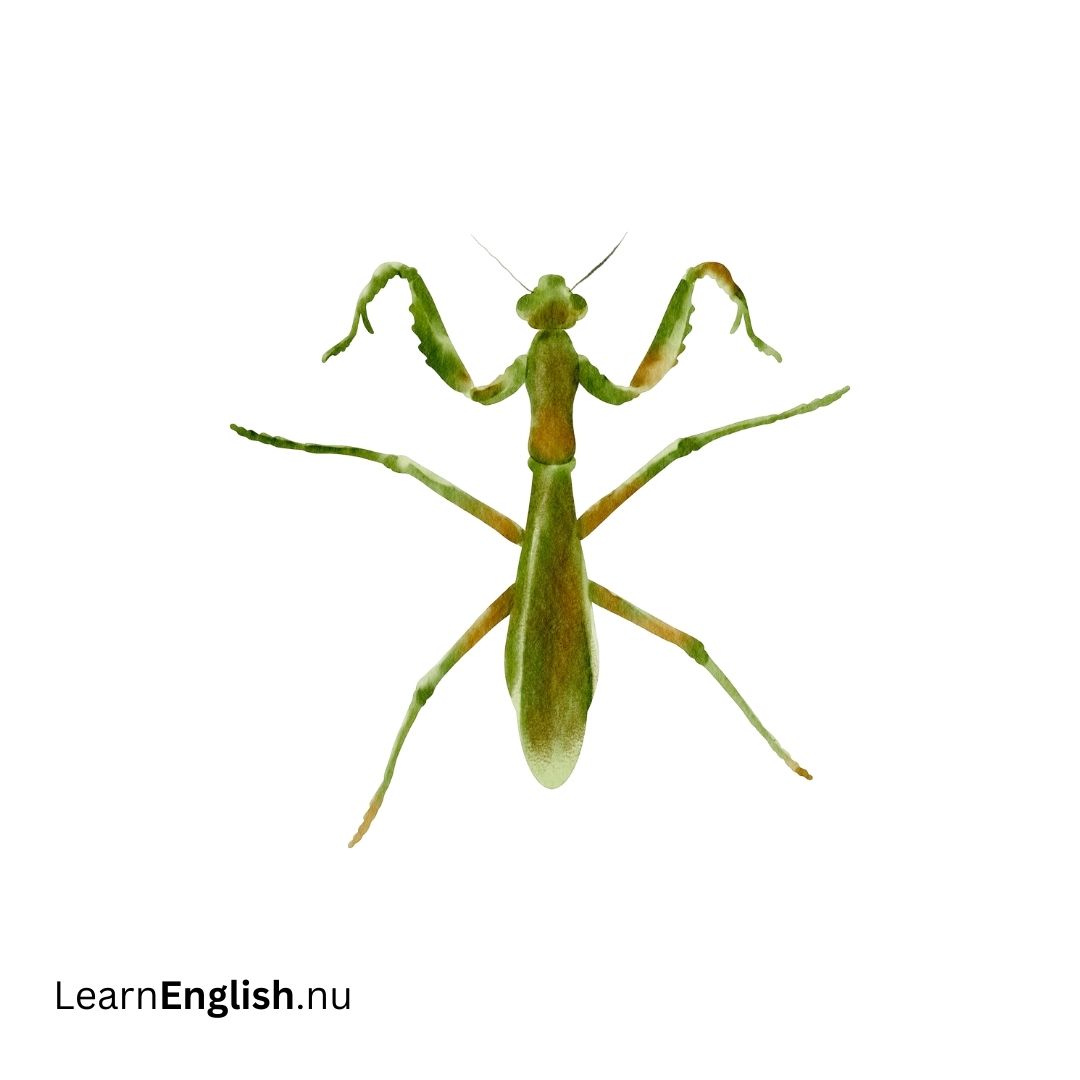 Sauterelle peinte
Painted Grasshopper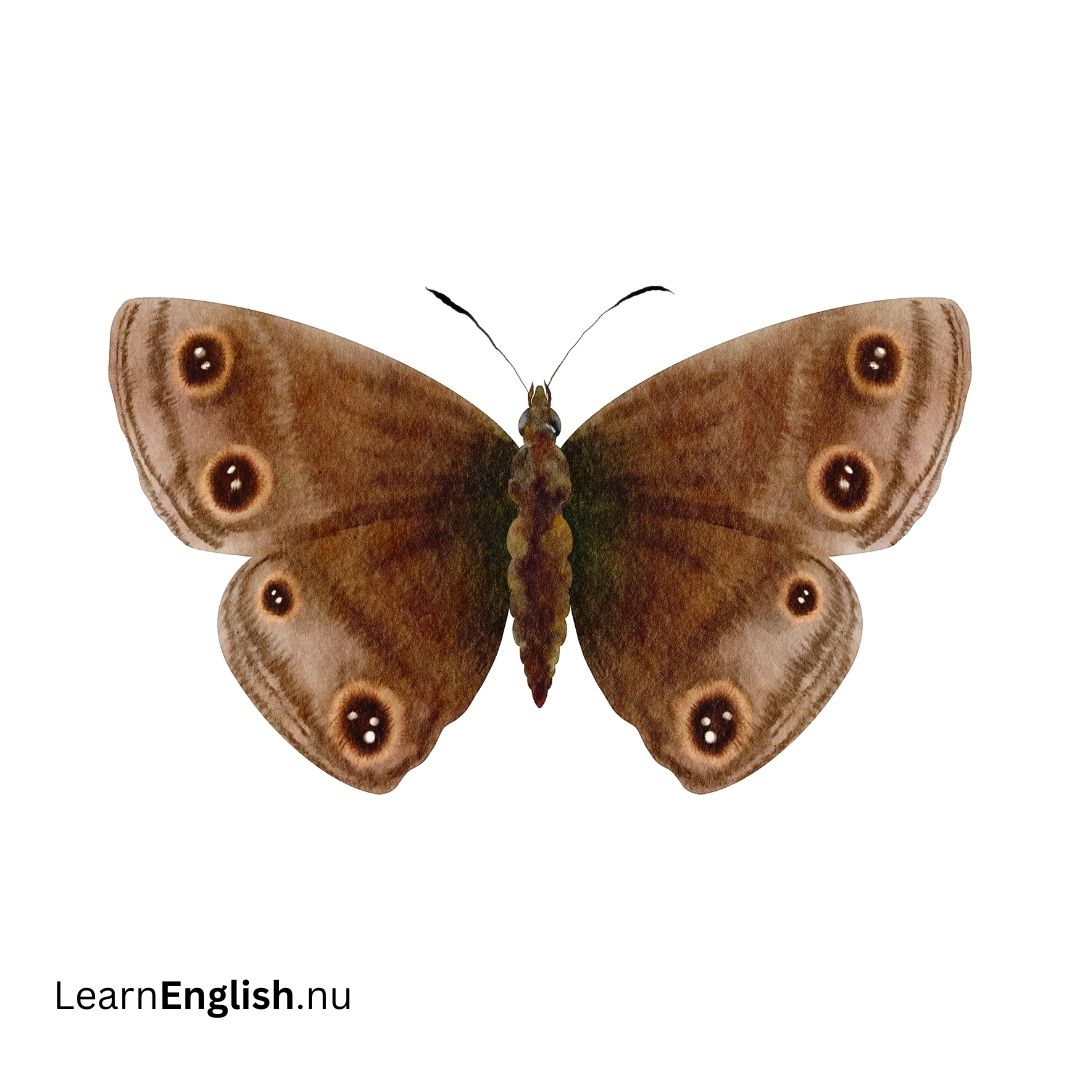 Papillon de nuit
Moth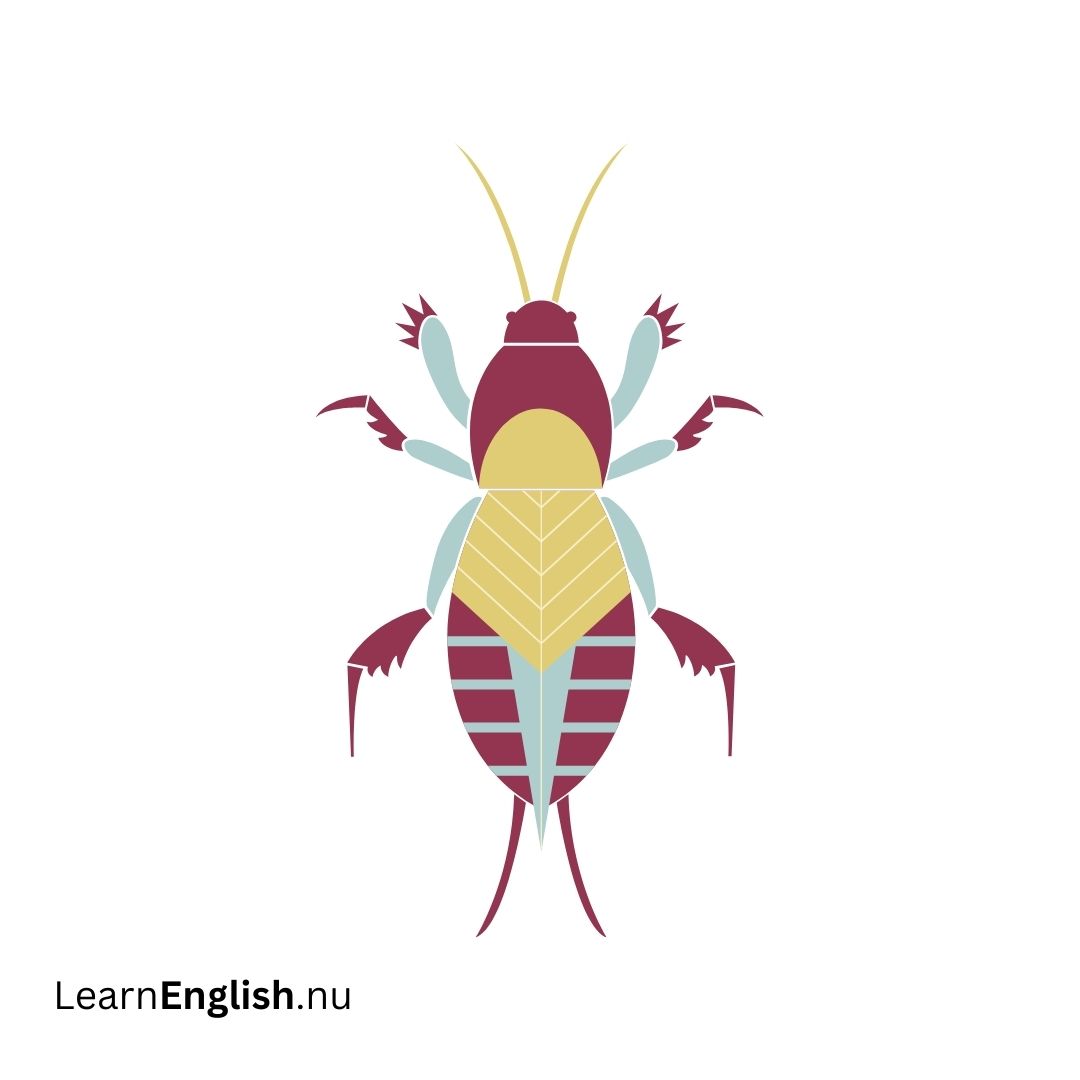 Grillon taupe
Mole Cricket Coccinelle
Ladybug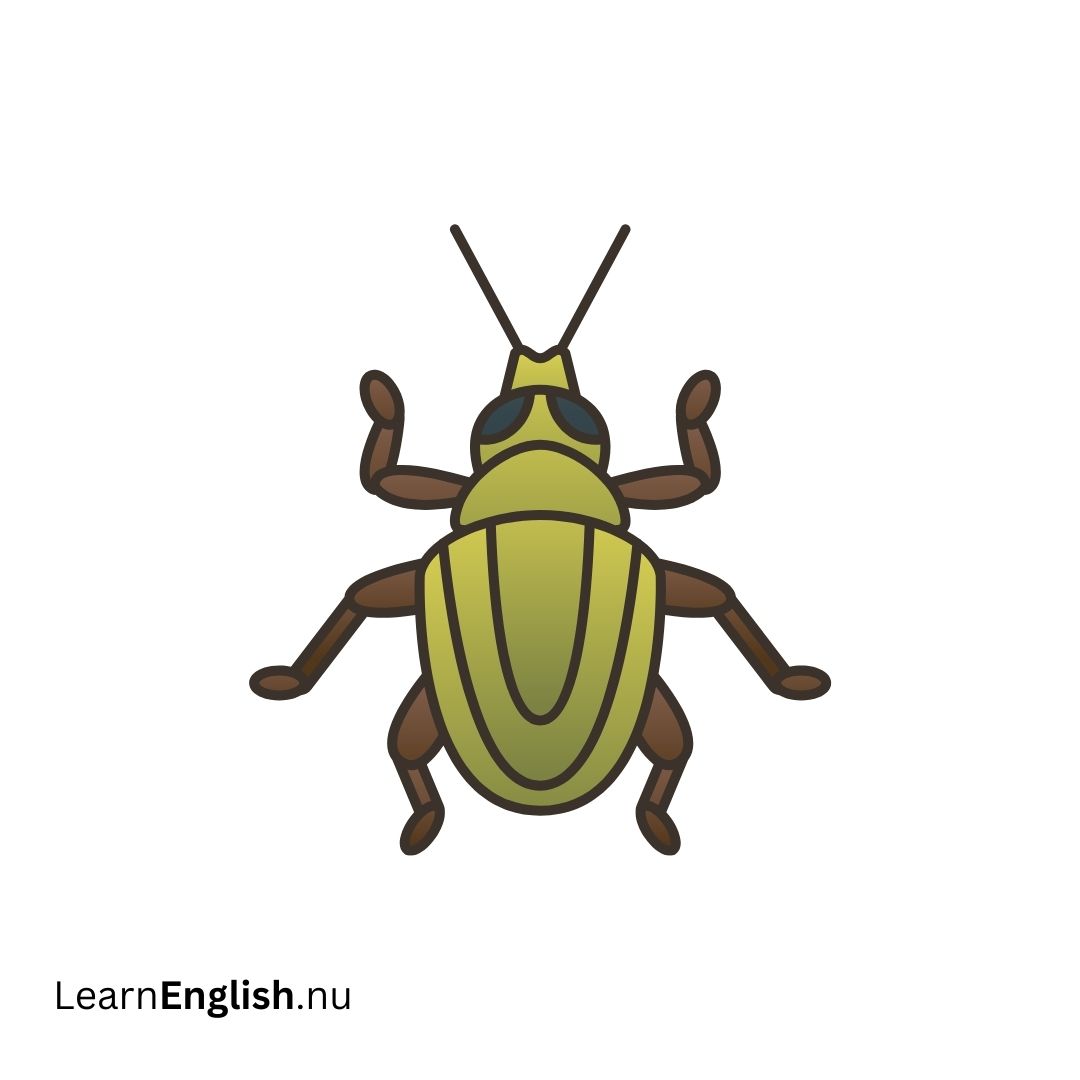 Charançon des grains
Bean Weevil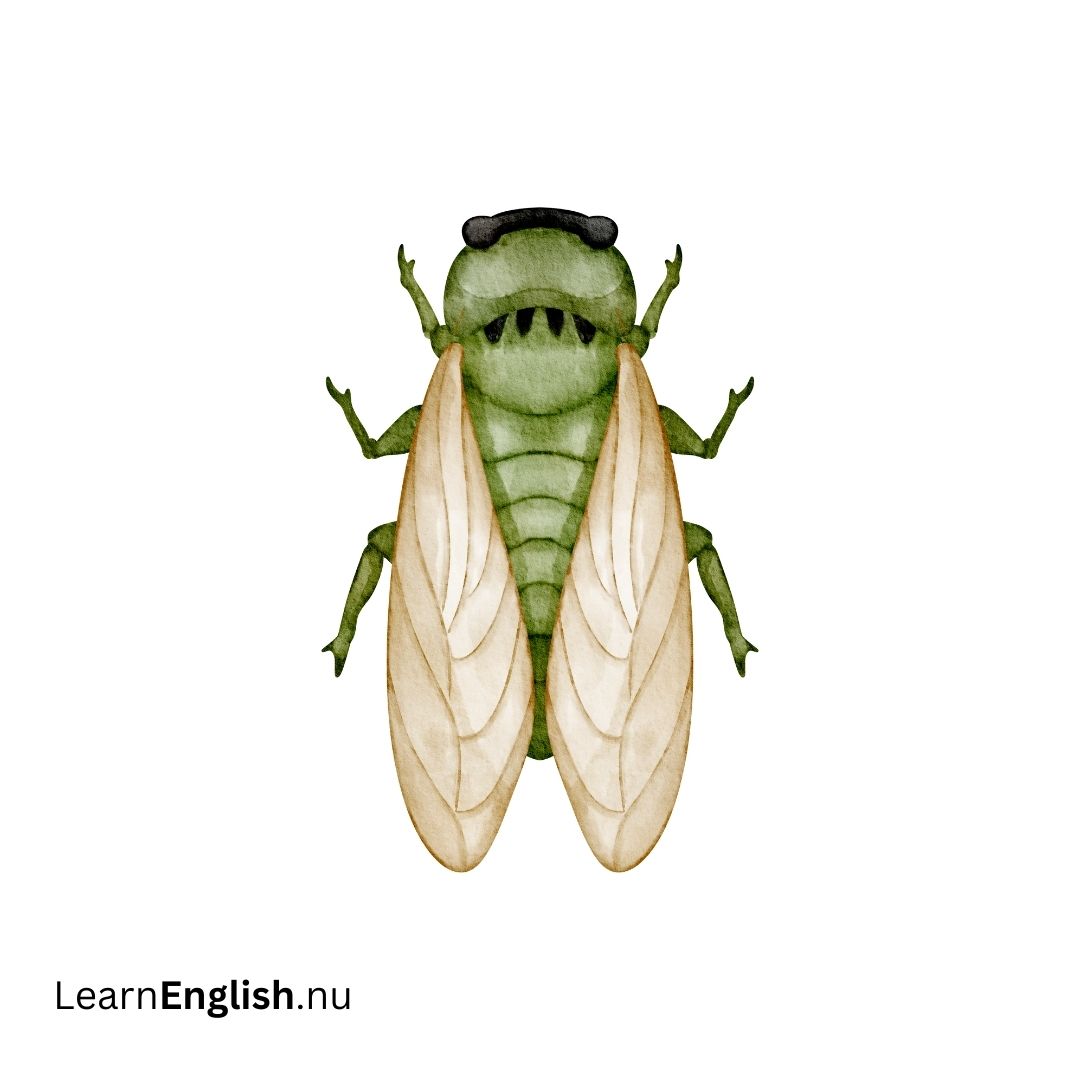 Cigale
Cicada Guêpe fouisseuse
Digger Wasp Scarabée coprophage
Dung Beetle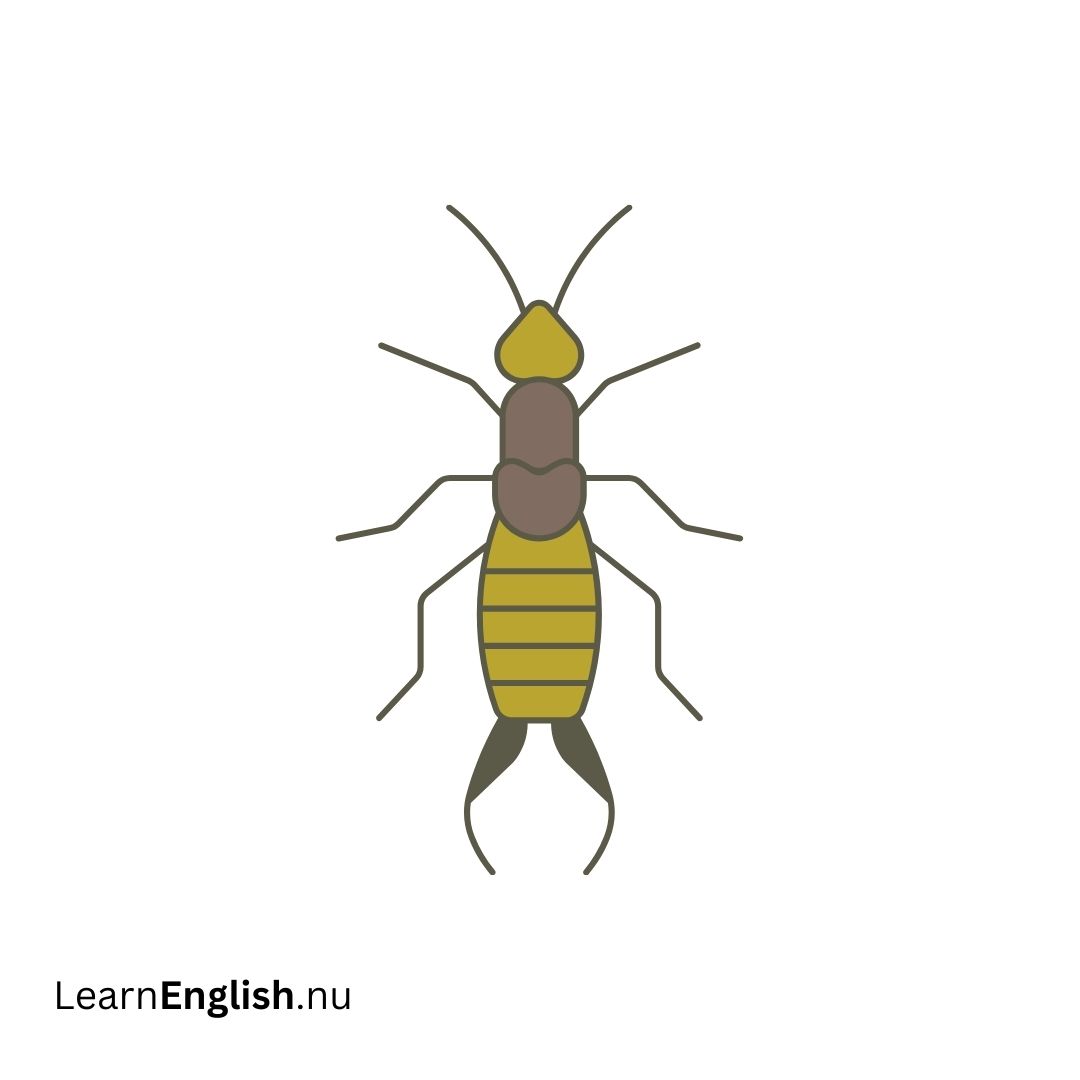 Perce oreille
Earwig Puce
Puce
Flea Termites volants
Flying Termites Punaise d'eau géante
Giant Water Bug Puceron
Greenfly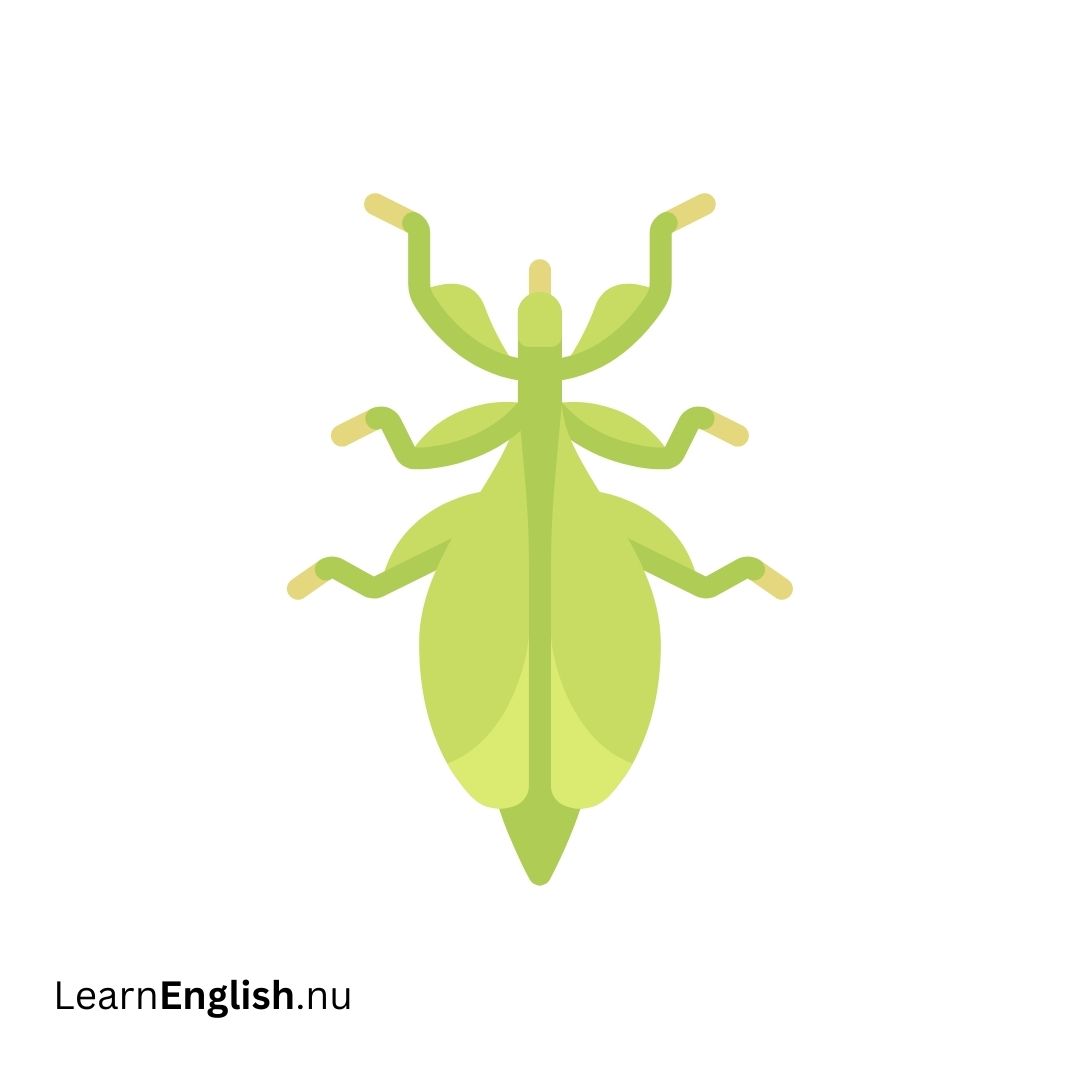 Phyllie
Leaf Insect Criquet pèlerin
Locust Poux
Poux
Louse Éphémère
Mayfly Dytique
Water Beetle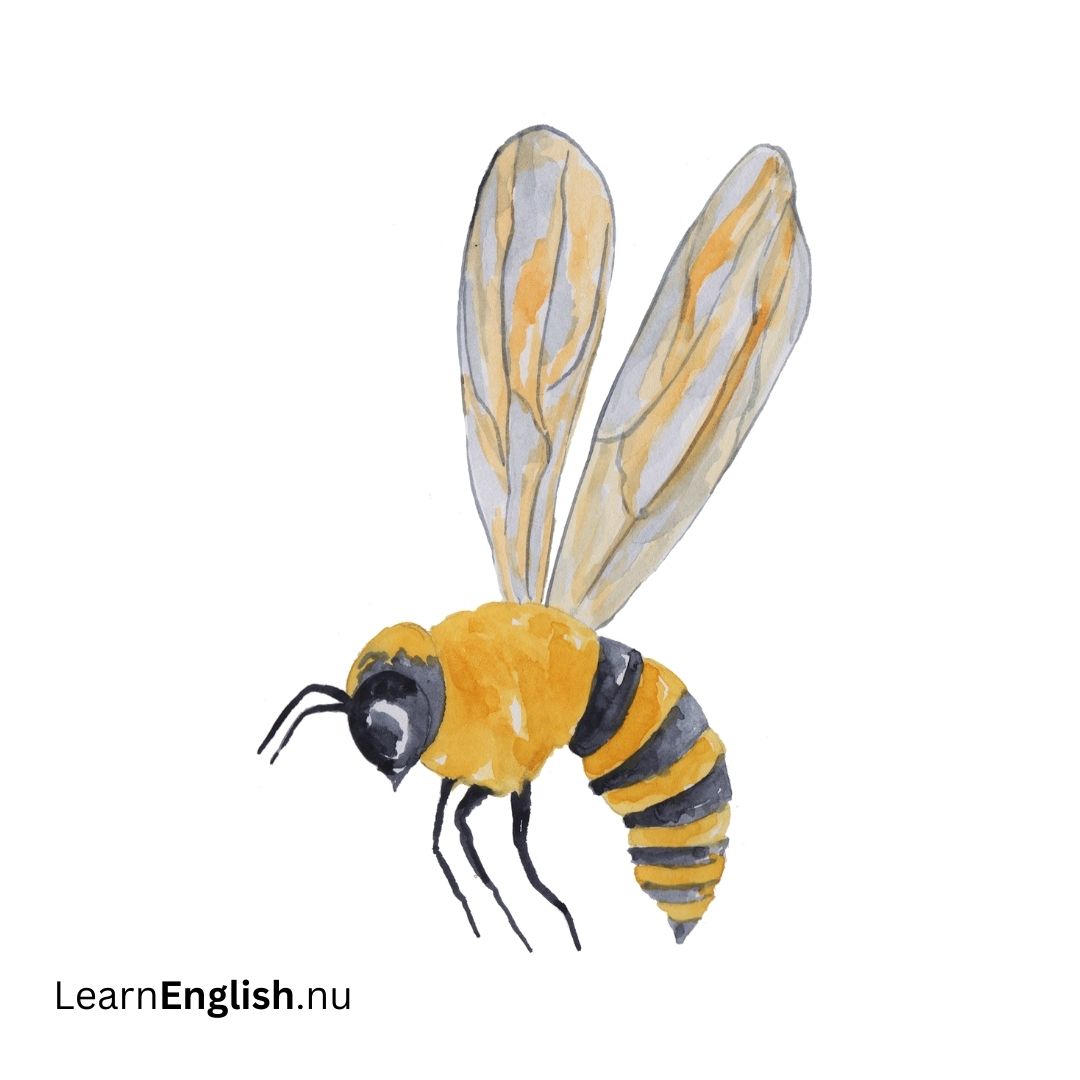 Guêpe
Guêpe
Wasp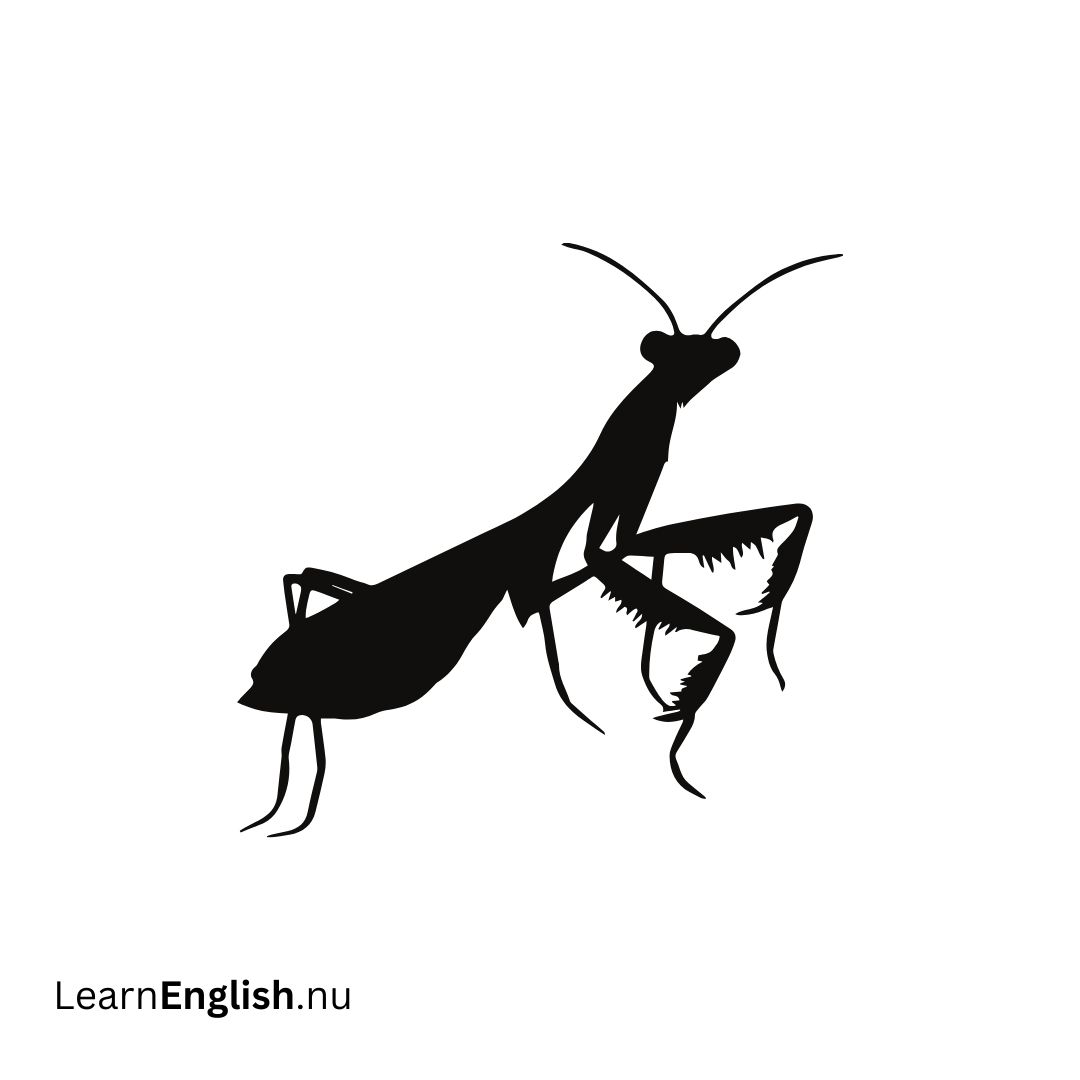 Mante religieuse
Praying Mantids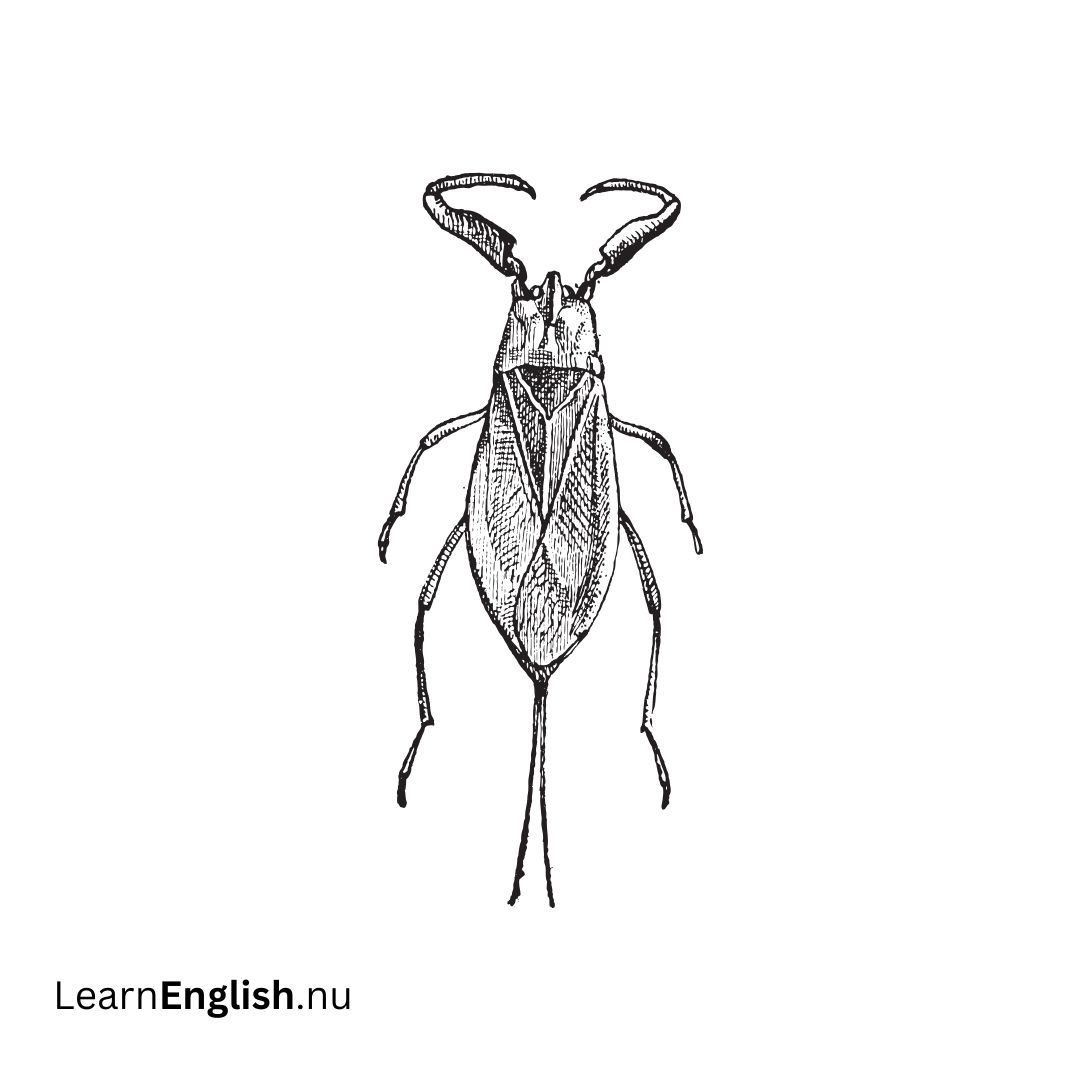 Népidés
Nepidae Chenille
Caterpillar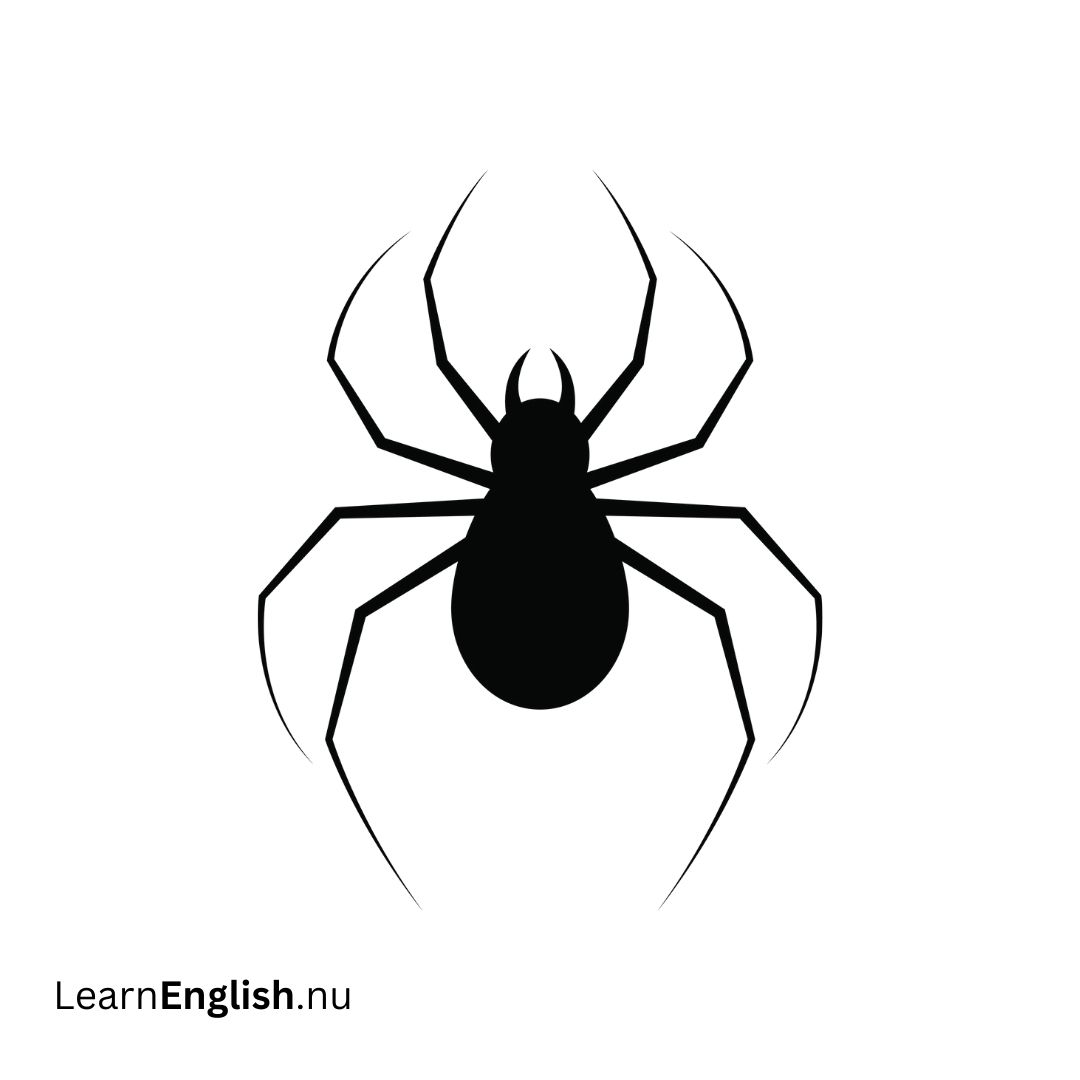 Araignée
Spider Scorpion
Scorpion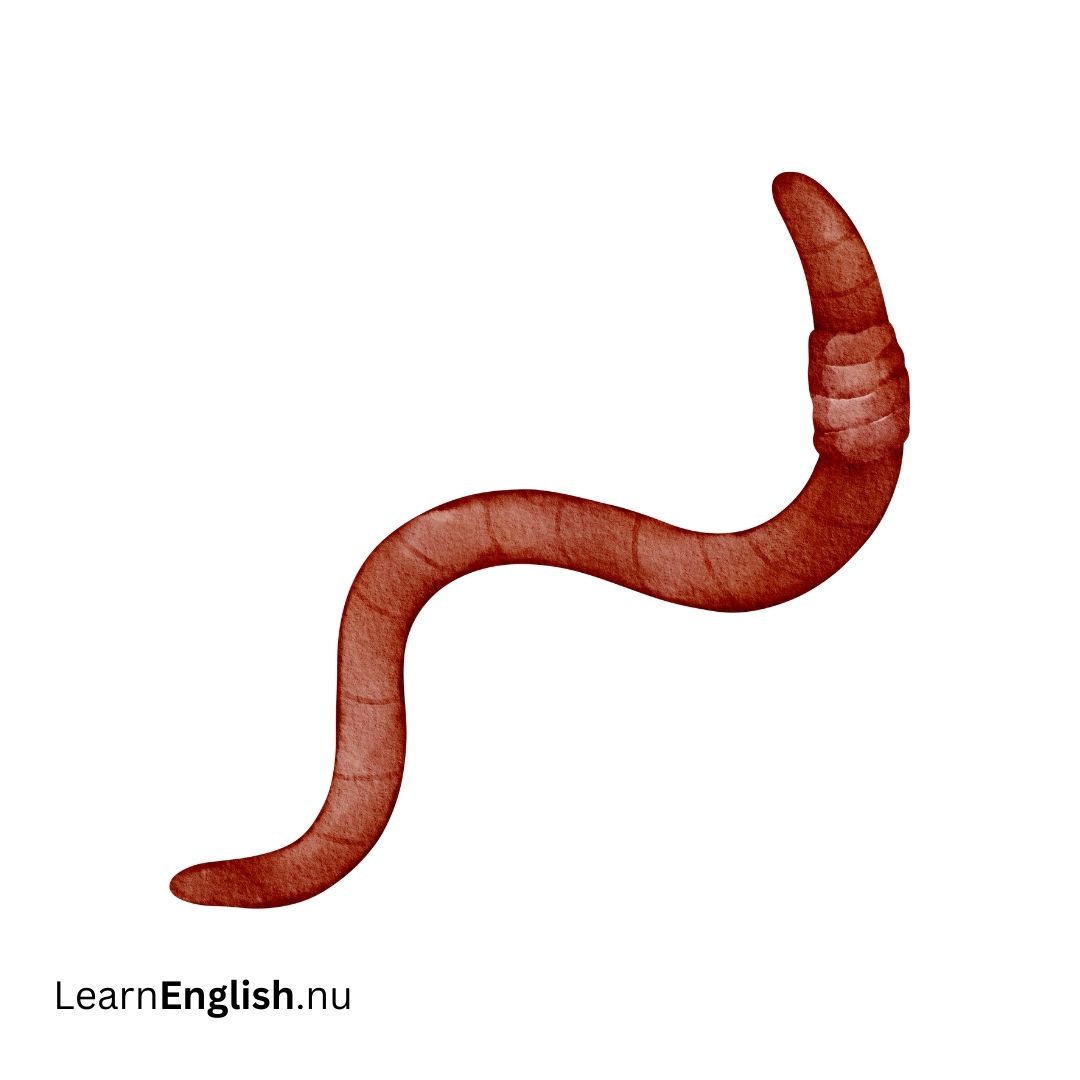 Ver de terre
Earthworm Mille pattes
Millipede Scolopendre
Centipede
Insects and Reptiles in French
- Fourmi Ant
- Abeille Bee
- Moustique Mosquito
- Sauterelle Grasshopper
- Mouche Fly
- Criquet Cricket
- Papillon Butterfly
- Cafard Cockroach
- Coléoptère Beetle
- Punaise de lit Bed Bug
- Libellule Dragonfly
- Lucioles Fireflies
- Punaise verte Green Stink Bug
- Guêpe indienne Indian Hornet
- Termite Termite
- Phasme Stick Insect
- Punaise rouge Red Bug
- Sauterelle peinte Painted Grasshopper
- Papillon de nuit Moth
- Grillon taupe Mole Cricket
- Coccinelle Ladybug
- Charançon des grains Bean Weevil
- Cigale Cicada
- Guêpe fouisseuse Digger Wasp
- Scarabée coprophage Dung Beetle
- Perce-oreille Earwig
- Puce Flea
- Termites volants Flying Termites
- Punaise d'eau géante Giant Water Bug
- Puceron Greenfly
- Phyllie Leaf Insect
- Criquet pèlerin Locust
- Poux Louse
- Éphémère Mayfly
- Dytique Water Beetle
- Guêpe Wasp
- Mante religieuse Praying Mantids
- Népidés Nepidae
- Chenille Caterpillar
- Araignée Spider
- Scorpion Scorpion
- Ver de terre Earthworm
- Mille-pattes Millipede
- Scolopendre Centipede
insect names list in French
- Ant "Fourmi" in french: A small insect known for its strength and social colonies.
- Aphid "Puceron" in french: A tiny insect that feeds on plant sap.
- Bee "Abeille" in french: An insect that produces honey and pollinates flowers.
- Beetle "Scarabée" in french: A group of insects with hard forewings.
- Butterfly "Papillon" in french: A colorful flying insect with large wings.
- Carpenter ant "Fourmi charpentière" in french: An ant species that burrows into wood.
- Caterpillar "Chenille" in french: The larval stage of butterflies and moths.
- Centipede "Mille-pattes" in french: A long, many-legged insect.
- Cockroach "Cafard" in french: A resilient insect that is often found indoors.
- Cricket "Grillon" in french: An insect known for its chirping sound.
- Damselfly "Demoiselle" in french: A slender-bodied insect related to dragonflies.
- Dragonfly "Libellule" in french: A fast-flying insect with transparent wings.
- Dung beetle "Bousier" in french: An insect that feeds on feces.
- Earwig "Perce-oreille" in french: A small insect with pincers on its rear.
- Fire ant "Fourmi rouge" in french: A stinging ant with a painful bite.
- Firefly "Ver luisant" in french: An insect that produces light through bioluminescence.
- Flea "Puce" in french: A small, jumping insect that feeds on blood.
- Fly "Mouche" in french: A common insect with a single pair of wings.
- Fruit fly "Drosophile" in french: A small fly that feeds on ripe fruit.
- Gnat "Moucheron" in french: A tiny flying insect, often seen in swarms.
- Grasshopper "Sauterelle" in french: An insect that jumps and makes a chirping sound.
- Gypsy moth "Bombyx disparate" in french: A moth known for its destructive larvae.
- Hornet "Frelon" in french: A large, stinging insect related to wasps.
- House fly "Mouche domestique" in french: A common fly found in homes.
- Japanese beetle "Scarabée japonais" in french: An invasive pest that damages plants.
- June bug "Hanneton commun" in french: A beetle that appears in early summer.
- Lacewing "Chrysope" in french: An insect beneficial for controlling pests.
- Ladybug "Coccinelle" in french: A small beetle known for its spotted appearance.
- Leafhopper "Cicadelle" in french: A small insect that jumps and feeds on plants.
- Locust "Locuste" in french: A grasshopper known for forming swarms and causing damage to crops.
- Louse "Pou" in french: A small, wingless insect that lives on mammals.
- Maggot "Asticot" in french: The larval stage of a fly.
- Praying mantis "Mante religieuse" in french: A predatory insect with large front legs.
- Mayfly "Éphémère" in french: An insect with a very short adult lifespan.
- Mosquito "Moustique" in french: An insect known for biting and transmitting diseases.
- Moth "Papillon nocturne" in french: A nocturnal insect related to butterflies.
- Scorpion Scorpion" in french: An arachnid known for its venomous sting.
- Silkworm "Ver à soie" in french: The larva of a moth, used for producing silk.
- Spider "Araignée" in french: An arachnid, not an insect, known for spinning webs.
reptiles names list in French
- Adder "Vipère" in french: A venomous snake found in Europe and Asia.
- Alligator "Alligator" in french: A large reptile with a powerful bite, native to the Americas.
- Anole "Anolis" in french: A small and colorful lizard often found in the Americas.
- Boa "Boa" in french: A large, non-venomous, constrictor snake.
- Box Turtle 'Tortue boîte" in french: A North American turtle with a domed shell.
- Chameleon "Caméléon" in french: A lizard known for its ability to change color.
- Cobra "Cobra" in french: A venomous snake known for its hood and intimidating posture.
- Crocodile "Crocodile" in french: A large aquatic reptile with a long snout and powerful jaws.
- Diamondback "Crotale diamantin" in french: A venomous rattlesnake with a distinctive pattern.
- Frilled Lizard "Lézard à collerette" in french: A lizard known for the frill around its neck.
- Garter Snake "Couleuvre rayée" in french: A harmless, common snake found in North America.
- Gecko "Gecko" in french: A small lizard known for its adhesive toe pads.
- Gila Monster "Monstre de Gila" in french: One of the few venomous lizards, found in the southwestern United States.
- Green Iguana "éIguane vert" in french: A large, arboreal lizard found in Central and South America.
- Horned Lizard "Lézard cornu" in french: A lizard known for its horn-like spines.
- Iguana "Iguane" in french: A large lizard found in tropical areas of Central and South America.
- Komodo Dragon "Dragon de Komodo" in french: The largest living species of lizard, found in Indonesia.
- Leatherback Turtle "Tortue luth" in french: The largest of all living turtles and sea turtles.
- Monitor Lizard "Varan" in french: A large lizard found in Africa, Asia, and Oceania.
- Nile Crocodile "Crocodile du Nil" in french: A large crocodile native to freshwater habitats in Africa.
- Python "Python" in french: A large non-venomous snake found in Africa, Asia, and Australia.
- Rattlesnake "Serpent à sonnettes" in french: A venomous snake known for the rattle on its tail.
- Red-eared Slider "Tortue à tempes rouges" in french: A semi-aquatic turtle popular as a pet.
- Sea Turtle "Tortue marine" in french: A group of turtles adapted to life in the sea.
- Sidewinder "Crotale des sables" in french: A venomous rattlesnake known for its sideways movement.
- Skink "Scinque" in french: A lizard with smooth scales and a streamlined body.
- Snapping Turtle "Tortue serpentine" in french: A large freshwater turtle known for its strong bite.
- Spectacled Caiman "Caïman à lunettes" in french: A small to medium-sized crocodilian found in Central and South America.
- Spiny-tailed Lizard "Lézard à queue épineuse" in french: A lizard known for its spiny tail.
- Terrapin "Terrapin" in french: A term used to describe several small species of turtle living in fresh or brackish water.
- Thorny Devil "Diable épineux" in french: An Australian lizard known for its spiny appearance.
- Tortoise "Tortue terrestre" in french: A land-dwelling reptile with a shell.
- Tuatara "Tuatara" in french: A reptile endemic to New Zealand, resembling lizards but part of a distinct lineage.
- Viper "Vipère" in french: A family of venomous snakes known for their long, hinged fangs.
- Water Dragon "Dragon d’eau" in french: A genus of large, arboreal, agamid lizards.
- Whip-tail Lizard "Lézard à longue queue" in french: A lizard known for its long, whip-like tail.
- Yellow-bellied Sea Snake "Serpent de mer à ventre jaune" in french: A pelagic sea snake found in tropical oceanic waters.
- Zebra-tailed Lizard "Lézard à queue de zèbre" in french: A lizard known for its striped tail.
Exercise 1:
Determine if the statements are true or false based on the French names of the insects and reptiles.
The French word for Spider is Araignée.
Caméléon is the French name for Butterfly.
Serpent à sonnettes refers to a Rattlesnake.
Scorpion is not an insect but an arachnid in both English and French.
Coccinelle translates to Cockroach.
Exercise 2:
Fill in the blanks with the correct French name of the insect or reptile.
...... is known for its beautiful wings.
...... can jump many times its body length.
In many cultures, ...... is considered a symbol of good luck.
...... is known for its slow movement and long lifespan.
...... is a type of venomous snake.
Exercise 3:
Match the English names of the insects and reptiles with their French counterparts.
1. Ant
2. Bee
3. Butterfly
4. Crocodile
a. Fourmi
b. Papillon
c. Abeille
d. Crocodile
Answers:
Exercise 1:
The French word for Spider is Araignée. True
Caméléon is the French name for Butterfly. False (Caméléon is Chameleon)
Serpent à sonnettes refers to a Rattlesnake. True
Scorpion is not an insect but an arachnid in both English and French. True
Coccinelle translates to Cockroach. False (Coccinelle is Ladybug)
Exercise 2:
La libellule is known for its beautiful wings.
La sauterelle can jump many times its body length.
In many cultures, la coccinelle is considered a symbol of good luck.
La tortue is known for its slow movement and long lifespan.
La vipère is a type of venomous snake.
Exercise 3:
Ant - a. Fourmi
Bee - c. Abeille
Butterfly - b. Papillon
Crocodile - d. Crocodile