Learning a new language starts with some of the most basic vocabulary. One helpful category to start with is parts of the body, particularly the parts of the head. Knowing these words can be very useful, as they not only help in daily conversation but also aid in describing oneself or others. This tutorial will introduce you to the French words for different parts of the head, using simple English for easy understanding.

Click on the text to hear the pronunciation
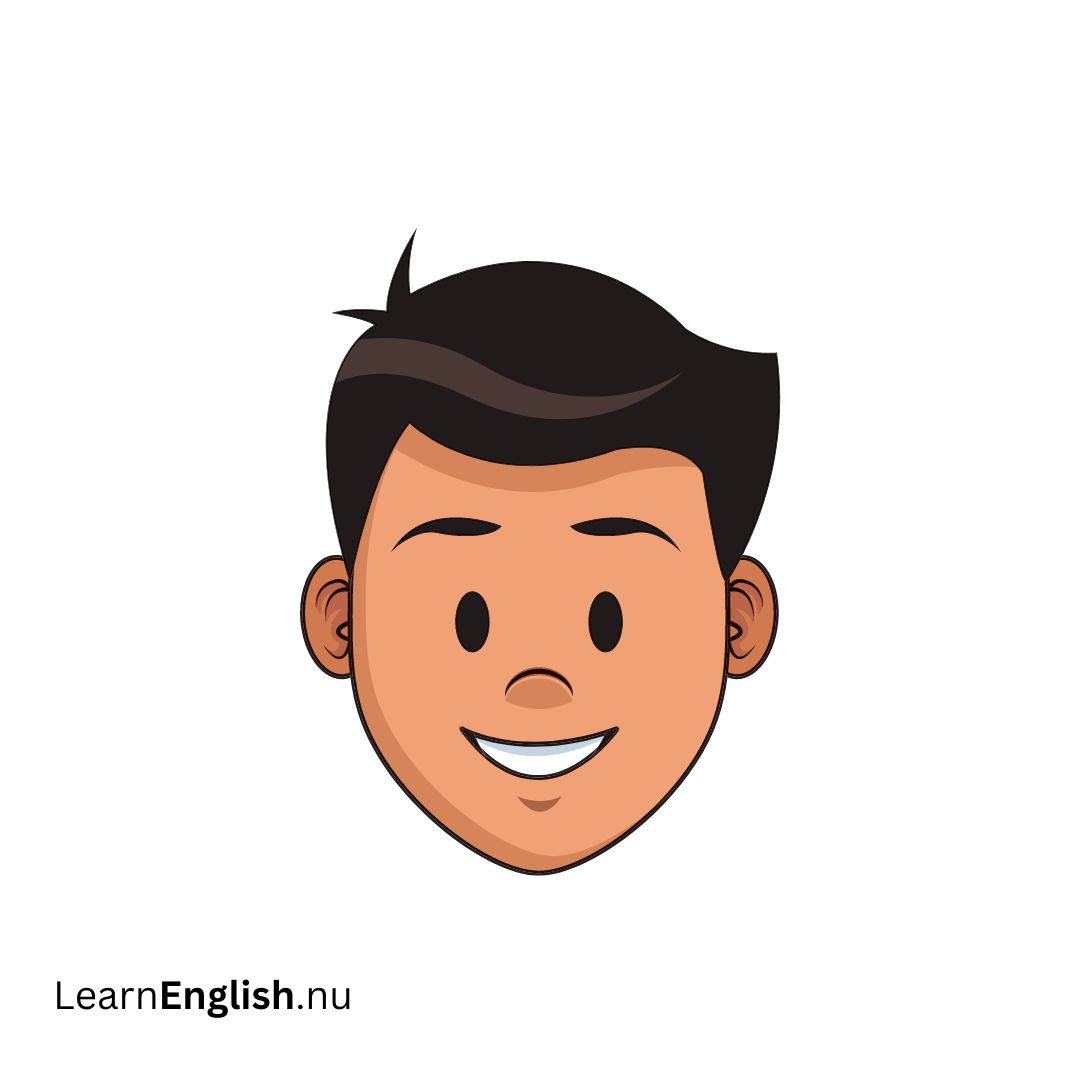 Visage
Face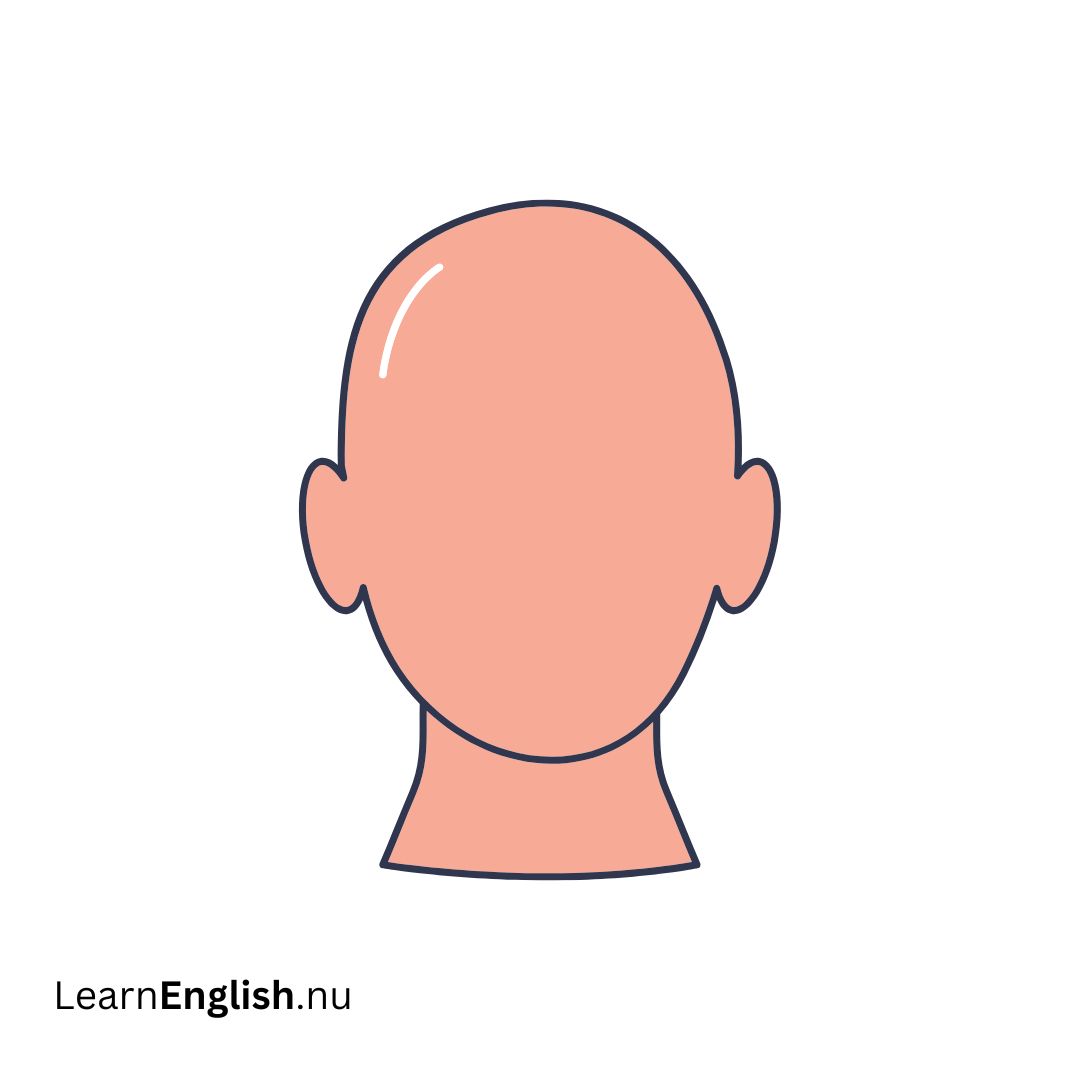 Tête
Tête
Head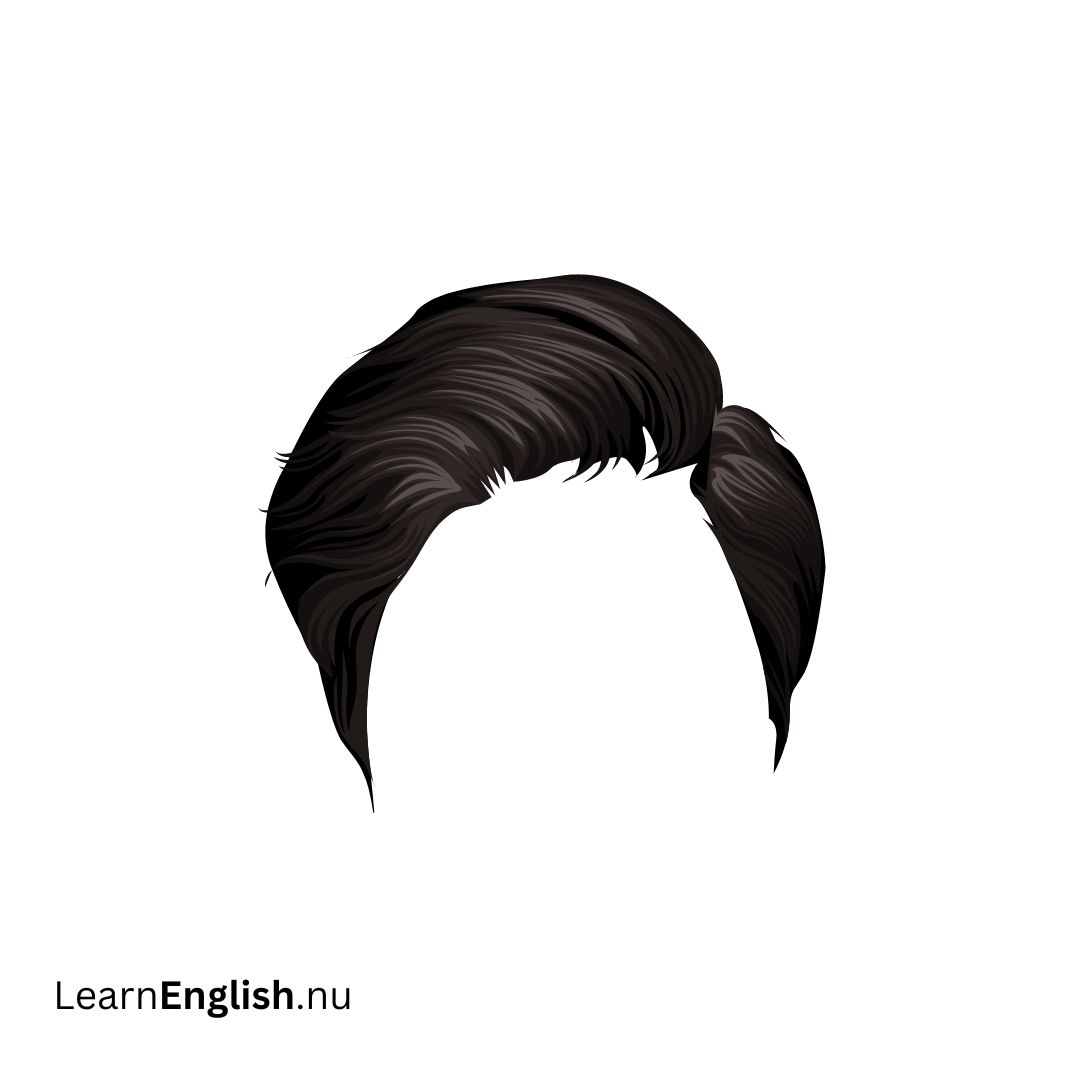 Cheveux
Hair Front
Front
Forehead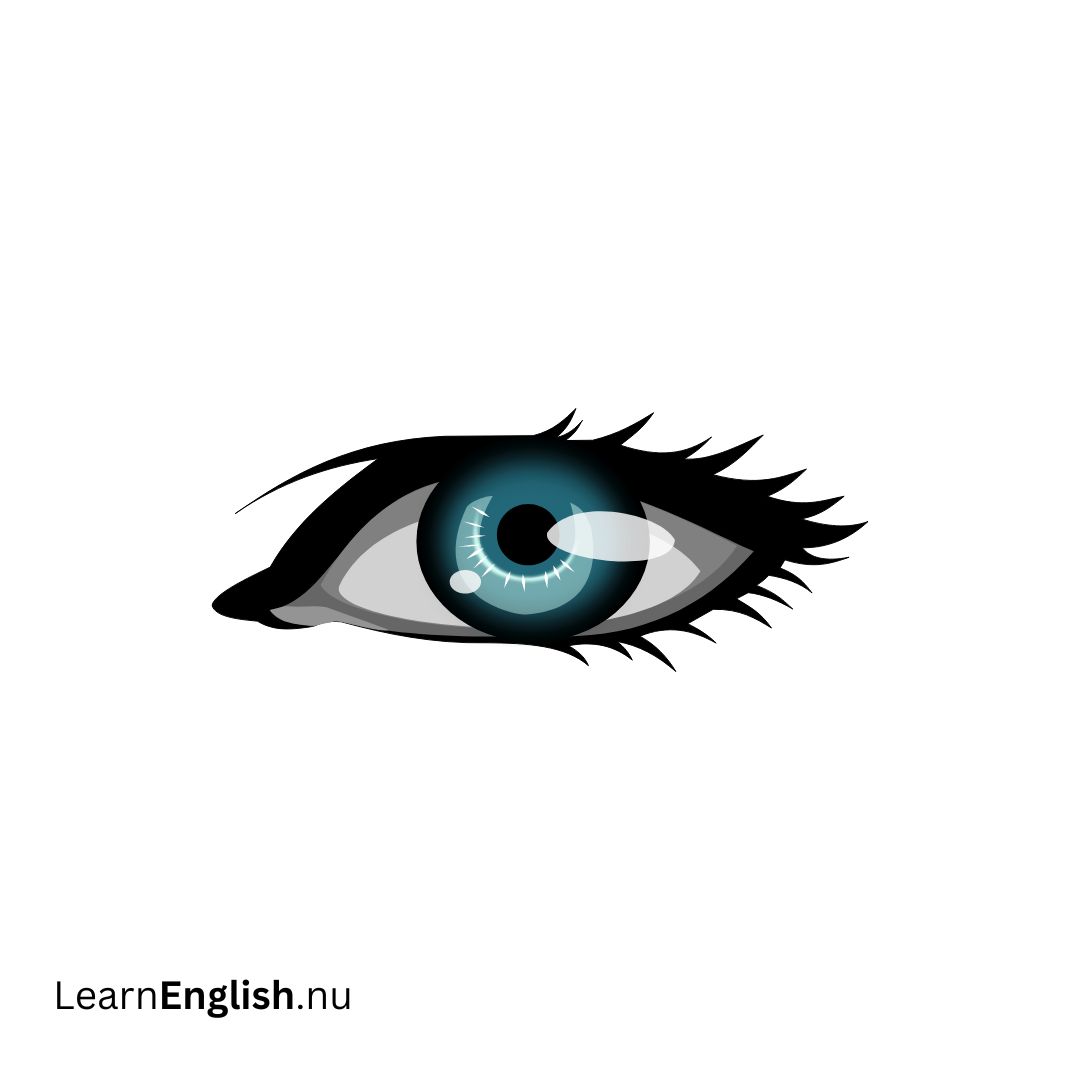 Œil
Œil
Eye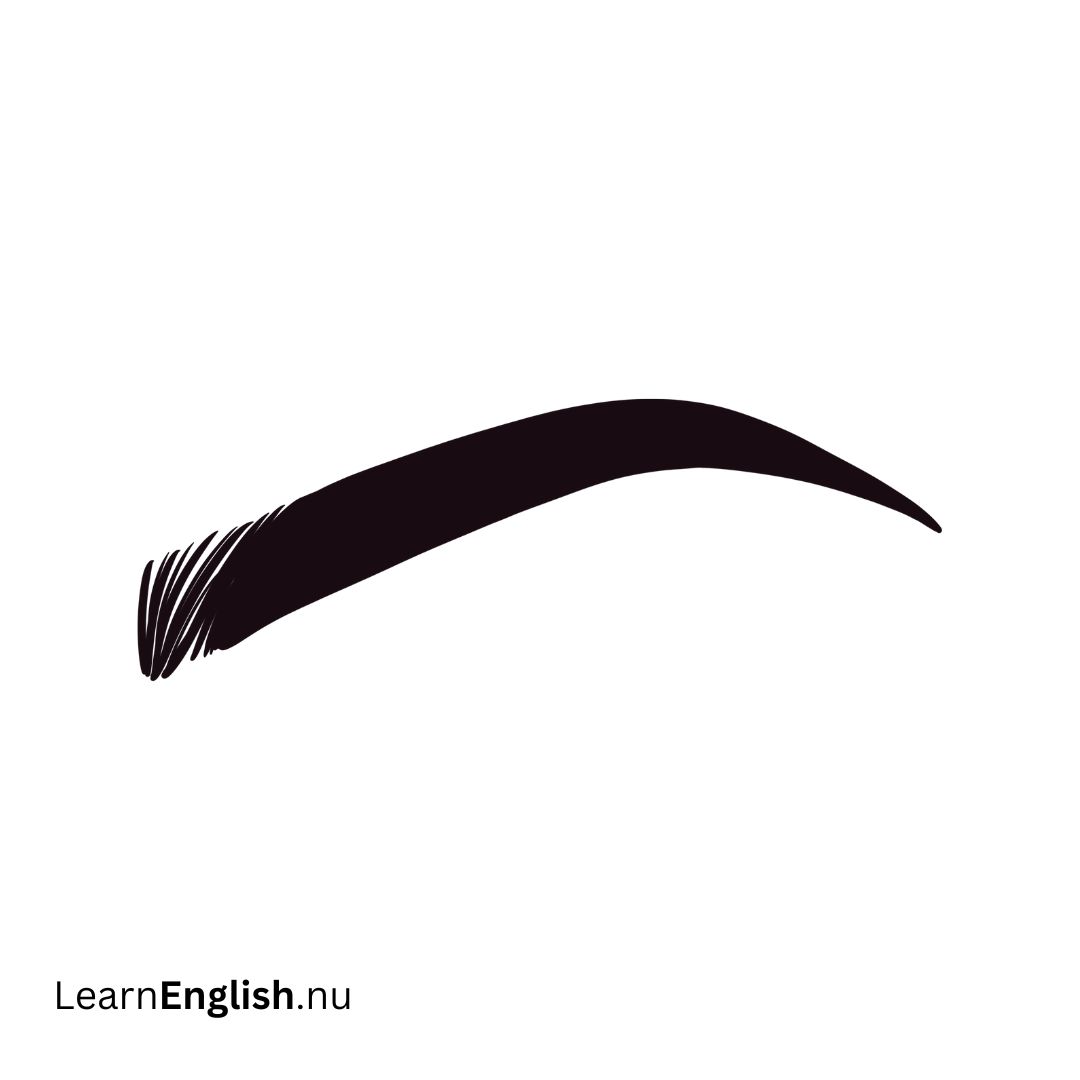 Sourcil
Eyebrow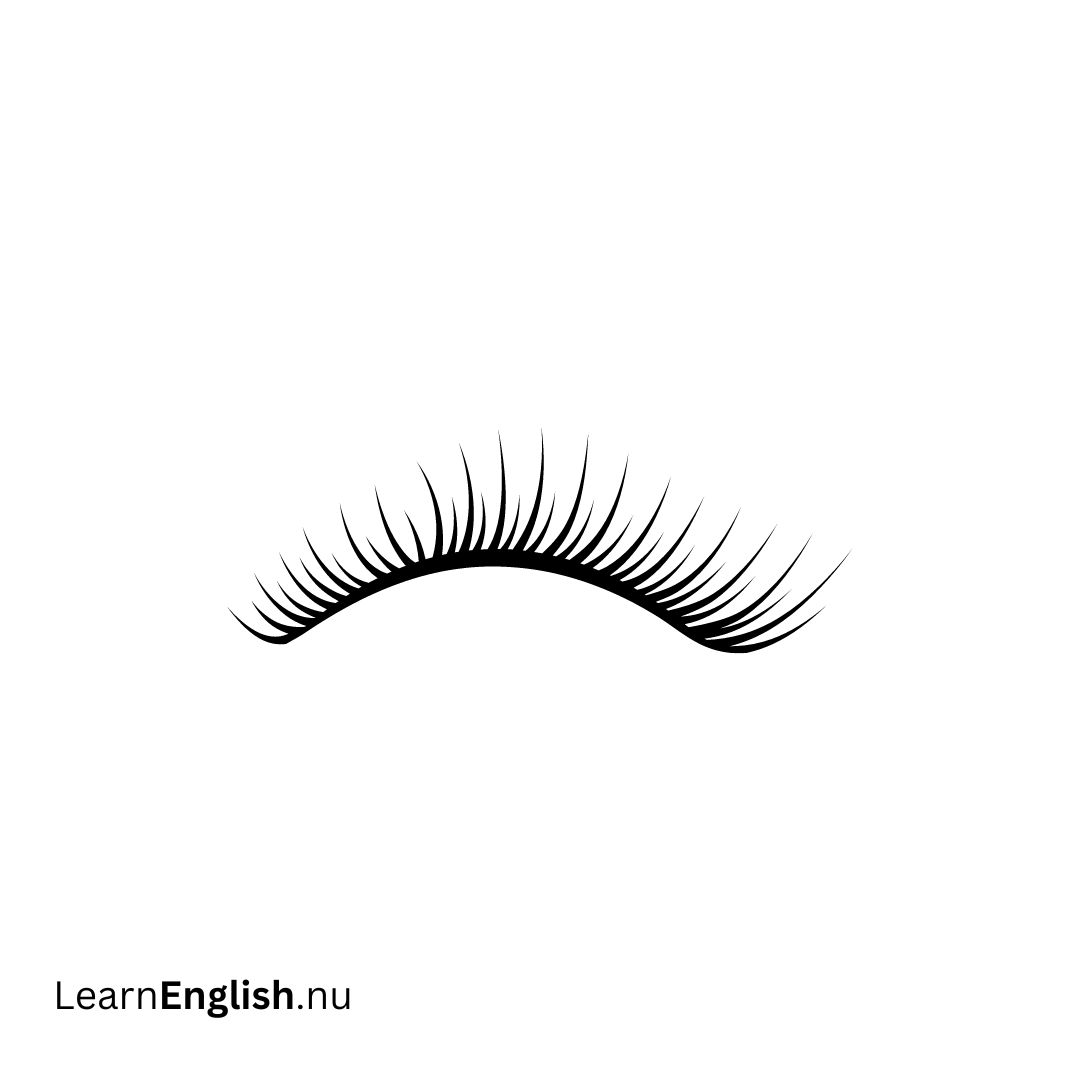 Cil
Cil
Eyelash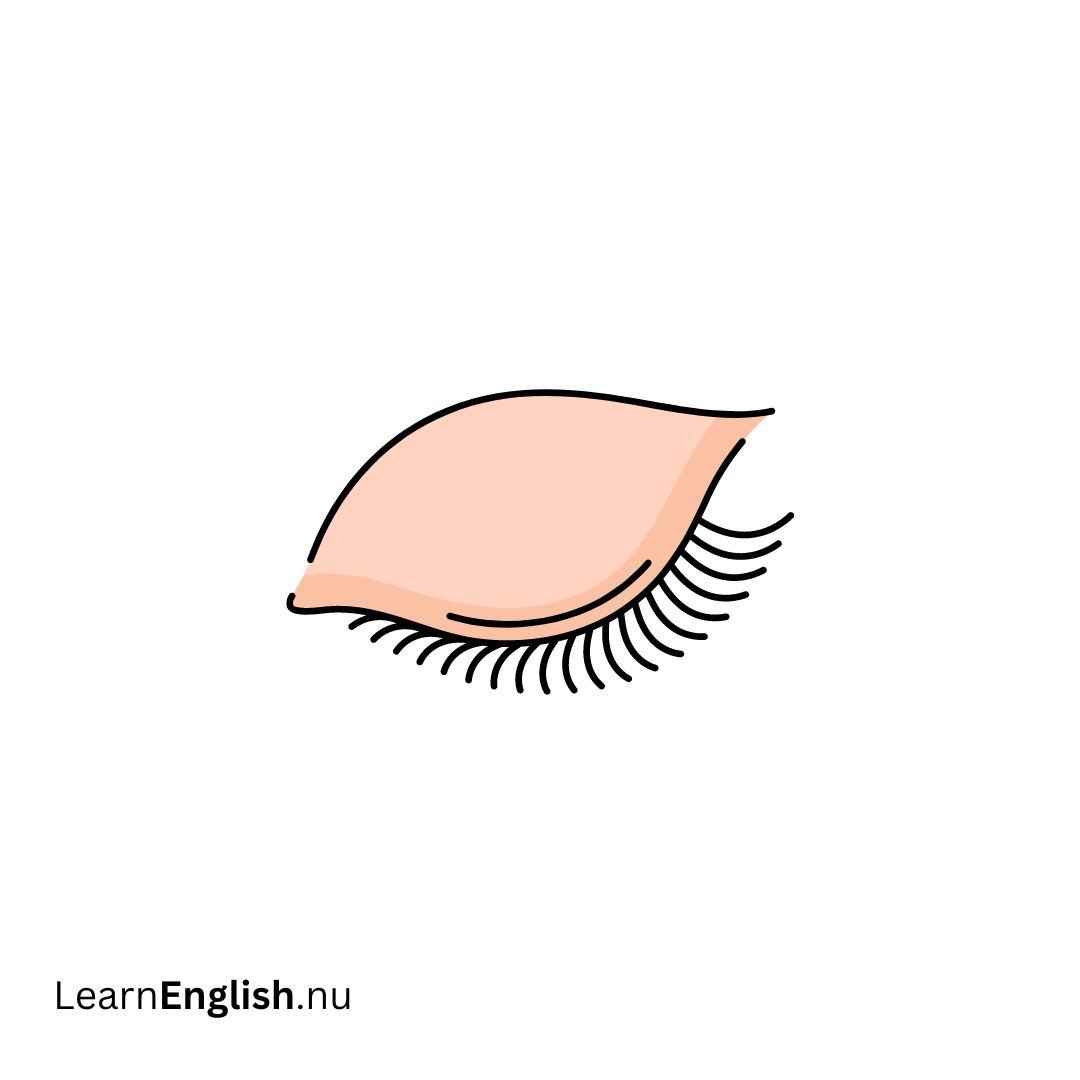 Paupière
Eyelid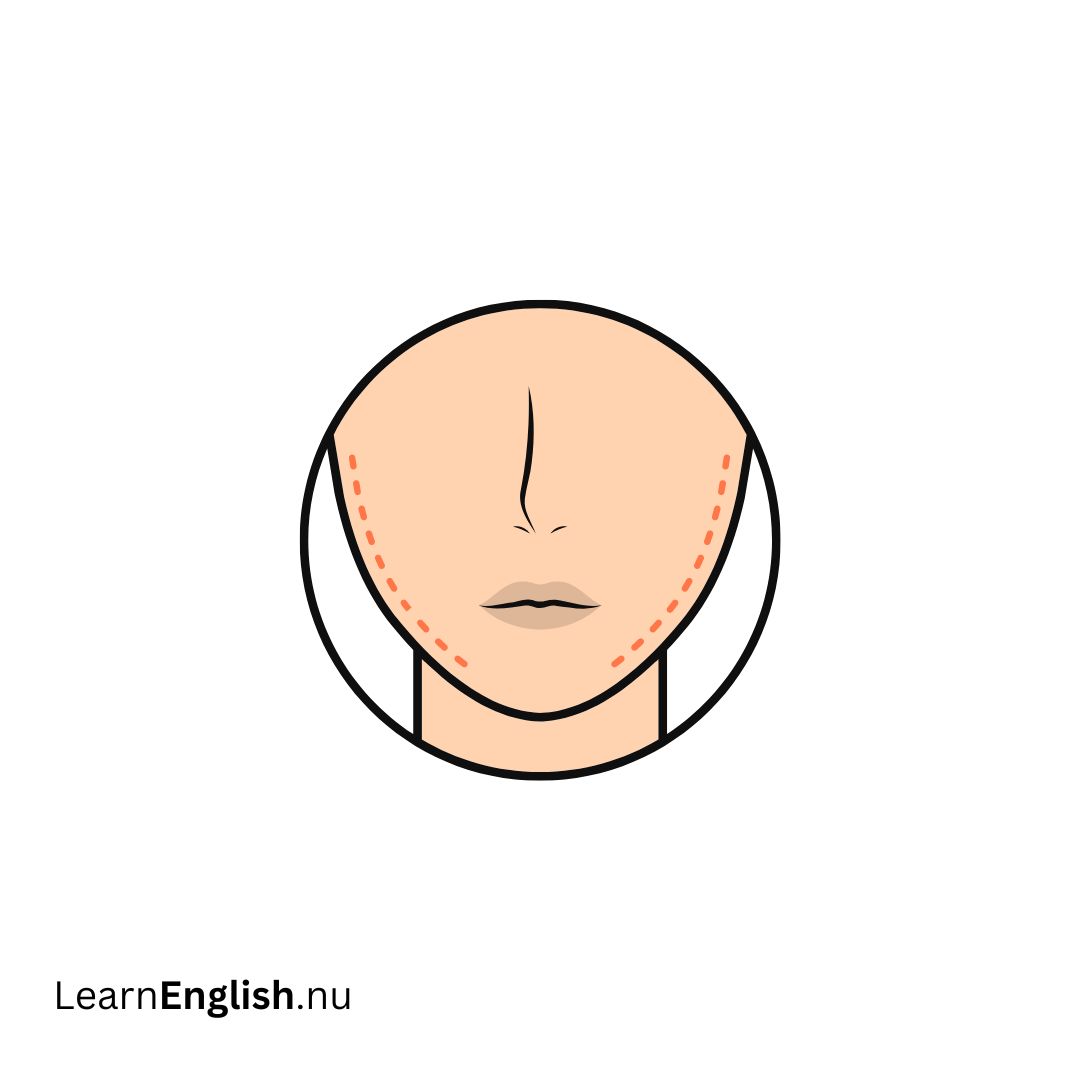 Joue
Joue
Cheek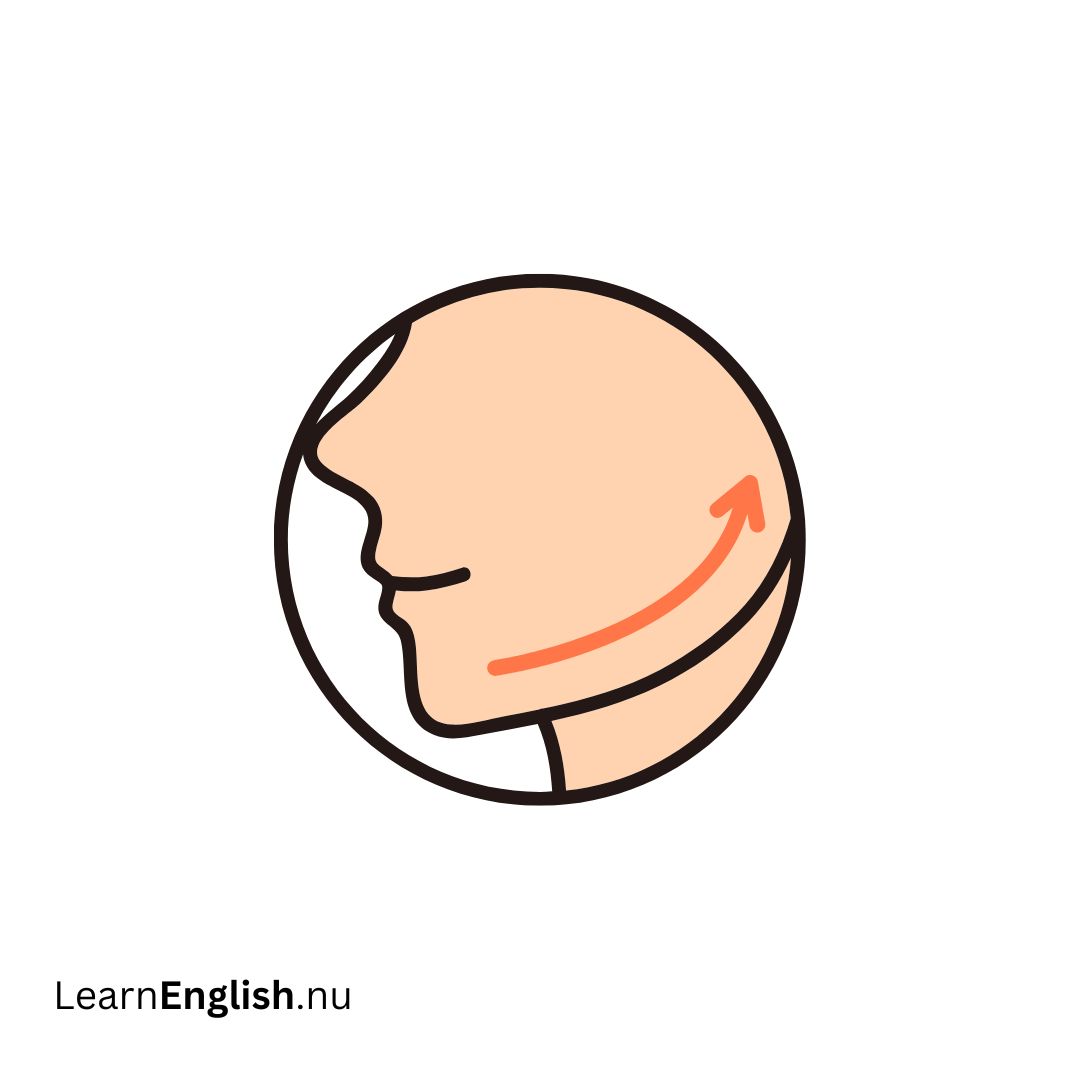 Mâchoire
Jaw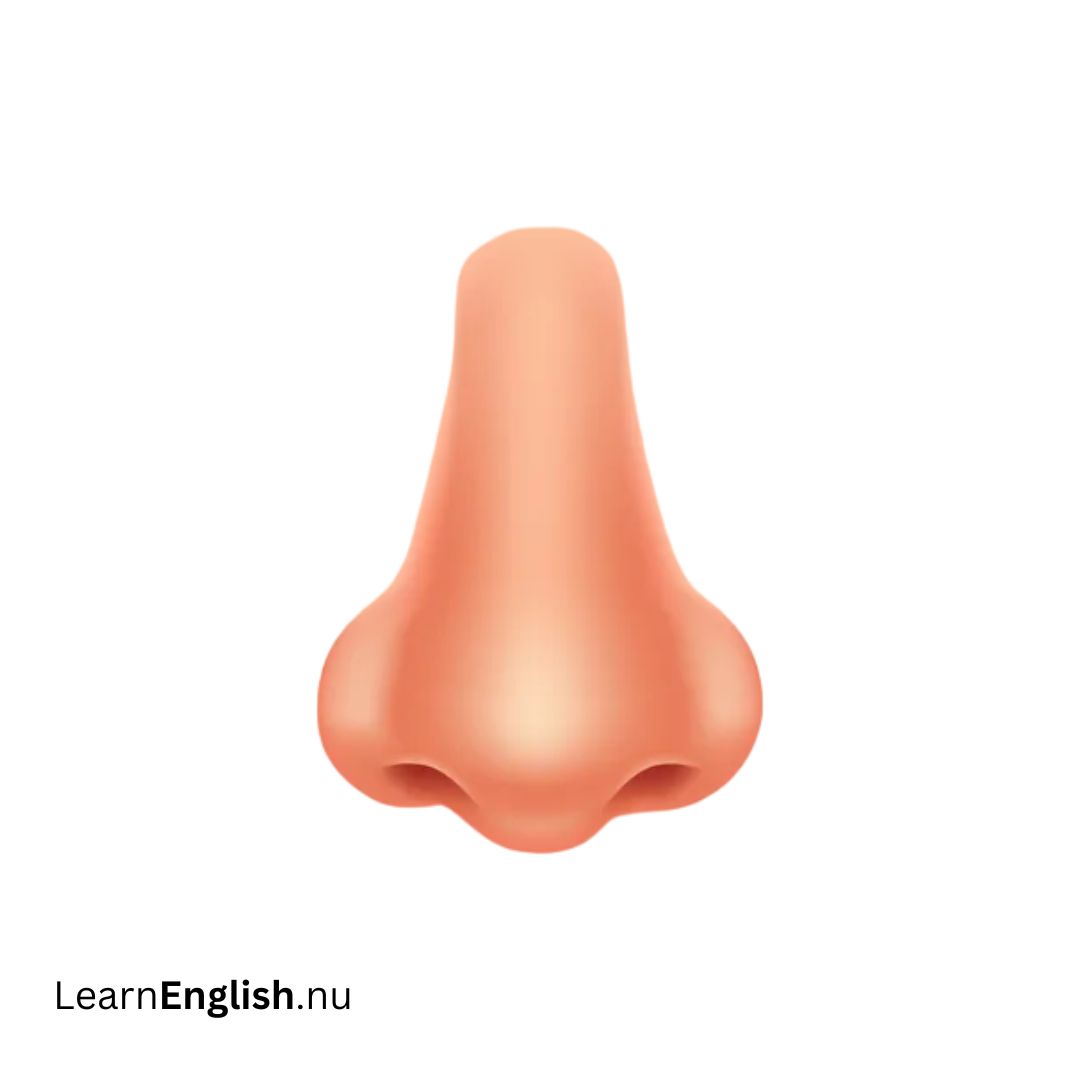 Nez
Nez
Nose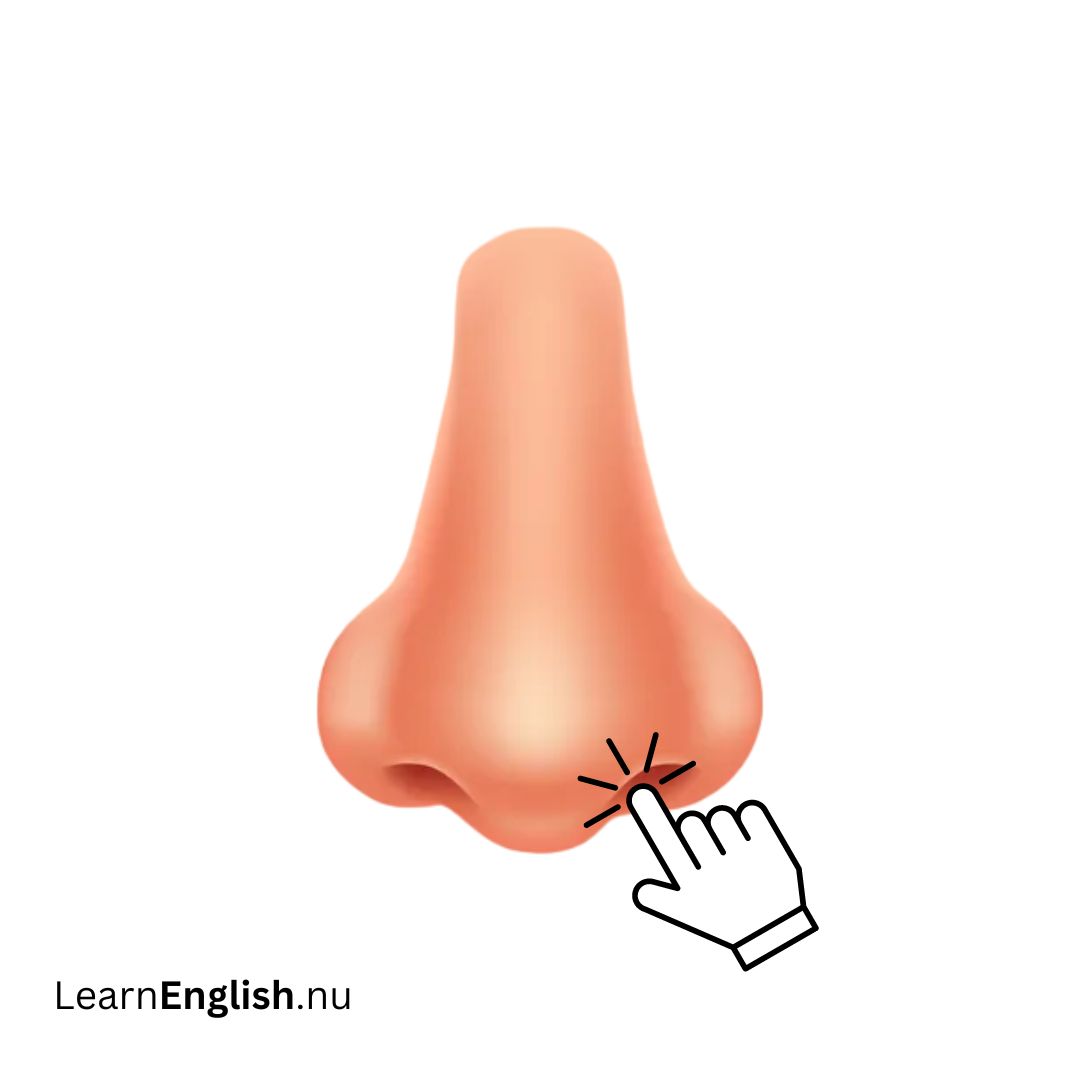 Narine
Nostril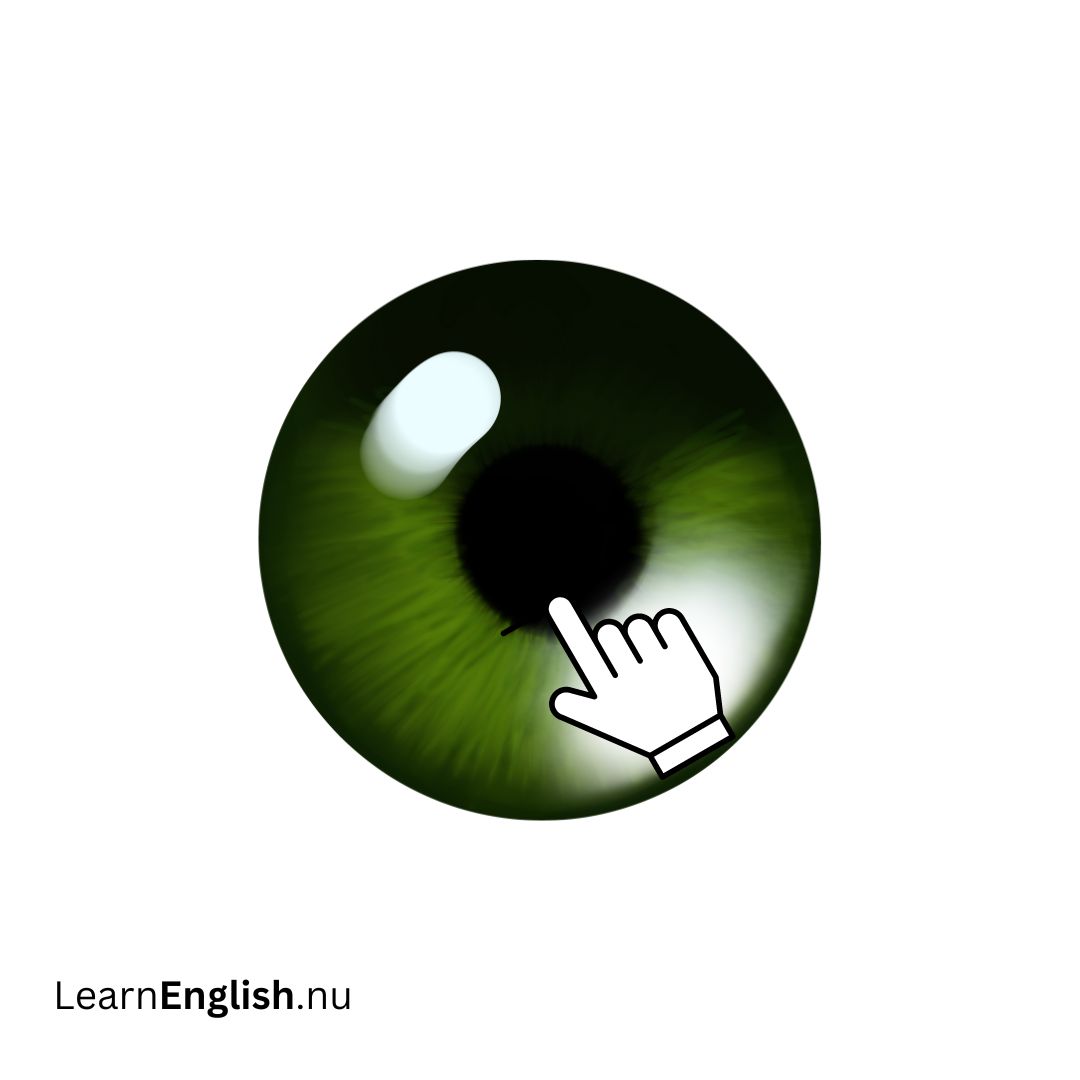 Pupille
Pupil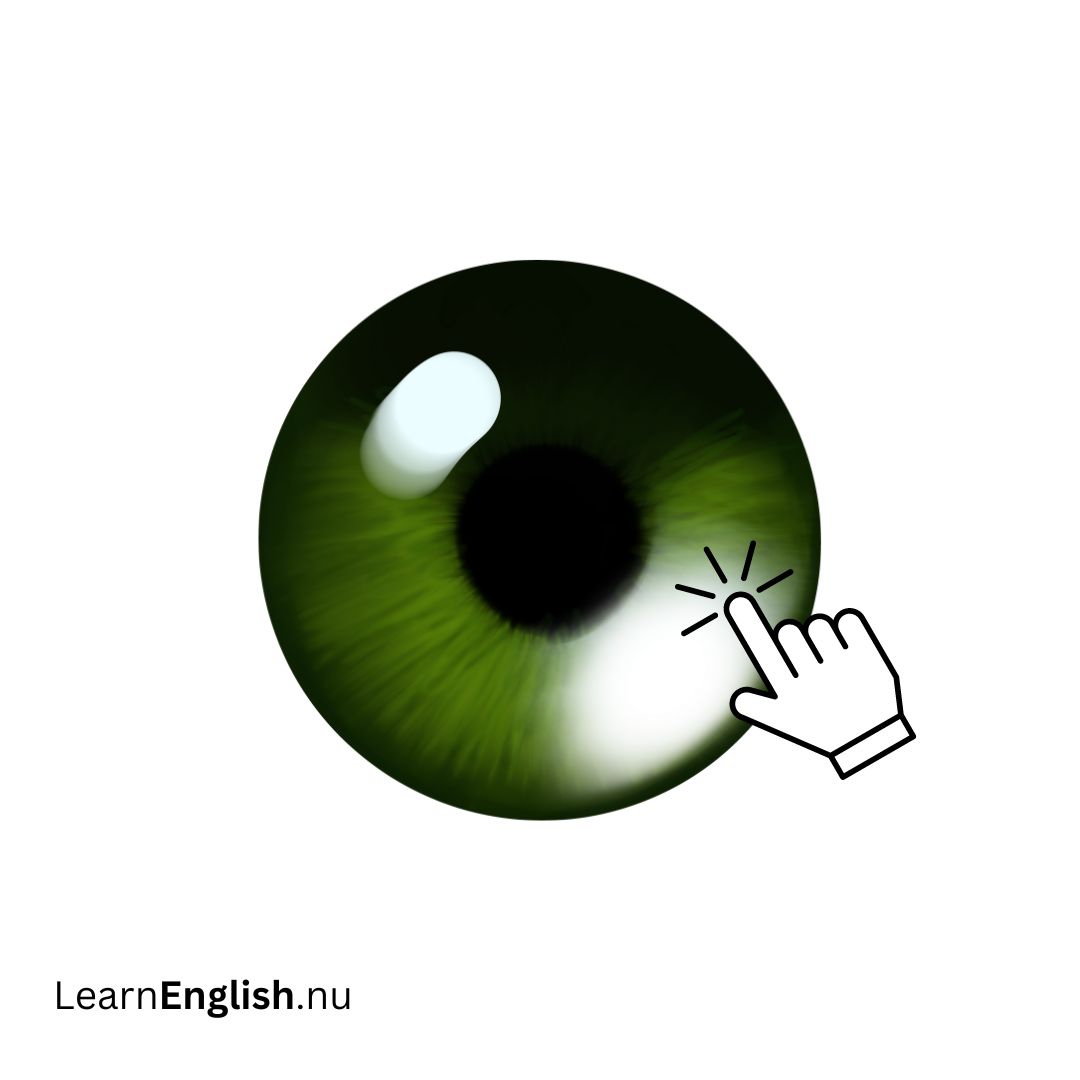 Iris
Iris
Iris Cou
Cou
Neck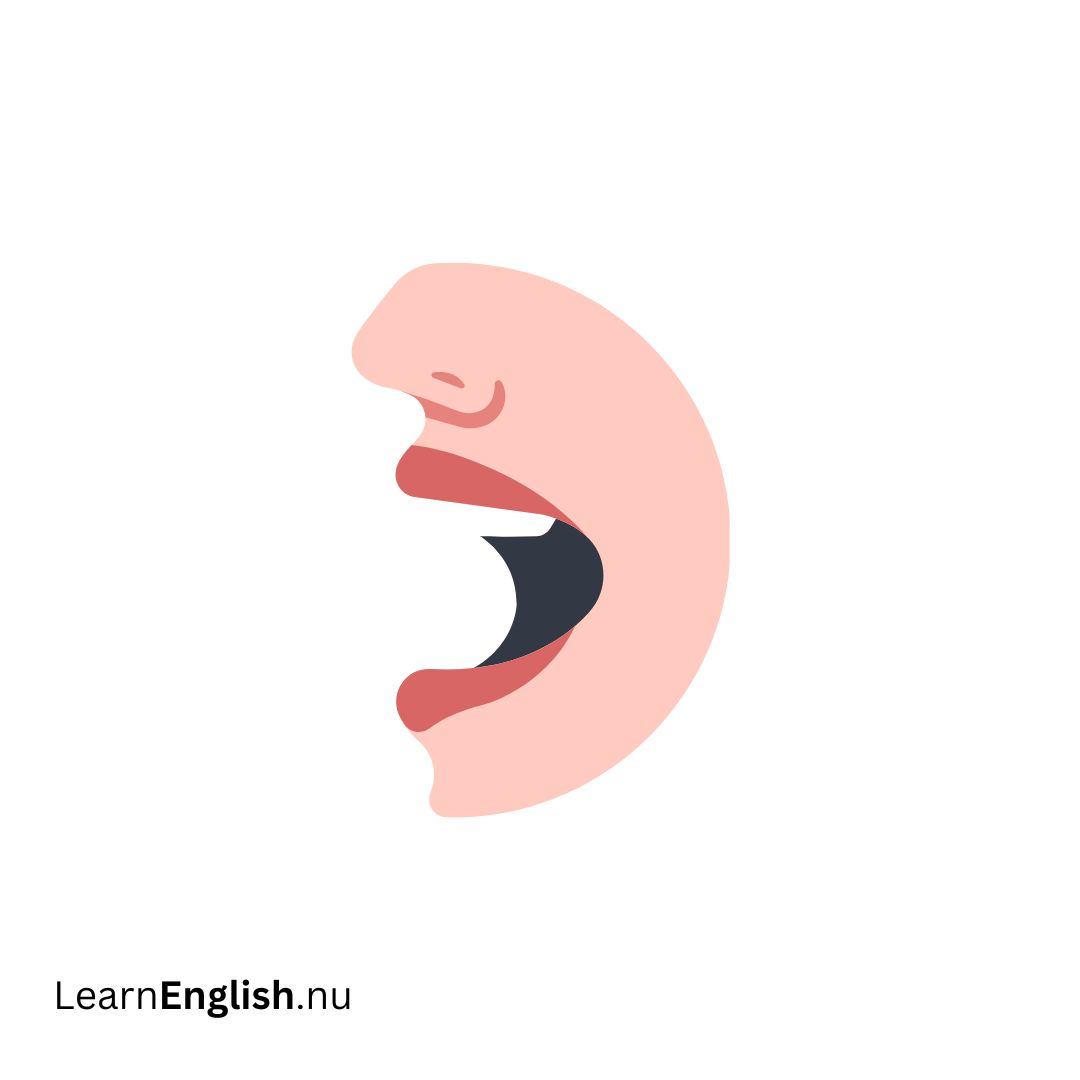 Bouche
Mouth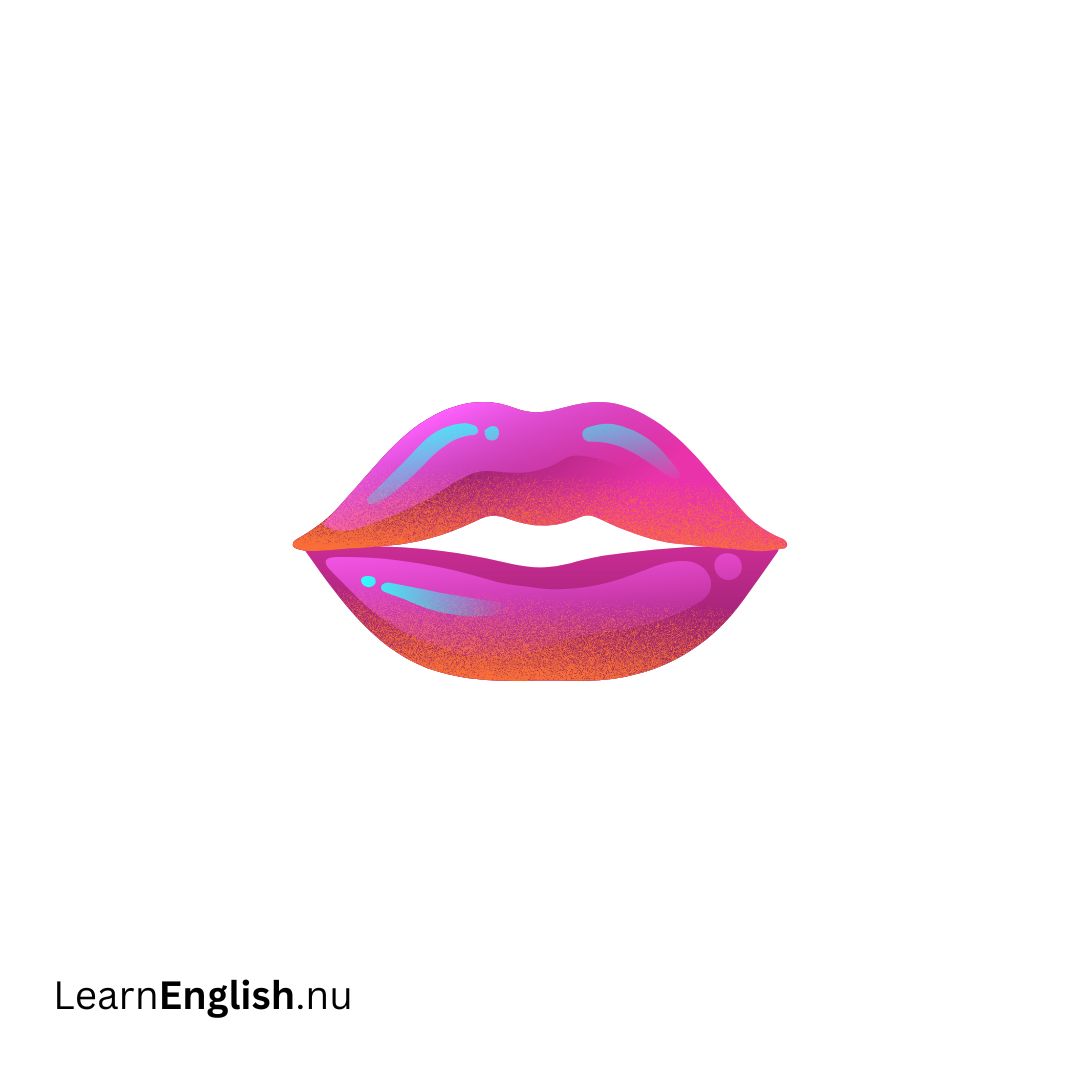 Lèvres
Lips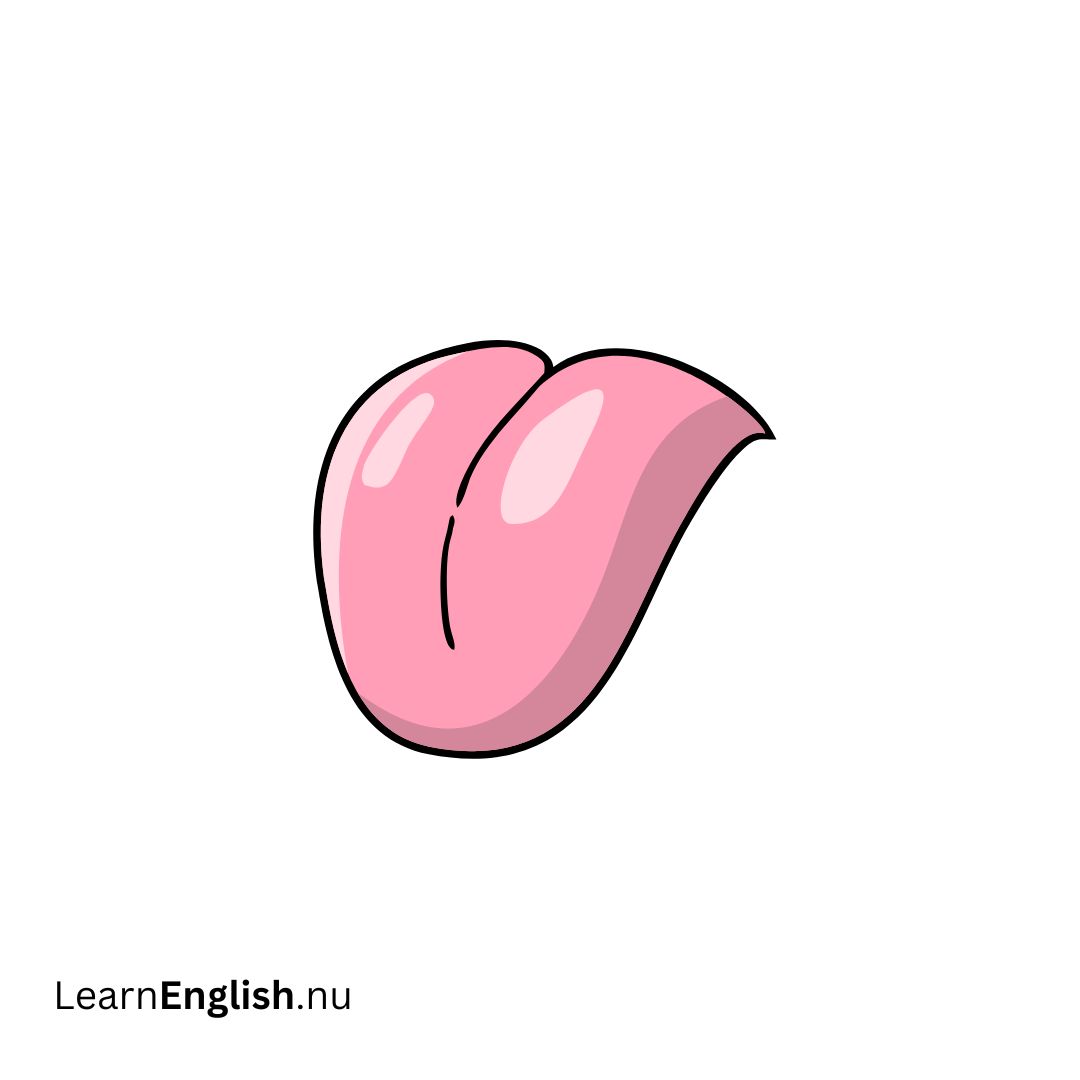 Langue
Tongue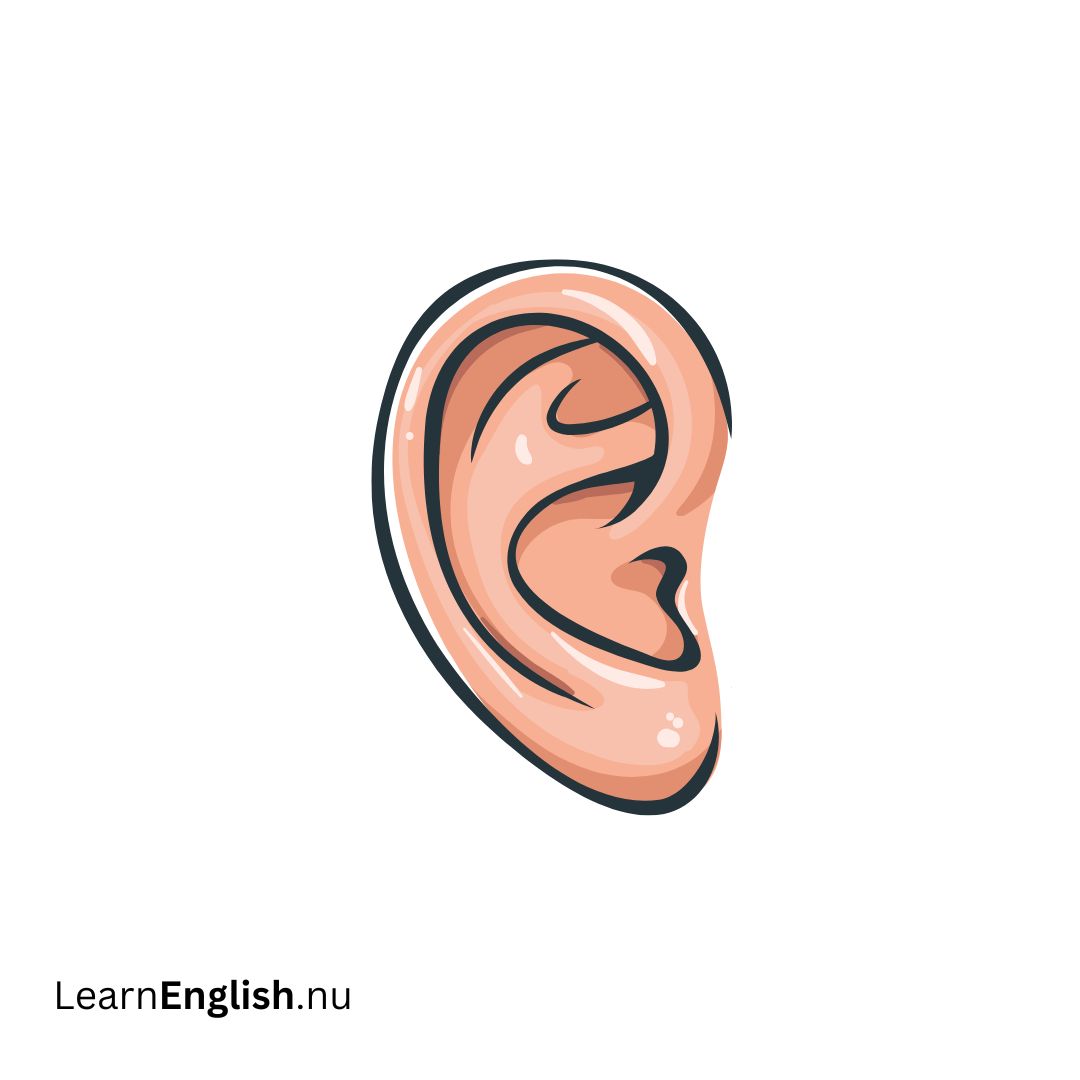 Oreille
Ear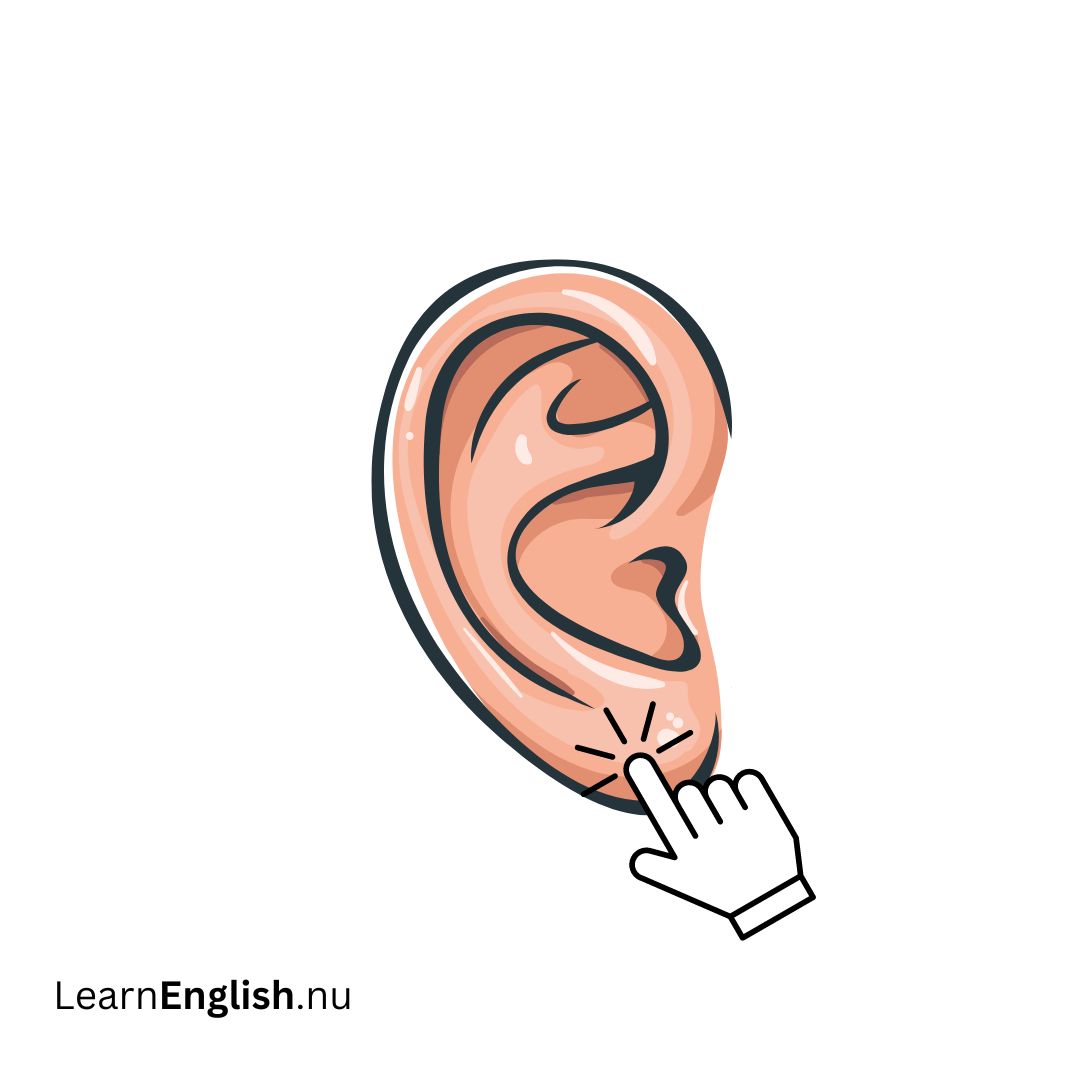 Lobe de l'oreille
Ear Lobe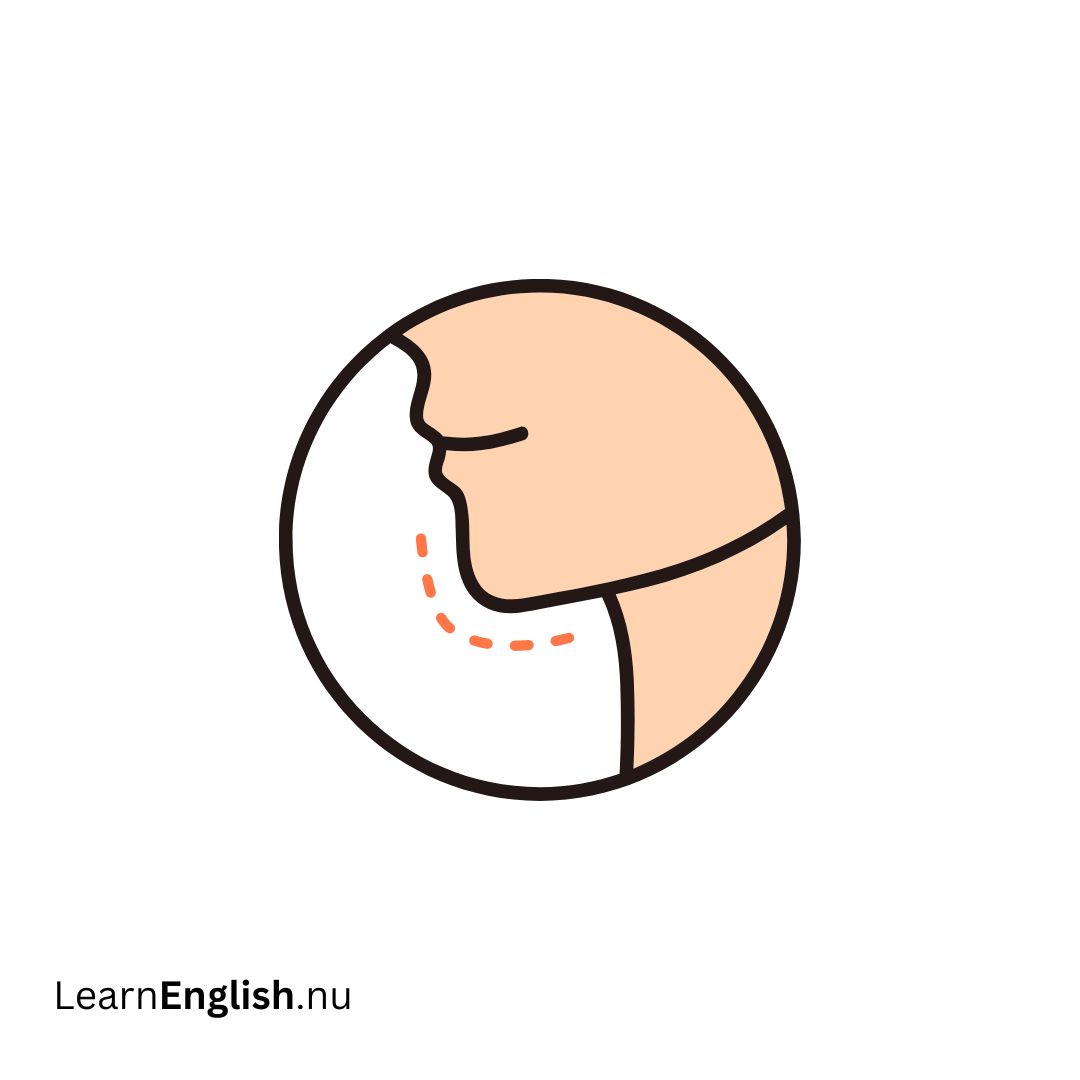 Menton
Chin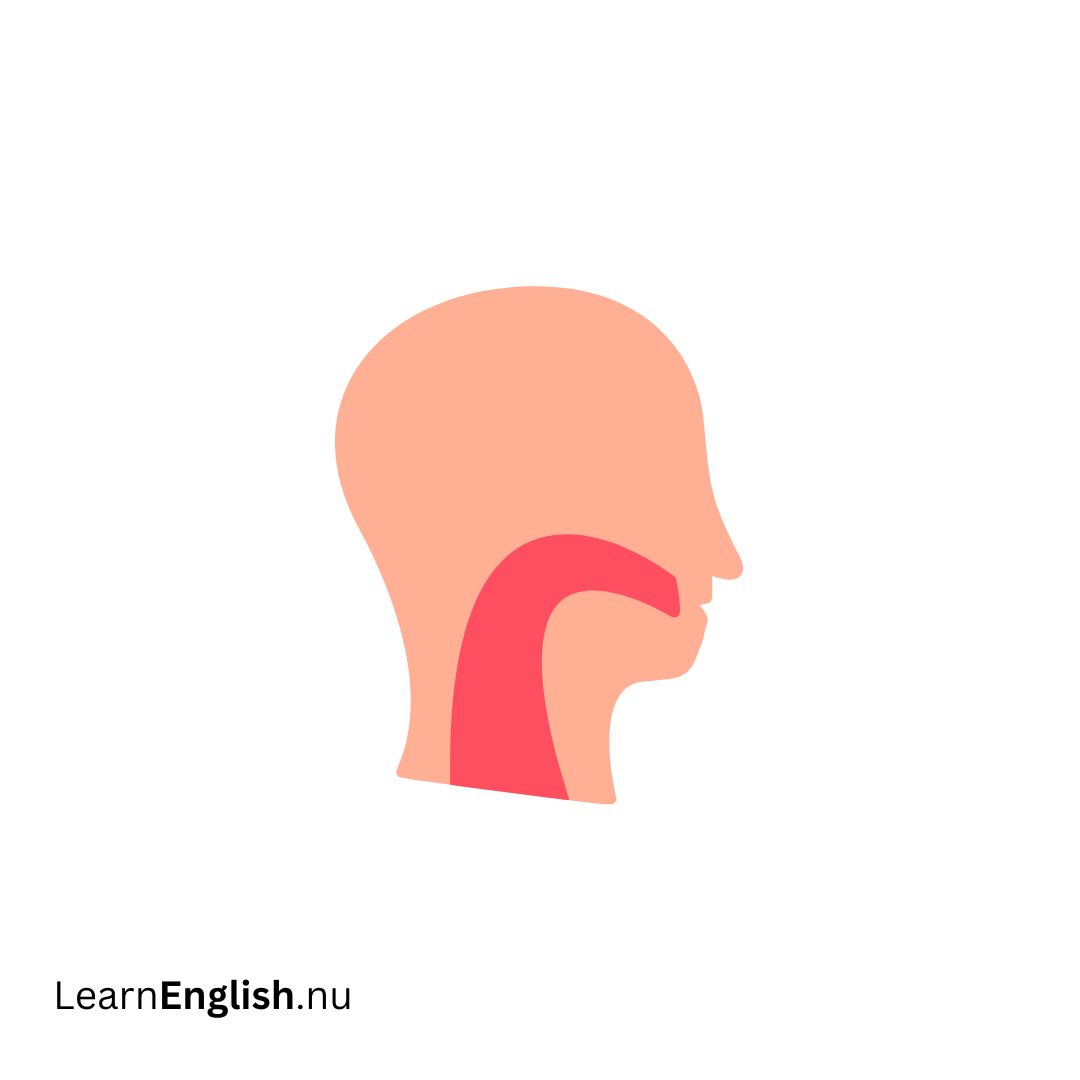 Gorge
Gorge
Throat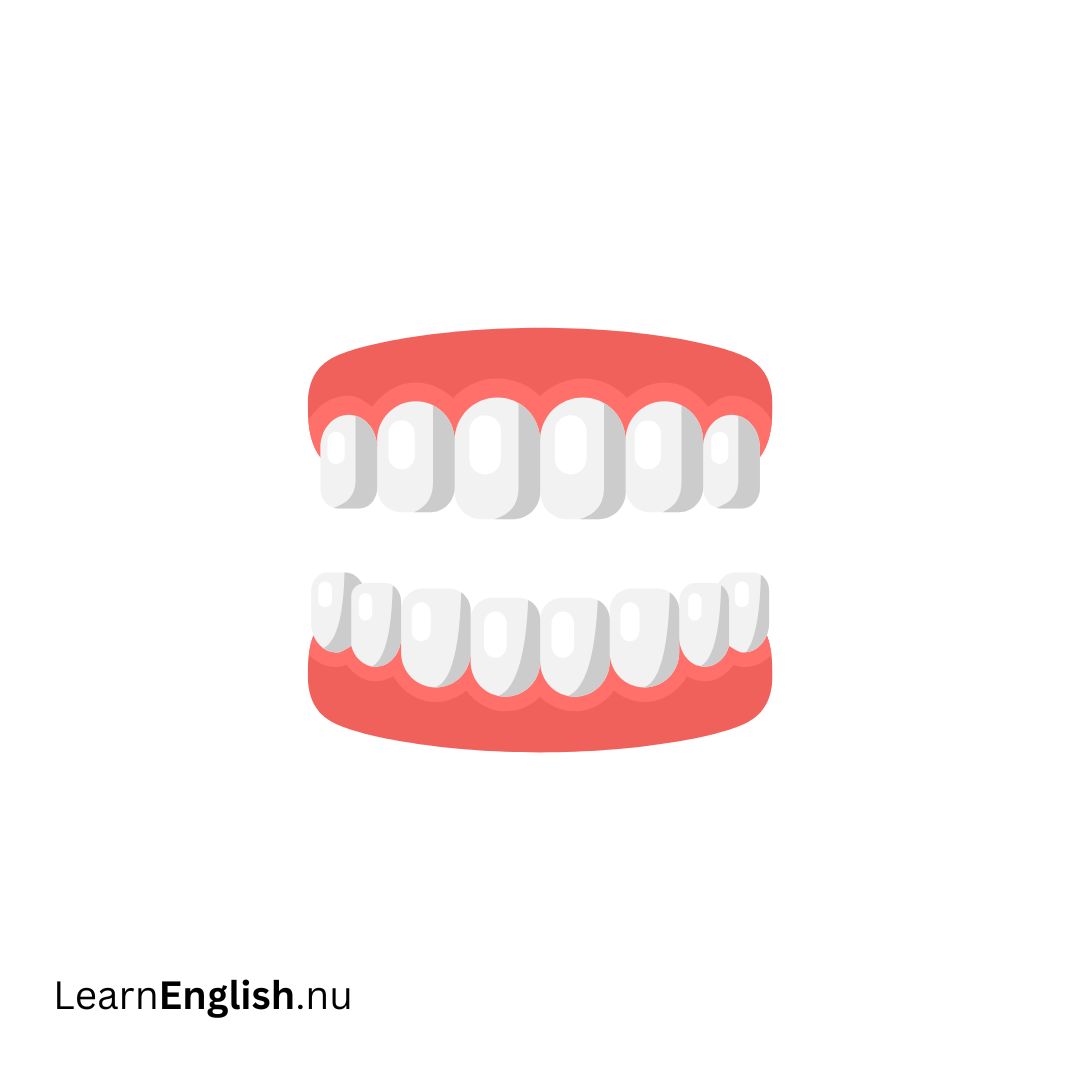 Dents
Dents
Teeth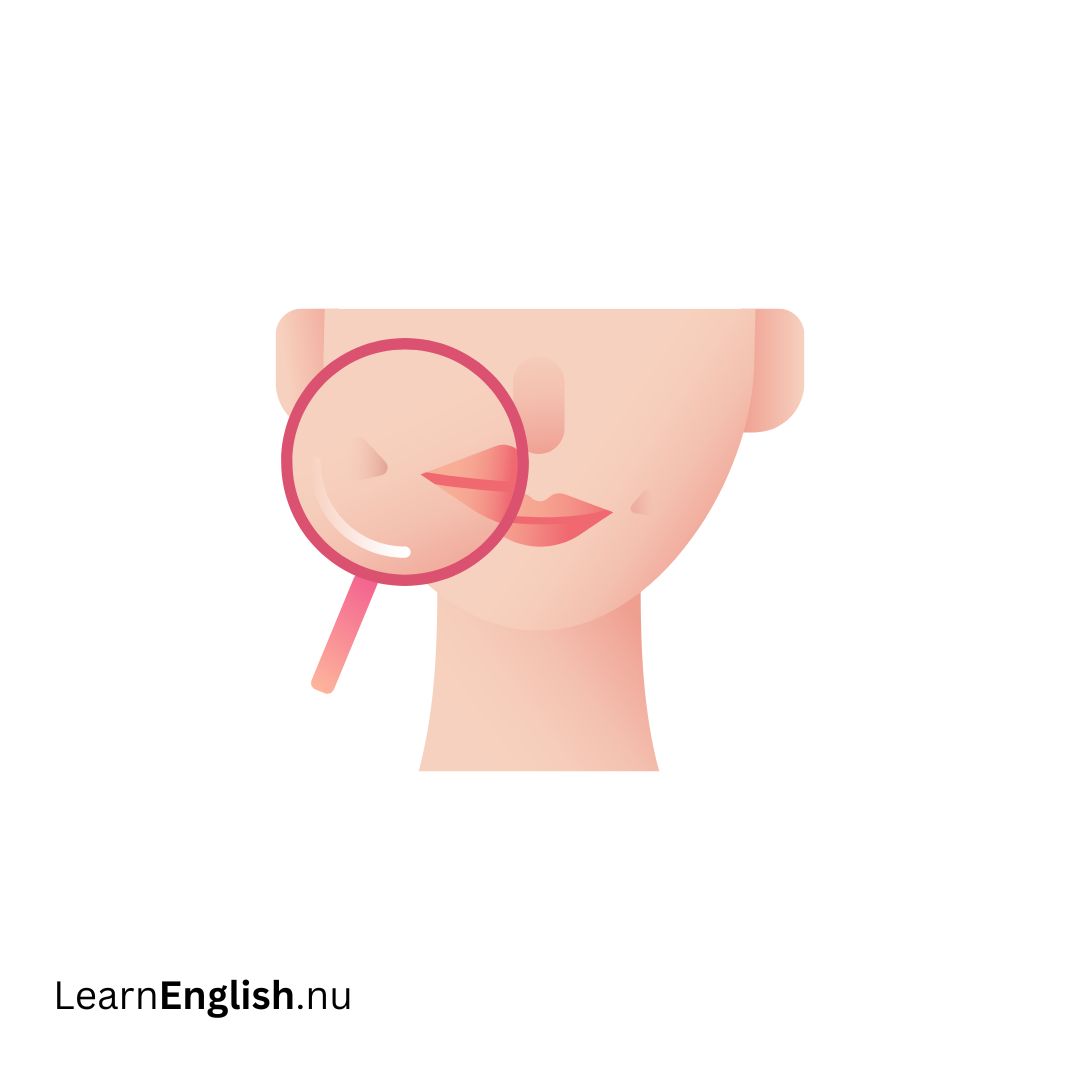 Fossette
Dimple Barbe
Barbe
Beard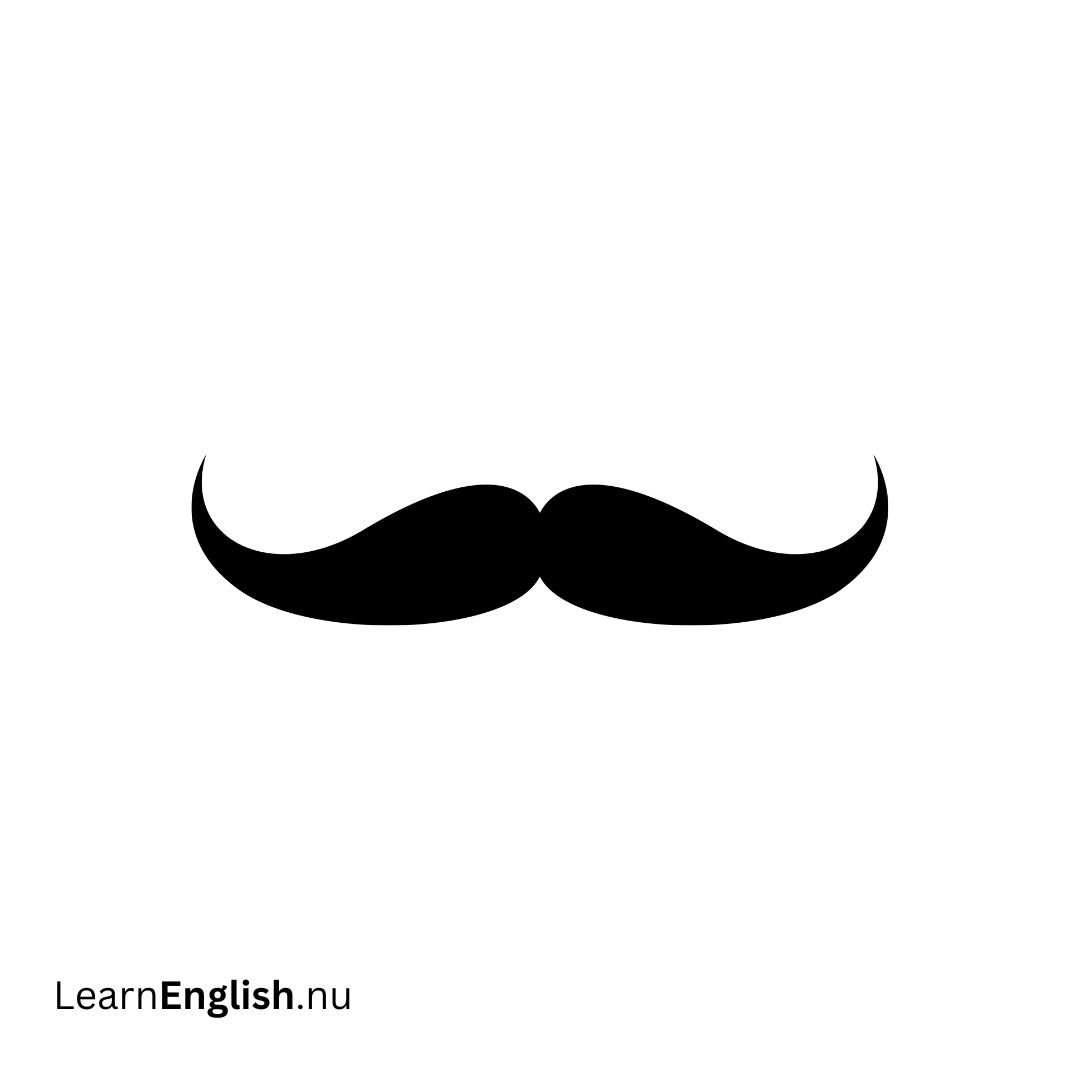 Moustache
Moustache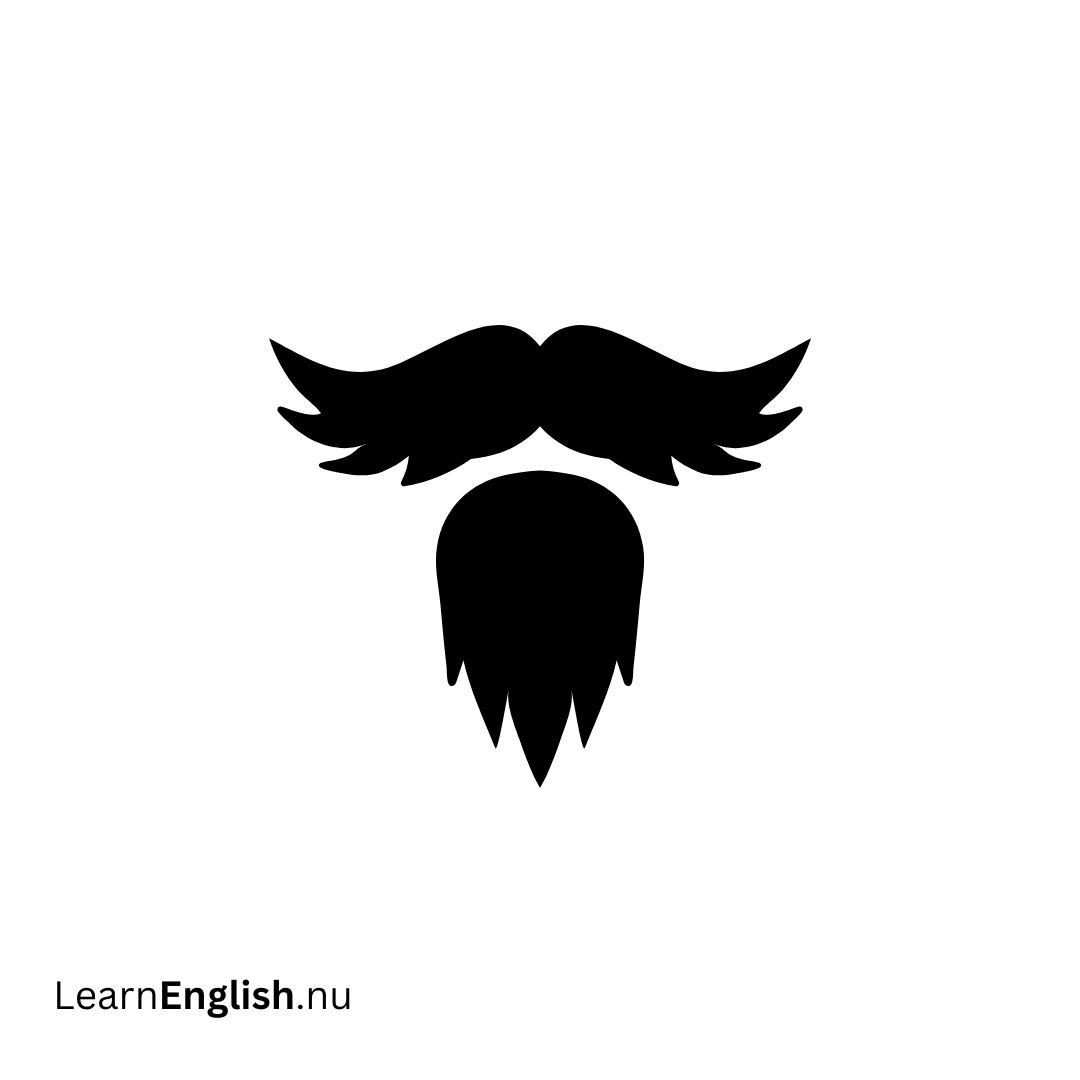 Bouc
Bouc
Goatee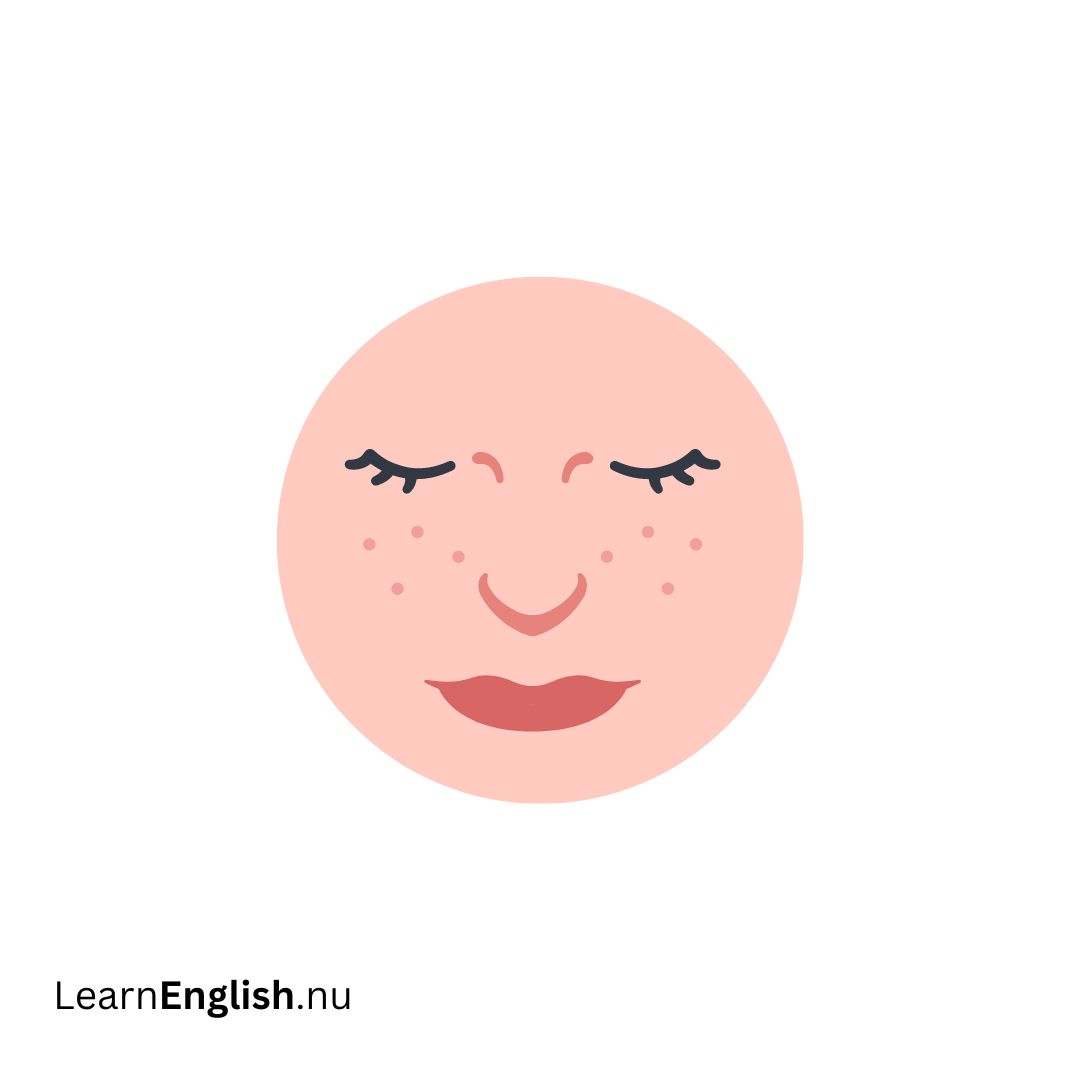 Taches de rousseur
Freckles
Parts of the Head in french
- Visage Face
- Tête Head
- Cheveux Hair
- Front Forehead
- Œil Eye
- Sourcil Eyebrow
- Cil Eyelash
- Paupière Eyelid
- Joue Cheek
- Mâchoire Jaw
- Nez Nose
- Narine Nostril
- Pupille Pupil
- Iris Iris
- Cou Neck
- Bouche Mouth
- Lèvres Lips
- Langue Tongue
- Oreille Ear
- Lobe de l'oreille Ear Lobe
- Menton Chin
- Gorge Throat
- Dents Teeth
- Fossette Dimple
- Barbe Beard
- Moustache Moustache
- Bouc Goatee
- Taches de rousseur Freckles
Parts of the Head in French: A Beginner's Guide
Learning a new language starts with some of the most basic vocabulary. One helpful category to start with is parts of the body, particularly the parts of the head. Knowing these words can be very useful, as they not only help in daily conversation but also aid in describing oneself or others. This tutorial will introduce you to the French words for different parts of the head, using simple English for easy understanding.
Overview of Head Parts in French
When learning about the parts of the head in French, it's good to start with the most commonly referred terms. Below, you will find the French terms along with their English translations and a brief explanation.
Les cheveux (Hair)
- Les cheveux refers to hair. In French, it is always plural. For example, you would say, "Elle a les cheveux blonds" (She has blonde hair).
Le front (Forehead)
- Le front means forehead. It's the part of your face above your eyebrows and below your hairline.
Les yeux (Eyes)
- Les yeux is the word for eyes, and like 'les cheveux', it is also always used in the plural form. For example, "Il a les yeux bleus" means "He has blue eyes."
Le nez (Nose)
- Le nez stands for nose, the part of your face that allows you to smell and breathe.
Les oreilles (Ears)
- Les oreilles means ears. This word is always used in plural form when referring to the two ears.
La bouche (Mouth)
- La bouche refers to the mouth, the opening through which you eat and speak.
Les lèvres (Lips)
- Les lèvres means lips. These are the soft edges of the flesh surrounding the mouth.
Le menton (Chin)
- Le menton refers to the chin, the bottom part of your face below your mouth.
Les joues (Cheeks)
- Les joues stands for cheeks, the fleshy parts of the face below the eyes and between the nose and the ears.
Table of Parts of the Head in French and English
Here’s a simple table summarizing the parts of the head in French, along with their English translations:
| French | English |
|---|---|
| Les cheveux | Hair |
| Le front | Forehead |
| Les yeux | Eyes |
| Le nez | Nose |
| Les oreilles | Ears |
| La bouche | Mouth |
| Les lèvres | Lips |
| Le menton | Chin |
| Les joues | Cheeks |
How to Say "Body" in French
The French word for "body" is le corps. Interestingly, this word shares its roots with the English word "corpse," which historically also meant a living body but has since evolved to refer only to a deceased one. In modern French, however, le corps refers strictly to a living body, while a dead body is termed un cadavre.
Pronunciation of "Le corps"
When pronouncing le corps, the final 'ps' is silent, so it is pronounced as [kɔr], sounding much like the English word "core" but with a distinctly French rhotic sound at the end, akin to a softly pronounced "arr."
Head in French
The French term for "head" is la tête. This word is crucial not only in daily language use but also in various expressions and idiomatic phrases. It can metaphorically represent the mind or the topmost part of something.
Face Parts in French
Describing facial features in French is essential for effective communication, whether you're expressing a compliment or explaining pain or discomfort in a specific area. Below is a table with key facial parts in French, complete with International Phonetic Alphabet (IPA) spelling and a straightforward pronunciation guide for English speakers.
Table of Facial Parts in French
| English | French | French Pronunciation |
|---|---|---|
| Head | La tête | La teht |
| Face | Le visage | Luh vee-sash |
| Ears | Les oreilles | Les oh-ray |
| Eyes | Les yeux | Les zheuh |
| Nose | Le nez | Luh neh |
| Chin | Le menton | Luh mahn-ton |
| Cheeks | Les joues | Lay zhu |
| Forehead | Le front | Luh frohn |
| Jaw | La mâchoire | La ma-shoo-ar |
| Eyebrows | Les sourcils | Lay soor-see |
| Eyelashes | Les cils | Lay see |
| Temple | Le temple | Luh tahm-pluh |
| Nostril | La narine | La na-reen |
| Lips | Les lèvres | Lay leh-vreh |
| Mouth | La bouche | La boosh |
| Teeth/Tooth | Les dents/Le dent | Le dohn/les dohn |
| Tongue | La langue | La lawng |
| Hair | Les cheveux | Lay shay-vuh |
| Neck | Le cou | Le coo |