List of Swedish Adjectives
- historisk historical
- traditionell traditional
- praktisk practical
- intelligent intelligent
- effektiv efficient
- skrämmande scary
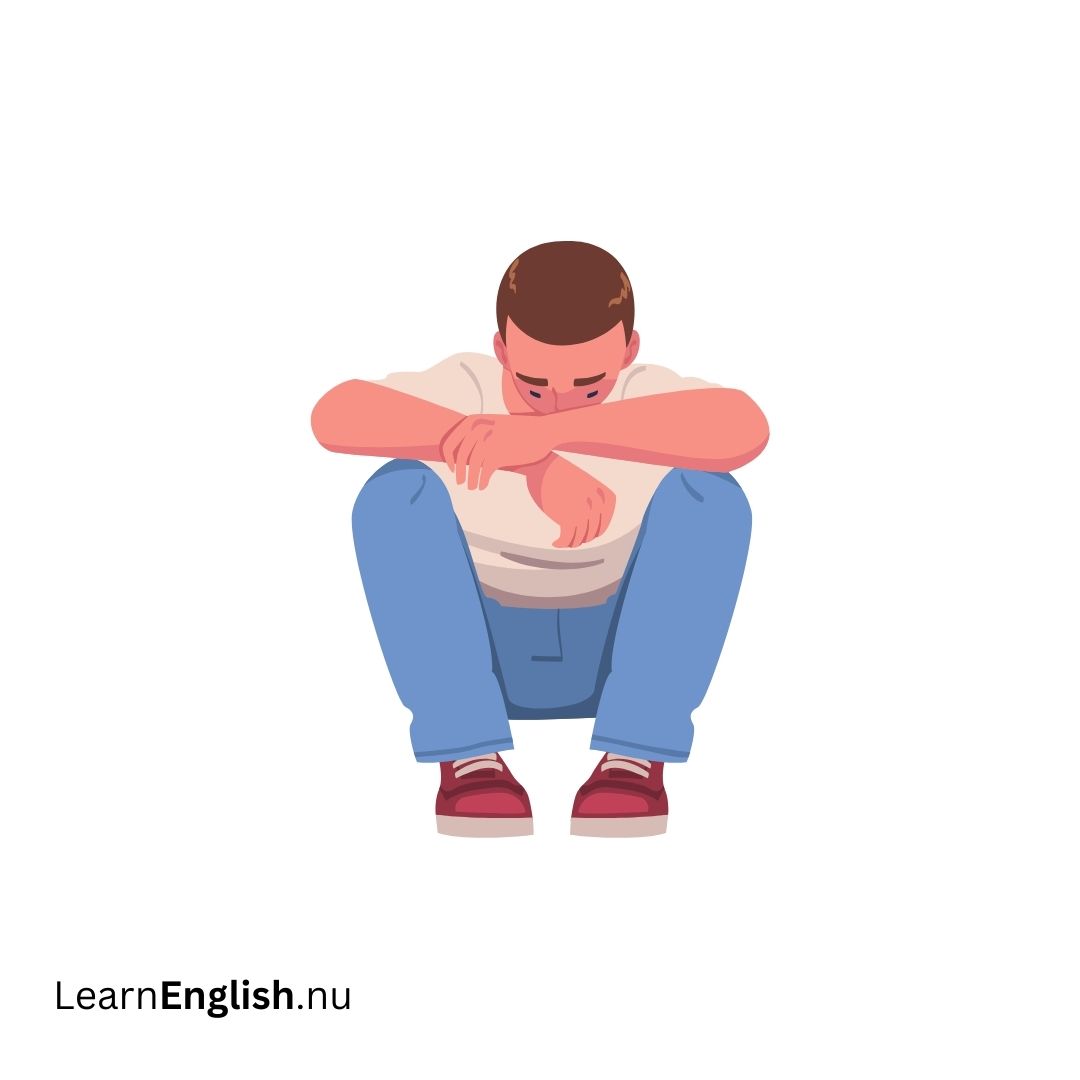
- glad happy
- dyr expensive
- olika different
- recent recent
- politisk political
- användbar useful
- tillgänglig available
- liknande similar
- het hot
- unik unique
- berömd famous
- betydelsefull significant
- känslomässig emotional
- känd known
- villig willing
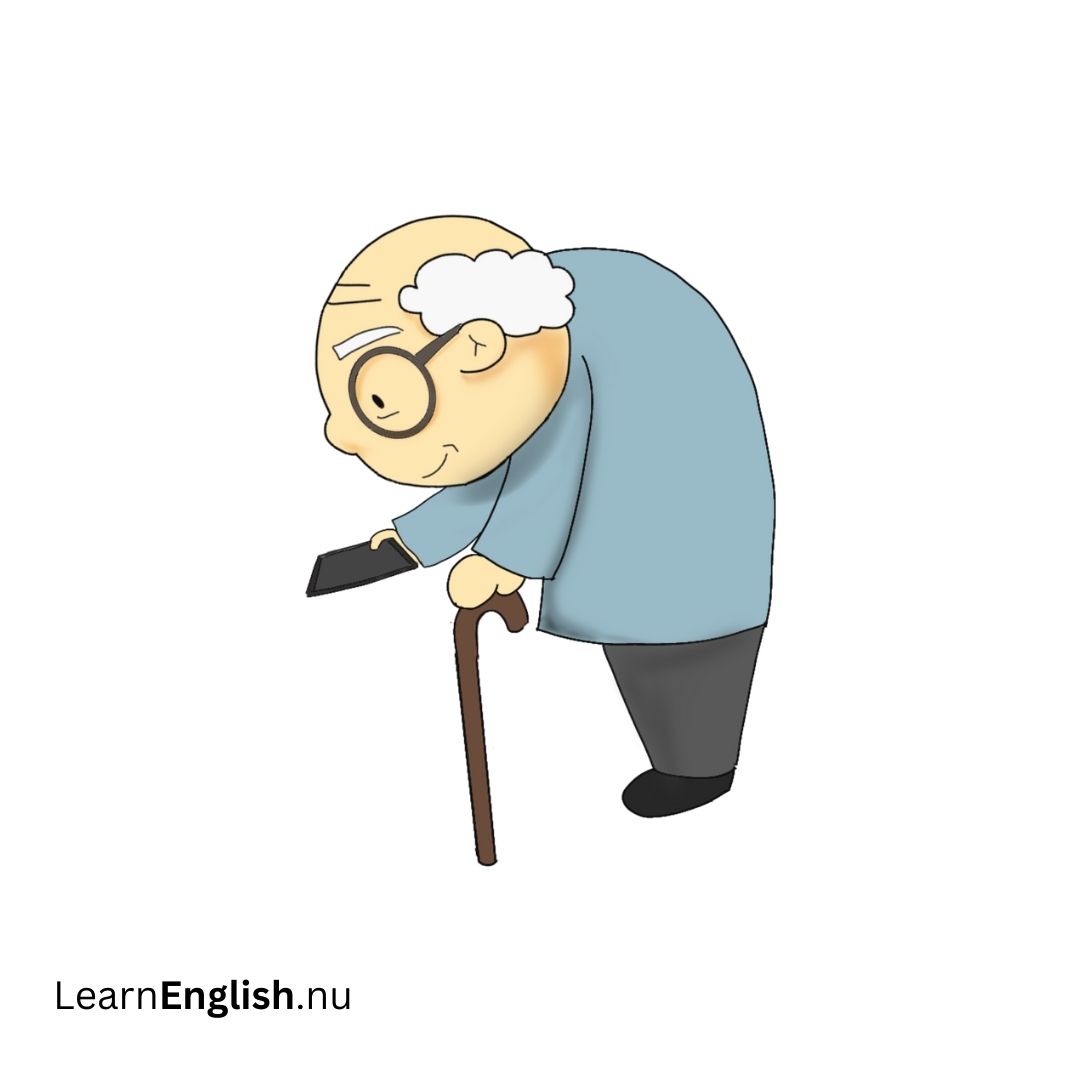
- gammal old
- söt cute
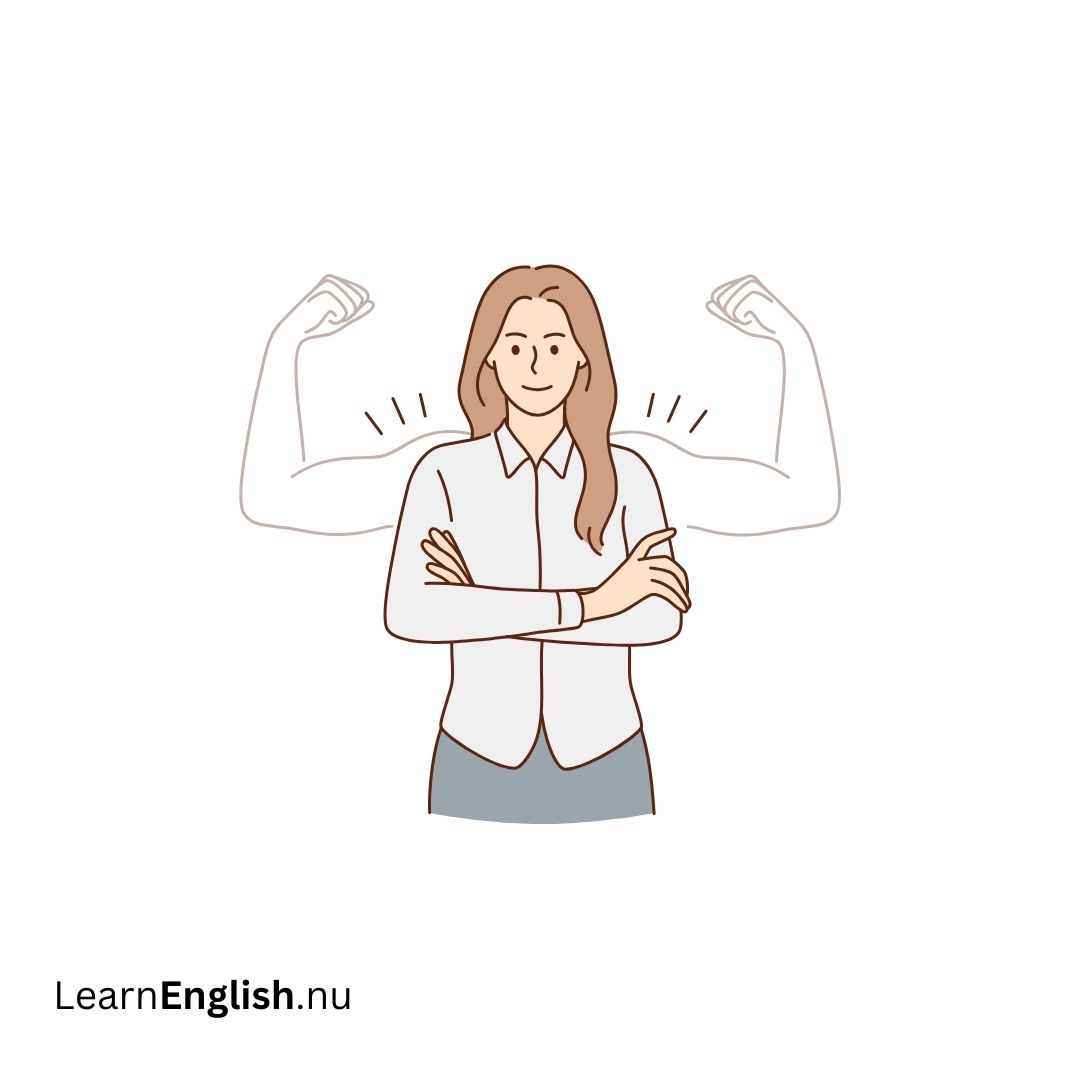
- stark strong
- grundläggande basic
- utbildande educational
- medveten aware
- fantastisk amazing
- medicinsk medical
- global global
- exakt accurate
- flera several
- finansiell financial
- trevlig nice
- vacker beautiful
- ansvarig responsible
- ny new
- allvarlig serious
- psykologisk psychological
- effektiv effective
- konkurrensutsatt competitive
- kapabel capable
- miljömässig environmental
- elektrisk electrical
- farlig dangerous
- relaterad related
- stark strong
- populär popular
- gravid pregnant
- viktig important
- internationell international
- sällsynt rare
- dramatisk dramatic
- typisk typical
- ovanlig unusual
- hjälpsam helpful
- varm warm
- ren pure
- många numerous
- relevant relevant
- intressant interesting
- svag weak
- modern modern
100 Most Common Swedish adjectives
Expanding your vocabulary is crucial for mastering any language. In this tutorial, we focus on Swedish adjectives, which are essential for adding detail and expression to your conversations. We’ve compiled a list of the 100 most common Swedish adjectives with English translations and pronunciation guides to help you understand and use them effectively.
Swedish Adjectives
Adjectives describe nouns and can add color and nuance to your language. Knowing how to use them properly can significantly improve your ability to express yourself in Swedish. This tutorial will guide you through some of the most frequently used adjectives, providing you with both their Swedish and English equivalents.
| Swedish Adjective |
English Translation |
Pronunciation |
| vacker |
beautiful |
/ˈvɑːkɛr/ |
| stor |
big |
/stɔːr/ |
| liten |
small |
/ˈliːtɛn/ |
| gammal |
old |
/ˈɡɑːmal/ |
| ung |
young |
/ʏŋ/ |
| ny |
new |
/nyː/ |
| bra |
good |
/brɑː/ |
| dålig |
bad |
/ˈdɔːlɪɡ/ |
| snabb |
fast |
/snab/ |
| lång |
long |
/lɔŋ/ |
| kort |
short |
/kɔrt/ |
| hög |
high |
/høːɡ/ |
| låg |
low |
/lɔːɡ/ |
| tung |
heavy |
/tʉŋ/ |
| lätt |
light |
/lɛt/ |
| svag |
weak |
/svɑːɡ/ |
| stark |
strong |
/stɑːrk/ |
| intressant |
interesting |
/ˈɪntəˌrɛsənt/ |
| tråkig |
boring |
/ˈtrɔːkɪɡ/ |
| glad |
happy |
/ɡlad/ |
| ledsen |
sad |
/ˈlɛdsɛn/ |
| rik |
rich |
/riːk/ |
| fattig |
poor |
/ˈfɑːtɪɡ/ |
| ren |
clean |
/reːn/ |
| smutsig |
dirty |
/ˈsmʉːtsɪɡ/ |
| hård |
hard |
/hɔːrd/ |
| mjuk |
soft |
/mjuːk/ |
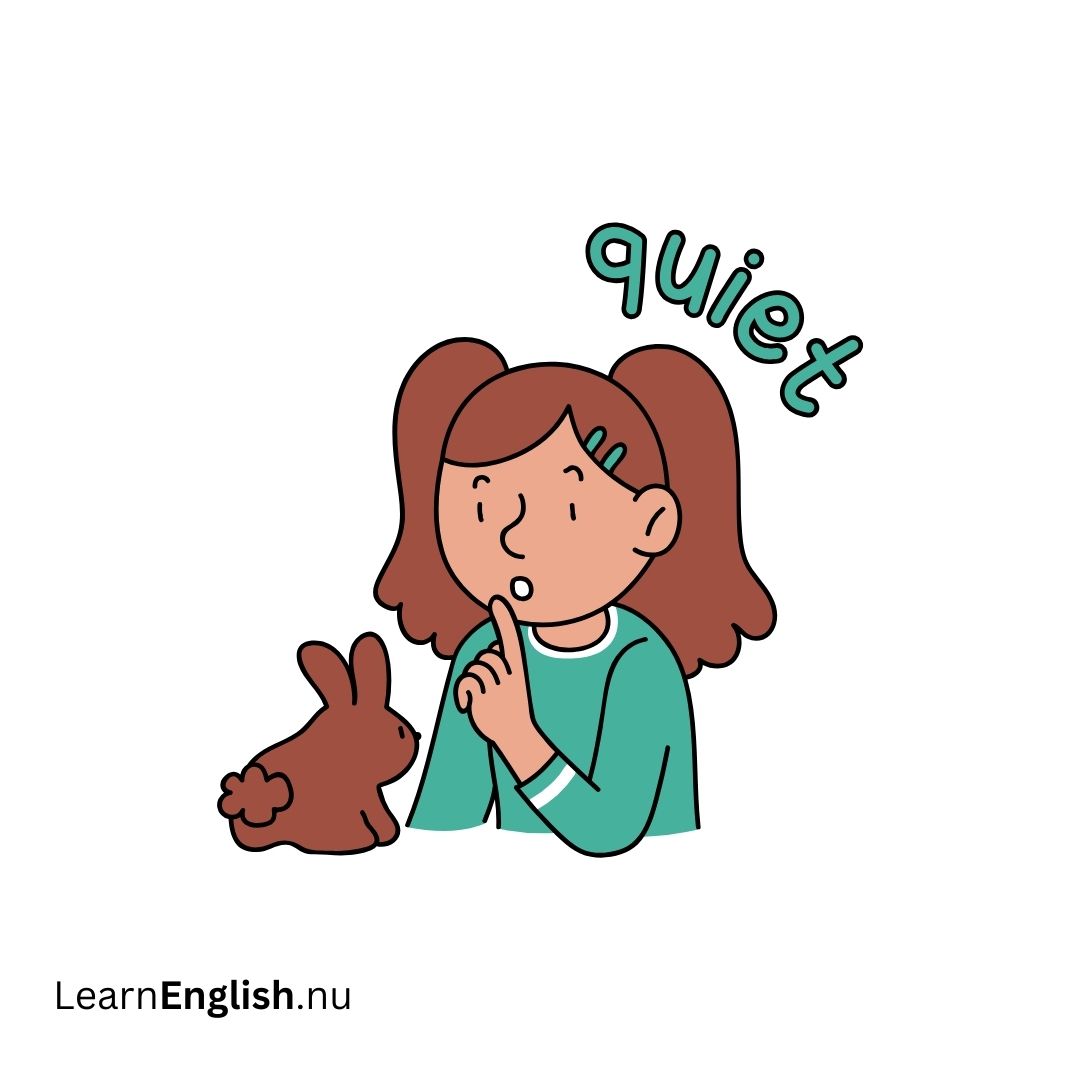
| tyst |
quiet |
/tʏst/ |
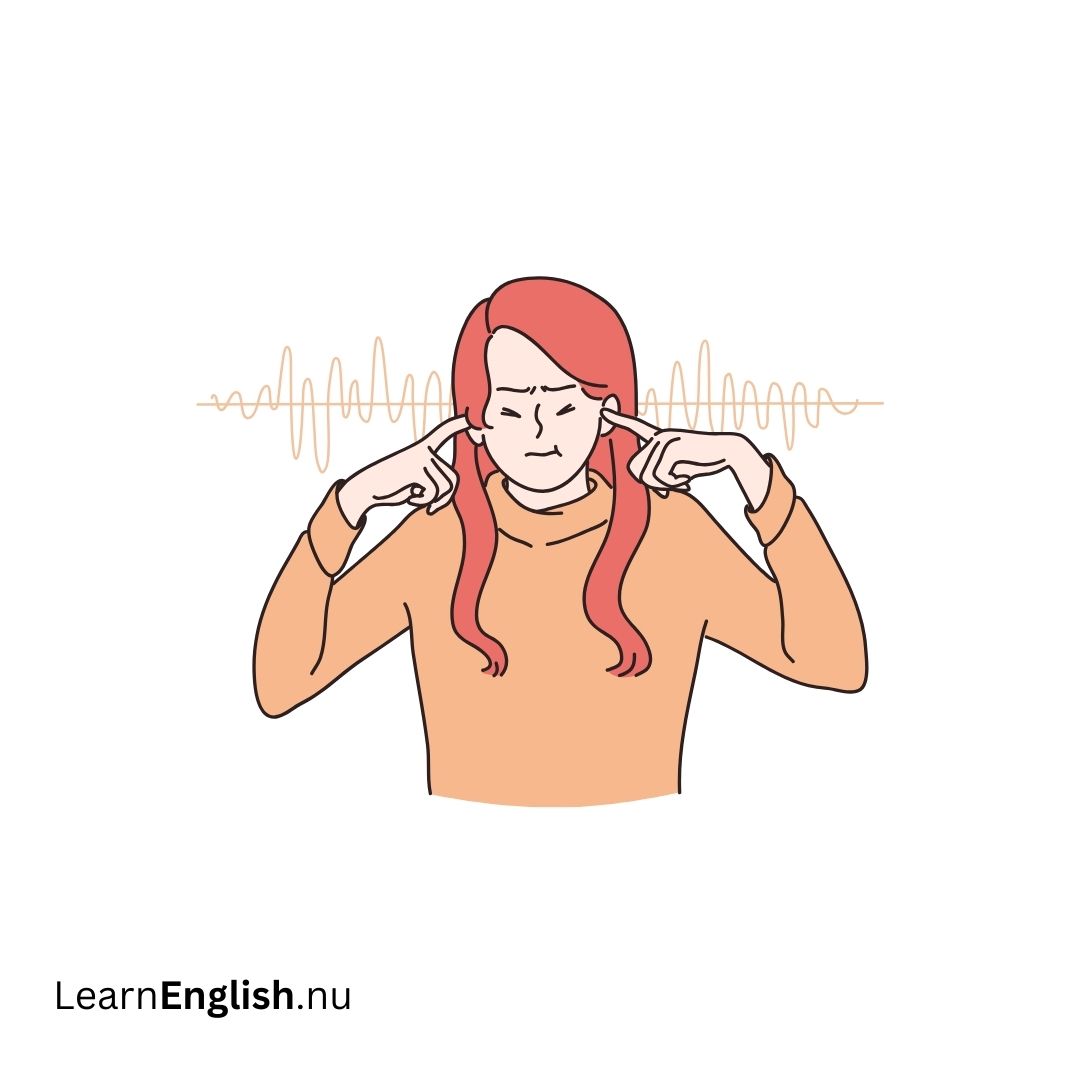
| högljudd |
loud |
/ˈhøːɡˌlʏd/ |
| trevlig |
nice |
/ˈtrɛvˌlɪɡ/ |
| otrevlig |
unpleasant |
/ˈʊːˌtrɛvˌlɪɡ/ |
| fuktig |
humid |
/ˈfʉktɪɡ/ |
| torr |
dry |
/tɔr/ |
| bråkig |
noisy |
/ˈbrɔːkɪɡ/ |
| lugn |
calm |
/lʉŋ/ |
| modig |
brave |
/ˈmuːdɪɡ/ |
| rädd |
scared |
/rɛd/ |
| söt |
sweet |
/sœt/ |
| sur |
sour |
/sʉːr/ |
| varm |
warm |
/vɑːrm/ |
| kall |
cold |
/kɑl/ |
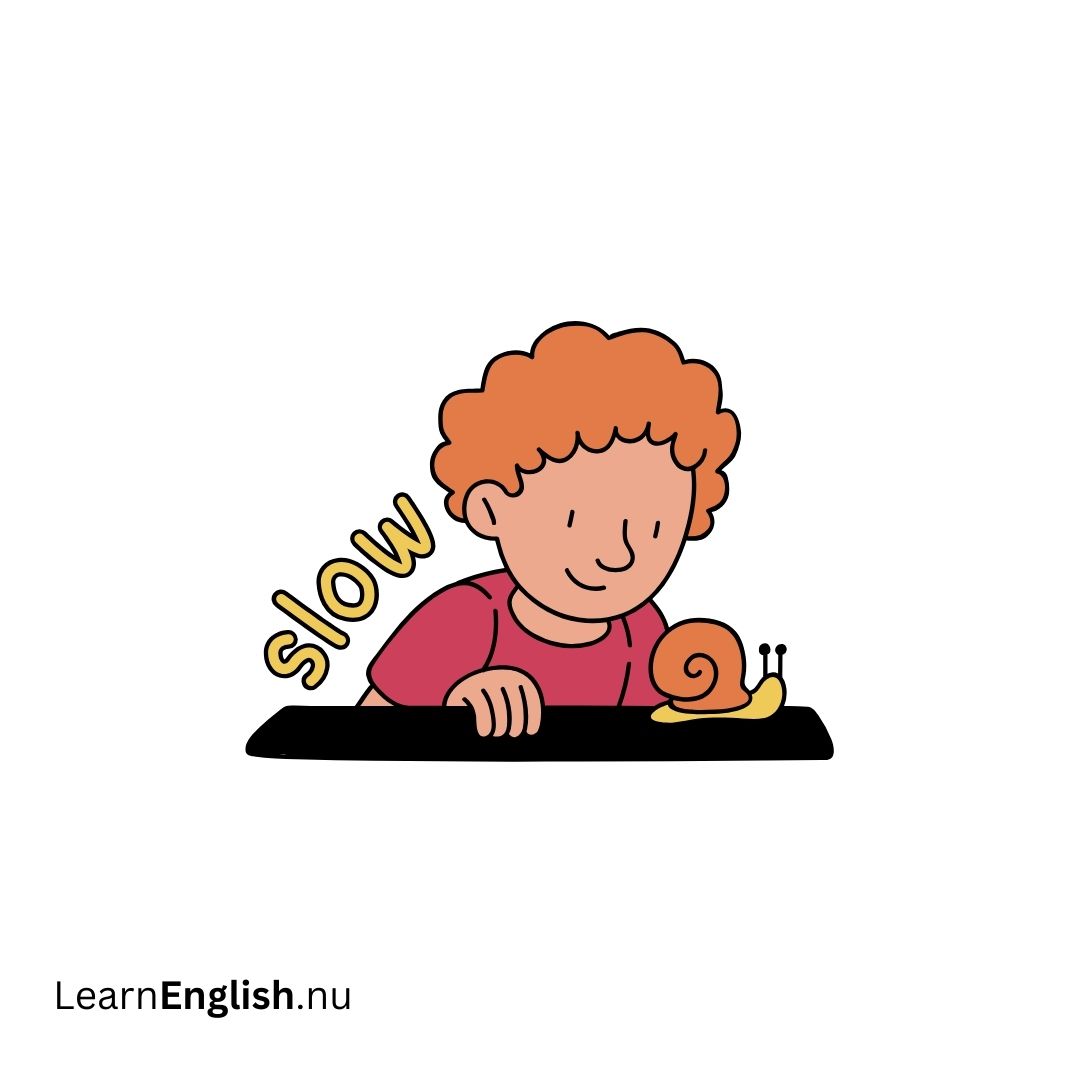
| långsam |
slow |
/ˈlɔːŋsam/ |
| snabb |
fast |
/snab/ |
| trött |
tired |
/trøt/ |
| energisk |
energetic |
/ˈɛnɛrˌɪsk/ |
| vild |
wild |
/vɪld/ |
| tam |
tame |
/tɑːm/ |
| mjuk |
soft |
/mjuːk/ |
| hård |
hard |
/hɔːrd/ |
| gammal |
old |
/ˈɡɑːmal/ |
| modern |
modern |
/ˈmɔːdɛrn/ |
| traditionell |
traditional |
/trɑːdɪˈtɪɔnɛl/ |
| ny |
new |
/nyː/ |
| enkel |
simple |
/ˈɛŋkəl/ |
| komplicerad |
complicated |
/ˈkʊmplɪˌkɛːrəd/ |
| vacker |
beautiful |
/ˈvɑːkɛr/ |
| ful |
ugly |
/fʉl/ |
| rik |
rich |
/riːk/ |
| fattig |
poor |
/ˈfɑːtɪɡ/ |
| smal |
thin |
/smɑːl/ |
| tjock |
thick |
/tʃɔk/ |
| lång |
long |
/lɔŋ/ |
| kort |
short |
/kɔrt/ |
| ljus |
light |
/jʉːs/ |
| mörk |
dark |
/mœrk/ |
| tung |
heavy |
/tʉŋ/ |
| lätt |
light |
/lɛt/ |
| ny |
new |
/nyː/ |
| gammal |
old |
/ˈɡɑːmal/ |
| ung |
young |
/ʏŋ/ |
| gammal |
old |
/ˈɡɑːmal/ |
| ny |
new |
/nyː/ |
| gammal |
old |
/ˈɡɑːmal/ |
| ung |
young |
/ʏŋ/ |
| grön |
green |
/ɡrœn/ |
| blå |
blue |
/blɔː/ |
| röd |
red |
/rød/ |
| vit |
white |
/viːt/ |
| svart |
black |
/svɑːrt/ |
| orange |
orange |
/ɔˈrɑːndʒ/ |
| lila |
purple |
/ˈlɪlɑː/ |
| rosa |
pink |
/ˈruːsɑ/ |
| brun |
brown |
/brʉn/ |
| grå |
gray |
/ɡrɔː/ |
| tråkig |
boring |
/ˈtrɔːkɪɡ/ |
| intressant |
interesting |
/ˈɪntəˌrɛsənt/ |
| fantastisk |
fantastic |
/fɑːnˈtɑːstɪk/ |
| underbar |
wonderful |
/ˈʊndɛrˌbɑːr/ |
| hemsk |
horrible |
/hɛmsk/ |
| vacker |
beautiful |
/ˈvɑːkɛr/ |
| trist |
dull |
/trɪst/ |
| solig |
sunny |
/ˈsuːlɪɡ/ |
| regnig |
rainy |
/ˈreɪnɪɡ/ |
| blöt |
wet |
/blœt/ |
| torr |
dry |
/tɔr/ |
| varm |
warm |
/vɑːrm/ |
| kall |
cold |
/kɑl/ |
Using Adjectives in Sentences
- Svenska "Den där bilden är väldigt vacker." English: "That picture is very beautiful."
- Stor (Big) "De har en stor hund." English: "They have a big dog."
- Liten (Small) "Jag bor i en liten lägenhet." English: "I live in a small apartment."
- Gammal (Old) "Den här boken är mycket gammal." English: "This book is very old."
- Ung (Young) "Han är en ung och ambitiös student." English: "He is a young and ambitious student."
- Ny (New) "Vi köpte en ny bil." English: "We bought a new car."
- Bra (Good) "Det var en bra film." English: "It was a good movie."
- Dålig (Bad) "Det var en dålig dag." English: "It was a bad day."
- Snabb (Fast) "Den här bilen är väldigt snabb." English: "This car is very fast."
- Lång (Long) "Vi har en lång väg att gå." English: "We have a long way to go."
- Kort (Short) "Hon har kort hår." English: "She has short hair."
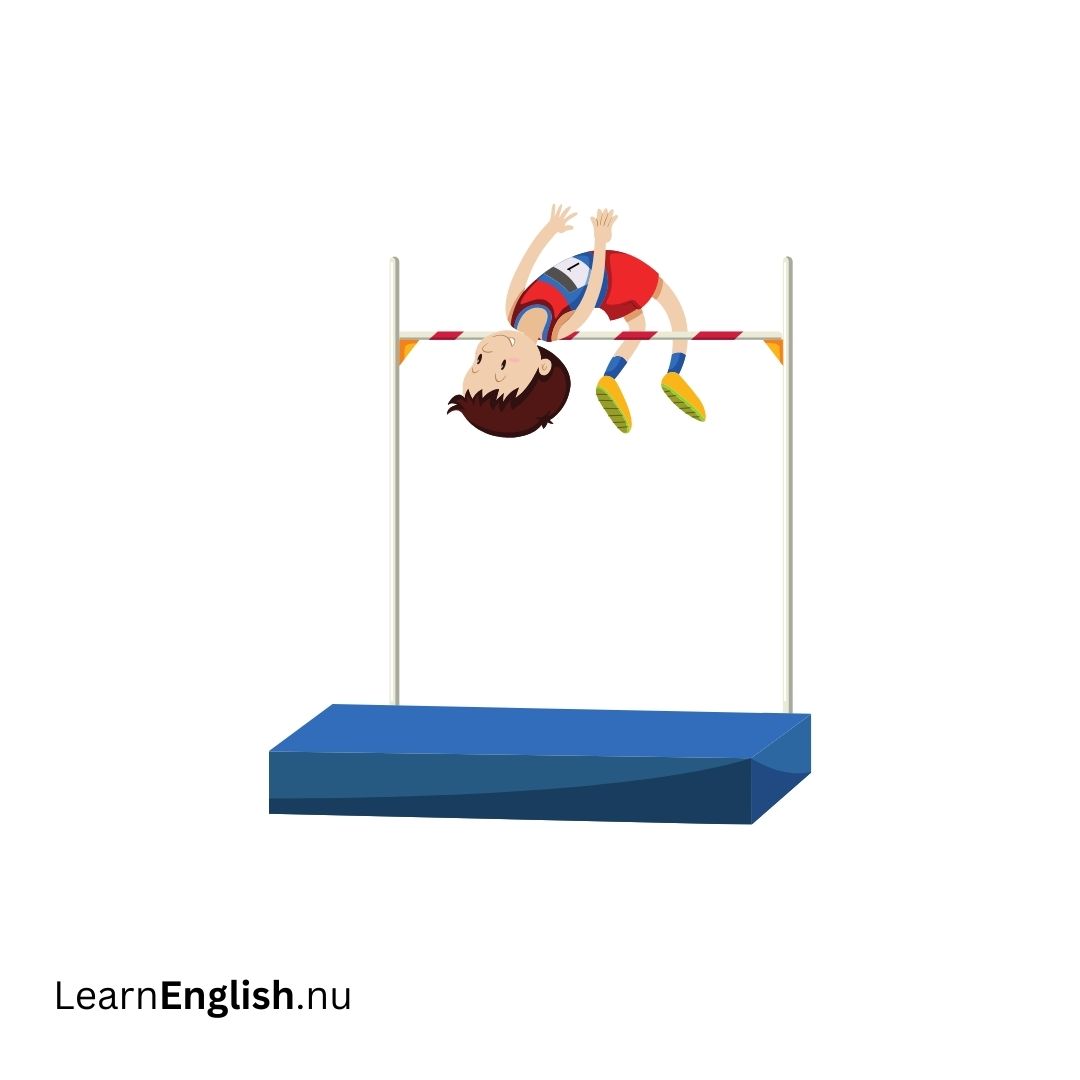
- Hög (High) "Den byggnaden är väldigt hög." English: "That building is very high."
- Låg (Low)"Takets höjd är låg." English: "The height of the ceiling is low."
- Tung (Heavy) "Den här lådan är tung." English: "This box is heavy."
- Lätt (Light) "Den här boken är lätt att bära." English: "This book is light to carry."
- Svag (Weak) "Han är för svag för att lyfta den vikten." English: "He is too weak to lift that weight."
- Stark (Strong) "Hon är väldigt stark." English: "She is very strong."
- Intressant (Interesting) "Det var en intressant föreläsning." English: "It was an interesting lecture."
- Tråkig (Boring) "Filmen var ganska tråkig." English: "The movie was quite boring."
- Glad (Happy) "Jag är så glad att se dig." English: "I am so happy to see you."
Swedish adjective conjugation
Understanding how to use adjectives in Swedish can significantly improve your communication skills. Adjectives describe nouns, giving you the ability to convey more detailed information about people, places, and things. In this tutorial, we will explore how to conjugate Swedish adjectives and provide pronunciation tips to help you use them accurately.
Conjugating Adjectives in Swedish
In Swedish, adjectives agree with the nouns they describe in gender and number. This means the form of the adjective changes depending on whether the noun is common, neuter, singular, or plural. Here's a breakdown of how to conjugate Swedish adjectives:
Singular Common Gender: The adjective takes its base form.
- Example: en stor bil (a big car)
Singular Neuter Gender: Add an -t to the base form of the adjective.
- Example: ett stort hus (a big house)
Plural: Add an -a to the base form of the adjective, regardless of gender.
- Example: stora bilar (big cars)
Definite Form: When the noun is definite, add -a to the adjective in all forms.
- Example: den stora bilen (the big car), det stora huset (the big house), de stora bilarna (the big cars)
Pronunciation Tips
To pronounce Swedish adjectives correctly, focus on the following:
- Common Gender Singular: The adjective sounds like the base form. For example, "stor" (big) is pronounced [stoor].
- Neuter Gender Singular: Pronounce the adjective with the added -t. For example, "stort" (big) is pronounced [stoohrt].
- Plural: The adjective ends with -a. For example, "stora" (big) is pronounced [stoo-ra].
- Definite Form: The adjective retains the -a ending in all cases. For example, "stora" (big) is pronounced [stoo-ra] in phrases like "den stora bilen."
Tables of Swedish Adjective Conjugation
| Gender/Number |
Example Adjective |
Pronunciation |
| Common Singular |
stor |
[stoor] |
| Neuter Singular |
stort |
[stoohrt] |
| Plural |
stora |
[stoo-ra] |
| Definite |
stora |
[stoo-ra] |
Using Adjectives in Swedish
Adjectives are essential in Swedish for describing people, objects, and actions. They help us express how things are and can even compare them. This guide will cover how to use adjectives in their base form, how they can act as adverbs, how to compare things, and how to form antonyms.
Base Form of Adjectives When you describe people or things in Swedish, you use the base form of the adjective. For example:
- Hanna är trevlig (Hanna is nice)
Adjectives as Adverbs In Swedish, many adjectives can also be used as adverbs to describe how actions are performed or to further define another adjective. To use an adjective as an adverb, add -t to the end of the adjective. For example:
- Riktigt bra (really good)
- Han sjunger vackert (he sings beautifully)
Comparing Things You can compare things or people using adjectives by adding the endings -are and -ast. This is similar to English. For example:
- Lätt (easy)
- Lättare (easier)
- Lättast (easiest)
Forming Antonyms Some Swedish adjectives can be turned into their opposites by adding "o-" to the beginning. For example:
- Ovanlig (unusual)
- Okänd (unknown)
- Oviktig (unimportant)
- Oriktig (incorrect)