Planet names in Swedish and English (Solar system). Diving into the names of planets in Swedish is an exciting way to broaden your language skills while also exploring the wonders of our solar system. By learning these planetary names, you’ll not only enhance your Swedish vocabulary but also get a chance to discuss intriguing scientific topics and join conversations about space. This guide will walk you through the key planet names in Swedish and provide you with useful tips and resources to make the learning process both fun and effective. Whether you’re just starting out or aiming to polish your skills, mastering these planetary terms will add a fascinating dimension to your Swedish language learning journey.
Click on the text to hear the pronunciation
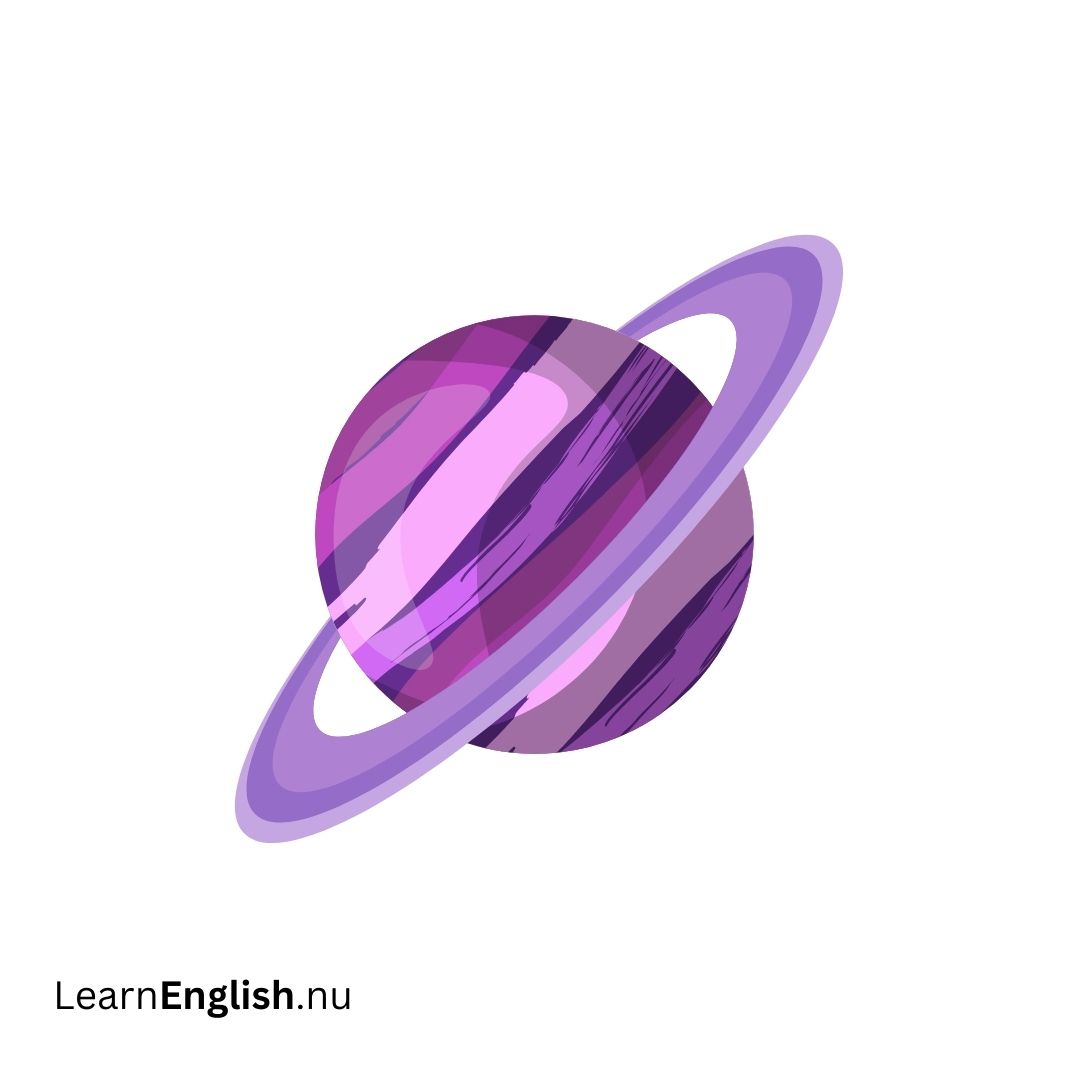 Planet
Planet Stjärna
Star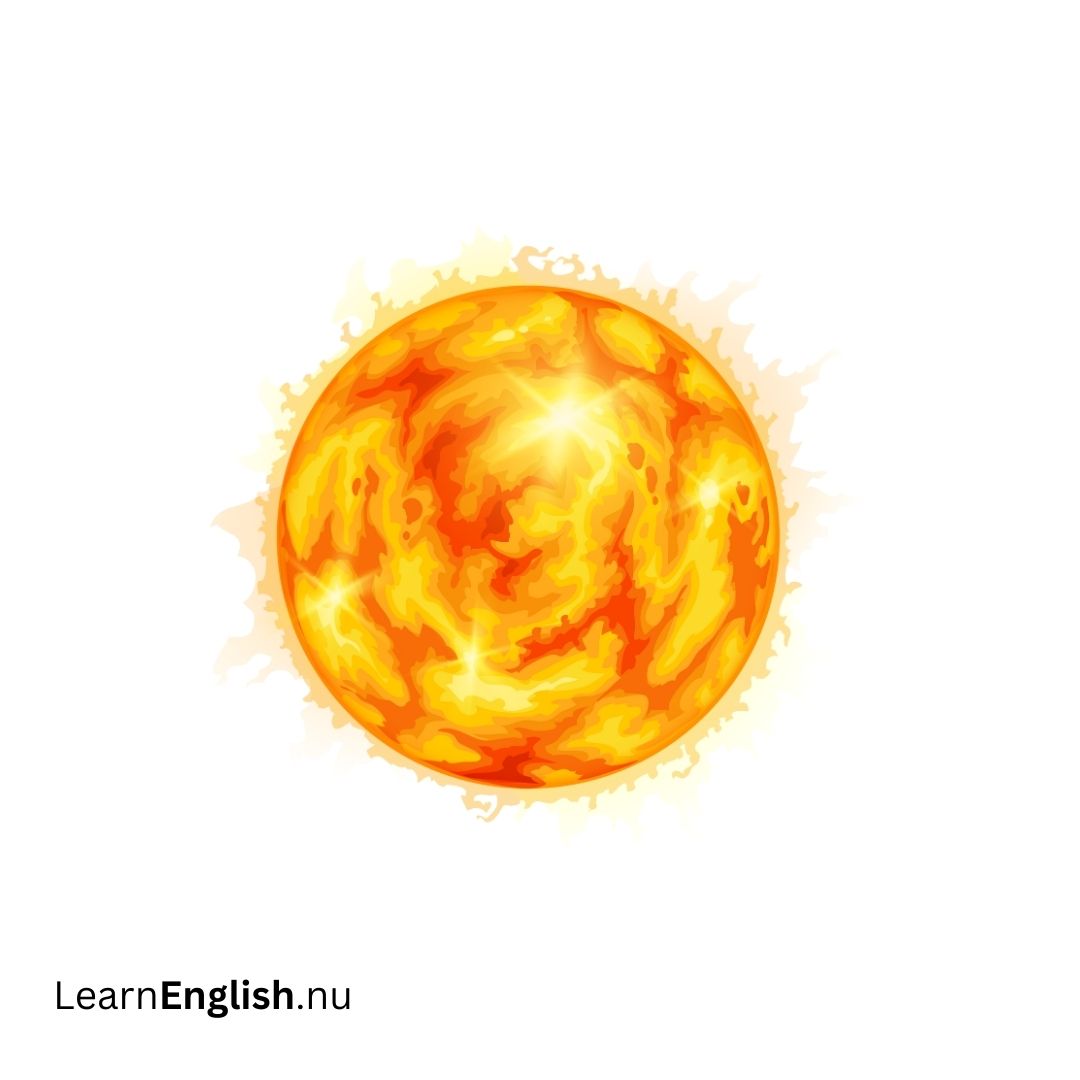 Solen
Solen
The Sun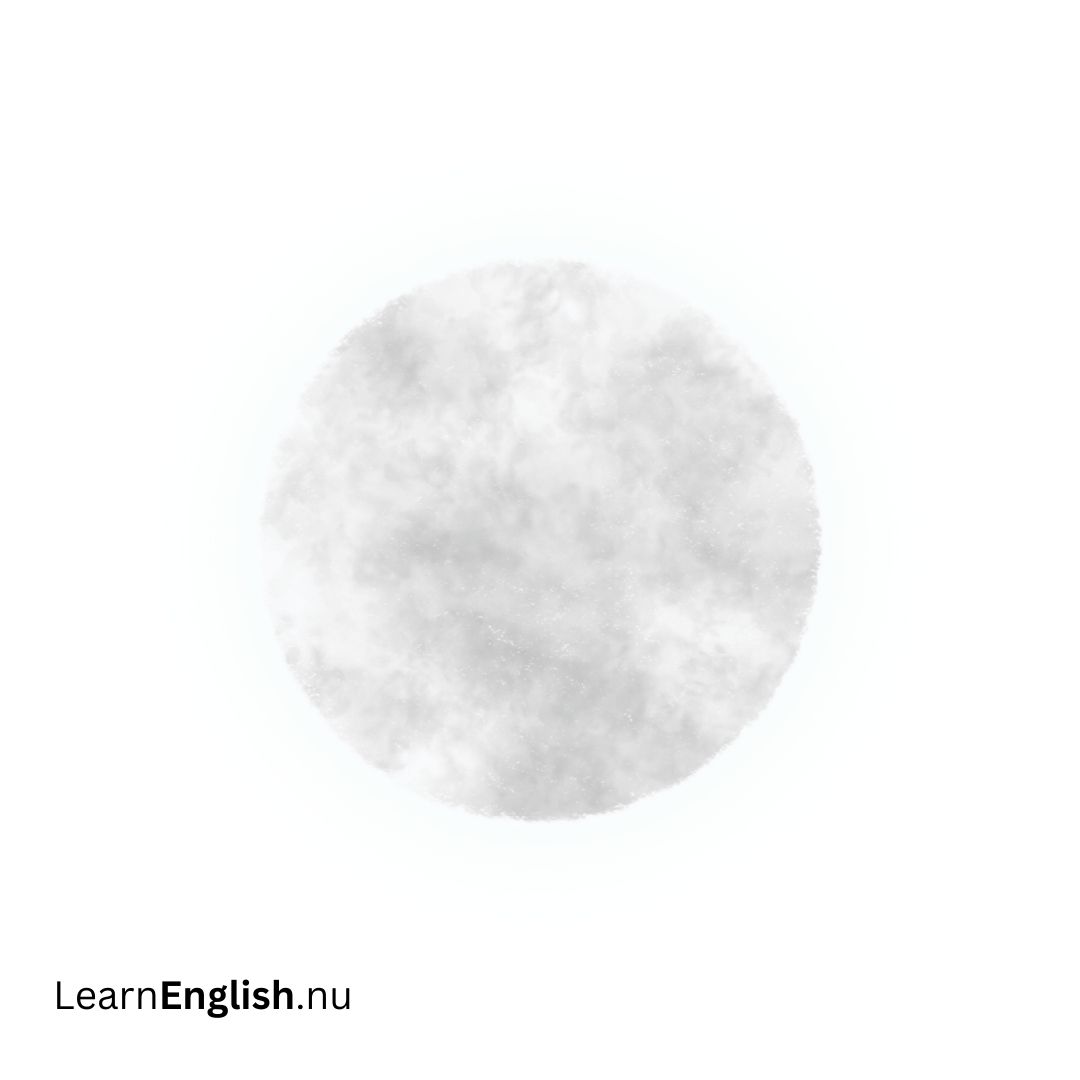 Månen
Månen
The Moon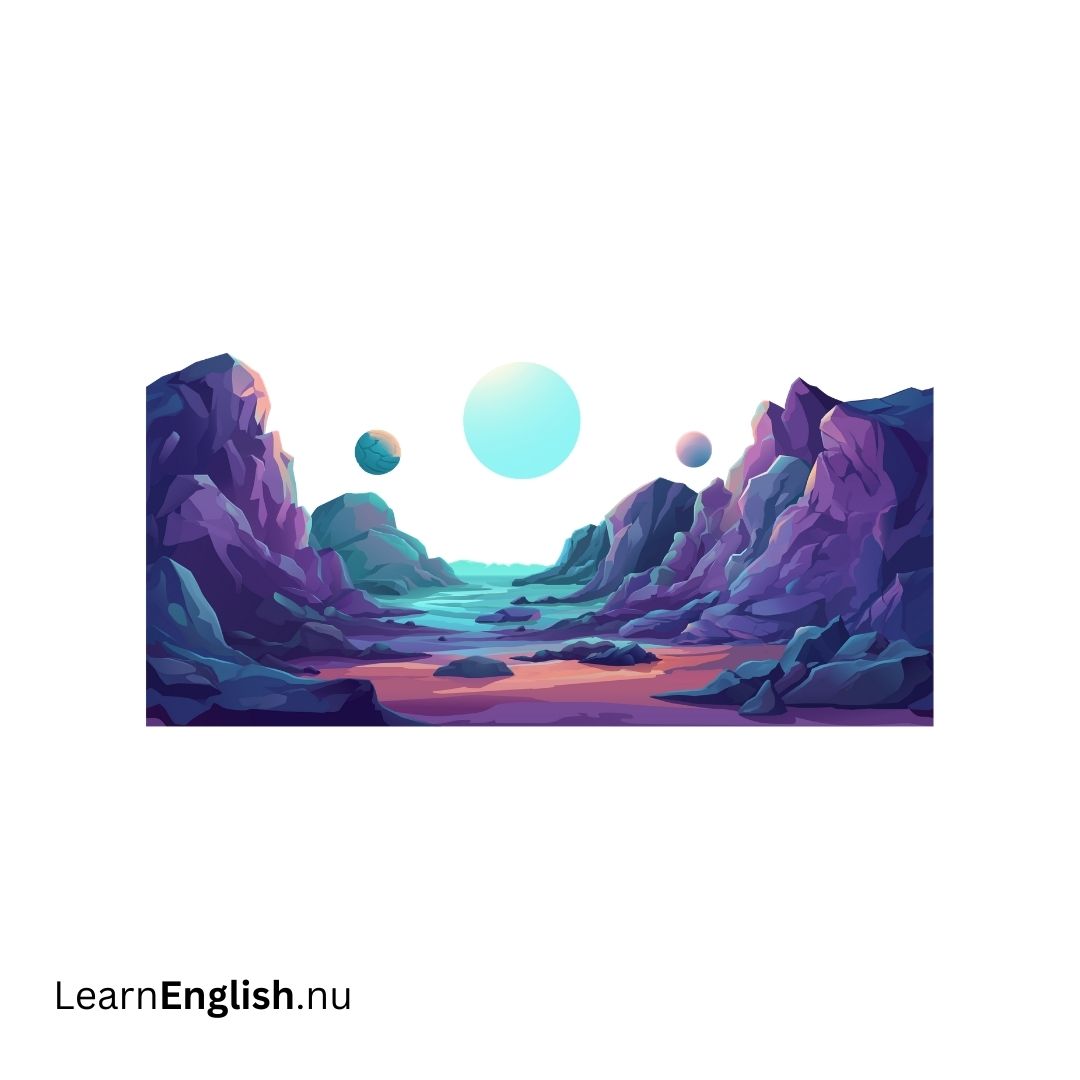 Rymden
Space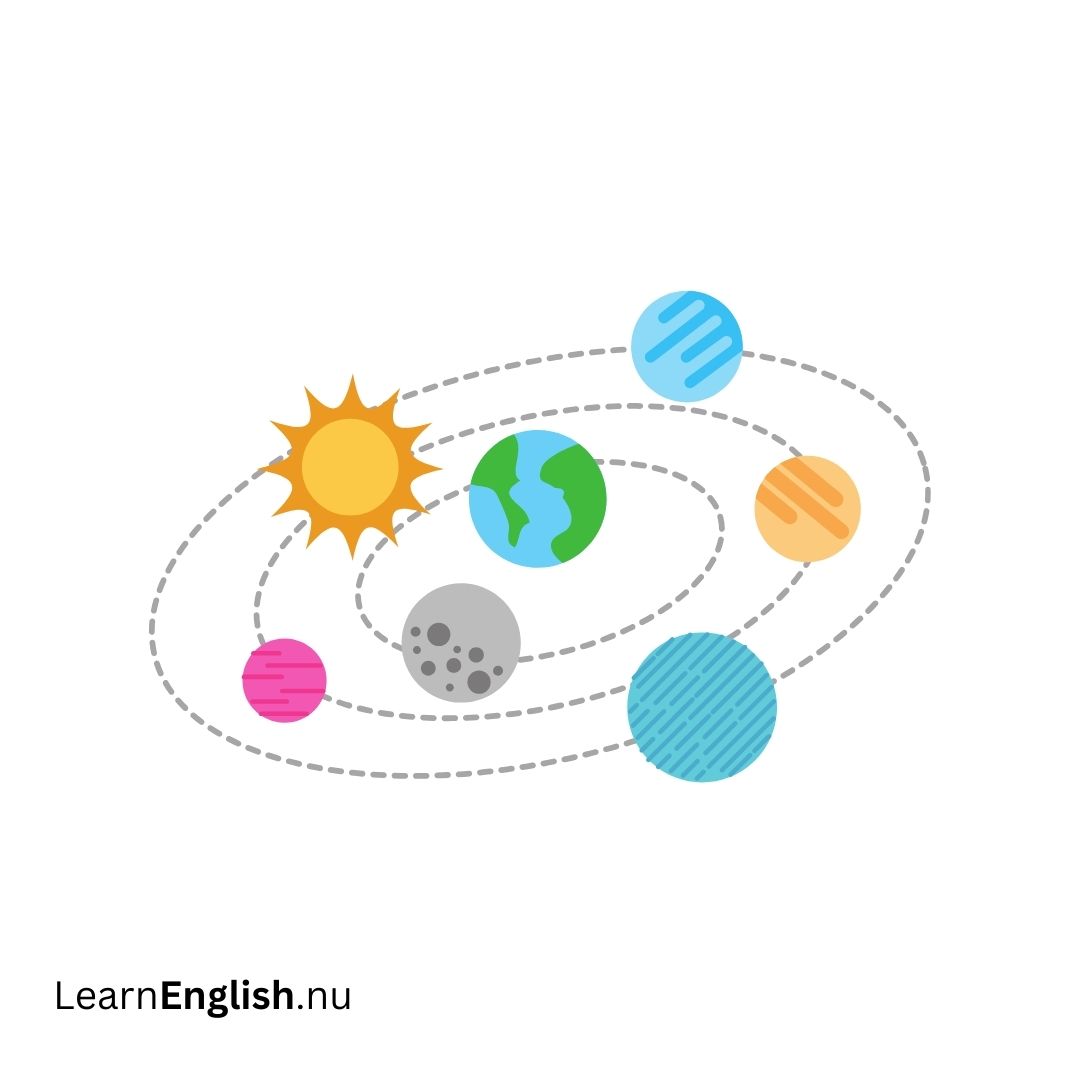 Solsystem
Solar system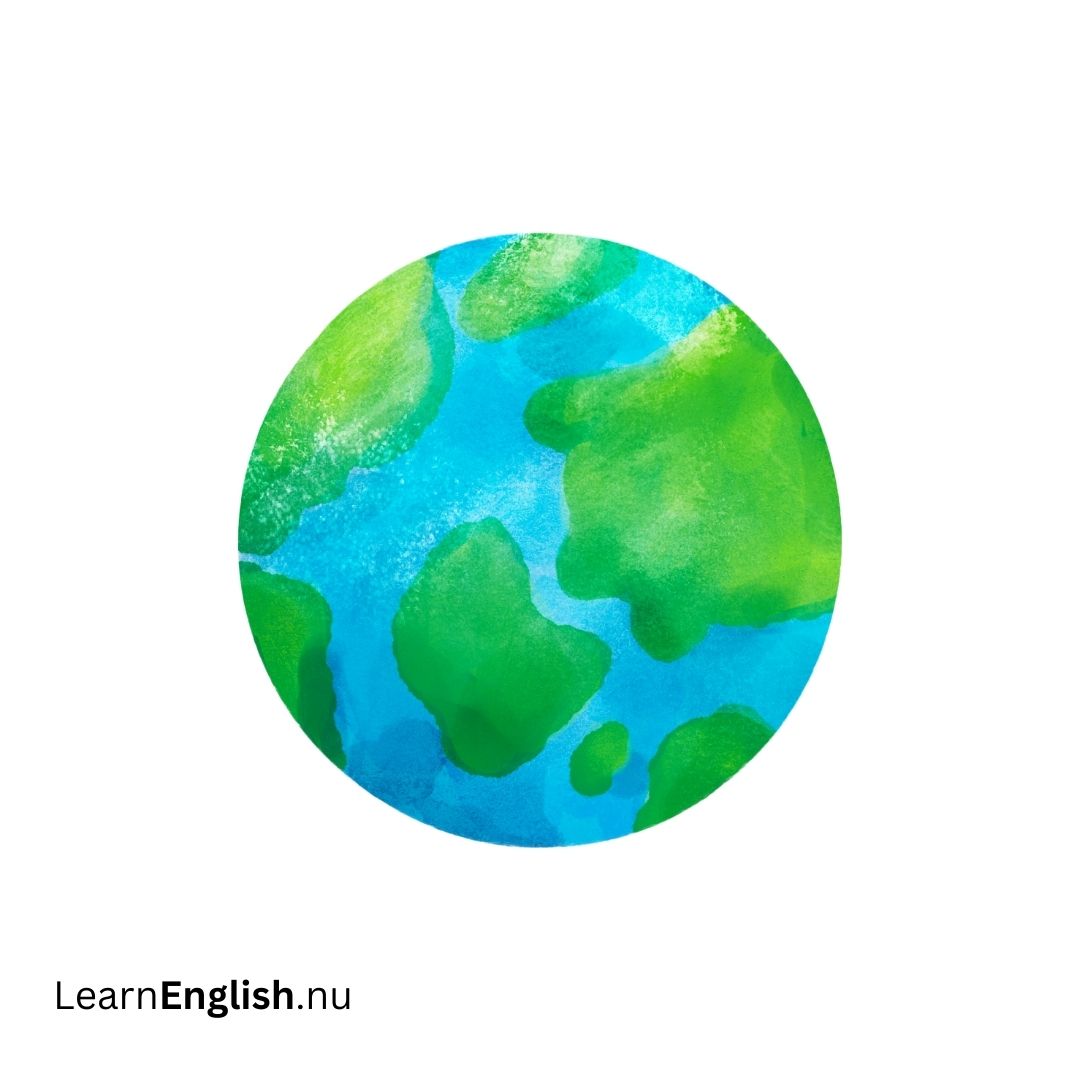 Jorden
Earth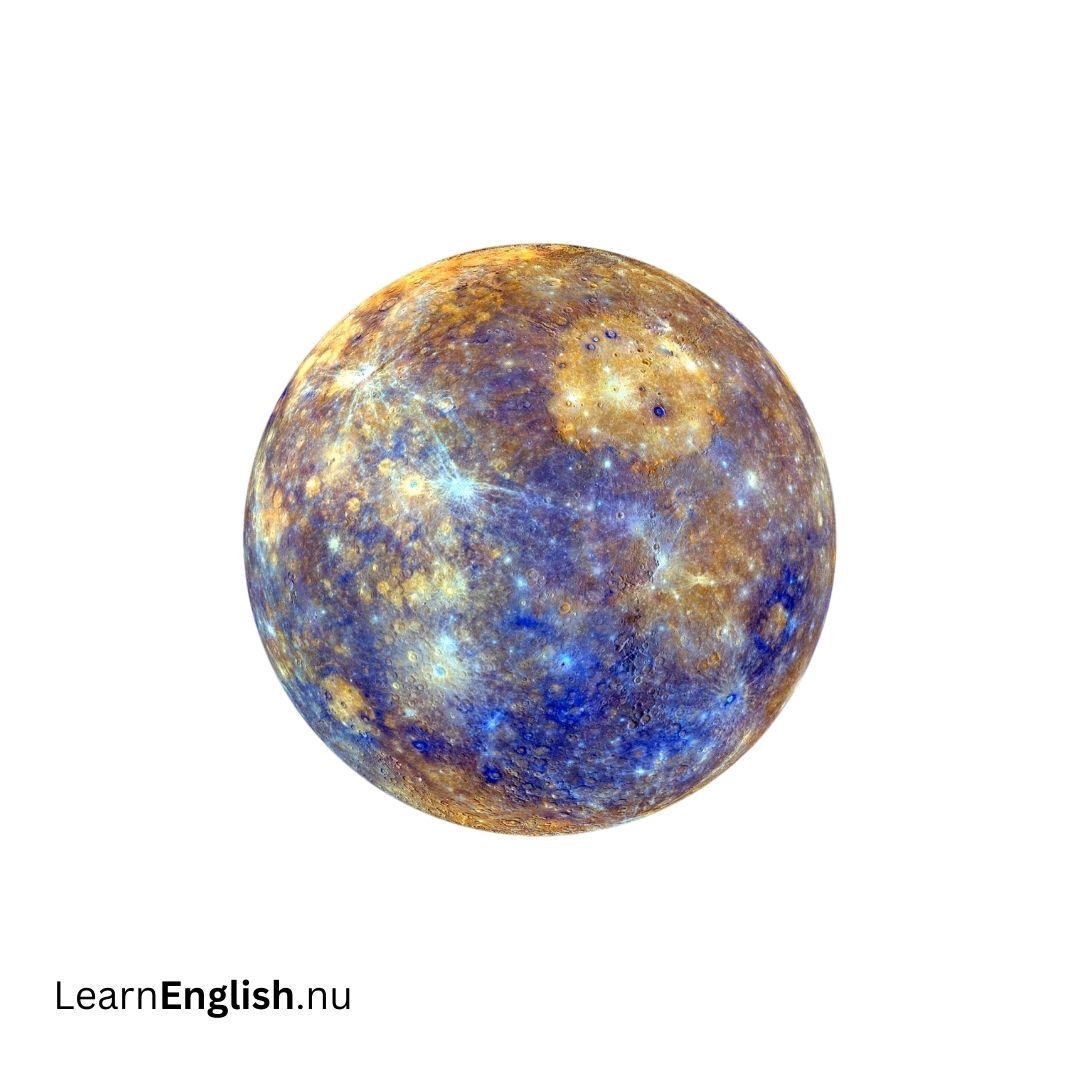 Merkurius
Mercury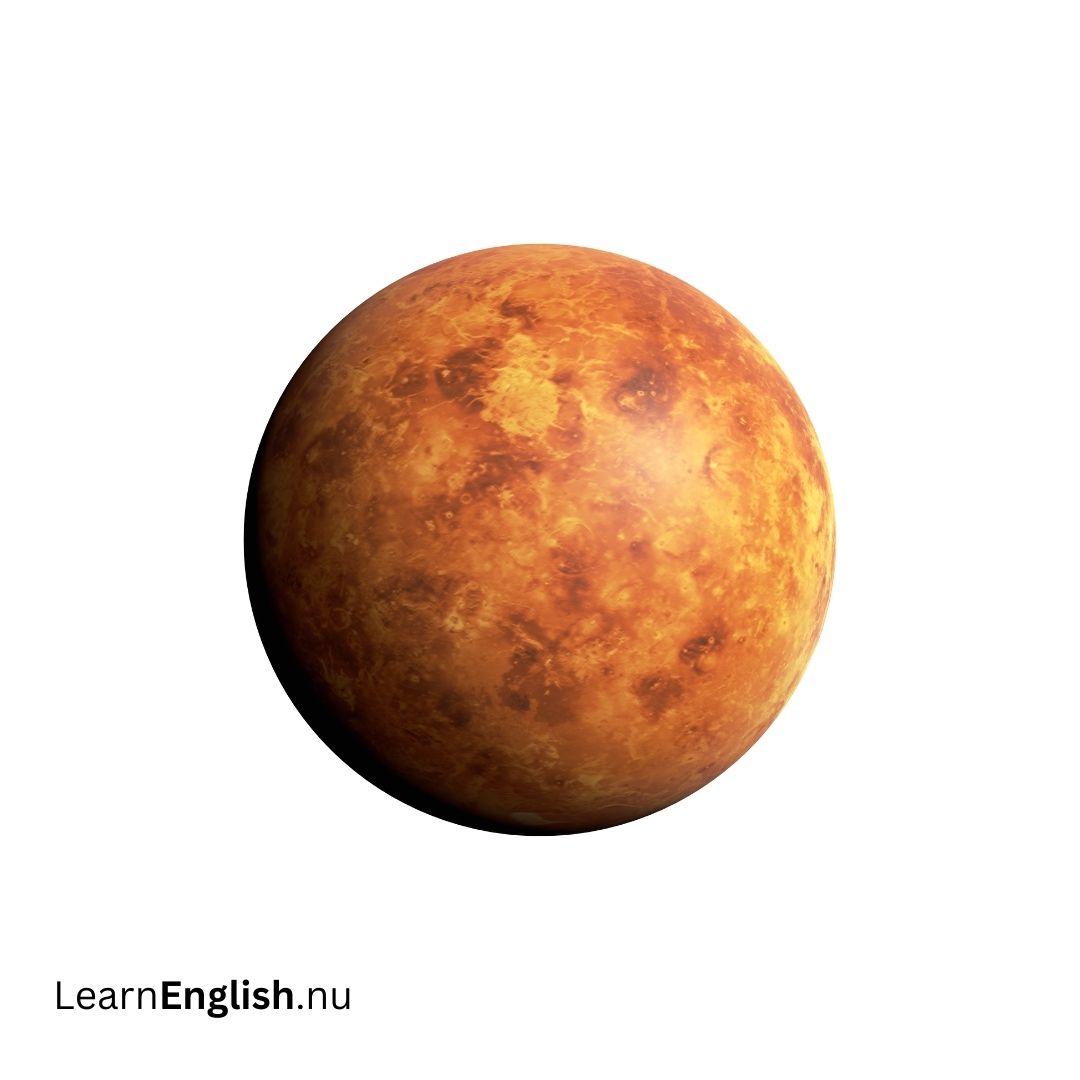 Venus
Venus
Venus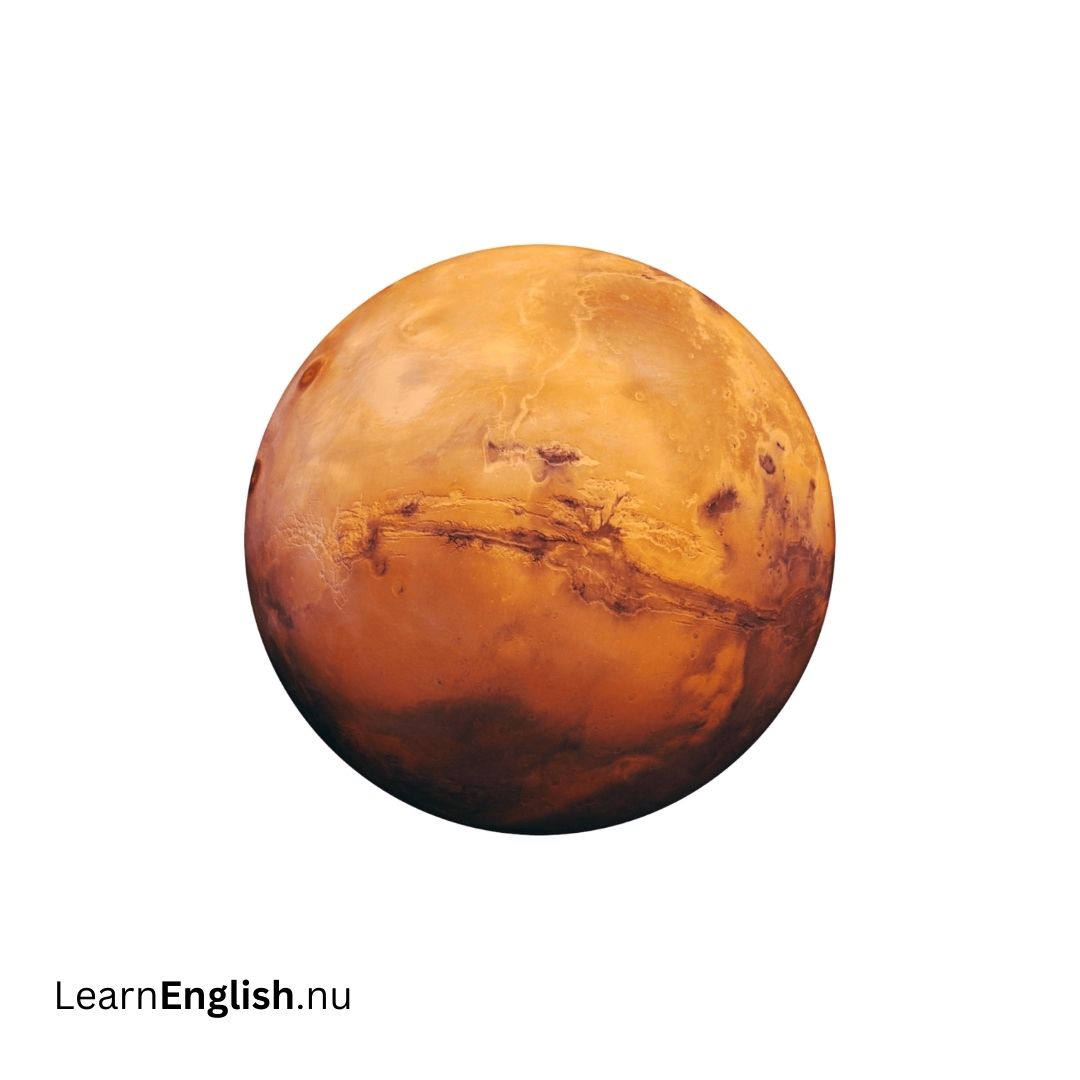 Mars
Mars
Mars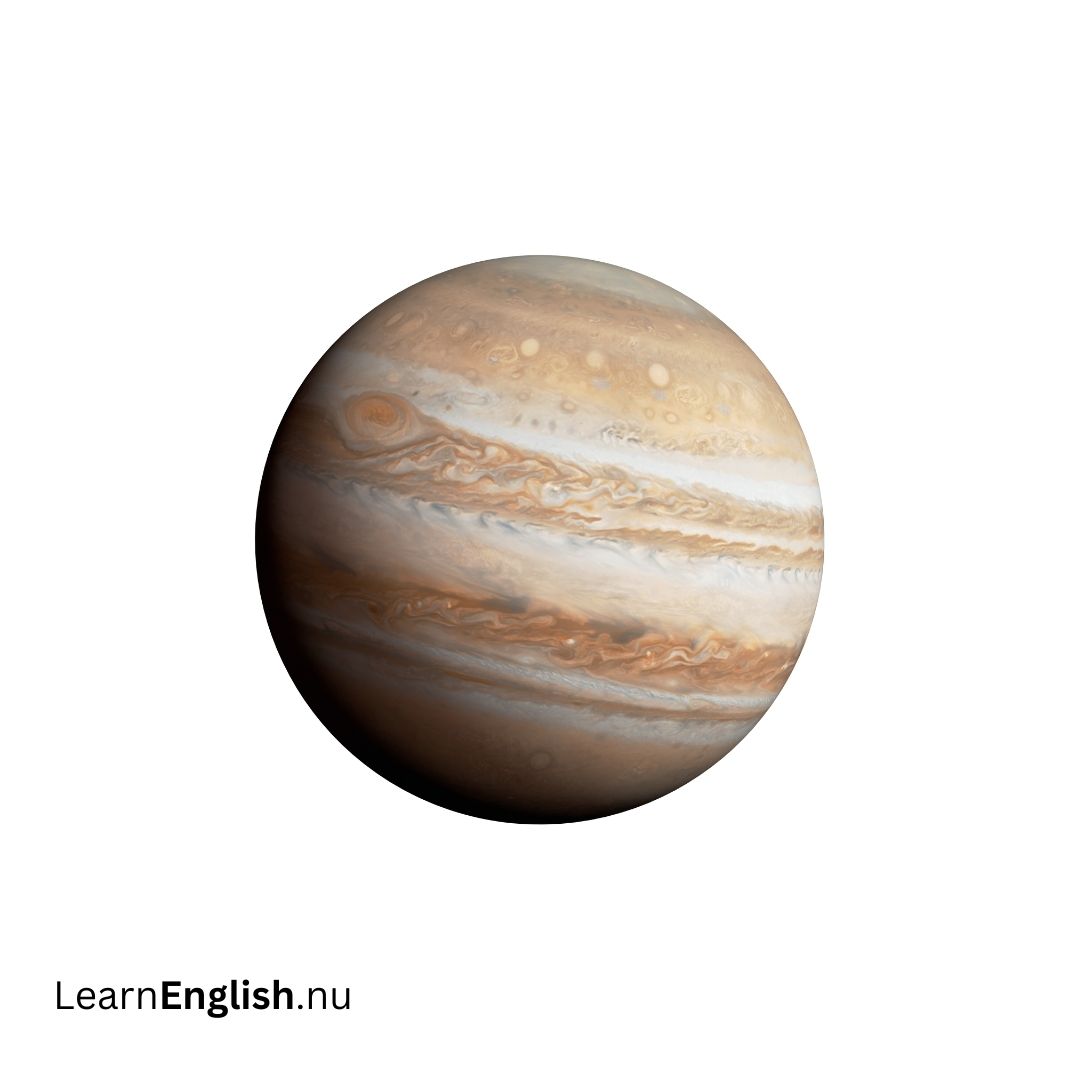 Jupiter
Jupiter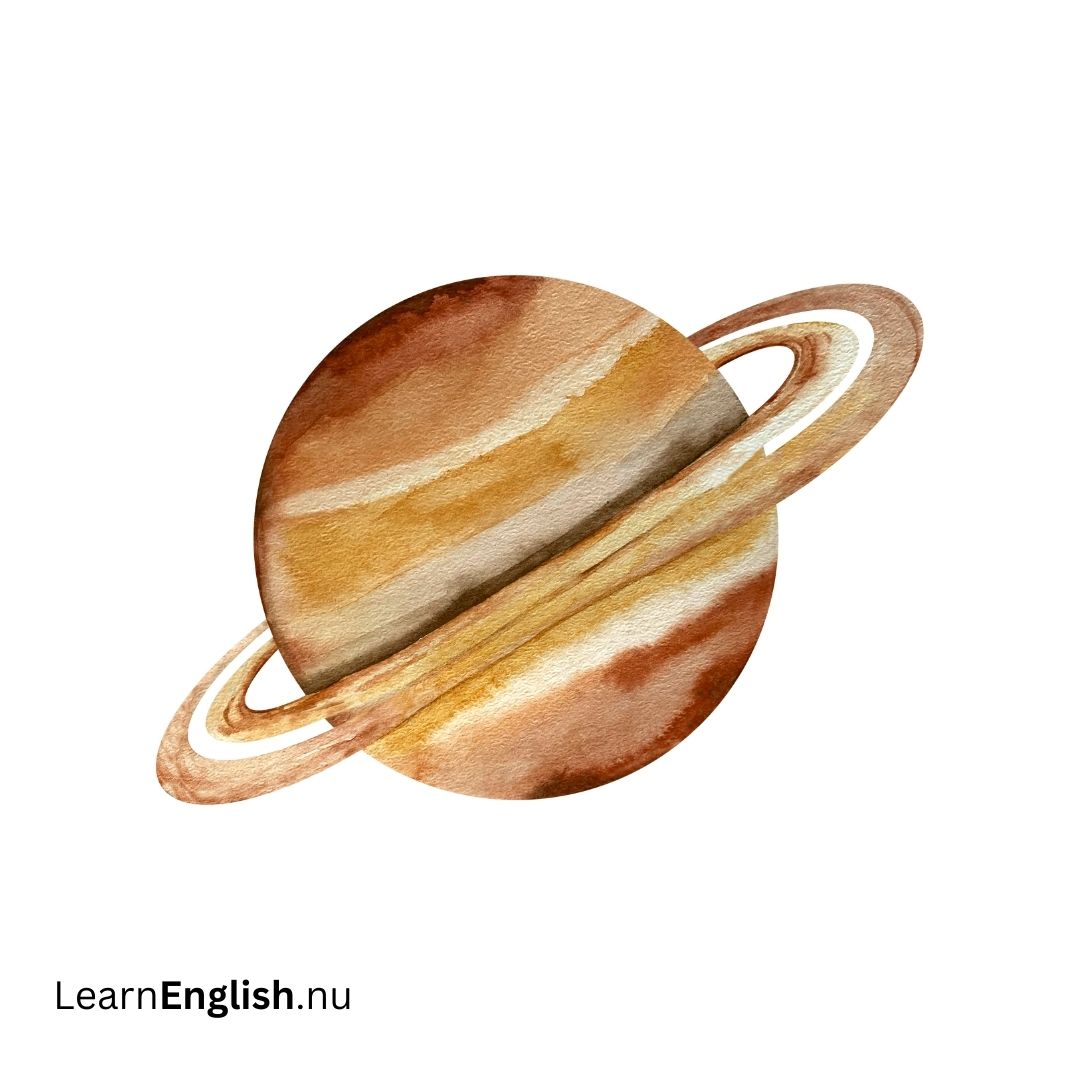 Saturnus
Saturn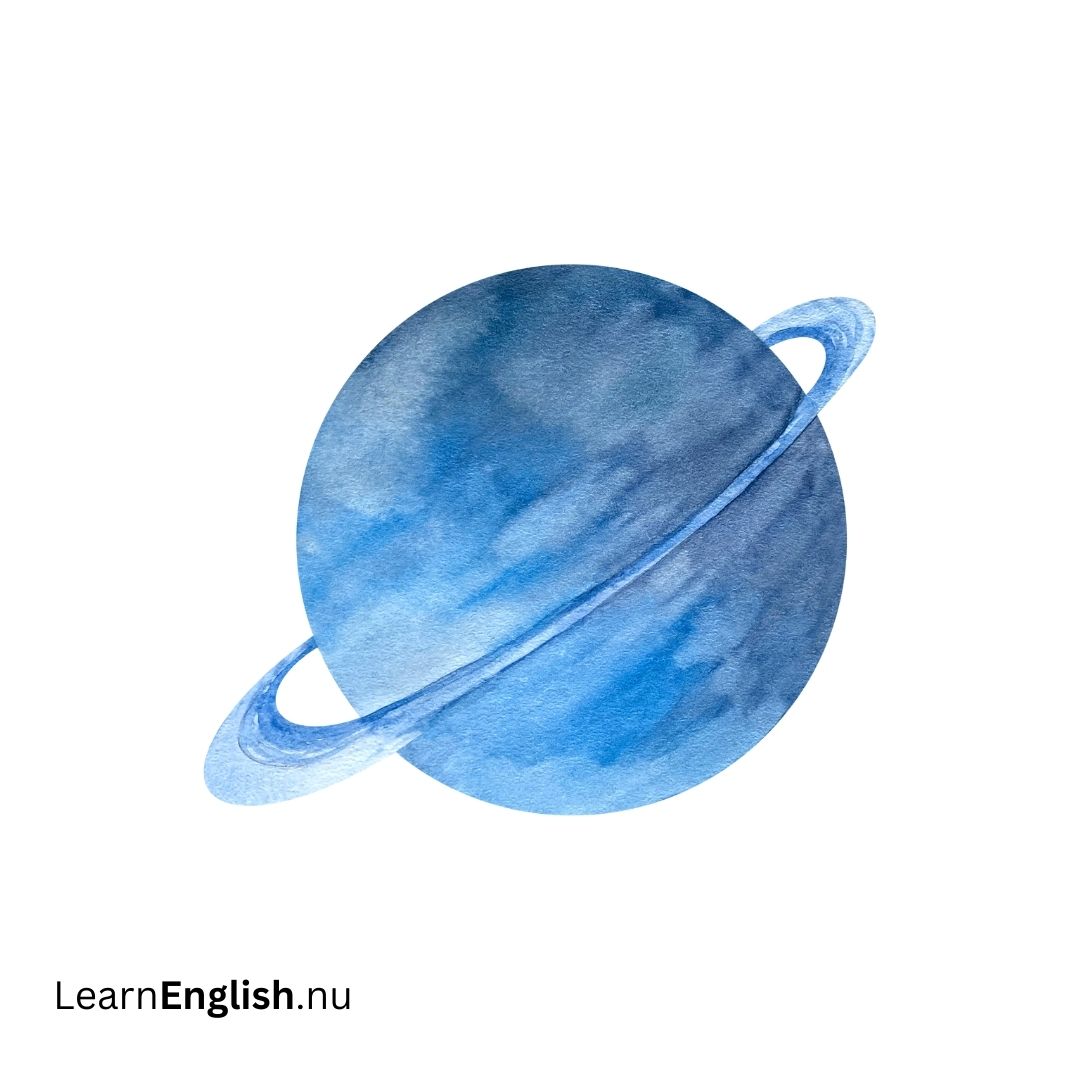 Uranus
Uranus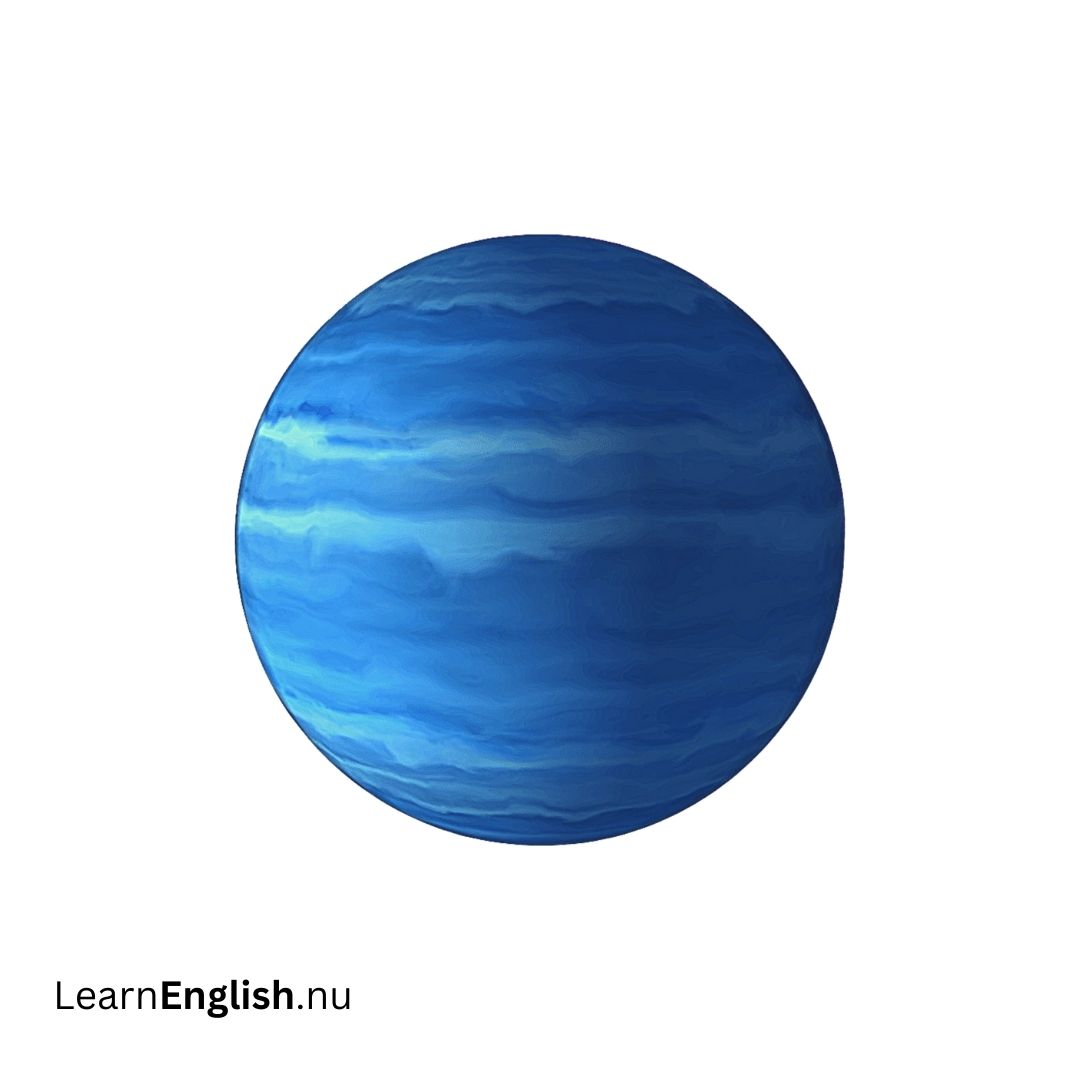 Neptunus
Neptune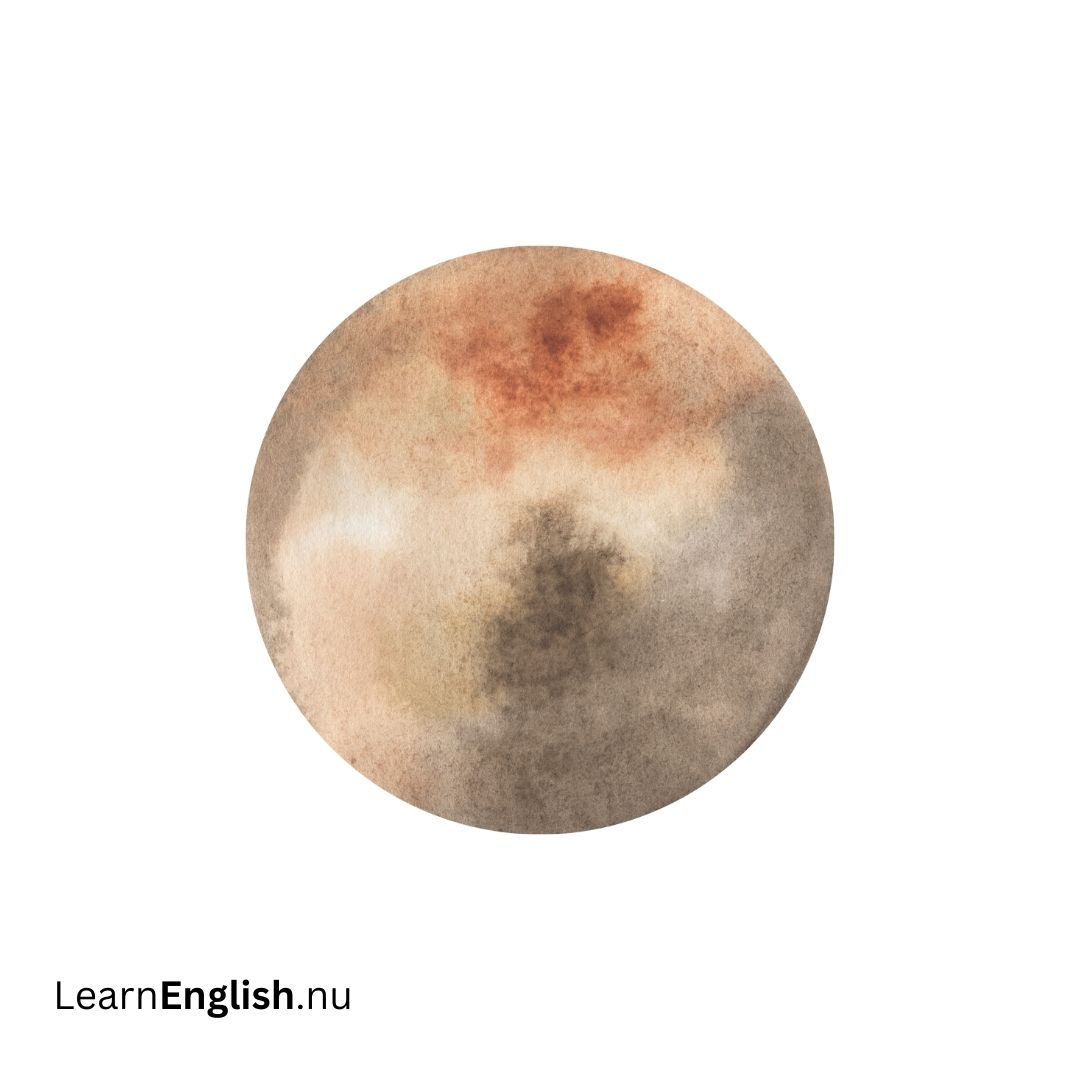 Pluto
Pluto
Pluto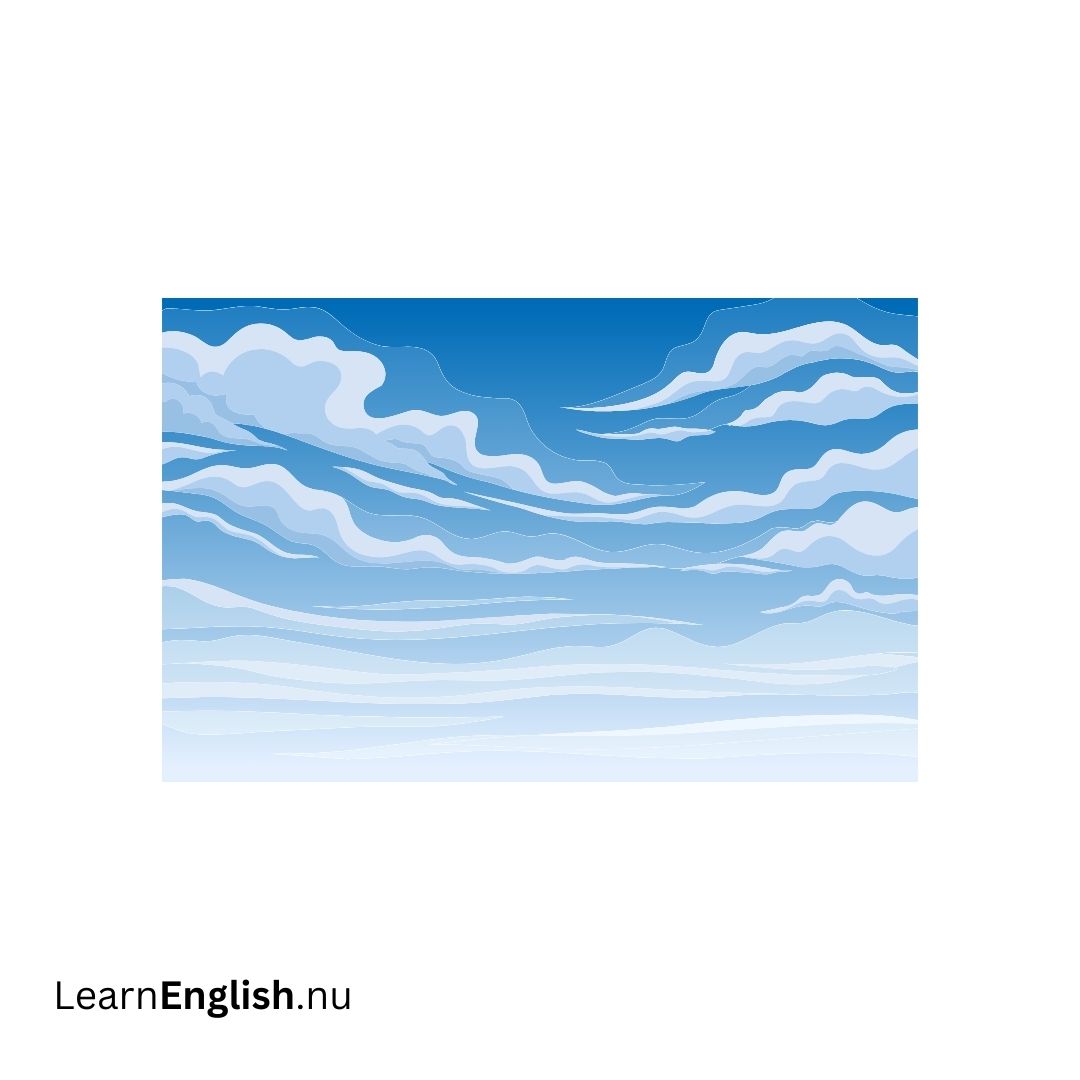 Himmel
Sky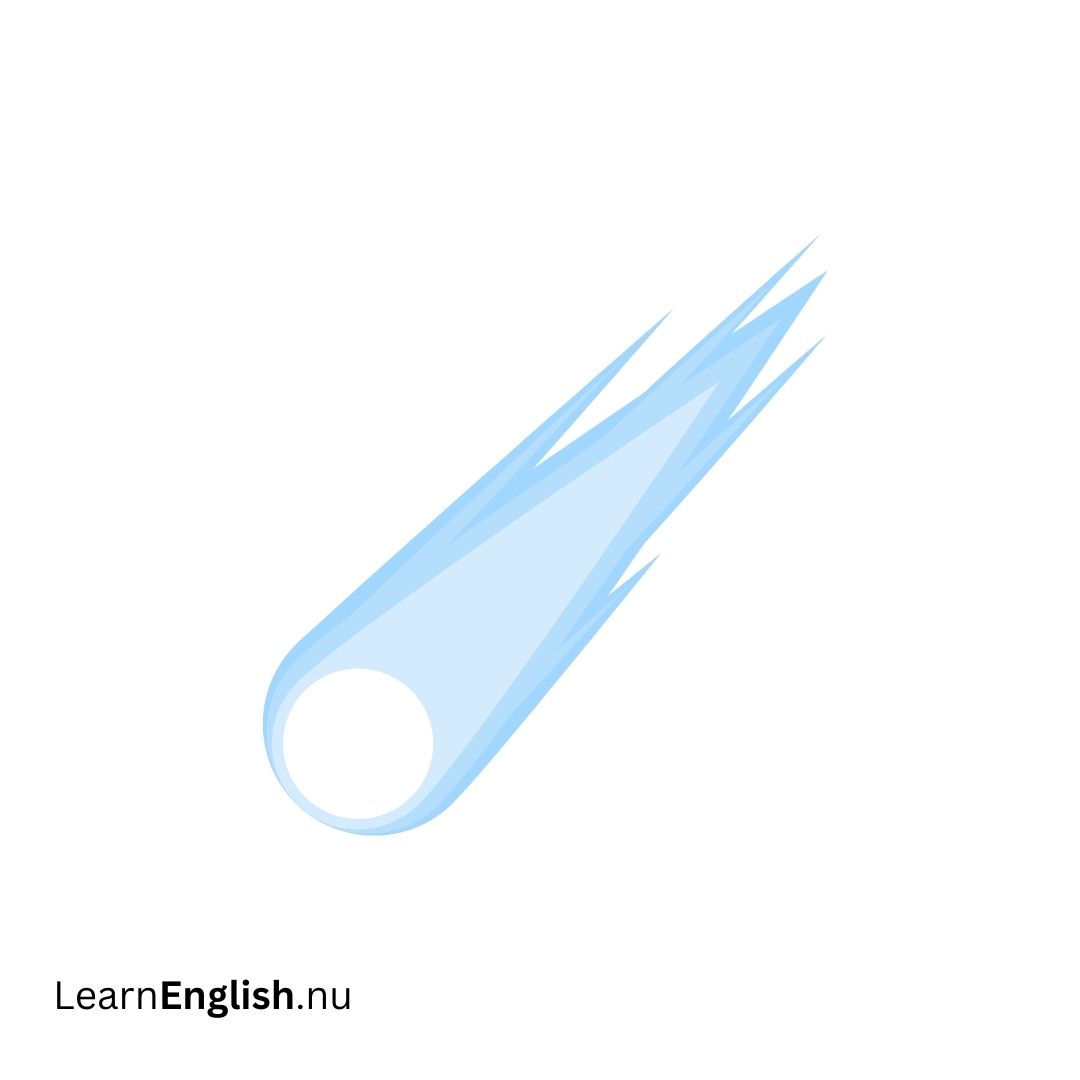 Komet
Komet
Comet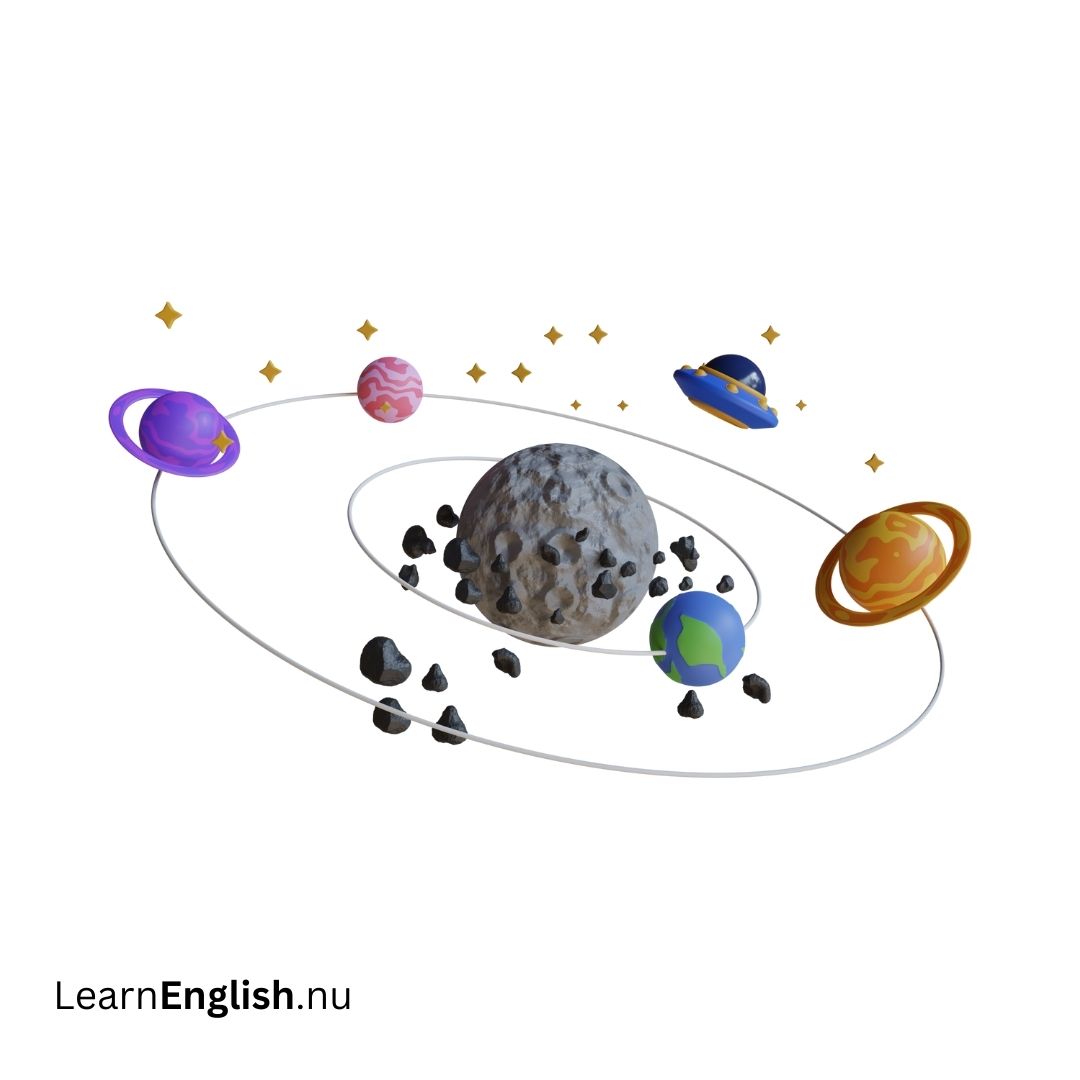 Bana
Bana
Orbit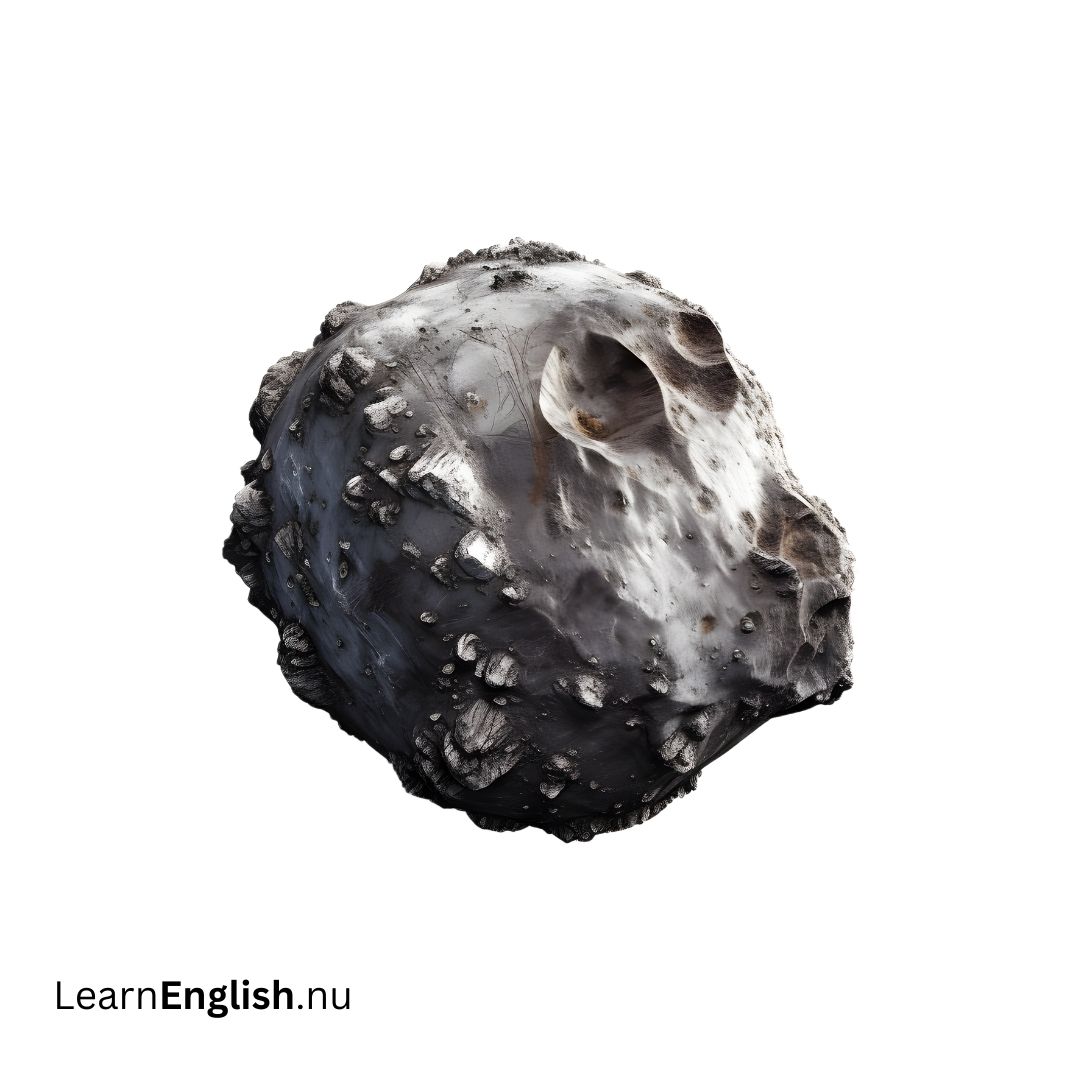 Asteroid
Asteroid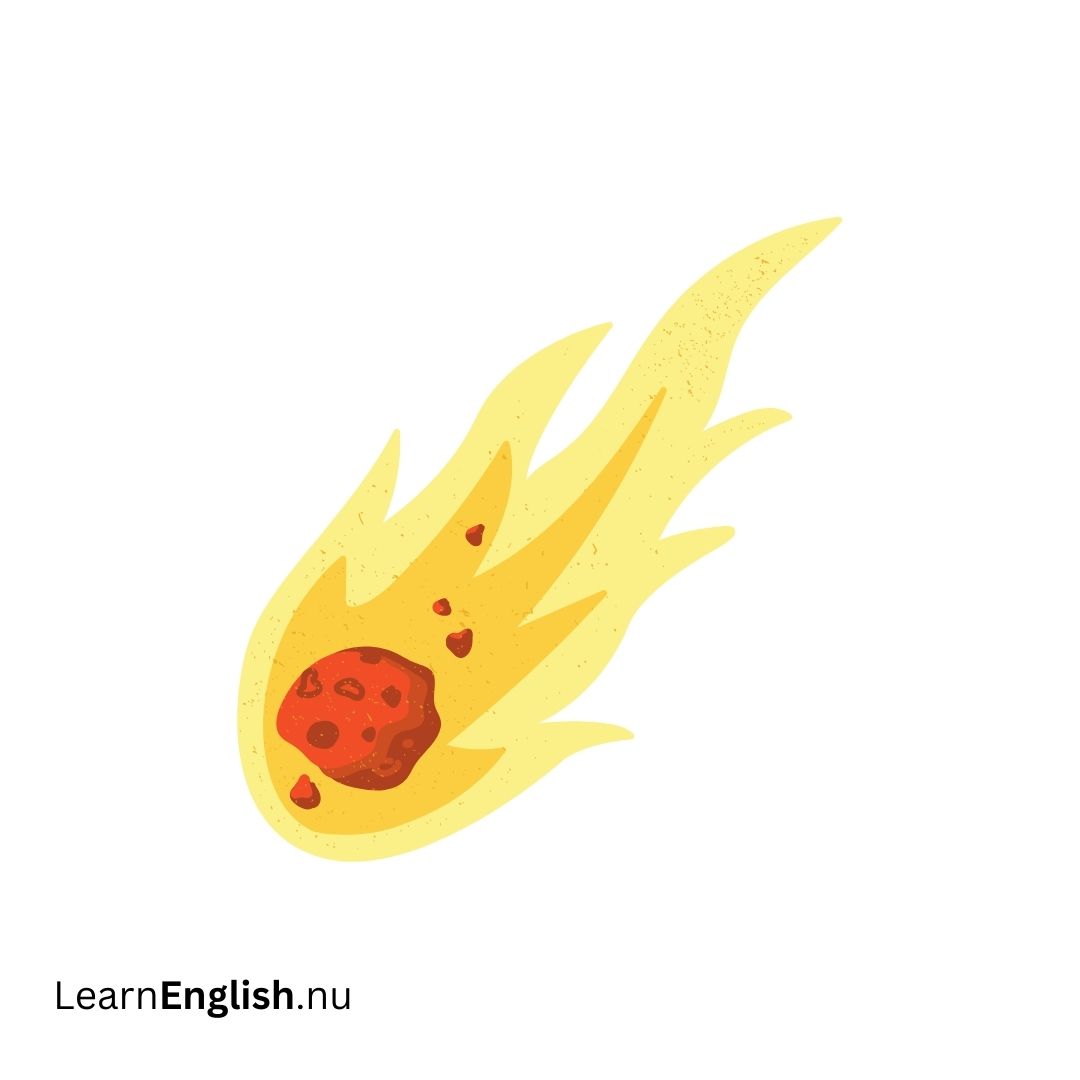 Meteorit
Meteor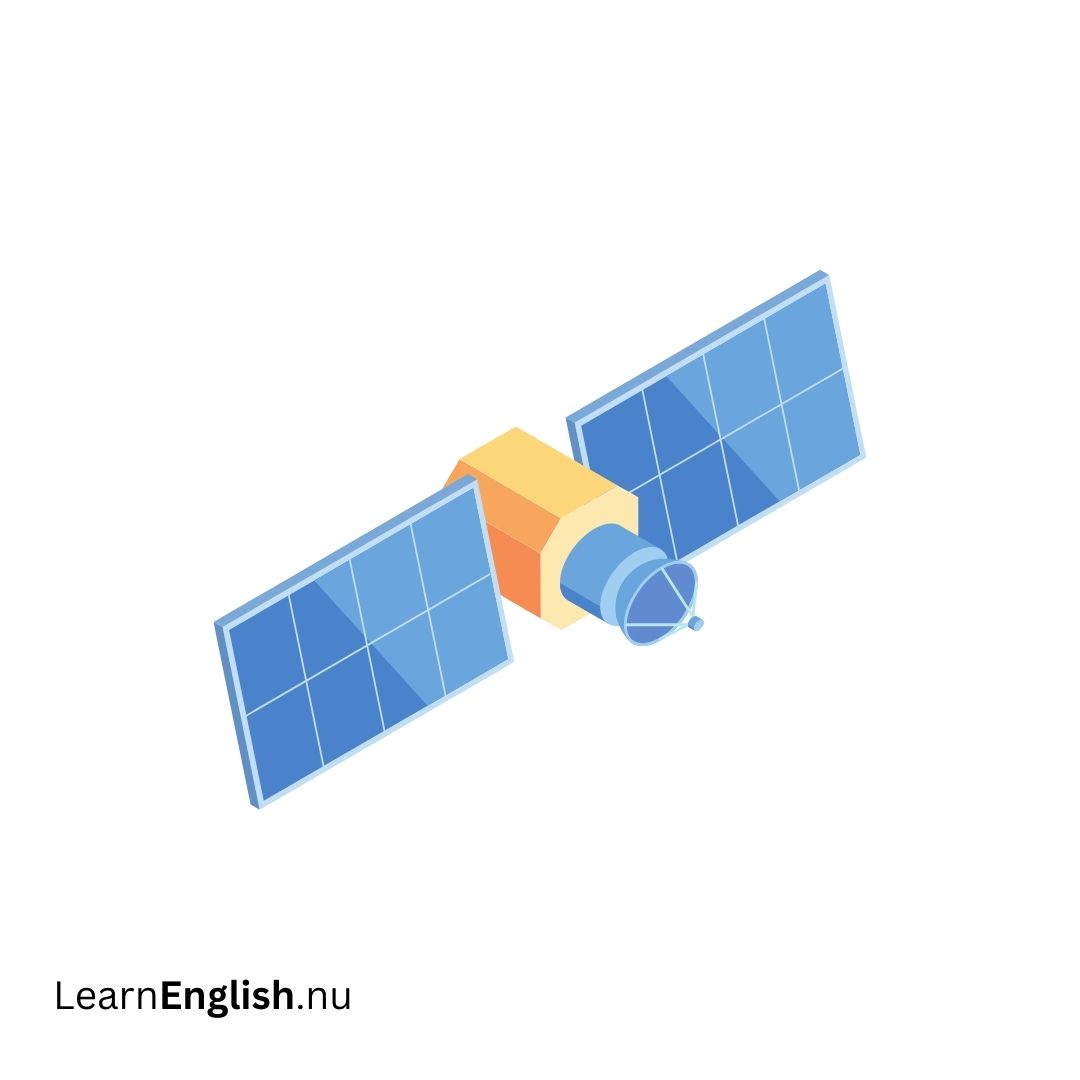 Satellit
Satellite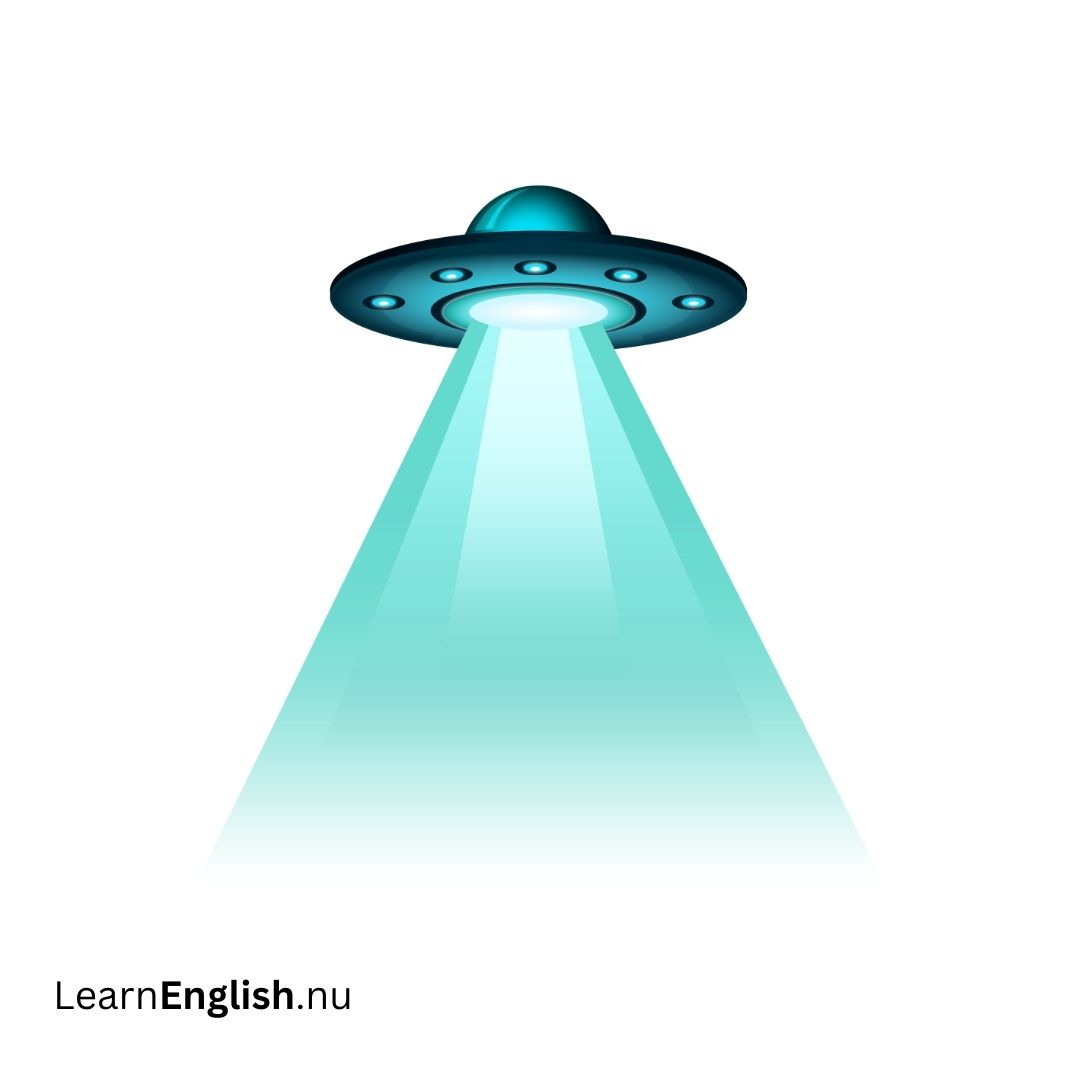 Rymdskepp
Spaceship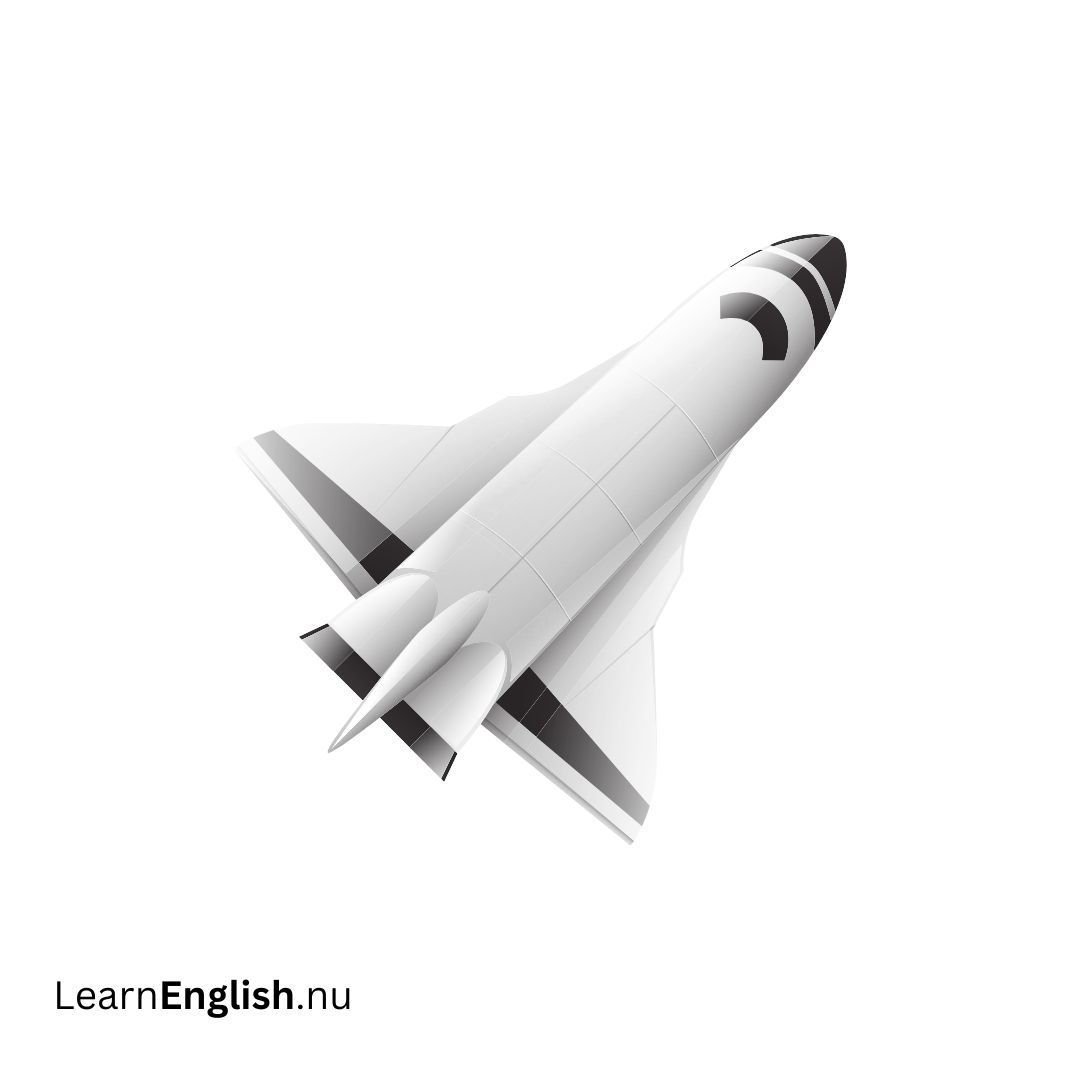 Rymdfarkost
Spacecraft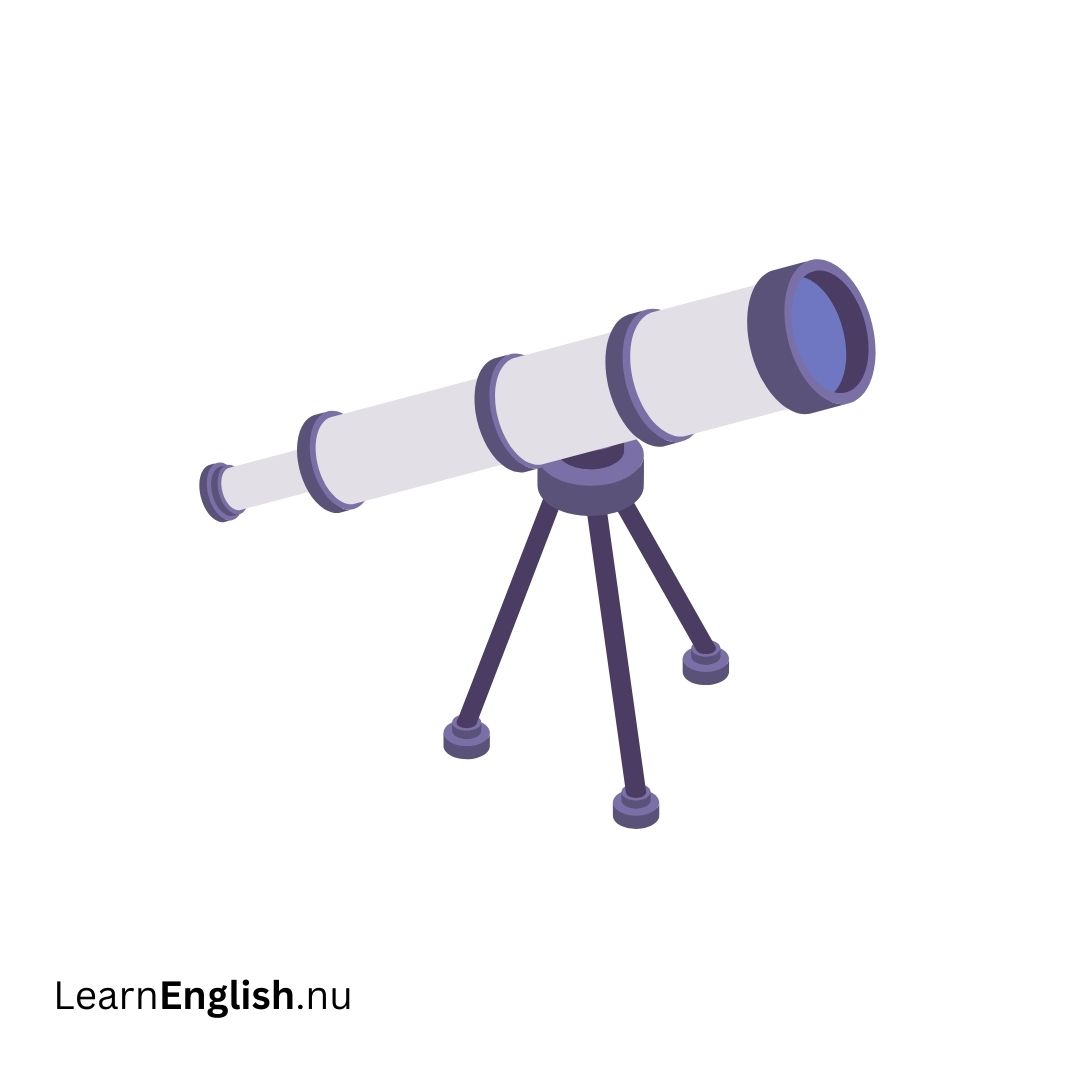 Teleskop
Telescope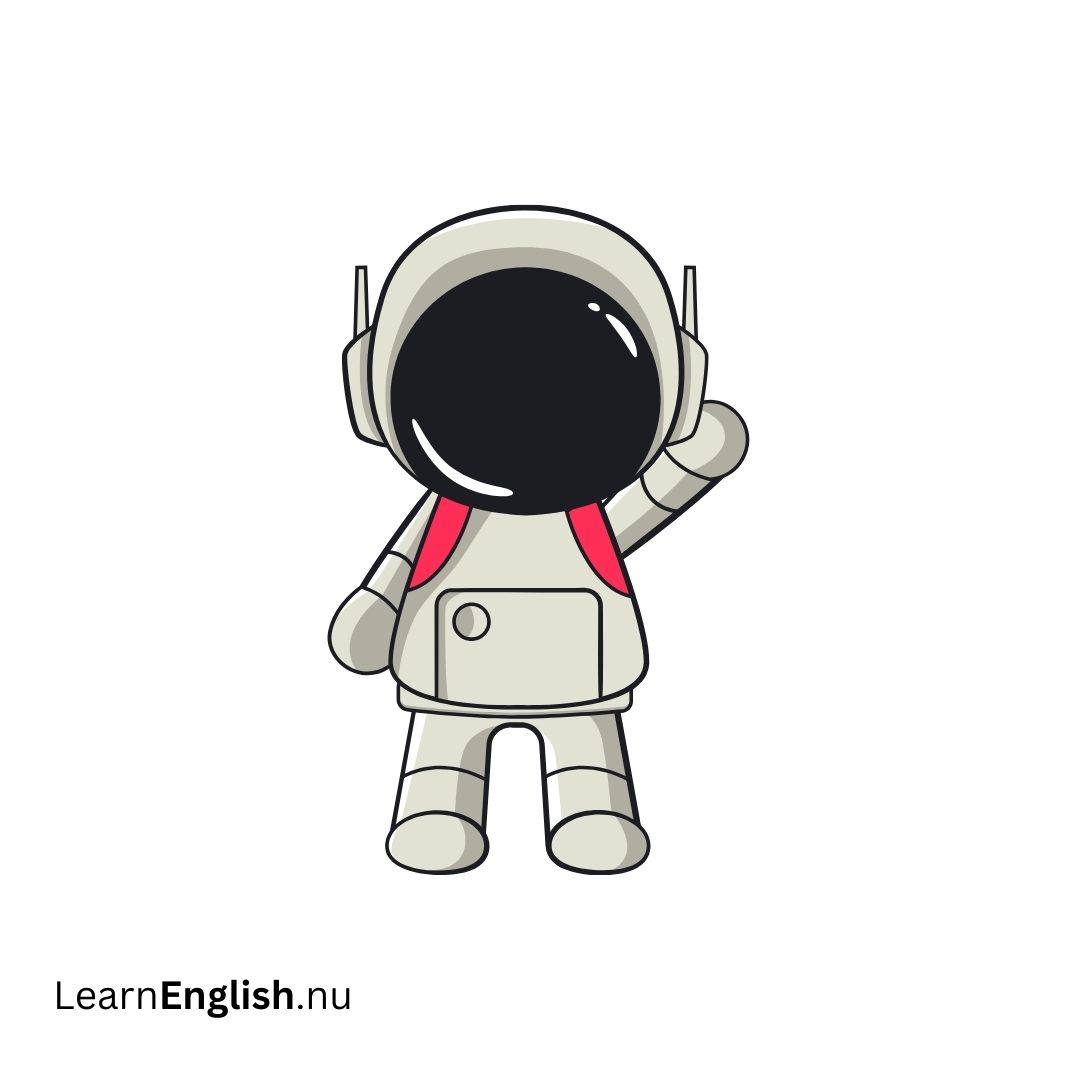 Astronaut
Astronaut
Planet names in Swedish and English (Solar system)
- Planet Planet
- Stjärna Star
- Solen The Sun
- Månen The Moon
- Rymden Space
- Solsystem Solar system
- Jorden Earth
- Merkurius Mercury
- Venus Venus
- Mars Mars
- Jupiter Jupiter
- Saturnus Saturn
- Uranus Uranus
- Neptunus Neptune
- Pluto Pluto
- Himmel Sky
- Komet Comet
- Bana Orbit
- Asteroid Asteroid
- Meteorit Meteor
- Satellit Satellite
- Rymdskepp Spaceship
- Rymdfarkost Spacecraft
- Teleskop Telescope
- Astronaut Astronaut
Planet Names in Swedish
Learning vocabulary related to planets is a great way to expand your Swedish language skills. This tutorial provides a simple and clear guide to help beginners master the names of planets in Swedish. Knowing these terms can be useful in everyday conversations and can make your language learning more engaging.
Why Learn Planet Names in Swedish?
Learning planet names in Swedish not only enriches your vocabulary but also adds variety to your language practice. These terms are commonly used in educational contexts and can come in handy when discussing astronomy or related topics. By familiarizing yourself with these words, you can enhance your Swedish language skills and make learning more enjoyable. Below is a table with the names of planets in both English and Swedish. Use this table to practice and memorize the terms. Pronunciation tips are provided to help you speak these words correctly.
| English | Swedish | Pronunciation |
|---|---|---|
| Mercury | Merkurius | [mer-KOOR-ee-us] |
| Venus | Venus | [VEE-nus] |
| Earth | Jord | [yord] |
| Mars | Mars | [mars] |
| Jupiter | Jupiter | [YOO-pi-ter] |
| Saturn | Saturnus | [sa-TOOR-nus] |
| Uranus | Uranus | [YOO-rah-nus] |
| Neptune | Neptunus | [NEP-too-nus] |
Types of Planets in the Solar System in Swedish
In our solar system, planets are categorized based on their composition and position relative to the Sun. These categories include terrestrial planets, gas giants, and ice giants. Each type of planet has unique features, which are essential for understanding their roles in our solar system.
Terrestrial Planets
The inner four planets closest to the Sun are known as terrestrial planets. They include:
- Mercury (Merkurius)
- Venus (Venus)
- Earth (Jorden)
- Mars (Mars)
These planets have rocky surfaces. Although Pluto has a rocky surface, it is not classified with these four.
Gas Giants and Ice Giants
The four large outer planets are divided into gas giants and ice giants:
- Gas Giants: These include Jupiter (Jupiter) and Saturn (Saturn). They are characterized by their enormous size and gaseous composition, mostly hydrogen and helium.
- Ice Giants: Uranus (Uranus) and Neptune (Neptunus) are called ice giants due to their icy components like water, methane, and ammonia.
Order of Planets by Size
When ordered from smallest to largest, the planets are:
- Mercury (Merkurius)
- Mars (Mars)
- Venus (Venus)
- Earth (Jorden)
- Neptune (Neptunus)
- Uranus (Uranus)
- Saturn (Saturn)
- Jupiter (Jupiter)
| English | Swedish |
|---|---|
| Mercury | Merkurius |
| Venus | Venus |
| Earth | Jorden |
| Mars | Mars |
| Jupiter | Jupiter |
| Saturn | Saturn |
| Uranus | Uranus |
| Neptune | Neptunus |
The number of planets in the universe
Learning the names of the planets in Swedish can enhance your vocabulary and understanding of astronomy. This guide provides the Swedish names for each planet, along with brief descriptions to help beginners grasp their order and characteristics.
Planets in Order
Here is a list of the eight planets in our solar system, arranged in order from the Sun. Each planet's name is provided in both English and Swedish, along with a brief description.
| English | Swedish | Description |
|---|---|---|
| Mercury | Merkurius | The closest planet to the Sun, known for extreme temperatures. Named after the Roman messenger god. |
| Venus | Venus | The second planet from the Sun, covered in thick clouds. It’s Earth’s “sister” planet. |
| Earth | Jorden | Our home planet, supporting diverse ecosystems and life forms. |
| Mars | Mars | The “Red Planet” with a rusty appearance, often considered for potential life. |
| Jupiter | Jupiter | The largest planet, a gas giant with rings and moons, resembling a mini solar system. |
| Saturn | Saturnus | Famous for its stunning rings made of icy particles. |
| Uranus | Uranus | An icy giant that spins on its side, giving it a unique rolling motion. |
| Neptune | Neptunus | The furthest planet from the Sun, known for its deep blue color from methane in its atmosphere. |
Tips for Learning Planet Vocabulary in Swedish
When learning about planets in Swedish, it’s important to start with the basics. Begin by familiarizing yourself with the names of the planets and their pronunciation. This foundational knowledge will help you in both recognizing and using these terms in conversation.
Practical Tips for Mastering Pronunciation
- Listen and Repeat: Use audio resources to listen to the correct pronunciation of each planet's name. Repeating after native speakers will help you get accustomed to the sounds.
- Break It Down: Divide longer words into smaller syllables. Practice each syllable separately before combining them.
- Use Pronunciation Guides: Refer to pronunciation guides or tools that provide phonetic transcriptions to assist with accurate pronunciation.
- Familiarize Yourself with the Names: Start by getting to know the names of the planets in Swedish. Regularly review these names to build recognition and recall.
- Practice Pronunciation: Use resources like language apps or online dictionaries to hear the correct pronunciation of each planet name. Repeat them out loud to improve your pronunciation.
- Create Flashcards: Make flashcards with the Swedish names on one side and the English translations on the other. This method helps reinforce your memory and makes studying more interactive.
- Use Mnemonics: Create associations or stories that link the Swedish names with their English counterparts. Mnemonics can make the learning process more engaging and memorable.
- Engage in Conversation: Practice using the planet names in sentences or conversations. This practical application helps solidify your understanding and usage of the vocabulary.
- Visual Aids: Use images of the planets to create visual associations with their Swedish names. Associating each planet with its visual representation can make memorization easier.
- Interactive Games: Engage in online games or quizzes that focus on planet vocabulary. Interactive learning tools can make studying more enjoyable and effective.
- Language Exchange: Partner with a native Swedish speaker or join a language exchange group. Practice discussing planets and other topics in Swedish to improve your conversational skills.
- Consistent Review: Regularly review the planet names you’ve learned. Spaced repetition helps reinforce your memory and ensures that you retain the vocabulary over time.
- Use Real-life Contexts: Incorporate the planet names into everyday conversations or write short paragraphs about space using the vocabulary. Practical use helps solidify your learning.
- Create a Vocabulary Journal: Keep a journal where you write down new words, their meanings, and example sentences. Reviewing this journal regularly can help reinforce your knowledge.
Related Topics
Swedish Lessons: Plant names , flowers names in Swedish
Swedish Lessons: Bird names in Swedish pictures & audio
Countries in Swedish - Country Names in Swedish
Swedish Lessons: wild animals names in Swedish
Names of things in the street in Swedish
Farm animals in Swedish: Animal Names in Swedish
Pet names in Swedish: Animal Names in Swedish
Swedish Lessons: Swedish animal names
Musical instruments names in Swedish language
Swedish Lessons: Swedish Transportation Vocabulary And Phrases
Swedish Lessons: Action Verbs in Swedish
Swedish Vocabulary: Swedish Occupations Jobs Professions Words
Office supplies - Office equipment words vocabulary in Swedish
Swedish emergency expressions , words and phrases
Places in town words vocabulary in Swedish
Swedish for Travelers: Useful Swedish Phrases and Words
Swedish Nature Vocabulary with Pronunciation - Learn Swedish
Swedish vocabulary: At the Beach Words and Phrases
Swedish Lessons: Swedish Drink Words Vocabulary Words
Swedish Lessons: Swedish Food and Meals Vocabulary Words with Pronunciation
Swedish Lessons: Swedish tools and equipment Vocabulary Words
Swedish Lessons: Swedish utility room Vocabulary Words
Swedish Lessons: Living room Vardagsrum Vocabulary Words
Swedish Lessons: Swedish cleaning tools Vocabulary Words
Swedish Lessons: Swedish Garden Vocabulary Words
Swedish Lessons: Swedish Bathroom Vocabulary Words
Swedish Lessons: Cooking Verbs in Swedish