Mastering adjectives is a key step in learning how to describe people effectively in Swedish. Adjectives allow you to convey detailed information about someone's appearance, from their hair color and style to their overall look and physical attributes. Understanding and using these descriptive words not only enhances your ability to communicate clearly but also enriches your conversations, making them more engaging and vivid. In this tutorial, you'll explore a range of adjectives that will help you describe people's features and styles with greater accuracy and confidence. Whether you're talking about someone's hair texture, body shape, or overall appearance, having a solid grasp of these adjectives will improve your descriptive skills and deepen your understanding of Swedish.
Click on the text to hear the pronunciation
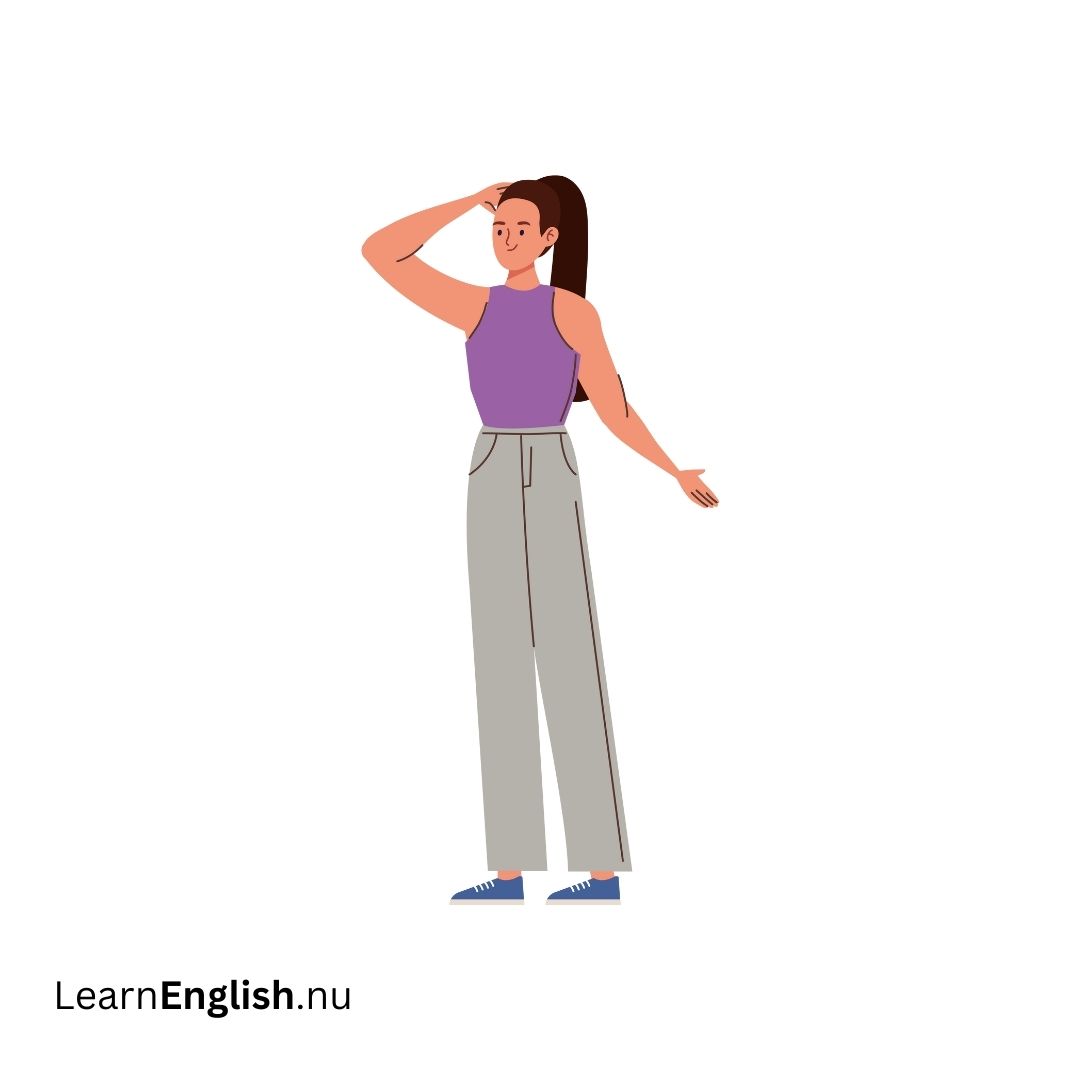 Lång
Lång
Tall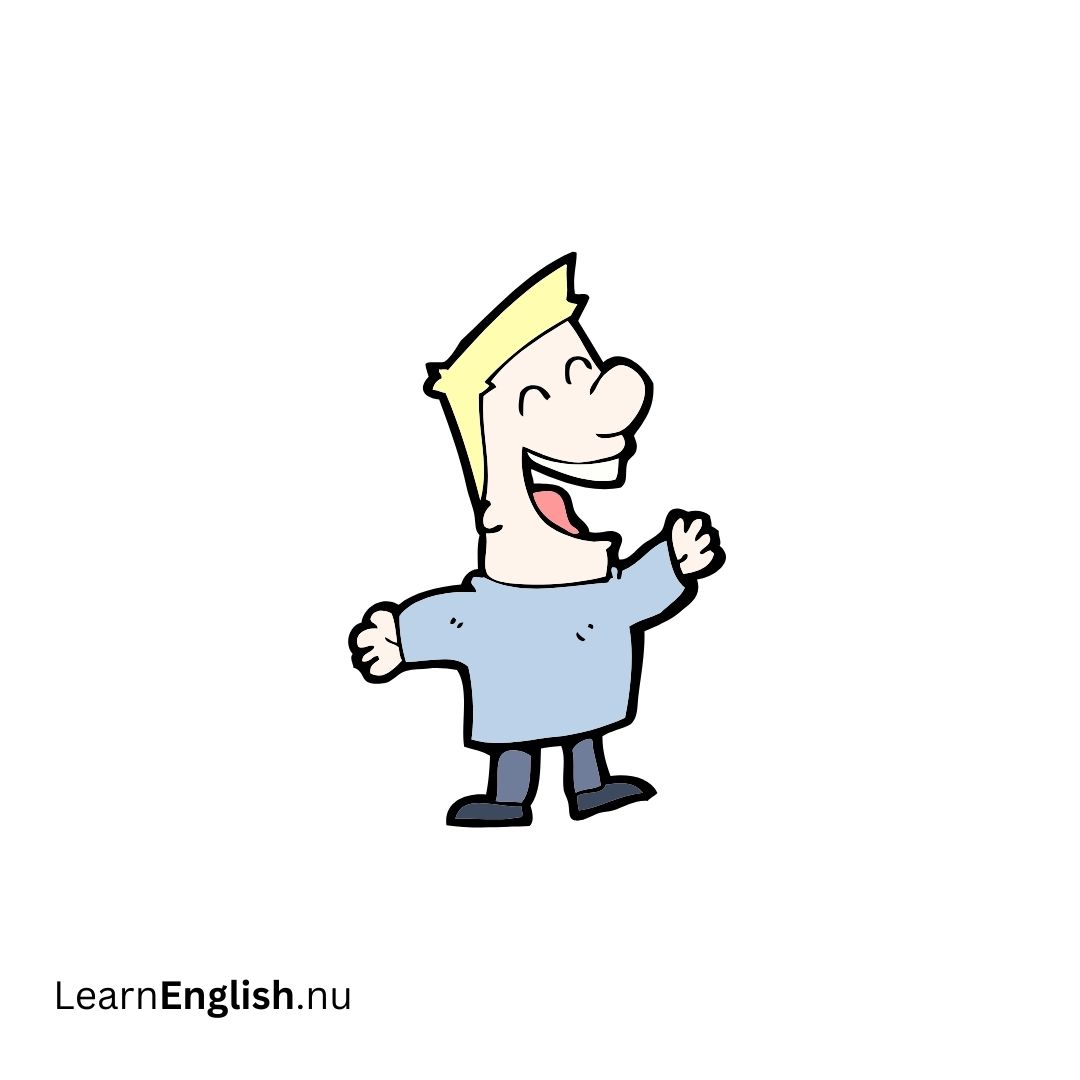 Kort
Kort
Short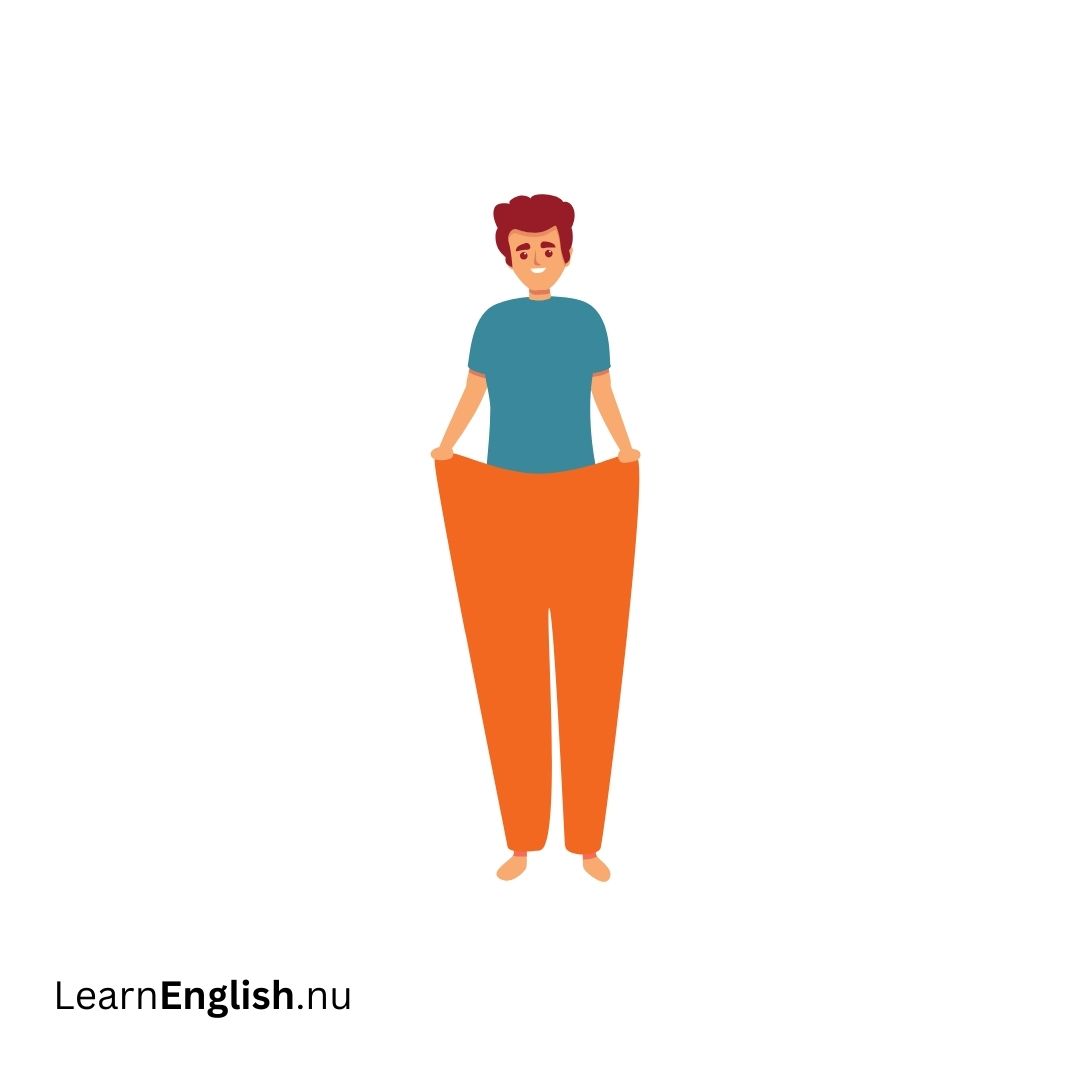 Smal
Smal
Slim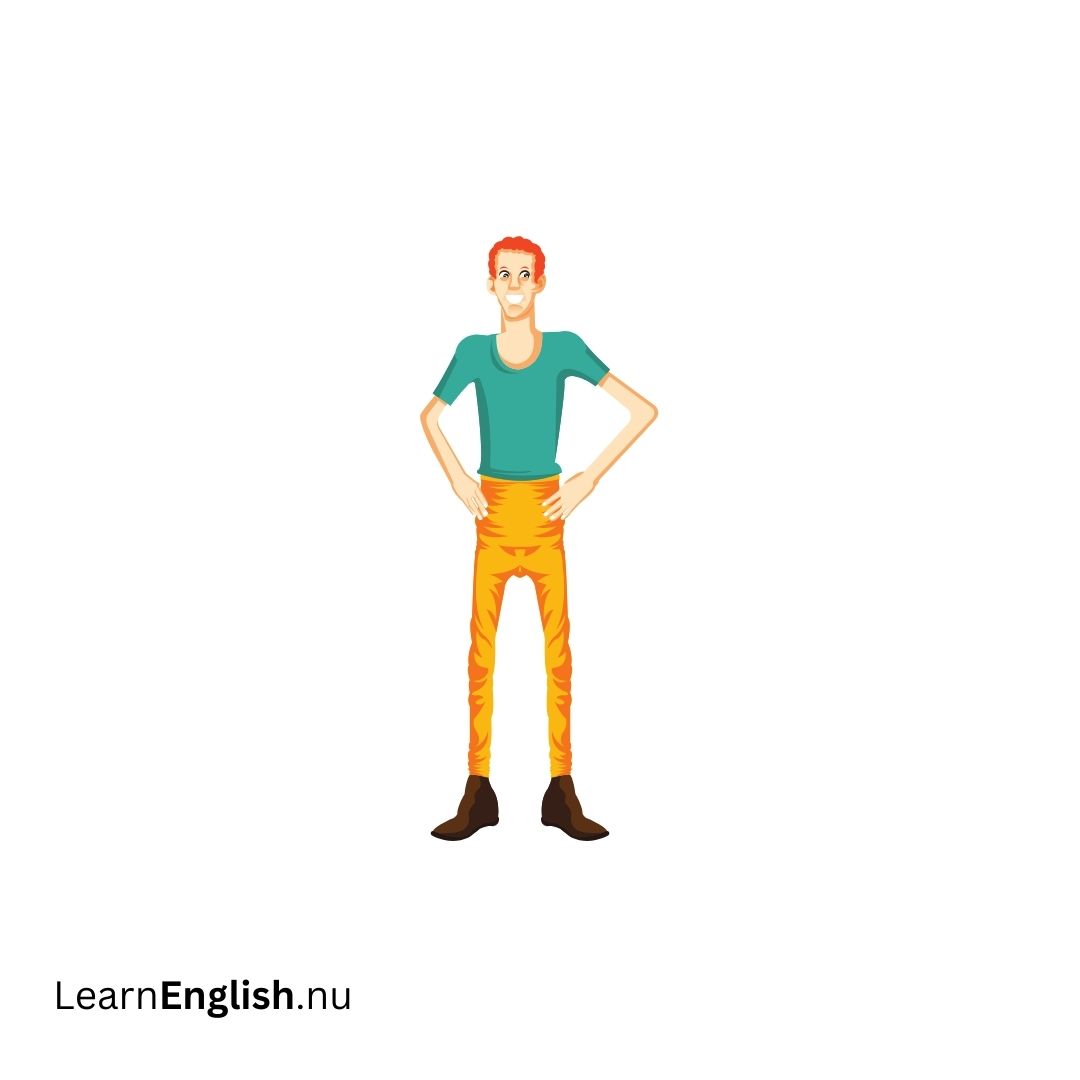 Tunn
Tunn
Thin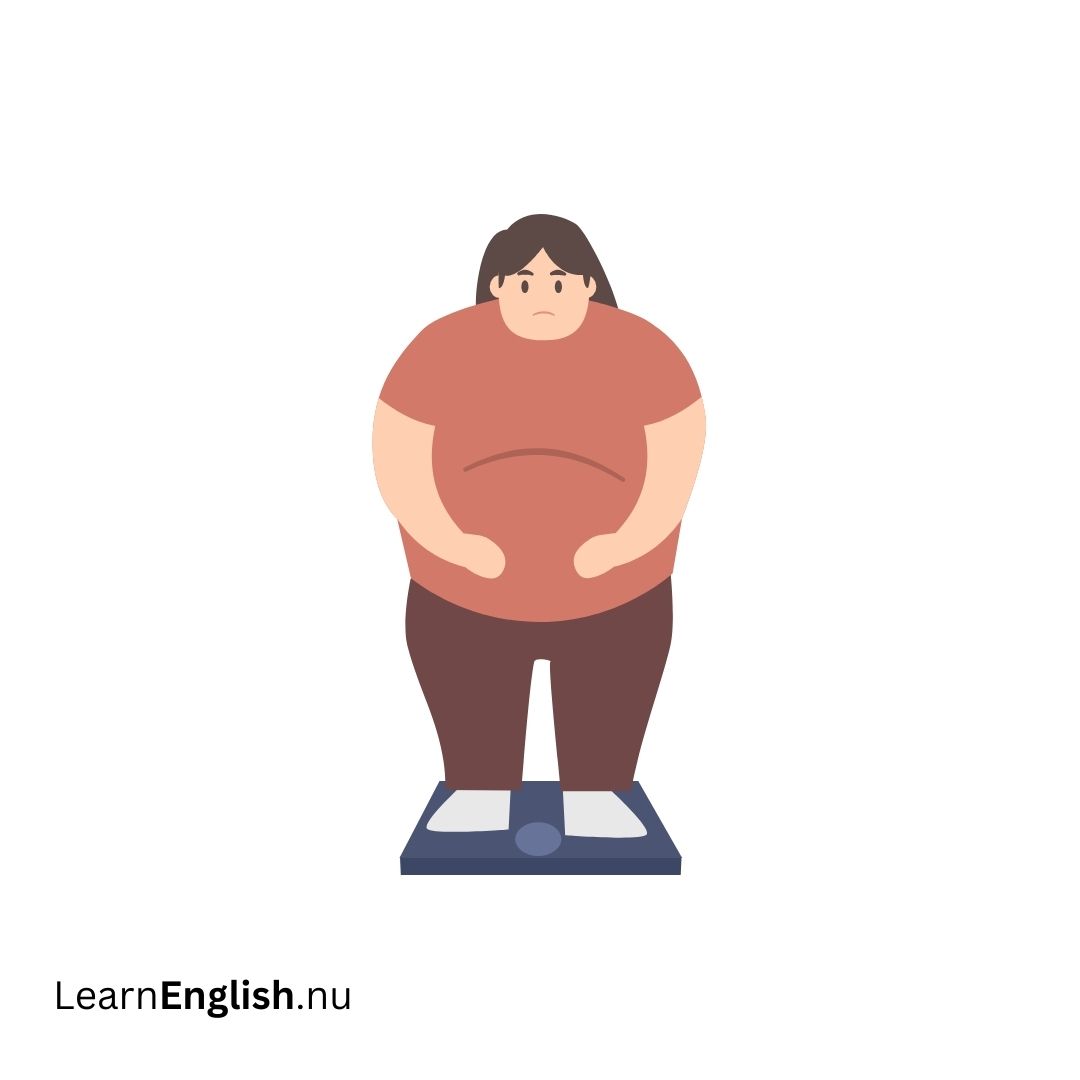 Tjock
Tjock
Fat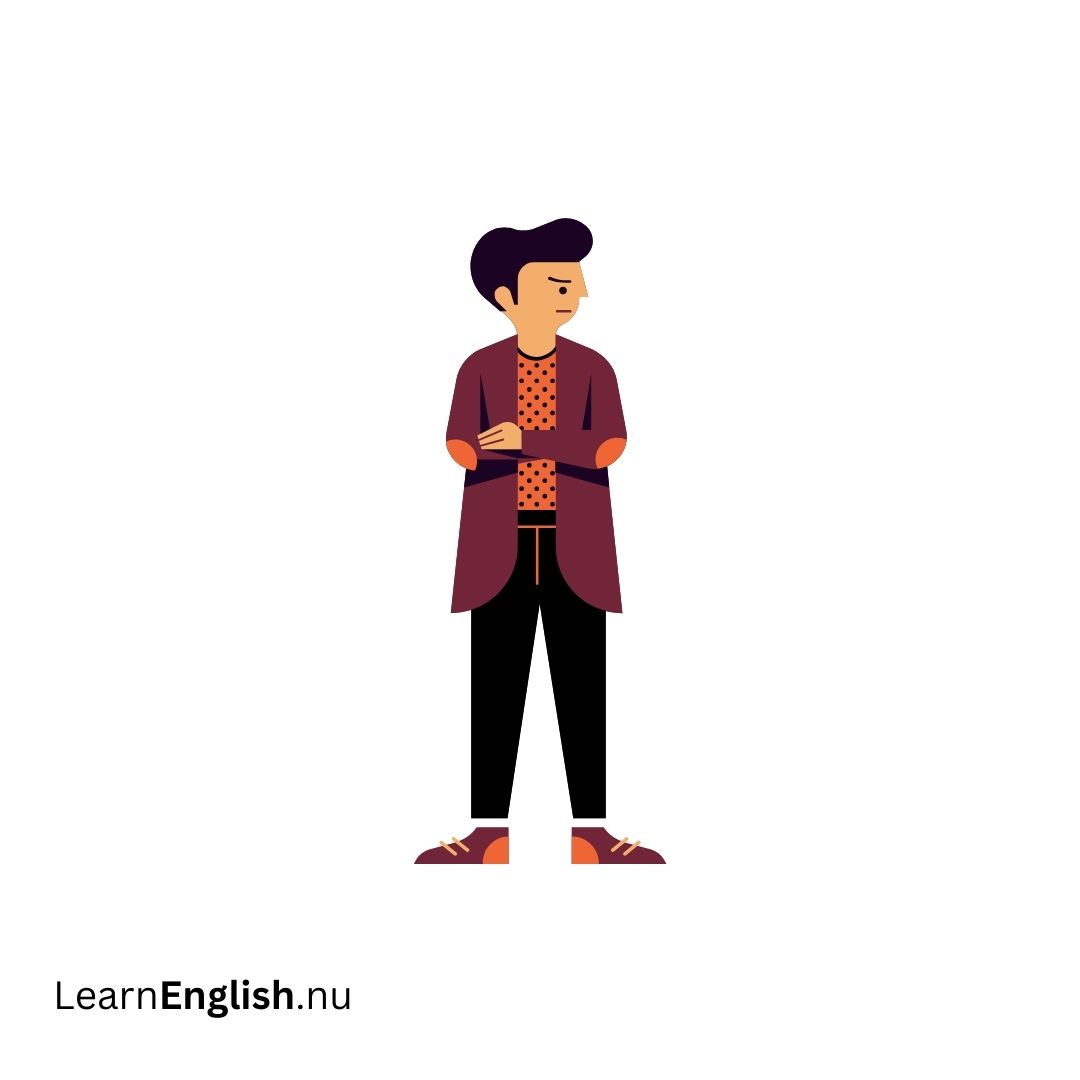 Snobbig
Snobbish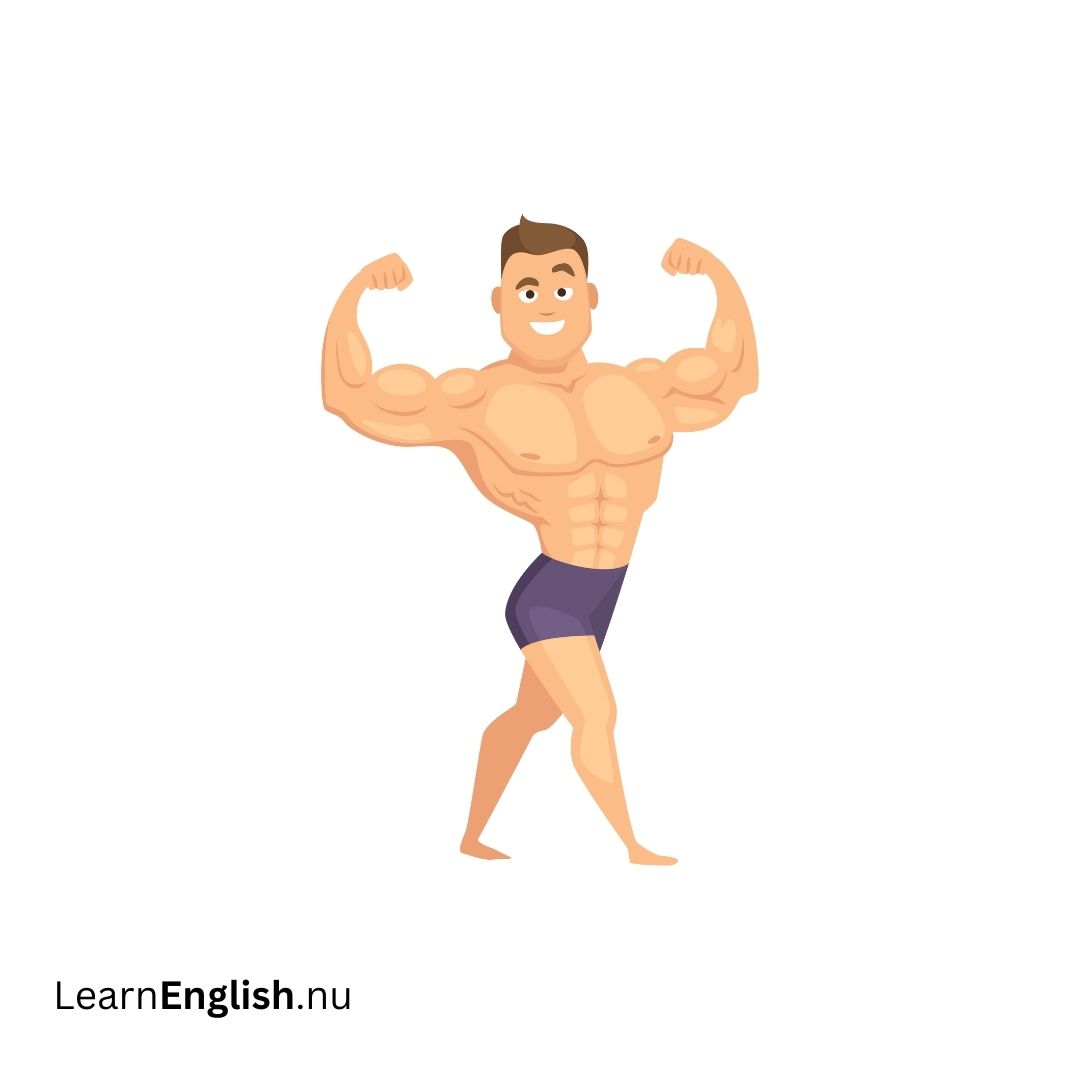 Välbyggd
Well-built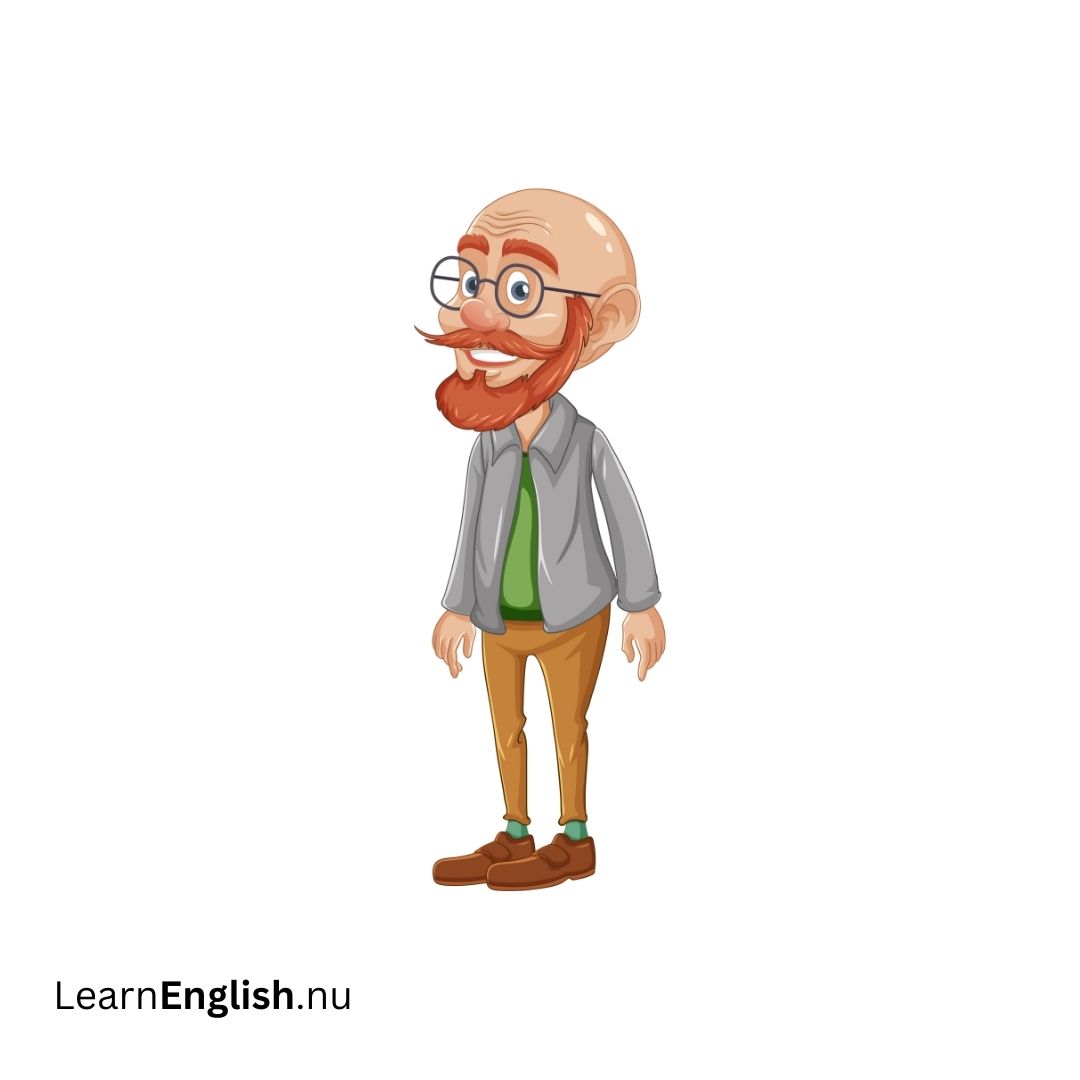 Flintskallig
Bald-headed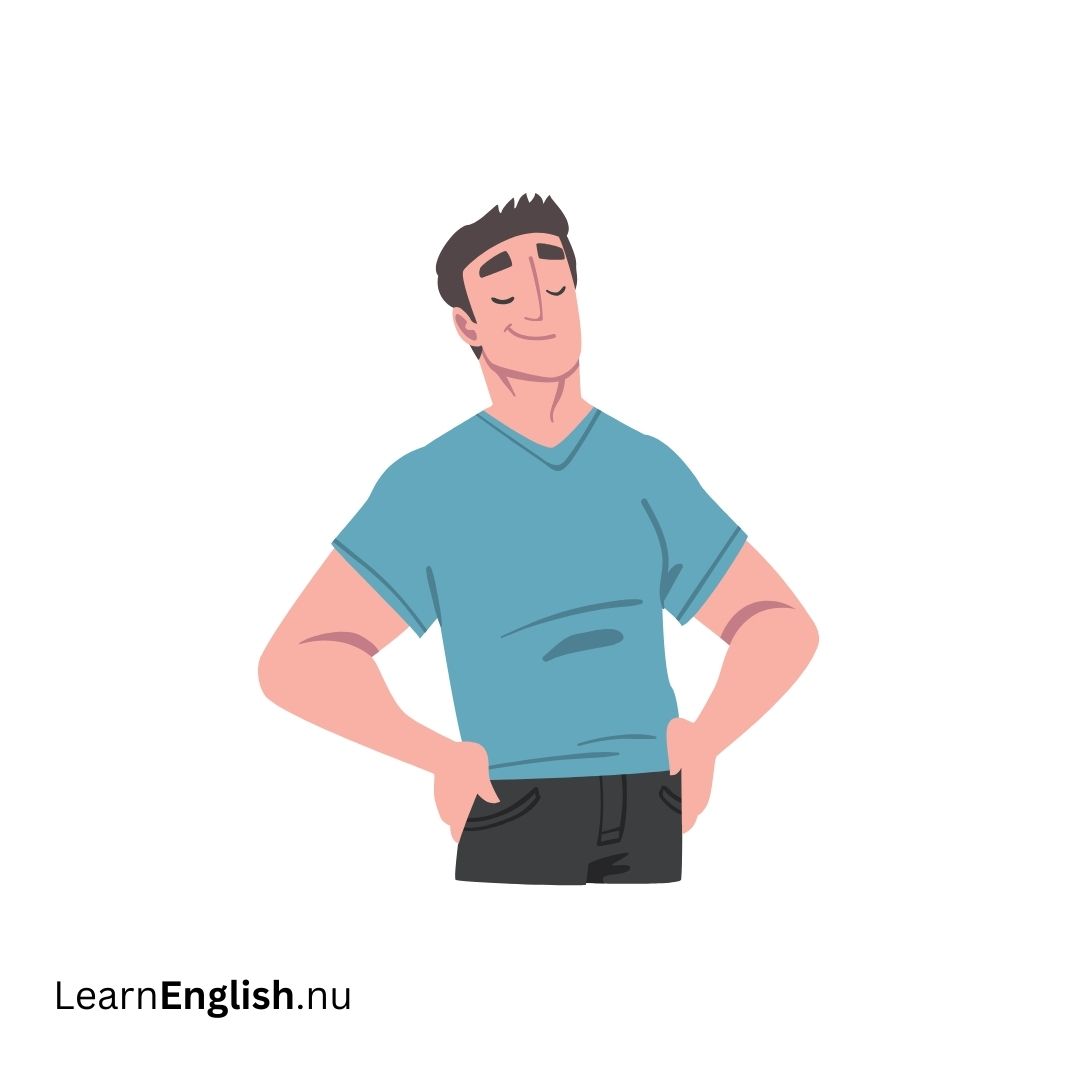 Arrogant
Arrogant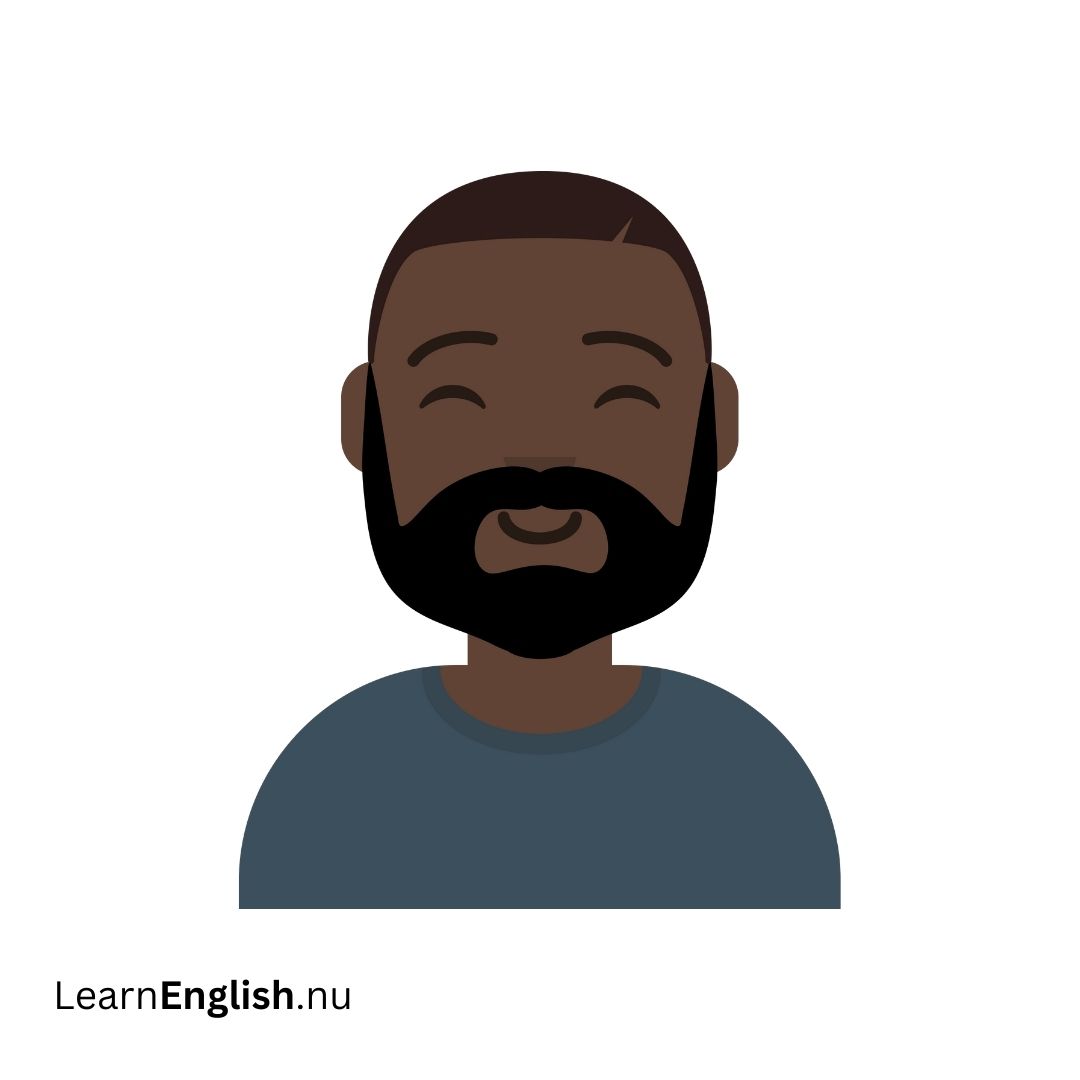 Skägg
Skägg
Beard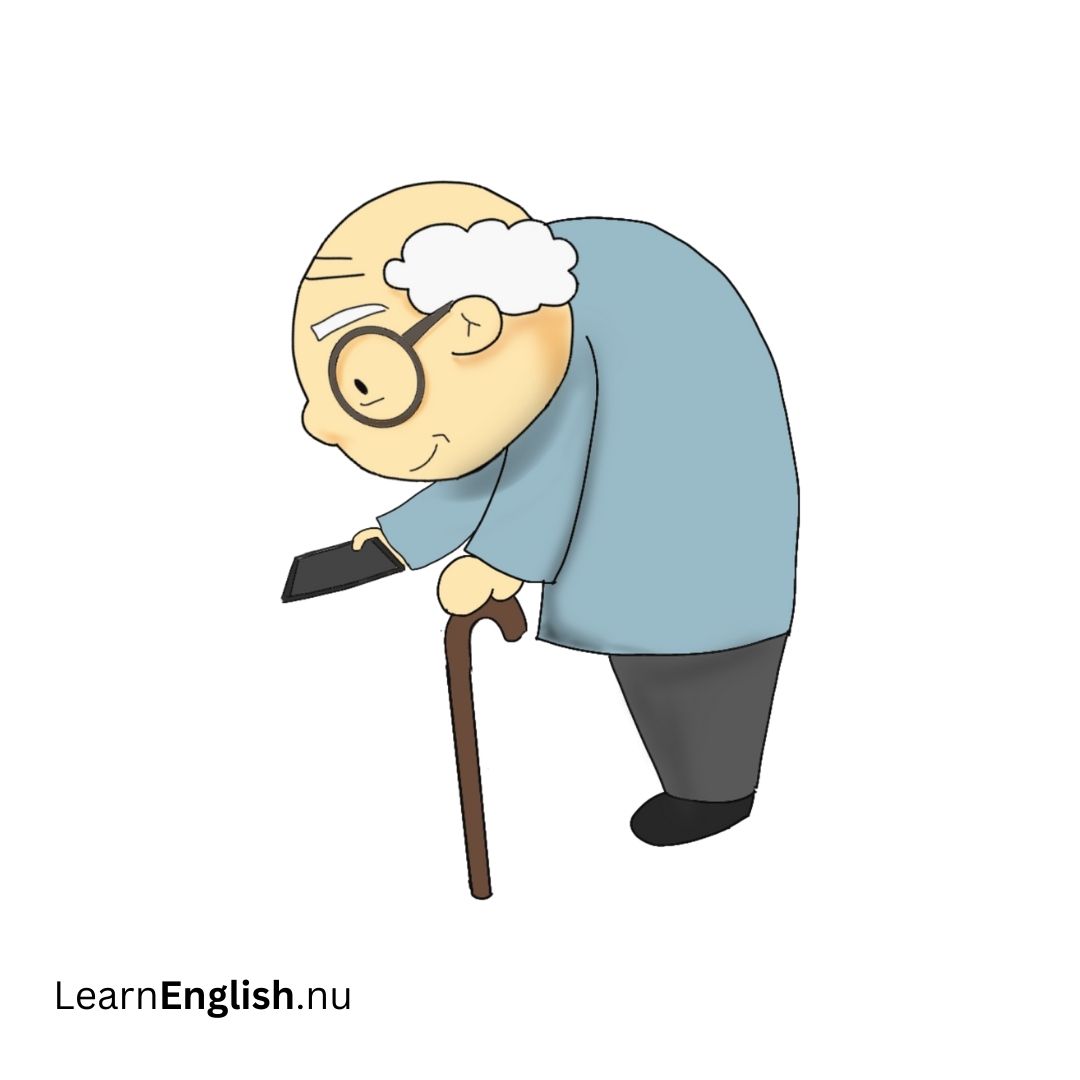 Gammal
Old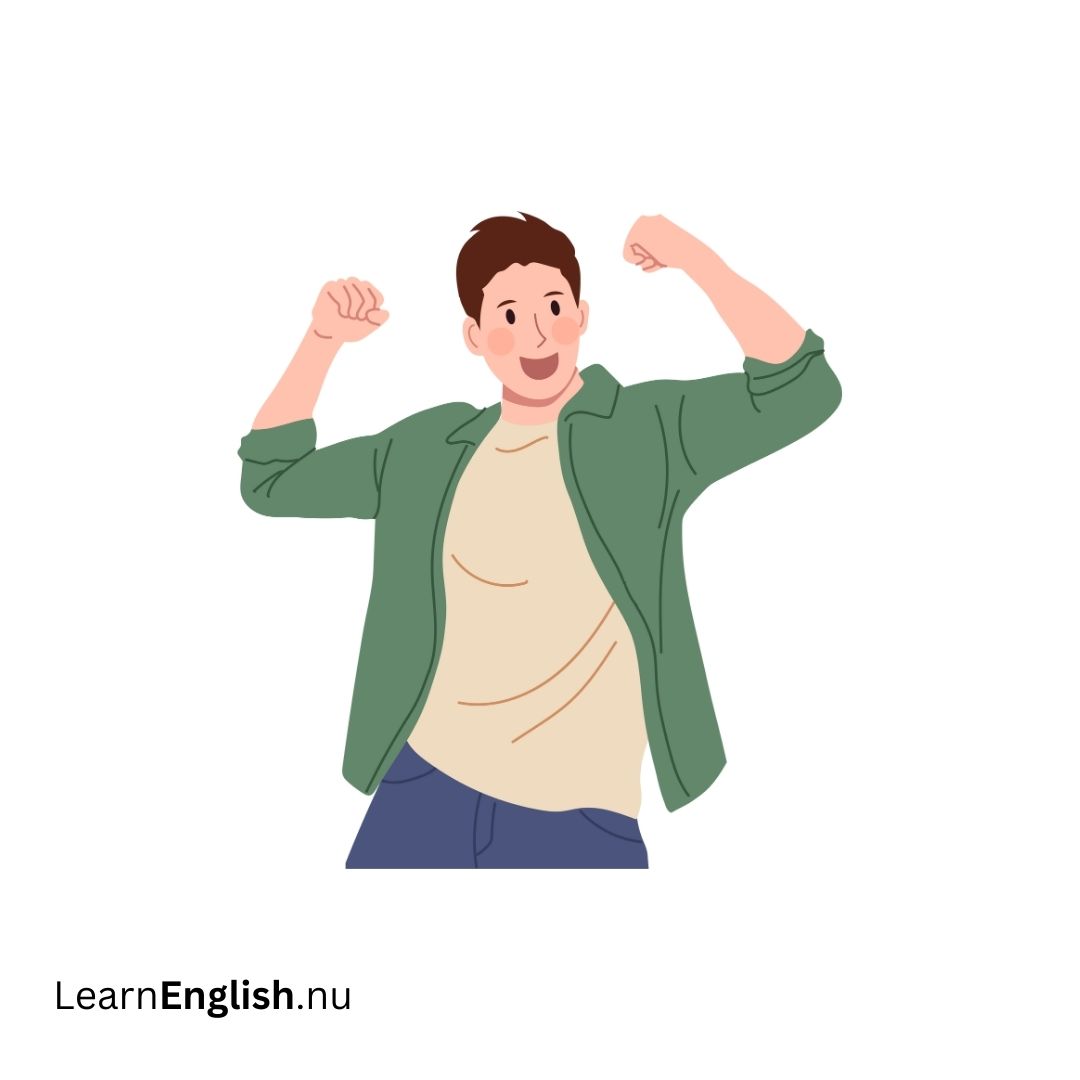 Ung
Ung
Young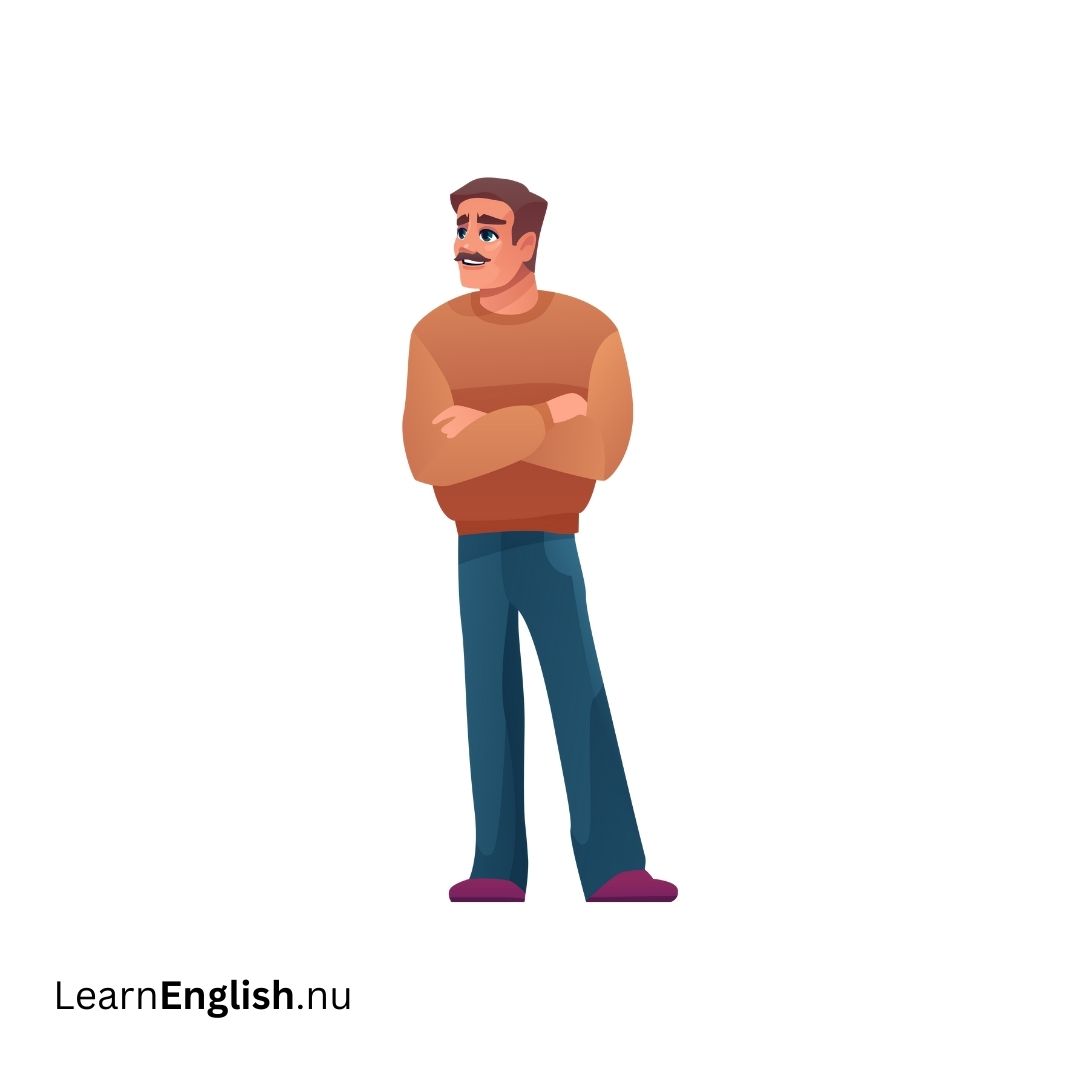 Medelålders
Middle-aged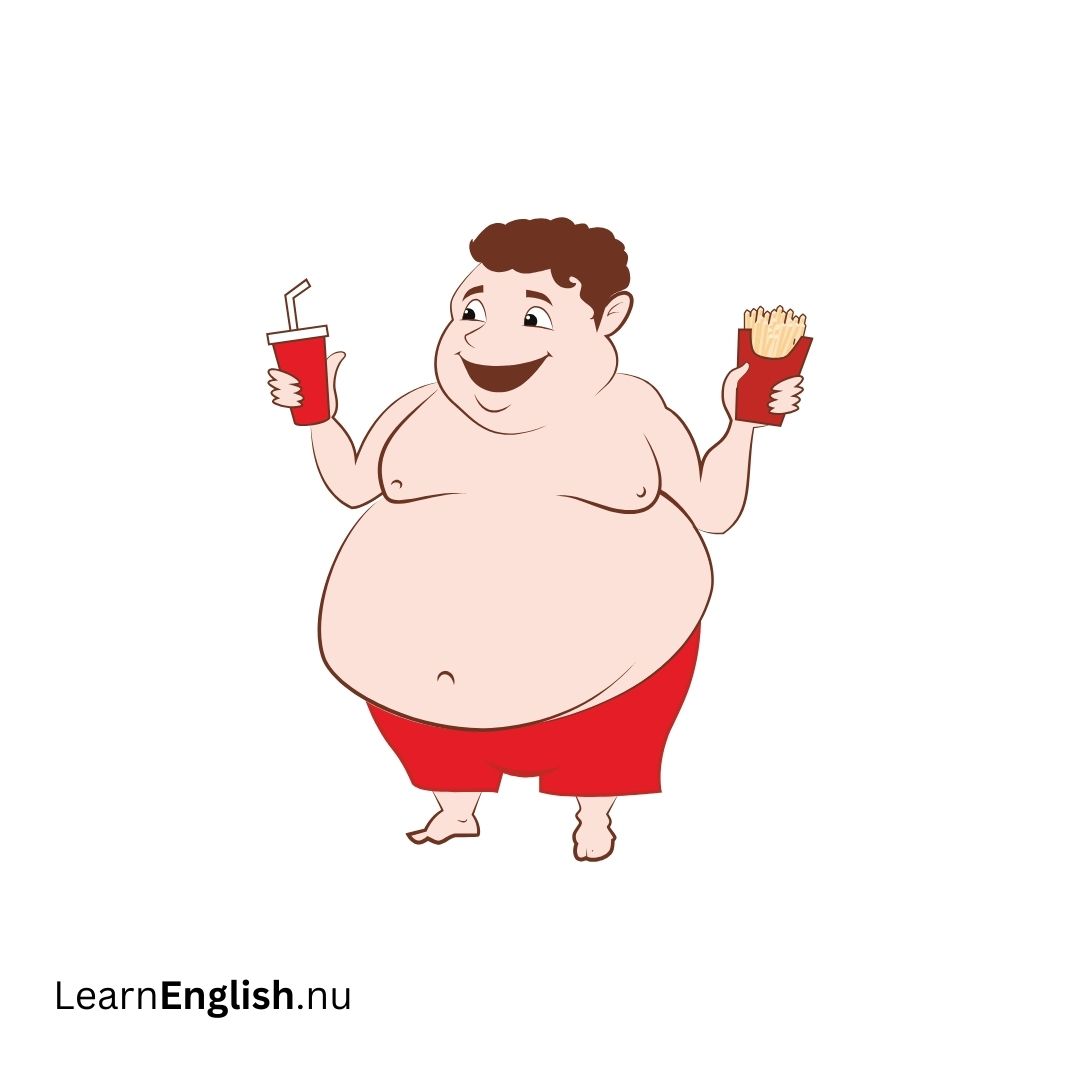 Överviktig
Overweight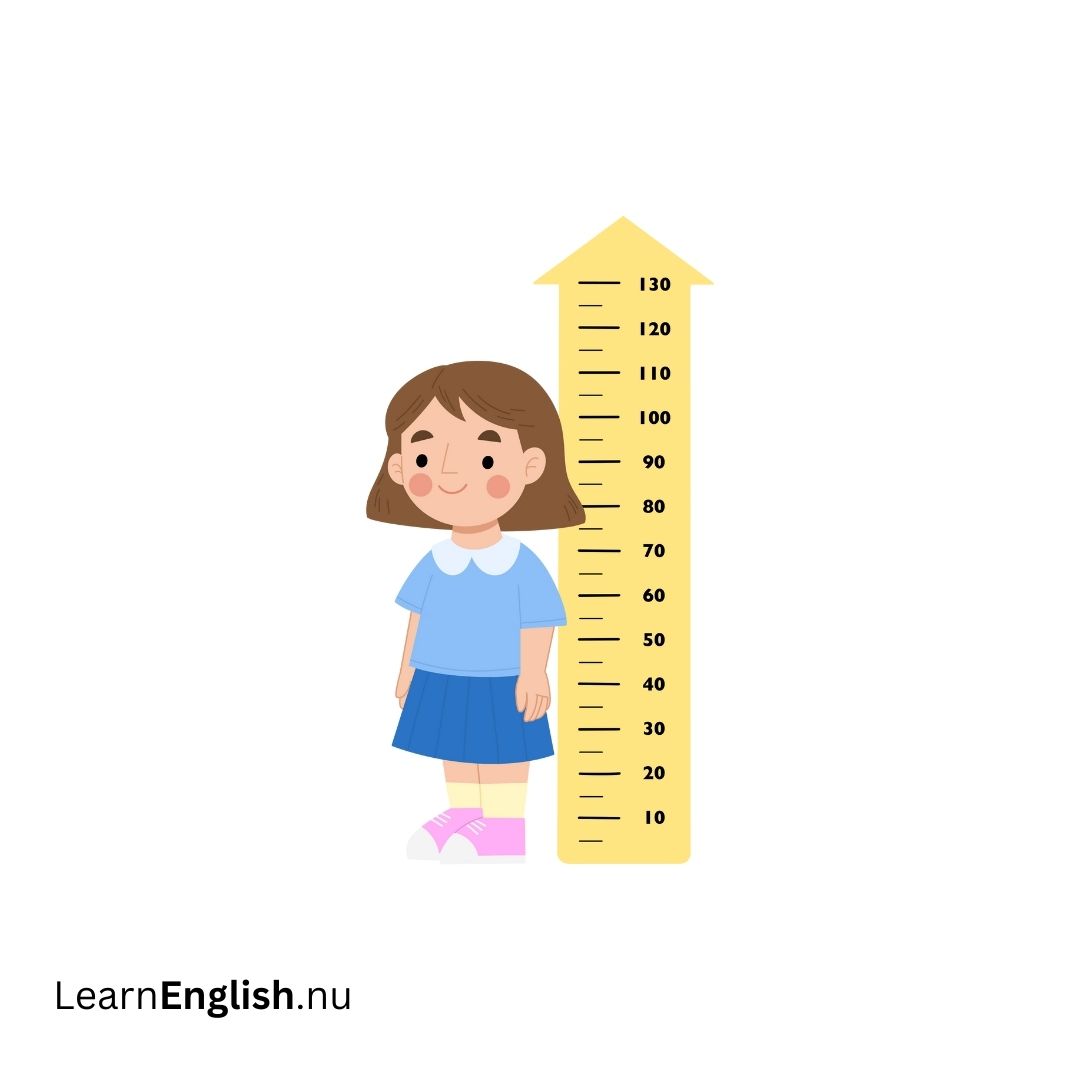 Medellängd
Medium height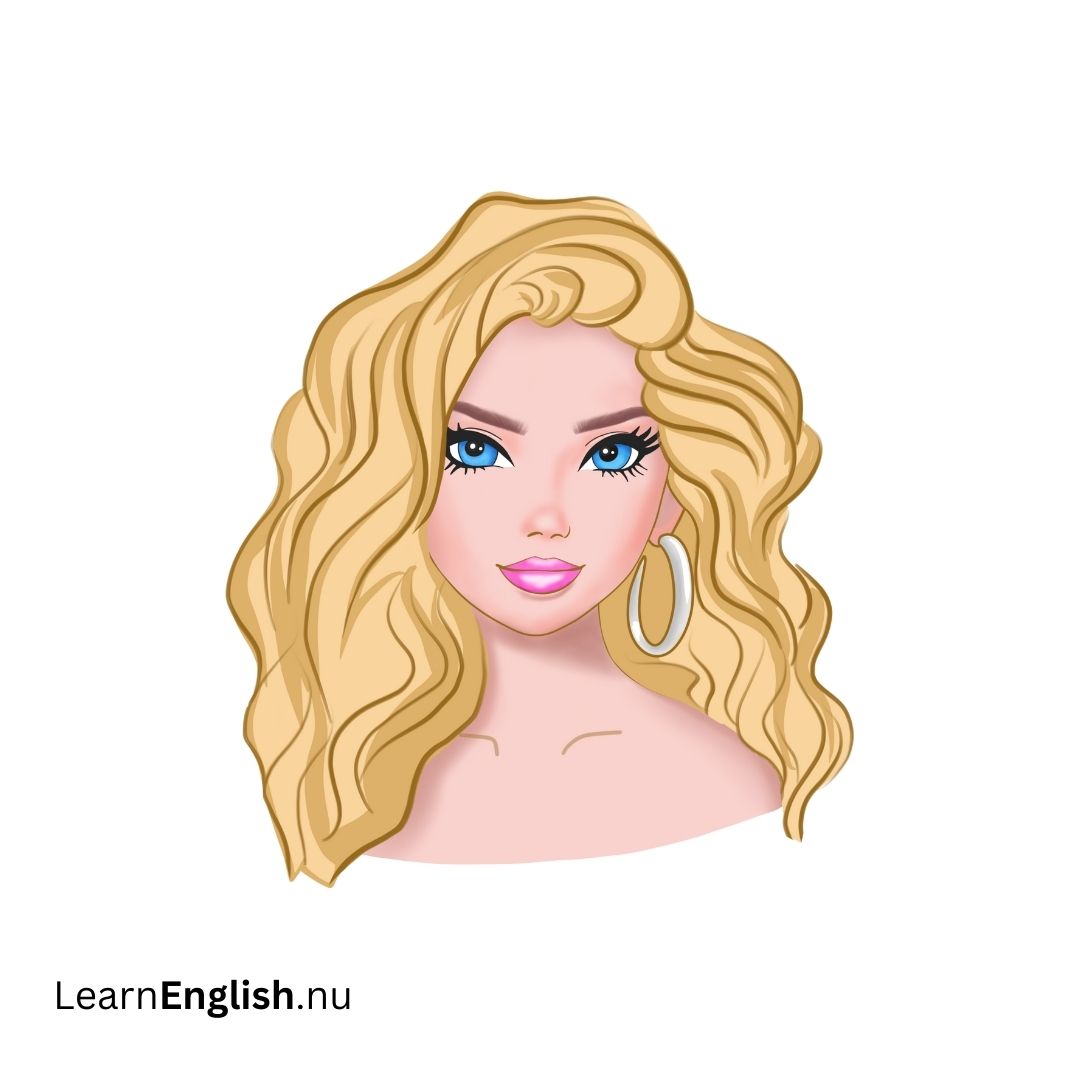 Snygg
Snygg
Good-looking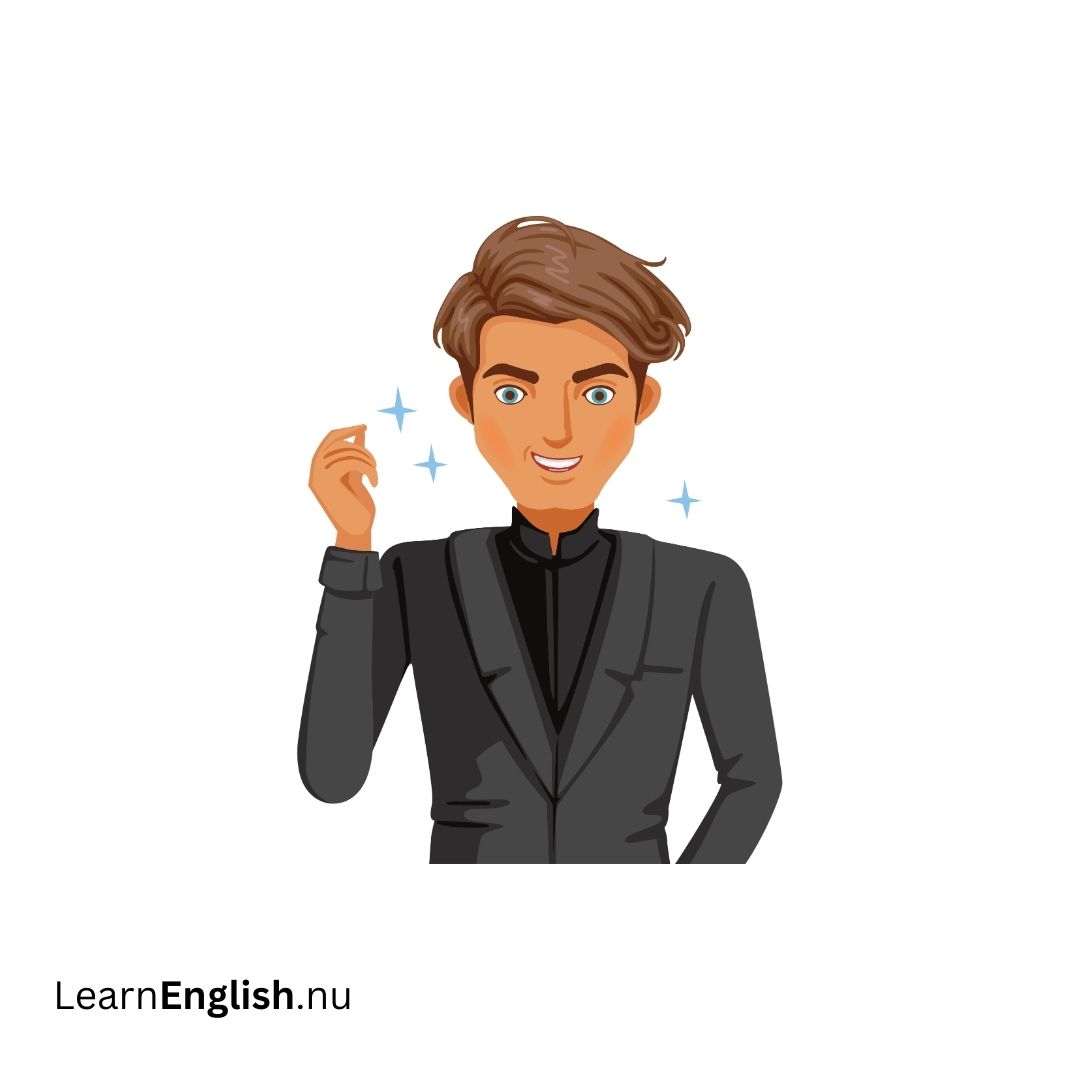 Stilig
Handsome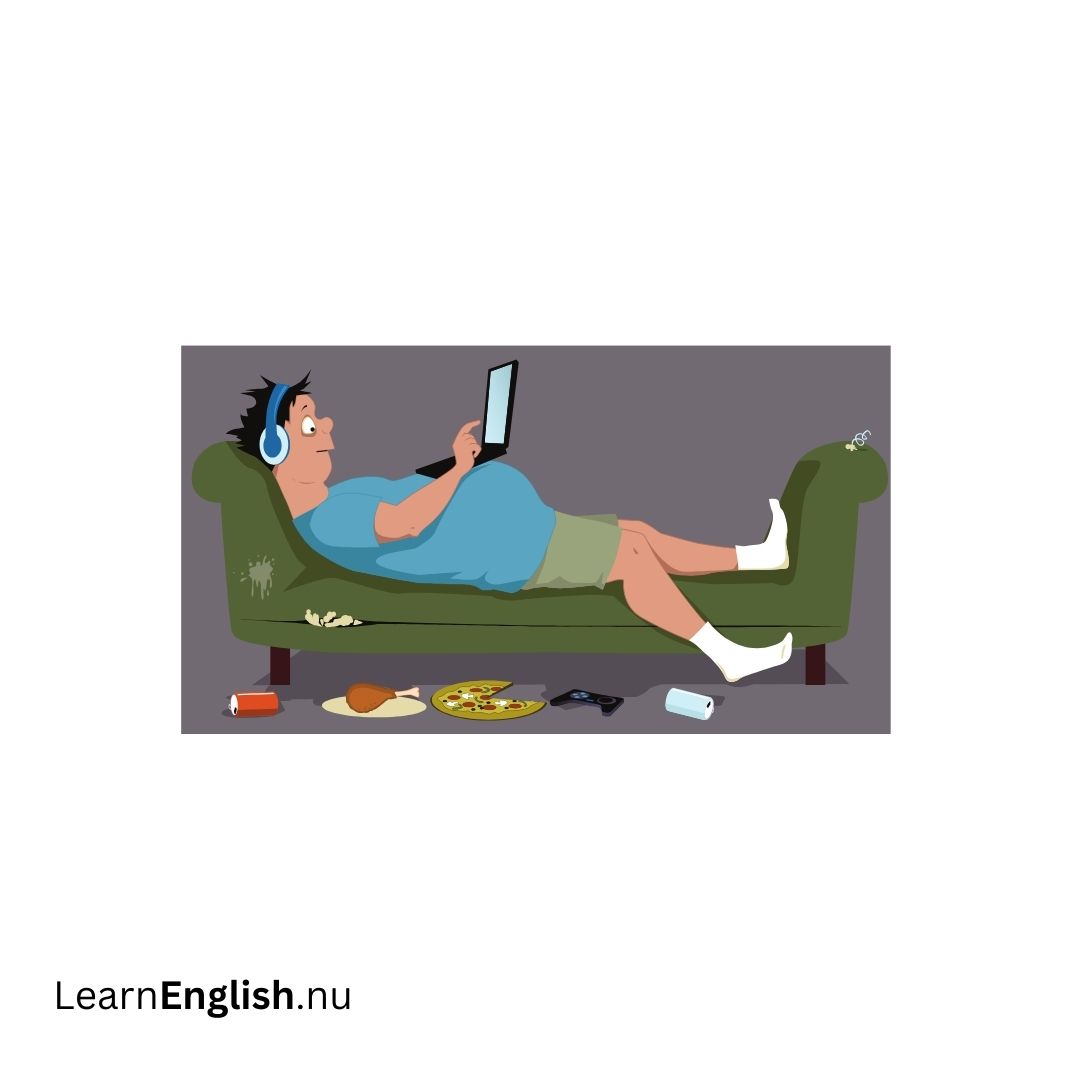 Lat
Lat
Lazy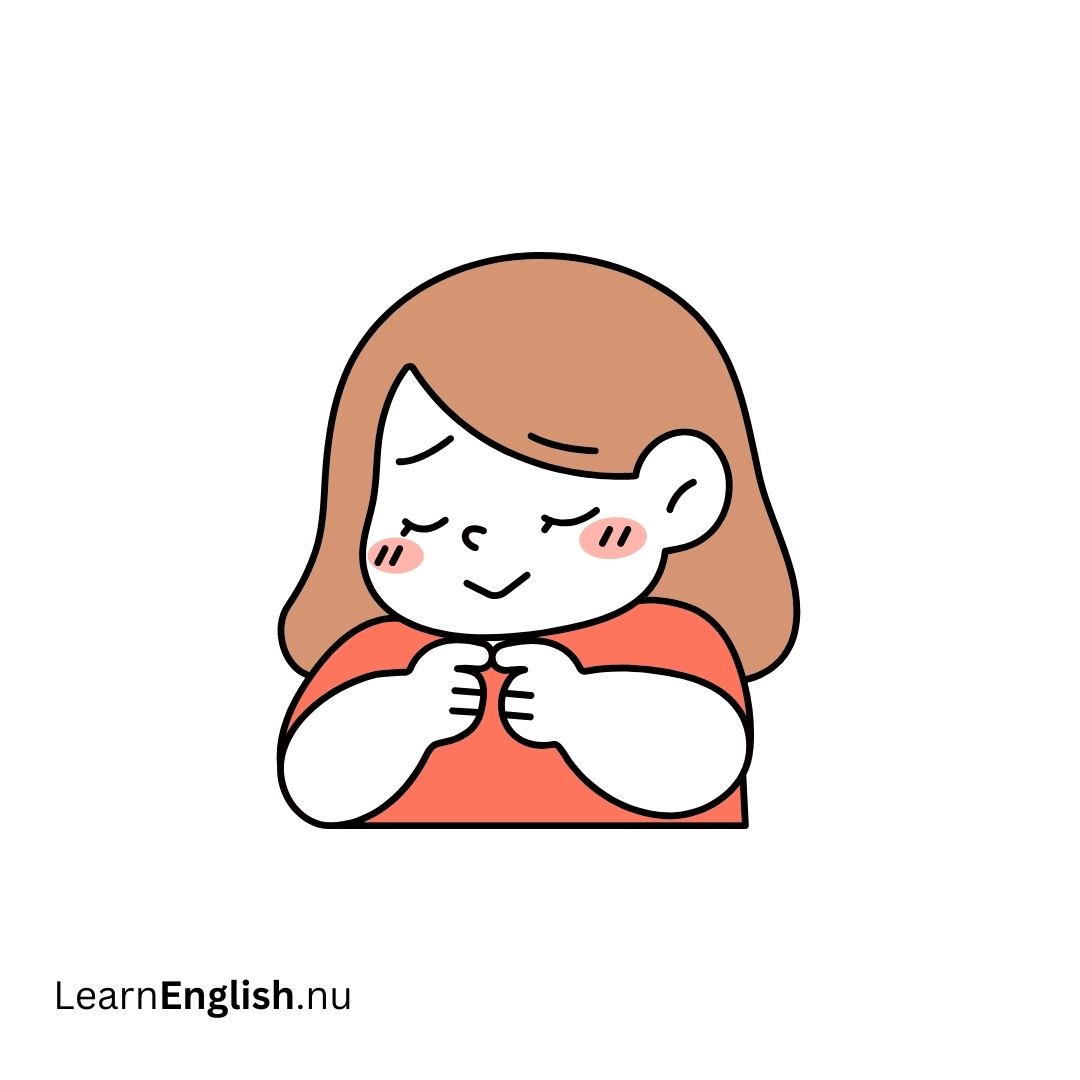 Blyg
Blyg
Shy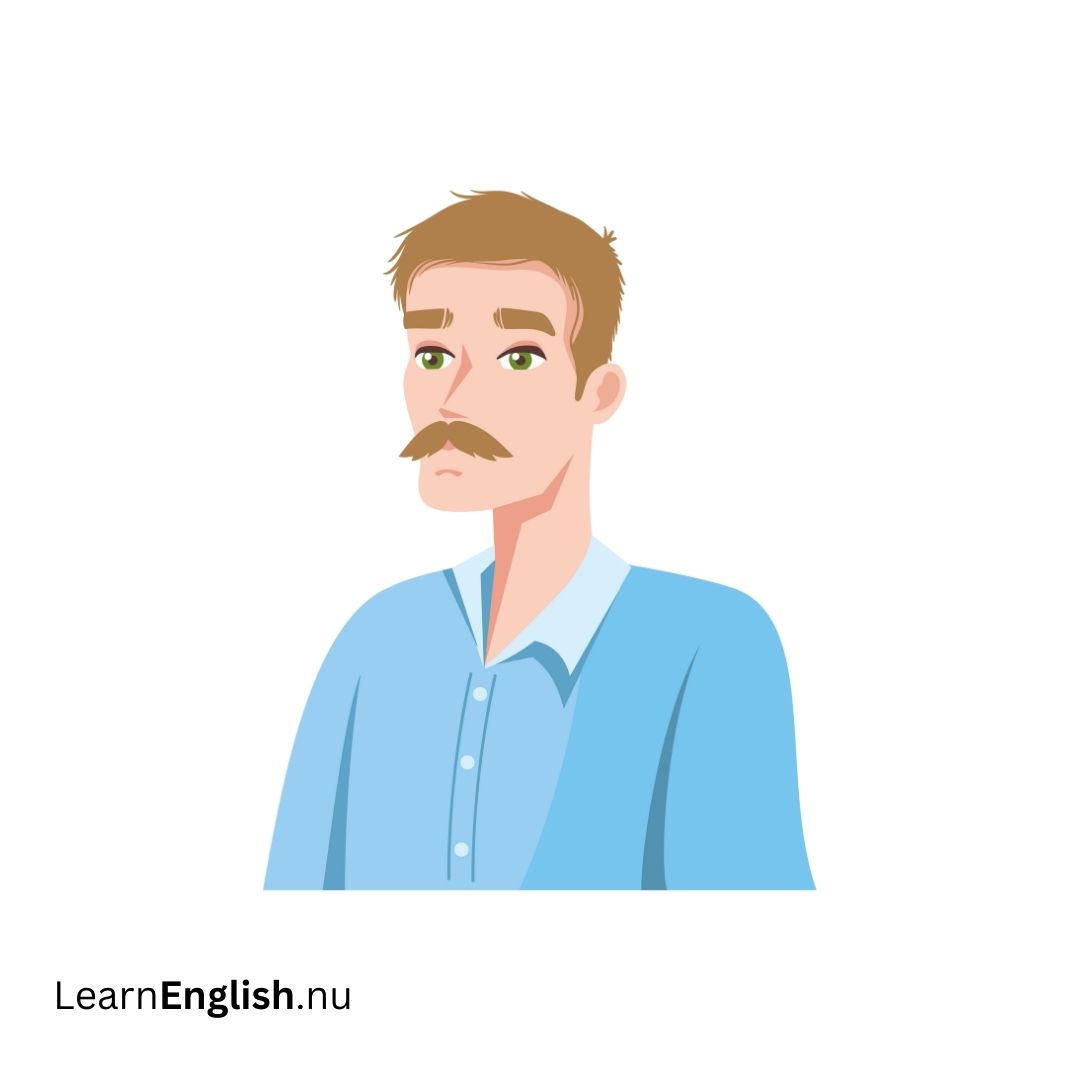 Mustasch
Moustache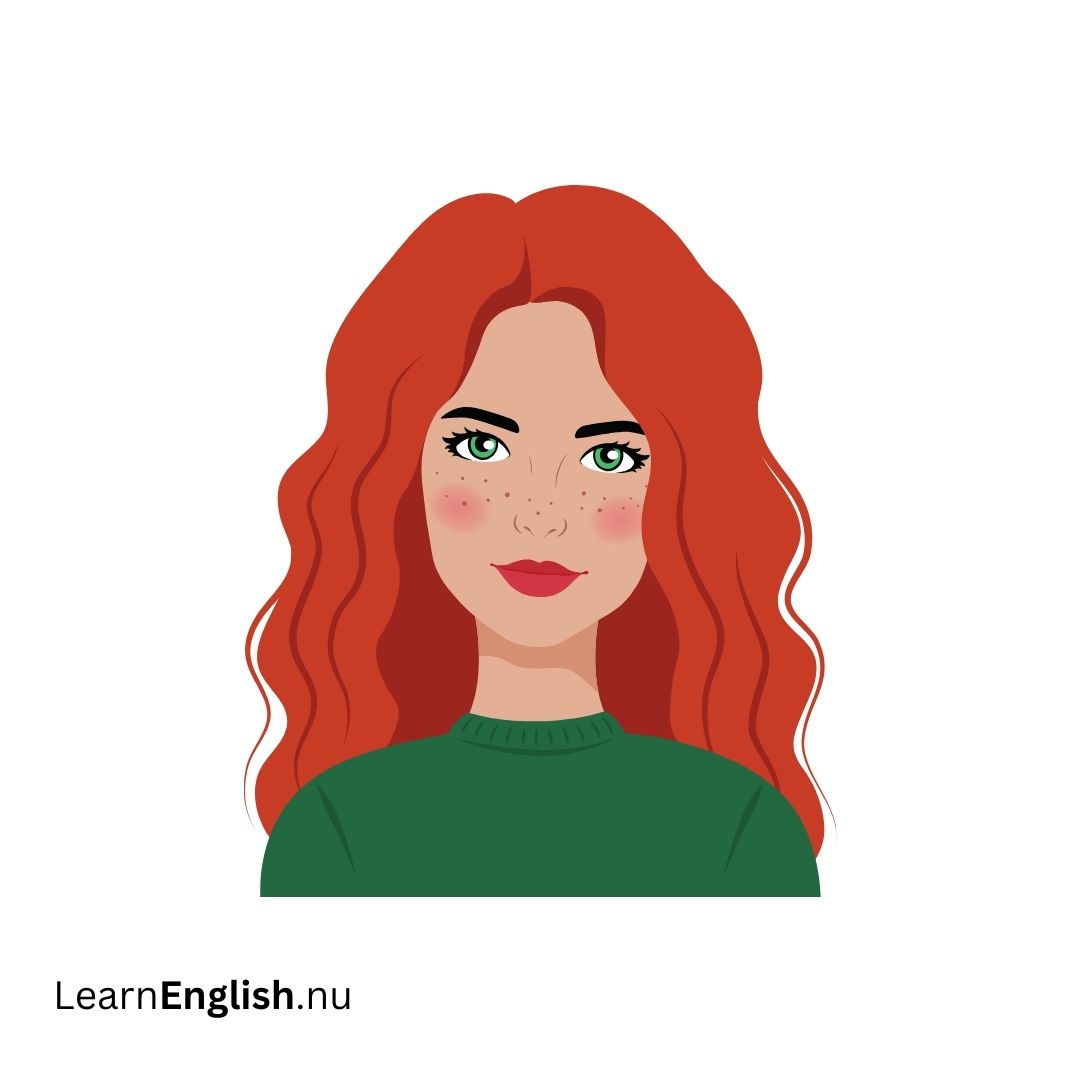 Rödhårig
Ginger-haired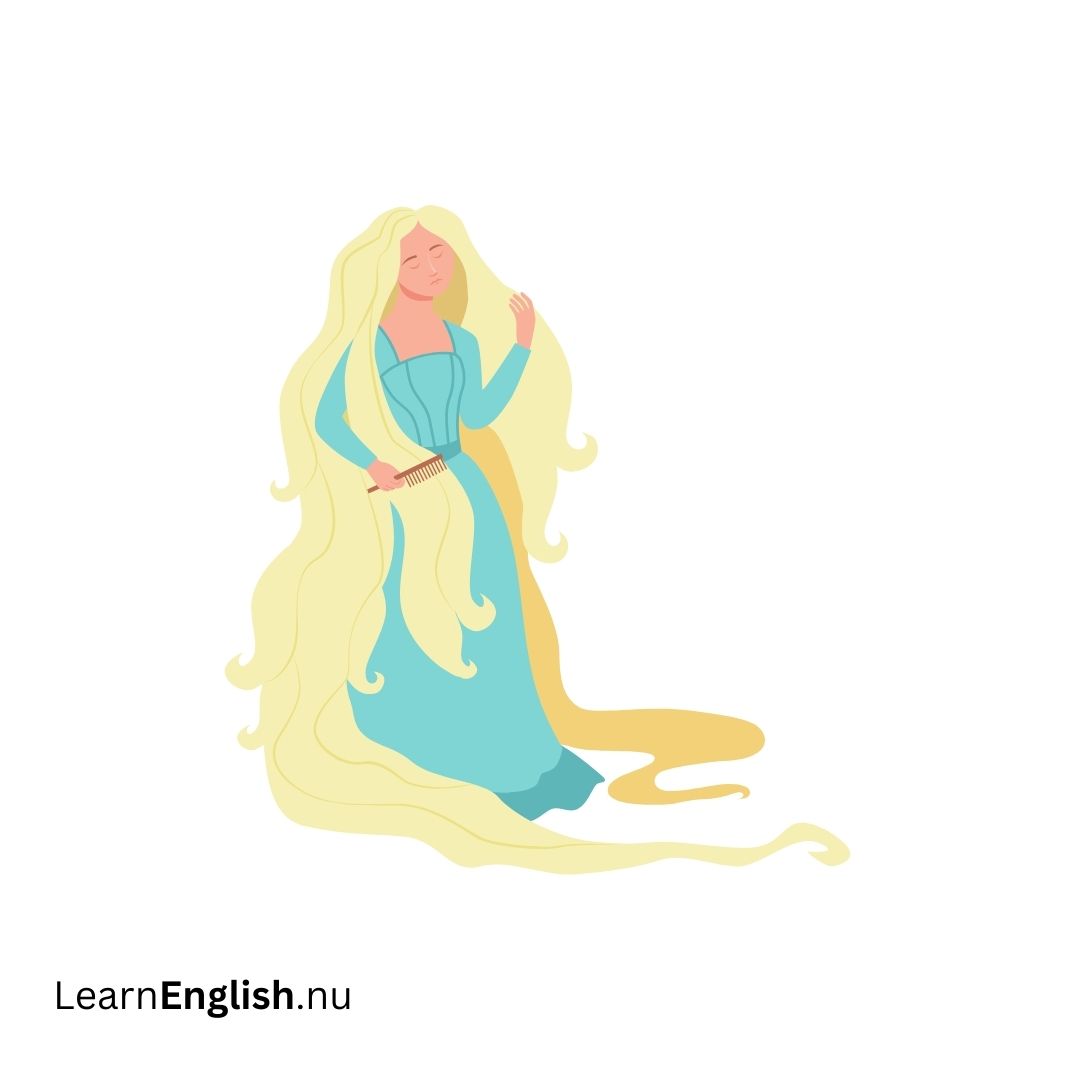 Långt hår
Long hair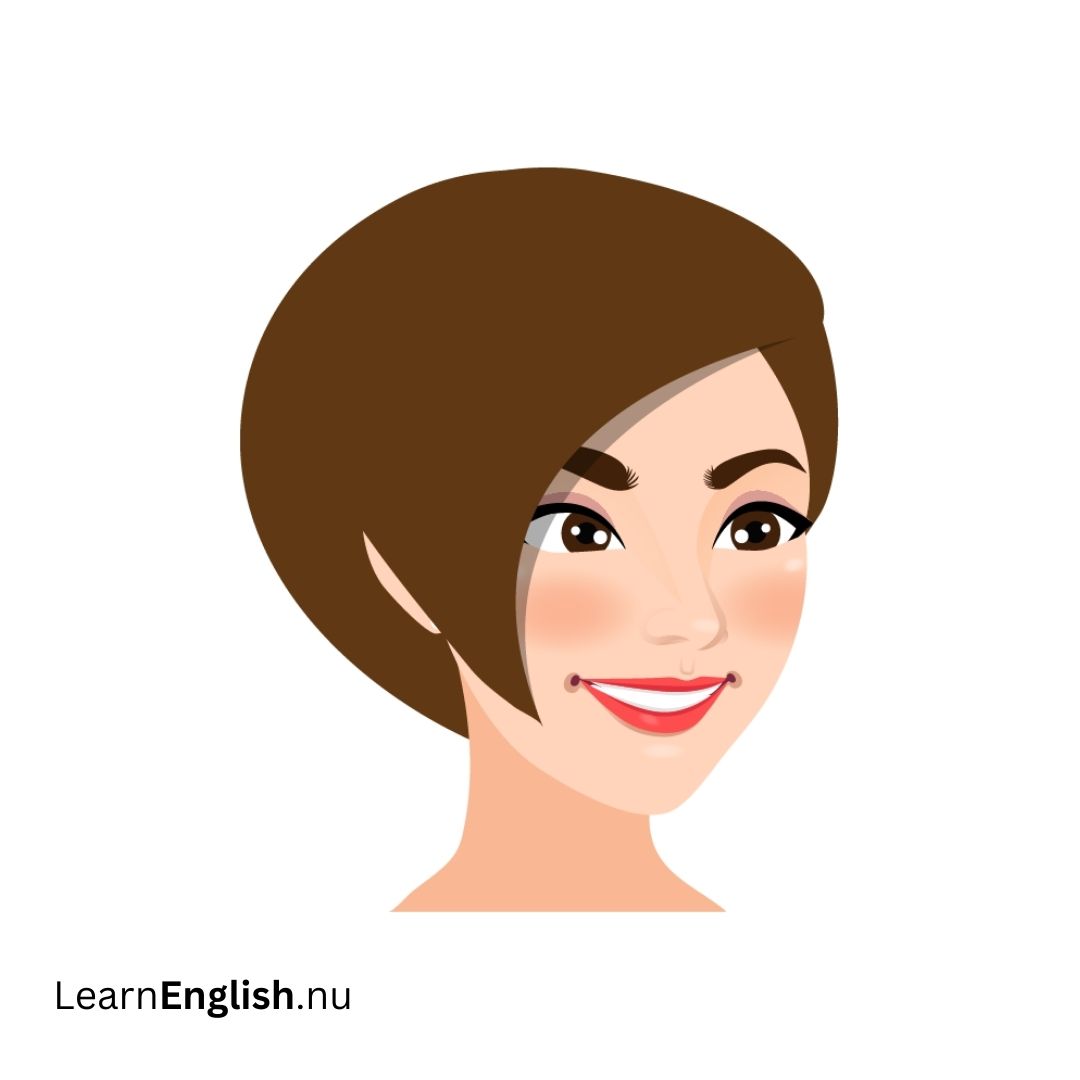 Kort hår
Short hair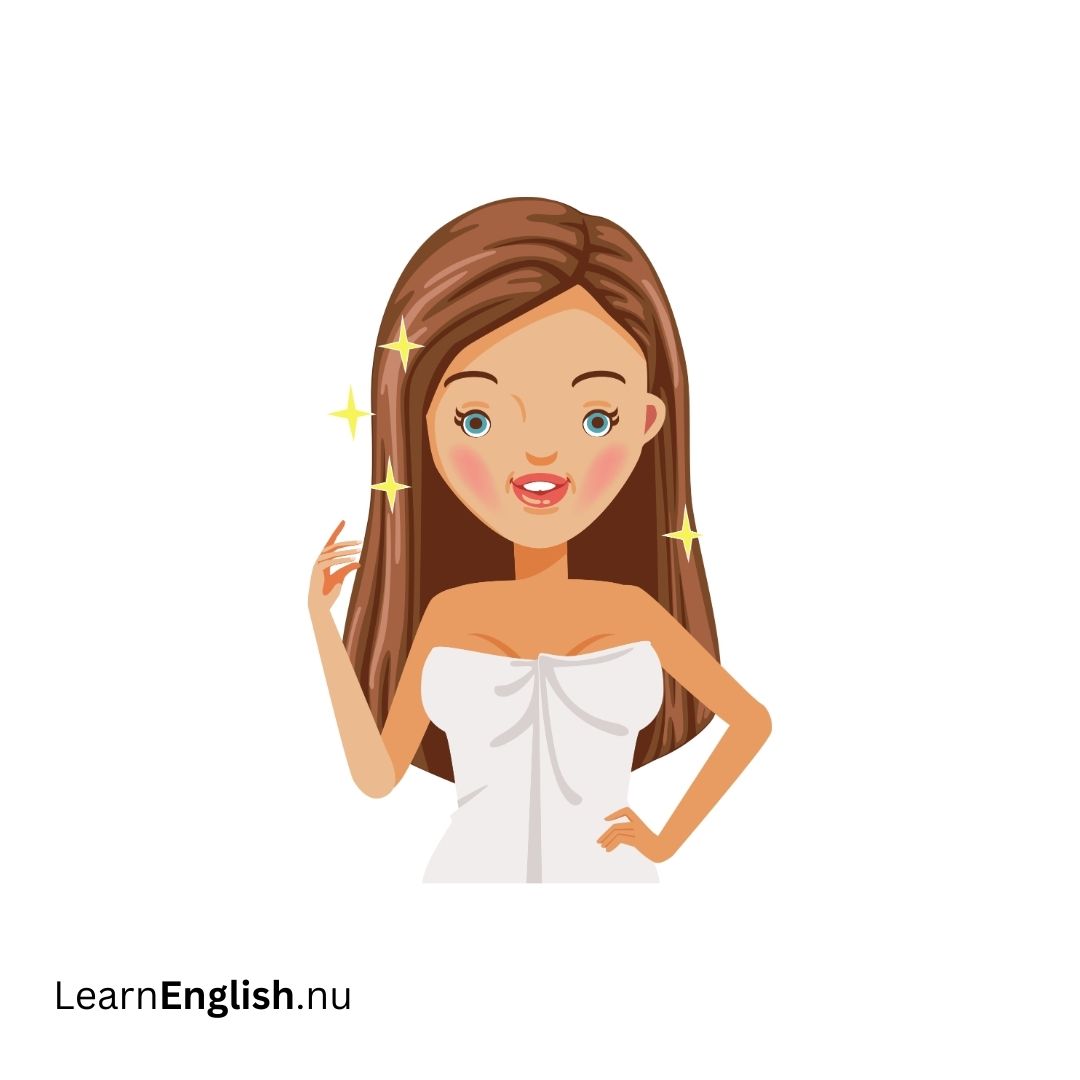 Rakt hår
Straight hair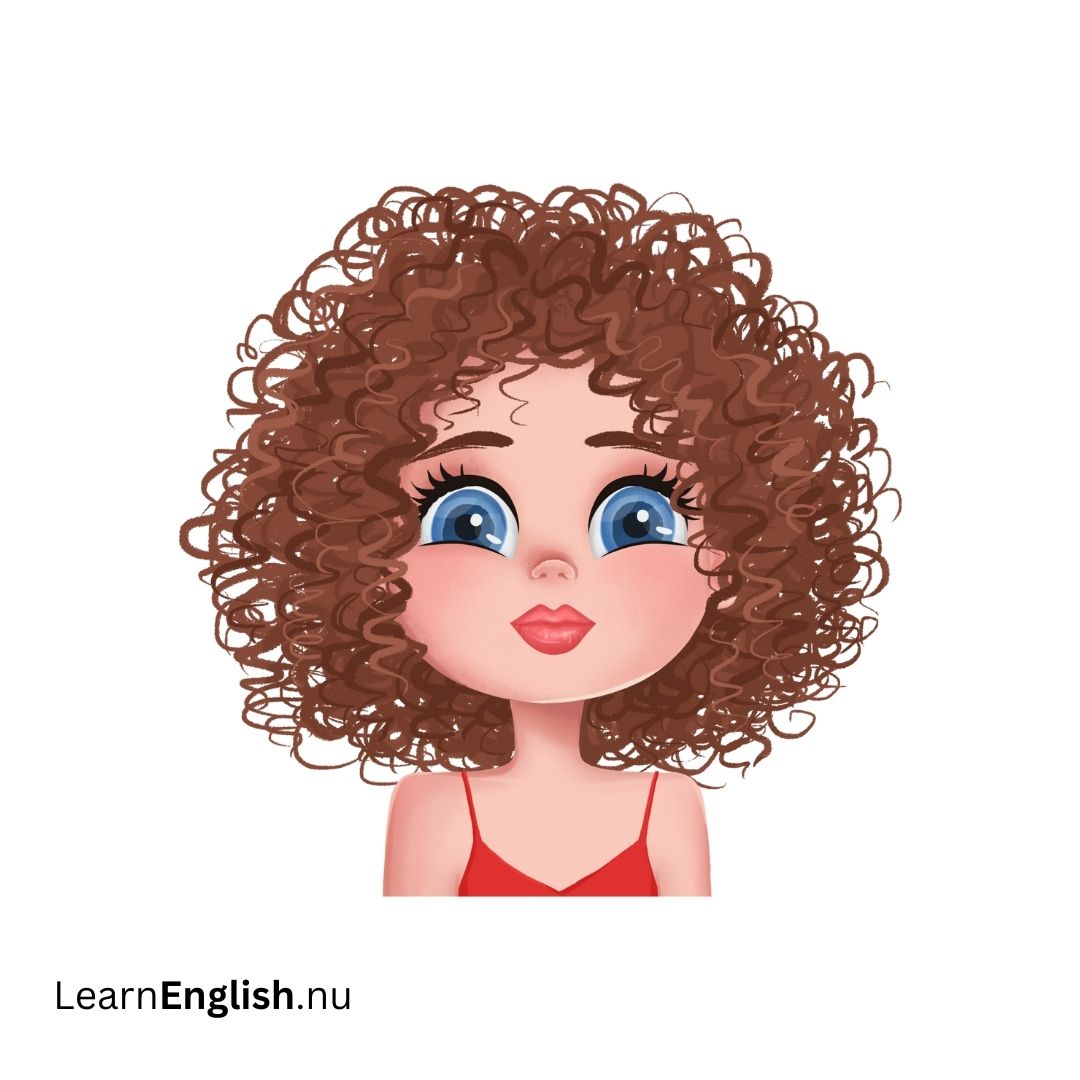 Lockigt hår
Curly hair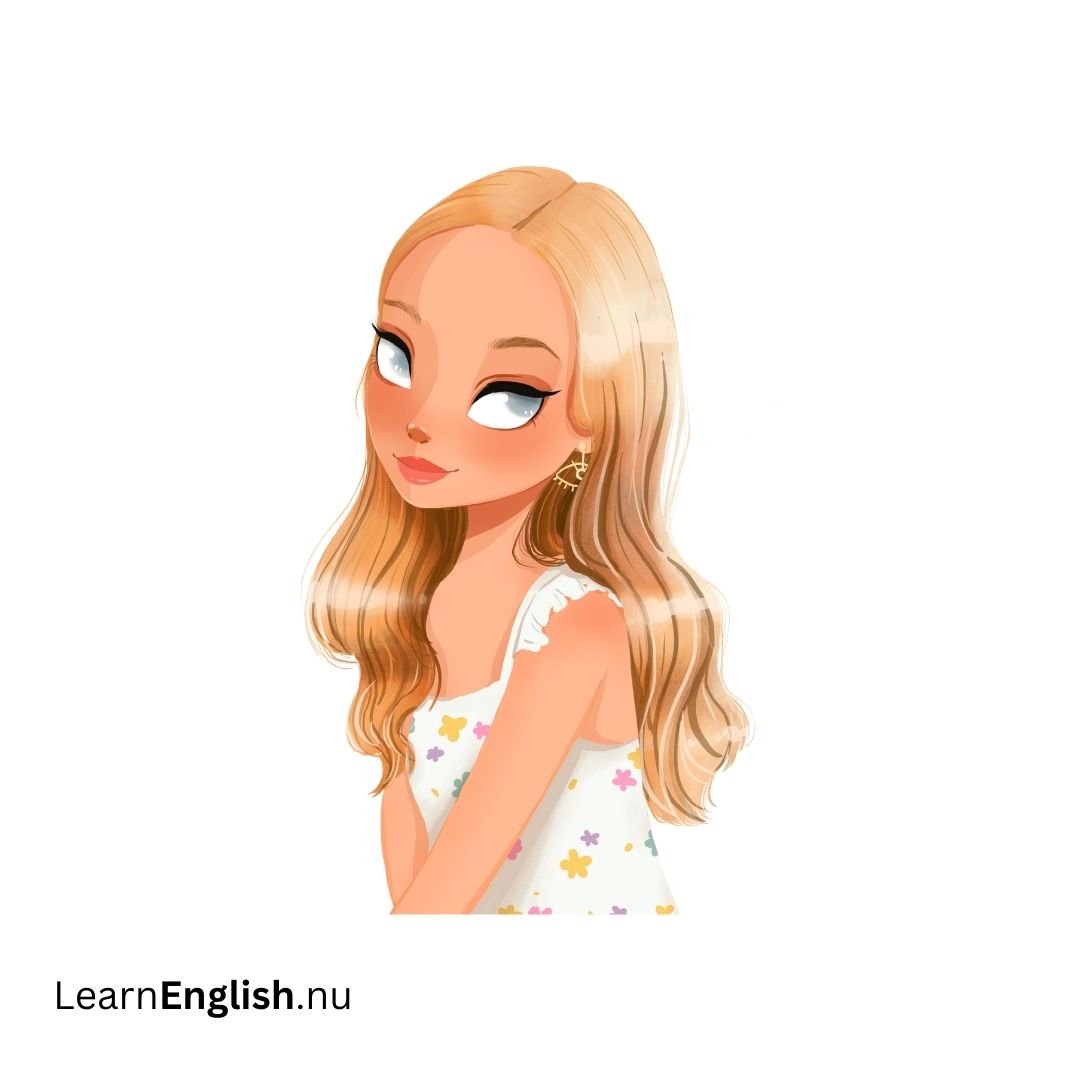 Blond
Blond
Blond-haired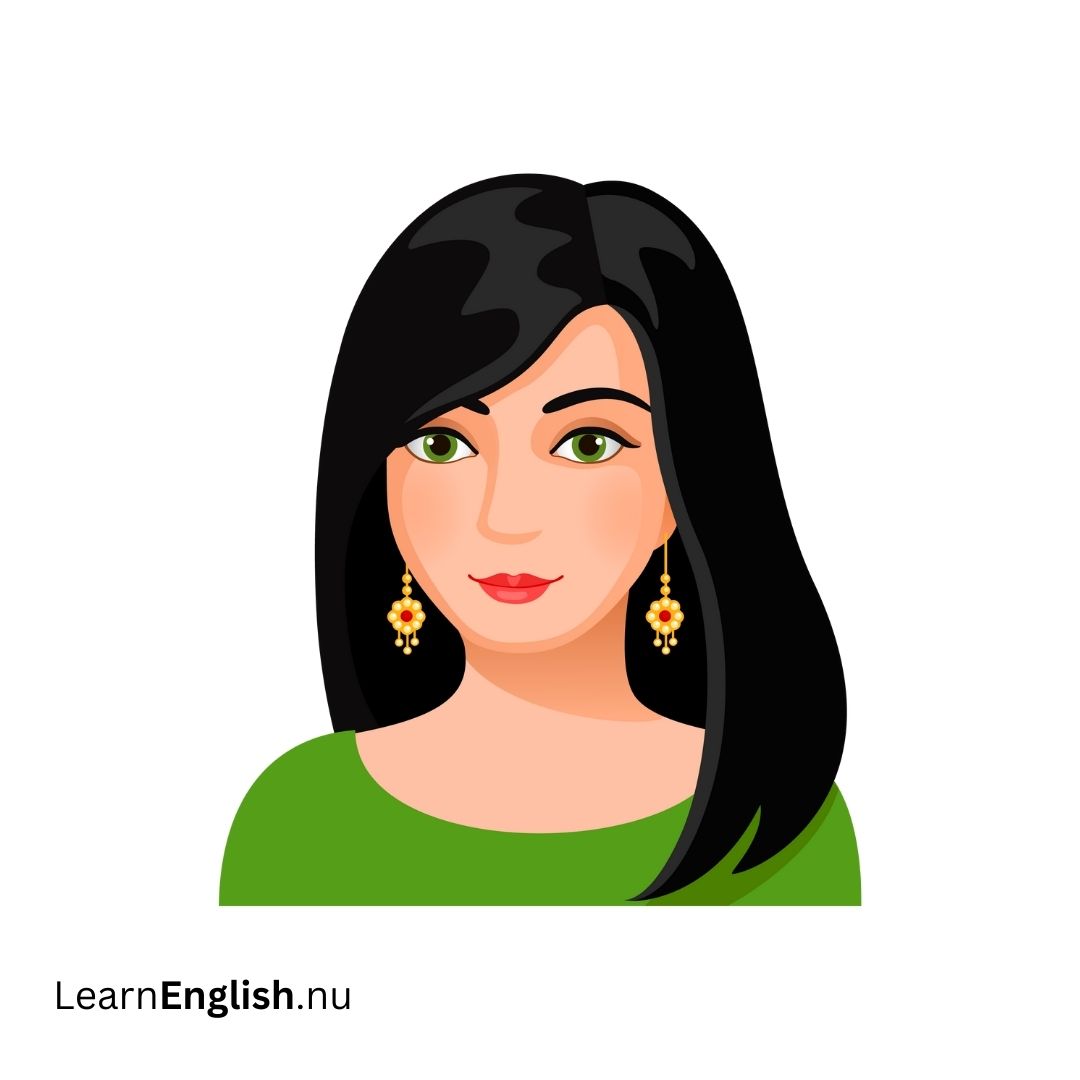 Mörkhårig
Dark-haired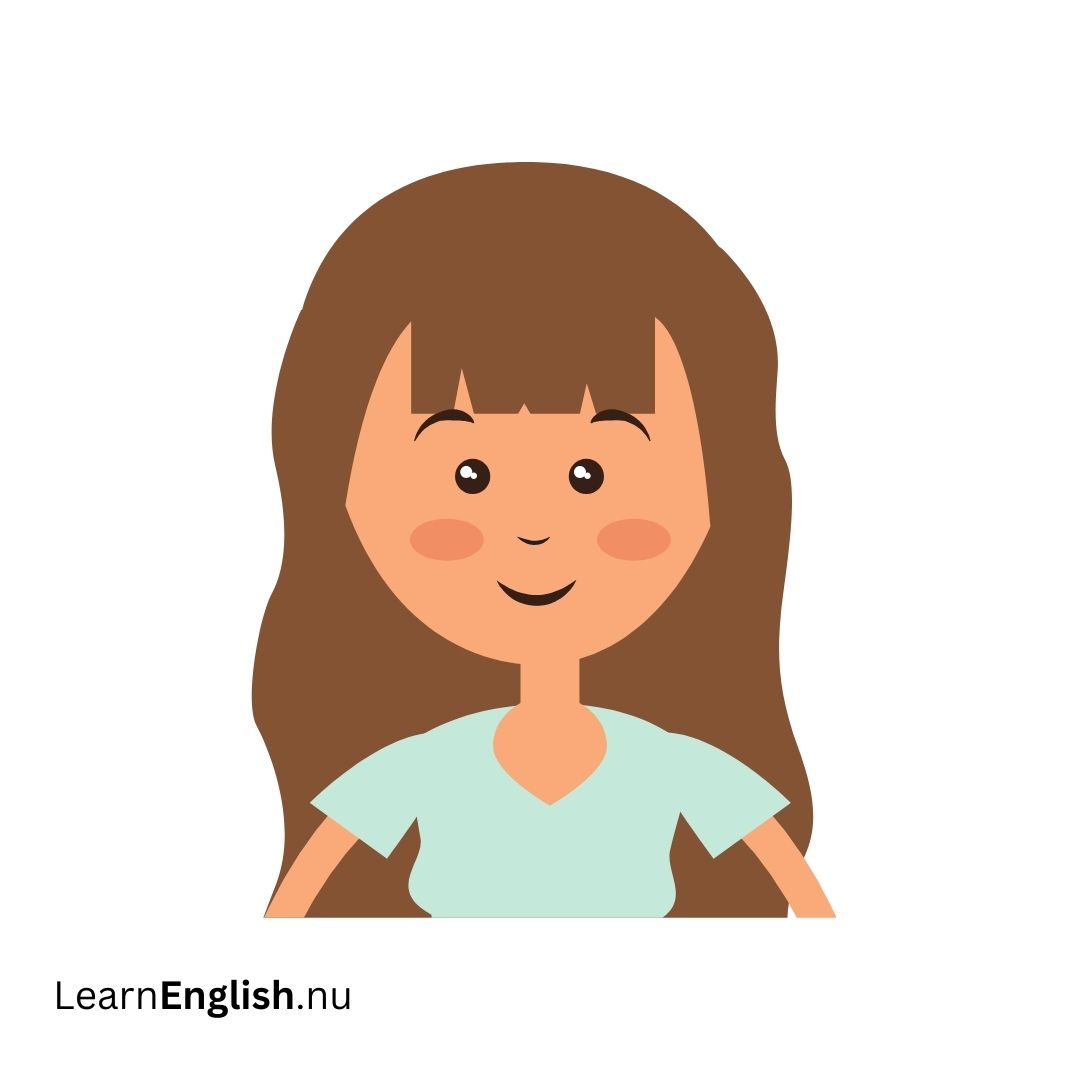 Brunhårig
Brown-haired
Appearance and personality adjectives in Swedish
- Lång Tall
- Kort Short
- Smal Slim
- Tunn Thin
- Tjock Fat
- Snobbig Snobbish
- Välbyggd Well built
- Flintskallig Bald headed
- Arrogant Arrogant
- Skägg Beard
- Gammal Old
- Ung Young
- Medelålders Middle aged
- Överviktig Overweight
- Medellängd Medium height
- Snygg Good looking
- Stilig Handsome
- Lat Lazy
- Blyg Shy
- Mustasch Moustache
- Rödhårig Ginger haired
- Långt hår Long hair
- Kort hår Short hair
- Rakt hår Straight hair
- Lockigt hår Curly hair
- Blond Blond haired
- Mörkhårig Dark haired
- Brunhårig Brown haired
How to Describe a Person Appearance or Personality in Swedish
In this tutorial, we’ll dive into how to describe someone’s appearance or personality in Swedish using the verb att vara ("to be"). This will help you express your thoughts more clearly and accurately.
Describing people in Swedish involves more than just vocabulary; it requires understanding how to structure your sentences. The verb att vara ("to be") is central to this process. By learning how to use this verb along with adjectives, you can describe both physical appearances and personality traits effectively.
Sentence Structure
To describe a person, follow this straightforward structure:
- Subject: The person or pronoun you’re talking about.
- Verb: Att vara ("to be") in the present tense (är "is") or past tense (var "was").
- Adjective: The descriptive word that provides details about the person's appearance or personality.
Examples
Here are examples to illustrate the structure:
| Swedish Sentence | English Translation |
|---|---|
| Hon är söt. | She’s cute. |
| Hon är jättesnygg. | She’s really good-looking. |
| Hon var ful. | She was ugly. |
| Han är snäll. | He’s kind. |
| Han var otrevlig. | He was unfriendly. |
In each example, the structure is:
- Subject (Hon) + Verb (är/var) + Adjective (söt/jättesnygg/ful)
Explanation
- Subject: This is the person you are describing. For example, Hon ("she") or Han ("he").
- Verb: Use är for present tense and var for past tense. This helps to specify when the description applies.
- Adjective: The adjective provides the detail about the appearance or personality. For example, söt ("cute"), jättesnygg ("really good-looking"), or snäll ("kind").
Applying Adjectives
You can use this sentence structure to talk about various traits, whether positive or negative. Here are more examples:
- Hon är modig. (She is brave.)
- Han var lat. (He was lazy.)
- De är intelligent. (They are intelligent.)
- Hon är vänlig. (She is friendly.)
- Han var tråkig. (He was boring.)
Describing Personality Traits in Swedish
Understanding and describing personality traits is a key part of learning Swedish. Knowing the right adjectives can help you communicate more effectively and grasp the subtleties of social interactions. This tutorial will introduce you to some common Swedish adjectives used to describe personality traits, allowing you to express yourself clearly and accurately.
Common Adjectives for Describing Personality
Here are some frequently used adjectives for describing personality traits in Swedish:
Trevlig – (Pleasant) Use trevlig to describe someone who is nice and enjoyable to be around. It suggests that the person is friendly and approachable.
- Example: Han är alltid så trevlig mot alla han möter. (He is always so pleasant to everyone he meets.)
Rolig – (Funny) Rolig is used for someone who has a good sense of humor and can make others laugh.
- Example: Min bror är den roligaste personen jag vet. (My brother is the funniest person I know.)
Seriös – (Serious) Use seriös to describe someone who is earnest and professional, taking things seriously.
- Example: Hon är mycket seriös när det kommer till hennes arbete. (She is very serious about her work.)
Snäll – (Kind) Snäll refers to someone who is gentle and considerate towards others, a highly valued trait.
- Example: Min lärare är väldigt snäll och förstående. (My teacher is very kind and understanding.)
Självsäker – (Confident) Självsäker describes someone who is self-assured and confident without being arrogant.
- Example: Han är självsäker utan att vara arrogant. (He is confident without being arrogant.)
Ärlig – (Honest) Use ärlig to describe someone who is truthful and acts with integrity.
- Example: Det är viktigt för mig att alltid vara ärlig. (It is important for me to always be honest.)
Generös – (Generous) Generös describes someone who is willing to share and give unselfishly.
- Example: Våra grannar är mycket generösa och hjälpsamma. (Our neighbors are very generous and helpful.)
Modig – (Brave) Modig is used to describe someone who faces fears or difficult situations with courage.
- Example: Du var verkligen modig som talade upp. (You were really brave for speaking up.)
Kreativ – (Creative) Kreativ refers to someone who is imaginative and inventive, with the ability to come up with original ideas.
- Example: Hennes konstnärliga talang gör henne väldigt kreativ. (Her artistic talent makes her very creative.)
Driven – (Ambitious/Driven) Use driven to describe someone with strong ambition and determination to succeed.
- Example: Han är mycket driven och kommer att gå långt i sin karriär. (He is very driven and will go far in his career.)
Describing Appearance in Swedish
Describing someone’s appearance in Swedish can enhance your conversations and help you express yourself more clearly. By using the right adjectives, you can provide detailed descriptions of various aspects of someone’s look, such as their hair color, style, and overall appearance. This guide will introduce you to essential adjectives for describing appearance with confidence.
Using Adjectives to Describe Appearance
Adjectives are crucial for creating vivid and accurate descriptions of someone’s appearance. Here’s how to effectively use these adjectives:
- Hair Color and Style: Use adjectives to describe hair color and style. Terms like blond (blonde) and kort (short) are useful for this purpose.
- Physical Traits: Include adjectives that describe body types or specific features. Words such as smal (slim) or musklig (muscular) help in giving detailed descriptions.
- Overall Appearance: To describe someone’s overall look, use adjectives like vacker (beautiful) or snygg (good-looking).
Adjectives for Describing Appearance
Here are some common Swedish adjectives for describing appearance:
| Swedish Adjective | English Translation |
|---|---|
| Blond | Blonde |
| Brunett | Brunette |
| Kort | Short |
| Lång | Long |
| Smal | Slim |
| Musklig | Muscular |
| Vacker | Beautiful |
| Snygg | Good-looking |
| Ful | Ugly |
Additional Adjectives for Describing Appearance
Here’s a list of more adjectives to help you describe different aspects of someone’s appearance:
Hair Attributes: Descriptions for hair texture and color.
- Röd (Red)
- Grå (Gray)
- Lockig (Curly)
- Rakt (Straight)
Facial Features: Adjectives to describe features and expressions.
- Stor (Large)
- Liten (Small)
- Trevlig (Friendly)
- Allvarlig (Serious)
Body Shape and Size: Terms for body types and shapes.
- Kraftig (Stocky)
- Normal (Average)
- Rund (Round)
- Tunn (Thin)
Overall Look: Adjectives to describe general appearance and style.
- Elegant (Elegant)
- Sportig (Sporty)
- Trendig (Trendy)
- Välklädd (Well-dressed)
Adjectives for Describing Appearance
Here are these additional Swedish adjectives with their English translations:
| Swedish Adjective | English Translation |
|---|---|
| Röd | Red |
| Grå | Gray |
| Lockig | Curly |
| Rakt | Straight |
| Stor | Large |
| Liten | Small |
| Trevlig | Friendly |
| Allvarlig | Serious |
| Kraftig | Stocky |
| Normal | Average |
| Rund | Round |
| Tun | Thin |
| Elegant | Elegant |
| Sportig | Sporty |
| Trendig | Trendy |
| Välklädd | Well-dressed |
Related Topics
Learn Swedish : The 57 Most Common Swedish Adjectives
Learn the most common words for Health in Swedish
Swedish Lessons: Plant names , flowers names in Swedish
Names of things in the street in Swedish
Swedish Nature Vocabulary with Pronunciation - Learn Swedish
Places in town words vocabulary in Swedish
Top 22 Words for Nature Basics in Swedish
Grocery shopping list words in Swedish - Learn Swedish
Swedish for Travelers: Useful Swedish Phrases and Words
Musical instruments names in Swedish language
Swedish Electrical Appliances: Household Devices Word List
Swedish emergency expressions , words and phrases
Office supplies - Office equipment words vocabulary in Swedish
Swedish Vocabulary: Swedish Occupations Jobs Professions Words
Swedish Lessons: Swedish Transportation Vocabulary And Phrases
Swedish Lessons: Swedish Drink Words Vocabulary Words
Swedish Lessons: Swedish Food and Meals Vocabulary Words with Pronunciation
Swedish Lessons: Swedish tools and equipment Vocabulary Words
Swedish Lessons: Swedish utility room Vocabulary Words
Swedish Lessons: Action Verbs in Swedish
Swedish Lessons: Swedish cleaning tools Vocabulary Words
Swedish Lessons: Swedish Garden Vocabulary Words
Swedish Lessons: Swedish Bathroom Vocabulary Words
Swedish Lessons: Cooking Verbs in Swedish
Swedish Lessons: Swedish kitchen utensils Vocabulary Words
Swedish Lessons: Living room Vardagsrum Vocabulary Words
Swedish Lessons: bedroom items list with pictures in Swedish