Basic Math Symbols in Swedish
Understanding basic math symbols is essential for performing calculations and expressing mathematical ideas. Here’s a quick guide to some common symbols and their Swedish equivalents.
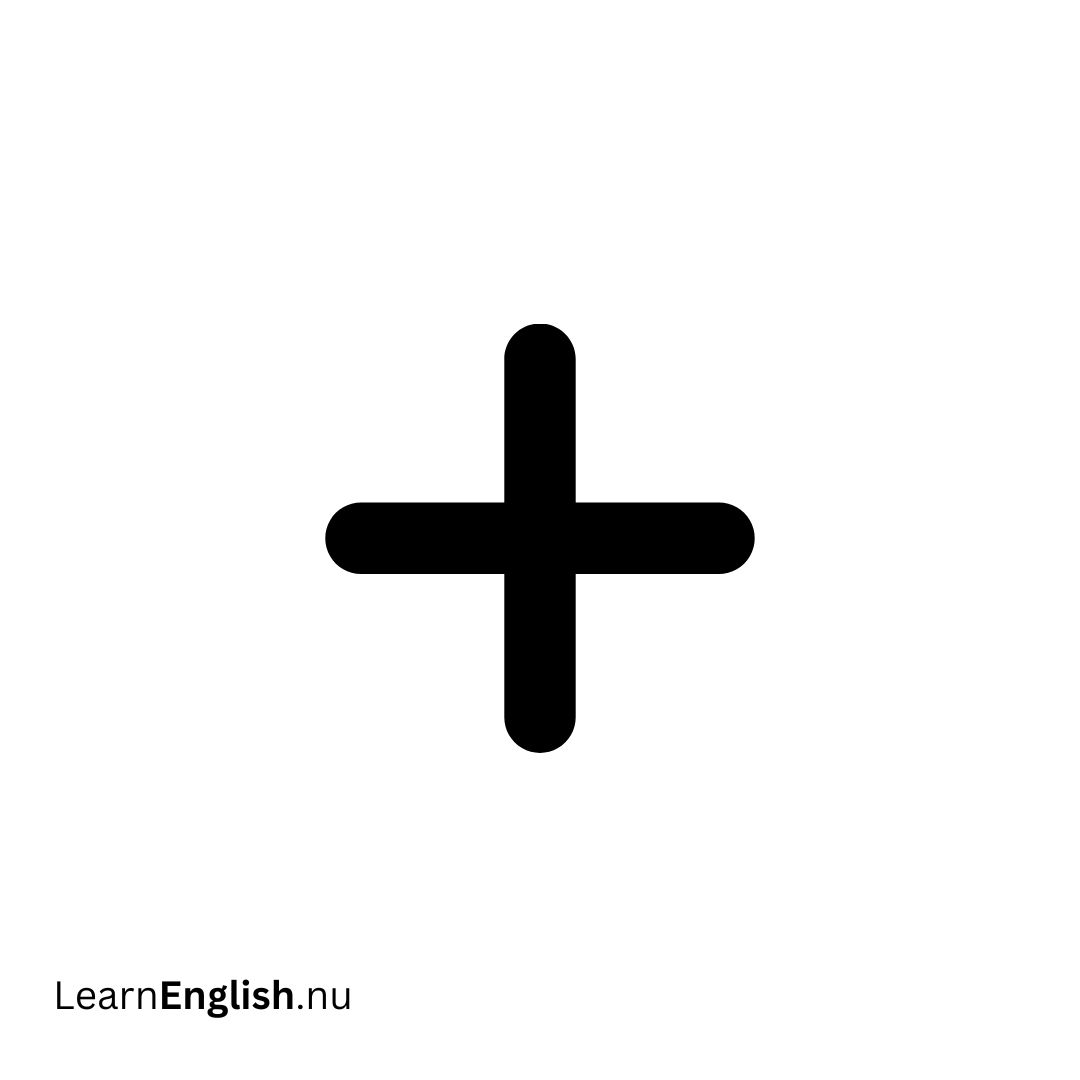
Addition, Plus, Positive The addition symbol (+) is used to show that two or more numbers should be added together. For example, 2 + 2 equals 4. In Swedish, the word for addition is "addition," and the symbol + can also represent a positive number, though this is less common.
| Symbol |
Swedish |
Example |
| + |
addition, plus, positiv |
2 + 2 = 4 |
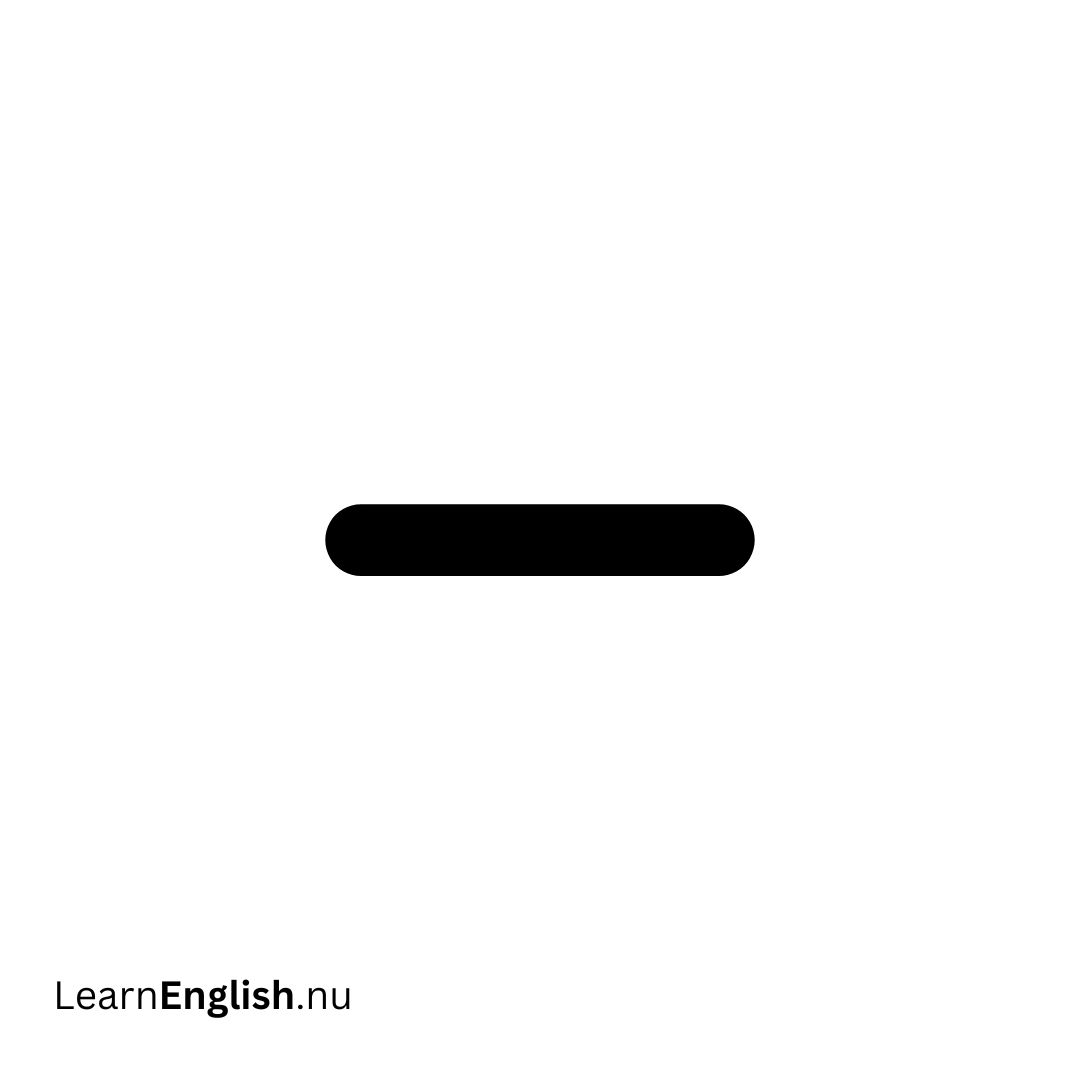
Subtraction, Minus, Negative The subtraction symbol (−) is used to indicate that one number is to be taken away from another. For instance, 5 − 3 equals 2. This symbol also denotes a negative number, such as −2. In Swedish, subtraction is "subtraktion," minus is "minus," and negative is "negativ."
| Symbol |
Swedish |
Example |
| − |
subtraktion, minus, negativ |
5 − 3 = 2 |
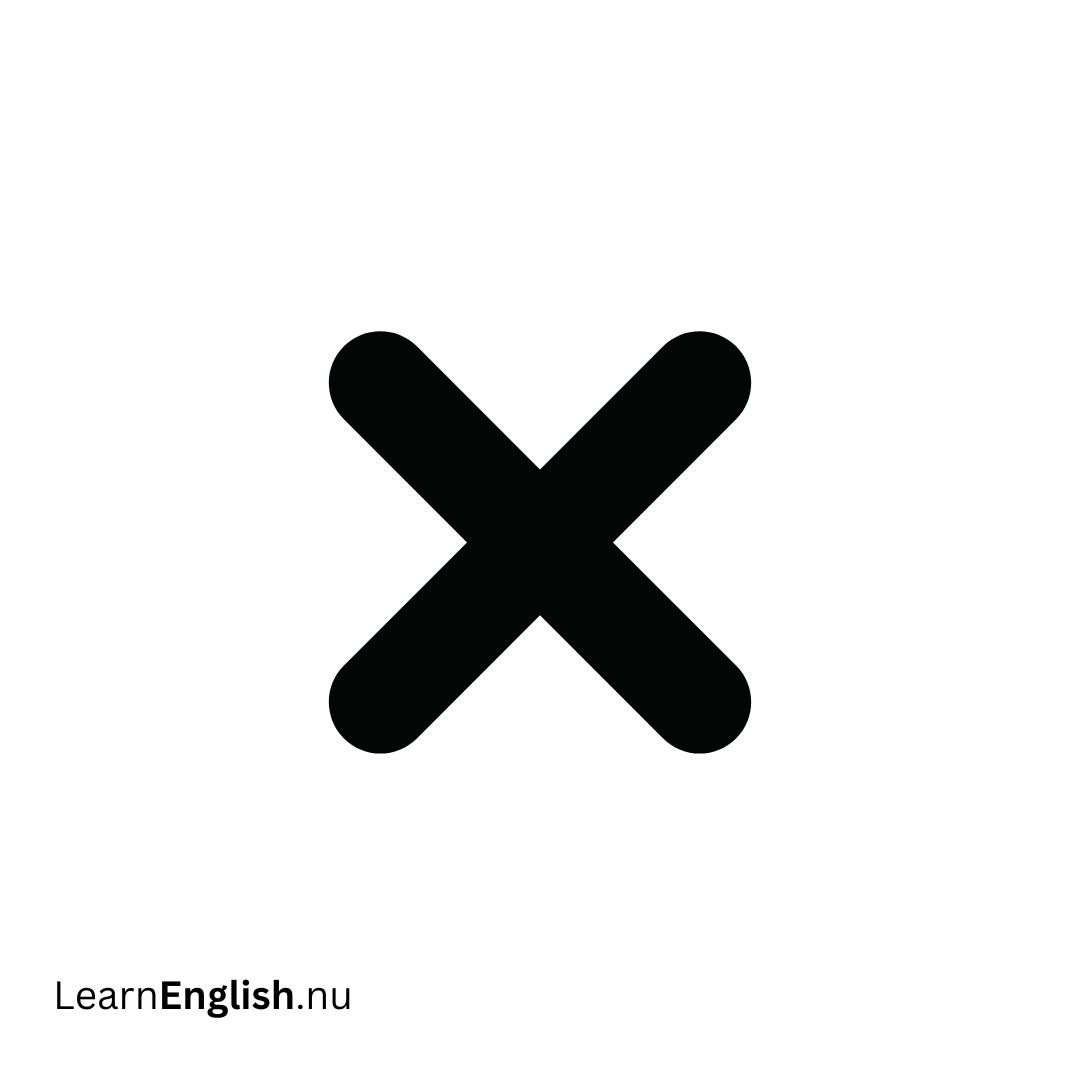
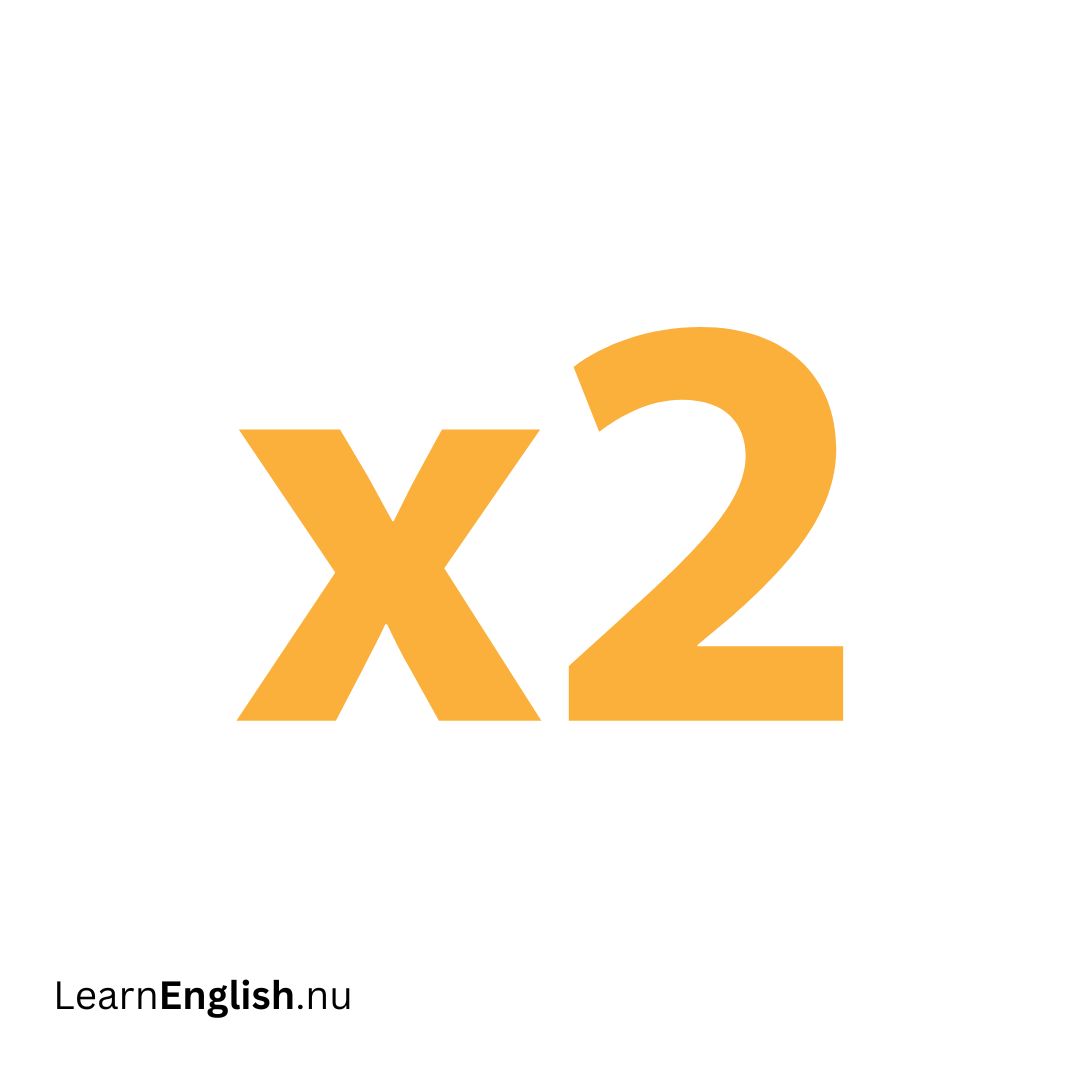
Multiplication In mathematics, multiplication is often represented by symbols such as ×, *, or ·. The × symbol is commonly used in handwritten calculations and calculators, like 2 × 3 = 6. The * symbol is used in spreadsheets and some computer applications. Sometimes, a dot (·) or no symbol at all is used, where the number outside brackets multiplies the contents inside, for example, 2(3 + 2) = 2 × (3 + 2). In Swedish, multiplication is "multiplikation."
| Symbol |
Swedish |
Example |
| × |
multiplikation |
2 × 3 = 6 |
| * |
multiplikation |
2 * 3 = 6 |
| · |
multiplikation |
2 · 3 = 6 |
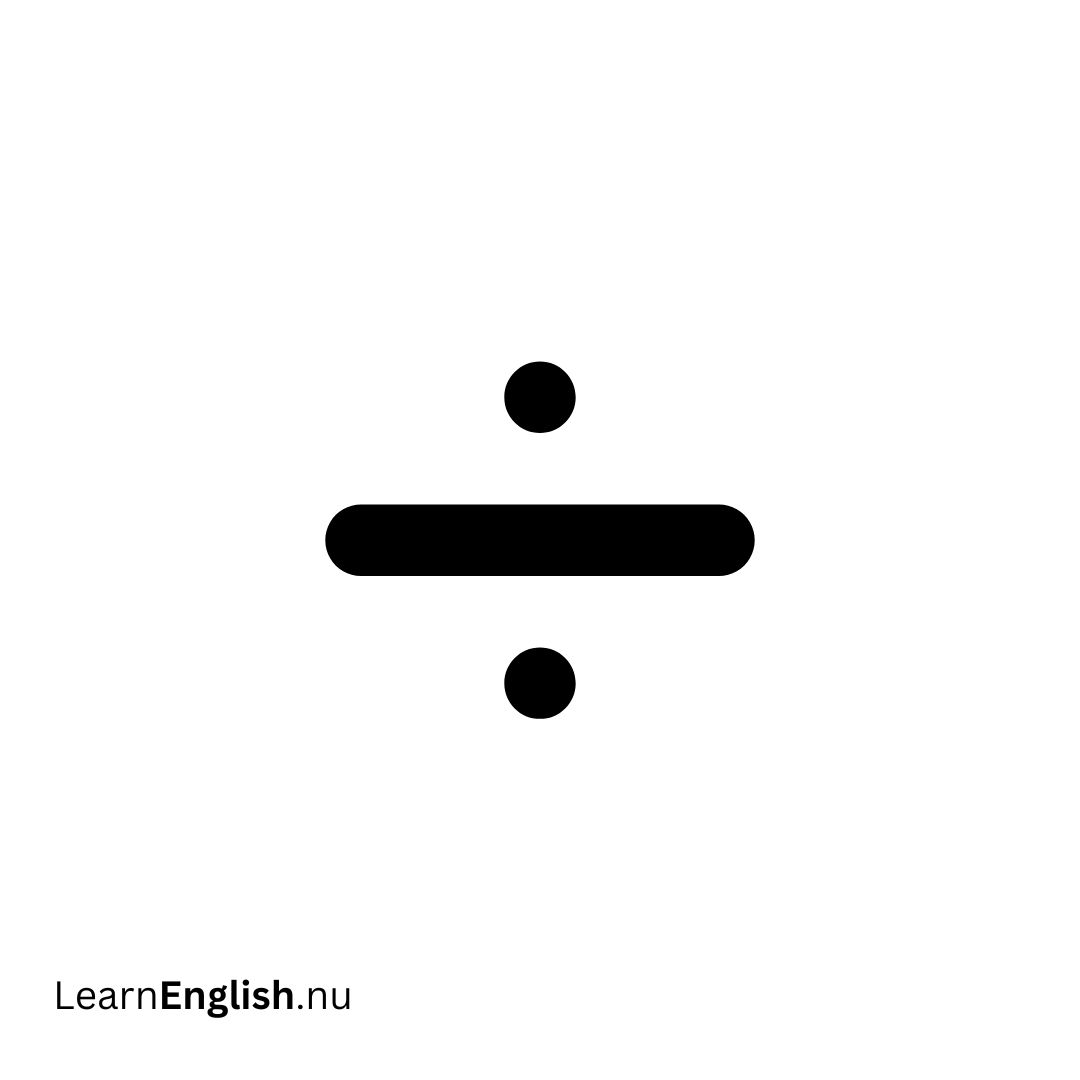
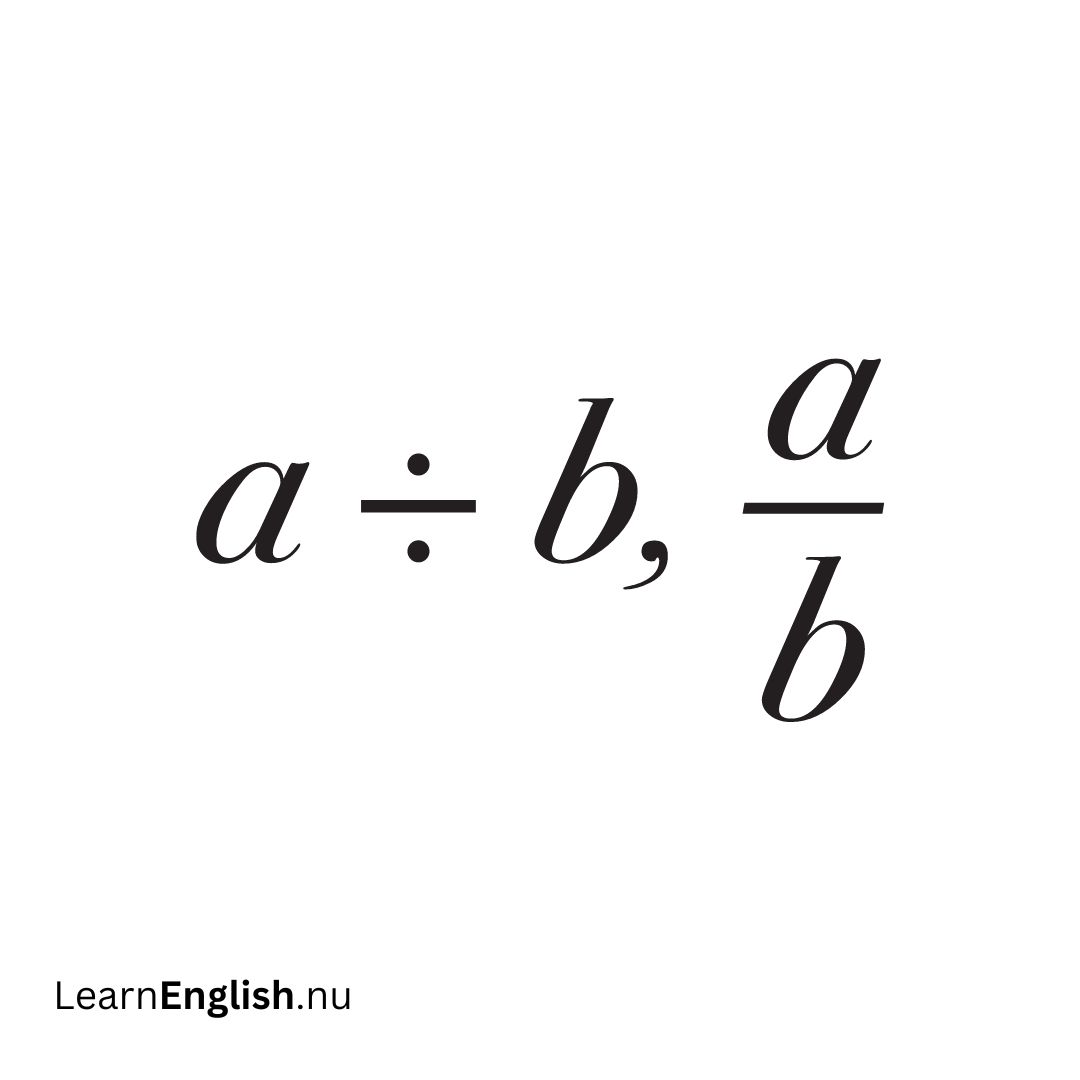
Division Division can be indicated by ÷ or /. The ÷ symbol is often used in handwritten calculations and calculators, as in 6 ÷ 2 = 3. The / symbol is more common in spreadsheets and other computer software. In Swedish, division is "division."
| Symbol |
Swedish |
Example |
| ÷ |
division |
6 ÷ 2 = 3 |
| / |
division |
6 / 2 = 3 |
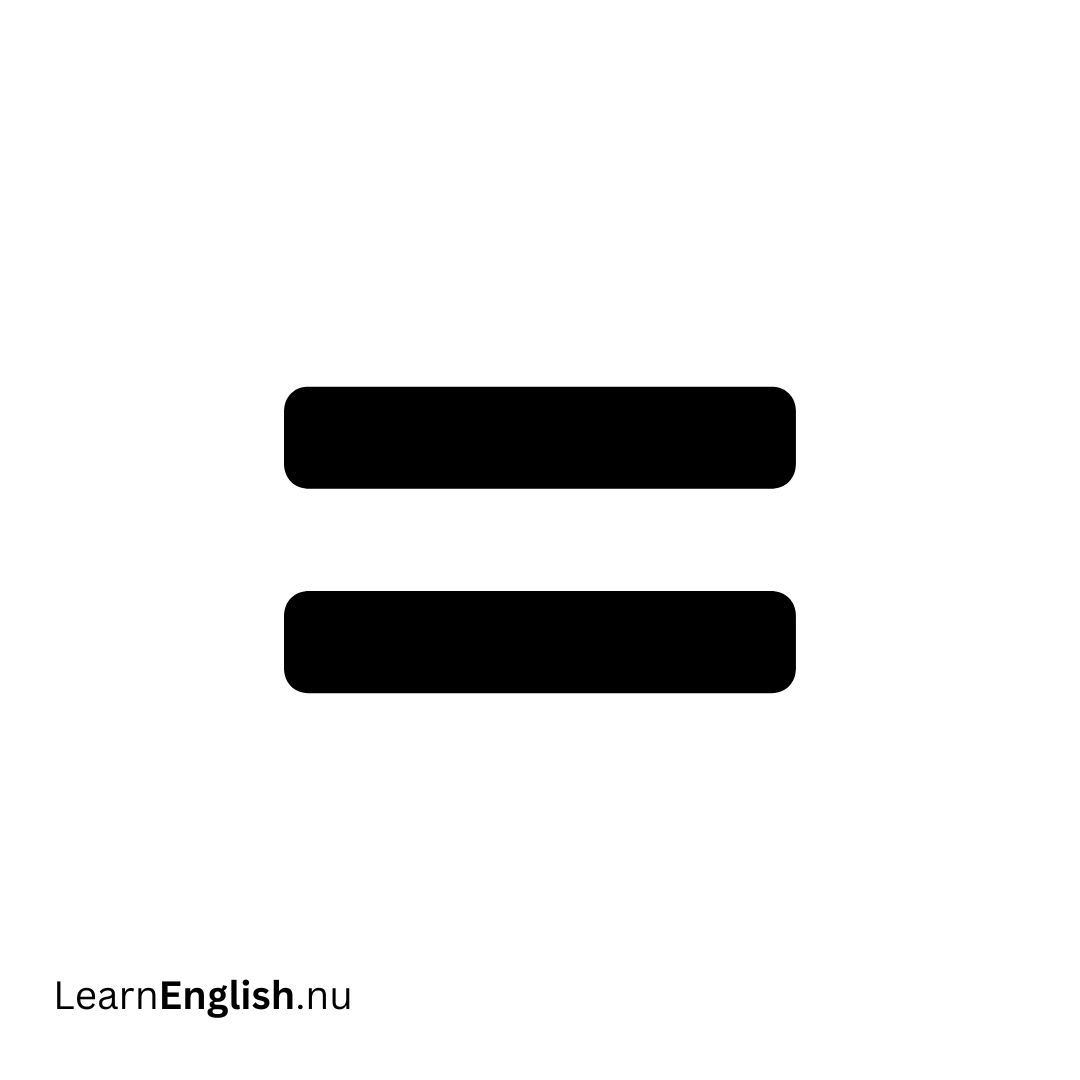
Equals The equals symbol (=) shows that the values on either side are the same. It is used to indicate the result of a calculation or in equations. For example, 2 + 2 = 4. In Swedish, equals is "lika med."
| Symbol |
Swedish |
Example |
| = |
lika med |
2 + 2 = 4 |
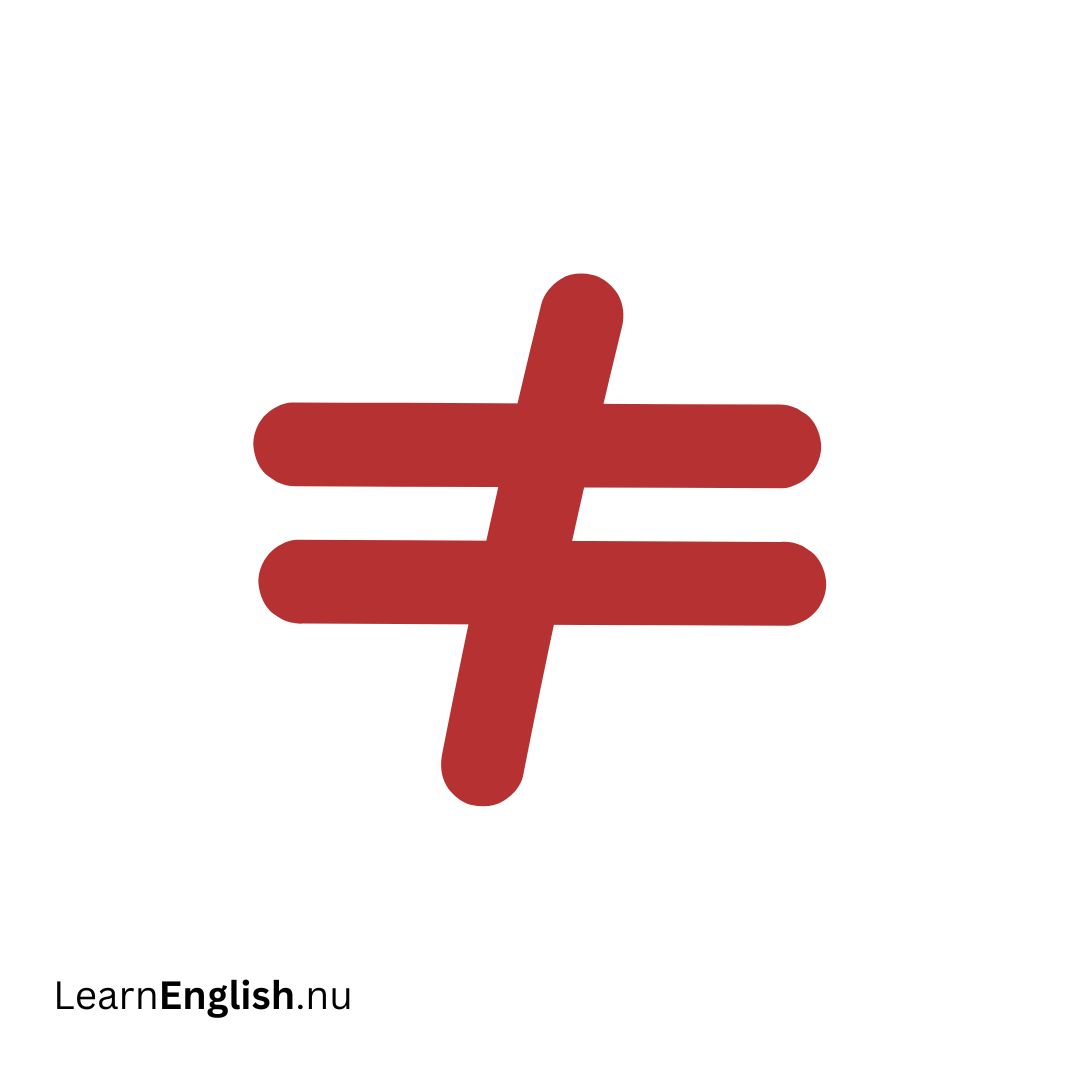
Not Equal The not equal symbol (≠) shows that two values are not the same. For instance, 2 + 2 ≠ 5 − 2. In computer applications like Excel, the symbols <> are used to indicate not equal. In Swedish, "not equal" is "inte lika med."
| Symbol |
Swedish |
Example |
| ≠ |
inte lika med |
2 + 2 ≠ 5 − 2 |
| <> |
inte lika med |
2 + 2 <> 5 − 2 |
Identical To The identical to symbol (≡) means that two values or expressions are identical. It is similar to equals but used to show exact identity. In Swedish, this is "identisk med."
| Symbol |
Swedish |
Example |
| ≡ |
identisk med |
a ≡ a |
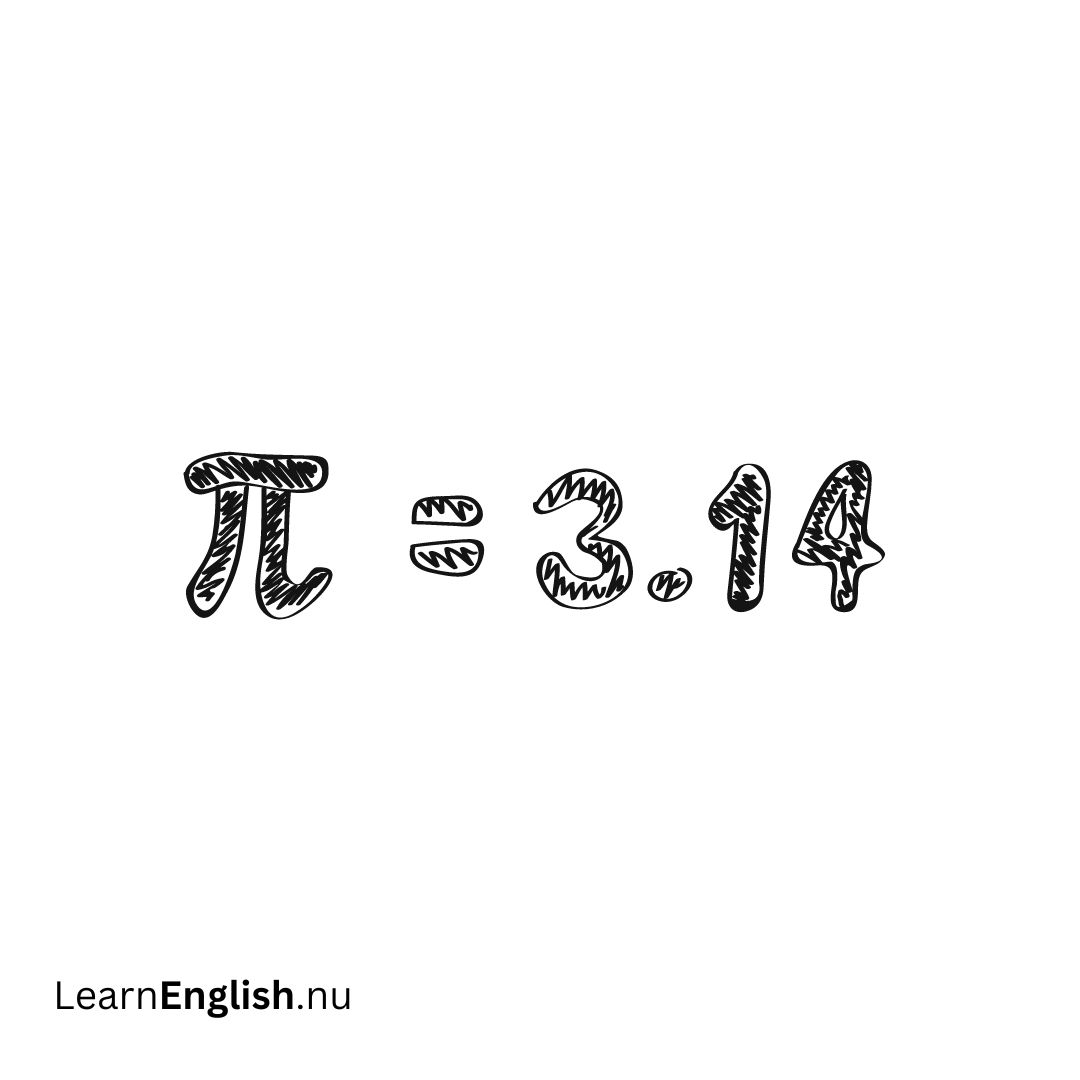
Approximately Equal To The approximately equal to symbol (≈) indicates that two values are close to being equal but not exactly the same. For example, 3.14 ≈ π. In Swedish, this is "ungefär lika med."
| Symbol |
Swedish |
Example |
| ≈ |
ungefär lika med |
3.14 ≈ π |
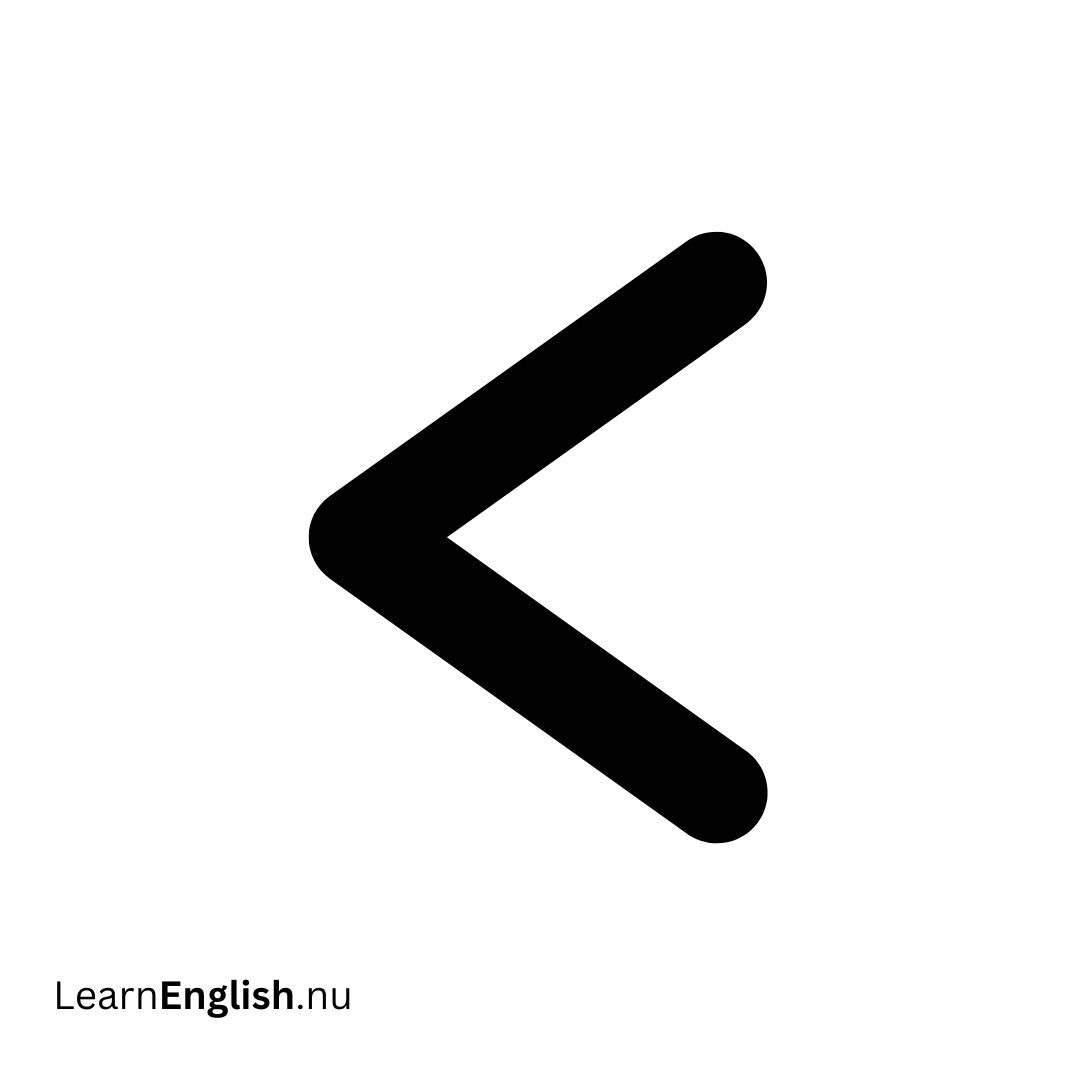
Less Than The less than symbol (<) is used to show that one value is smaller than another. For example, 3 < 4 means three is less than four. In Swedish, this is "mindre än."
| Symbol |
Swedish |
Example |
| < |
mindre än |
3 < 4 |
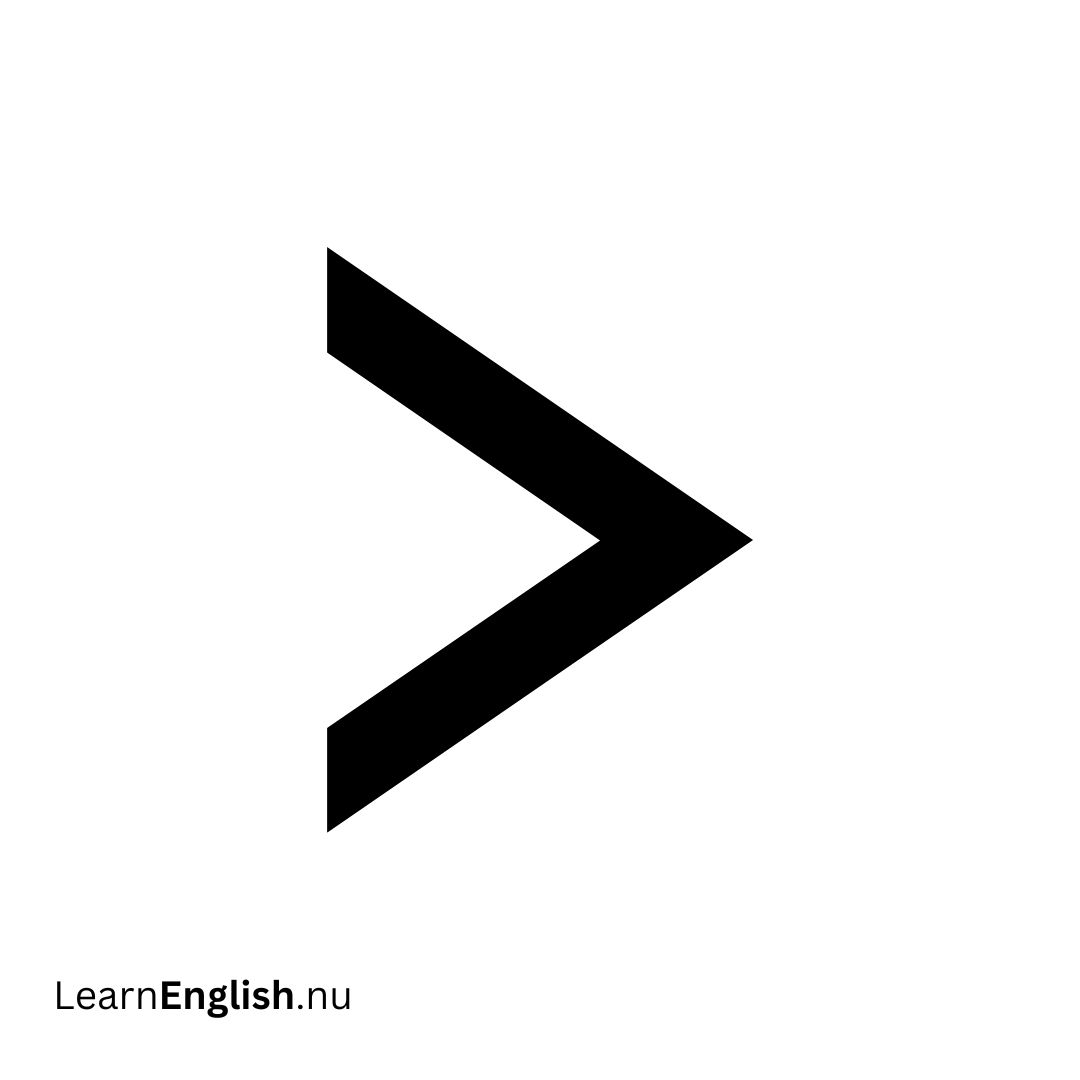
Greater Than The greater than symbol (>) indicates that one value is larger than another. For instance, 4 > 3 means four is greater than three. In Swedish, this is "större än."
| Symbol |
Swedish |
Example |
| > |
större än |
4 > 3 |
Greater Than or Equal To The greater than or equal to symbol (≥) shows that one value is either greater than or equal to another. For example, x ≥ z means x is greater than or equal to z. In Swedish, this is "större än eller lika med."
| Symbol |
Swedish |
Example |
| ≥ |
större än eller lika med |
x ≥ z |
Less Than or Equal To The less than or equal to symbol (≤) indicates that one value is either smaller than or equal to another. For example, z ≤ x means z is less than or equal to x. In Swedish, this is "mindre än eller lika med."
| Symbol |
Swedish |
Example |
| ≤ |
mindre än eller lika med |
z ≤ x |
Division Slash The division slash (/) represents division. For example, 6 / 2 = 3 means six divided by two equals three. In Swedish, this is "divisionstecken."
| Symbol |
Swedish |
Example |
| / |
divisionstecken |
6 / 2 = 3 |
Modulo The modulo (mod) symbol represents the remainder of a division. For instance, 7 mod 3 = 1 means the remainder when 7 is divided by 3 is 1. In Swedish, this is "modulo."
| Symbol |
Swedish |
Example |
| mod |
modulo |
7 mod 3 = 1 |
Power The power symbol (often represented as ^) indicates an exponentiation. For example, 2^3 = 8 means 2 raised to the power of 3 equals 8. In Swedish, this is "potens."
| Symbol |
Swedish |
Example |
| ^ |
potens |
2 ^ 3 = 8 |
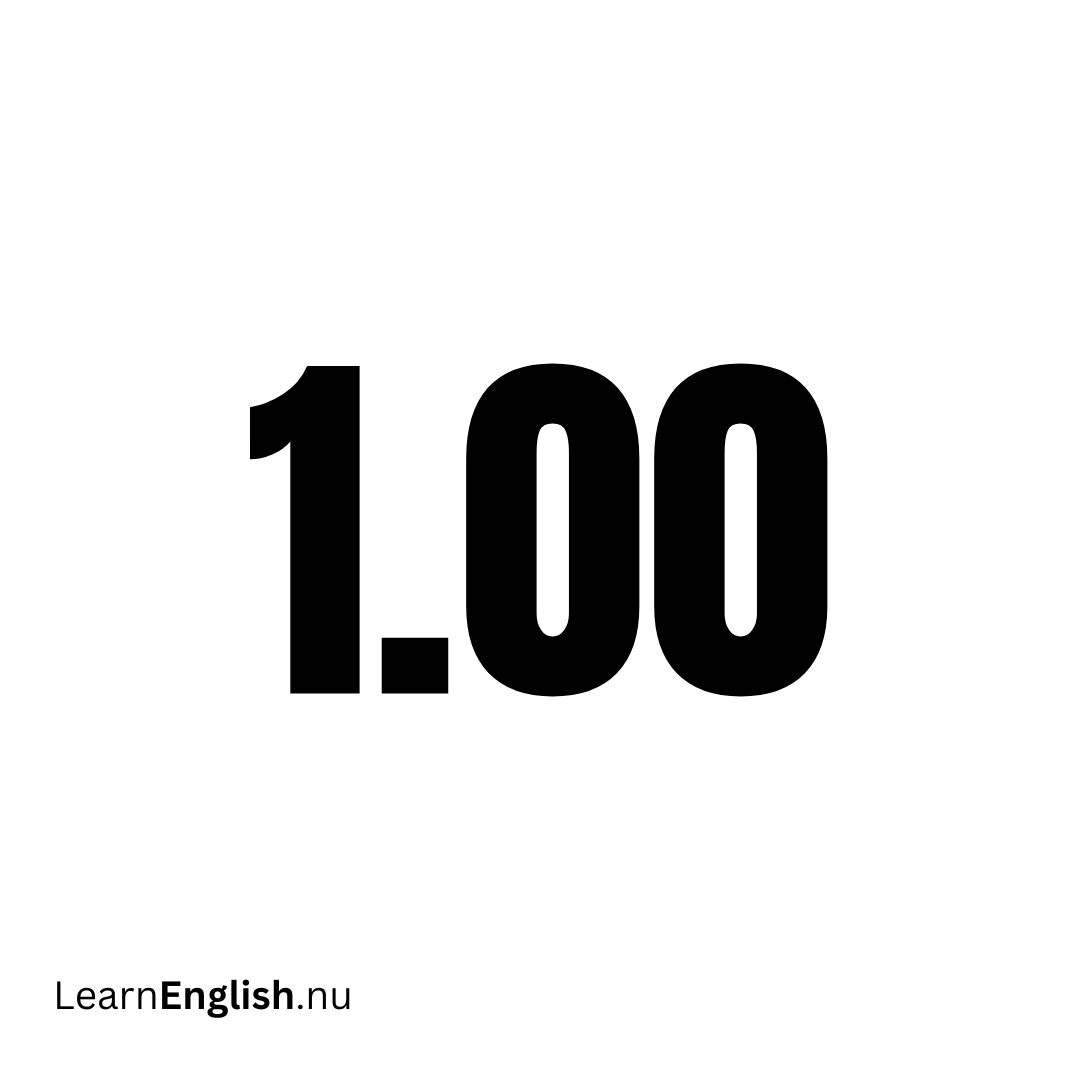
Period The period (.) is used as a decimal point or separator. For example, 4.36 represents four and thirty-six hundredths. In Swedish, this is "punkt."
| Symbol |
Swedish |
Example |
| . |
punkt |
4.36 = 4 + (36/100) |
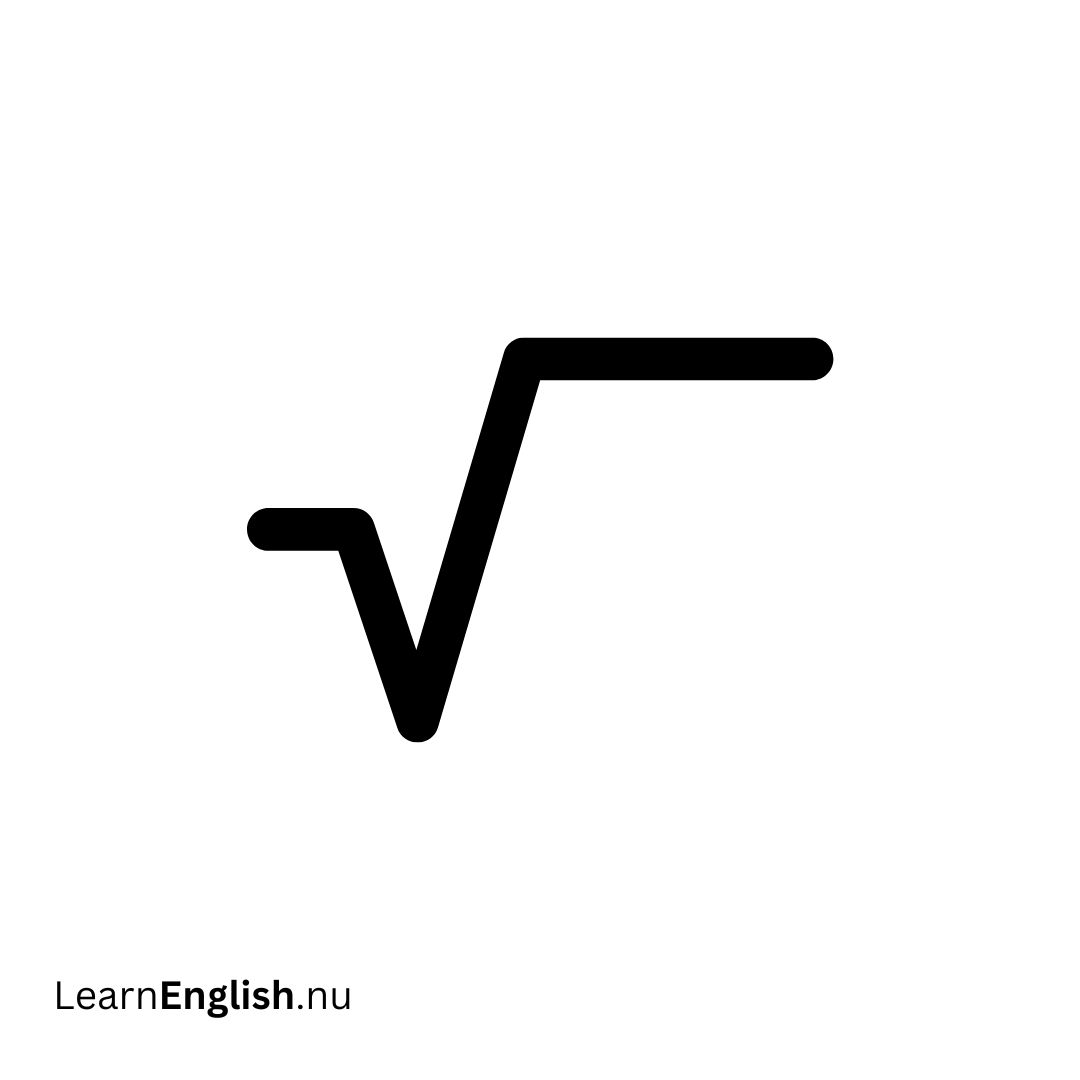
Square Root The square root symbol (√) shows the root of a number. For example, √9 = ±3 means the square root of 9 is ±3. In Swedish, this is "kvadratroten."
| Symbol |
Swedish |
Example |
| √ |
kvadratroten |
√9 = ±3 |
Fourth Root The fourth root symbol (⁴√) shows the fourth root of a number. For example, ⁴√16 = ±2 means the fourth root of 16 is ±2. In Swedish, this is "fjärderoten."
| Symbol |
Swedish |
Example |
| ⁴√ |
fjärderoten |
⁴√16 = ±2 |
Cube Root The cube root symbol (³√) indicates the cube root of a number. For example, ³√343 = 7 means the cube root of 343 is 7. In Swedish, this is "kubroten."
| Symbol |
Swedish |
Example |
| ³√ |
kubroten |
³√343 = 7 |
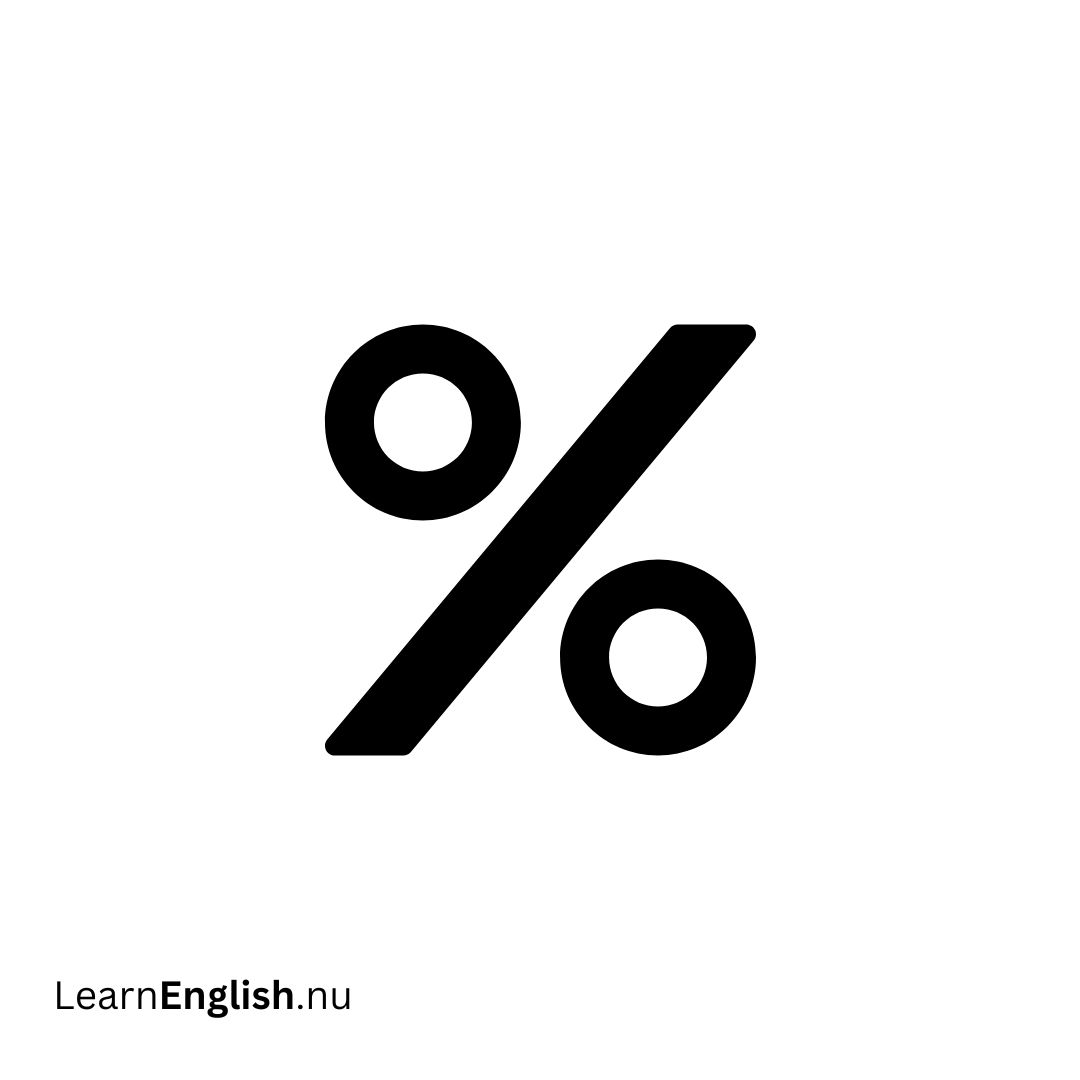
Percent The percent symbol (%) denotes a percentage. For instance, 10% × 30 = 3 means ten percent of thirty is 3. In Swedish, this is "procent."
| Symbol |
Swedish |
Example |
| % |
procent |
10% × 30 = 3 |
N-th Root The n-th root symbol (ⁿ√) represents the n-th root of a number. For example, ³√8 = 2 means the cube root of 8 is 2. In Swedish, this is "n-te roten."
| Symbol |
Swedish |
Example |
| ⁿ√ |
n-te roten |
³√8 = 2 |
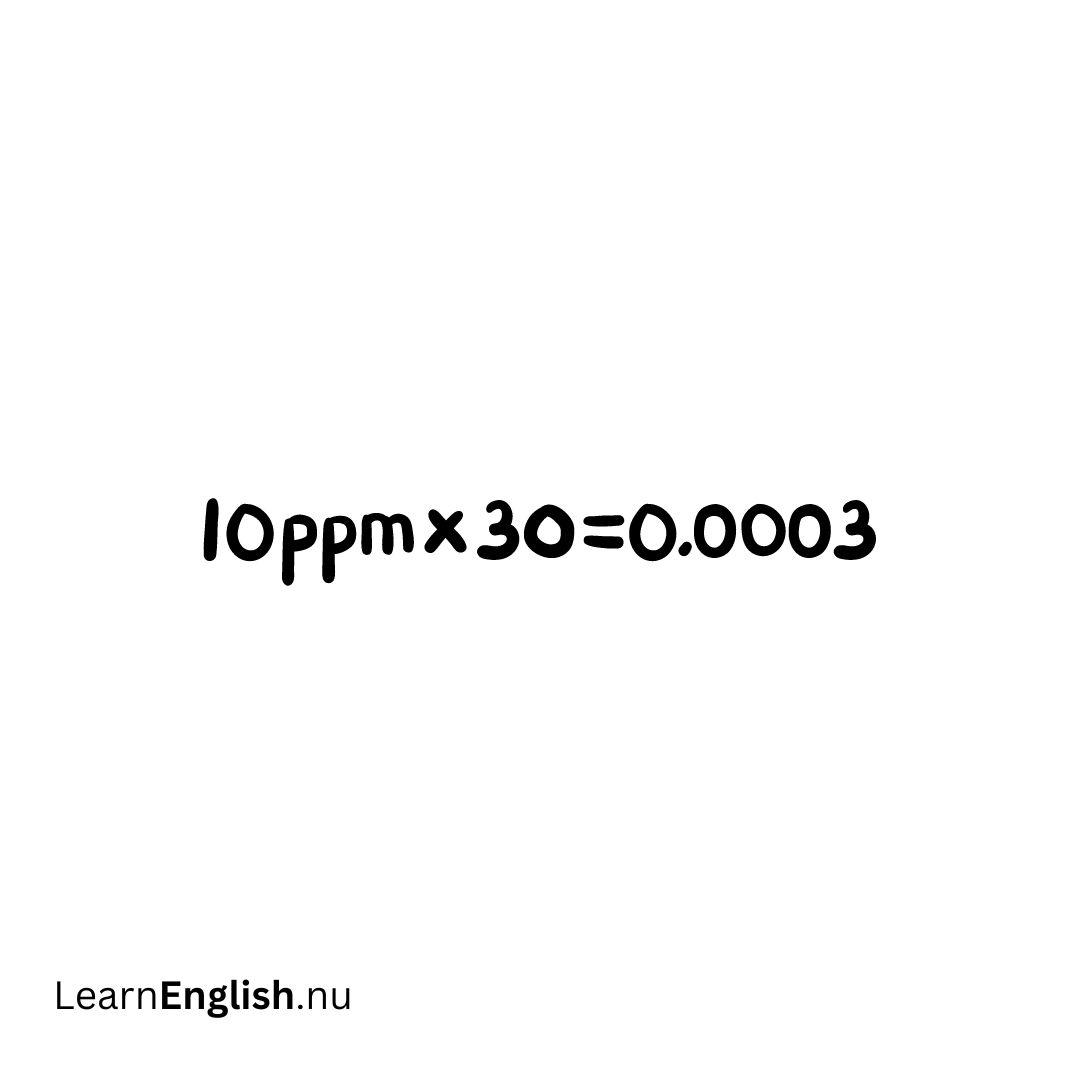
Parts Per Million (ppm) The ppm symbol indicates parts per million. For example, 10 ppm × 30 = 0.0003 means ten parts per million of thirty is 0.0003. In Swedish, this is "delar per miljon."
| Symbol |
Swedish |
Example |
| ppm |
delar per miljon |
10 ppm × 30 = 0.0003 |
Parts Per Mille (‰) The per-mille symbol (‰) represents parts per thousand. For example, 10‰ × 30 = 0.3 means ten parts per thousand of thirty is 0.3. In Swedish, this is "delar per tusen."
| Symbol |
Swedish |
Example |
| ‰ |
delar per tusen |
10‰ × 30 = 0.3 |
Parts Per Trillion (ppt) The ppt symbol denotes parts per trillion. For example, 10 ppt × 30 = 3×10⁻¹⁰ means ten parts per trillion of thirty is 3×10⁻¹⁰. In Swedish, this is "delar per triljon."
| Symbol |
Swedish |
Example |
| ppt |
delar per triljon |
10 ppt × 30 = 3×10⁻¹⁰ |
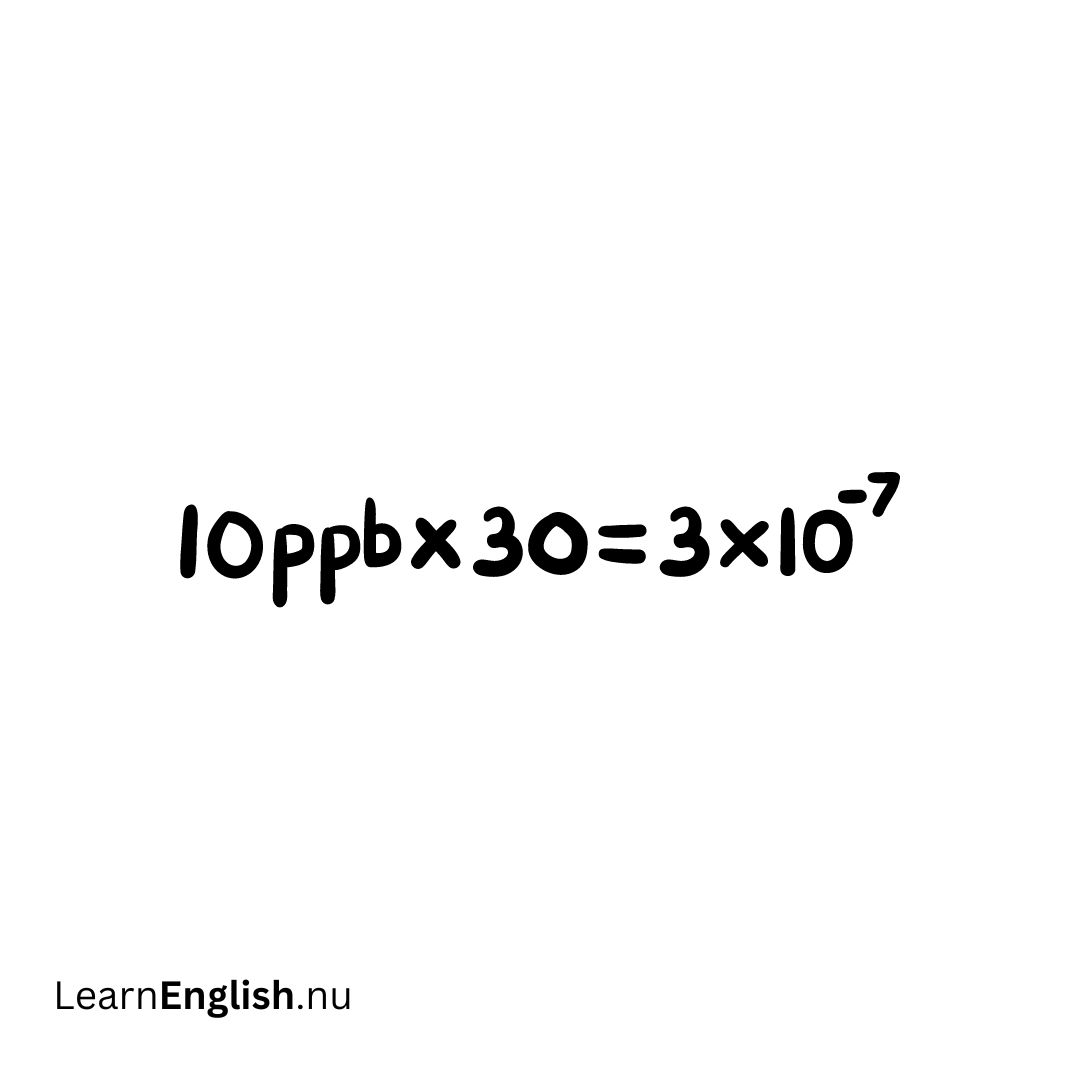
Parts Per Billion (ppb) The ppb symbol signifies parts per billion. For example, 10 ppb × 30 = 3×10⁻⁷ means ten parts per billion of thirty is 3×10⁻⁷. In Swedish, this is "delar per miljard."
| Symbol |
Swedish |
Example |
| ppb |
delar per miljard |
10 ppb × 30 = 3×10⁻⁷ |
Math Logic Symbols in Swedish
Math logic symbols are essential for expressing logical relationships and operations. This guide introduces some common symbols, their meanings, and their Swedish terms.
| Symbol |
Swedish |
Example |
| ^ |
vinkelhak |
x ^ y |
| · |
punkt |
x · y |
| + |
plus |
x + y |
| & |
ampersand |
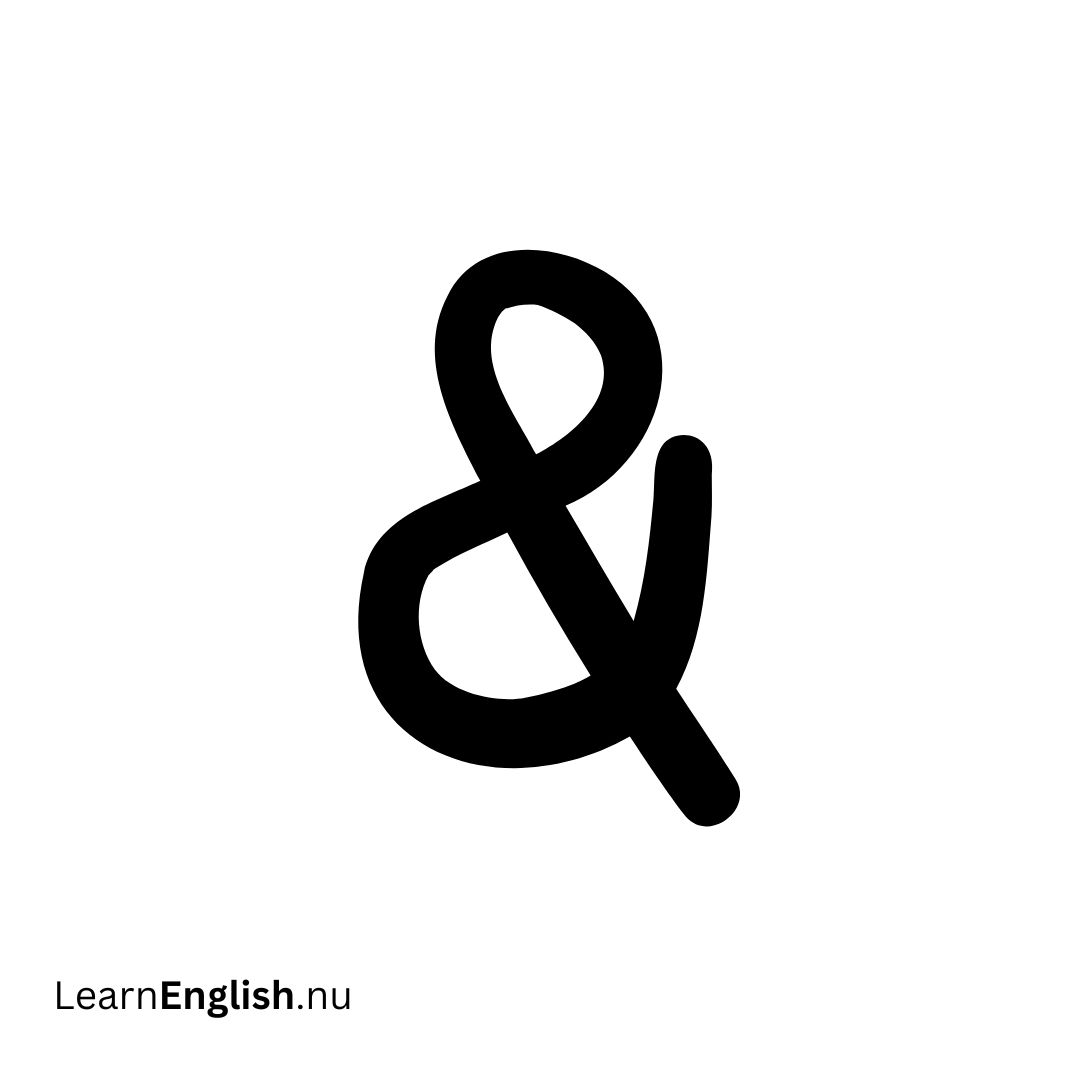
x & y |
| |
|
lodrät linje |
| ∨ |
omvänd vinkelhak |
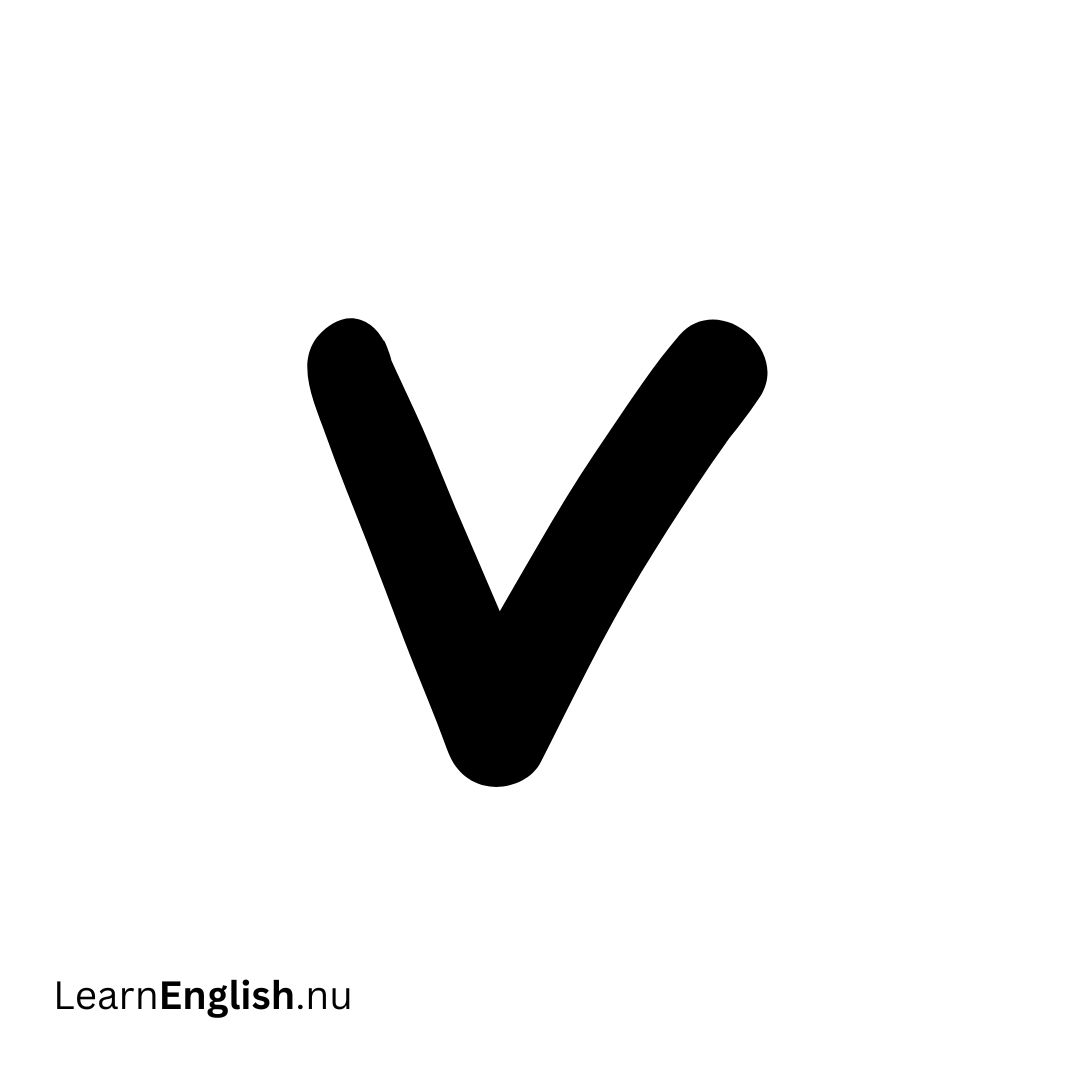
x ∨ y |
| X̄ |
streck |
x̄ |
| x’ |
enkelt citattecken |
x’ |
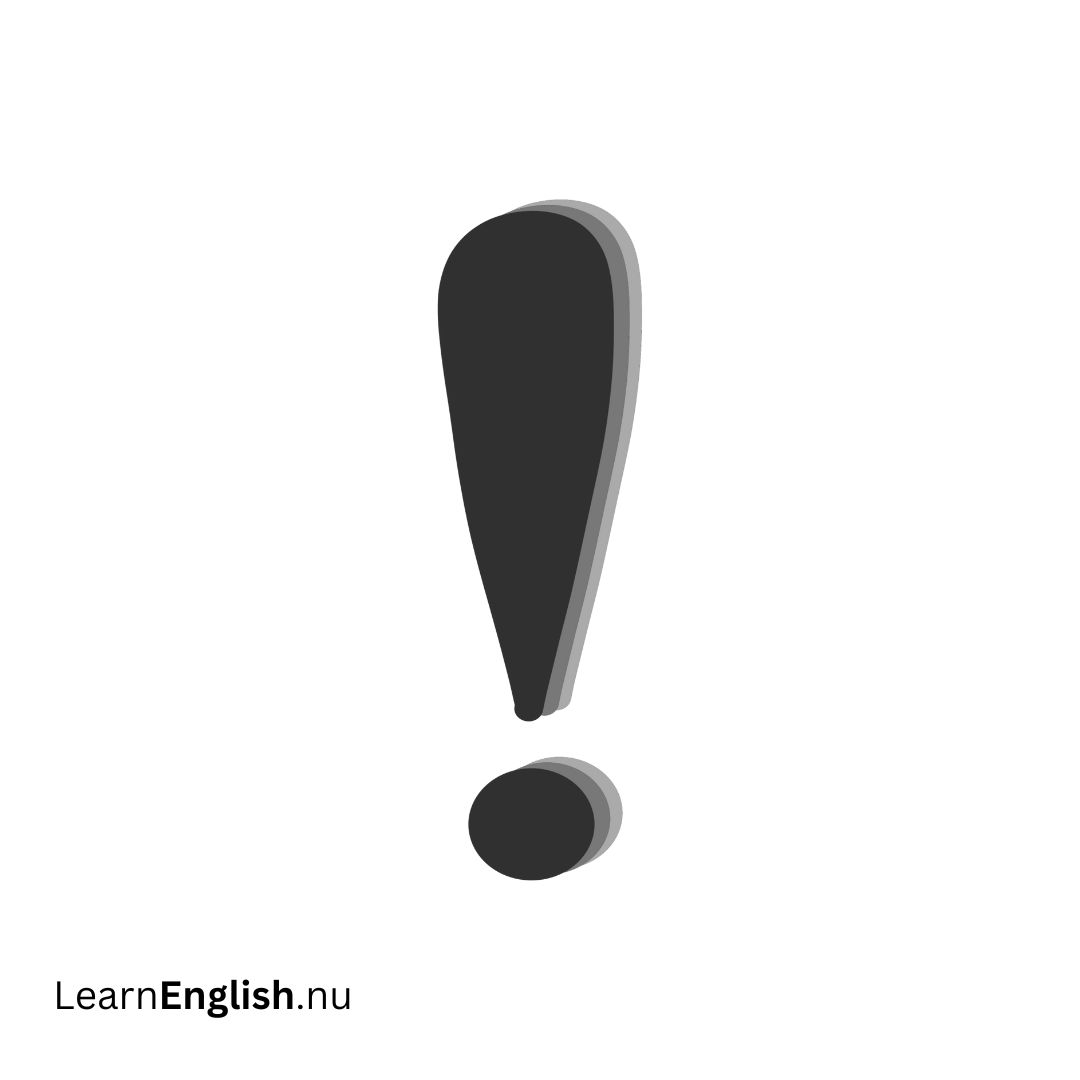
| ! |
utropstecken |
!x |
| ¬ |
negation |
¬x |
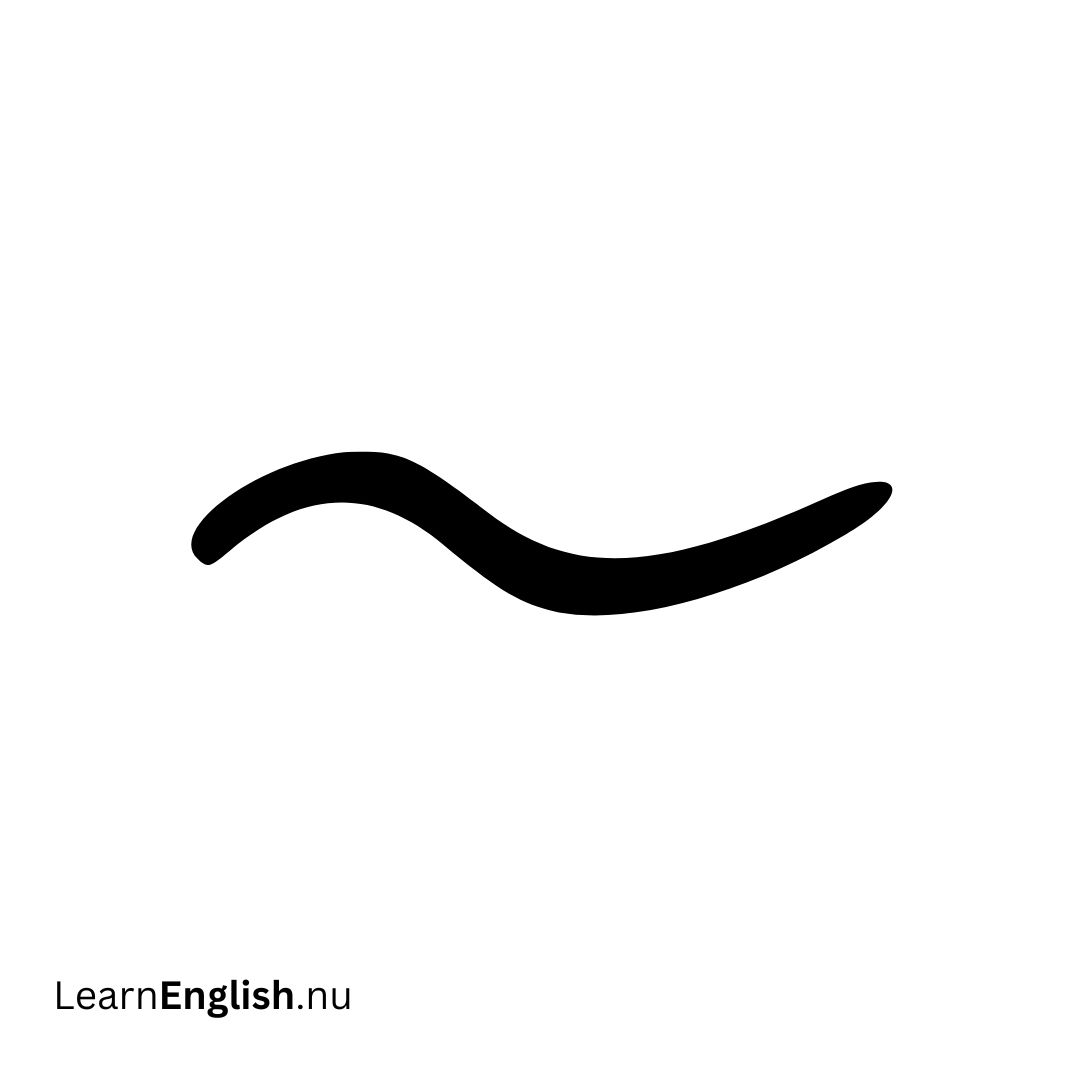
| ~ |
tilde |
~x |
| ⊕ |
cirkelplus |
x ⊕ y |
| ⇔ |
lika med |
p ⇔ q |
| ⇒ |
implikation |
p ⇒ q |
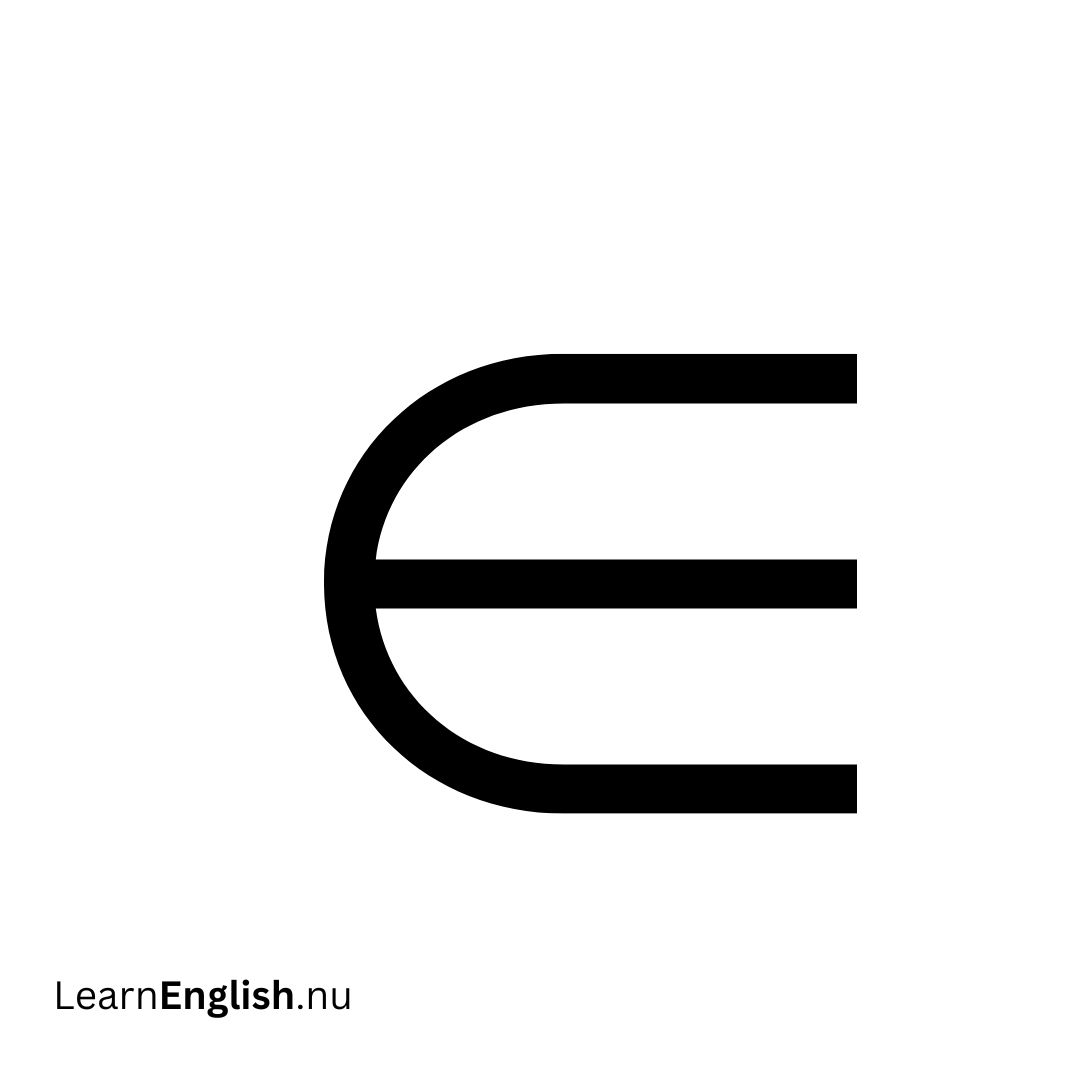
| ∈ |
tillhör |
2 ∈ A |
| ∉ |
inte tillhör |
0 ∉ A |
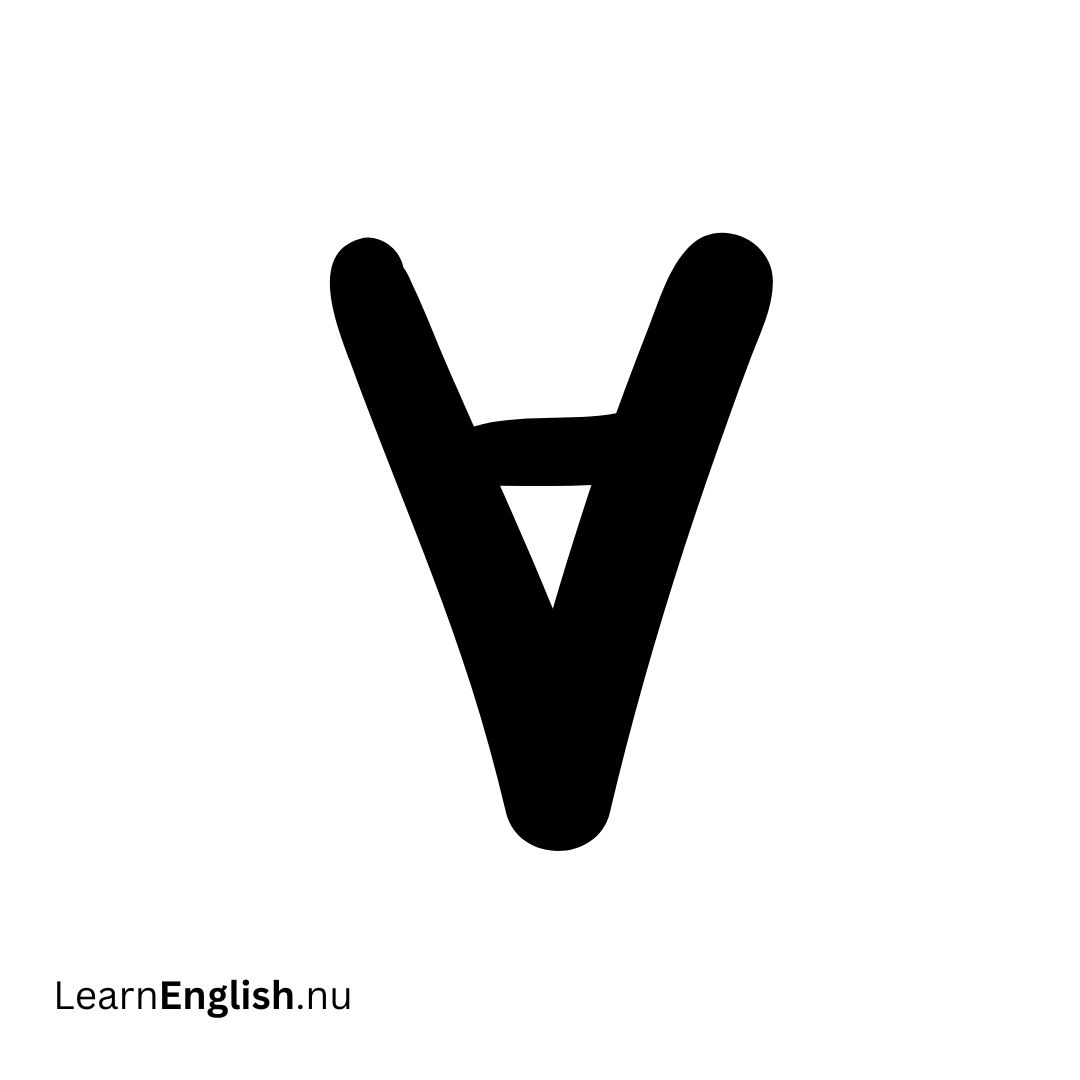
| ∀ |
för alla |
∀n ∈ N |
| ↔ |
lika med |
p ↔ q |
| ∄ |
det finns inte |
∄n ∈ N |
| ∃ |
det finns |
∃n ∈ N |
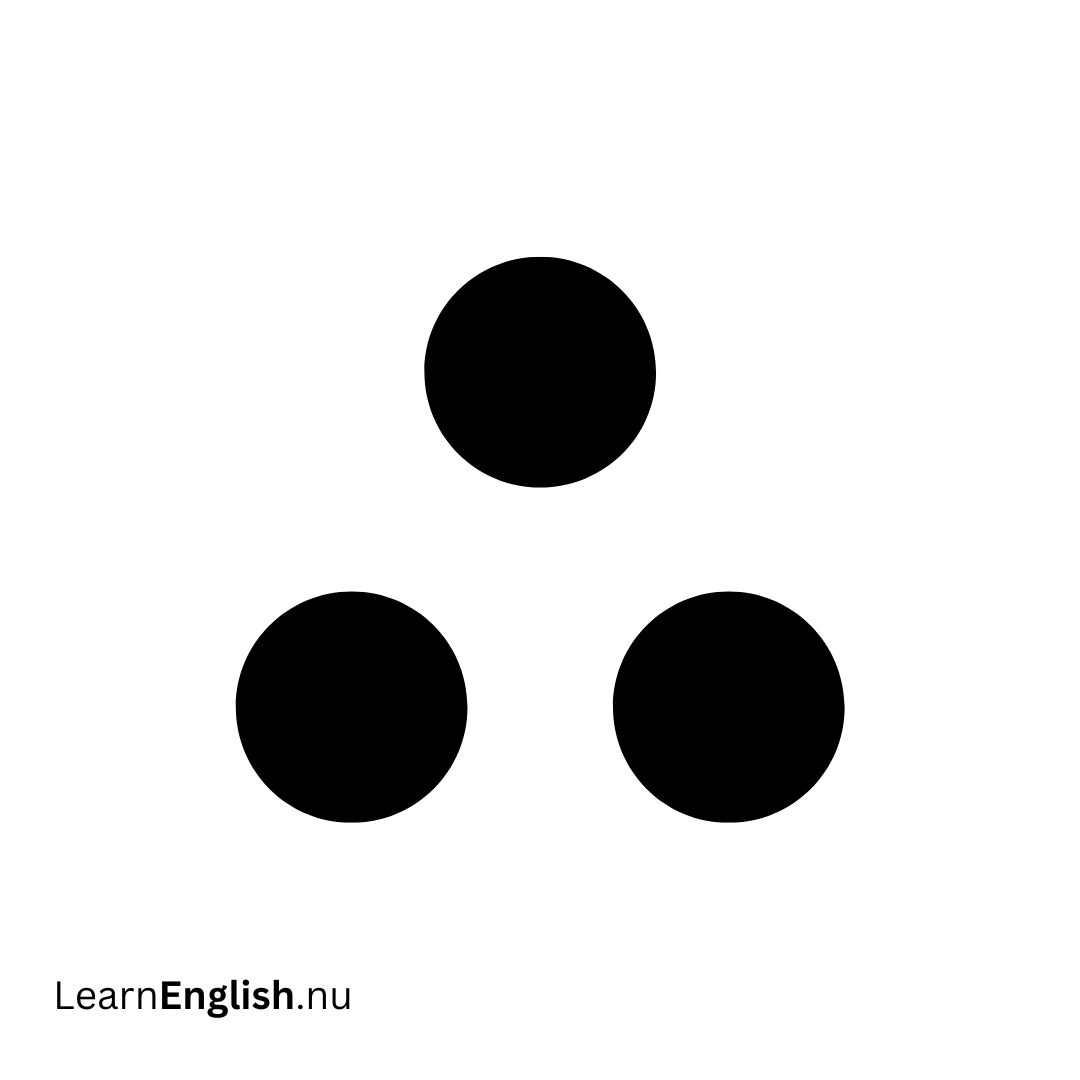
| ∵ |
eftersom |
a = b, b = c, ∵ a = c |
| ∴ |
därför |
x + 6 = 10 ∴ x = 4 |