In everyday life, discussing body parts is common, whether you're at a doctor's appointment, feeling unwell, or simply chatting. When you're in Sweden, knowing how to talk about these body parts in Swedish can be incredibly useful. This guide will introduce you to basic Swedish vocabulary related to parts of the head and face.

Click on the text to hear the pronunciation
 Ansikte
Face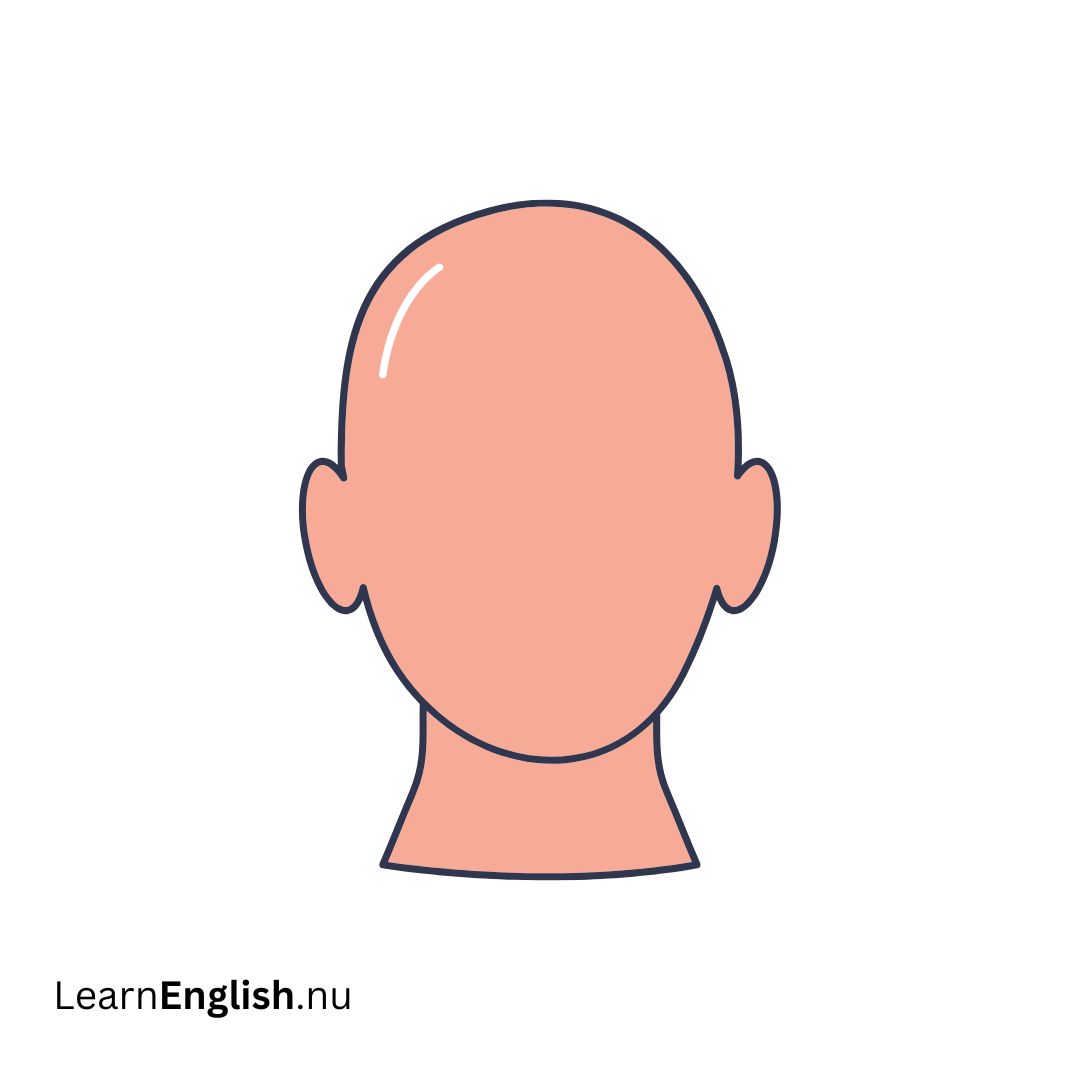 Huvud
Huvud
Head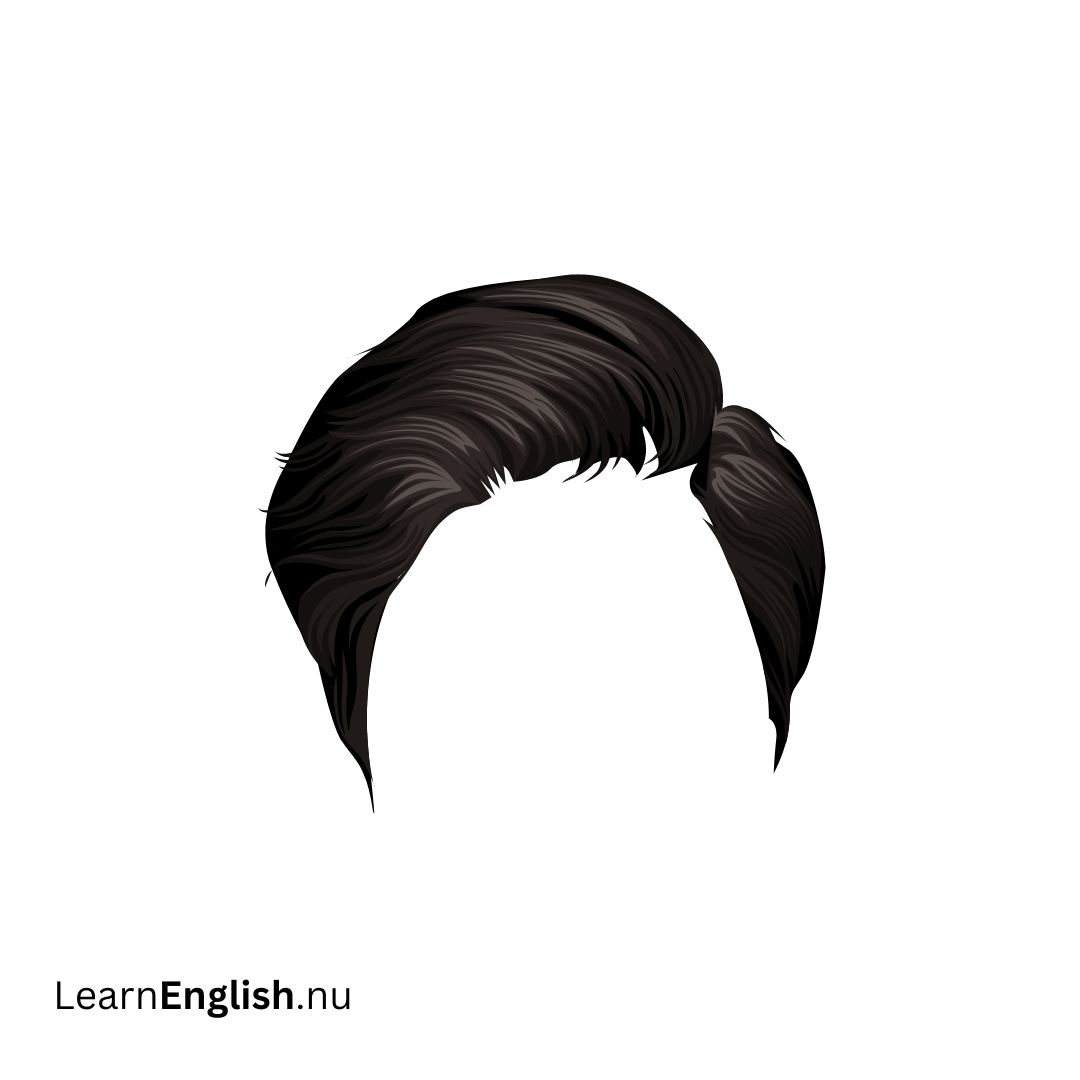 Hår
Hår
Hair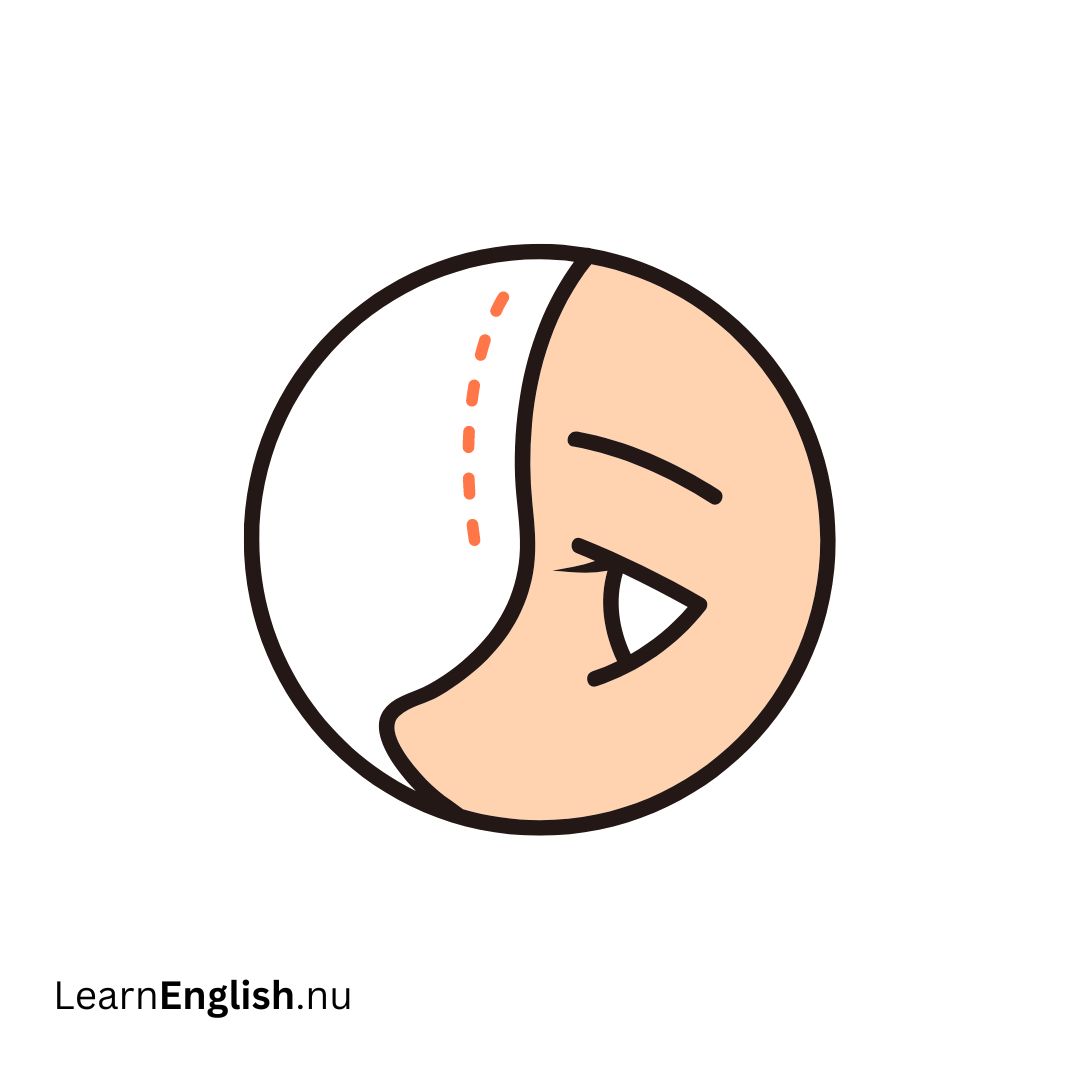 Panna
Panna
Forehead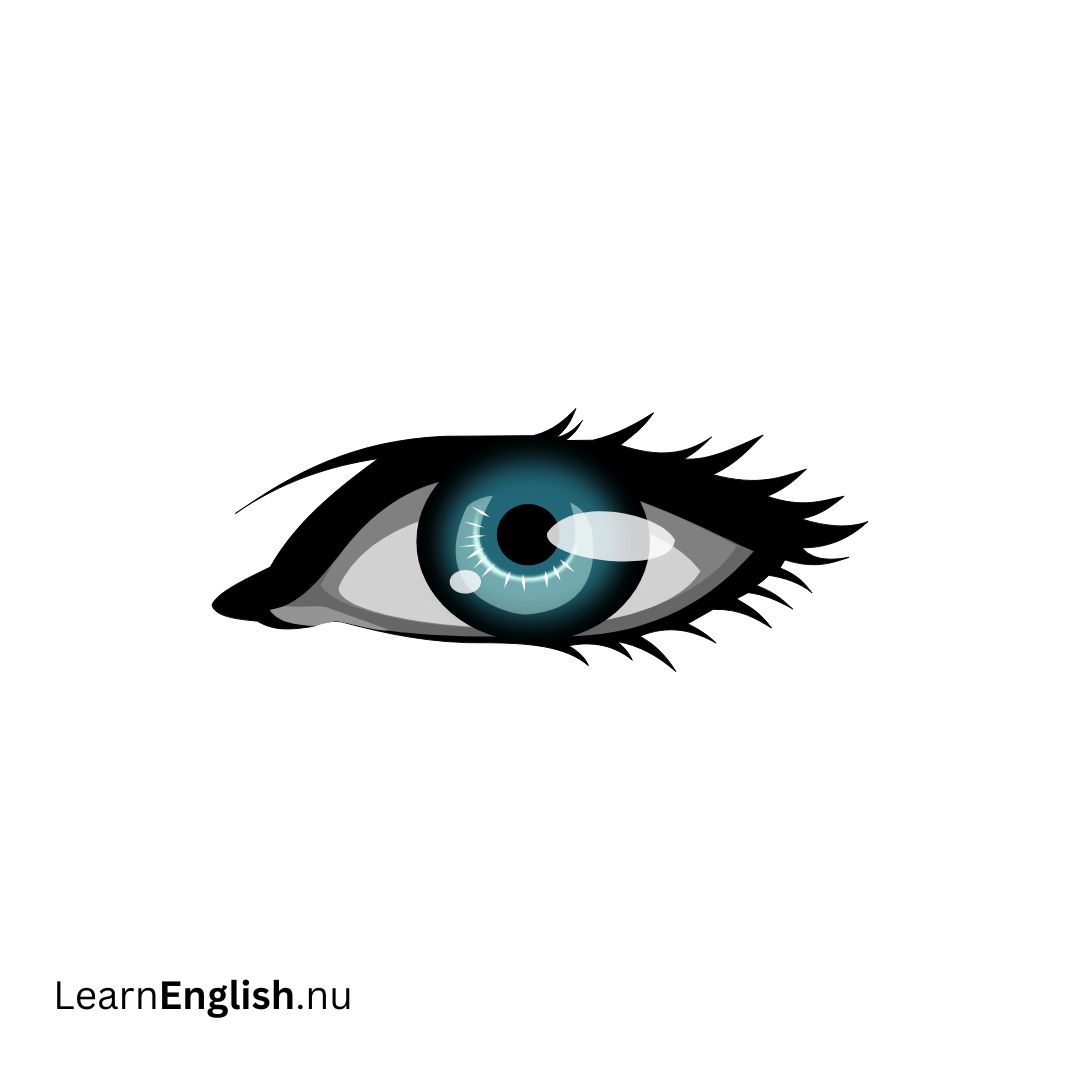 Öga
Öga
Eye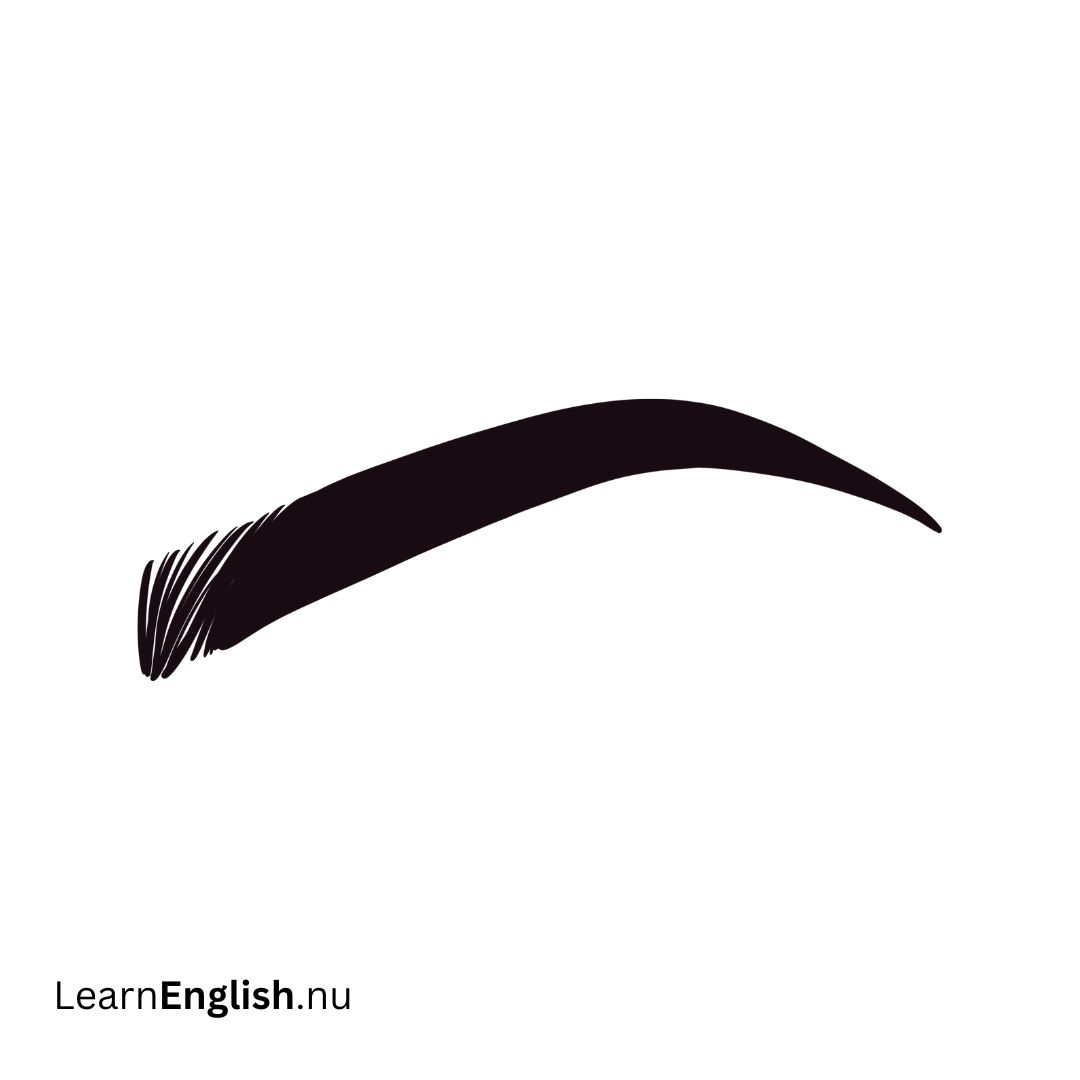 Ögonbryn
Eyebrow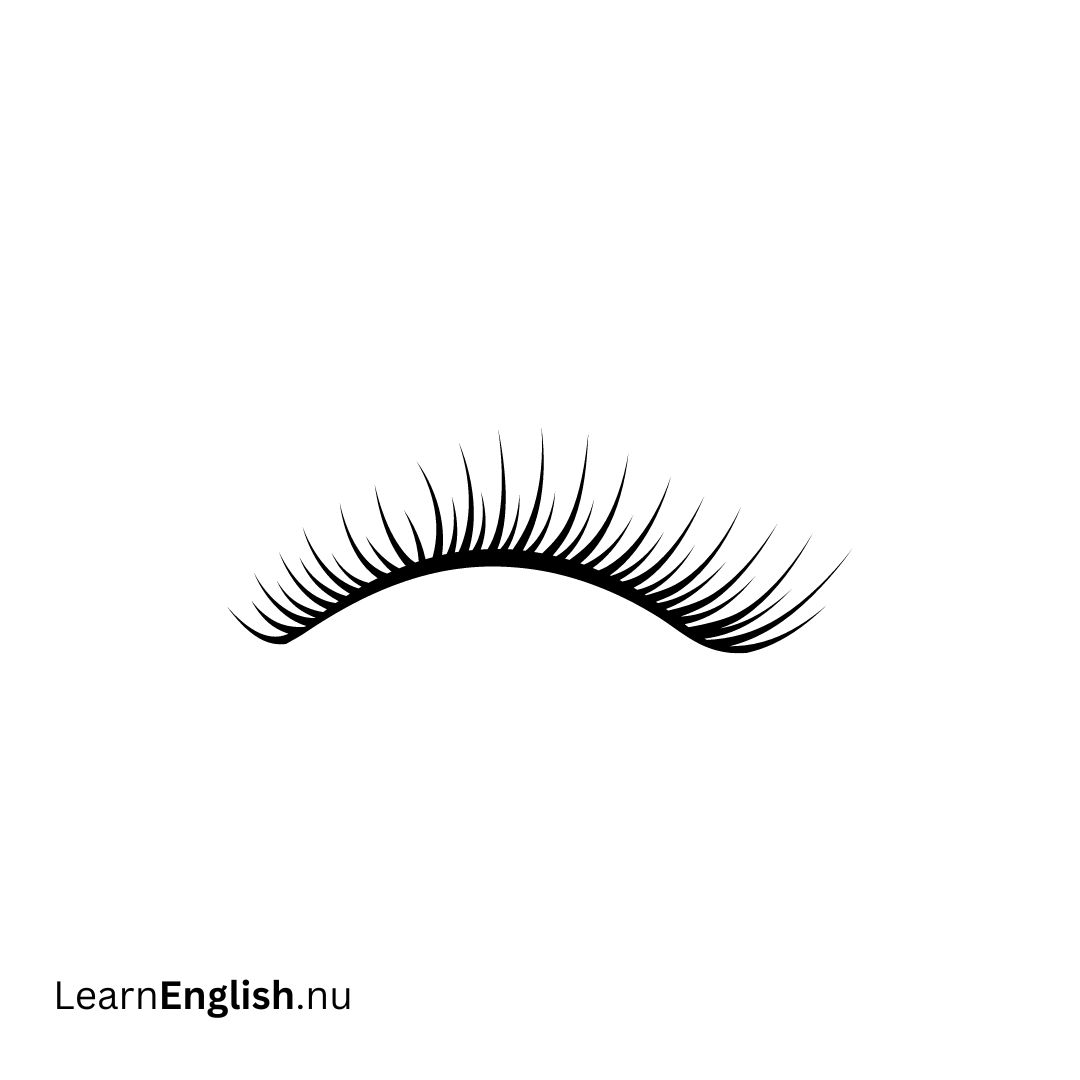 Ögonfrans
Eyelash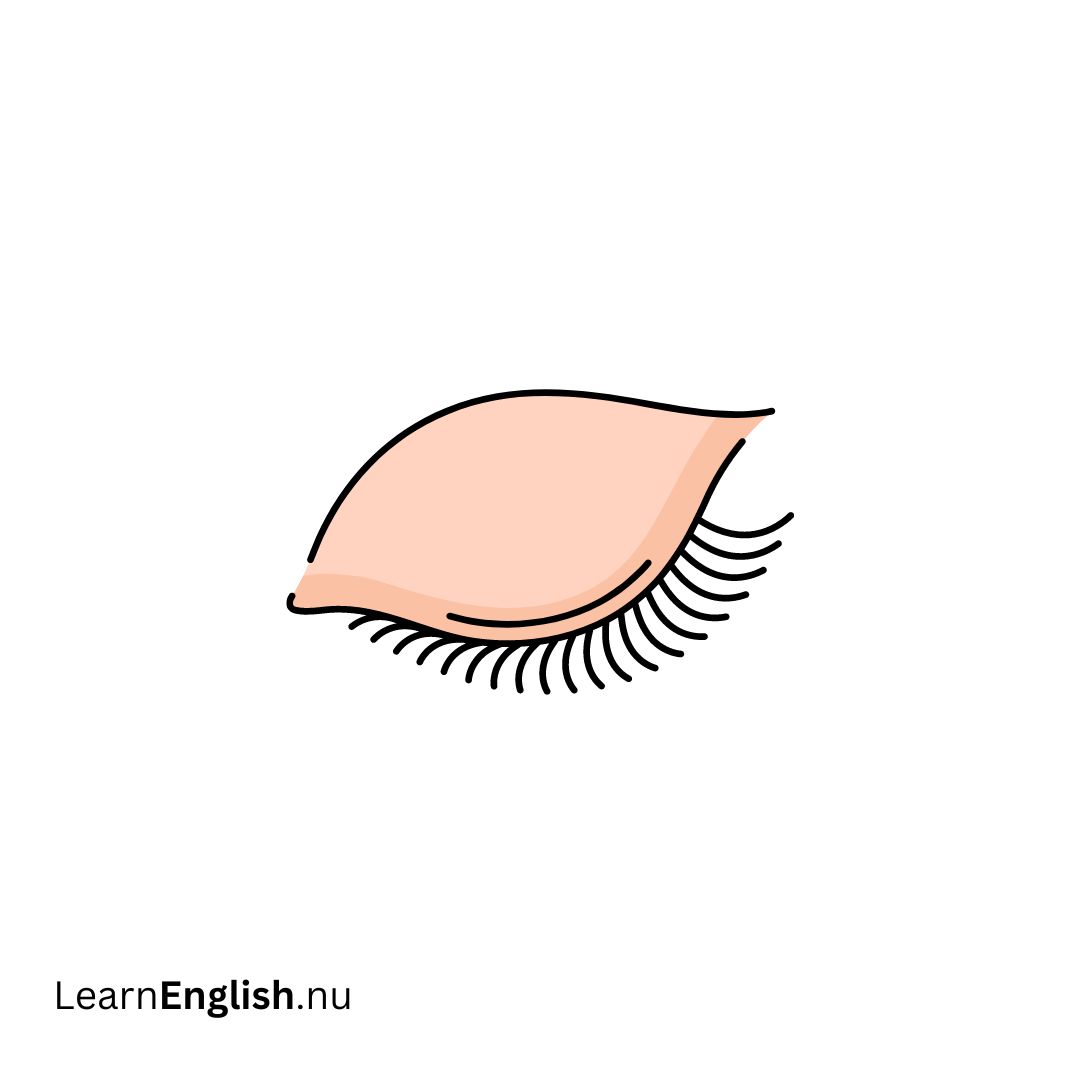 Ögonlock
Eyelid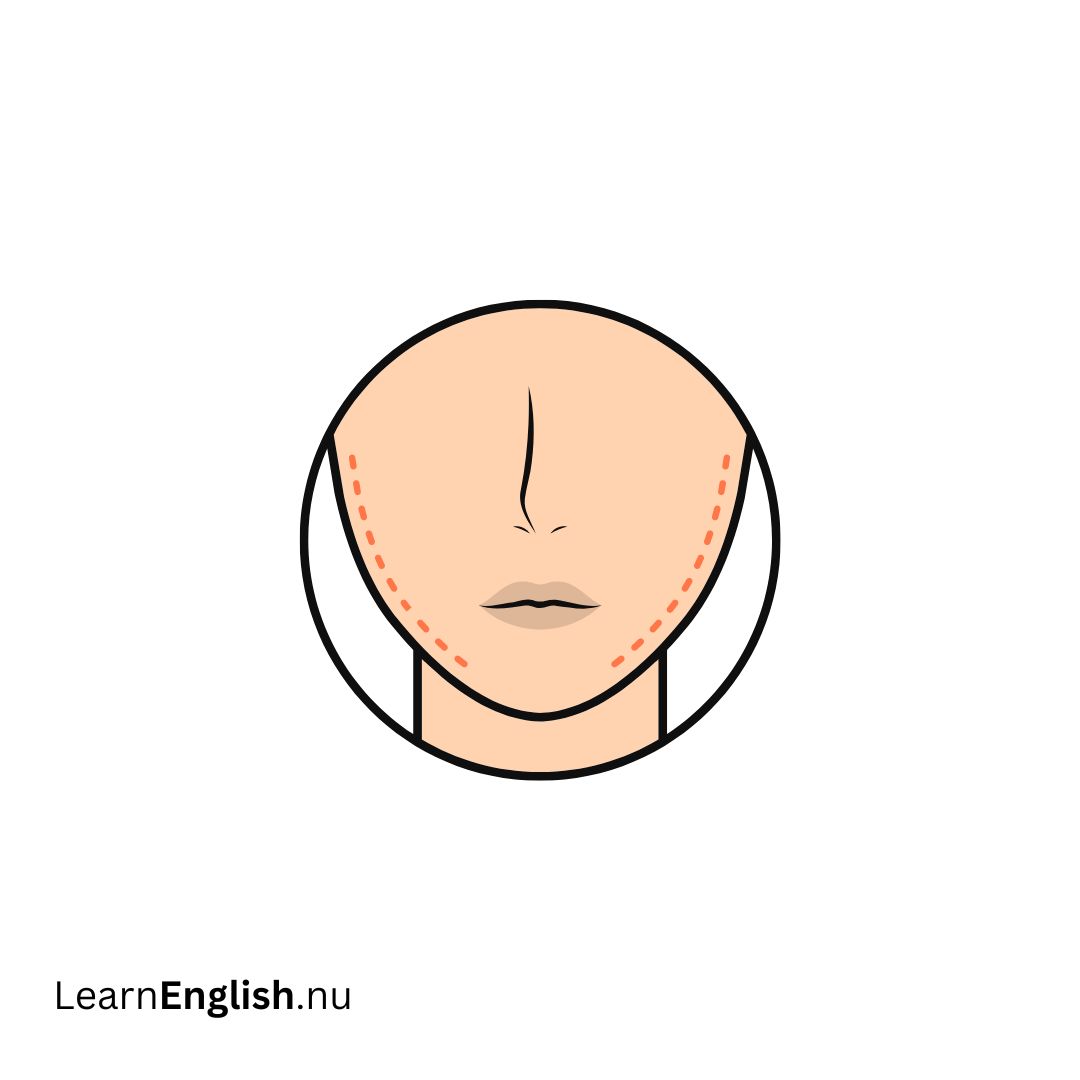 Kind
Kind
Cheek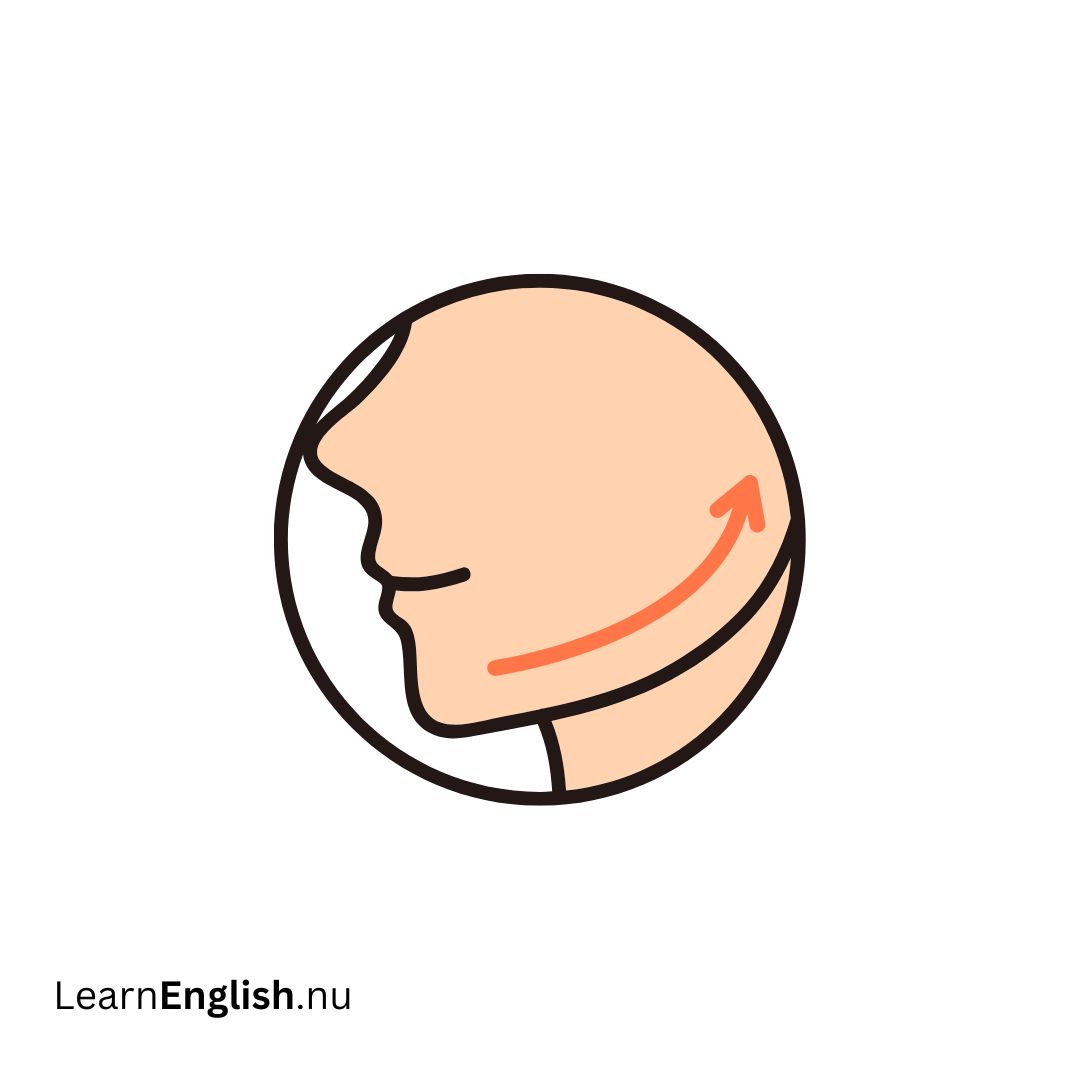 Käke
Käke
Jaw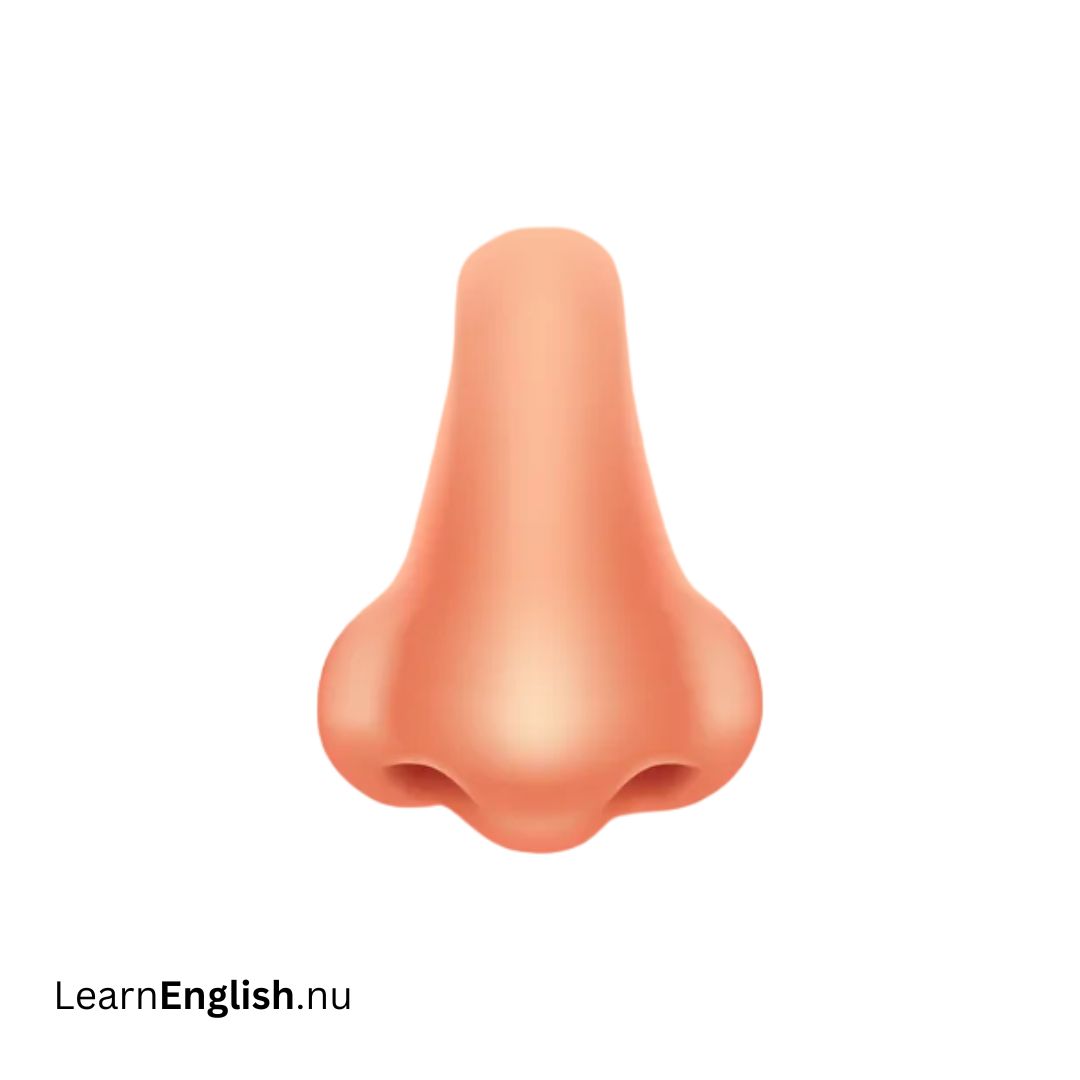 Näsa
Näsa
Nose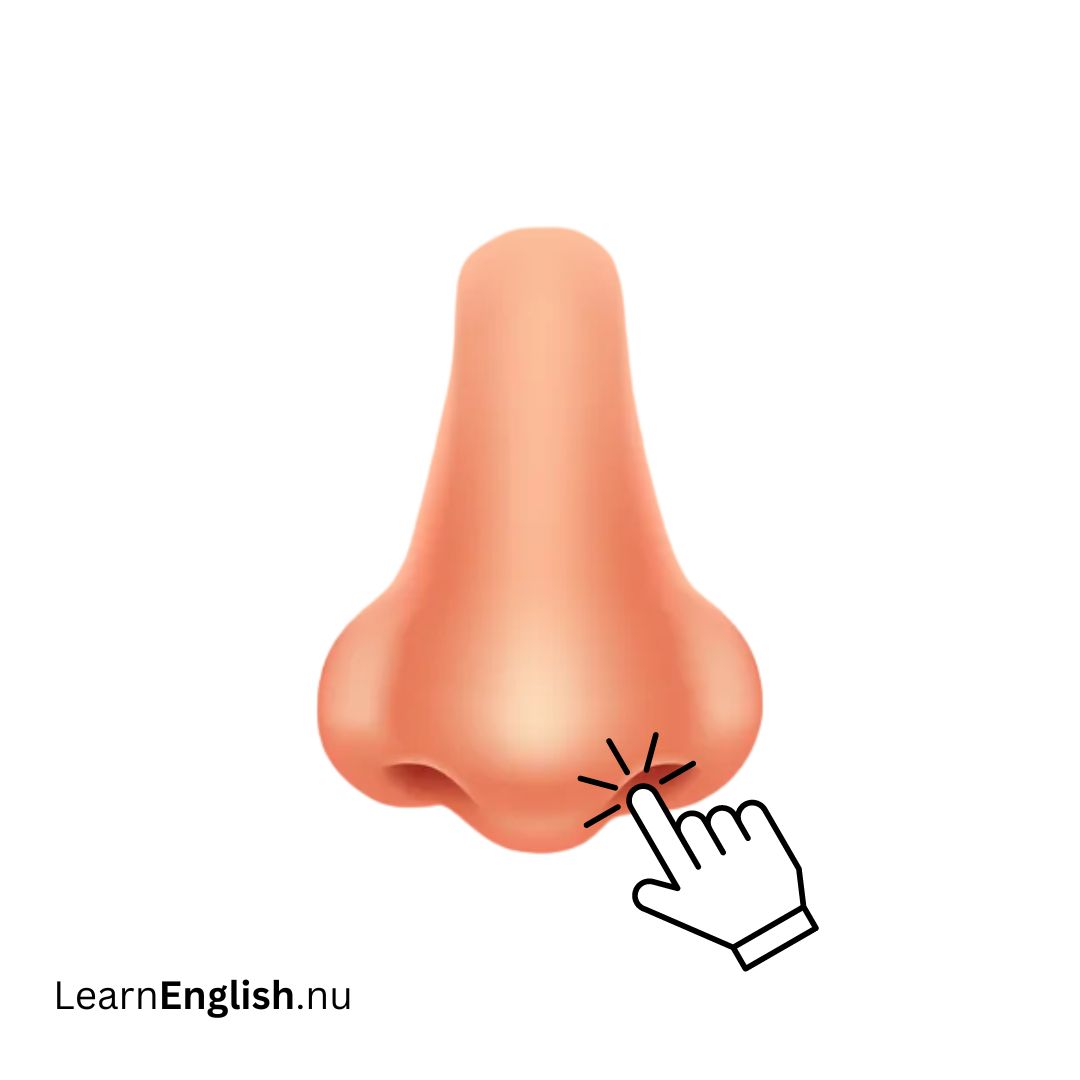 Näsborre
Nostril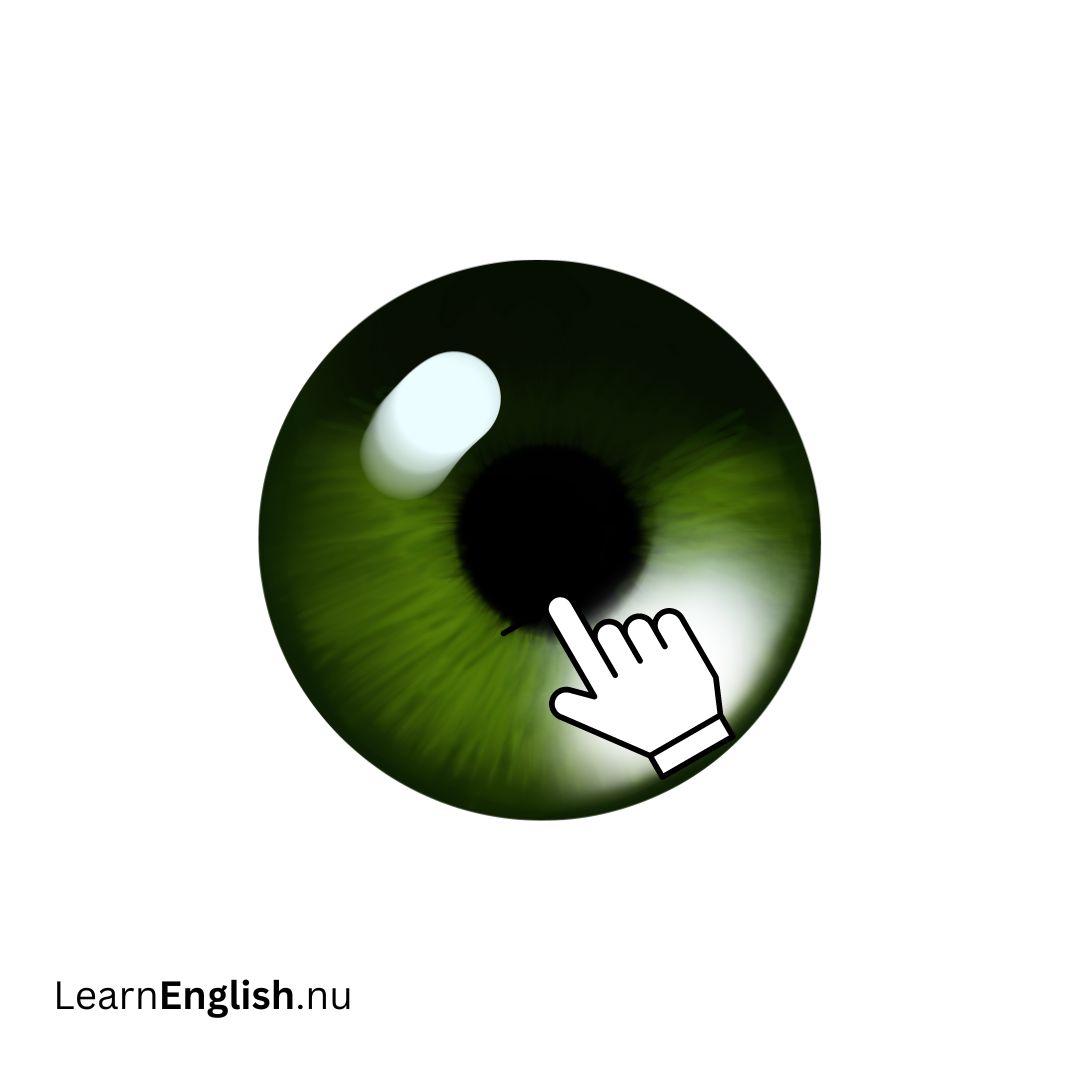 Pupill
Pupil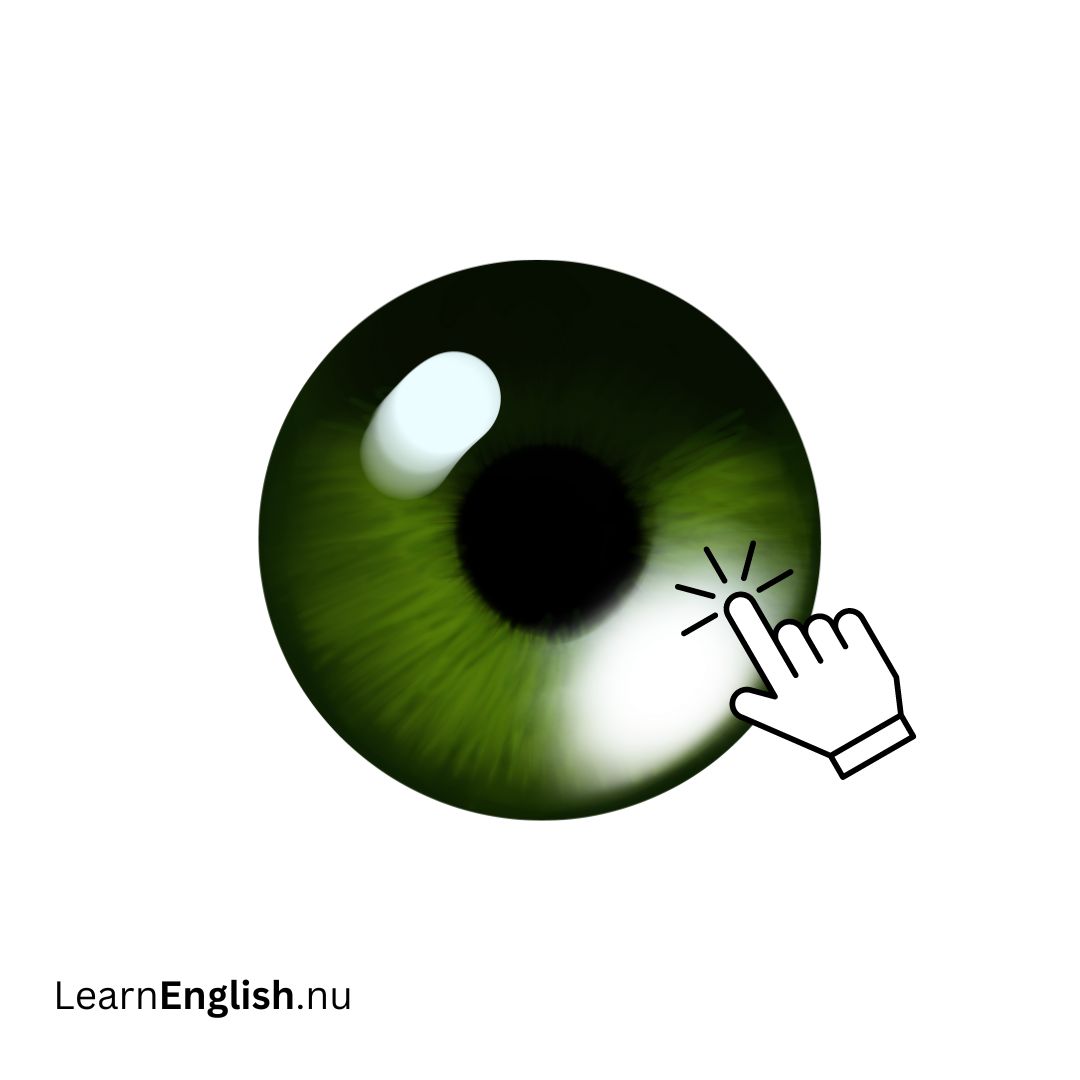 Iris
Iris
Iris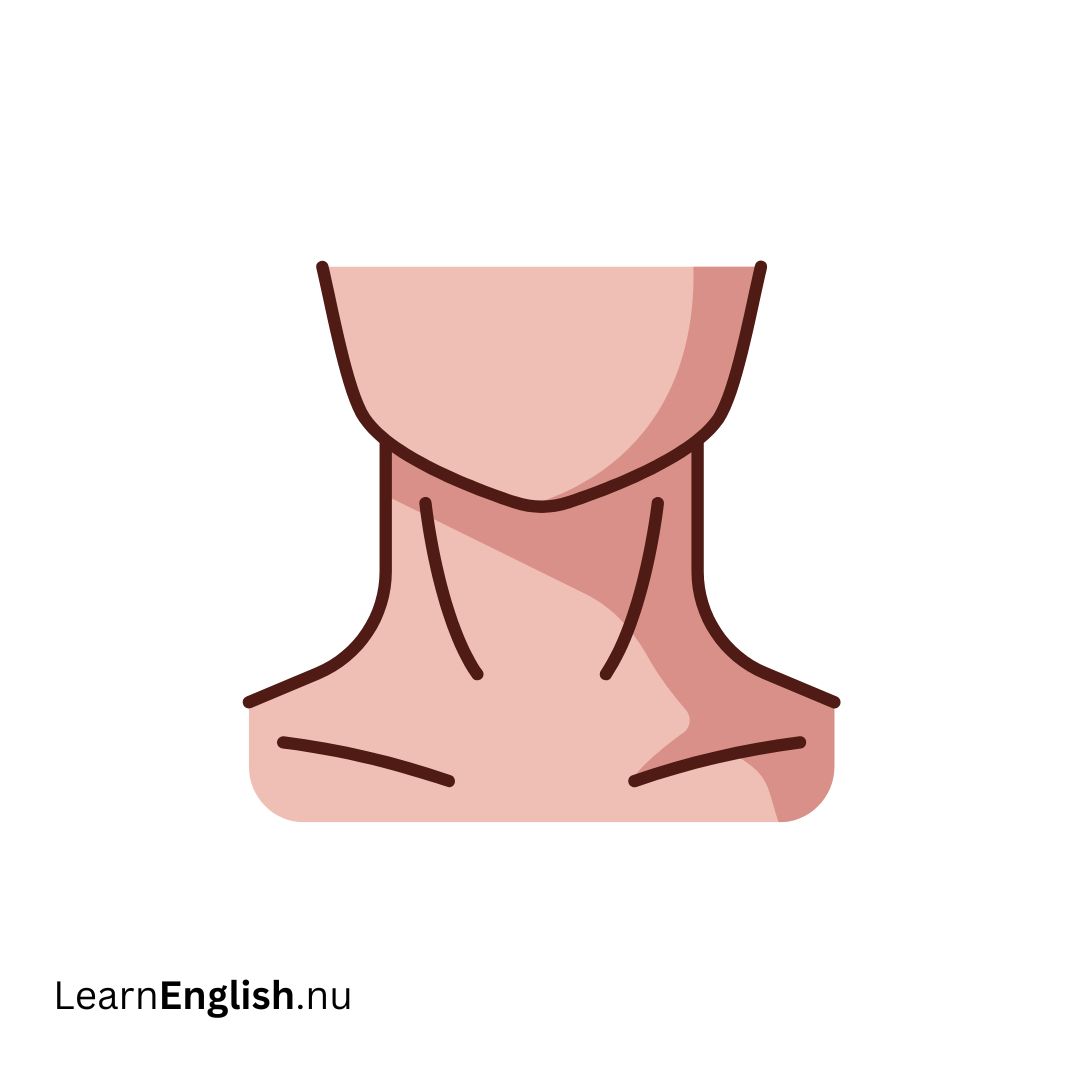 Hals
Hals
Neck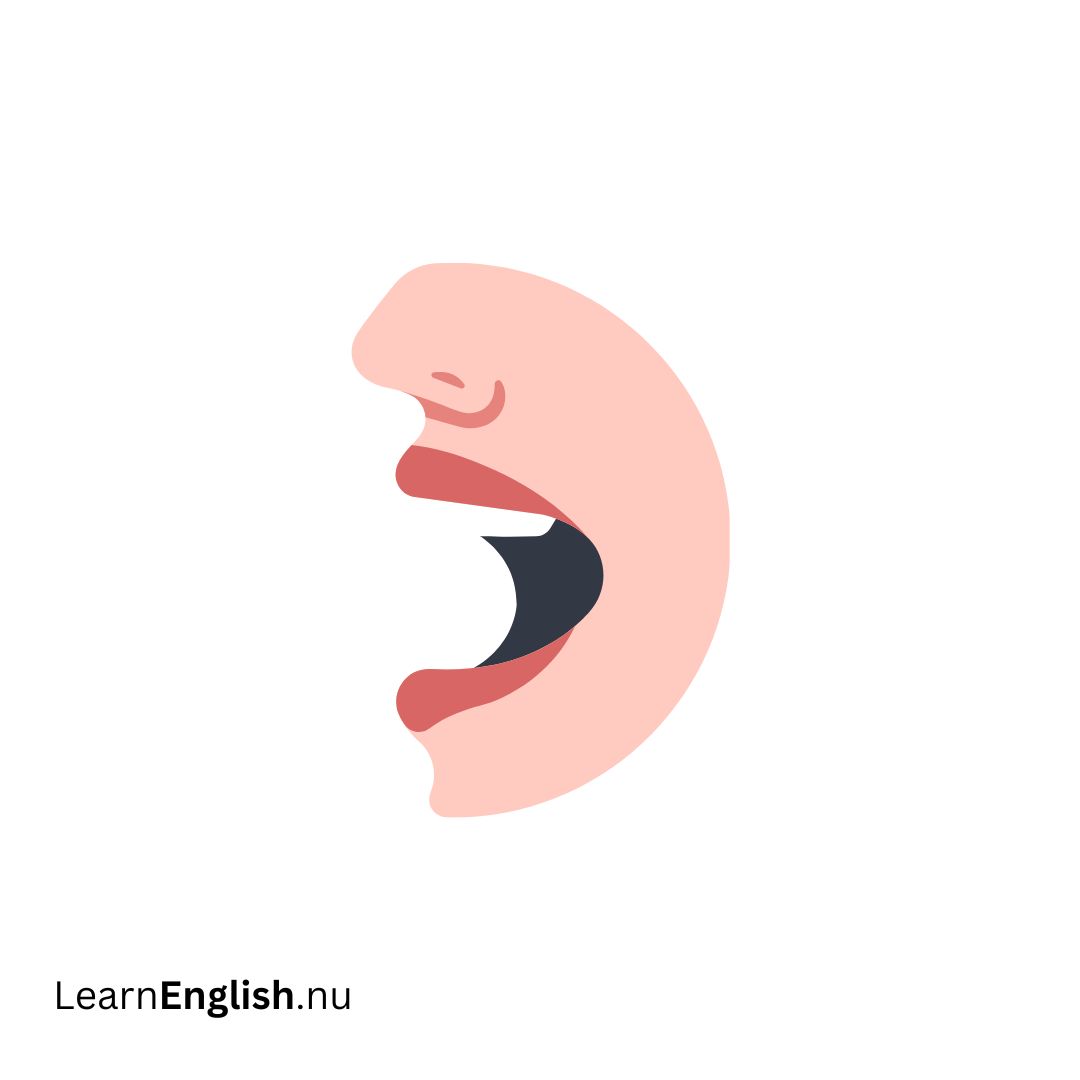 Mun
Mun
Mouth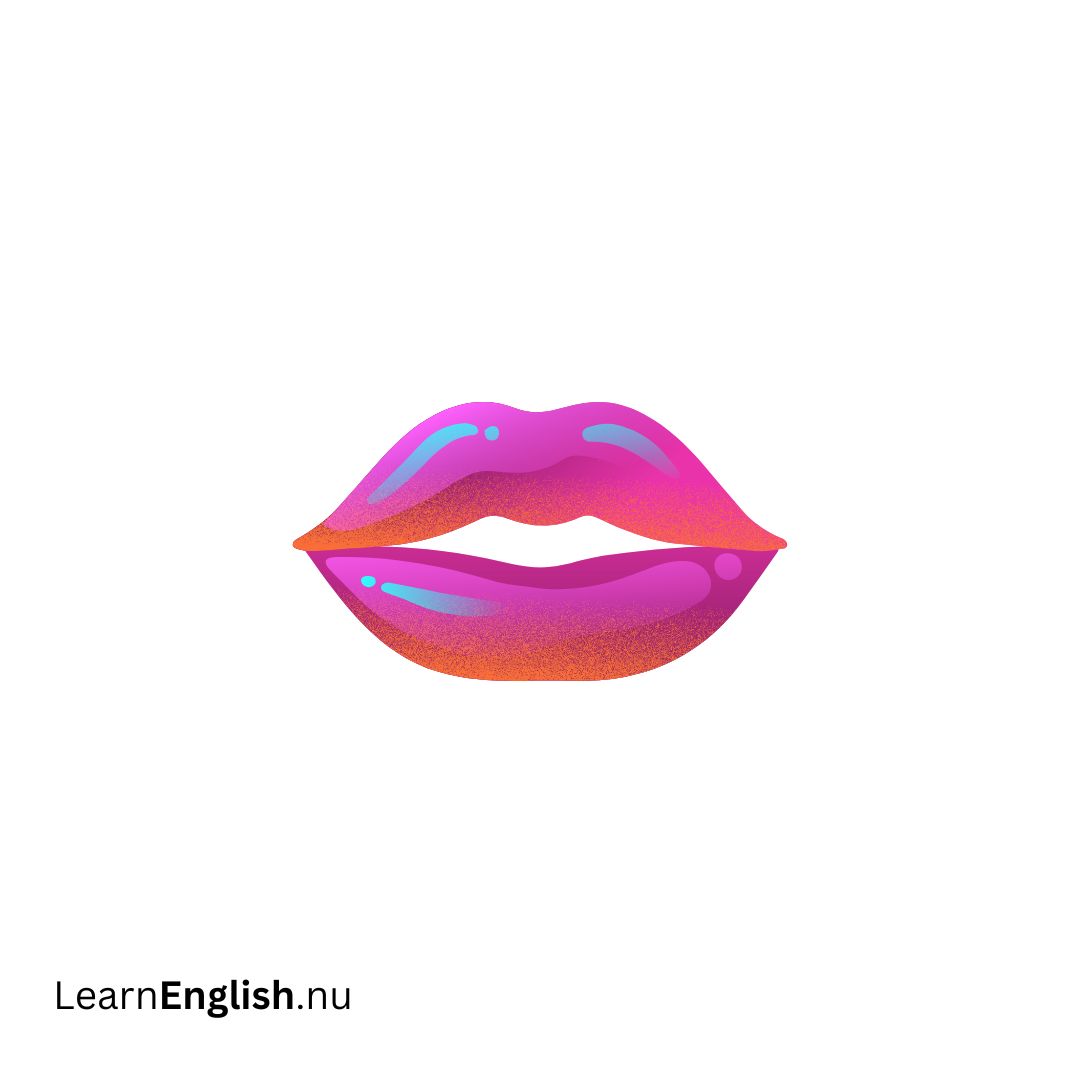 Läppar
Lips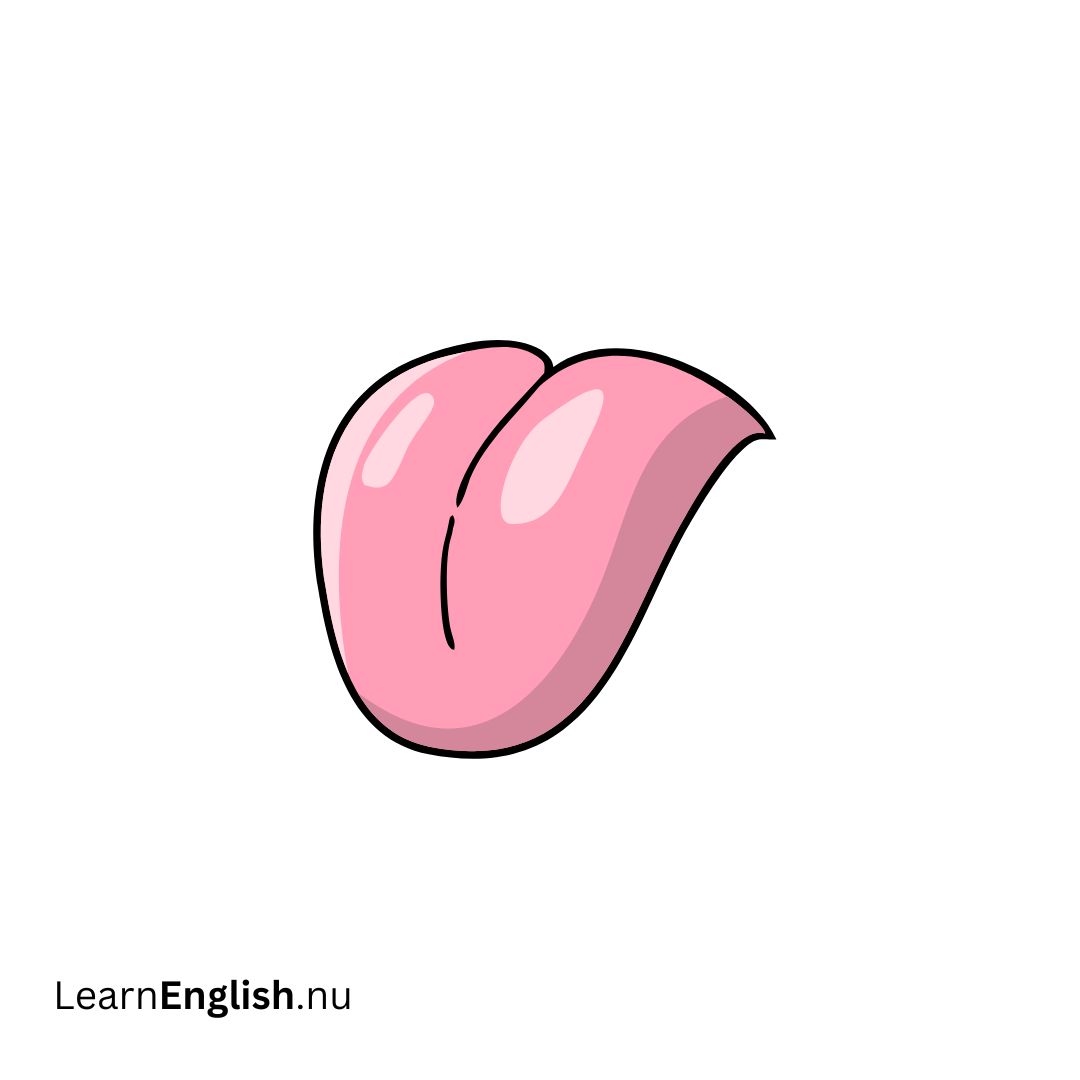 Tunga
Tunga
Tongue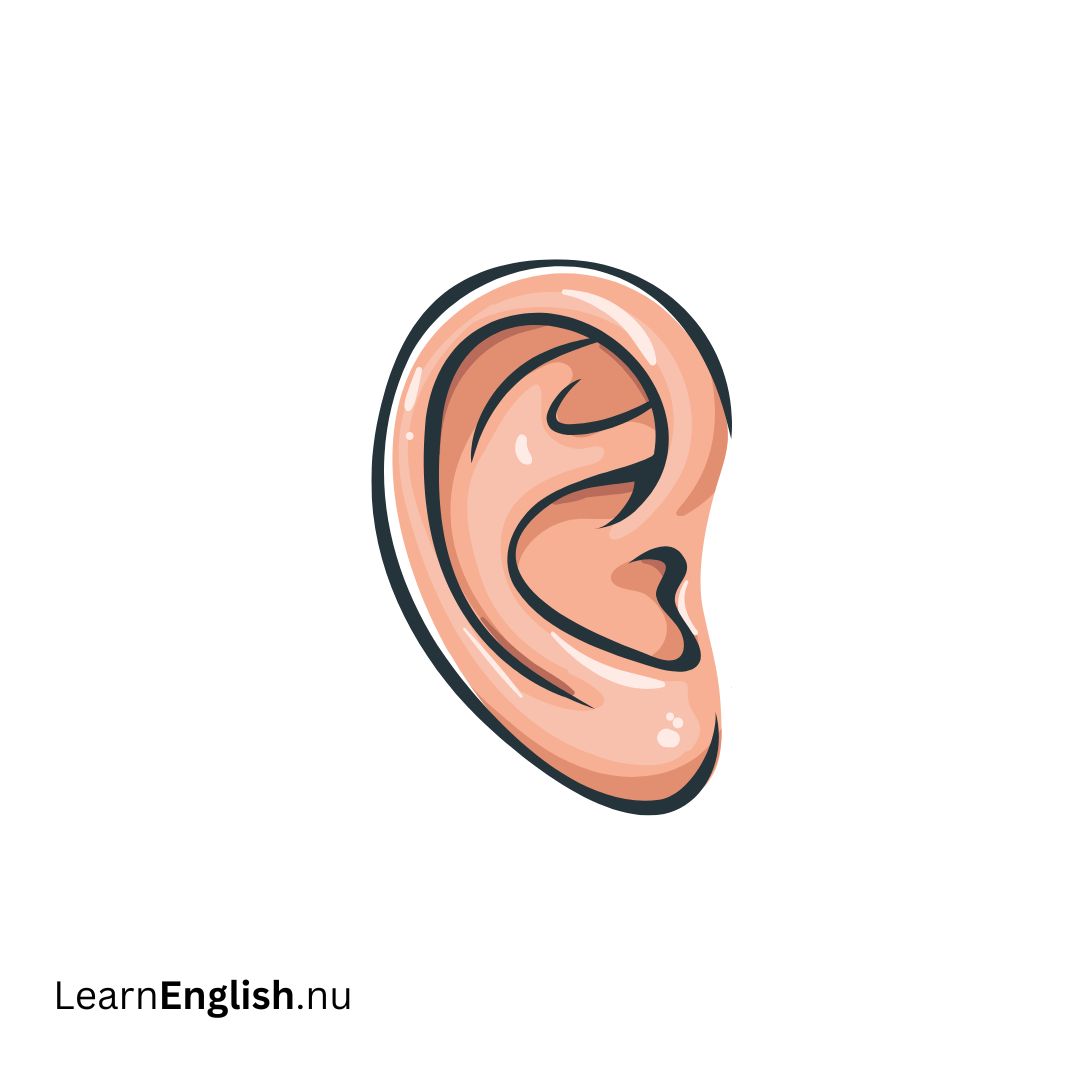 Öra
Öra
Ear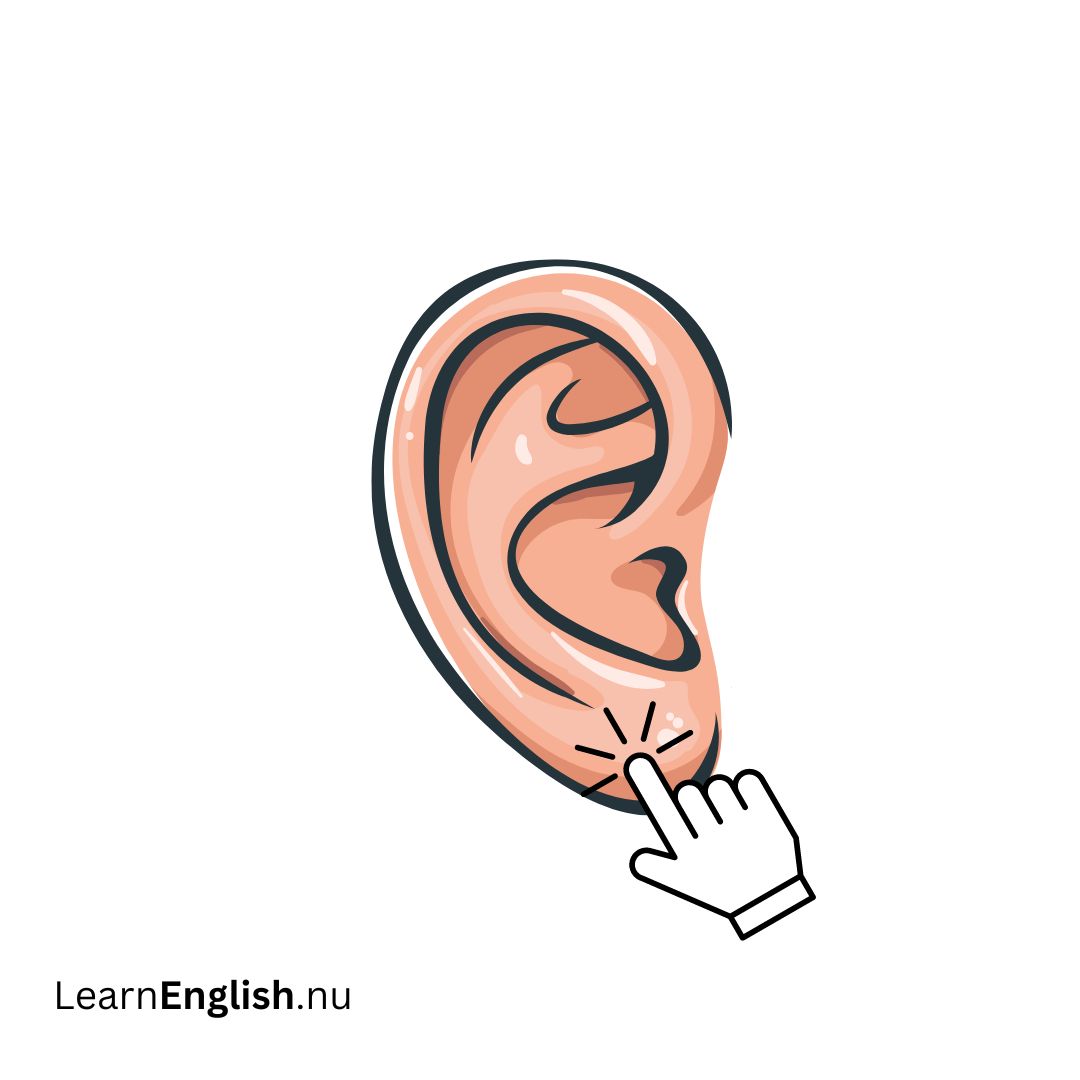 Öronsnibb
Ear Lobe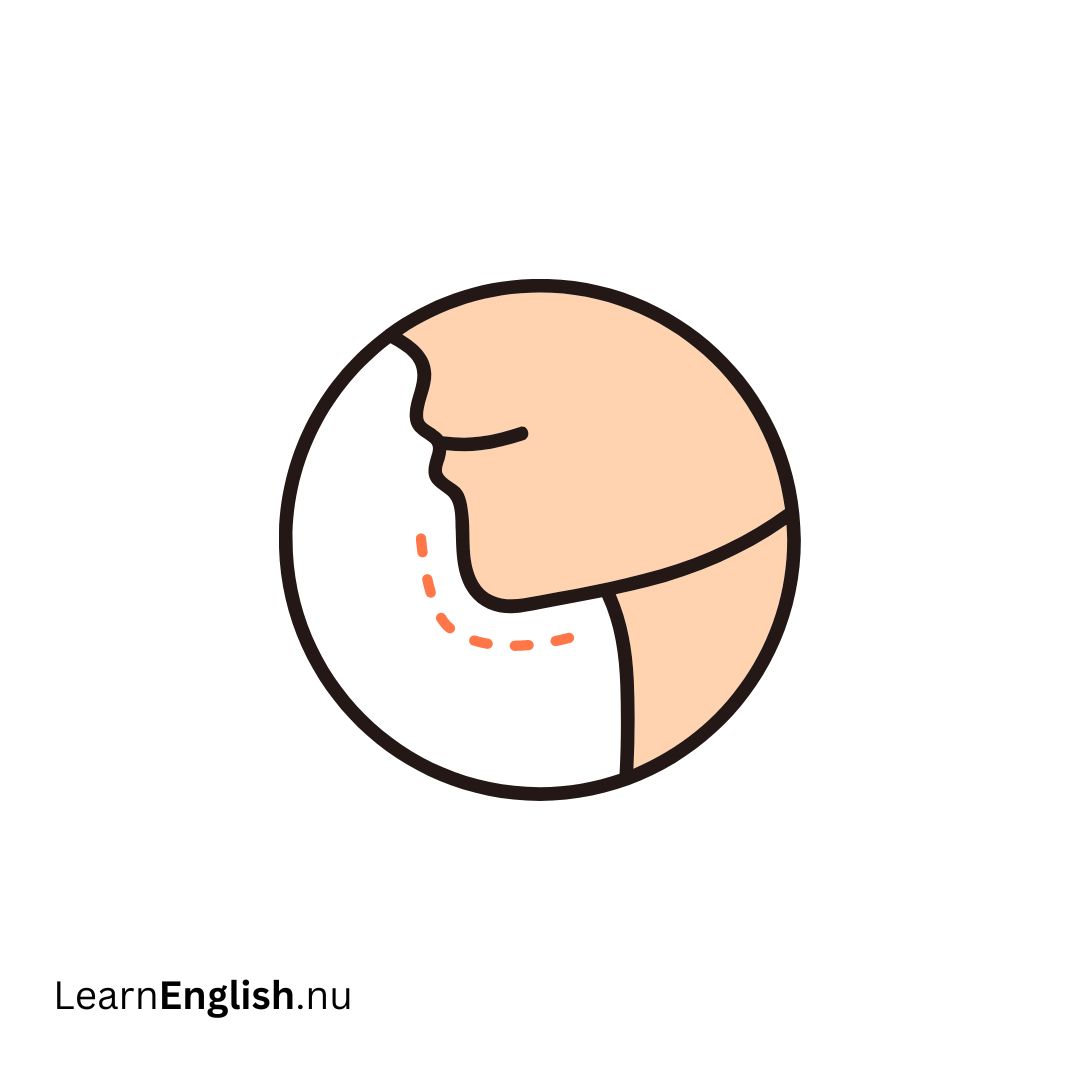 Haka
Haka
Chin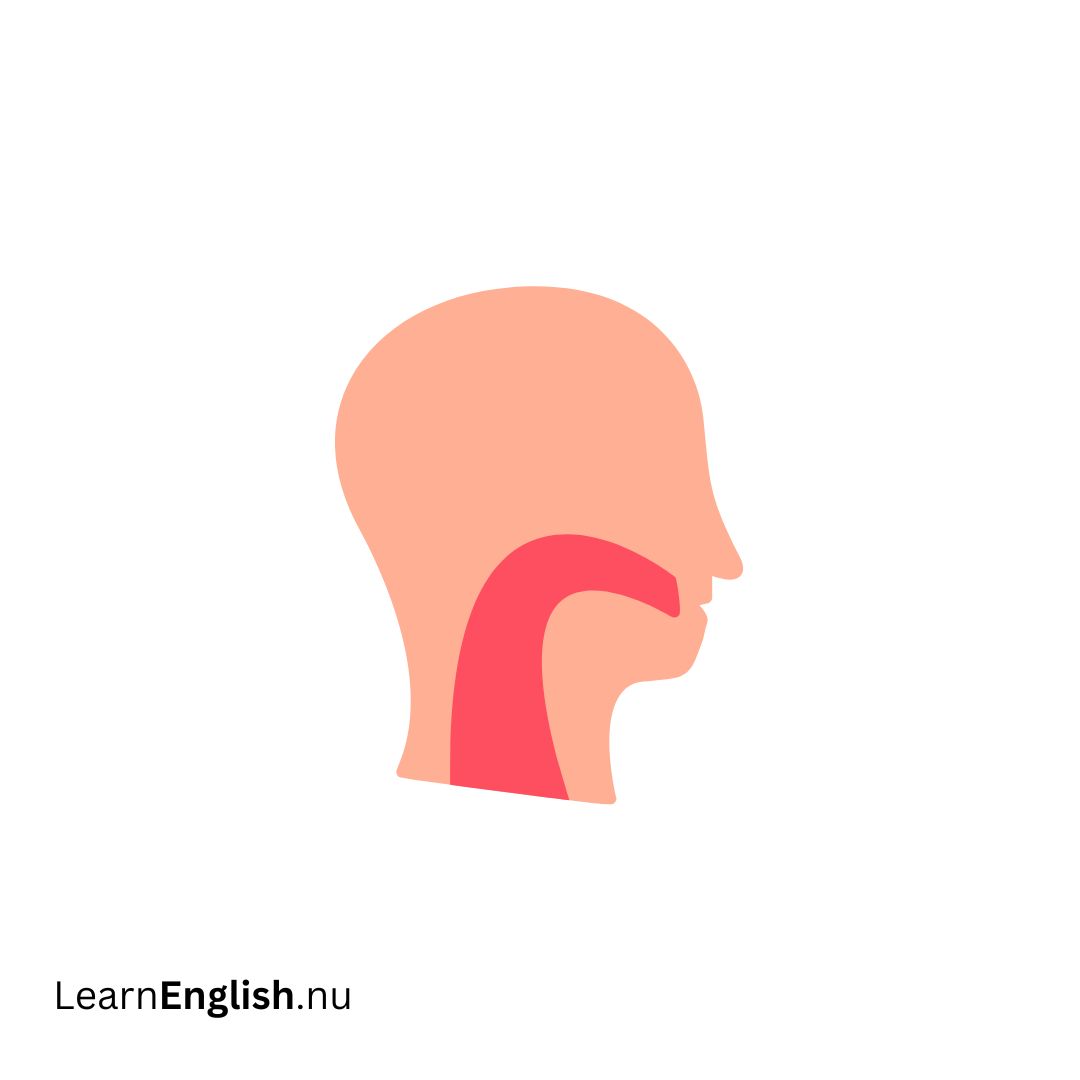 Strupe
Throat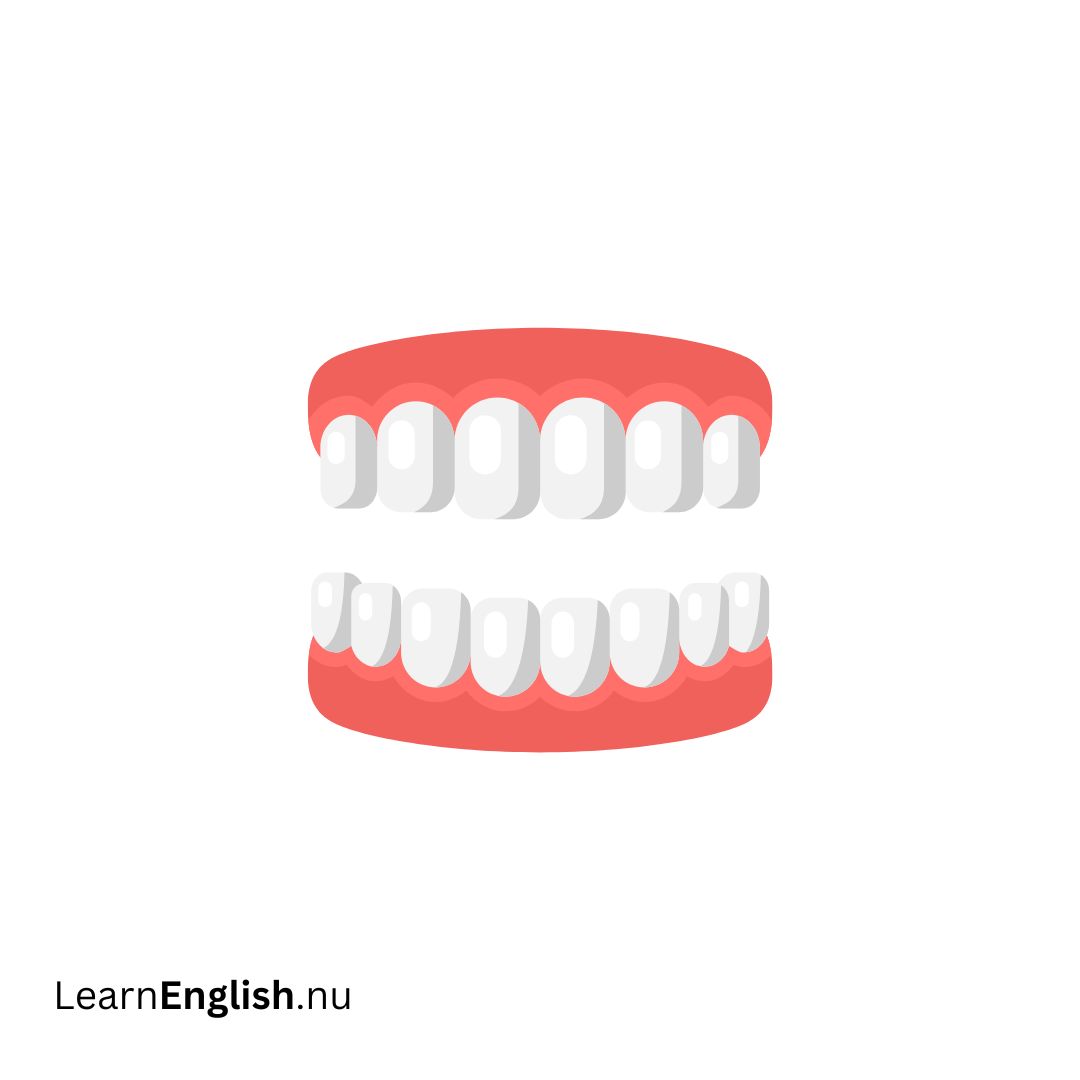 Tänder
Teeth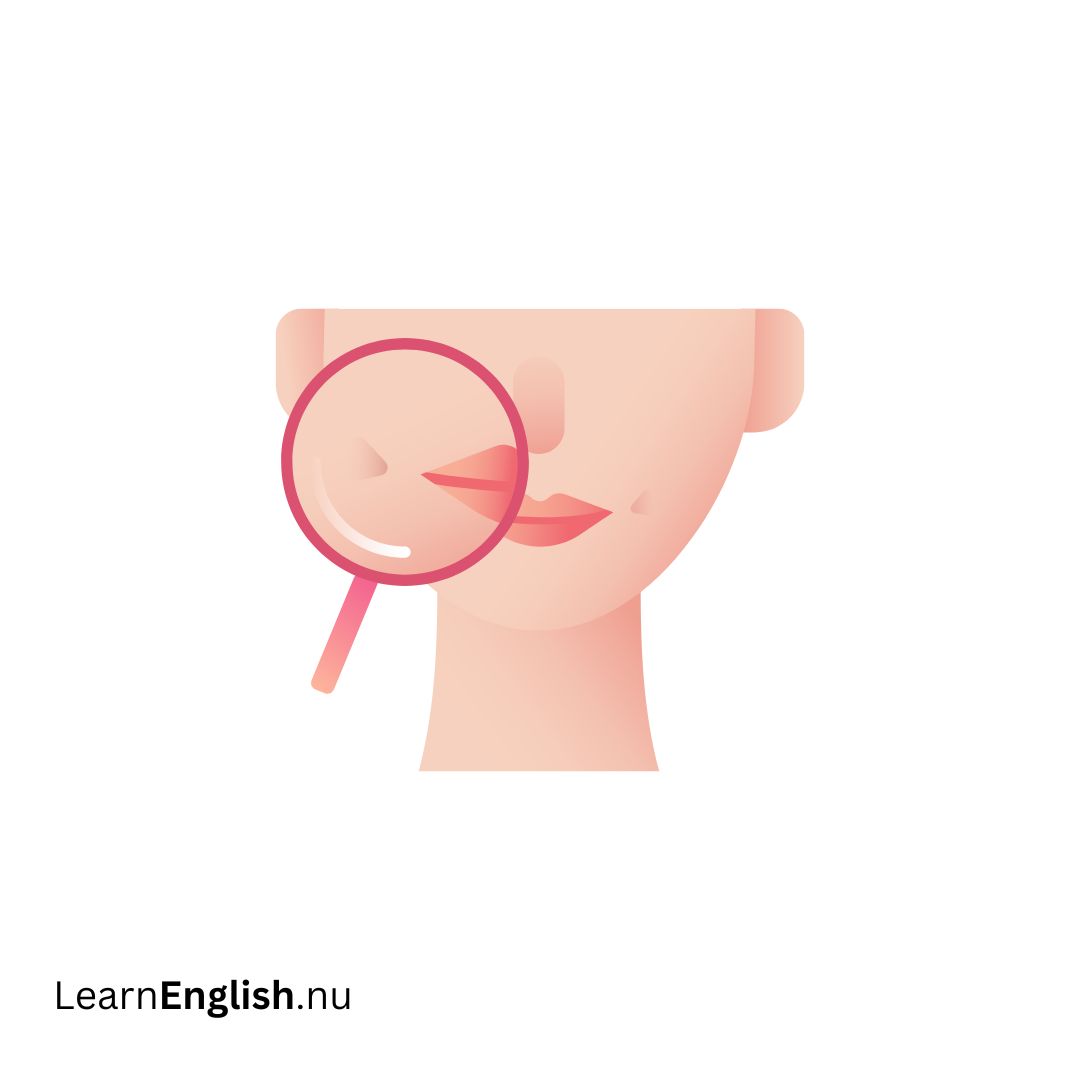 Smilgrop
Dimple Skägg
Skägg
Beard Mustasch
Moustache Bockskägg
Goatee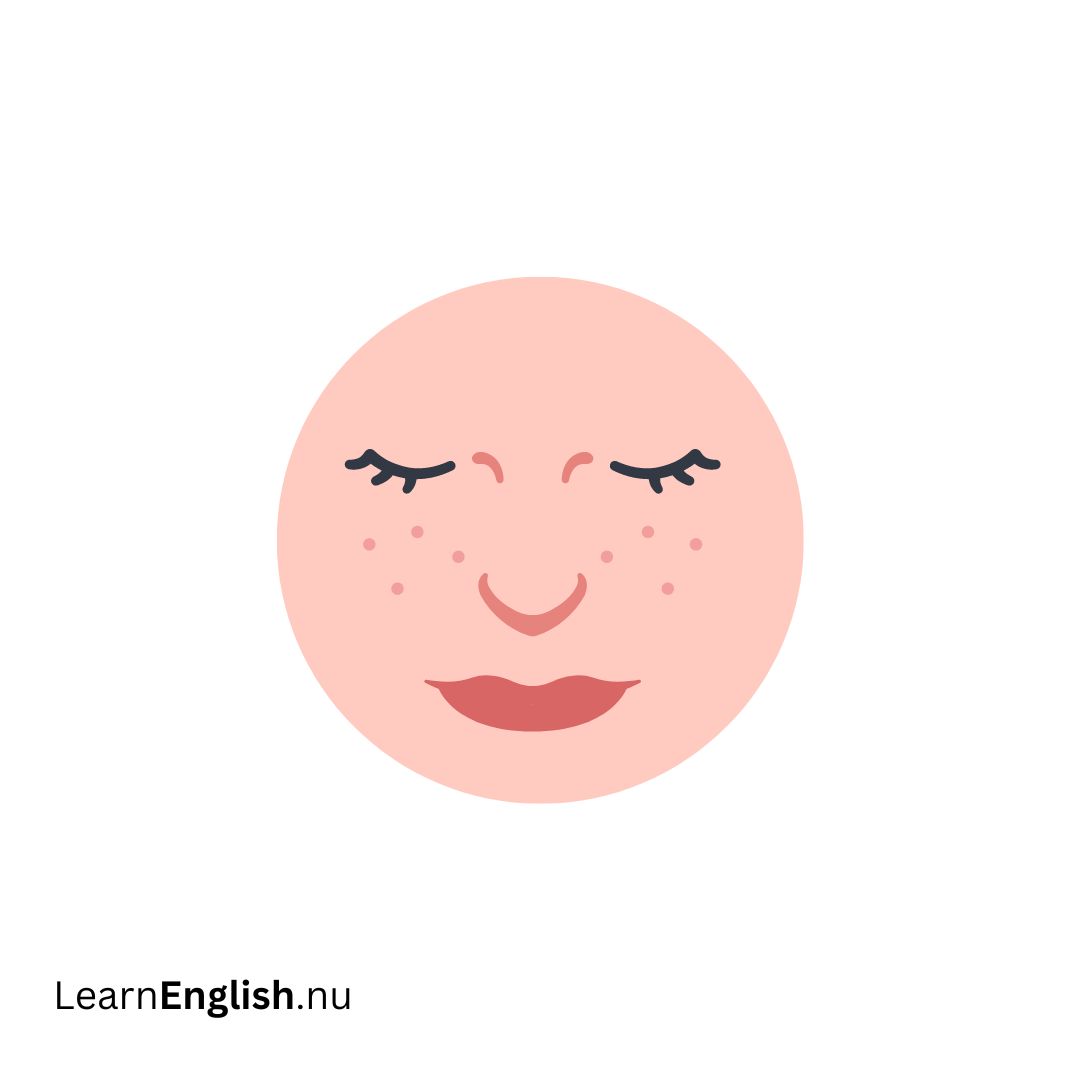 Fräknar
Freckles
Parts of the Head in Swedish: Learn Swedish
- Ansikte Face
- Huvud Head
- Hår Hair
- Panna Forehead
- Öga Eye
- Ögonbryn Eyebrow
- Ögonfrans Eyelash
- Ögonlock Eyelid
- Kind Cheek
- Käke Jaw
- Näsa Nose
- Näsborre Nostril
- Pupill Pupil
- Iris Iris
- Hals Neck
- Mun Mouth
- Läppar Lips
- Tunga Tongue
- Öra Ear
- Öronsnibb Ear Lobe
- Haka Chin
- Strupe Throat
- Tänder Teeth
- Smilgrop Dimple
- Skägg Beard
- Mustasch Moustache
- Bockskägg Goatee
- Fräknar Freckles
Parts of the Face in Swedish
- Huvud Head
- Ansikte Face
- Öga Eye
- Ögonbryn Eyebrow
- Ögonfrans Eyelash
- Ögonlock Eyelid
- Näsa Nose
- Näsborre Nostril
- Mun Mouth
- Läpp Lip
- Underläpp Lower Lip
- Överläpp Upper Lip
- Kind Cheek
- Haka Chin
- Öronsnibb Earlobe
- Hår Hair
- Panna Forehead
- Tinning Temple
- Käke Jaw
- Tand Tooth
- Tänder Teeth
- Tunga Tongue
- Fregatt Dimple
- Leende Smile
- Rynka Frown
- Rynka Wrinkle
- Mustasch Moustache
- Skägg Beard
- Pupill Pupil
- Iris Iris
- Sclera Sclera
- Näsrygg Bridge of the nose
- Bihåla Sinus
Parts of the Head in Swedish
Learning how to talk about parts of the head and face in Swedish can greatly enhance your communication skills. Whether you're discussing your health or describing someone, knowing the right terms is essential. This guide provides a list of common vocabulary words for different head and face parts, including their various forms in Swedish.
Vocabulary and Forms
Understanding the different forms of nouns in Swedish can be tricky, especially with irregular declensions. Here’s a comprehensive table to help you learn the vocabulary related to the head and face, along with their definite and plural forms.
| English | Swedish (Indefinite) | Swedish (Definite) | Swedish (Plural) | Swedish (Definite Plural) |
|---|---|---|---|---|
| Head | ett huvud | huvudet | huvuden | huvudena |
| Hair | hår | håret | n/a | n/a |
| Ear | ett öra | örat | öron | öronen |
| Face | ett ansikte | ansiktet | ansikten | ansiktena |
| Eye | ett öga | ögat | ögon | ögonen |
| Eyebrow | ett ögonbryn | ögonbrynet | ögonbryn | ögonbrynen |
| Nose | en näsa | näsan | näsor | näsorna |
| Mouth | en mun | munnen | munnar | munnarna |
| Lip | en läpp | läppen | läppar | läpparna |
| Cheek | en kind | kinden | kinder | kinderna |
| Neck | en hals | halsen | halsar | halsarna |
| Chin | en haka | hakan | hakor | hakorna |
| Nape | en nacke | nacken | nackar | nackarna |
- Huvud has irregular plural forms: "huvuden" (heads) and "huvudena" (the heads). It's a common word, so its forms will become familiar with practice.
- Hals means "neck" but can also refer to the "throat" in phrases like "Jag har ont i halsen" ("I have a sore throat"). This phrase literally translates to "I have pain in the neck," but it does not carry the same idiomatic meaning as "a pain in the neck" in English.
Additional Parts of the Head and Face
Expanding your vocabulary to include more specific parts of the head and face can enhance your ability to describe details accurately in Swedish. This guide introduces additional terms related to the head and face, covering various features and their different forms in Swedish.
Detailed Vocabulary
Understanding these terms and their forms will help you communicate more precisely. Here’s a list of vocabulary related to various parts of the head and face, including singular, plural, and definite forms.
| English | Swedish (Indefinite) | Swedish (Definite) | Swedish (Plural) | Swedish (Definite Plural) |
|---|---|---|---|---|
| Skull | en skalle | skallen | skallar | skallarna |
| Temple | en tinning | tinningen | tinningar | tinningarna |
| Hair Part | en bena | benan | benor | benorna |
| Earlobe | en örsnibb | örsnibben | örsnibbar | örsnibbarna |
| Eyelash | en ögonfrans | ögonfransen | ögonfransar | ögonfransarna |
| Eyelid | ett ögonlock | ögonlocket | ögonlock | ögonlocken |
| Nostril | en näsborre | näsborren | näsborrar | näsborrarna |
| Lower Lip | en underläpp | underläppen | underläppar | underläpparna |
| Upper Lip | en överläpp | överläppen | överläppar | överläpparna |
| Throat (back of neck) | en strupe | strupen | strupar | struparna |
- Strupe is the official word for “throat” in Swedish, whereas hals is used for "throat" when referring to a sore throat in everyday language (as mentioned previously).
- Pay attention to the irregular forms for certain words, such as "skalle" and "bena", to master their usage.
Major Arteries and Nerves of the Face
Here’s a table of key arteries and nerves of the face, with their Swedish terms. This will help you identify and understand these anatomical features in Swedish.
| English | Swedish |
|---|---|
| Facial Artery | Ansiktsartär |
| Superficial Temporal Artery | Ytlig tidningsartär |
| Maxillary Artery | Överkäksartär |
| Infraorbital Artery | Underögonbågsartär |
| Nasal Artery | Nässartär |
| Mental Artery | Mentalsartär |
| Ophthalmic Artery | Ögonartär |
| External Carotid Artery | Yttre halspulsåder |
| Internal Carotid Artery | Inre halspulsåder |
| Trigeminal Nerve | Trigeminusnerven |
| Facial Nerve | Ansiktsnerv |
| Infraorbital Nerve | Underögonbågsnerv |
| Mandibular Nerve | Underkäksnerv |
| Maxillary Nerve | Överkäksnerv |
| Ophthalmic Nerve | Ögonartärsnerv |
Tips for Learning Swedish Vocabulary: Parts of the Head
Mastering vocabulary related to the parts of the head in Swedish can be quite useful, whether you're improving your language skills or preparing for a trip. Here are some effective strategies to help you learn and remember these terms.
Create Flashcards
- Why: Flashcards help with memorization through active recall.
- How: Write the Swedish term on one side and the English translation on the other. Use apps like Anki or Quizlet to make digital flashcards for convenient practice.
Use Visual Aids
- Why: Associating words with images can enhance memory.
- How: Label parts of a diagram or picture of the head and face in Swedish. Refer to these visual aids frequently to reinforce your learning.
Practice with Real-life Context
- Why: Using vocabulary in context improves retention and understanding.
- How: Try to use the terms in sentences or find Swedish texts that mention body parts. Practicing in real-life scenarios, like describing a person’s appearance, can also be beneficial.
Engage with Native Speakers
- Why: Conversation practice with native speakers provides practical experience.
- How: Use language exchange apps or find language partners to practice discussing body parts and other related topics in Swedish.
Employ Mnemonics
- Why: Mnemonics help with memorization through associations.
- How: Create associations or stories involving the vocabulary. For instance, imagine a "skalle" (skull) wearing a "hatt" (hat) to remember the term.
Regular Review
- Why: Repeated exposure to vocabulary reinforces learning.
- How: Set aside regular study sessions to review and practice the vocabulary. This helps commit the terms to long-term memory.
Practice Pronunciation
- Why: Proper pronunciation aids in communication and understanding.
- How: Use language learning tools or apps to listen to correct pronunciation. Practice speaking out loud and mimic the pronunciation.
Make Use of Language Apps
- Why: Language apps offer interactive and engaging ways to learn.
- How: Apps like Duolingo, Babbel, or Memrise offer exercises and quizzes on vocabulary, including body parts.
Related Topics
Sports vocabulary words in Swedish - Learn Swedish
Swedish Nature Vocabulary with Pronunciation - Learn Swedish
Grocery shopping list words in Swedish - Learn Swedish
Learn the most common words for Health in Swedish
Learn Swedish : The 57 Most Common Swedish Adjectives
Communication vocabulary words in Swedish - Learn Swedish
Learn the most common words for Daily Routines in Swedish
Learn easy Swedish words for hobbies and interests
Swedish Parts of the Body Vocabulary
Internal organs :: Swedish vocabulary: Learn Swedish
Full body systems in Swedish: Parts Of The Body In Swedish
Body parts in Swedish: the Eye (Kroppsdelar)
Body parts in Swedish: The hand (Kroppsdelar)
Clothes in Swedish vocabulary (Kläder) - Learn Swedish
Office supplies - Office equipment words vocabulary in Swedish
Swedish Vocabulary: Swedish Occupations Jobs Professions Words
Swedish Lessons: Swedish Drink Words Vocabulary Words
Swedish Lessons: Swedish Food and Meals Vocabulary Words with Pronunciation
Swedish Lessons: Swedish utility room Vocabulary Words
Swedish Lessons: Swedish tools and equipment Vocabulary Words
Swedish Lessons: Swedish Transportation Vocabulary And Phrases
Musical instruments names in Swedish language
Swedish Lessons: Swedish cleaning tools Vocabulary Words
Swedish Lessons: Swedish Garden Vocabulary Words
Swedish Lessons: Swedish Bathroom Vocabulary Words
Swedish Lessons: Cooking Verbs in Swedish
Swedish Lessons: Bird names in Swedish pictures & audio