In this lesson, we'll cover the most common fruits in Swedish. This will help you expand your vocabulary and make your conversations more colorful and fun. Whether you're shopping at the grocery store or chatting with friends about your favorite snacks, knowing these words will come in handy.
Click on the text to hear the pronunciation
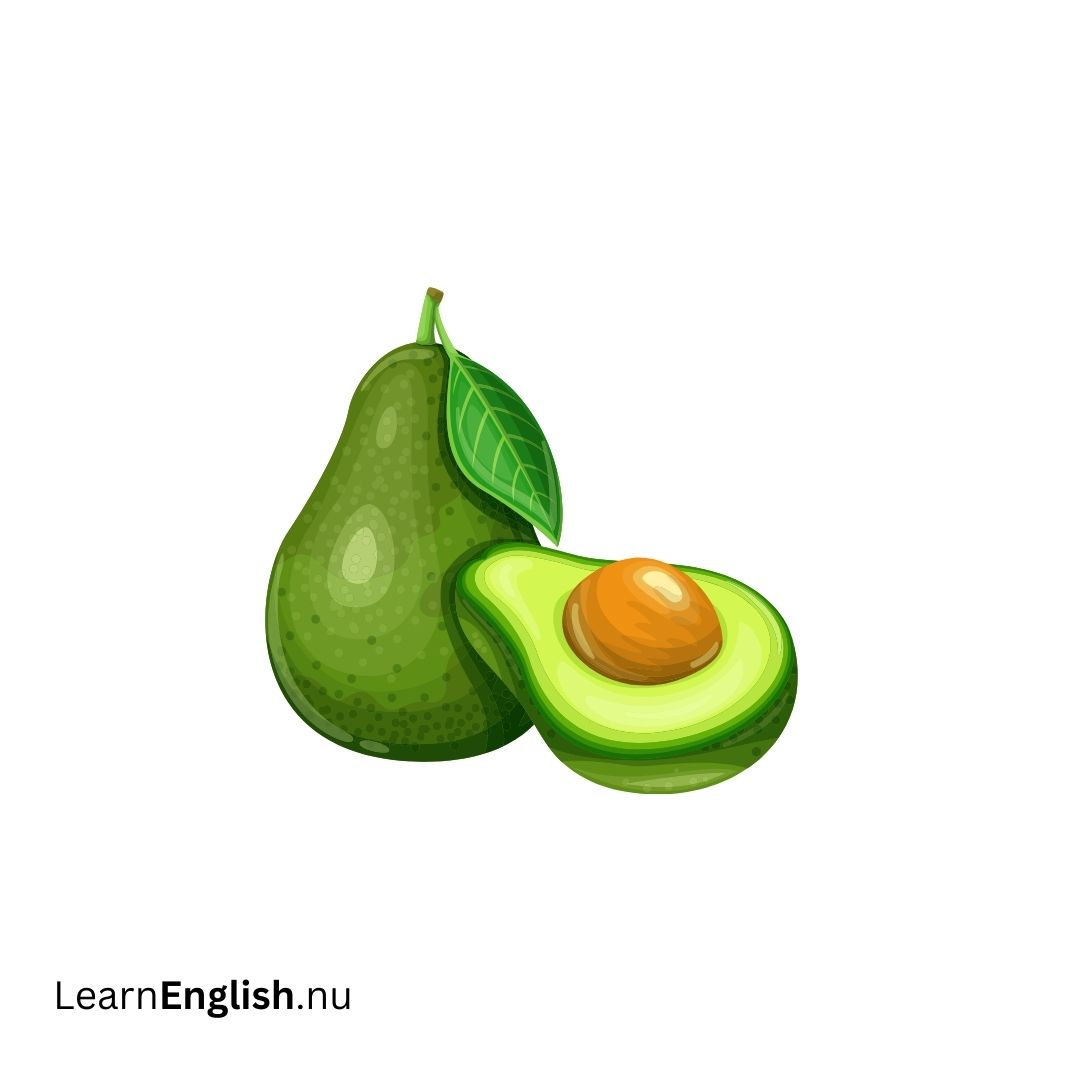 Avokado
Avocado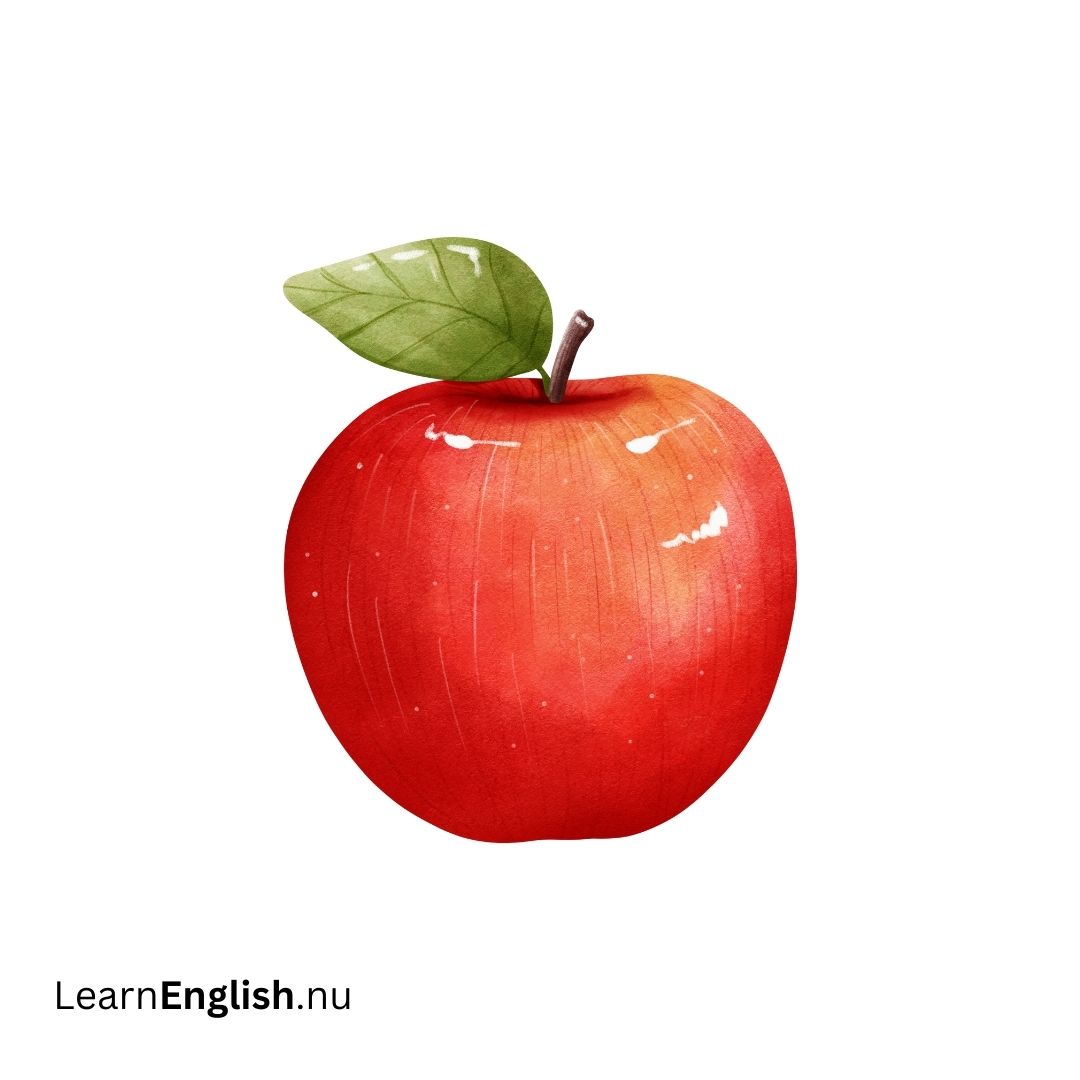 Äpple
Äpple
Apple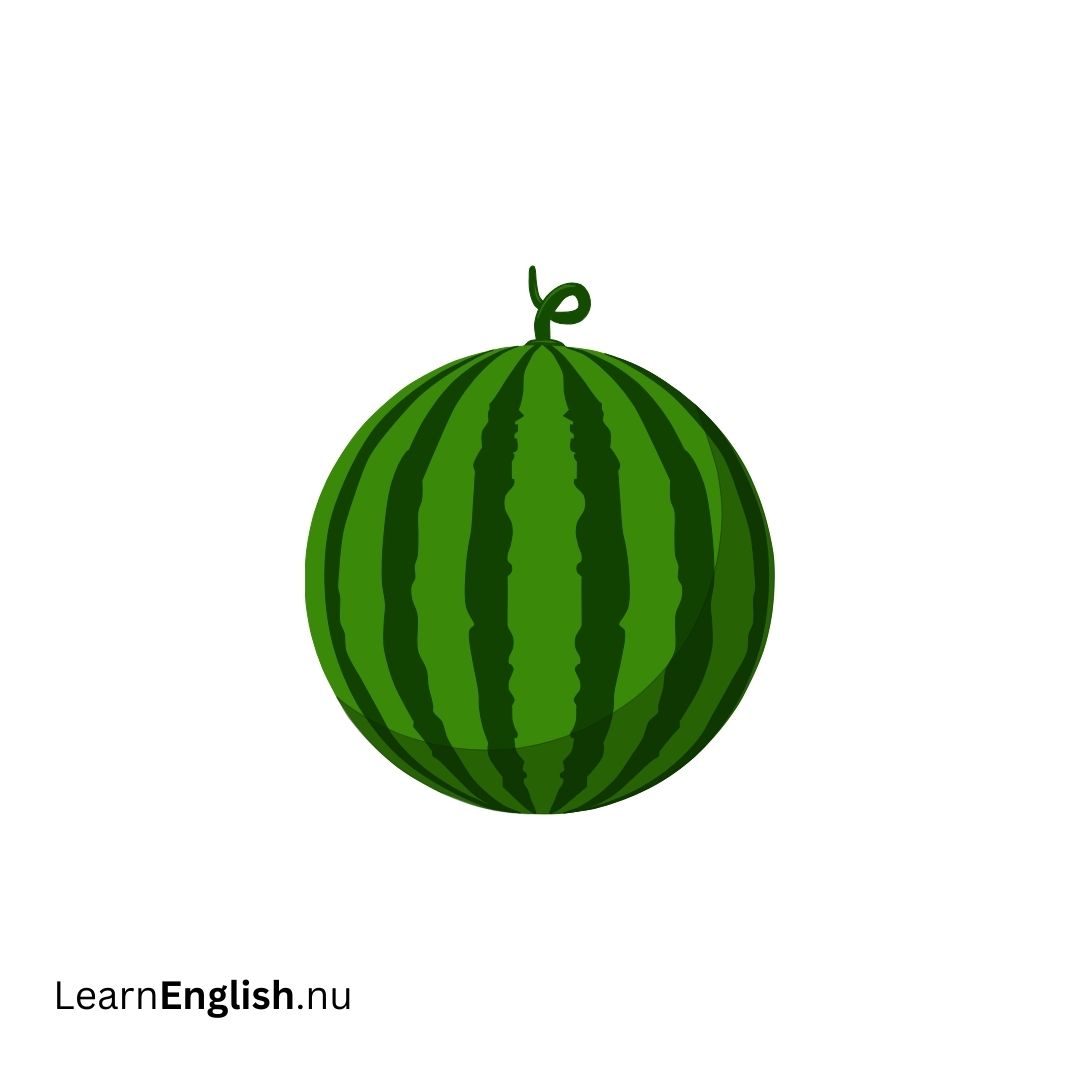 Vattenmelon
Watermelon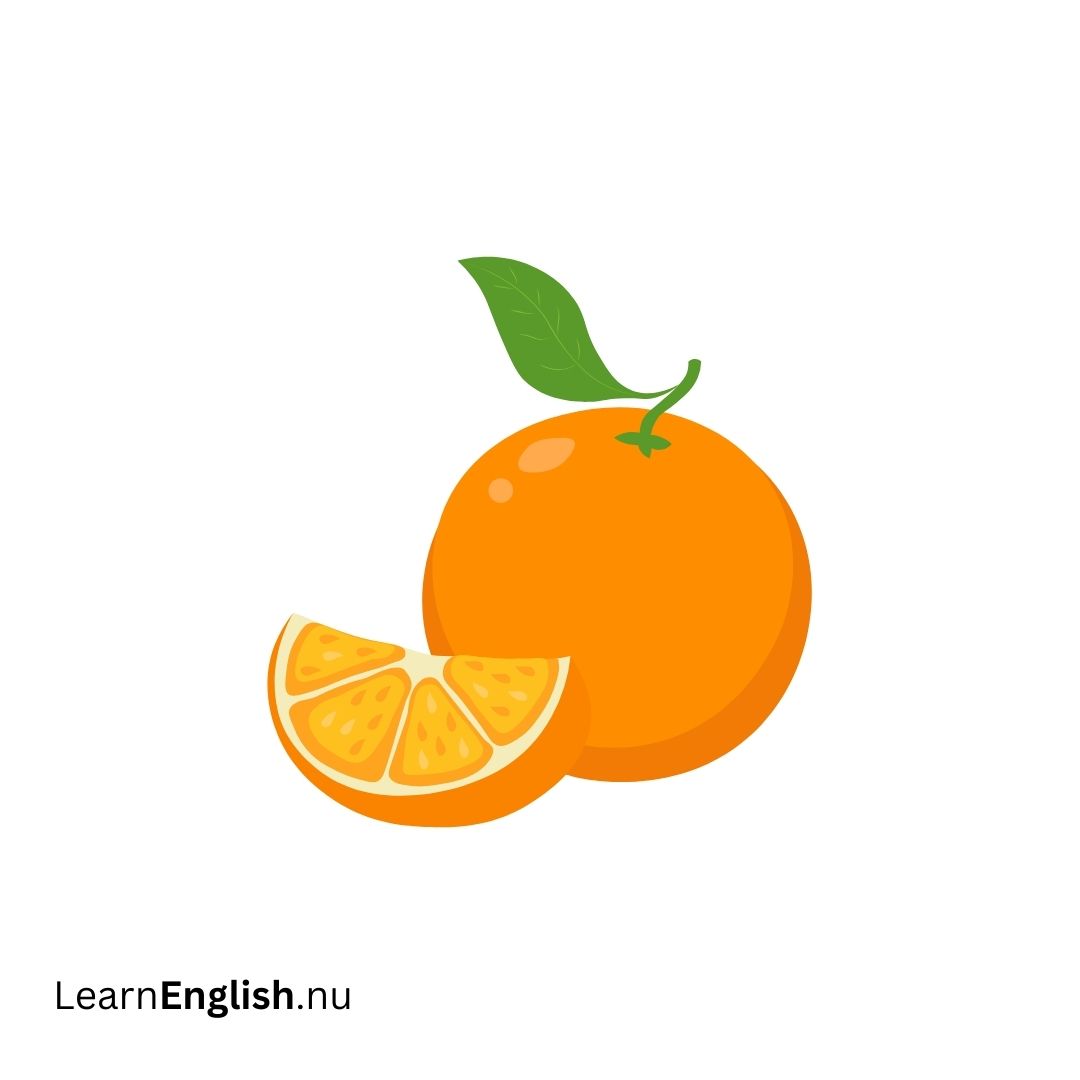 Apelsin
Orange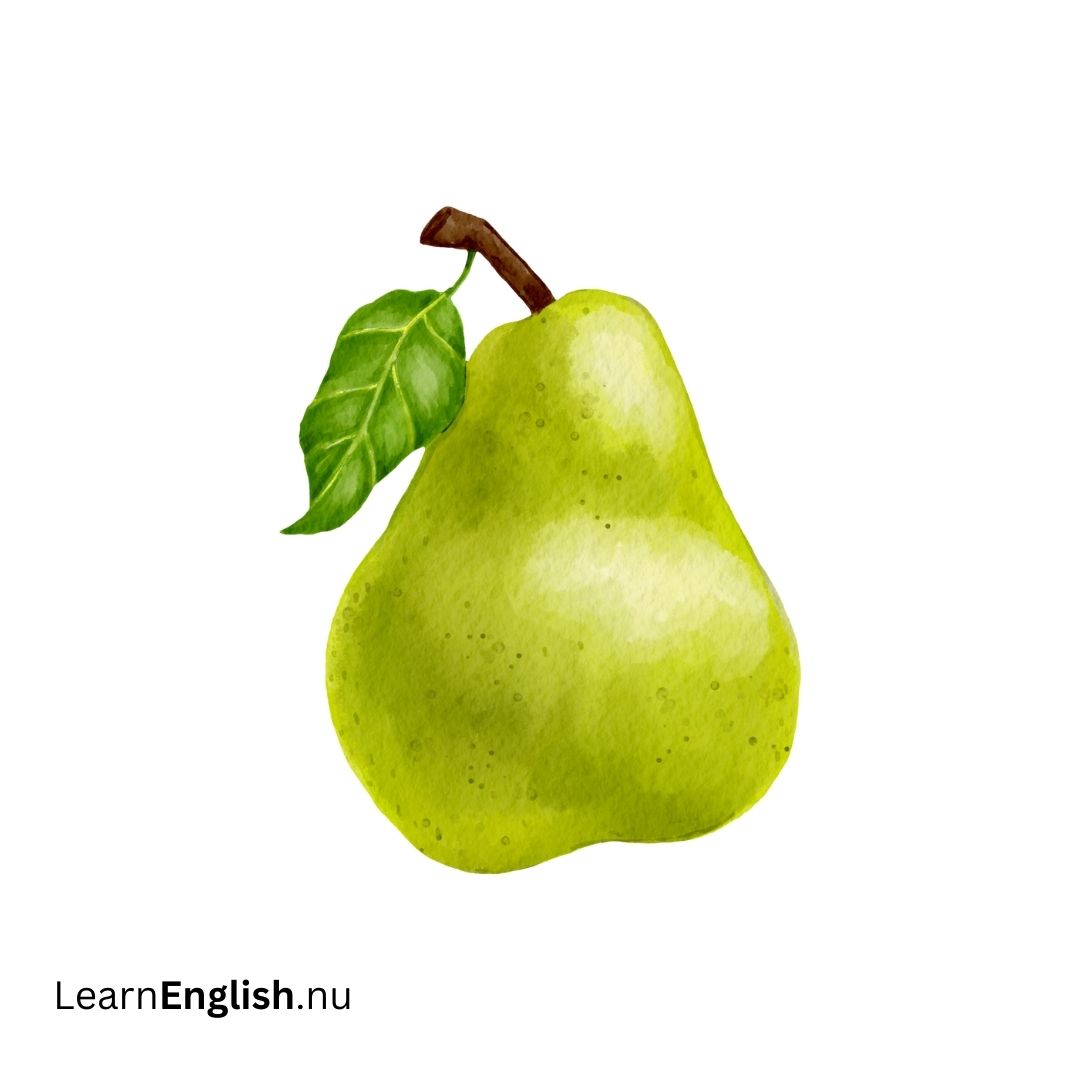 Päron
Päron
Pear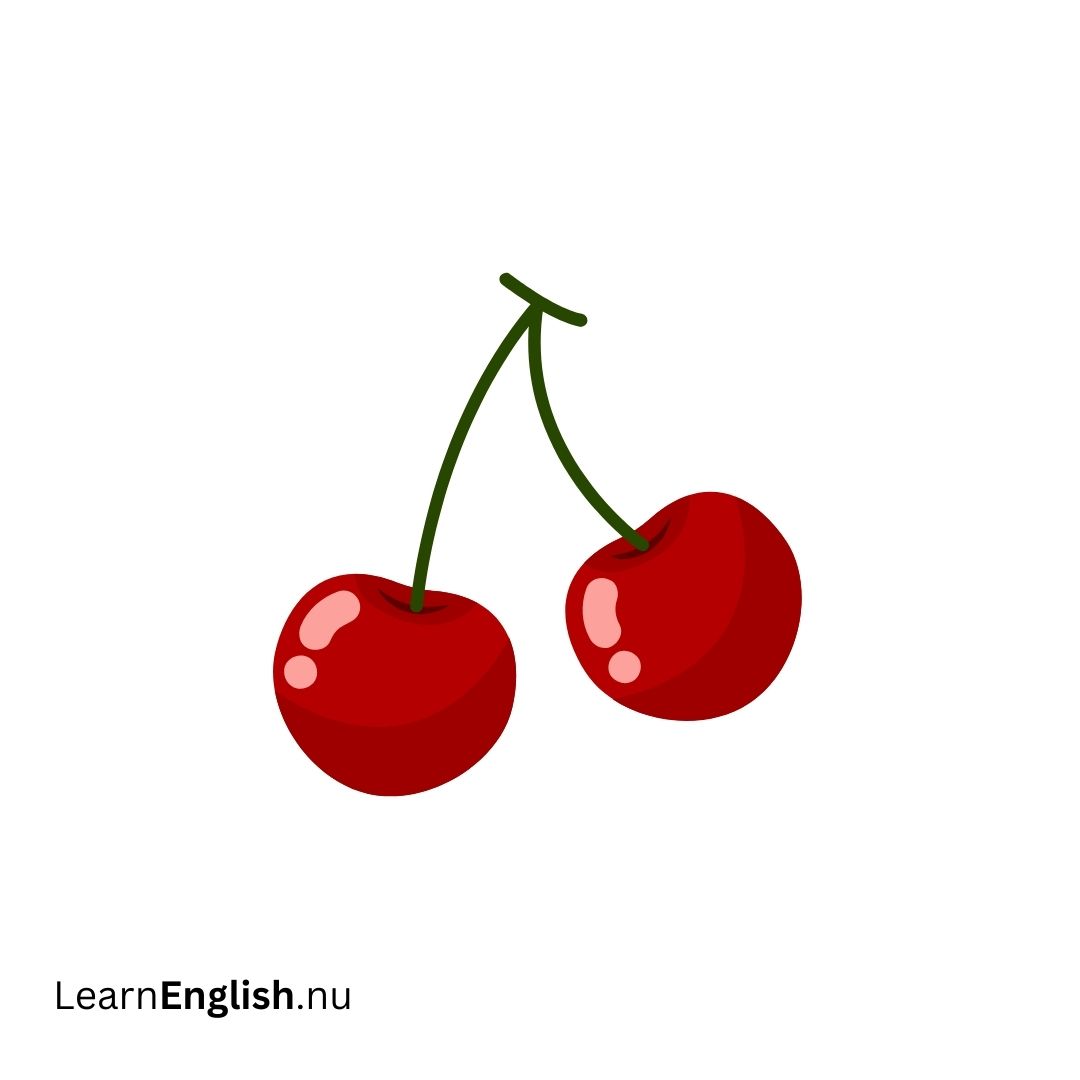 Körsbär
Cherry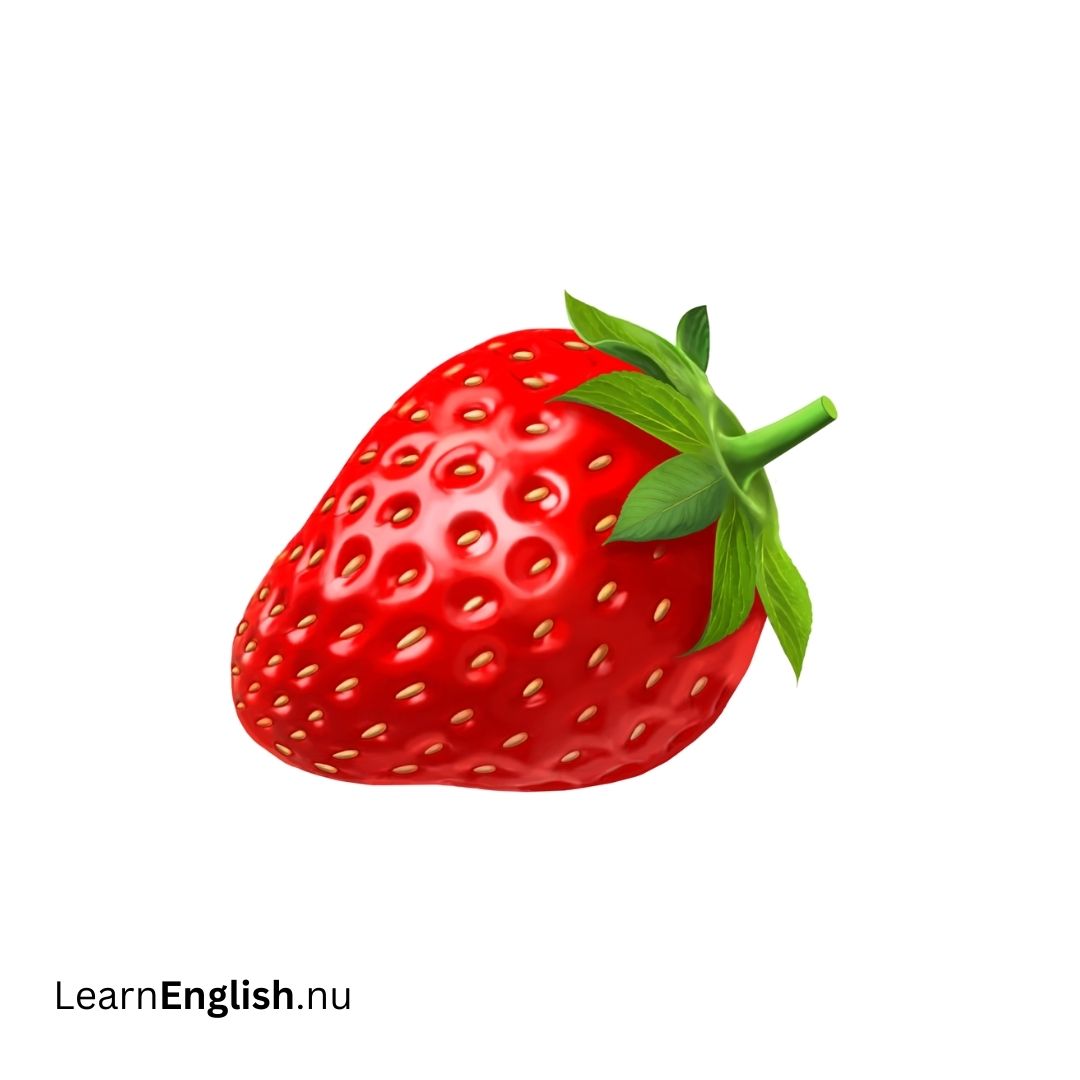 Jordgubbe
Strawberry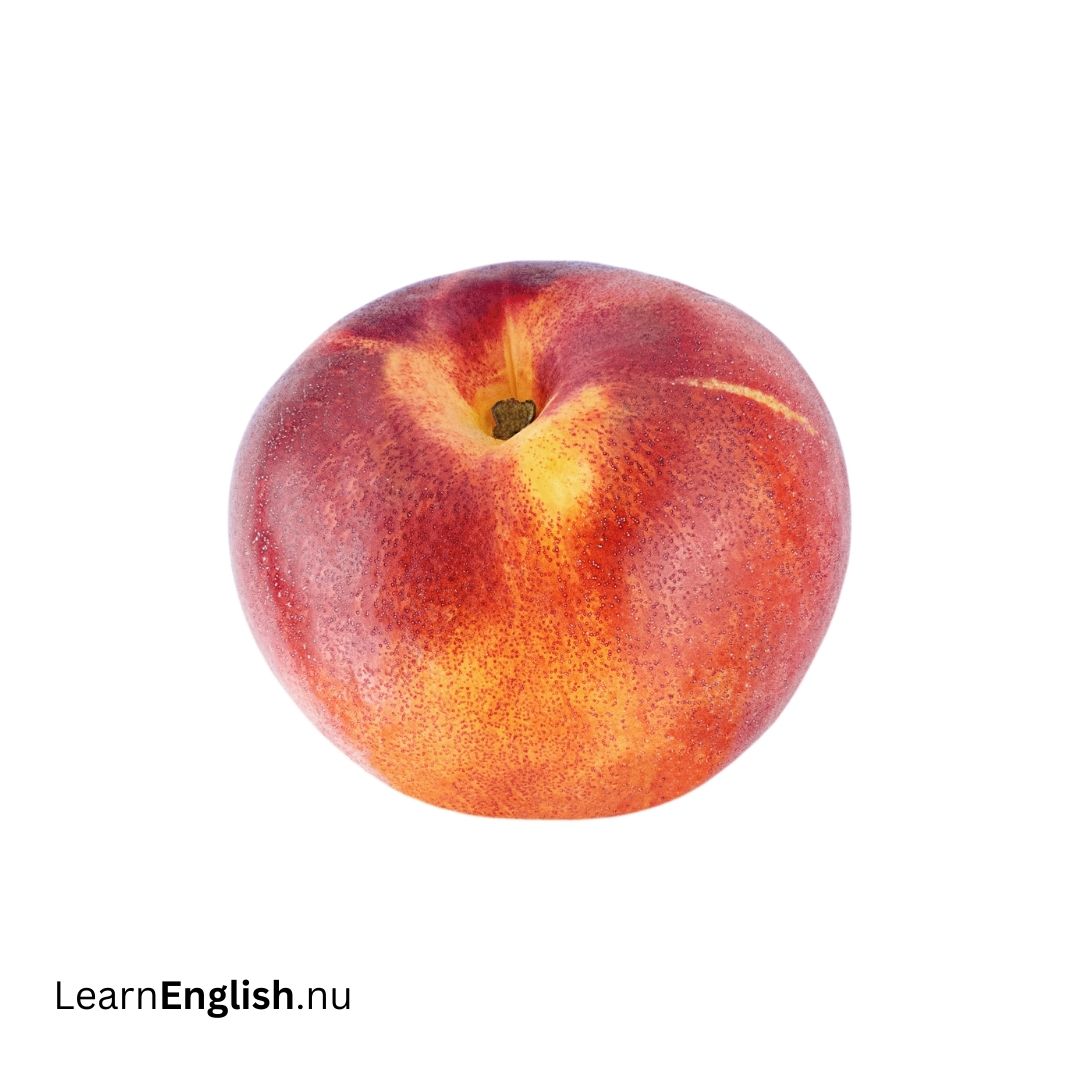 Nektarin
Nectarine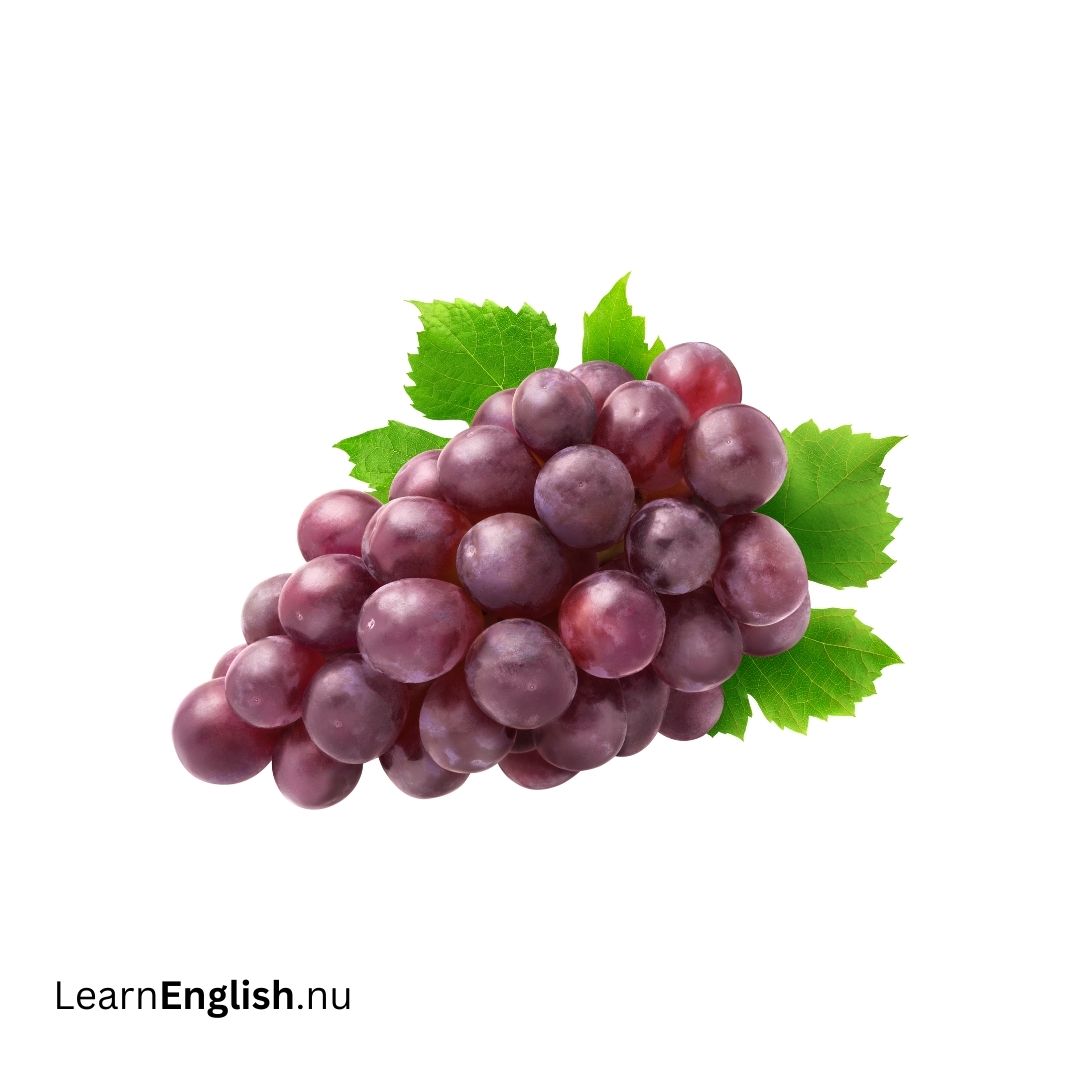 Druva
Druva
Grape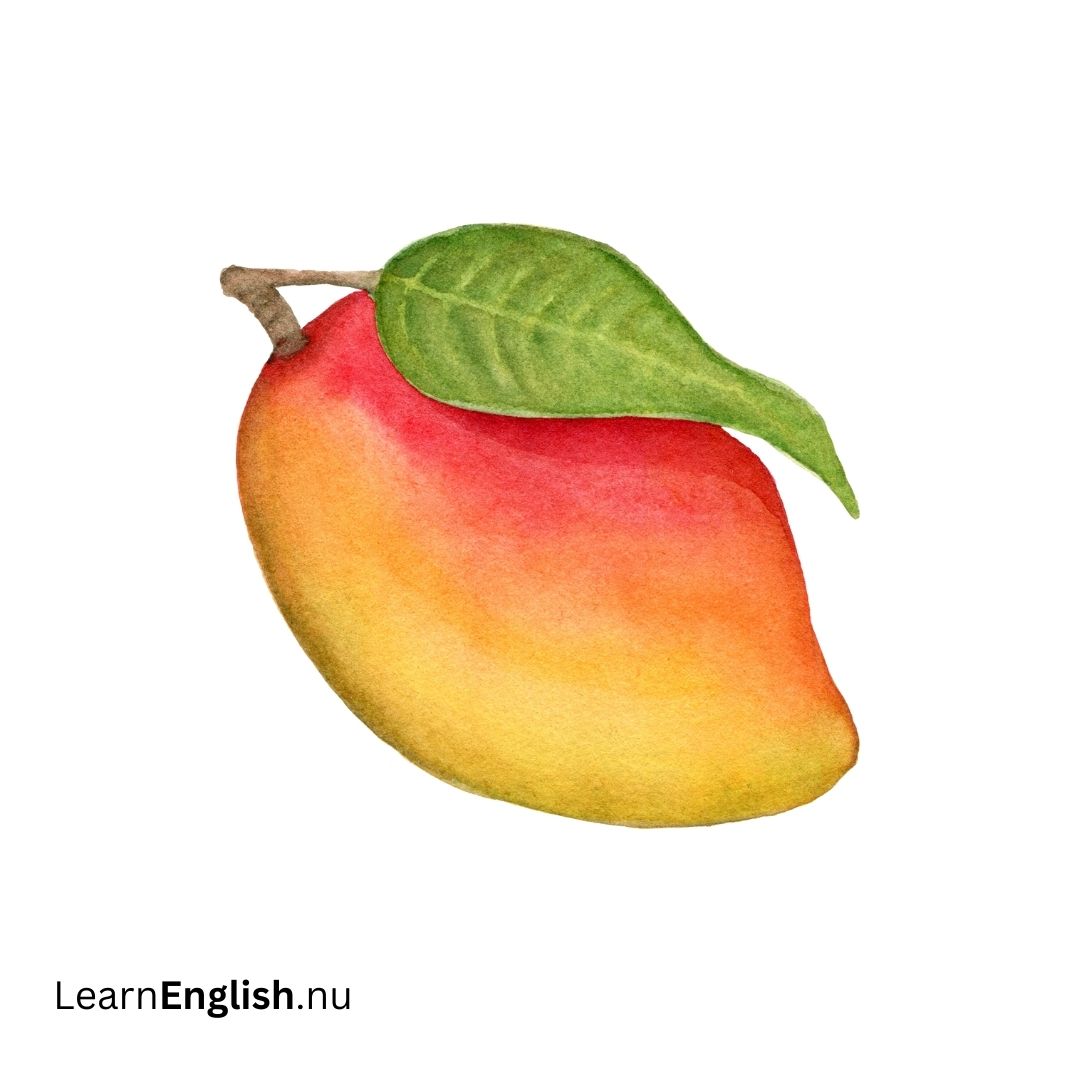 Mango
Mango
Mango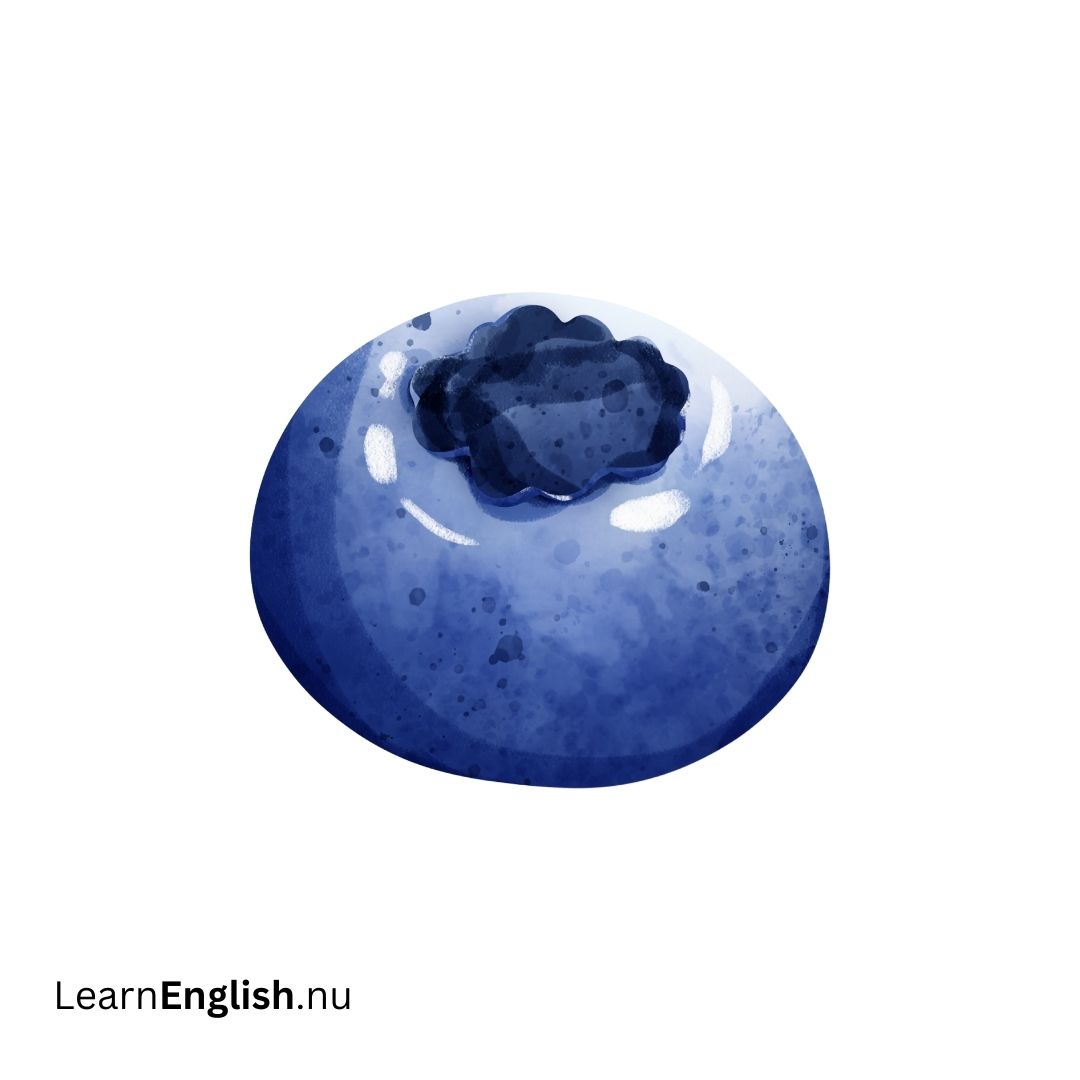 Blåbär
Blueberry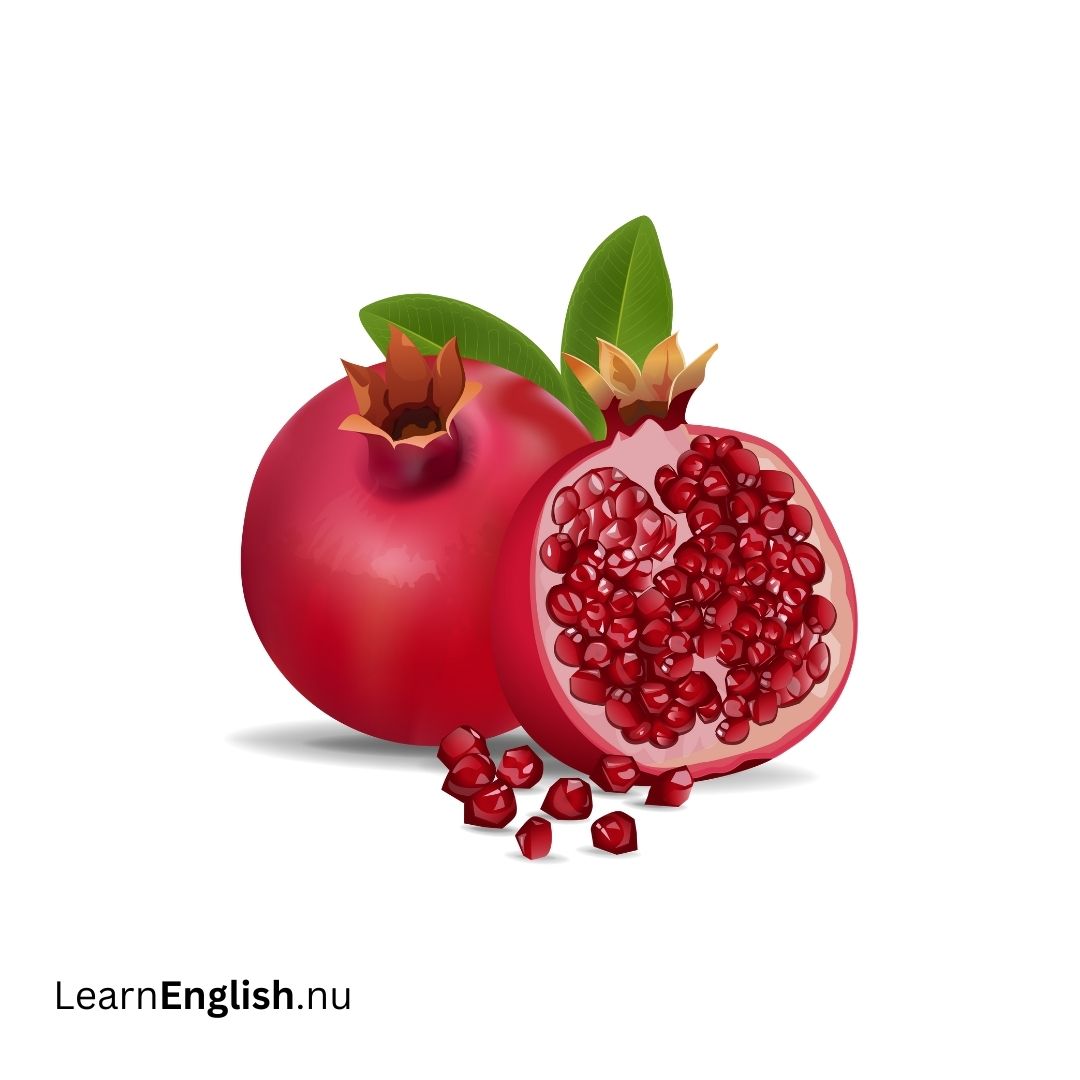 Granatäpple
Pomegranate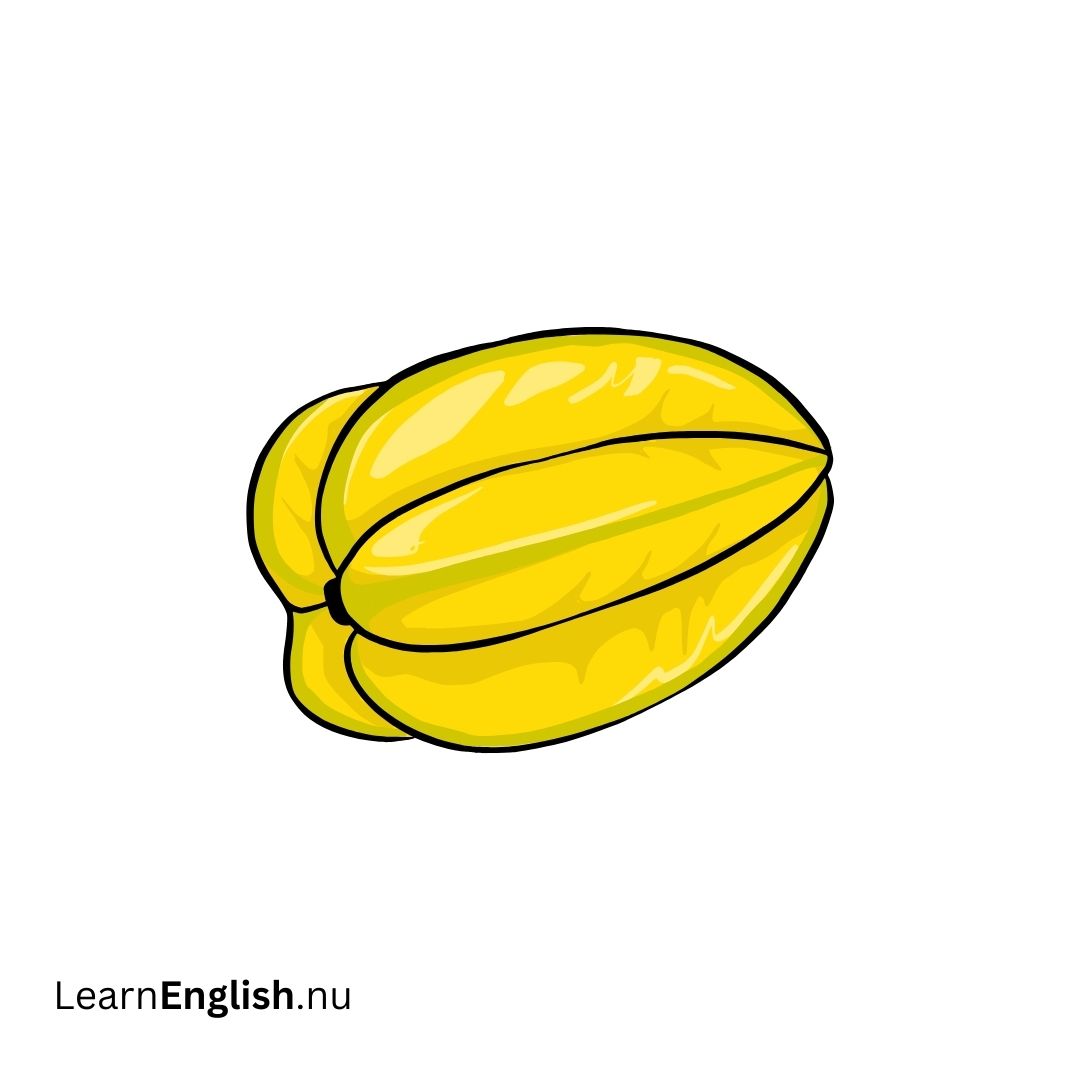 Stjärnfrukt
Carambola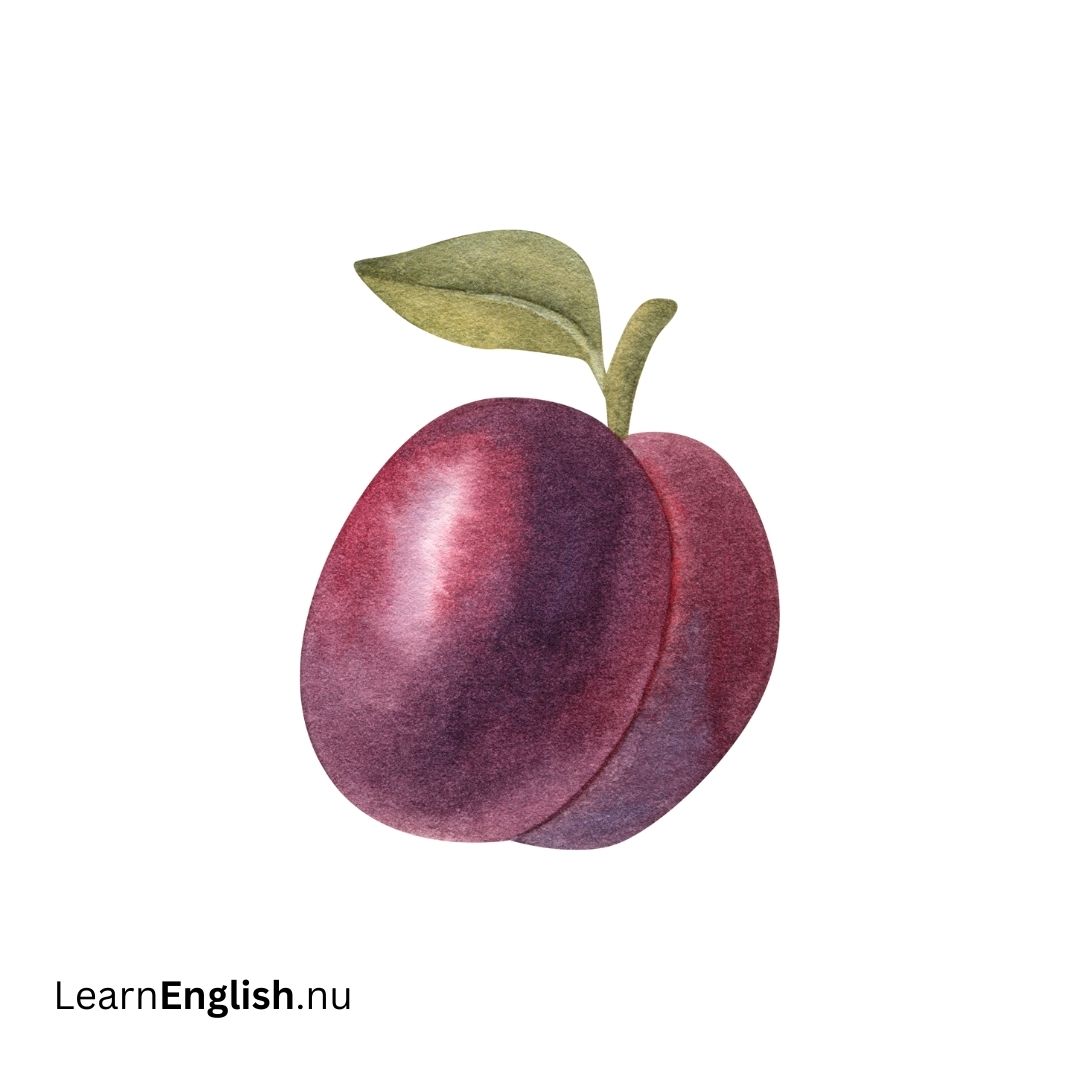 Plommon
Plum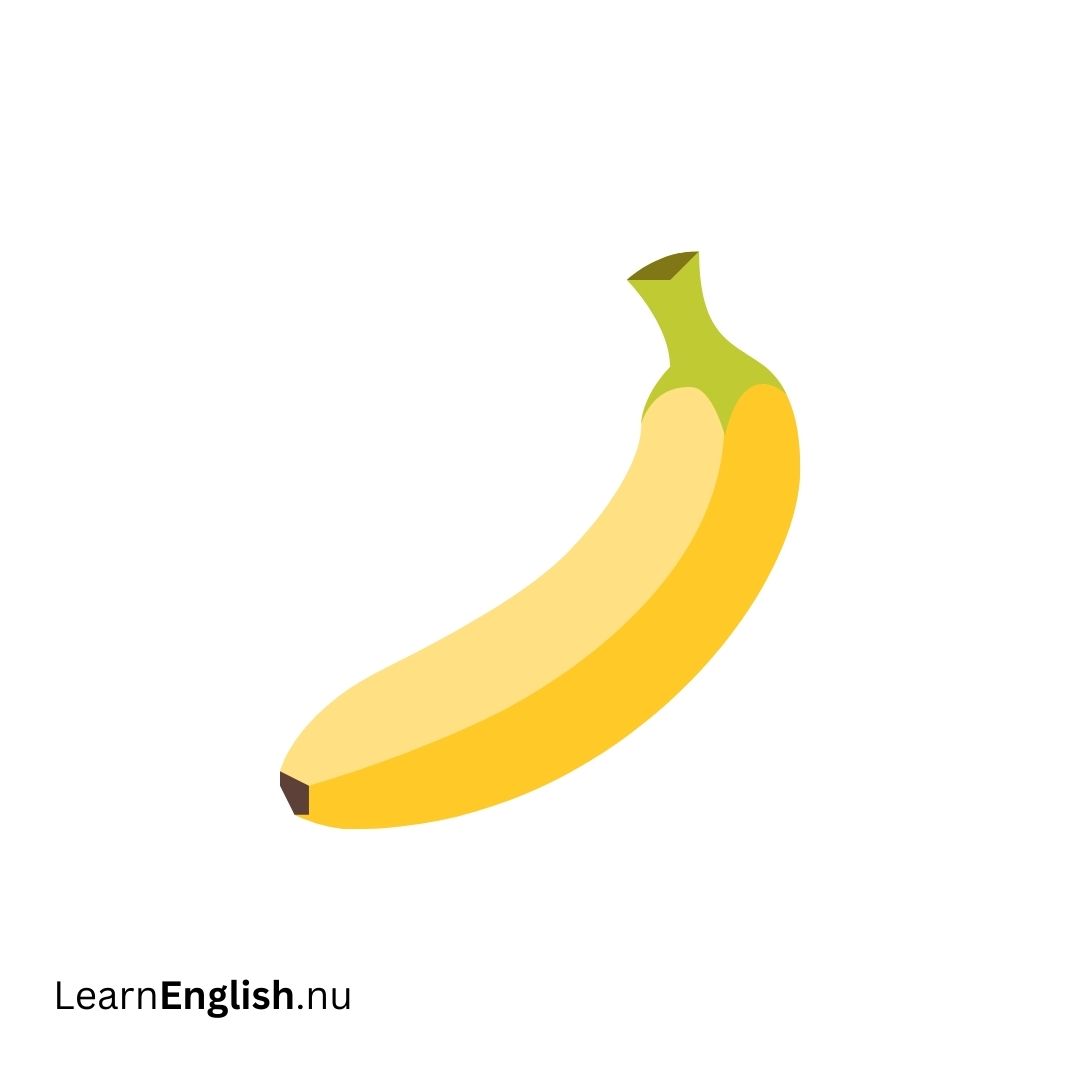 Banan
Banan
Banana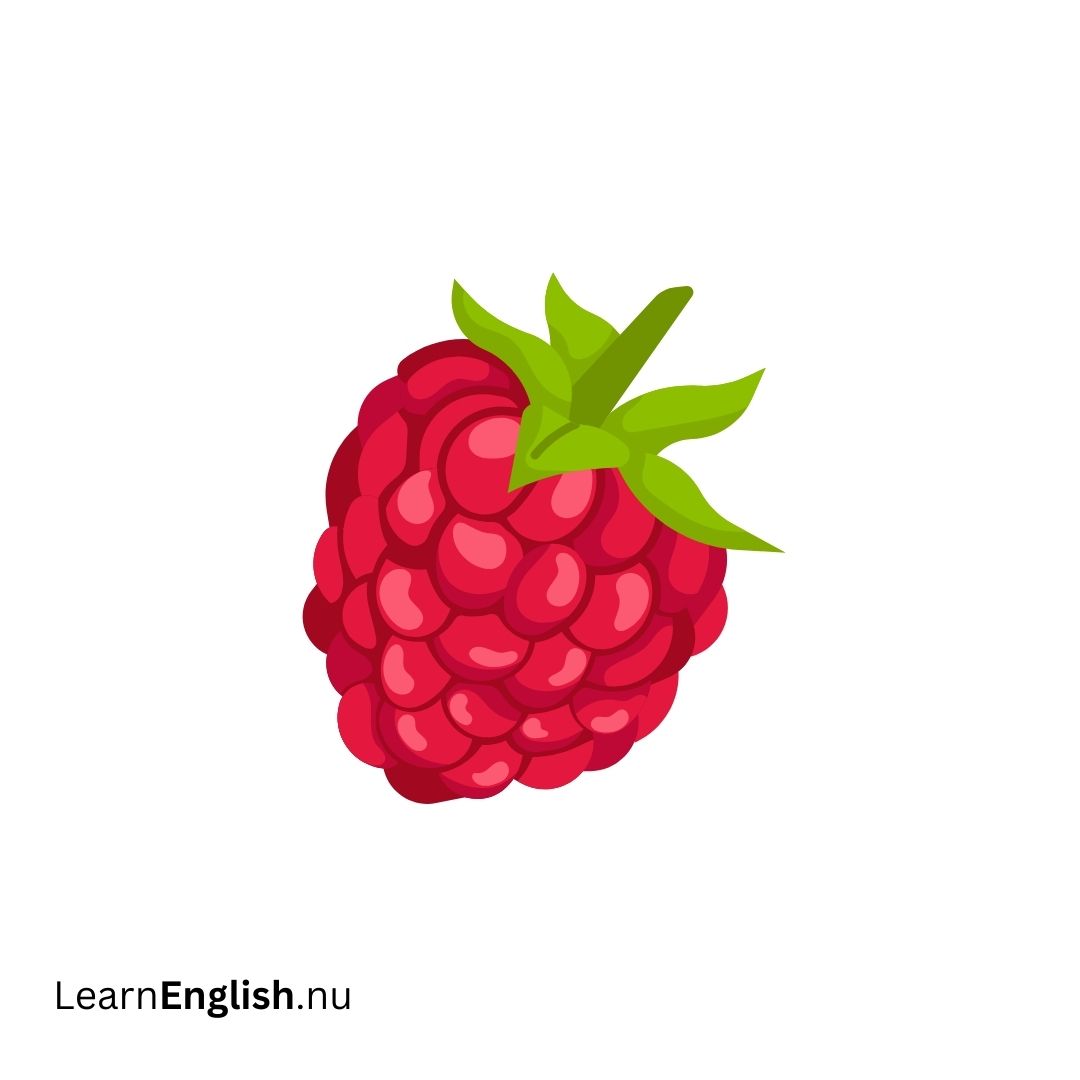 Hallon
Raspberry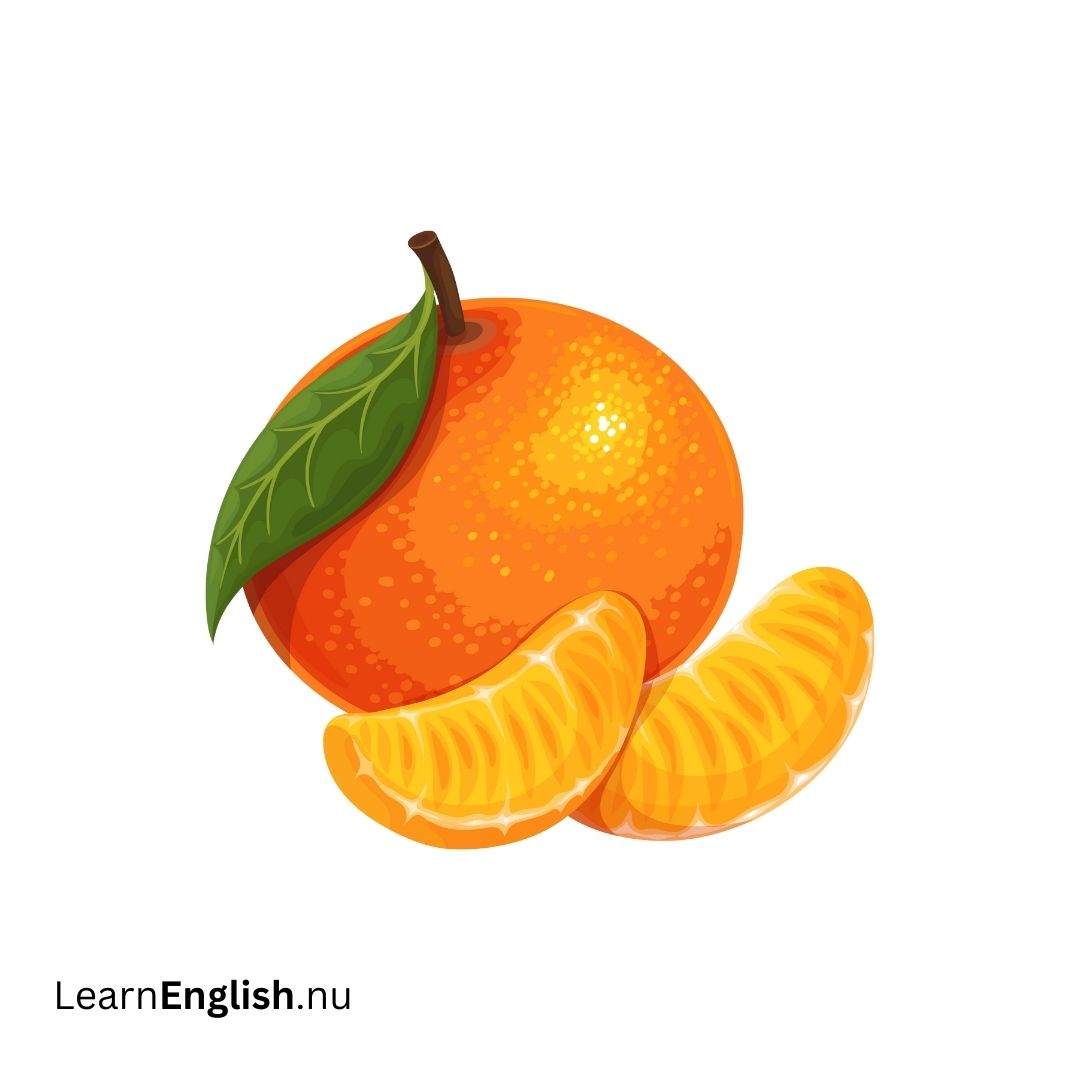 Mandarin
Mandarin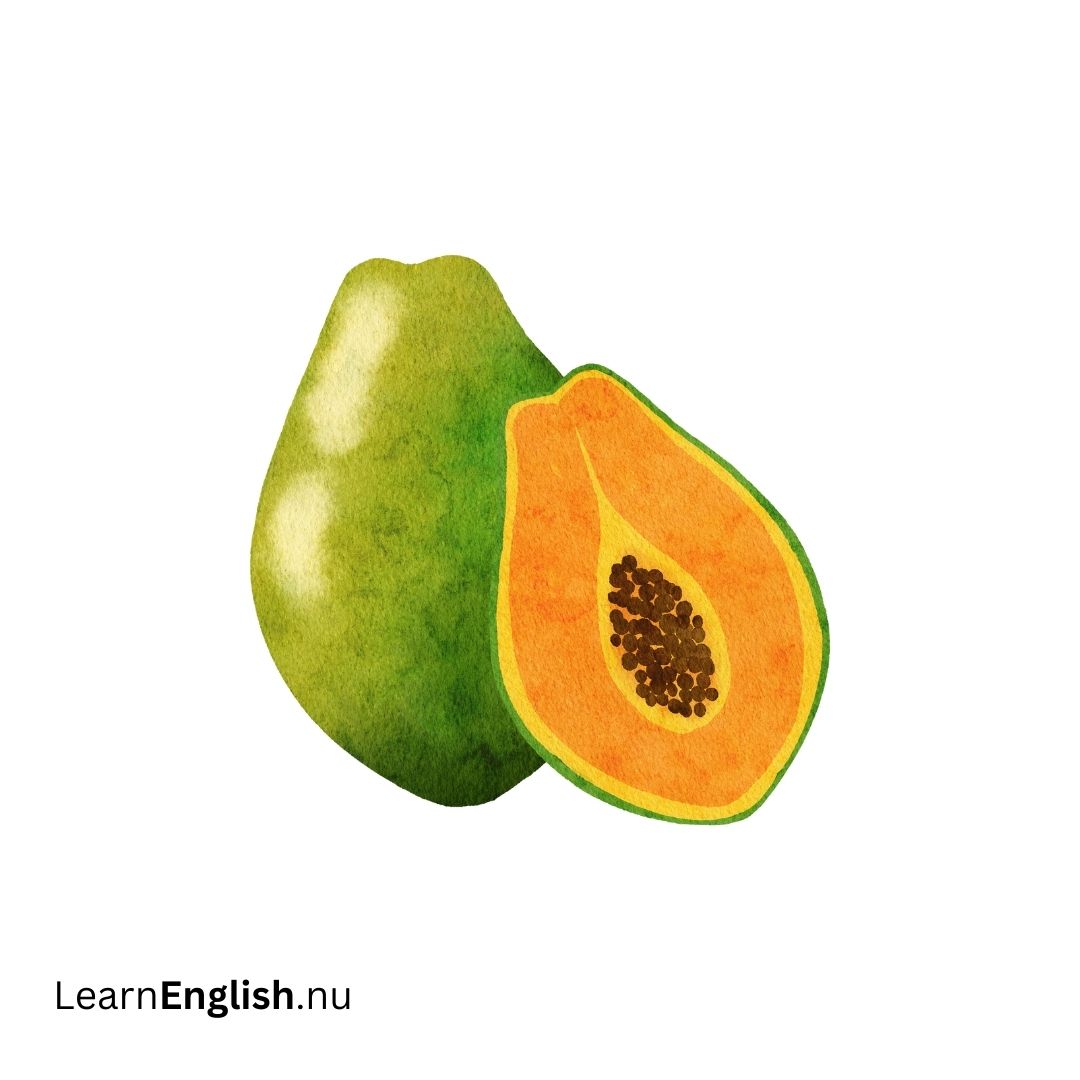 Papaya
Papaya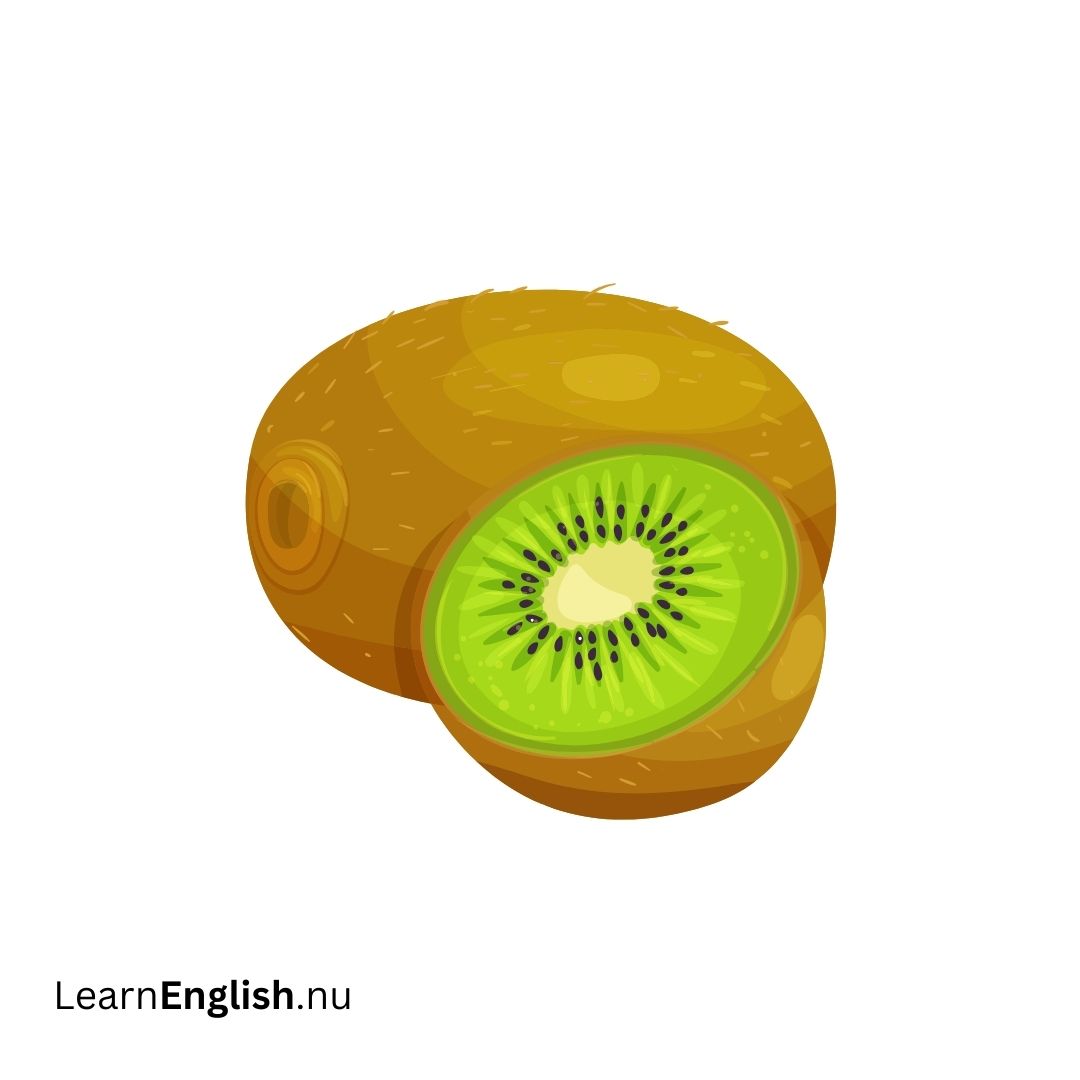 Kiwi
Kiwi
Kiwi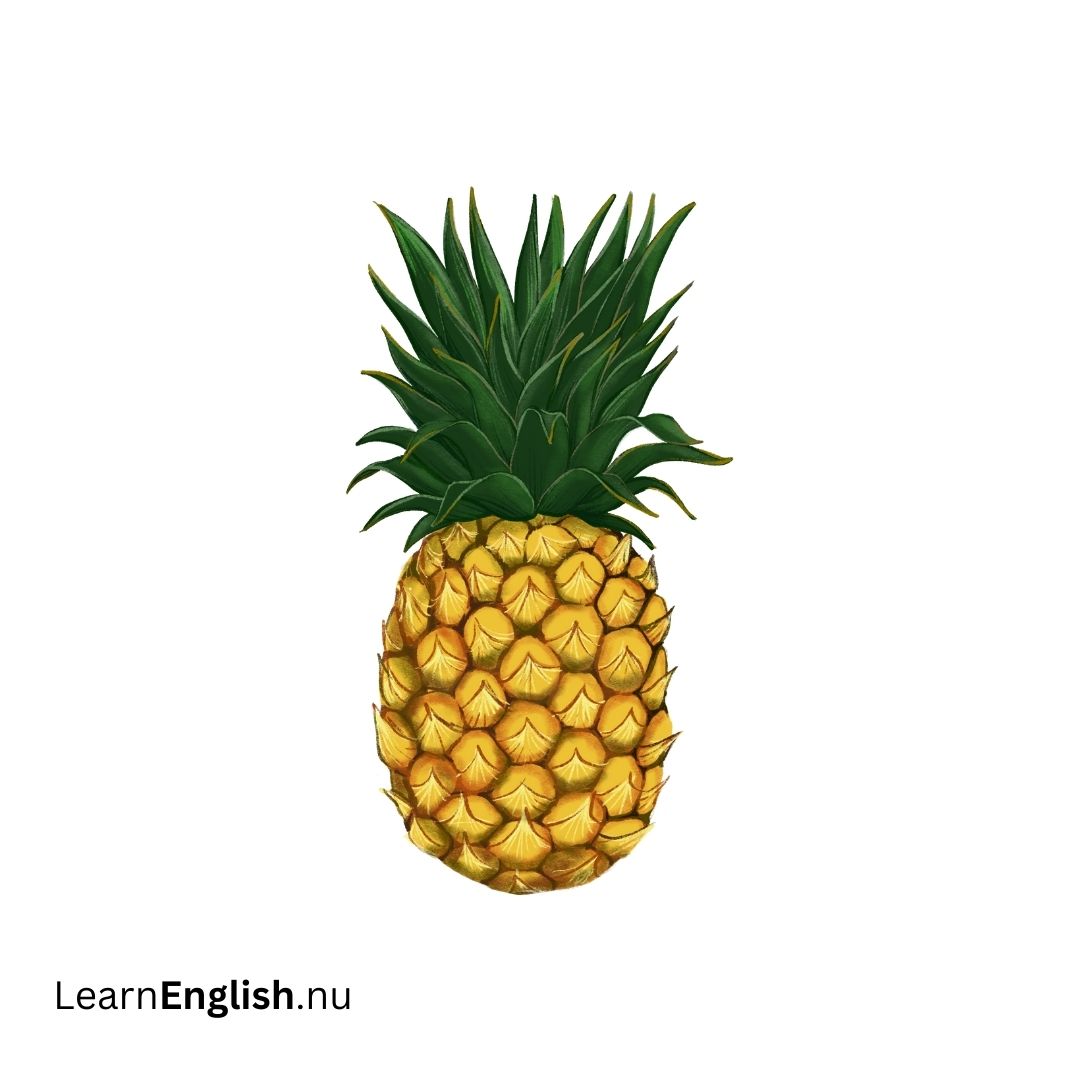 Ananas
Pineapple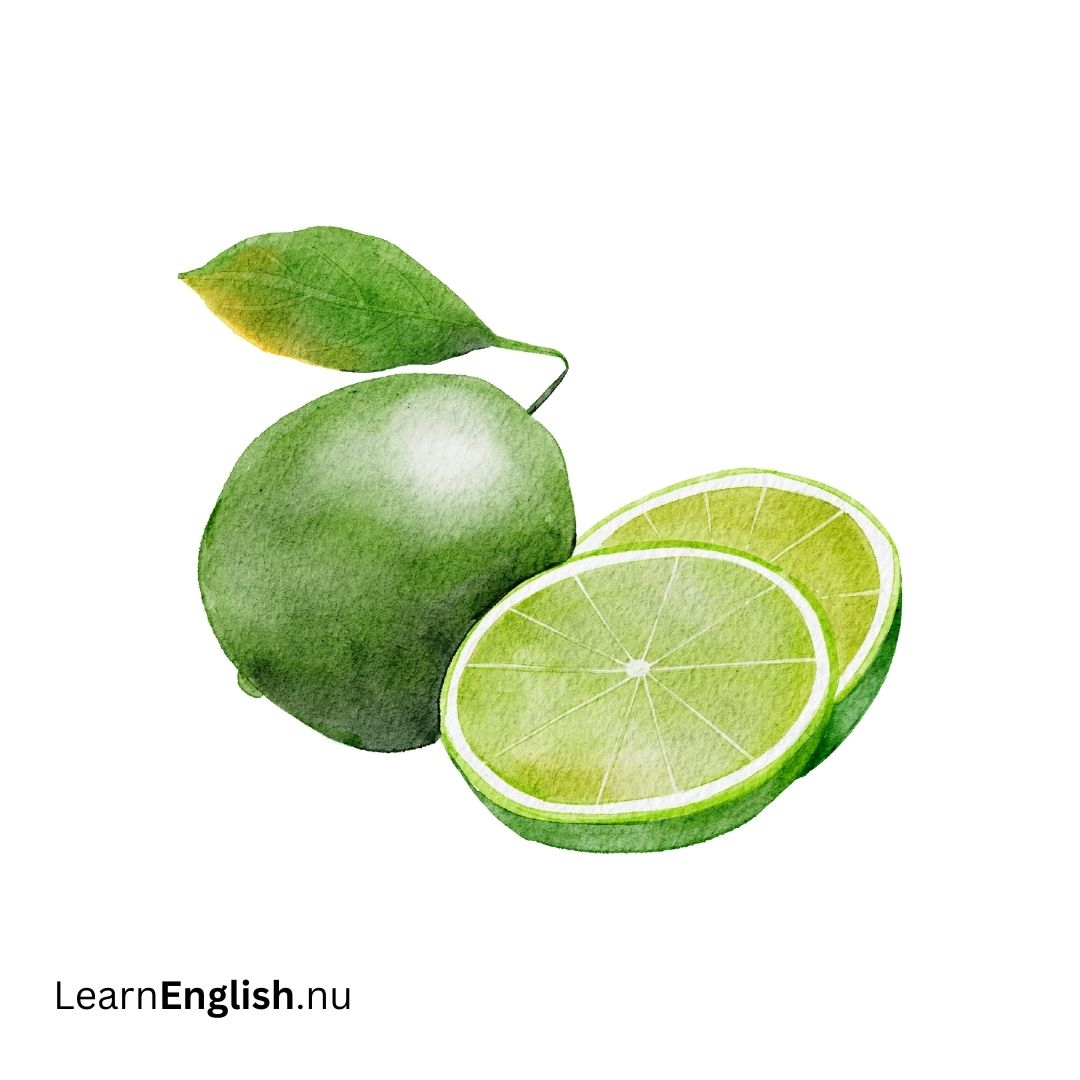 Lime
Lime
Lime Citron
Lemon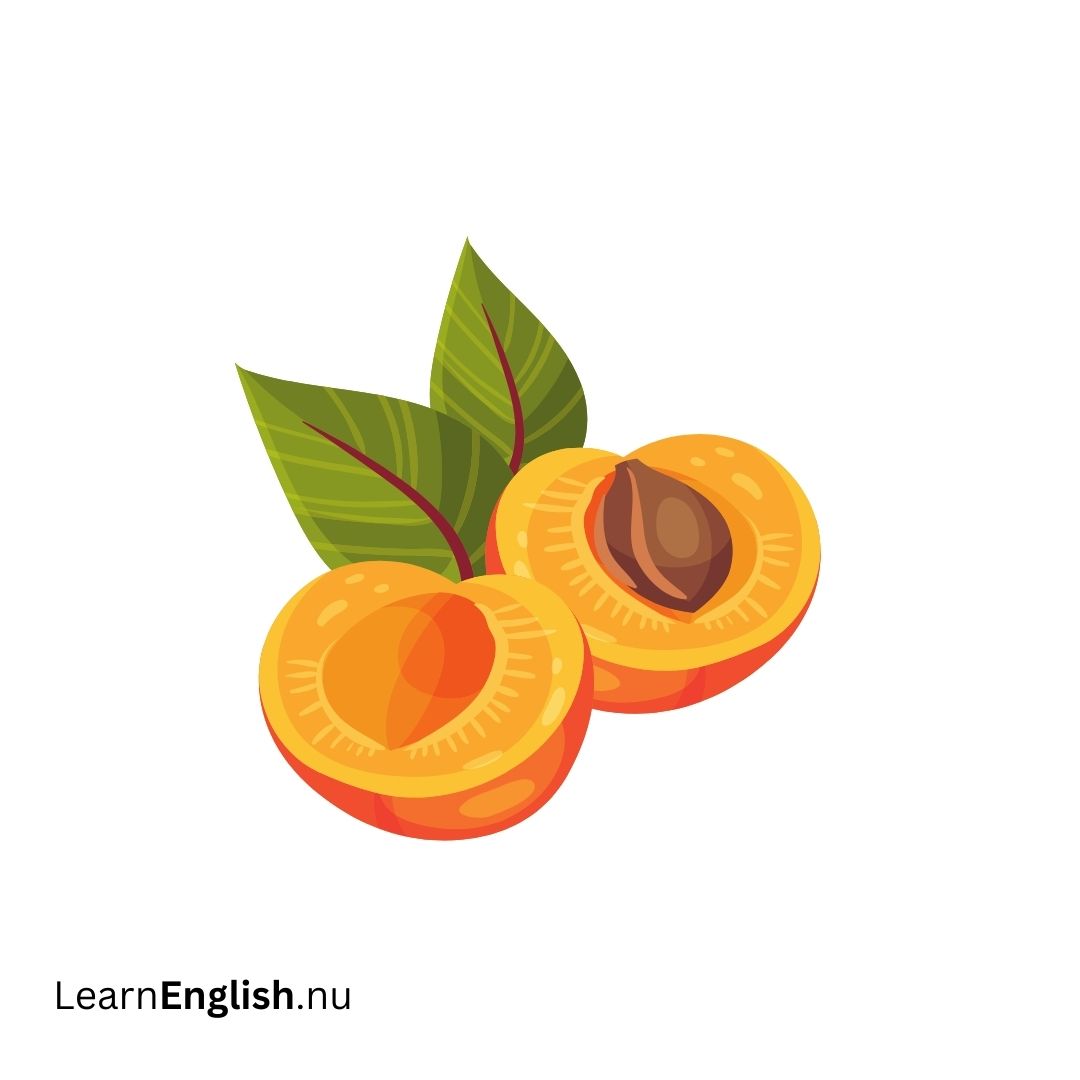 Aprikos
Apricot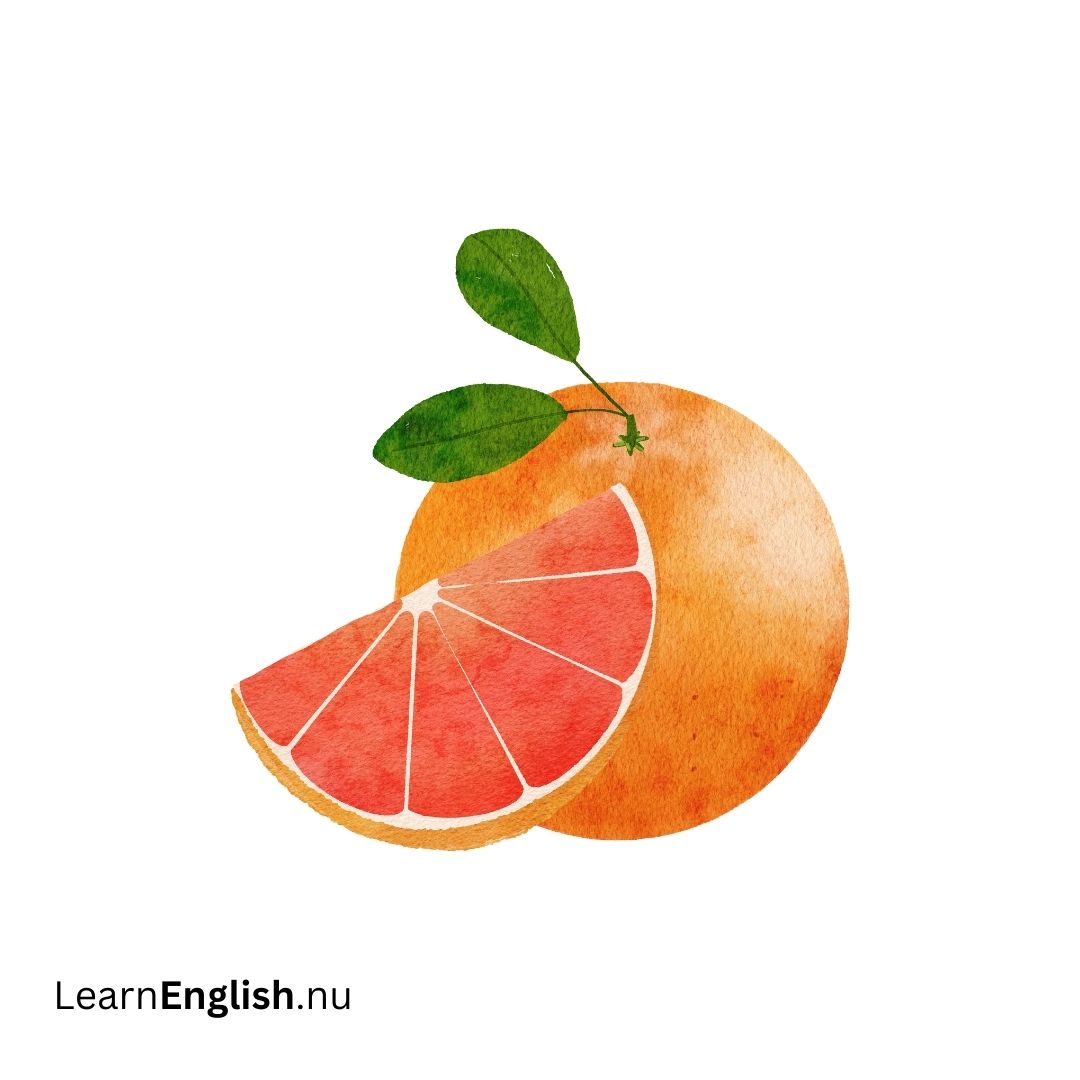 Grapefrukt
Grapefruit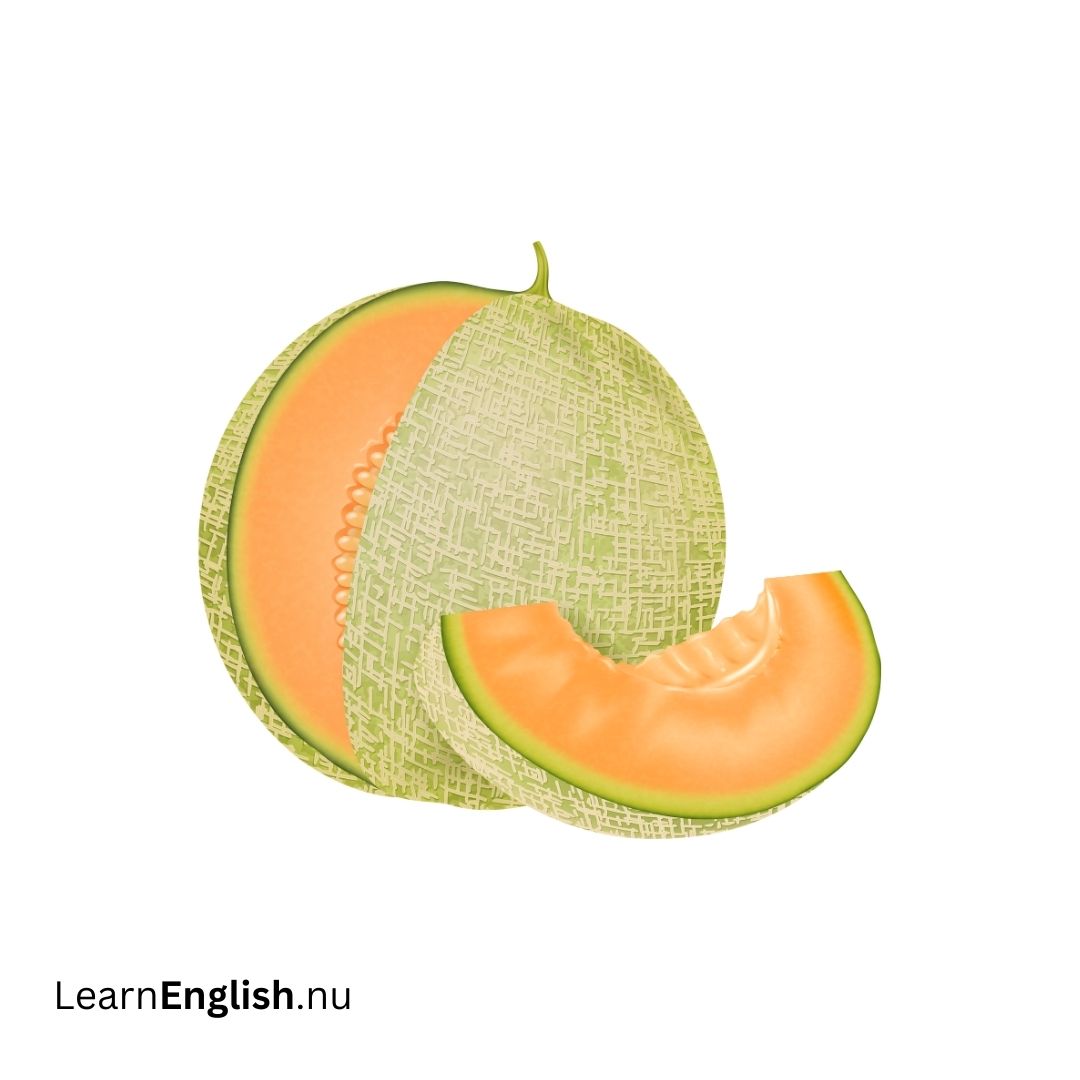 Melon
Melon
Melon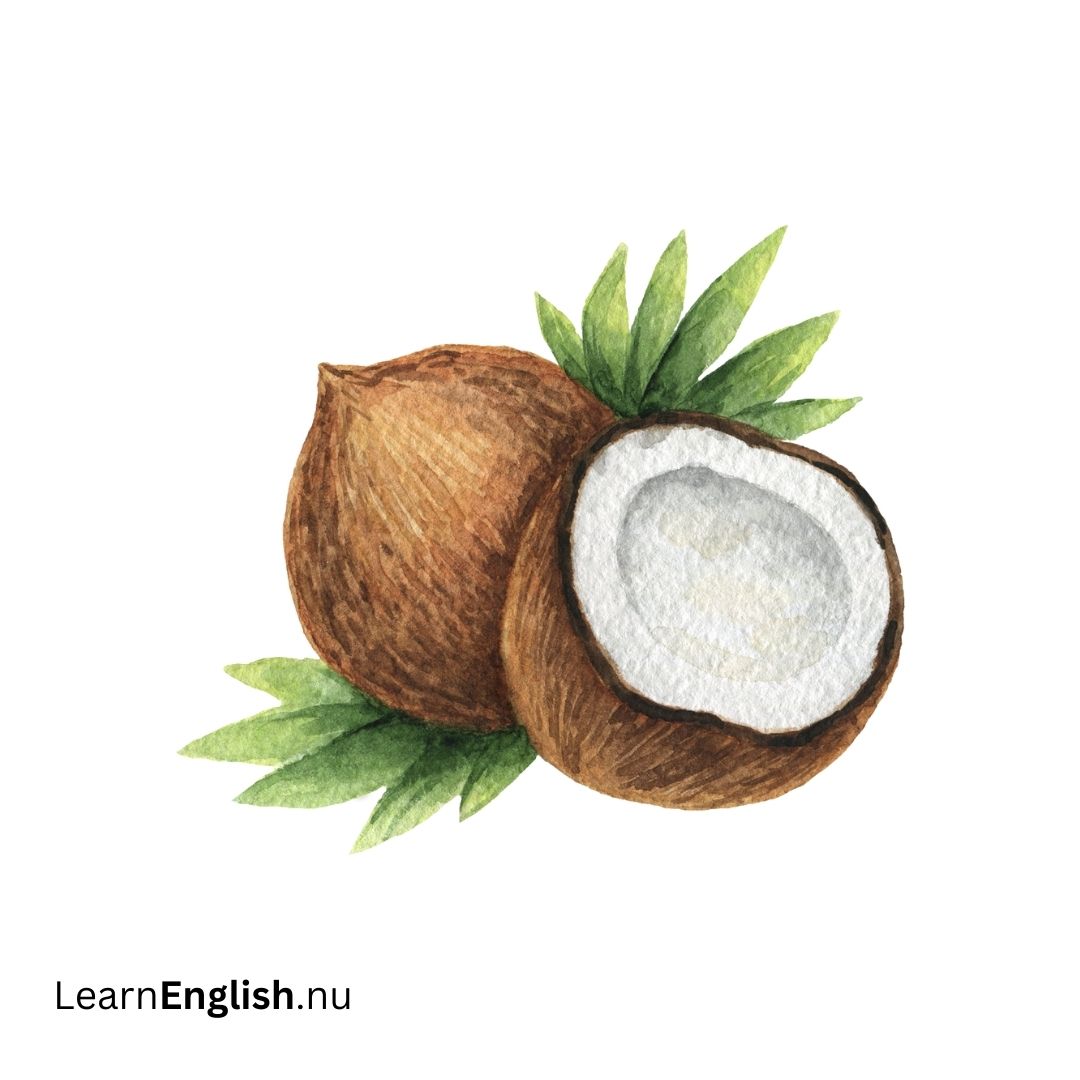 Kokosnöt
Coconut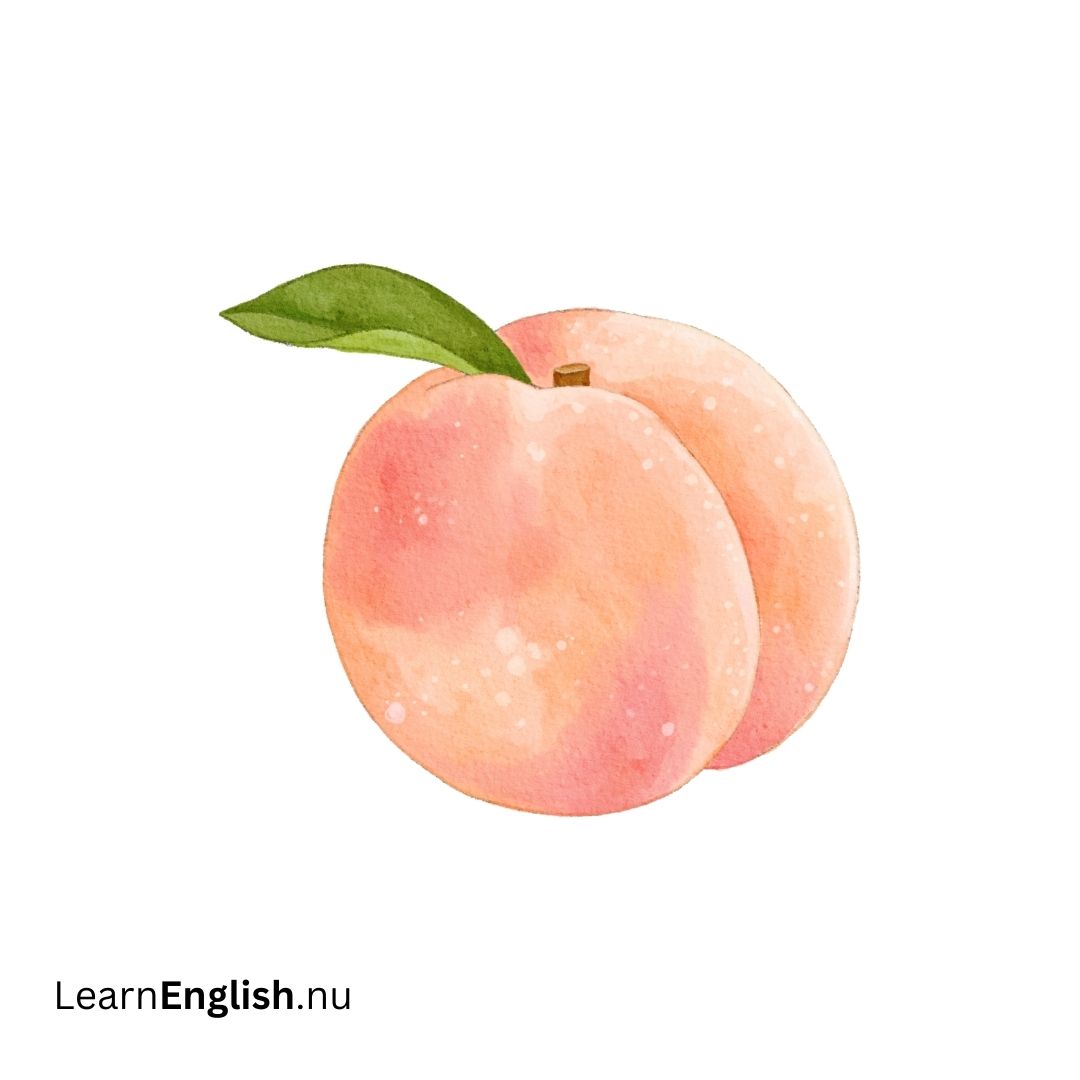 Persika
Peach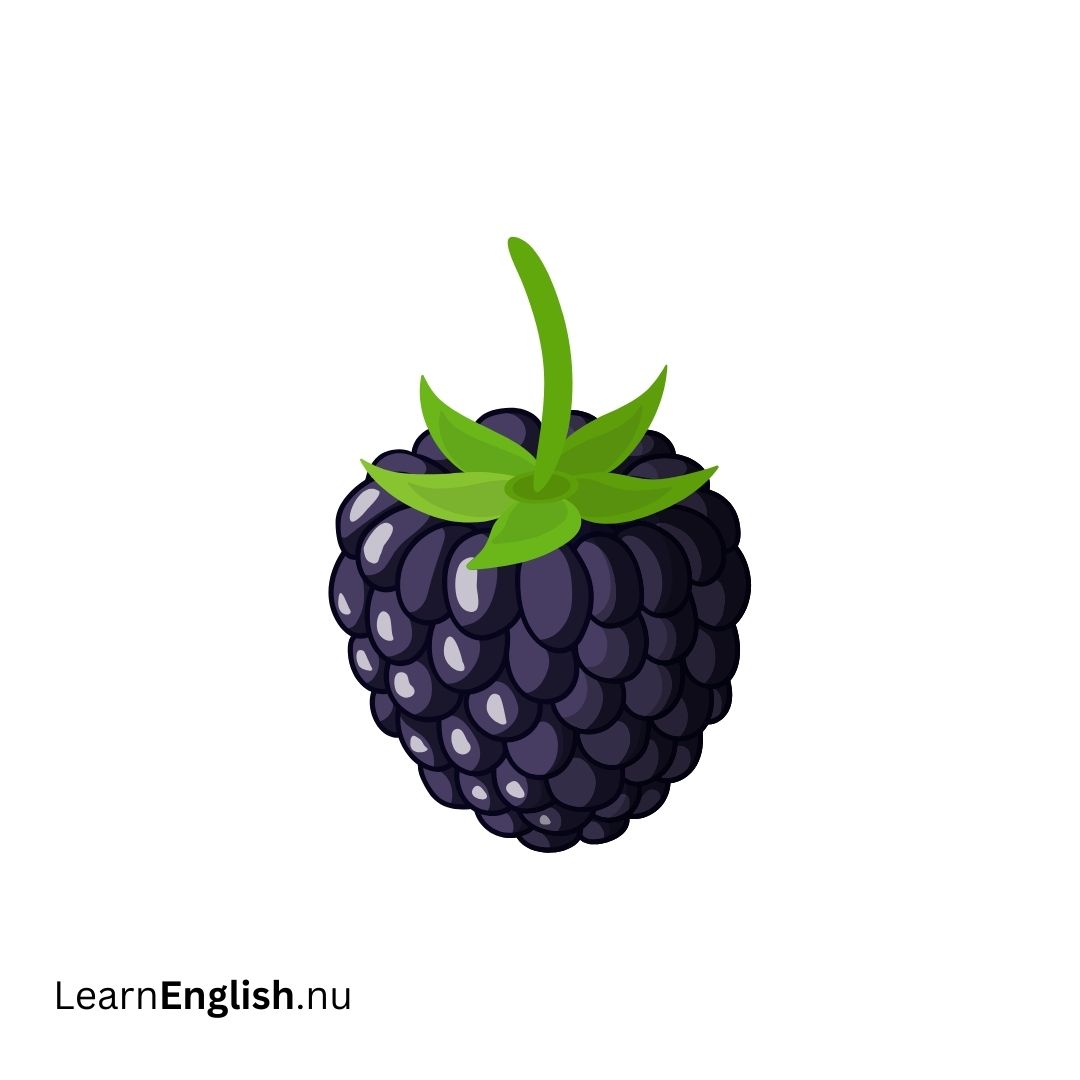 Björnbär
Blackberry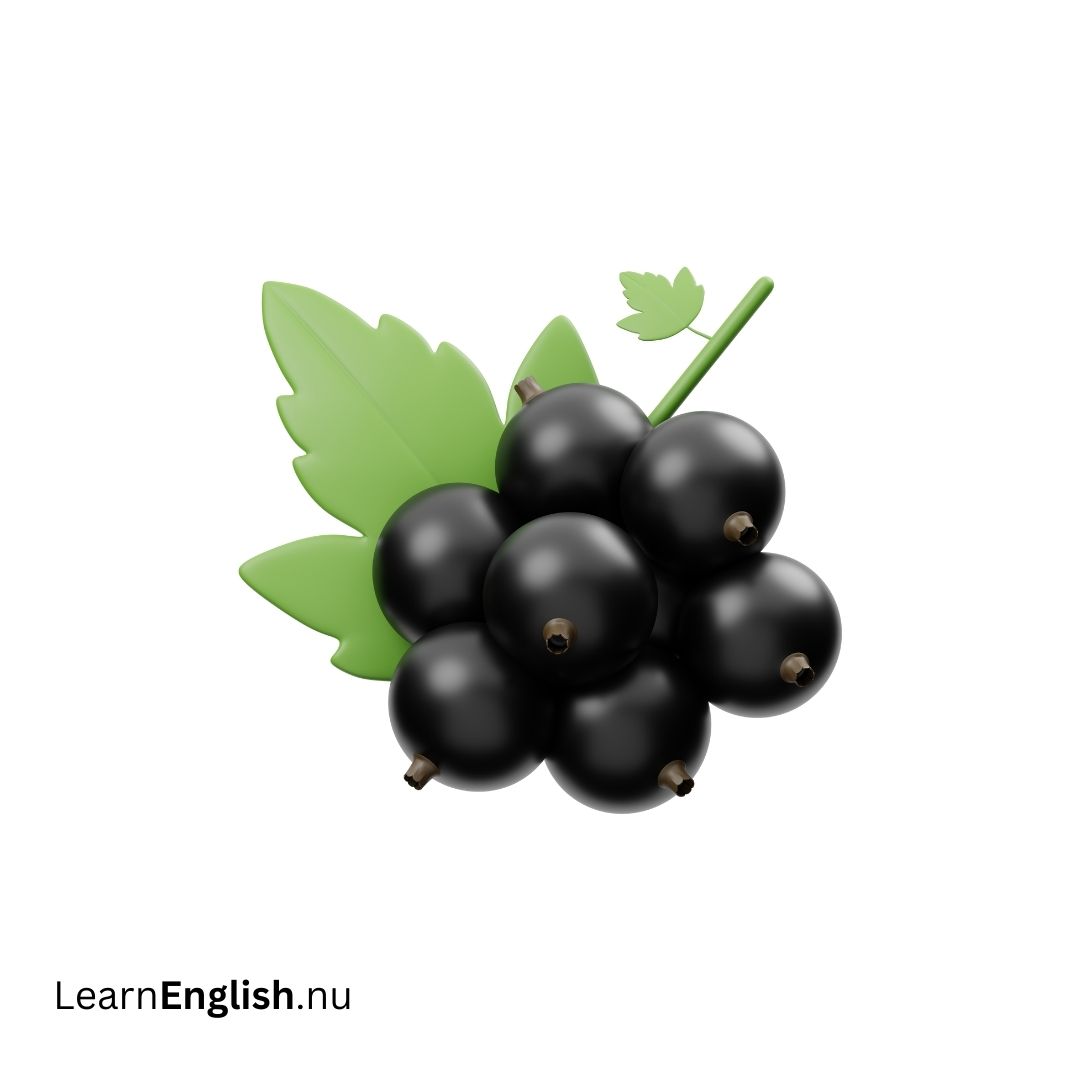 Svart vinbär
Blackcurrant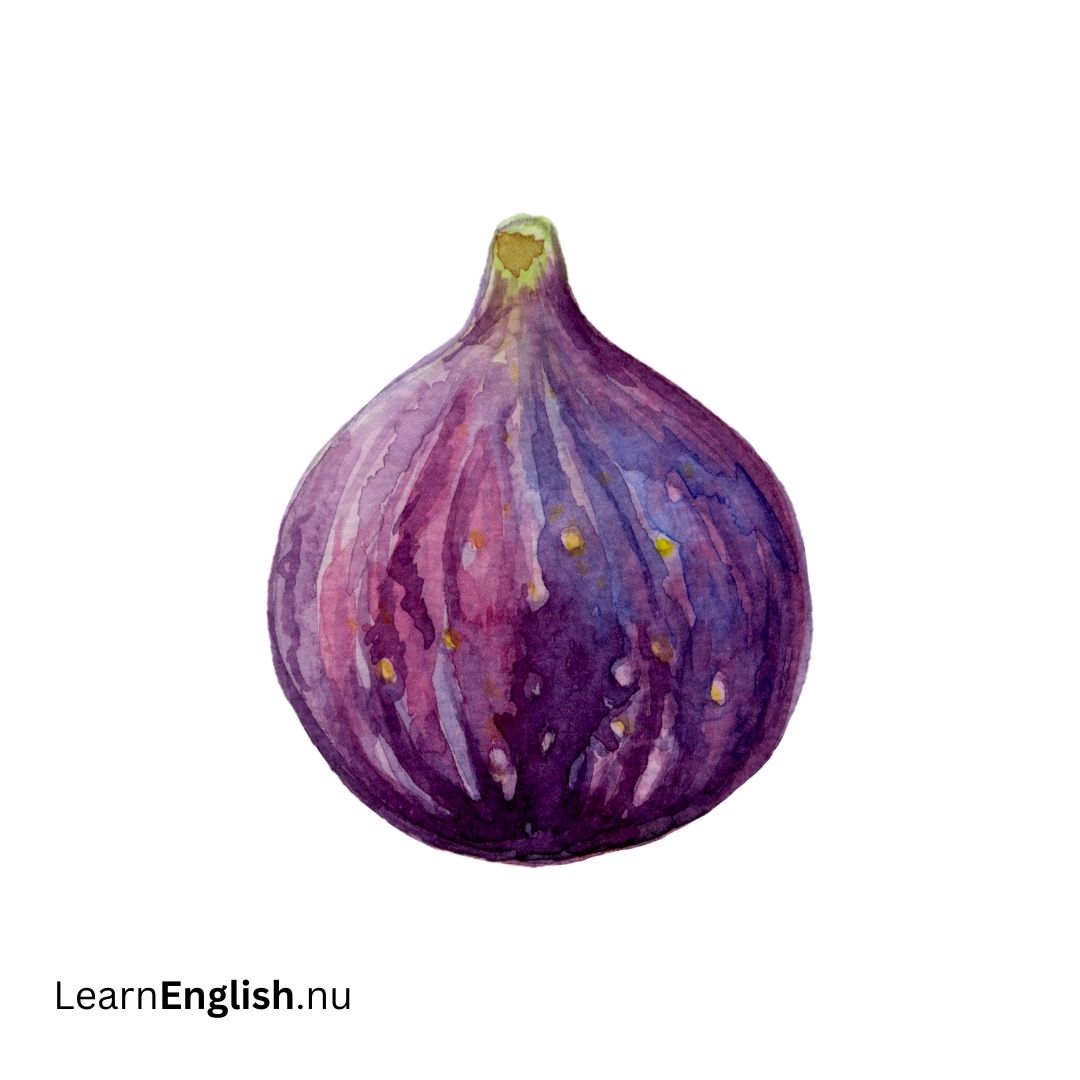 Fikon
Fikon
Fig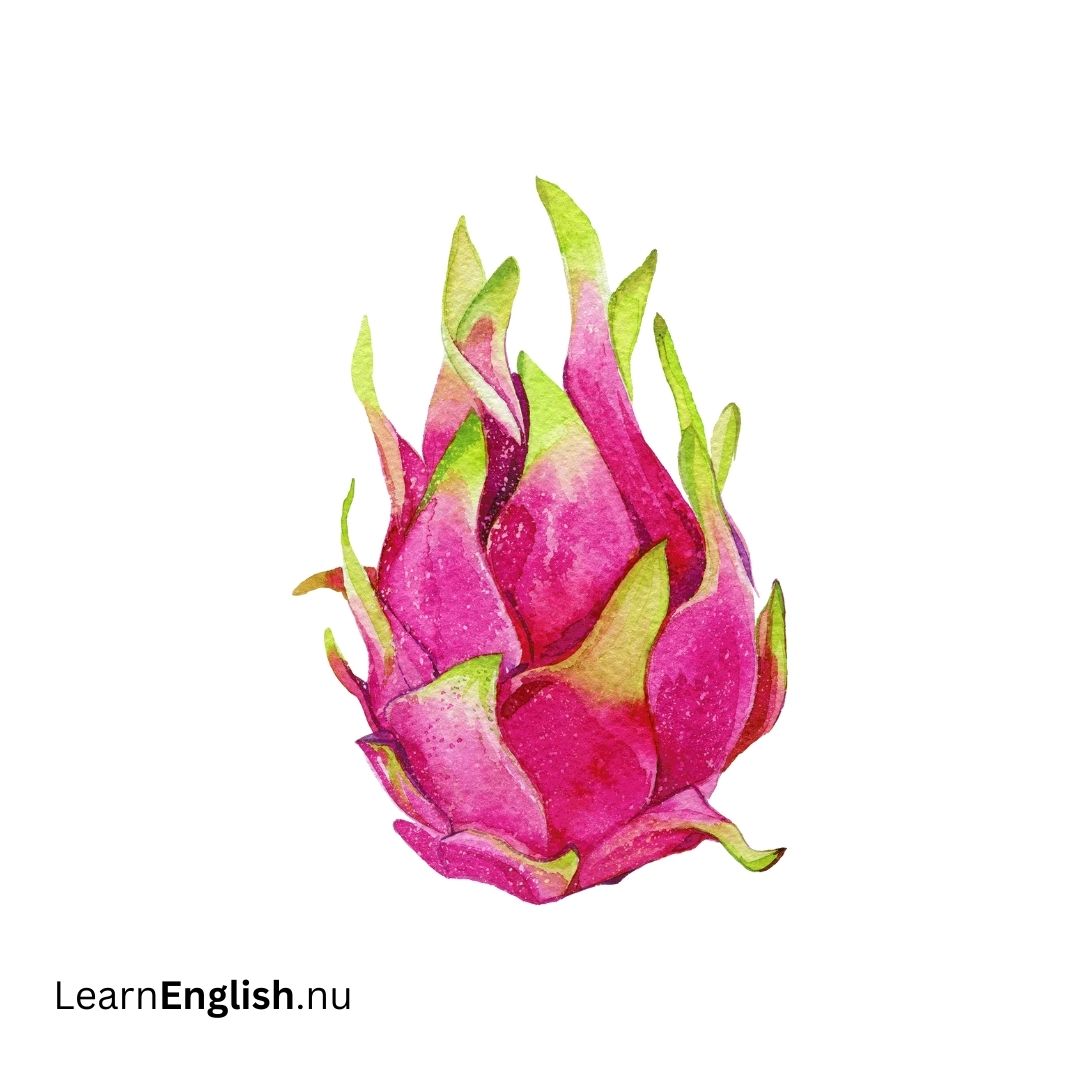 Drakfrukt
Dragon fruit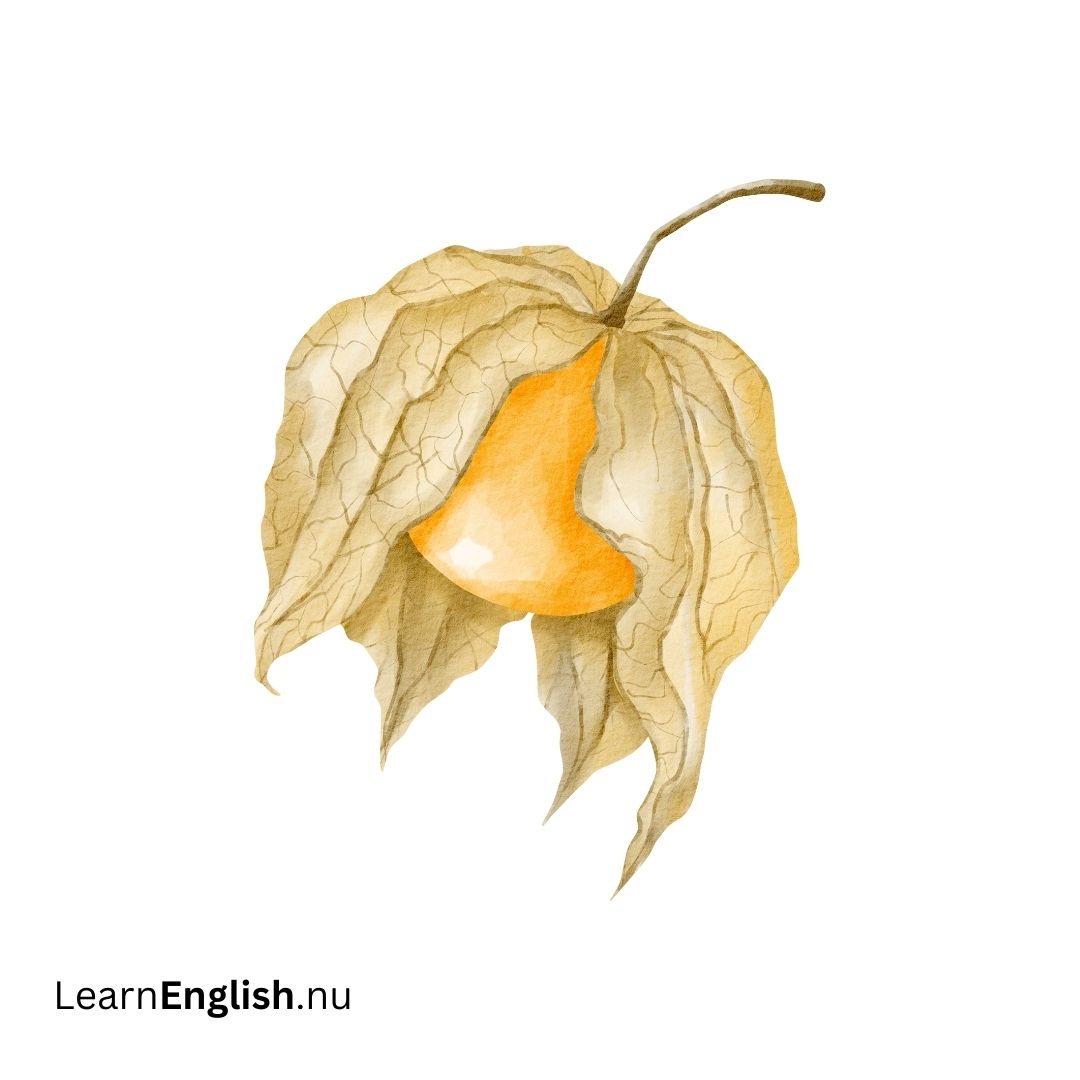 Krusbär
Gooseberry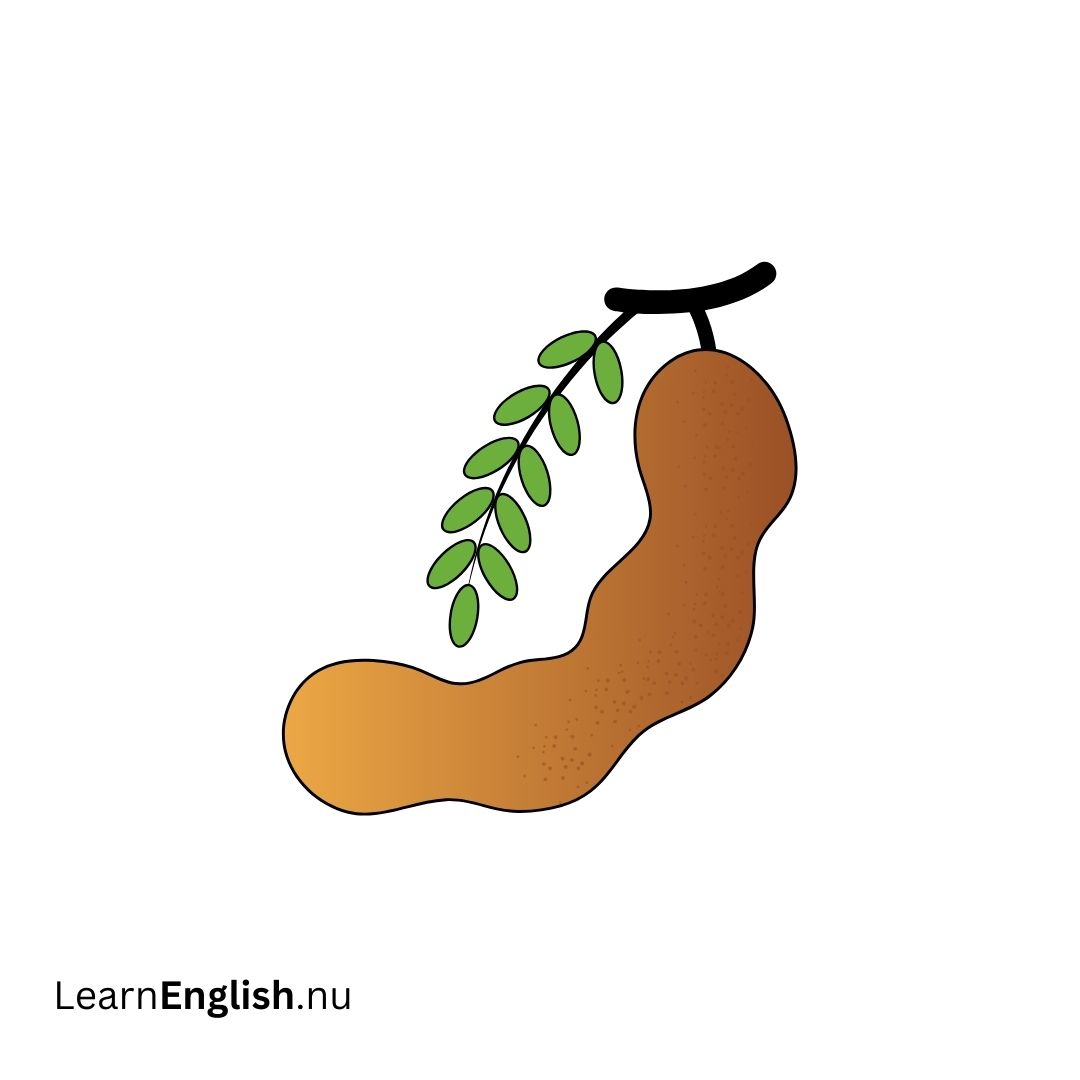 Tamarind
Tamarind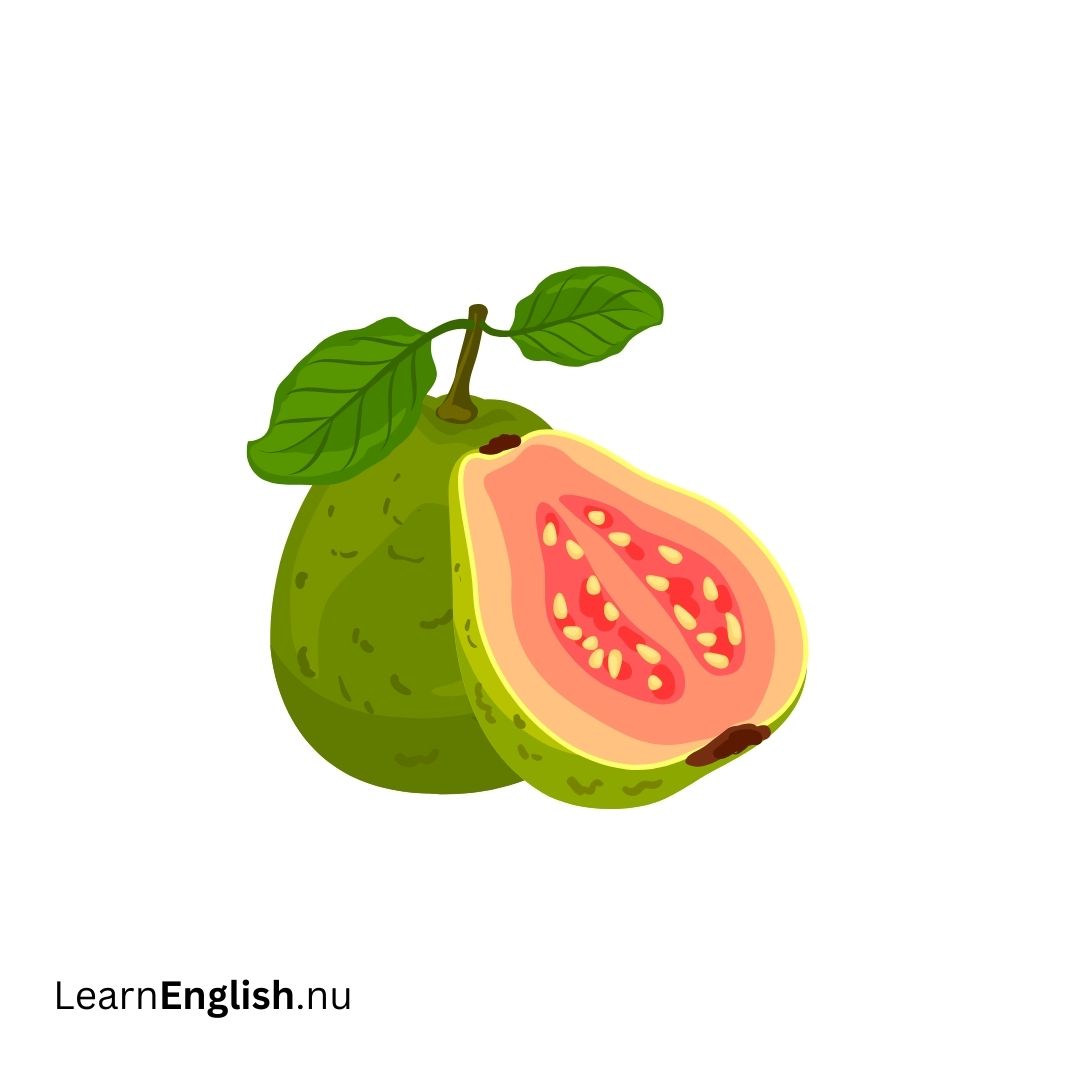 Guava
Guava
Guava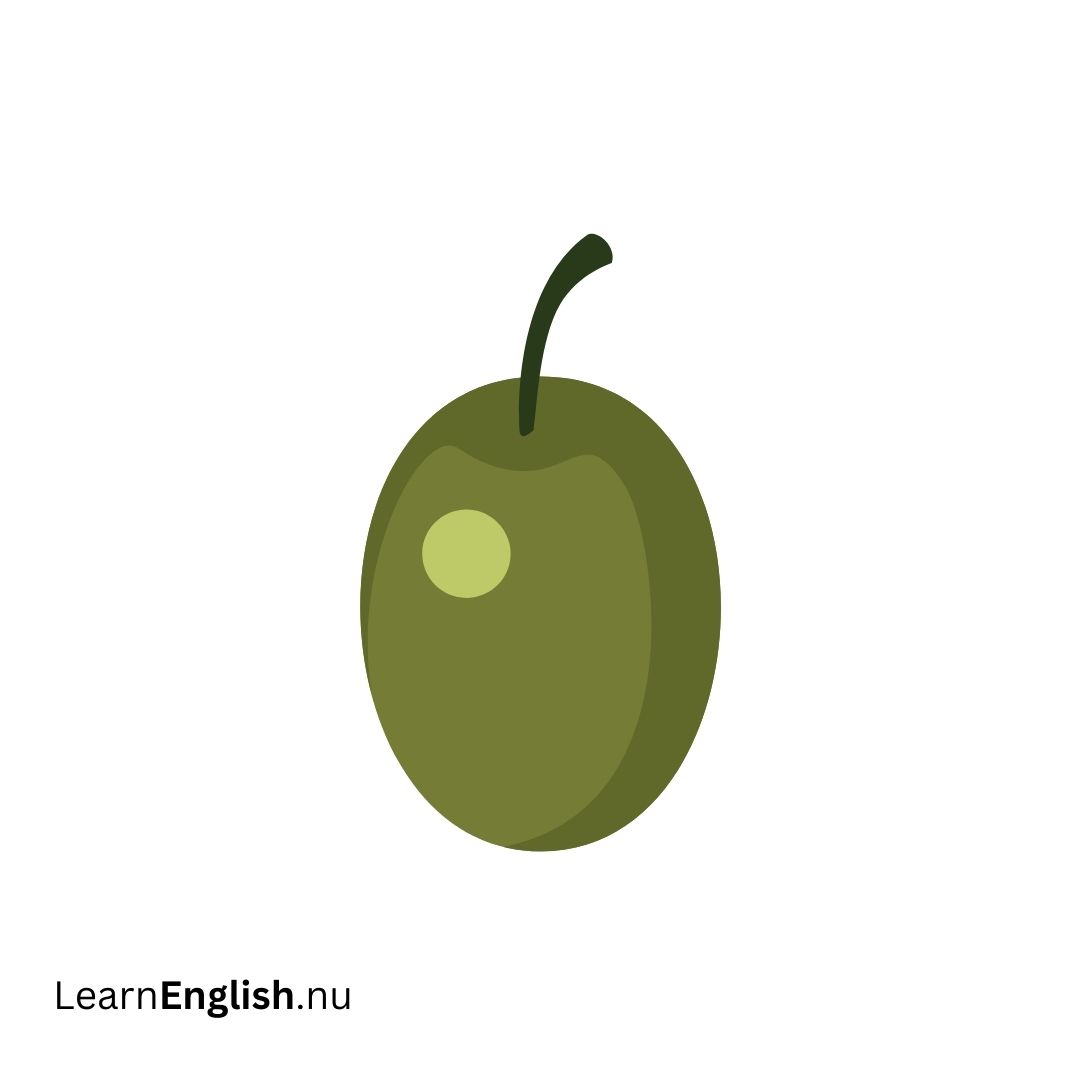 Oliver
Olives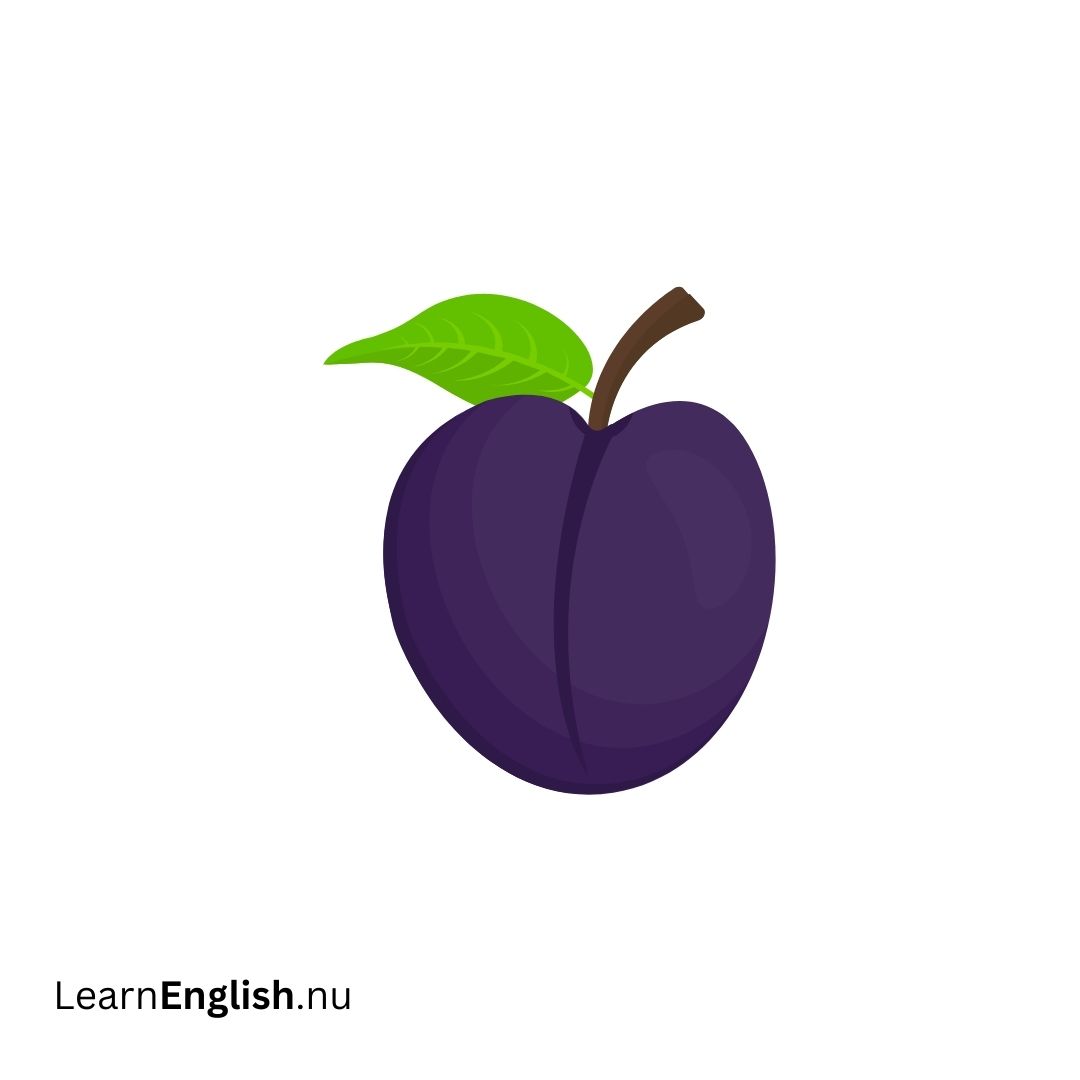 Jambul
Java Plum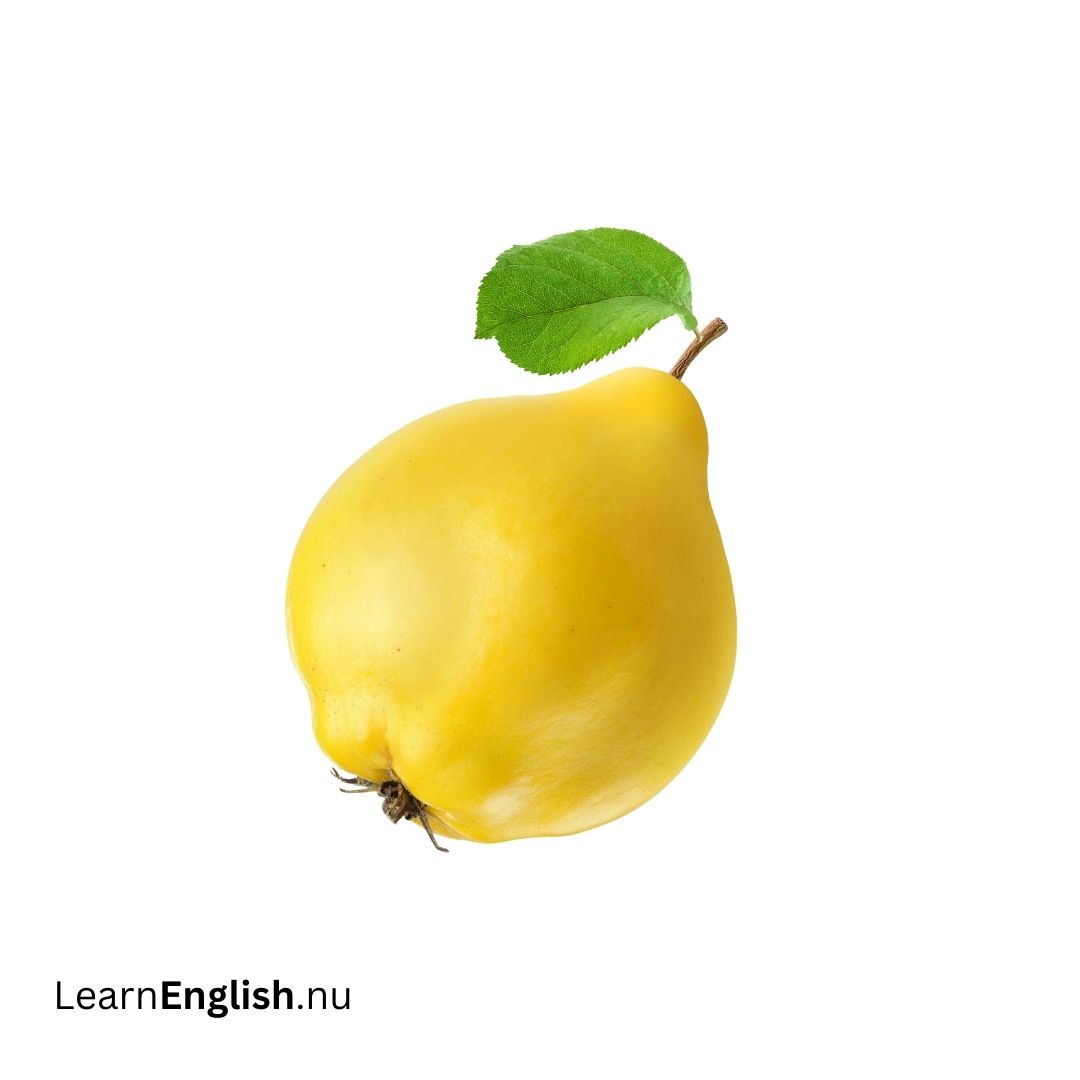 Kvitten
Quince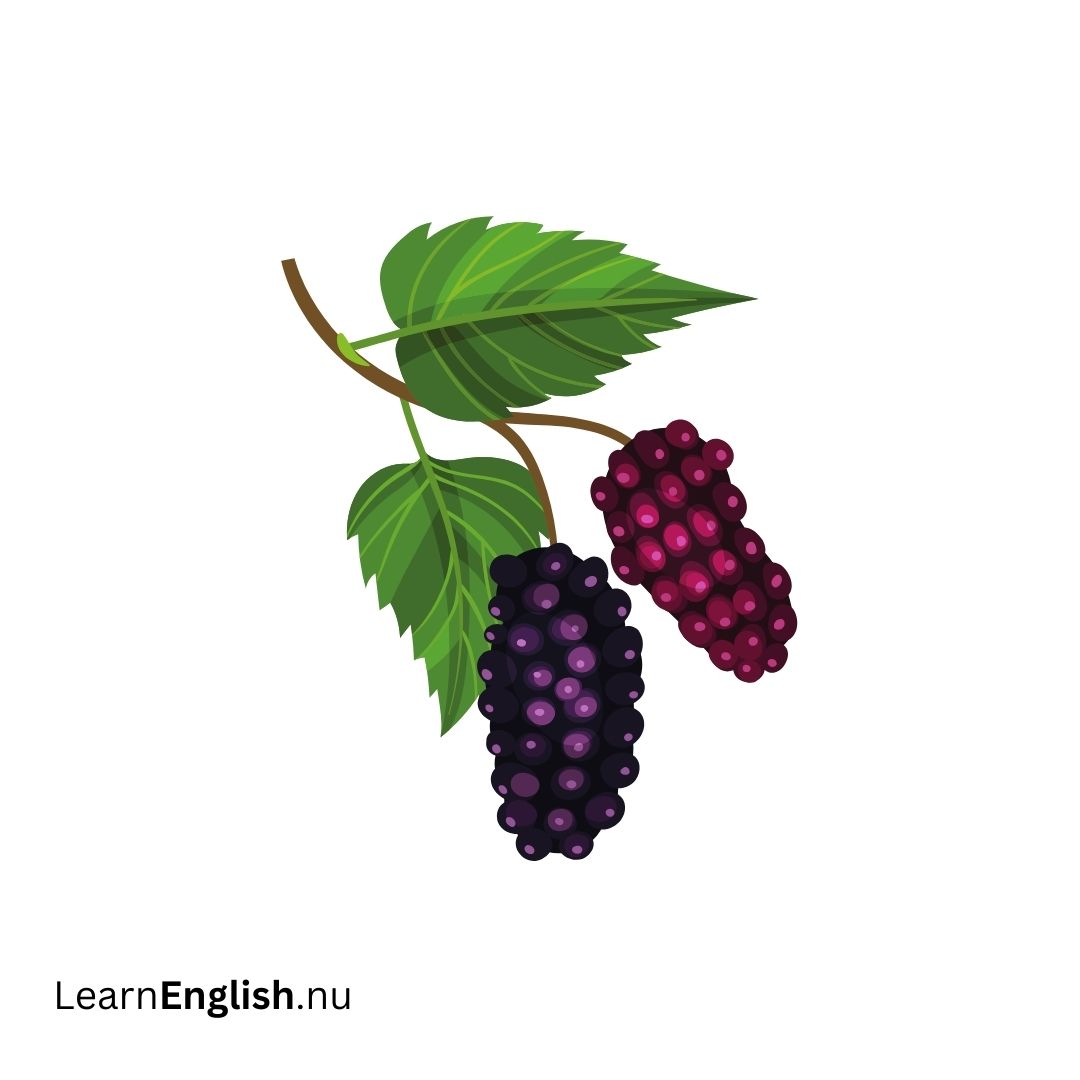 Mullbär
Mulberry
List of fruits in Swedish
- Avokado Avocado
- Äpple Apple
- Vattenmelon Watermelon
- Apelsin Orange
- Päron Pear
- Körsbär Cherry
- Jordgubbe Strawberry
- Nektarin Nectarine
- Druva Grape
- Mango Mango
- Blåbär Blueberry
- Granatäpple Pomegranate
- Stjärnfrukt Carambola
- Plommon Plum
- Banan Banana
- Hallon Raspberry
- Mandarin Mandarin
- Papaya Papaya
- Kiwi Kiwi
- Ananas Pineapple
- Lime Lime
- Citron Lemon
- Aprikos Apricot
- Grapefrukt Grapefruit
- Melon Melon
- Kokosnöt Coconut
- Persika Peach
- Björnbär Blackberry
- Svart vinbär Blackcurrant
- Fikon Fig
- Drakfrukt Dragon fruit
- Krusbär Gooseberry
- Tamarind Tamarind
- Guava Guava
- Oliver Olives
- Jambul Java Plum
- Kvitten Quince
- Mullbär Mulberry
Names of fruits in Swedish
- Äpple Apple
- Banan Banana
- Apelsin Orange
- Jordgubbe Strawberry
- Blåbär Blueberry
- Hallon Raspberry
- Björnbär Blackberry
- Vindruva Grape
- Päron Pear
- Plommon Plum
- Körsbär Cherry
- Persika Peach
- Nektarin Nectarine
- Kiwi Kiwi
- Ananas Pineapple
- Mango Mango
- Papaya Papaya
- Melon Melon
- Vattenmelon Watermelon
- Citron Lemon
- Lime Lime
- Granatäpple Pomegranate
- Fikon Fig
- Dadlar Dates
- Kokosnöt Coconut
- Avokado Avocado
- Passionsfrukt Passion Fruit
- Stjärnfrukt Starfruit
- Guava Guava
- Litchi Lychee
- Cantaloupemelon Cantaloupe
- Röd Vinbär Red Currant
- Svart Vinbär Black Currant
- Krusbär Gooseberry
- Tranbär Cranberry
- Physalis Physalis
- Kumquat Kumquat
- Durian Durian
- Rambutan Rambutan
- Kaki Persimmon
- Mangostan Mangosteen
- Pitahaya Dragon Fruit
- Soursop Soursop
- Sapodilla Sapodilla
- Cherimoya Cherimoya
- Quince Quince
- Tamarind Tamarind
- Pomelo Pomelo
- Clementin Clementine
- Satsumas Satsuma
- Mandarin Mandarin
- Päronkaktus Prickly Pear
- Loquat Loquat
- Medlar Medlar
- Ugli Frukt Ugli Fruit
- Salak Snake Fruit
- Jabuticaba Jabuticaba
- Ackee Ackee
- Bael Bael
- Bilberry Bilberry
- Buddha's Hand Buddha's Hand
- Cloudberry Cloudberry
- Finger Lime Finger Lime
- Huckleberry Huckleberry
- Jackfruit Jackfruit
- Langsat Langsat
- Miracle Fruit Miracle Fruit
- Santol Santol
- Yuzu Yuzu
- Ziziphus Jujube
- Gooseberry Gooseberry
- Custard Apple Custard Apple
- Stenfrukt Stone Fruit
- Äpple (Gröna) Green Apple
- Äpple (Röda) Red Apple
- Apelsin (Navel) Navel Orange
- Apelsin (Blod) Blood Orange
- Citron (Grön) Green Lemon
- Citron (Gul) Yellow Lemon
- Kumquat (Kinesisk) Chinese Kumquat
- Guava (Vit) White Guava
- Guava (Röd) Red Guava
- Mangostan (Thailändsk) Thai Mangosteen
- Rambutan (Fiji) Fiji Rambutan
- Persika (Vita) White Peach
- Persika (Gula) Yellow Peach
- Plommon (Blå) Blue Plum
- Plommon (Röd) Red Plum
- Päron (Grön) Green Pear
- Päron (Röd) Red Pear
- Aprikos (Svensk) Swedish Apricot
- Aprikos (Kinesisk) Chinese Apricot
- Fikon (Svensk) Swedish Fig
- Fikon (Fransk) French Fig
- Banan (Gul) Yellow Banana
- Banan (Grön) Green Banana
- Blåbär (Svensk) Swedish Blueberry
- Blåbär (Amerikansk) American Blueberry
- Hallon (Röda) Red Raspberry
- Hallon (Svarta) Black Raspberry
- Björnbär (Amerikanska) American Blackberry
- Björnbär (Europeiska) European Blackberry
- Vattenmelon (Röd) Red Watermelon
- Vattenmelon (Gul) Yellow Watermelon
- Granatäpple (Vanlig) Common Pomegranate
- Granatäpple (Syrisk) Syrian Pomegranate
- Fikon (Svart) Black Fig
- Guava (Grön) Green Guava
- Persika (Röd) Red Peach
- Plommon (Röd) Red Plum
- Äpple (Gröna) Green Apple
- Citron (Röda) Red Lemon
- Grapefrukt (Röd) Red Grapefruit
- Grapefrukt (Vit) White Grapefruit
- Pomelo (Röd) Red Pomelo
- Pomelo (Grön) Green Pomelo
- Melon (Gul) Yellow Melon
- Melon (Grön) Green Melon
- Kiwi (Grön) Green Kiwi
- Kiwi (Guld) Gold Kiwi
- Avokado (Grön) Green Avocado
- Avokado (Brun) Brown Avocado
- Passionfrukt (Vanlig) Common Passion Fruit
- Passionfrukt (Röd) Red Passion Fruit
- Cantaloupemelon (Svensk) Swedish Cantaloupe
- Cantaloupemelon (Gul) Yellow Cantaloupe
Fruit in Swedish
Whether you're shopping at a market or discussing your favorite foods, knowing the names of fruits in Swedish can be very useful. This guide will help you learn and remember common fruits in Swedish, complete with their pronunciations to aid in speaking.
Common Fruits in Swedish
Here is a list of common fruits with their Swedish names, pronunciations, and English translations.
| English | Swedish | Pronunciation |
|---|---|---|
| Apple | Äpple | EH-pluh |
| Banana | Banan | bah-NAHN |
| Orange | Apelsin | ah-pel-SEEN |
| Pear | Päron | PEH-ron |
| Strawberry | Jordgubbe | YORD-goo-beh |
| Blueberry | Blåbär | BLOH-bahr |
| Raspberry | Hallon | HAHL-lon |
| Cherry | Körsbär | SHOER-bahr |
| Watermelon | Vattenmelon | VAHT-ten-meh-lon |
| Peach | Persika | PAIR-si-ka |
| Plum | Plommon | PLOM-mon |
| Apricot | Aprikos | AH-pri-koos |
| Grapes | Vindruvor | VEEN-droo-vor |
| Pineapple | Ananas | AH-na-nas |
| Mango | Mango | MANG-go |
| Lemon | Citron | si-TROHN |
| Lime | Lime | LEE-me |
| Kiwi | Kiwi | KEE-vee |
| Pomegranate | Granatäpple | grah-NAHT-eh-pluh |
| Fig | Fikon | FEE-kon |
| Papaya | Papaya | pah-PAH-yah |
| Guava | Guava | GWAH-va |
| Passion Fruit | Passionsfrukt | pah-SYONS-frookt |
Usage in Sentences
Here are some example sentences using these fruits:
- Apple: Jag äter ett äpple varje dag. – I eat an apple every day.
- Banana: Hon köpte en banan. – She bought a banana.
- Orange: Apelsiner är goda och nyttiga. – Oranges are tasty and healthy.
- Pear: Päron är en av mina favoritfrukter. – Pears are one of my favorite fruits.
- Strawberry: Jordgubbar är söta och saftiga. – Strawberries are sweet and juicy.
- Blueberry: Vi plockade blåbär i skogen. – We picked blueberries in the forest.
- Raspberry: Hallon växer vilt här. – Raspberries grow wild here.
- Cherry: Barnen älskar körsbär. – The children love cherries.
- Watermelon: Vattenmelon är perfekt på sommaren. – Watermelon is perfect in summer.
- Peach: Persikor är mogna nu. – Peaches are ripe now.
- Plum: Plommon är bra i pajer. – Plums are good in pies.
- Apricot: Jag tycker om aprikoser i sallader. – I like apricots in salads.
- Grapes: Vindruvor är ett bra mellanmål. – Grapes are a great snack.
- Pineapple: Ananas är god i smoothies. – Pineapple is good in smoothies.
- Mango: Mango är min favoritfrukt. – Mango is my favorite fruit.
- Lemon: Citroner är sura men uppfriskande. – Lemons are sour but refreshing.
- Lime: Lime är bra i drinkar. – Lime is good in drinks.
- Kiwi: Kiwifrukter är små men näringsrika. – Kiwis are small but nutritious.
- Pomegranate: Granatäpplen är bra för hälsan. – Pomegranates are good for health.
- Fig: Fikon är läckra och näringsrika. – Figs are delicious and nutritious.
- Papaya: Papaya är perfekt i fruktsallad. – Papaya is perfect in fruit salad.
- Guava: Guava är söt och saftig. – Guava is sweet and juicy.
- Passion Fruit: Passionsfrukt har en unik smak. – Passion fruit has a unique taste.
Summer Fruits in Swedish
Learning the names of summer fruits in Swedish can be a delightful and practical way to expand your vocabulary. In this tutorial, we will explore common summer fruits, providing their Swedish names along with their pronunciations and English translations.
Introduction to Summer Fruits
Summer is a season of abundance, with many delicious fruits available. Knowing the names of these fruits in Swedish will not only help you in daily conversations but also enhance your language skills. Let's dive into some common summer fruits and how to say them in Swedish.
Common Summer Fruits in Swedish
Here is a list of common summer fruits with their Swedish names, pronunciations, and English translations.
| English | Swedish | Pronunciation |
|---|---|---|
| Strawberry | Jordgubbe | YORD-goo-beh |
| Blueberry | Blåbär | BLOH-bahr |
| Raspberry | Hallon | HAHL-lon |
| Cherry | Körsbär | SHOER-bahr |
| Watermelon | Vattenmelon | VAHT-ten-meh-lon |
| Peach | Persika | PAIR-si-ka |
| Plum | Plommon | PLOM-mon |
| Apricot | Aprikos | AH-pri-koos |
| Grapes | Vindruvor | VEEN-droo-vor |
Usage in Sentences
Here are some example sentences using these summer fruits:
- Strawberry: Jag älskar jordgubbar. – I love strawberries.
- Blueberry: Vi plockade blåbär i skogen. – We picked blueberries in the forest.
- Raspberry: Hon köpte hallon på marknaden. – She bought raspberries at the market.
- Cherry: Barnen åt körsbär från trädet. – The children ate cherries from the tree.
- Watermelon: Vi åt vattenmelon på stranden. – We ate watermelon on the beach.
- Peach: En persika är en god sommarsnack. – A peach is a tasty summer snack.
- Plum: Plommon är mogna nu. – Plums are ripe now.
- Apricot: Jag tycker om aprikoser i sallader. – I like apricots in salads.
- Grapes: Vindruvorna är söta och saftiga. – The grapes are sweet and juicy.
Winter Fruits in Swedish
Learning the names of winter fruits in Swedish is a practical way to expand your vocabulary and improve your language skills. This tutorial will introduce you to common winter fruits, providing their Swedish names, pronunciations, and English translations.
Introduction to Winter Fruits
Winter brings a variety of fruits that are perfect for the season. Knowing how to name these fruits in Swedish can be useful in everyday conversations and enhance your overall understanding of the language. Let's explore some common winter fruits in Swedish.
Common Winter Fruits in Swedish
Here is a list of common winter fruits with their Swedish names, pronunciations, and English translations.
| English | Swedish | Pronunciation |
|---|---|---|
| Apple | Äpple | EH-pluh |
| Orange | Apelsin | ah-pel-SEEN |
| Pear | Päron | PEH-ron |
| Pomegranate | Granatäpple | grah-NAHT-eh-pluh |
| Kiwi | Kiwi | KEE-vee |
| Persimmon | Kaki | KAH-kee |
| Grapefruit | Grapefrukt | GREYP-frookt |
| Clementine | Clementin | kleh-men-TEEN |
| Date | Dadel | DAH-del |
Usage in Sentences
Here are some example sentences using these winter fruits:
- Apple: Jag äter ett äpple om dagen. – I eat an apple a day.
- Orange: Apelsiner är fulla av vitamin C. – Oranges are full of vitamin C.
- Pear: Päron är mogna och söta på vintern. – Pears are ripe and sweet in winter.
- Pomegranate: Granatäpplen är bra för hälsan. – Pomegranates are good for health.
- Kiwi: Kiwifrukter är små men näringsrika. – Kiwis are small but nutritious.
- Persimmon: Kaki är en vinterfrukt jag gillar. – Persimmon is a winter fruit I like.
- Grapefruit: Jag äter grapefrukt till frukost. – I eat grapefruit for breakfast.
- Clementine: Clementiner är lätta att skala. – Clementines are easy to peel.
- Date: Dadlar är söta och mättande. – Dates are sweet and filling.
Singular and Plural Nouns in Swedish
Swedish, a North Germanic language spoken primarily in Sweden and parts of Finland, has distinct grammatical features, particularly in noun forms. Understanding singular and plural nouns is crucial for new learners. This tutorial will guide you through the basics, using "äpple" (apple) as an example.
Singular and Plural Forms: The Basics
In Swedish, nouns are divided into common gender (en words) and neuter gender (ett words). "Äpple" is a neuter noun, denoted by the article "ett." Forming the plural of neuter nouns like "äpple" involves general rules, though there are exceptions. Let’s explore these rules and some examples.
Singular and Plural Forms of Common Fruits
Understanding how to convert singular nouns to their plural forms in Swedish is key to expanding your vocabulary. Below is a table illustrating the singular and plural forms of various fruits:
| English | Singular (Swedish) | Plural (Swedish) |
|---|---|---|
| Apple | Ett äpple | Äpplen |
| Banana | En banan | Bananer |
| Orange | En apelsin | Apelsiner |
| Strawberry | En jordgubbe | Jordgubbar |
| Grape | En druva | Druvor |
| Lemon | En citron | Citroner |
| Cherry | Ett körsbär | Körsbär |
| Watermelon | En vattenmelon | Vattenmeloner |
| Peach | En persika | Persikor |
| Pear | Ett päron | Päron |
| Pineapple | En ananas | Ananaser |
| Blueberry | Ett blåbär | Blåbär |
Rules for Forming Plurals
Common Gender (en words): These typically add "-er" or "-ar" to form the plural.
- Example: En apelsin (an orange) becomes apelsiner (oranges).
Neuter Gender (ett words): Many neuter nouns add "-n" or remain the same in their plural form.
- Example: Ett äpple (an apple) becomes äpplen (apples).
Usage in Sentences:
- Singular: Jag har ett äpple. – I have an apple.
- Plural: Jag har flera äpplen. – I have several apples.
Plural Endings for Neuter Nouns
For many neuter nouns, the plural form is created by adding -n to the singular form. Here are a few examples:
| Singular | Plural |
|---|---|
| Ett hus (a house) | Husen (the houses) |
| Ett barn (a child) | Barnen (the children) |
While not all neuter nouns follow this pattern, many do, making it a useful rule to remember.
Indefinite and Definite Plurals
Swedish nouns have both indefinite and definite forms in both singular and plural.
| Form | Example | Translation |
|---|---|---|
| Indefinite Plural | Jag äter äpplen. | I eat apples. |
| Definite Plural | Jag äter äpplena på bordet. | I am eating the apples on the table. |
Practical Usage in Daily Conversations
Switching between singular and plural forms can be tricky in daily conversations. Here are some practical examples:
- Singular: Har du ett äpple? – Do you have an apple?
- Definite Plural: Kan du ge mig äpplena? – Can you give me the apples?
Common Mistakes to Avoid
A common mistake is using the wrong article or mixing up plural forms. Remembering the gender of the noun is crucial.
- Incorrect: En äpple
- Correct: Ett äpple
Expanding Vocabulary with Other Fruits
Practice with other fruits to solidify your understanding:
| Singular | Plural |
|---|---|
| En banan (a banana) | Bananer (bananas) |
Related Topics
Swedish Lessons: bedroom items list with pictures in Swedish
Swedish Lessons: Sea Animals - List of marine animals in Swedish
Swedish Electrical Appliances: Household Devices Word List
Swedish prepositions list - Swedish prepositions
Grocery shopping list words in Swedish - Learn Swedish
List of vegetables Grönsaker in Swedish
Toys name list in Swedish language with pictures
The Most Common Swedish Verbs - Swedish verbs list
Swedish Lessons: Swedish Food and Meals Vocabulary Words with Pronunciation
Basic Swedish words with pronunciation
Swedish Lessons: Swedish Drink Words Vocabulary Words
Swedish Lessons: Swedish Transportation Vocabulary And Phrases
Swedish Vocabulary: Swedish Occupations Jobs Professions Words
Office supplies - Office equipment words vocabulary in Swedish
Swedish emergency expressions , words and phrases
Swedish Vocabulary: Words and Phrases for Restaurant in Swedish
Communication vocabulary words in Swedish - Learn Swedish
Sports vocabulary words in Swedish - Learn Swedish
Swedish Lessons: Swedish tools and equipment Vocabulary Words
Swedish Lessons: Swedish utility room Vocabulary Words
Swedish Lessons: Action Verbs in Swedish
Swedish Lessons: Swedish cleaning tools Vocabulary Words
Swedish Lessons: Swedish Garden Vocabulary Words
Swedish Lessons: Swedish Bathroom Vocabulary Words
Swedish Lessons: Cooking Verbs in Swedish
Swedish Lessons: Swedish kitchen utensils Vocabulary Words
Swedish Lessons: Living room Vardagsrum Vocabulary Words