Shapes are fundamental to how we describe the world around us. Whether you're talking about objects in your home or famous landmarks, understanding the names of shapes is essential. Learning the vocabulary for shapes in Swedish not only helps you communicate more effectively but also deepens your understanding of the language. This guide will introduce you to the basic shape names in Swedish, complete with pronunciations and examples, making it easy to incorporate these words into your daily conversations.
Click on the text to hear the pronunciation
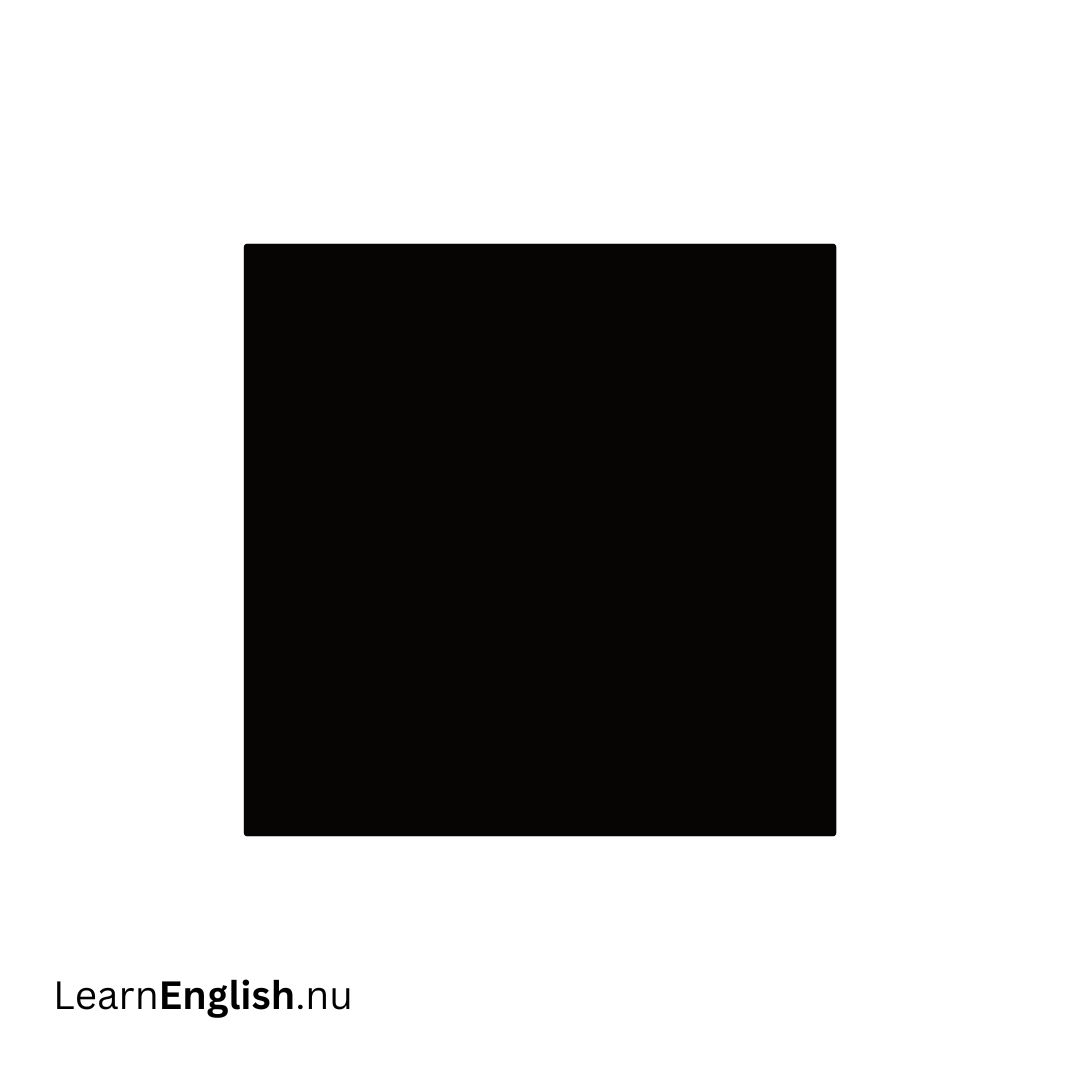 kvadrat
square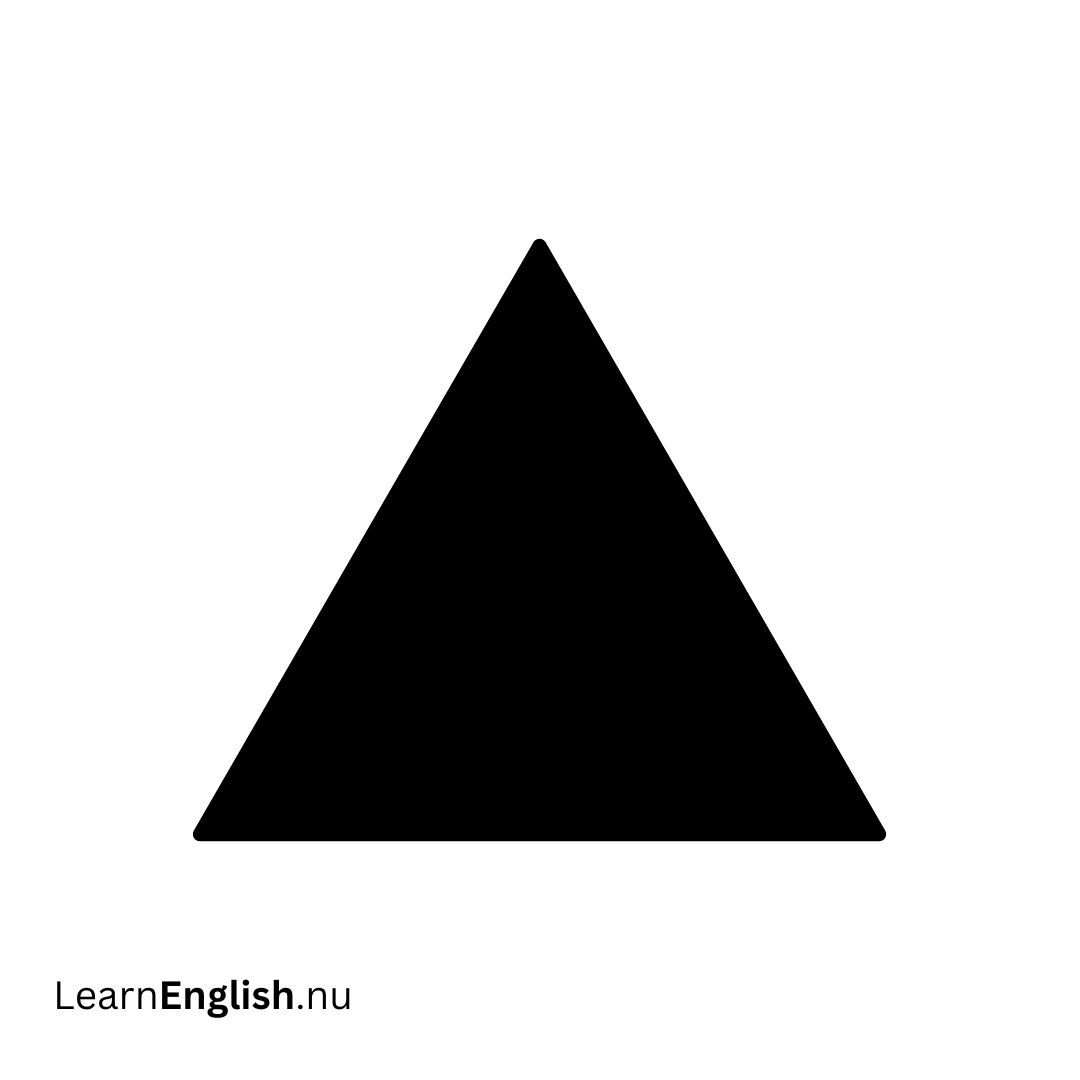 triangel
triangle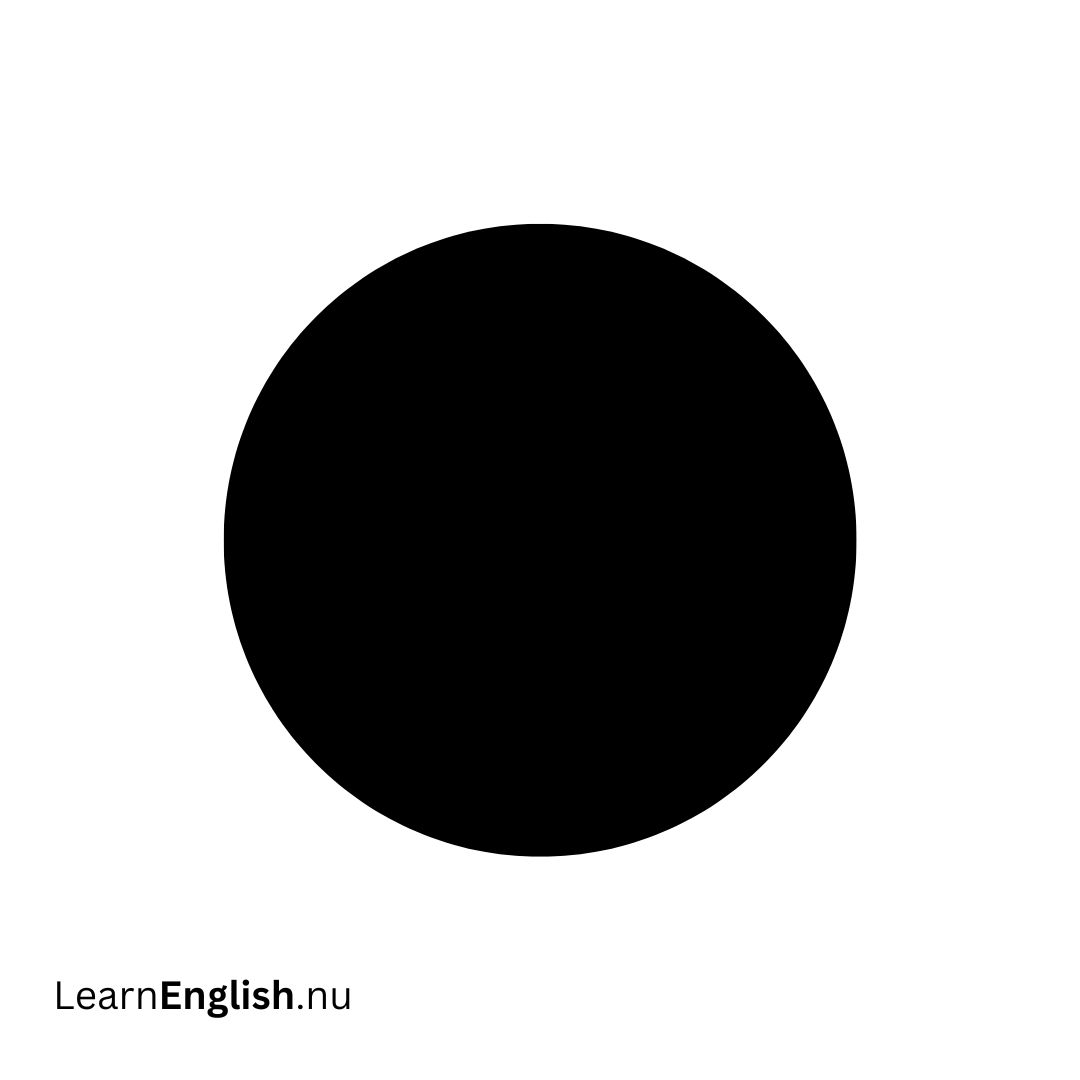 cirkel
circle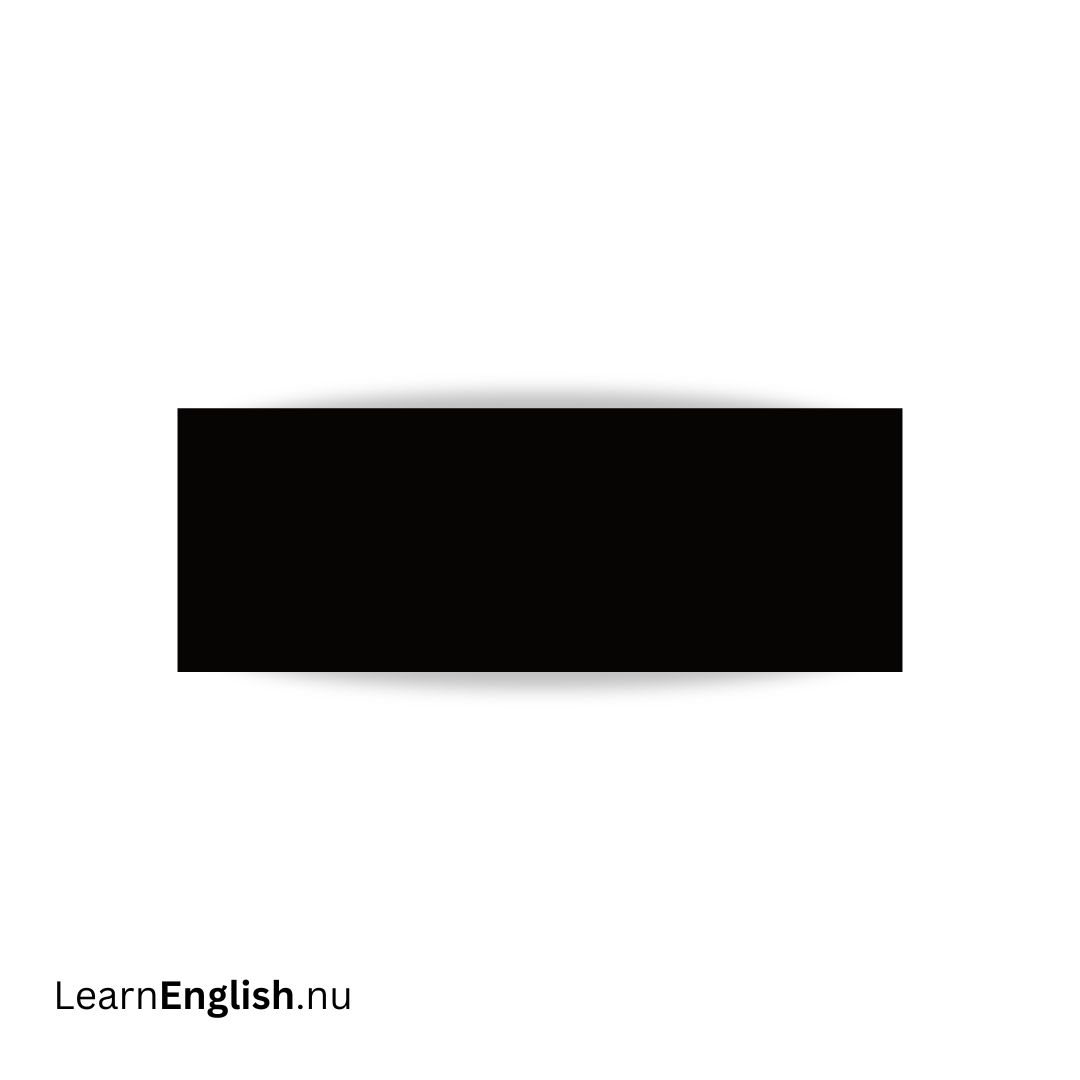 rektangel
rectangle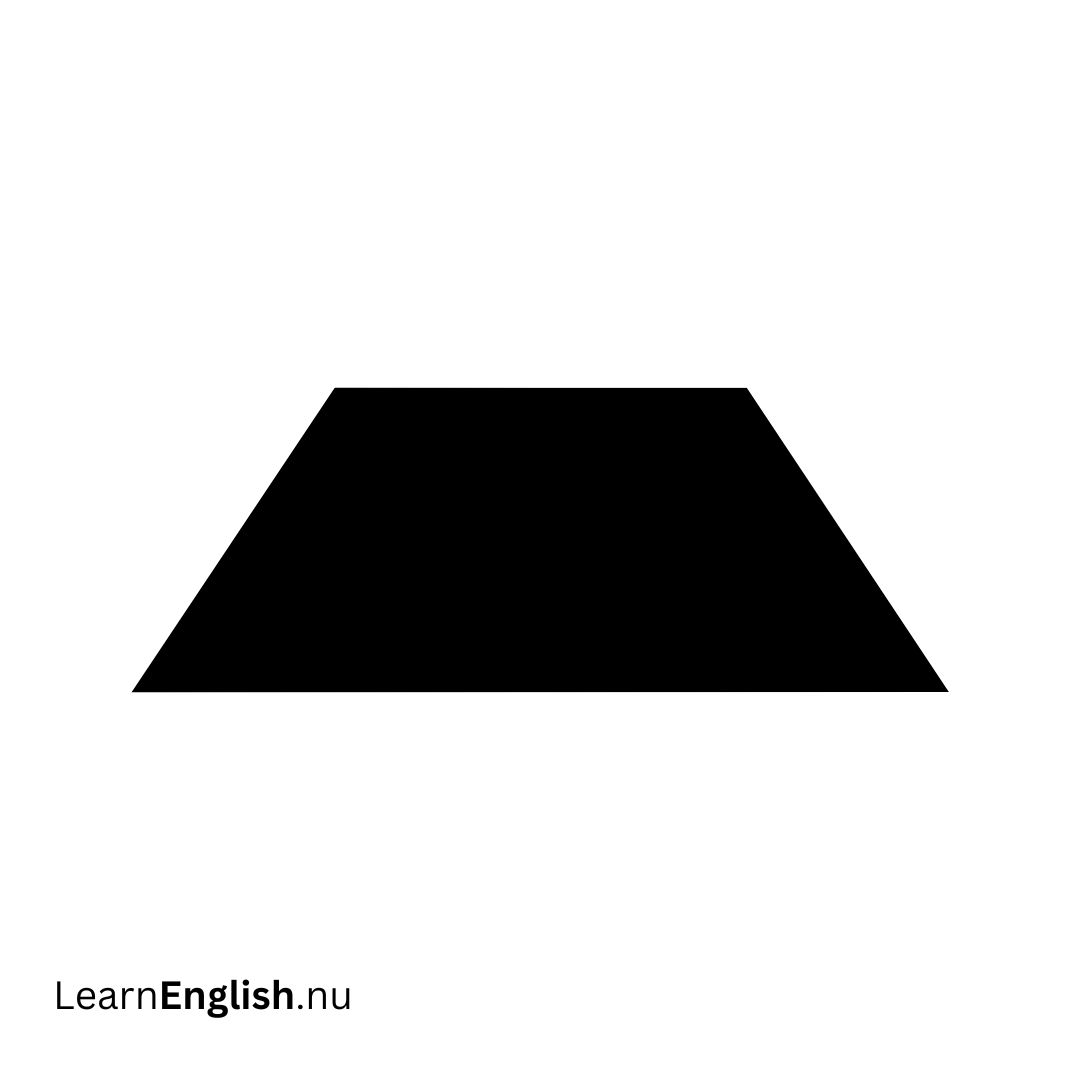 trapezoid
trapezoid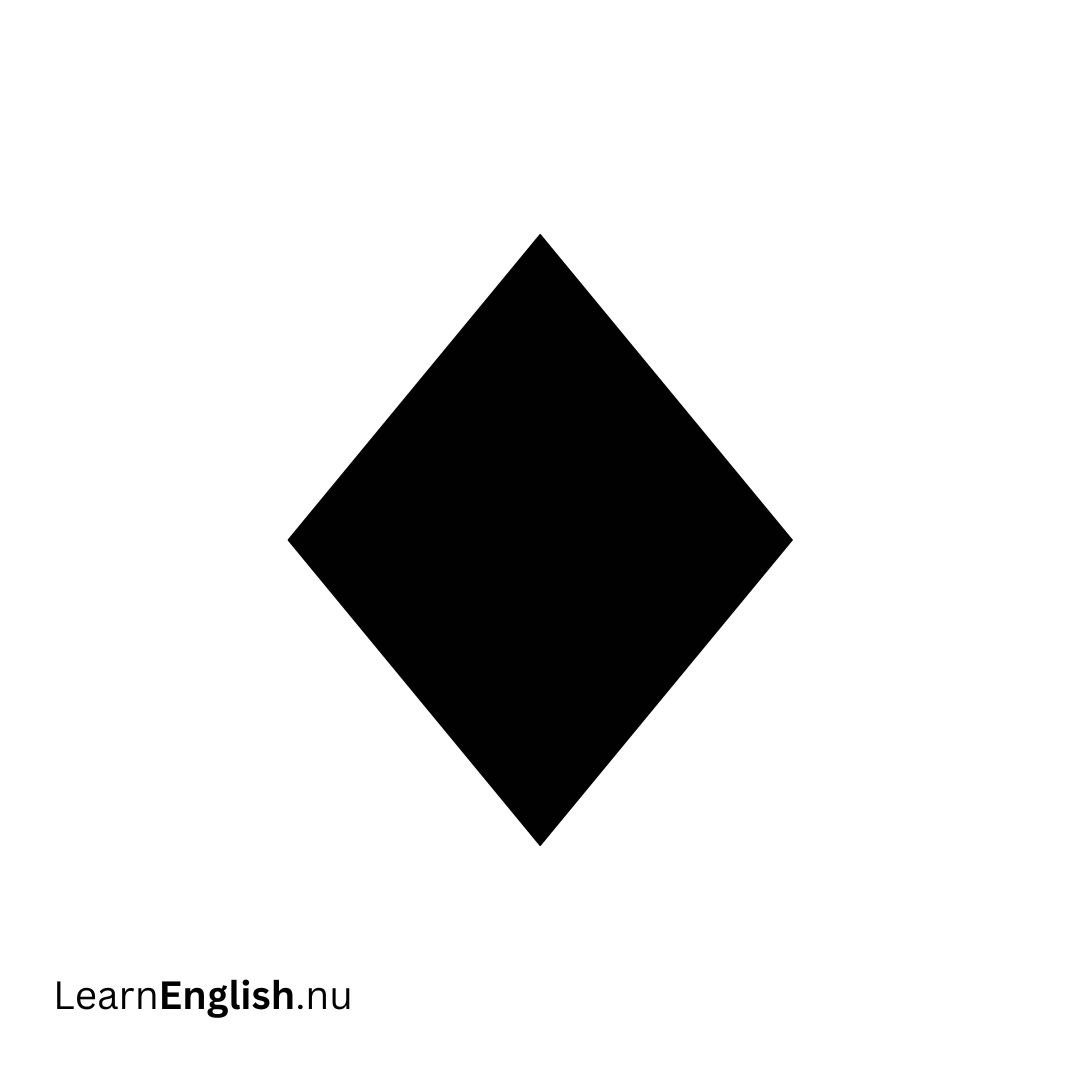 romb
romb
rhombus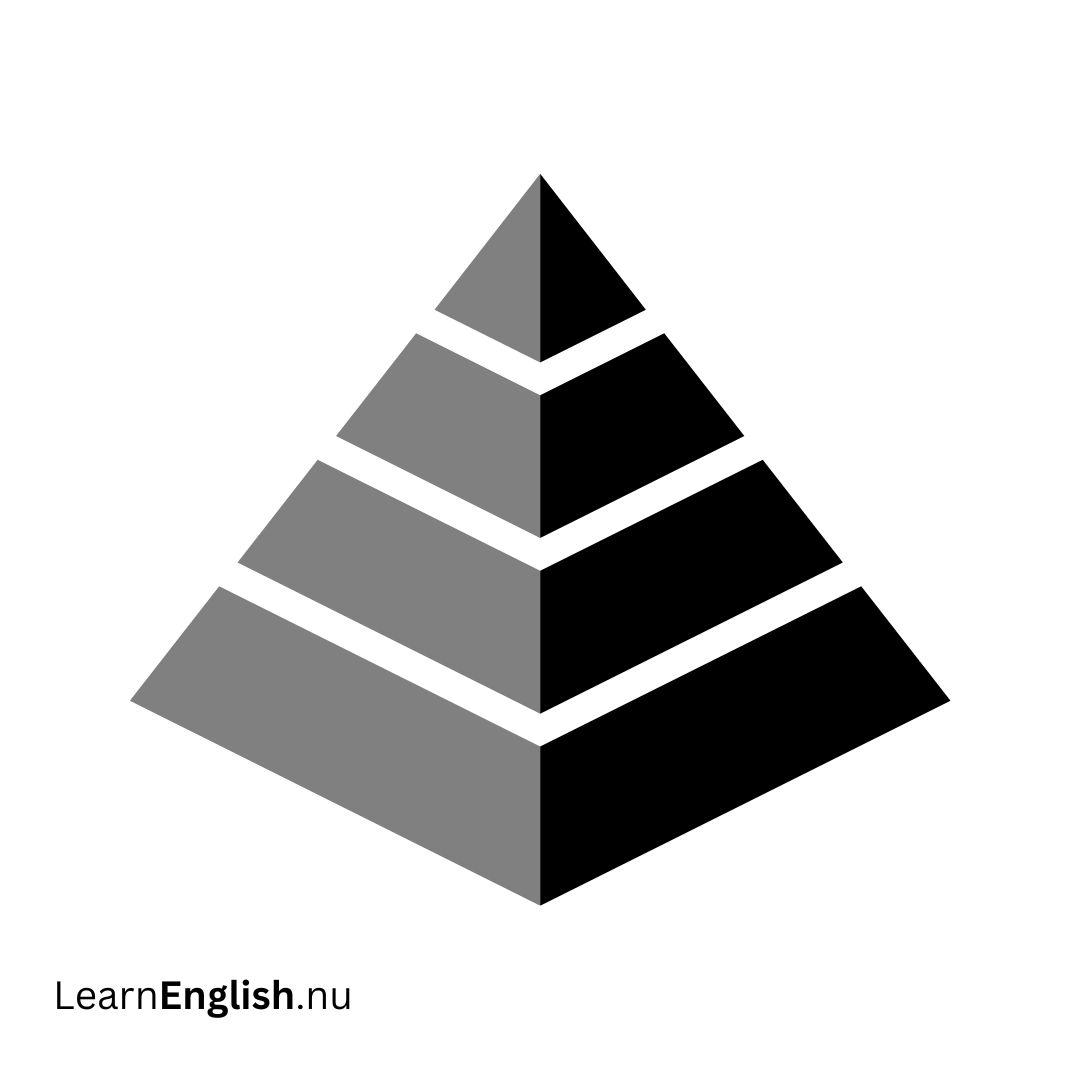 pyramid
pyramid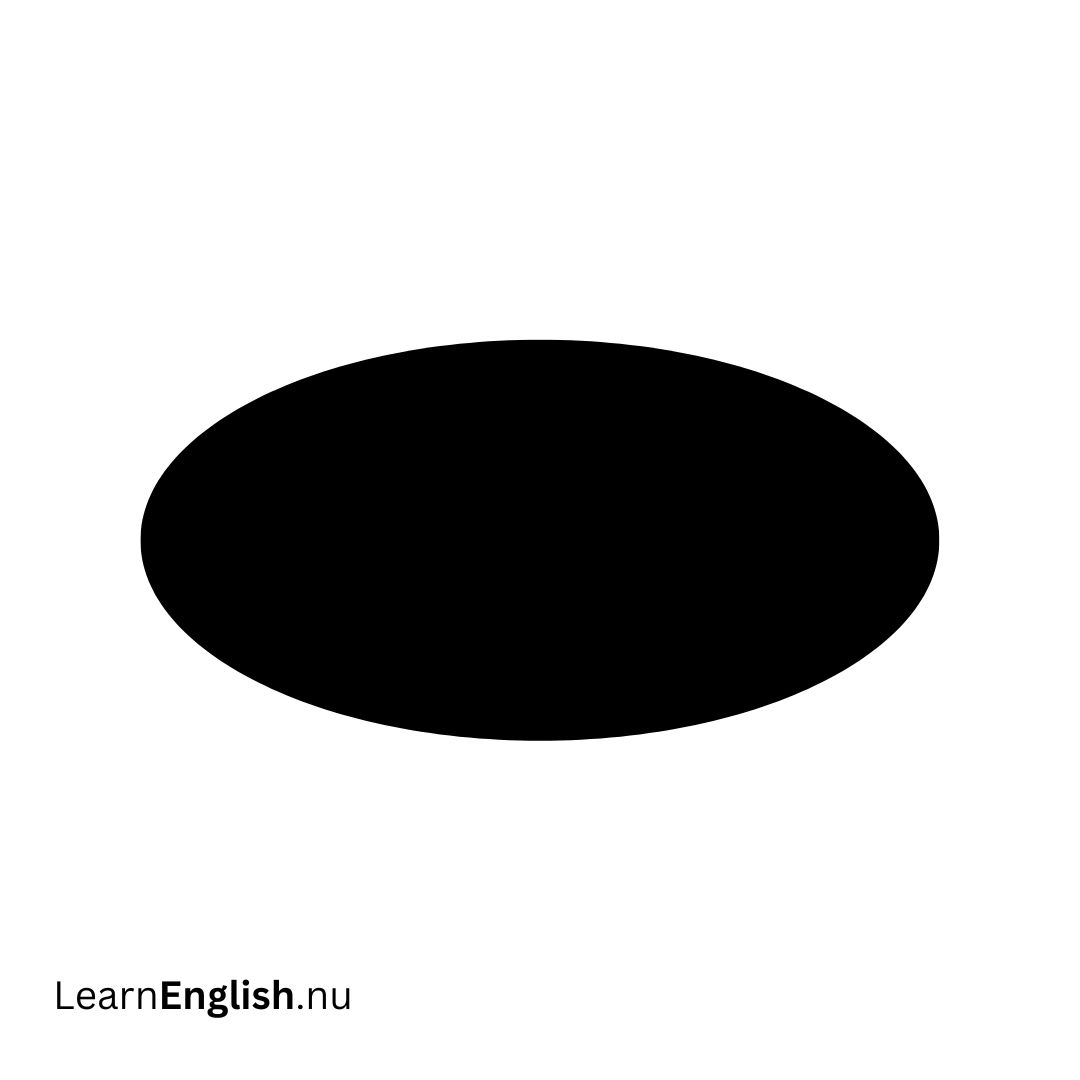 oval
oval
oval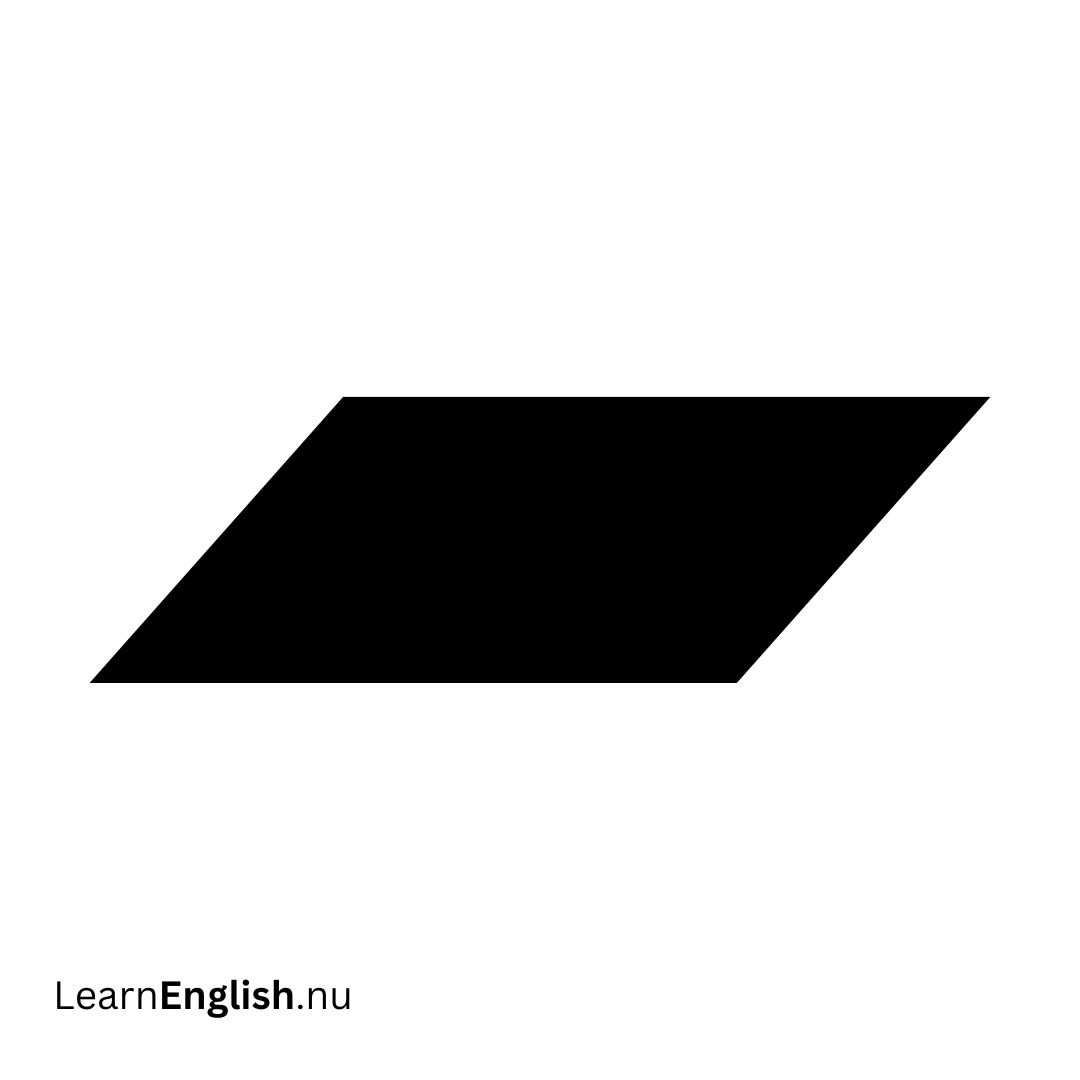 parallellogram
parallelogram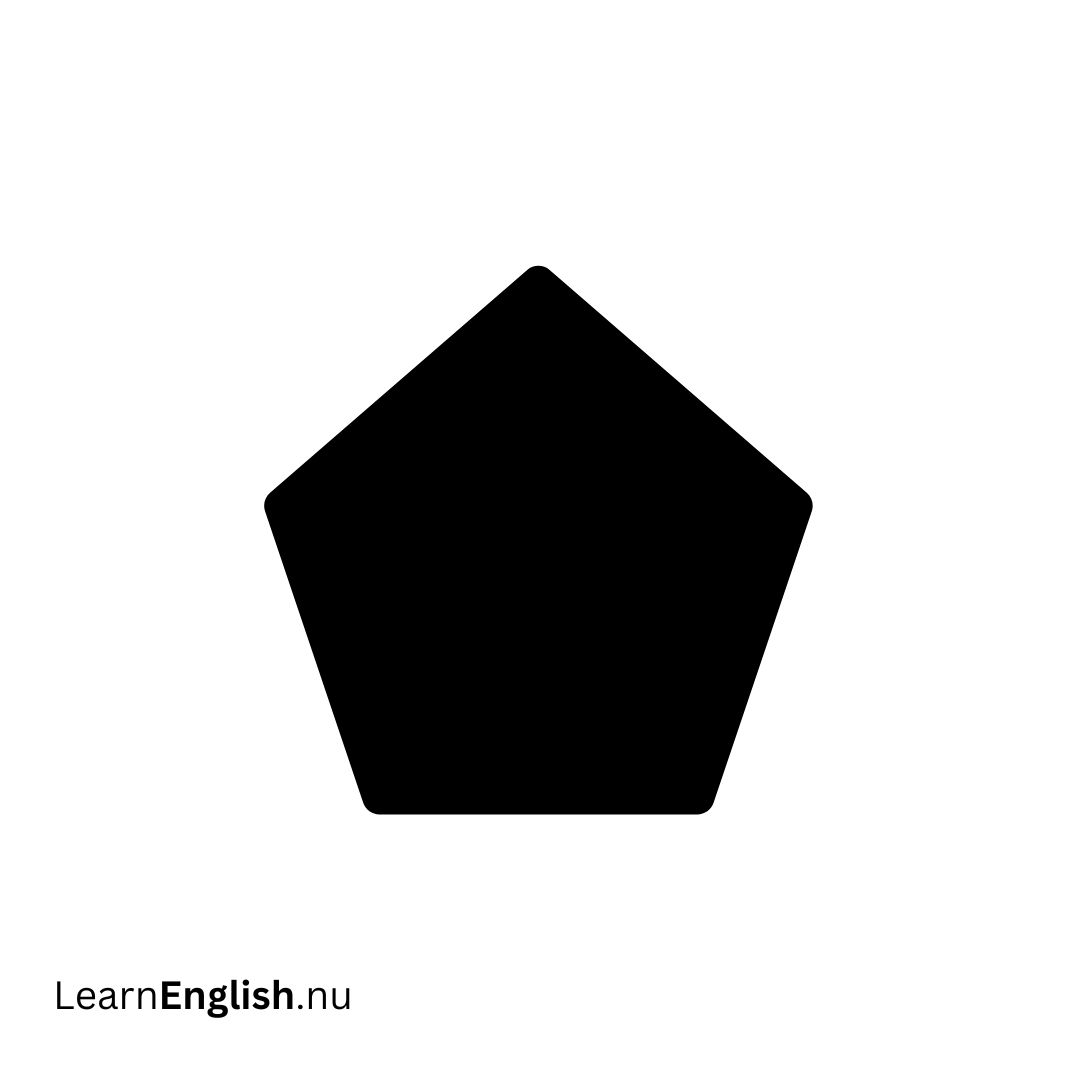 polygon
polygon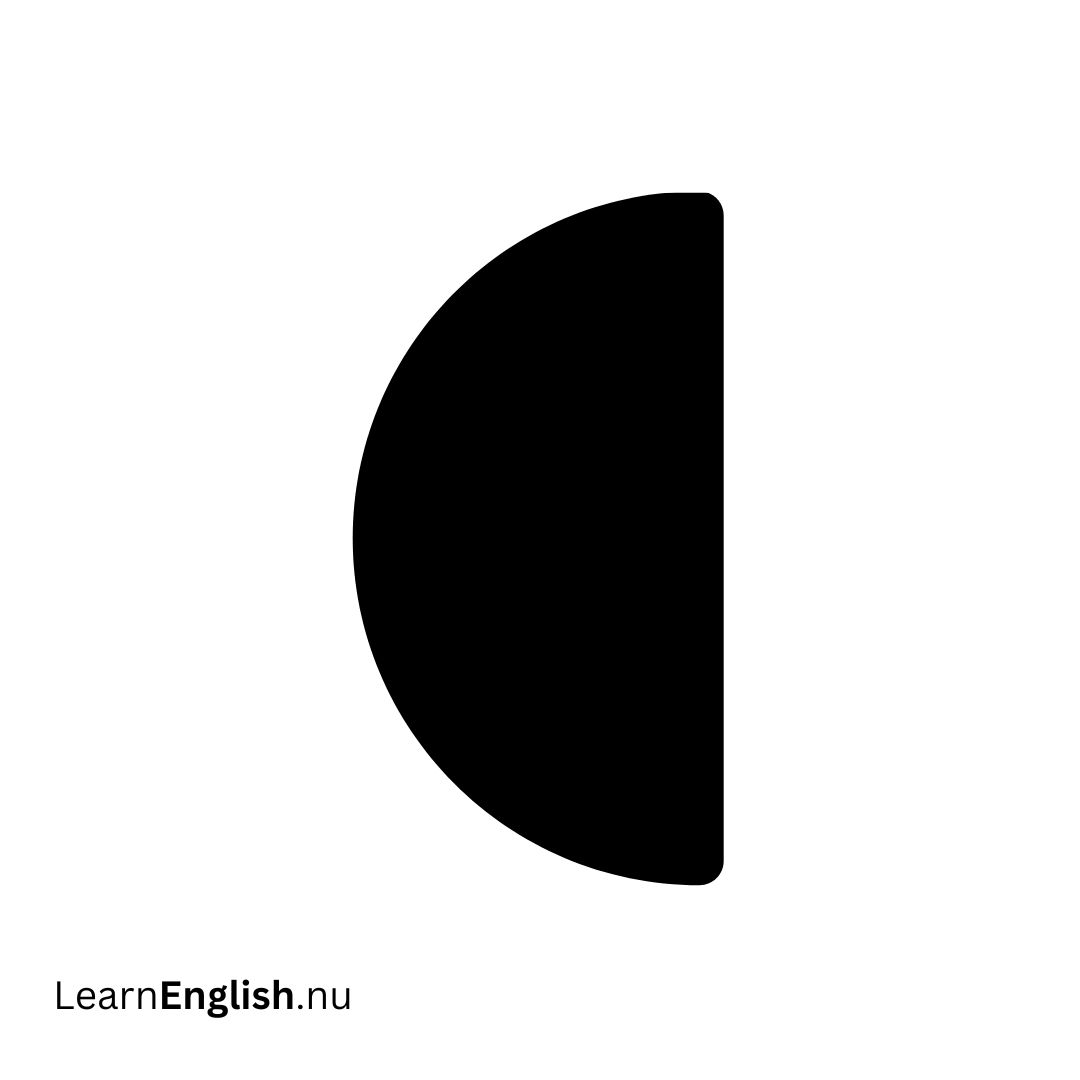 halv cirkel
semi circle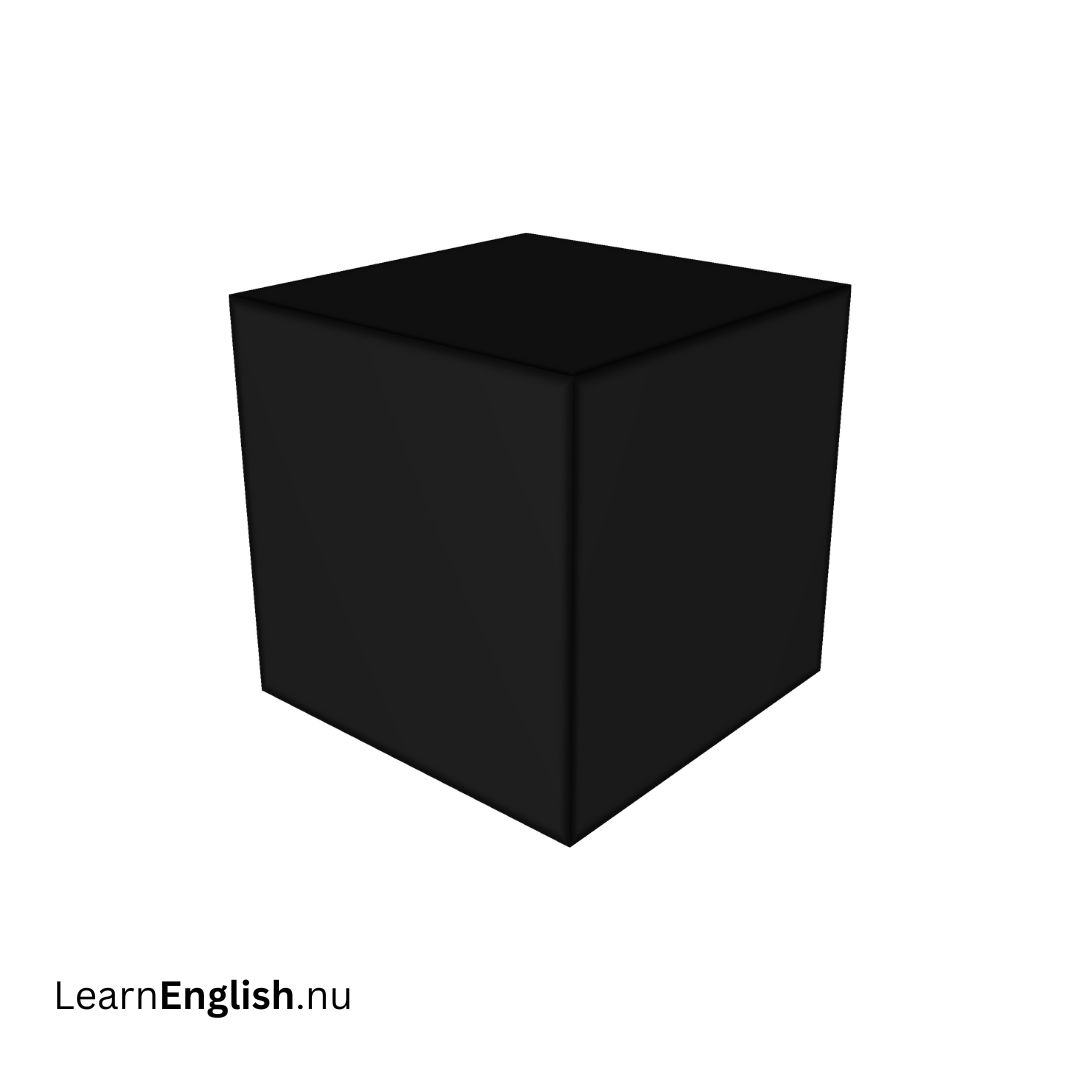 kub
kub
Cube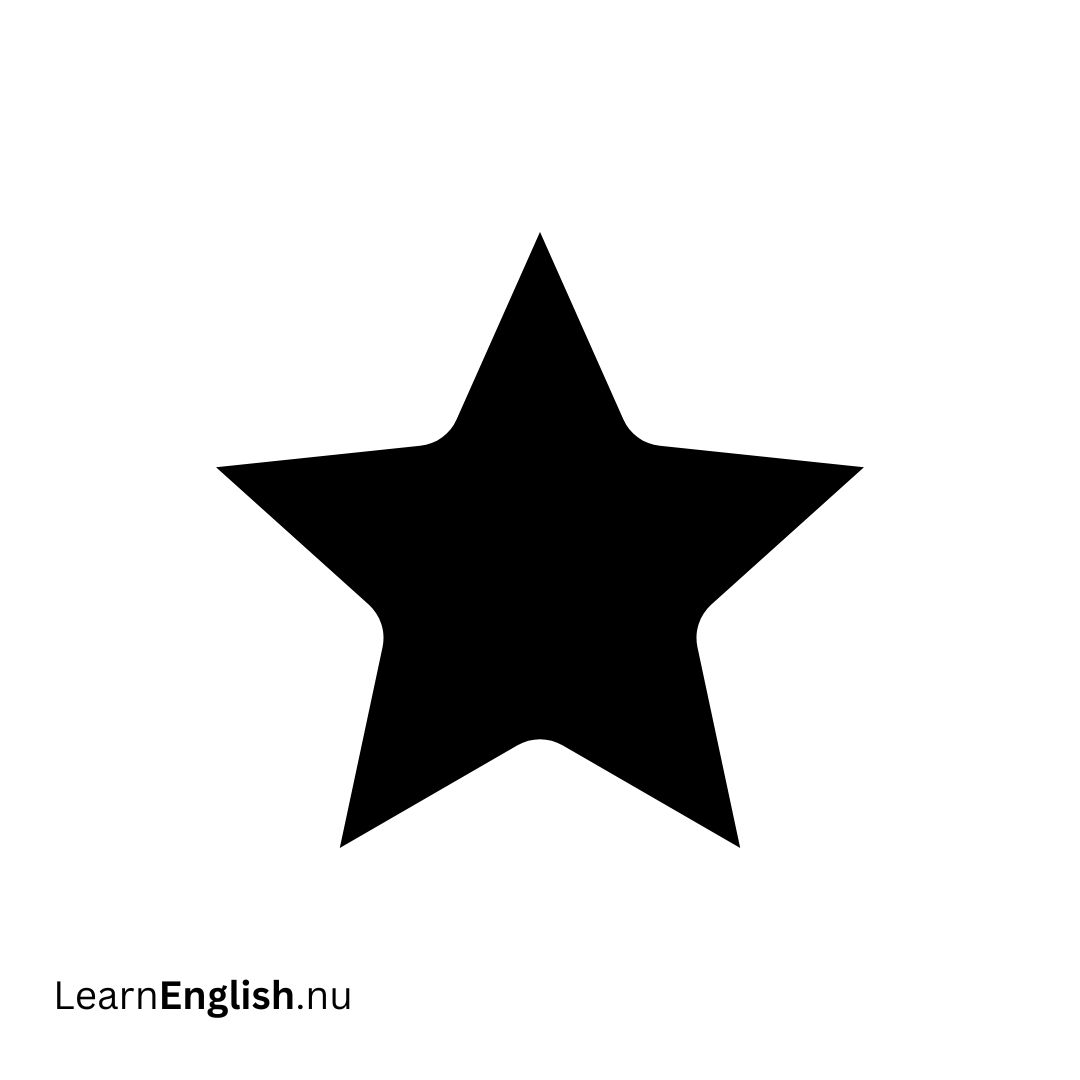 stjärna
star hjärta
heart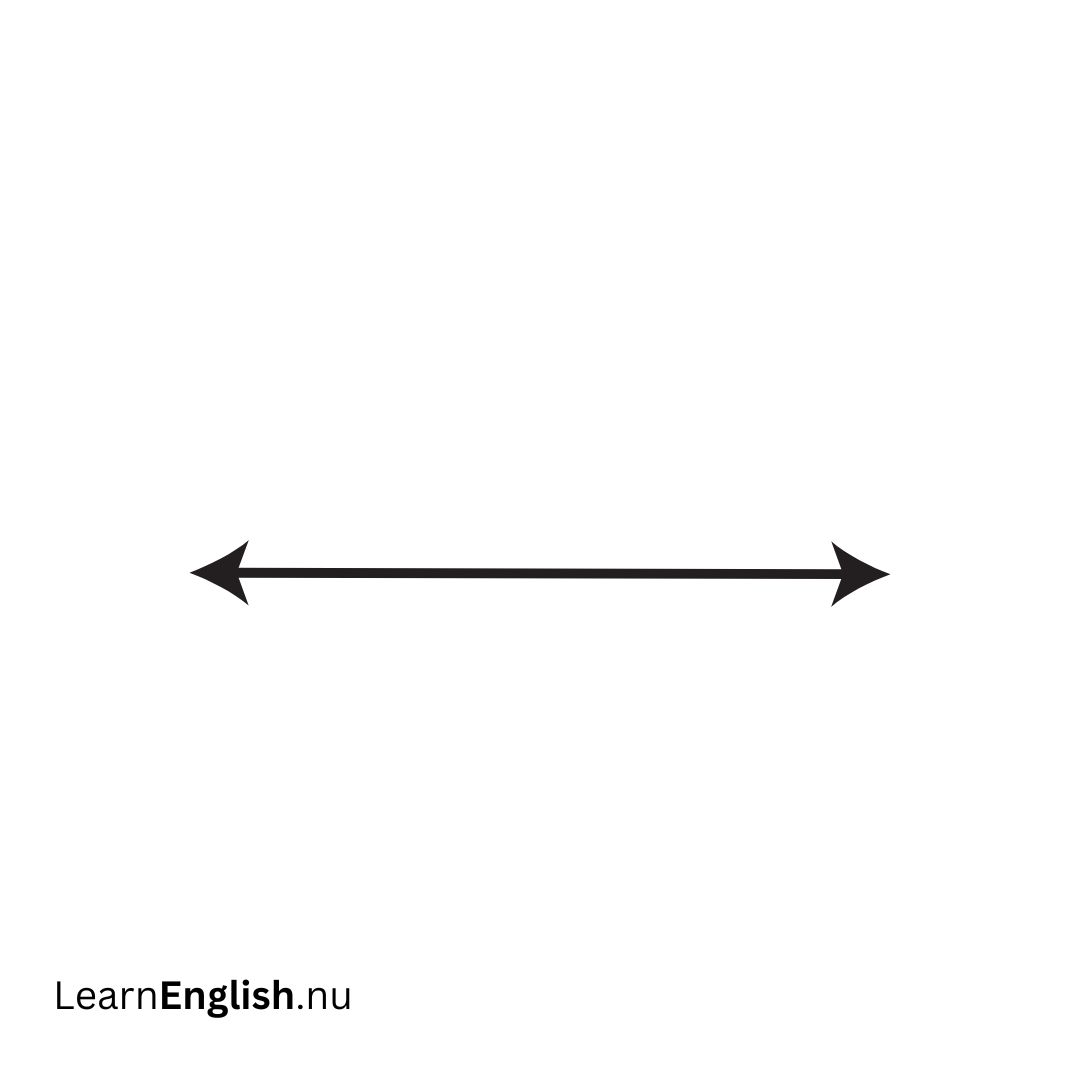 linjesegment
line segment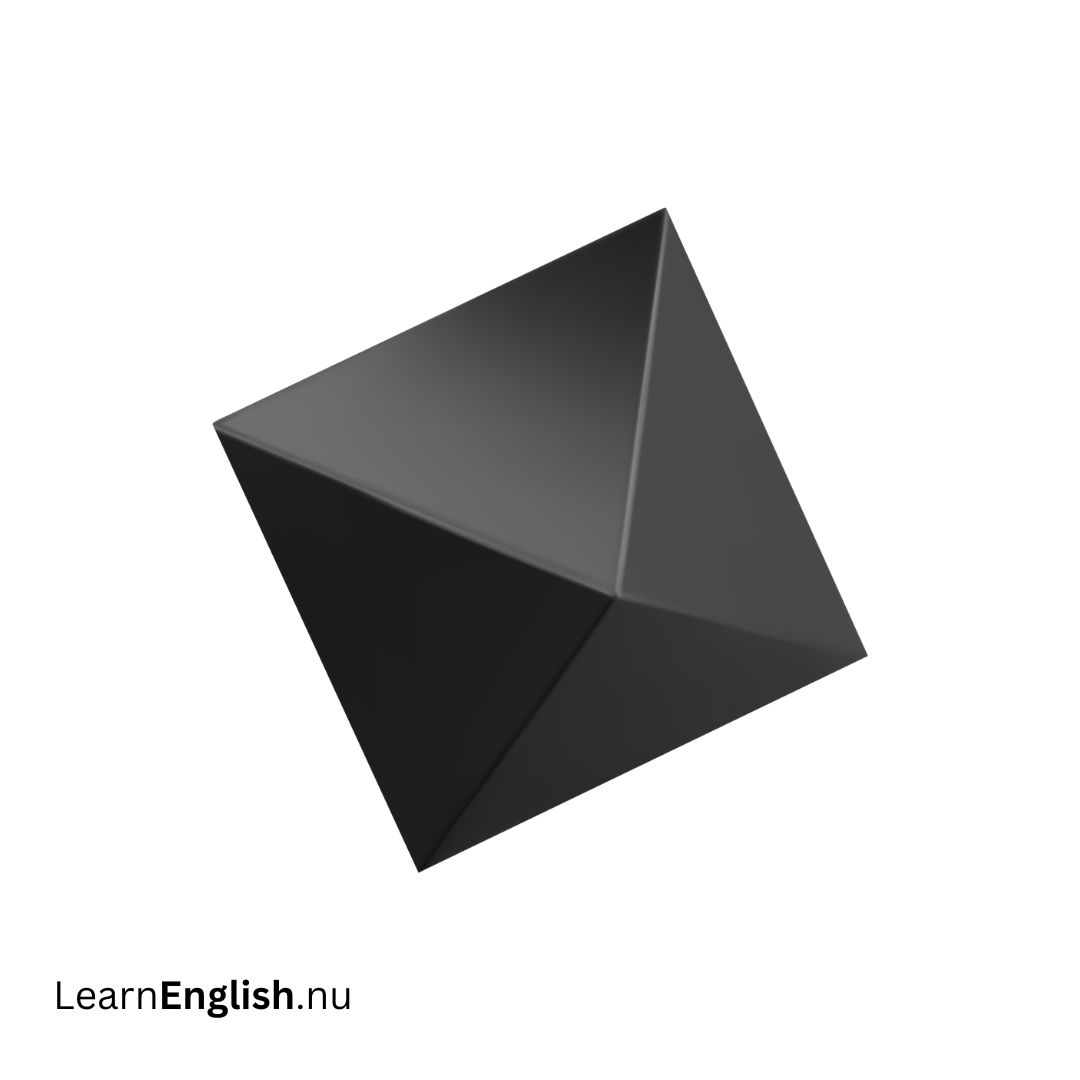 oktaeder
octahedron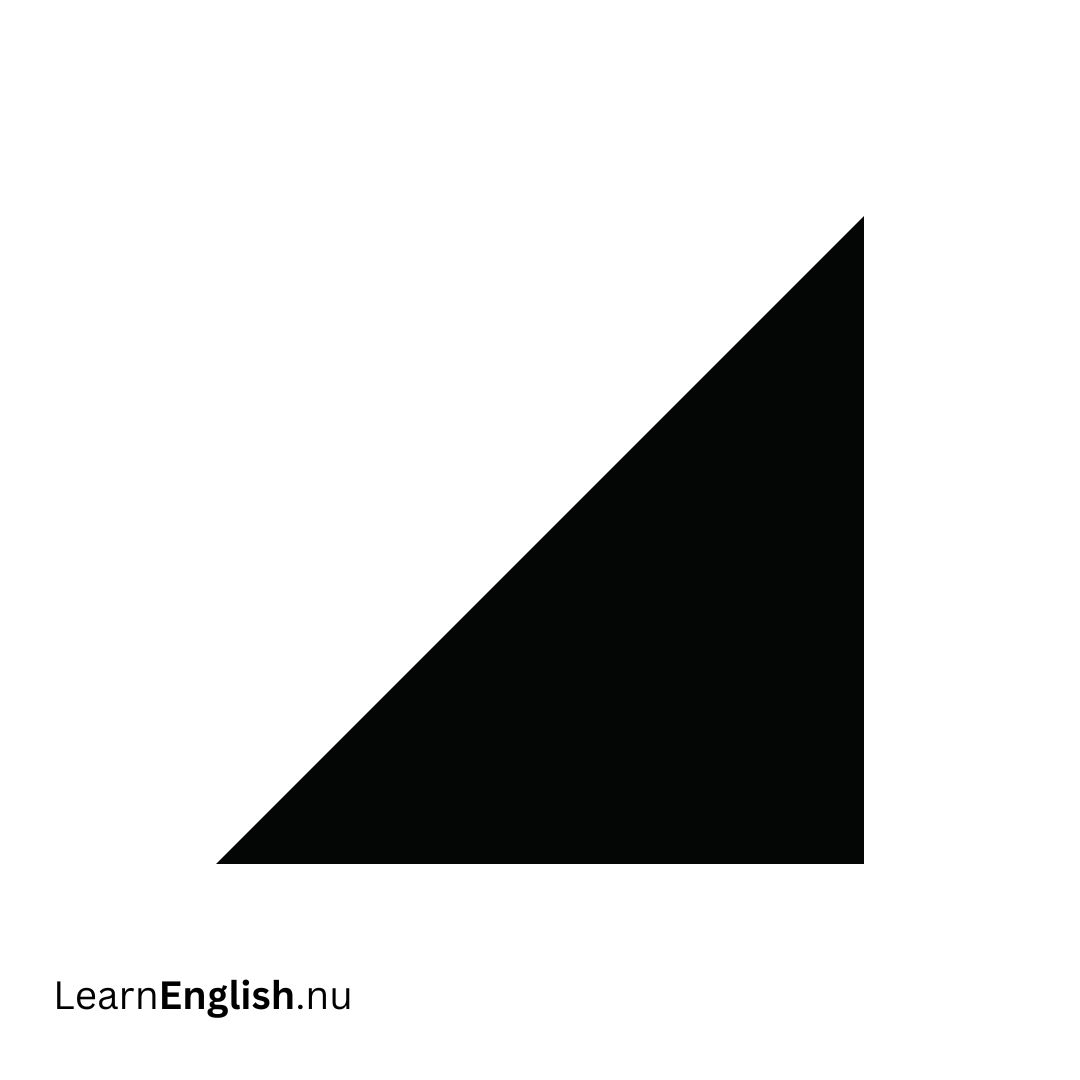 rätvinklig triangel
right triangle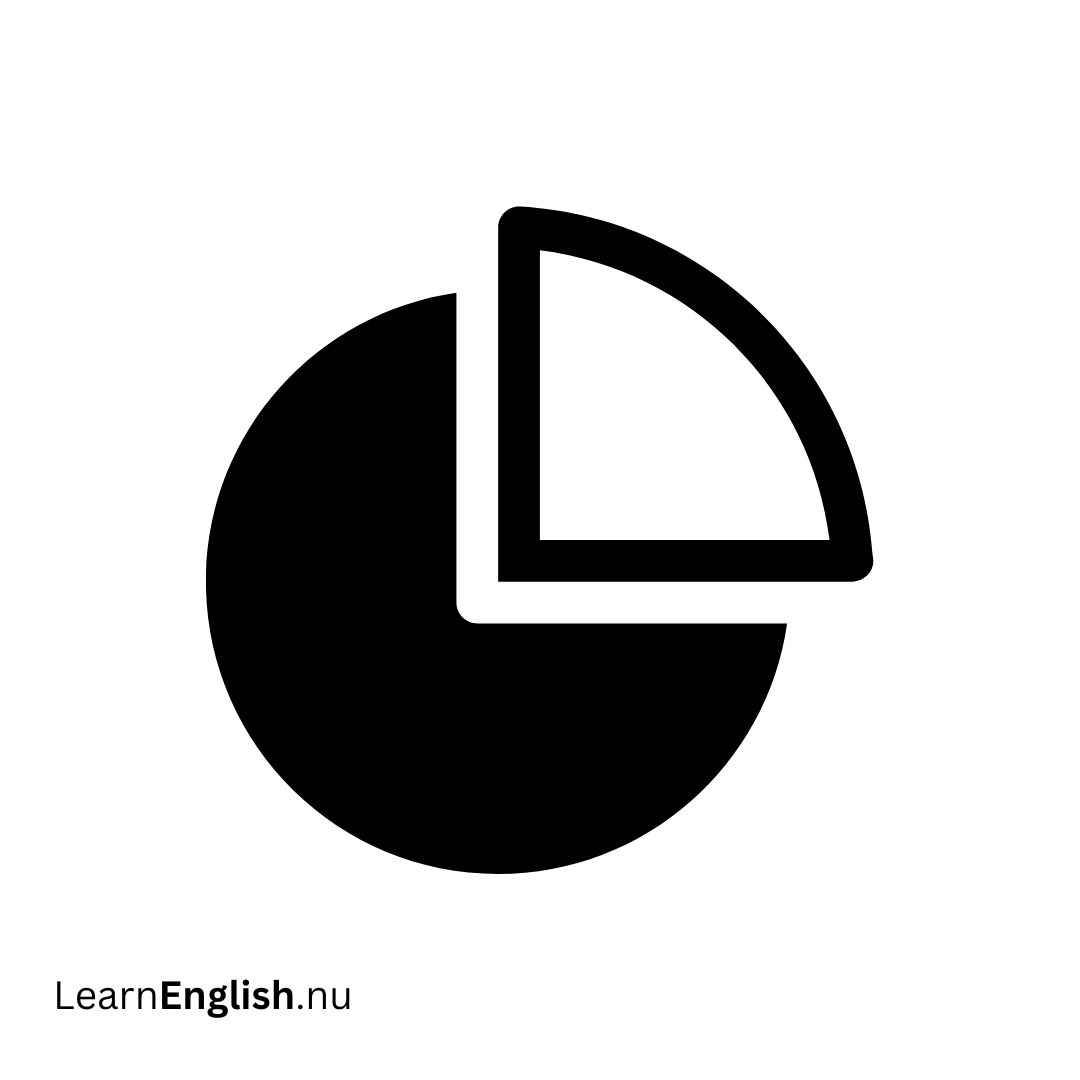 sektor
sector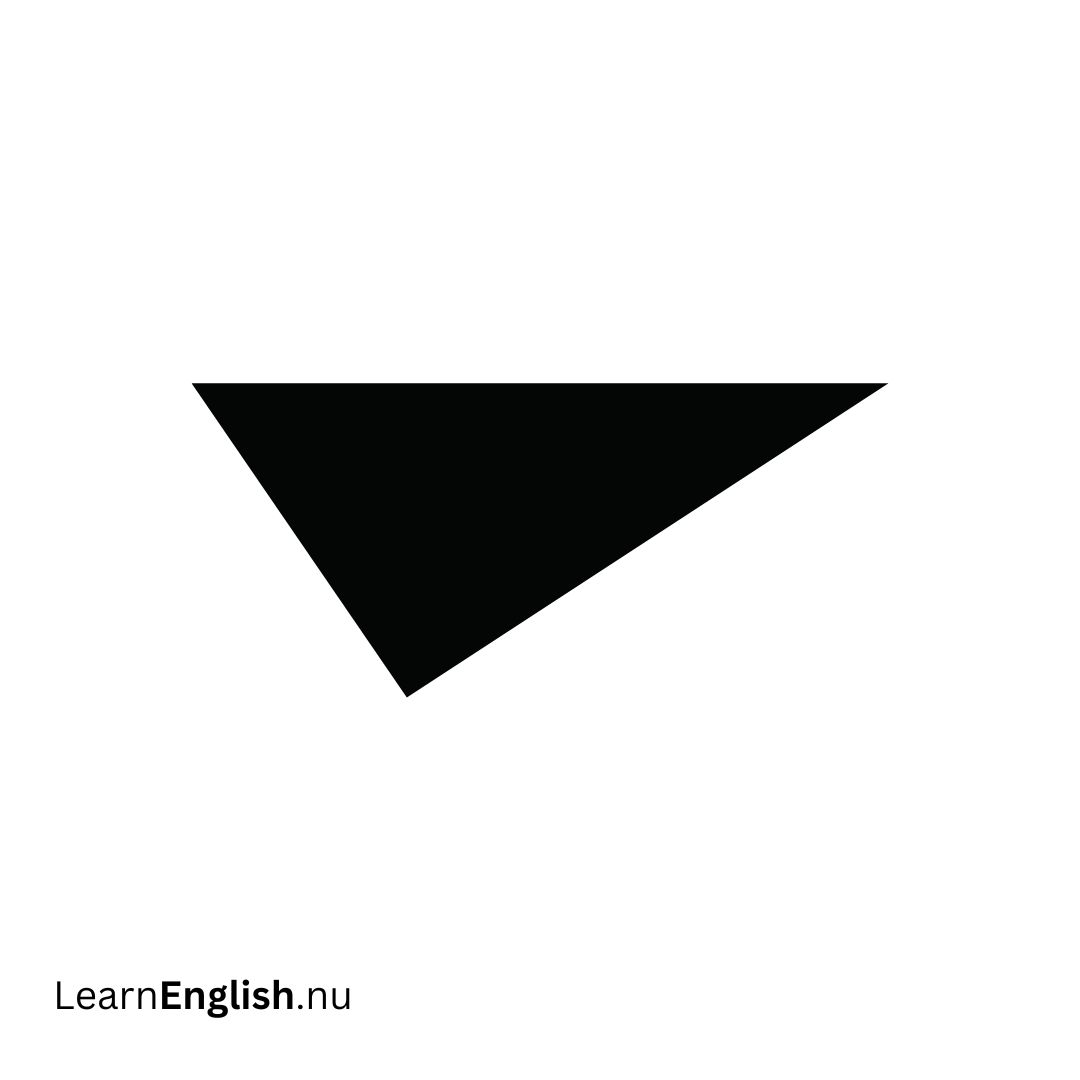 oliksidig triangel
scalene triangle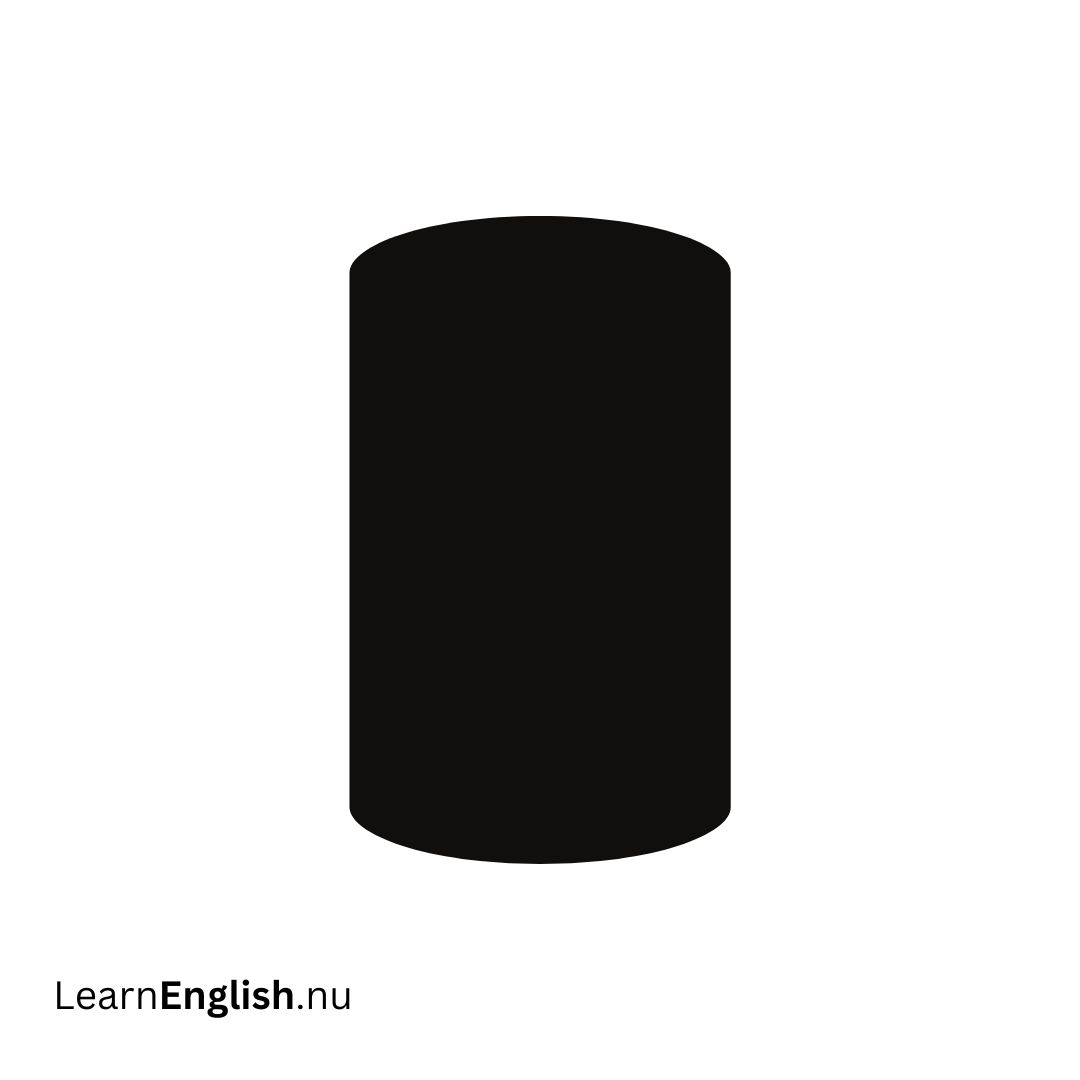 cylinder
cylinder kon
kon
cone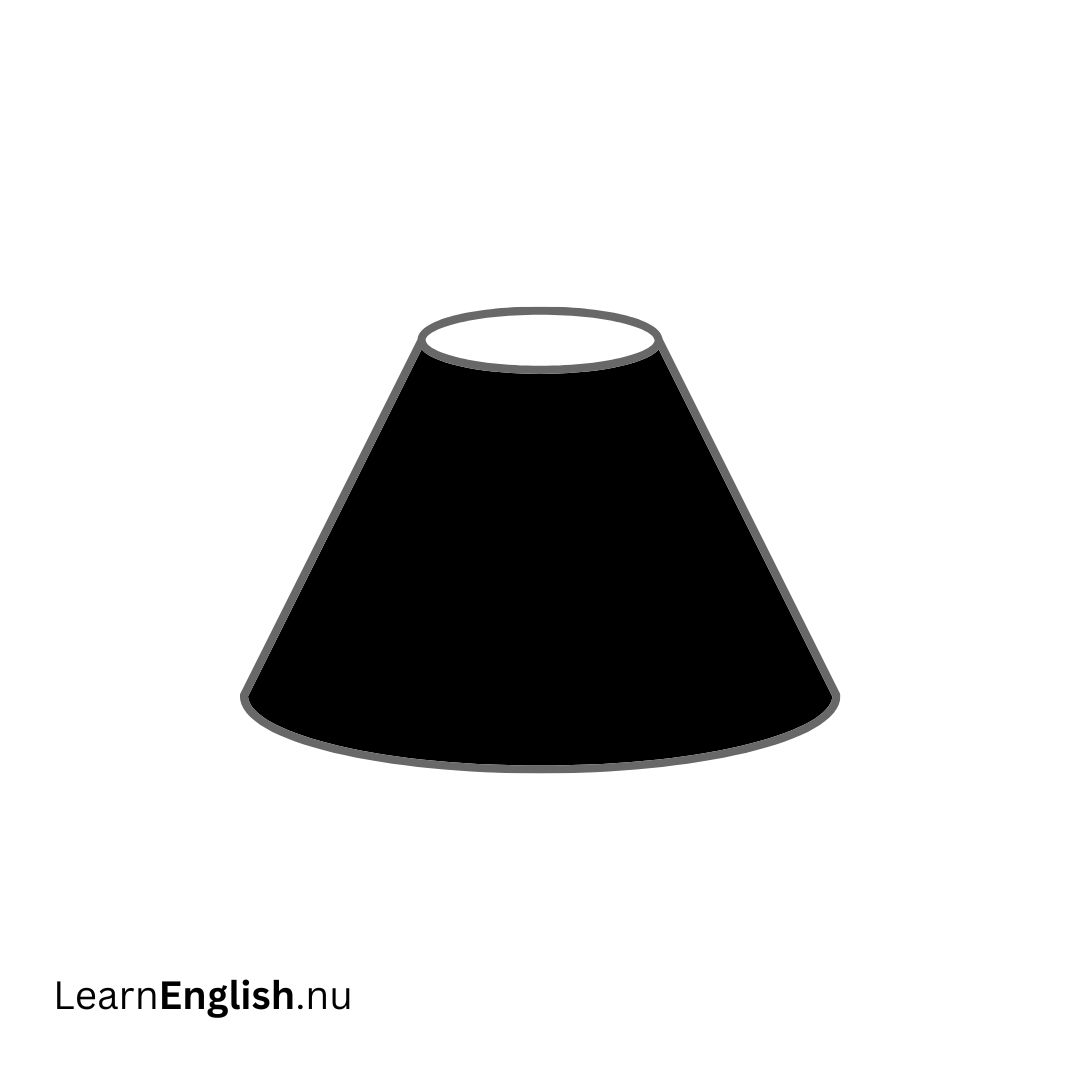 avkapad kon
Frustum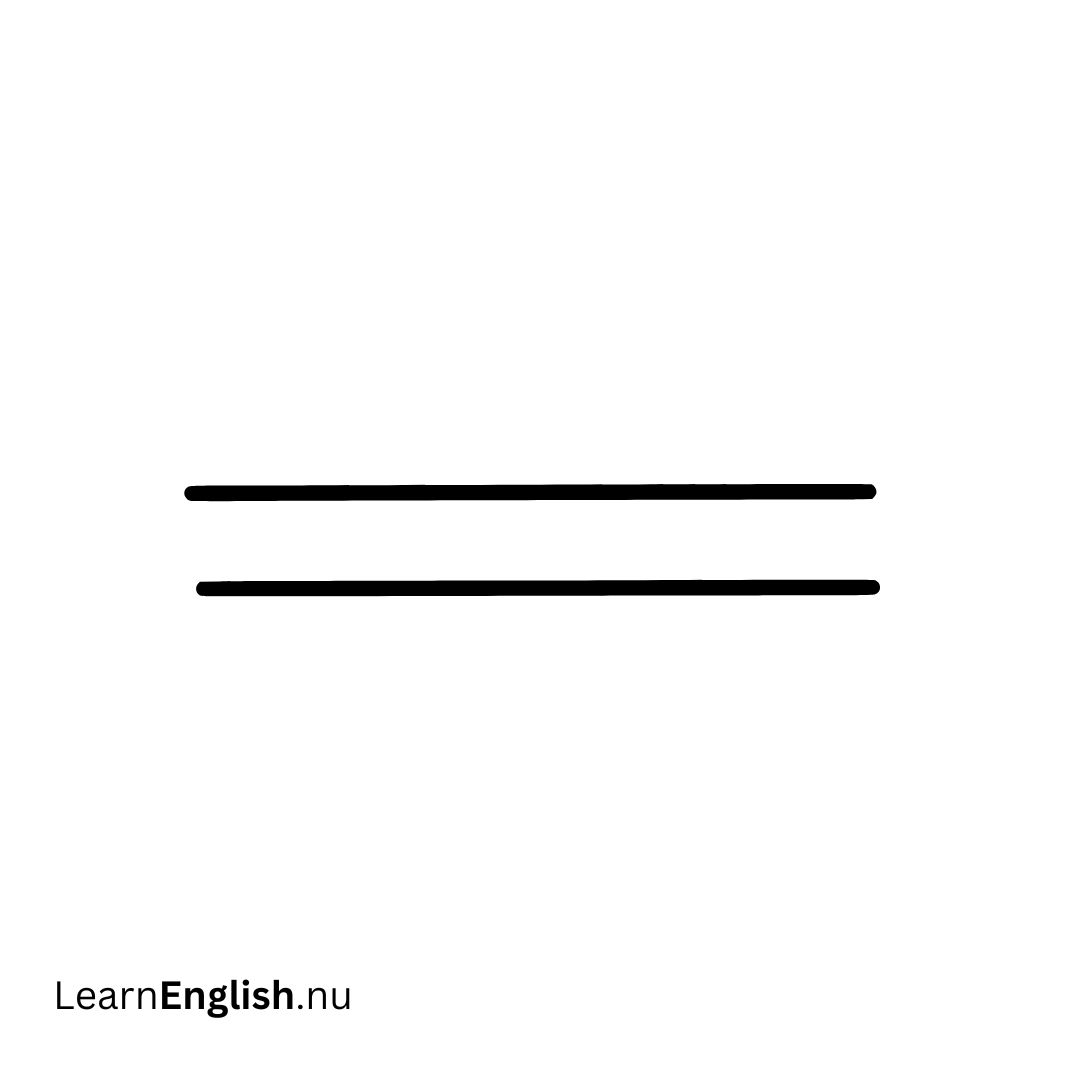 två parallella linjer
Two Parallel Lines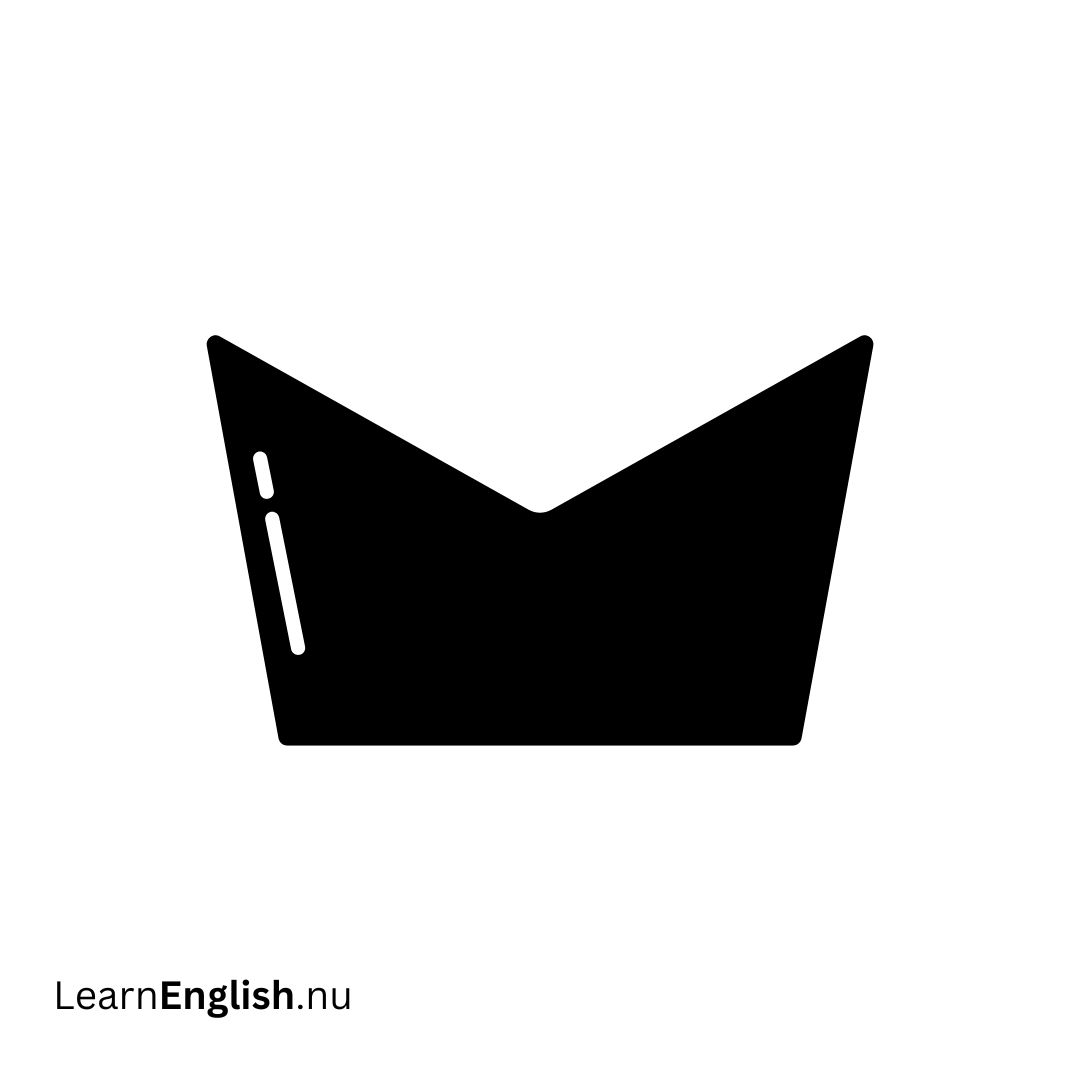 konkav polygon
Concave Polygon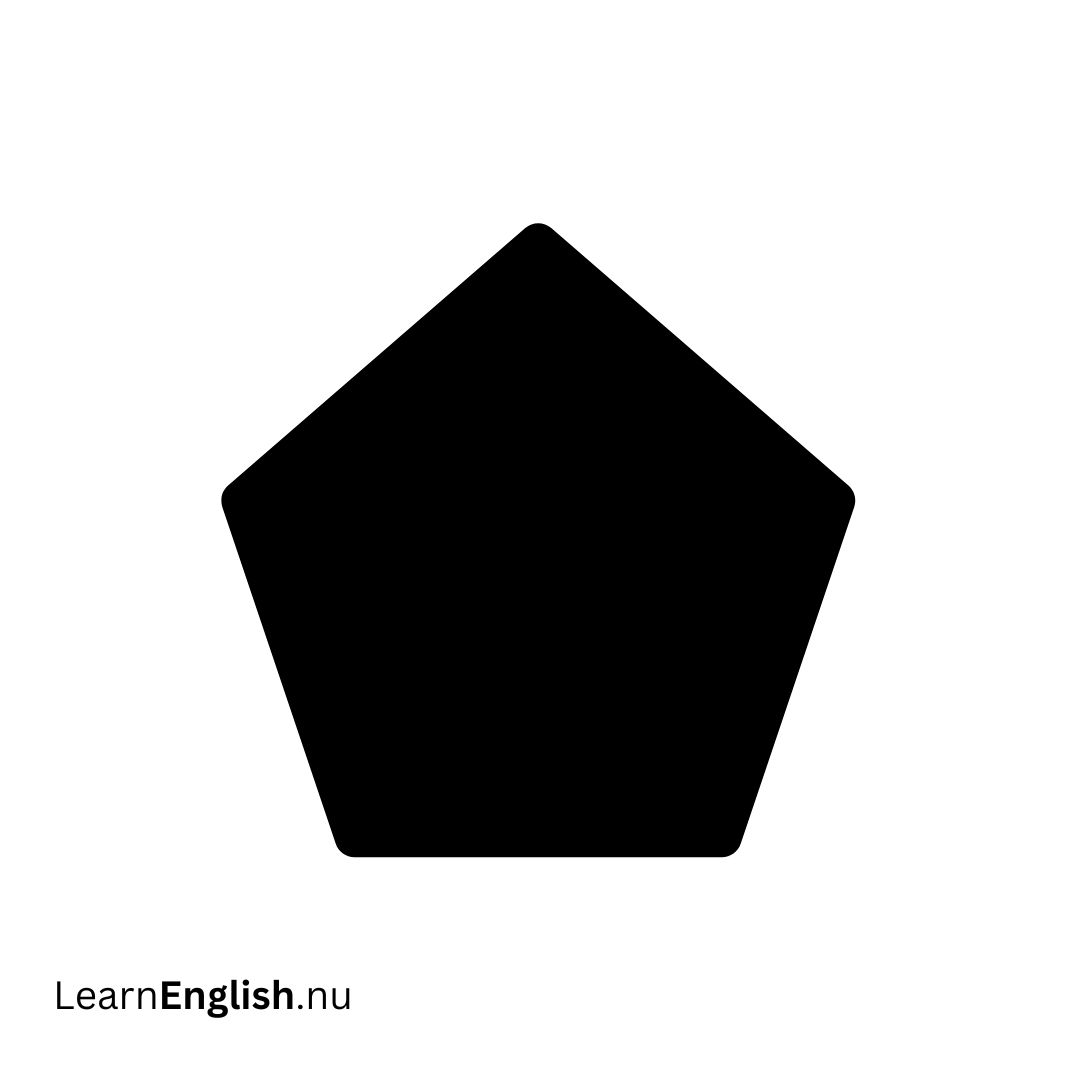 konvex polygon
Convex Polygon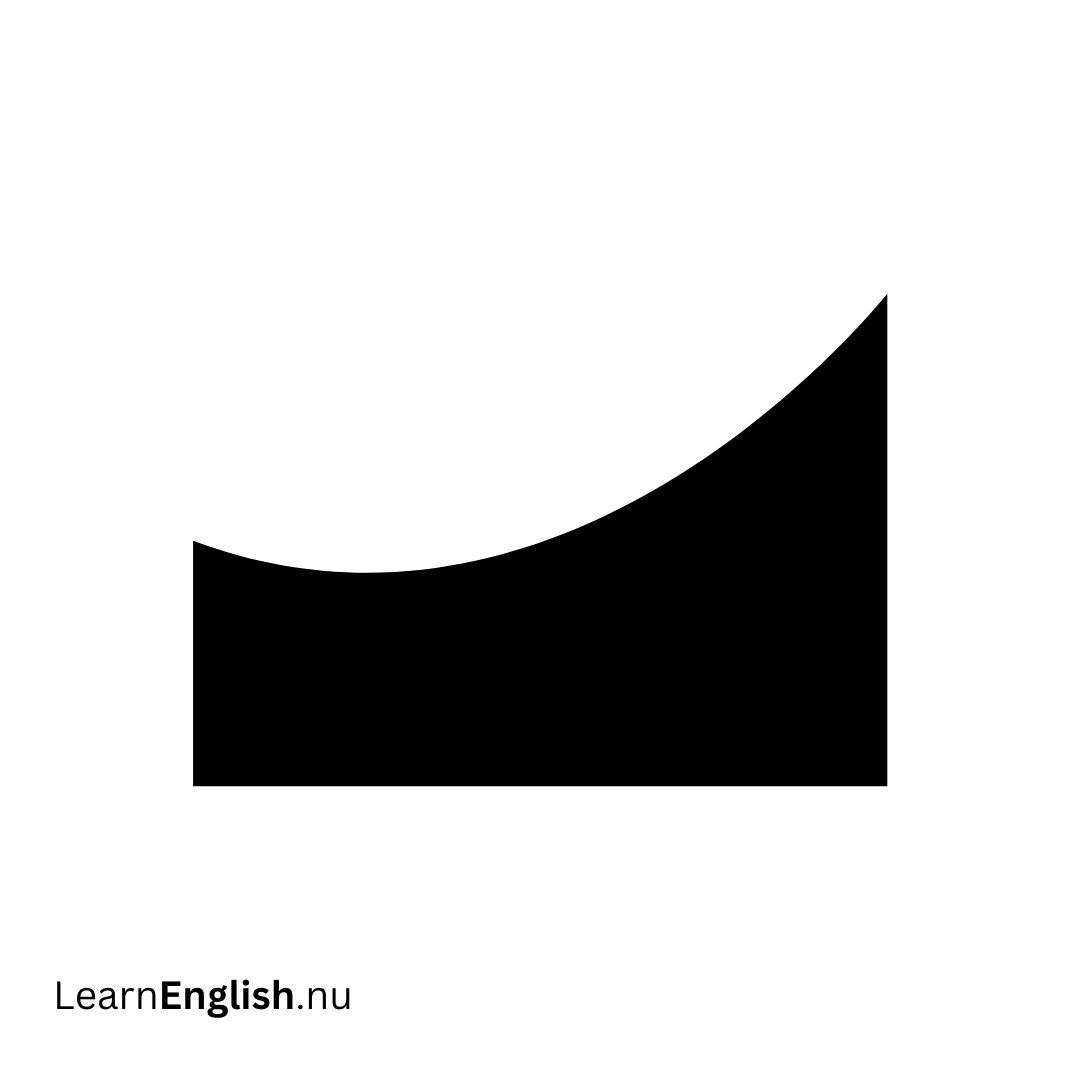 kurva
kurva
Curve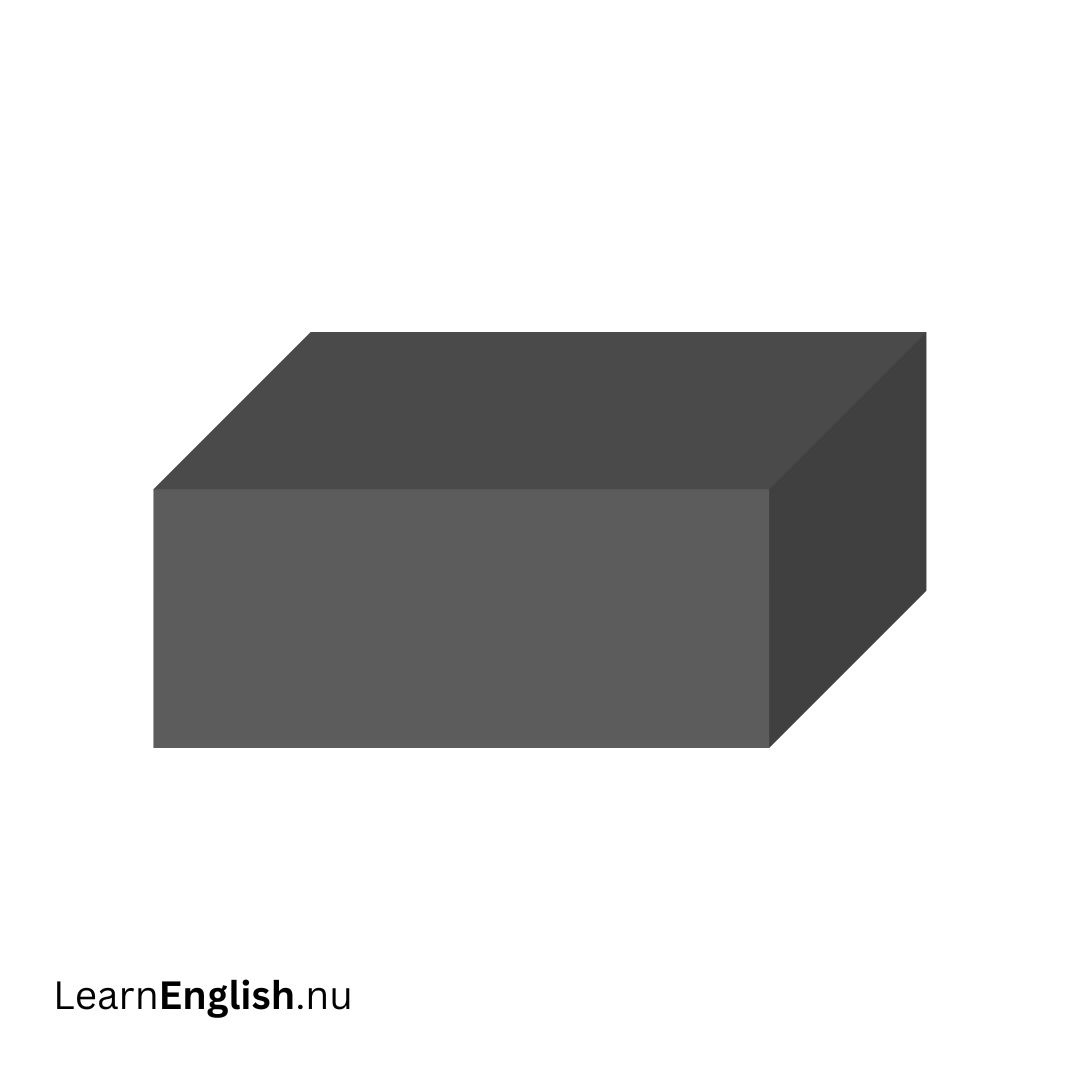 kuboid
cuboid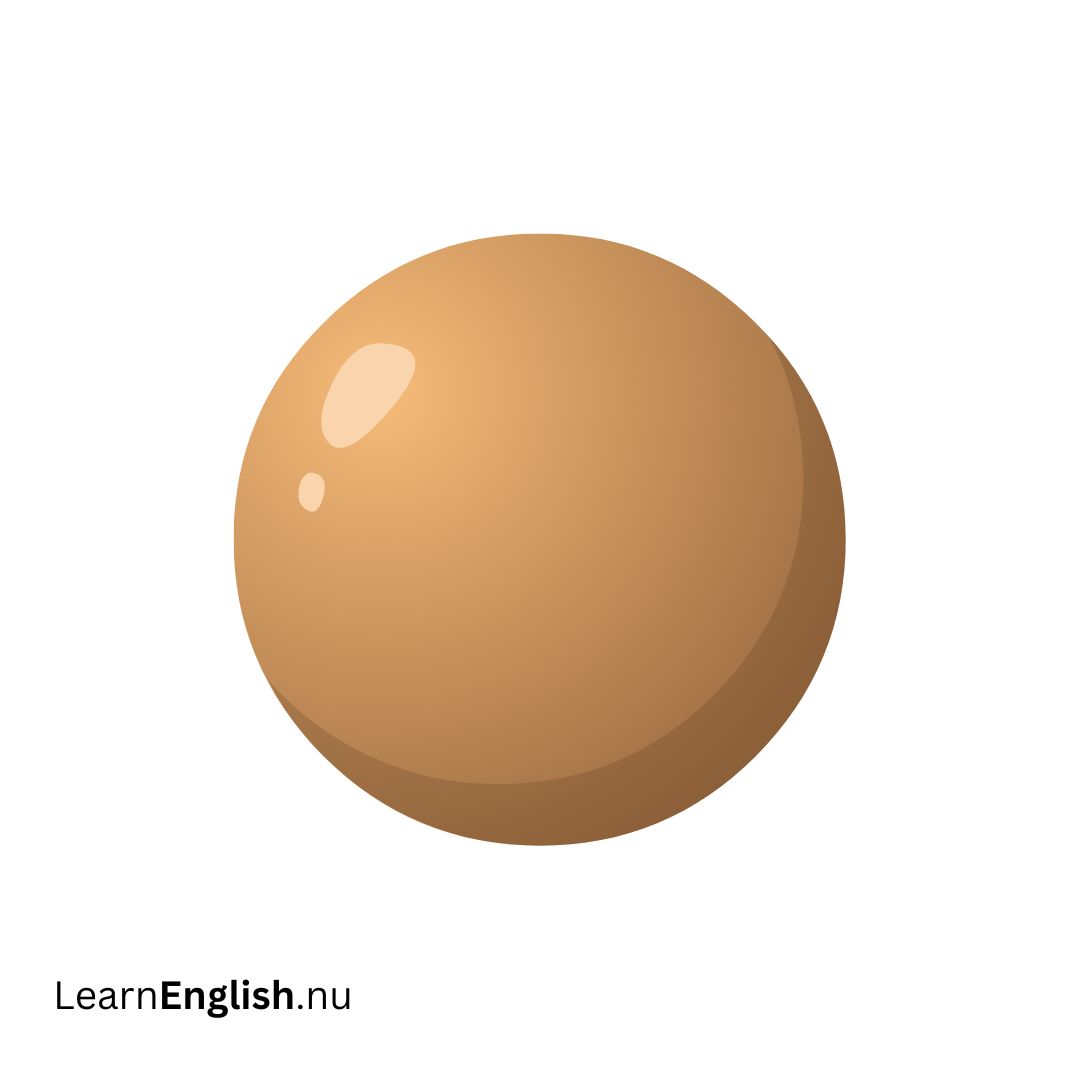 sfär
sfär
sphere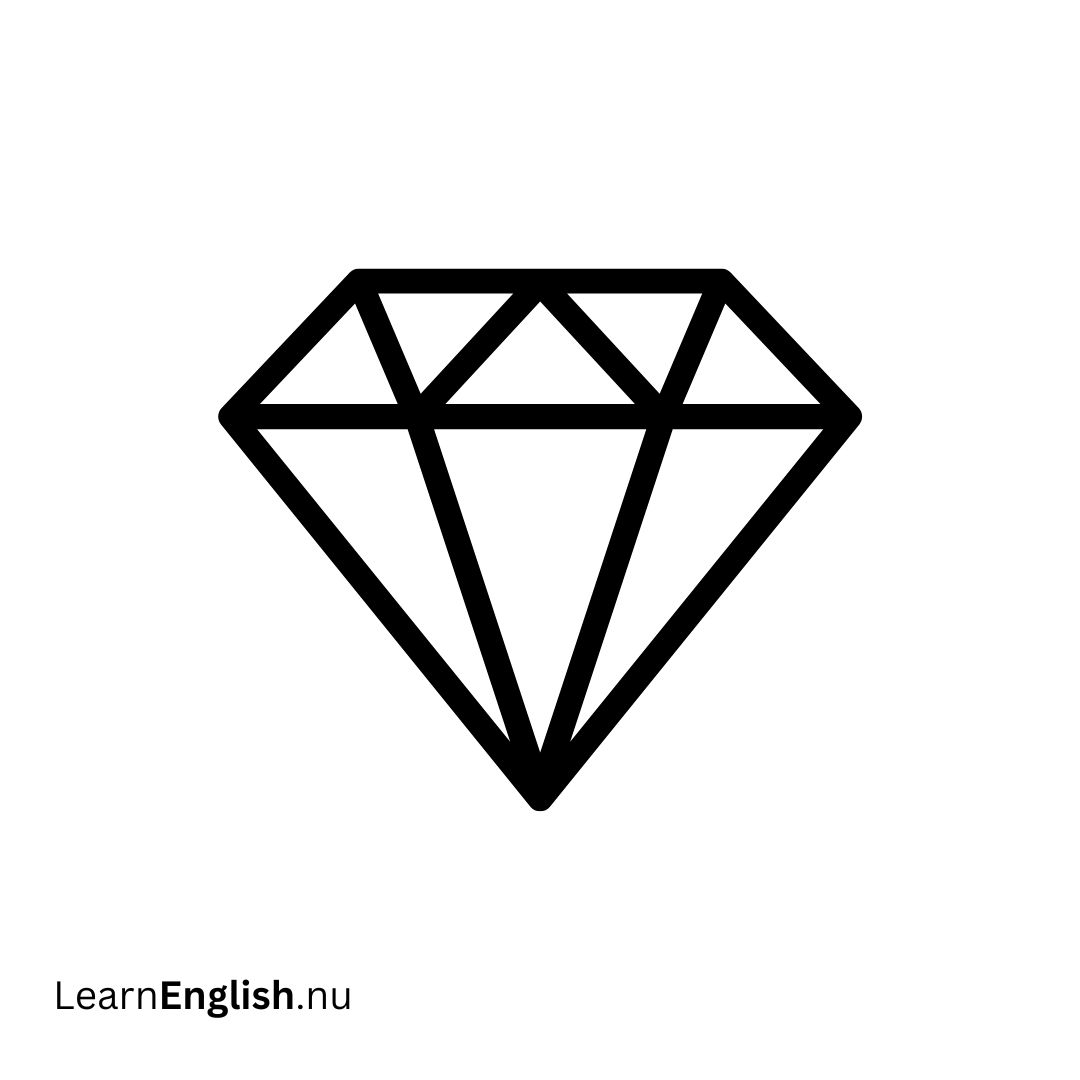 diamant
diamond halvmåne
crescent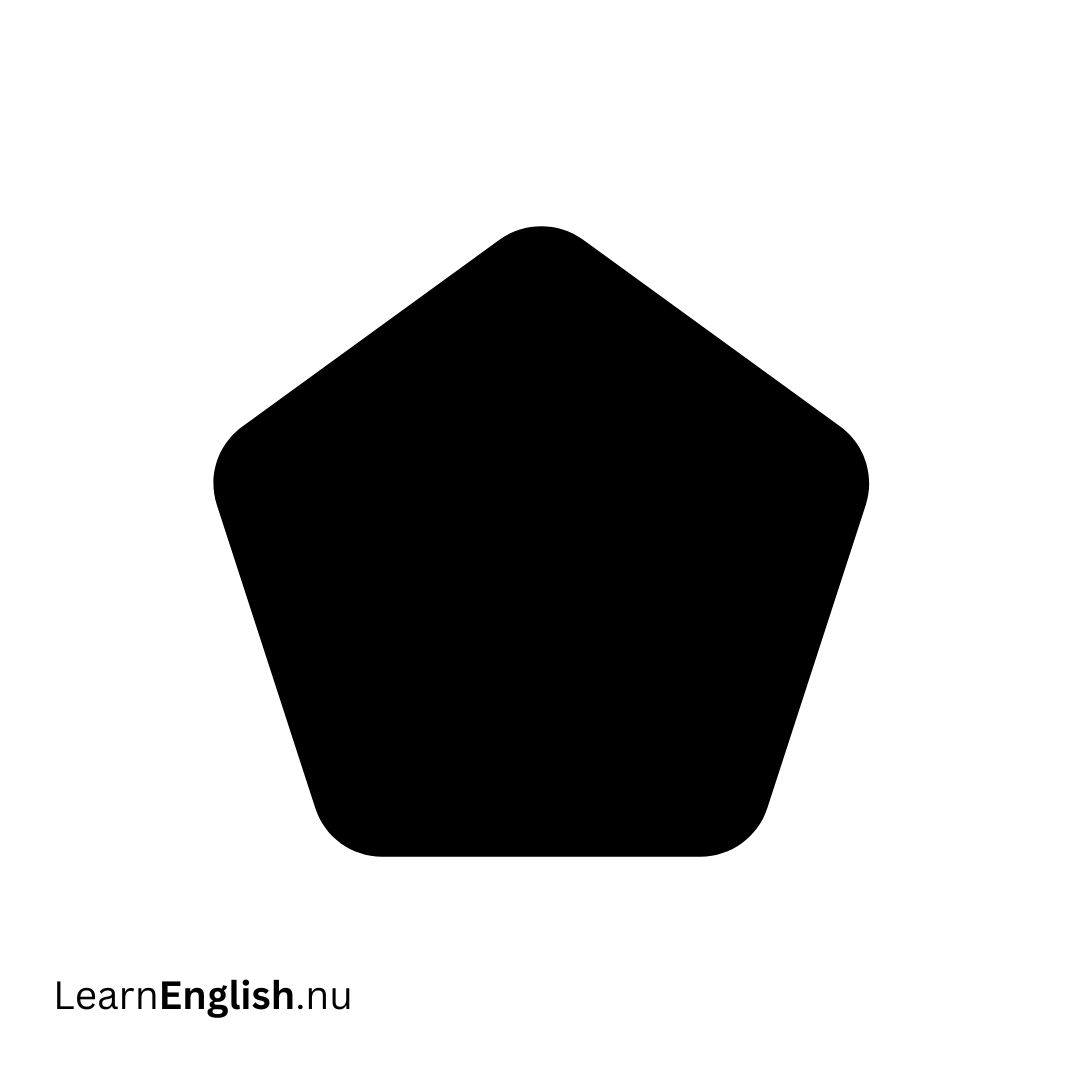 pentagon
pentagon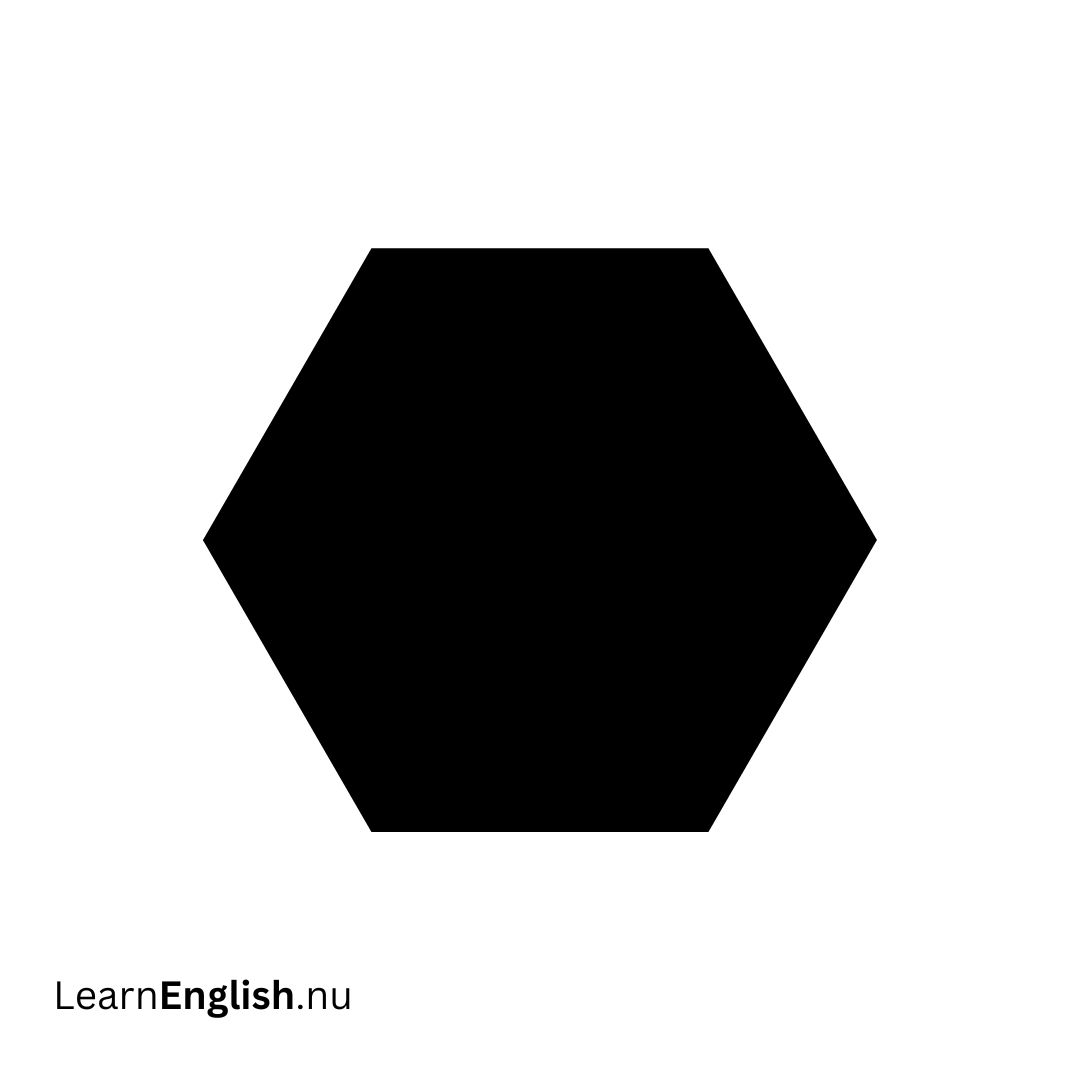 hexagon
hexagon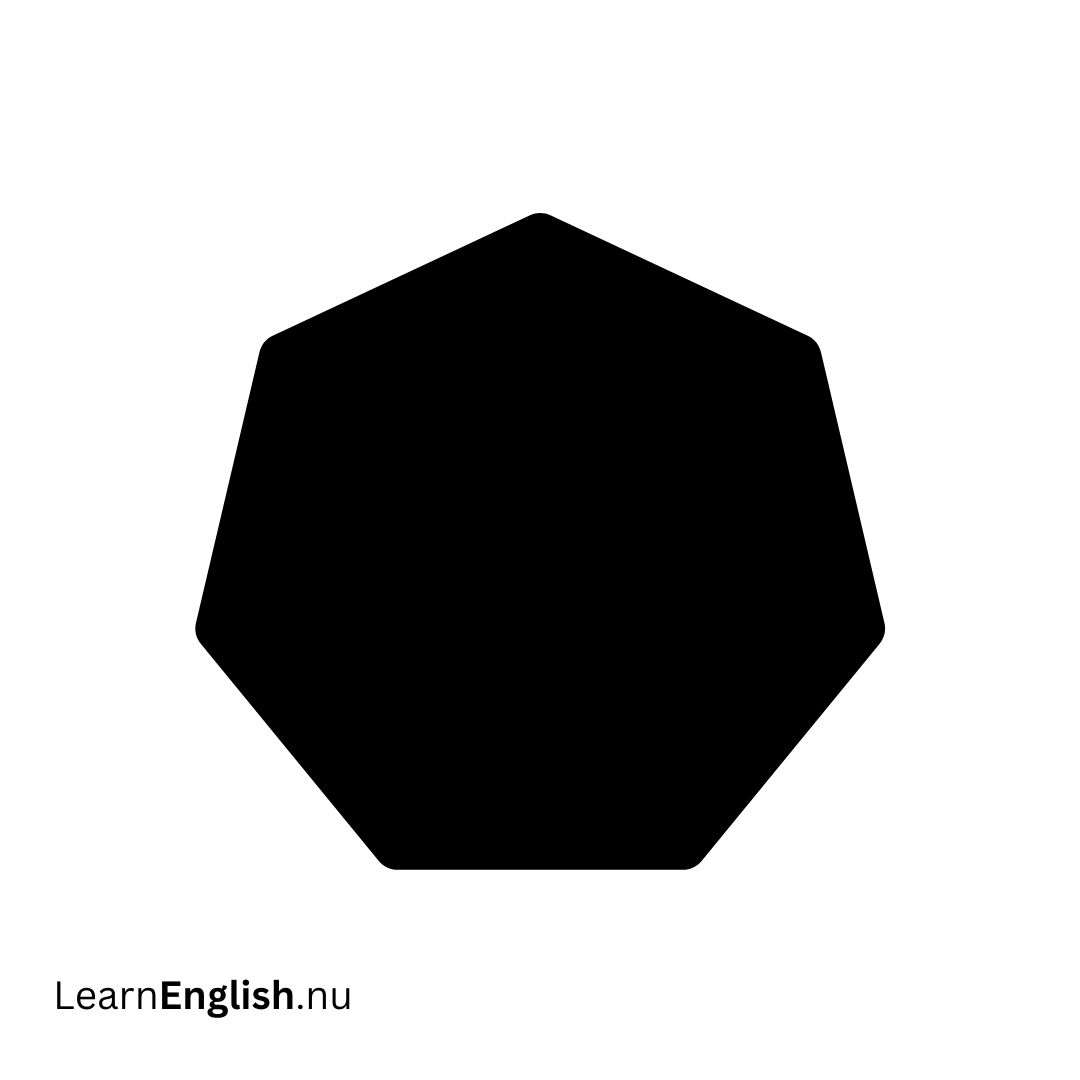 heptagon
heptagon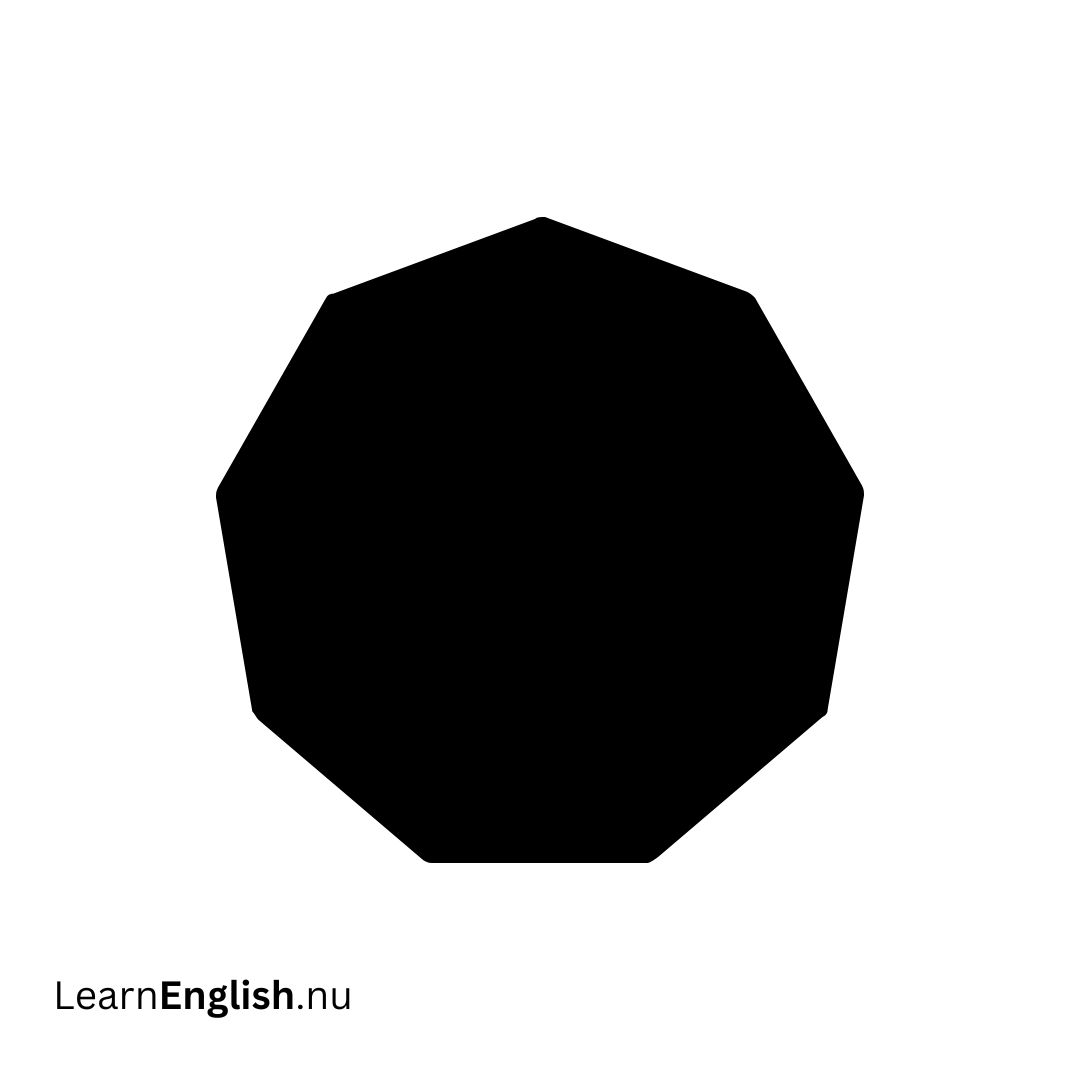 nonagon
nonagon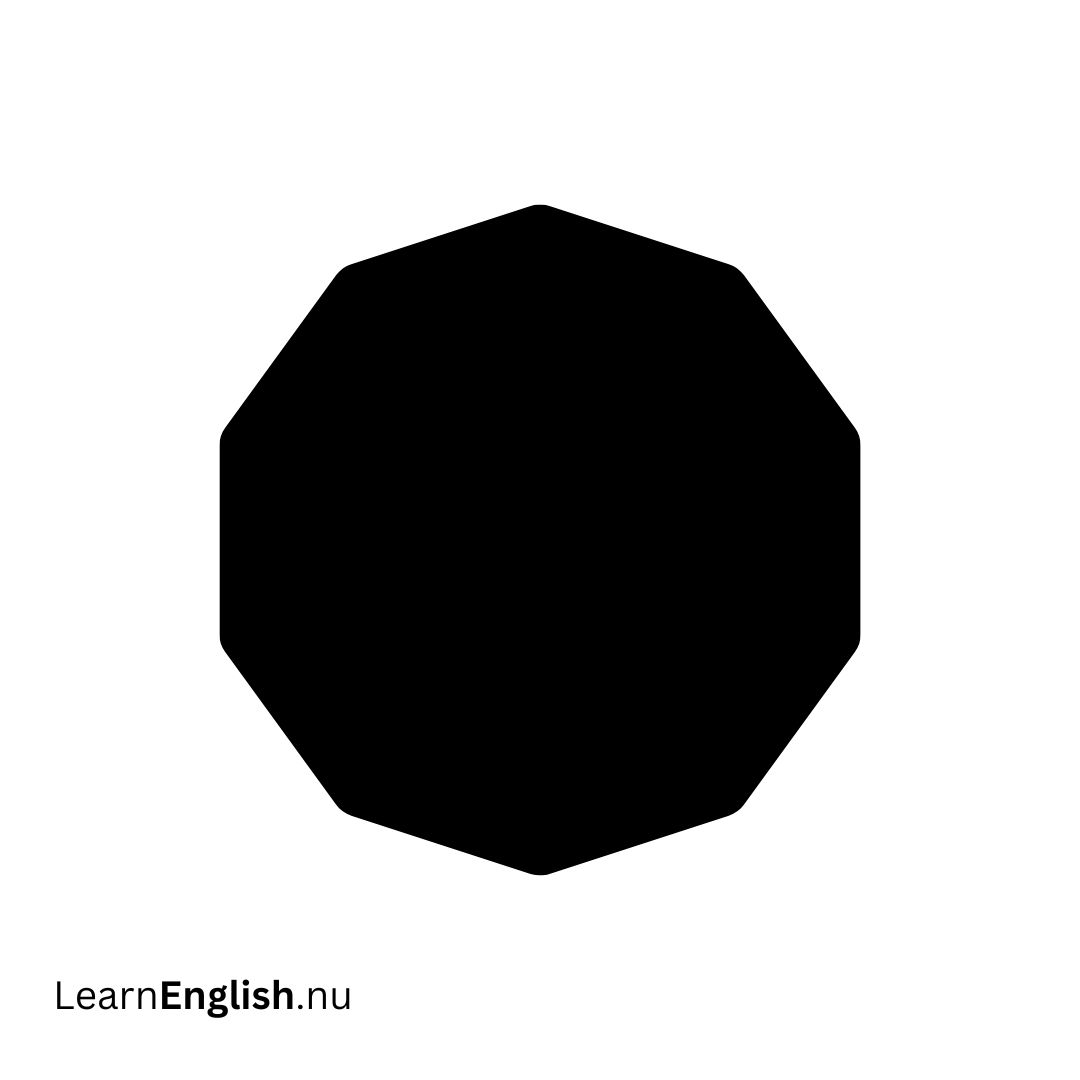 dekagon
decagon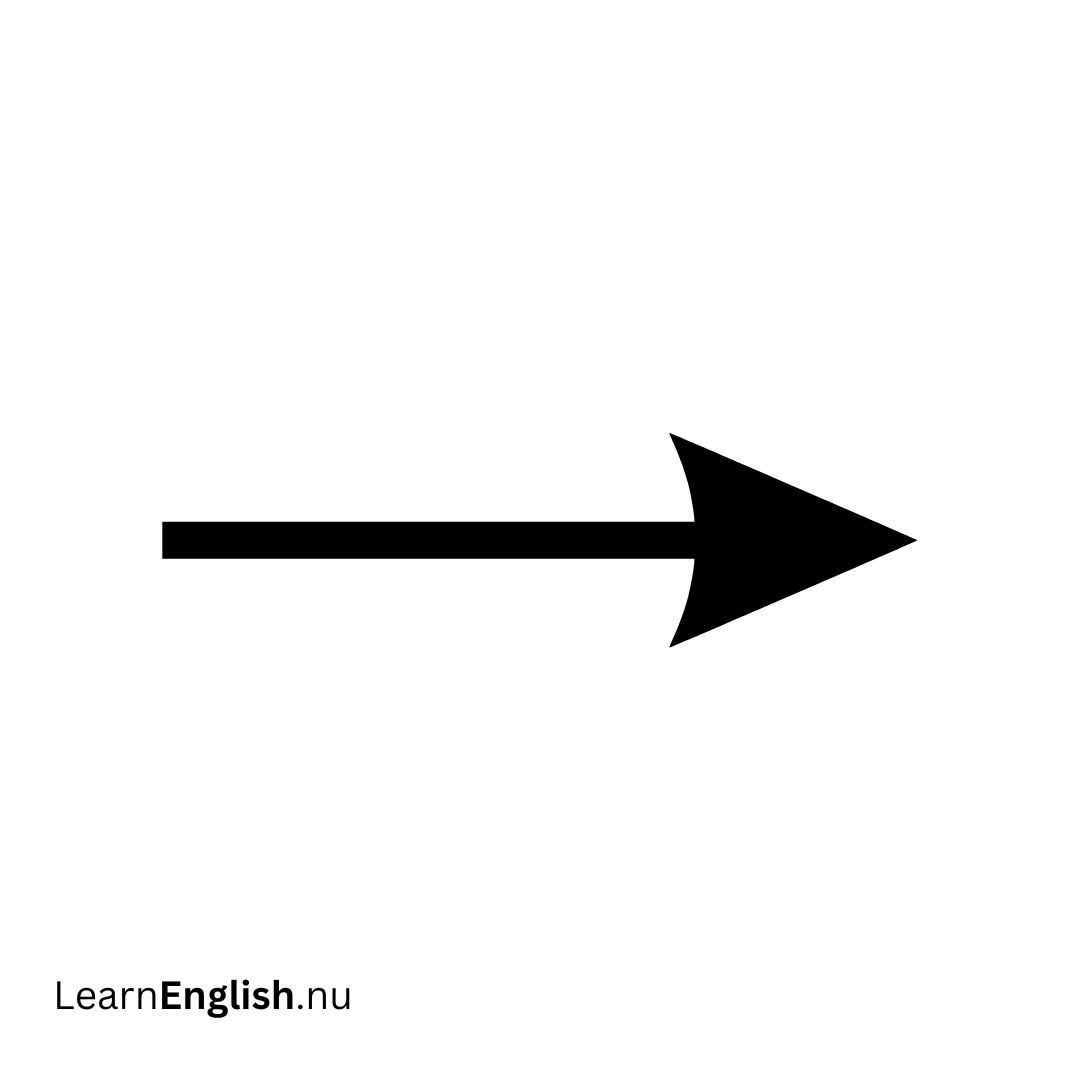 pil
pil
arrow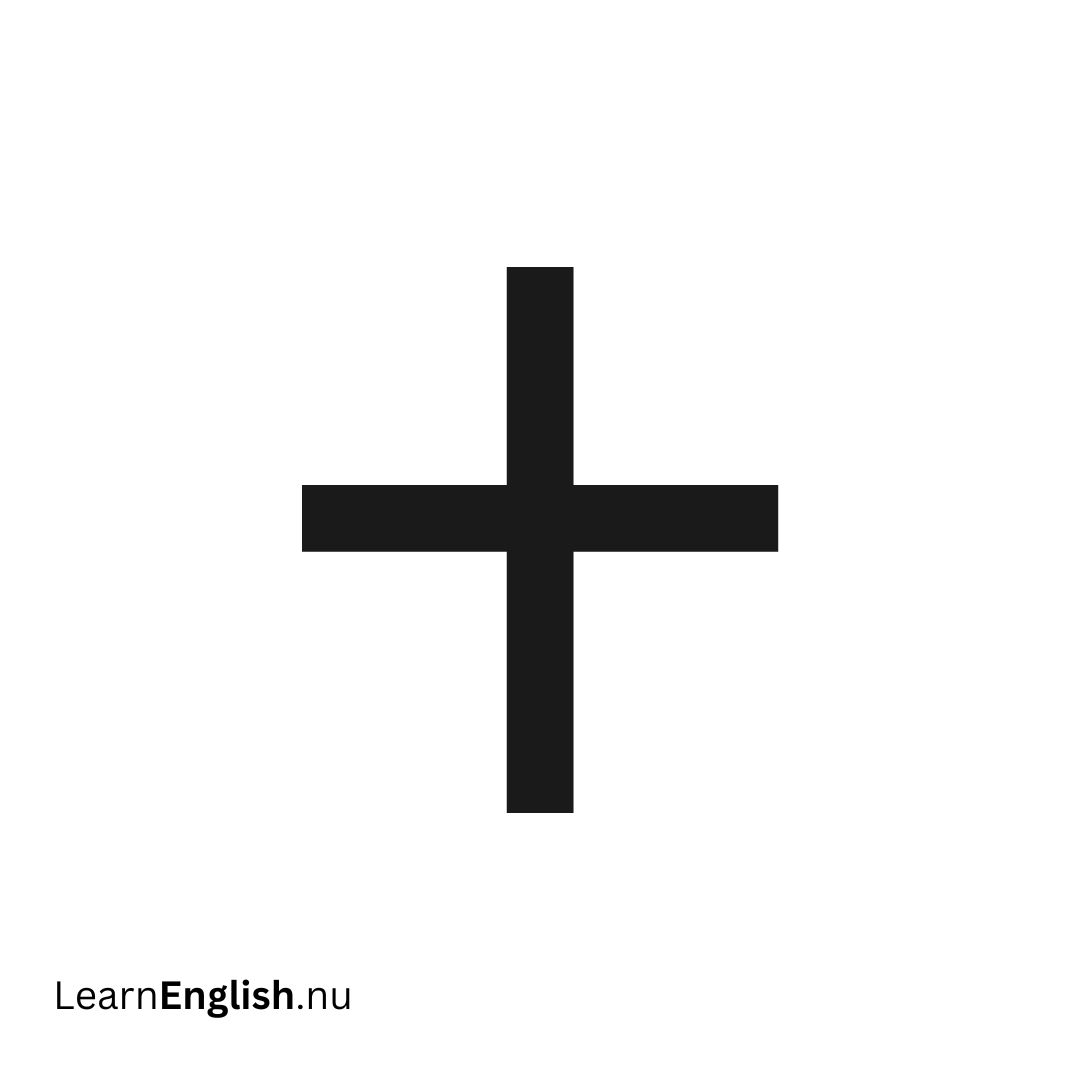 kors
kors
Cross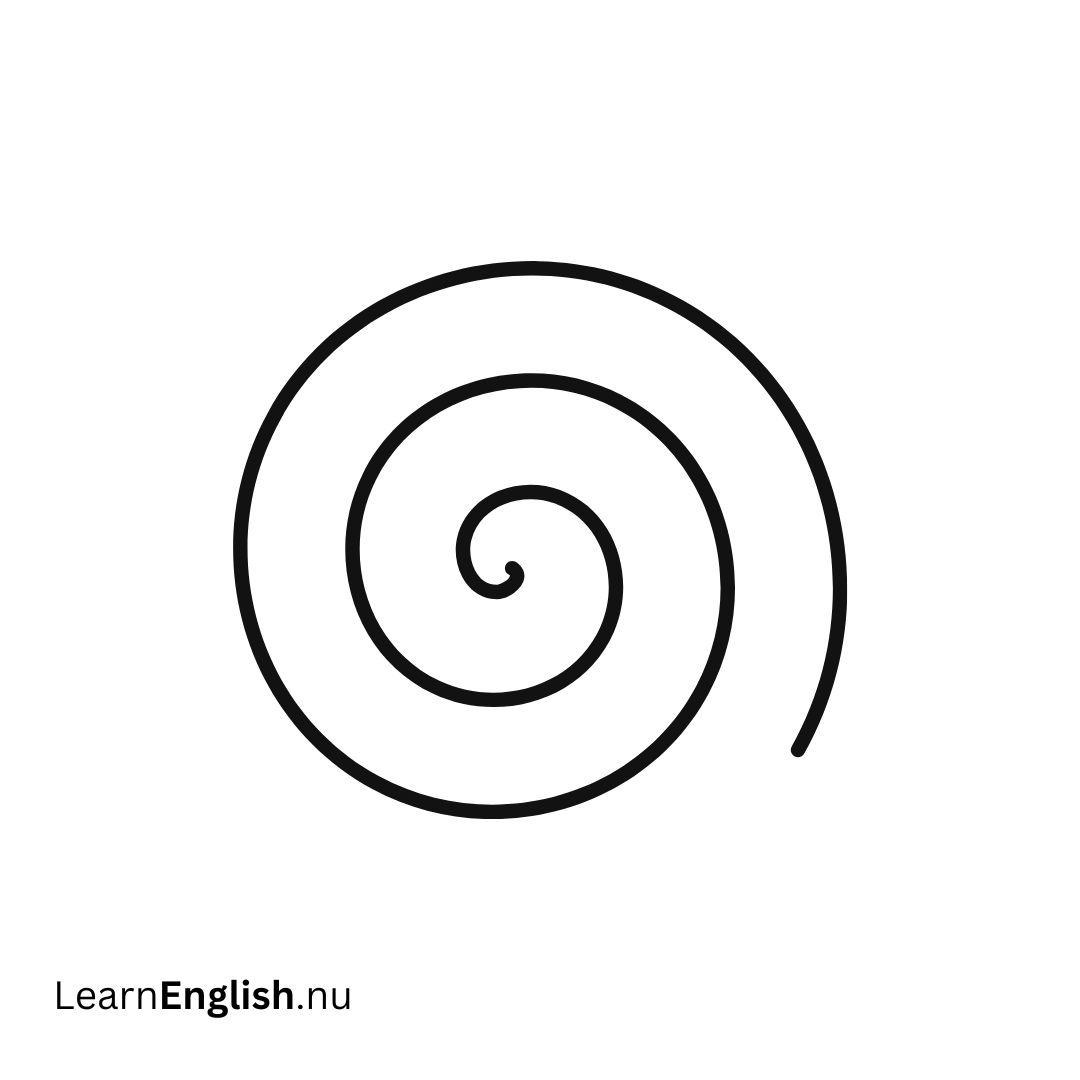 spiral
Spiral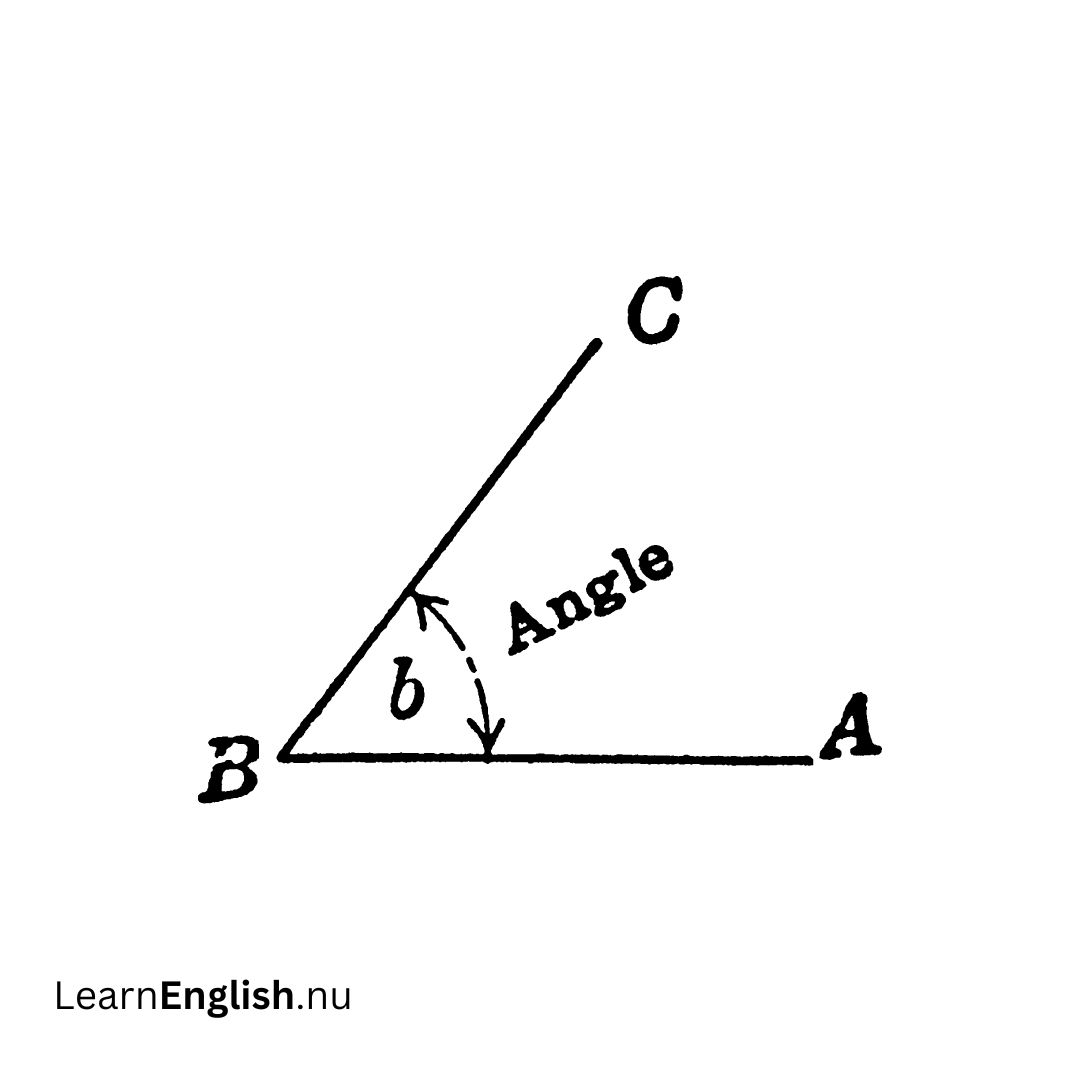 vinkel
Angle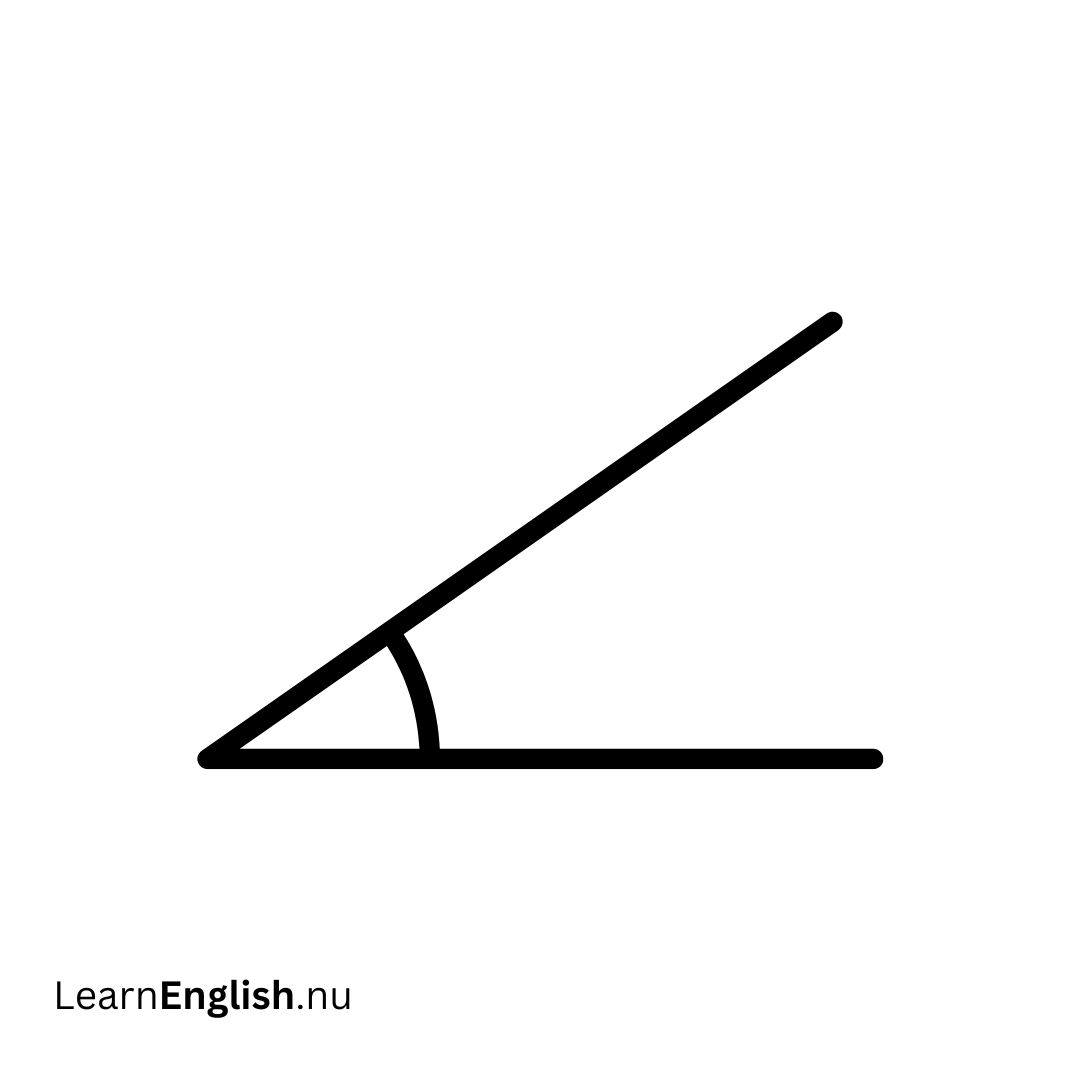 spetsig vinkel
Acute Angle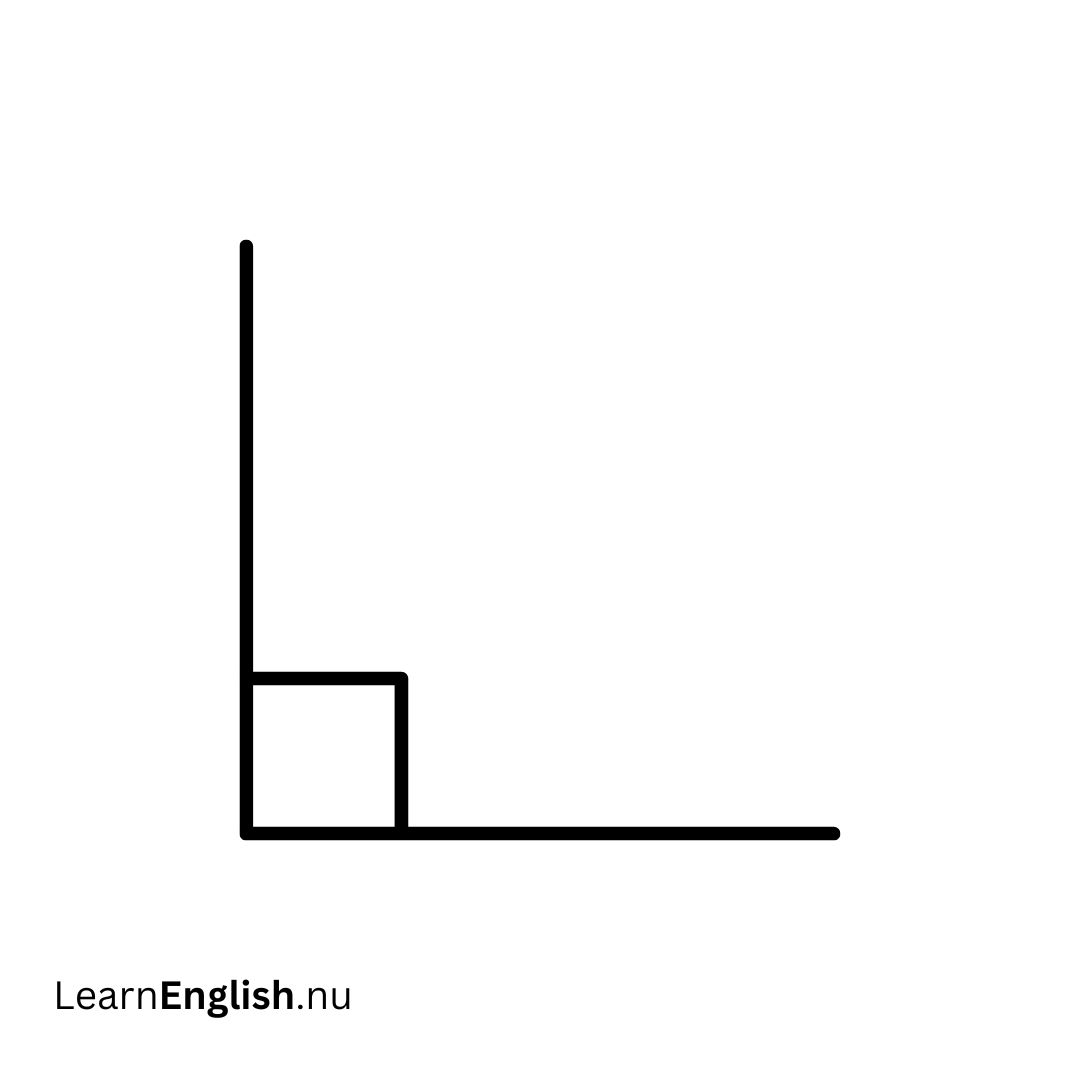 rät vinkel
Right Angle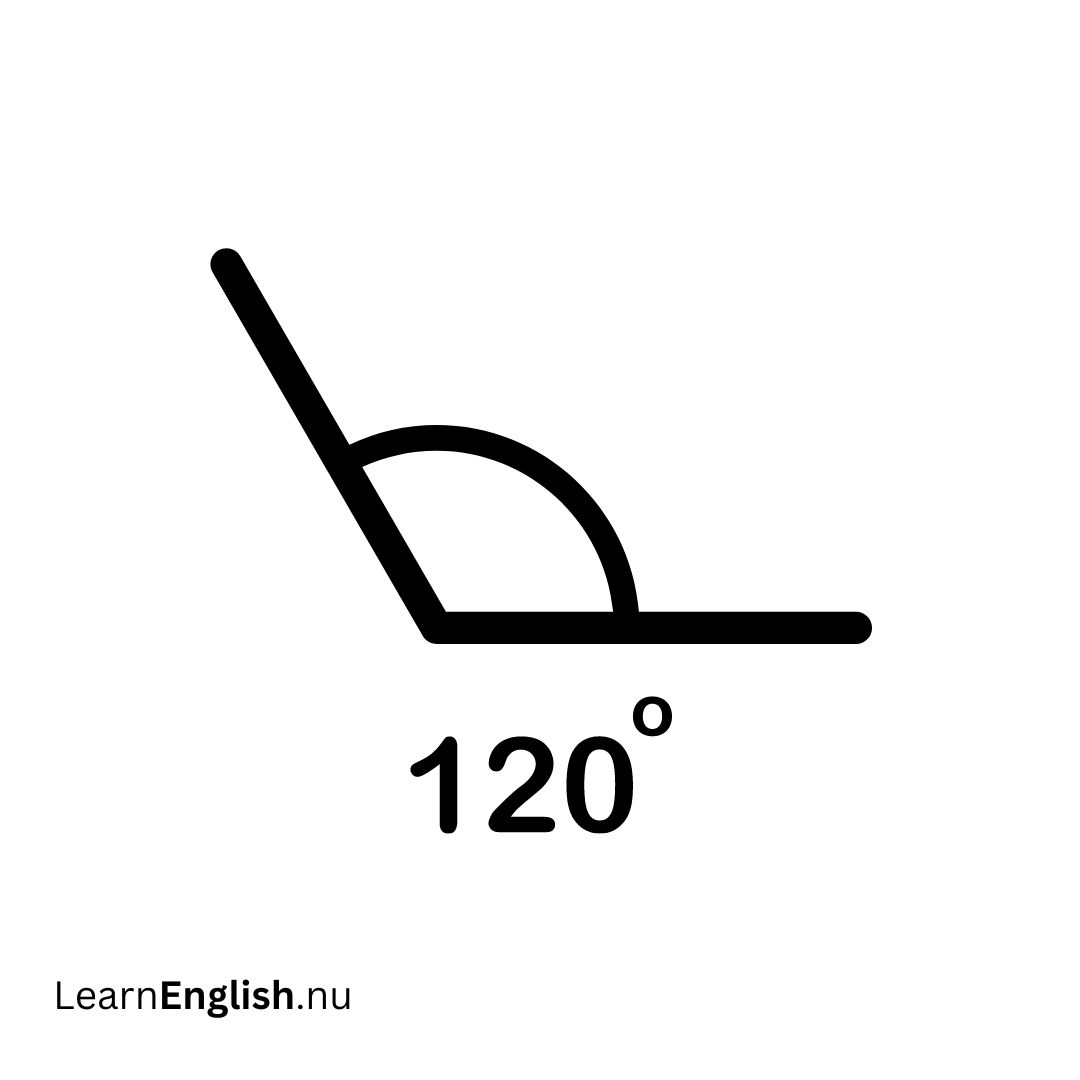 trubbig vinkel
Obtuse Angle
Shapes in Swedish
- kvadrat square
- triangel triangle
- cirkel circle
- rektangel rectangle
- trapezoid trapezoid
- romb rhombus
- pyramid pyramid
- oval oval
- parallellogram parallelogram
- polygon polygon
- halv cirkel semi circle
- kub Cube
- stjärna star
- hjärta heart
- linjesegment line segment
- oktaeder octahedron
- rätvinklig triangel right triangle
- sektor sector
- oliksidig triangel scalene triangle
- cylinder cylinder
- kon cone
- avkapad kon Frustum
- två parallella linjer Two Parallel Lines
- konkav polygon Concave Polygon
- konvex polygon Convex Polygon
- kurva Curve
- kuboid cuboid
- sfär sphere
- diamant diamond
- halvmåne crescent
- pentagon pentagon
- hexagon hexagon
- heptagon heptagon
- nonagon nonagon
- dekagon decagon
- pil arrow
- kors Cross
- spiral Spiral
- vinkel Angle
- spetsig vinkel Acute Angle
- rät vinkel Right Angle
- trubbig vinkel Obtuse Angle
Geometric shapes
- Cirkel Circle
- Triangel Triangle
- Kvadrat Square
- Rektangel Rectangle
- Pentagon Pentagon
- Hexagon Hexagon
- Heptagon Heptagon
- Oktagon Octagon
- Nonagon Nonagon
- Dekagon Decagon
- Oval Oval
- Parallellogram Parallelogram
- Trapezoid Trapezoid
- Ellips Ellipse
- Rhomb Rhombus
- Drake Kite
- Kub Cube
- Sfär Sphere
- Cylinder Cylinder
- Kon Cone
- Pyramid Pyramid
- Tetraeder Tetrahedron
- Oktaeder Octahedron
- Dodekaeder Dodecahedron
- Ikosaeder Icosahedron
- Rektangulärt prisma Rectangular Prism
- Triangulärt prisma Triangular Prism
- Ellipsoid Ellipsoid
- Toroid Torus
- Frustum Frustum
- Halvsfär Hemisphere
- Pyramidprisma Pyramid-based Prism
Common Shape Vocabulary
When learning Swedish, mastering common vocabulary is key to navigating daily conversations. One essential category within this is shape vocabulary. Shapes are fundamental words that frequently appear in everyday discussions. This tutorial will guide you through the key shape vocabulary words in Swedish, helping you build a solid foundation for practical language use.
Common Shapes in Swedish
Understanding and using shape-related words in Swedish can enhance your ability to describe objects and situations in daily life. Below, you'll find a table with essential shape vocabulary, translated from English to Swedish.
| English | Swedish | Pronunciation |
|---|---|---|
| Circle | Cirkel | sihr-kehl |
| Square | Fyrkant | feer-kant |
| Triangle | Triangel | tree-ang-uhl |
| Rectangle | Rektangel | rek-tang-ehl |
| Oval | Oval | oh-vahl |
| Star | Stjärna | hwee-ar-na |
| Diamond | Romb | rohmb |
| Hexagon | Hexagon | hek-sah-gon |
| Octagon | Oktagon | ohk-tah-gon |
| Heart | Hjärta | yehr-ta |
All shapes in Swedish
Learning the names of shapes is a fundamental part of language learning, especially for beginners. This tutorial will introduce you to the Swedish names for common geometric shapes, along with their pronunciations. Whether you’re a student, a teacher, or just curious about Swedish, these shape names will help you build your vocabulary in a practical and engaging way.
Shape Names in Swedish
Understanding shape names is essential in both everyday life and in various fields like education, design, and engineering. Knowing how to describe shapes in Swedish can help you communicate more effectively and enhance your language skills. Below is a table that provides the Swedish names for common shapes, their pronunciations, and their English equivalents.
| Swedish Term | Pronunciation | English Translation |
|---|---|---|
| Kub | /kʉːb/ | Cube |
| Parallelepiped | /paralɛˈlɛˌpipɛd/ | Parallelepiped |
| Cylinder | /syˈlɪndɛr/ | Cylinder |
| Sfär | /sfæːr/ | Sphere |
| Trekantsprisma | /ˈtreːkantsˌprisma/ | Triangular Prism |
| Kon | /kuːn/ | Cone |
| Sexkantigt Prisma | /ˈsɛksˌkantɪɡt ˈprisma/ | Hexagonal Prism |
| Femkantigt Prisma | /ˈfɛmˌkantɪɡt ˈprisma/ | Pentagonal Prism |
| Fyrkantig Pyramid | /ˈfyrˌkantɪɡ ˈpyramiːd/ | Square Pyramid |
| Triangulär Pyramid | /trɪanɡʊˈlær ˈpyramiːd/ | Triangular Pyramid |
| Sexkantig Pyramid | /ˈsɛksˌkantɪɡ ˈpyramiːd/ | Hexagonal Pyramid |
| Oktaeder | /ɔkˈtaːedɛr/ | Octahedron |
| Dodekaeder | /ˈdoːdɛˌkaːedɛr/ | Dodecahedron |
| Icosahedron | /ˌɪkɔsæˈheːdrɔn/ | Icosahedron |
| Frustum | /frʊˈstʊm/ | Frustum |
| Ellipsoid | /ɛˈlɪpsoid/ | Ellipsoid |
| Likbent Triangel | /ˈlɪkbent ˈtriˌangɛl/ | Isosceles Triangle |
| Triangel | /ˈtriˌangɛl/ | Triangle |
| Liksidig Triangel | /ˈlɪkˌsɪdɪɡ ˈtriˌangɛl/ | Equilateral Triangle |
| Rätt Triangel | /ˈrɛtˌtriˌangɛl/ | Right Triangle |
| Trubbig Triangel | /ˈtrʉbˌbɪɡ ˈtriˌangɛl/ | Obtuse Triangle |
| Akut Triangel | /ˈakʉt ˈtriˌangɛl/ | Acute Triangle |
| Rektangel | /rɛkˈtanɡɛl/ | Rectangle |
| Fyrkant | /ˈfyrˌkant/ | Square |
| Romb | /rɔmb/ | Rhombus |
| Parallellogram | /paraˈlɛloˌɡram/ | Parallelogram |
| Trapetsformad | /ˈtrapɛtsˌformad/ | Trapezoid |
| Fyrsidig | /ˈfyrˌsidɪɡ/ | Quadrilateral |
| Drake | /ˈdraˌkɛ/ | Kite |
| Femkant | /ˈfɛmˌkant/ | Pentagon |
| Sexhörning | /ˈsɛksˌhœrniŋ/ | Hexagon |
| Heptagon | /ˈhɛptaˌɡɔn/ | Heptagon |
| Oktogon | /ɔkˈtɔɡɔn/ | Octagon |
| Nonagon | /ˈnɔnaˌɡɔn/ | Nonagon |
| Dekagon | /ˈdɛkaˌɡɔn/ | Decagon |
| Dodecagon | /doˈdɛkaˌɡɔn/ | Dodecagon |
| Polygon | /ˈpɔliˌɡɔn/ | Polygon |
| Cirkel | /ˈsɪrkɛl/ | Circle |
| Oval | /ɔˈvaːl/ | Oval |
| Linsform | /ˈlɪnsˌfɔrm/ | Lens Shape |
| Halvmåneform | /ˈhalvˌmɔːnɛˌfɔrm/ | Crescent Shape |
| Bågform | /ˈbɔːɡˌfɔrm/ | Arc Shape |
| Annulus | /ˈanʉˌlʉs/ | Annulus |
| Segmentet | /ˈsɛɡˌmɛntɛt/ | Segment |
| Sektor | /ˈsɛkˌtɔr/ | Sector |
| Halvcirkel | /ˈhalvˌsɪrkɛl/ | Semicircle |
| Kors | /kɔrs/ | Cross |
| Hjärta | /ˈjæːrta/ | Heart |
| Stjärna | /ˈɧæːrna/ | Star |
| Redskap | /ˈredˌskɑːp/ | Tool |
| Pil | /piːl/ | Arrow |
| Kubisk | /ˈkʉːbɪsk/ | Cubic |
3D shapes names in Swedish
Learning the names of 3D shapes in Swedish is an important step in expanding your vocabulary, especially when it comes to describing objects with depth. These shapes, also known as solid shapes, have three dimensions: height, width, and depth. In this tutorial, we'll explore the vocabulary for 3D shapes in Swedish, along with pronunciations, to help you better understand and use these terms.
3D Shapes: Polyhedra and Non-Polyhedra
3D shapes are categorized into two main groups: polyhedra and non-polyhedra. Polyhedra are solid shapes with flat faces, straight edges, and sharp vertices. Examples include prisms and pyramids. Non-polyhedra, on the other hand, have curved surfaces and may also include flat faces, edges, or vertices. Understanding these categories will make it easier to remember and identify 3D shapes in Swedish.
Below is a table that lists common 3D shapes in Swedish, with their English equivalents, pronunciations, and a brief description.
| English | Swedish | Pronunciation | Description |
|---|---|---|---|
| Cube | Kub | koob | A polyhedron with six square faces. |
| Pyramid | Pyramid | pyr-ah-meed | A polyhedron with a polygonal base and triangular faces. |
| Sphere | Sfär | sfehr | A non-polyhedron with a perfectly round shape. |
| Cylinder | Cylinder | syh-lin-der | A non-polyhedron with two parallel circular bases. |
| Cone | Kon | kohn | A non-polyhedron with a circular base and a pointed top. |
| Tetrahedron | Tetraeder | tet-rah-ee-der | A polyhedron with four triangular faces. |
| Rectangular Prism | Rätblock | reht-blohck | A polyhedron with six rectangular faces. |
| Octahedron | Oktaeder | ok-tah-ee-der | A polyhedron with eight triangular faces. |
| Dodecahedron | Dodekaeder | doh-deh-ka-ee-der | A polyhedron with twelve pentagonal faces. |
| Torus | Torus | toh-rus | A non-polyhedron shaped like a doughnut. |
the Attributes of 3D Shapes in Swedish
When studying three-dimensional shapes, it's essential to understand their key attributes: faces, edges, and vertices. This tutorial will break down these concepts and their Swedish terms, helping beginners grasp the properties of 3D shapes in a clear and practical way.
- Faces (Ansikten) In 3D shapes, a face is each flat or curved surface of the shape. For instance, a cube has six faces, each of which is a square. Faces are crucial for identifying and describing the shape.
- Edges (Kanter) An edge is where two faces of a 3D shape meet. It is essentially the line segment between two adjacent faces. For example, a cube has twelve edges, where each pair of adjoining faces intersects.
- Vertices (Vertex) A vertex is a point where three or more faces of a 3D shape converge. It's essentially the corner of the shape. For instance, a cube has eight vertices, each formed where three edges meet.
Geometric Terms in Swedish
Understanding geometric terms is key to mastering the concepts of shapes and their properties. This tutorial covers essential geometric terms in Swedish, which will help you describe and analyze various shapes effectively.
- Vertex (Vertex) A vertex is the point where two lines or edges meet to form an angle. In geometry, vertices are crucial for defining the corners of shapes. For example, the corners of a triangle or square are vertices.
- Edge (Kant) An edge is a line segment connecting two vertices in a polygon. This term is used to describe the sides of both 2D and 3D shapes. For instance, the sides of a triangle or the edges of a cube are referred to as edges.
- Angle (Vinkel) An angle is the space between two intersecting lines or surfaces at the point where they meet. Angles are fundamental in geometry as they help describe the orientation of shapes.
- Right Angle (Rät vinkel) A right angle measures exactly 90 degrees. When two lines intersect to form a right angle, they are perpendicular to each other. Right angles are common in shapes like squares and rectangles.
- Acute Angle (Spetsig vinkel) An acute angle measures less than 90 degrees. It is smaller than a right angle and is typically found in triangles. Acute angles give shapes a sharp, pointed appearance.
- Obtuse Angle (Större vinkel) An obtuse angle measures more than 90 degrees but less than 180 degrees. It is larger than a right angle and is often found in shapes like rhombuses. Obtuse angles create a wider, more open appearance.
- Straight Angle (Rät linje) A straight angle measures exactly 180 degrees. It forms a straight path and occurs when two rays are aligned with each other. Straight angles are useful for defining linear shapes.
- Symmetry (Symmetri) Symmetry describes when two shapes look the same when flipped, moved, or turned. Symmetrical objects are balanced and harmonious, making them easier to recognize and analyze.
Related Topics
Swedish Lessons: Swedish Drink Words Vocabulary Words
Swedish Vocabulary: Words and Phrases for Restaurant in Swedish
Swedish for Travelers: Useful Swedish Phrases and Words
Names of things in the street in Swedish
Swedish Nature Vocabulary with Pronunciation - Learn Swedish
Places in town words vocabulary in Swedish
Top 22 Words for Nature Basics in Swedish
Swedish vocabulary: At the Beach Words and Phrases
Musical instruments names in Swedish language
Swedish Electrical Appliances: Household Devices Word List
Swedish emergency expressions , words and phrases
Office supplies - Office equipment words vocabulary in Swedish
Swedish Vocabulary: Swedish Occupations Jobs Professions Words
Swedish Lessons: Swedish Transportation Vocabulary And Phrases
Planet names in Swedish and English (Solar system)
Swedish Lessons: Swedish Food and Meals Vocabulary Words with Pronunciation
Swedish Lessons: Swedish tools and equipment Vocabulary Words
Swedish Lessons: Swedish utility room Vocabulary Words
Swedish Lessons: Action Verbs in Swedish
Swedish Lessons: Swedish cleaning tools Vocabulary Words
Swedish Lessons: Swedish Garden Vocabulary Words
Swedish Lessons: Swedish Bathroom Vocabulary Words
Swedish Lessons: Cooking Verbs in Swedish
Swedish Lessons: Swedish kitchen utensils Vocabulary Words
Swedish Lessons: Living room Vardagsrum Vocabulary Words
Swedish Lessons: bedroom items list with pictures in Swedish
Swedish Lessons: House vocabulary words in Swedish
Swedish Lessons: Plant names , flowers names in Swedish
Swedish Lessons: Insects and Reptiles in Swedish pictures & audio