Learning the names of internal organs in Swedish is a valuable step for anyone interested in healthcare, anatomy, or simply expanding their language skills. Understanding these terms not only enhances your medical vocabulary but also allows you to communicate more effectively in a professional or academic setting. Whether you're a student, a healthcare professional, or just curious about the human body, mastering these terms will provide you with a solid foundation in both anatomy and Swedish language. This tutorial will guide you through key vocabulary, offering tips and strategies to help you remember and use these terms with confidence.
Click on the text to hear the pronunciation
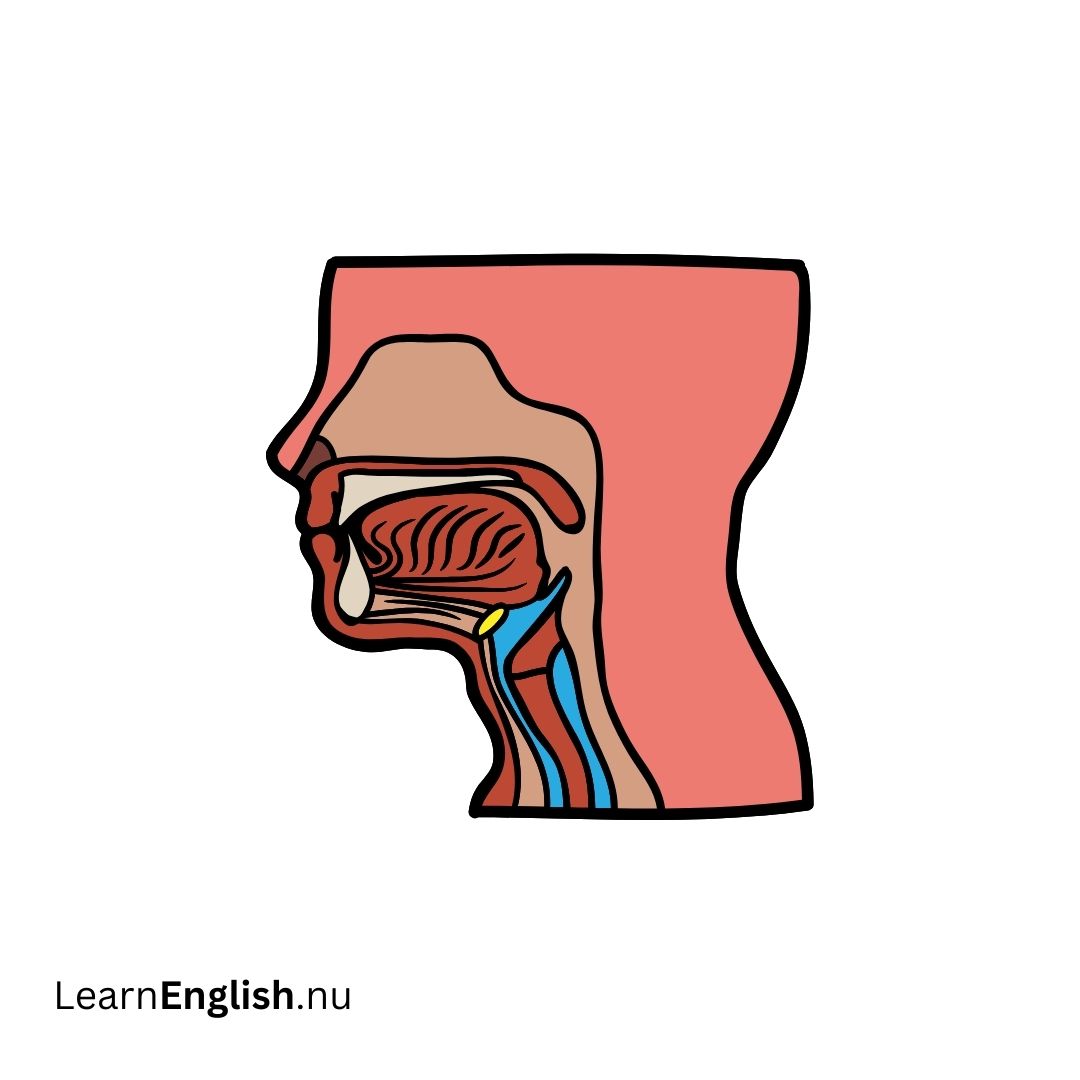 Svalg
Svalg
Pharynx Struphuvud
Larynx Artär
Artär
Artery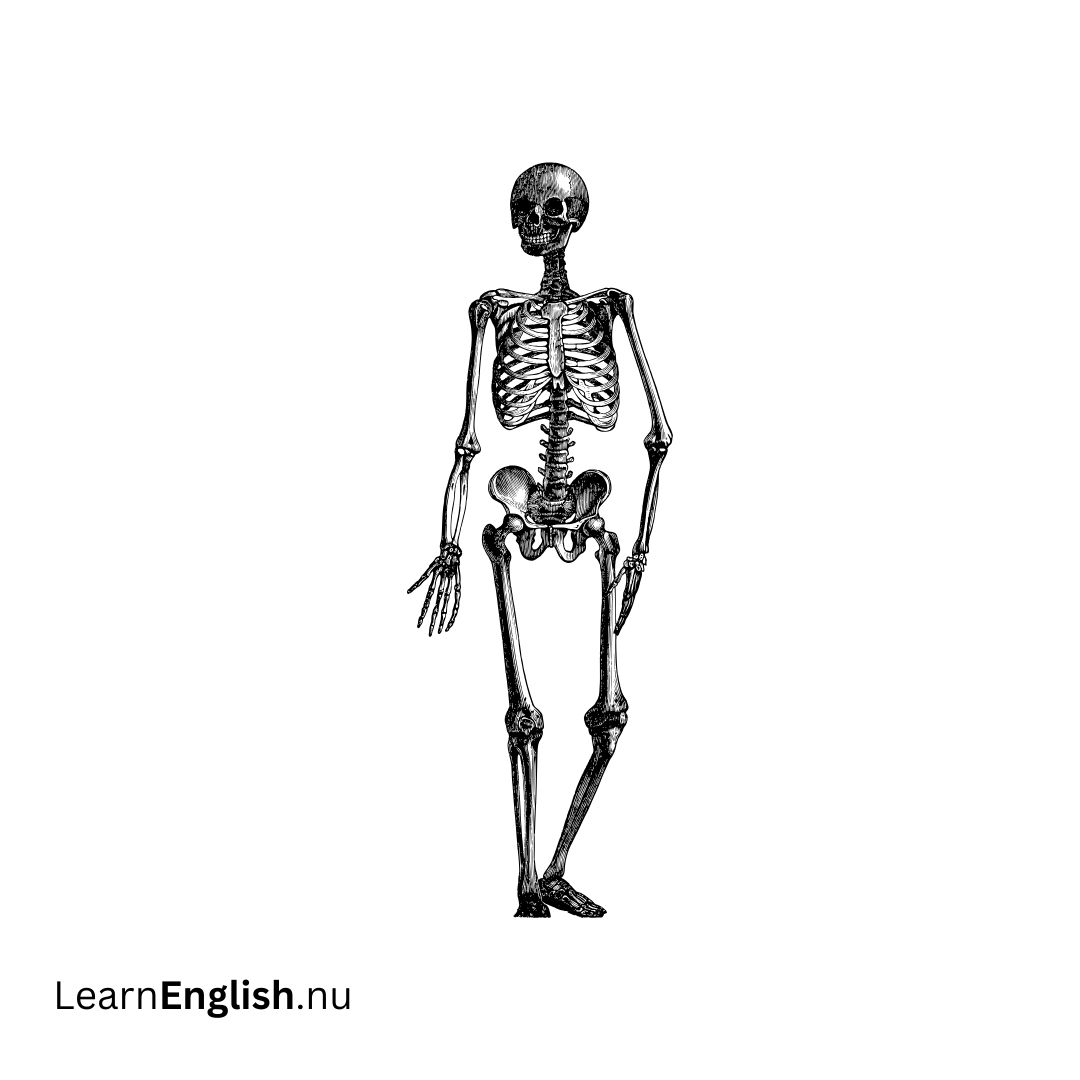 Skelett
Skeleton Hjärna
Brain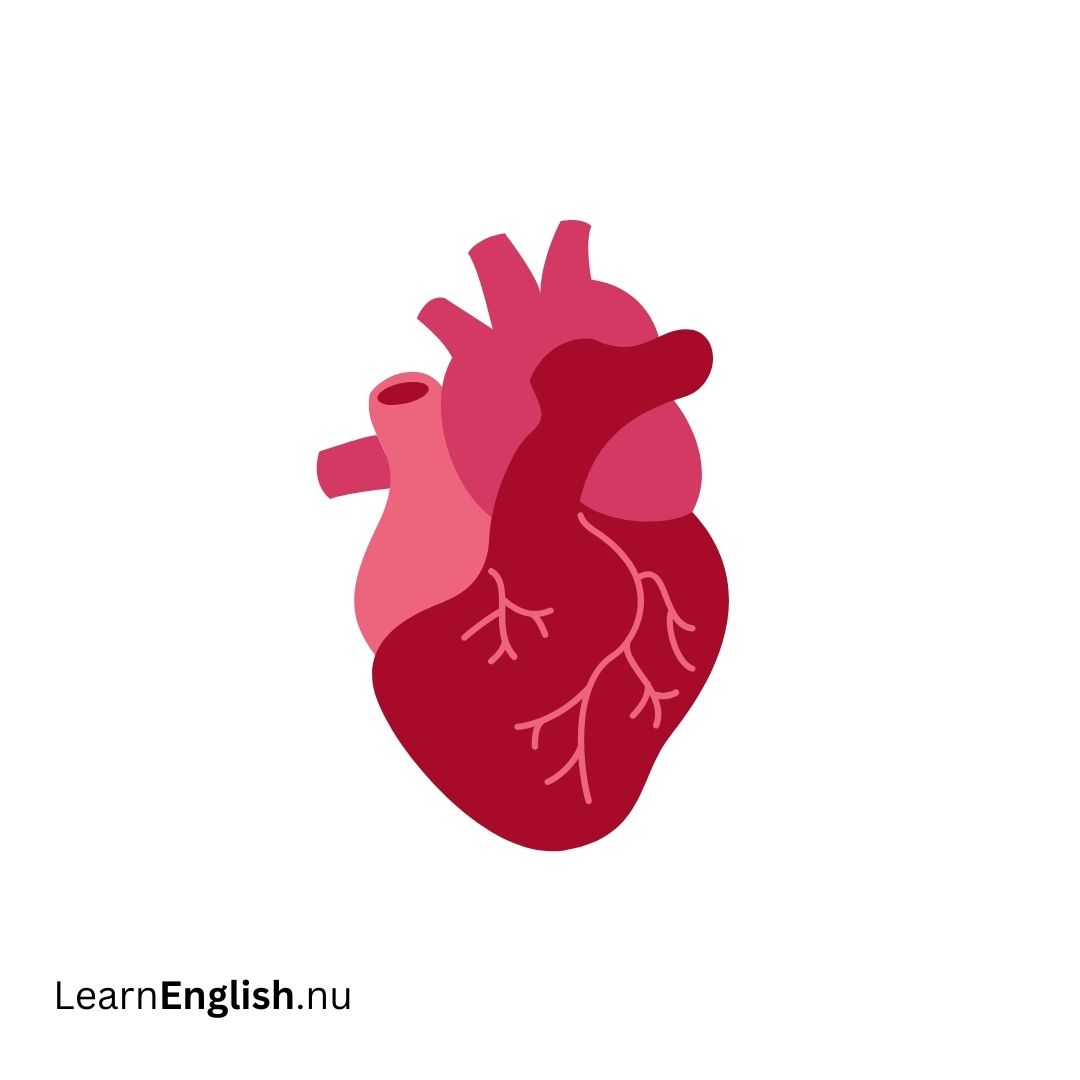 Hjärta
Heart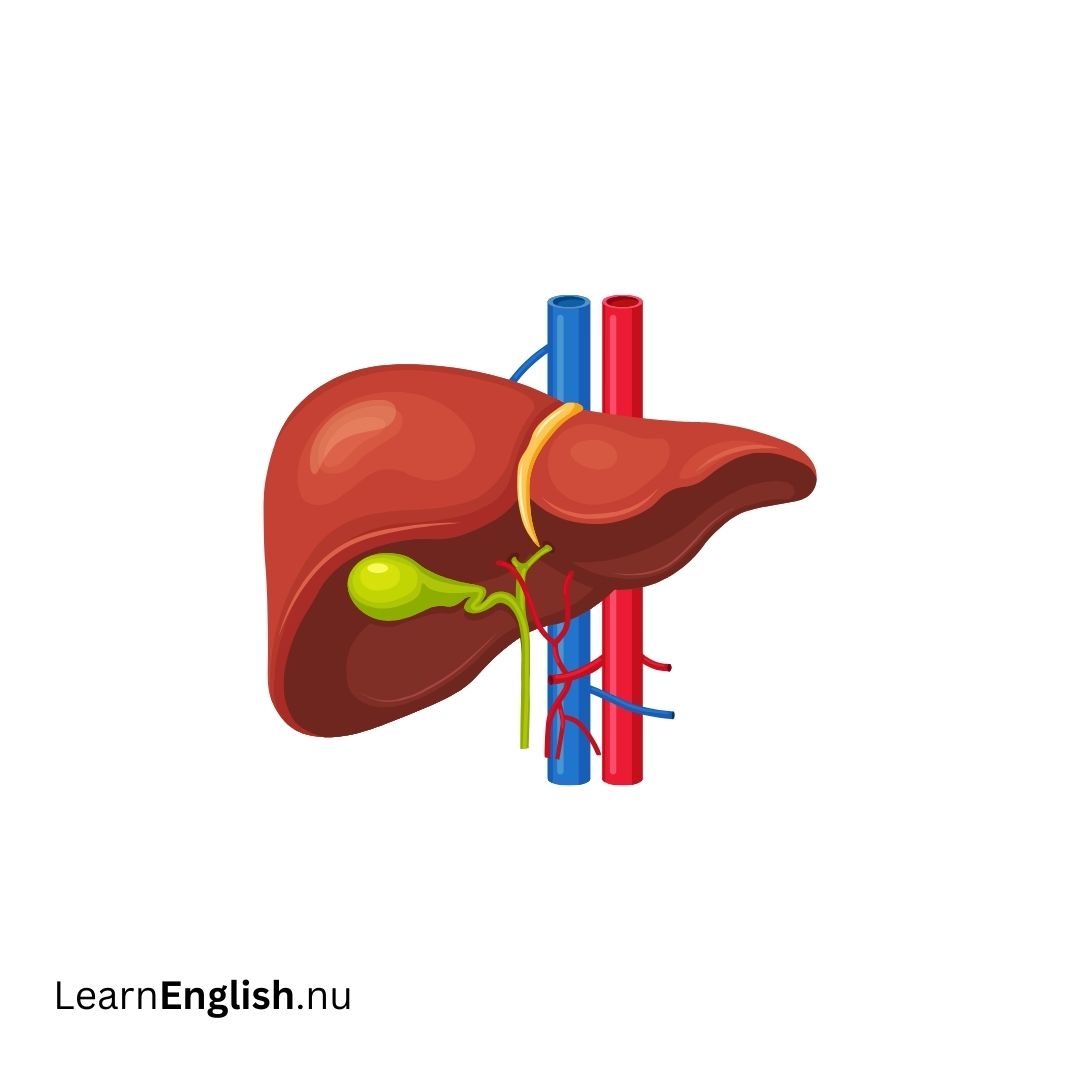 Lever
Lever
Liver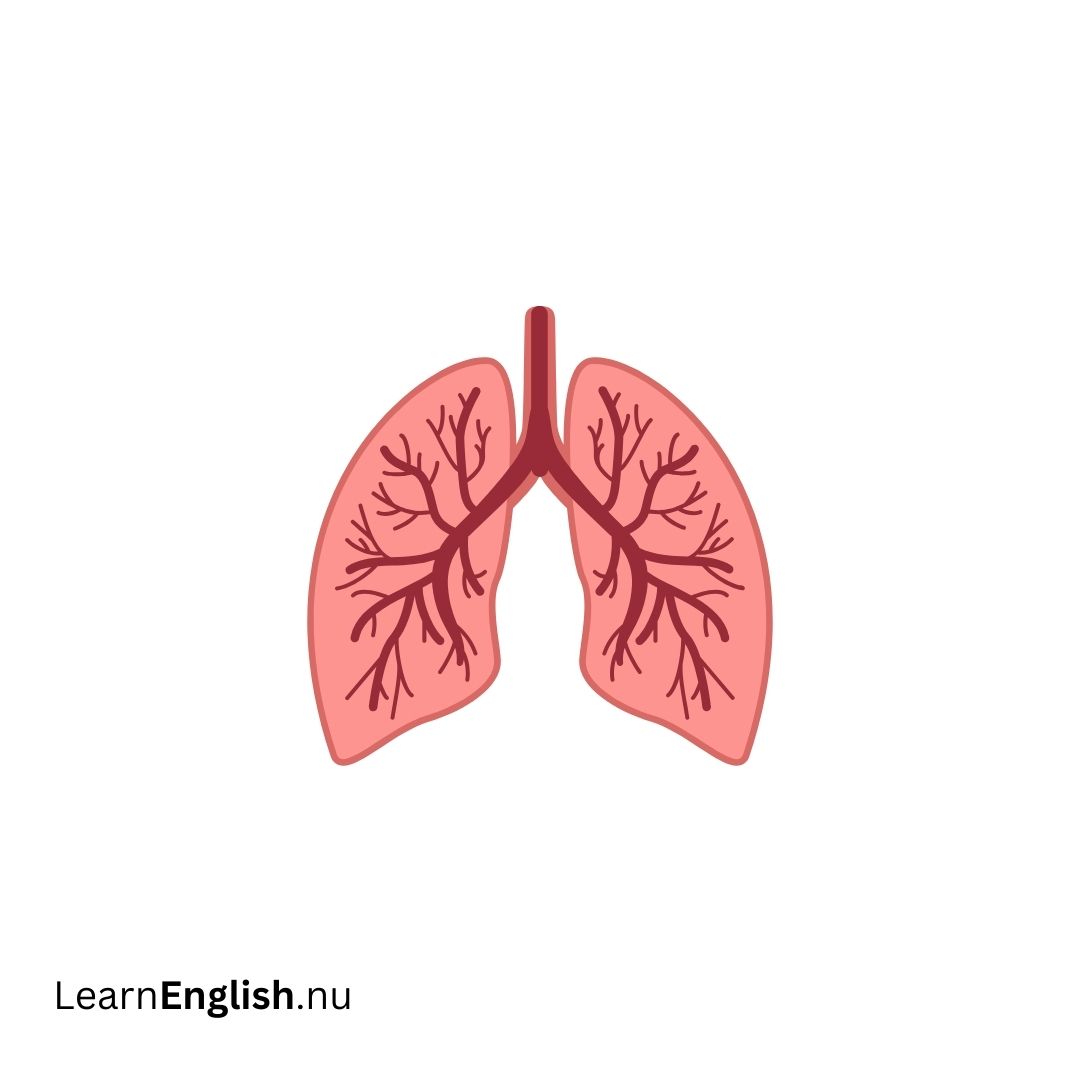 Lungor
Lungs Bukspottkörtel
Pancreas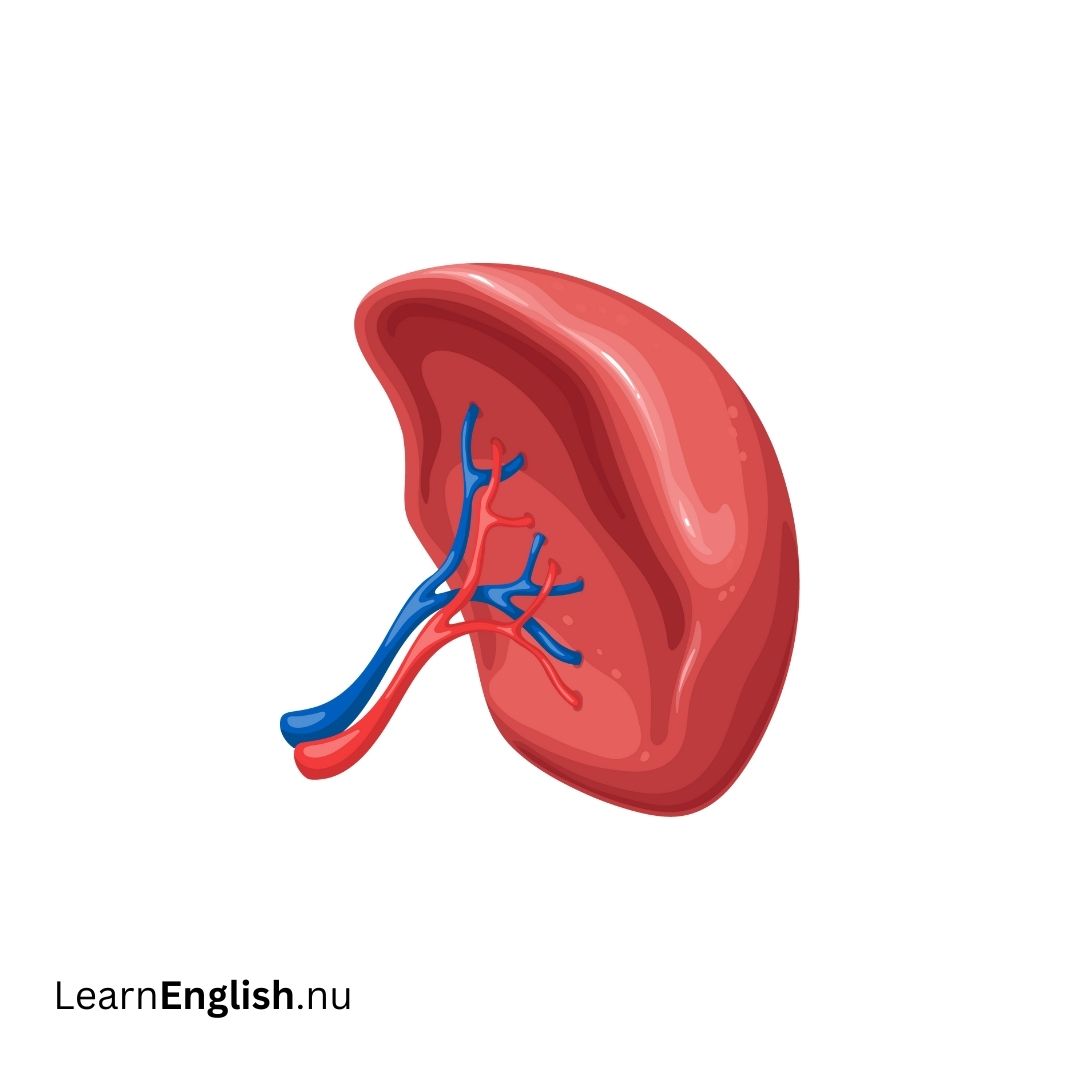 Mjälte
Spleen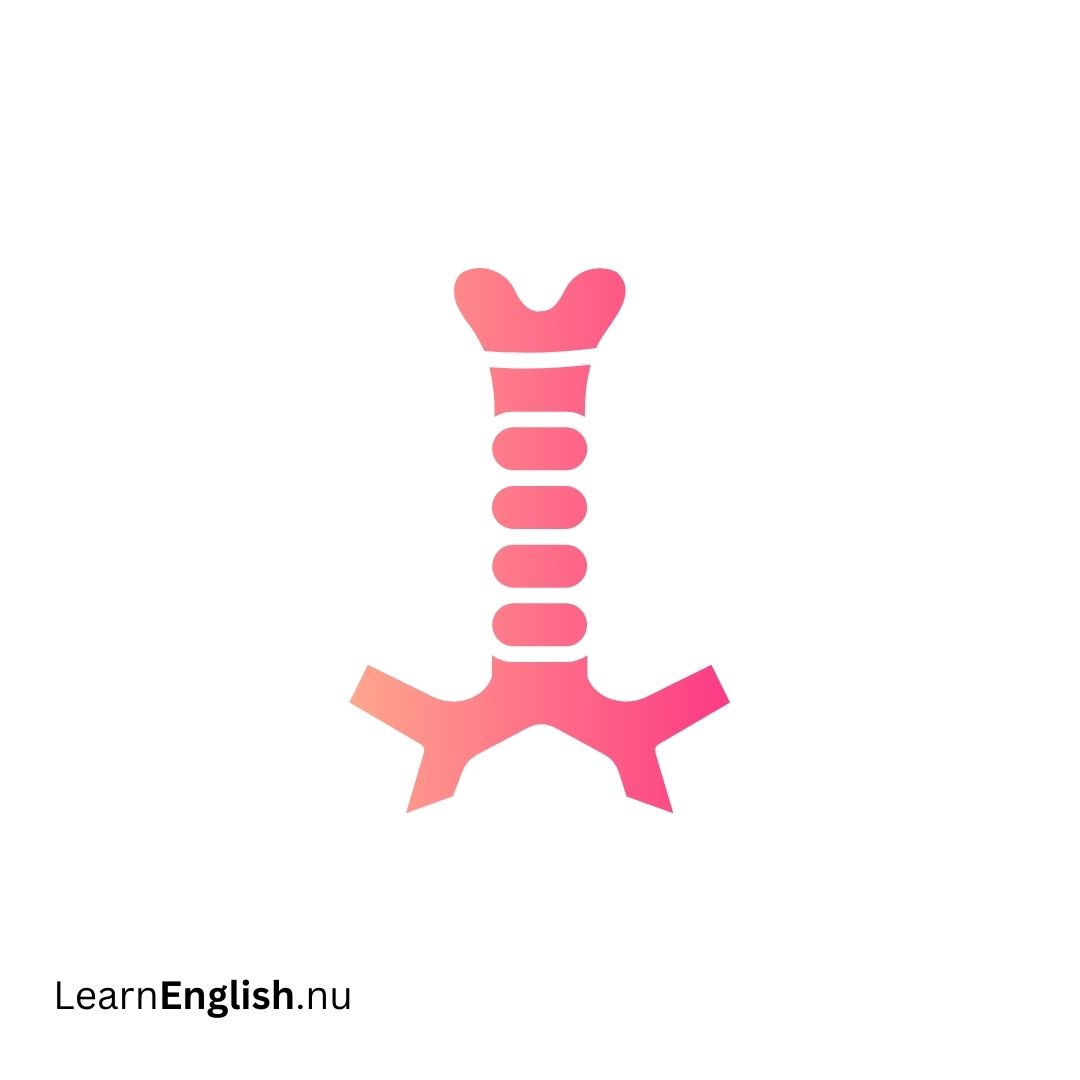 Trakea
Trachea Mage
Mage
Stomach Luftstrupe
Windpipe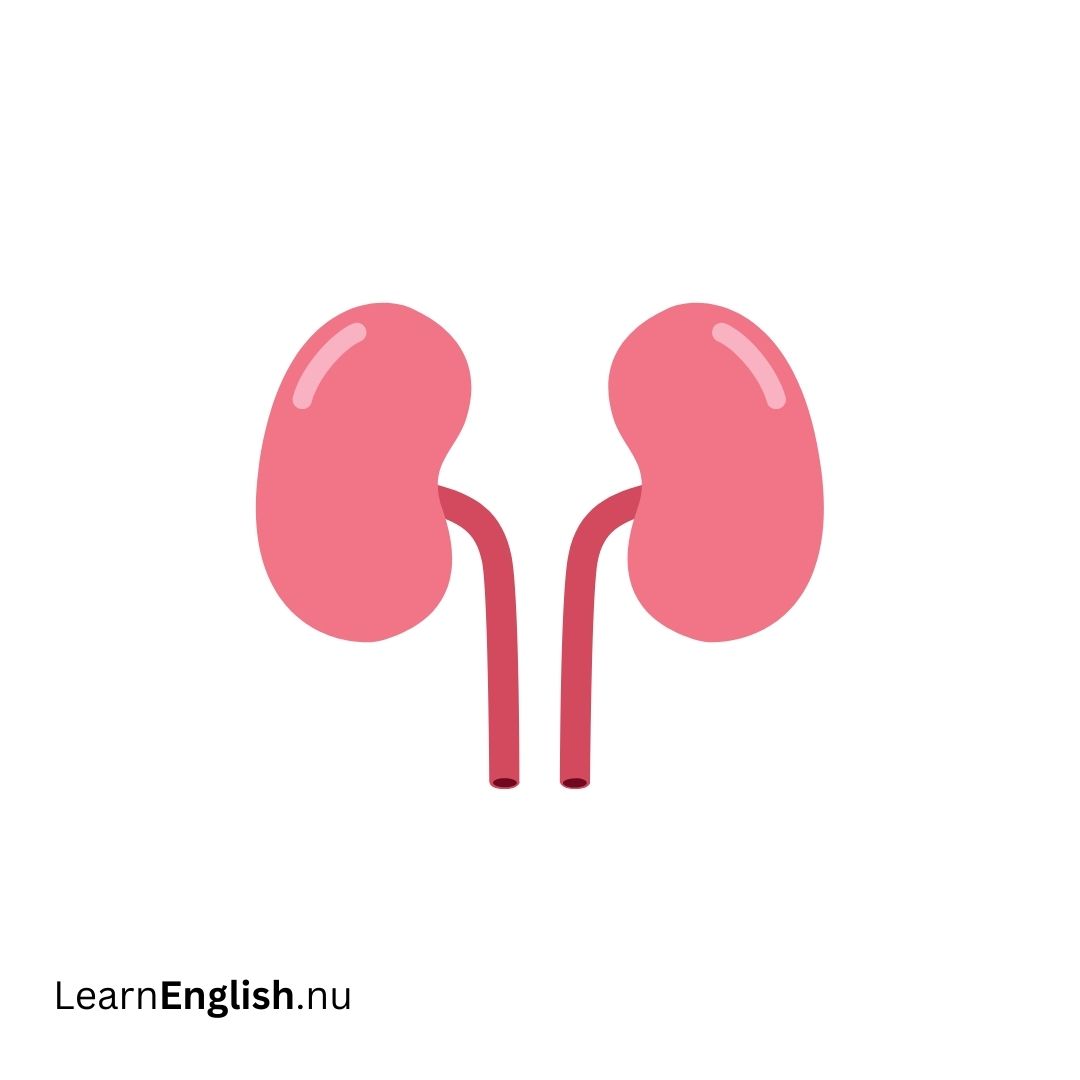 Njurarna
Kidneys Matstrupe
Oesophagus Tjocktarm
Large Intestine Tunntarm
Small Intestine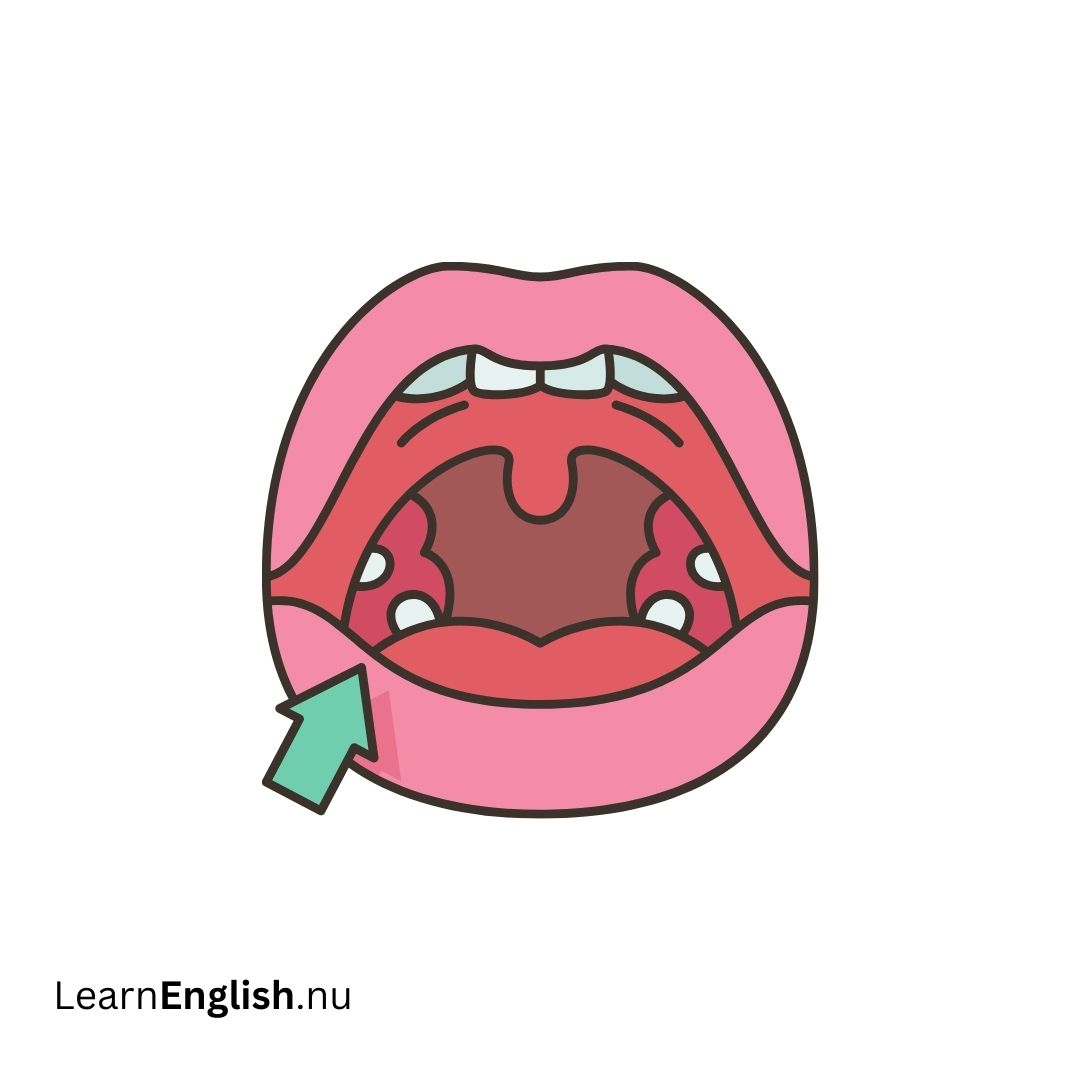 Tonsiller
Tonsils Blåsa
Blåsa
Bladder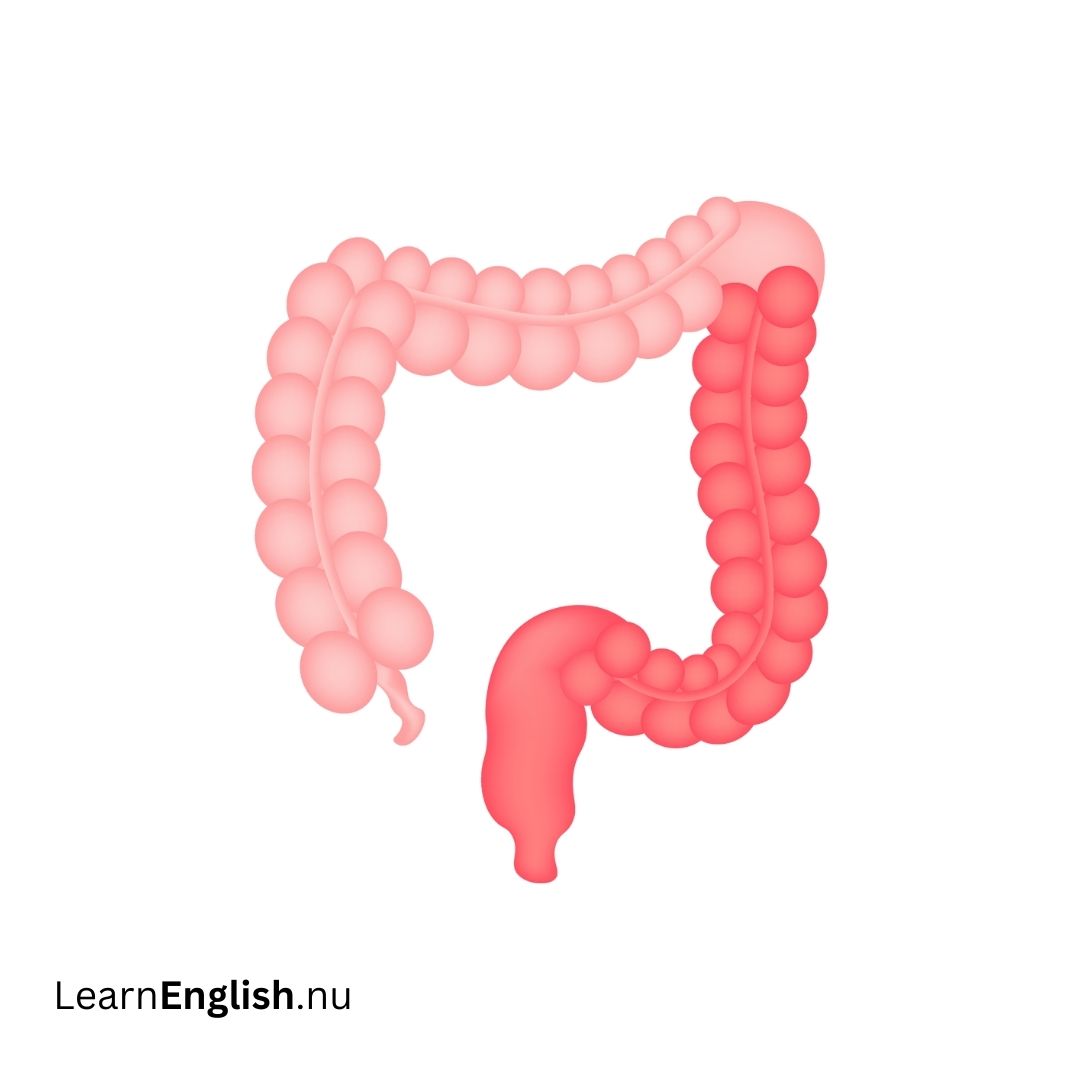 Kolon
Kolon
Colon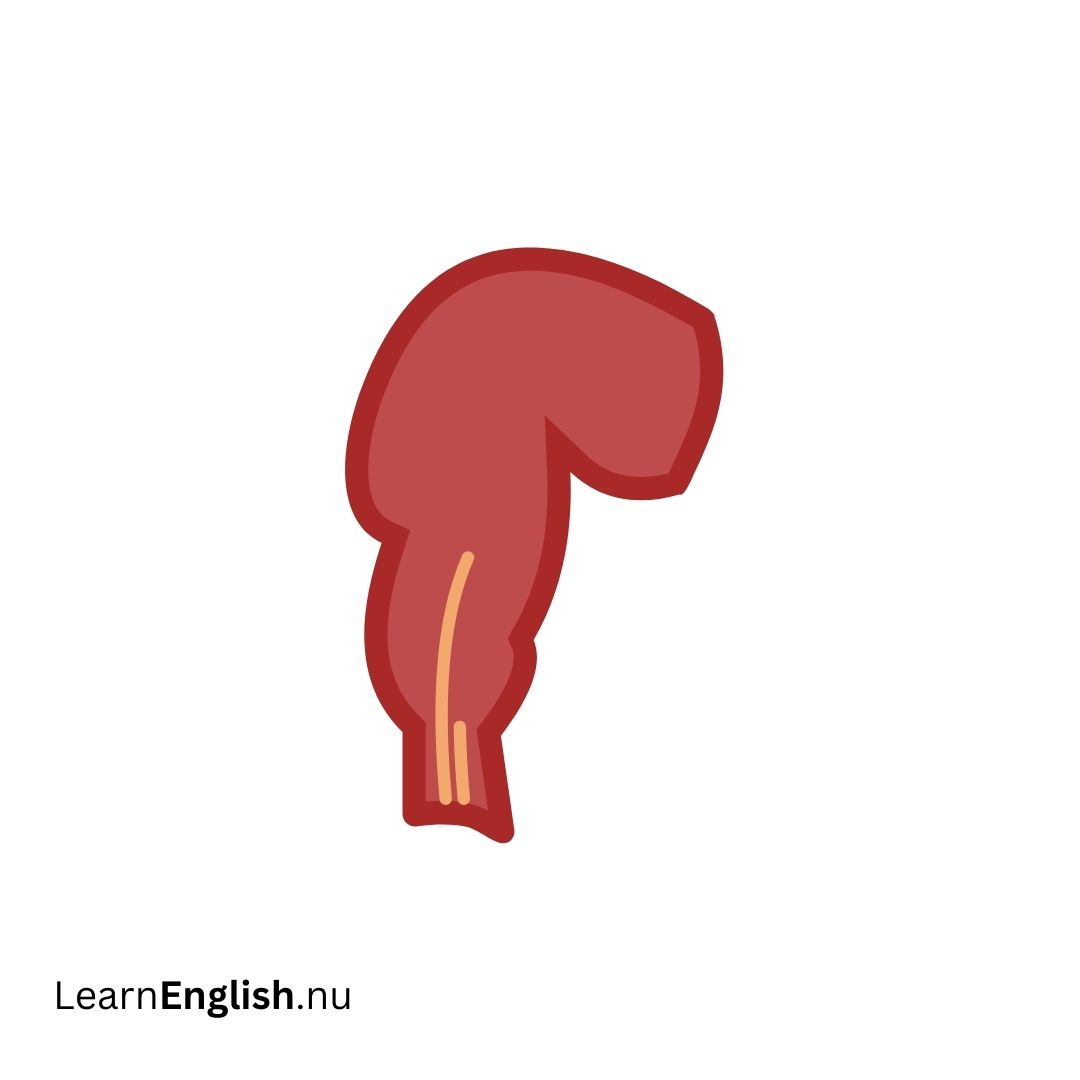 Ändtarm
Rectum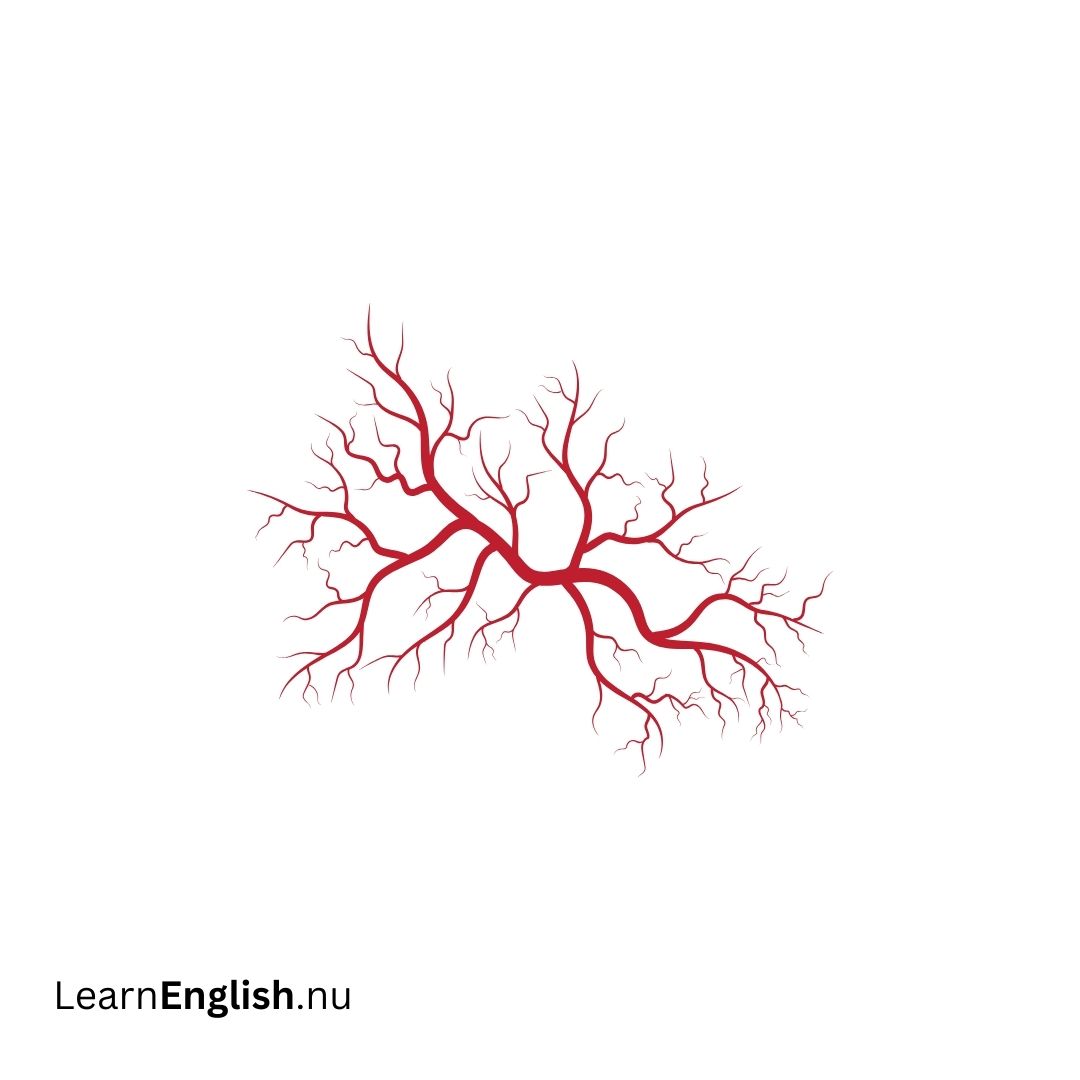 Ven
Ven
Vein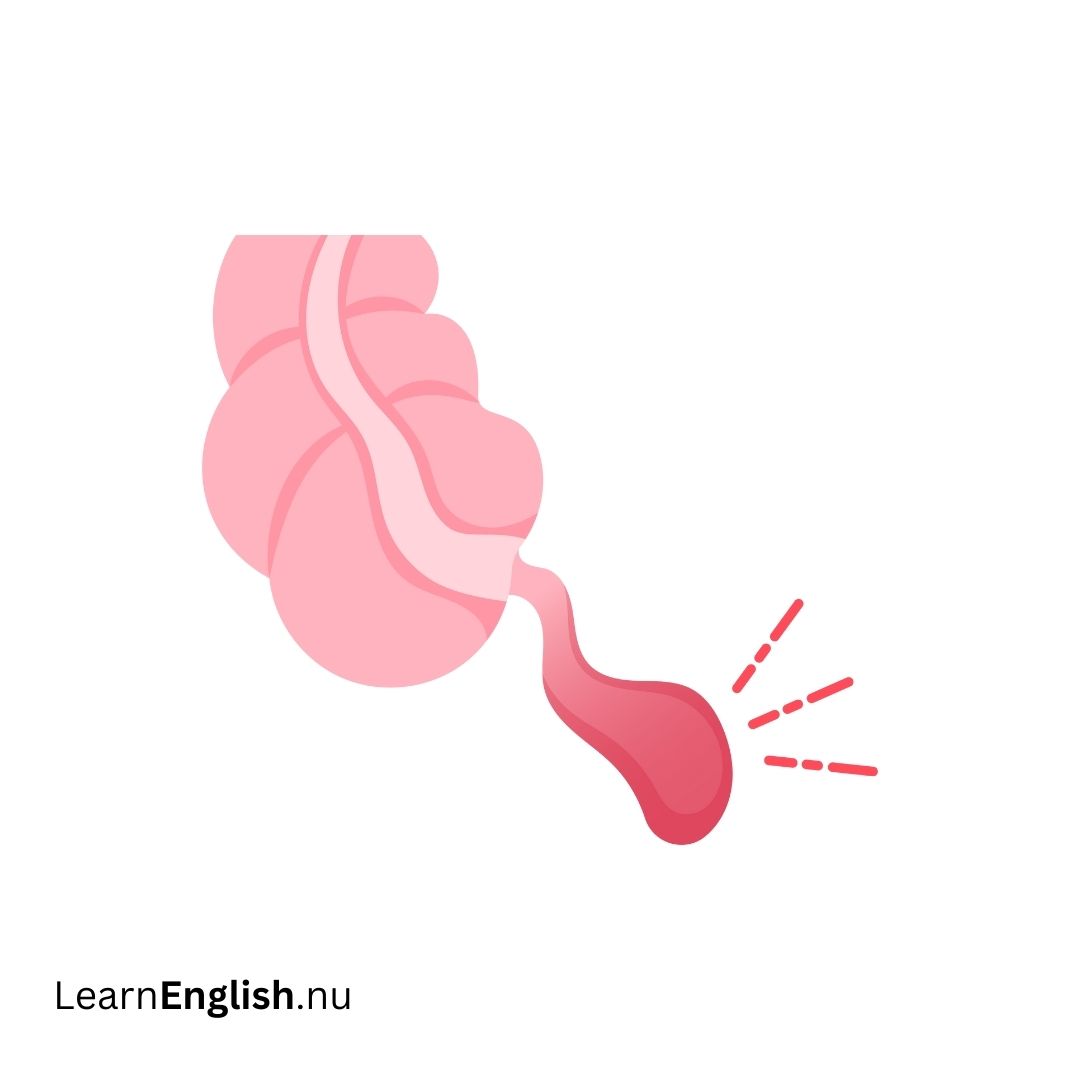 Blindtarm
Appendix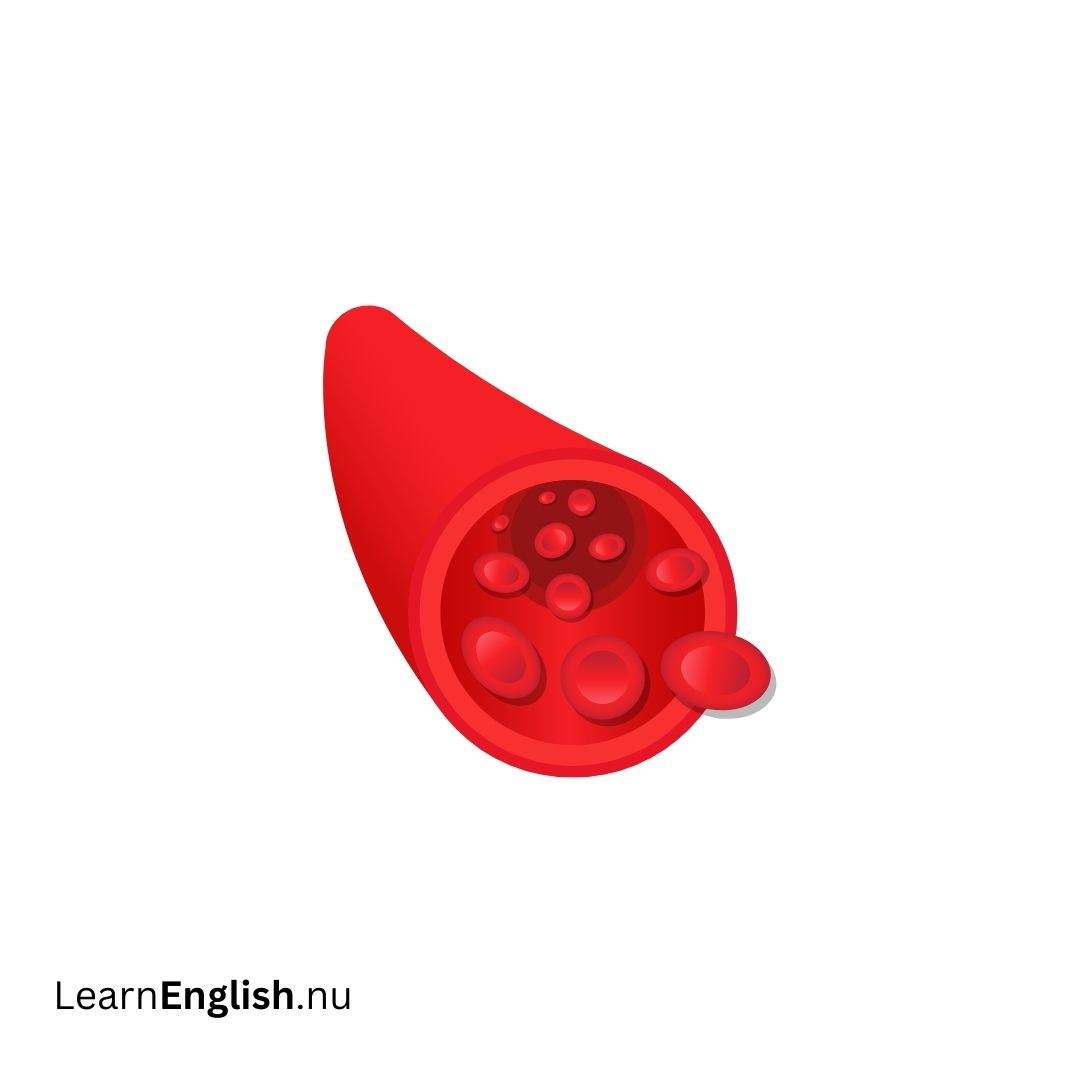 Blodkärl
Blood Vessel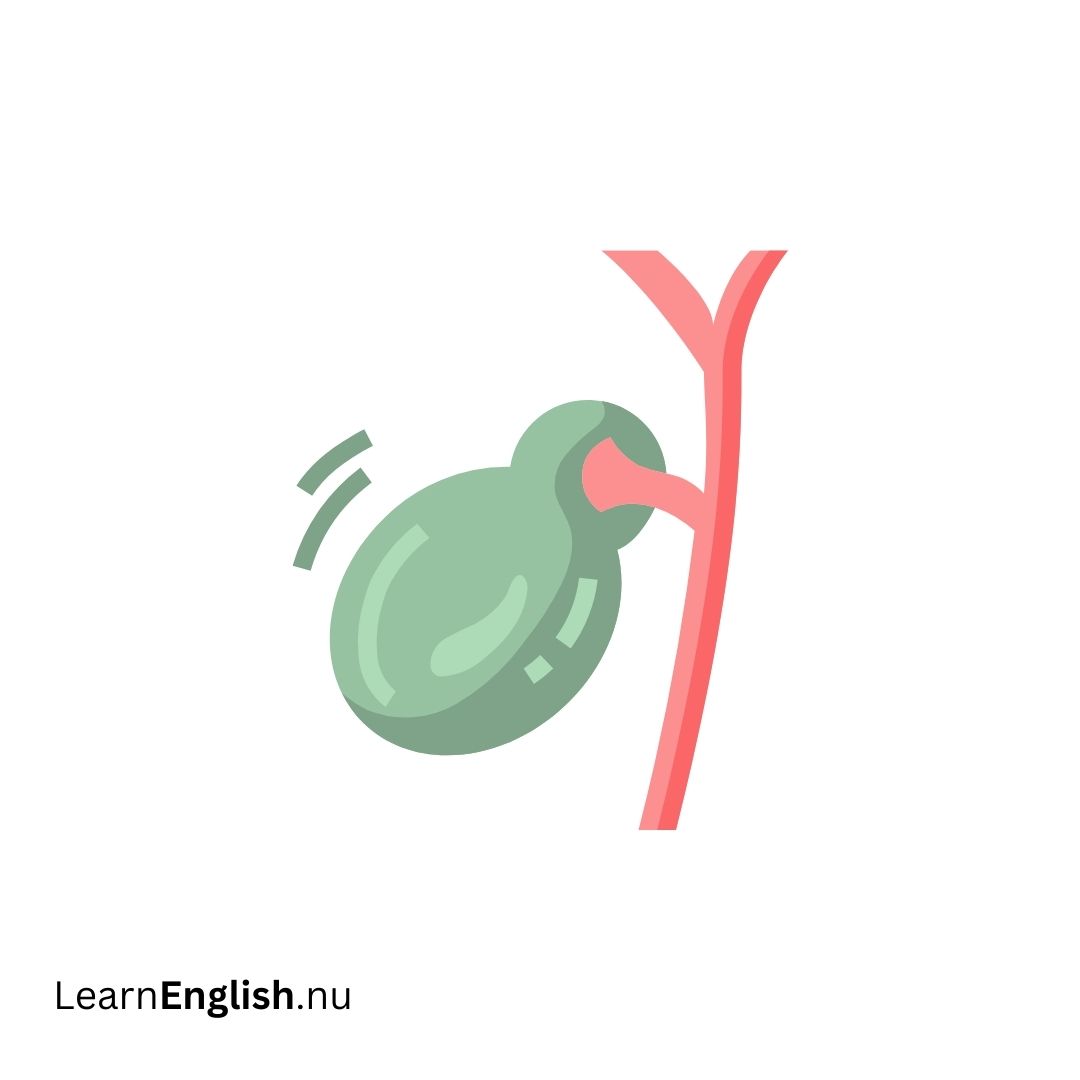 Gallblåsa
Gallbladder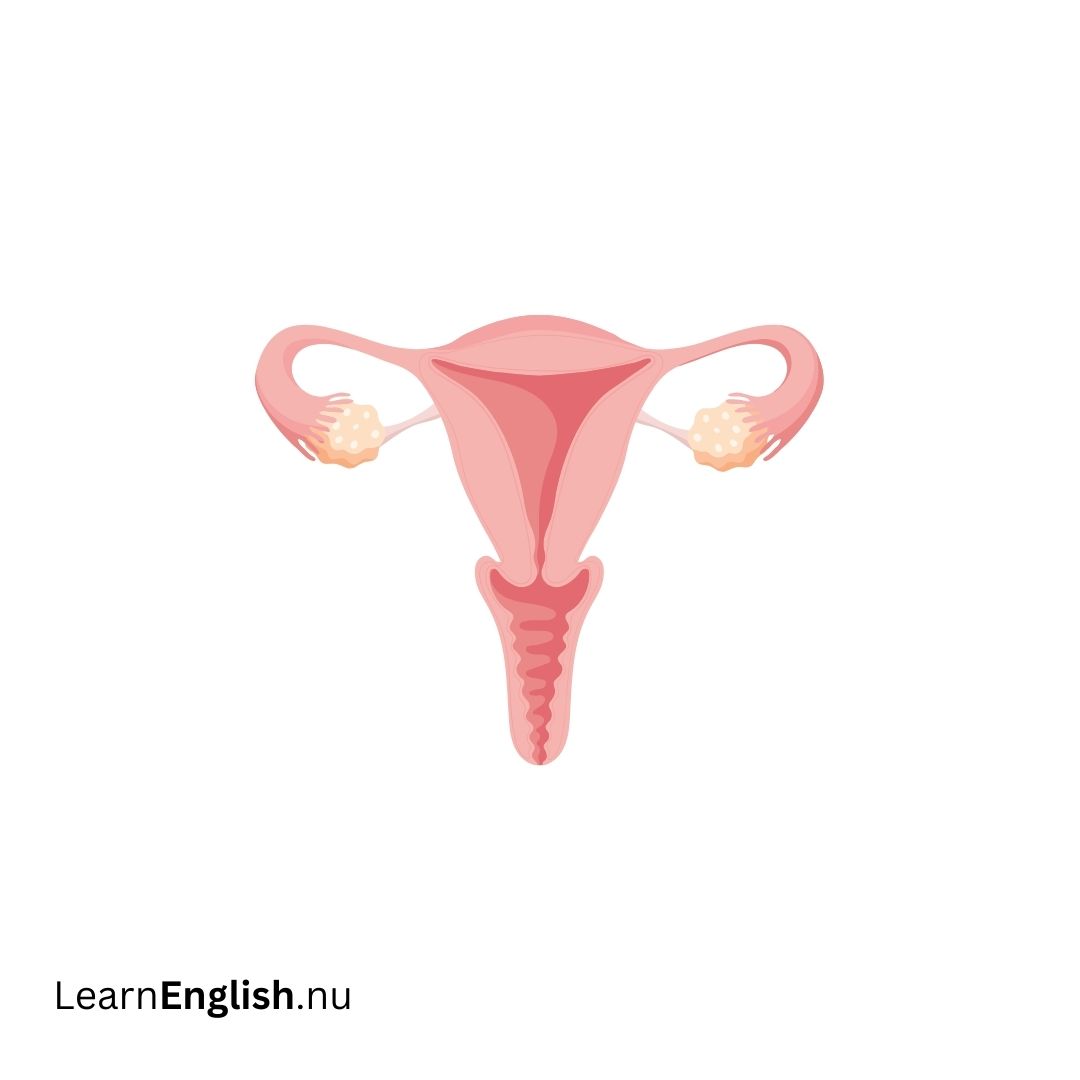 Livmoder
Uterus
Internal organs :: Swedish vocabulary: Learn Swedish
- Svalg Pharynx
- Struphuvud Larynx
- Artär Artery
- Skelett Skeleton
- Hjärna Brain
- Hjärta Heart
- Lever Liver
- Lungor Lungs
- Bukspottkörtel Pancreas
- Mjälte Spleen
- Trakea Trachea
- Mage Stomach
- Luftstrupe Windpipe
- Njurarna Kidneys
- Matstrupe Oesophagus
- Tjocktarm Large Intestine
- Tunntarm Small Intestine
- Tonsiller Tonsils
- Blåsa Bladder
- Kolon Colon
- Ändtarm Rectum
- Ven Vein
- Blindtarm Appendix
- Blodkärl Blood Vessel
- Gallblåsa Gallbladder
- Livmoder Uterus
Internal body organs in Swedish
- Hjärta Heart
- Lungor Lungs
- Lever Liver
- Njurar Kidneys
- Magsäck Stomach
- Tarmar Intestines
- Bukspottkörtel Pancreas
- Tjocktarm Large Intestine
- Tunntarm Small Intestine
- Blåsa Bladder
- Ändtarm Rectum
- Ösophagus Esophagus
- Milta Spleen
- Galla Gallbladder
- Huvudvener Major Veins
- Artärer Arteries
- Diaphragma Diaphragm
- Binjurar Adrenal Glands
- Thymus Thymus
- Hjärnsubstans Brain Tissue
- Aorta Aorta
- Ventriklar Ventricles
- Koronarartärer Coronary Arteries
- Vena cava Vena Cava
- Epiglottis Epiglottis
- Glandula thyreoidea Thyroid Gland
- Paratyreoidea Parathyroid Glands
- Trakea Trachea
- Bronkialrör Bronchial Tubes
- Pleura Pleura
- Perikardium Pericardium
- Aorta abdominalis Abdominal Aorta
- Vena porta Portal Vein
- Ventrikelseptum Ventricular Septum
- Clavicula Clavicle
- Sternum Sternum
- Retikuloendoteliala systemet Reticuloendothelial System
- Hypofys Pituitary Gland
- Pineal körtel Pineal Gland
- Hypothalamus Hypothalamus
- Hippocampus Hippocampus
- Amygdala Amygdala
- Corpus callosum Corpus Callosum
- Fornix Fornix
- Basala ganglier Basal Ganglia
- Substantia nigra Substantia Nigra
- Cerebellum Cerebellum
- Medulla oblongata Medulla Oblongata
- Pons Pons
- Olfaktoriska nerver Olfactory Nerves
- Optiska nerver Optic Nerves
- Vestibulocochlear nerve Vestibulocochlear Nerve
Internal Organs in Swedish
Learning the names of internal organs in Swedish can be incredibly useful, whether you're studying medicine, visiting a healthcare provider, or just exploring the language. This guide will introduce you to the essential Swedish terms for various internal organs and systems, complete with pronunciation tips to help you use them confidently.
Learning Internal Organs Vocabulary
This lesson will cover the names of important internal organs and structures in Swedish. Understanding these terms will not only help you in medical or educational contexts but also in everyday conversations about health.
| English | Swedish | Pronunciation |
|---|---|---|
| Skin | Hud | /hʉːd/ |
| Tonsils | Halsmandlar | /hɑːlsˌmɑːndˌlɑːr/ |
| Liver | Lever | /ˈlɛːvɛr/ |
| Heart | Hjärta | /ˈjæːrta/ |
| Kidney | Njure | /ˈnjʉːrɛ/ |
| Stomach | Mage | /ˈmɑːɡɛ/ |
| Intestine | Tarm | /tɑːrm/ |
| Bladder | Blåsa | /ˈblɔːsa/ |
| Nerve | Nerv | /nɛrv/ |
| Spinal Cord | Ryggmärg | /ˈrʏɡˌmærj/ |
| Artery | Artär | /ɑːrˈtɛːr/ |
| Vein | Ven | /vɛn/ |
| Bone | Ben | /bɛn/ |
| Rib | Revben | /ˈrevˌbɛn/ |
| Tendon | Sena | /ˈseːna/ |
| Lung | Lungor | /ˈlʉːŋɔr/ |
| Muscle | Muskel | /ˈmʏskɛl/ |
parts of the Heart in Swedish
The heart is a complex organ with several key components. Knowing the Swedish names for these parts will assist you in medical discussions, biology classes, or simply in learning more about human anatomy in Swedish.
| English | Swedish | Pronunciation |
|---|---|---|
| Heart | Hjärta | /ˈjæːrta/ |
| Aorta | Aorta | /ˈoːrta/ |
| Left Atrium | Vänster förmak | /ˈvɛnster ˈfœːrmak/ |
| Right Atrium | Höger förmak | /ˈhøːɡɛr ˈfœːrmak/ |
| Left Ventricle | Vänster kammare | /ˈvɛnster ˈkamːarɛ/ |
| Right Ventricle | Höger kammare | /ˈhøːɡɛr ˈkamːarɛ/ |
| Mitral Valve | Mitralisklaff | /ˈmitralɪsˌklaf/ |
| Aortic Valve | Aortaklaff | /ˈoːrtaklaf/ |
| Pulmonary Valve | Lungvenklaff | /ˈlʉŋˌvɛnˌklaf/ |
| Tricuspid Valve | Trikuspidklaff | /ˈtrɪkʉˌspɪdˌklaf/ |
| Septum | Septum | /ˈsɛptʉm/ |
Liver ingredients in Swedish
Understanding the specific ingredients associated with liver can enhance your ability to discuss recipes, nutritional content, or medical topics in Swedish. Below is a table listing common liver ingredients and their Swedish names, complete with pronunciation to aid your learning.
| English | Swedish | Pronunciation |
|---|---|---|
| Liver | Lever | /ˈlɛːvɛr/ |
| Liver Extract | Leverextrakt | /ˈlɛːvɛrˌɛkstrakt/ |
| Beef Liver | Nötköttlever | /ˈnøːtˌkœtˌlɛːvɛr/ |
| Chicken Liver | Kycklinglever | /ˈʃʏkːlɪŋˌlɛːvɛr/ |
| Pork Liver | Fläsklever | /ˈflɛːskˌlɛːvɛr/ |
| Liver Pâté | Leverpastej | /ˈlɛːvɛrˌpɑːsˌteːj/ |
| Liver Sausage | Leverkorv | /ˈlɛːvɛrˌkɔrv/ |
| Liver Tonic | Levertonikum | /ˈlɛːvɛrˌtɔːnɪkʉm/ |
Stomach ingredients in Swedish
Whether you're discussing recipes that include stomach ingredients or exploring dietary options, knowing the Swedish names for these items will help. Below is a table listing common stomach ingredients and their Swedish equivalents, along with pronunciation to aid your learning.
| English | Swedish | Pronunciation |
|---|---|---|
| Stomach | Magsäck | /ˈmɑːɡsɛk/ |
| Stomach Acid | Magsyra | /ˈmɑːɡˌsyːra/ |
| Stomach Lining | Magslemhinnan | /ˈmɑːɡˌslemˌhɪnːan/ |
| Stomach Ulcer | Magsår | /ˈmɑːɡˌsoːr/ |
| Stomach Flu | Maginfluensa | /ˈmɑːɡˌɪnˌflʉːɛnsa/ |
| Stomach Pains | Magont | /ˈmɑːɡˌʊnt/ |
| Digestive Enzyme | Matsmältningsenzym | /ˈmɑːtsˌmæltnɪŋsˌɛnˌzʏːm/ |
| Gastric Juice | Magsaft | /ˈmɑːɡˌsaft/ |
Kidney ingredients in Swedish
Understanding the Swedish terms for kidney ingredients is useful for discussing recipes, dietary choices, or health-related topics. Below is a table listing common kidney ingredients and their Swedish translations, complete with pronunciation guides.
| English | Swedish | Pronunciation |
|---|---|---|
| Kidney | Njure | /ˈnjʉːrɛ/ |
| Kidney Beans | Kidneybönor | /ˈkɪdnɪˌbøːnʊr/ |
| Kidney Function | Njurfunktion | /ˈnjʉːrˌfʉŋkˌtʃʊn/ |
| Kidney Stones | Njurstenar | /ˈnjʉːrˌsteːnar/ |
| Kidney Disease | Njur sjukdom | /ˈnjʉːr ʃʏkˌdɔm/ |
| Dialysis (Kidney) | Dialys (njure) | /dɪˈɑːlɪsɪs ˈnjʉːrɛ/ |
| Renal Failure | Njursvikt | /ˈnjʉːrˌsvɪkt/ |
| Renal Function | Njur funktion | /ˈnjʉːr fʉŋkˌtʃʊn/ |
Understanding the Parts of the Skeleton in Swedish
Learning the parts of the skeleton is essential for various fields, including medicine and anatomy studies. This tutorial will help you familiarize yourself with the main parts of the skeleton in Swedish, including their pronunciations.
The Skeleton's Main Parts
We'll explore key terms related to the skeleton in Swedish, providing their English translations and pronunciation guides to make learning easier. Here's a table of the main parts of the skeleton in Swedish, along with their English translations and pronunciations:
| Swedish | English | Pronunciation |
|---|---|---|
| Skalle | Skull | /ˈskɑːlːɛ/ |
| Ryggrad | Spine | /ˈrʏːɡˌrɑːd/ |
| Revben | Ribs | /ˈrɛvˌbɛn/ |
| Bröstben | Sternum | /ˈbrøstˌbɛn/ |
| Nyckelben | Clavicle | /ˈnʏkˌkɛlˌbɛn/ |
| Överarmsben | Humerus | /ˈøːvɛˌrɑːmsˌbɛn/ |
| Underarmsben | Radius & Ulna | /ˈʉndɛˌrɑːmsˌbɛn/ |
| Höftben | Pelvis | /ˈhœftˌbɛn/ |
| Lårben | Femur | /ˈlɔːrˌbɛn/ |
| Knäskål | Patella | /ˈknɛːˌskål/ |
| Skenben | Tibia | /ˈʃeːnˌbɛn/ |
| Vadben | Fibula | /ˈvɑːdˌbɛn/ |
the Parts of the Lungs in Swedish
Understanding the anatomy of the lungs is essential for many fields, from healthcare to language studies. This tutorial will introduce you to the main parts of the lungs in Swedish, complete with pronunciations to help you grasp these terms effectively.
Key Parts of the Lungs
This section will cover the primary components of the lungs, providing their names in Swedish along with their English translations and pronunciations.
Lung Anatomy Terms
Here’s a table of the main parts of the lungs in Swedish, including their English translations and how to pronounce them:
| Swedish | English | Pronunciation |
|---|---|---|
| Lungor | Lungs | /ˈlʉŋːɡɔr/ |
| Bronker | Bronchi | /ˈbrʊŋˌkɛr/ |
| Luftrör | Trachea | /ˈlʉfˌtrœːr/ |
| Alveoler | Alveoli | /ˈalˌvɛːoˌlɛr/ |
| Syre | Oxygen | /ˈsyːrɛ/ |
| Koldioxid | Carbon Dioxide | /ˈkʊldˌdɪˌoʏd/ |
| Diafragma | Diaphragm | /ˈdiːˌafˌraːɡma/ |
Tips to Remember Internal Organs in Swedish
Mastering vocabulary related to internal organs in Swedish can be a key part of learning the language, especially for those interested in healthcare or anatomy. Here are some practical tips to help you remember these terms effectively.
- Create Flashcards Flashcards are a great tool for memorization. Write the name of the internal organ in Swedish on one side and the English translation on the other. Include a picture if possible to enhance visual memory.
- Use Mnemonics Mnemonics can make learning easier. Create memorable phrases or associations in Swedish that relate to the internal organ. For example, link "hjärta" (heart) with "happy heart" to remember it more easily.
- Practice with Context Incorporate the vocabulary into sentences and real-life scenarios. For instance, describe your daily health routine using Swedish terms, or explain how an organ functions in Swedish.
- Listen and Repeat Listening to Swedish audio resources about anatomy can improve your pronunciation and retention. Repeat the terms out loud to reinforce your learning.
- Label Diagrams Find or draw diagrams of the human body and label the internal organs with their Swedish names. This visual method helps in connecting terms with their locations in the body.
- Group Study Studying with others can make learning more interactive. Practice naming the internal organs in Swedish with a friend or study group to reinforce your memory through repetition and discussion.
- Regular Review Regularly review the terms you’ve learned to keep them fresh in your memory. Set aside a few minutes each day to go over your flashcards or practice speaking the vocabulary.
Related Topics
Clothes in Swedish vocabulary (Kläder) - Learn Swedish
Communication vocabulary words in Swedish - Learn Swedish
Sports vocabulary words in Swedish - Learn Swedish
Swedish Nature Vocabulary with Pronunciation - Learn Swedish
Time Vocabulary in Swedish - Telling Time in Swedish
Parts of the Head in Swedish: Learn Swedish
Computer Vocabulary in Swedish
Office supplies - Office equipment words vocabulary in Swedish
Grocery shopping list words in Swedish - Learn Swedish
Places in town words vocabulary in Swedish
Directions :: Swedish vocabulary
Learn the most common words for Health in Swedish
Learn Swedish : The 57 Most Common Swedish Adjectives
Swedish Vocabulary: Words and Phrases for Restaurant in Swedish
Internet Vocabulary in Swedish
Swedish Parts of the Body Vocabulary
Swedish Vocabulary: Swedish Occupations Jobs Professions Words
Swedish Lessons: Swedish Transportation Vocabulary And Phrases
Swedish Lessons: Swedish Drink Words Vocabulary Words
Swedish Lessons: Swedish Food and Meals Vocabulary Words with Pronunciation
Swedish Lessons: Swedish tools and equipment Vocabulary Words
Swedish Lessons: Swedish utility room Vocabulary Words
Swedish Lessons: Swedish cleaning tools Vocabulary Words
Swedish Lessons: Swedish Garden Vocabulary Words
Swedish Lessons: Swedish Bathroom Vocabulary Words
Swedish Lessons: House vocabulary words in Swedish