Swedish Nature Vocabulary with Pronunciation. Discovering the wonders of nature becomes even more enriching when you can describe them in a new language, like Swedish. If you're passionate about the environment, wildlife, or outdoor adventures, learning the right vocabulary is crucial. Whether you're diving into a book, tuning into a nature documentary, or chatting with friends about the great outdoors, having a solid grasp of these terms will elevate your understanding and communication. This guide will walk you through essential Swedish nature words, giving you the tools to deepen your language skills and connect more fully with the natural world.
Click on the text to hear the pronunciation
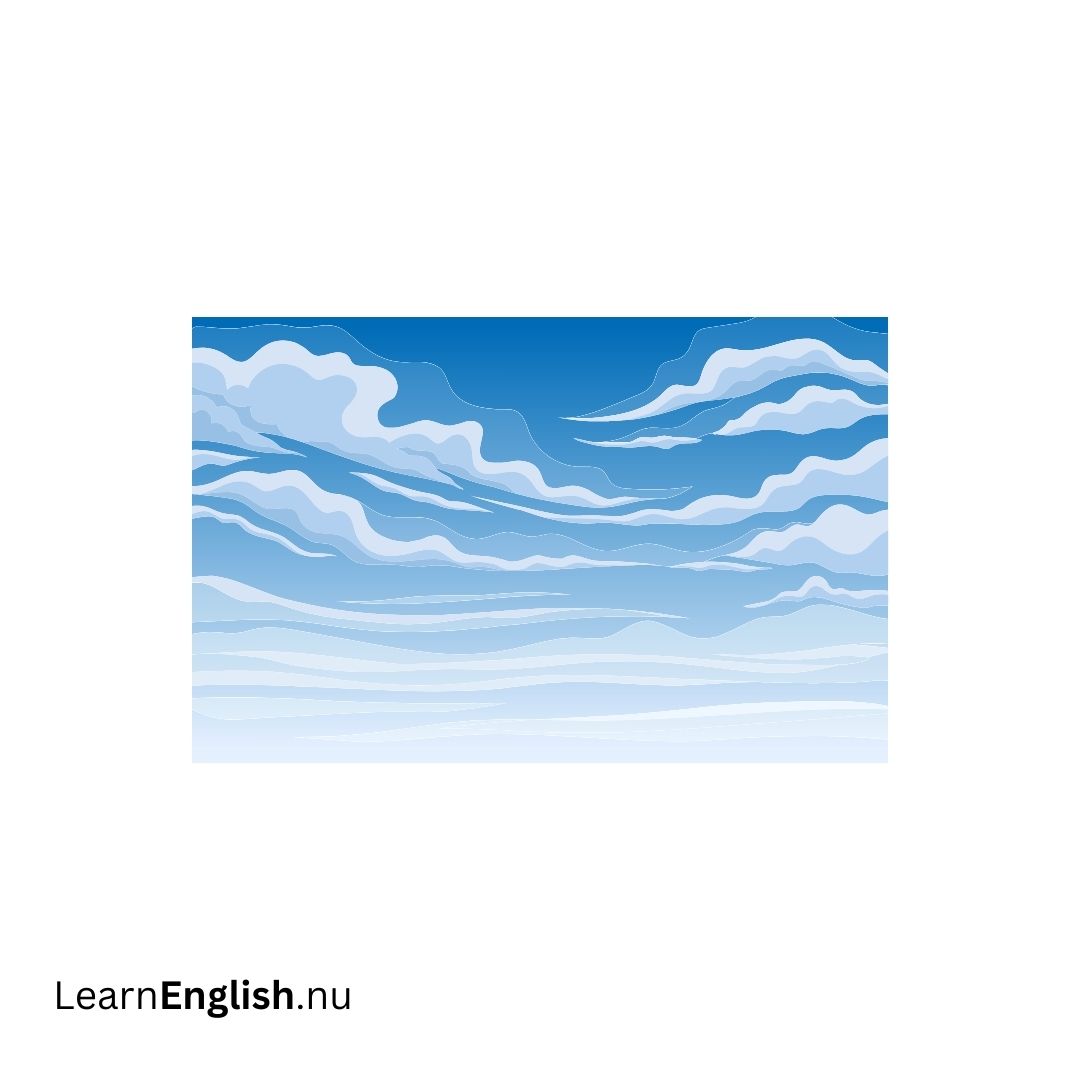 Himmel
Sky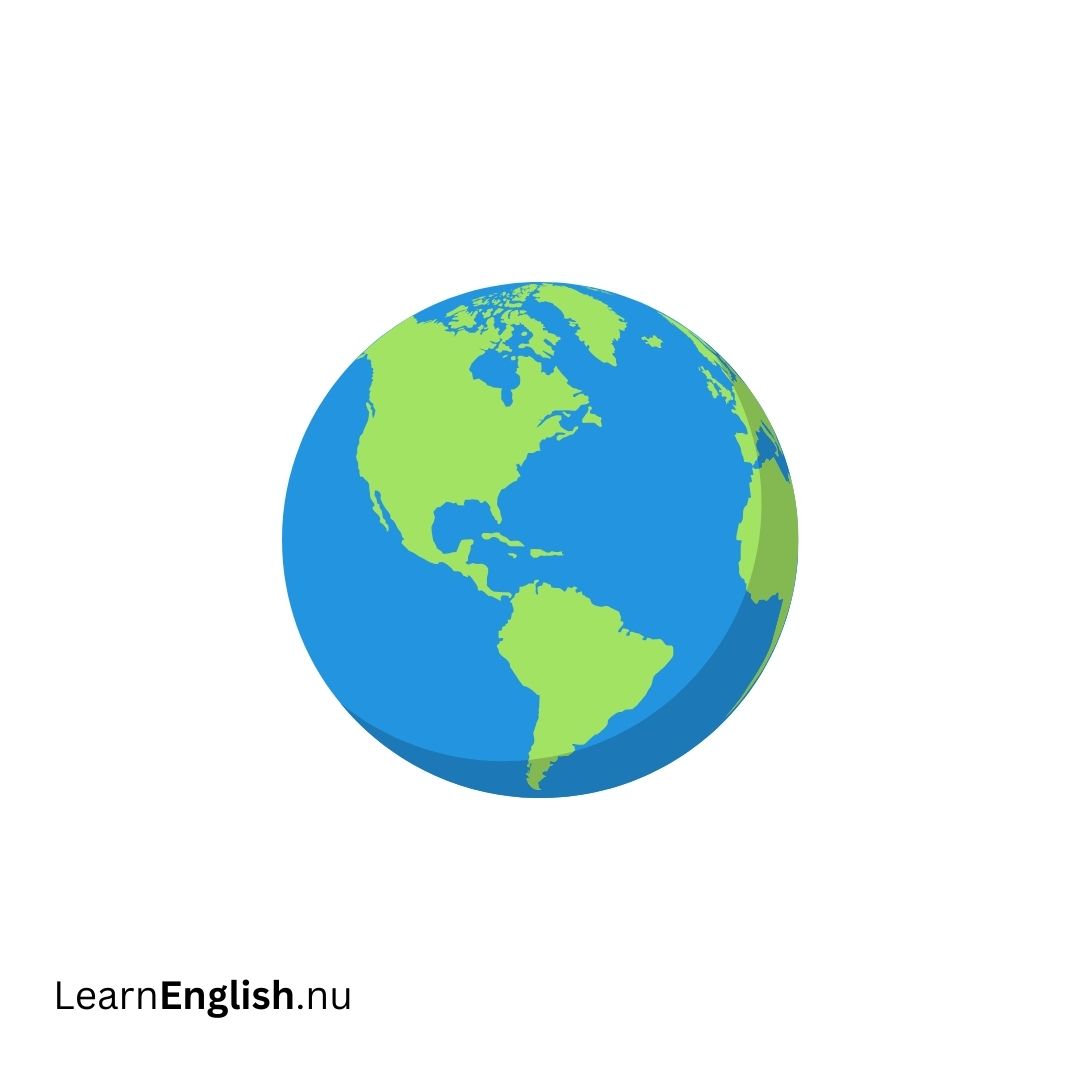 Jorden
Earth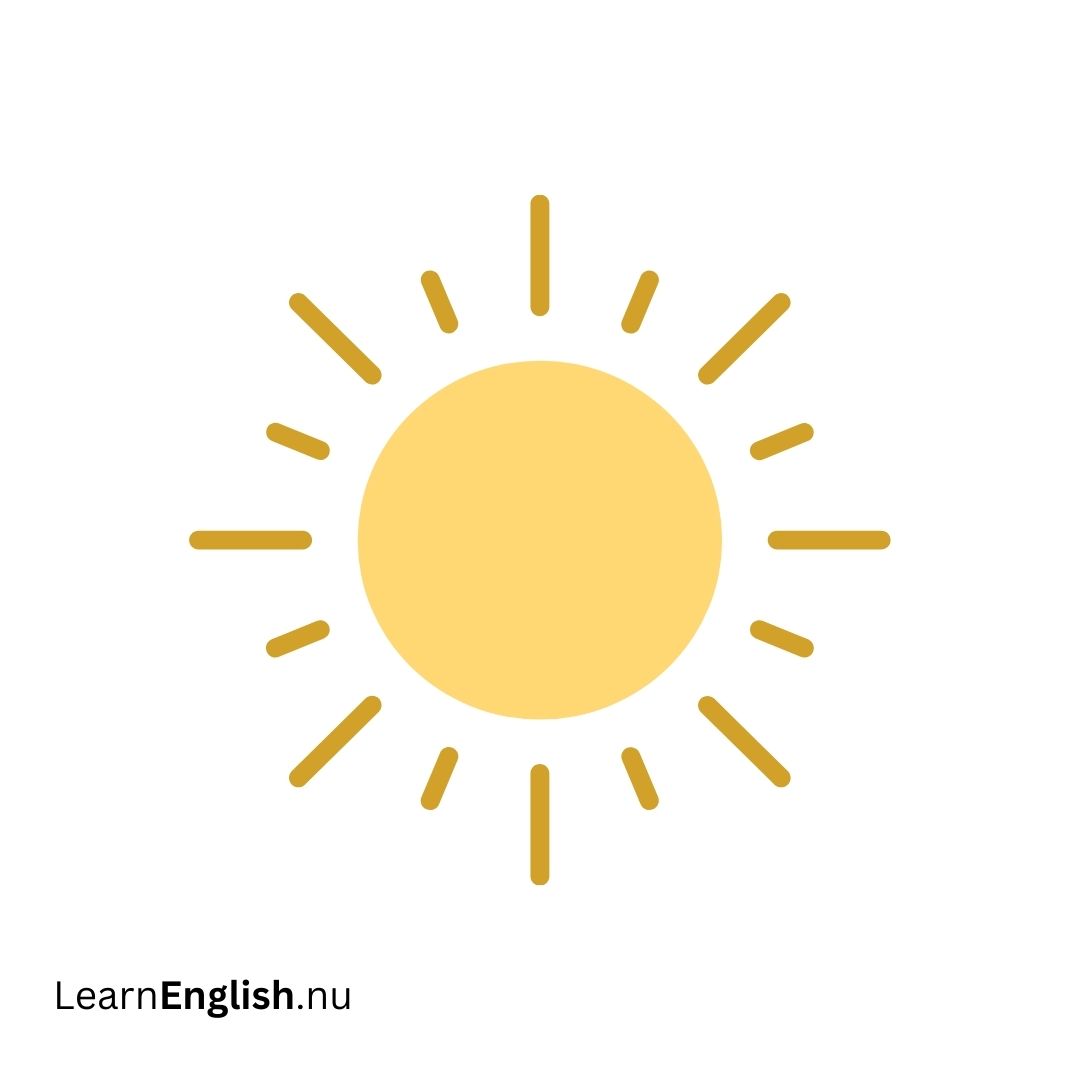 Sol
Sol
Sun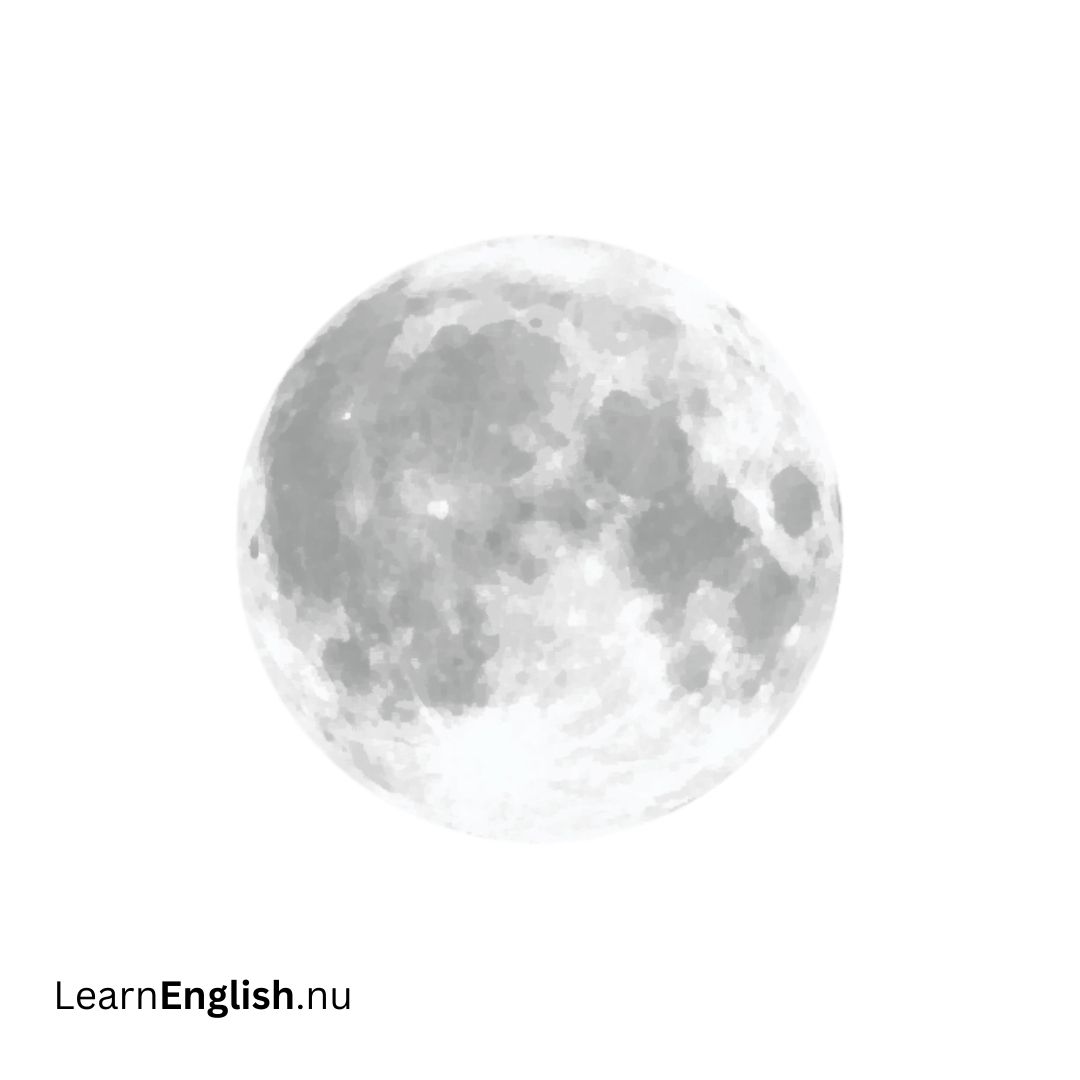 Måne
Måne
Moon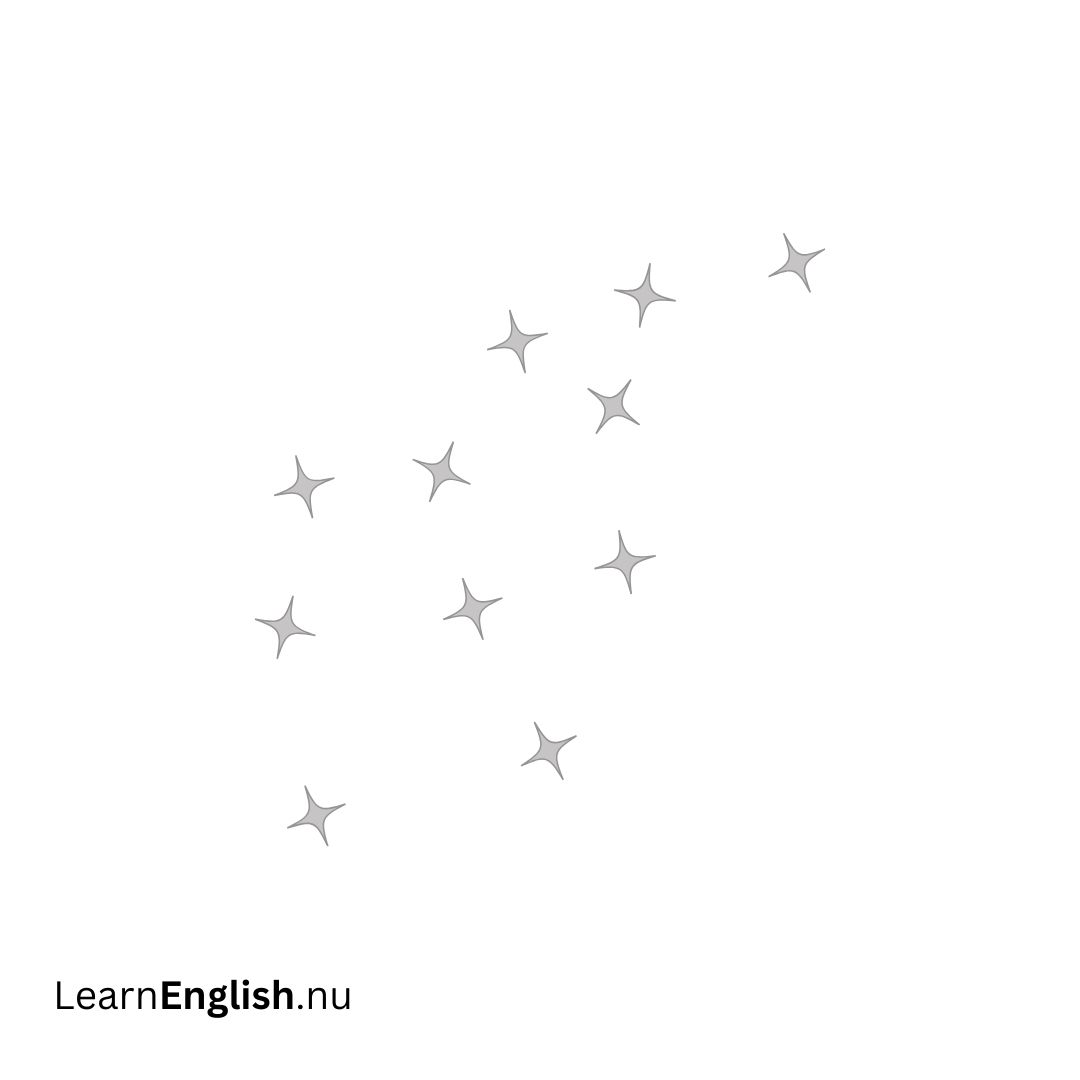 Stjärnor
Stars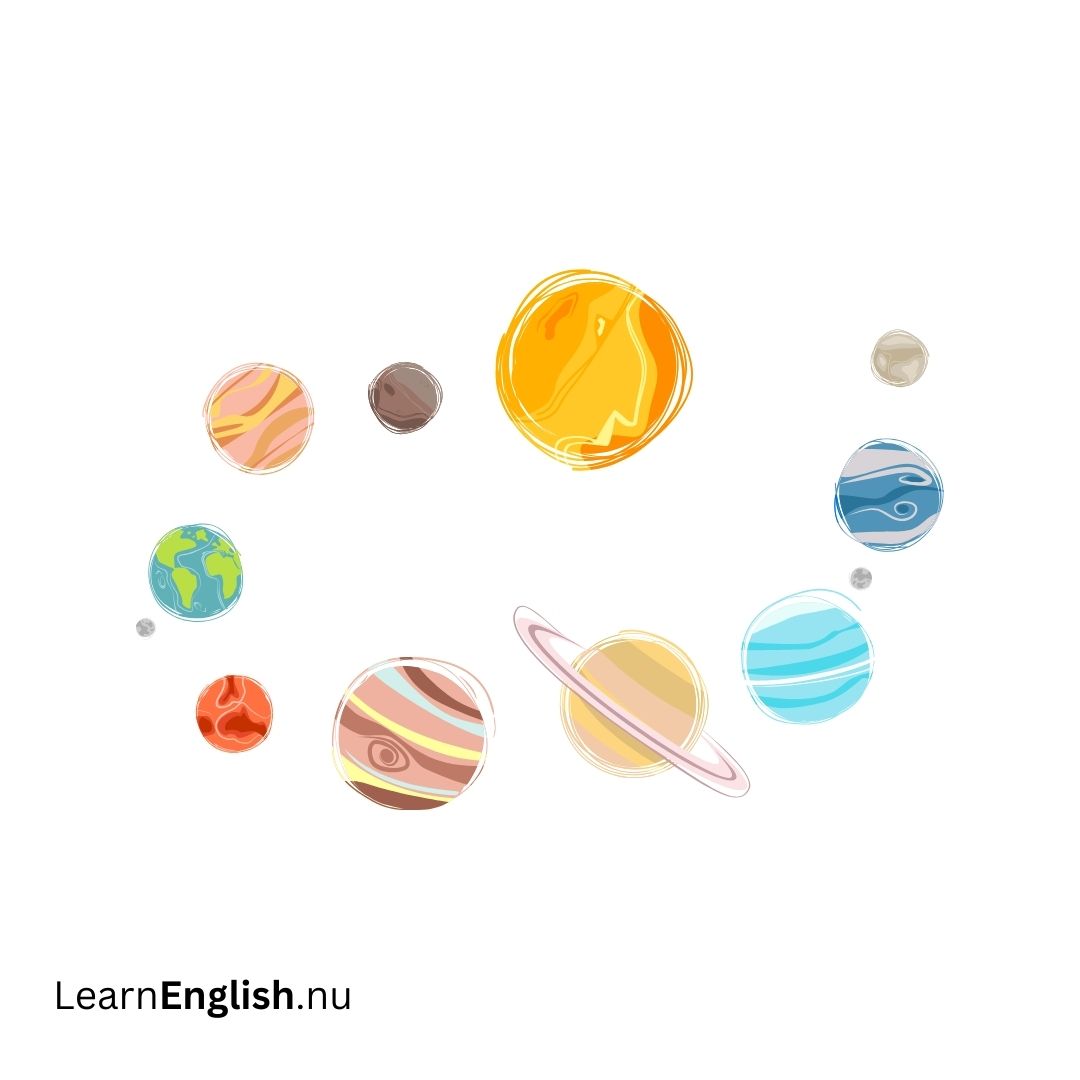 Planeter
Planets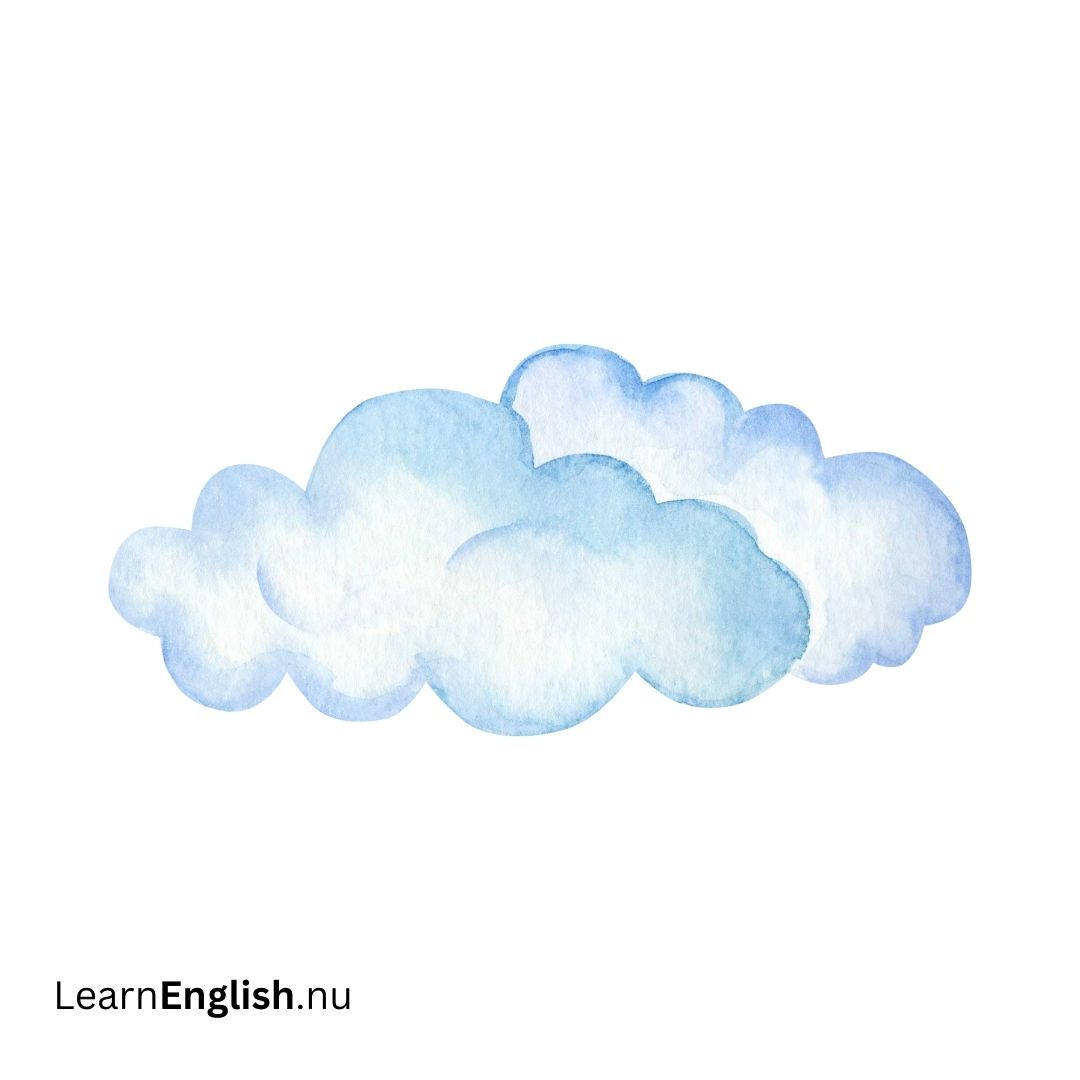 Moln
Moln
Clouds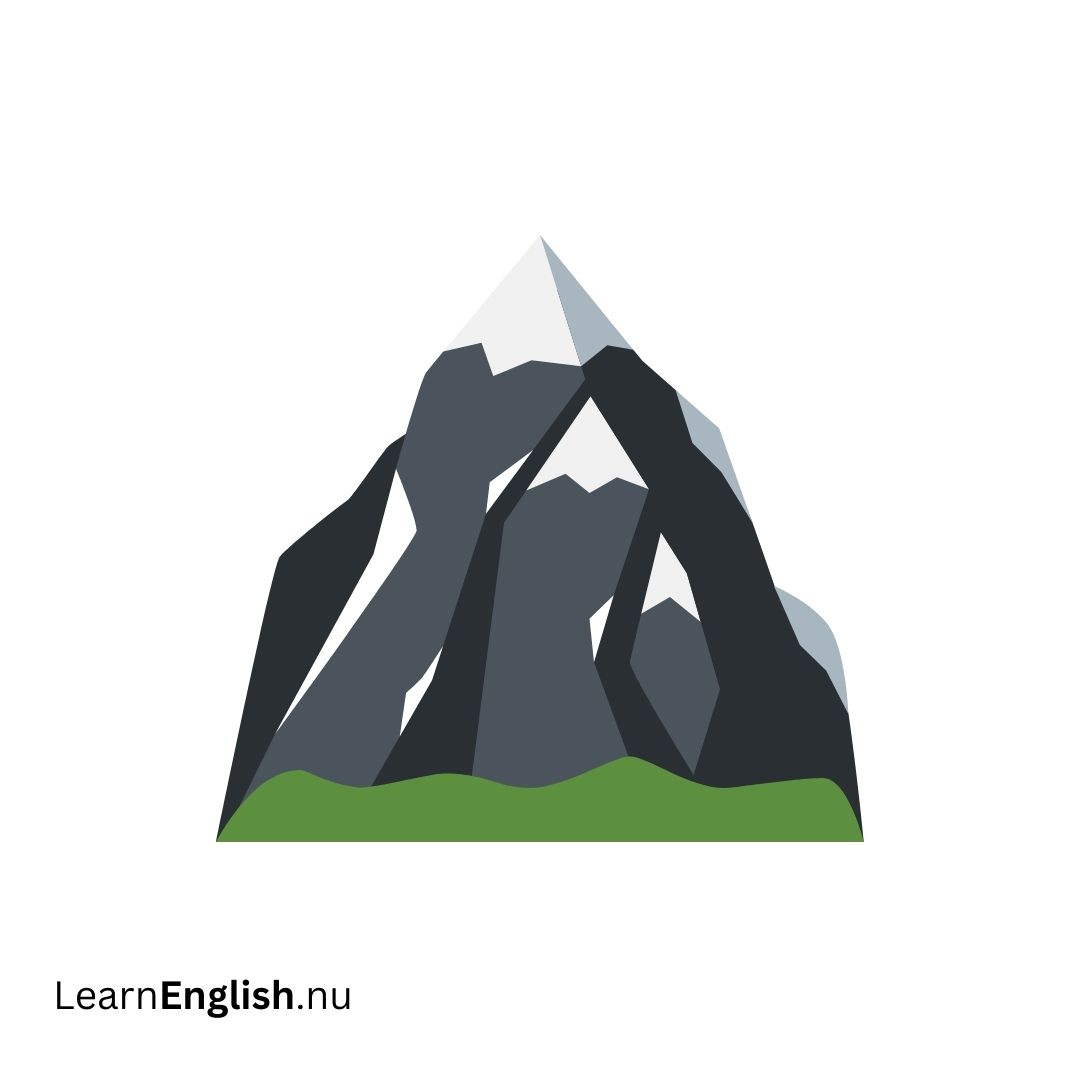 Berg
Berg
Mountain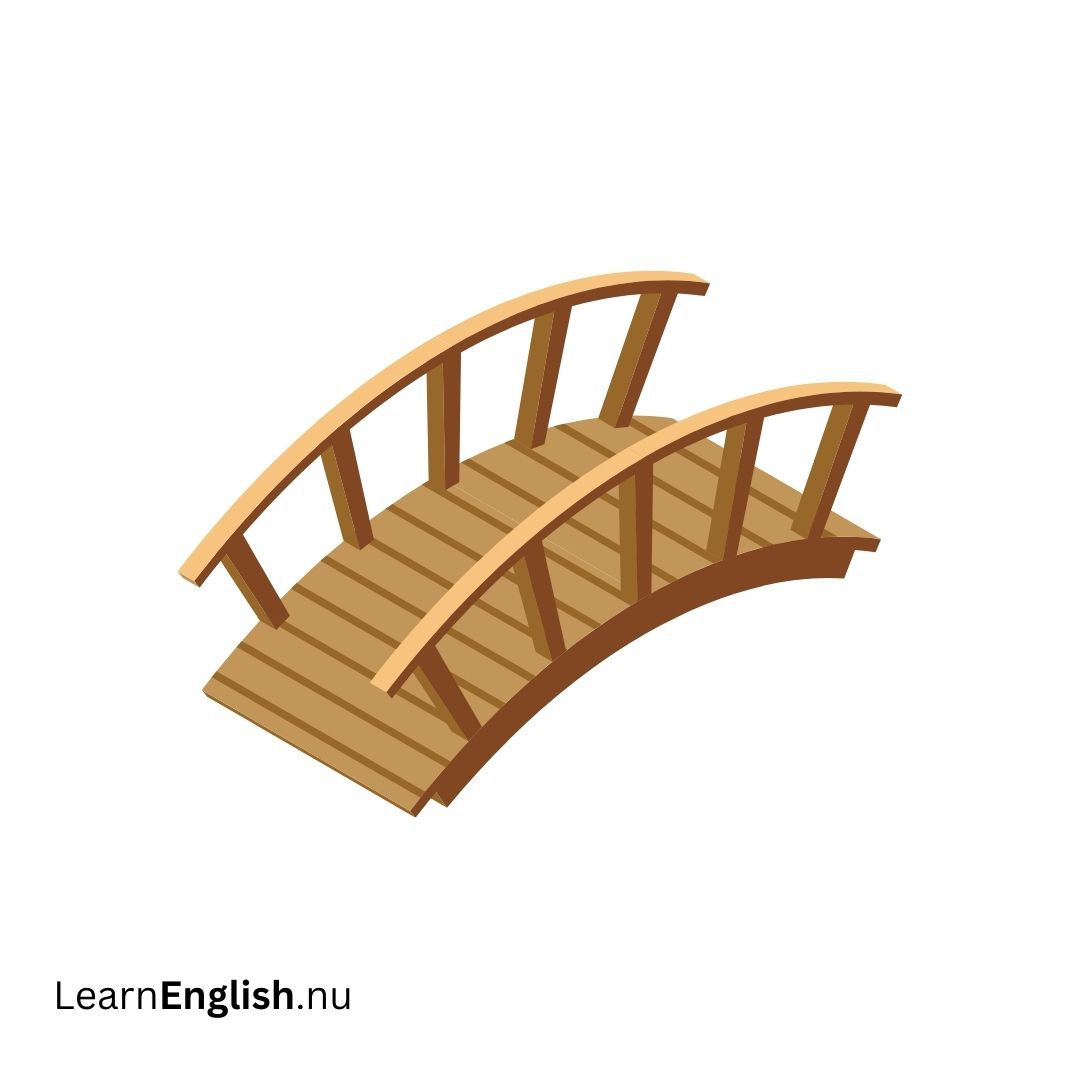 Bro
Bro
Bridge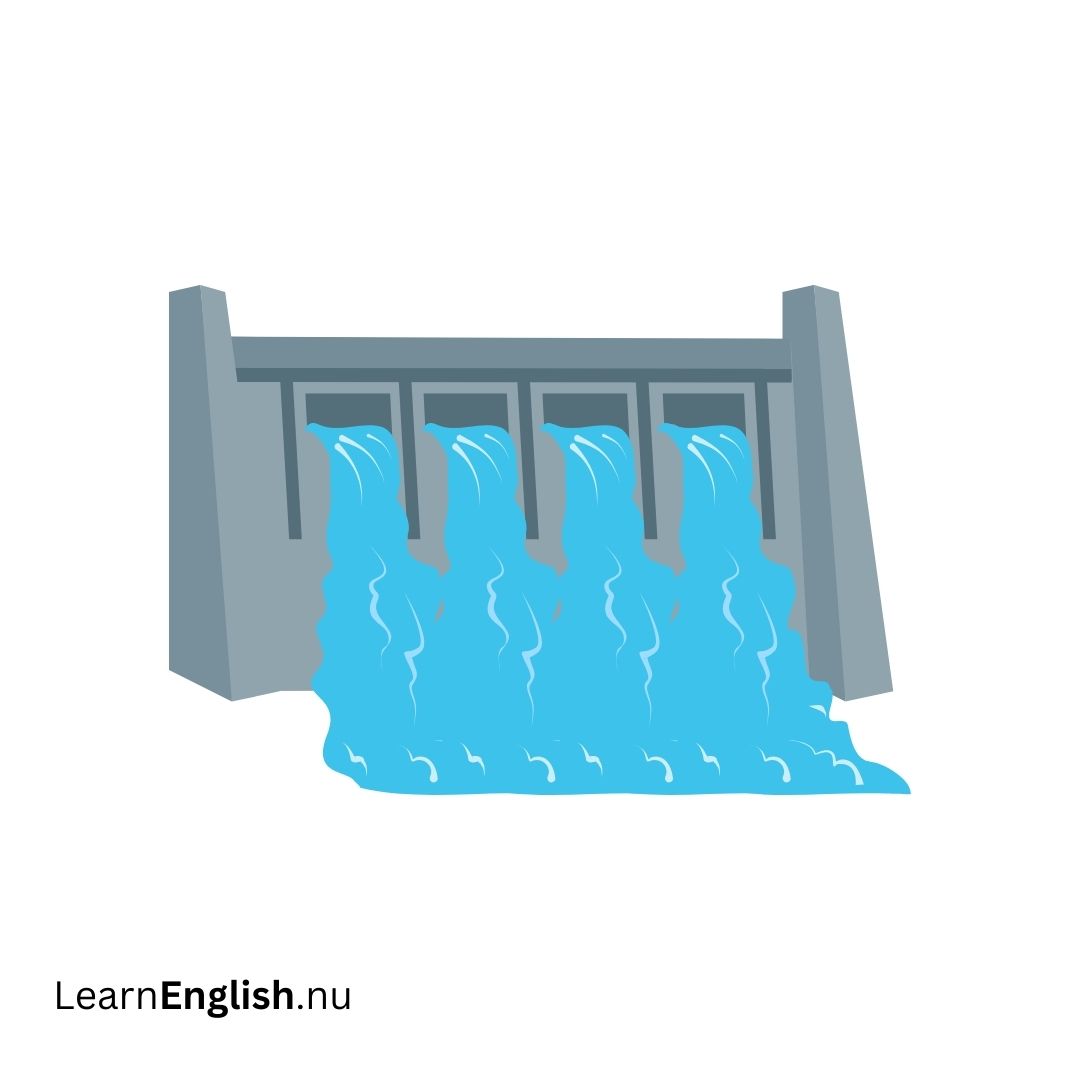 Damm
Damm
Dam / Pond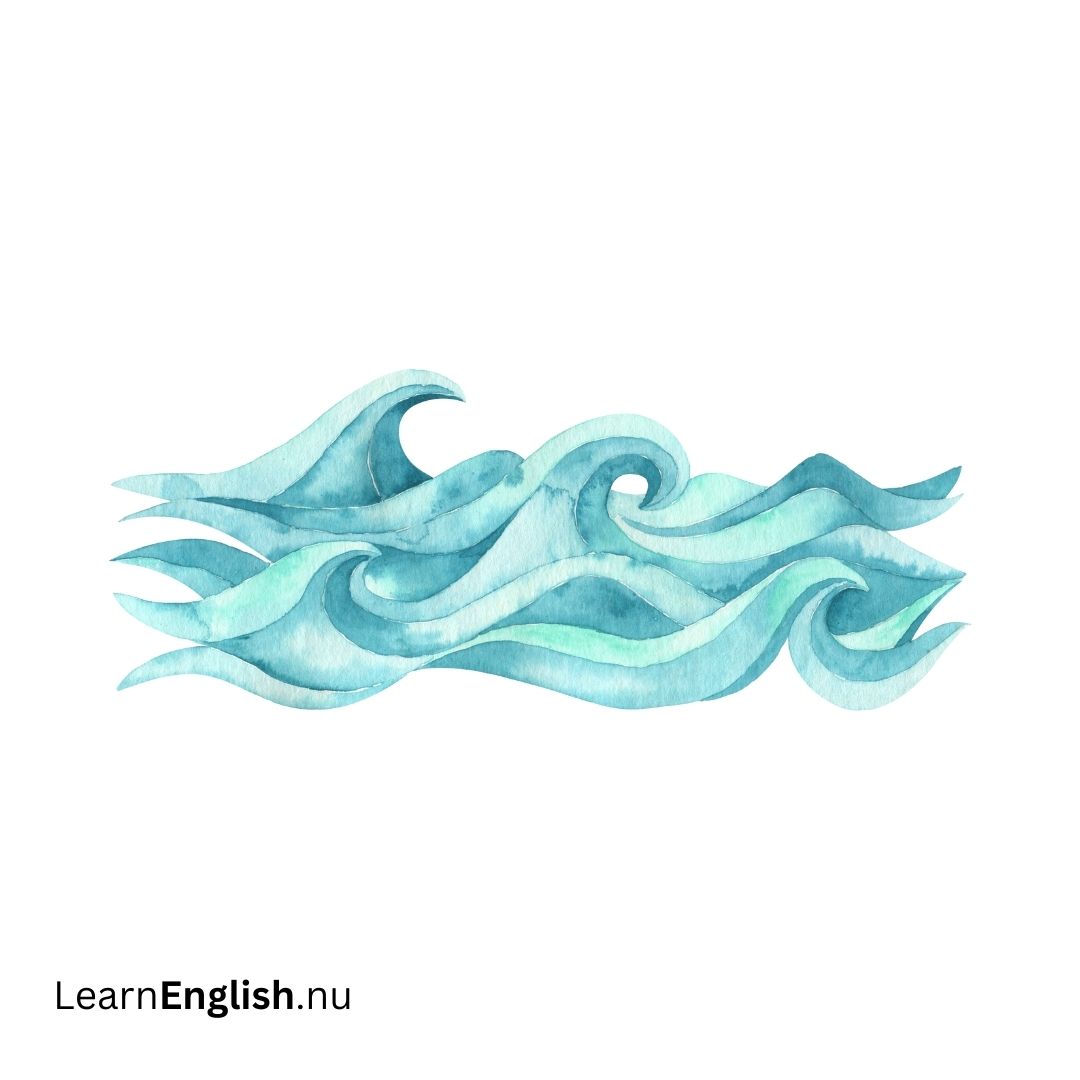 Vågor
Vågor
Waves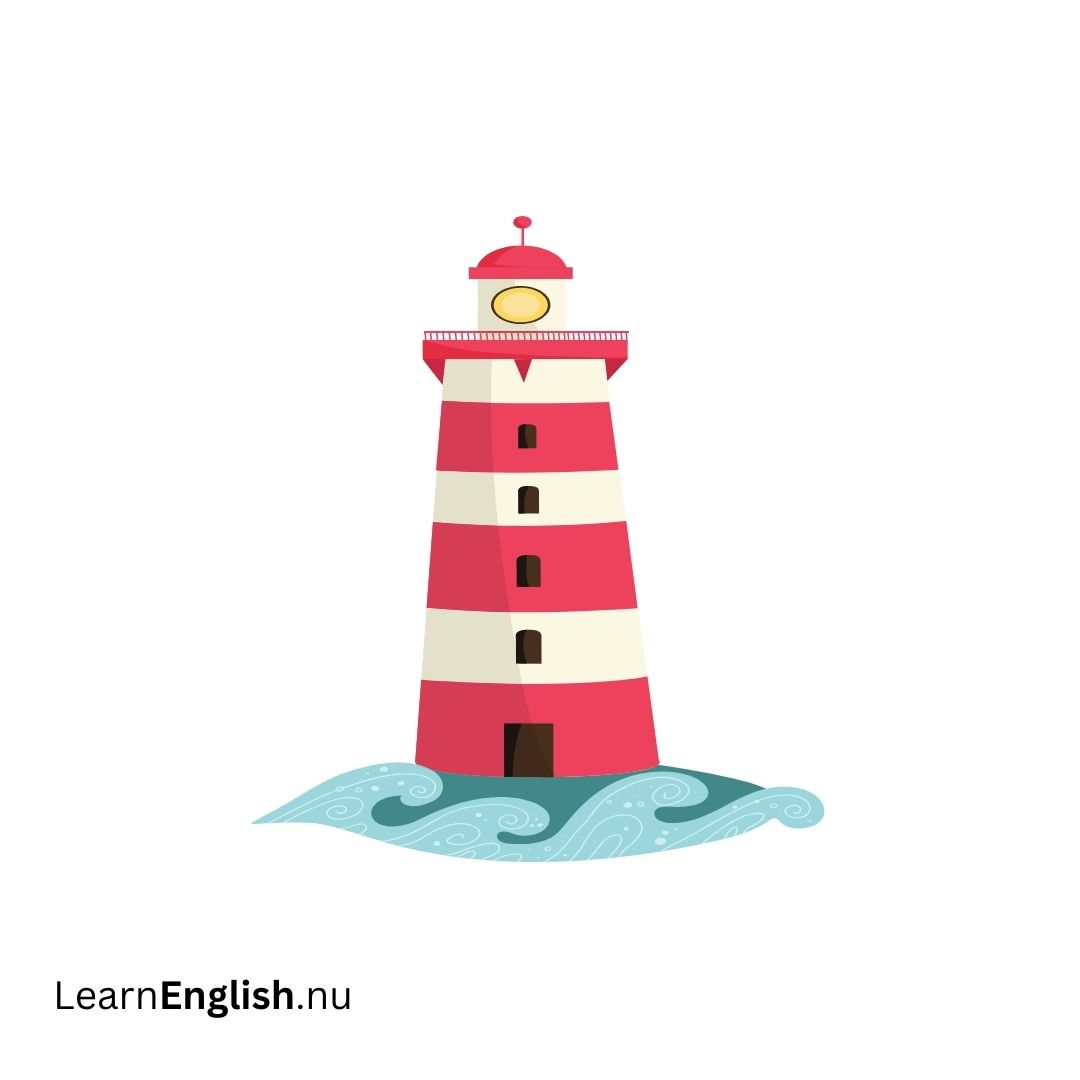 Fyr
Fyr
Lighthouse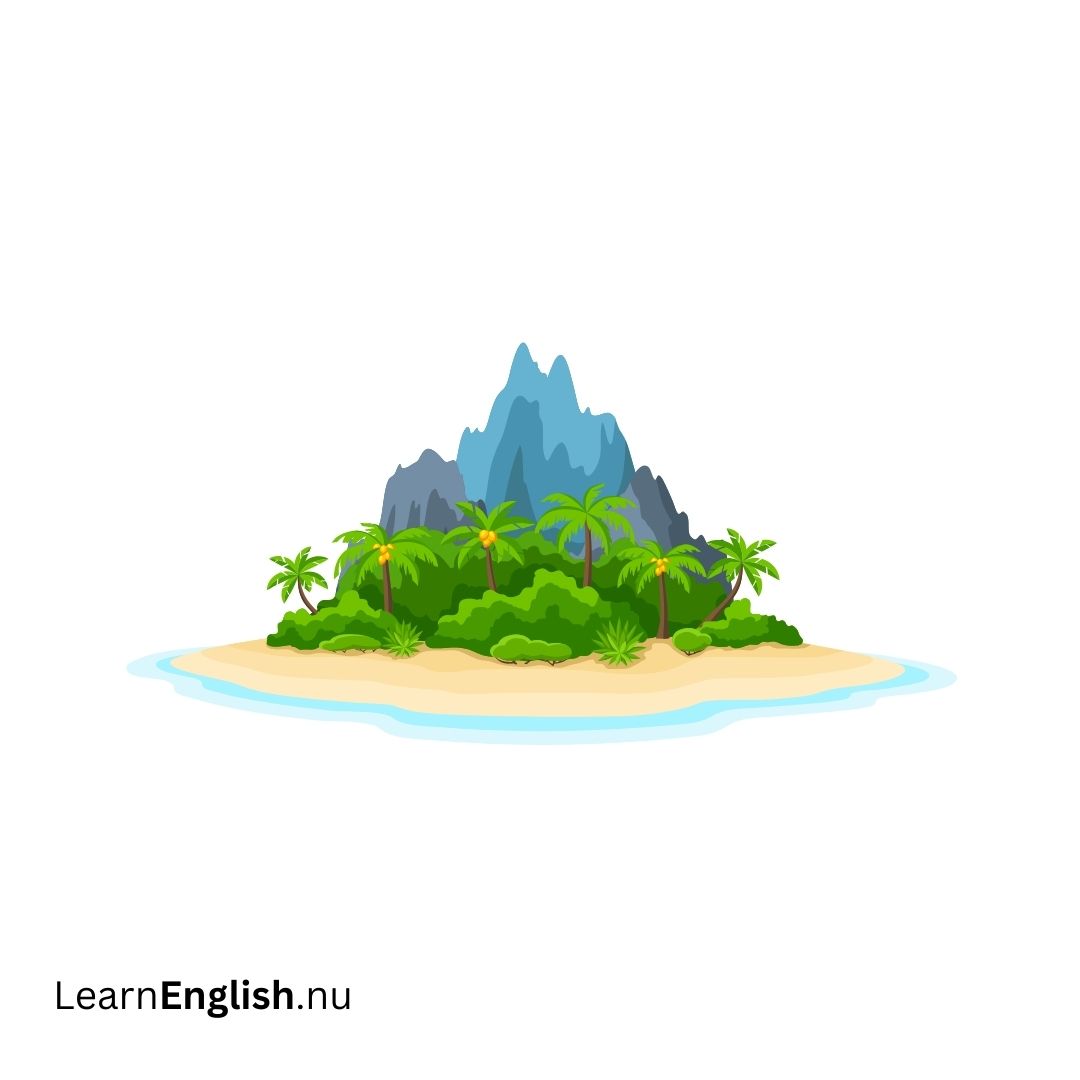 Ö
Ö
Island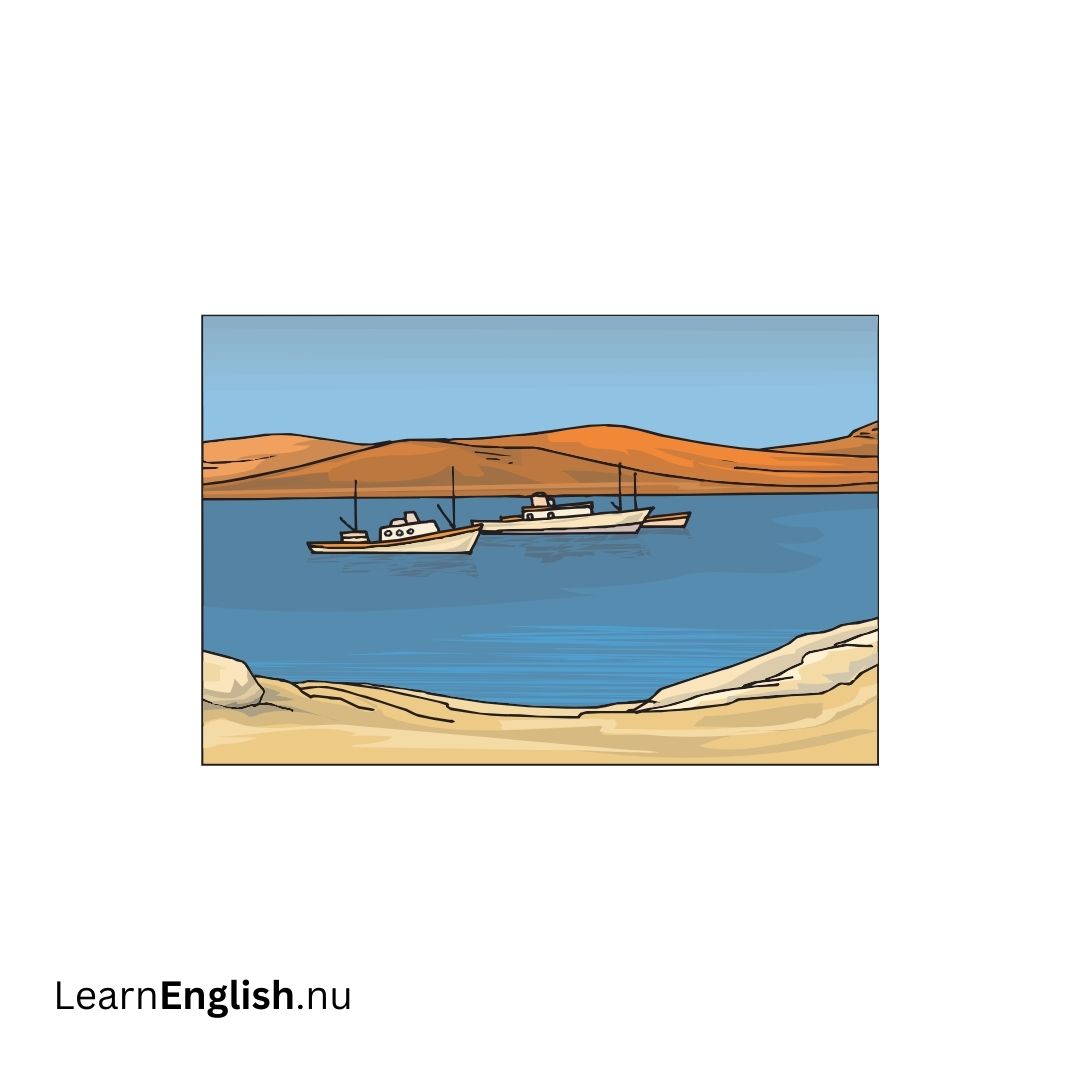 Vik
Vik
Bay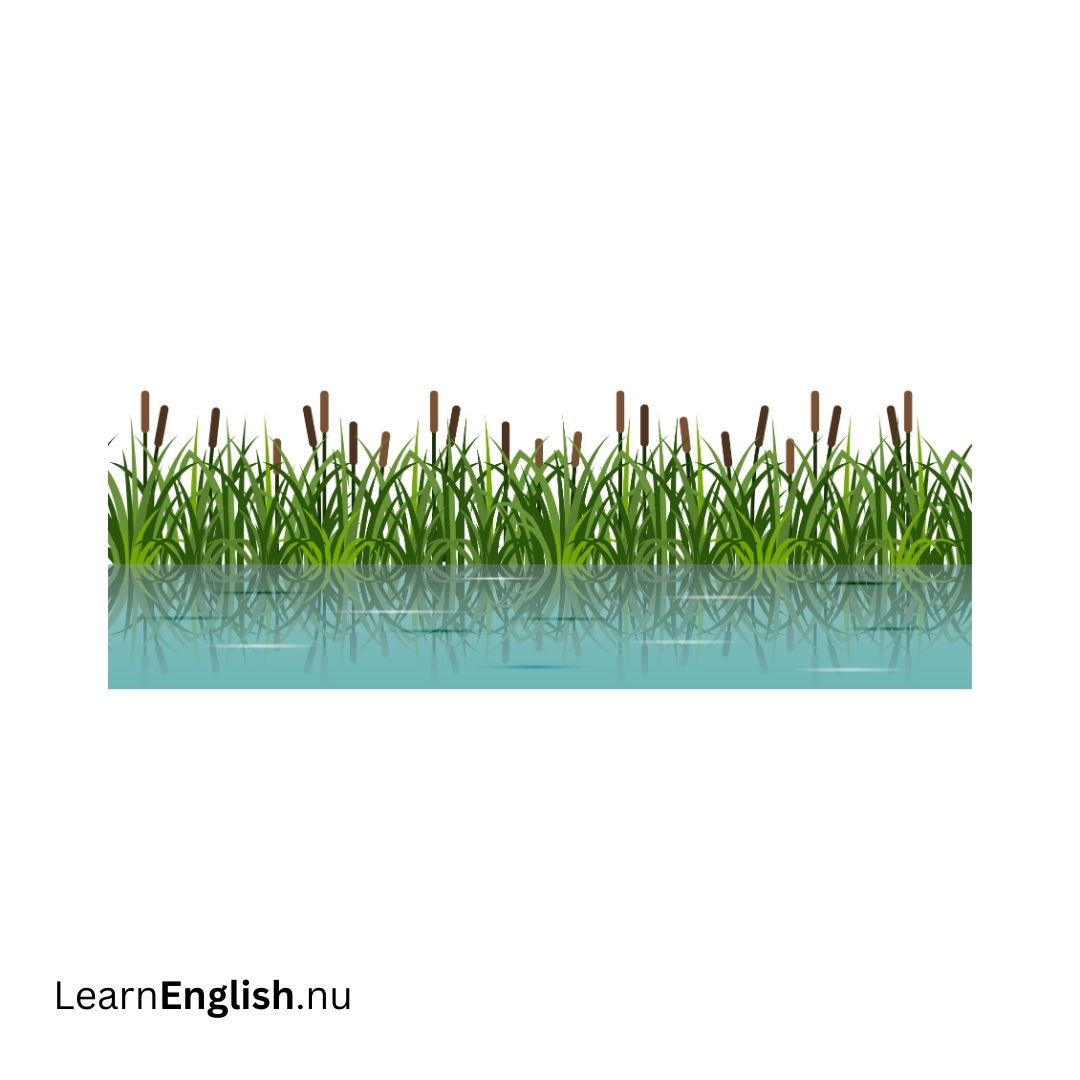 Flodbank
Riverbank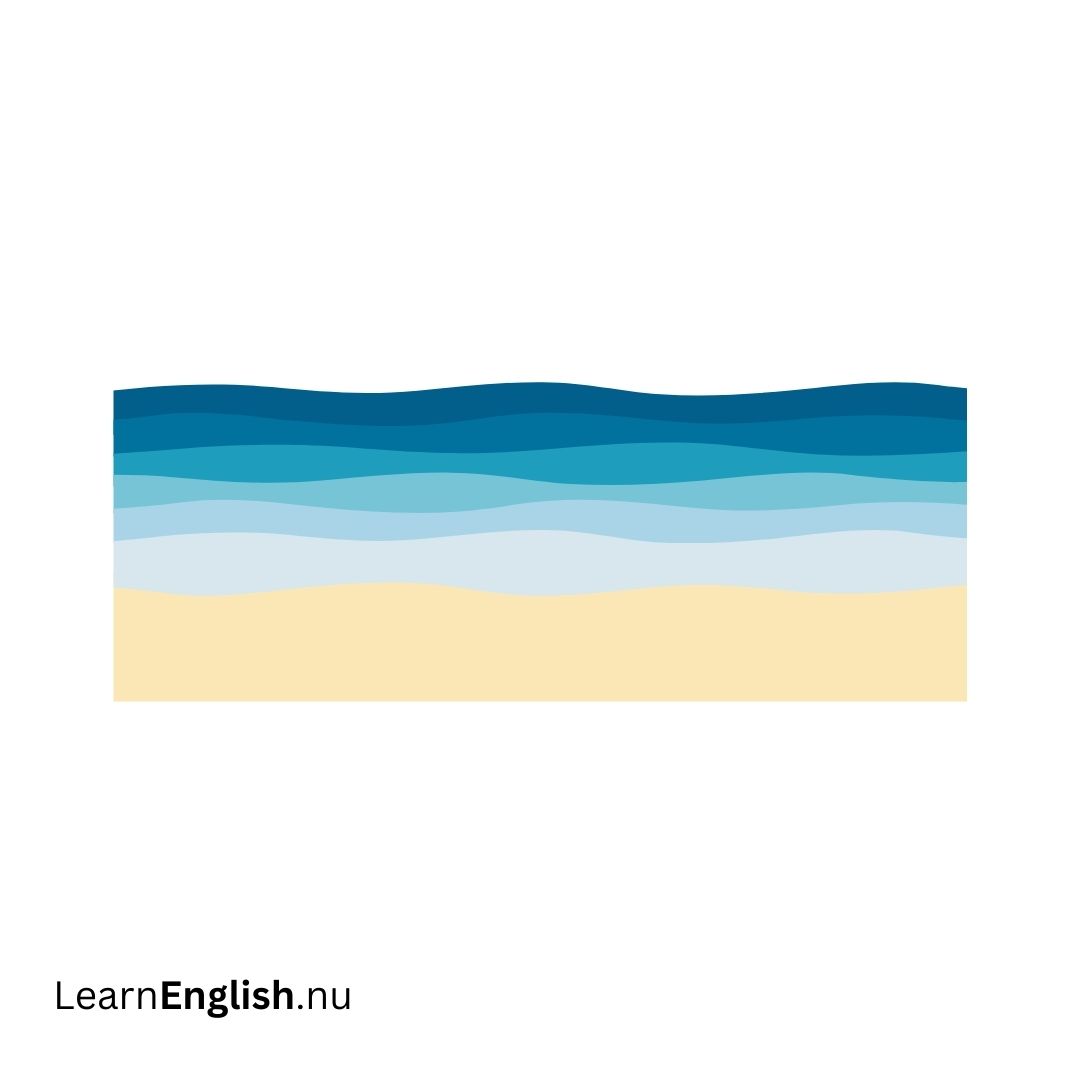 Strand
Beach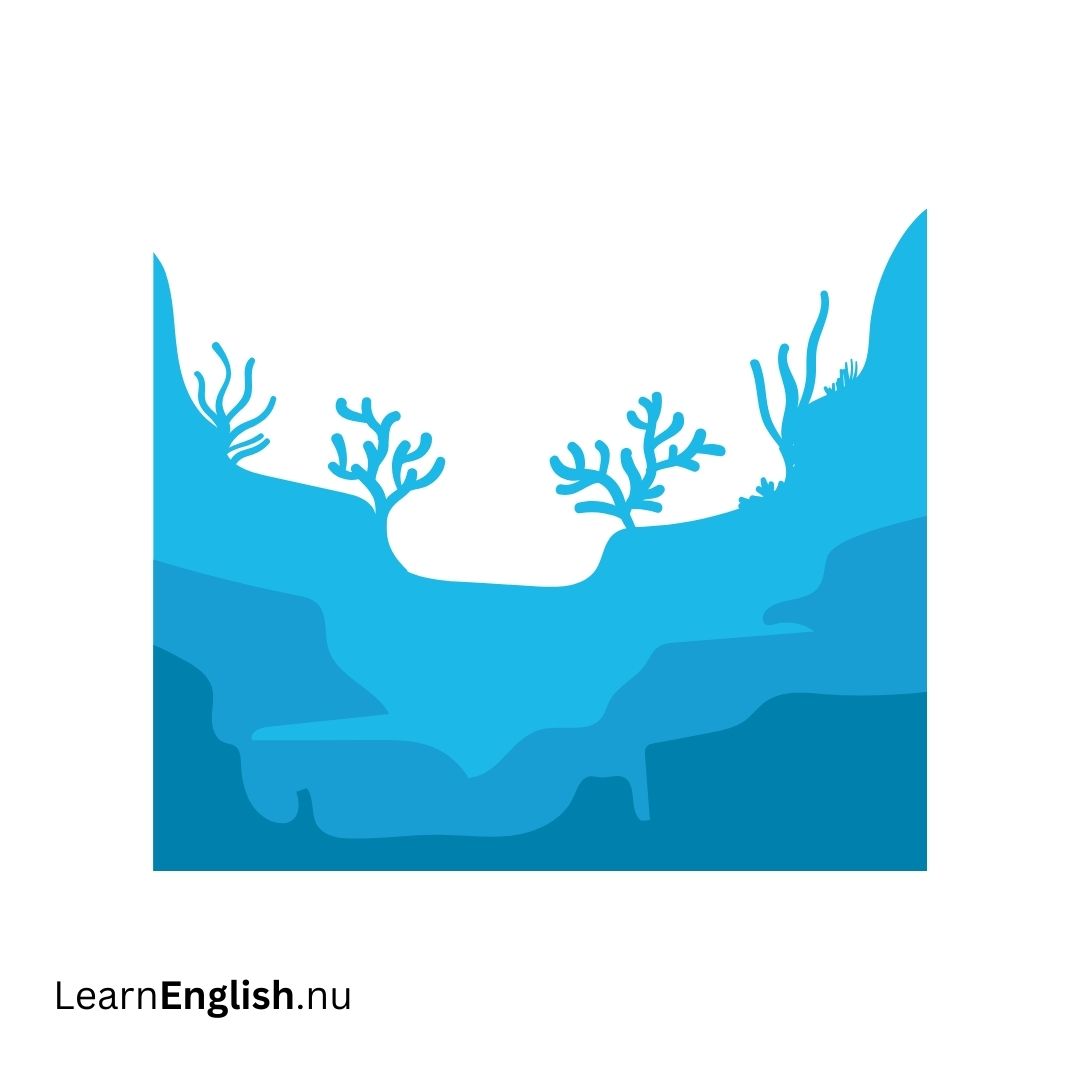 Hav
Hav
Sea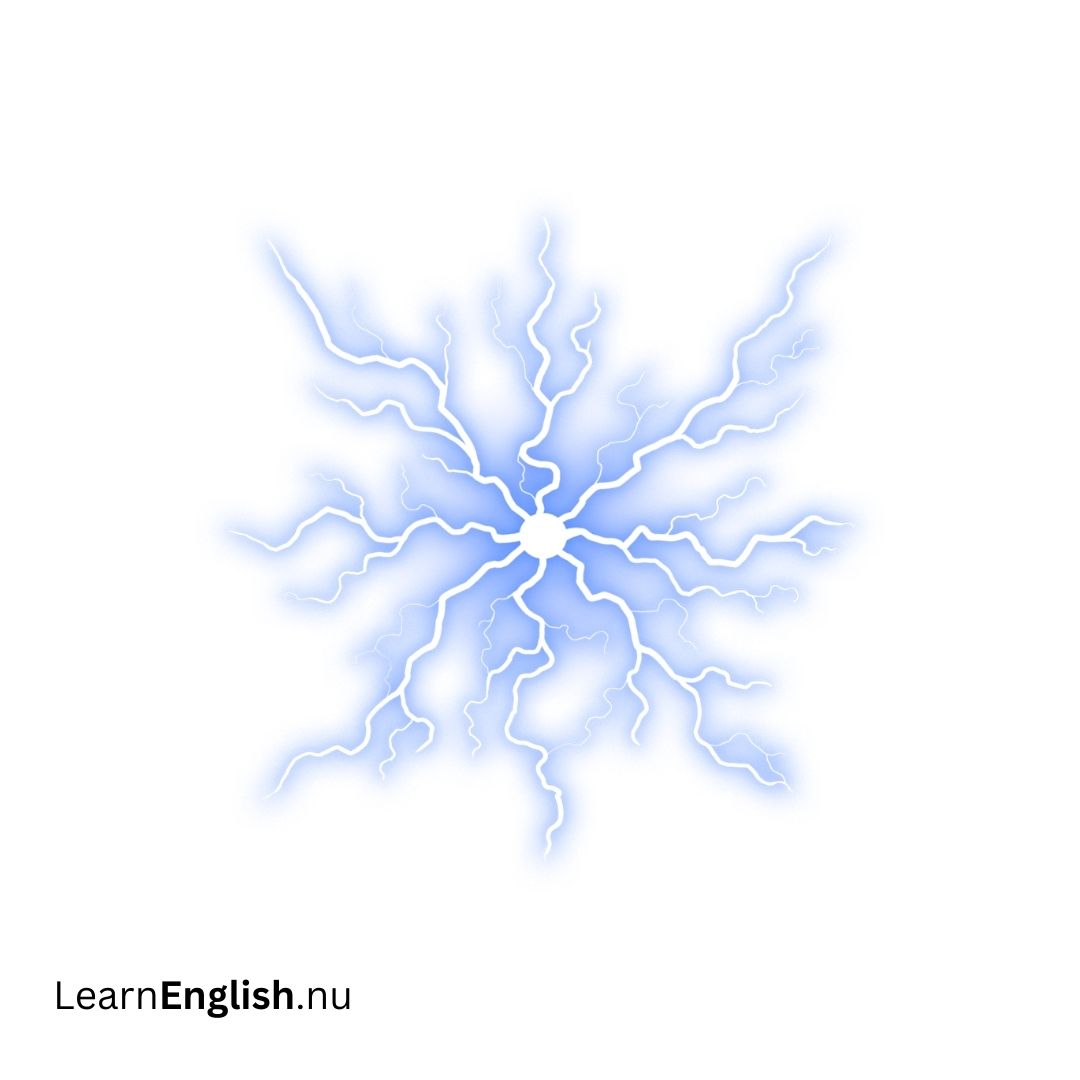 Blixt
Blixt
Lightning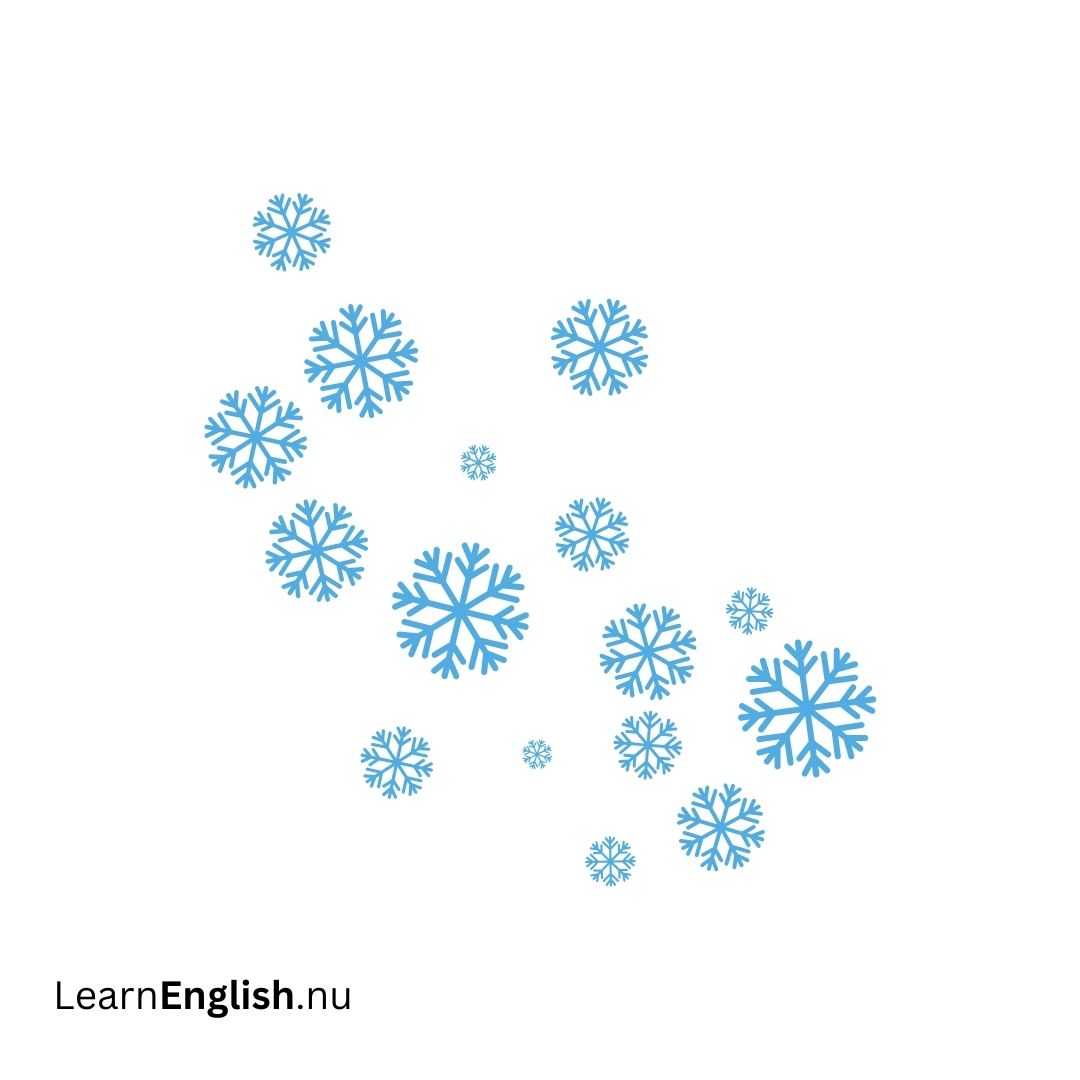 Snö
Snö
Snow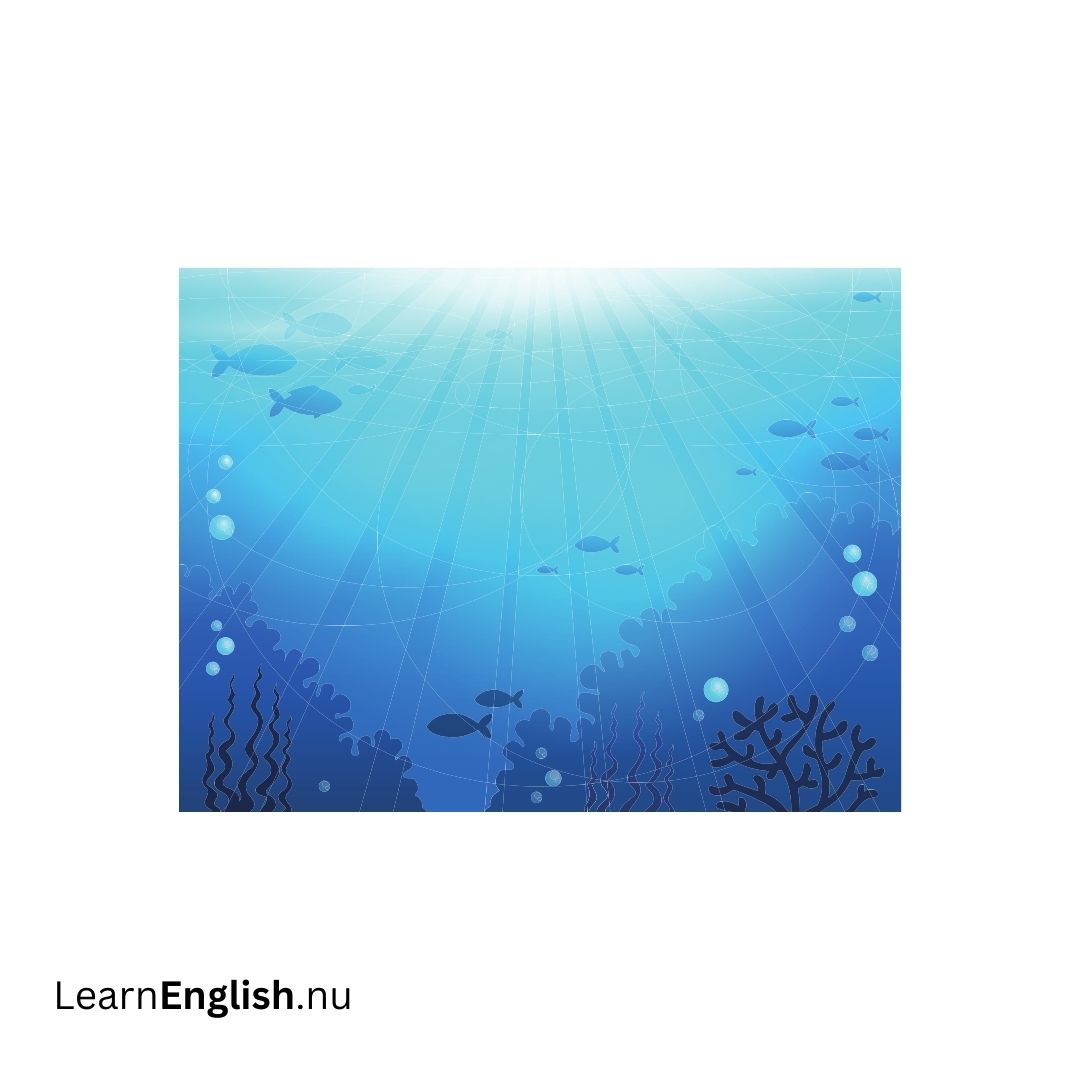 Ocean
Ocean
Ocean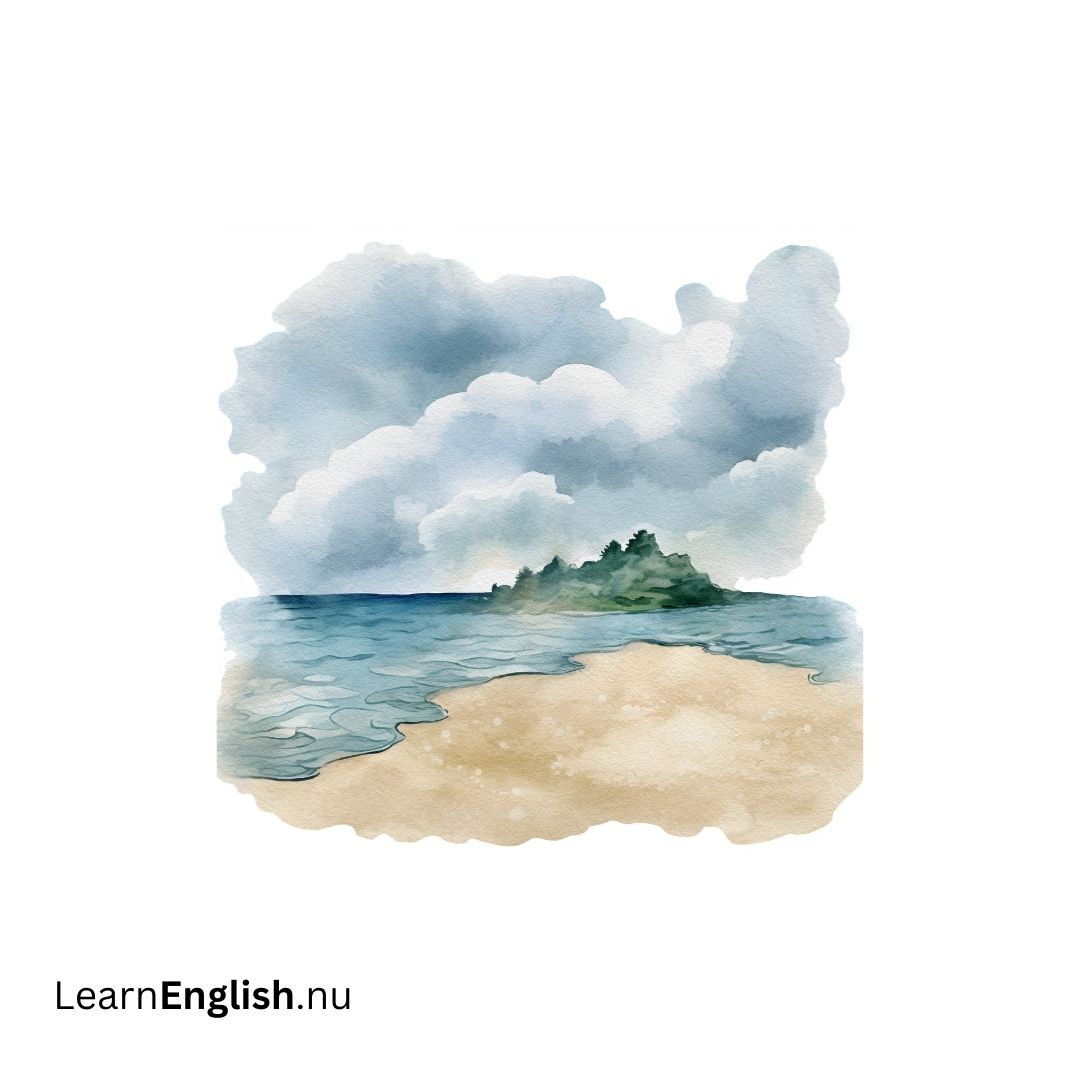 Kust
Kust
Coast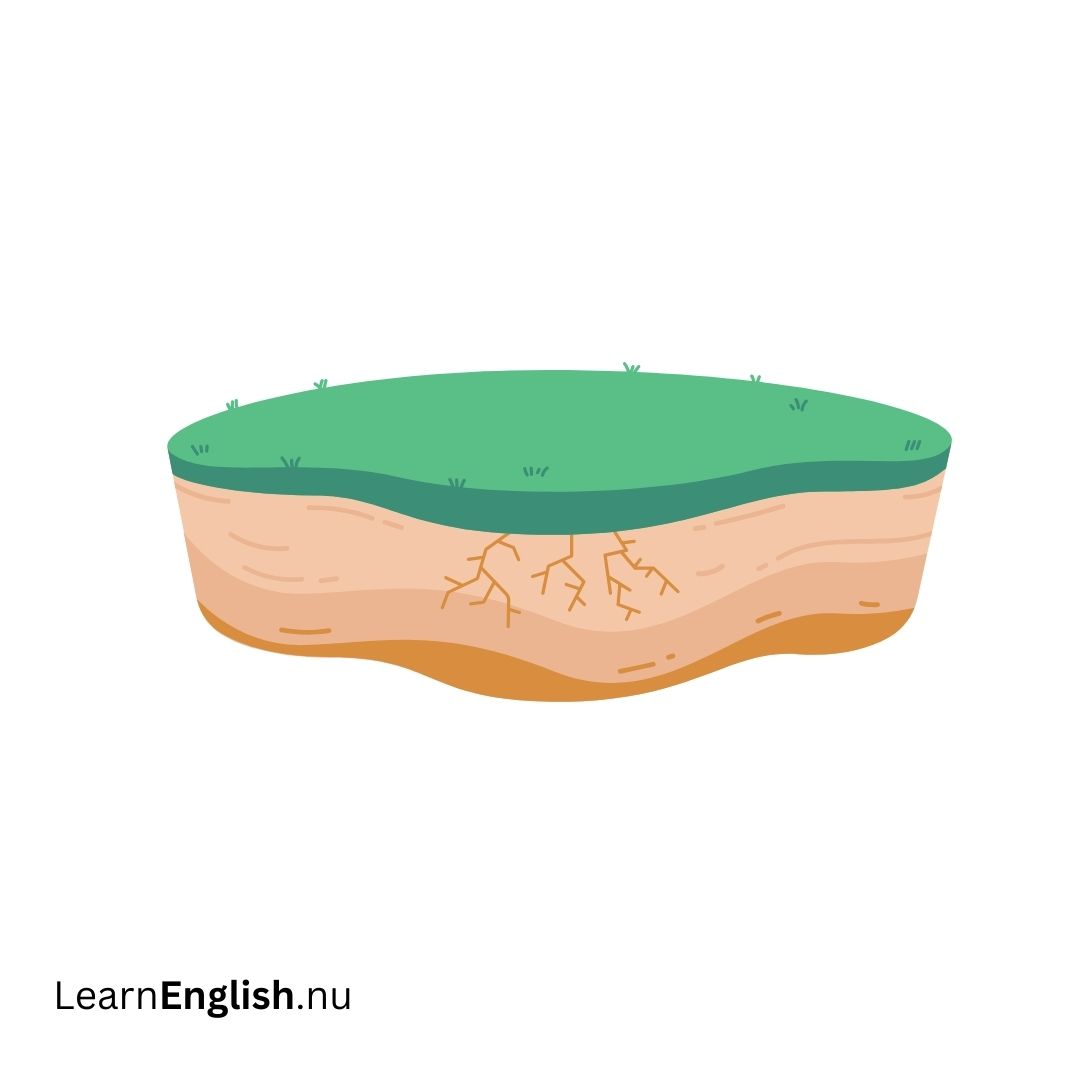 Mark
Mark
Ground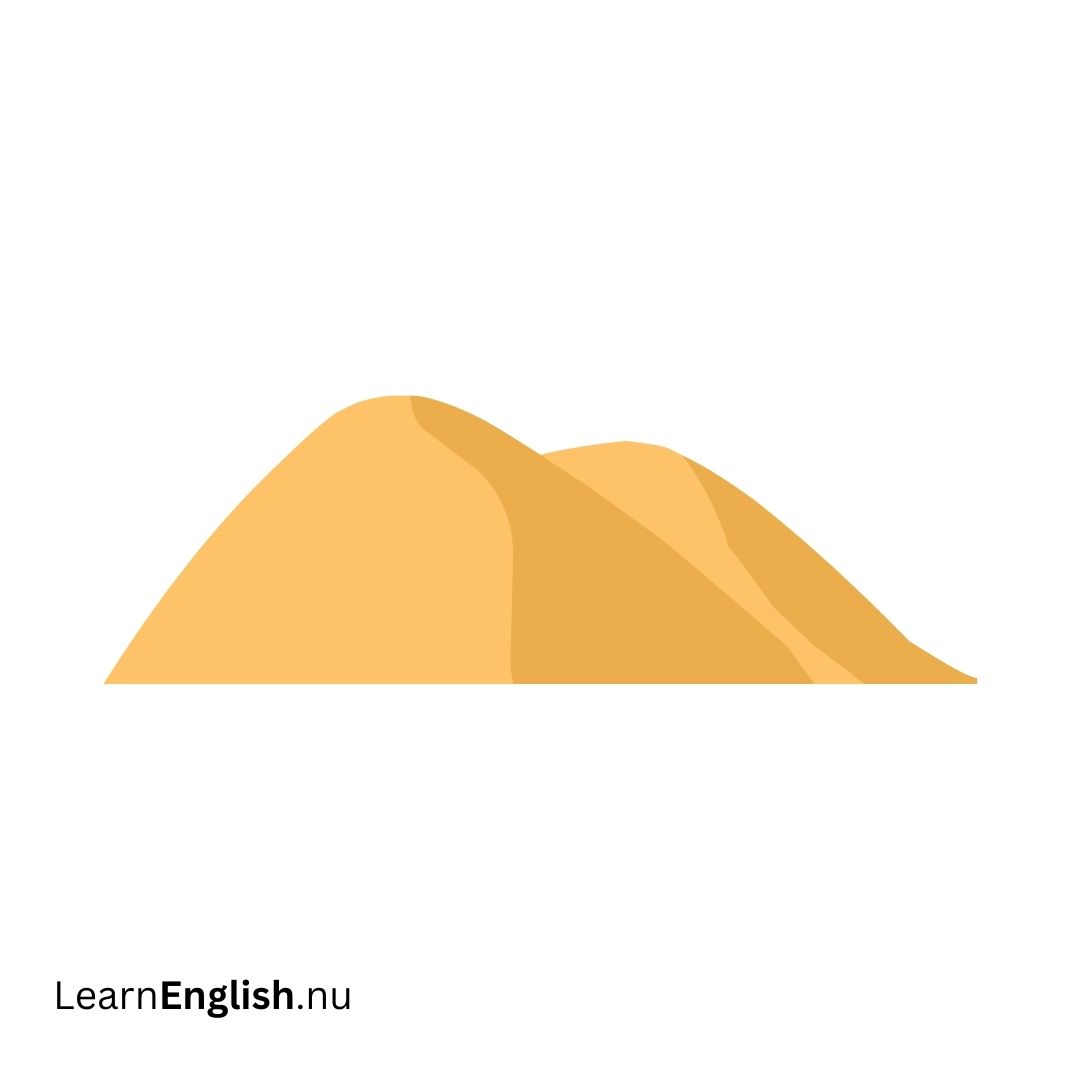 Dyn
Dyn
Dune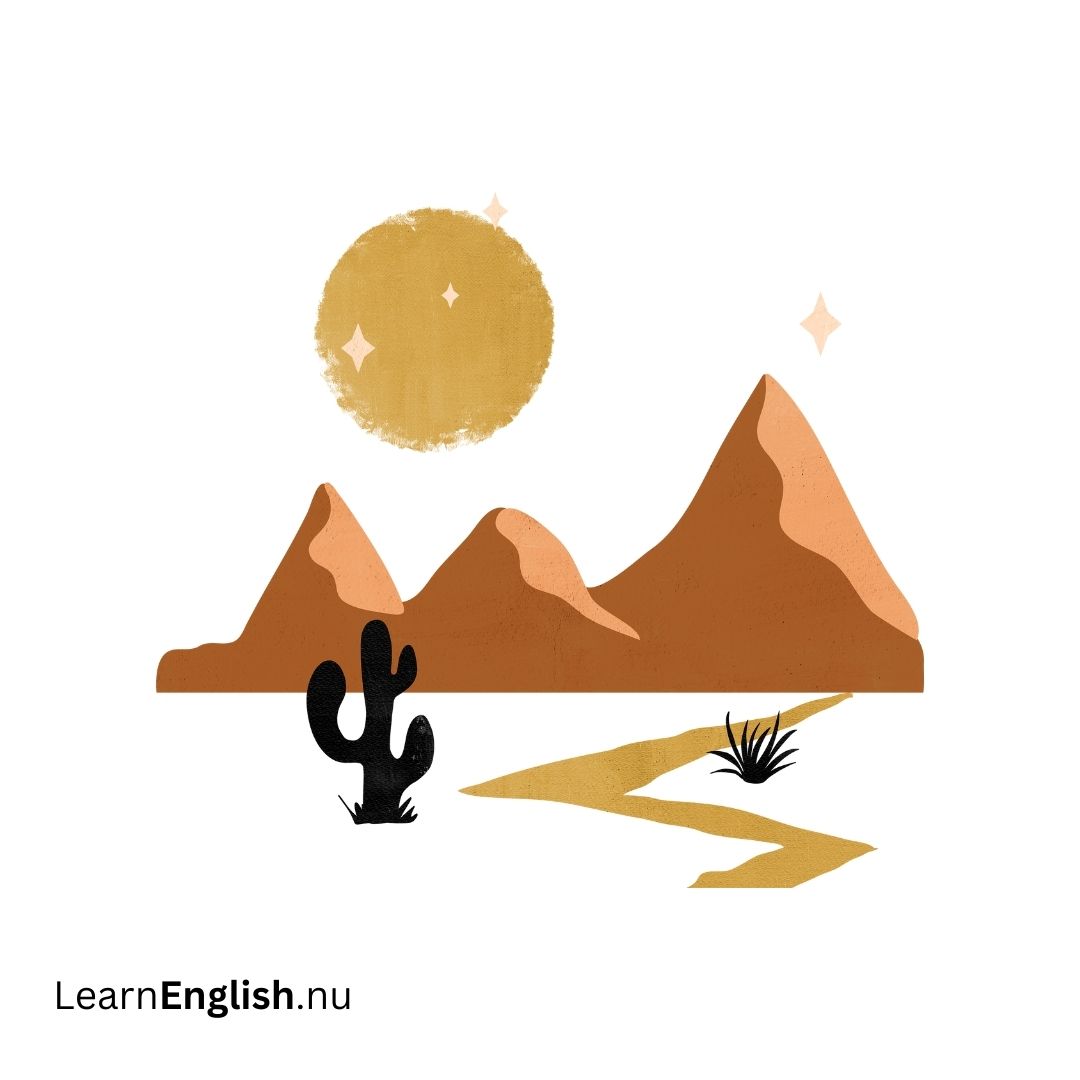 Öken
Öken
Desert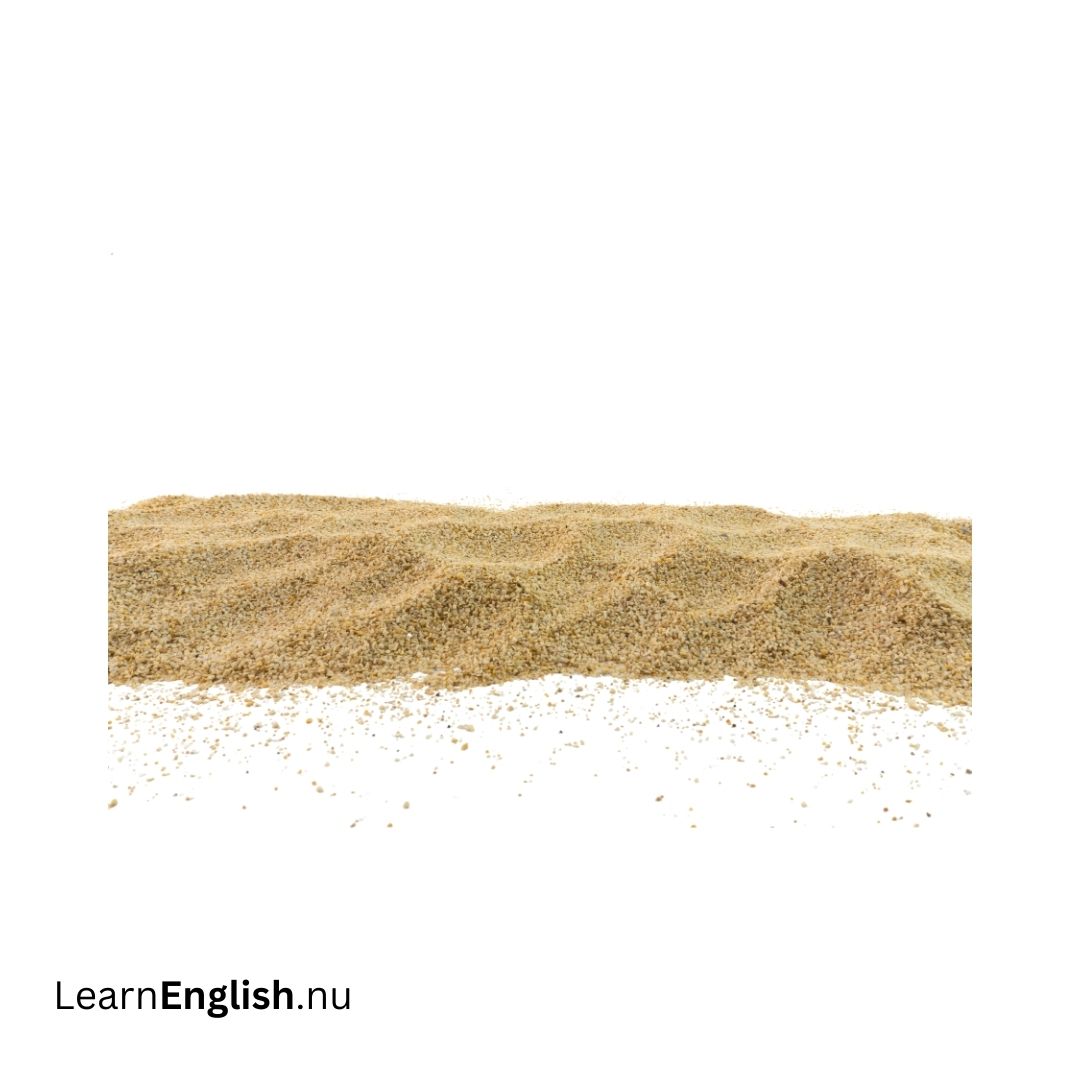 Sand
Sand
Sand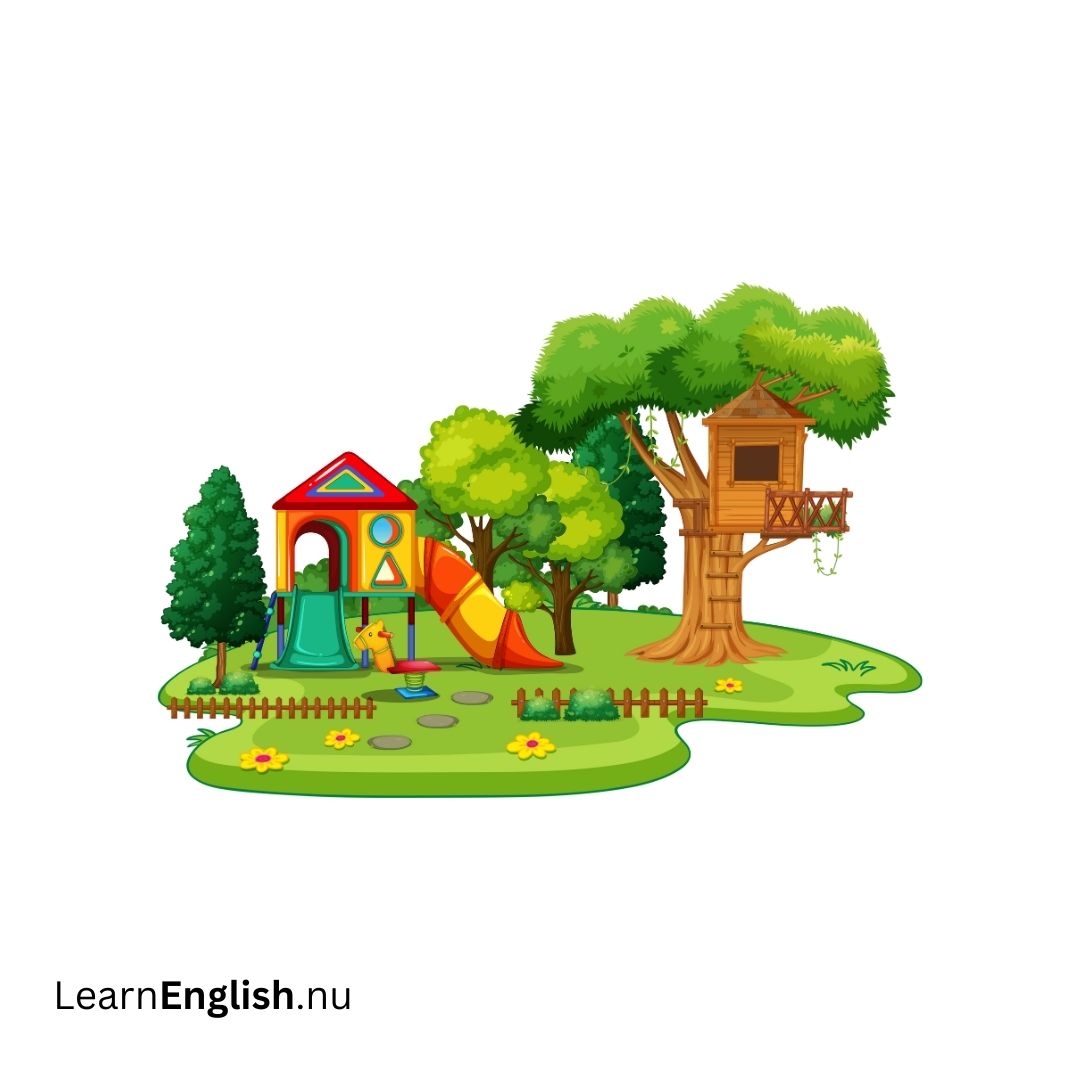 Park
Park
Park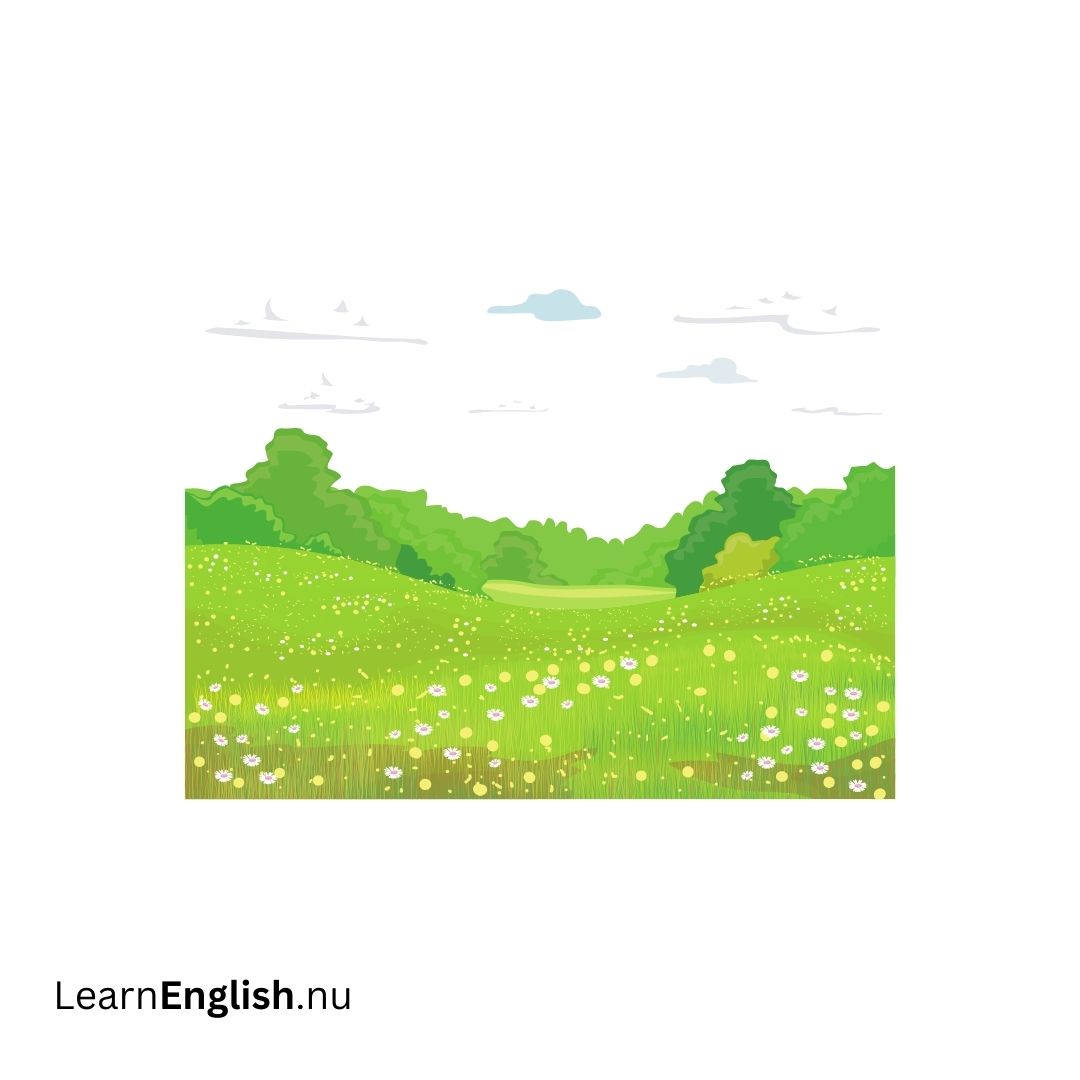 Äng
Äng
Meadow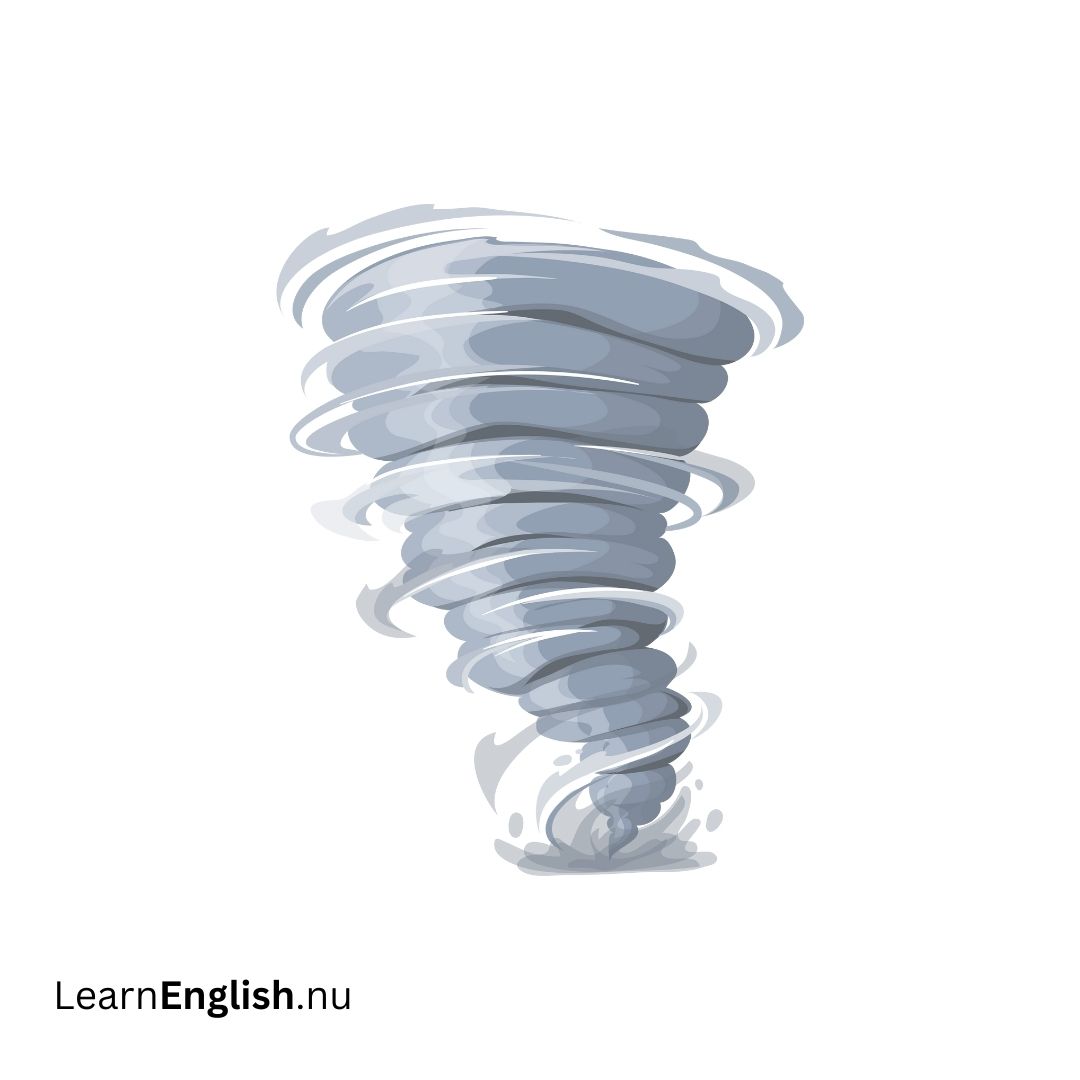 Storm
Storm
Tempest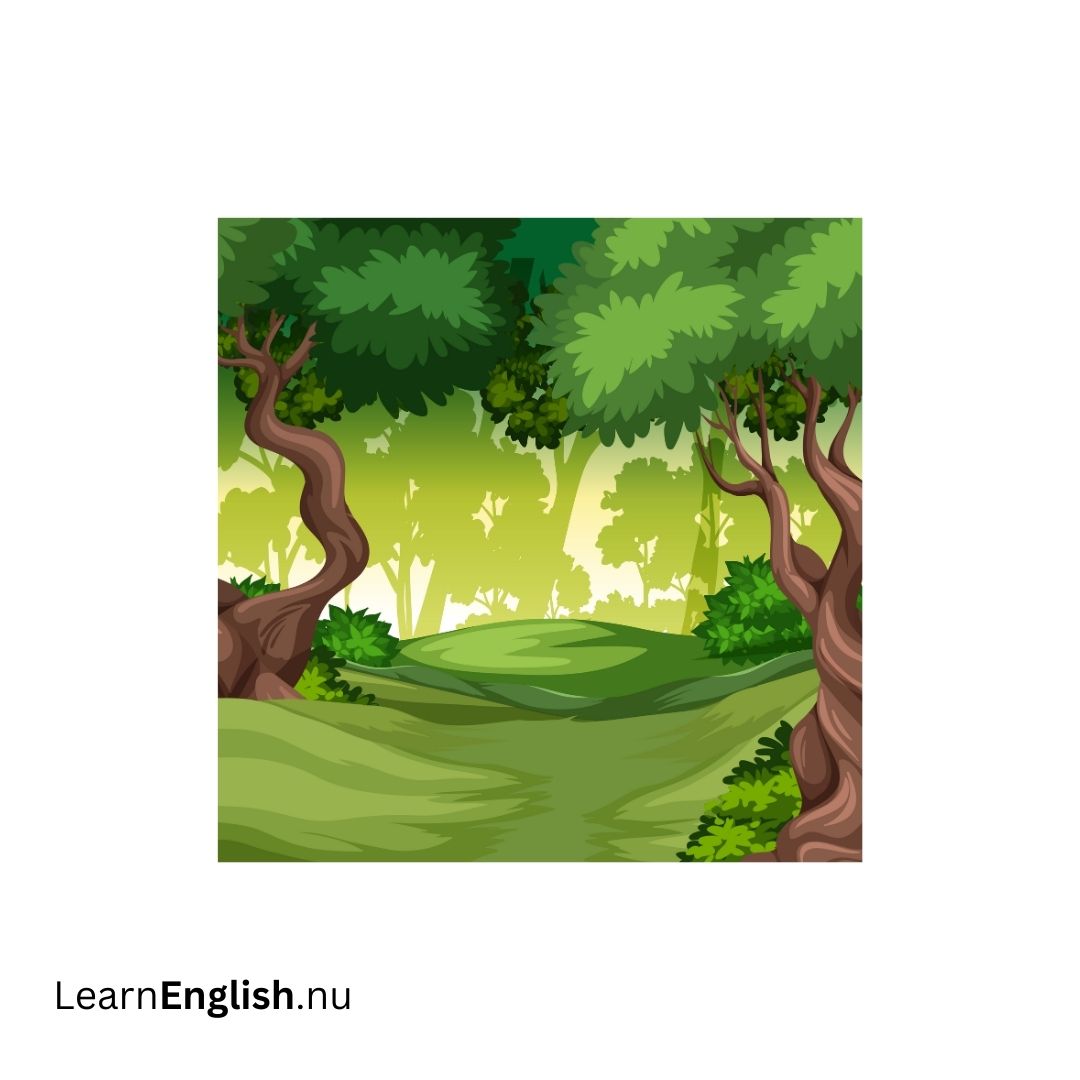 Djungel
Jungle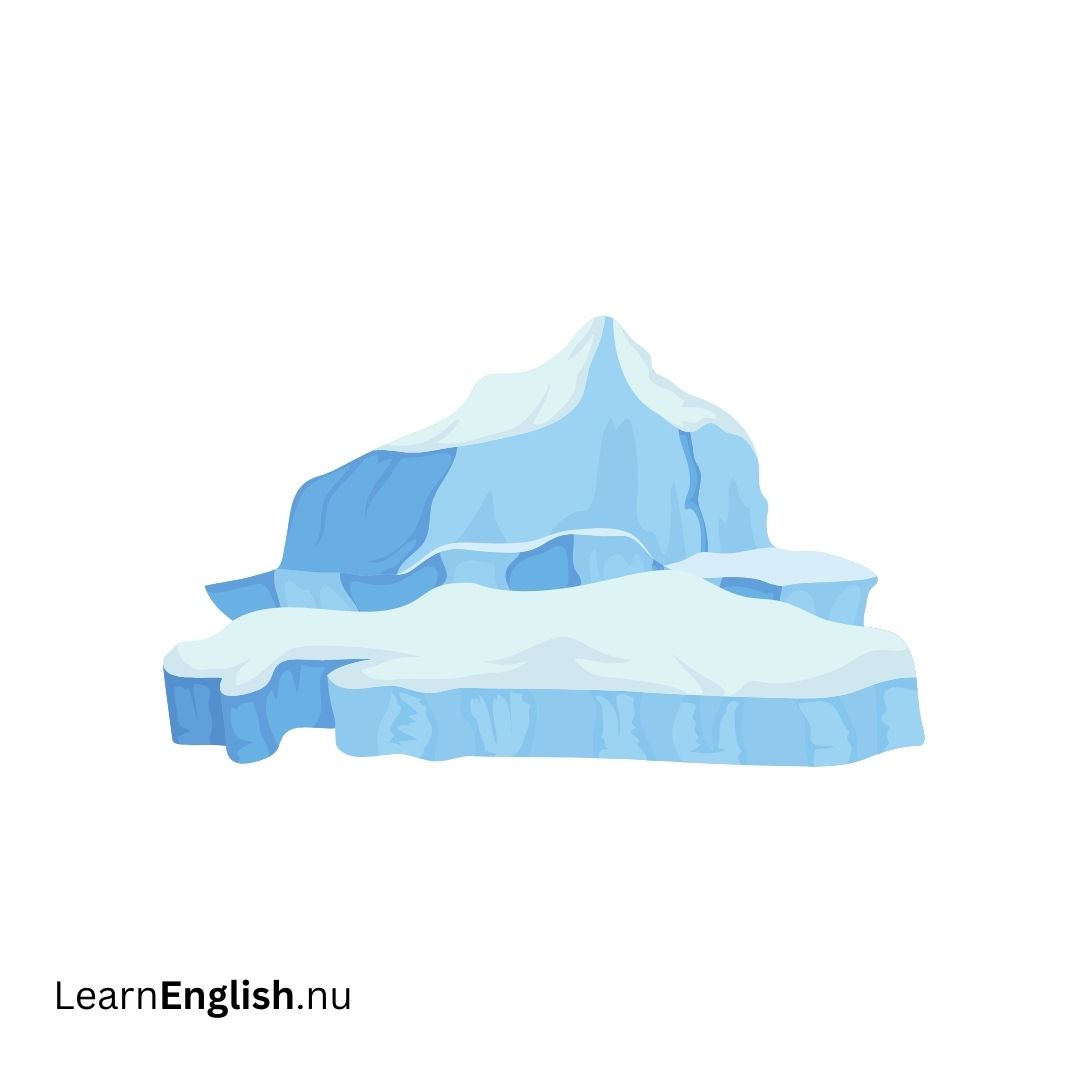 Glaciär
Glacier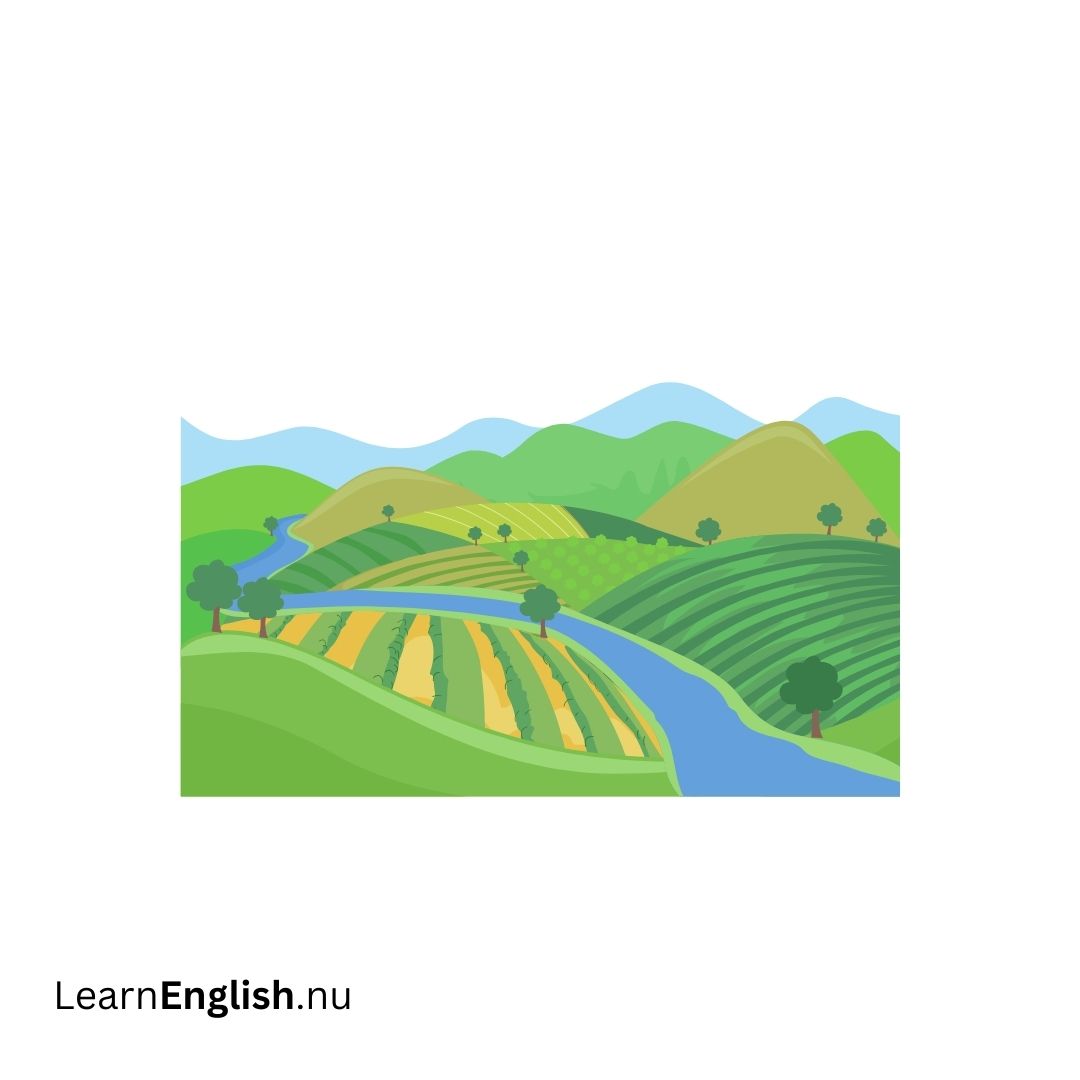 Fält
Fält
Field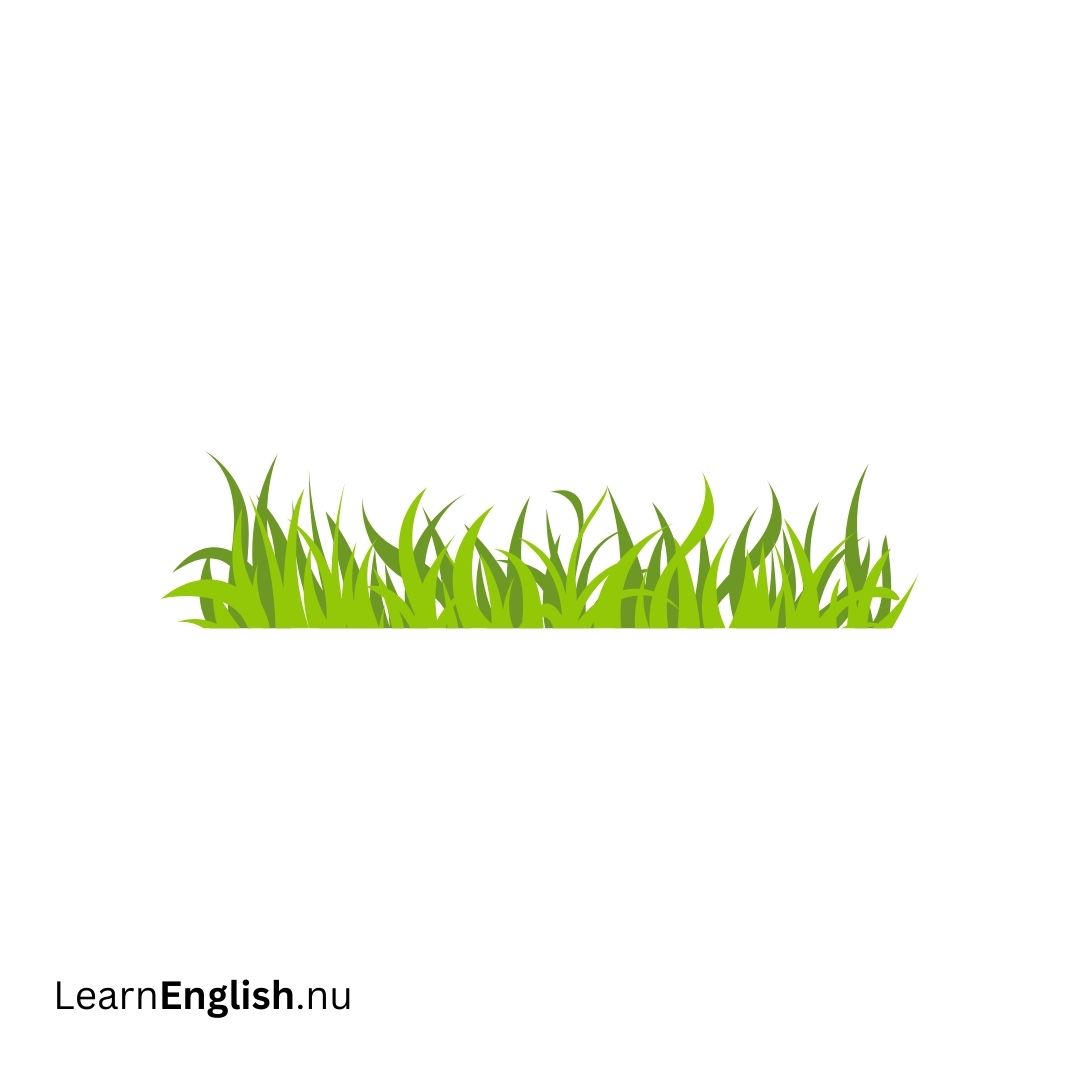 Gräs
Gräs
Grass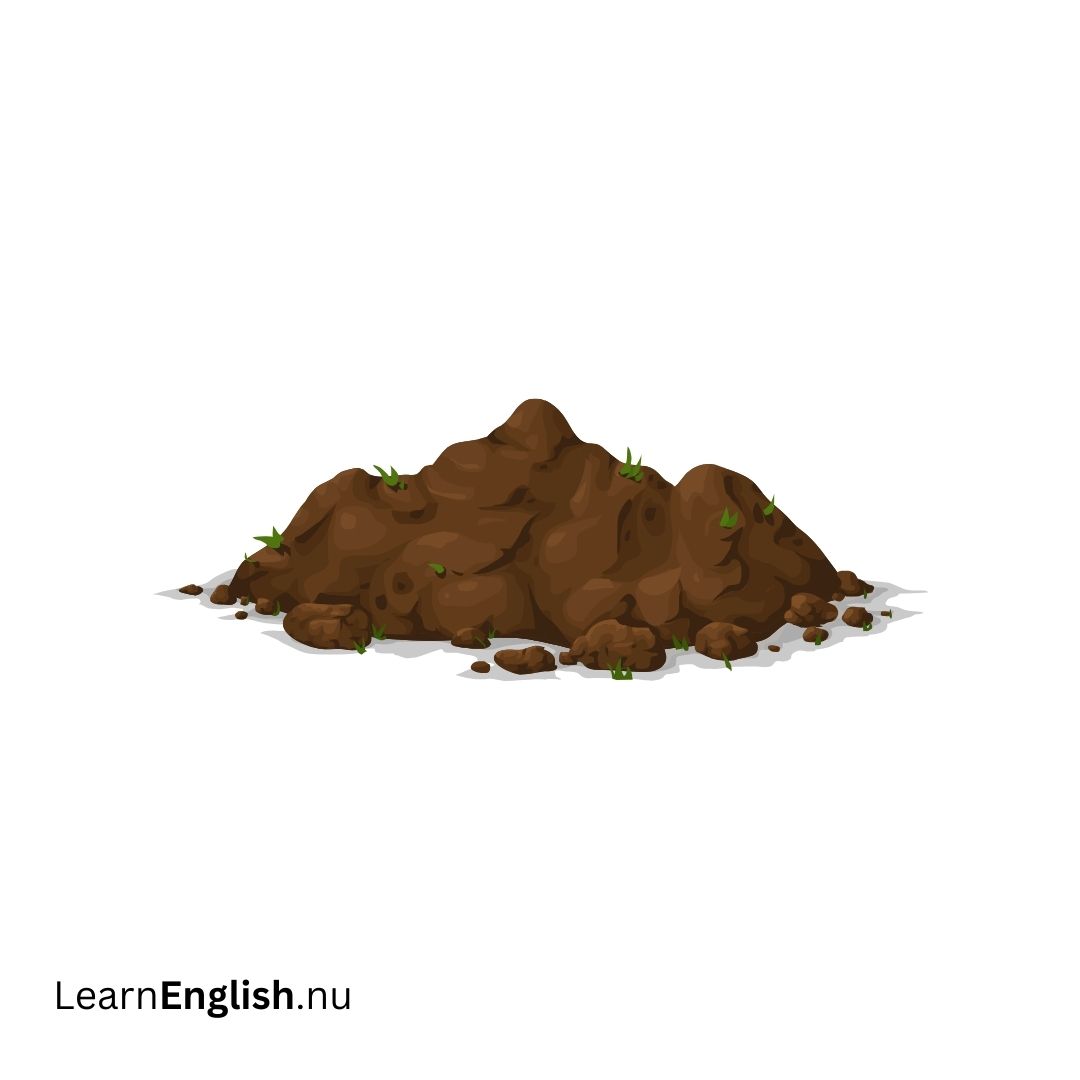 Jord
Jord
Soil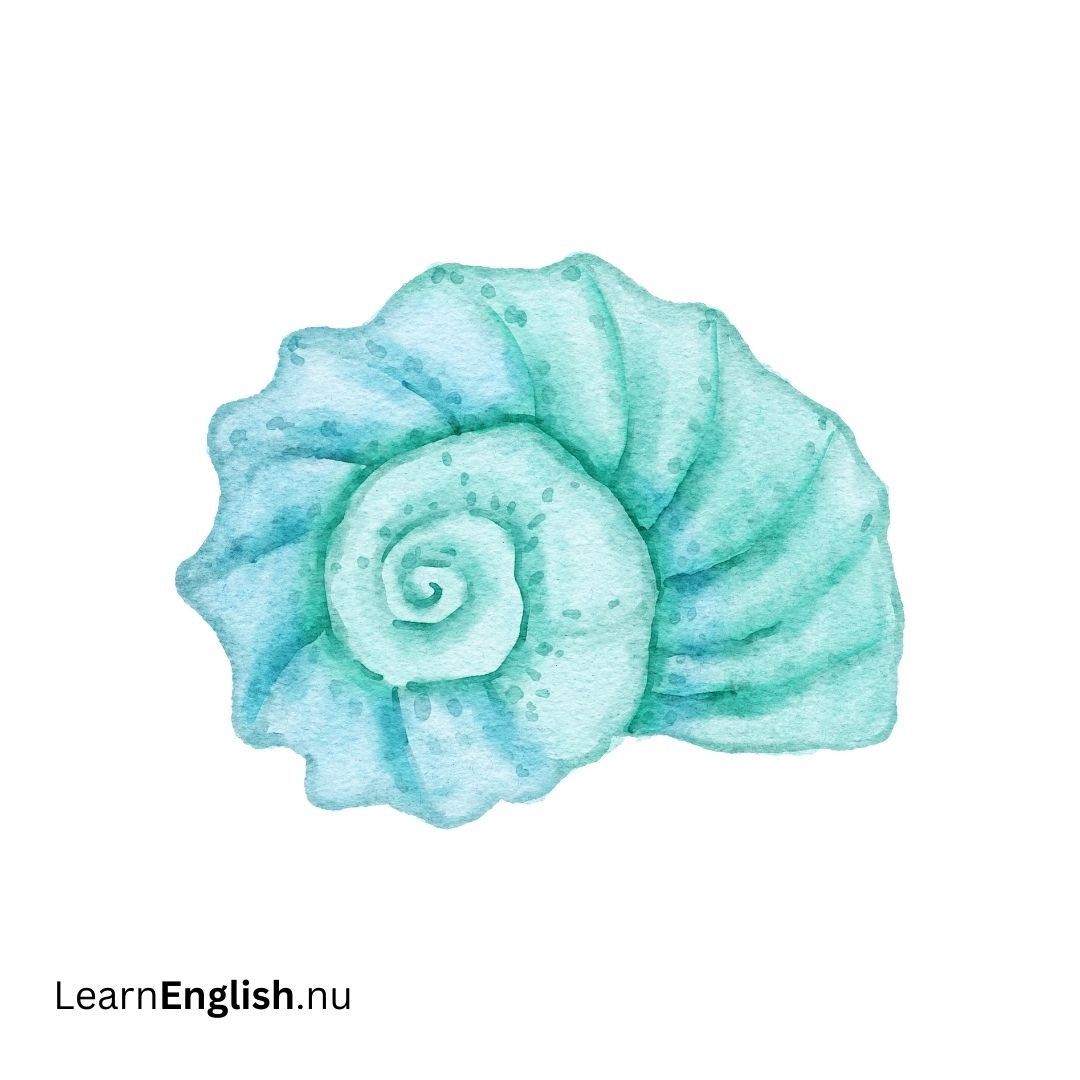 Snäcka
Sea shell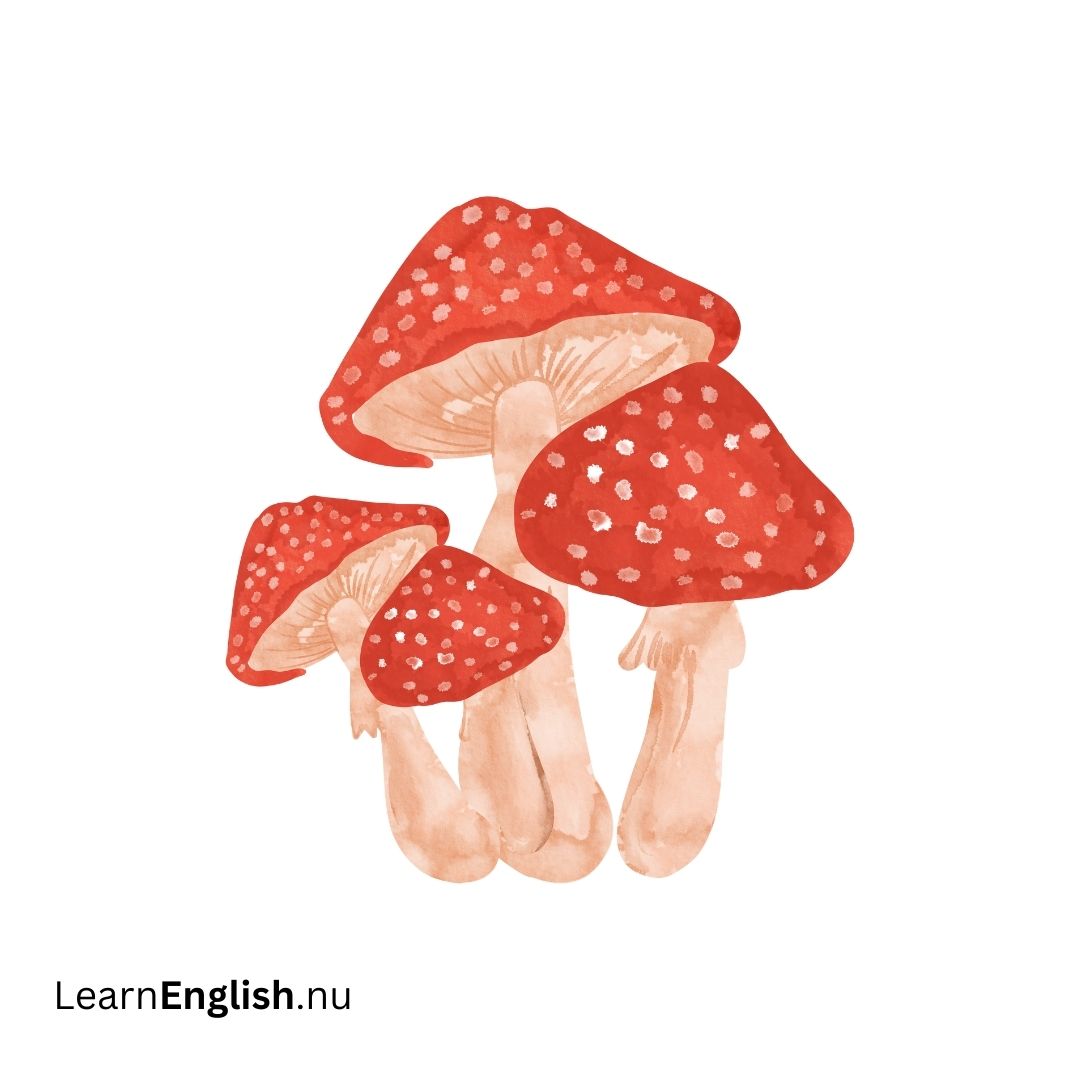 Svamp
Svamp
Mushroom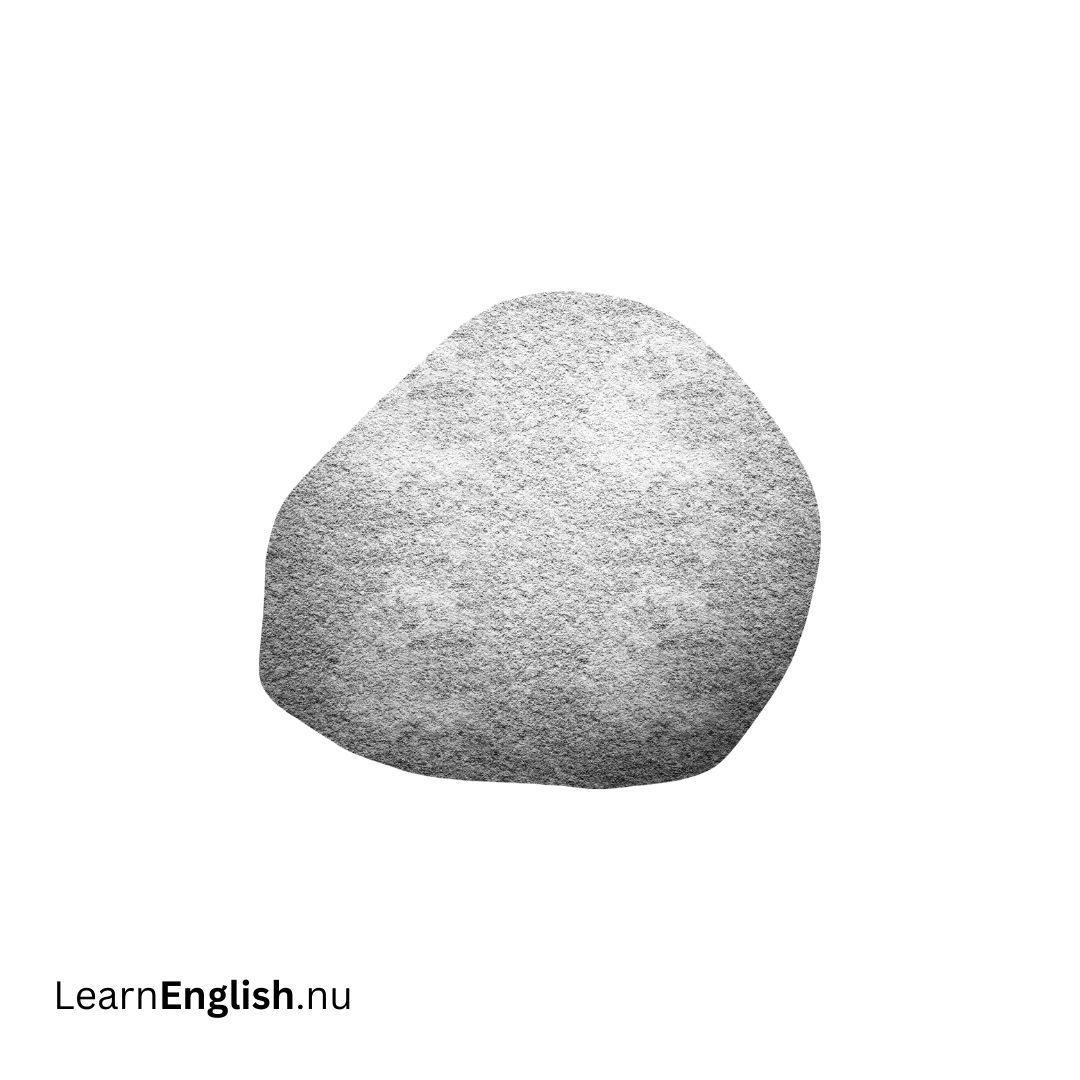 Sten
Sten
Stone / Pebble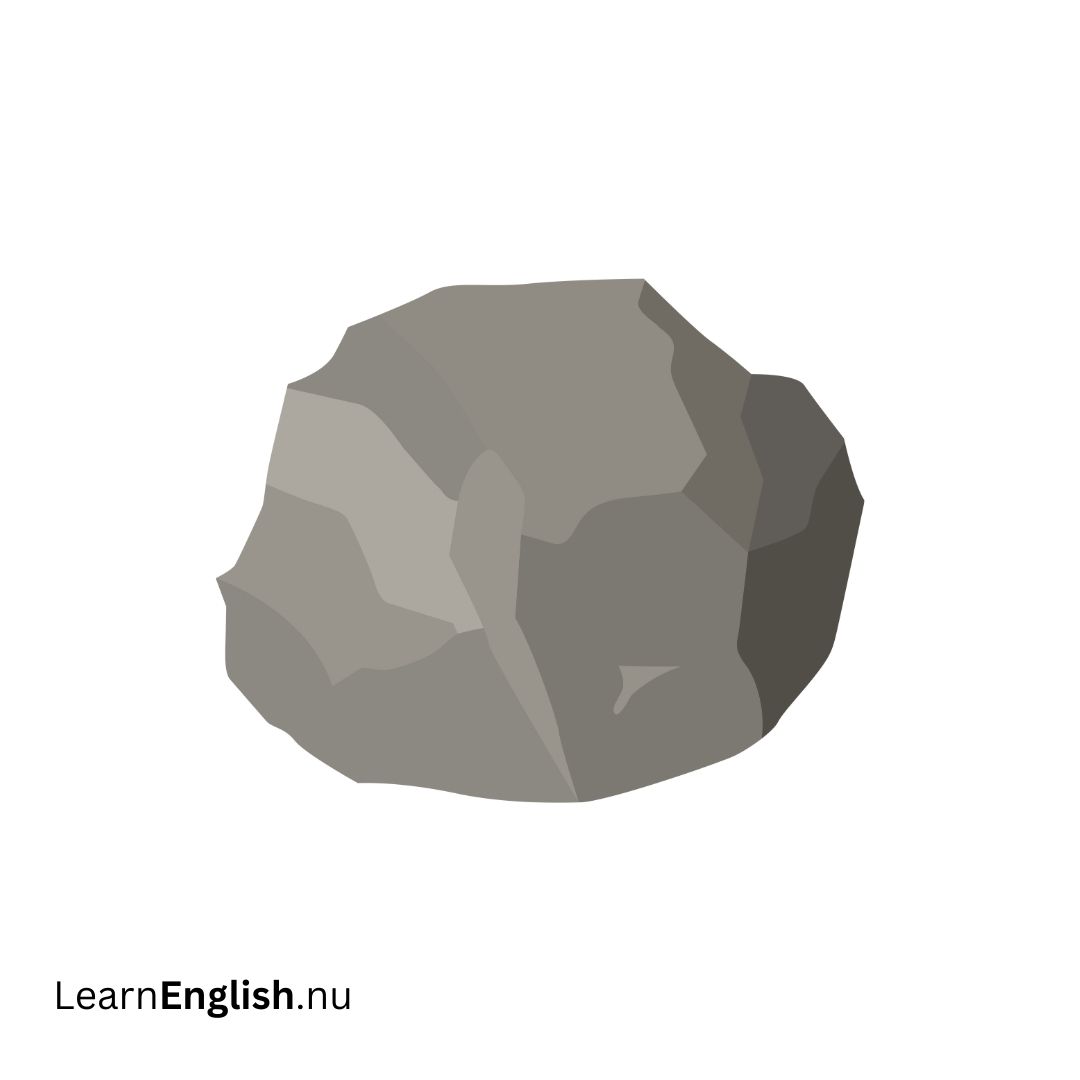 Klippa
Rock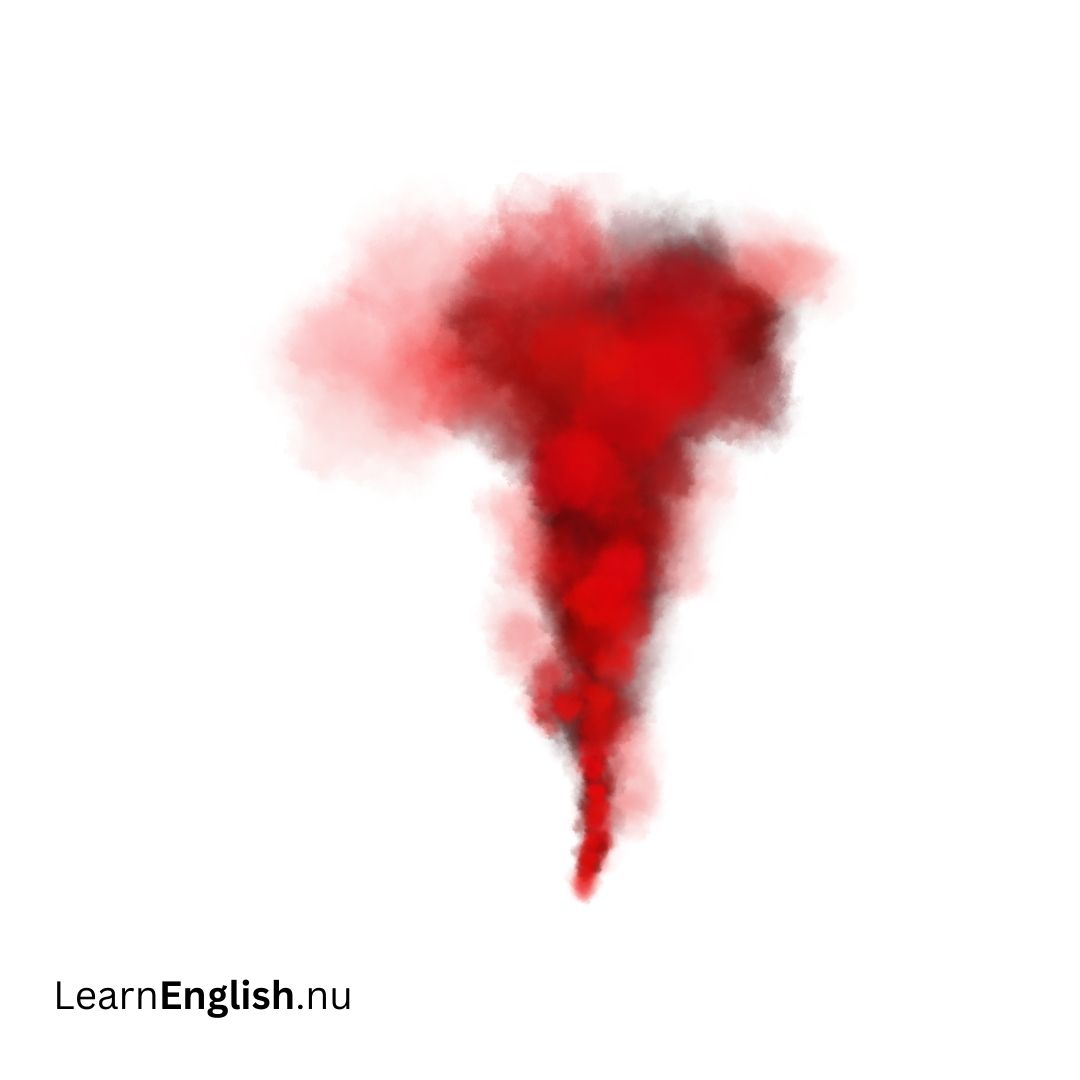 Rök
Rök
Smoke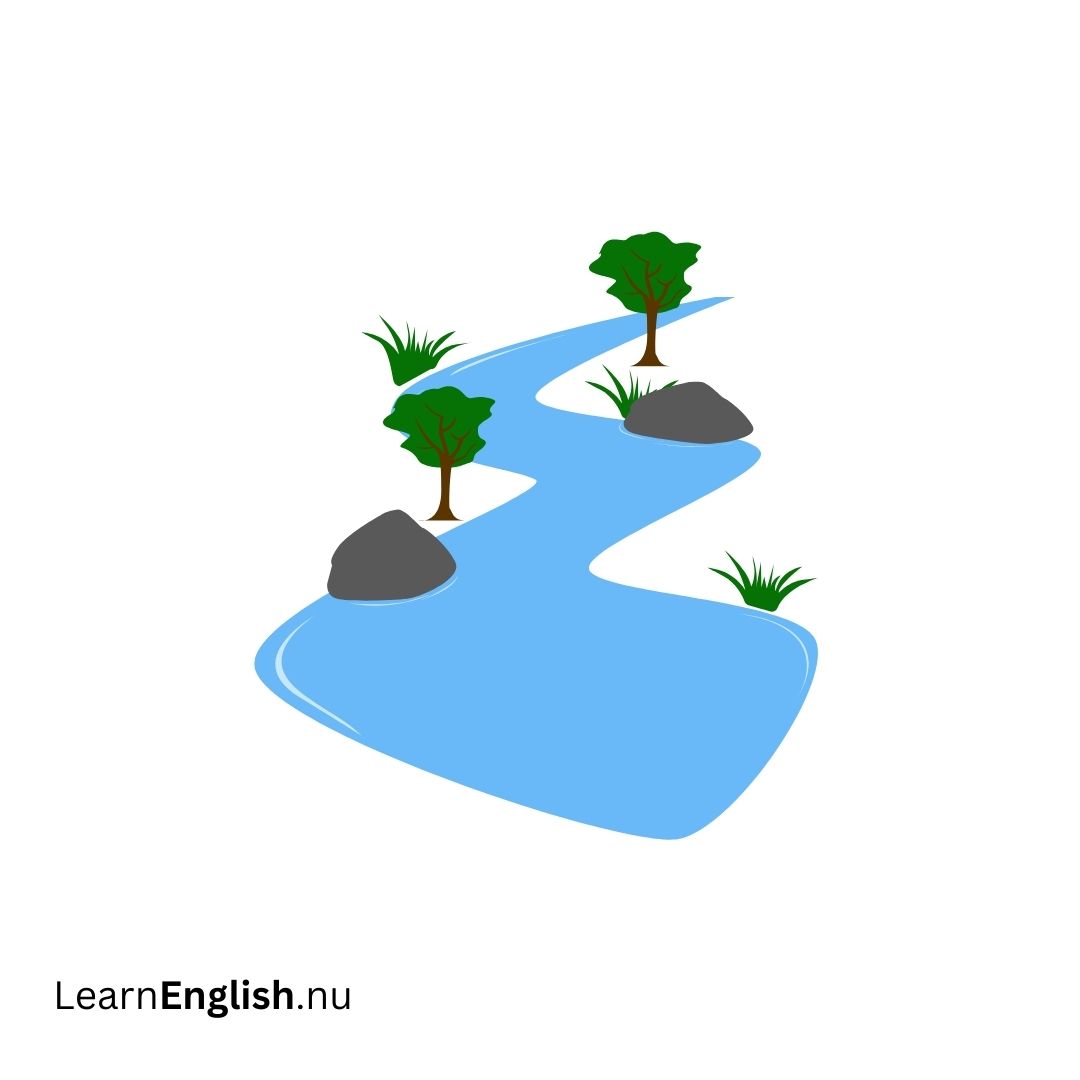 Flod
Flod
River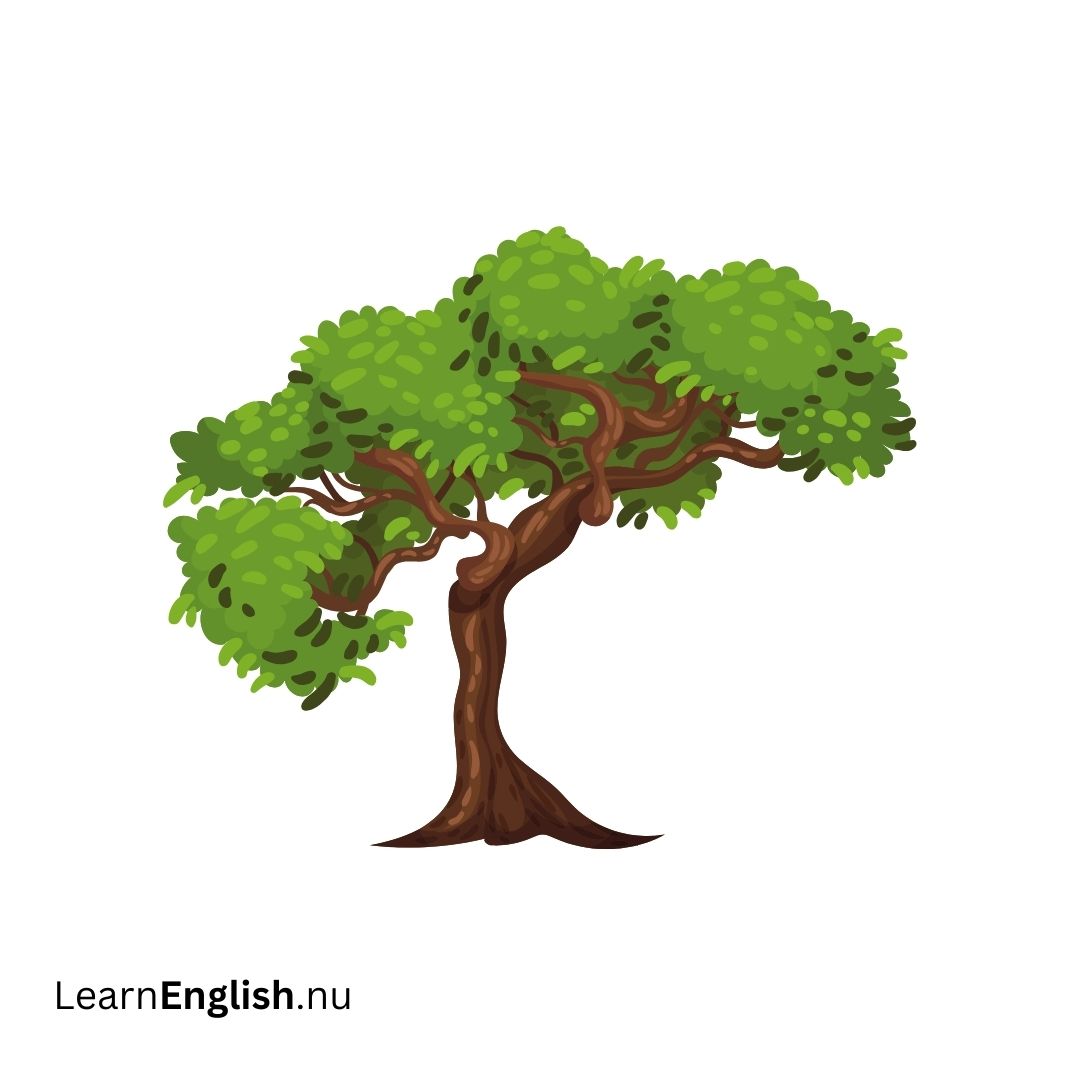 Träd
Träd
Tree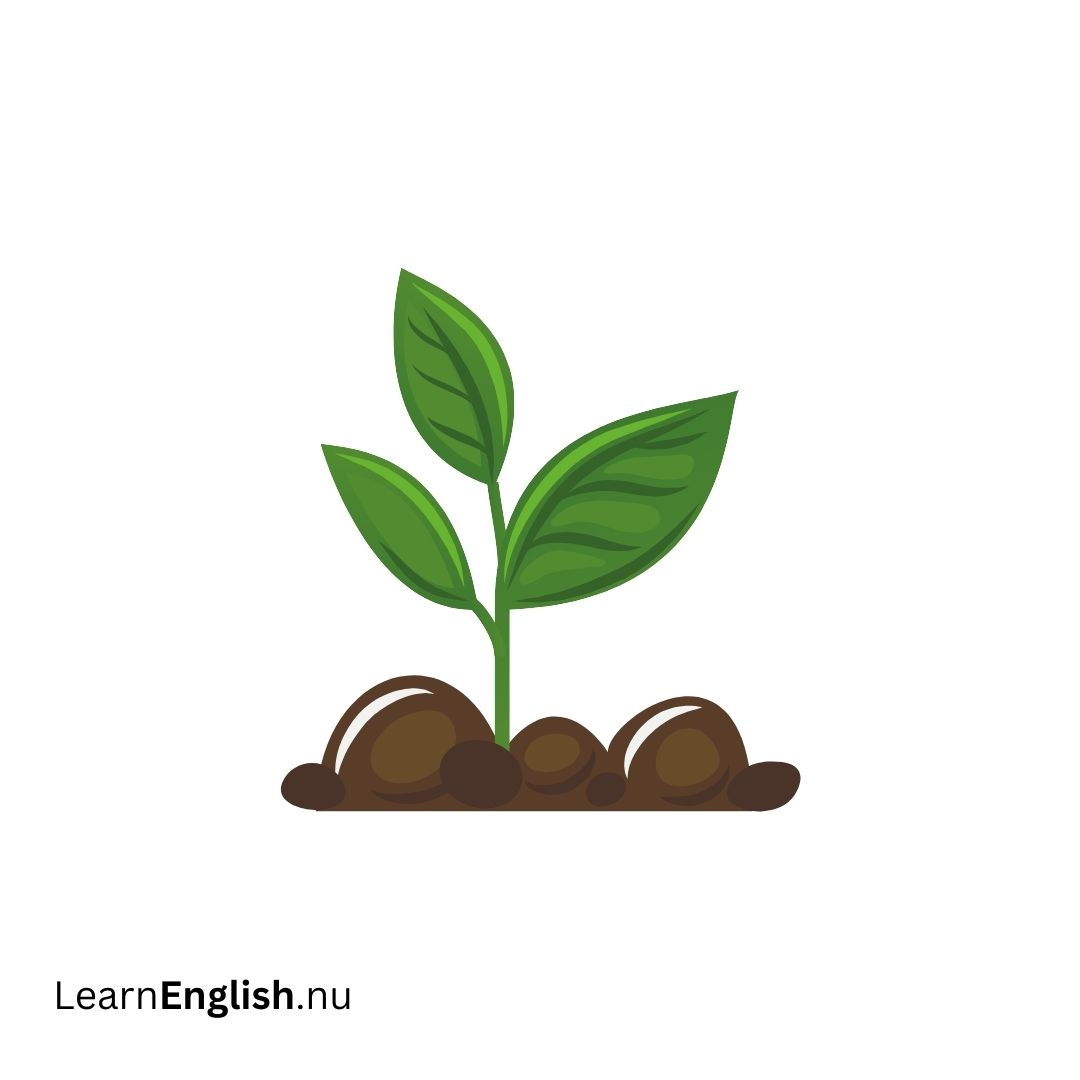 Växt
Växt
Plant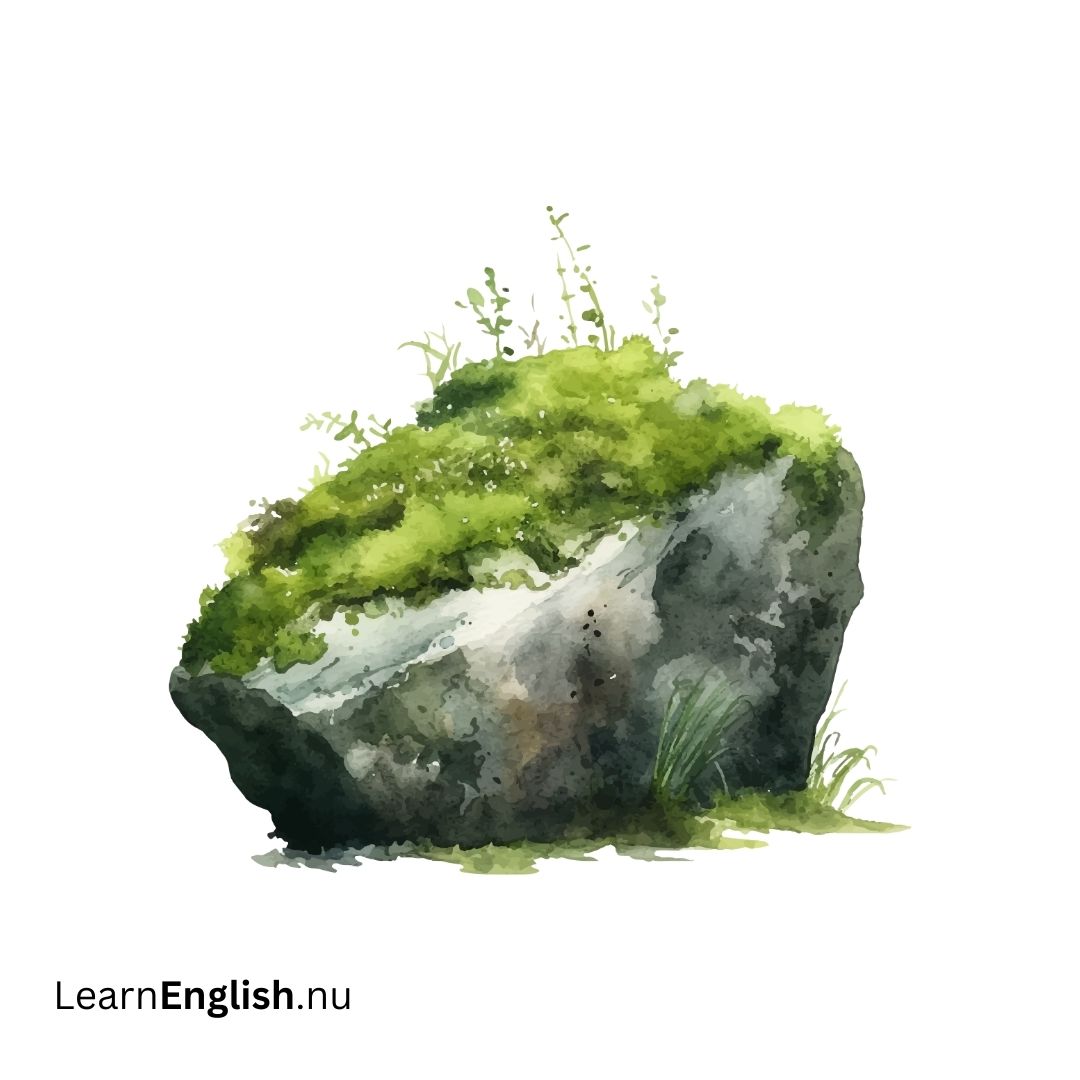 Mossa
Mossa
Moss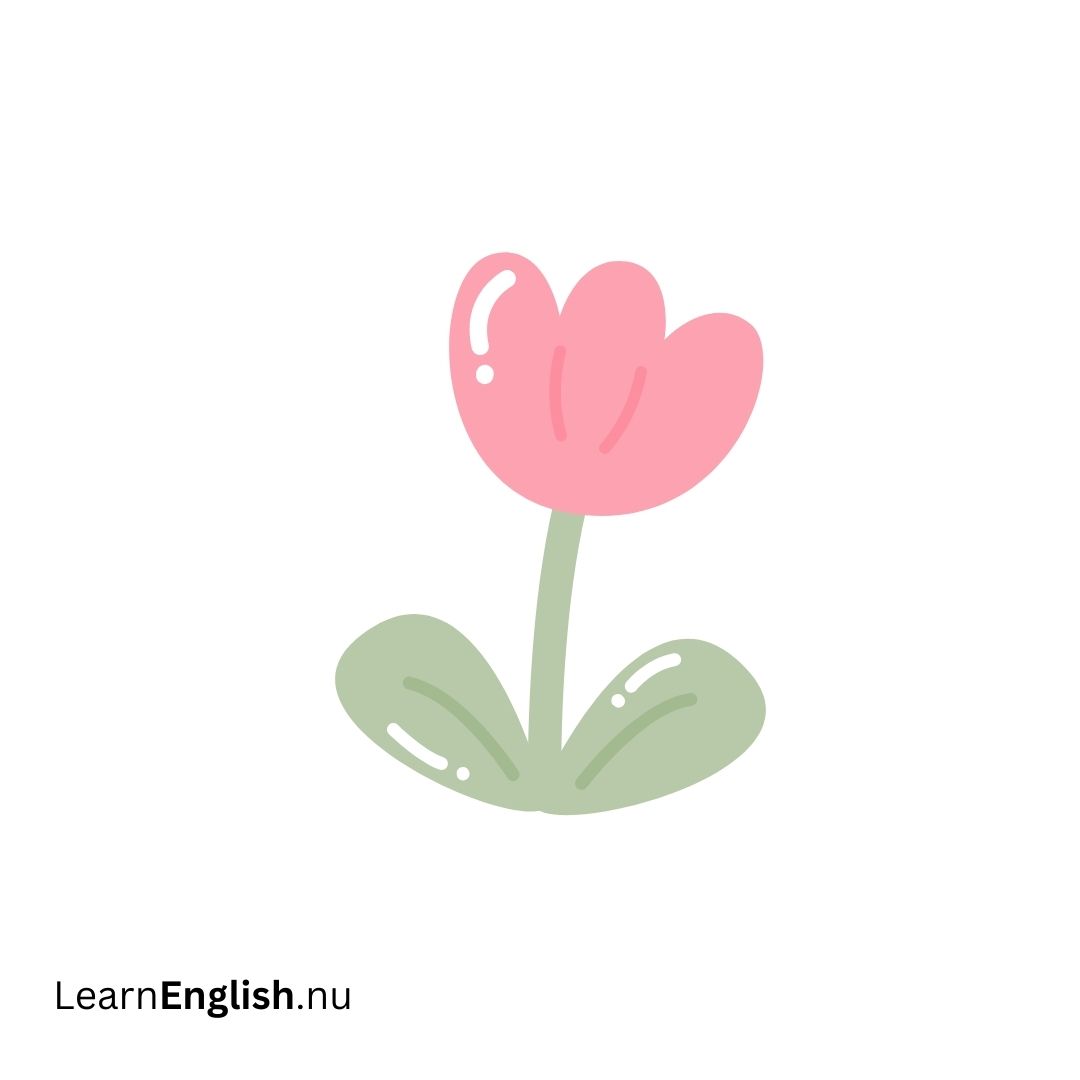 Blomma
Flower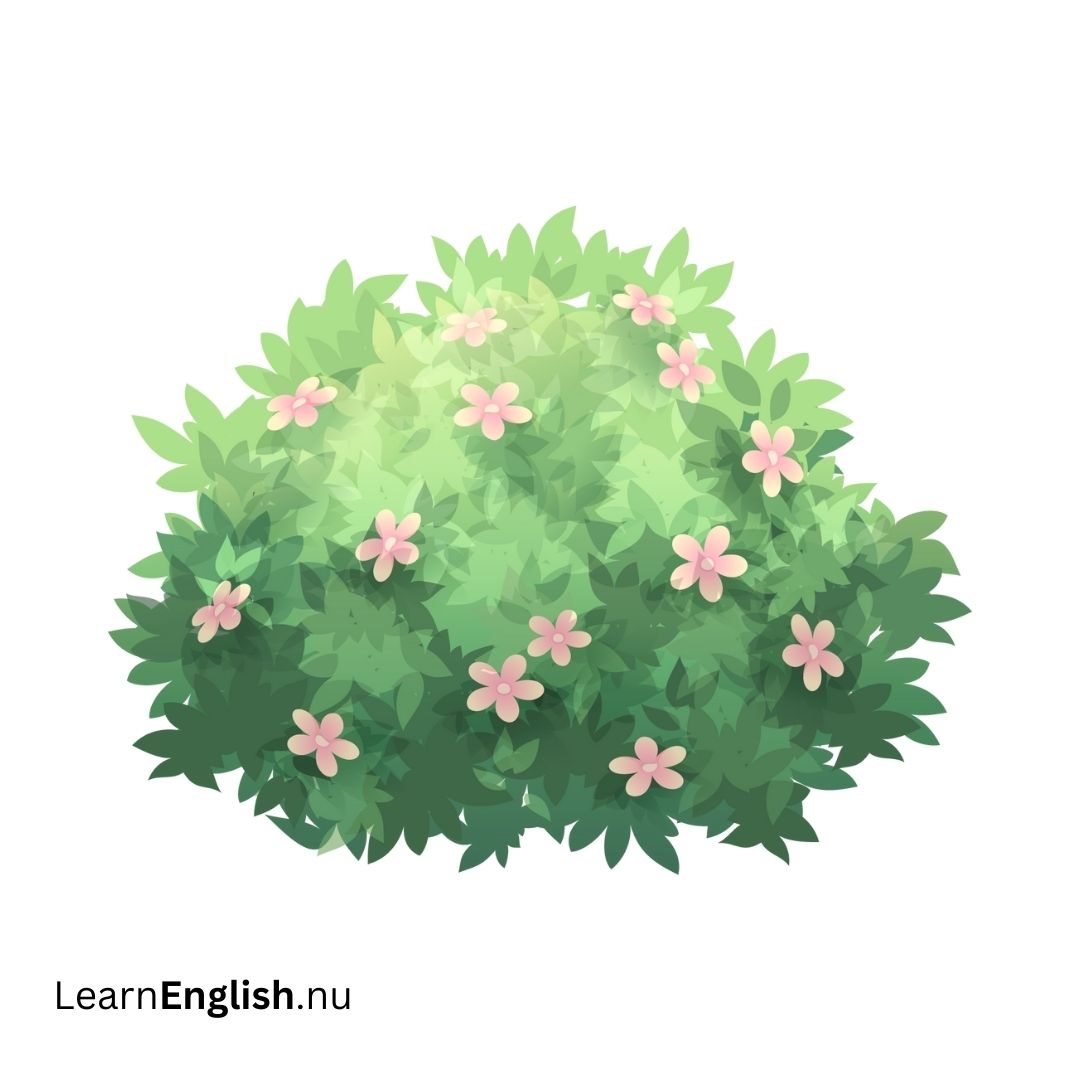 Buske
Buske
Bush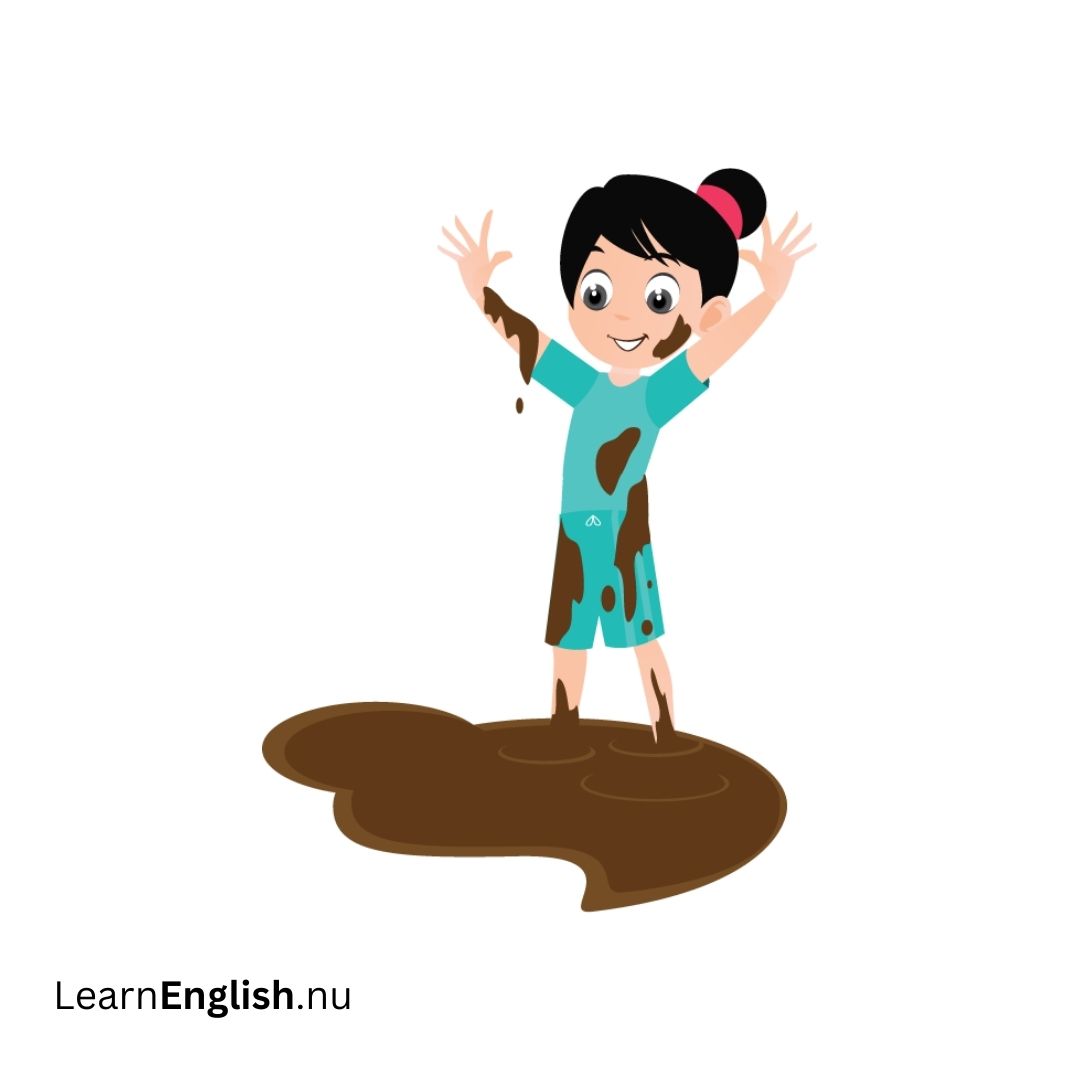 Lera
Lera
Mud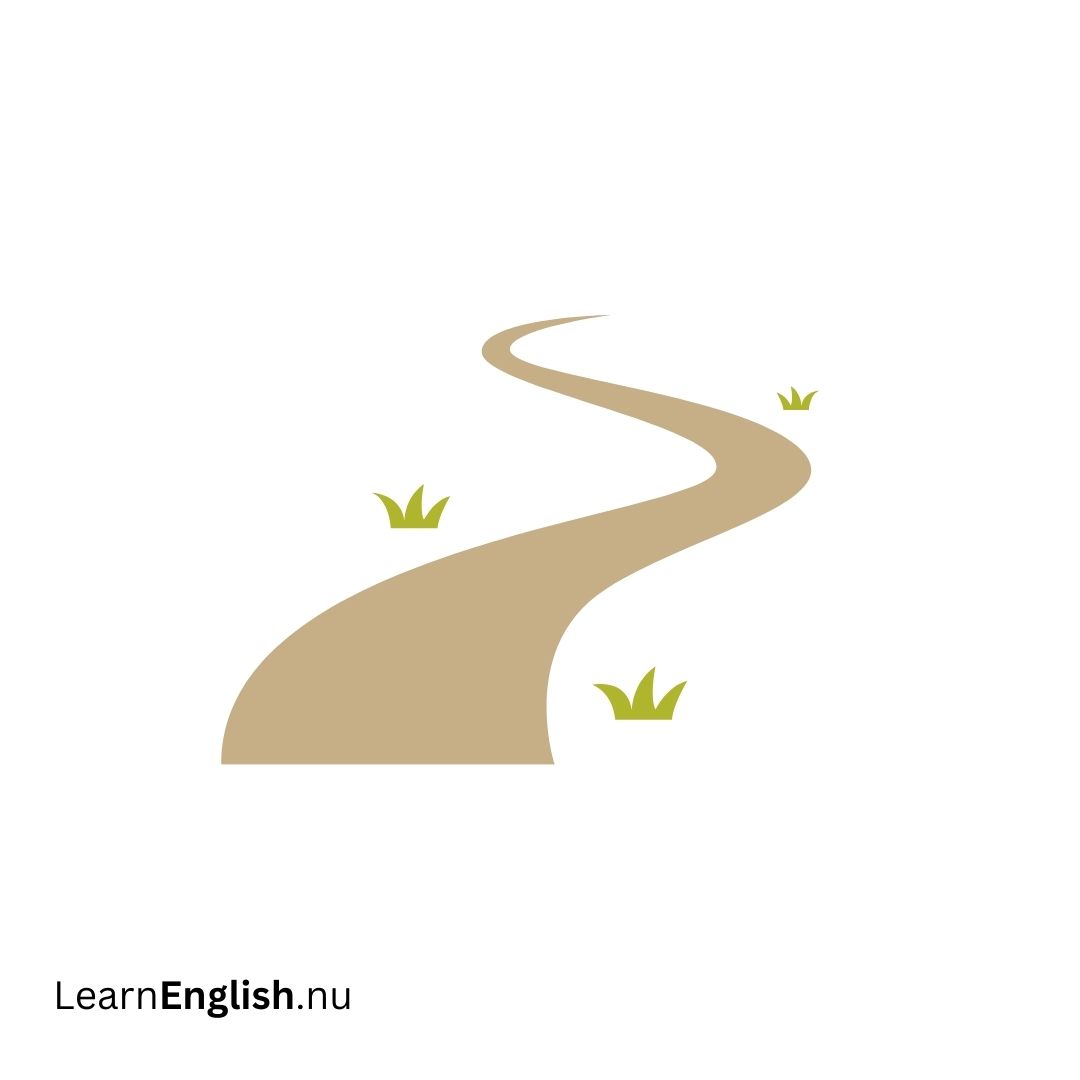 Stig
Stig
Path Väg
Väg
Road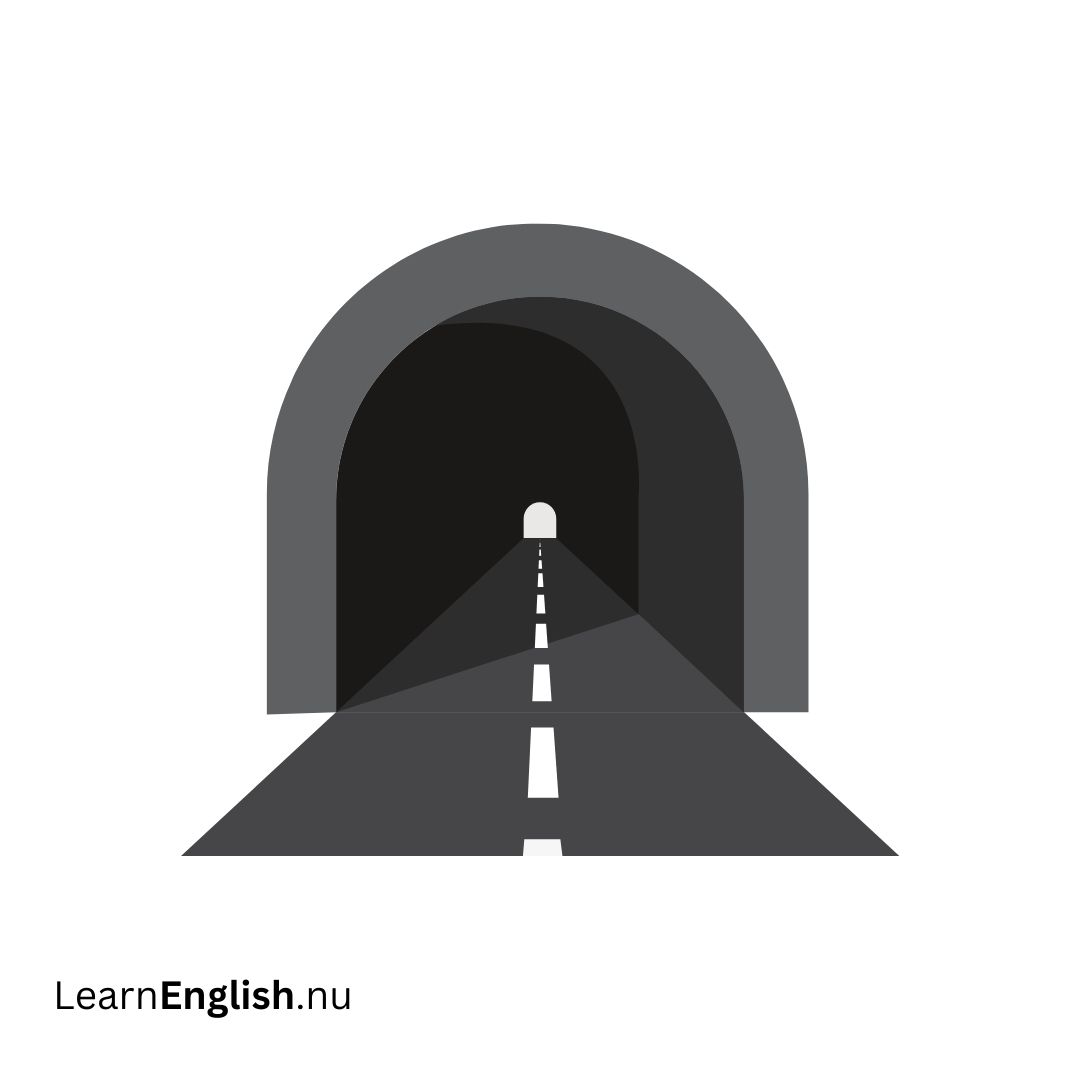 Tunnel
Tunnel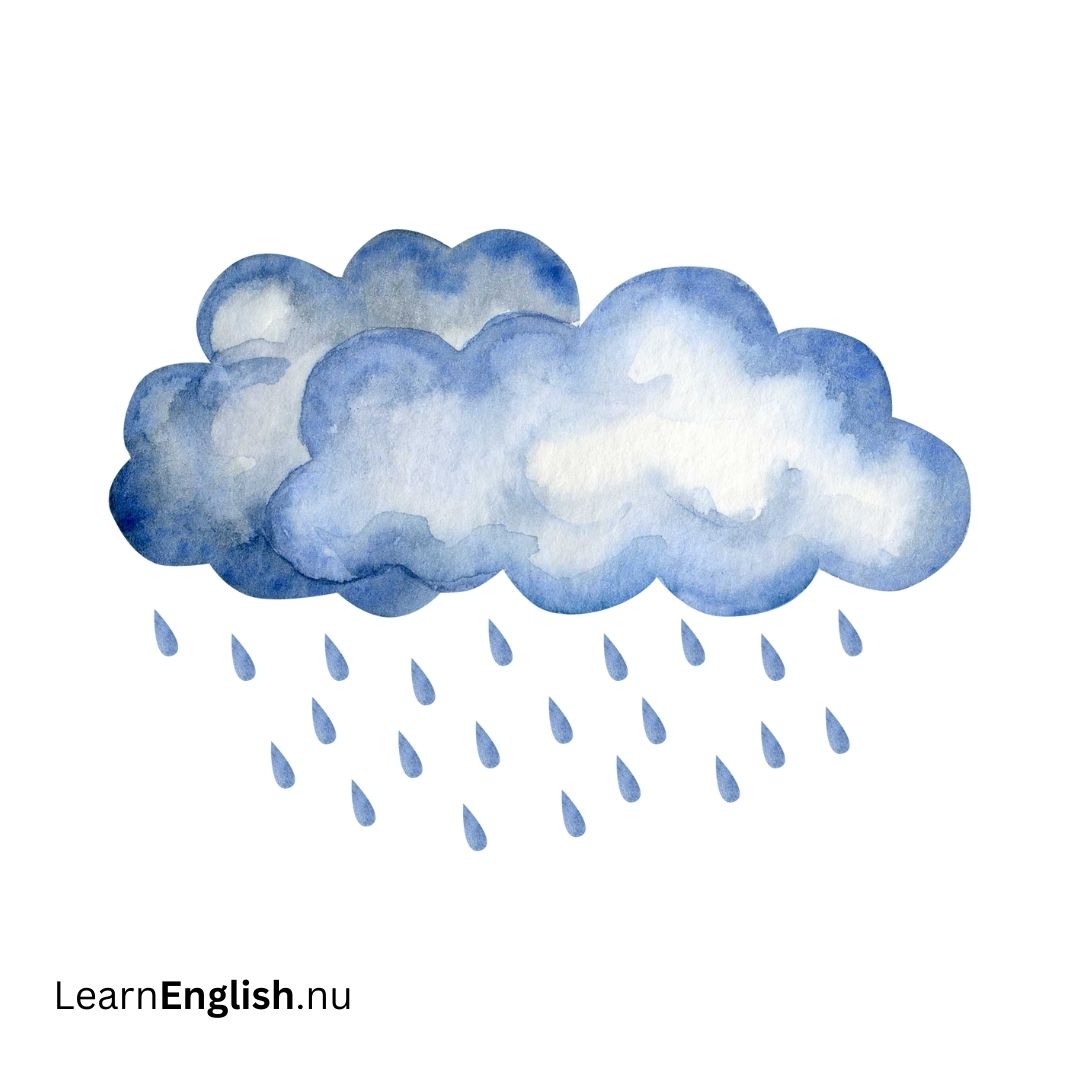 Regn
Regn
Rain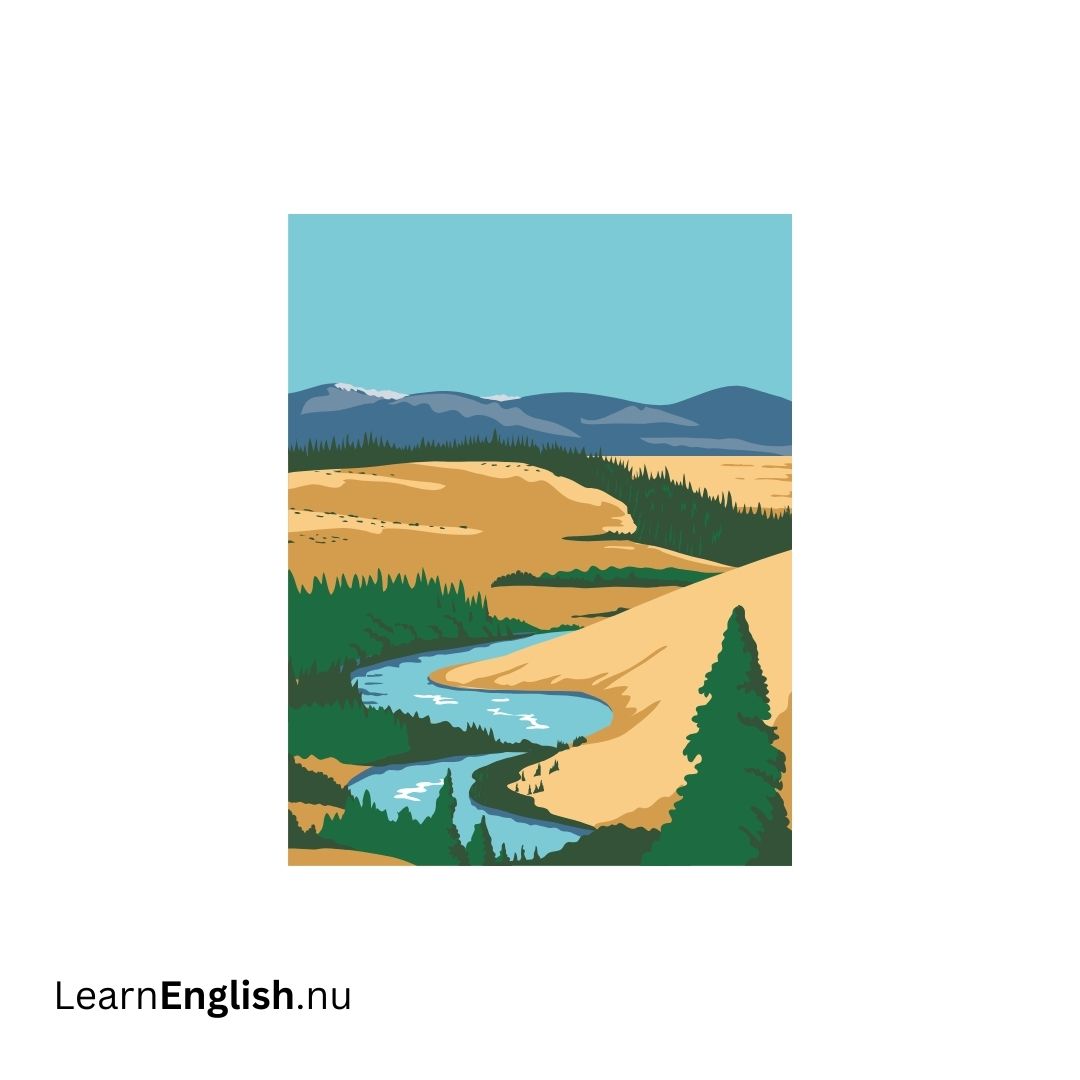 Dal
Dal
Valley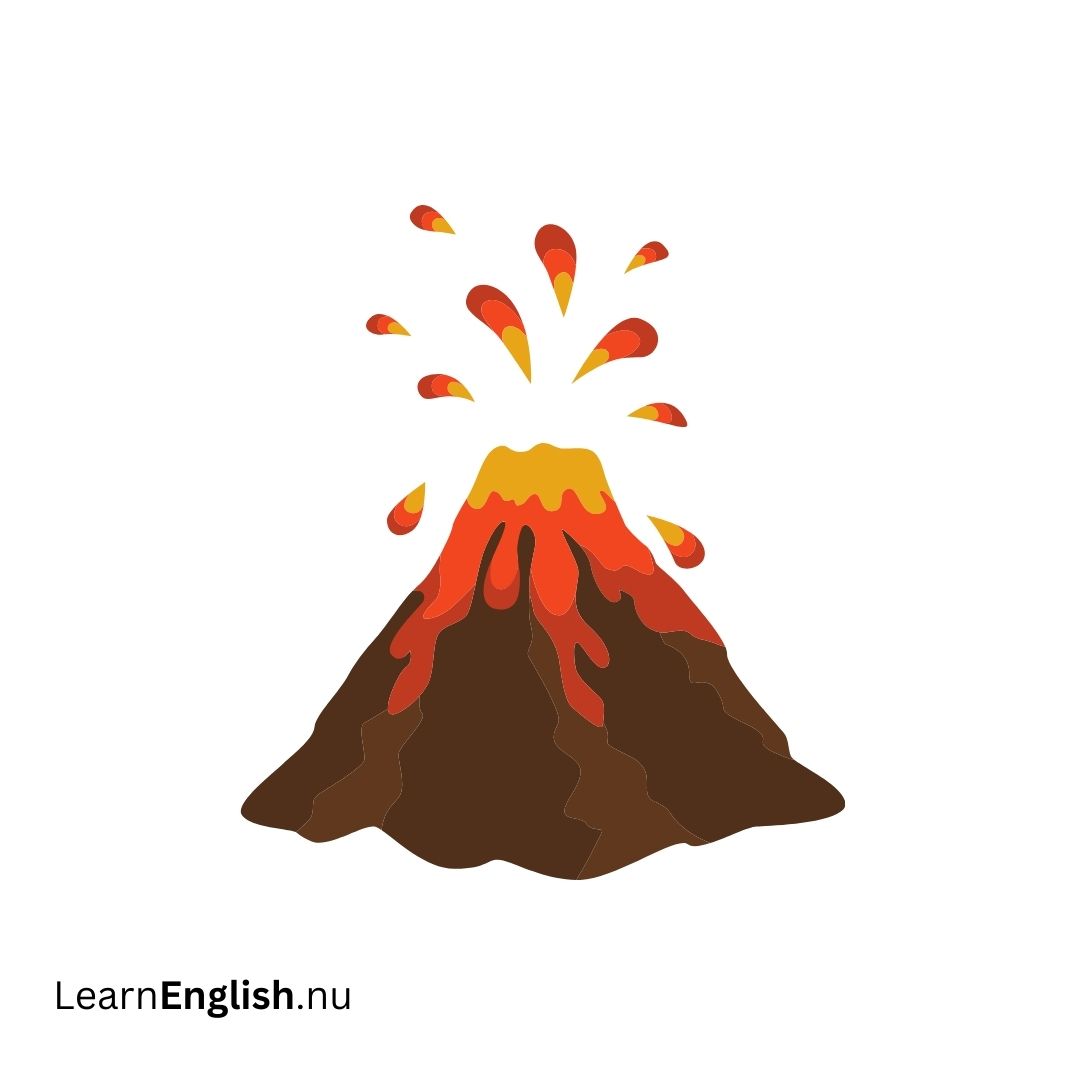 Vulkan
Volcano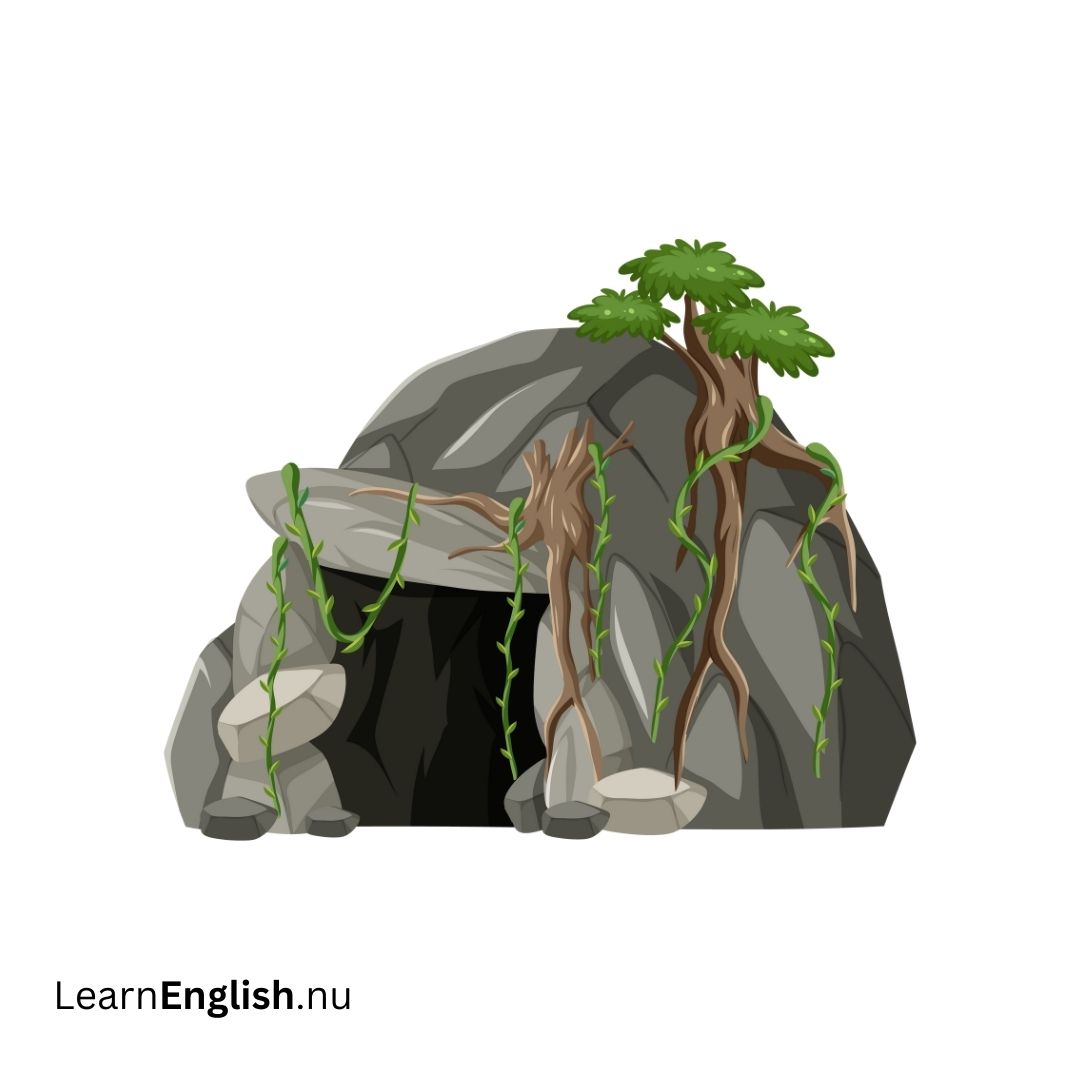 Grotta
Cave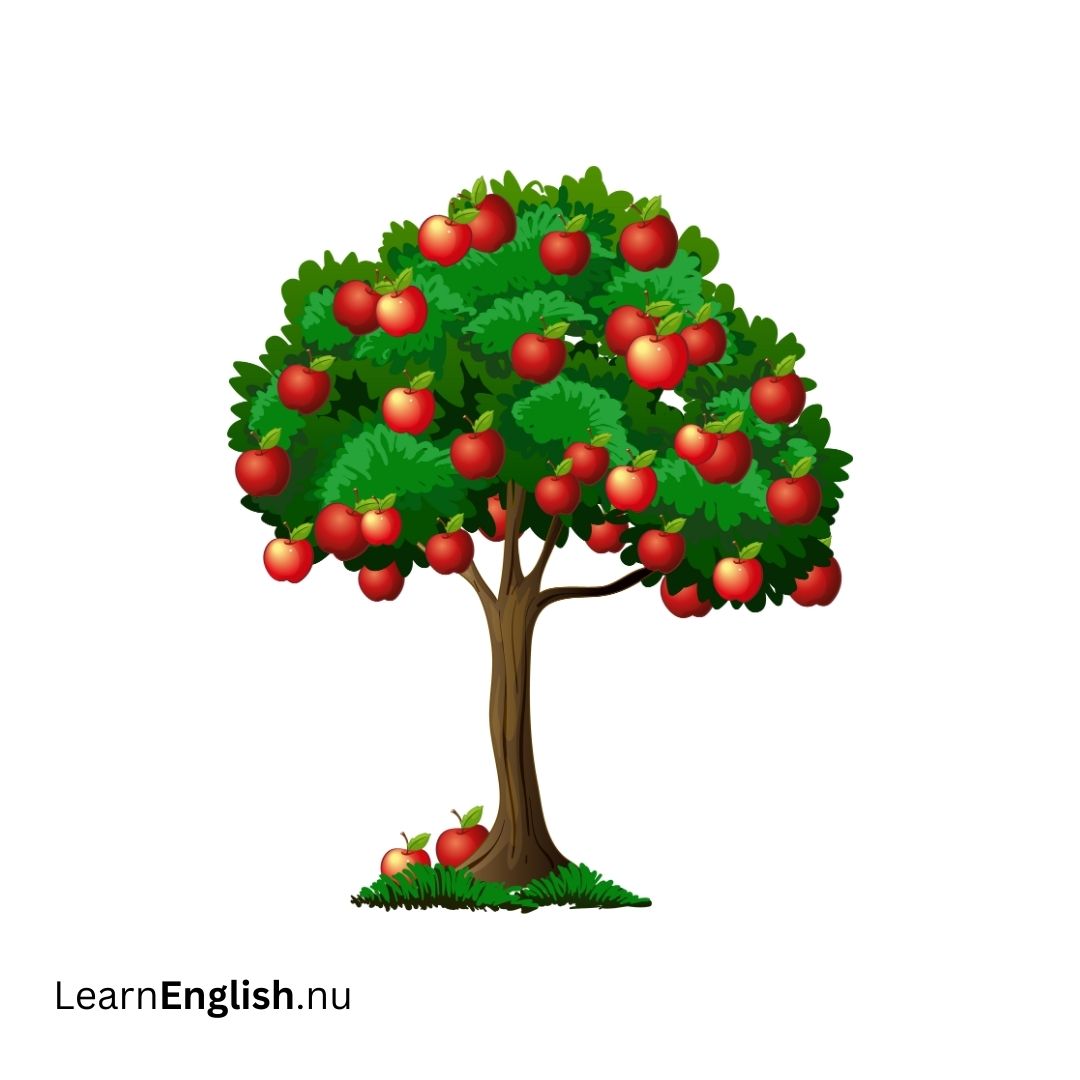 Äppelträd
Apple tree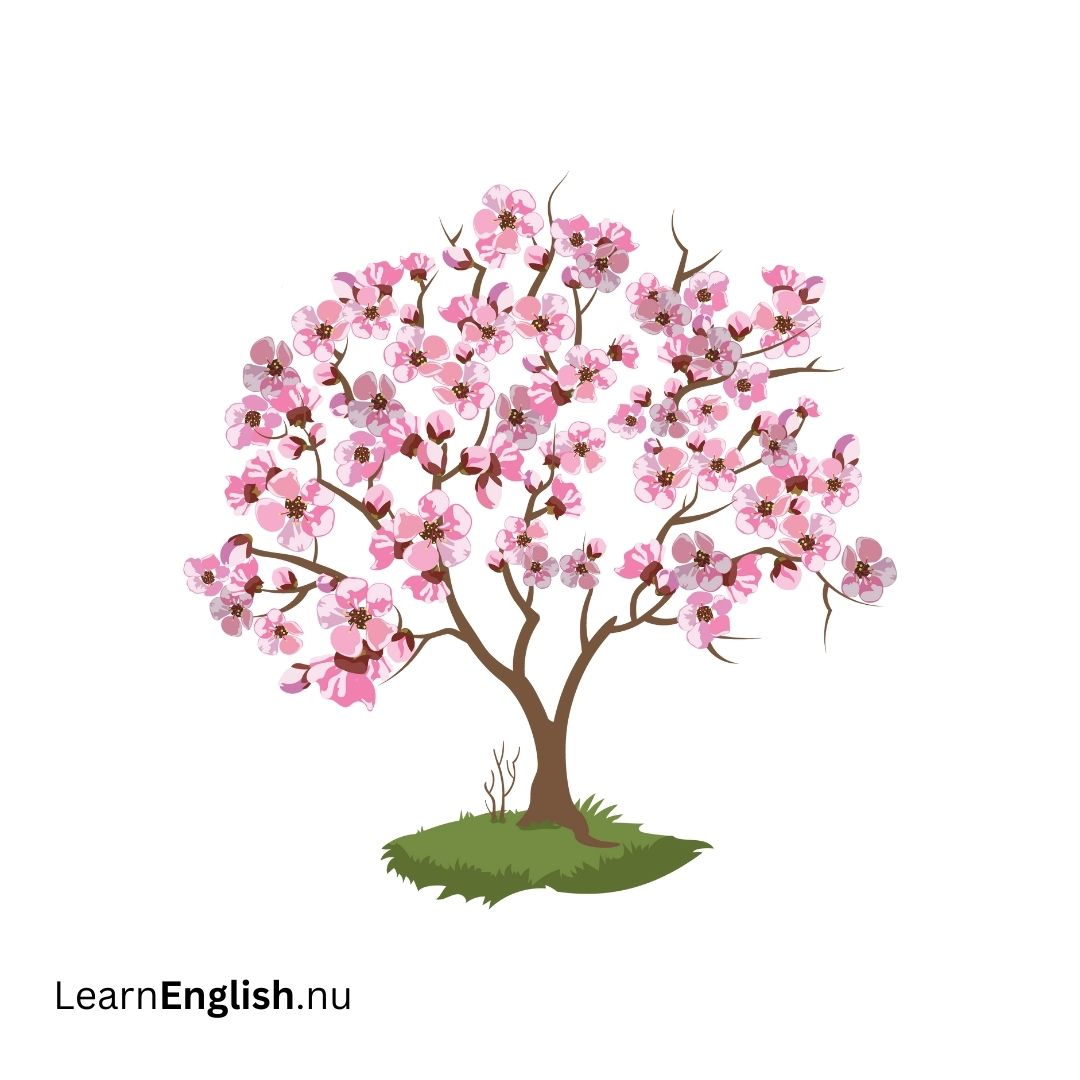 Körsbärsträd
Cherry tree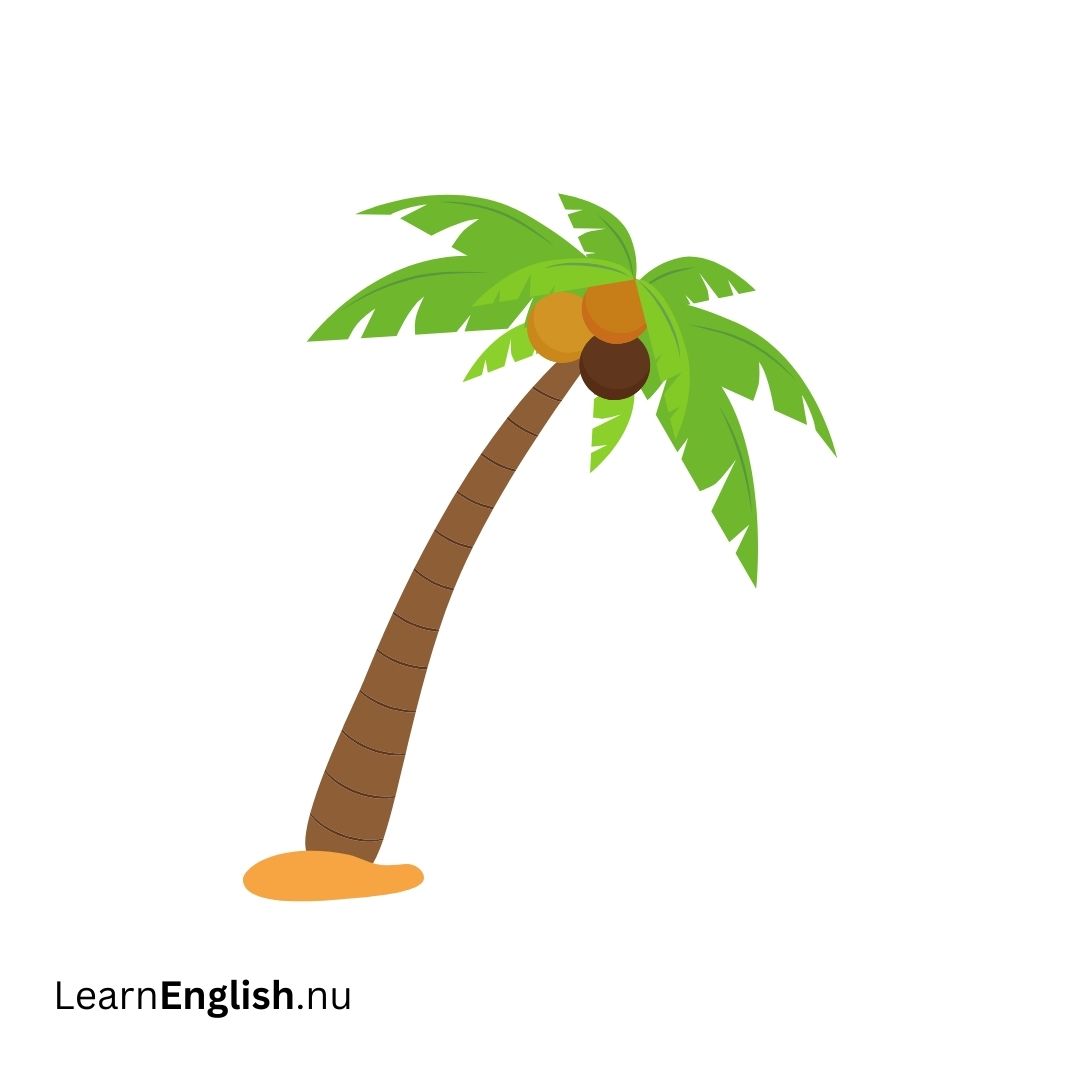 Kokospalm
Coconut tree
Swedish Nature Vocabulary with Pronunciation - Learn Swedish
- Himmel Sky
- Jorden Earth
- Sol Sun
- Måne Moon
- Stjärnor Stars
- Planeter Planets
- Moln Clouds
- Berg Mountain
- Bro Bridge
- Damm Dam / Pond
- Vågor Waves
- Fyr Lighthouse
- Ö Island
- Vik Bay
- Flodbank Riverbank
- Strand Beach
- Hav Sea
- Blixt Lightning
- Snö Snow
- Ocean Ocean
- Kust Coast
- Mark Ground
- Dyn Dune
- Öken Desert
- Sand Sand
- Park Park
- Äng Meadow
- Storm Tempest
- Djungel Jungle
- Glaciär Glacier
- Fält Field
- Gräs Grass
- Jord Soil
- Snäcka Sea shell
- Svamp Mushroom
- Sten Stone / Pebble
- Klippa Rock
- Rök Smoke
- Flod River
- Träd Tree
- Växt Plant
- Mossa Moss
- Blomma Flower
- Buske Bush
- Lera Mud
- Stig Path
- Väg Road
- Tunnel Tunnel
- Regn Rain
- Dal Valley
- Vulkan Volcano
- Grotta Cave
- Äppelträd Apple tree
- Körsbärsträd Cherry tree
- Kokospalm Coconut tree
Swedish Nature Vocabulary
Learning nature-related vocabulary in Swedish is a great way to expand your language skills, especially if you’re interested in the environment, wildlife, or outdoor activities. This tutorial will guide you through essential Swedish words related to nature, complete with pronunciation, to help you better understand and communicate about the natural world.
Swedish Nature Vocabulary
To describe and talk about nature effectively in Swedish, it's important to know a broad range of words. Below is an expanded list of common nature-related terms in Swedish, along with their pronunciation. These words will help you in conversations about the environment, whether you're reading, watching, or discussing topics related to the great outdoors.
vocabulary to Describe Types of Nature in Swedish
When exploring the beauty of nature, it’s essential to know the right words to describe different natural settings in Swedish. From tranquil meadows to rugged mountains, this guide will introduce you to the vocabulary that will help you describe the various types of natural landscapes you encounter.
- Natur Nature
- Miljö Environment
- Djur Animal
- Växt Plant
- Träd Tree
- Skog Forest
- Blomma Flower
- Berg Mountain
- Flod River
- Sjö Lake
- Havet Sea
- Hav Ocean
- Öken Desert
- Fält Field
- Äng Meadow
- Ö Island
- Dal Valley
- Klippa Cliff
- Strand Beach
- Vulkan Volcano
- Kust Coast
- Glaciär Glacier
- Vattenfall Waterfall
- Kulle Hill
- Halvö Peninsula
- Damm Pond
- Kärr Marsh
- Fjord Fjord
- Kanyon Canyon
- Präri Prairie
- Träsk Swamp
- Djungel Jungle
- Gejser Geyser
Common Nature Terms in Swedish
Understanding and describing nature requires specific vocabulary. Below, you’ll find a list of essential words to describe various natural settings in Swedish, along with their pronunciation and descriptions. Whether you’re talking about serene beaches or towering mountains, these terms will help you express the beauty of the outdoors in Swedish.
| English | Swedish | Pronunciation | Description |
|---|---|---|---|
| Arctic | Polarregion | poh-lahr-reh-gee-on | A cold region near the North or South Pole. |
| Beach | Strand | strahnd | Where the land meets the sea or ocean, often sandy. |
| Cave | Grotta | groh-tah | A natural underground chamber. |
| Cliff | Klippa | kleep-pah | A steep, high rock face near the sea or ocean. |
| Coast | Kust | koos-t | The edge of the land near the sea or ocean. |
| Countryside | Landsbygd | lahnds-byggd | Rural areas with open land and natural scenery. |
| Desert | Öken | ur-ken | A dry, arid area with little to no vegetation. |
| Environment | Miljö | meel-yuh | The surroundings, including plants, animals, and people. |
| Field | Fält | felt | An open area of land, often used for agriculture. |
| Forest | Skog | skoog | A large area covered with trees and undergrowth. |
| Hill | Kulle | koo-leh | A naturally raised area of land, smaller than a mountain. |
| Island | Ö | ur | A piece of land completely surrounded by water. |
| Lake | Sjö | hweu | A large body of freshwater surrounded by land. |
| Land | Land | lahnd | The solid surface of the Earth that is not covered by water. |
| Meadow | Äng | eng | A grassy field, often found near rivers or in the countryside. |
| Mountain | Berg | bairg | A large natural elevation of the Earth's surface. |
| Ocean | Hav | hahv | A vast body of saltwater that covers much of the Earth's surface. |
| Rainforest | Regnskog | rehng-skoog | A dense forest with high rainfall, typically found in tropical regions. |
| River | Flod | flohd | A large natural stream of water flowing towards a sea, lake, or another river. |
| Sea | Havet | hah-vet | A large body of saltwater, smaller than an ocean, but still vast. |
| Valley | Dal | dahl | A low area of land between hills or mountains. |
| Volcano | Vulkan | vul-kahn | A mountain or hill with a crater through which lava, ash, and gases are expelled. |
| Wild | Vildmark | veeld-mark | Uninhabited and untouched natural areas. |
Adjectives to Describe Nature in Swedish
Adjectives are essential for bringing your descriptions to life. Below, you’ll find an extensive list of Swedish adjectives that can help you paint a vivid picture of nature, along with their pronunciation.
| English | Swedish | Pronunciation |
|---|---|---|
| Beautiful | Vacker | vahk-er |
| Peaceful | Fridfull | freed-fool |
| Green | Grön | grehn |
| Majestic | Majestätisk | mah-yes-tah-teesk |
| Wild | Vild | veeld |
| Tranquil | Lugnt | loongt |
| Lush | Frodig | froh-deeg |
| Serene | Still | steel |
| Rugged | Robust | roh-boost |
| Vast | Vidsträckt | veed-strekt |
| Mysterious | Mystisk | mews-teesk |
| Breathtaking | Andlöst | ahnd-loest |
| Enchanting | Förtrollande | fur-troll-an-deh |
| Sunny | Soligt | soh-leeg-t |
| Fresh | Frisk | frees-k |
| Blooming | Blommande | bloh-mahn-deh |
| Pristine | Ospolad | oh-spoh-lahd |
| Picturesque | Pittoresk | peet-toh-resk |
| Vibrant | Livlig | leev-leeg |
| Untouched | Oanvänd | oh-ahn-vehnd |
| Verdant | Grönskande | grehn-skahn-deh |
| Stormy | Stormigt | stohr-meegt |
| Rocky | Stenig | steh-neeg |
| Windswept | Vindpinad | veend-pee-nahd |
| Snowy | Snöig | snur-eeg |
| Foggy | Dimma | deem-mah |
| Fertile | Fertil | fehr-teel |
| Leafy | Lummig | loo-meeg |
| Arid | Torr | tohr |
| Blossoming | Blomstrande | blohm-stran-deh |
| Vibrant | Levande | leh-vahn-deh |
| Dazzling | Bländande | blehn-dan-deh |
| Calm | Lugn | loongn |
| Dewy | Dagglig | dahg-leeg |
| Foggy | Dimma | deem-mah |
| Flourishing | Blomstrande | blohm-stran-deh |
| Bright | Ljusstark | yoos-tahrk |
Tips for Remembering Swedish Nature Vocabulary
- Use Flashcards Create flashcards with the Swedish term on one side and the English translation on the other. This helps reinforce memory through repetition. You can also use apps like Anki or Quizlet to make digital flashcards.
- Label Objects If you have access to natural objects like plants or rocks, label them with their Swedish names. Seeing the words in context helps with retention.
- Practice with Visuals Associate each term with images or photos of the nature-related item. For example, pair the word "skog" (forest) with a picture of a forest to create a visual connection.
- Use Mnemonics Create memory aids to link Swedish words with their meanings. For instance, think of "berg" (mountain) as something that "bergs" up high.
- Engage in Immersive Learning Surround yourself with Swedish nature content. Watch Swedish documentaries, read articles, or listen to podcasts about nature. The context helps reinforce vocabulary.
- Practice Speaking Incorporate the vocabulary into your conversations. Try describing natural scenes or activities using Swedish terms. This active use helps solidify your memory.
- Create Sentences Write sentences or short paragraphs using new vocabulary. For example, "Jag gick en lång promenad genom skogen" (I took a long walk through the forest). This helps with practical usage and retention.
- Teach Someone Else Explain the vocabulary to a friend or language partner. Teaching others is a powerful way to reinforce your own understanding.
- Join Language Groups Participate in language exchange or nature-focused groups where you can practice Swedish terms with others who share your interests.
- Regular Review Set aside time each week to review the vocabulary. Consistent revision helps transfer terms from short-term to long-term memory.
- Create a Nature Vocabulary Journal Keep a dedicated journal where you write down new nature-related words, their meanings, and example sentences. Regularly review and update this journal to reinforce learning.
- Use Word Associations Link Swedish terms to familiar English words or concepts. For instance, connect "sjö" (lake) with "shore" to recall that both involve bodies of water.
- Practice with Language Games Engage in language games and puzzles that focus on nature vocabulary. Crossword puzzles, word searches, and matching games can make learning more enjoyable.
- Watch Nature Videos with Swedish Subtitles Find nature documentaries or videos with Swedish subtitles. Watching content in Swedish while following along with subtitles helps reinforce vocabulary in context.
- Listen to Swedish Nature Songs Find songs or rhymes in Swedish that mention nature. Music and lyrics are great for memorizing vocabulary through melody and rhythm.
- Use Memory Palaces Create a mental "memory palace" where you place different nature words in specific locations within a familiar setting. Visualizing these locations helps with recall.
- Label Your Surroundings If you're learning at home, label items around you with their Swedish names. For instance, label a "window" as "fönster" to integrate vocabulary into your daily environment.
- Create Themed Word Maps Design mind maps that connect related nature terms. For example, group terms like "skog" (forest), "träd" (tree), and "blomma" (flower) to visualize their relationships.
- Participate in Nature Walks Take nature walks while practicing Swedish vocabulary. Describe the natural elements you see out loud using Swedish terms to reinforce learning in real-life situations.
- Join Swedish Nature Forums Participate in online forums or social media groups focused on nature topics in Swedish. Engaging in discussions helps you use and remember the vocabulary actively.
Related Topics
Clothes in Swedish vocabulary (Kläder) - Learn Swedish
Swedish Lessons: Swedish Food and Meals Vocabulary Words with Pronunciation
Communication vocabulary words in Swedish - Learn Swedish
Sports vocabulary words in Swedish - Learn Swedish
Internal organs :: Swedish vocabulary: Learn Swedish
Swedish Vocabulary: Swedish Occupations Jobs Professions Words
Computer Vocabulary in Swedish
Common Swedish phrases with pronunciation
Technology Vocabulary in Swedish
Internet Vocabulary in Swedish
Office supplies - Office equipment words vocabulary in Swedish
Top 22 Words for Nature Basics in Swedish
Places in town words vocabulary in Swedish
Basic Swedish words with pronunciation
Swedish vocabulary: At the Beach Words and Phrases
Learn the most common words for Health in Swedish
Swedish Vocabulary: Words and Phrases for Restaurant in Swedish
Learn Swedish : The 57 Most Common Swedish Adjectives
Grocery shopping list words in Swedish - Learn Swedish
Swedish Lessons: Swedish Transportation Vocabulary And Phrases
Swedish Lessons: Swedish Drink Words Vocabulary Words
Swedish Lessons: Swedish tools and equipment Vocabulary Words
Swedish Lessons: Swedish utility room Vocabulary Words
Swedish Lessons: Swedish cleaning tools Vocabulary Words
Swedish Lessons: Swedish Garden Vocabulary Words
Swedish Lessons: Swedish Bathroom Vocabulary Words
Swedish Lessons: Swedish kitchen utensils Vocabulary Words