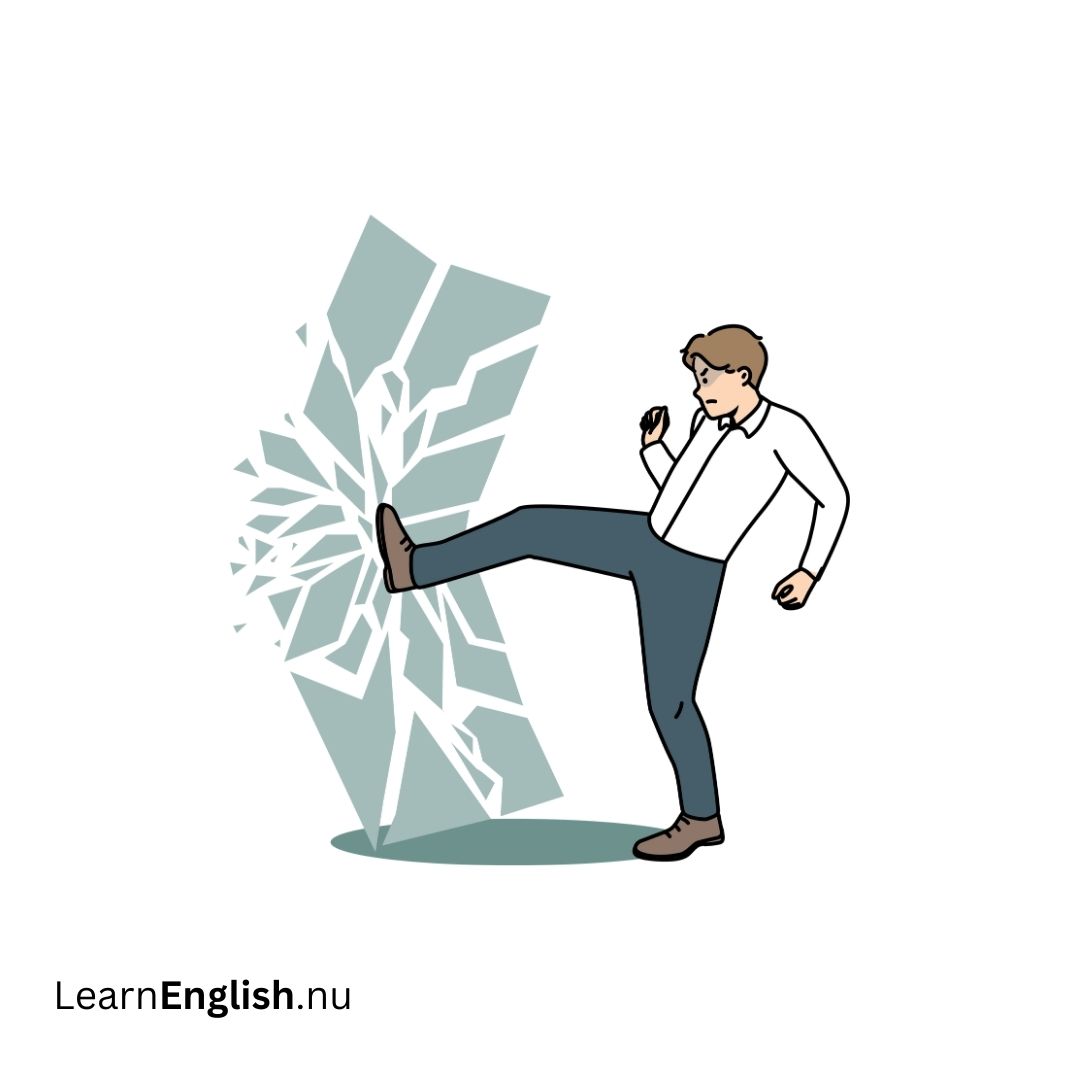
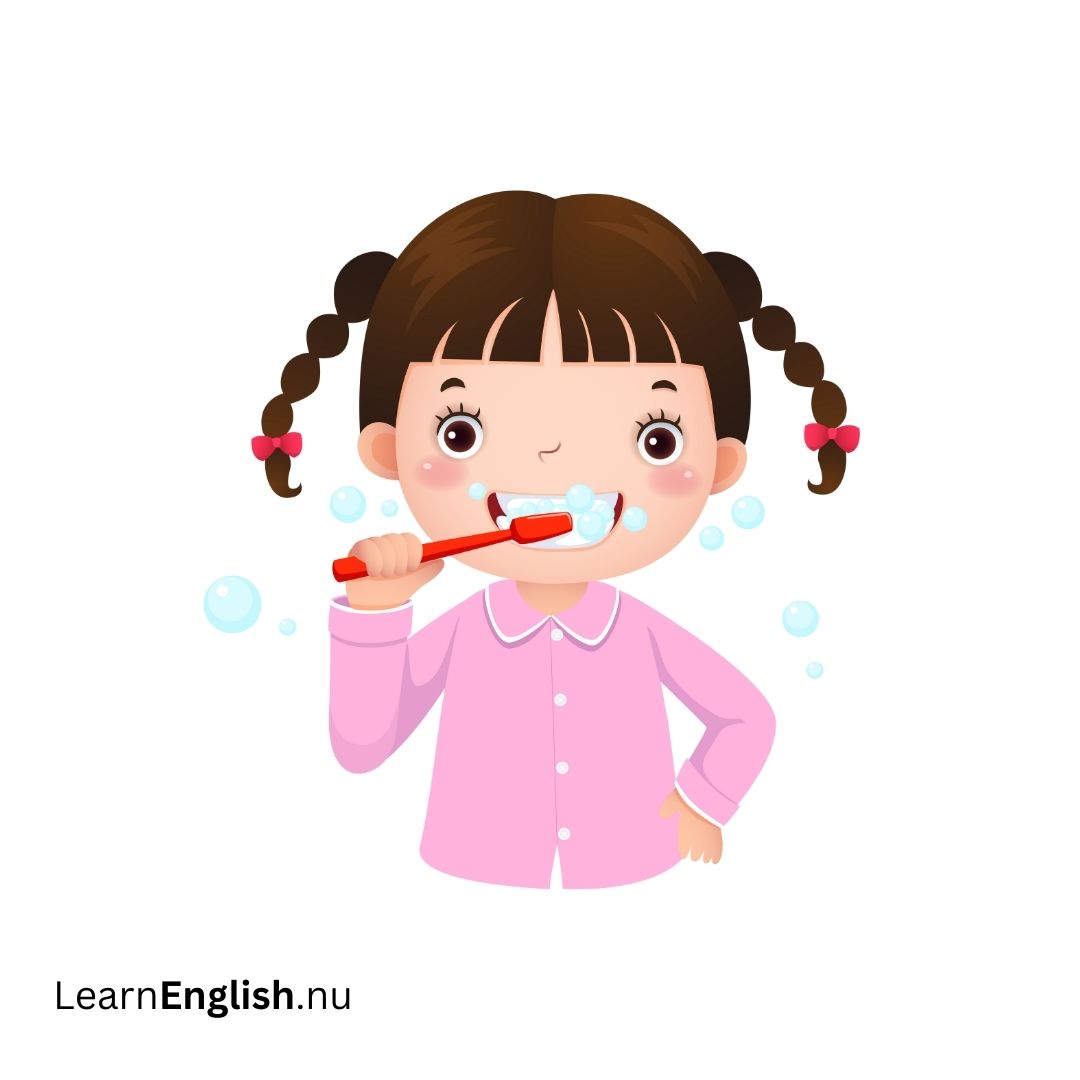
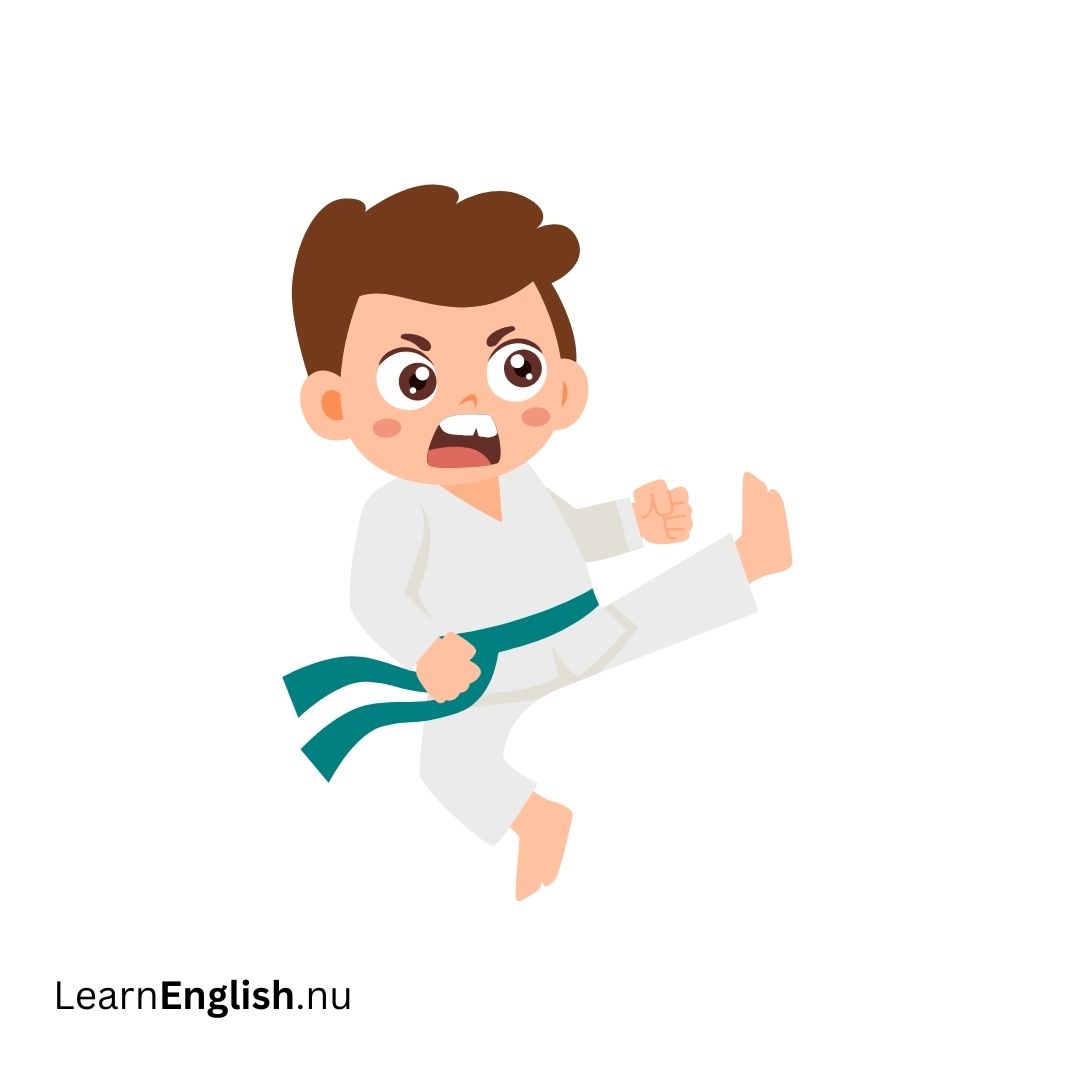
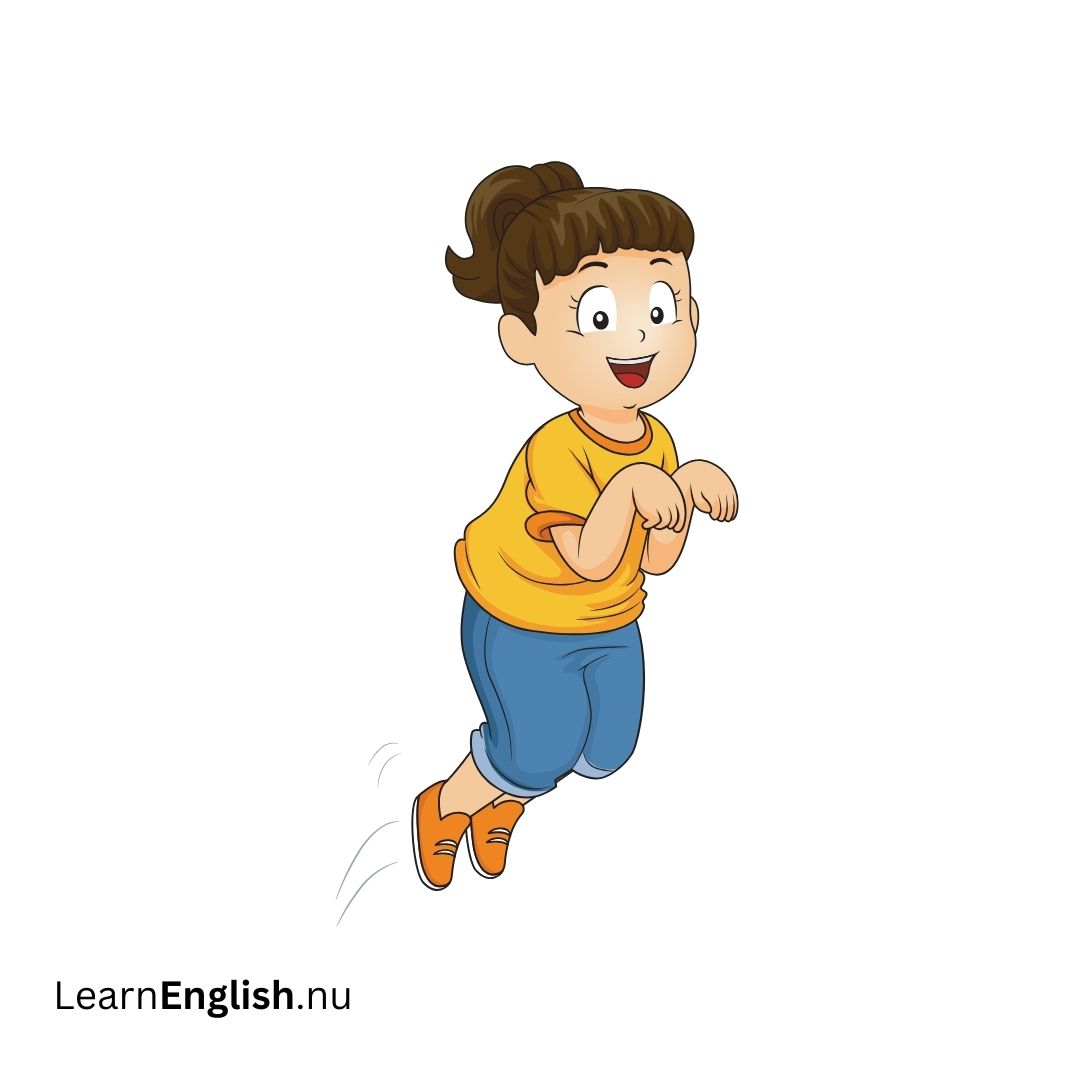
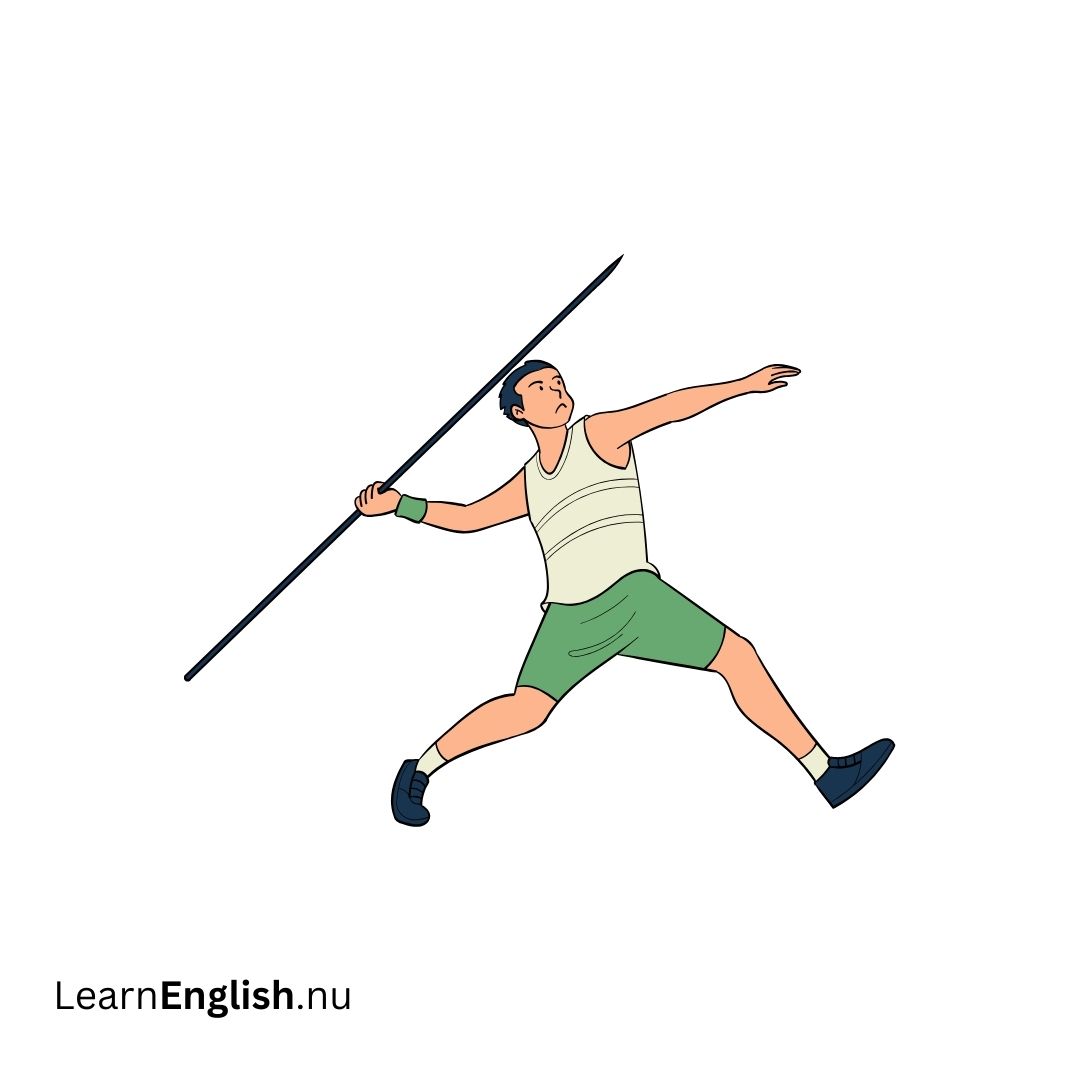
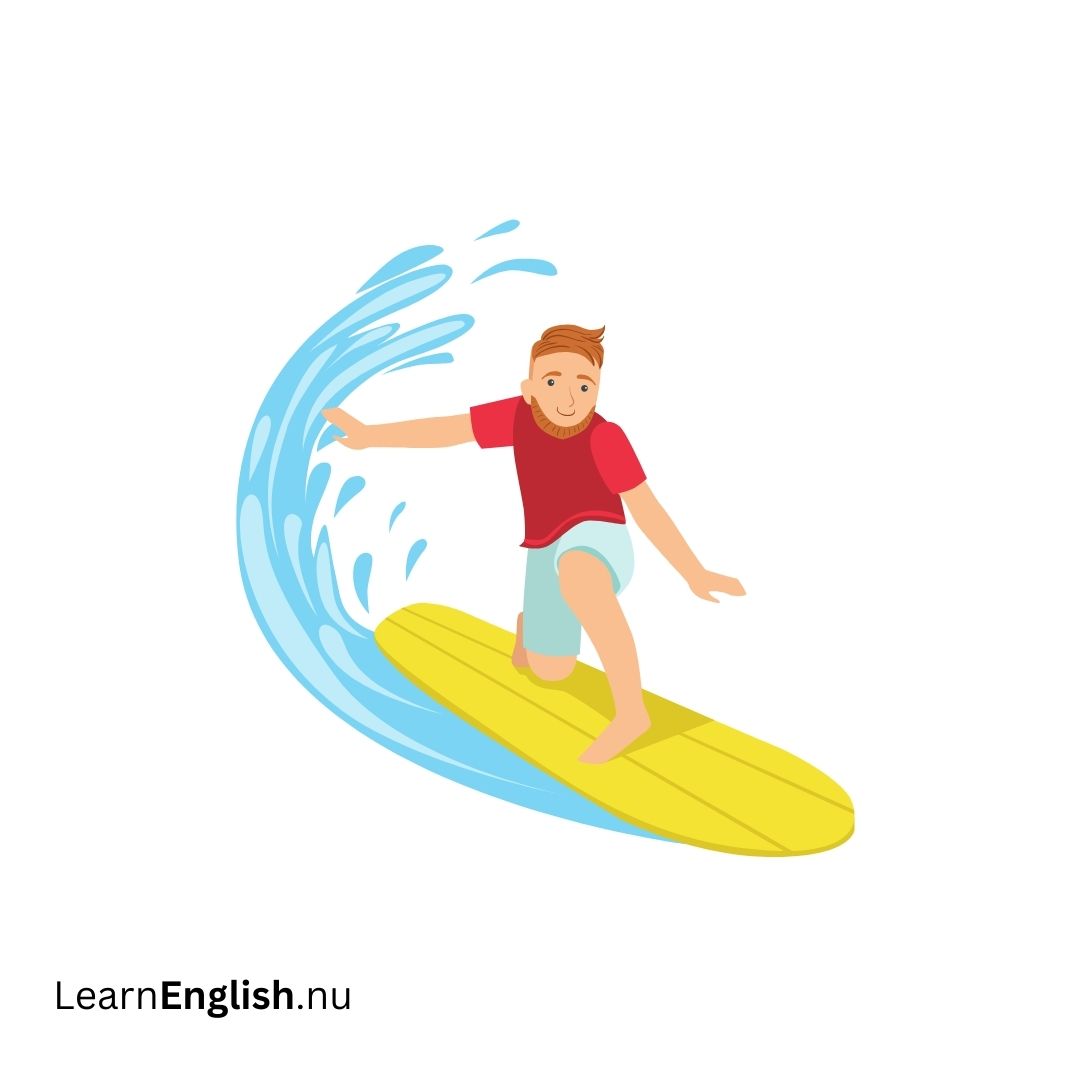
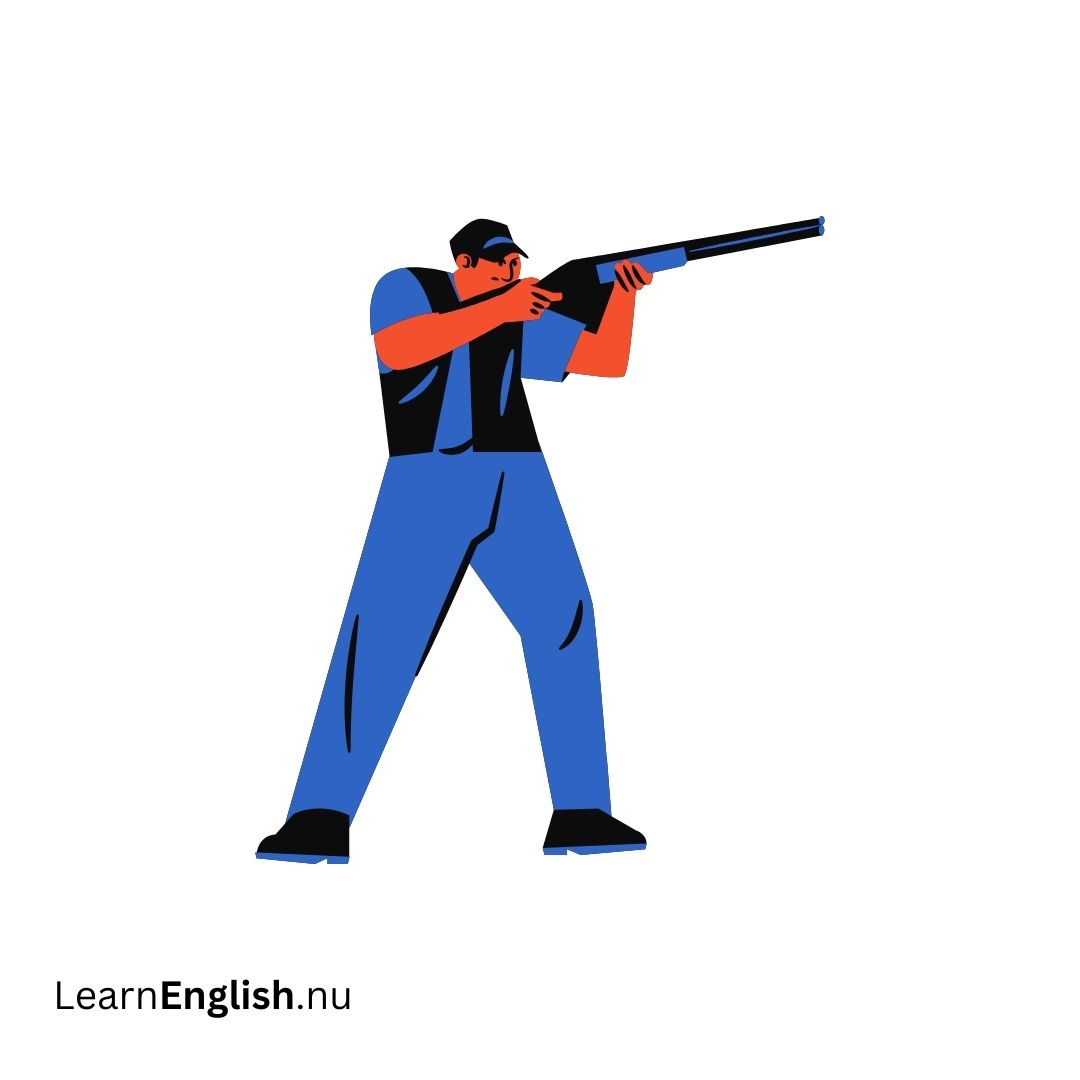
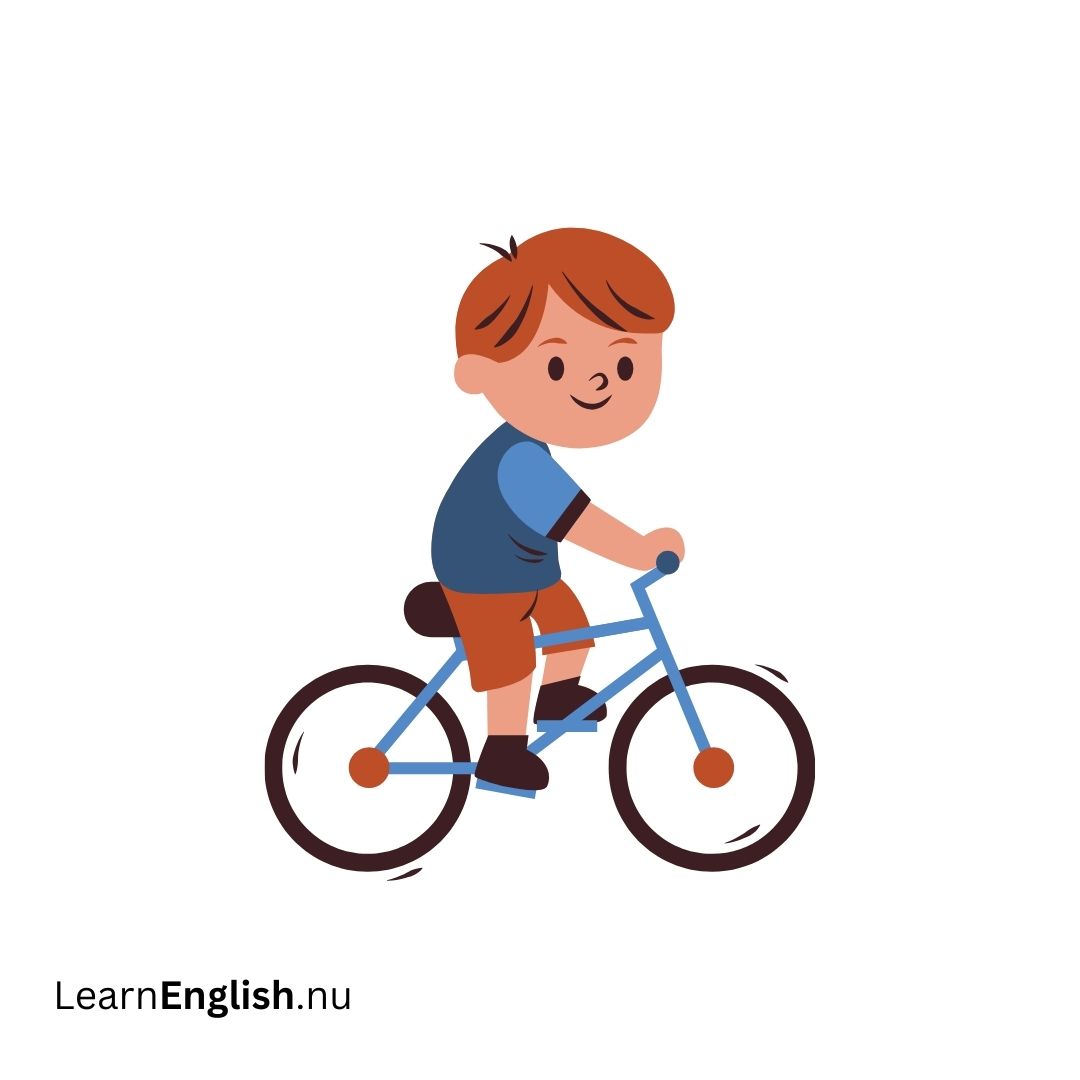
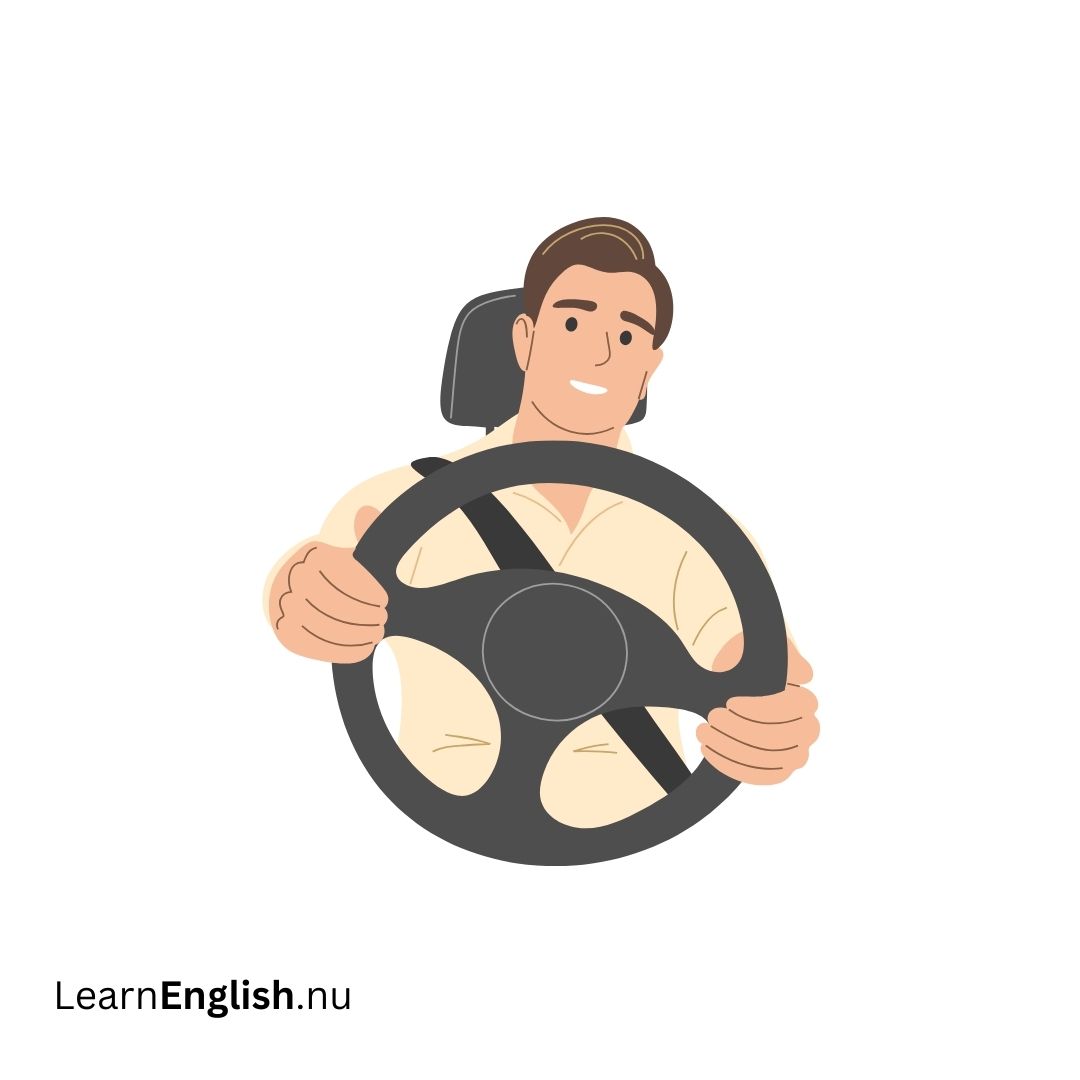
Action verbs list
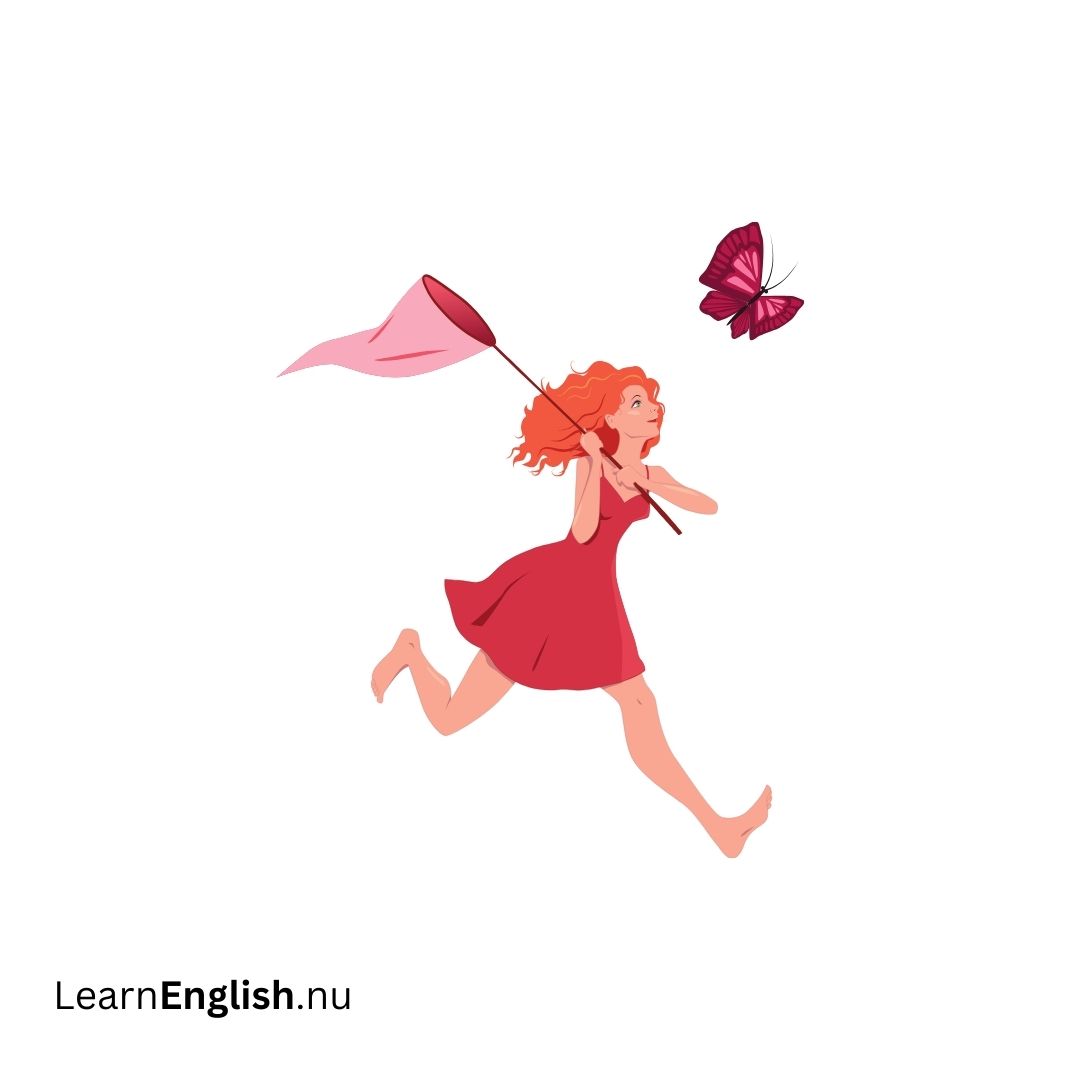
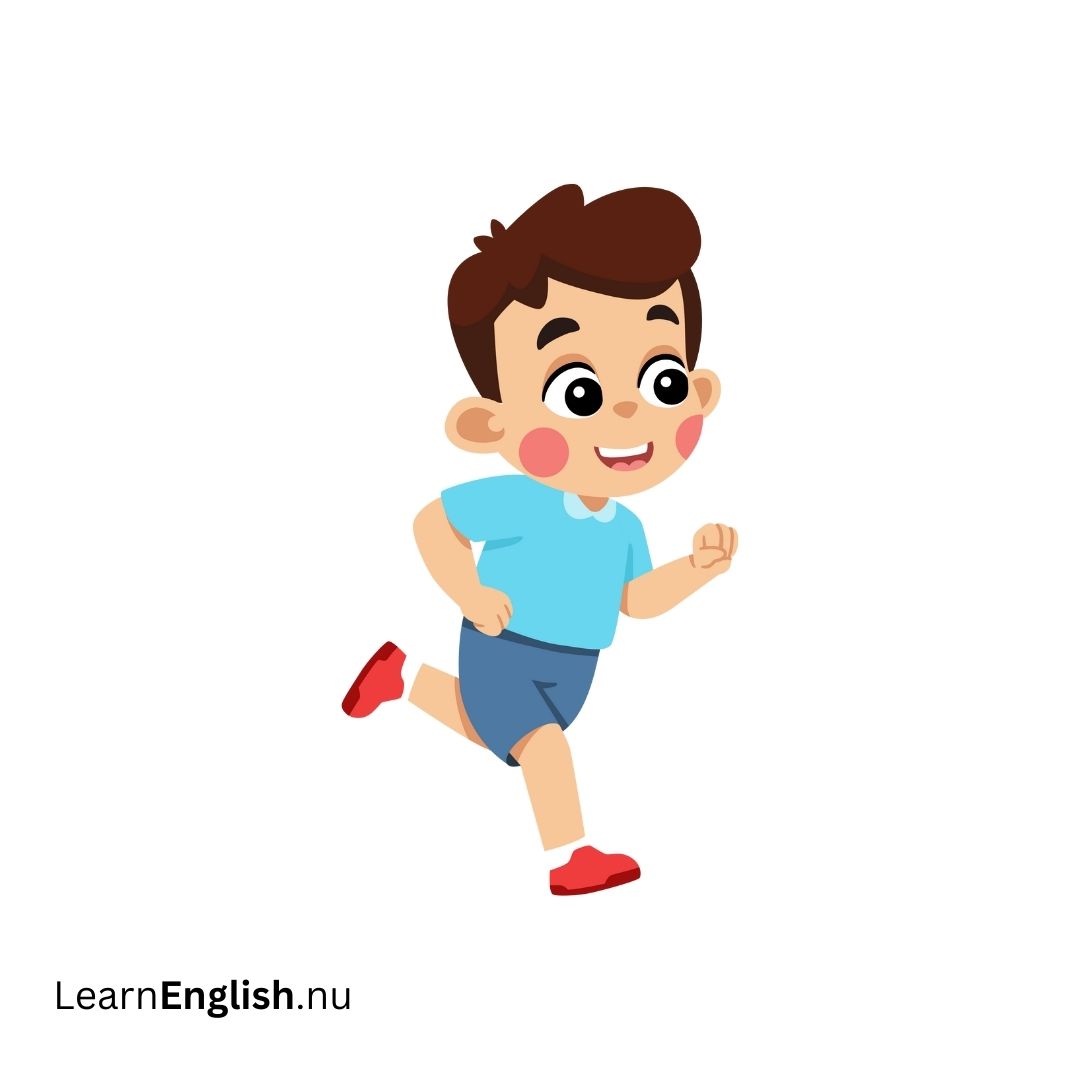
- springa to run
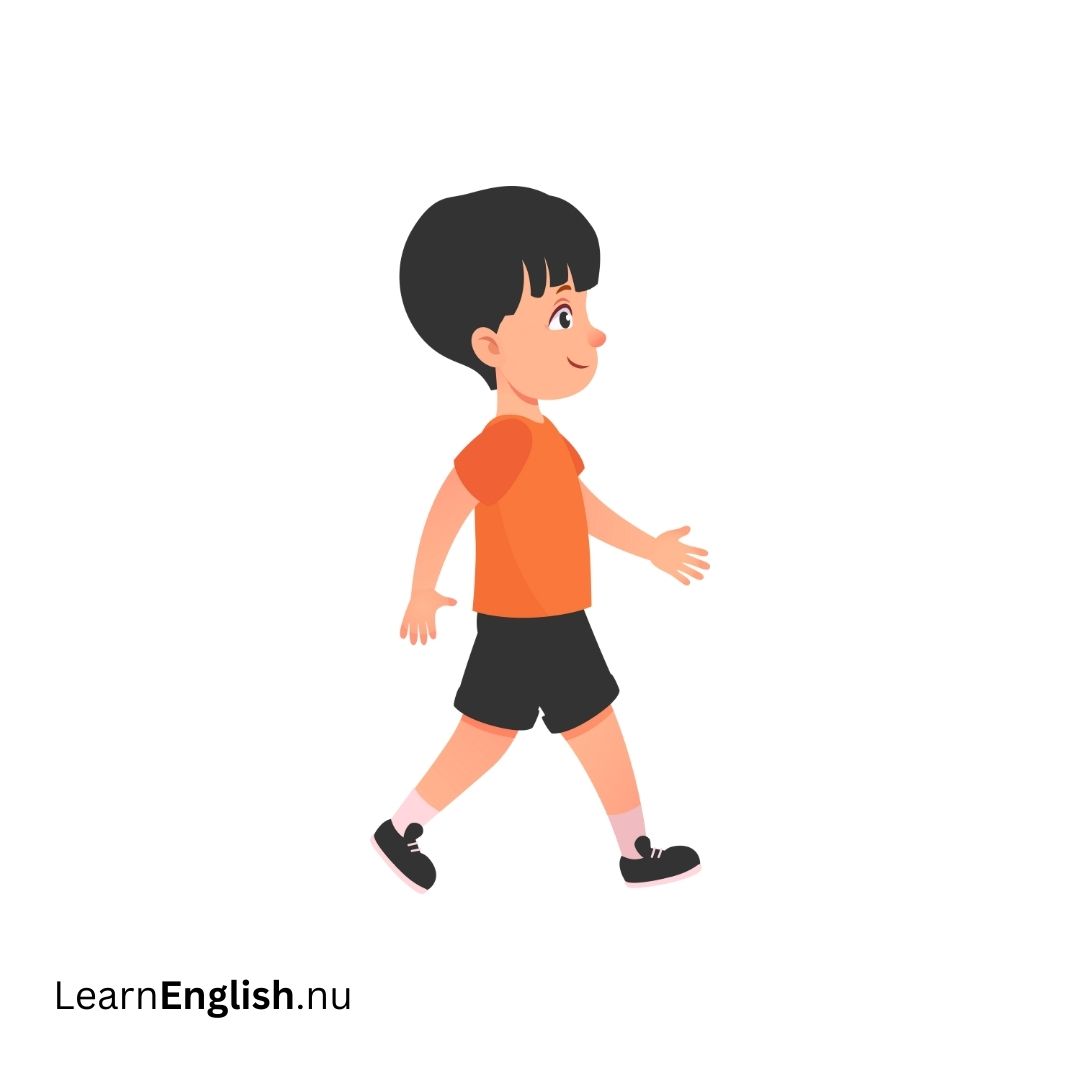
- gå to walk
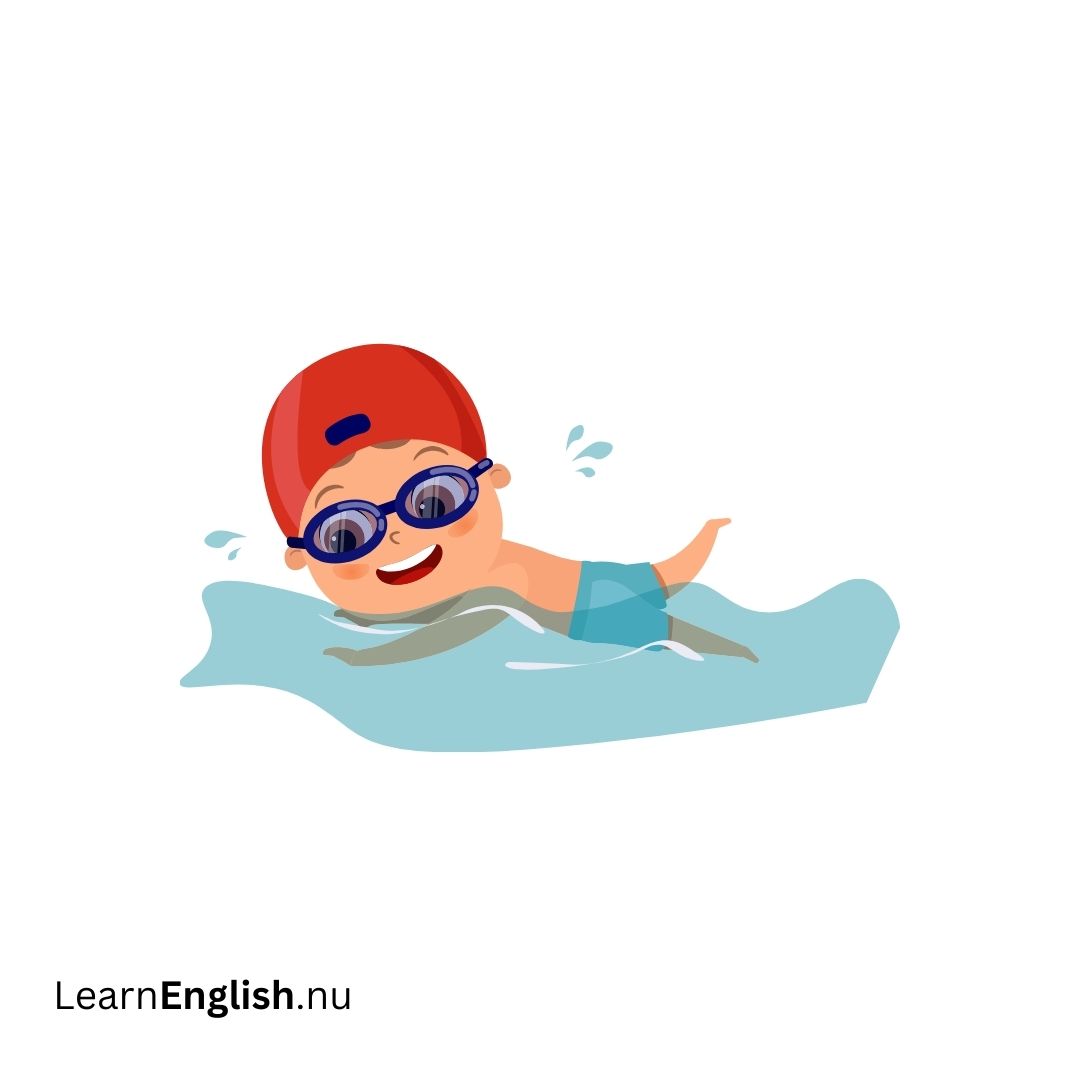
- simma to swim
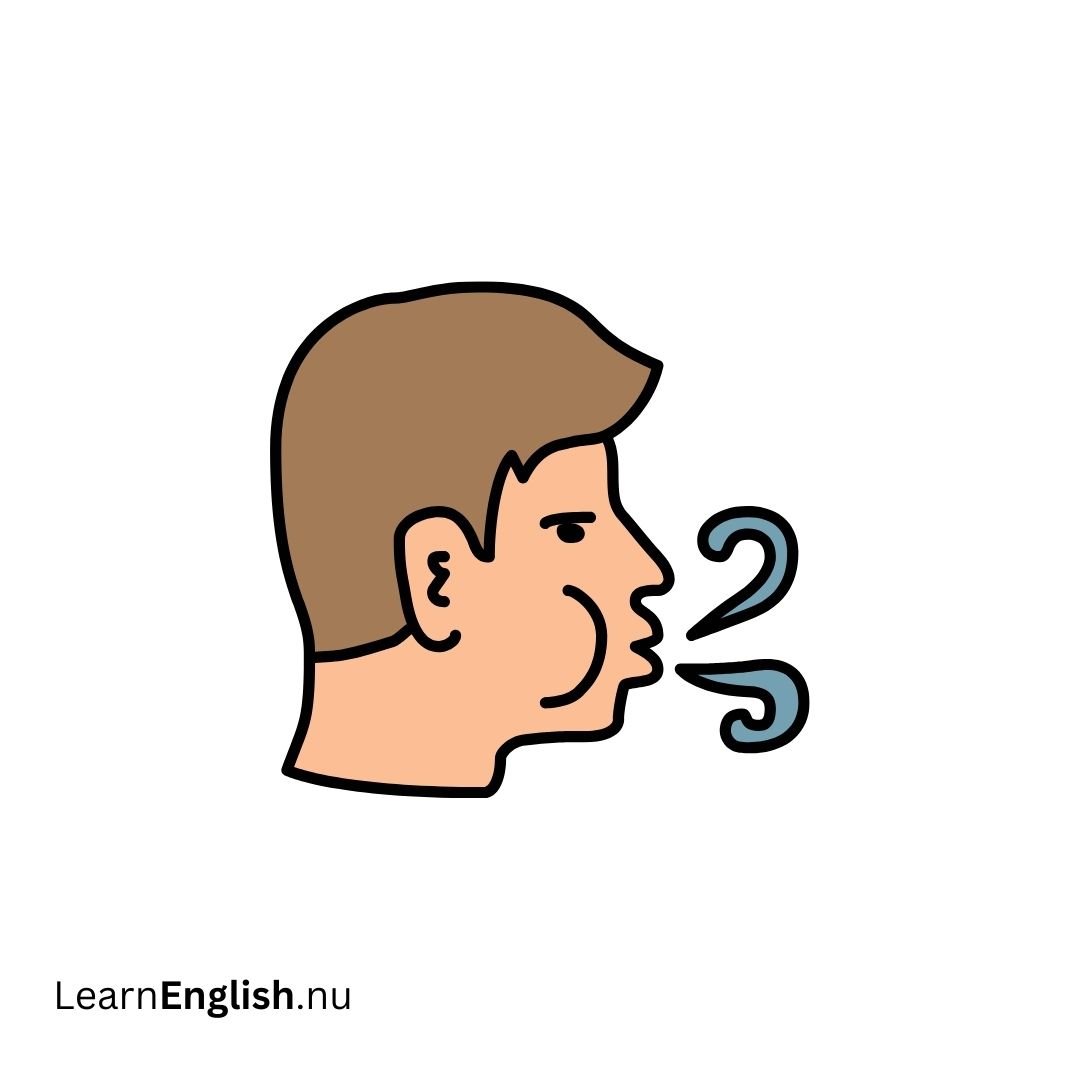
- prata to talk
- äta to eat
- dricka to drink
- sova to sleep
- skriva to write
- läsa to read
- se to see
- höra to hear
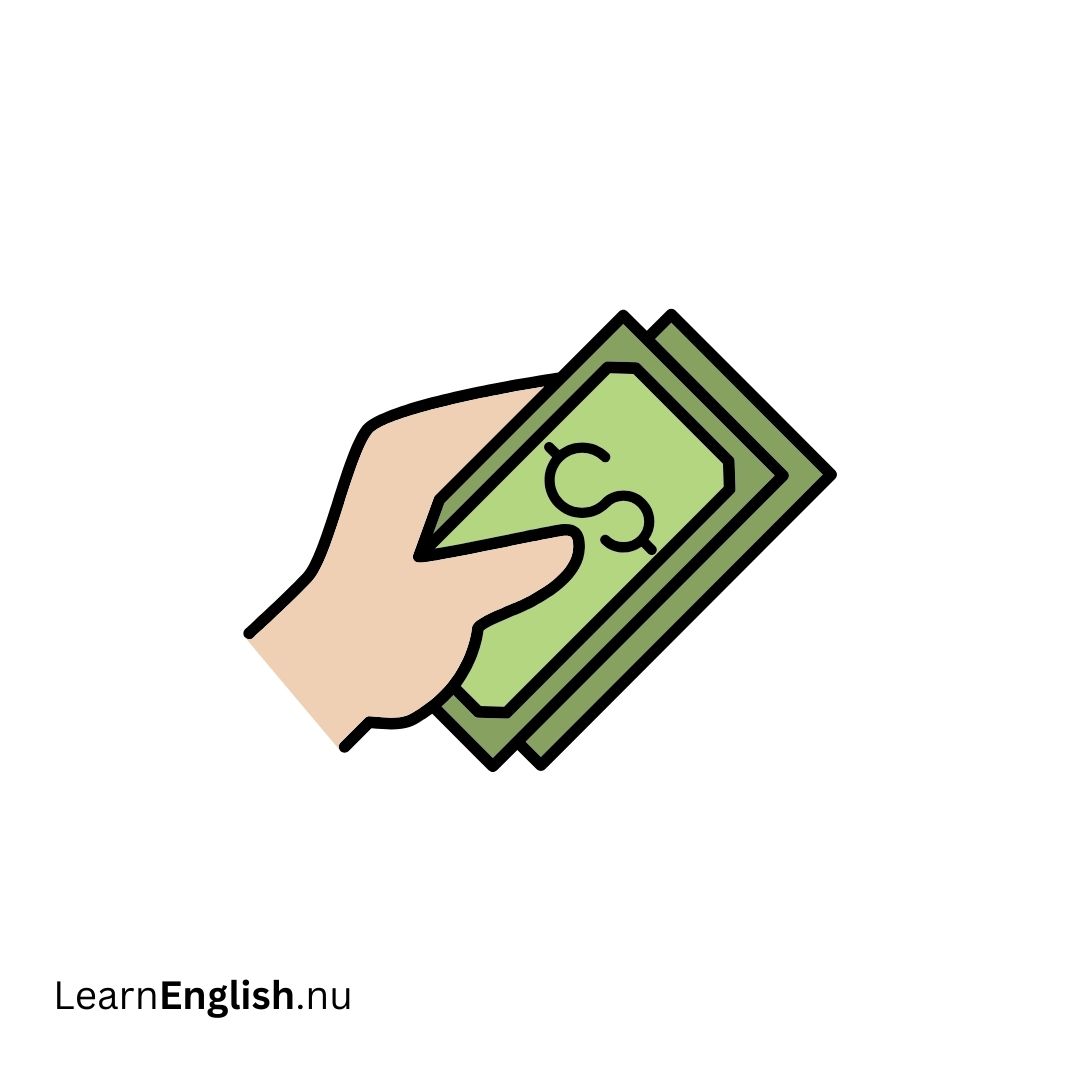
- köpa to buy
- sälja to sell
- arbeta to work
- städa to clean
- måla to paint
- rita to draw
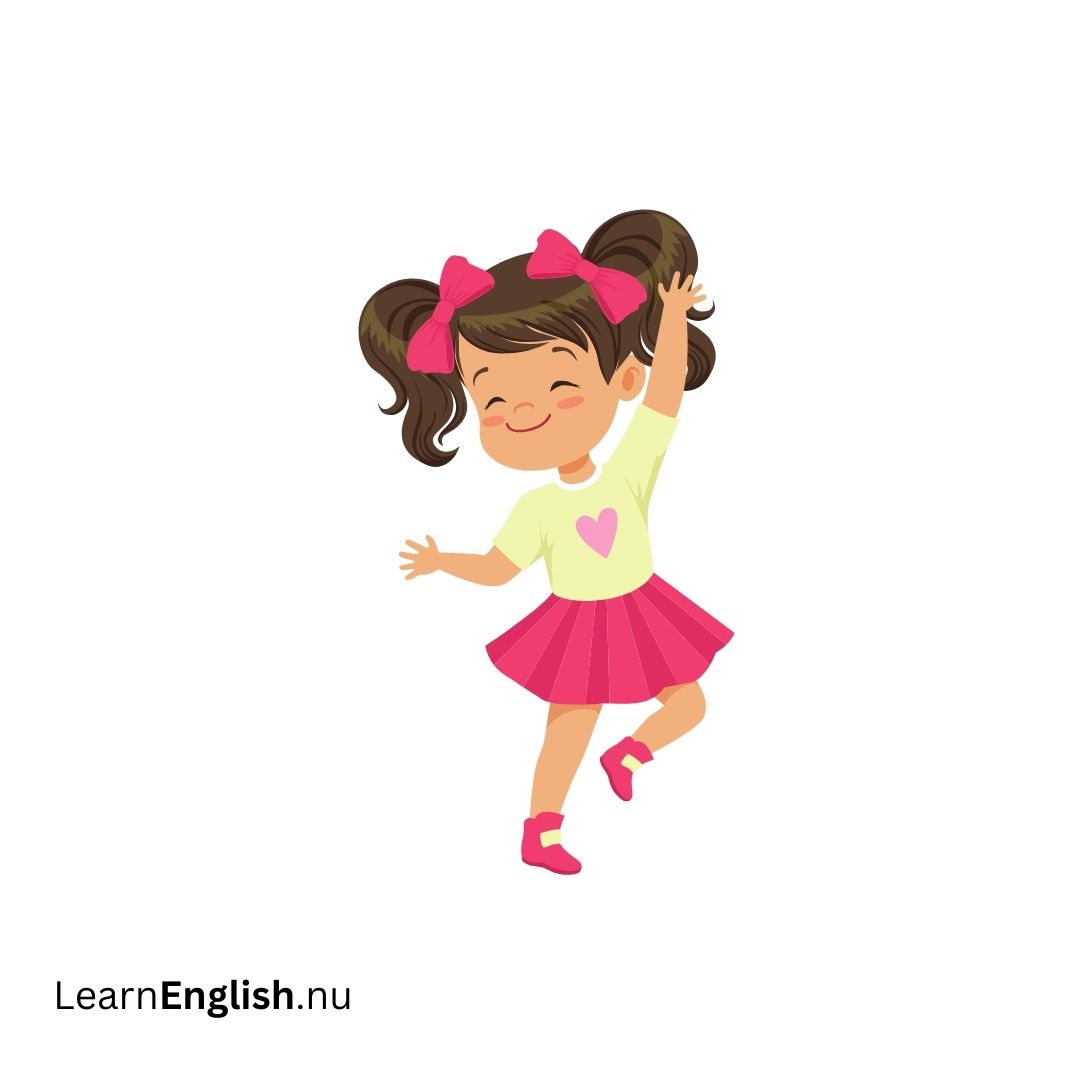
- dansa to dance
- sjunga to sing
- laga to fix
- träffa to meet
- öppna to open
- stänga to close
- köra to drive
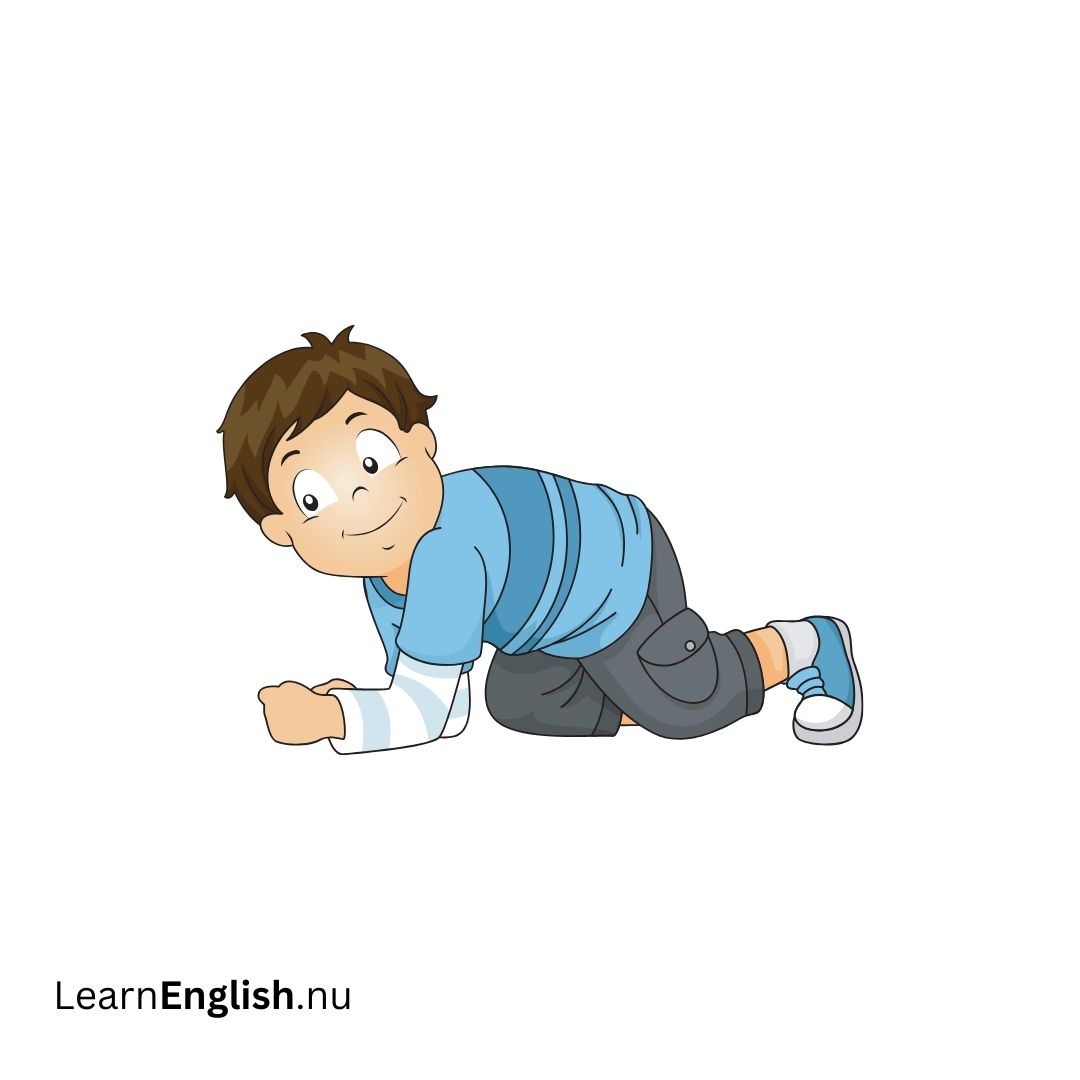
- rulla to roll
- flyga to fly
- lära to learn
- undervisa to teach
- söka to search
- hitta to find
- bygga to build
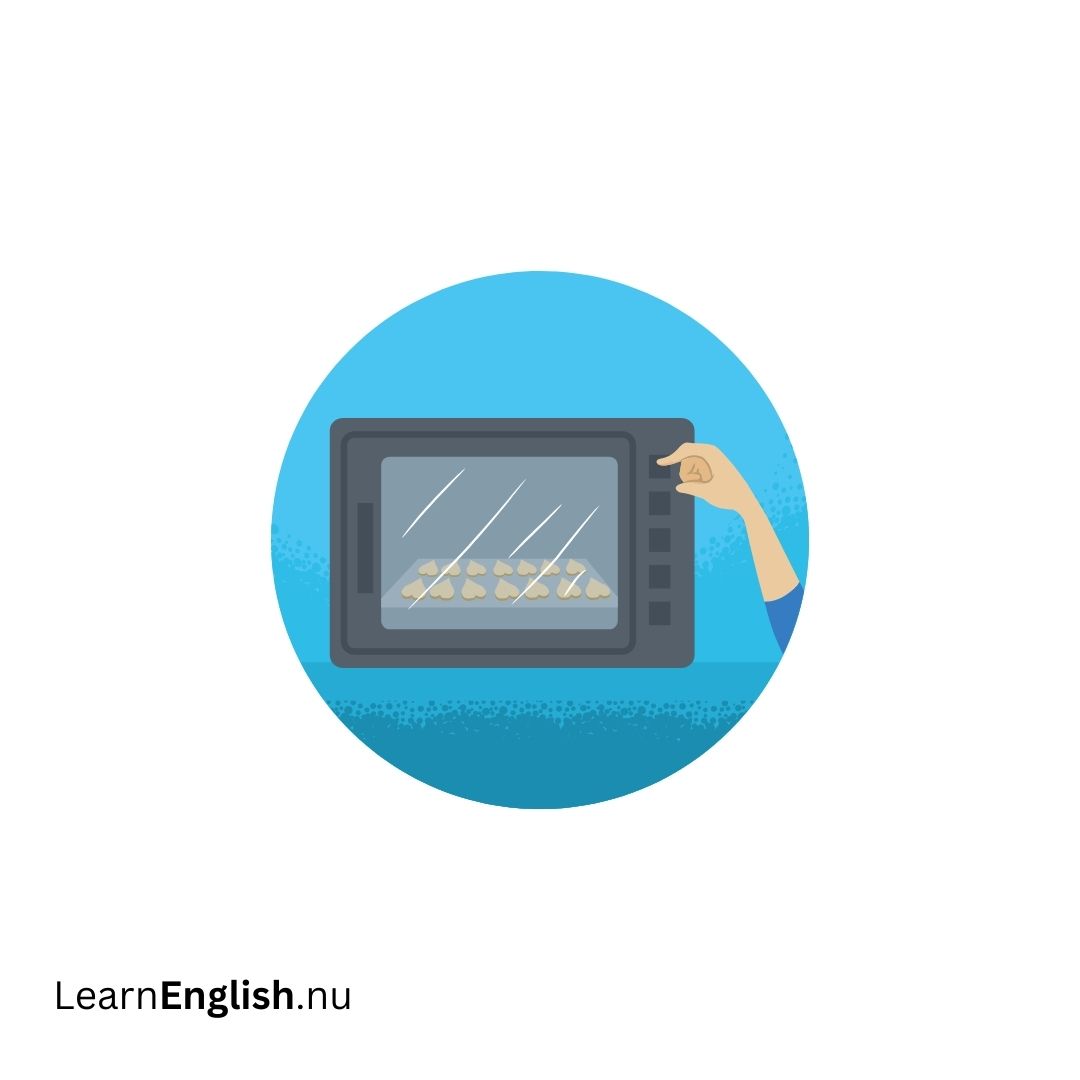
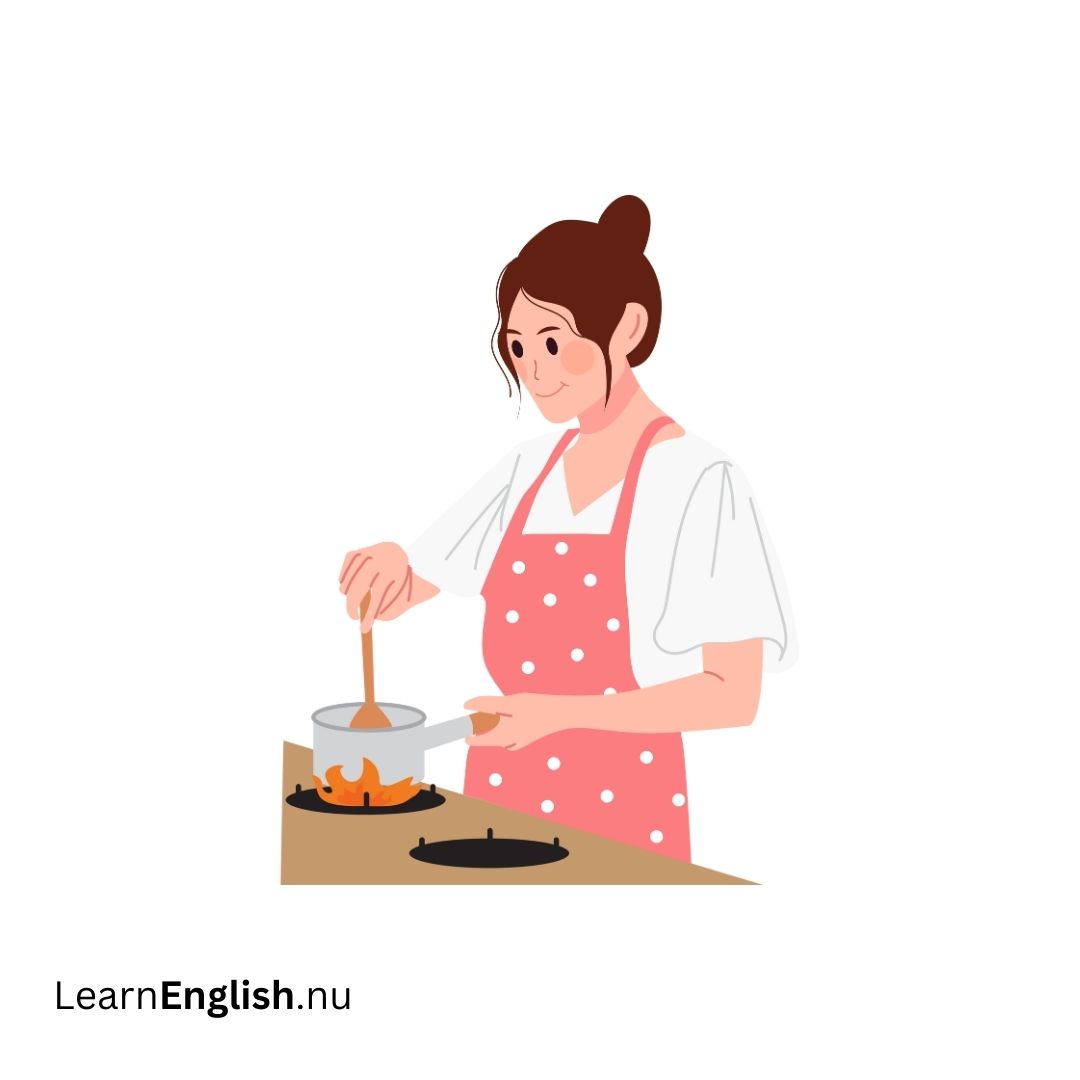
- laga mat to cook
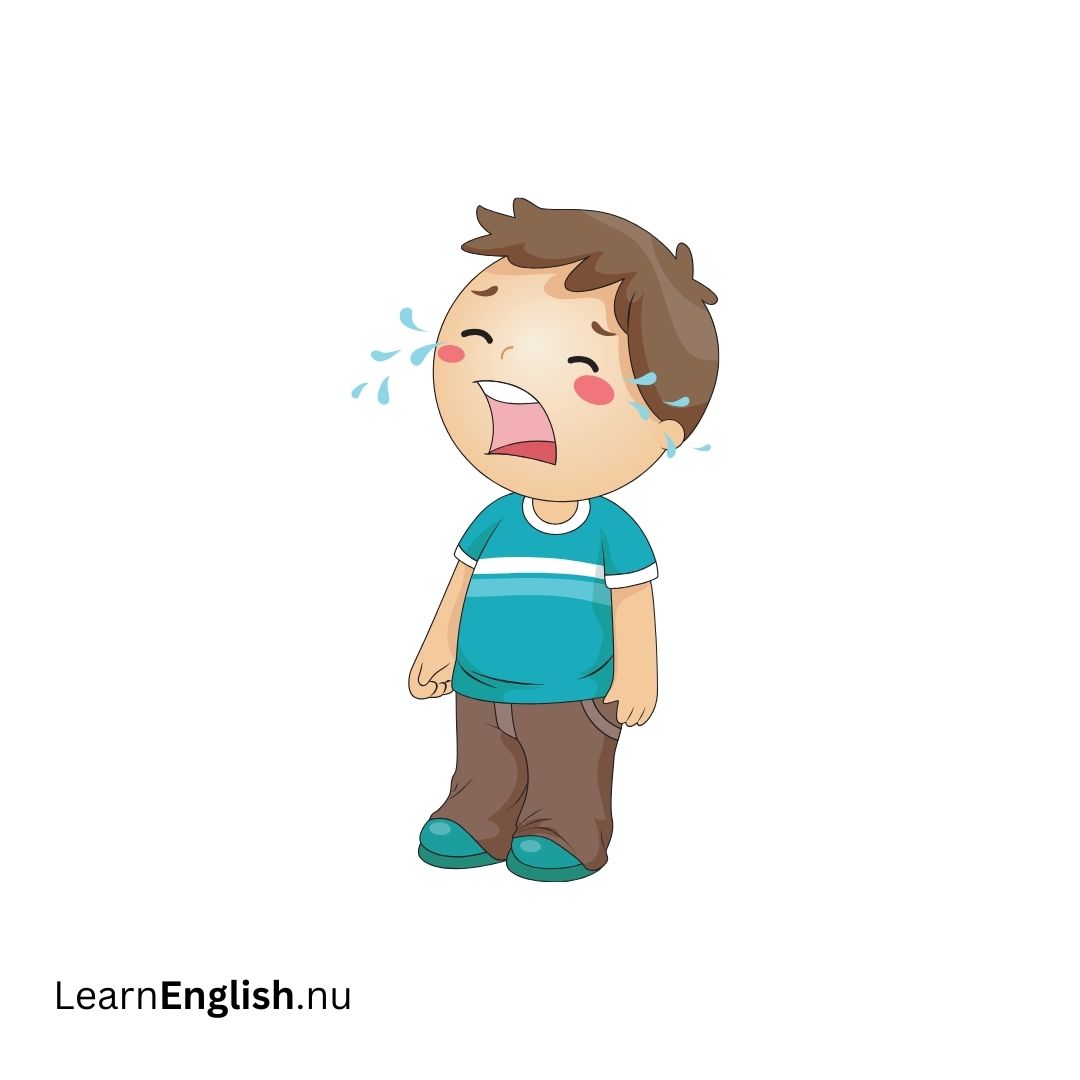
- gråta to cry
- skratta to laugh
- spela to play
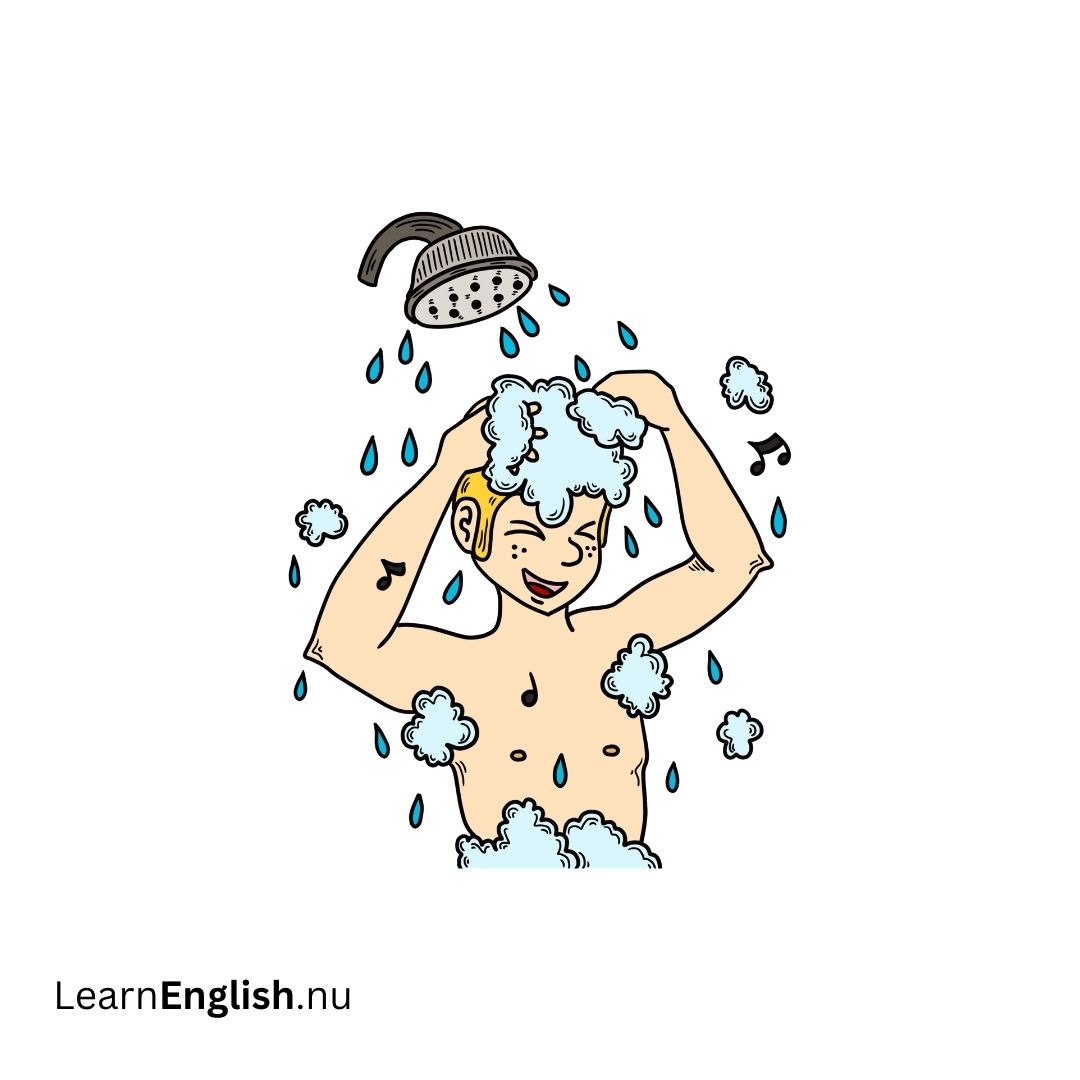
- bada to bathe
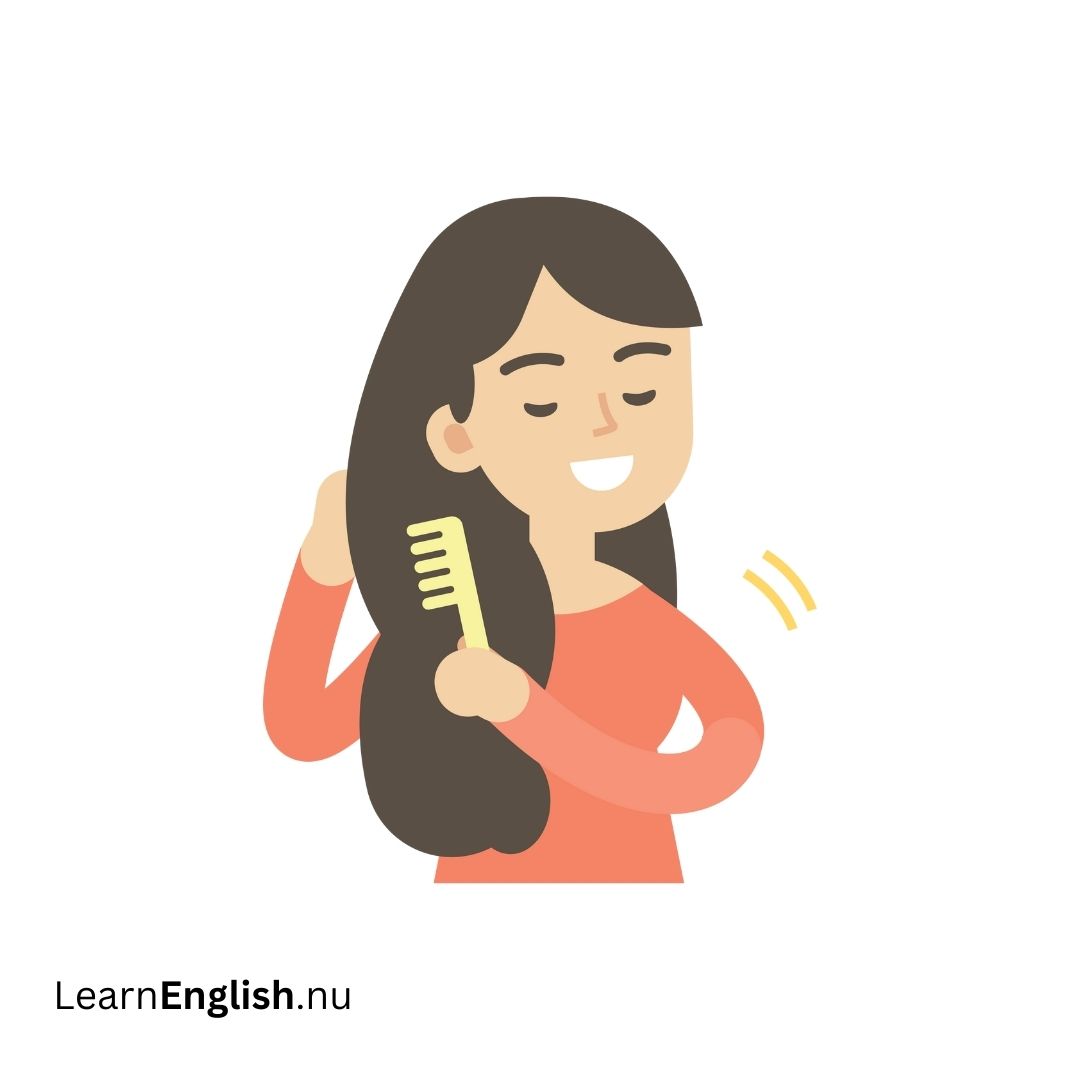
- borsta to brush
- packa to pack
- svara to answer
- fråga to ask
- träna to exercise
- rensa to clear
- sända to send
- få to get
- sluta to stop
- börja to begin
- klä på sig to dress
- klä av sig to undress
- bädda to make the bed
- vänta to wait
- stiga to rise
- sjunka to sink
- låna to borrow
- låsa to lock
- öppna to unlock
- packa to pack
- sälja to sell
Types of Verbs in Swedish
Understanding the types of verbs in Swedish is key to mastering the language. Verbs in Swedish can be categorized based on their functions and the actions they describe. This beginner’s guide will explore different types of Swedish verbs, helping you recognize and use them effectively.
| Type of Verbs |
Swedish Example Verbs |
English Translation |
| Action Verbs |
springa, hoppa, skriva, läsa |
to run, to jump, to write, to read |
| Cooking Verbs |
koka, steka, baka, hacka |
to boil, to fry, to bake, to chop |
| Communication Verbs |
prata, säga, fråga, svara |
to talk, to say, to ask, to answer |
| Emotional and Mental State Verbs |
känna, tänka, oroa, hoppas |
to feel, to think, to worry, to hope |
| Movement Verbs |
gå, komma, stå, ligga |
to go, to come, to stand, to lie (down) |
| Household Verbs |
städa, tvätta, dammsuga, diska |
to clean, to wash, to vacuum, to wash dishes |
What is an Action Verb?
Action verbs are a fundamental part of sentences because they describe what the subject is doing. These verbs can indicate both physical actions and mental activities, such as thinking or feeling. Understanding action verbs helps you create clear and precise sentences.
Physical and Mental Actions
Physical Actions Action verbs that describe physical actions refer to activities you can see or do, such as moving or interacting with objects.
| Swedish Verb |
Pronunciation |
English Translation |
Example Sentence |
| springa |
[ˈsprɪŋa] |
to run |
Jag springer i parken. (I run in the park.) |
| hoppa |
[ˈhɔpa] |
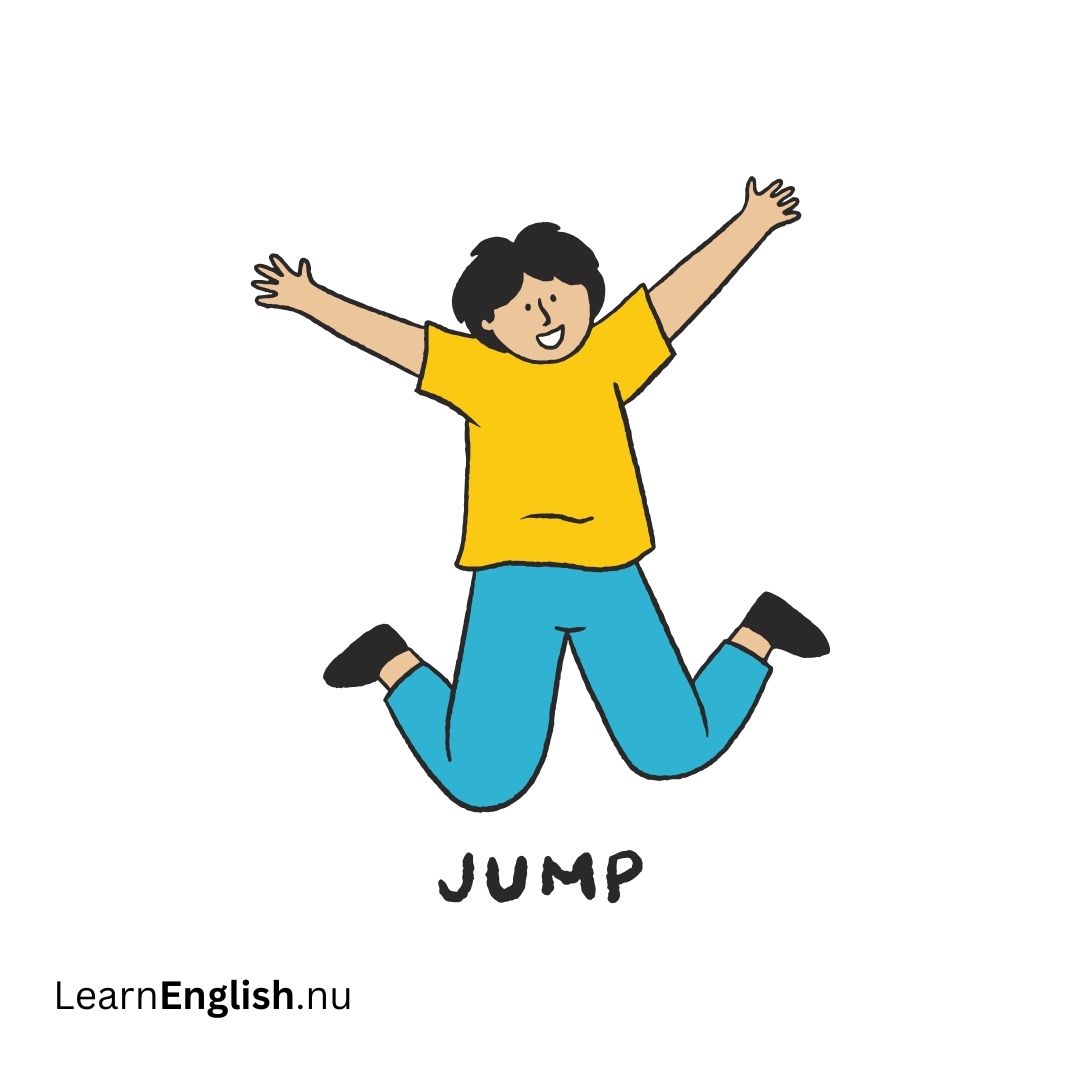
to jump |
Barnet hoppar på trampolinen. (The child jumps on the trampoline.) |
| skriva |
[ˈskrɪva] |
to write |
Hon skriver ett brev. (She writes a letter.) |
Mental Actions Action verbs describing mental actions refer to internal processes, such as thinking or feeling. These actions cannot be seen but are crucial for expressing thoughts and emotions.
| Swedish Verb |
Pronunciation |
English Translation |
Example Sentence |
| tänka |
[ˈtɛŋka] |
to think |
Jag tänker på dig. (I am thinking about you.) |
| känna |
[ˈkɛːna] |
to feel |
Hon känner sig glad. (She feels happy.) |
| förstå |
[fʏˈʃtɔː] |
to understand |
Vi förstår problemet. (We understand the problem.) |
How to Use Action Verbs in Swedish
Understanding how to use action verbs correctly is crucial for constructing clear and effective sentences in Swedish. Action verbs can be categorized as transitive or intransitive, and knowing the difference will help you use them properly.
Transitive vs. Intransitive Verbs
Transitive Verbs Transitive verbs require a direct object to complete their meaning. The direct object is the noun or pronoun that receives the action of the verb. Without a direct object, sentences with transitive verbs can be unclear or incomplete.
| Swedish Verb |
Pronunciation |
English Translation |
Example Sentence |
| äta |
[ˈeːta] |
to eat |
Jag äter en äpple. (I eat an apple.) |
| skriva |
[ˈskrɪva] |
to write |
Hon skriver ett brev. (She writes a letter.) |
| se |
[seː] |
to see |
Vi ser filmen. (We see the movie.) |
Intransitive Verbs Intransitive verbs do not require a direct object. They can stand alone in a sentence without needing to specify what the action is directed toward.
| Swedish Verb |
Pronunciation |
English Translation |
Example Sentence |
| sova |
[ˈsuːva] |
to sleep |
Jag sover. (I am sleeping.) |
| gå |
[ɡɔː] |
to go |
Vi går till skolan. (We go to school.) |
| simma |
[ˈsɪma] |
to swim |
Hon simmar i sjön. (She swims in the lake.) |
Action Verbs in Swedish
To effectively describe various actions and activities in Swedish, it's helpful to know a broad range of action verbs. Here’s an extended list of common Swedish action verbs, complete with pronunciations and English translations, to further enrich your vocabulary
Common Action Verbs
| Swedish Verb |
Pronunciation |
English Translation |
| springa |
[ˈsprɪŋa] |
to run |
| hoppa |
[ˈhɔpa] |
to jump |
| skriva |
[ˈskrɪva] |
to write |
| läsa |
[ˈleːsa] |
to read |
| äta |
[ˈeːta] |
to eat |
| dricka |
[ˈdrɪka] |
to drink |
| sova |
[ˈsuːva] |
to sleep |
| arbeta |
[ˈɑːrbɛta] |
to work |
| tala |
[ˈtɑːla] |
to speak |
| simma |
[ˈsɪma] |
to swim |
| köra |
[ˈɕøːra] |
to drive |
| spela |
[ˈspeːla] |
to play |
| gå |
[ɡɔː] |
to go |
| komma |
[ˈkɔma] |
to come |
| städa |
[ˈstæːda] |
to clean |
| tvätta |
[ˈtvɛt] |
to wash |
| öppna |
[ˈœp] |
to open |
| stänga |
[ˈstæŋɡa] |
to close |
| sitta |
[ˈsɪt] |
to sit |
| stå |
[stoː] |
to stand |
| lägga |
[ˈlɛːɡa] |
to put (down) |
| ta |
[tɑː] |
to take |
| köpa |
[ˈjøːpa] |
to buy |
| sälja |
[ˈsɛlja] |
to sell |
| rita |
[ˈriːta] |
to draw |
| spela |
[ˈspeːla] |
to play (an instrument) |
| dansa |
[ˈdansa] |
to dance |
| träffa |
[ˈtrɛfa] |
to meet |
Cooking Verbs
Knowing a variety of cooking verbs in Swedish can significantly improve your ability to discuss food preparation and recipes. These verbs cover a range of cooking techniques and actions, making it easier to follow and communicate about cooking processes.
Expanded List of Cooking Verbs
| Swedish Verb |
Pronunciation |
English Translation |
| koka |
[ˈkuːka] |
to boil |
| steka |
[ˈsteːka] |
to fry |
| baka |
[ˈbɑːka] |
to bake |
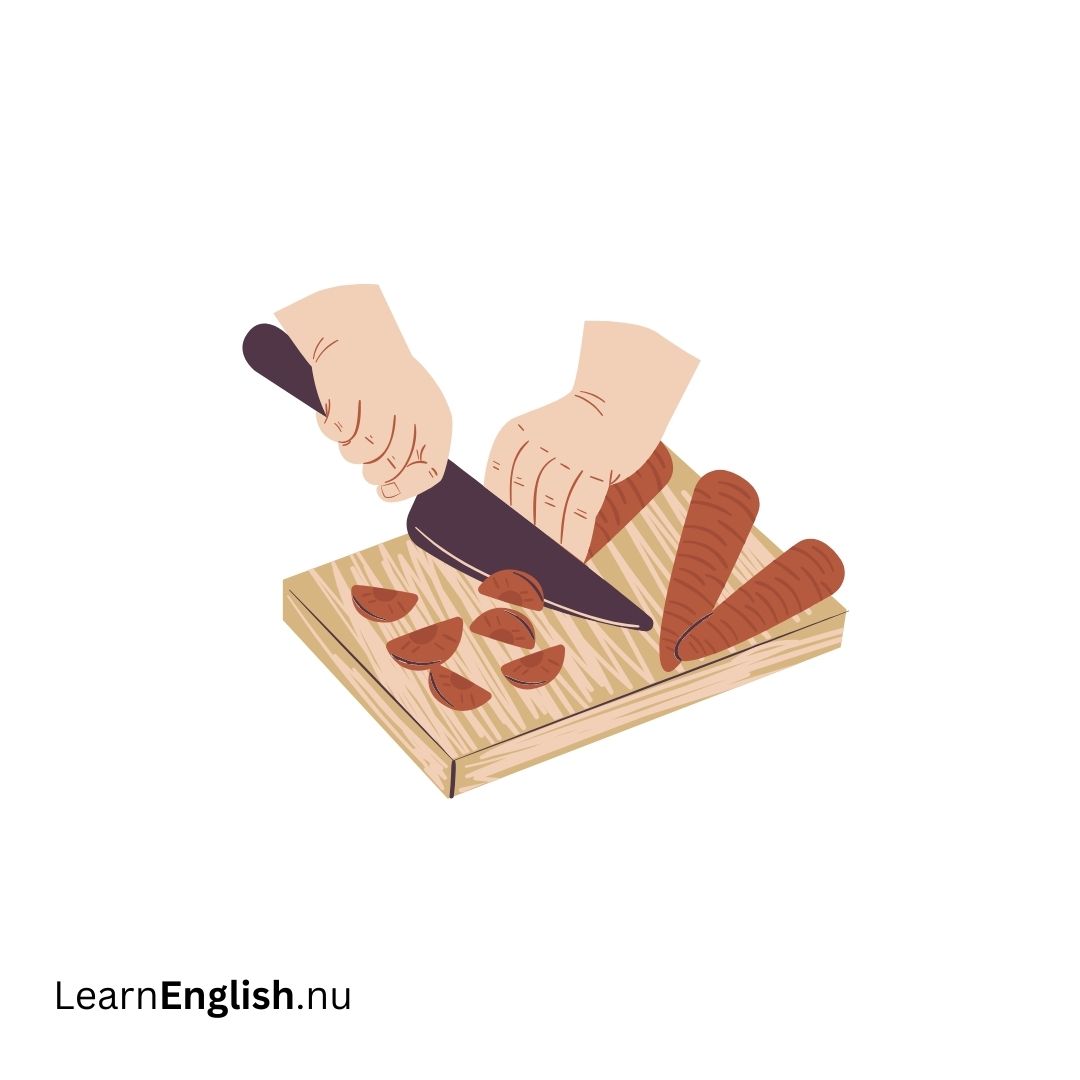
| hacka |
[ˈhɑːka] |
to chop |
| röra |
[ˈrøːra] |
to stir |
| blanda |
[ˈblanda] |
to mix |
| skära |
[ˈskæːra] |
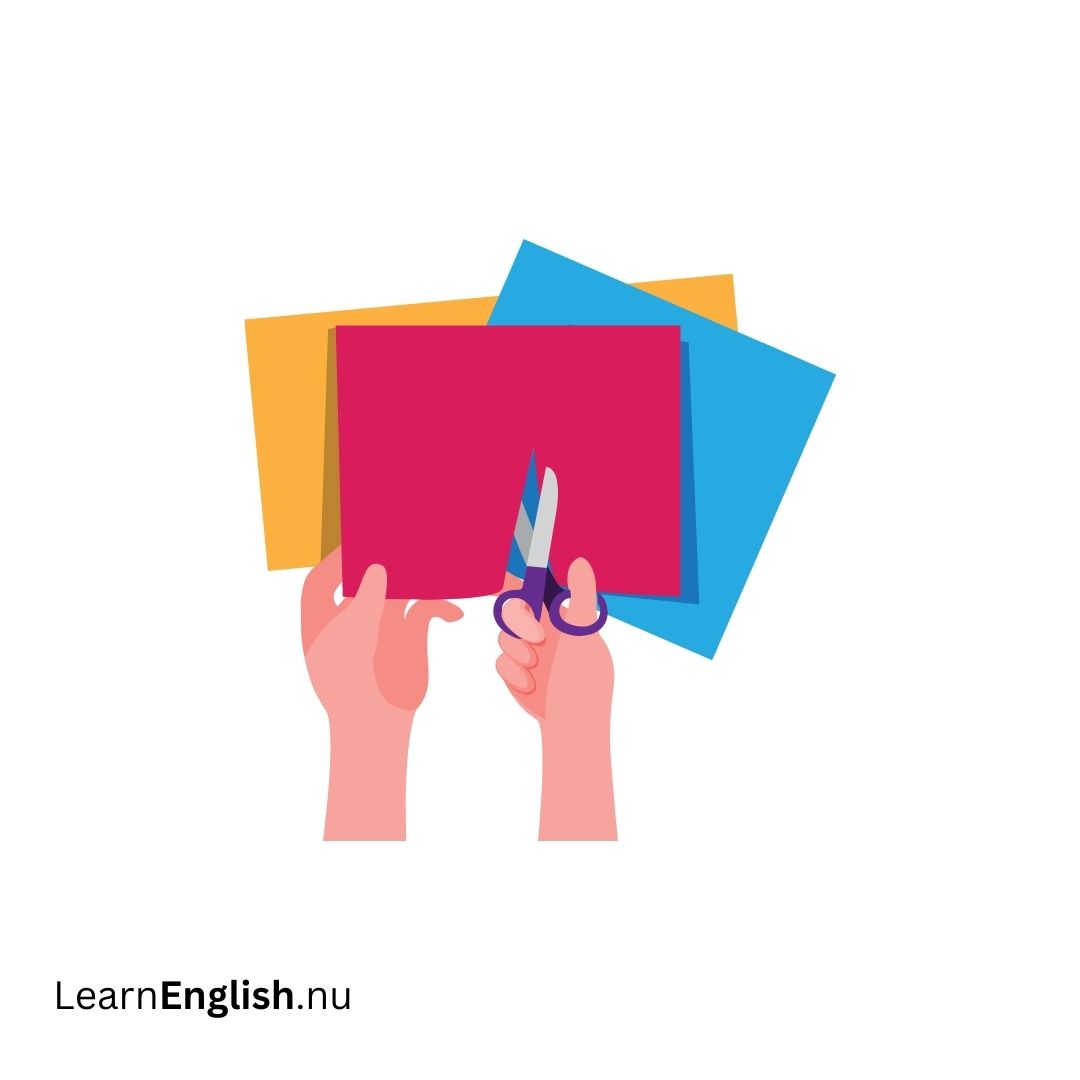
to cut |
| grilla |
[ˈɡrɪla] |
to grill |
| ugnsbaka |
[ˈʉŋsˌbɑːka] |
to oven-bake |
| lägga |
[ˈlɛːɡa] |
to place (ingredients) |
| vispa |
[ˈvɪspa] |
to whisk |
| frysa |
[ˈfrʏːsa] |
to freeze |
| tina |
[ˈtiːna] |
to thaw |
| slå |
[slɔː] |
to beat (ingredients) |
| hälla |
[ˈhɛl] |
to pour |
| servera |
[sɛrˈveːra] |
to serve |
Communication Verbs
Communication verbs involve expressing thoughts, asking questions, and sharing information. They are essential for conversations and interactions:
| Swedish Verb |
English Translation |
| prata |
to talk |
| säga |
to say |
| fråga |
to ask |
| svara |
to answer |
Emotional and Mental State Verbs
These verbs describe feelings, thoughts, and mental states. They help convey emotions and internal experiences:
| Swedish Verb |
English Translation |
| känna |
to feel |
| tänka |
to think |
| oroa |
to worry |
| hoppas |
to hope |
Movement Verbs
Movement verbs are used to describe physical movement or change in position. They are fundamental in talking about travel and location:
| Swedish Verb |
English Translation |
| gå |
to go |
| komma |
to come |
| stå |
to stand |
| ligga |
to lie (down) |
Household Verbs
Household verbs pertain to activities commonly done around the home. Knowing these verbs can help in daily conversations about chores and home maintenance:
| Swedish Verb |
English Translation |
| städa |
to clean |
| tvätta |
to wash |
| dammsuga |
to vacuum |
| diska |
to wash dishes |