Musical instruments names in Swedish language. Exploring musical instruments in Swedish opens up a new dimension of understanding and appreciation for music. Whether you're a musician, a music lover, or simply curious about different cultures, learning the names of musical instruments in Swedish can enhance your grasp of both language and music. Each instrument carries its own history and unique sound, and knowing their Swedish names will help you navigate conversations about music with greater ease. From classical pieces to modern compositions, understanding these terms enriches your musical experience and connects you with Swedish musical traditions.
Click on the text to hear the pronunciation
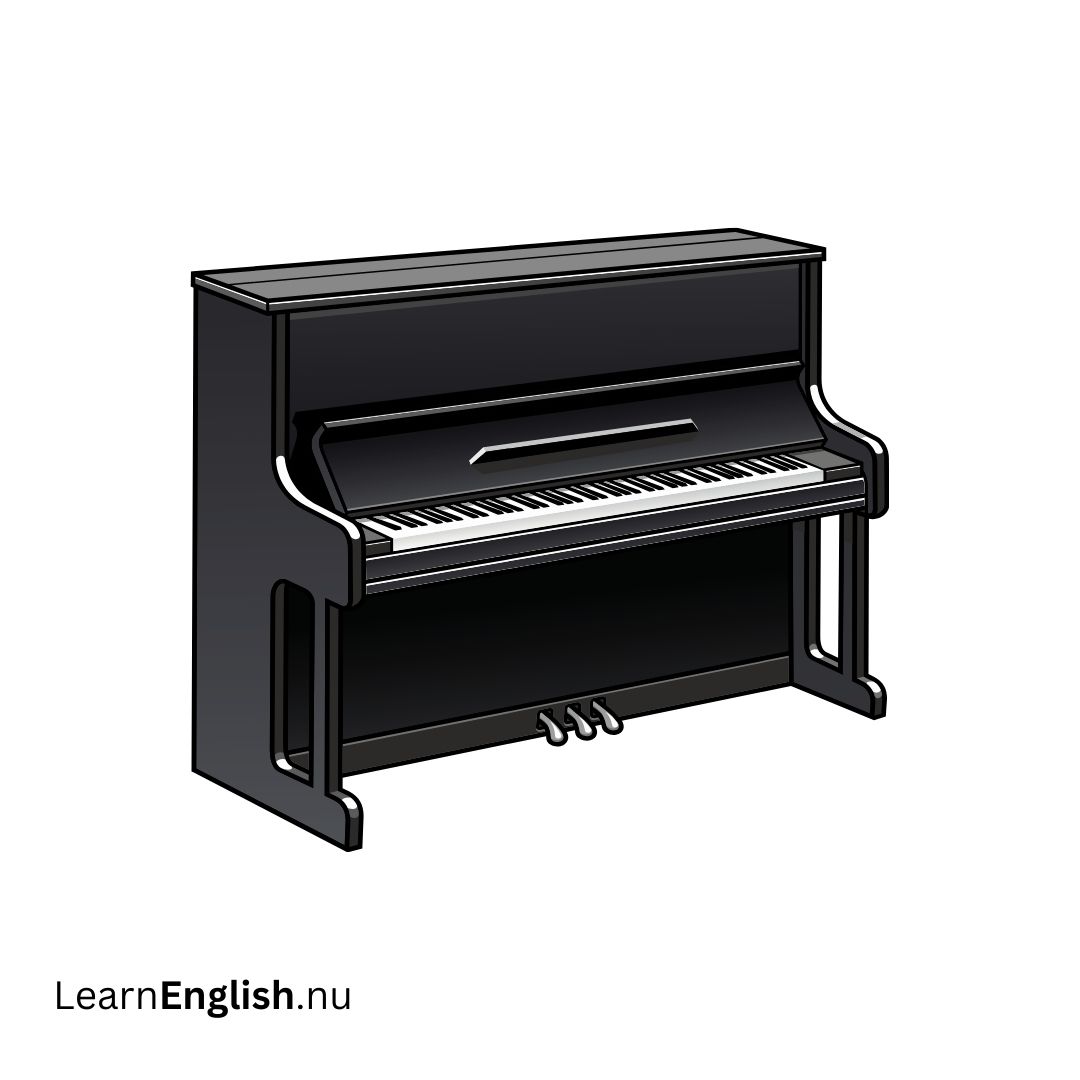 Piano
Piano
Piano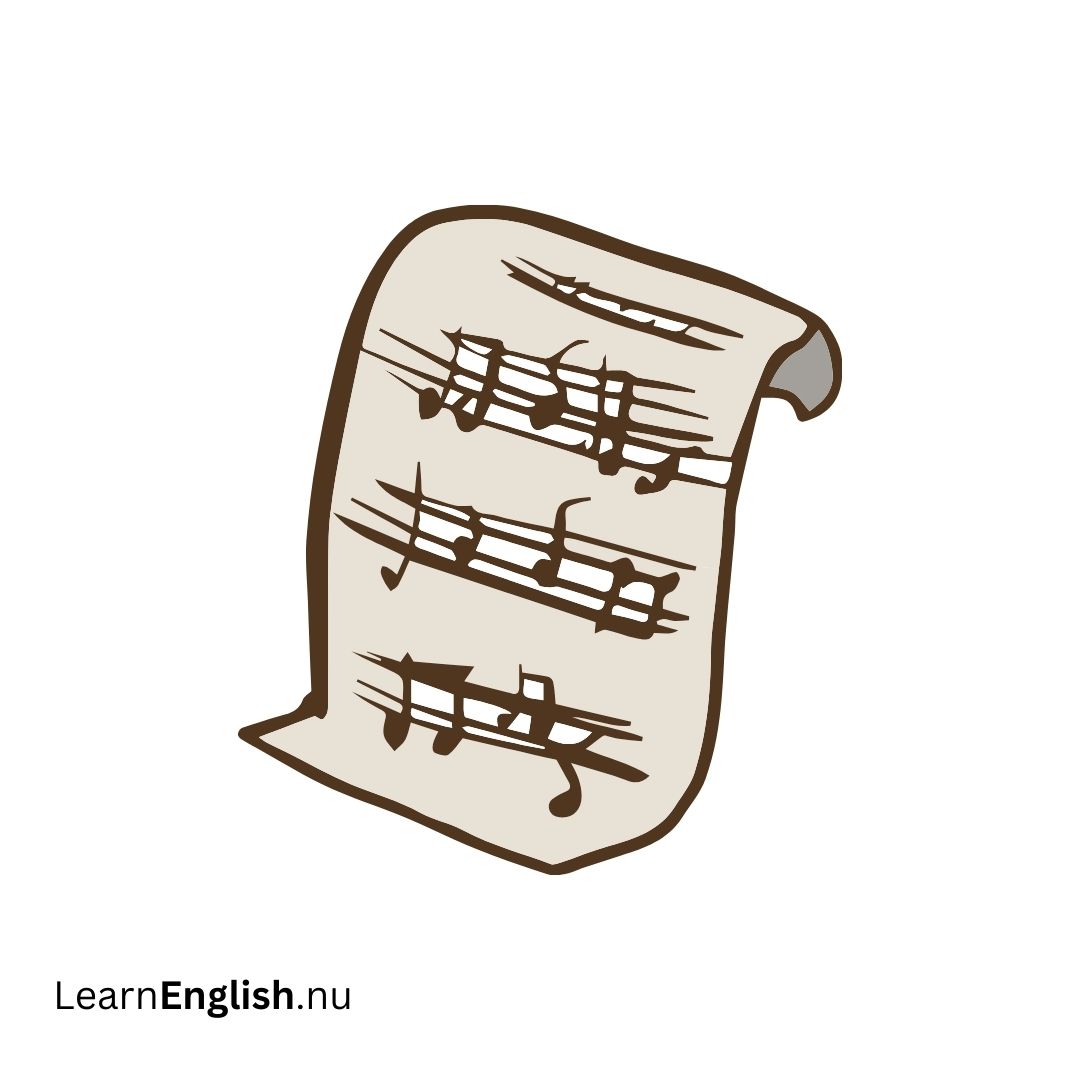 Notblad
Sheet music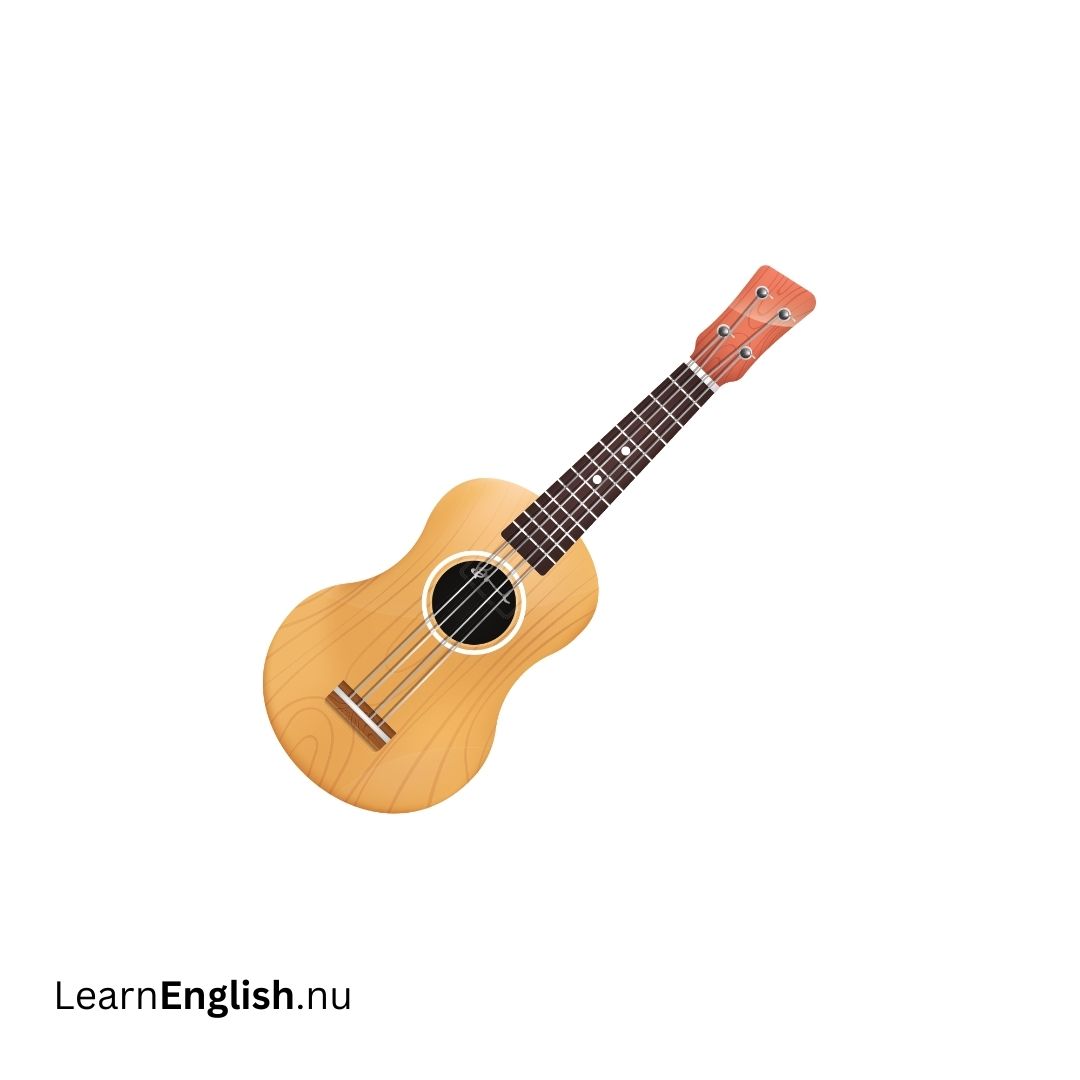 Ukulele
Ukulele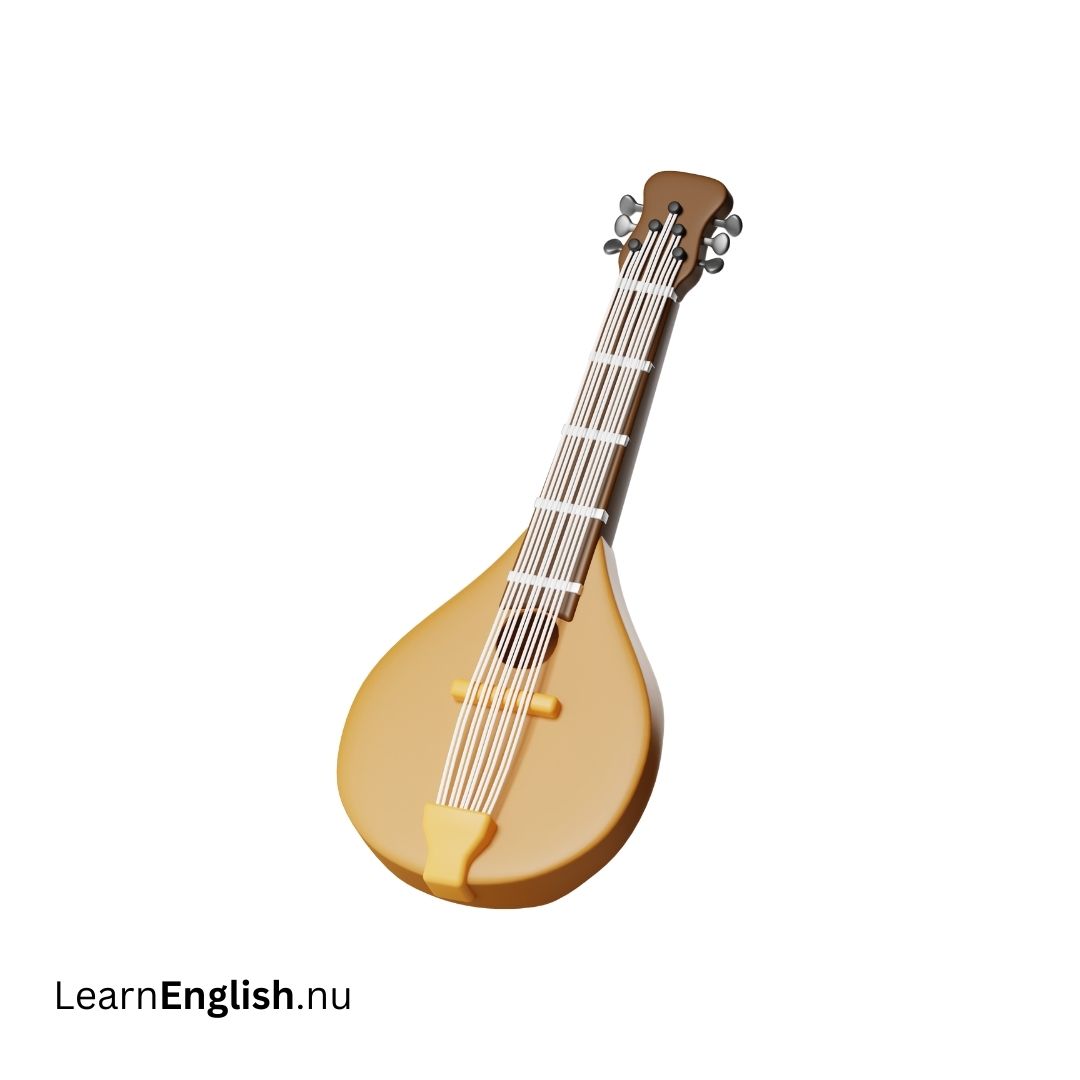 Mandolin
Mandolin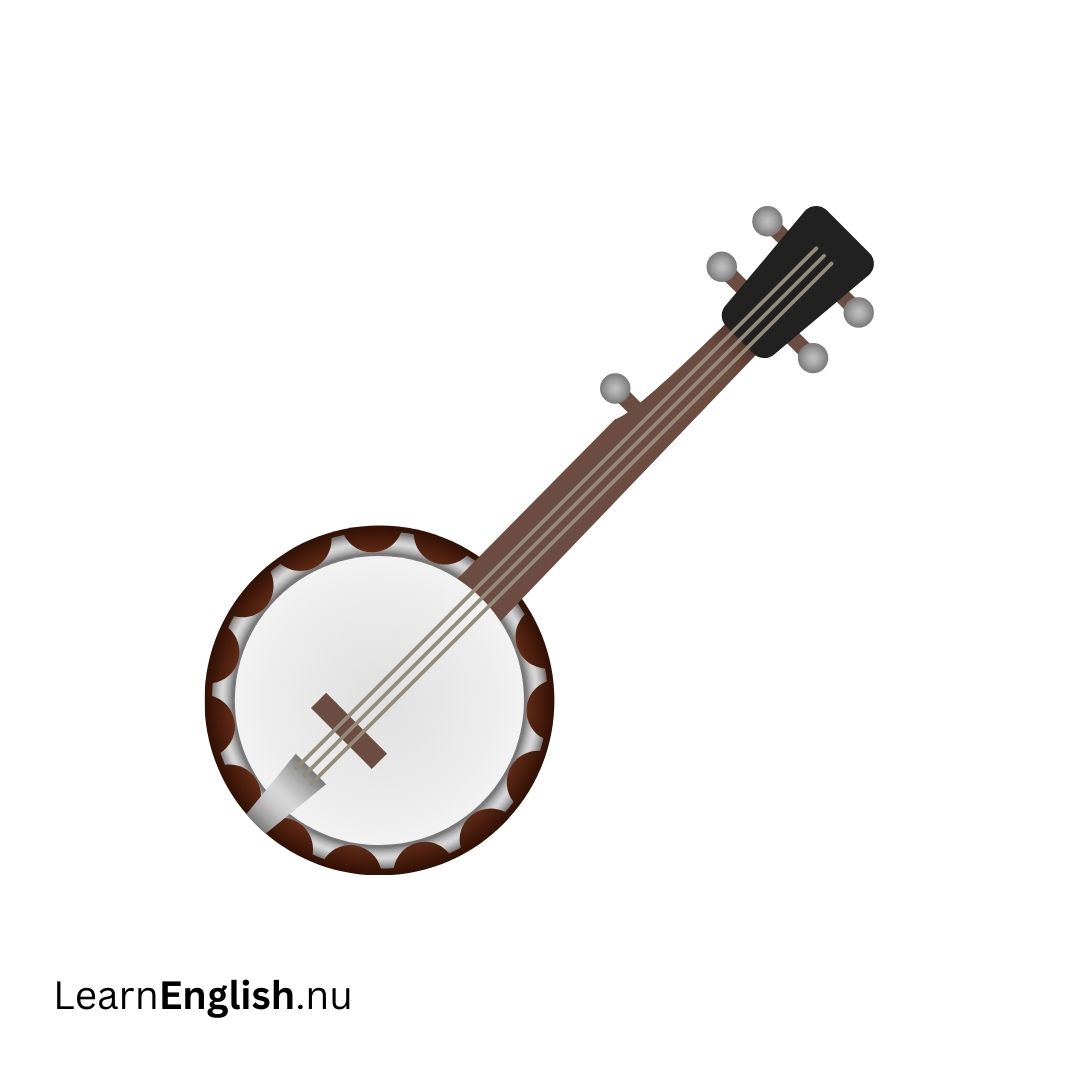 Banjo
Banjo
Banjo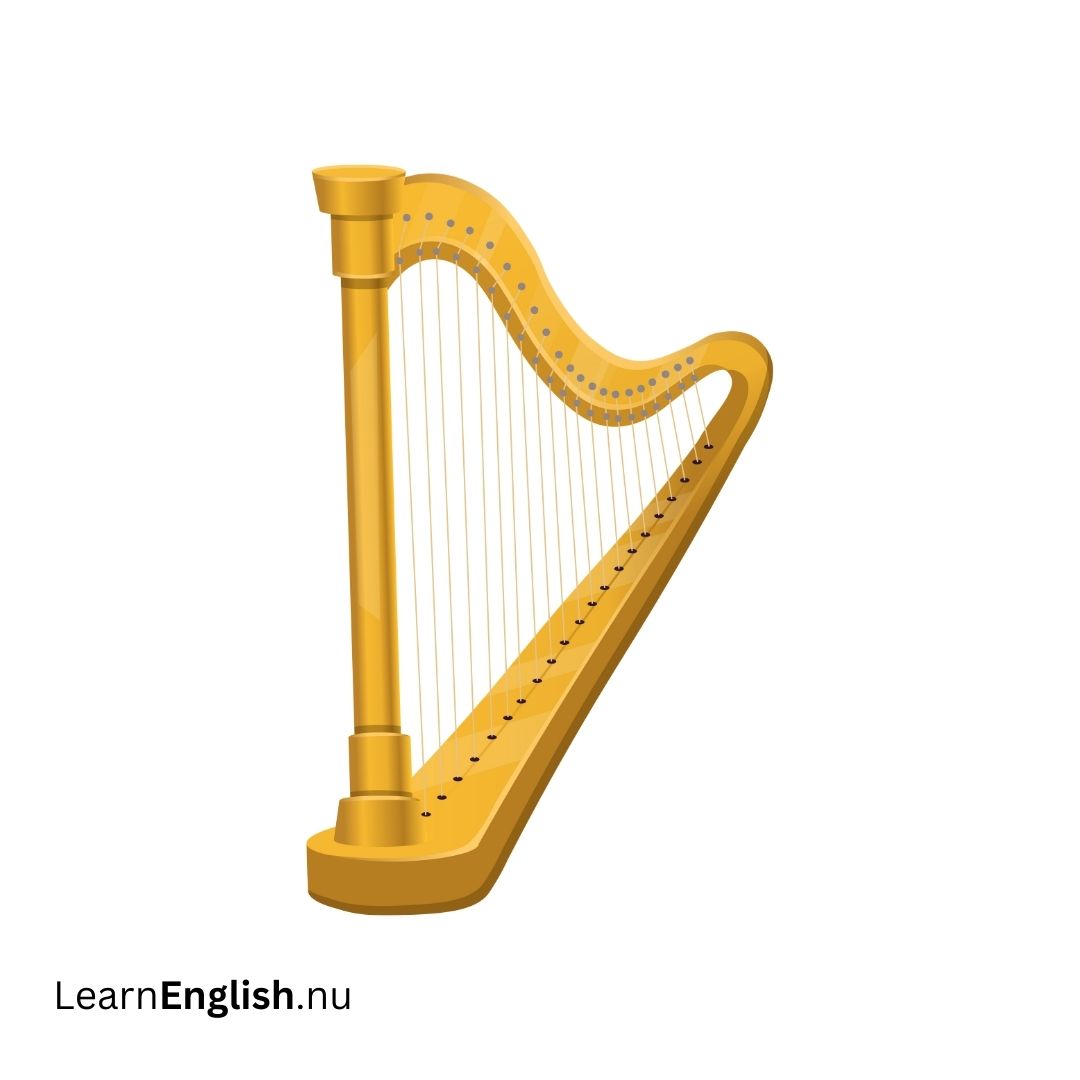 Harpa
Harpa
Harp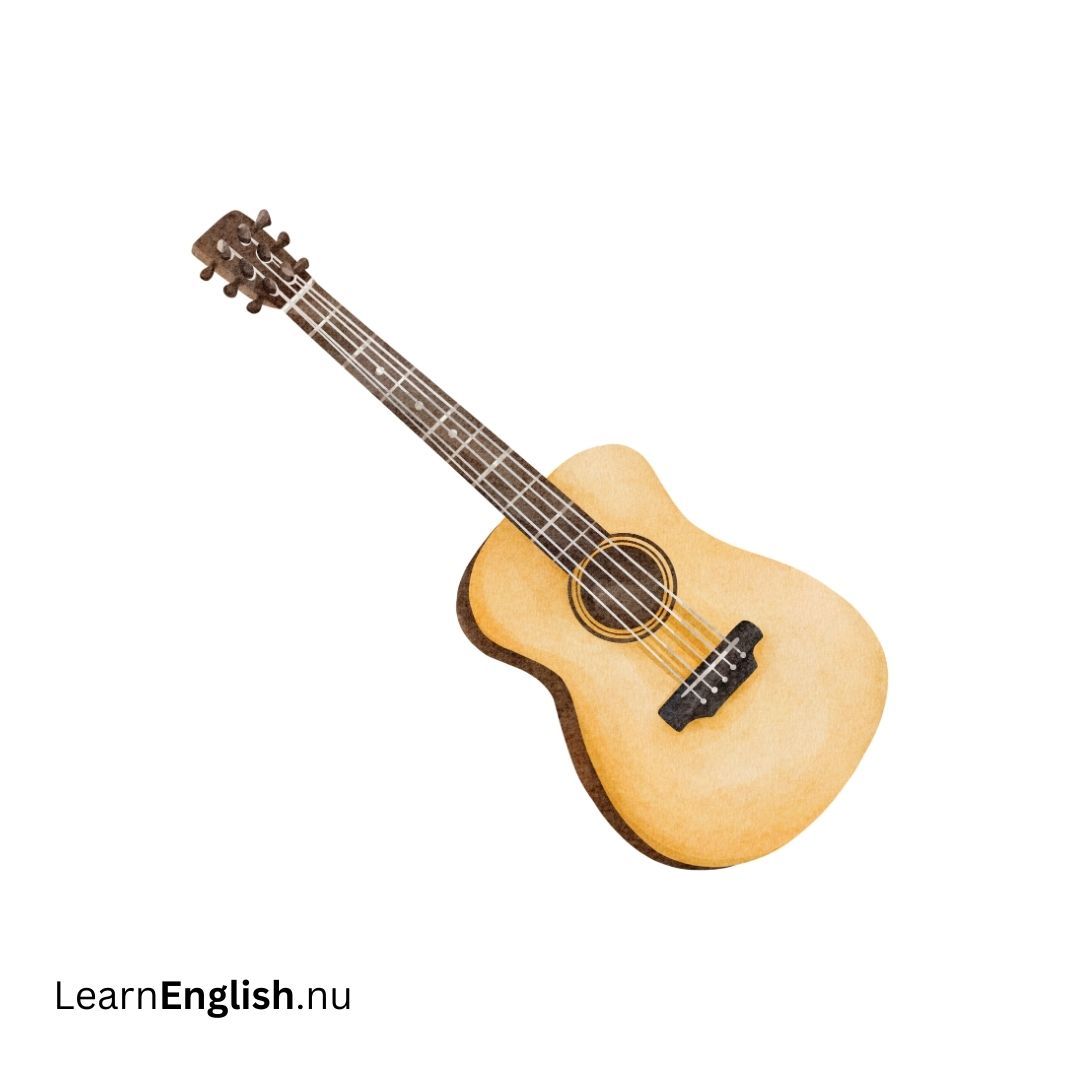 Gitarr
Guitar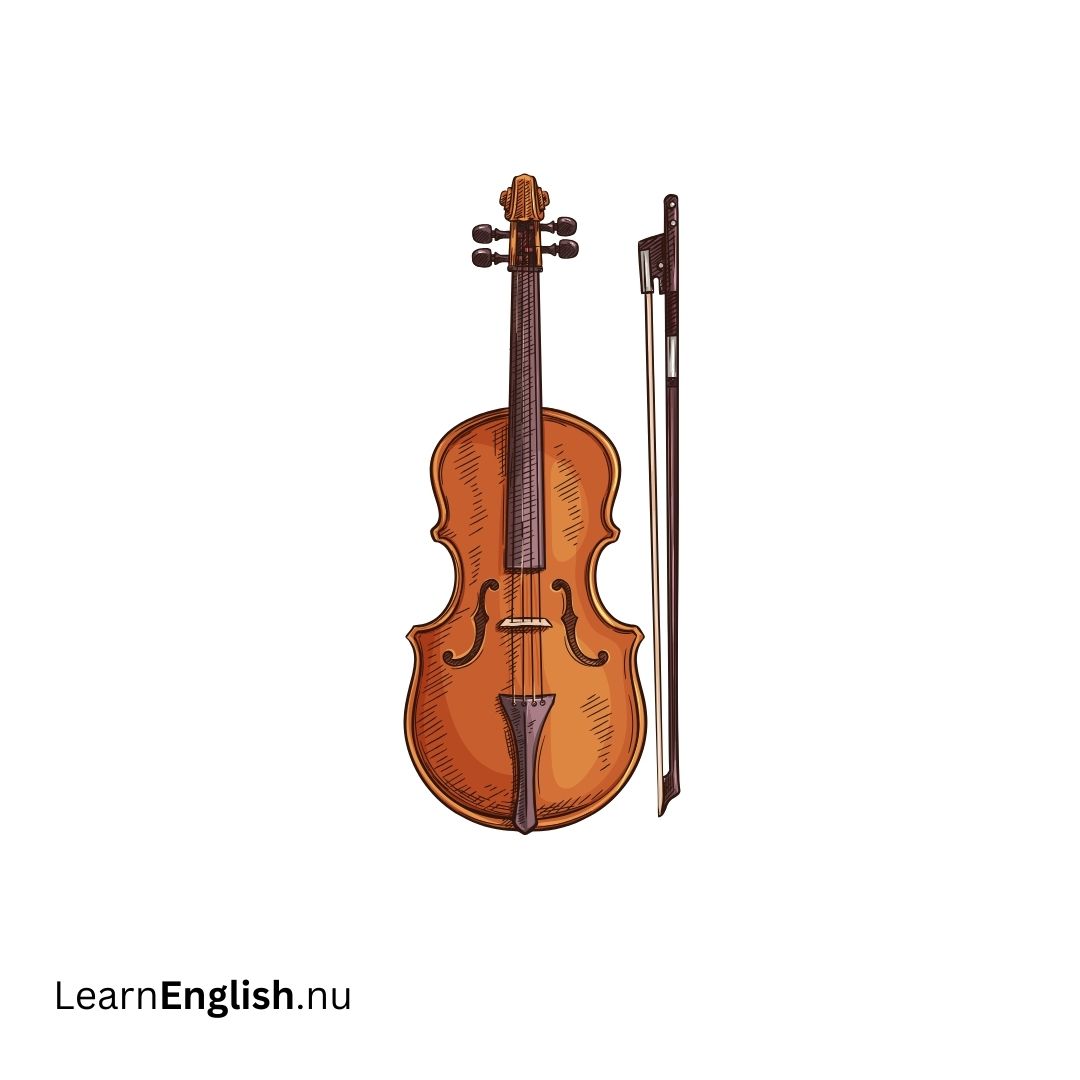 Viola
Viola
Viola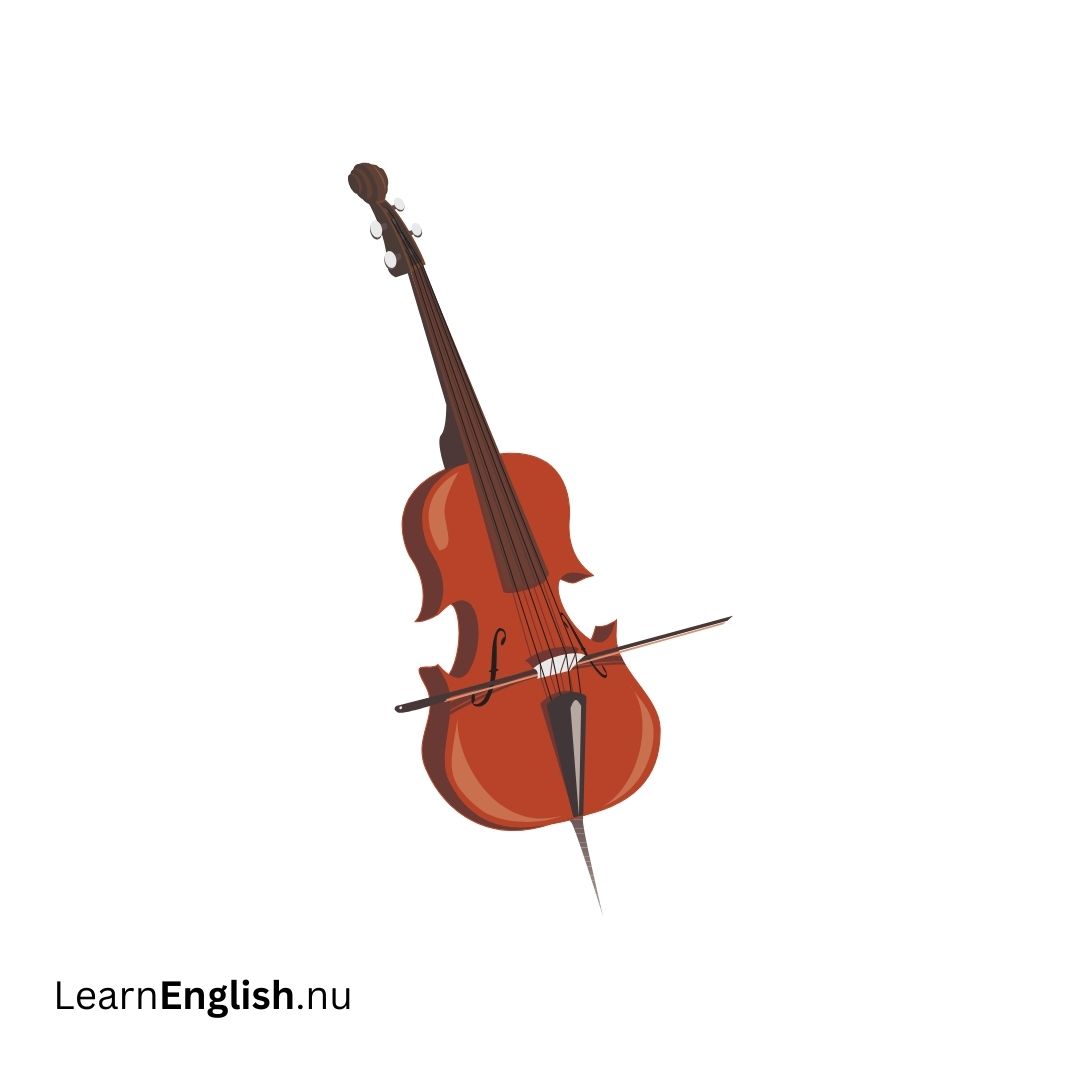 Cello
Cello
Cello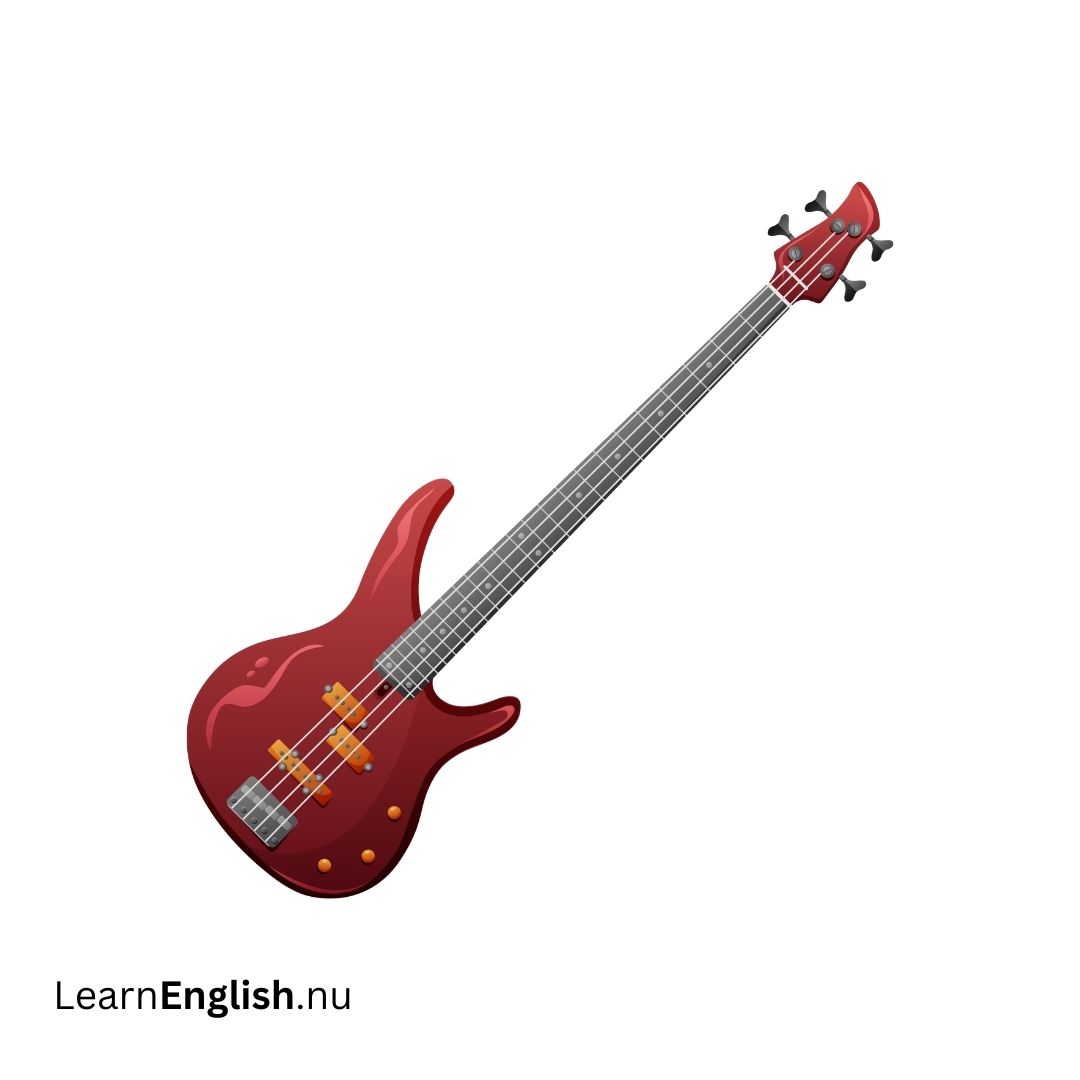 Bas
Bas
Bass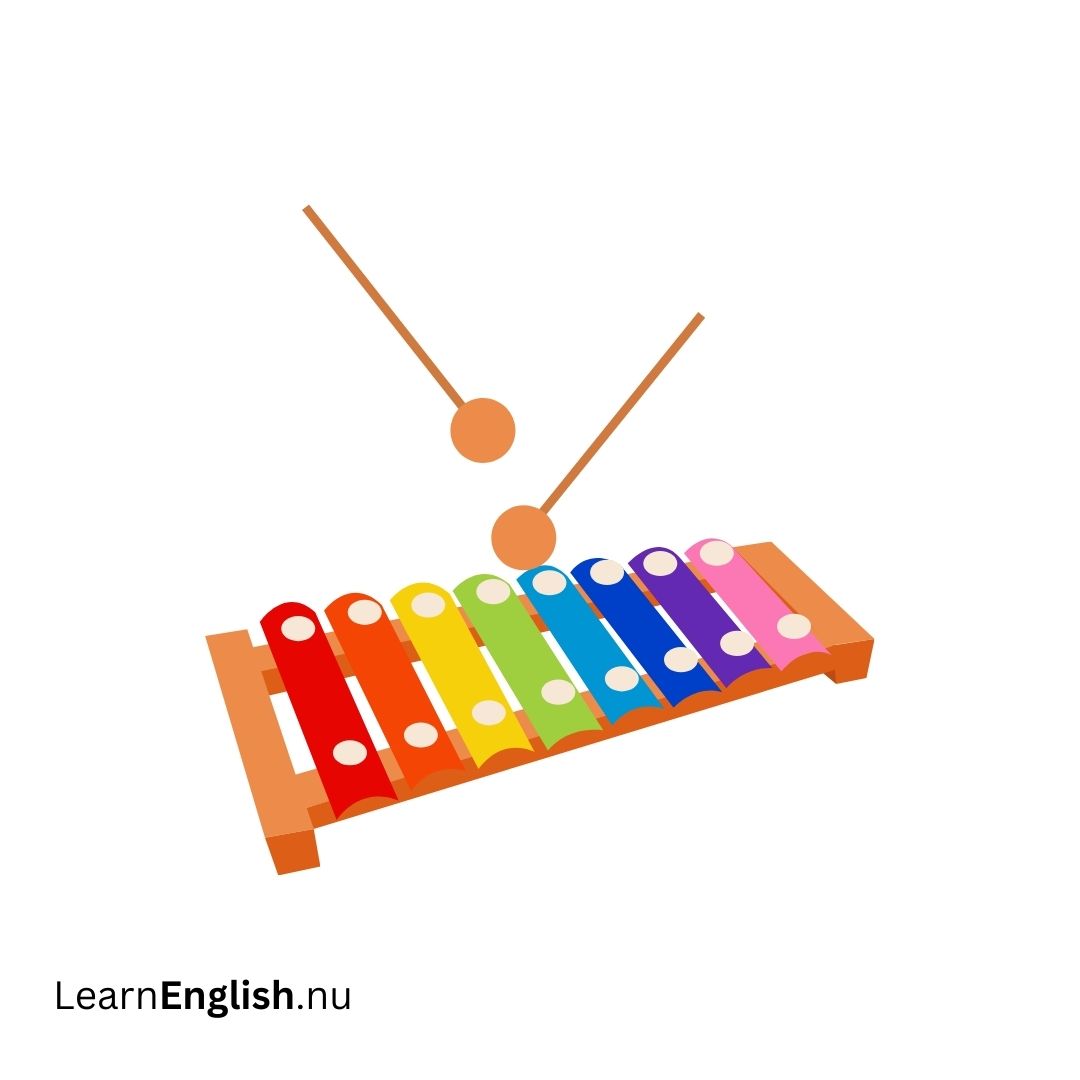 Xylofon
Xylophone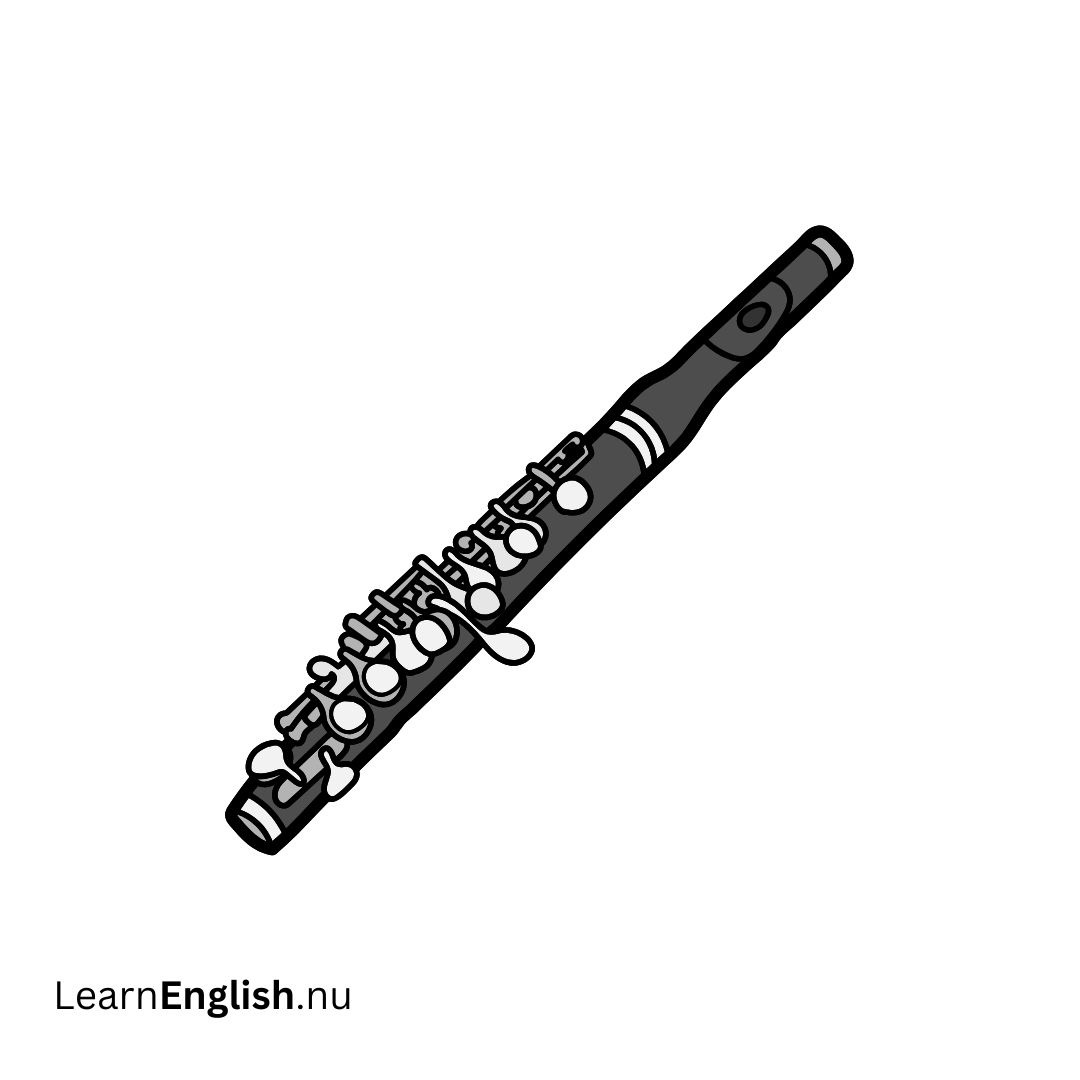 Piccolo
Piccolo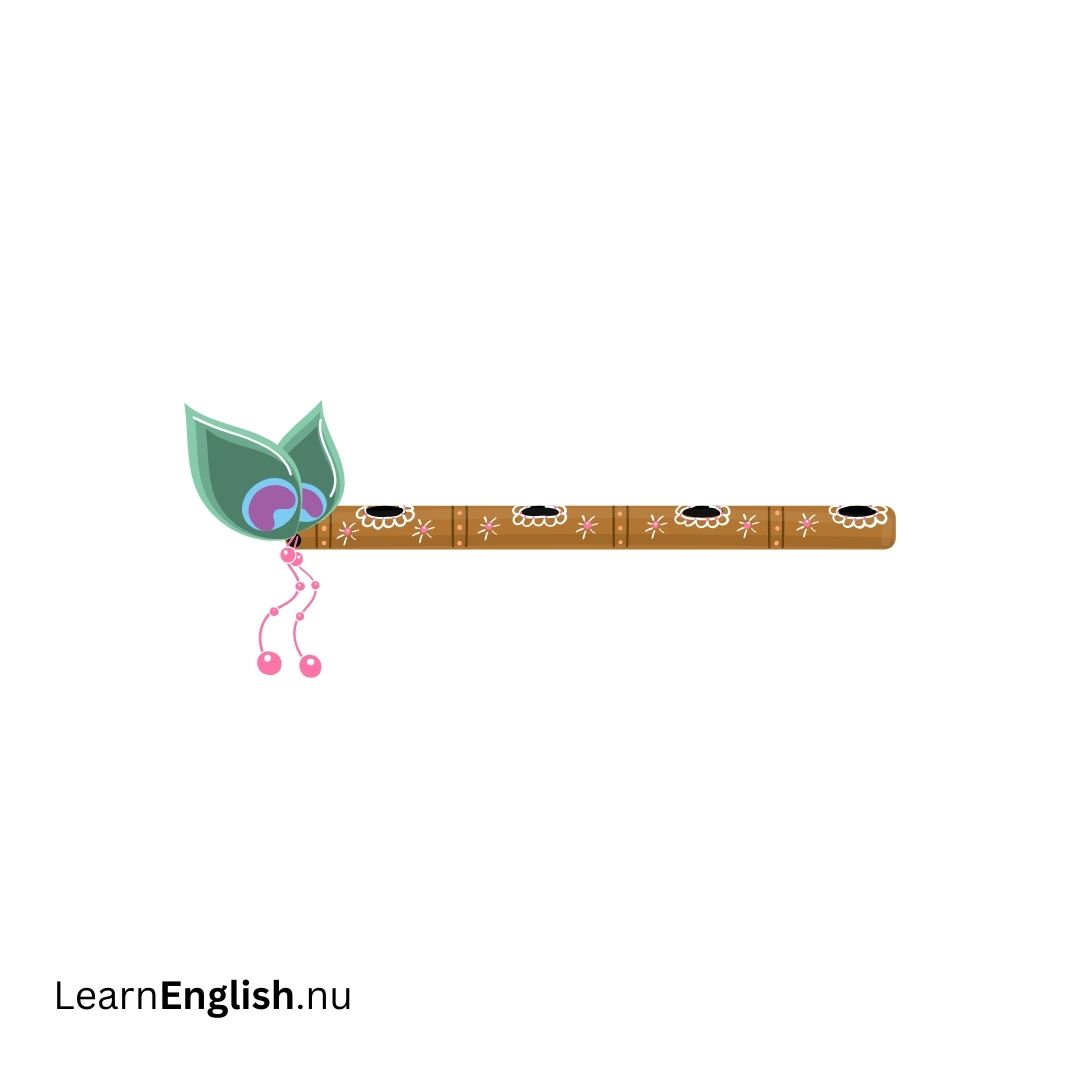 Flöjt
Flöjt
Flute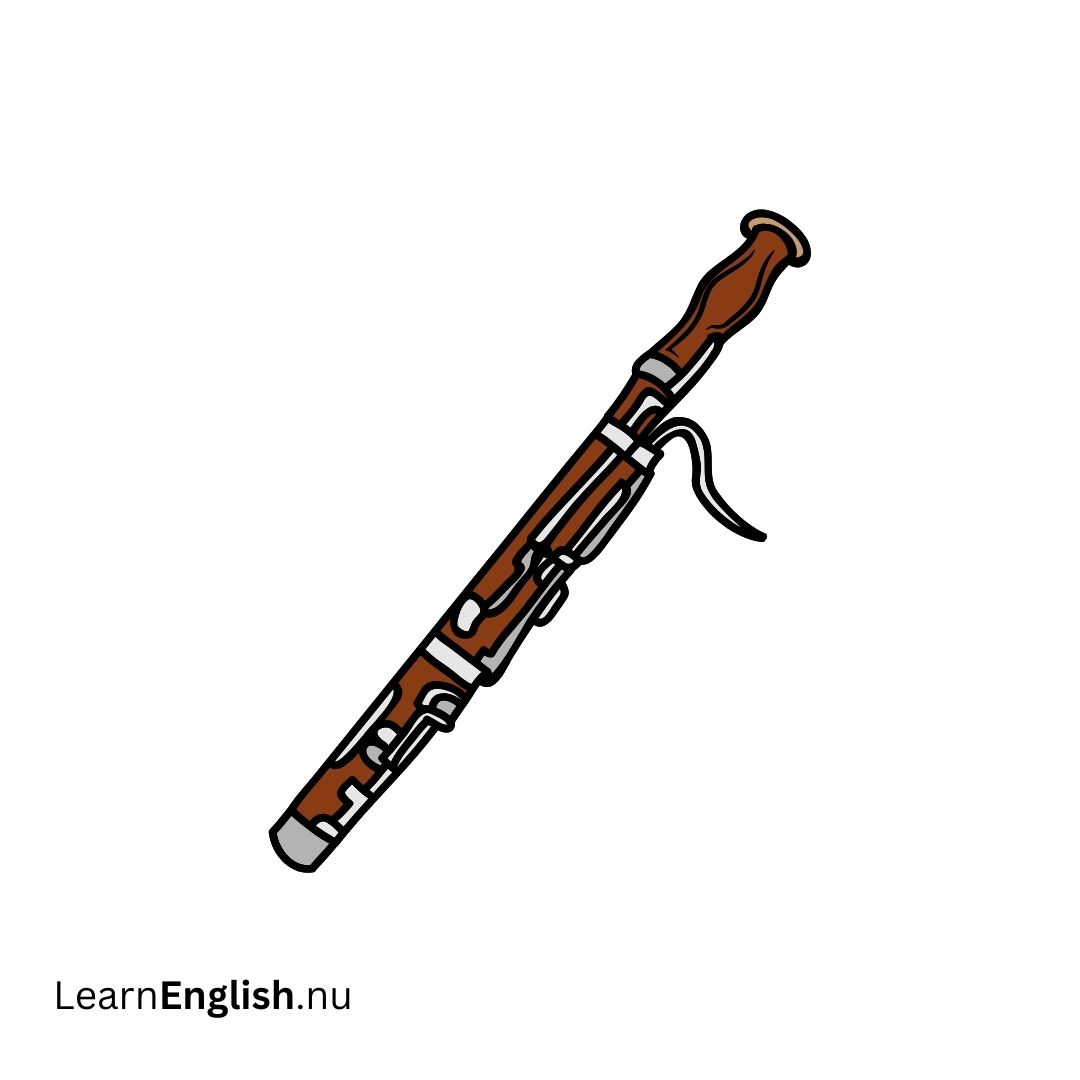 Fagott
Bassoon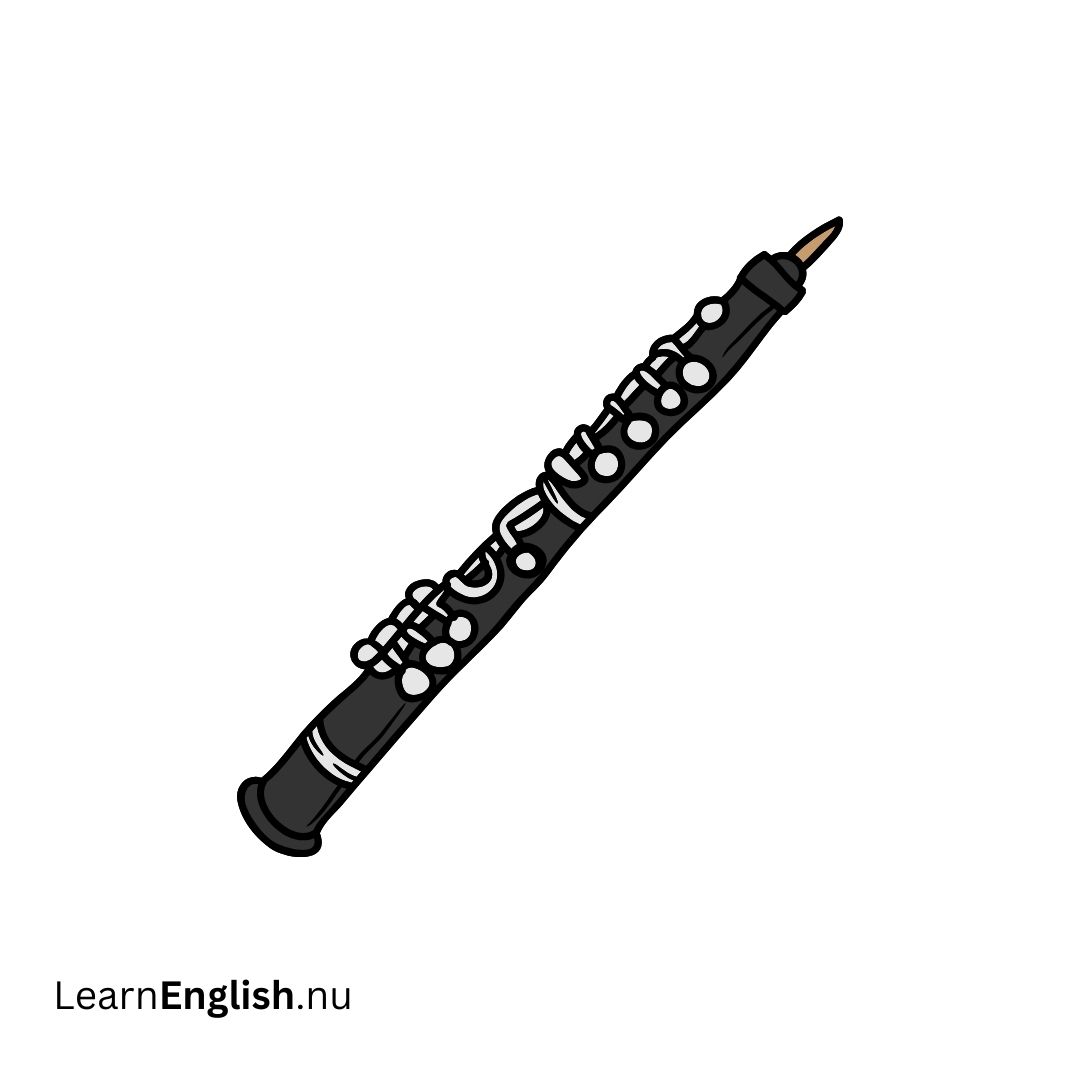 Oboe
Oboe
Oboe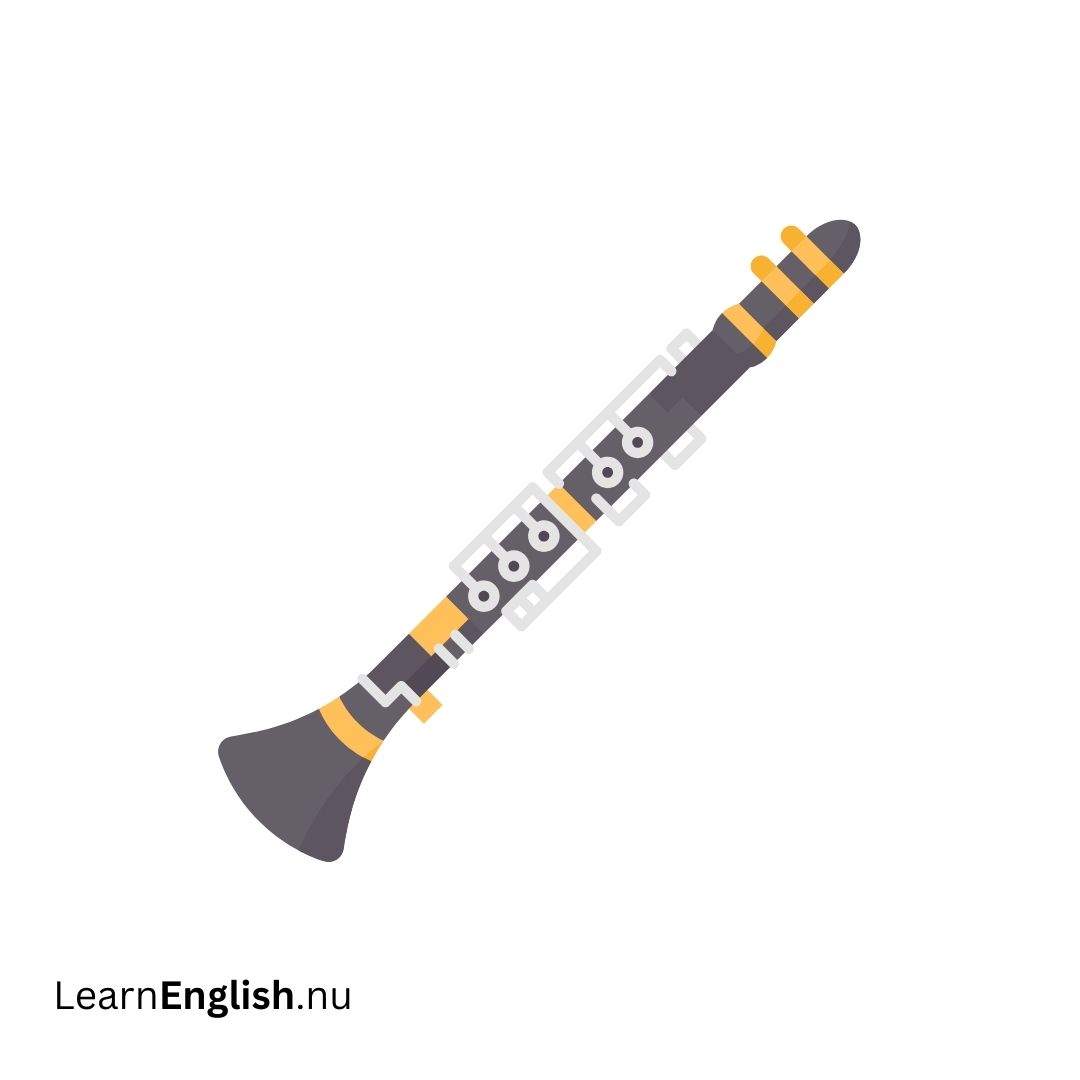 Klarinett
Clarinet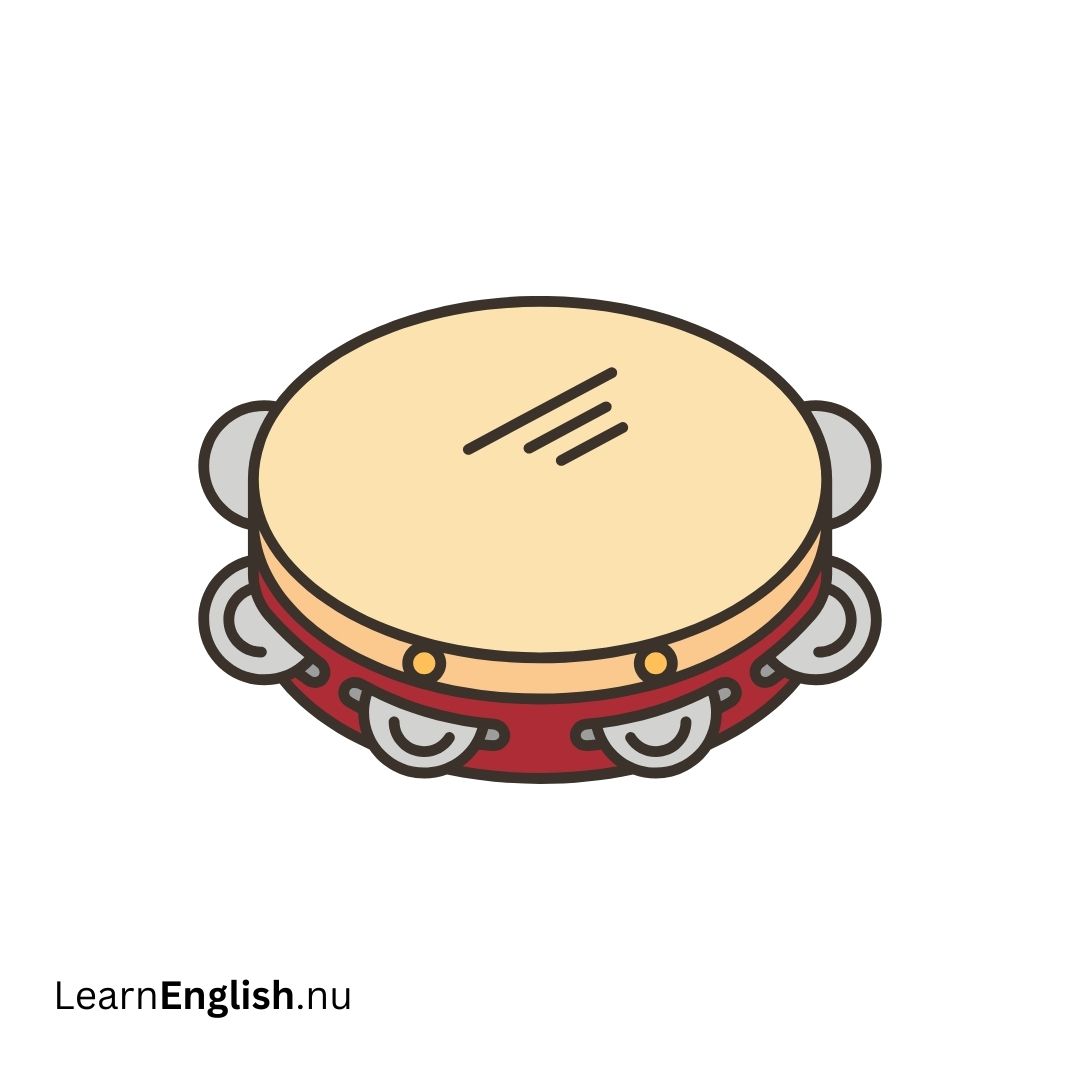 Tamburin
Tambourine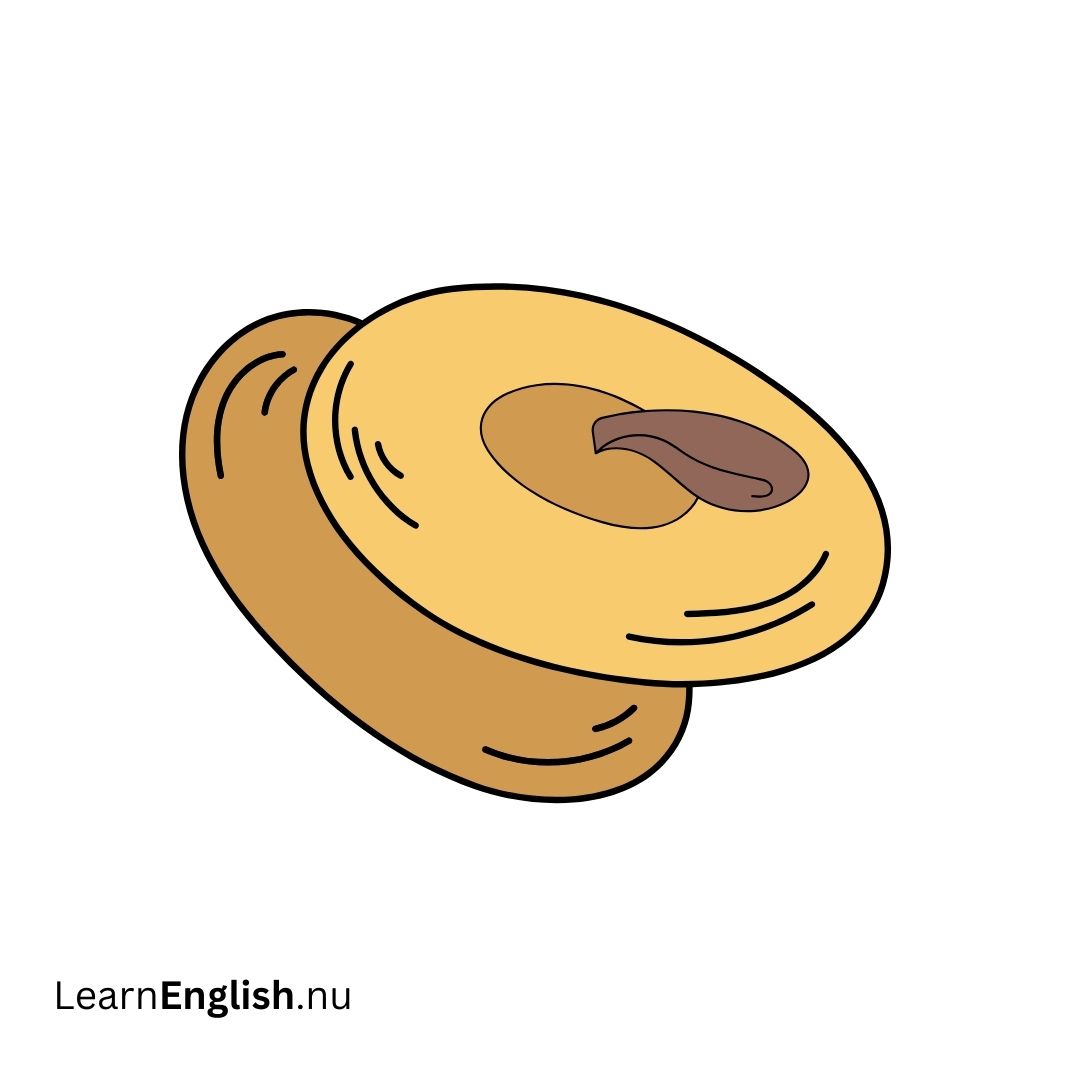 Cymbaler
Cymbals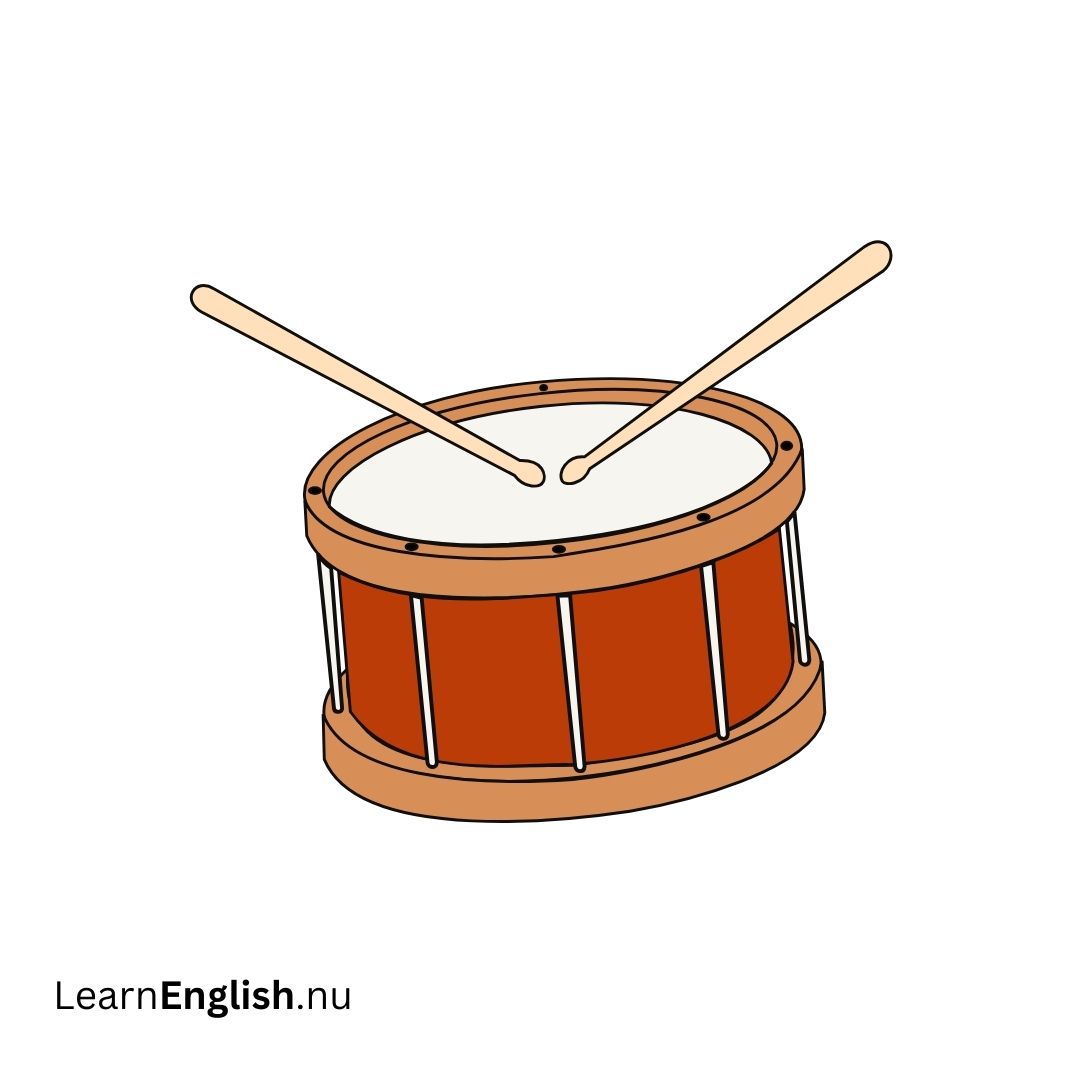 Trumma
Drum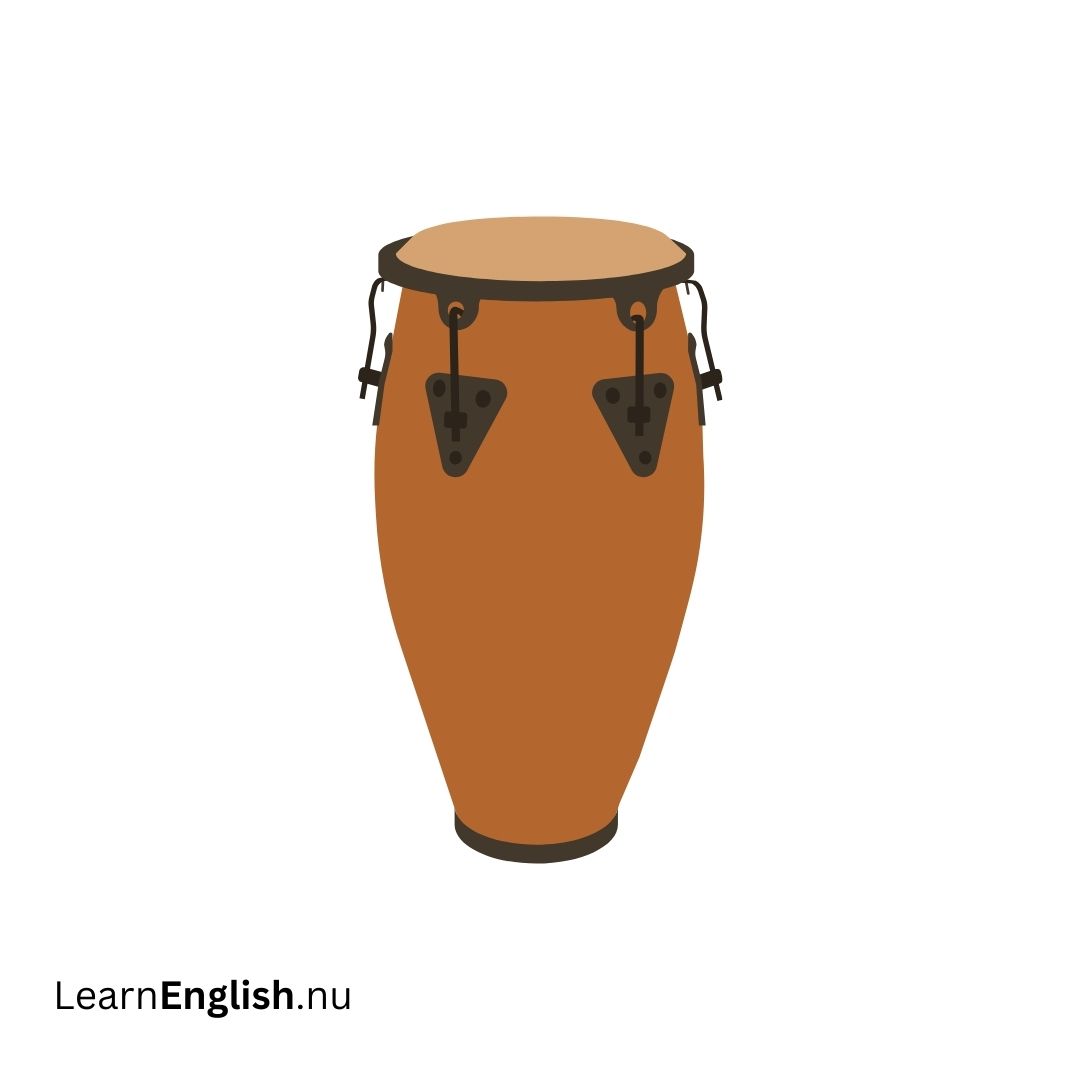 Congas
Conga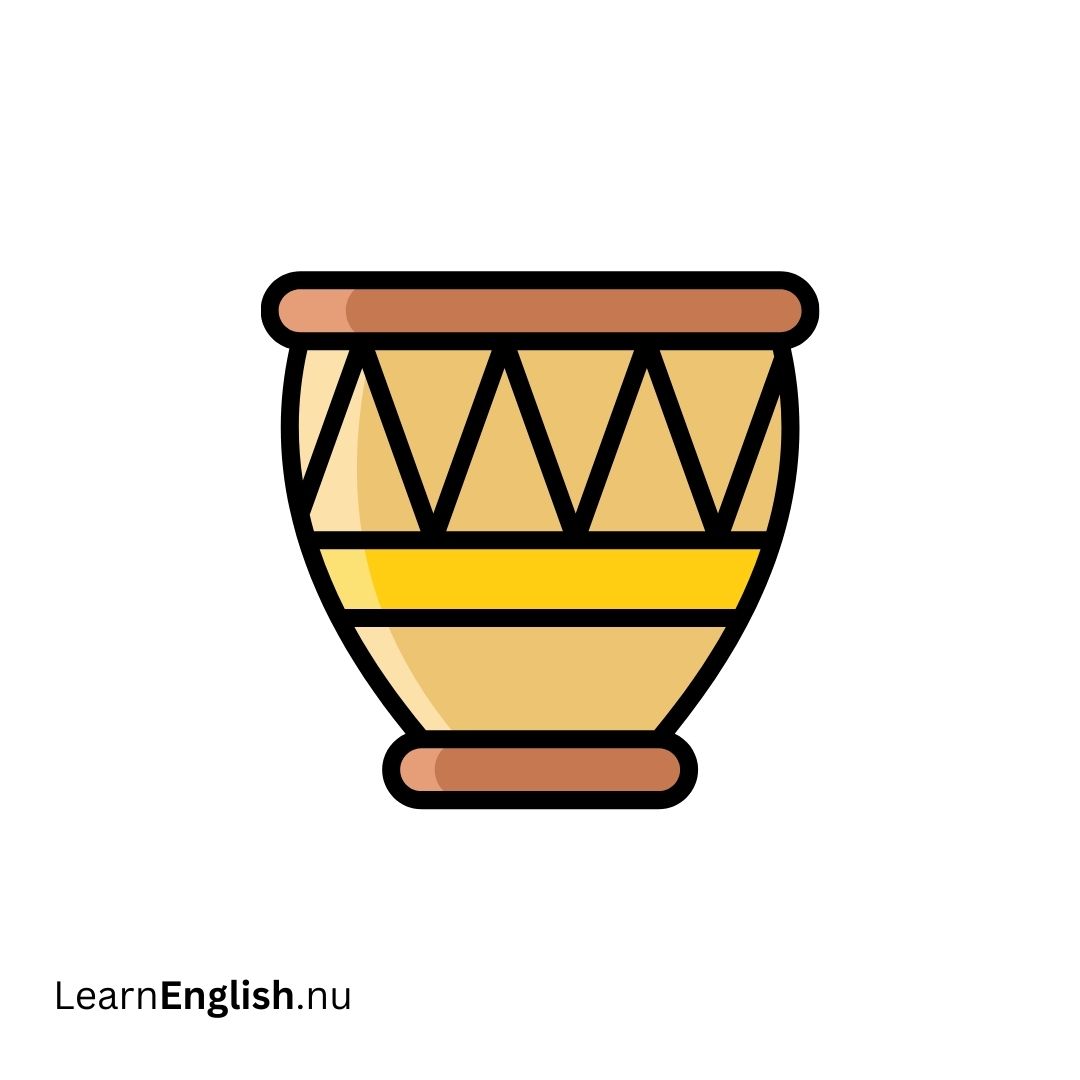 Puka
Puka
Kettledrum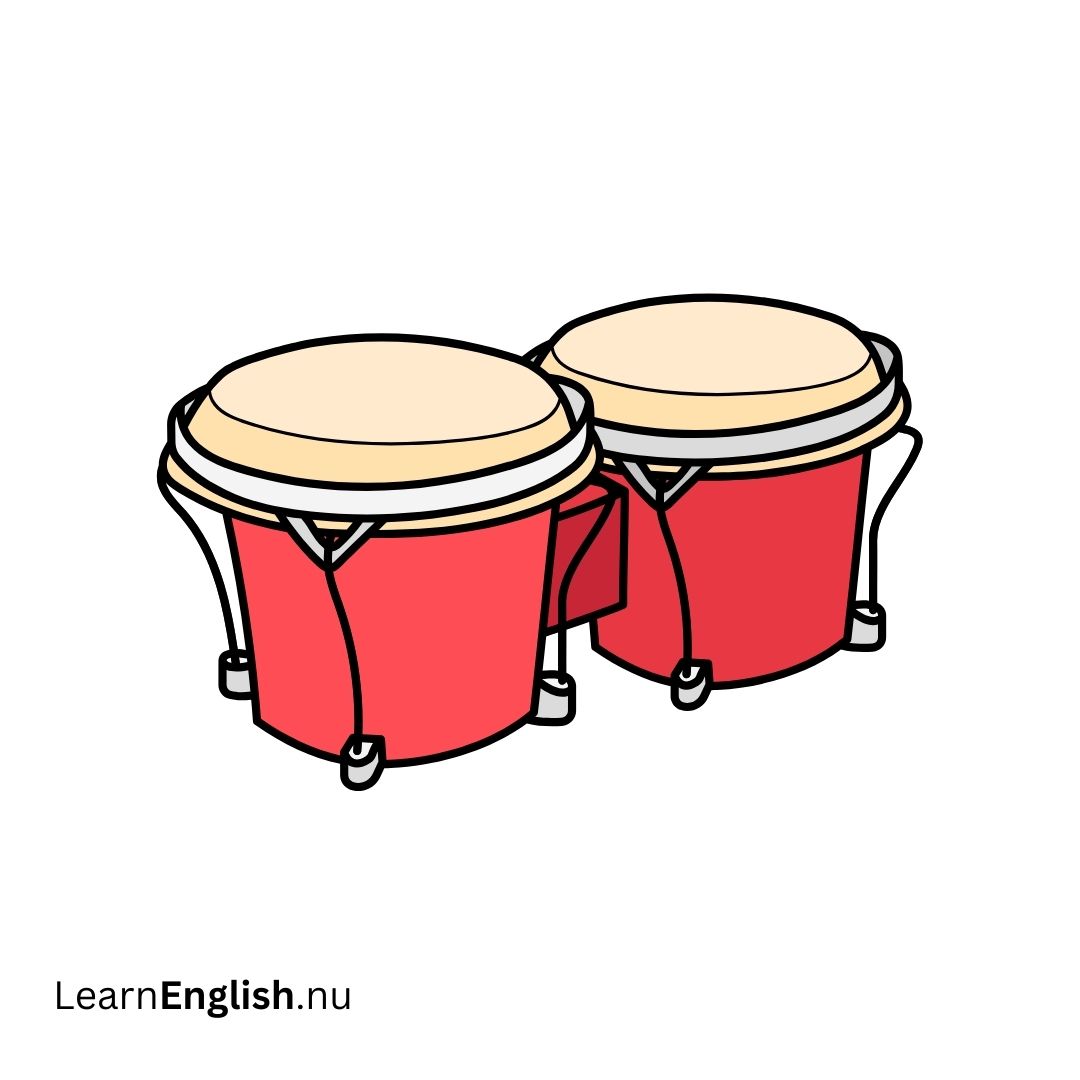 Bongotrummor
Bongos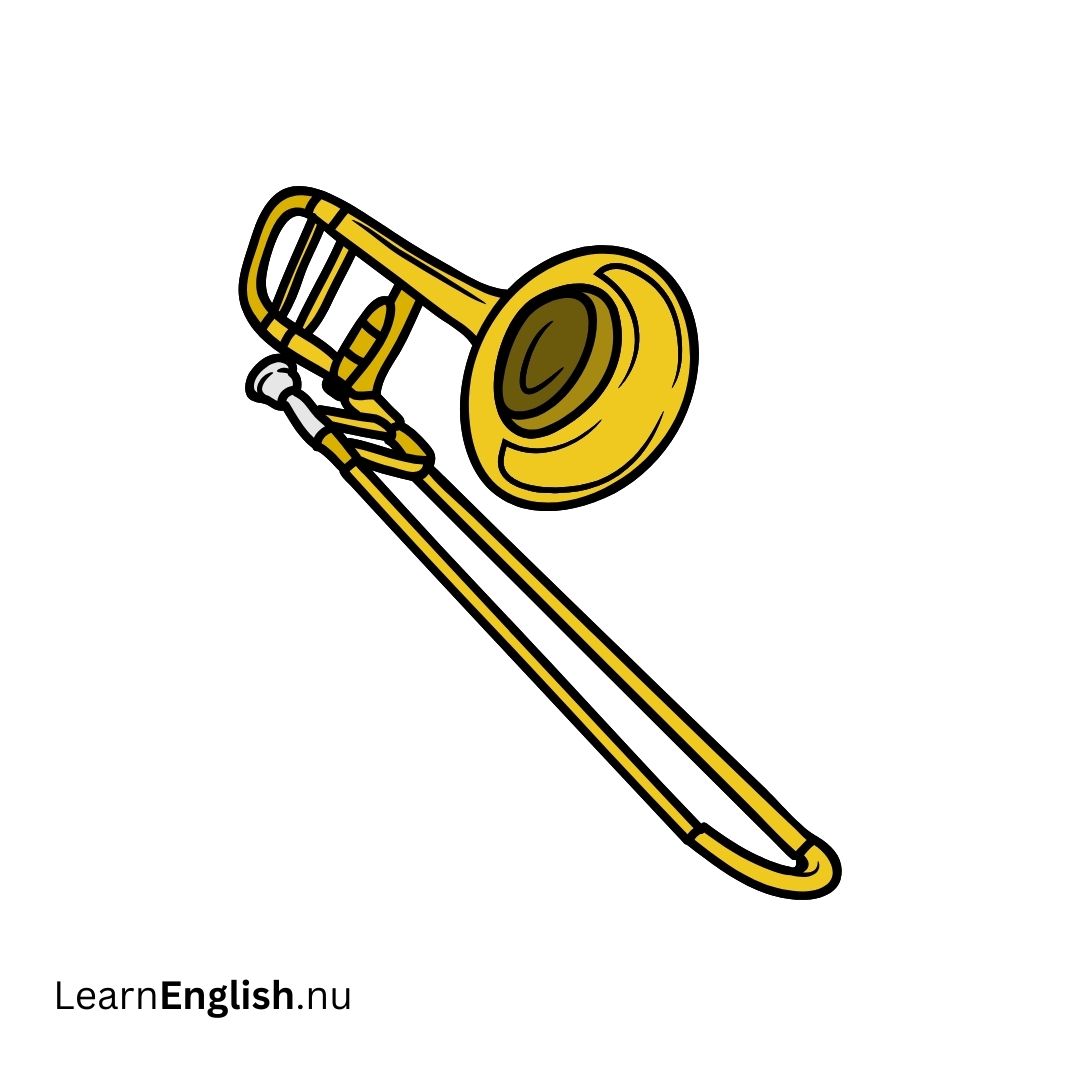 Trombon
Trombone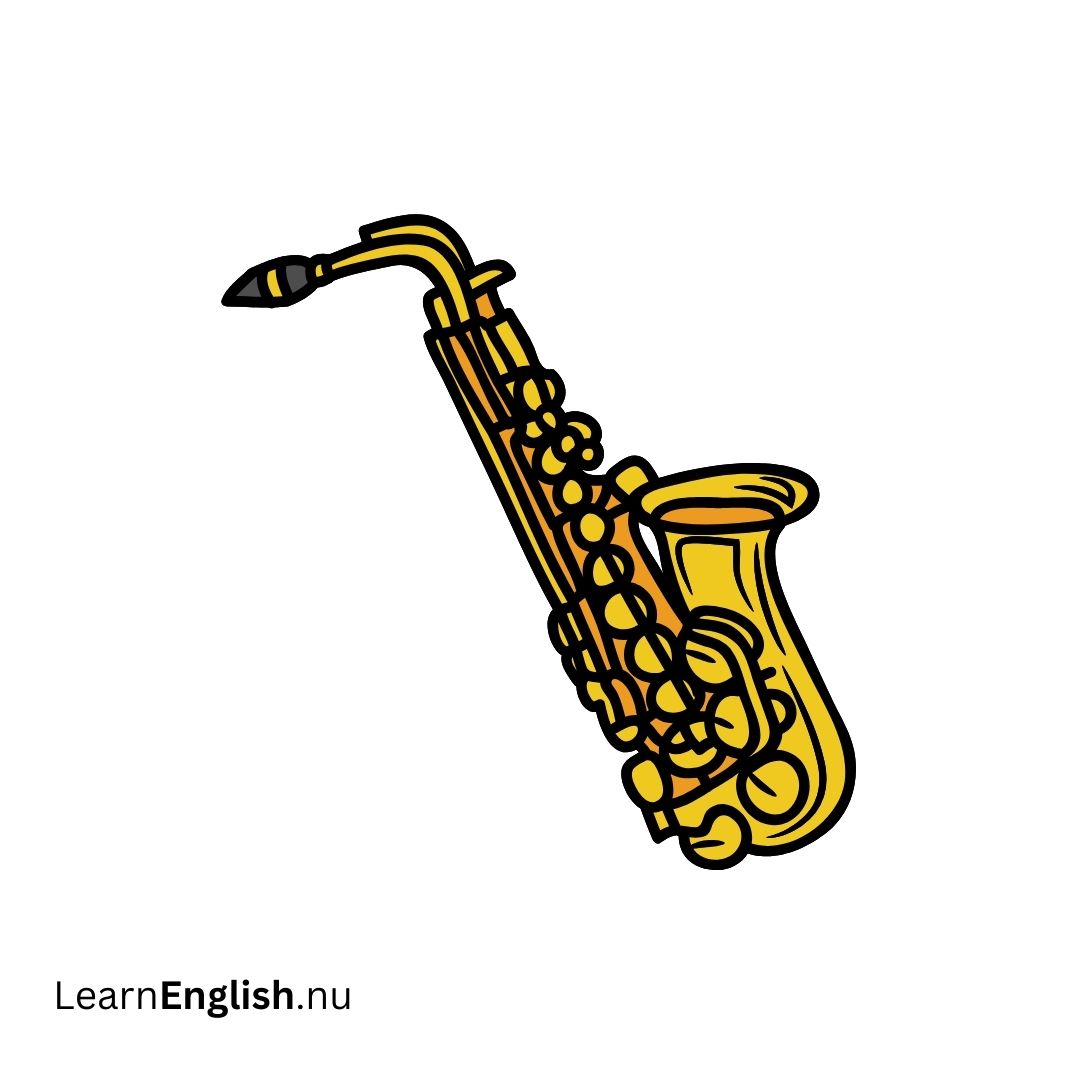 Saxofon
Saxophone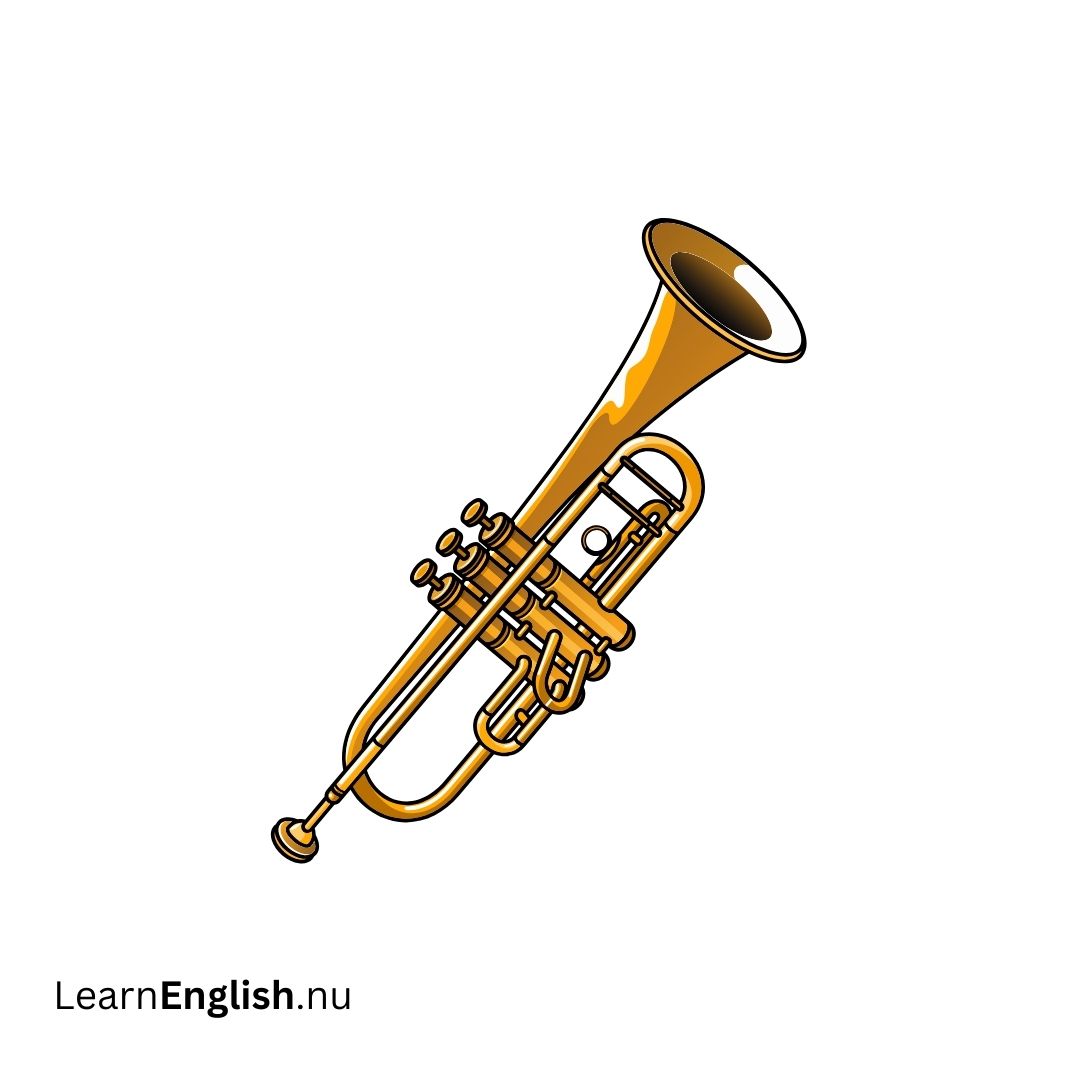 Trumpet
Trumpet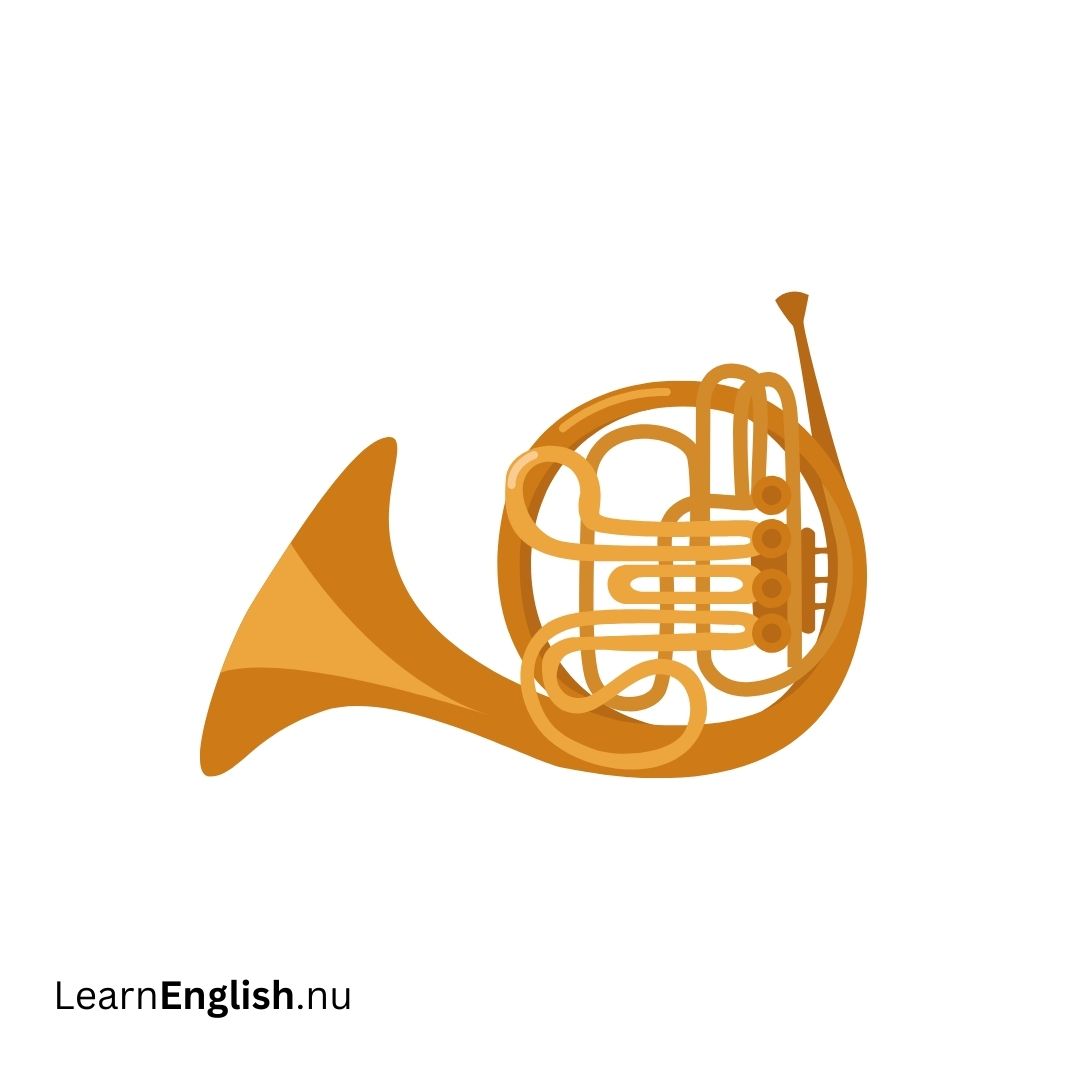 Valthorn
French horn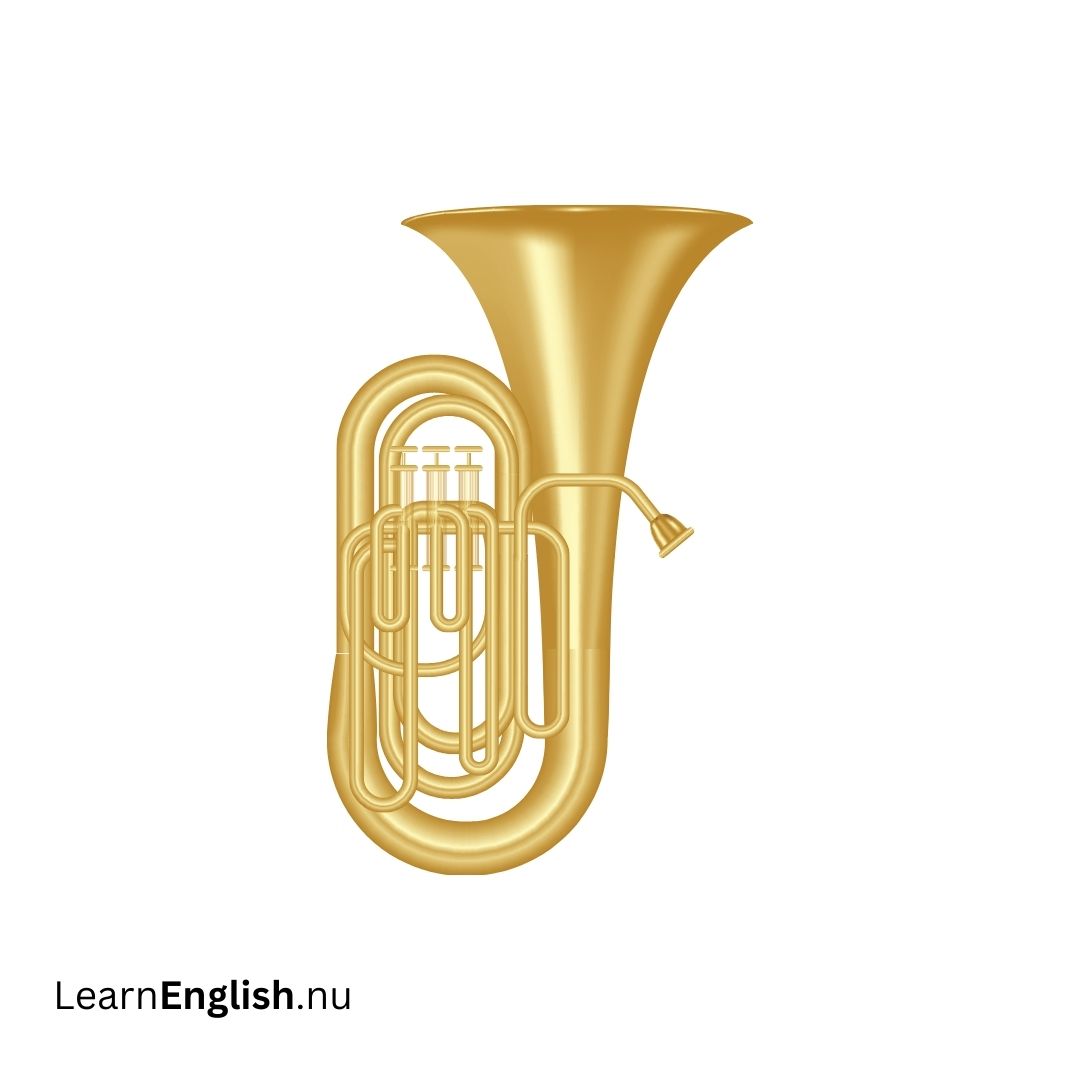 Tuba
Tuba
Tuba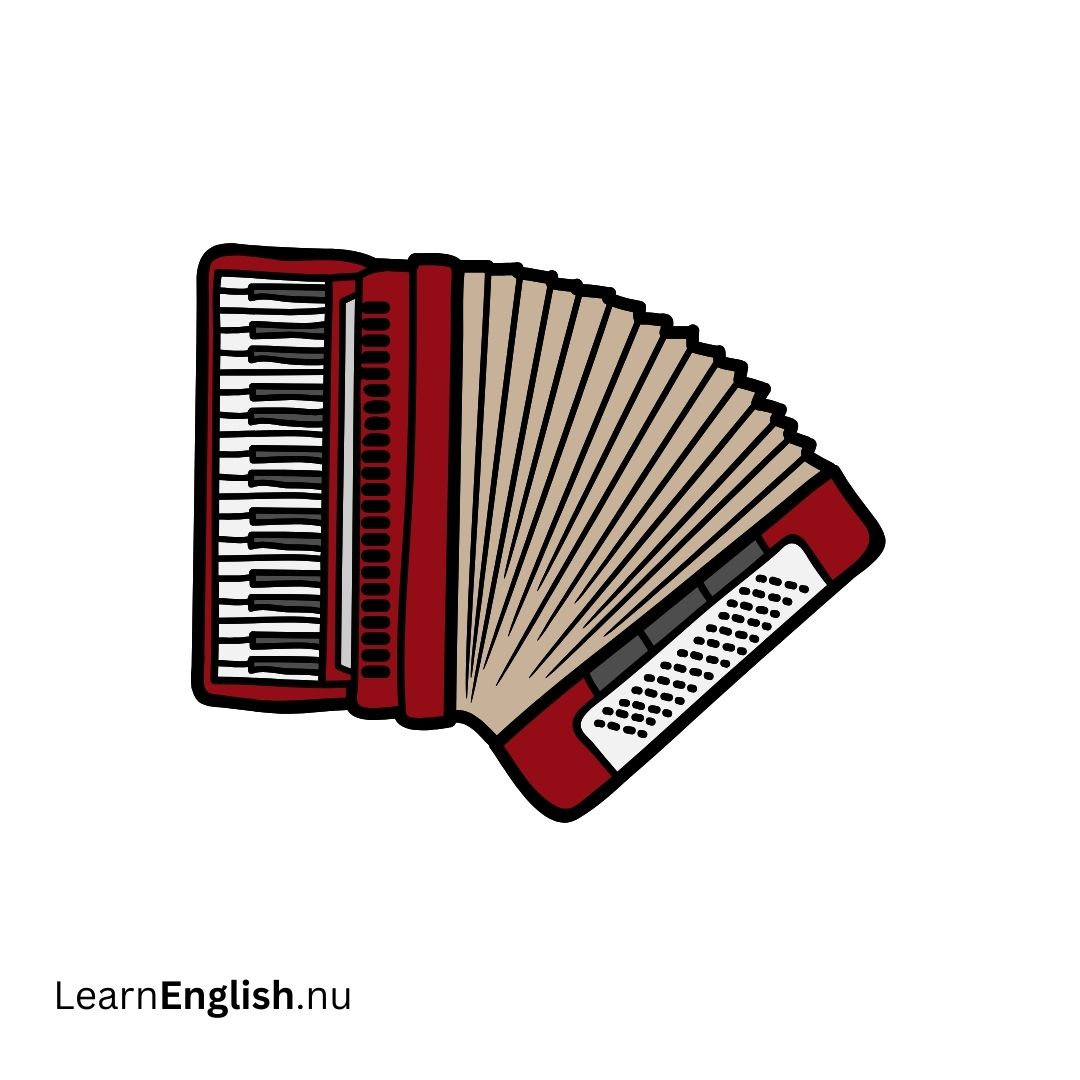 Dragspel
Accordion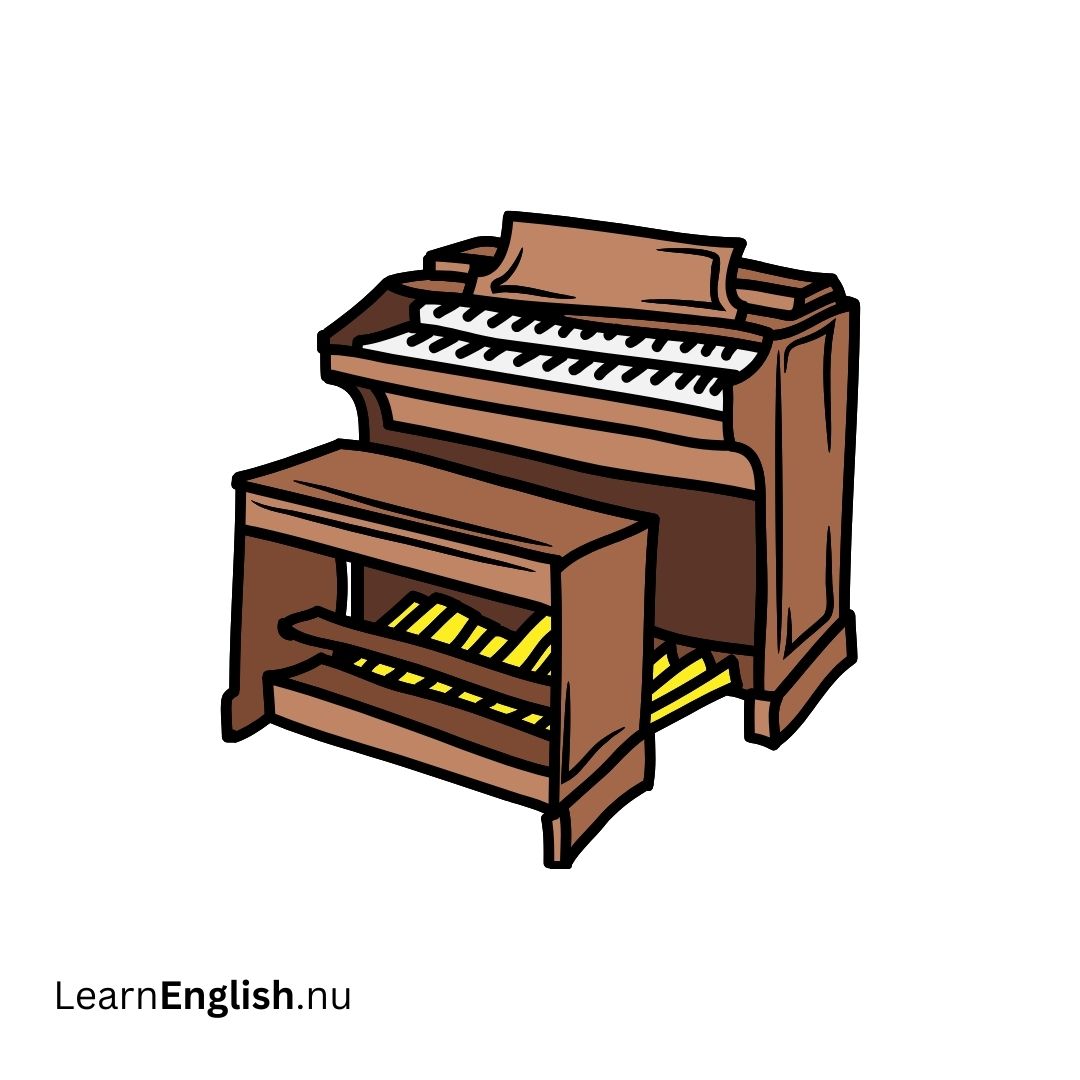 Orgel
Orgel
Organ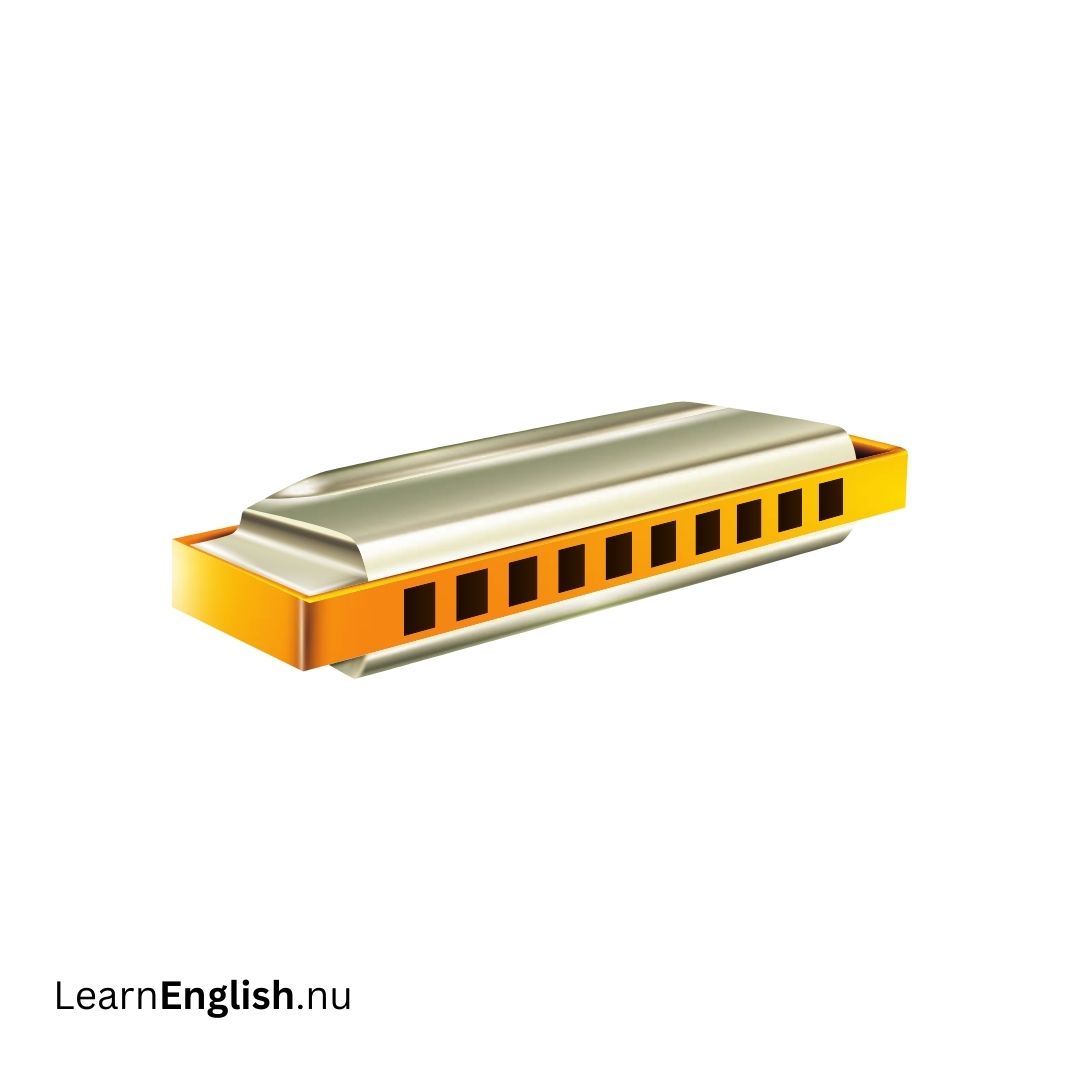 Munspel
Harmonica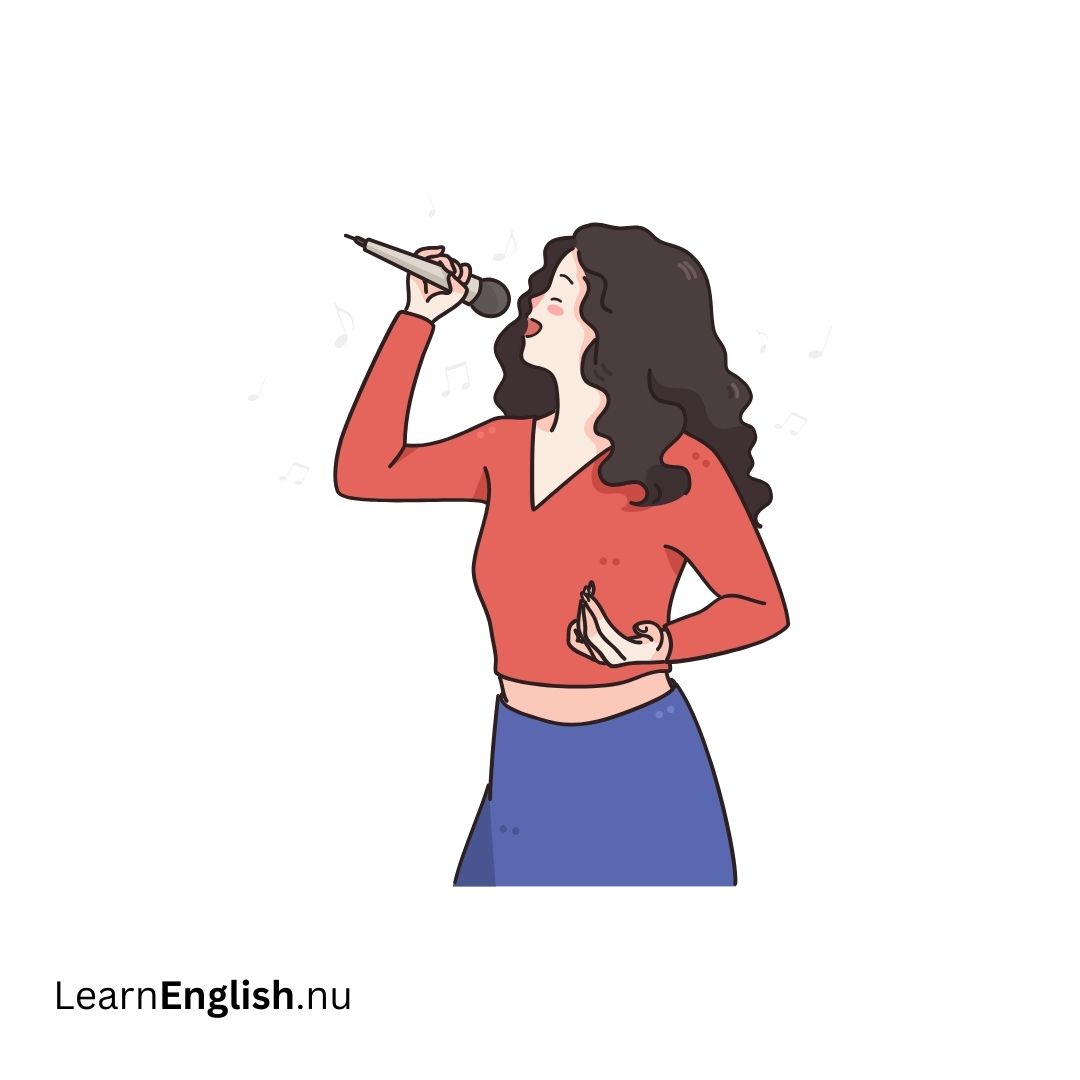 Sångare
Singer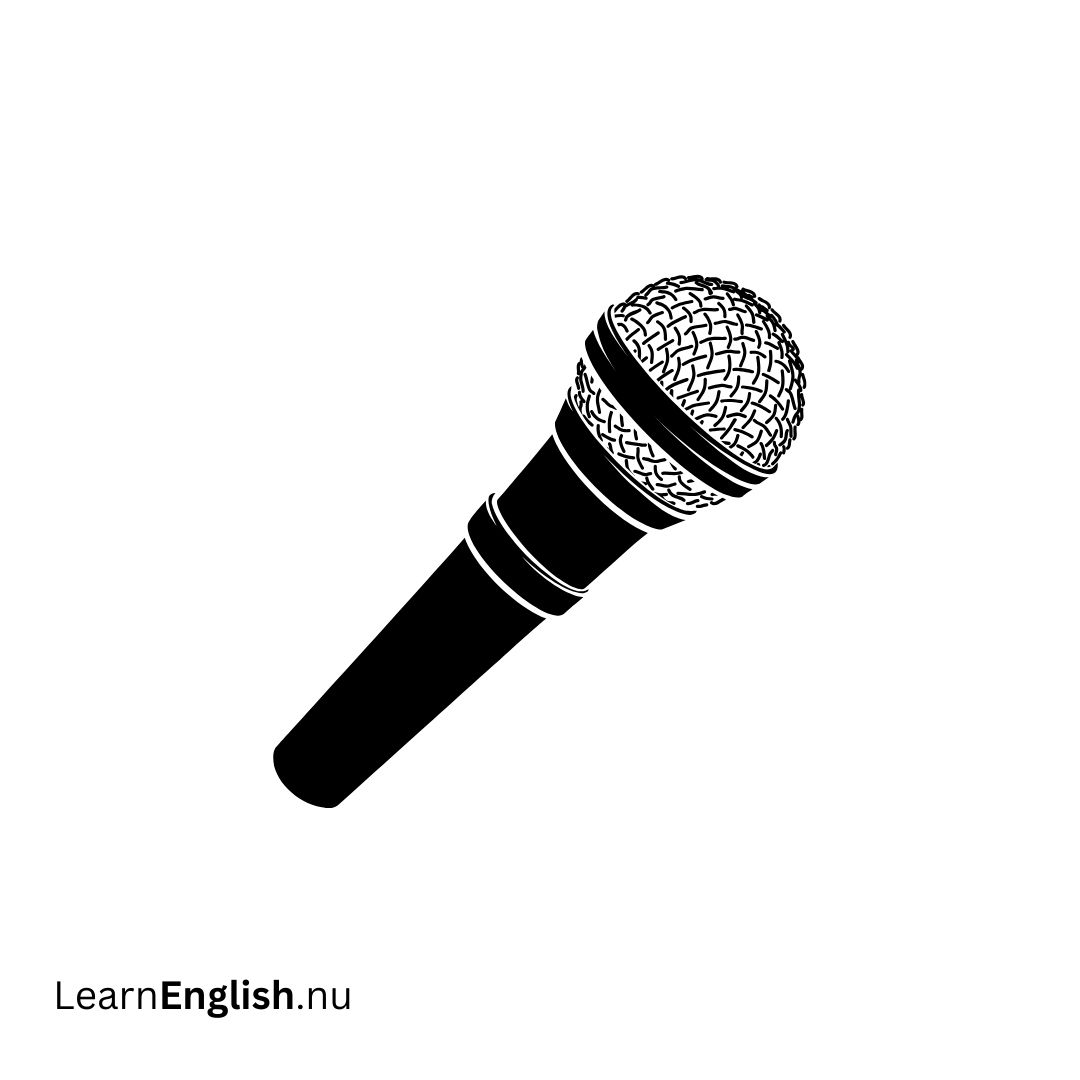 Mikrofon
Microphone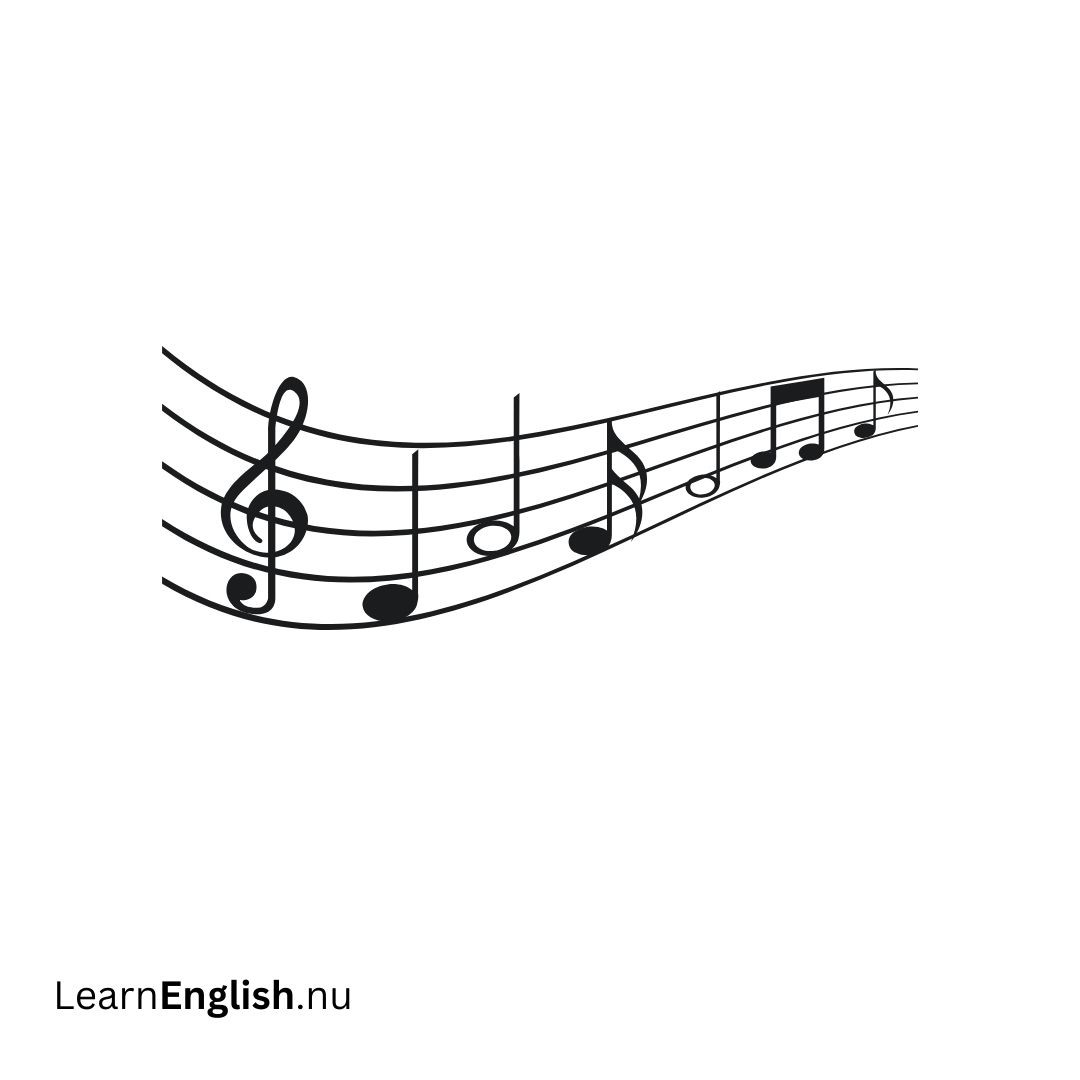 Noter
Noter
Musical notes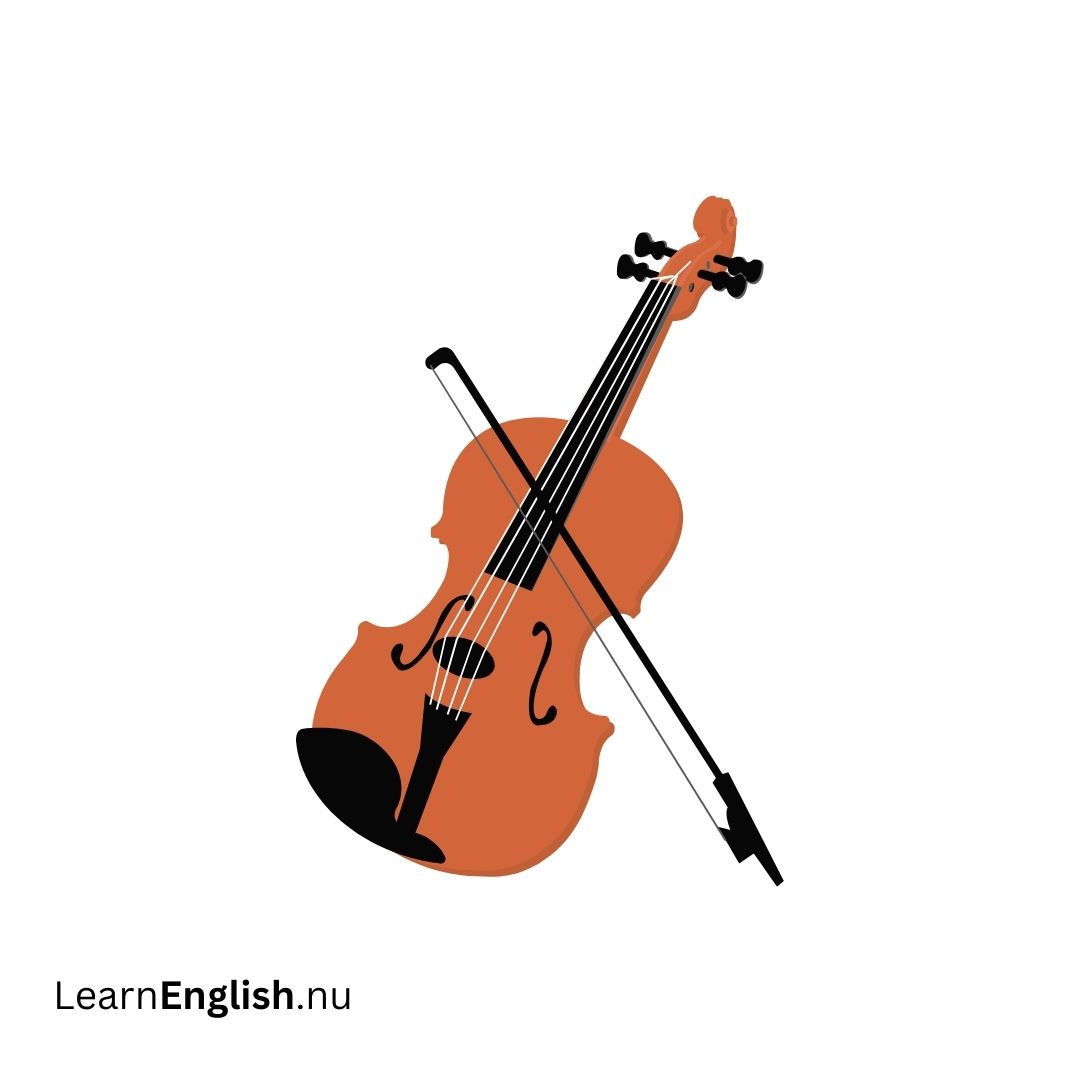 Fiol
Fiol
Violin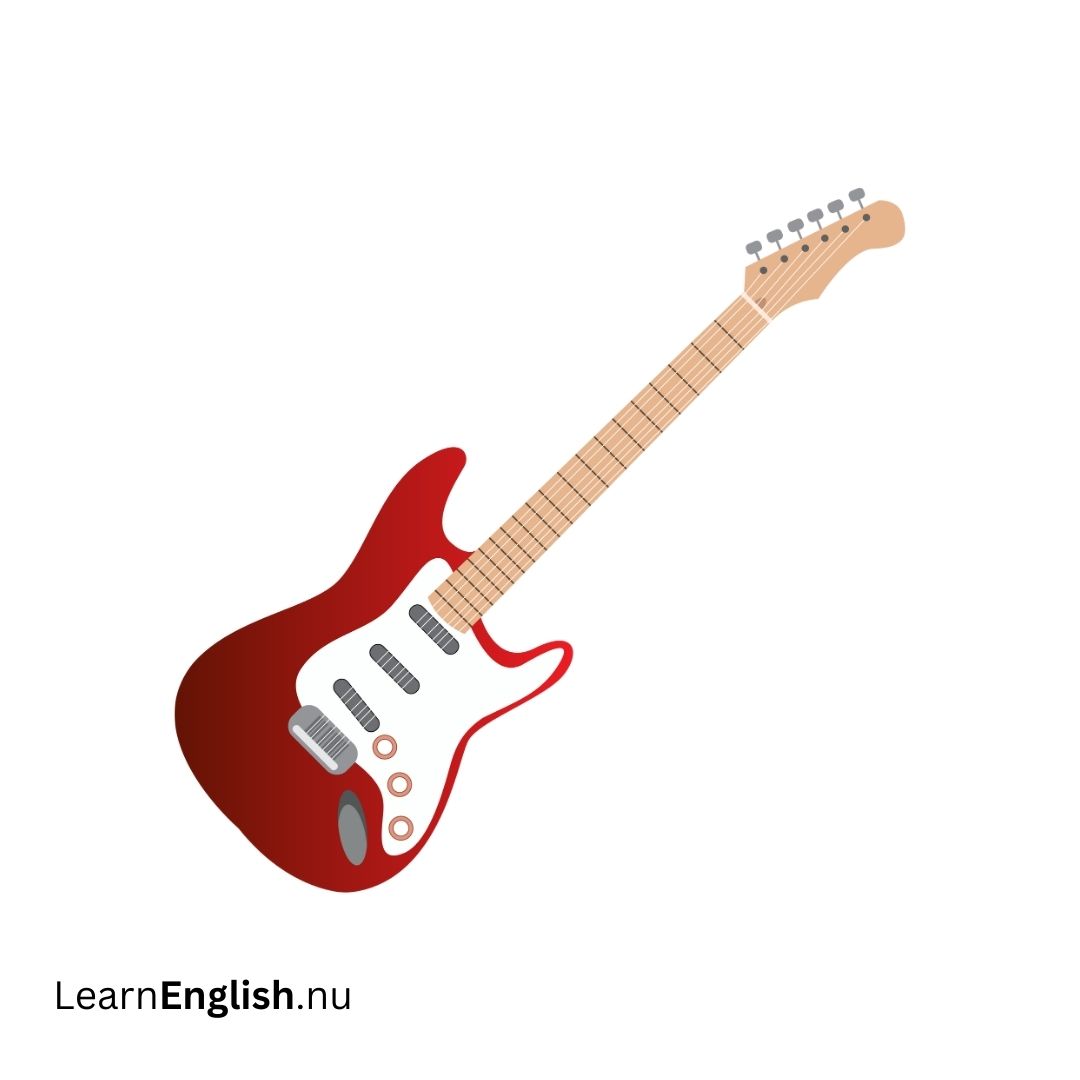 Elgitarr
Electric Guitar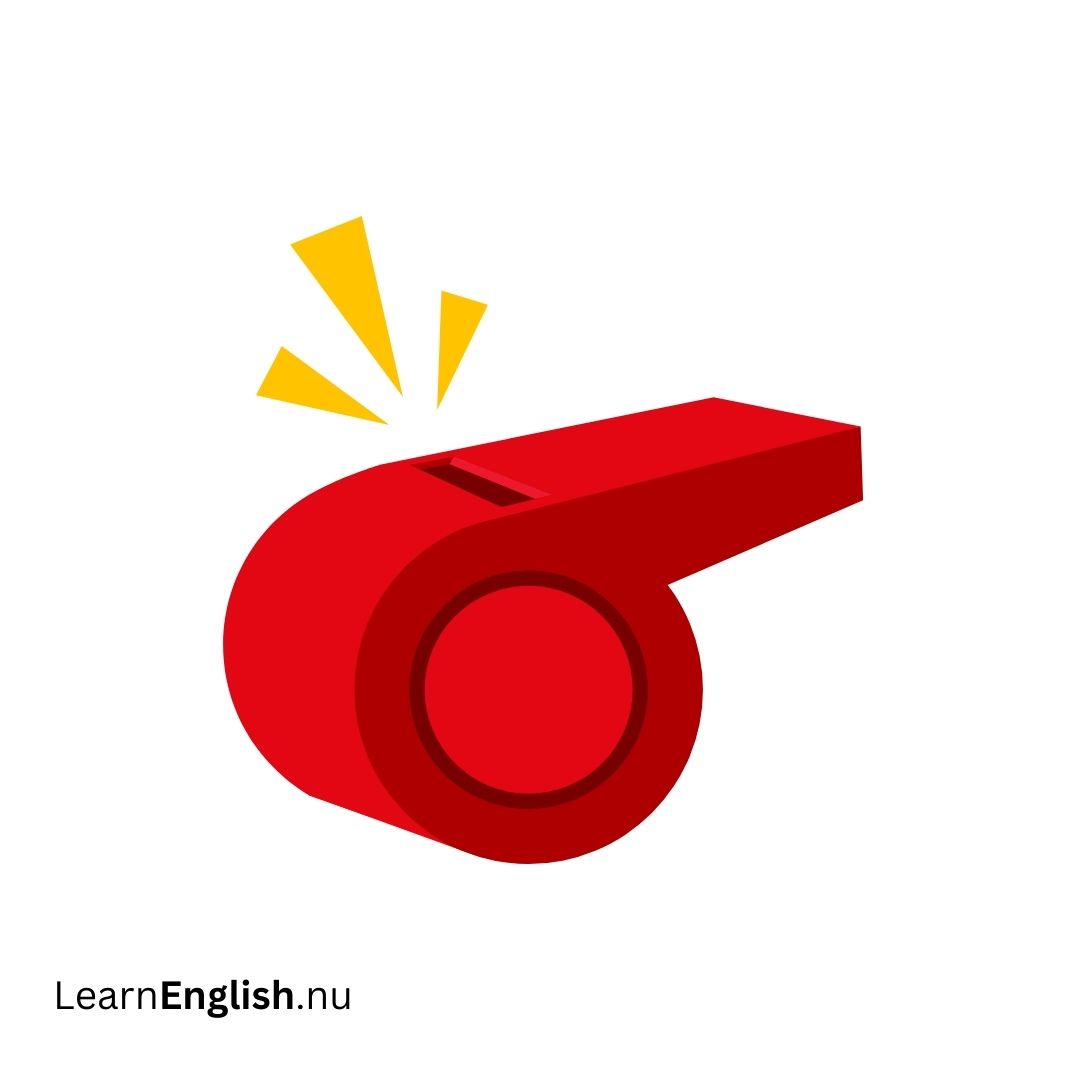 Visselpipa
Whistle Klocka
Bell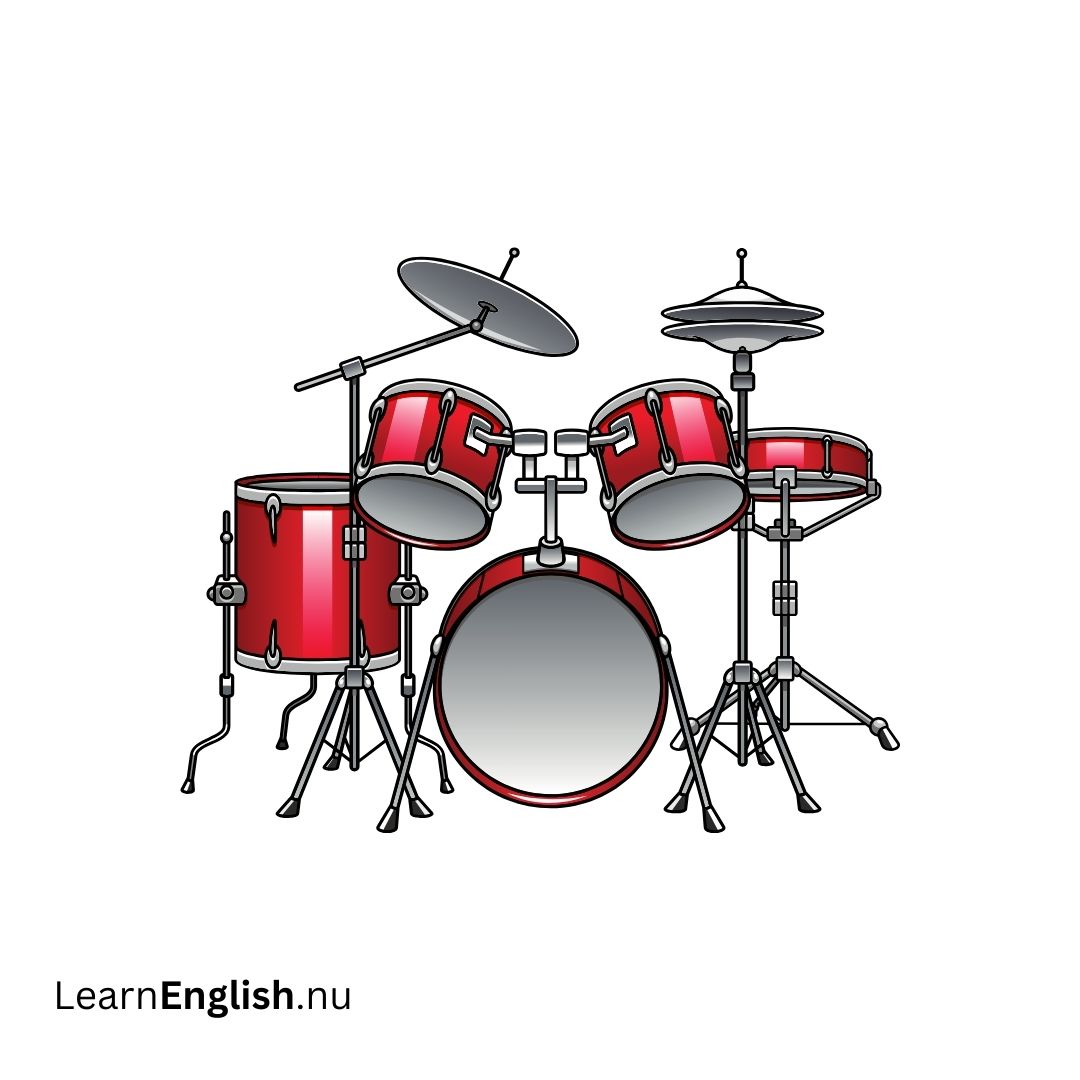 Trumset
Drum set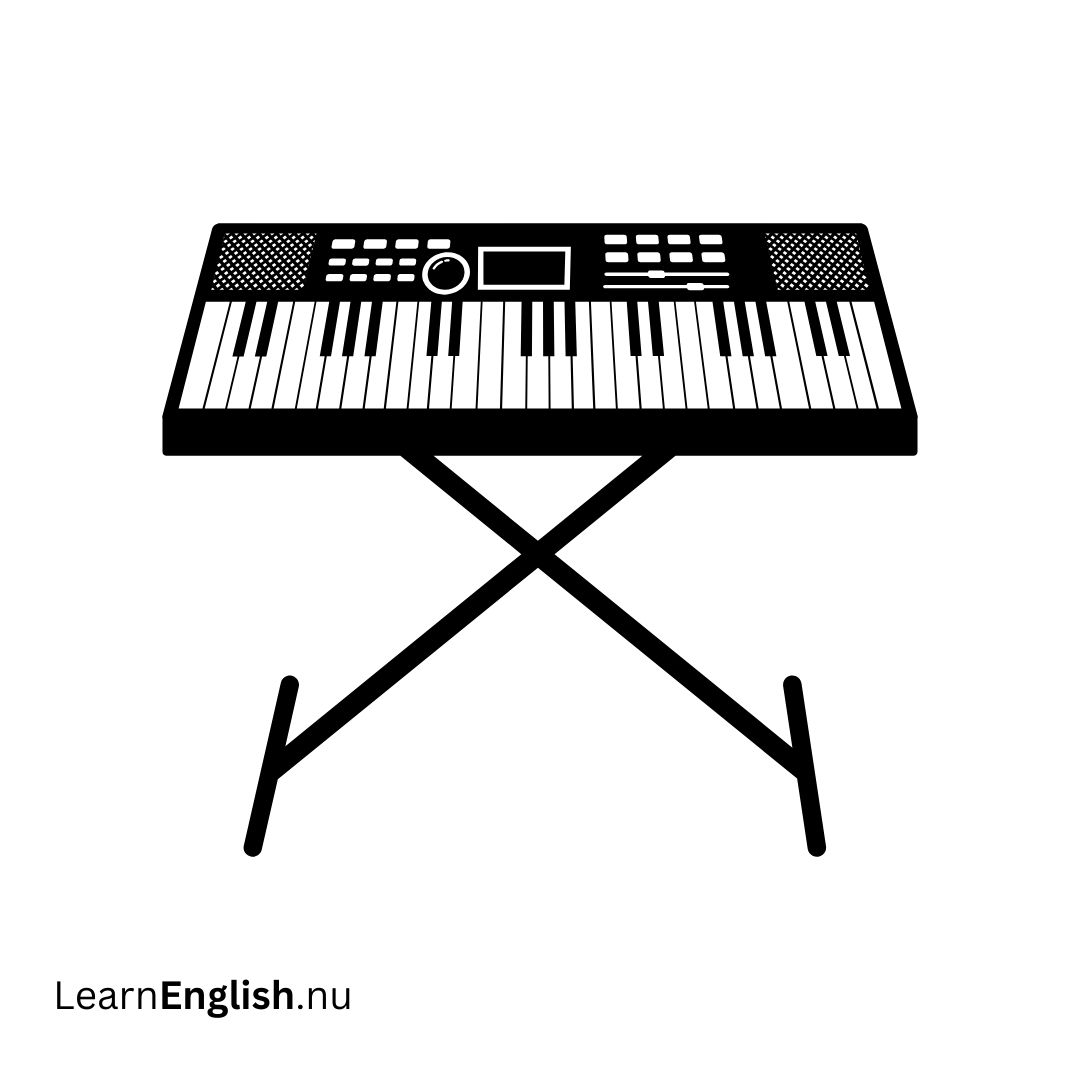 Klaviatur
Keyboard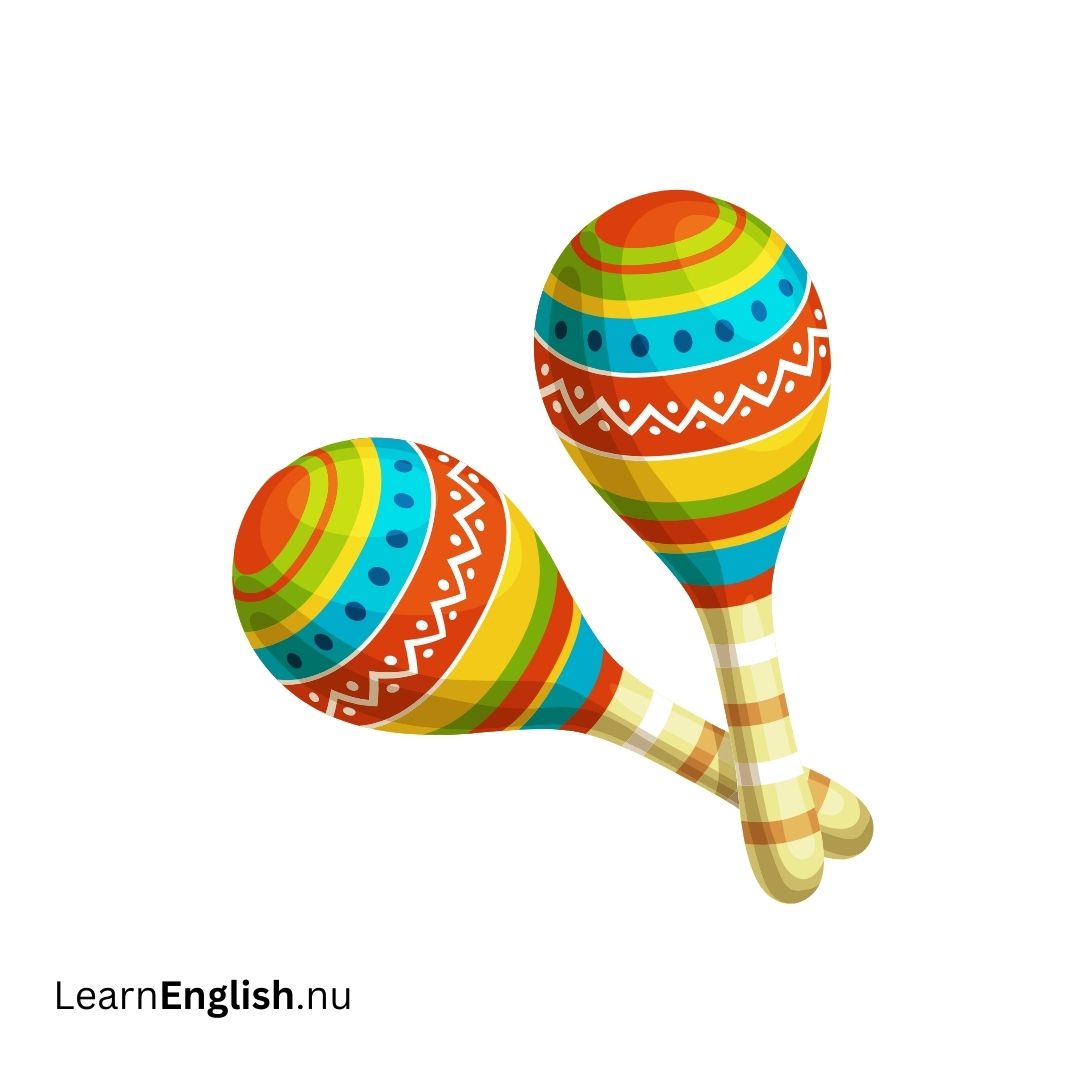 Maracas
Maracas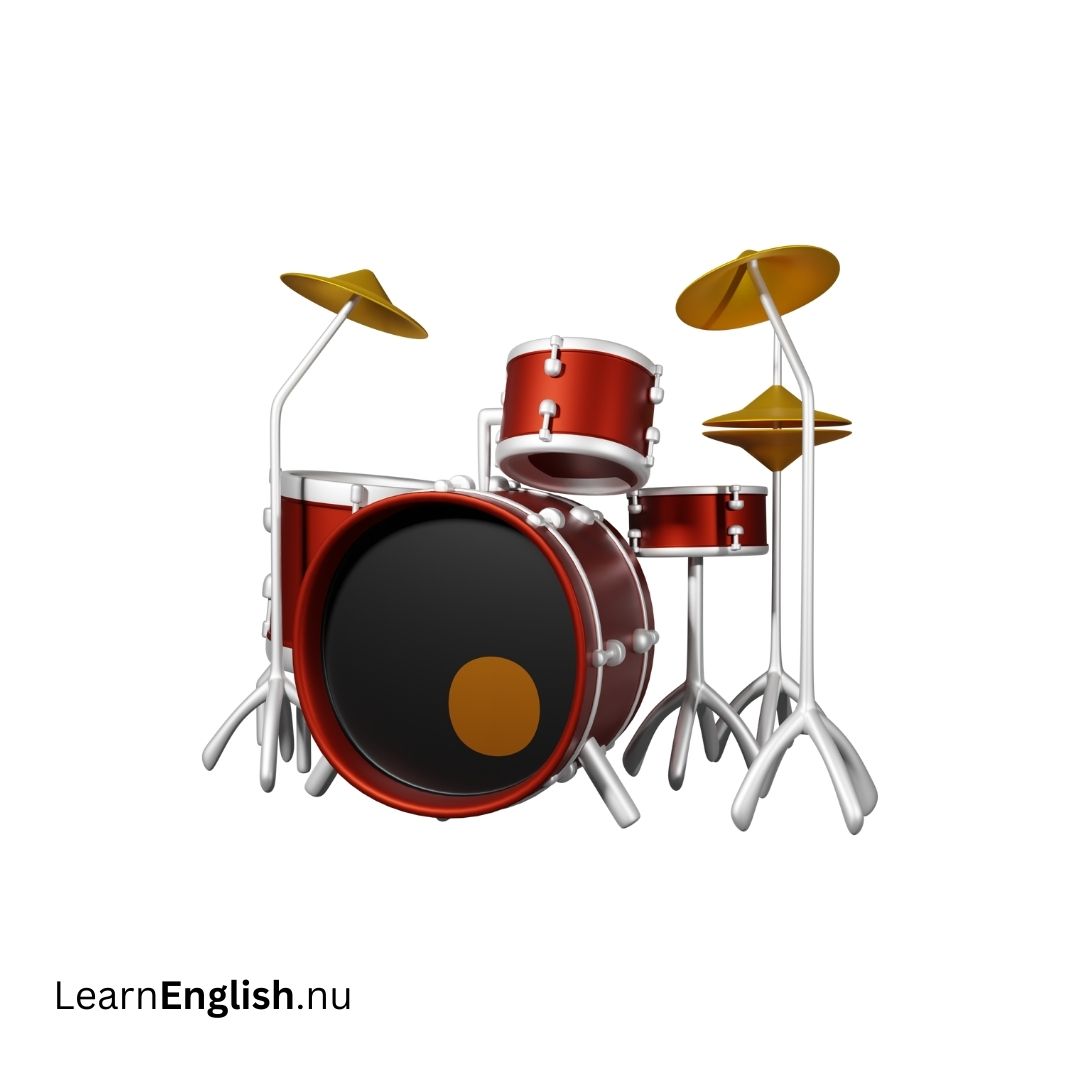 Trumkit
Drum kit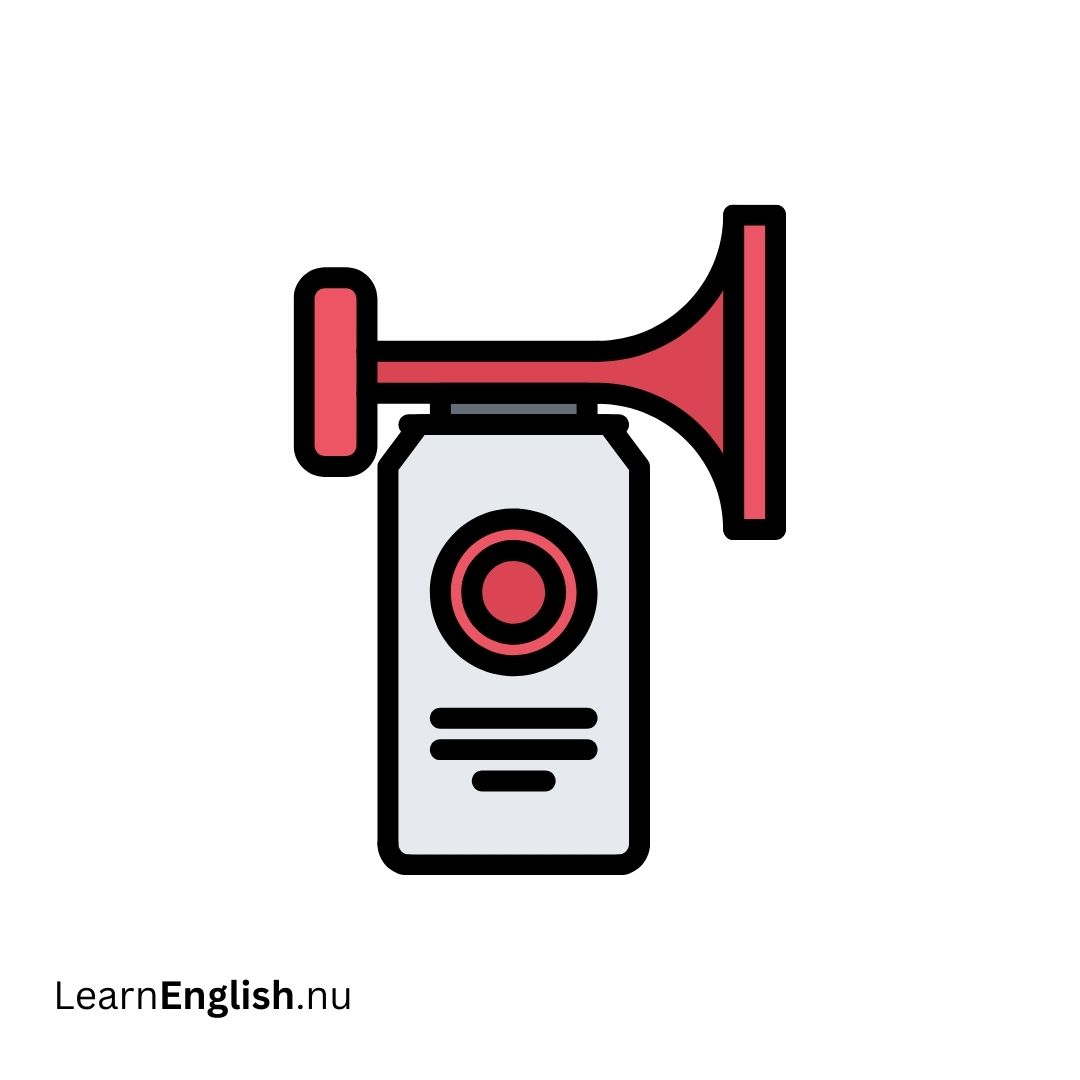 Signalhorn
Airhorn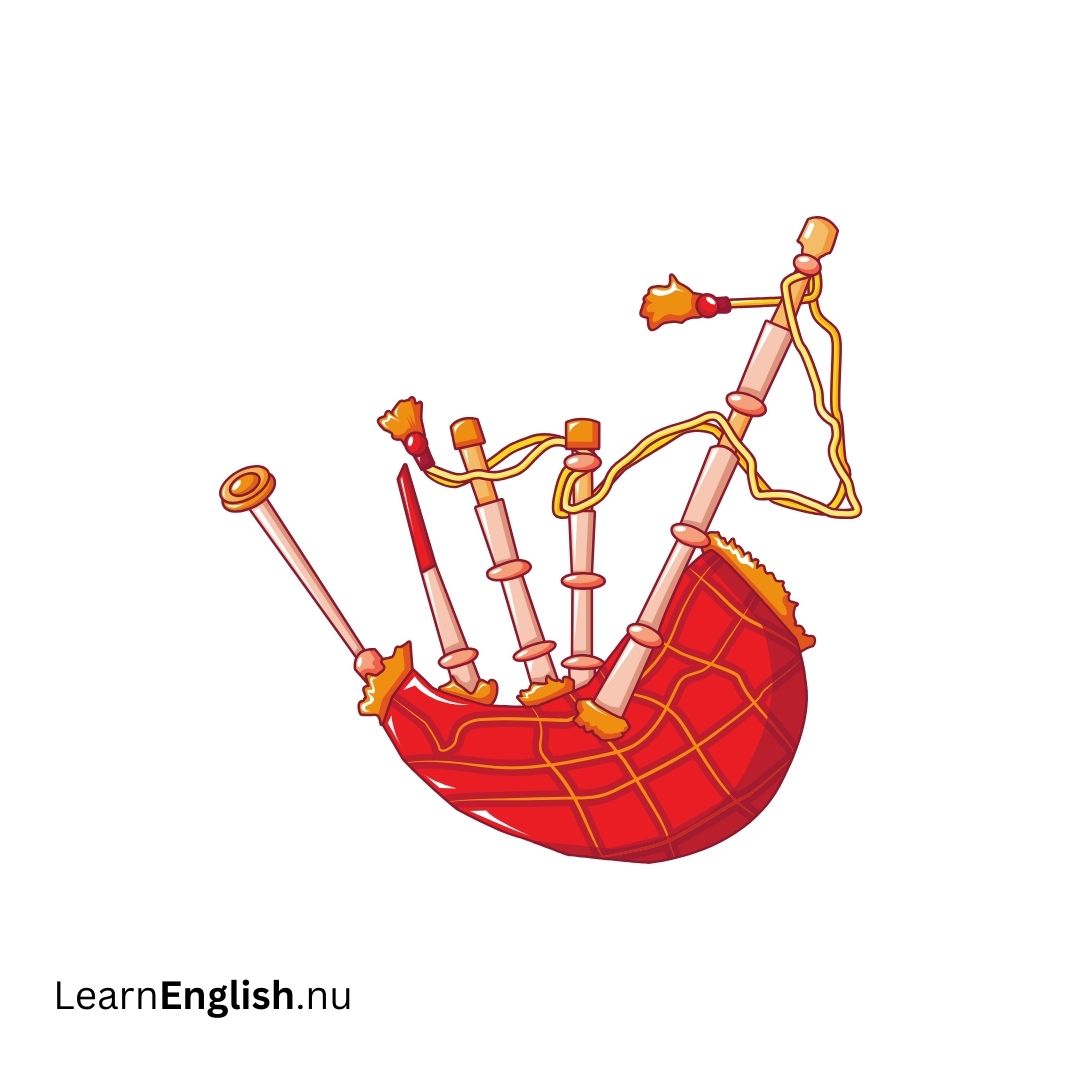 Säckpipa
Bagpipe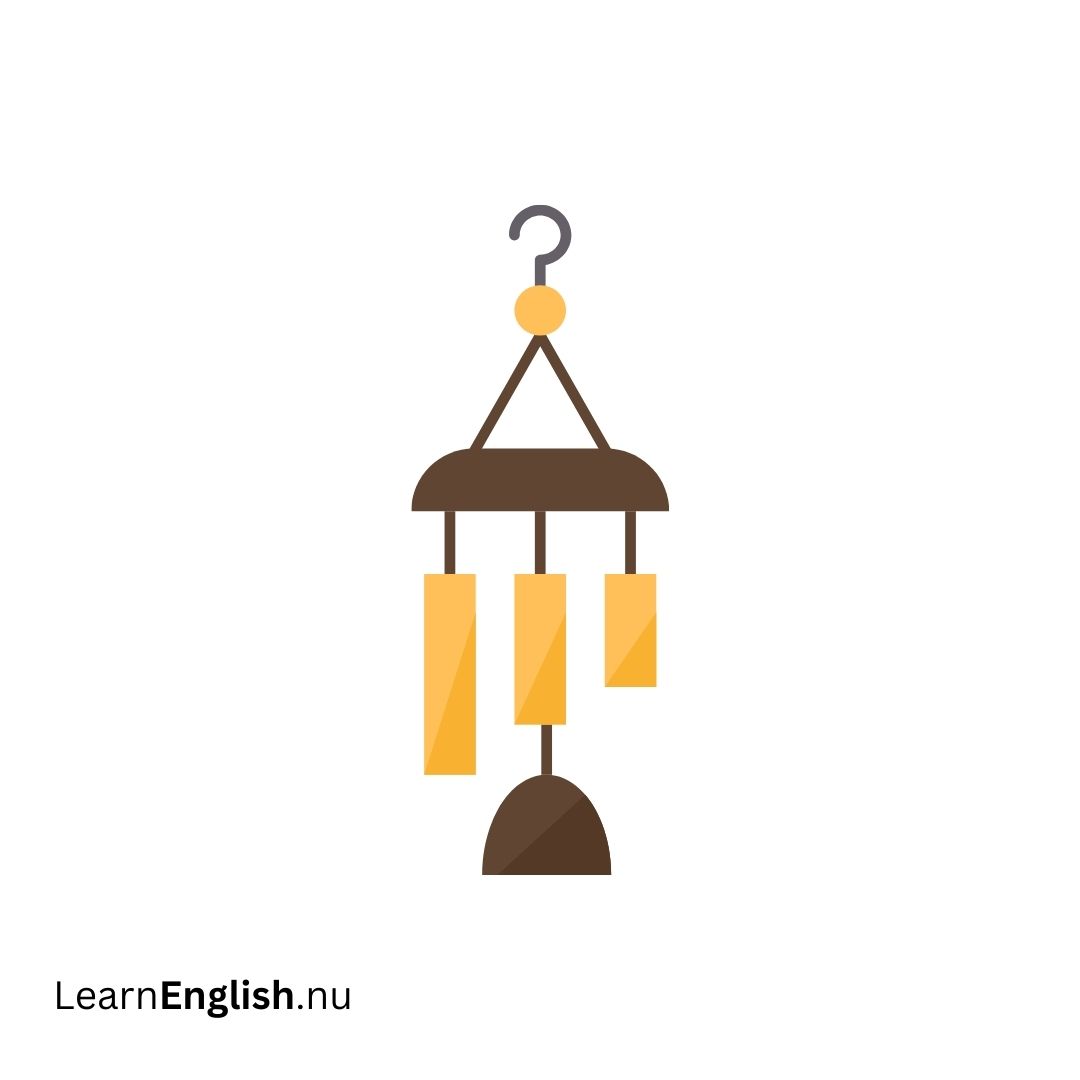 Klockspel
Chime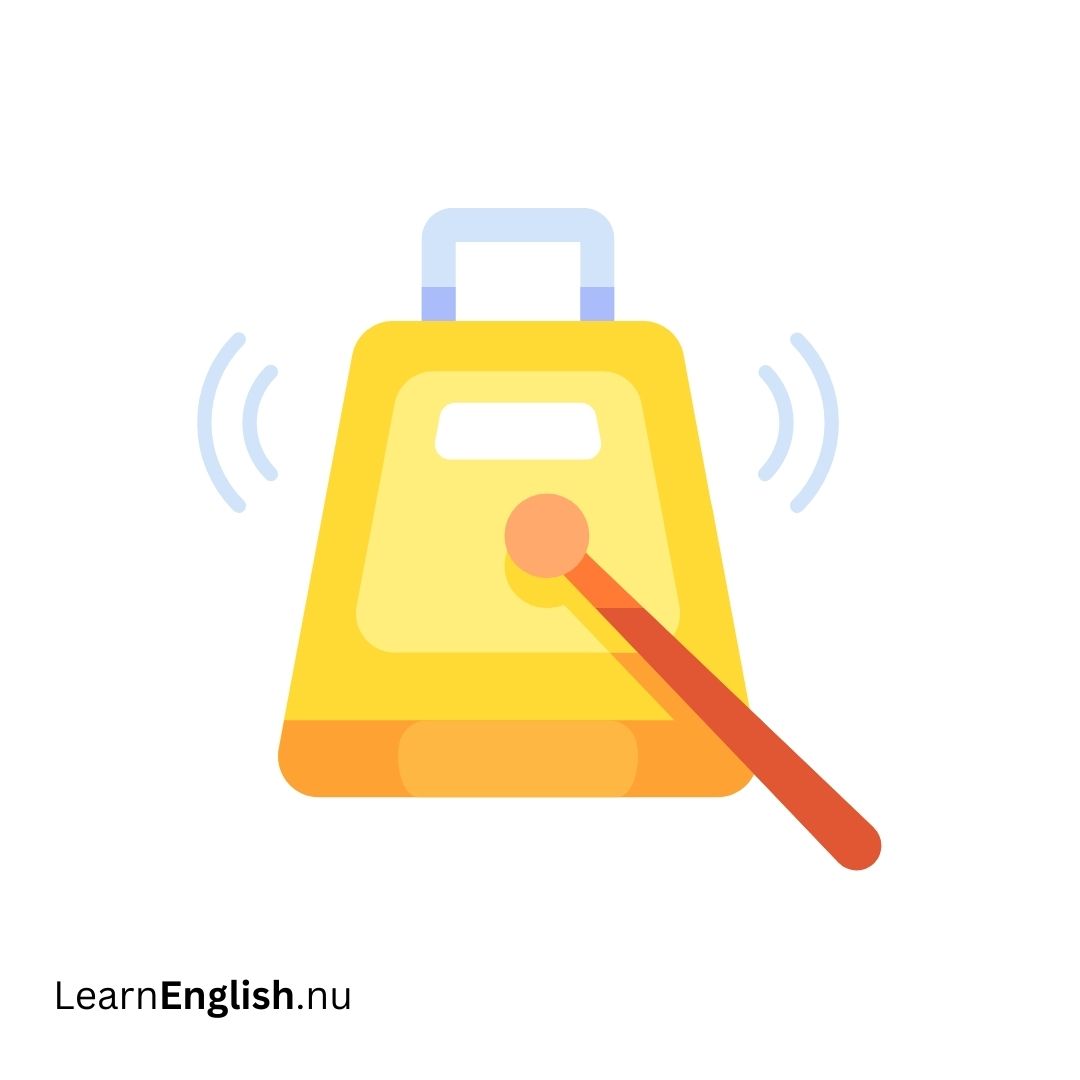 Koskälla
Cowbell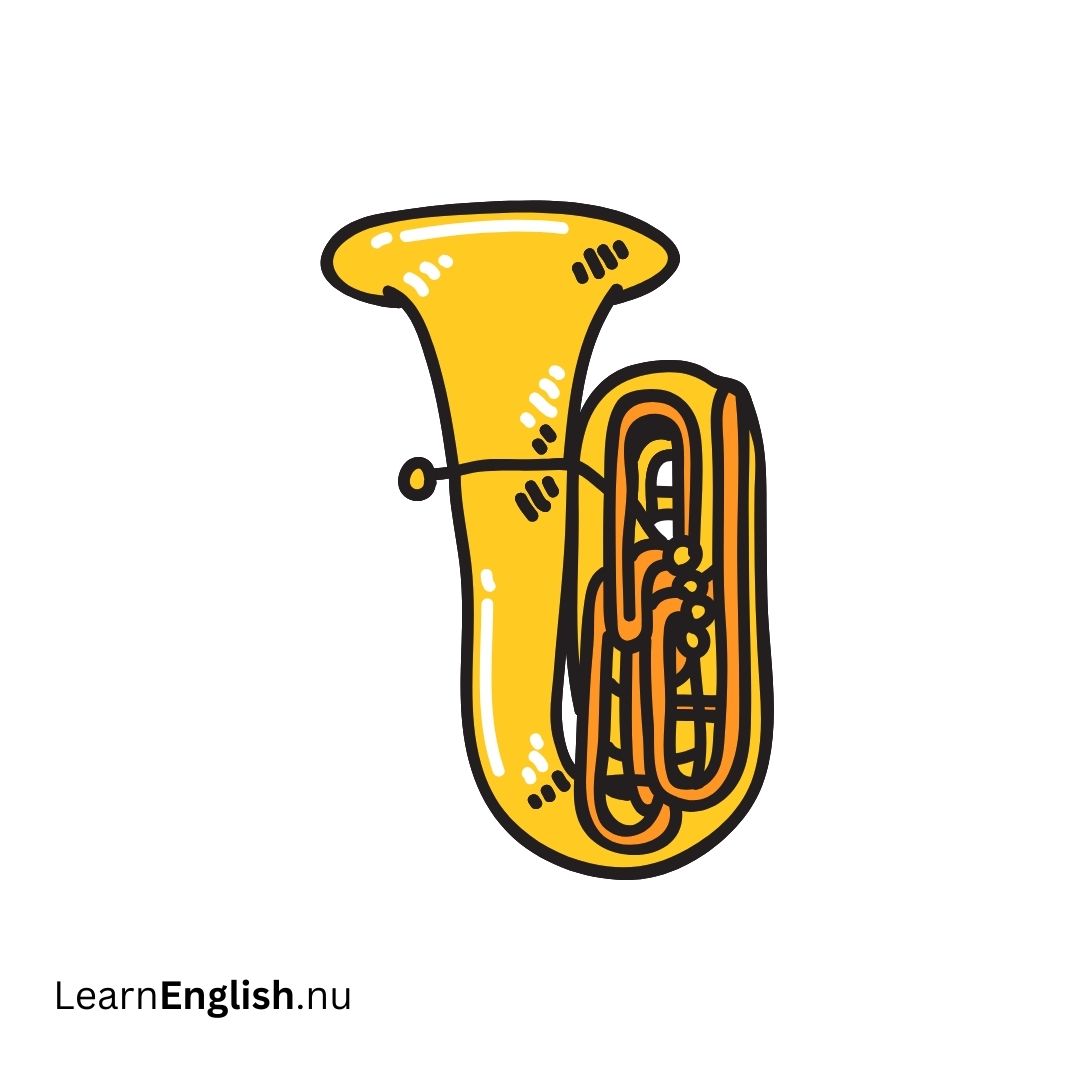 Euphonium
Euphonium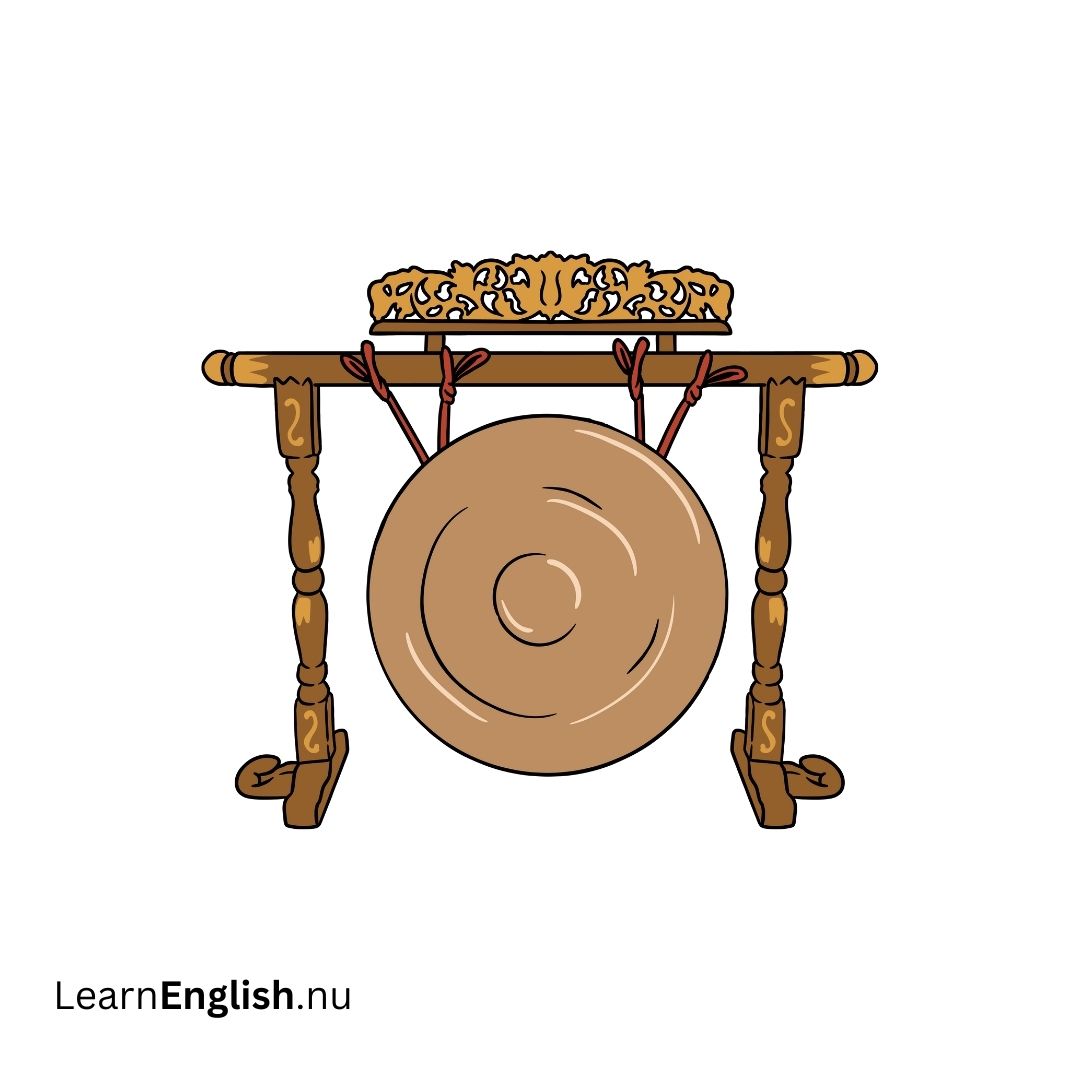 Gong
Gong
Gong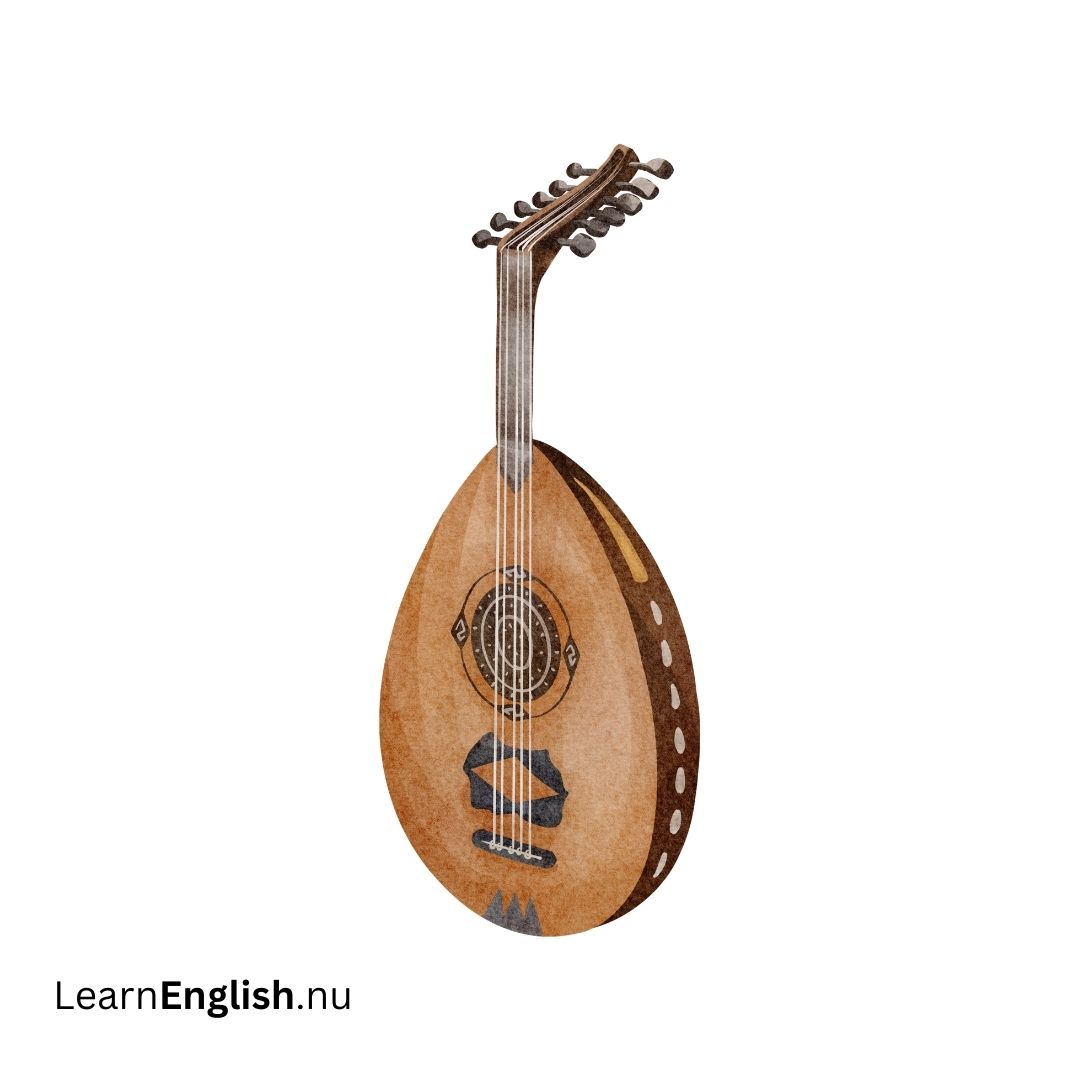 Luta
Luta
Lute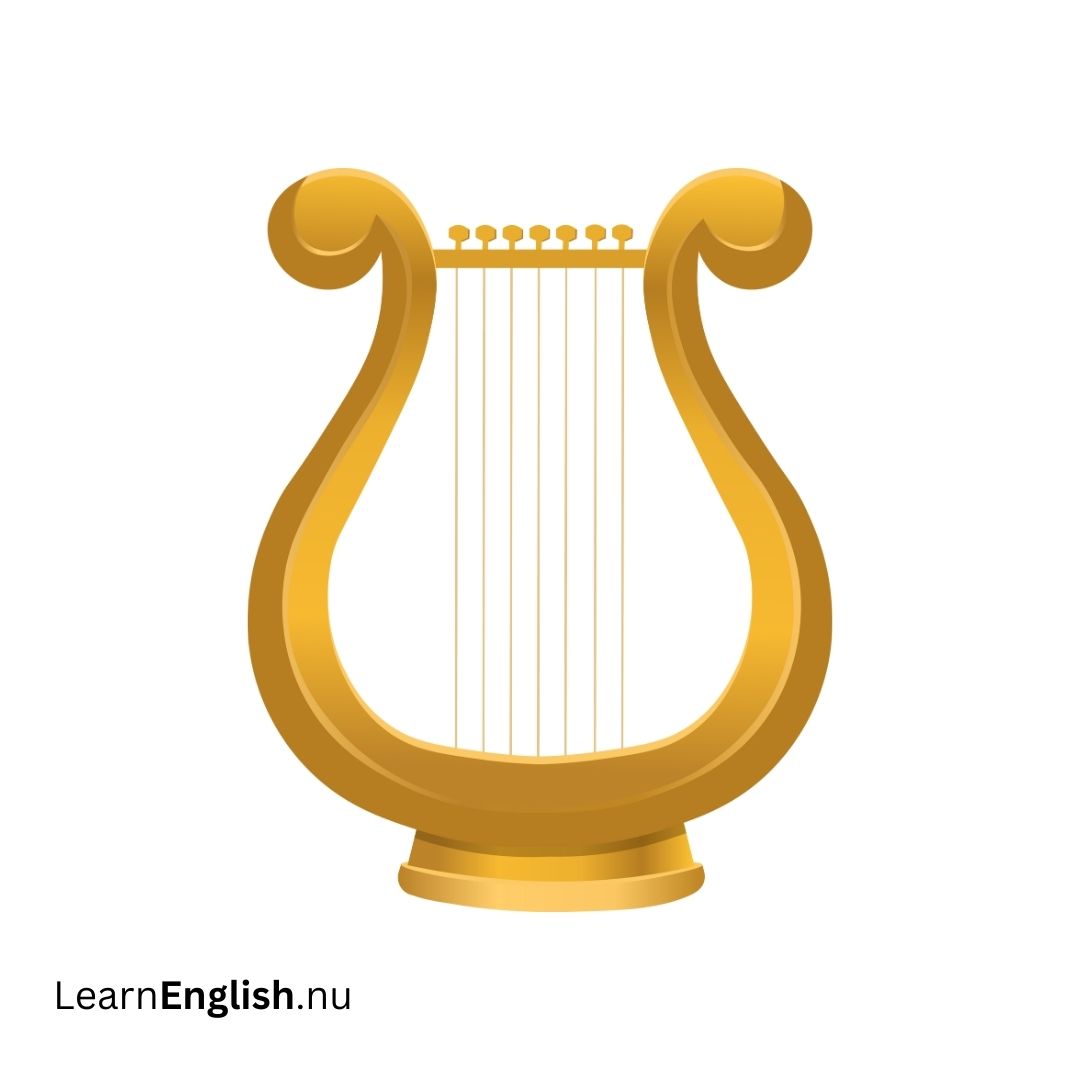 Lyra
Lyra
Lyre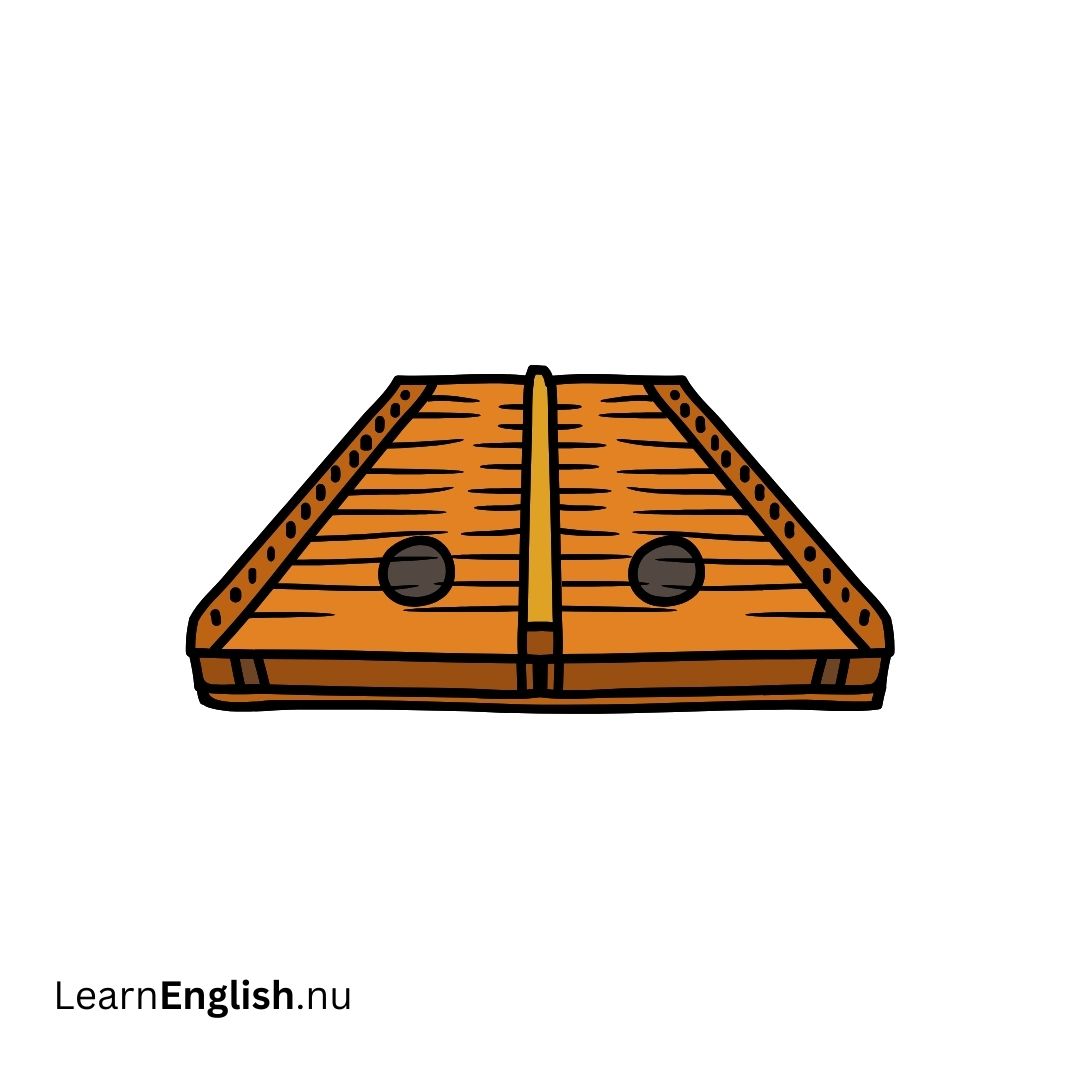 Hackbräde
Hammered dulcimer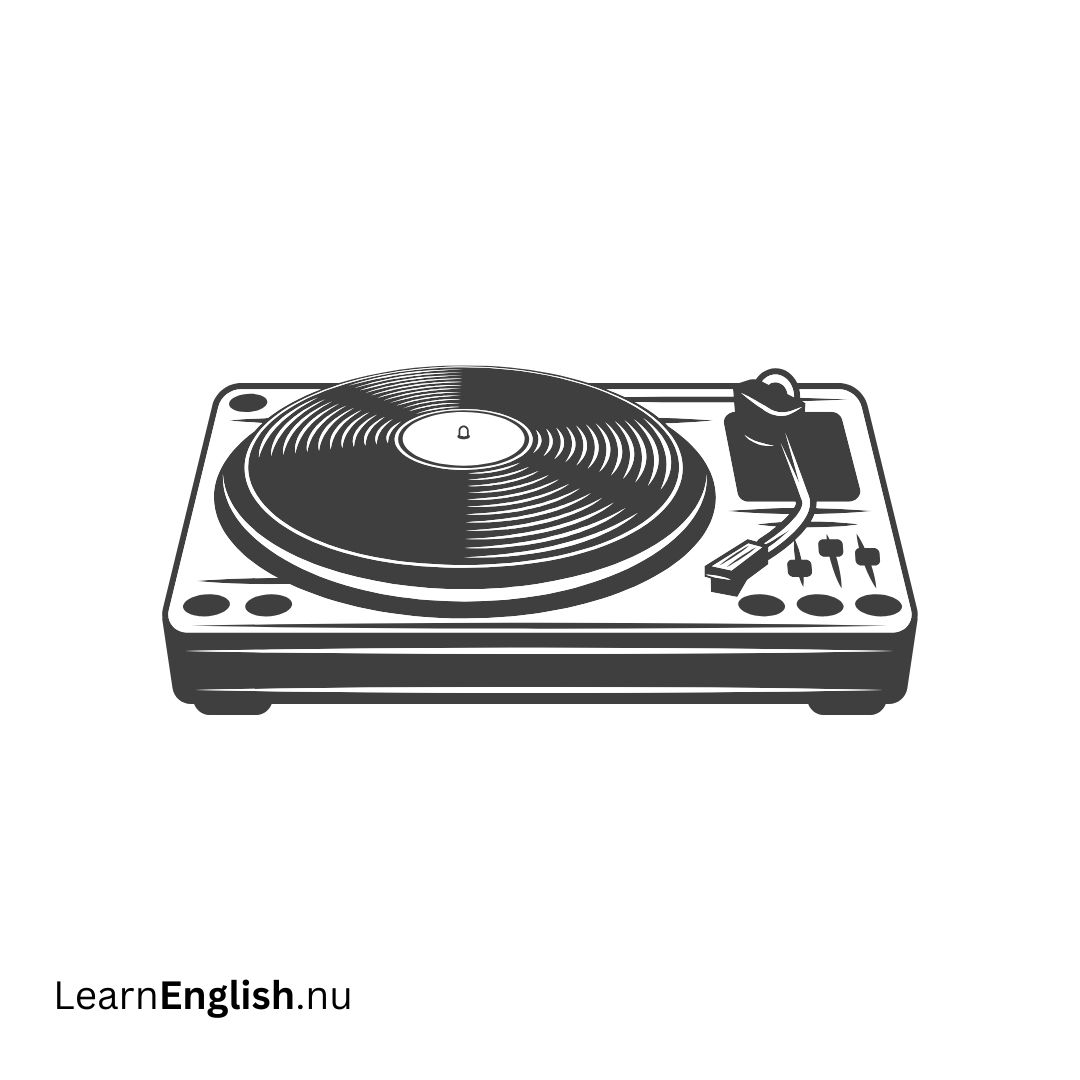 Skivskrap
Record Scratch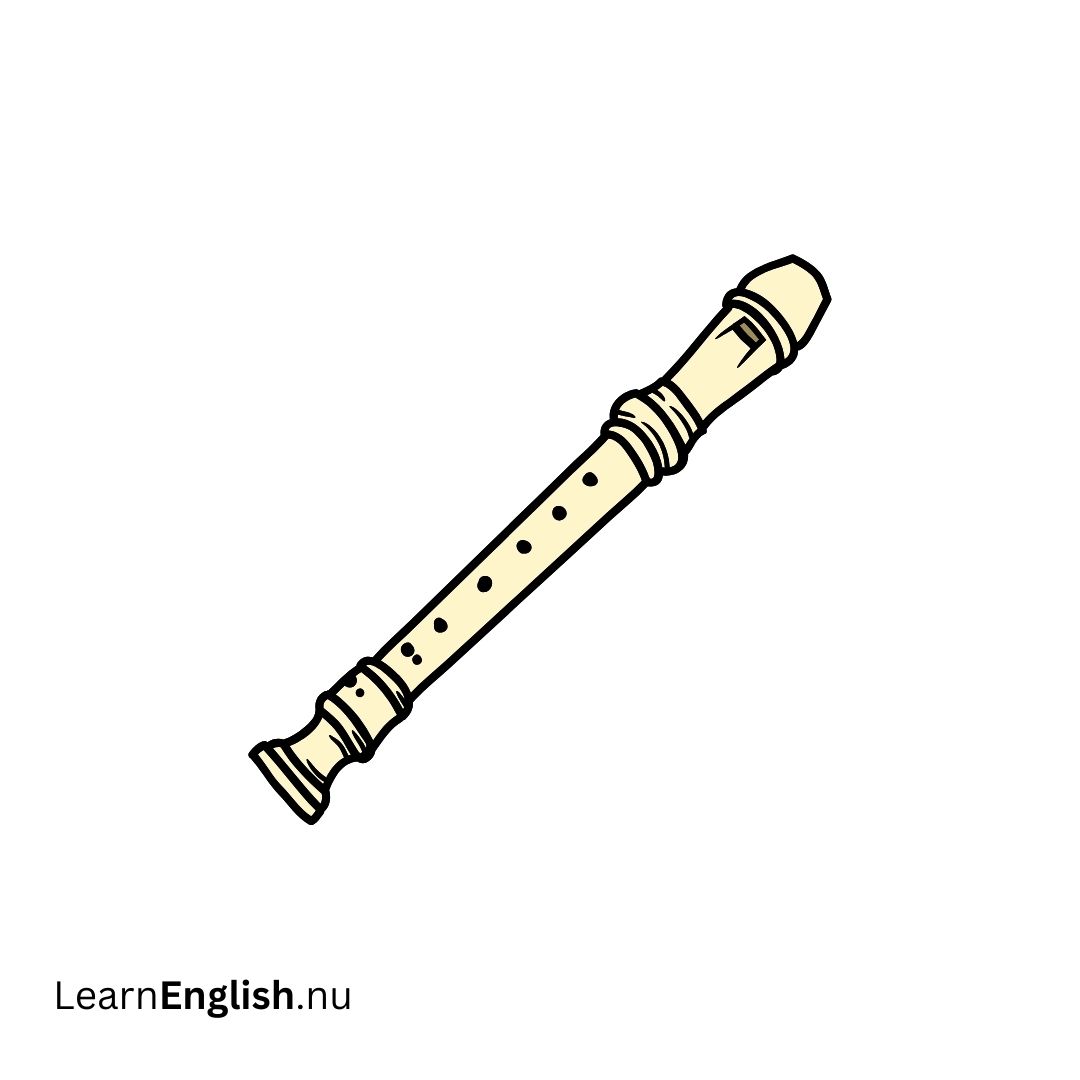 Blockflöjt
Recorder
Musical instruments names in Swedish language
- Piano Piano
- Notblad Sheet music
- Ukulele Ukulele
- Mandolin Mandolin
- Banjo Banjo
- Harpa Harp
- Gitarr Guitar
- Viola Viola
- Cello Cello
- Bas Bass
- Xylofon Xylophone
- Piccolo Piccolo
- Flöjt Flute
- Fagott Bassoon
- Oboe Oboe
- Klarinett Clarinet
- Tamburin Tambourine
- Cymbaler Cymbals
- Trumma Drum
- Congas Conga
- Puka Kettledrum
- Bongotrummor Bongos
- Trombon Trombone
- Saxofon Saxophone
- Trumpet Trumpet
- Valthorn French horn
- Tuba Tuba
- Dragspel Accordion
- Orgel Organ
- Munspel Harmonica
- Sångare Singer
- Mikrofon Microphone
- Noter Musical notes
- Fiol Violin
- Elgitarr Electric Guitar
- Visselpipa Whistle
- Klocka Bell
- Trumset Drum set
- Klaviatur Keyboard
- Maracas Maracas
- Trumkit Drum kit
- Signalhorn Airhorn
- Säckpipa Bagpipe
- Klockspel Chime
- Koskälla Cowbell
- Euphonium Euphonium
- Gong Gong
- Luta Lute
- Lyra Lyre
- Hackbräde Hammered dulcimer
- Skivskrap Record Scratch
- Blockflöjt Recorder
Musical instruments Names
- Piano Piano
- Orgel Organ
- Synthesizer Synthesizer
- Dragspel Accordion
- Cembalo Harpsichord
- Klavikord Clavichord
- Celesta Celesta
- Spinet Spinet
- Melodica Melodica
- Digitalpiano Digital piano
- Fiol Violin
- Gitarr Guitar
- Cello Cello
- Harpa Harp
- Kontrabas Double bass
- Altfiol Viola
- Mandolin Mandolin
- Ukulele Ukulele
- Banjo Banjo
- Luta Lute
- Flöjt Flute
- Klarinett Clarinet
- Oboe Oboe
- Saxofon Saxophone
- Fagott Bassoon
- Piccolo Piccolo
- Basklarinett Bass clarinet
- Engelskt horn English horn
- Blockflöjt Recorder
- Kontrabasun Contrabassoon
- Trummor Drums
- Tamburin Tambourine
- Maracas Maracas
- Xylofon Xylophone
- Cymbaler Cymbals
- Bongos Bongos
- Congas Congas
- Triangel Triangle
- Ko-bjällra Cowbell
- Gong Gong
Brass Instruments in Swedish
Brass instruments are essential to the dynamic sounds of orchestras and bands. These instruments, made from brass, produce music through a combination of breath control and technique. Learning the names of brass instruments in Swedish will not only expand your vocabulary but also deepen your appreciation for music.
Swedish Brass Instruments
| English | Swedish | Pronunciation |
|---|---|---|
| Trumpet | Trumpet | [trumˈpet] |
| Tuba | Tuba | [ˈtʉːba] |
| Trombone | Trombon | [trɔmˈboːn] |
| French horn | Valthorn | [ˈvaltˌhuːrn] |
| Bugle | Signalhorn | [ˈsiɡnalˌhuːrn] |
| Cornet | Kornett | [kʊrˈnɛt] |
| Euphonium | Euphonium | [øˈfoːnɪʊm] |
| Flugelhorn | Flygelhorn | [ˈflyːɡəlˌhuːrn] |
| Mellophone | Mellofon | [ˈmɛlːɔˌfoːn] |
| Sousaphone | Sousafon | [ˈsuːsafɔn] |
String Instruments in Swedish
String instruments have played a vital role in music across cultures, producing melodies that resonate through time. Whether plucked or bowed, these instruments offer a range of tones and emotions. Learning their names in Swedish will enhance your musical and linguistic experience.
Swedish String Instruments
| English | Swedish | Pronunciation |
|---|---|---|
| Violin | Fiol | [fiˈoːl] |
| Guitar | Gitarr | [jɪˈtarː] |
| Cello | Cello | [ˈɕɛlːʊ] |
| Harp | Harpa | [ˈharˌpa] |
| Double bass | Kontrabas | [kɔntrabaːs] |
| Viola | Altfiol | [ˈaltfiˌoːl] |
| Mandolin | Mandolin | [mandɔˈliːn] |
| Ukulele | Ukulele | [ʊkʊˈleːlɛ] |
| Banjo | Banjo | [ˈbanˌjɔ] |
| Lute | Luta | [ˈlʉːta] |
Percussion Instruments in Swedish
Percussion instruments are essential for keeping rhythm and adding energy to music. Whether struck or shaken, these instruments range from simple to complex and are fundamental in many musical settings. Learning their names in Swedish will enrich your musical vocabulary and enhance your understanding of rhythms.
Swedish Percussion Instruments
| English | Swedish | Pronunciation |
|---|---|---|
| Drums | Trummor | [ˈtrʉmːɔr] |
| Tambourine | Tamburin | [ˈtamboˌrɪn] |
| Maracas | Maracas | [maˈraːkas] |
| Xylophone | Xylofon | [ˈsyːlʊˌfoːn] |
| Cymbals | Cymbaler | [ˈsʏmbɑˌlɛr] |
| Bongos | Bongos | [ˈbɔŋɡʊs] |
| Congas | Congas | [ˈkɔŋɡɑs] |
| Triangle | Triangel | [ˈtriːanˌɡɛl] |
| Cowbell | Ko-bjällra | [ˈkoˌbjɛlːra] |
| Gong | Gong | [ɡɔŋ] |
Woodwind Instruments in Swedish
Woodwind instruments add a distinct and expressive quality to music with their varied sounds. From the light tones of a flute to the deep notes of a bassoon, these instruments are central to many musical traditions. Learning their names in Swedish will expand your musical vocabulary and enhance your appreciation of these unique instruments.
Swedish Woodwind Instruments
| English | Swedish | Pronunciation |
|---|---|---|
| Flute | Flöjt | [flœjt] |
| Clarinet | Klarinett | [klaˈrɪnɛt] |
| Oboe | Oboe | [ˈuːboː] |
| Saxophone | Saxofon | [ˈsaksʊˌfoːn] |
| Bassoon | Fagott | [faˈɡɔt] |
| Piccolo | Piccolo | [ˈpɪkːɔlo] |
| Bass clarinet | Basklarinett | [ˈbasklaˌrɪnɛt] |
| English horn | Engelskt horn | [ˈɛŋˌɡɛlskt hʊːrn] |
| Recorder | Blockflöjt | [ˈblɔkˌflœjt] |
| Contrabassoon | Kontrabasun | [ˈkɔntraˌbasʊn] |
Keyboard Instruments in Swedish
Keyboard instruments are key players in many musical pieces, offering a range of melodies and harmonies. From classic harpsichords to modern synthesizers, these instruments showcase a rich history of musical innovation. Learning their names in Swedish will enhance your understanding of their diverse sounds and uses.
Swedish Keyboard Instruments
| English | Swedish | Pronunciation |
|---|---|---|
| Piano | Piano | [ˈpiːaˌno] |
| Organ | Orgel | [ˈɔrɡɛl] |
| Synthesizer | Synthesizer | [ˈsɪnθəˌsaɪzər] |
| Accordion | Dragspel | [ˈdrɑːɡsˌpeːl] |
| Harpsichord | Cembalo | [ˈsɛmbaˌlo] |
| Clavichord | Klavikord | [ˈklɑːvɪˌkɔrd] |
| Celesta | Celesta | [ˈseˌlɛsta] |
| Spinet | Spinet | [ˈspɪnɛt] |
| Melodica | Melodica | [mɛˈlɔdɪka] |
| Digital piano | Digitalpiano | [ˈdɪdʒɪtəl ˈpiːaˌno] |
The most famous musical instruments in Swedish
Sweden is known for its rich cultural heritage, and its traditional musical instruments are a key part of that history. From the iconic nyckelharpa to the lesser-known spilåpipa, these instruments not only reflect Sweden's Scandinavian roots but also illustrate the evolution of its music over time. In this tutorial, we'll explore 13 traditional Swedish musical instruments, providing insights into their history, unique features, and significance.
| Instrument | Description | Notable Features | English Translation |
|---|---|---|---|
| Nyckelharpa | Stringed instrument, "key fiddle" | 37 keys, bow played | Key Fiddle |
| Psalmodikon | Simple string instrument, used in churches | Single string, 25 pitch steps | Psalmodikon |
| Moraharpa | Early predecessor to the nyckelharpa | Wider body, bowed strings, keys along the neck | Mora Harp |
| Spilåpipa | Traditional fipple flute | 8 finger holes, used in nomadic cultures | Spilåpipa (Fipple Flute) |
| Härjedalspipa | Fipple flute with a softer tone | 6 finger holes, preserved by modern craftsmen | Härjedalspipa (Härjedalen Flute) |
| Näverlur | Ancient birch trumpet | Natural horn, no finger holes | Birch Trumpet |
| Swedish Bagpipes | Swedish version of the bagpipes, known as säckpipa | Smaller bag, mellow sound | Swedish Bagpipes |
| Näverlapp | Simple instrument made from birch bark | Produces sound similar to a muted trumpet | Birch Bark Patch |
| Swedish Lute | Late 18th-century string instrument | 12-15 gut strings, some open and some over fretboard | Swedish Lute |
| Swedish Cowhorn | Primitive instrument made from cattle horns | Initially had no holes or mouthpiece | Swedish Cowhorn |
| Träskofiol | Violin made from wooden clog shoes | Made from a shoe, violin neck attached | Clog Fiddle |
| Willow Flute | Simple overtone flute, traditionally made from willow | No finger holes, pitch adjusted by breath force | Willow Flute |
| Sámi Drum | Ancient drum used by the Sámi people | Frame drum with reindeer hide, used in rituals | Sámi Drum |
Swedish nyckelharpa
- The nyckelharpa, meaning "key fiddle" in Swedish, is a stringed instrument dating back to 1350. It combines elements of the violin and hurdy-gurdy, using a bow to play strings and keys to change the pitch. Its defining feature is the 37 keys along the neck.
Psalmodikon - Psalmodikon
- The psalmodikon is a simple string instrument used in churches, designed as an affordable alternative to the organ. It consists of a single string, with pitch adjusted by pressing one of the 25 steps along the box.
Moraharpa (Mora Harp)
- The moraharpa is an early predecessor to the nyckelharpa, with a wider body and similar construction. Dating back to the early 16th century, it features bowed strings and keys along the neck.
Spilåpipa (Willow Flute)
- The spilåpipa is a traditional fipple flute used in Swedish nomadic cultures. It has eight finger holes and was historically used for both music and cattle herding.
Härjedalspipa
- The härjedalspipa is another type of fipple flute, similar to the spilåpipa but with a softer tone and six finger holes. It continues to be preserved by modern craftsmen.
Näverlur - Birch trumpet
- The näverlur, or birch trumpet, is an ancient natural horn dating back to the 10th century. It produces sound solely from the harmonic series and was used for ceremonies, predator deterrence, and protection.
Swedish Bagpipes (Säckpipa)
- Sweden’s version of the bagpipes, known as säckpipa, has a smaller bag and a more mellow sound compared to its Scottish counterpart. It is depicted in many ancient Swedish church paintings.
Näverlapp - Birch bark patch
- The näverlapp, meaning "birch bark patch," is a simple Swedish folk instrument. It is essentially a piece of birch bark placed between the lip and lower teeth, producing a sound similar to a muted trumpet or clarinet. However, its sound quality diminishes as it becomes wet with saliva.
Swedish Lute - Swedish lute
- The Swedish lute, developed in the late 18th century, evolved from the cittern and English guitar. It typically has 12 to 15 gut strings, with some over the fretboard and others open, not passing over the neck.
Swedish Cowhorn - Cowhorn
- The cowhorn is a primitive Swedish instrument made from cattle horns, with origins in shepherding culture. Initially, it had no holes or mouthpiece, but modern versions have added these features to enhance its sound.
Träskofiol - Clog fiddle
- The träskofiol, or clog fiddle, is a traditional Swedish violin made from wooden clog shoes. It was first created in the 18th century as a low-cost alternative to the violin, utilizing readily available materials.
Willow Flute - Willow flute
- The willow flute, or shepherd’s flute, is a simple overtone flute traditionally made from willow. It has no finger holes, and the pitch is changed by adjusting the force of the breath, playing notes from the harmonic series.
Sámi Drum - Sámi drum
- The Sámi drum is an ancient frame drum used by the indigenous Sámi people of northern Sweden, Norway, and Denmark. Made from a wooden frame and reindeer hide, it was historically used by shamans for spiritual an healing purposes. Many of the original drums were destroyed during the Christianization of the Sámi people, but they are now preserved in museums, and the drum is still celebrated in Sámi culture today.
Related Topics
Toys name list in Swedish language with pictures
Swedish Lessons: Plant names , flowers names in Swedish
Countries in Swedish - Country Names in Swedish
Swedish Lessons: Bird names in Swedish pictures & audio
Names of things in the street in Swedish
Swedish Lessons: wild animals names in Swedish
Farm animals in Swedish: Animal Names in Swedish
Pet names in Swedish: Animal Names in Swedish
Swedish Lessons: Swedish animal names
Planet names in Swedish and English (Solar system)
Swedish Lessons: Swedish Drink Words Vocabulary Words
Swedish Lessons: Swedish cleaning tools Vocabulary Words
Swedish Lessons: Swedish Transportation Vocabulary And Phrases
Swedish Vocabulary: Swedish Occupations Jobs Professions Words
Office supplies - Office equipment words vocabulary in Swedish
Top 22 Words for Nature Basics in Swedish
Swedish Nature Vocabulary with Pronunciation - Learn Swedish
Places in town words vocabulary in Swedish
Swedish for Travelers: Useful Swedish Phrases and Words
Swedish Lessons: Swedish Food and Meals Vocabulary Words with Pronunciation
Swedish Lessons: Swedish tools and equipment Vocabulary Words
Swedish Lessons: Swedish utility room Vocabulary Words
Swedish Lessons: Action Verbs in Swedish
Swedish Lessons: Living room Vardagsrum Vocabulary Words
Swedish Lessons: Swedish Garden Vocabulary Words
Swedish Lessons: Swedish Bathroom Vocabulary Words
Swedish Lessons: Cooking Verbs in Swedish