Farm animals in Swedish
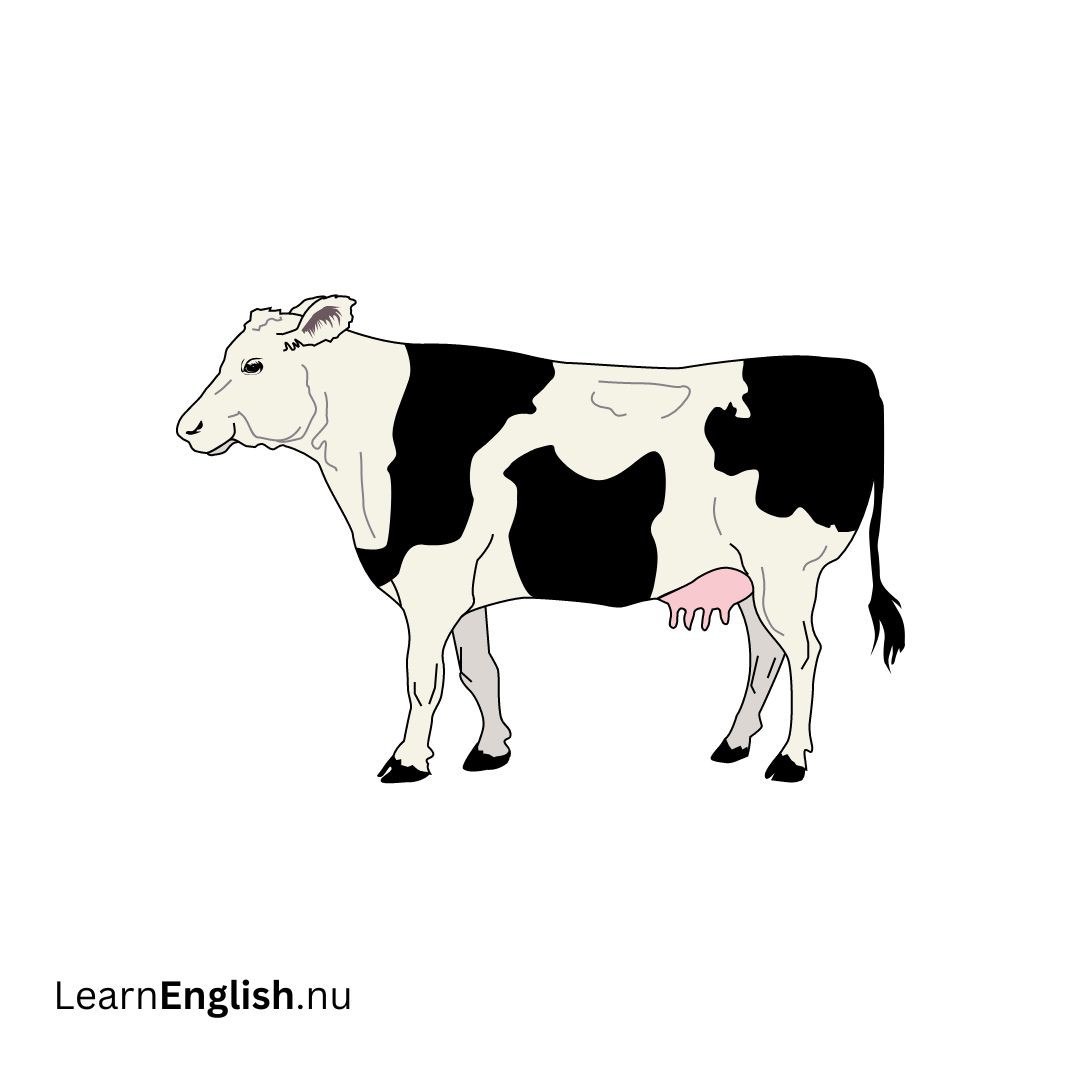
- Ko Cow
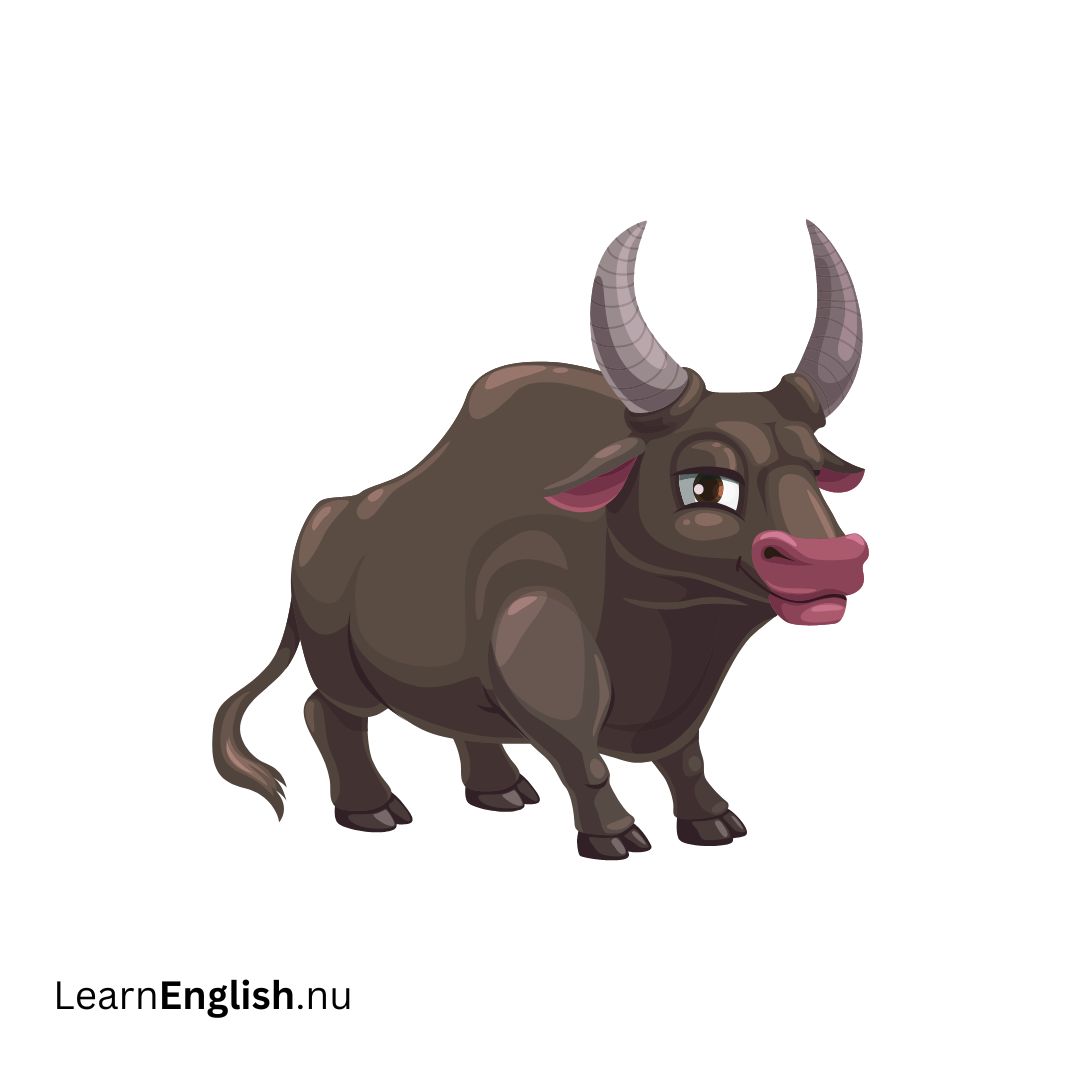
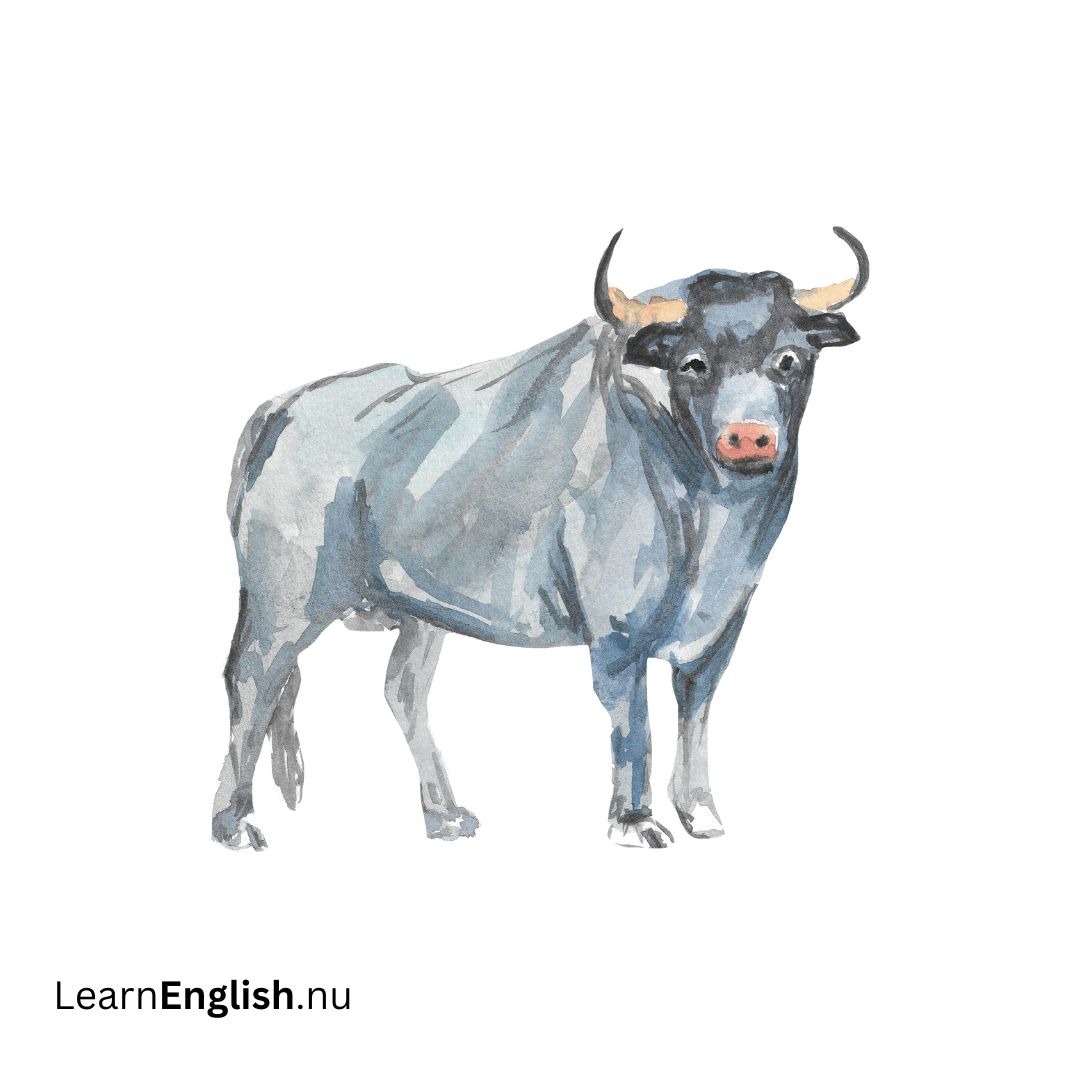
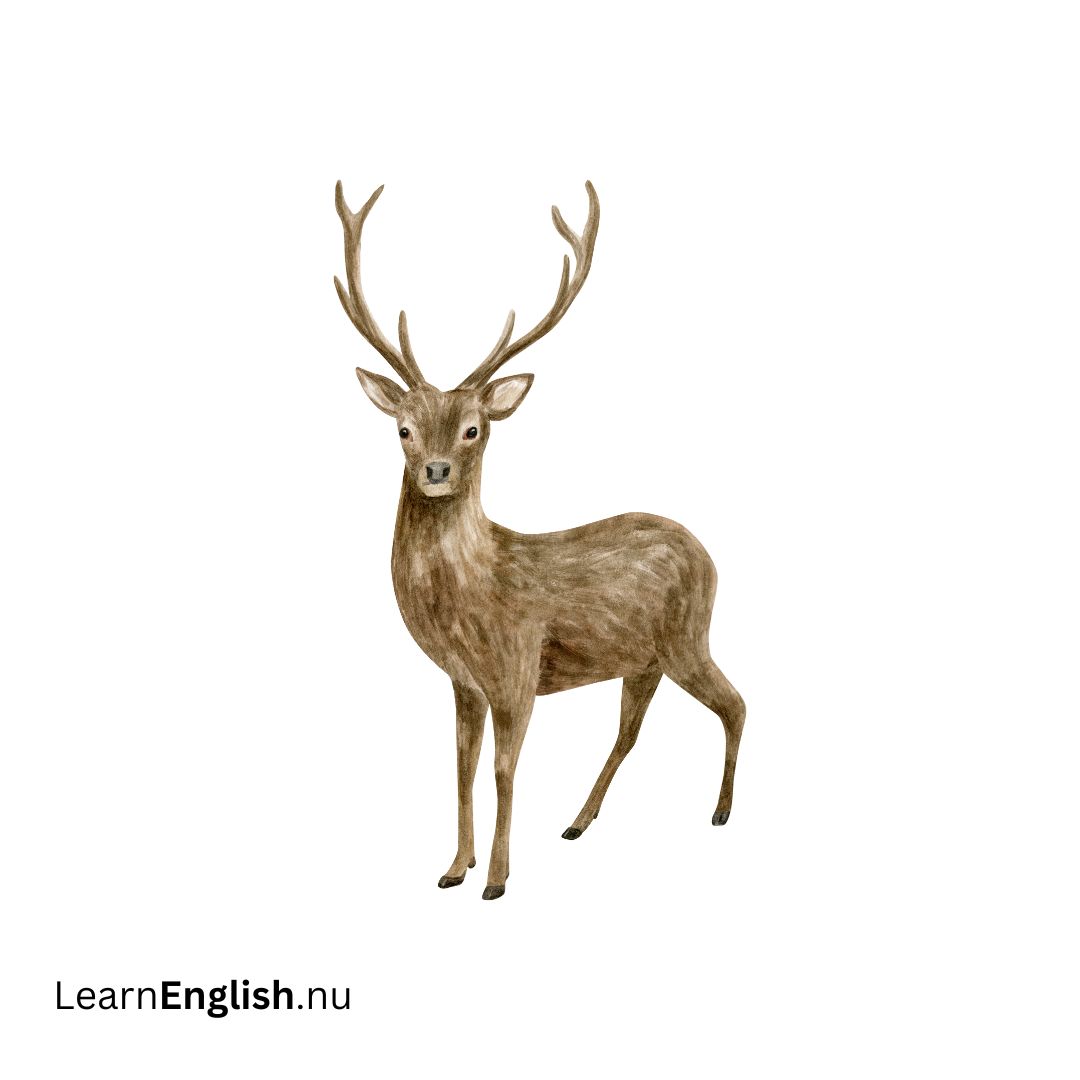
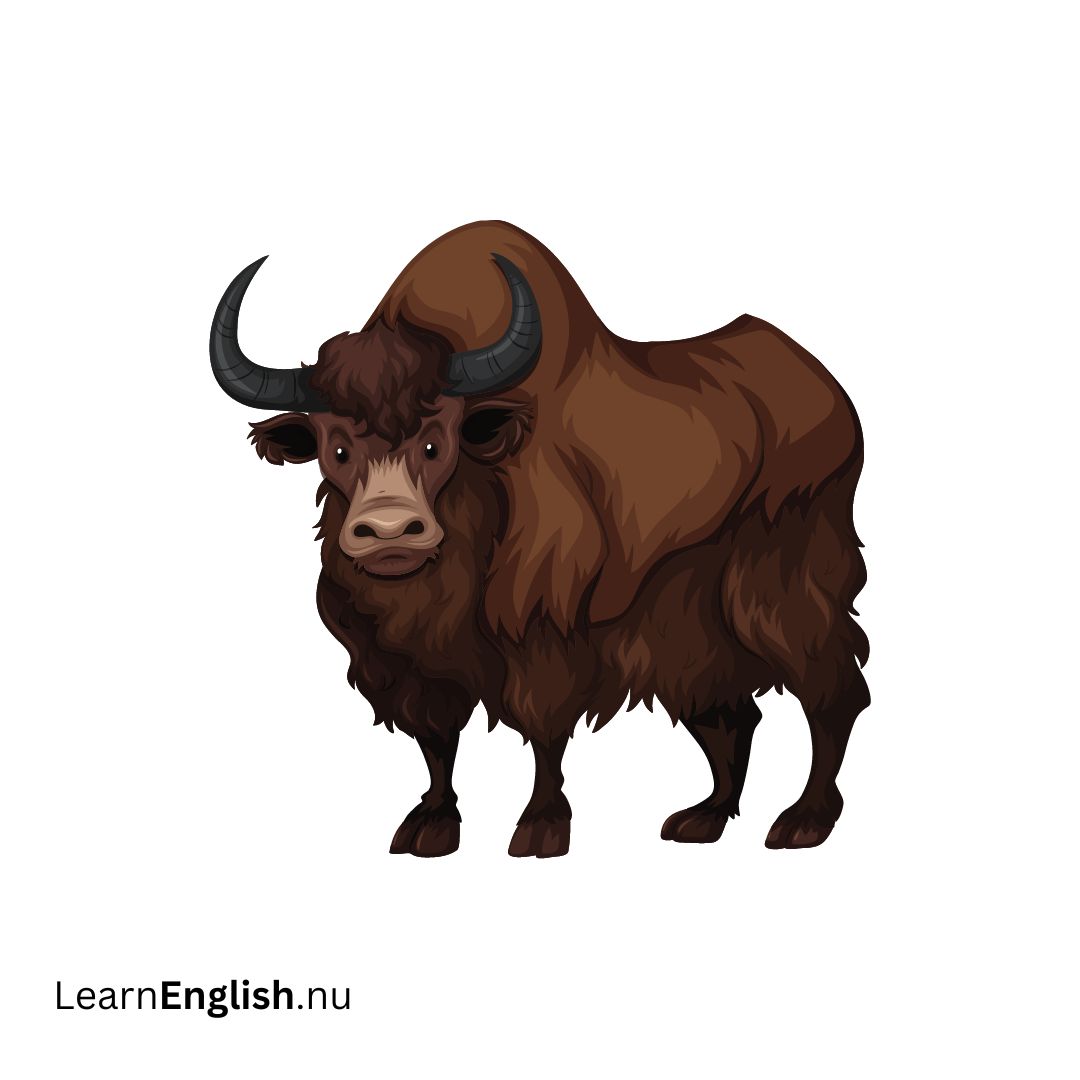
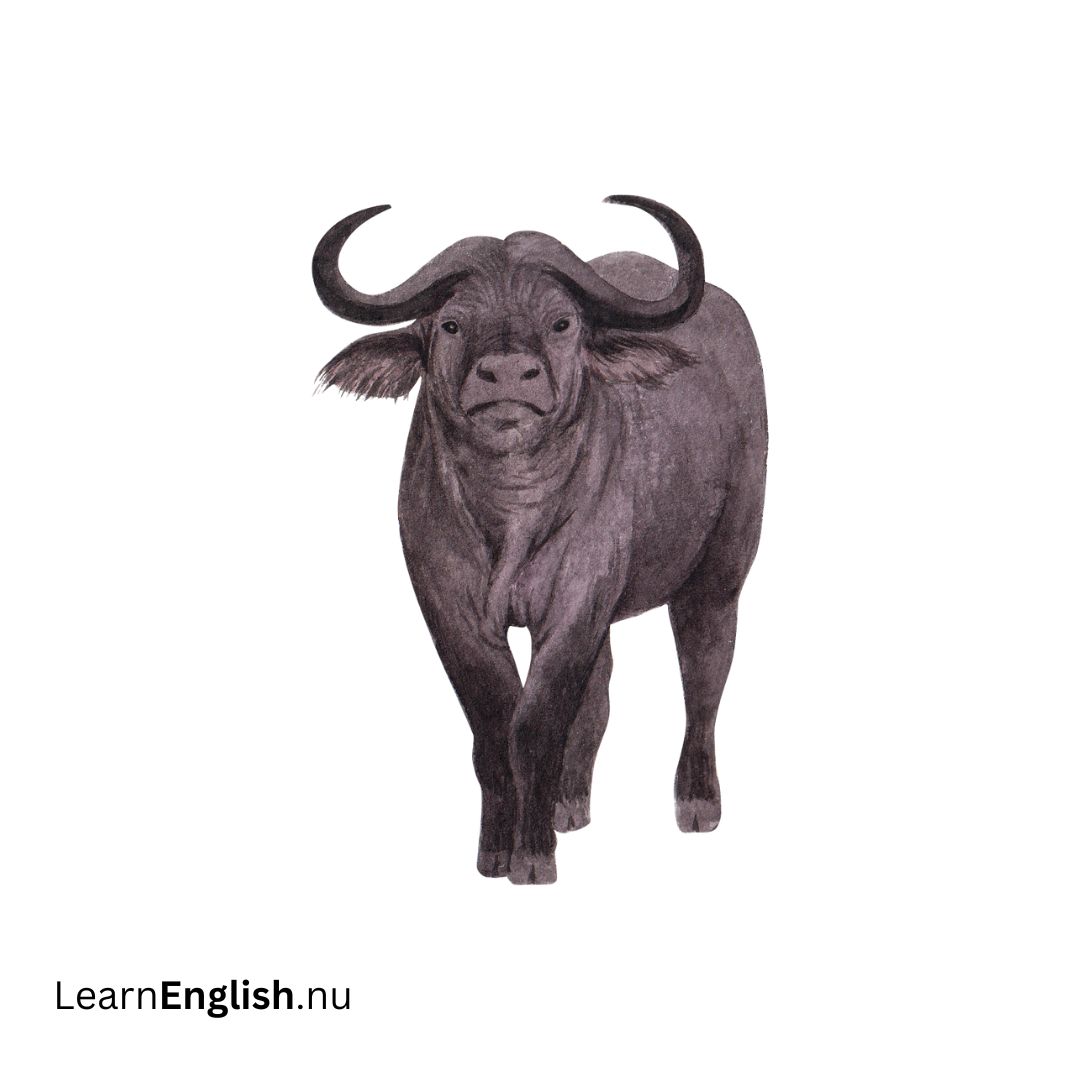
- Tjur Bull
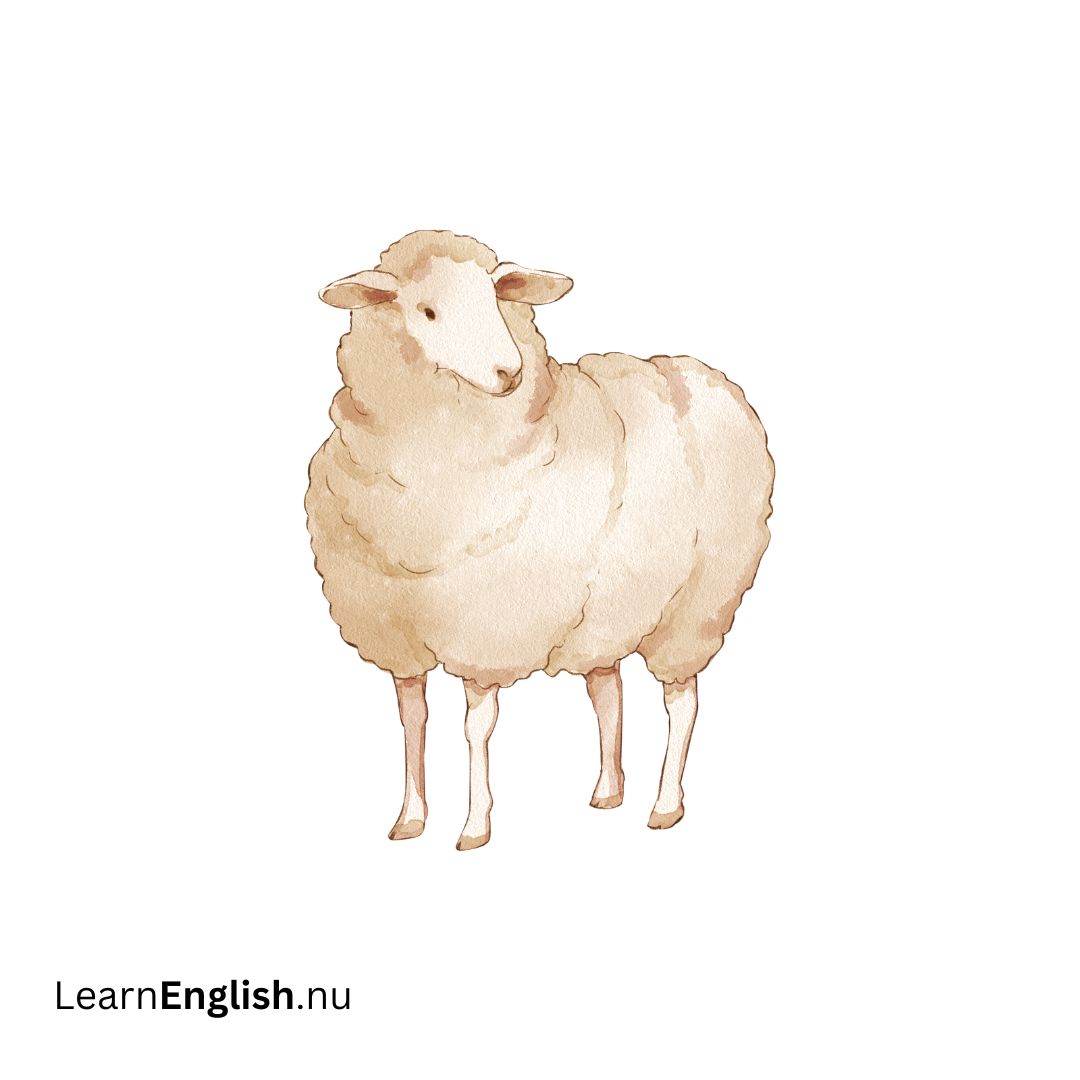
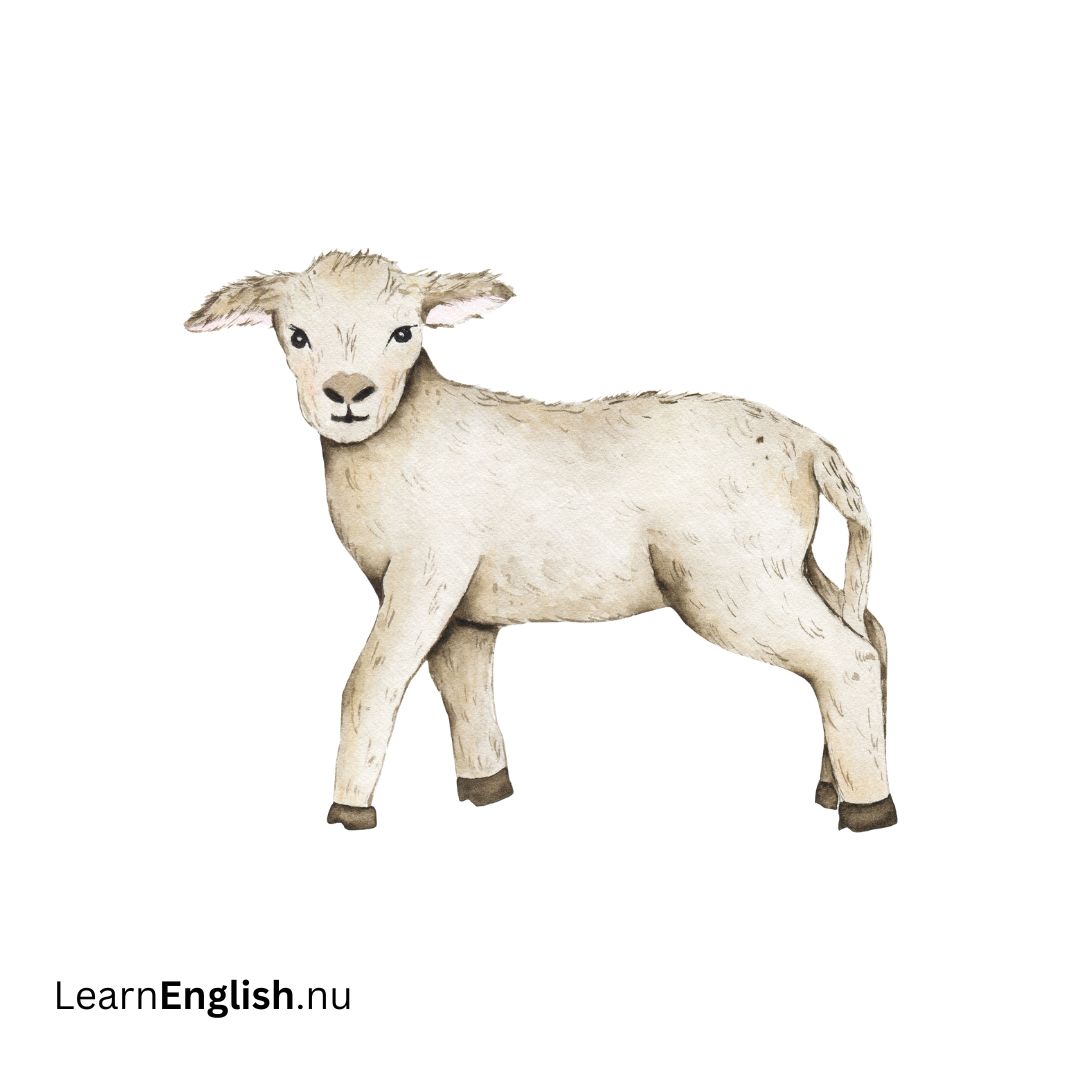
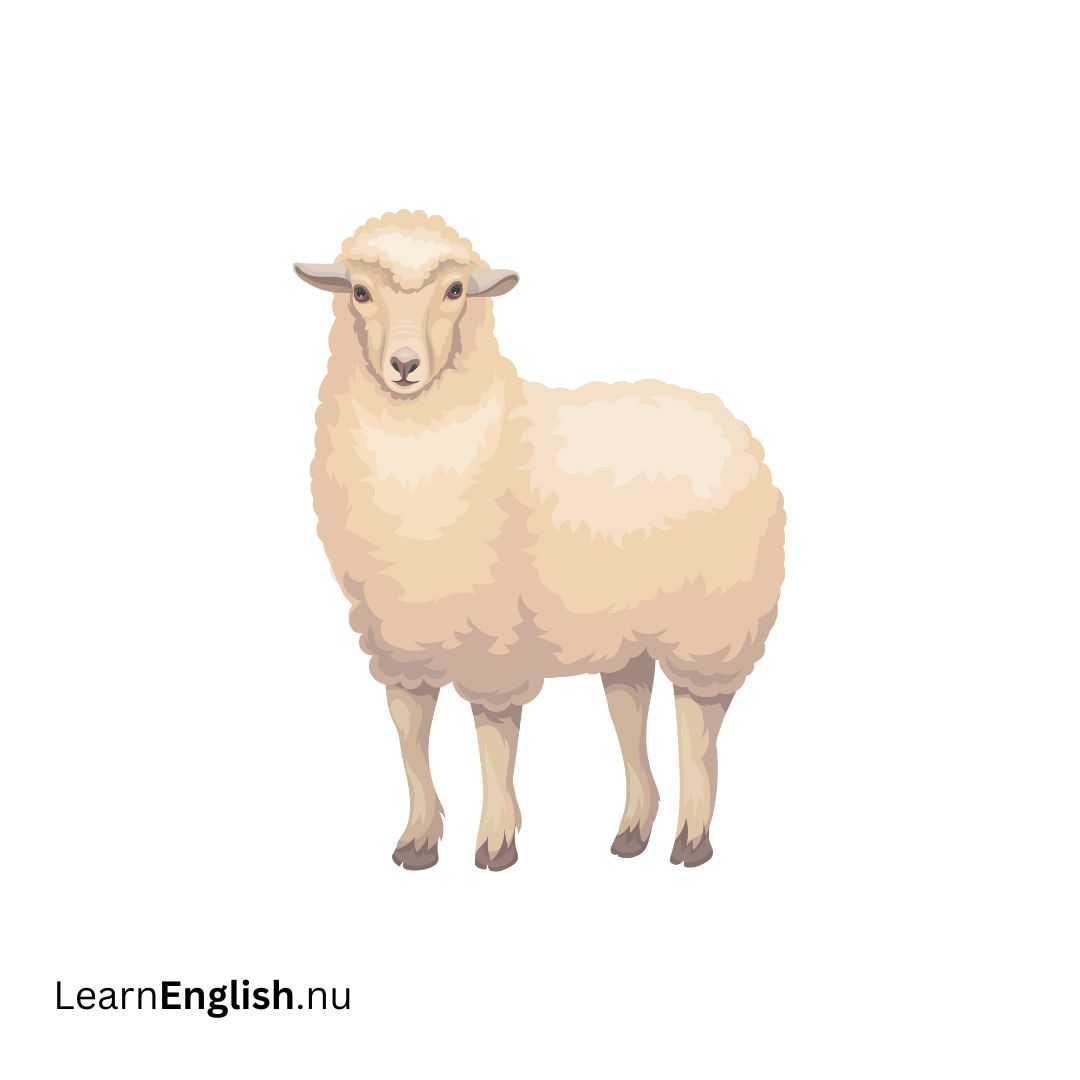
- Får Sheep
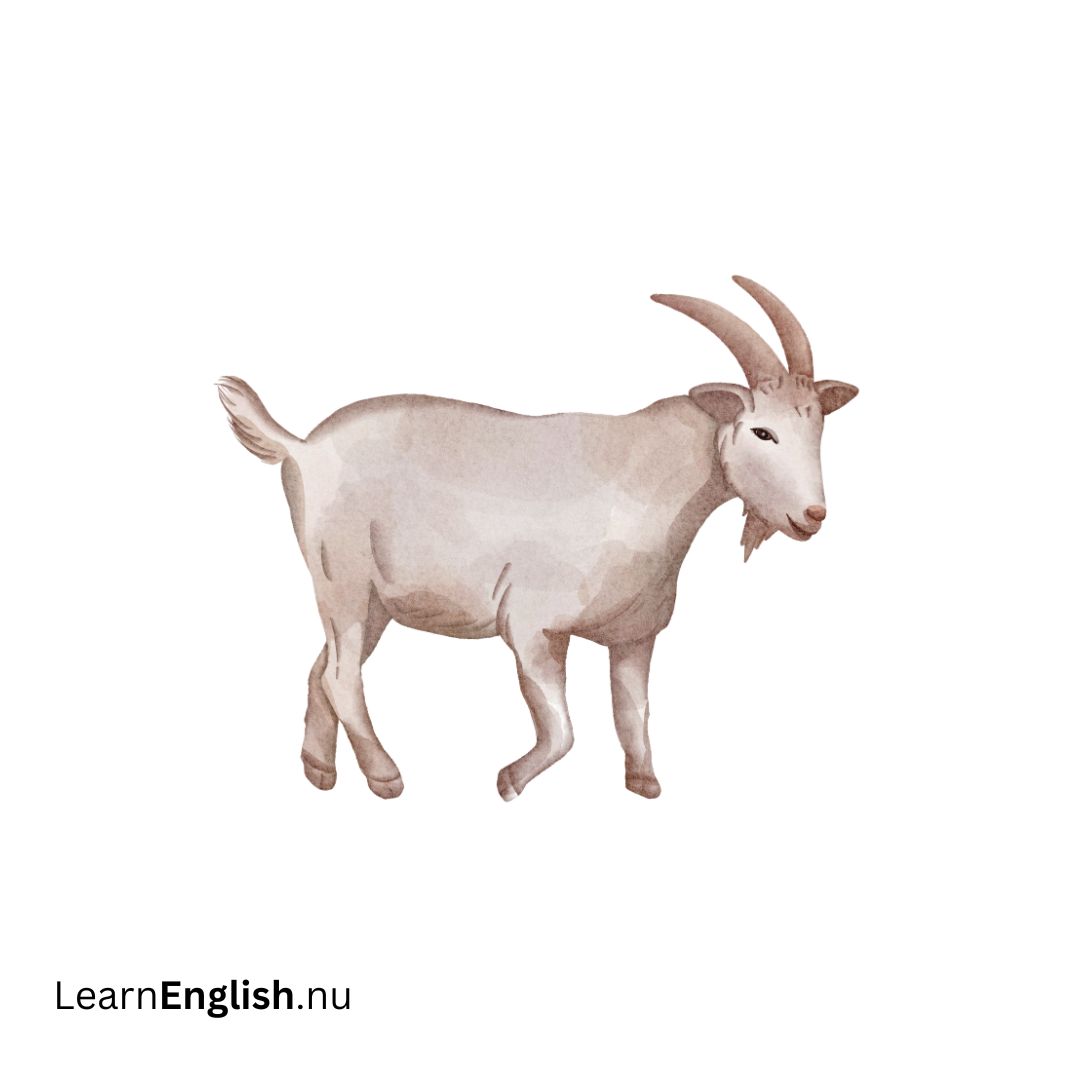
- Get Goat
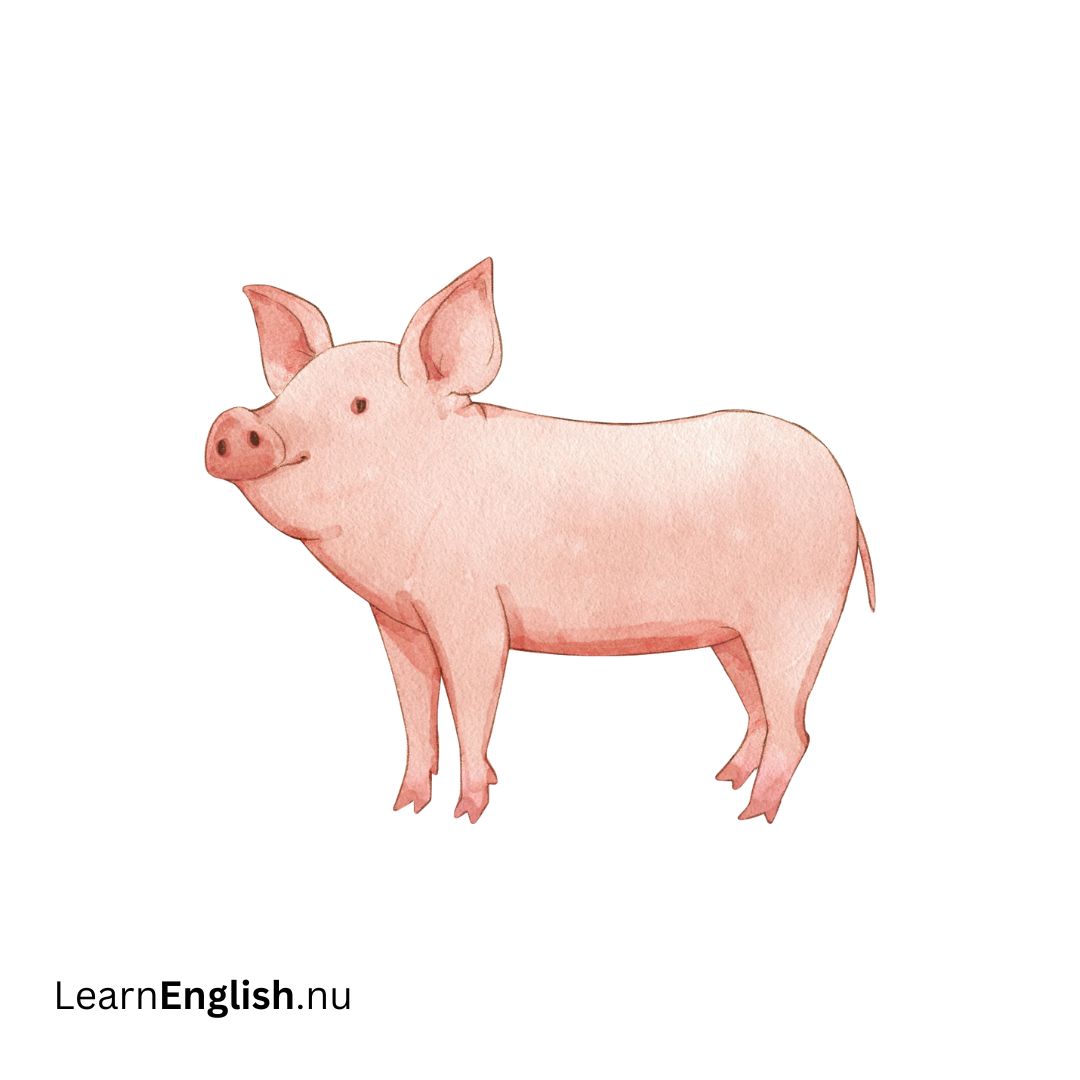
- Gris Pig
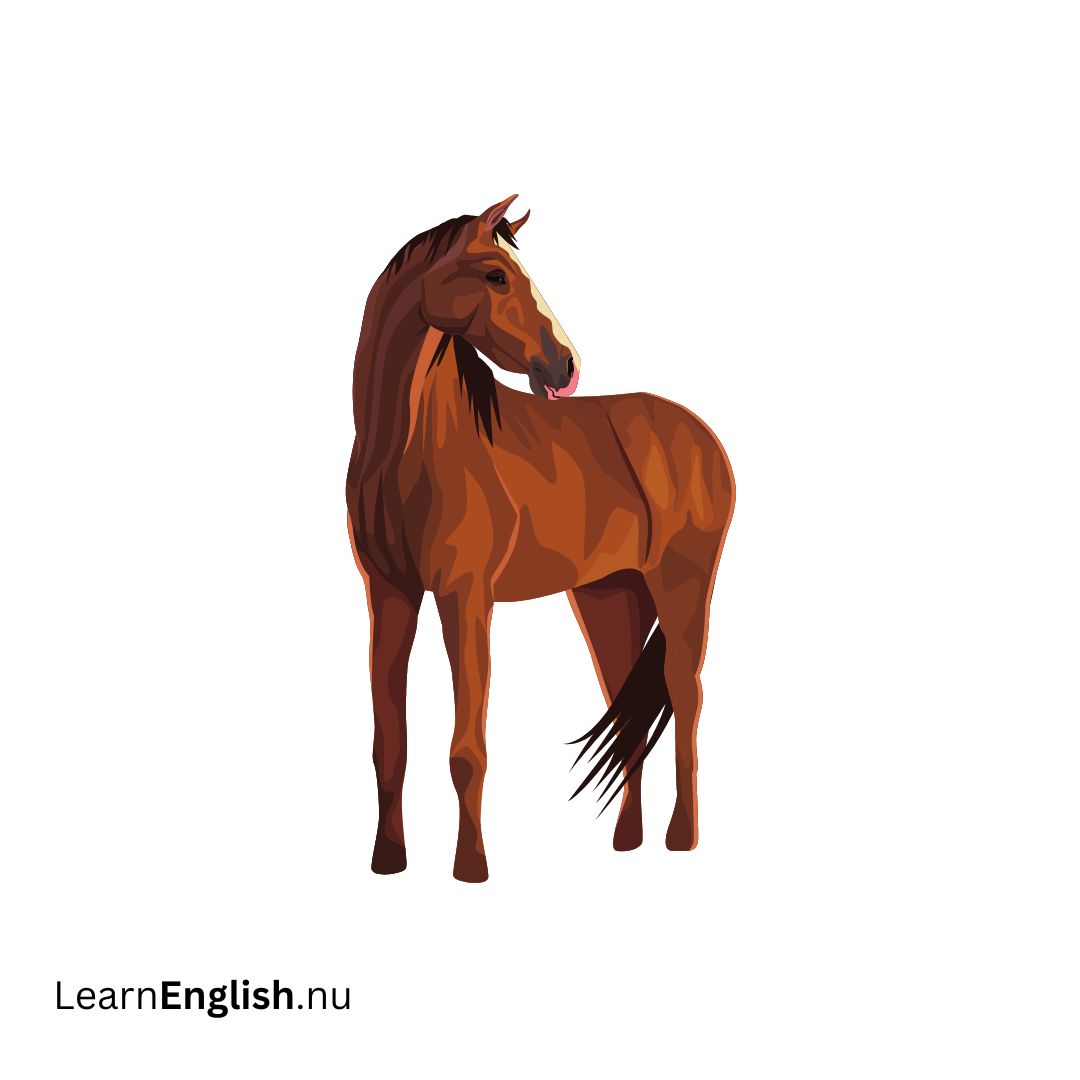
- Häst Horse
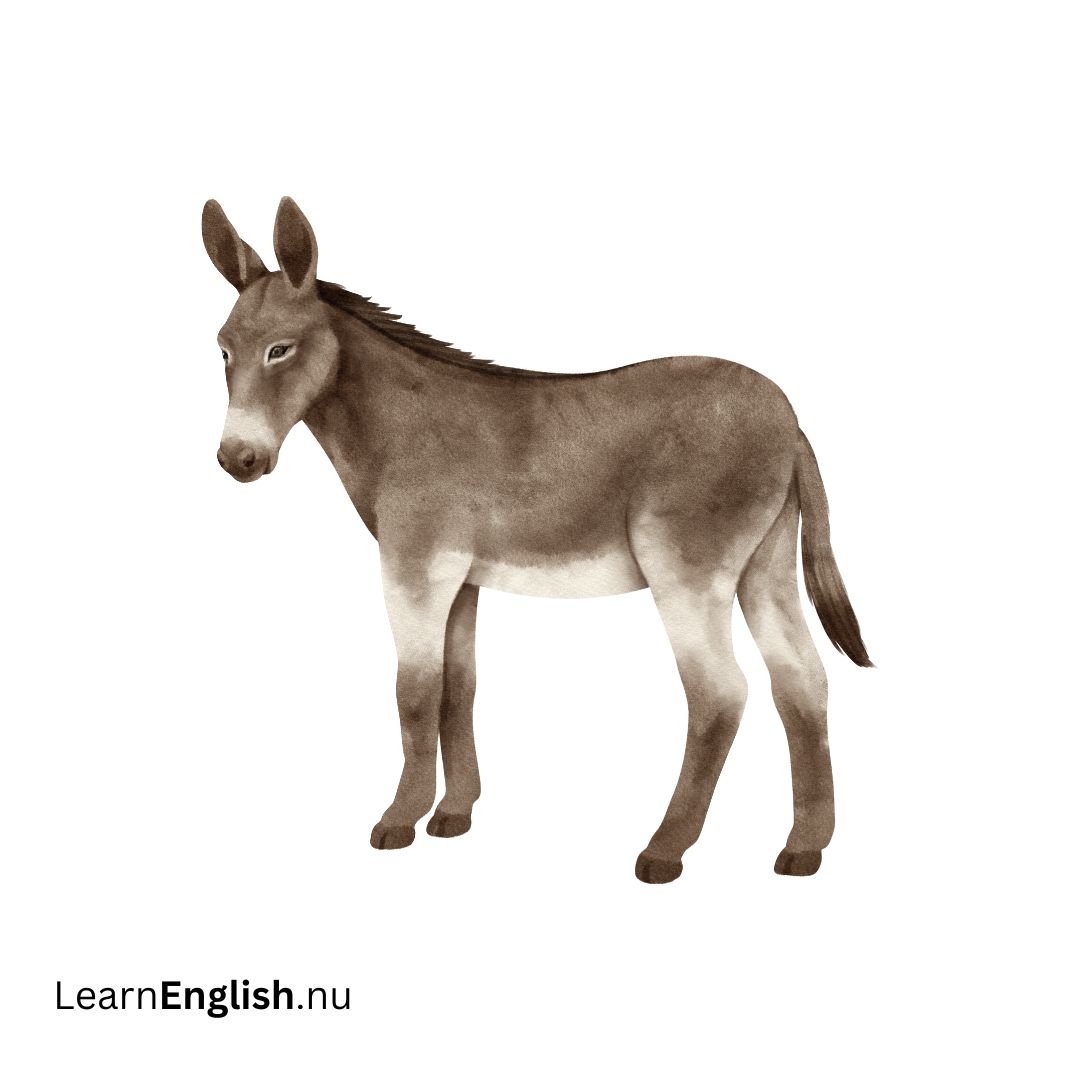
- Åsna Donkey
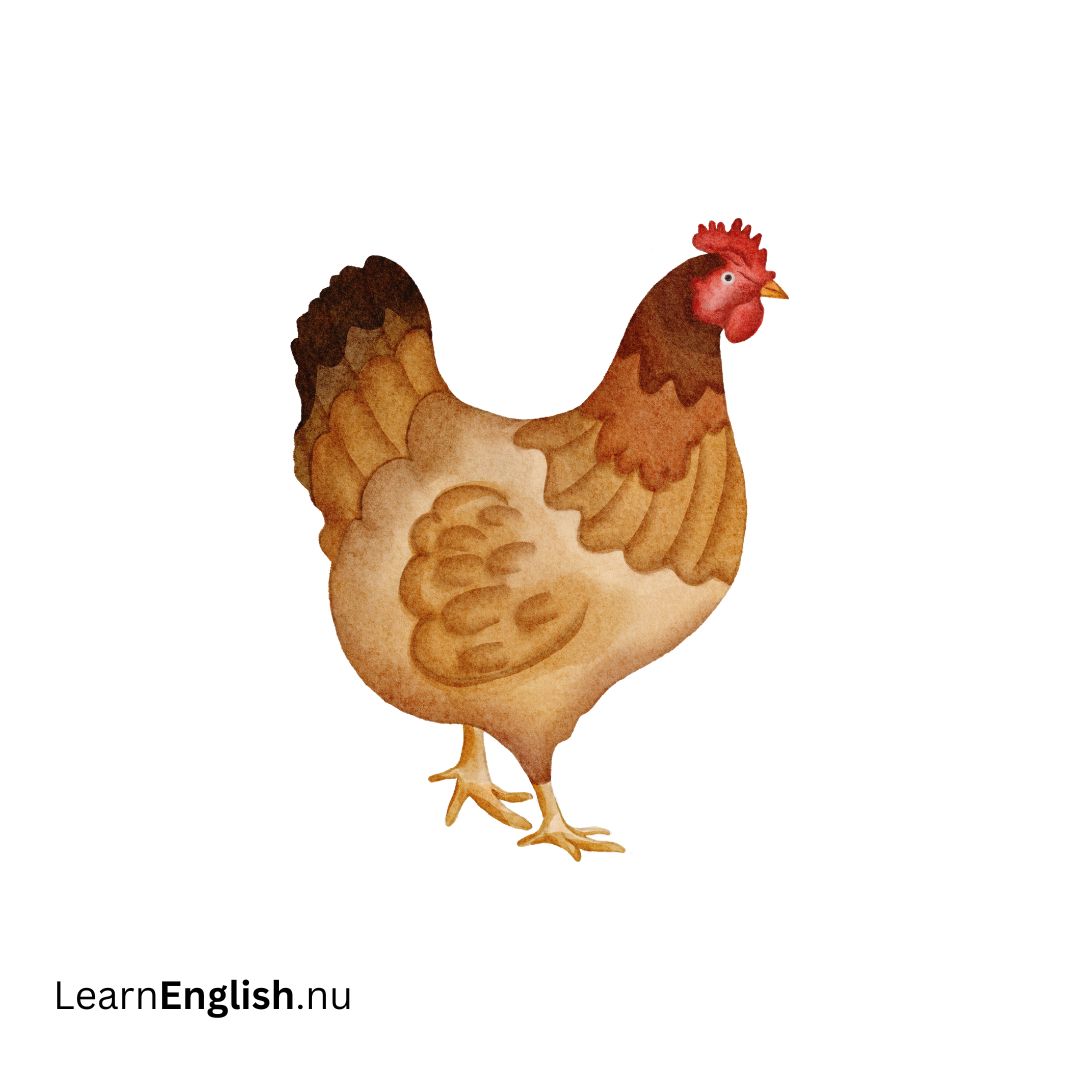
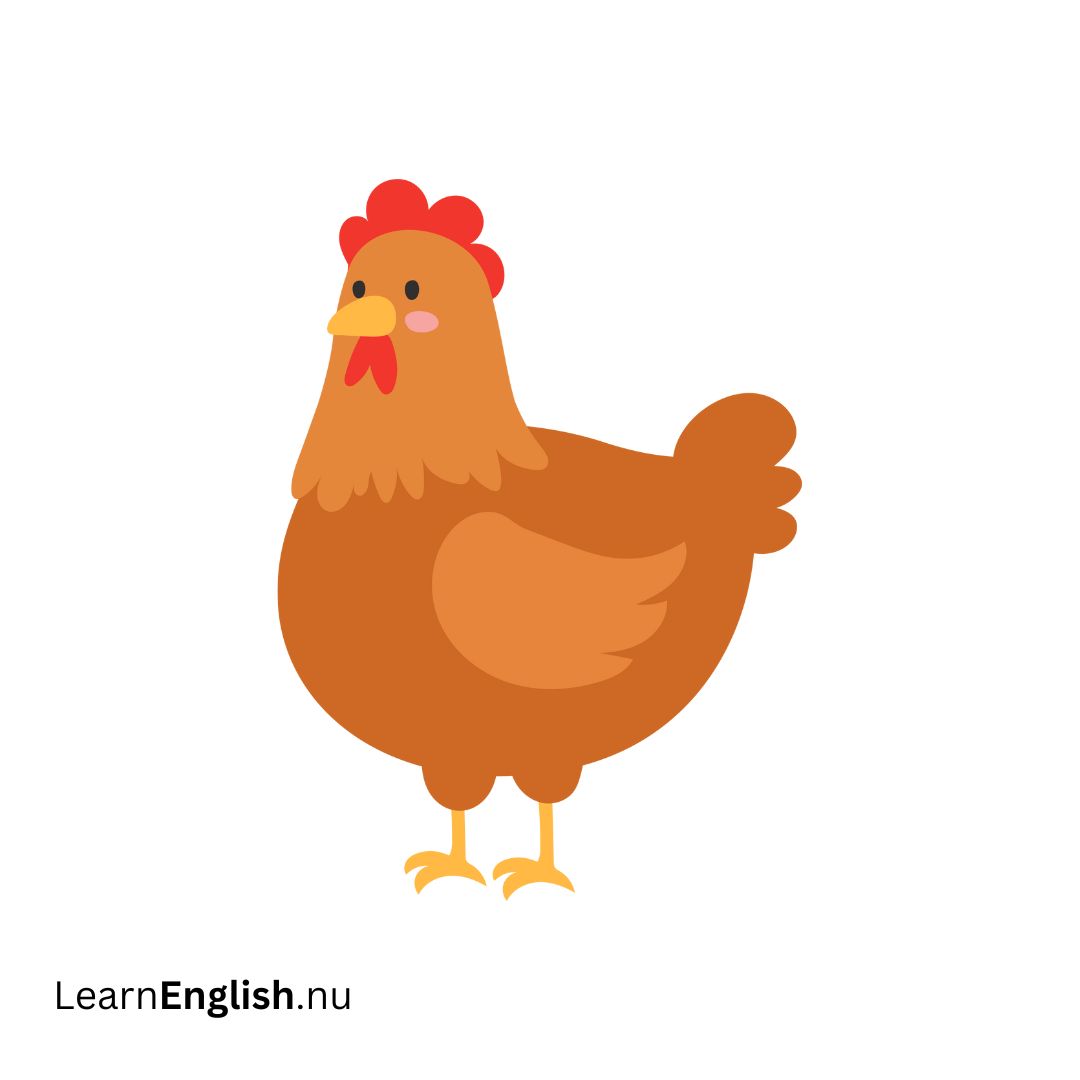
- Kyckling Chicken
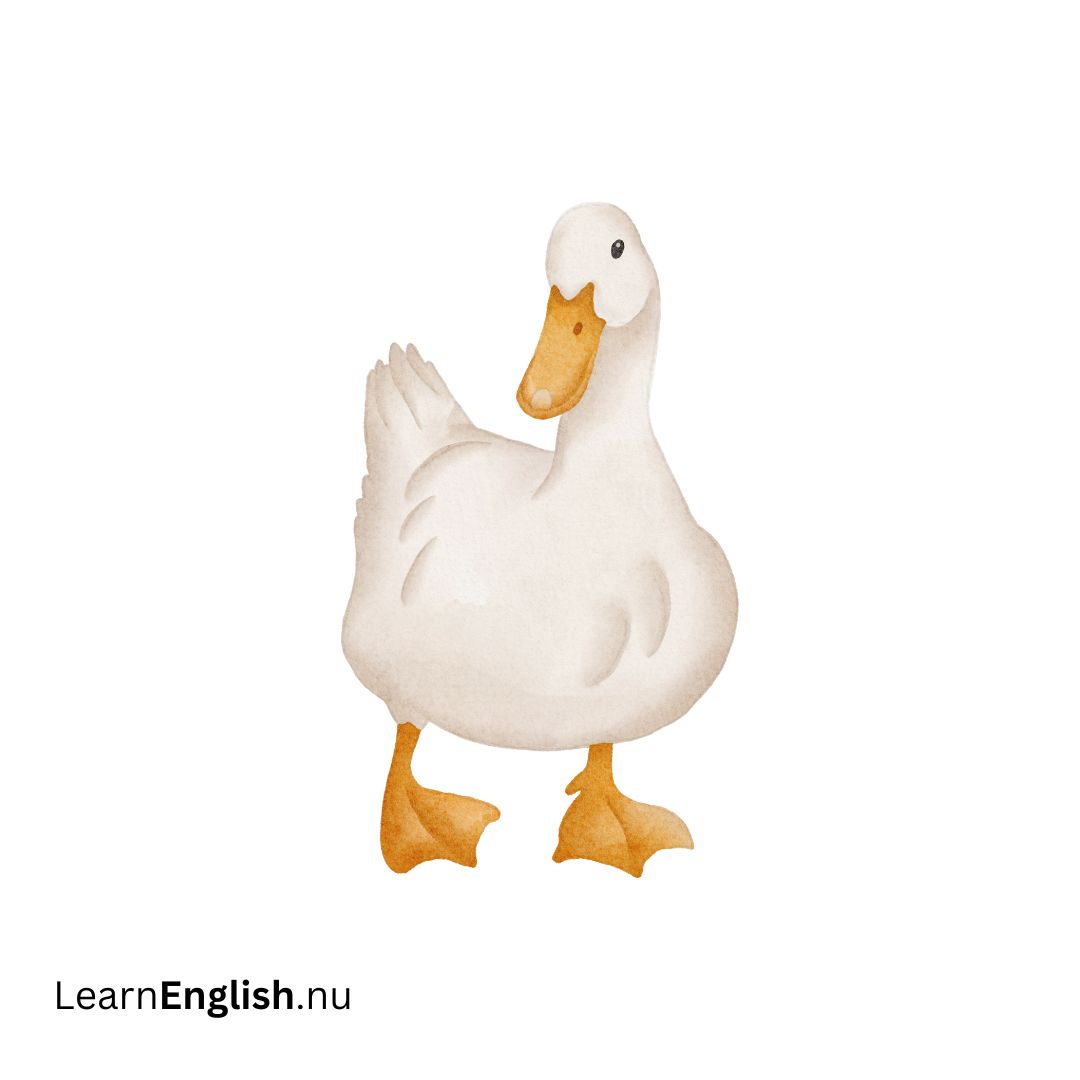
- Anka Duck
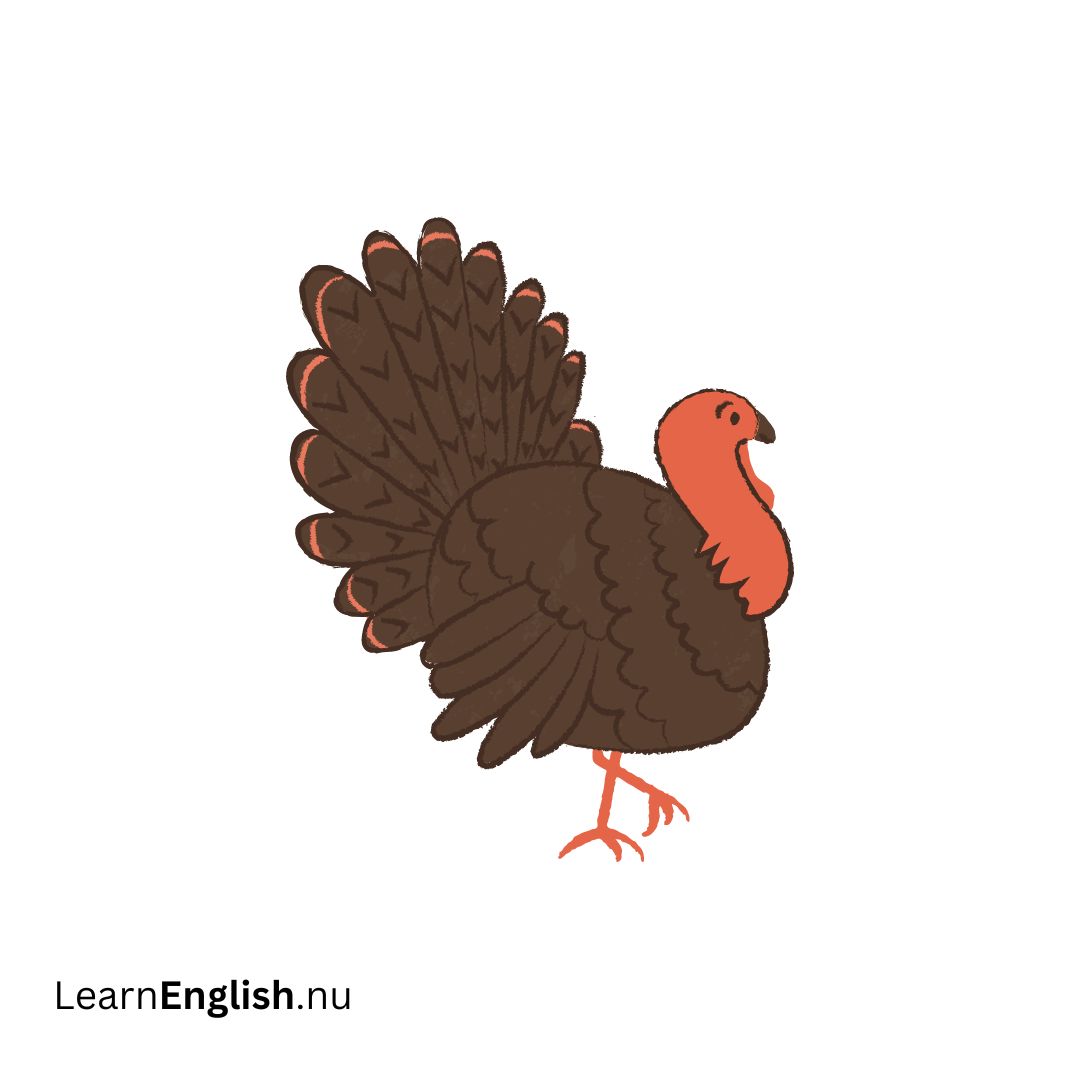
- Kalkon Turkey
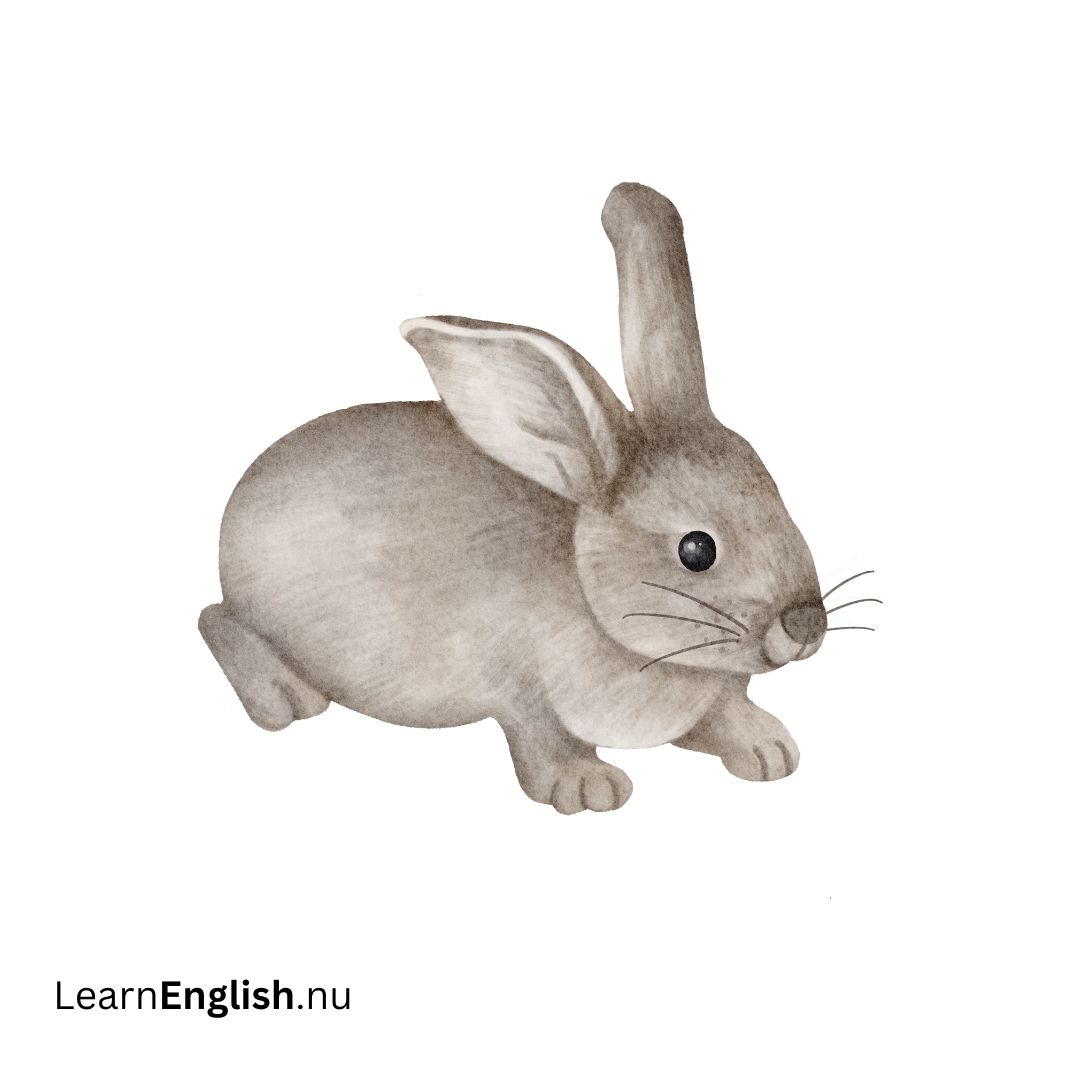
- Kanin Rabbit
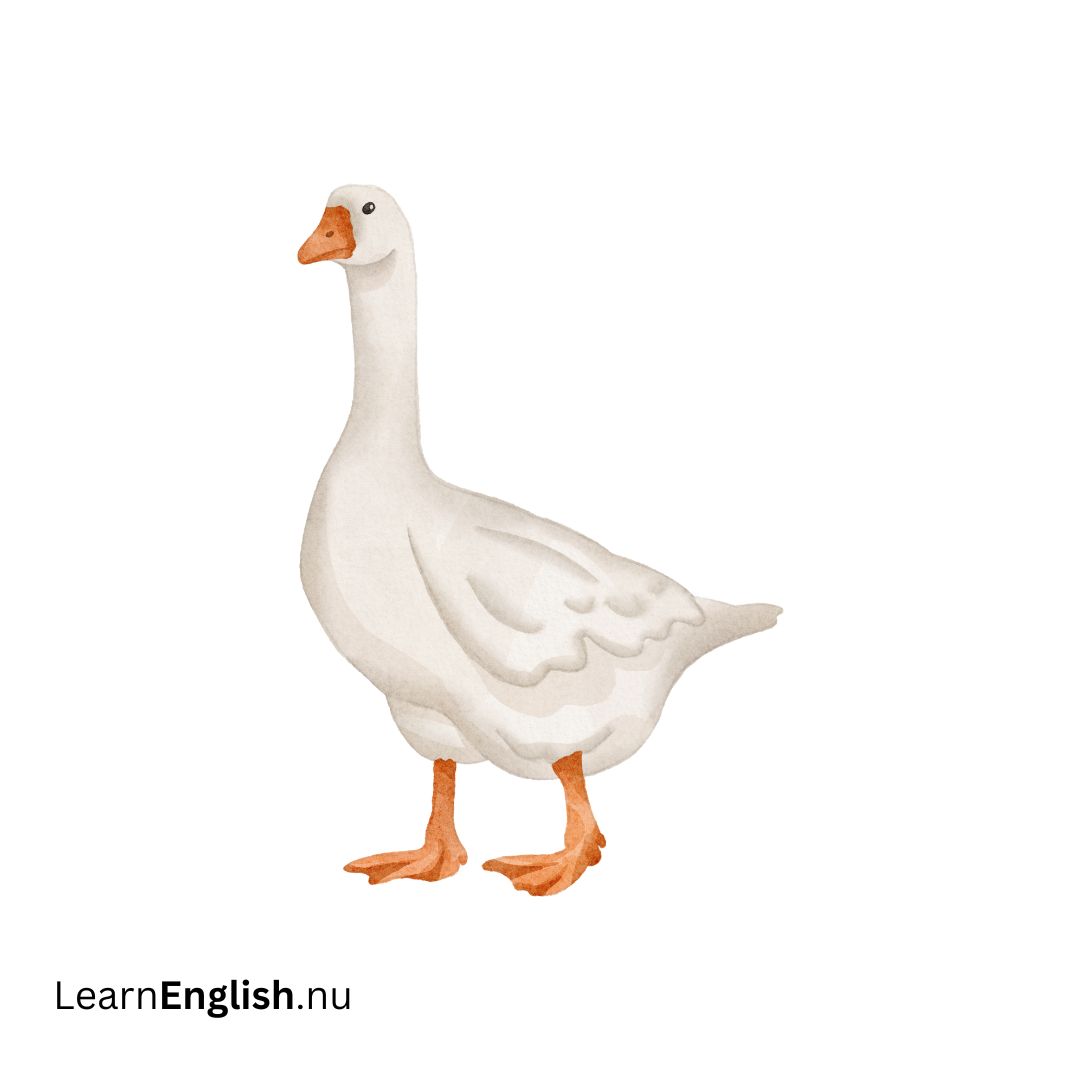
- Gås Goose
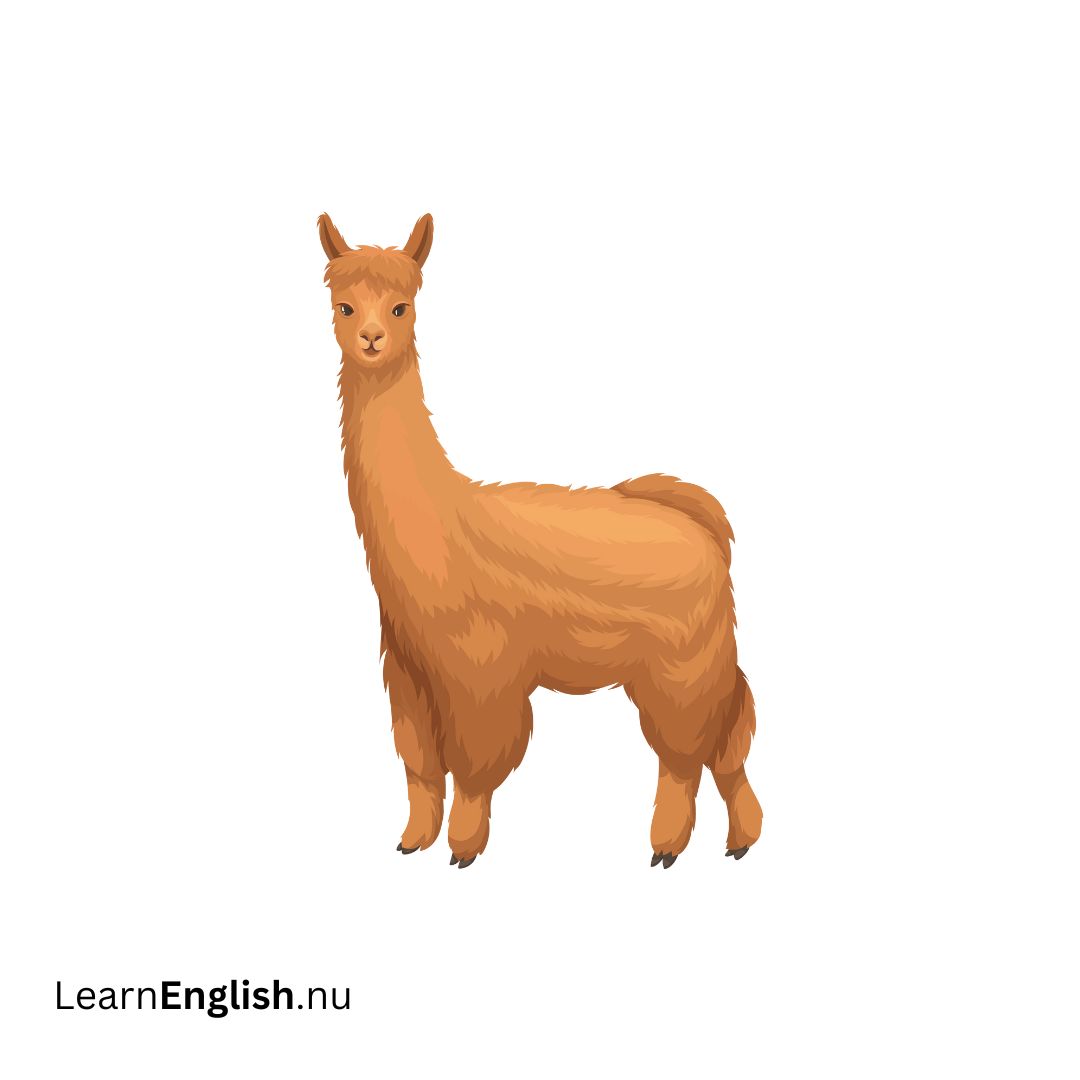
- Lama Llama
- Alpaka Alpaca
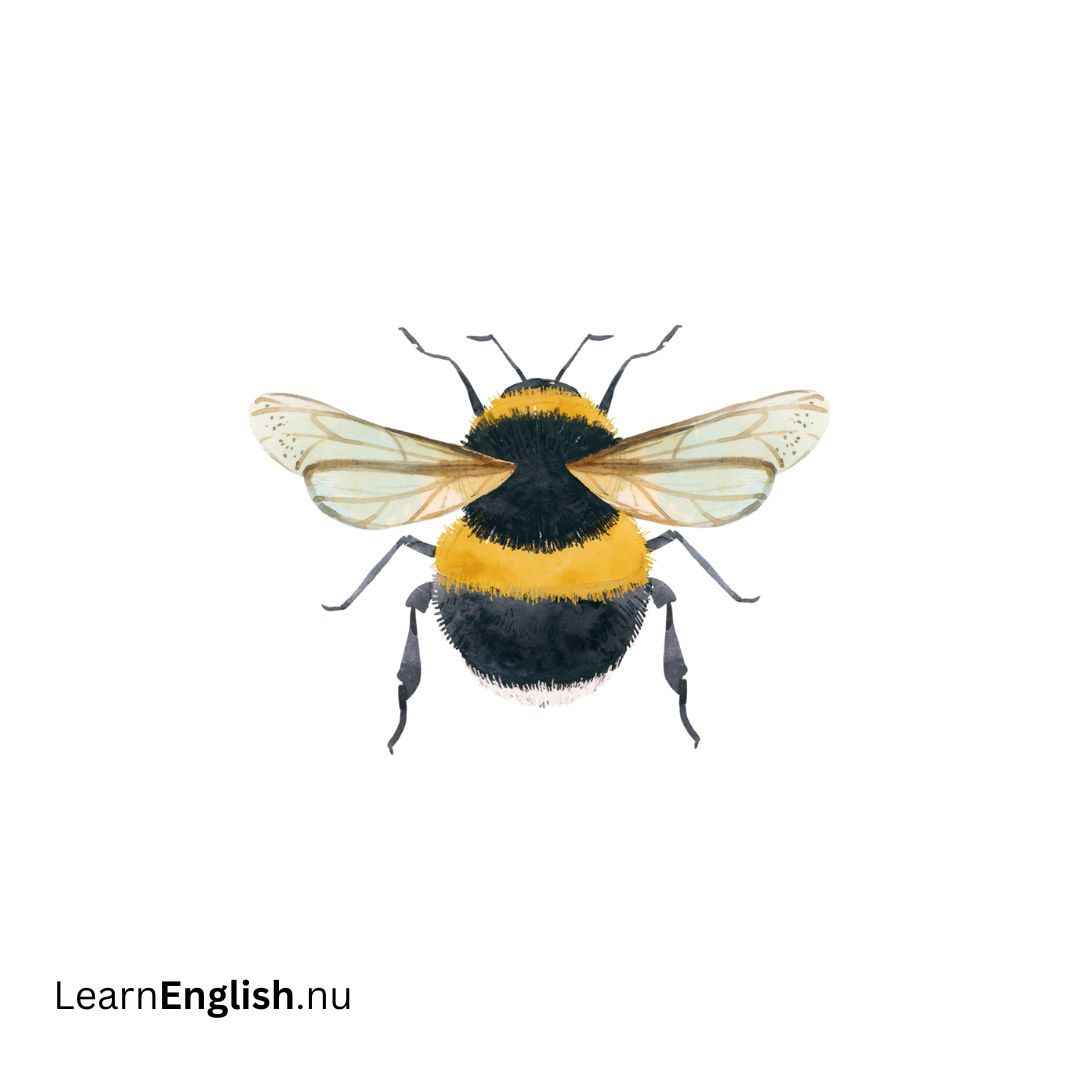
- Bi Bee
- Ankaunge Duckling
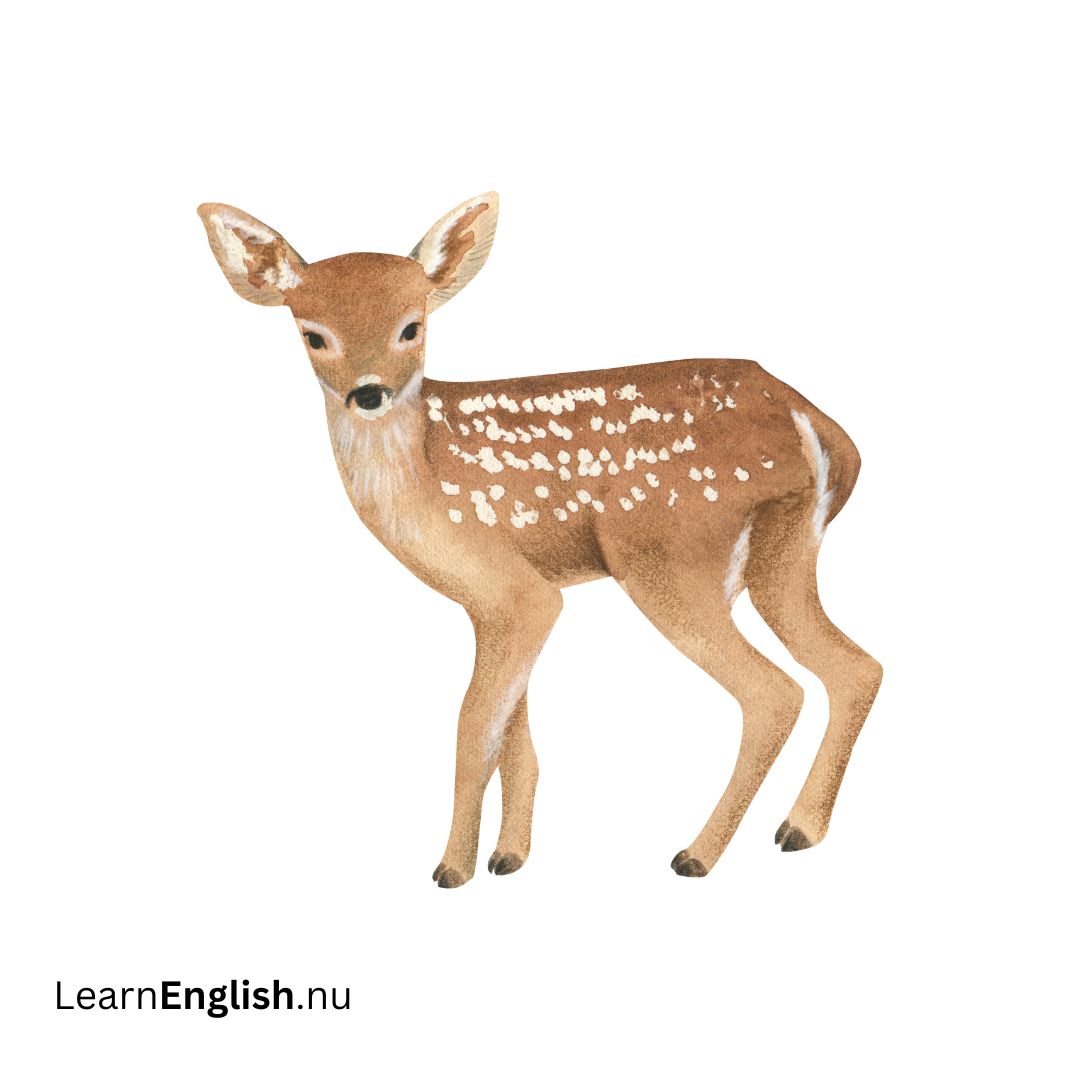
- Lamm Lamb
- Kid Kid
- Kulting Piglet
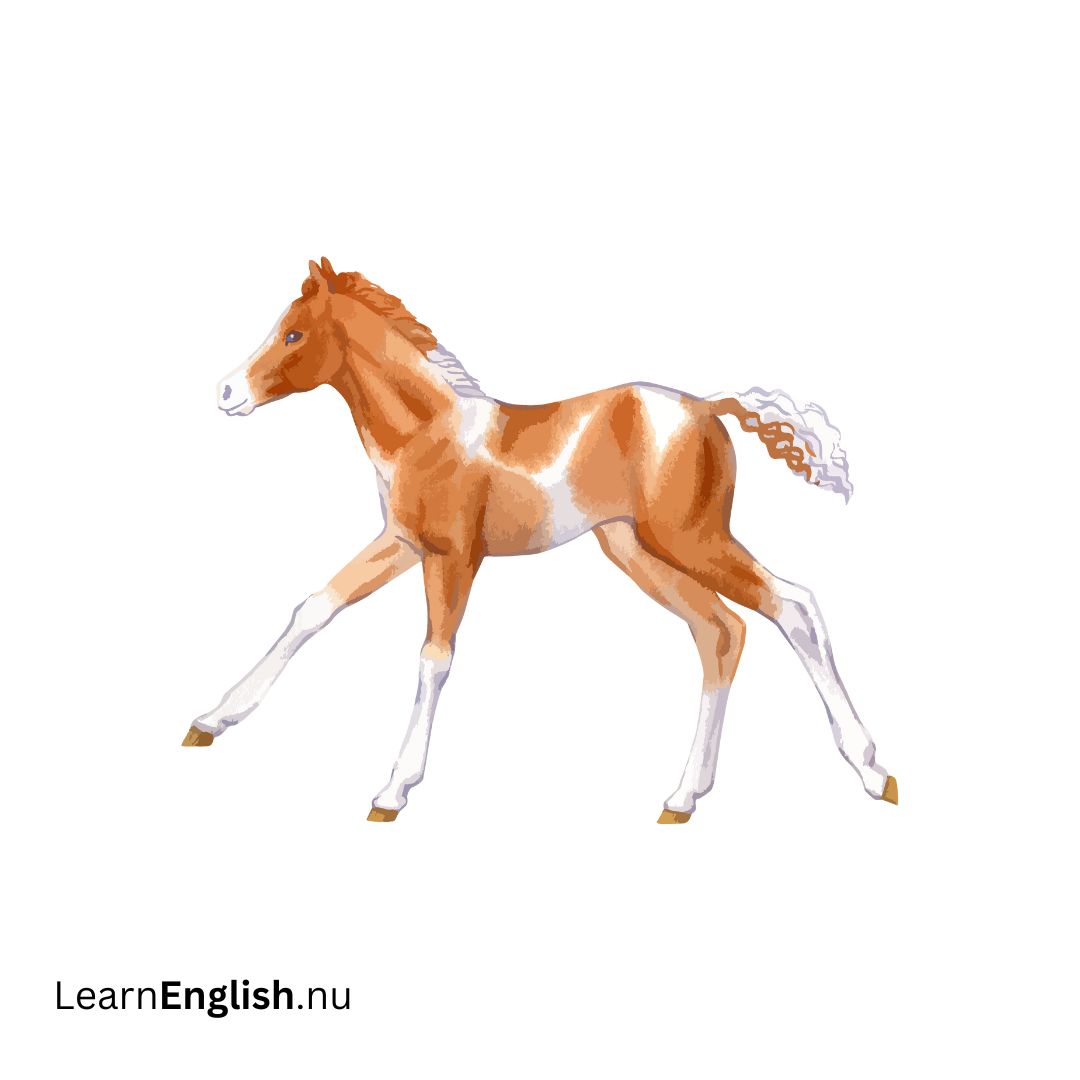
- Föl Foal
- Nötkreatur Cattle
- Höna Hen
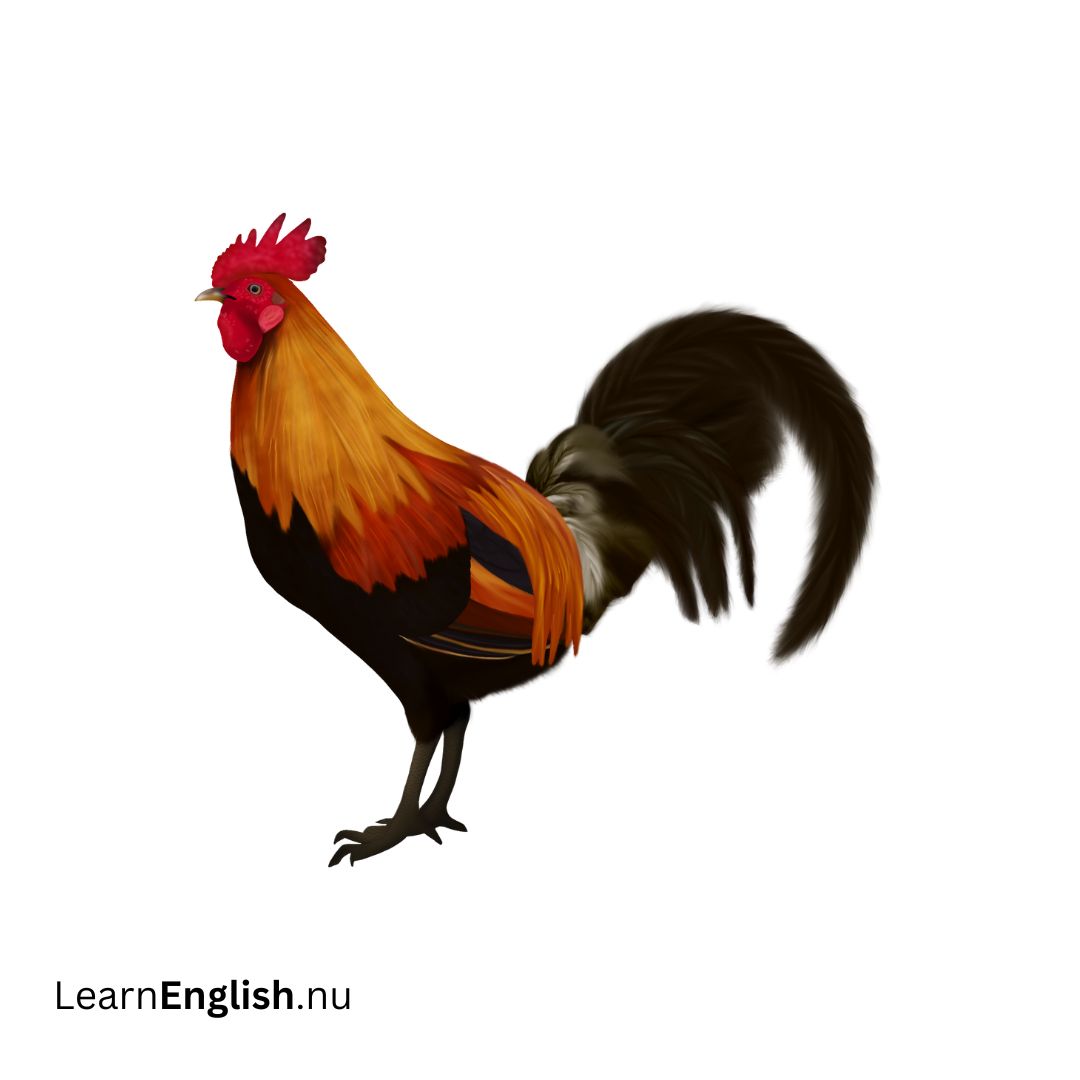
- Tuva Rooster
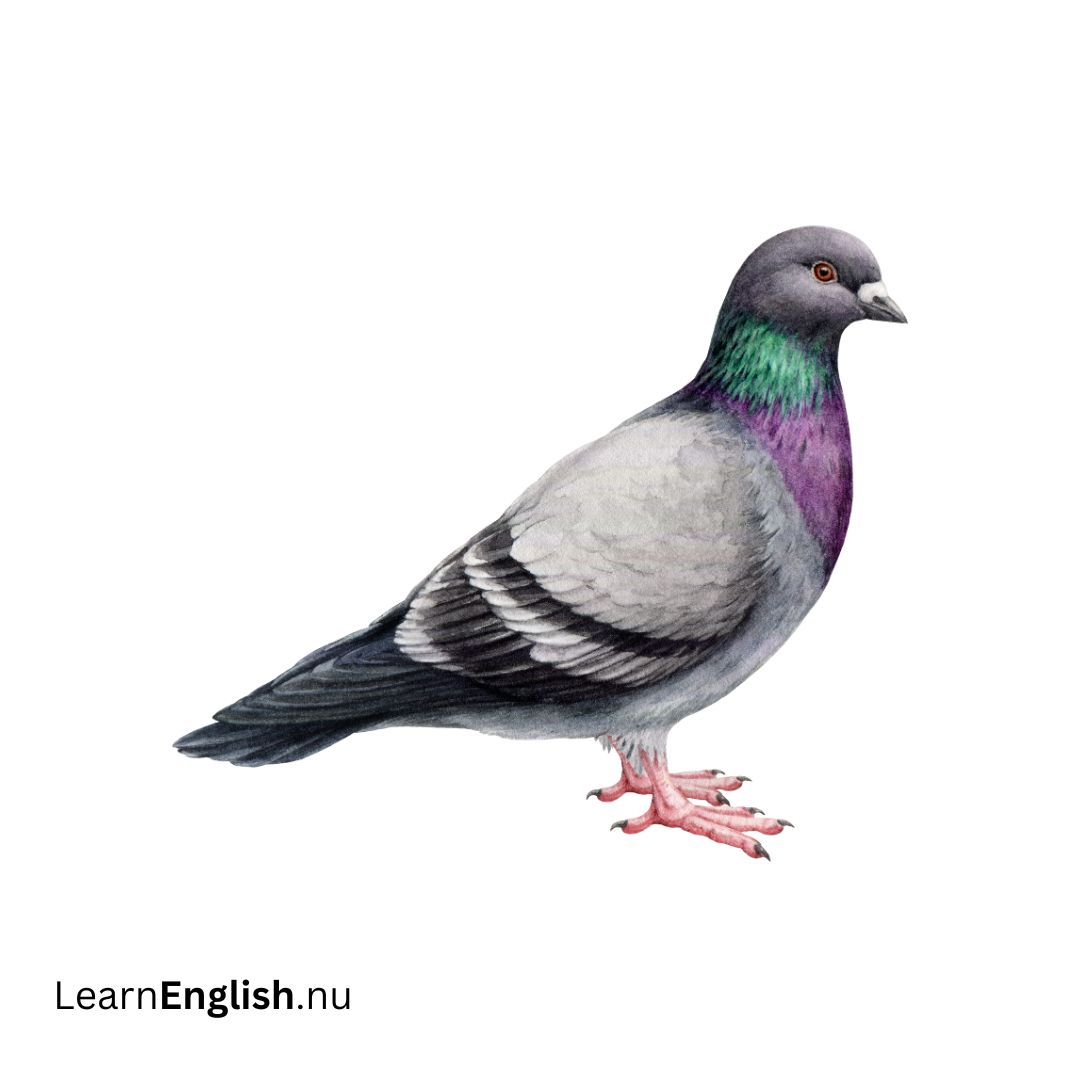
- Duva Pigeon
- Kalkonunge Turkey Poult
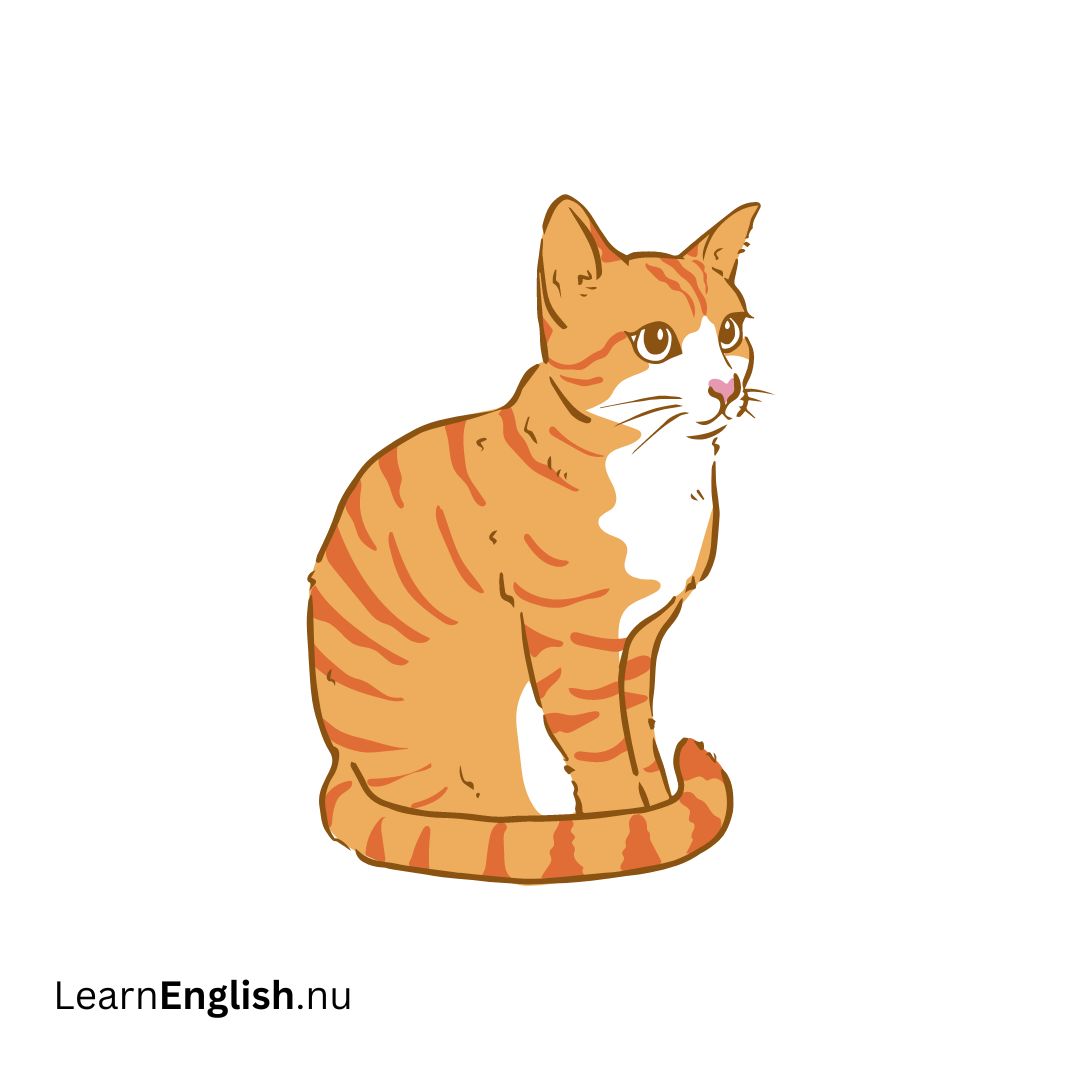
- Kattunge Kitten
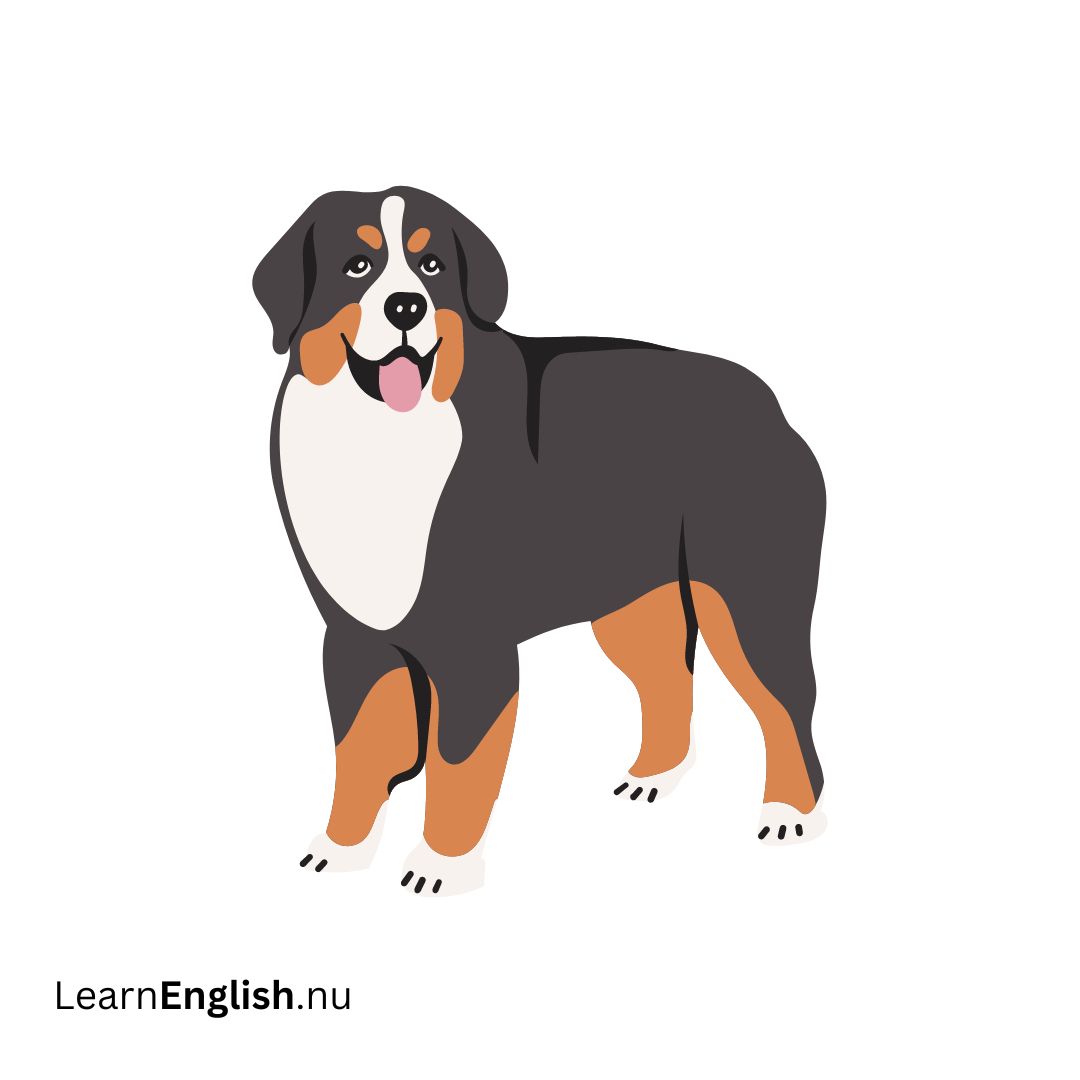
- Valp Puppy
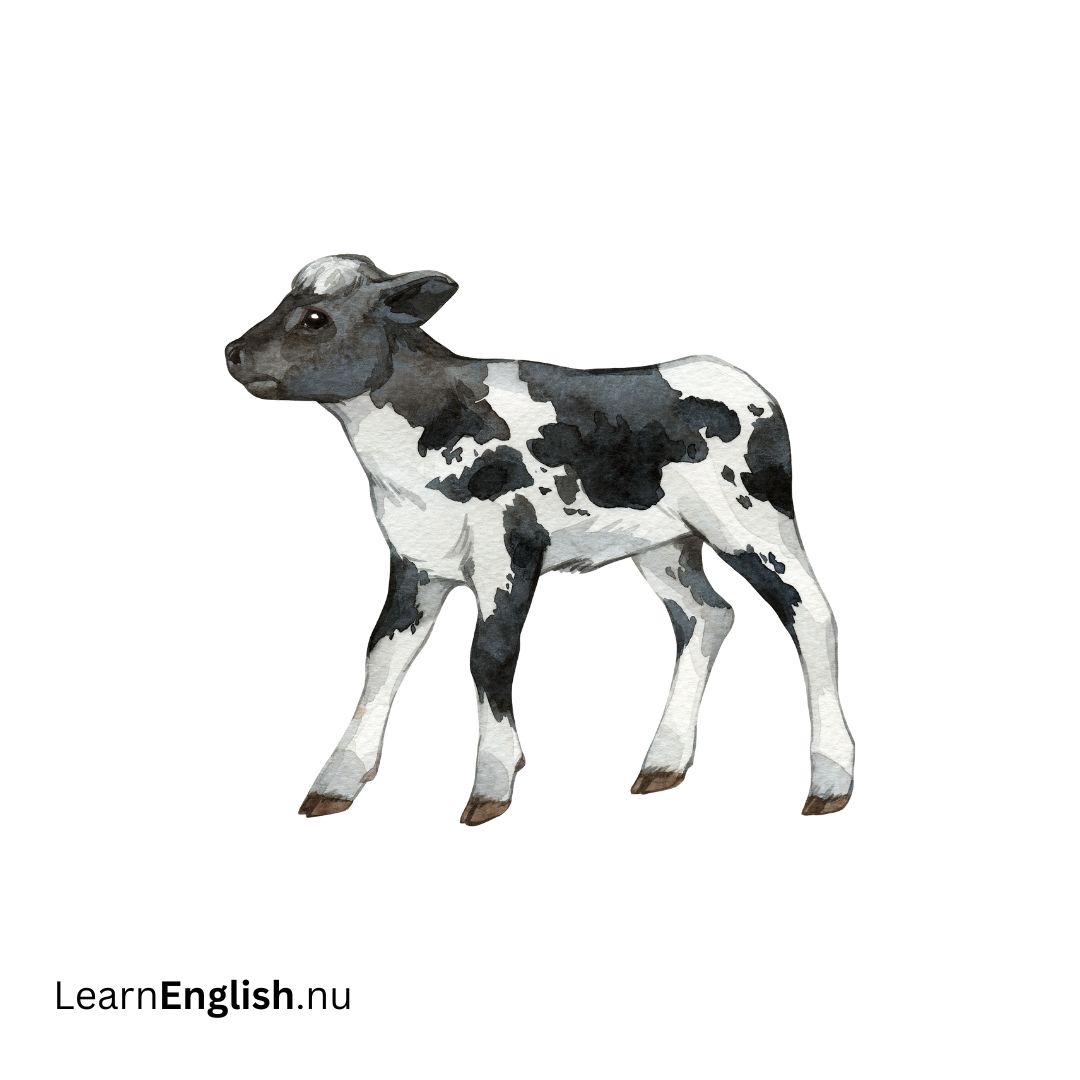
- Kalv Calf
- Kull Litter
- Mutton Mutton
- Fjäderfä Fowl
- Tam Tame
- Boskap Livestock
- Suggor Sows
- Hane Boar
- Tacka Ewe
- Vär Ram
- Avvänjning Weaner
- Sugga Sow
- Lamm Lamb
- Broiler Broiler
- Äggkläckare Layer
- Ungko Heifer
- Styr Steer
What Are Farm Animals?
Farm animals are domesticated animals that are raised and kept on farms for specific purposes. They are essential to agricultural practices and contribute to various aspects of farm life. These animals are typically bred for their products, such as meat, milk, eggs, and wool, or for their roles in farm work.
Farm Animal Names in Swedish
Have you ever wondered what farm animals are called in Swedish? In this tutorial, we'll cover the names of various farm animals and how to pronounce them. This will help you identify and talk about these animals in Swedish.
Farm Animals Vocabulary
Here’s a list of common farm animals and their names in Swedish, including their pronunciations:
| English |
Swedish |
Pronunciation |
| Cow |
Ko |
koh |
| Bull |
Tjur |
shoor |
| Sheep |
Får |
for |
| Goat |
Get |
yet |
| Pig |
Gris |
grees |
| Horse |
Häst |
hest |
| Donkey |
Åsna |
ohs-nah |
| Chicken |
Kyckling |
sheek-ling |
| Duck |
Anka |
ahn-kah |
| Turkey |
Kalkon |
kal-kon |
| Rabbit |
Kanin |
kah-neen |
| Geese |
Gås |
gohs |
| Llama |
Lama |
lah-mah |
| Alpaca |
Alpaka |
al-pah-kah |
| Bee |
Bi |
bee |
Key Characteristics of Farm Animals
Domestication: Farm animals have been bred and managed by humans for many generations. They are adapted to living in close quarters with people and often rely on human care for their survival and productivity.
Productivity: They are raised for their economic value, which includes meat (e.g., beef, pork), dairy products (e.g., milk, cheese), and other resources like wool or eggs.
Role on the Farm: Beyond their products, farm animals may also be used for work tasks such as plowing fields or transporting goods. They contribute to the functioning and efficiency of farm operations.
Types of Farm Animals:
- Cows: Known for milk and beef.
- Pigs: Raised for pork.
- Sheep: Bred for wool and meat.
- Horses: Used for work and transportation.
- Chickens: Provide eggs and meat.
- Ducks: Offer meat, eggs, and feathers.
- Turkeys: Mainly raised for meat.
- Rabbits: Raised for meat and fur.
- Bull (Tjur): Male bovine for breeding.
- Goat (Get): Raised for milk, meat, and hair.
- Pig (Gris): Raised for meat.
- Donkey (Åsna): Known for endurance and work.
- Geese (Gås): Kept for meat, eggs, and feathers.
- Llama (Lama): Used for carrying loads and wool.
- Alpaca (Alpaka): Bred for soft fiber.
- Bee (Bi): Kept for honey production.
Farm Animal Habitats and Shelters in Swedish
Different farm animals need specific types of living spaces to thrive. In this guide, we'll explore the Swedish terms for various farm animal habitats and shelters, including how to pronounce them. Understanding these terms will help you discuss animal care and living conditions more effectively.
Habitats and Shelters Vocabulary
Here’s a list of common habitats and shelters for farm animals, including their Swedish names and pronunciations:
| English |
Swedish |
Pronunciation |
| Barn |
Lada |
lah-dah |
| Stable |
Stall |
stahl |
| Coop |
Hönshus |
hern-hoos |
| Sty |
Svinhus |
sveen-hoos |
| Hutch |
Kaninhus |
kah-neen-hoos |
| Pasture |
Bete |
beh-teh |
| Paddock |
Inhägnad |
in-haygnad |
| Cote |
Duveskydd |
doo-vehs-kydd |
| Kennel |
Hundkoja |
hoond-koh-yah |
| Pond |
Damm |
dahm |
| Apiary |
Bigård |
bee-gord |
| Nest |
Bo |
boh |
| Pen |
Box |
boks |
| Run |
Utegård |
oo-teh-gord |
| Warren |
Kaninhål |
kah-neen-hol |
Understanding Farm Animal Habitats
- Barn (Lada): A large building for storing grain, hay, and often housing livestock.
- Stable (Stall): A structure specifically for housing horses or similar animals.
- Coop (Hönshus): A small enclosure where poultry like chickens and ducks are kept.
- Sty (Svinhus): A pen designated for pigs.
- Hutch (Kaninhus): A cage used to house small animals such as rabbits.
- Pasture (Bete): An open field where animals graze.
- Paddock (Inhägnad): A smaller, enclosed area for horses.
- Cote (Duveskydd): A shelter for pigeons or doves.
- Kennel (Hundkoja): A shelter or small house for dogs.
- Pond (Damm): A water body where ducks and geese are often found.
- Apiary (Bigård): The location where beehives are kept.
- Nest (Bo): A structure built by birds for laying eggs and raising young.
- Pen (Box): A small enclosure used for livestock.
- Run (Utegård): An enclosed space where animals can roam freely.
- Warren (Kaninhål): A network of burrows where rabbits live.
Farm Animal Young Ones in Swedish
Are you fascinated by the adorable babies of farm animals? In this guide, we’ll cover the names of these young animals in Swedish, including their pronunciations. Learn how to refer to these cute creatures and impress your friends with your Swedish vocabulary.
Young Farm Animals Vocabulary
Here’s a list of common farm animals' young ones, their Swedish names, and pronunciations:
| English |
Swedish |
Pronunciation |
| Calf |
Kalv |
kalv |
| Lamb |
Lamm |
lahm |
| Kid |
Kid |
keed |
| Piglet |
Kulting |
kool-ting |
| Foal |
Föl |
furl |
| Chick |
Kykling |
sheek-ling |
| Duckling |
Ankaunge |
ahn-kah-oong-eh |
| Poult |
Kalkonunge |
kal-kon-oong-eh |
| Kit |
Kullunge |
kool-oong-eh |
| Gosling |
Gåsunge |
gohs-oong-eh |
| Cria |
Cria |
kree-ah |
| Leveret |
Leverett |
leh-ver-ett |
| Puppy |
Valp |
valp |
| Kitten |
Kattunge |
kaht-oong-eh |
| Larva |
Larv |
larv |
Characteristics of Young Animals
- Calf (Kalv): The baby of a cow or bull.
- Lamb (Lamm): The young of a sheep.
- Kid (Kid): A young goat.
- Piglet (Kulting): The baby pig.
- Foal (Föl): A young horse or donkey.
- Chick (Kykling): The baby chicken.
- Duckling (Ankaunge): The young duck.
- Poult (Kalkonunge): A young turkey.
- Kit (Kullunge): The baby rabbit.
- Gosling (Gåsunge): The baby goose.
- Cria (Cria): The young llama or alpaca.
- Leveret (Leverett): A young hare.
- Puppy (Valp): The baby dog.
- Kitten (Kattunge): The baby cat.
- Larva (Larv): The baby bee.