Learning marine animal names in Swedish can be an exciting way to expand your vocabulary and deepen your understanding of the ocean's diverse inhabitants. Whether you're interested in fish, sea mammals, or other marine creatures, knowing their names in Swedish not only enhances your language skills but also enriches your knowledge of marine life. This guide provides you with essential terms, pronunciation tips, and interactive learning strategies to help you confidently identify and discuss sea animals in Swedish. Dive into this topic to broaden your linguistic and environmental awareness!
Click on the text to hear the pronunciation
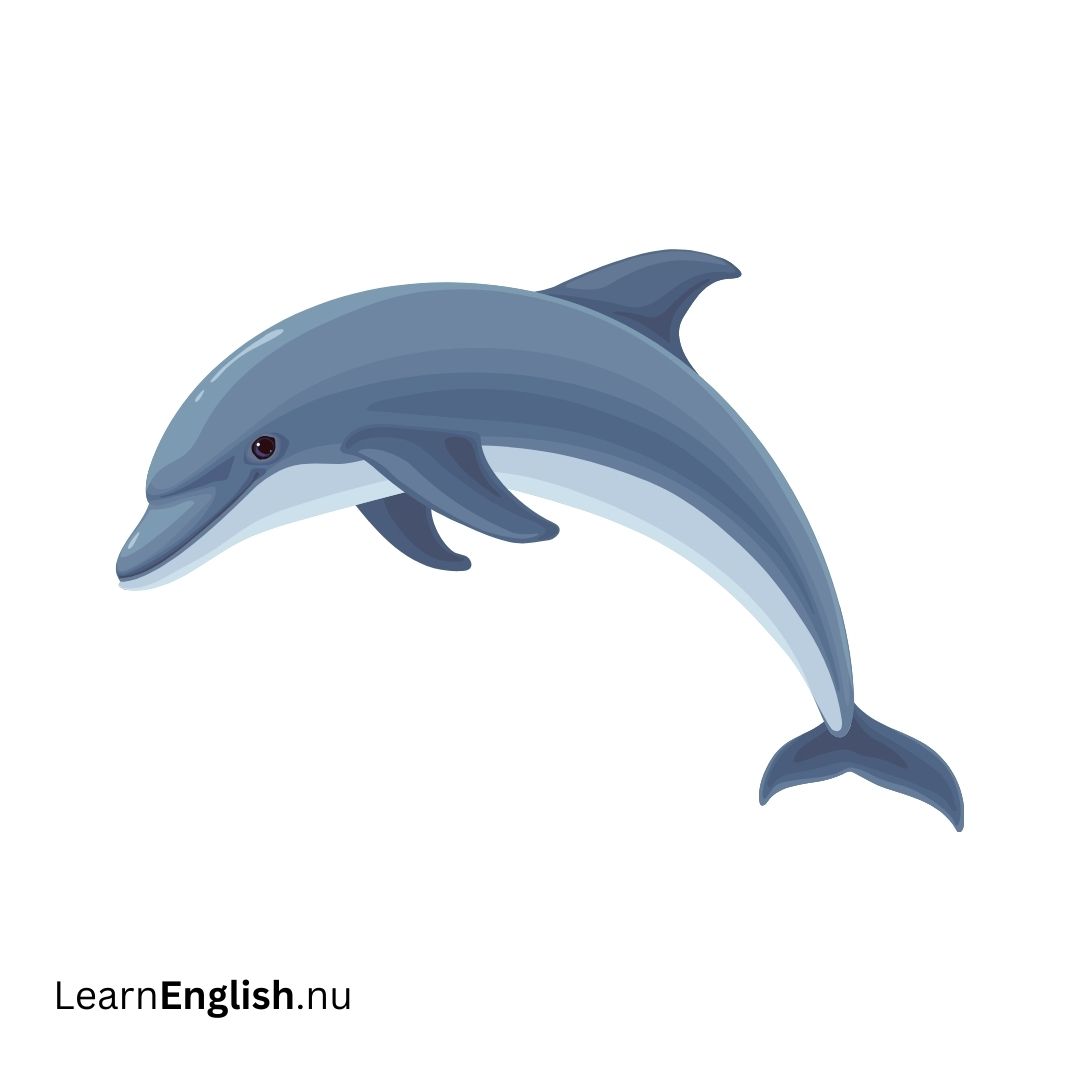 Delfin
Dolphin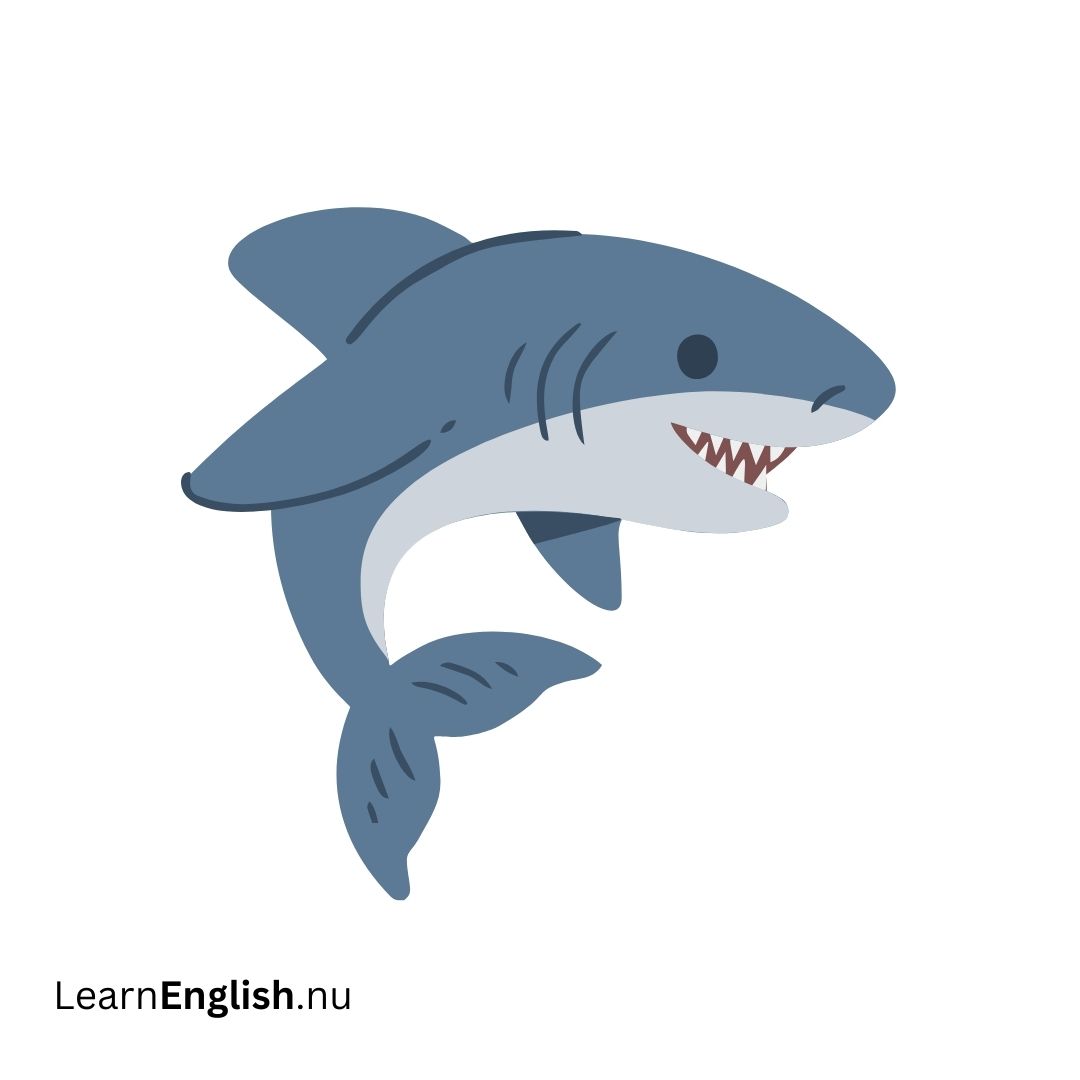 Haj
Haj
Shark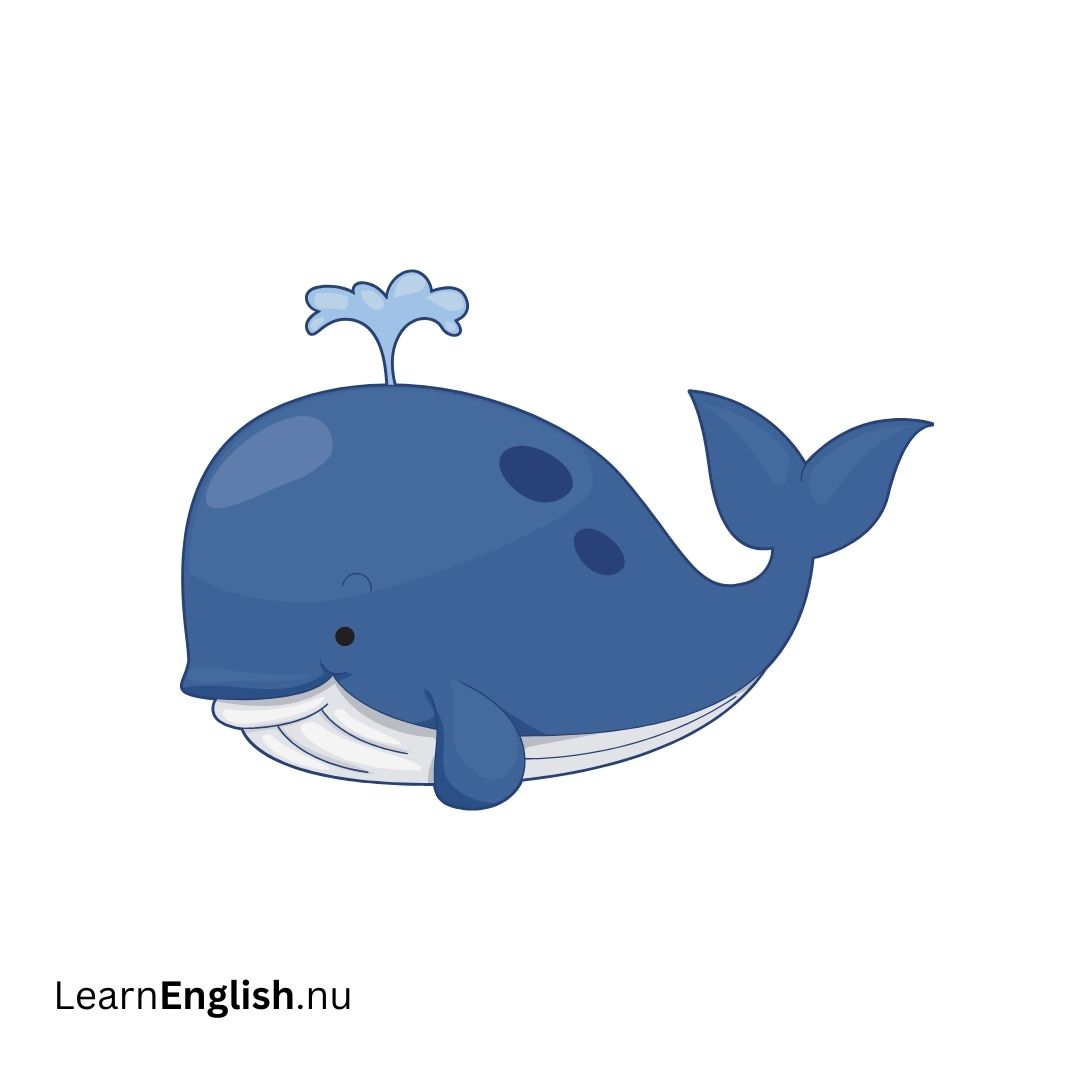 Val
Val
Whale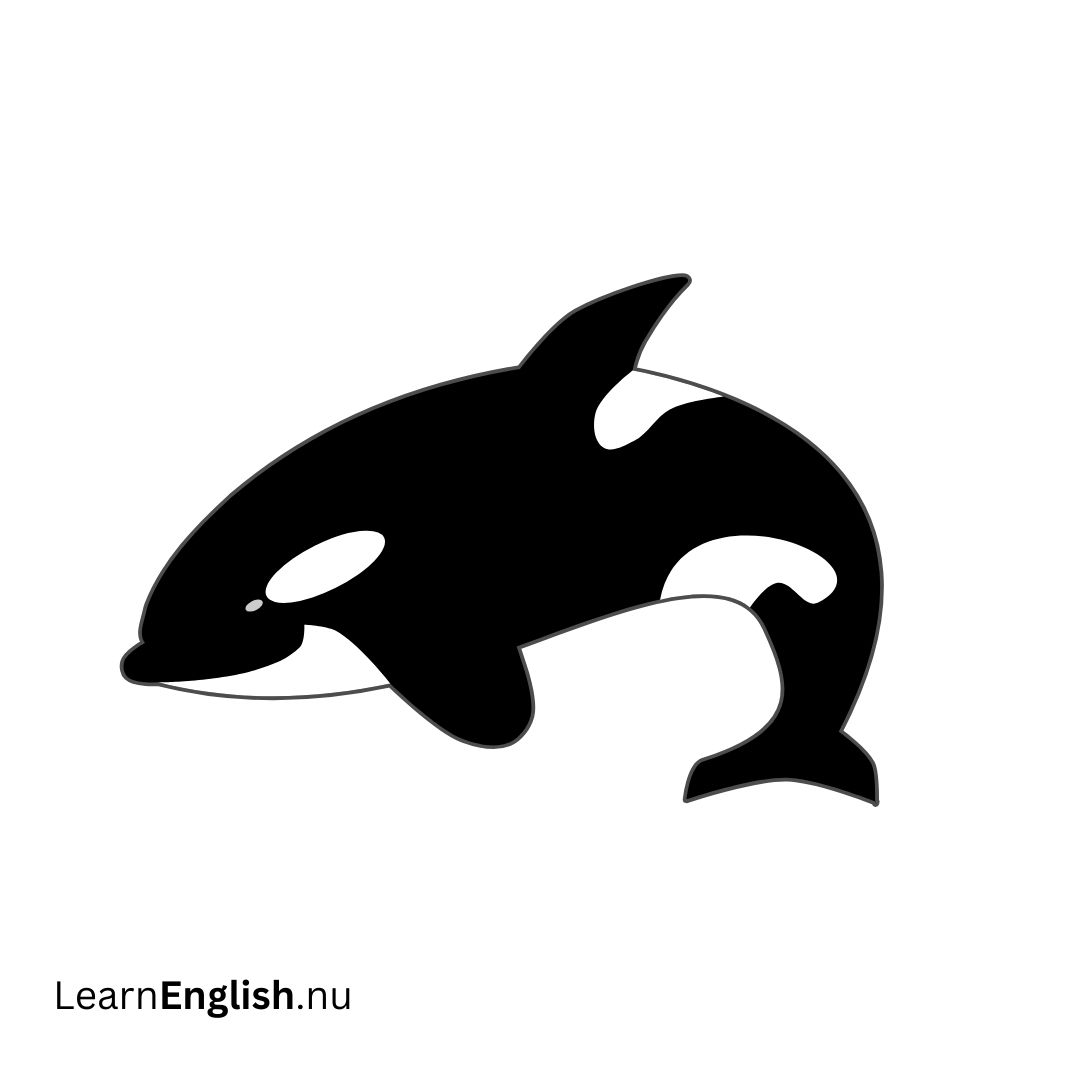 Späckhuggare
Killer Whale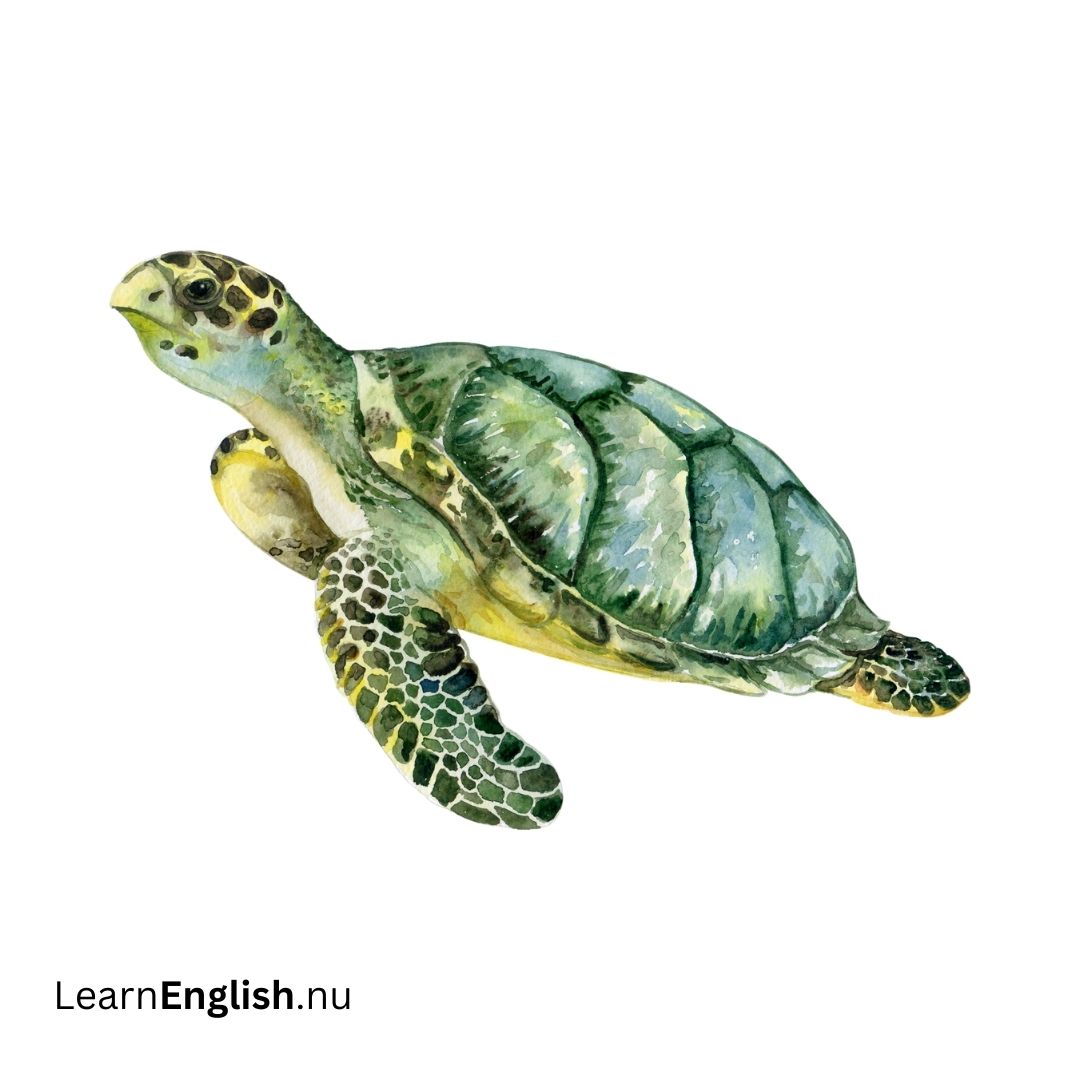 Sköldpadda
Turtle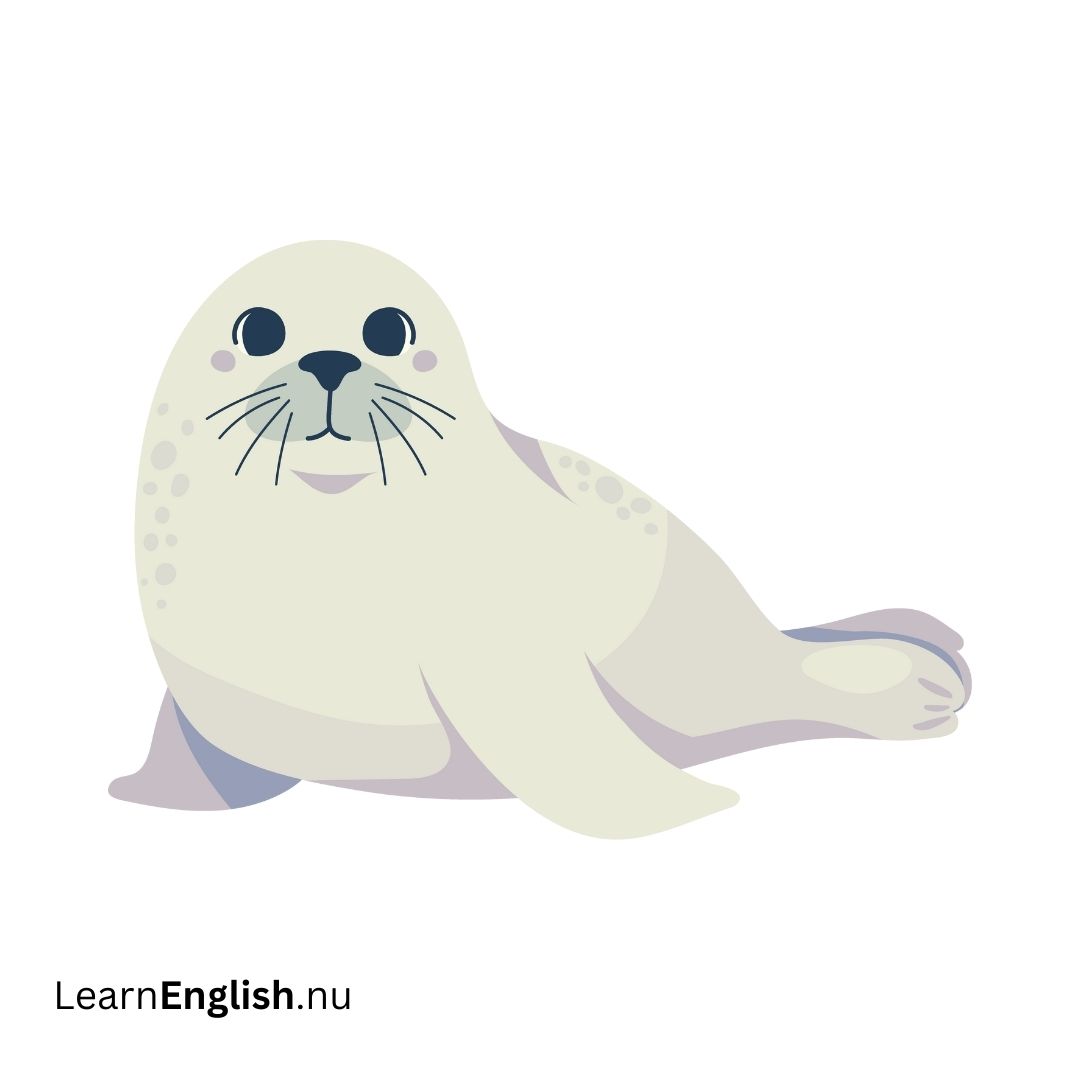 Säl
Säl
Seal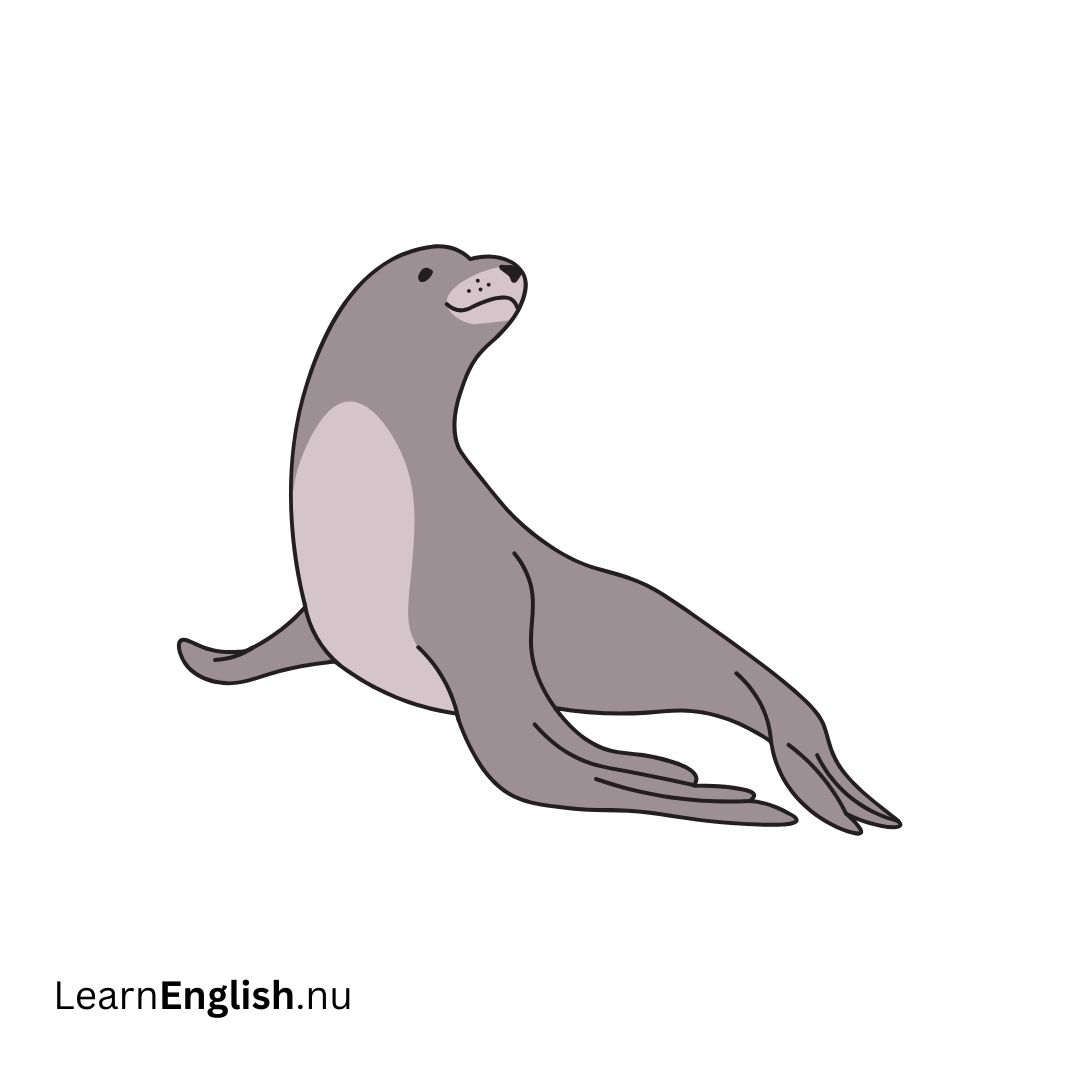 Sjölejon
Sea Lion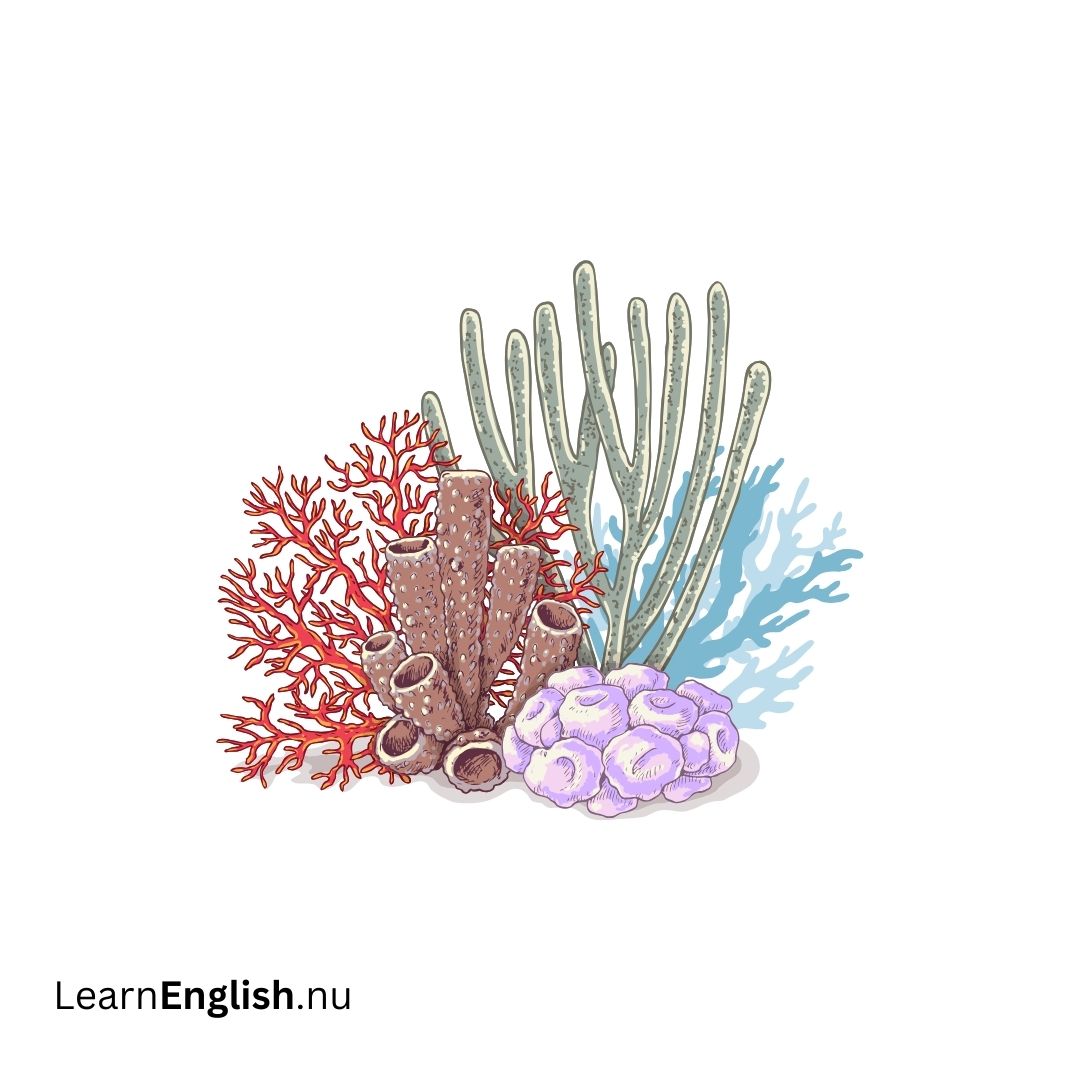 Korall
Coral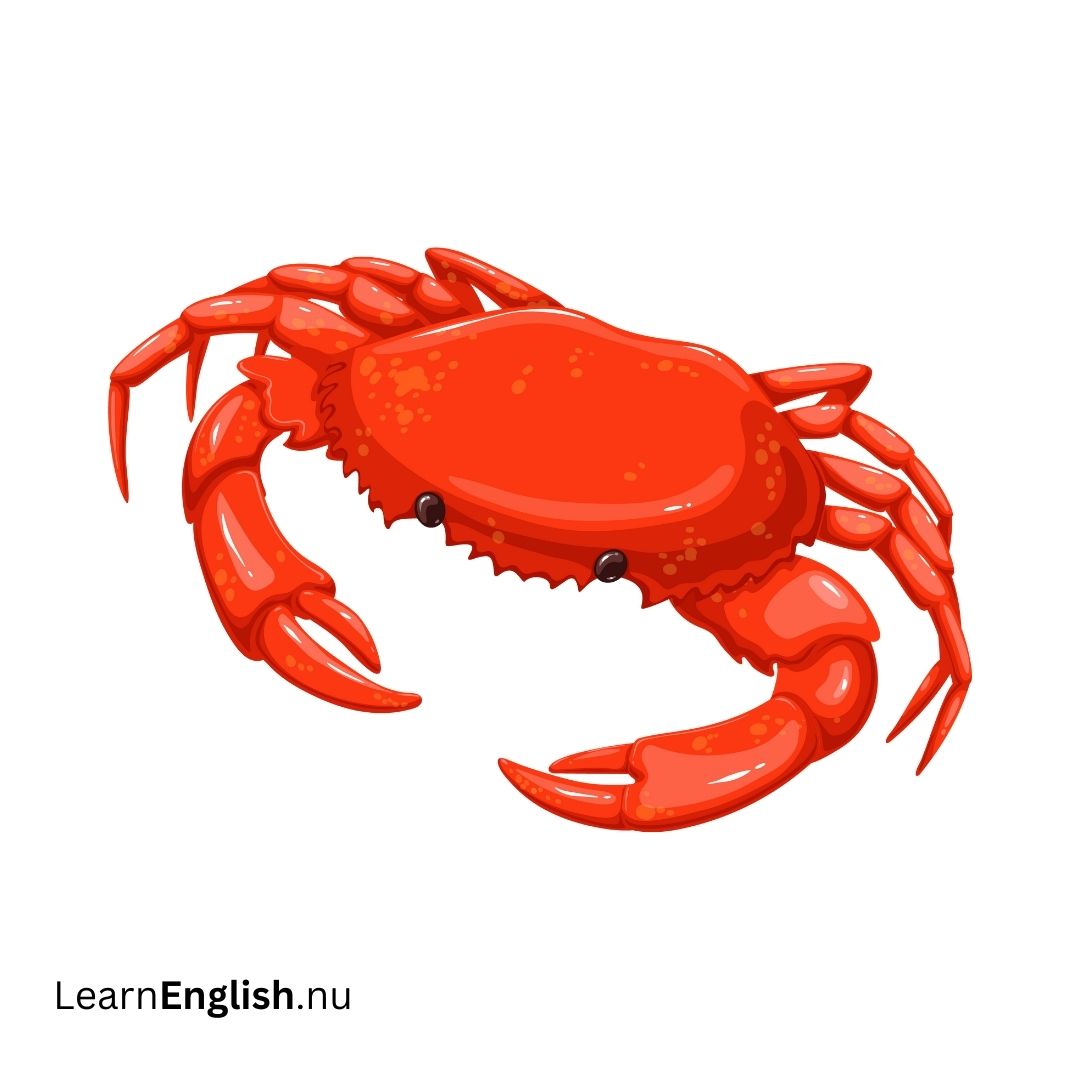 Krabba
Crab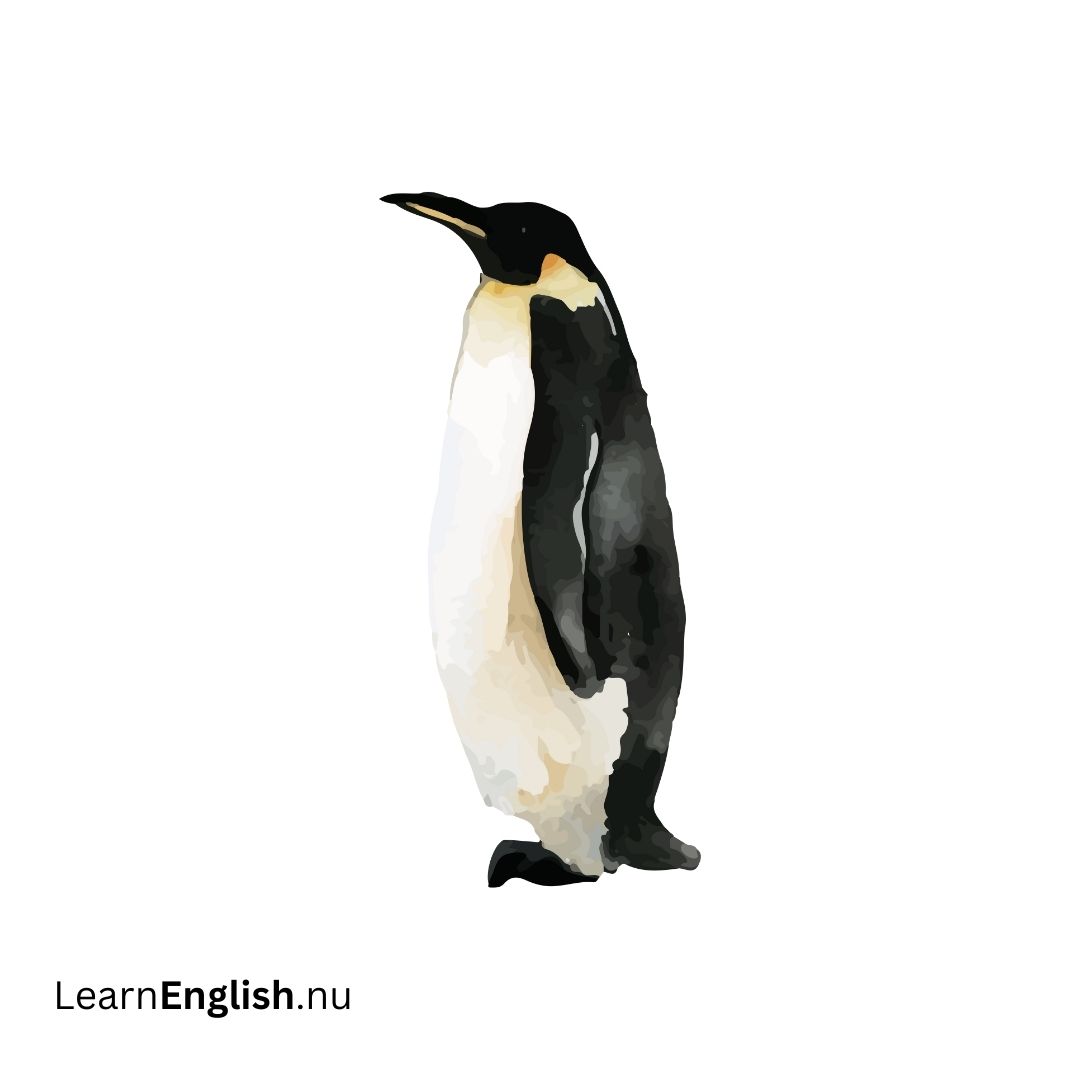 Pingvin
Penguin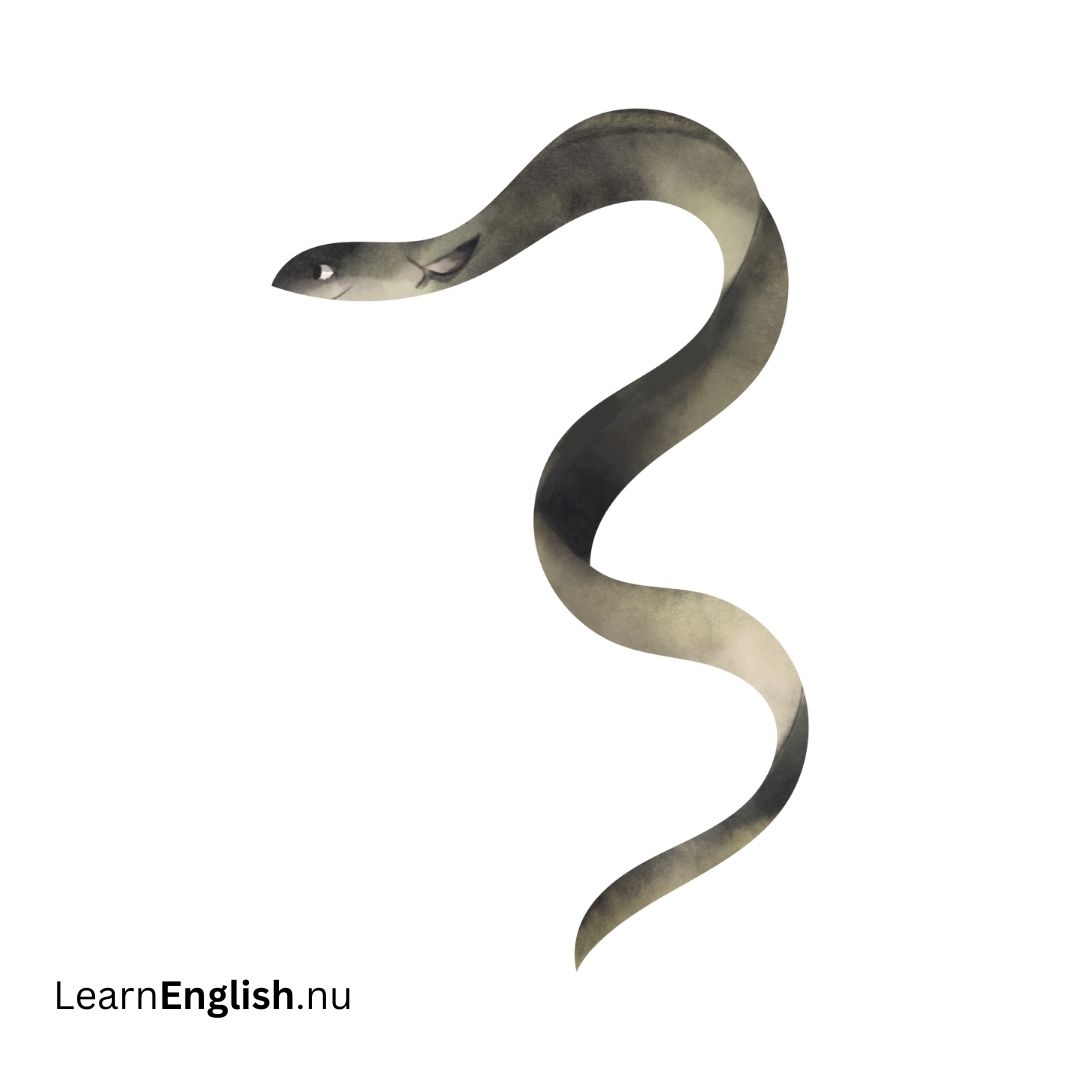 Ål
Ål
Eel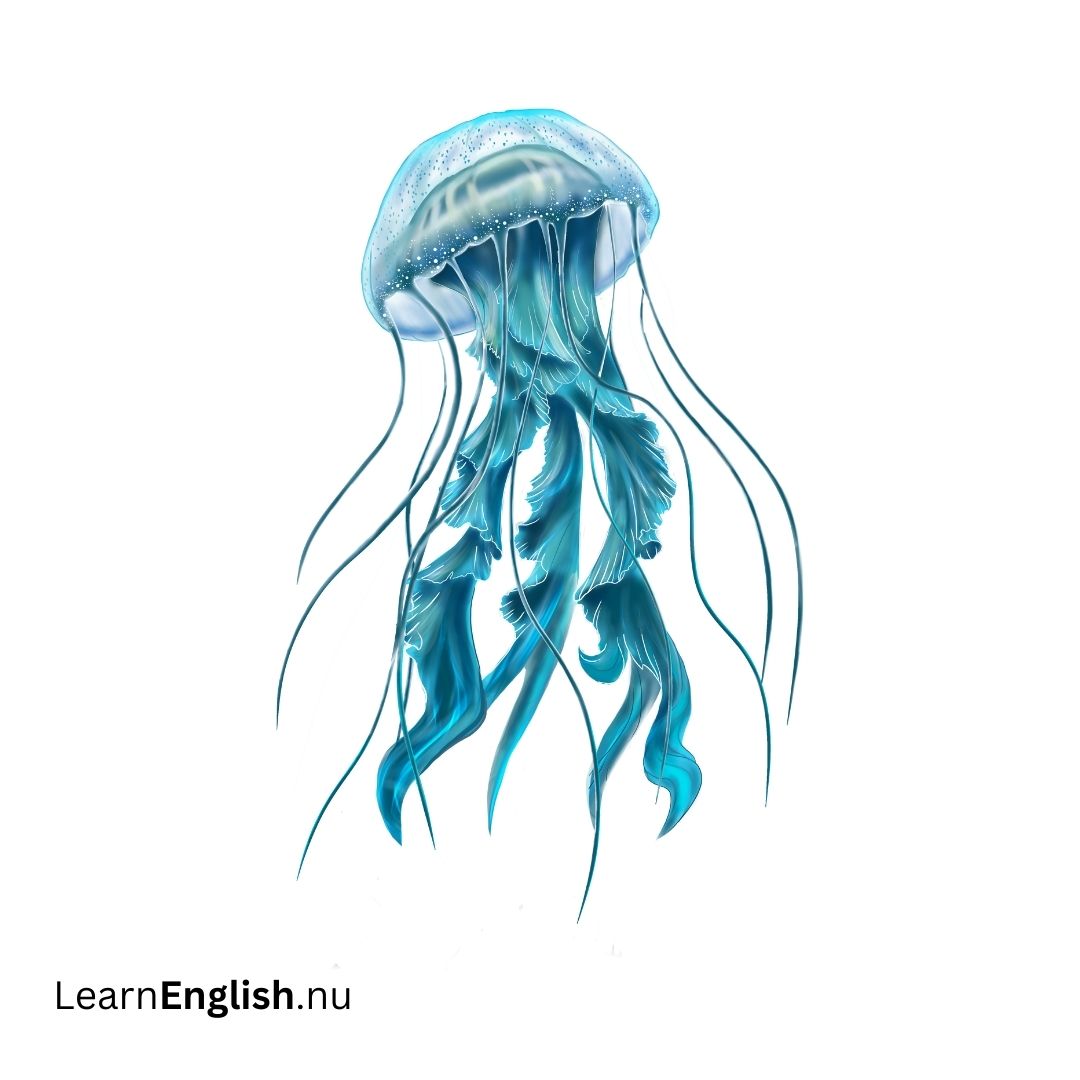 Manet
Manet
Jellyfish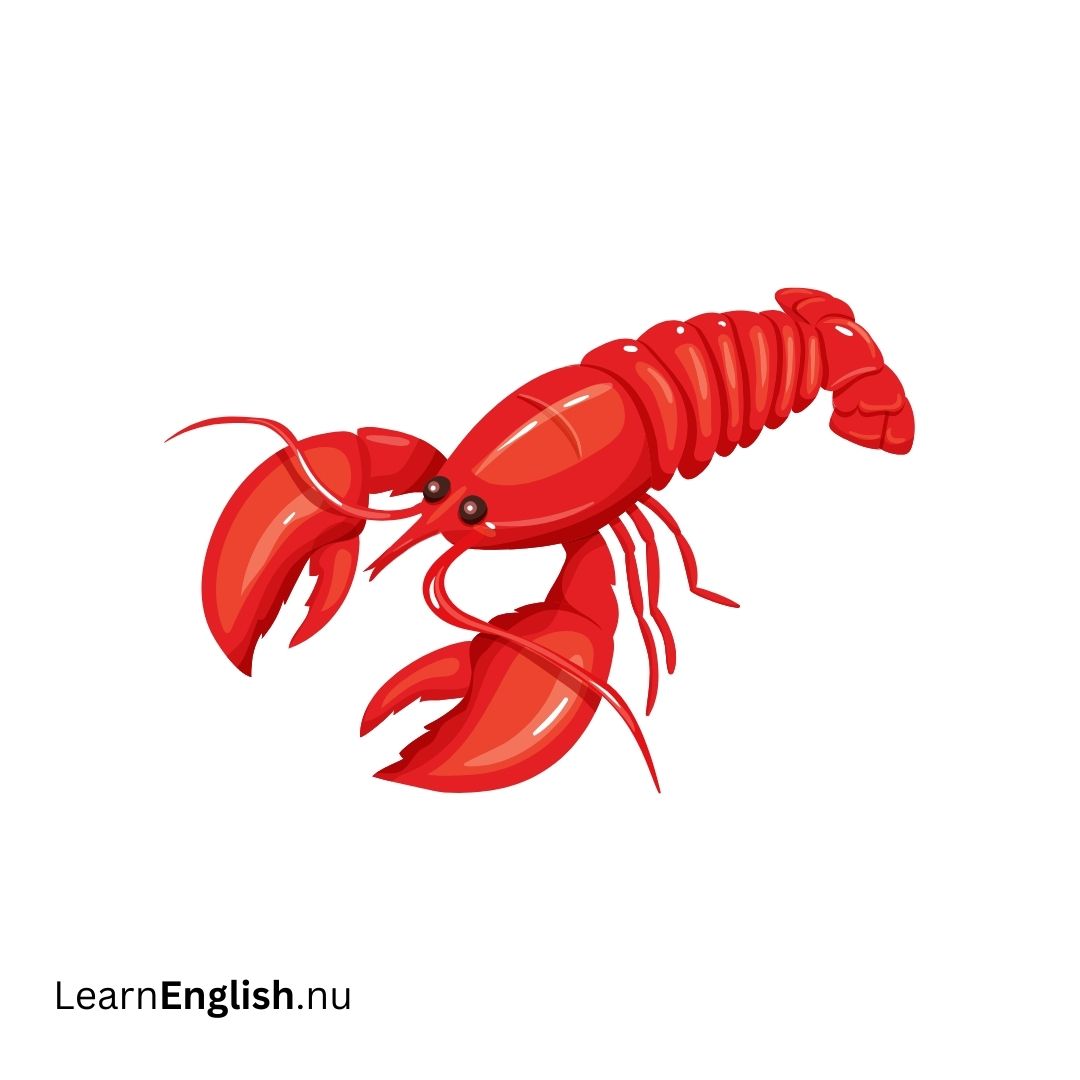 Hummer
Lobster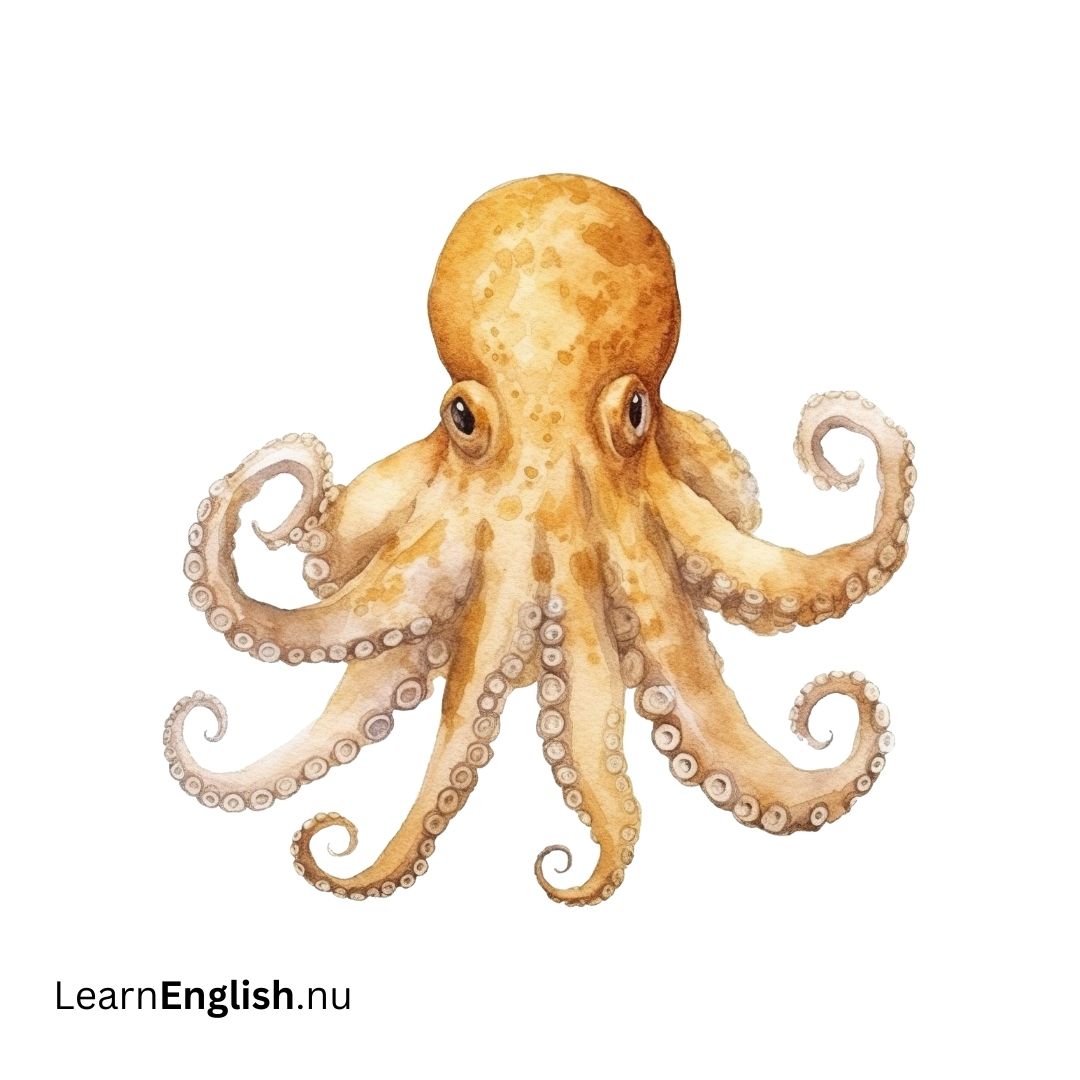 Bläckfisk
Octopus / Squid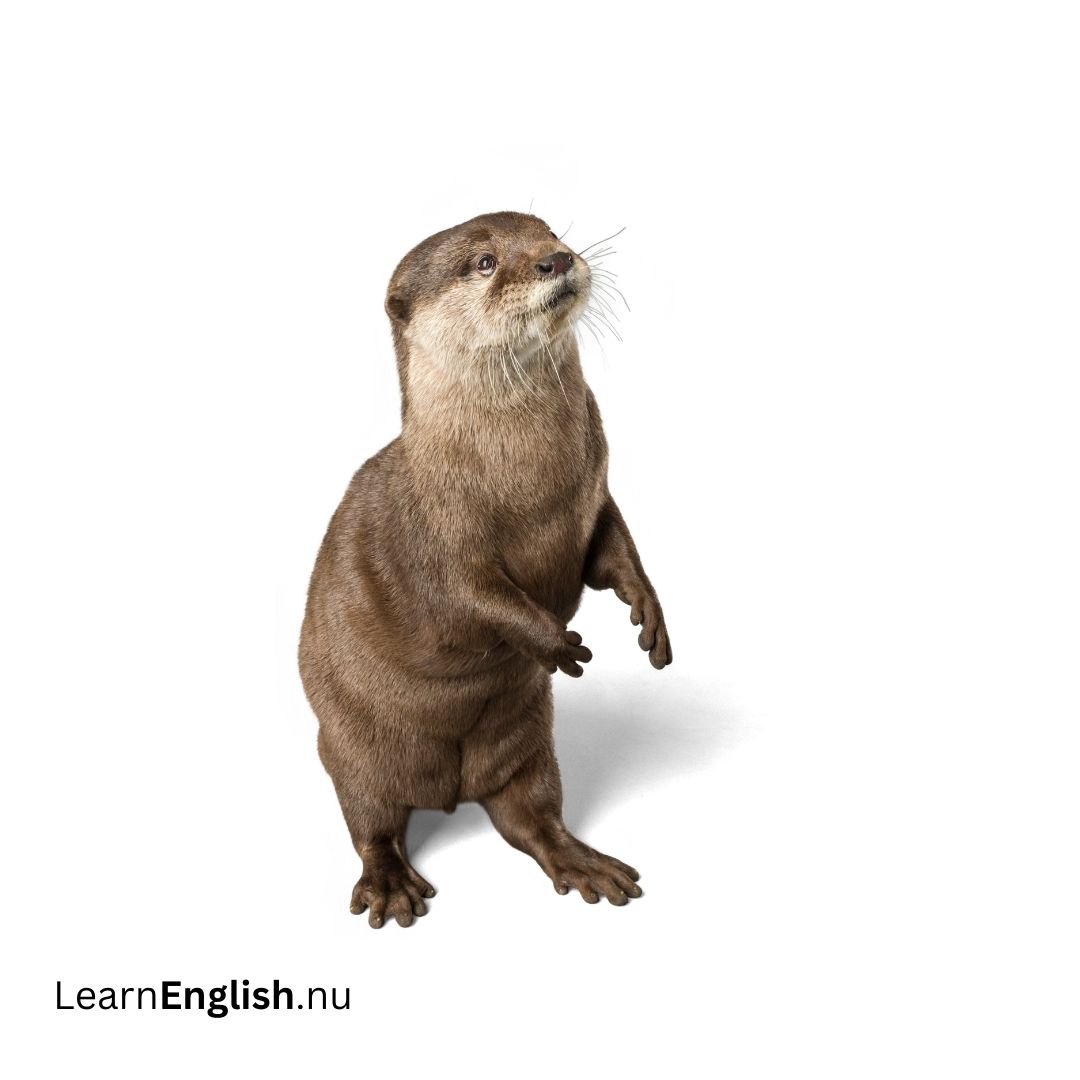 Utter
Utter
Otter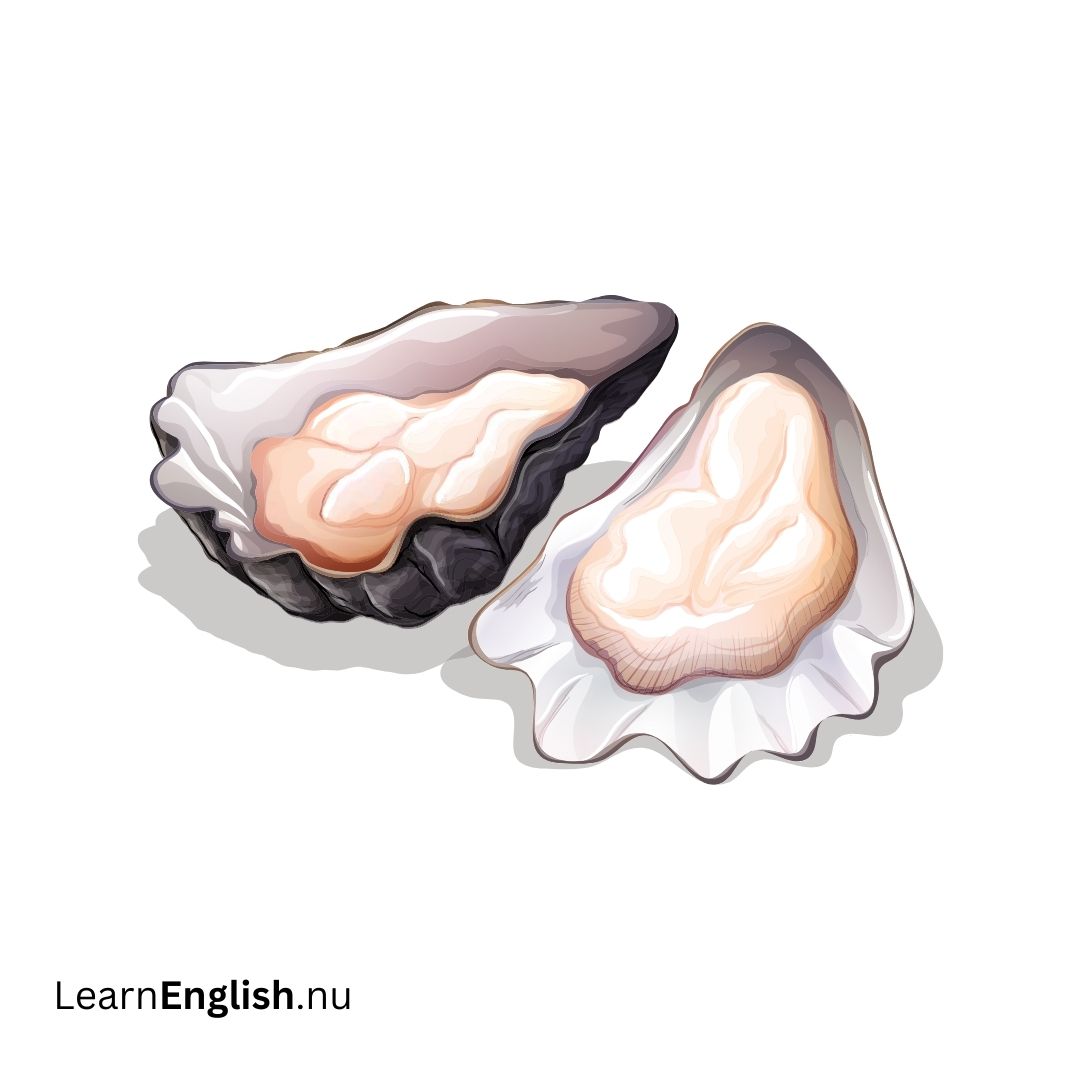 Ostron
Oyster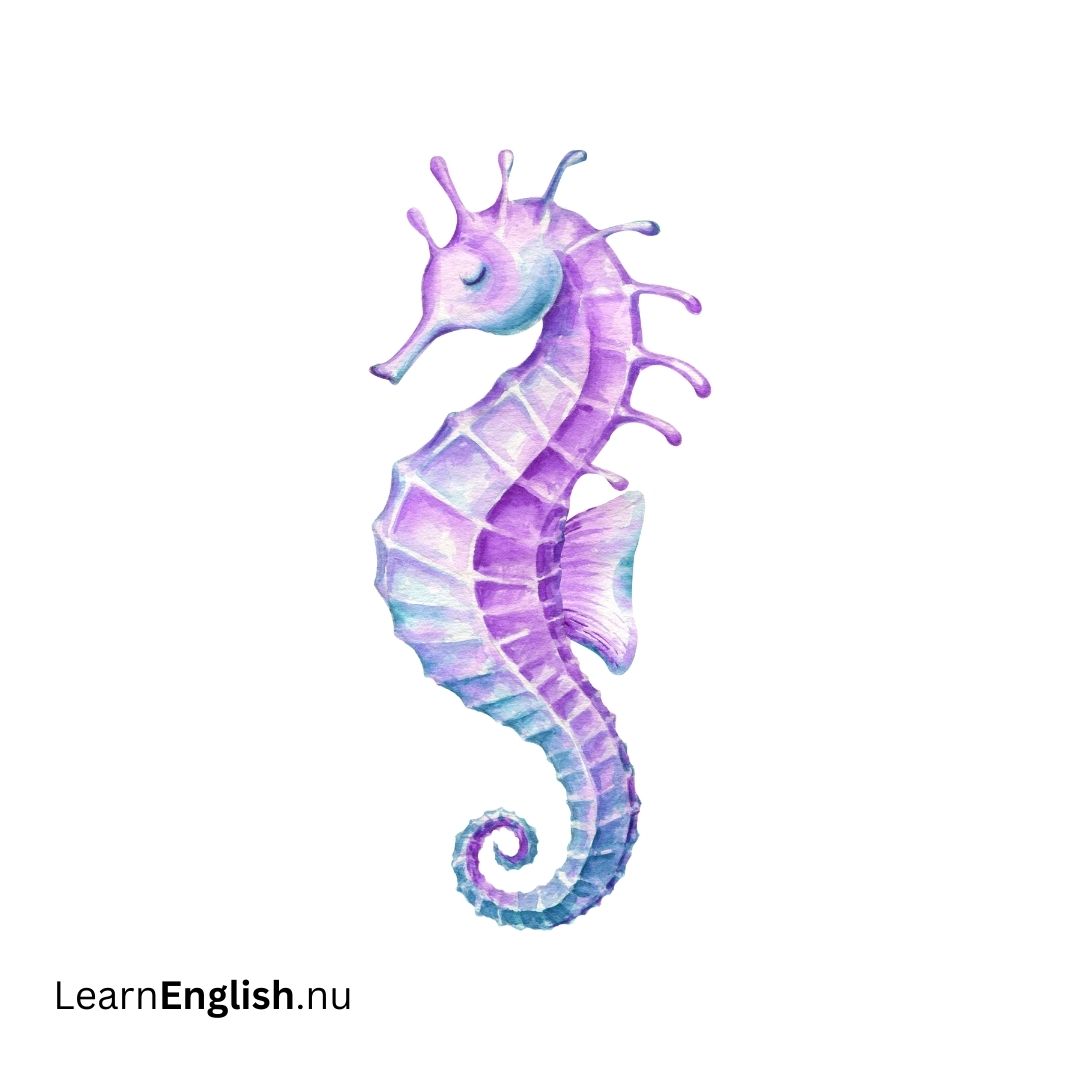 Sjöhäst
Seahorse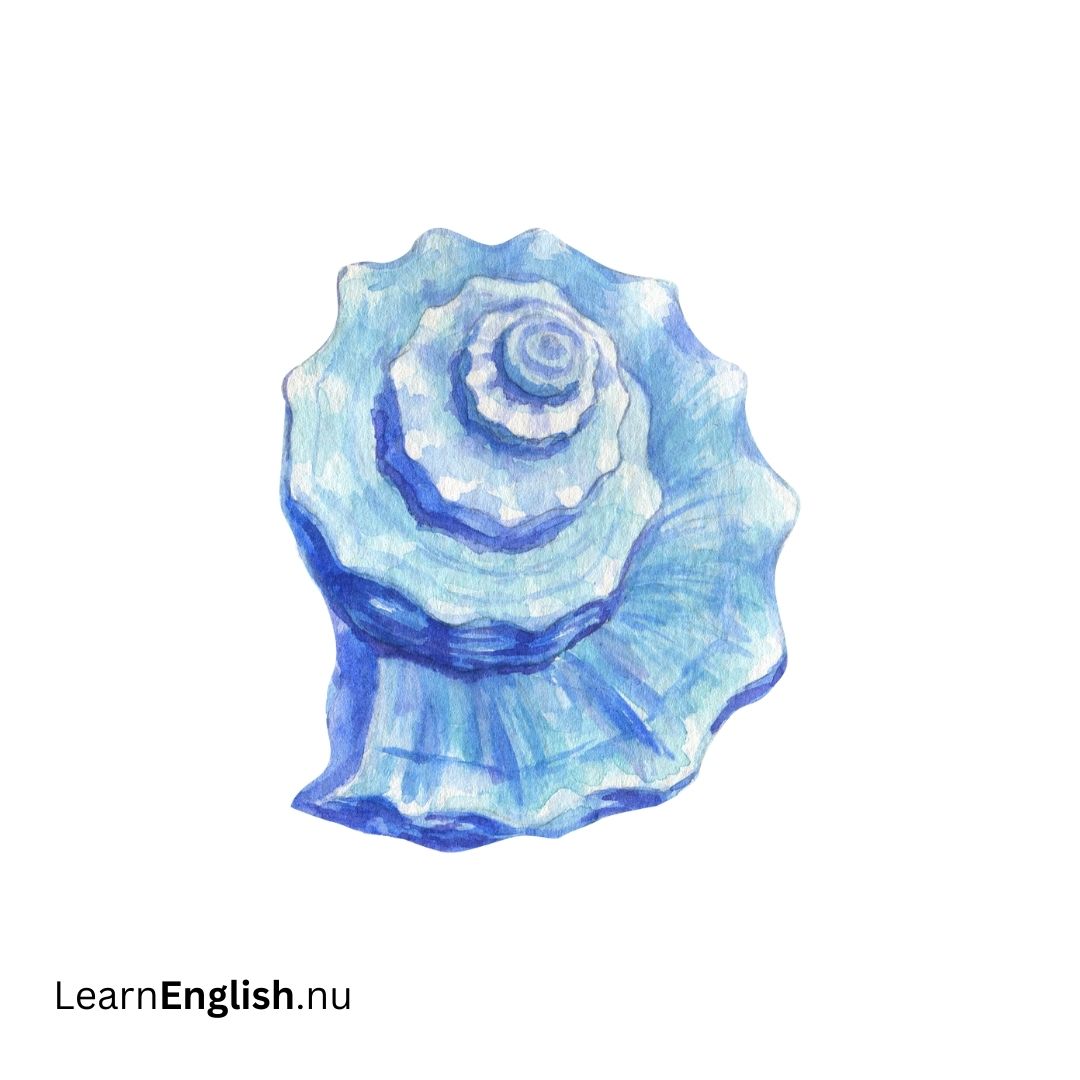 Snäcka
Seashell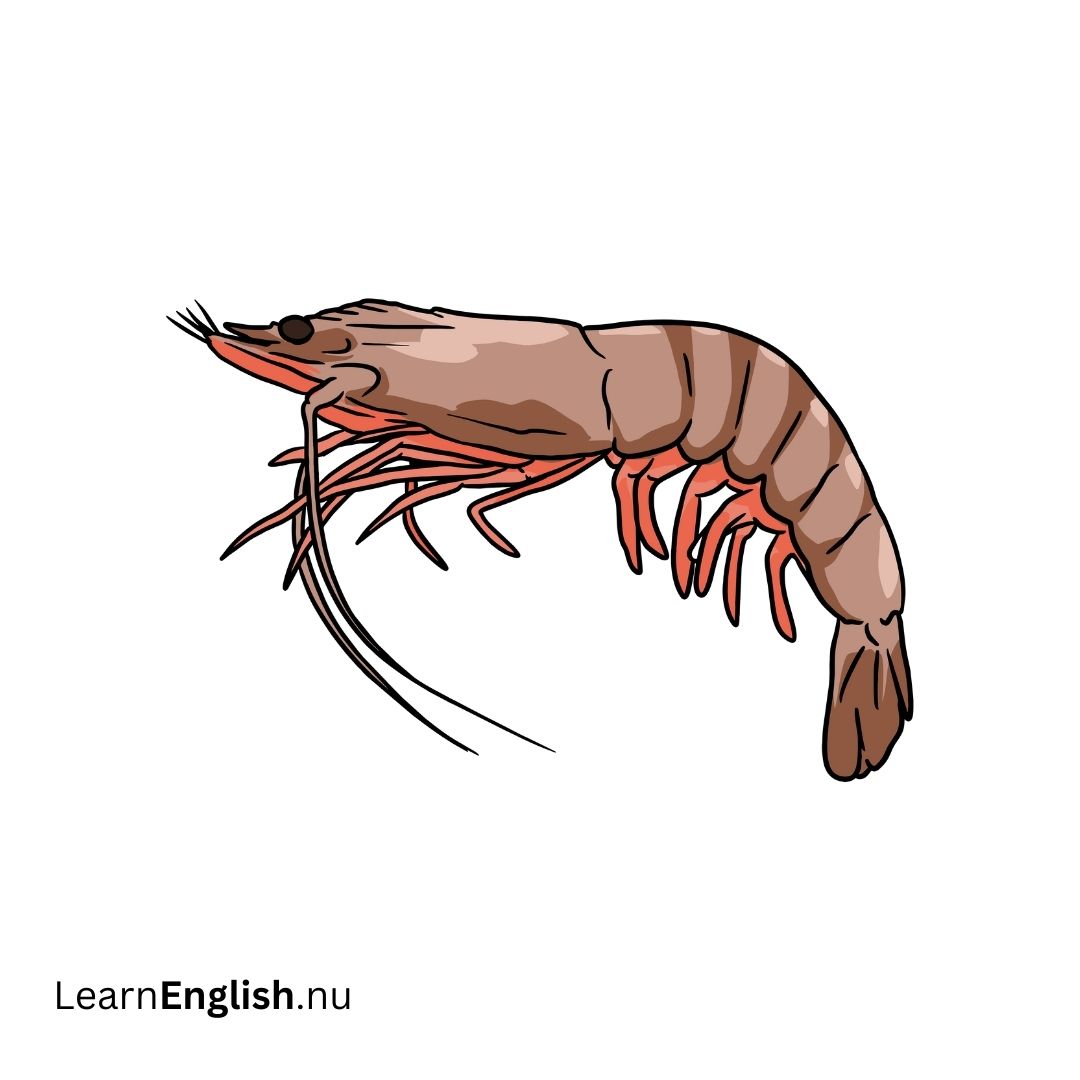 Räka
Räka
Shrimp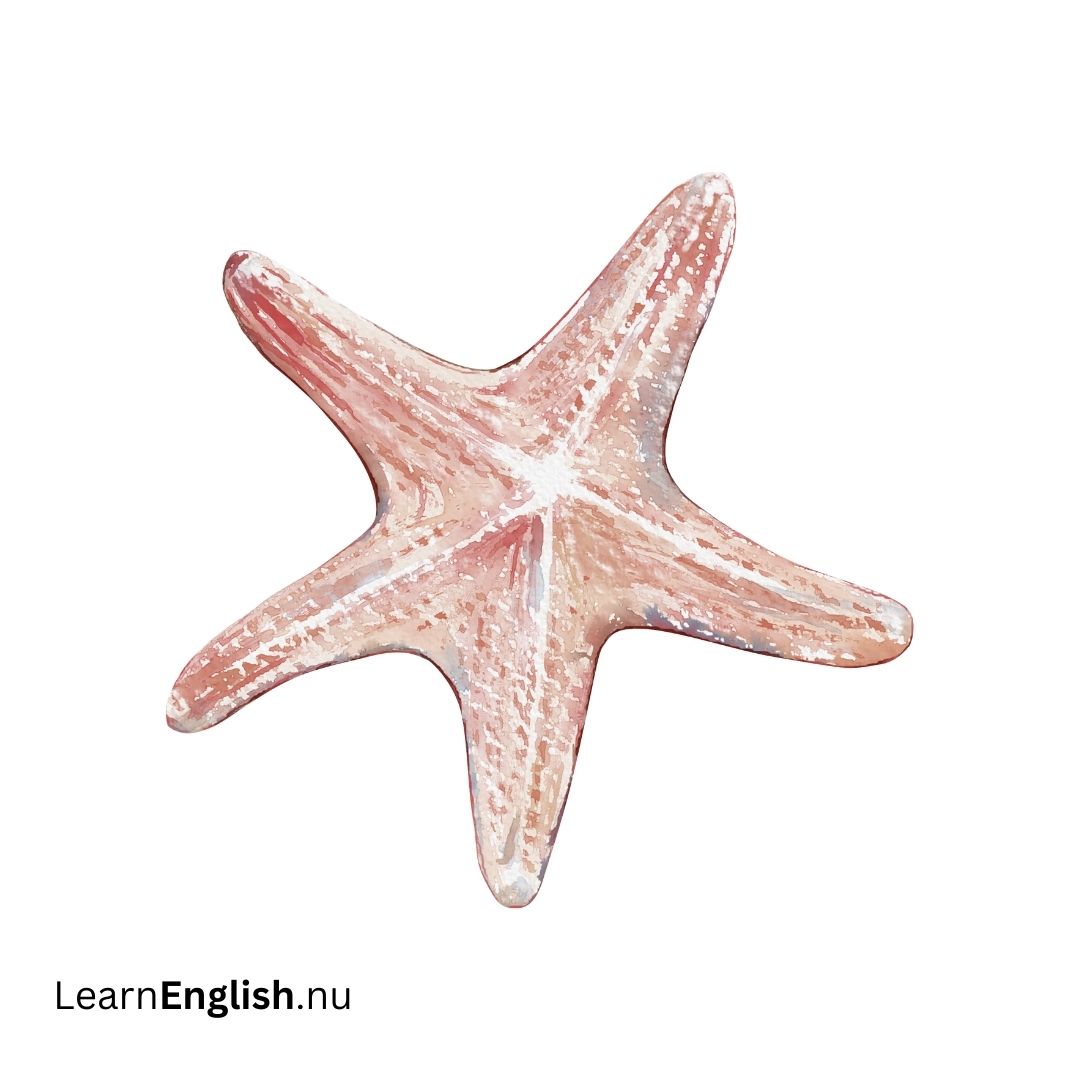 Sjöstjärna
Starfish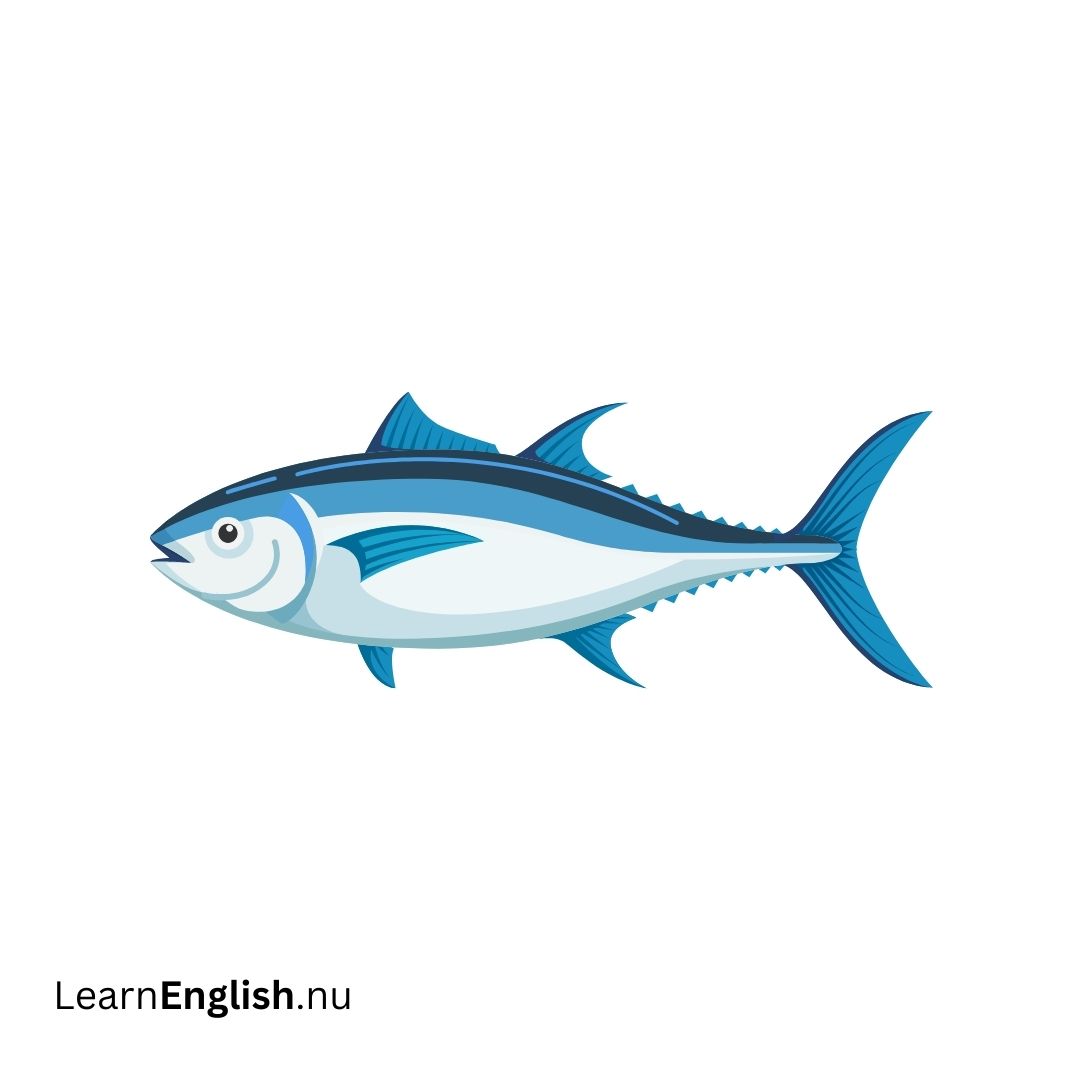 Tonfisk
Tuna Fish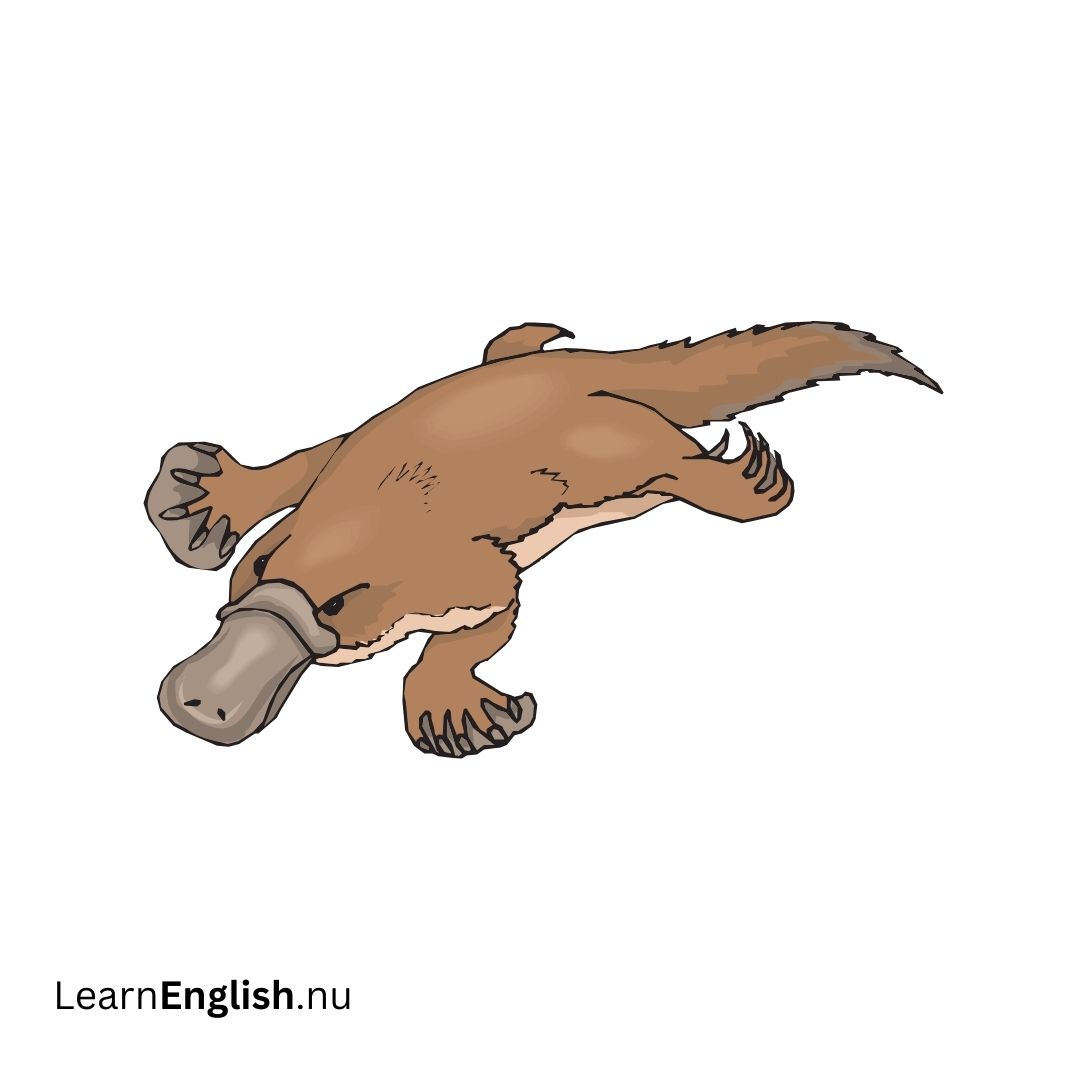 Näbbdjur
Platypus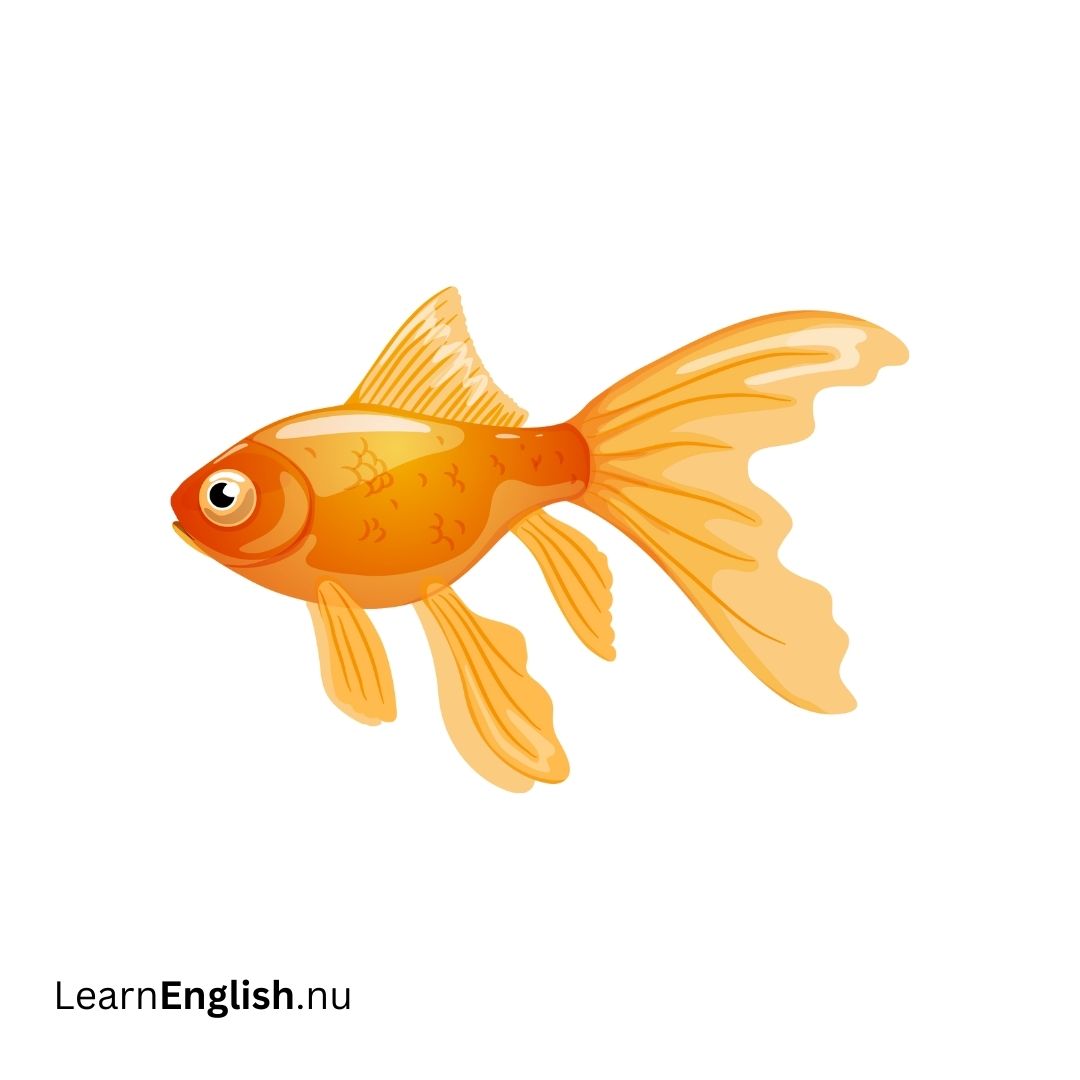 Guldfisk
Goldfish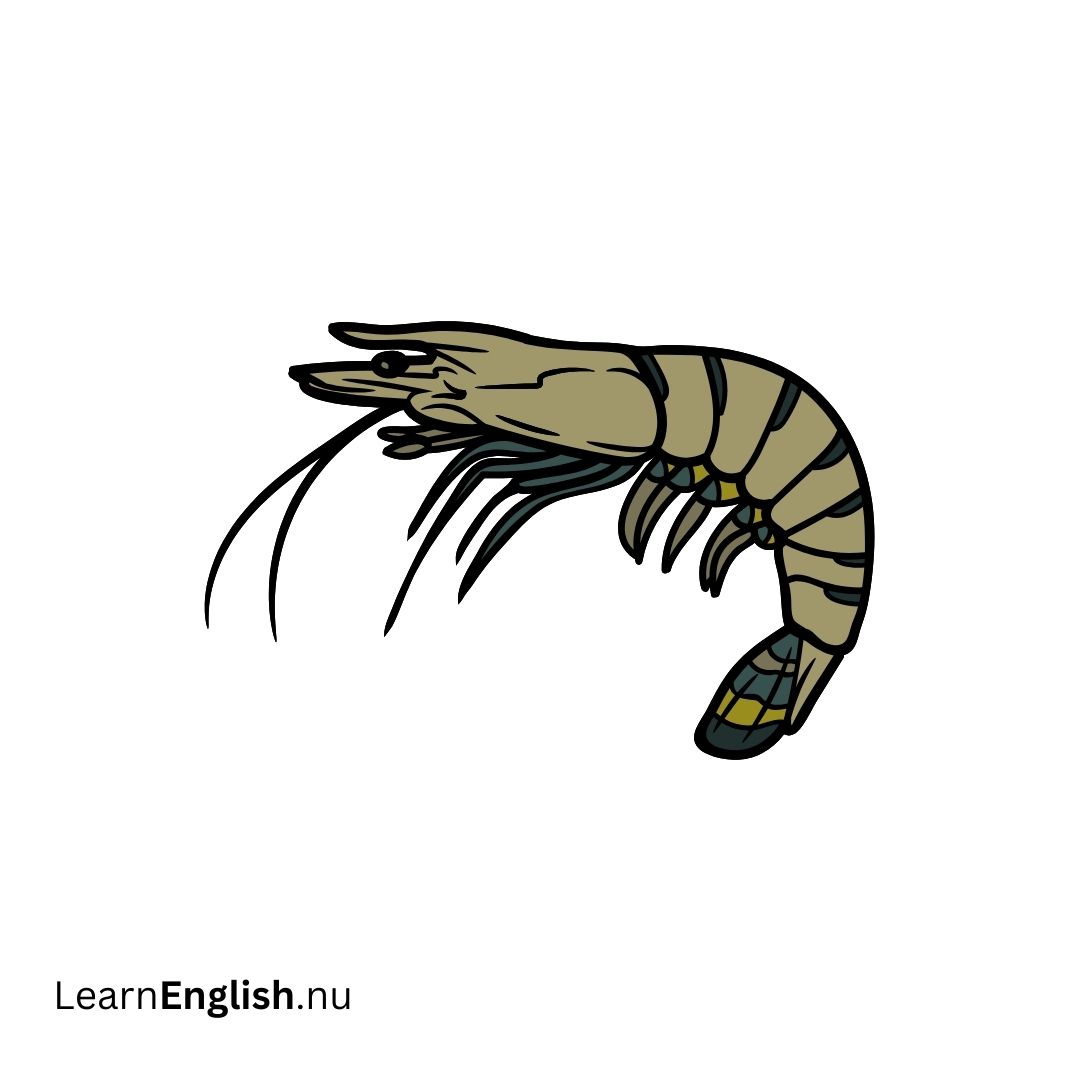 Räkor
Räkor
Prawns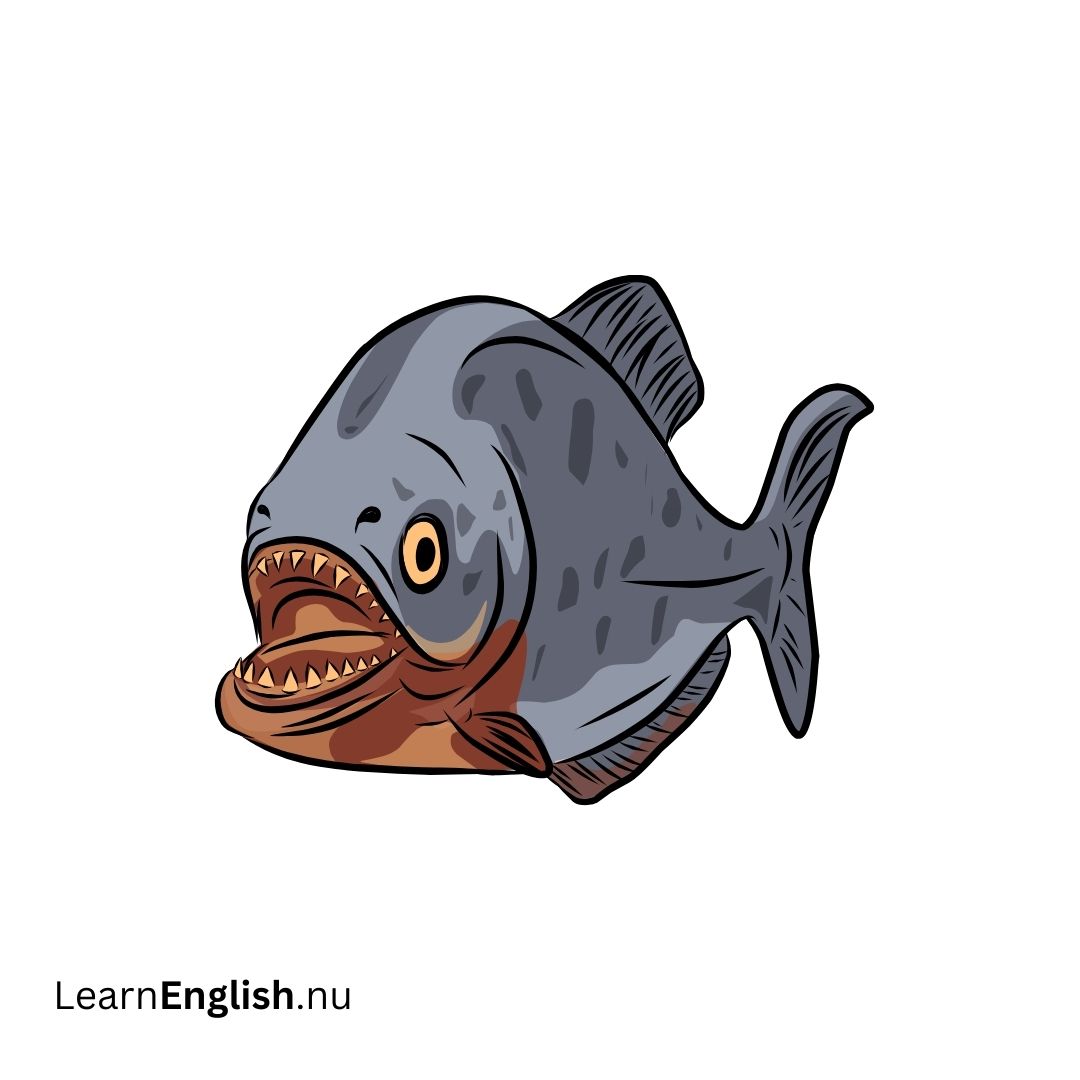 Piraya
Piranha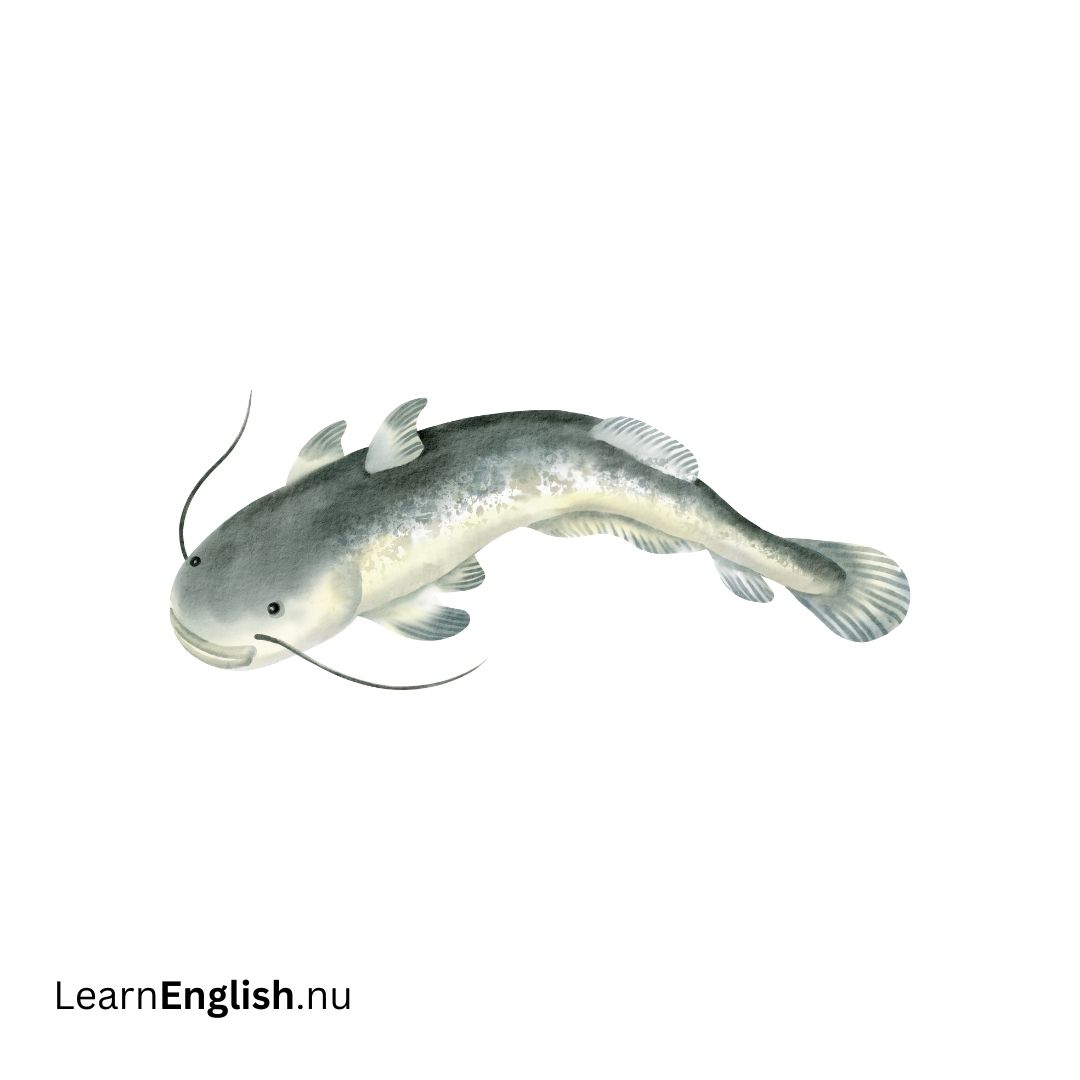 Mal
Mal
Catfish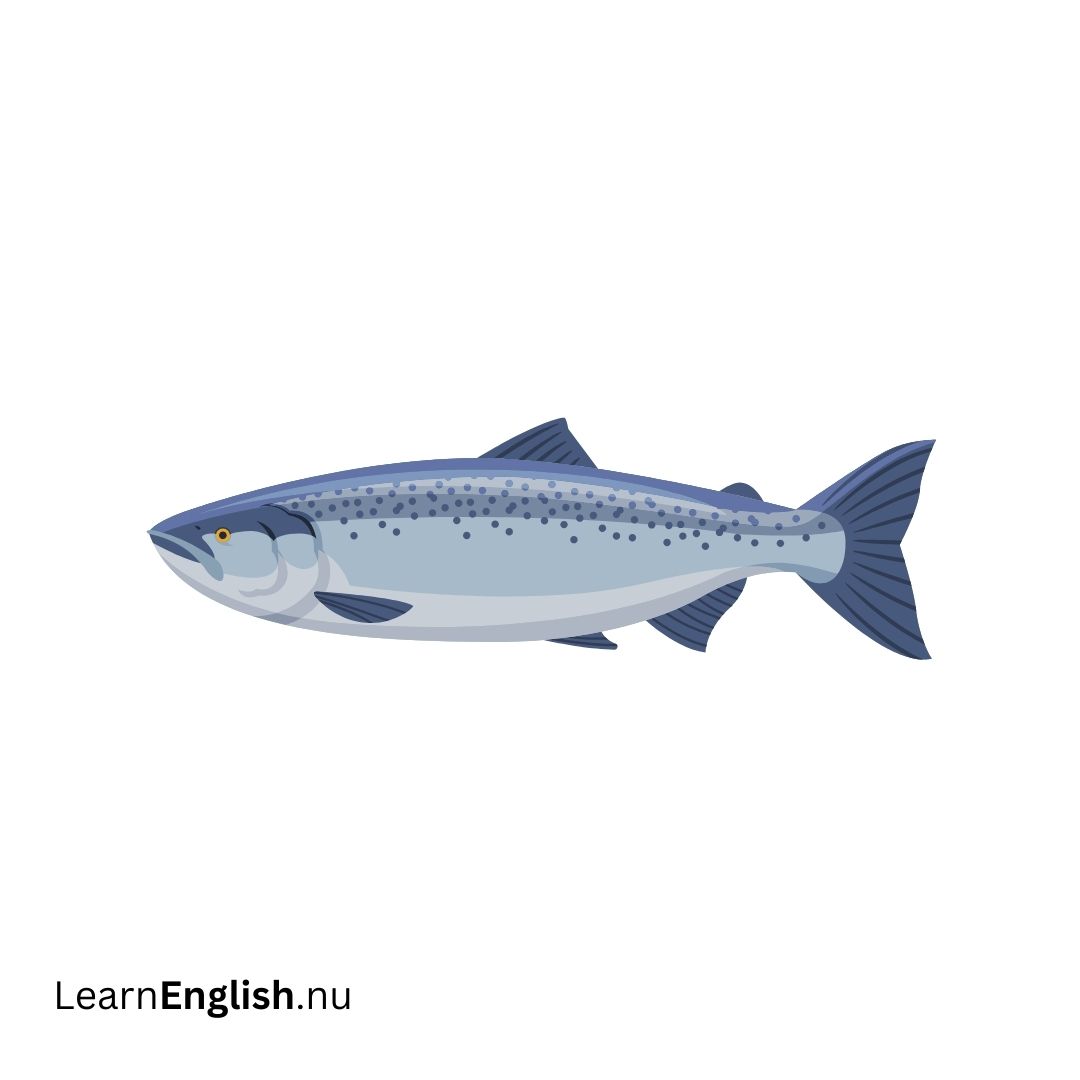 Lax
Lax
Salmon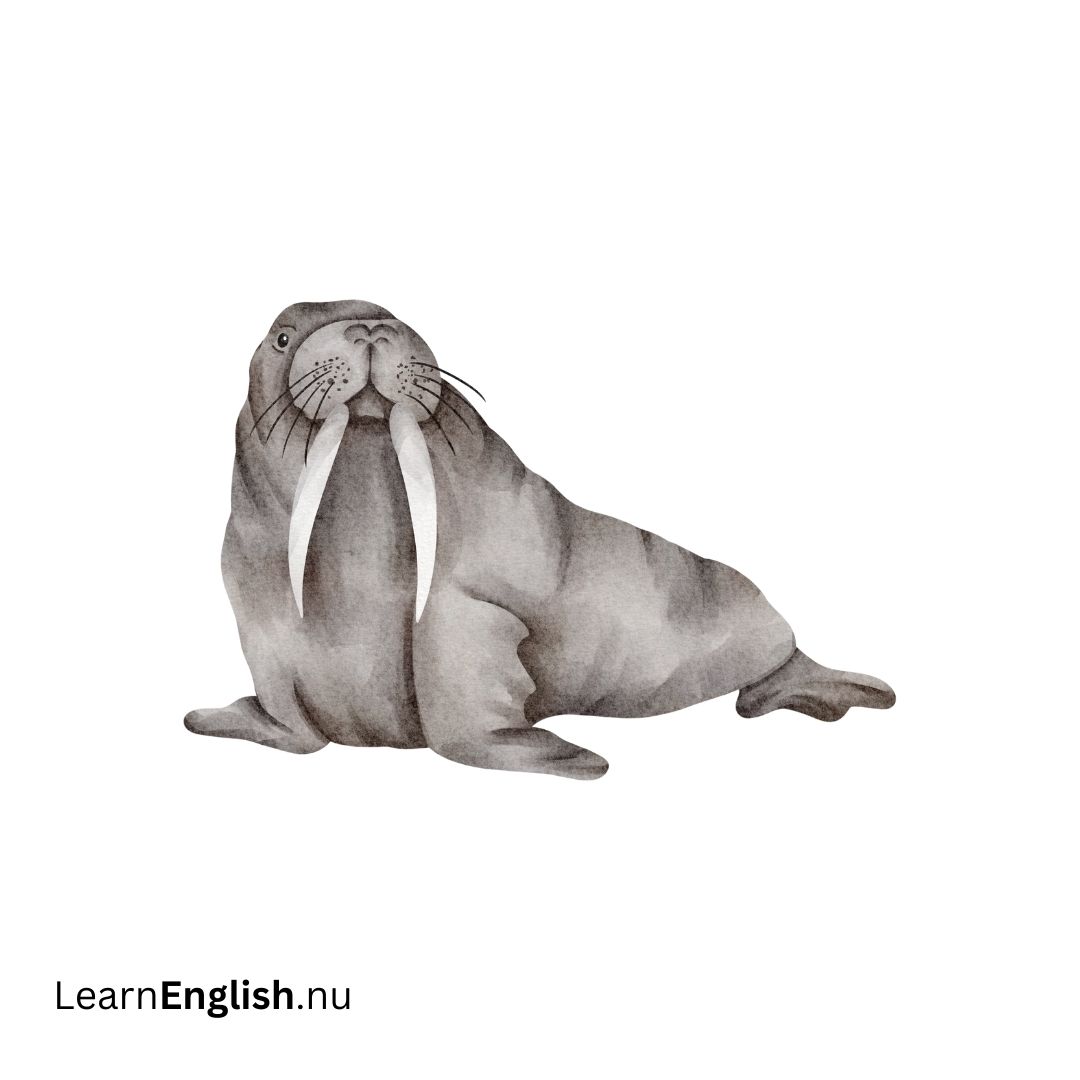 Valross
Walrus
Swedish Lessons: Sea Animals - List of marine animals in Swedish
- Delfin Dolphin
- Haj Shark
- Val Whale
- Späckhuggare Killer Whale
- Sköldpadda Turtle
- Säl Seal
- Sjölejon Sea Lion
- Korall Coral
- Krabba Crab
- Pingvin Penguin
- Ål Eel
- Manet Jellyfish
- Hummer Lobster
- Bläckfisk Octopus / Squid
- Utter Otter
- Ostron Oyster
- Sjöhäst Seahorse
- Snäcka Seashell
- Räka Shrimp
- Sjöstjärna Starfish
- Tonfisk Tuna Fish
- Näbbdjur Platypus
- Guldfisk Goldfish
- Räkor Prawns
- Piraya Piranha
- Mal Catfish
- Lax Salmon
- Valross Walrus
What Are Sea Animals?
Sea animals are creatures that inhabit the world's oceans and seas. They come in various forms, from fish to mammals, and even birds and reptiles. Understanding sea animals can enrich your knowledge of marine life and its impact on our environment. In this tutorial, we will explore different types of sea animals and provide their names in Swedish along with pronunciation guides.
Types of Sea Animals:
Sea animals can be broadly categorized into several groups:
- Fish (Fisk): These are aquatic animals with gills and fins. Examples include sharks (haj), pufferfish (kugelfisk), and angelfish (ängel fisk).
- Molluscs (Mollusker): Soft-bodied creatures often protected by a shell, such as snails (snigel), clams (mussla), and oysters (ostron).
- Crustaceans (Skaldjur): Hard-shelled animals with jointed legs, including crabs (krabba) and shrimps (räka).
- Mammals (Sälar): Marine mammals are warm-blooded and breathe air, such as whales (val), dolphins (delfin), sea lions (säl), and walruses (valross).
- Birds (Fåglar): Some birds, like seagulls (mås), are commonly found near or in the sea.
- Reptiles (Reptiler): Sea reptiles, such as saltwater crocodiles (saltvattenkrokodil) and turtles (sköldpadda), also inhabit marine environments.
Types of Fish in Swedish
Fish are incredibly diverse, thriving in various aquatic environments all over the world. This tutorial will introduce you to the main types of fish, categorized by their habitat, appearance, and lifestyle, along with their Swedish names. Learning about these types will help you understand the broad range of fish species and their unique characteristics.
Categories of Fish
Cartilaginous Fish (Kondrokranier)
- Examples: Sharks (Haj), Rays (Rocka), Skates (Stjärtrocka)
- Characteristics: These fish have skeletons made of cartilage instead of bone. They often have sharp teeth and are top predators in their ecosystems.
Bony Fish (Benfiskar)
- Subcategories: Ray-finned fish (Strålfeniga fiskar) and Lobe-finned fish (Lobfeniga fiskar)
- Characteristics: They have skeletons made of bone and make up the majority of fish species. This group includes many familiar freshwater and saltwater fish.
Ray-finned Fish (Strålfeniga fiskar)
- Examples: Salmon (Lax), Tuna (Tonfisk), Goldfish (Guldfisk), Clownfish (Clownfisk)
- Characteristics: Their fins are supported by long, bony rods arranged in a ray pattern. This is the largest class of vertebrates by species count.
Lobe-finned Fish (Lobfeniga fiskar)
- Examples: Coelacanths (Kolekanter), Lungfish (Lungfiskar)
- Characteristics: They have fleshy, lobed fins joined to the body by a single bone. They are closely related to the first terrestrial vertebrates.
Freshwater Fish (Sötvattensfiskar)
- Examples: Trout (Öring), Catfish (Kattfisk), Pike (Gädda)
- Habitats: Rivers, lakes, streams, and ponds. They are adapted to low salt environments and vary in size, shape, and behavior.
Saltwater Fish (Saltvattensfiskar)
- Examples: Cod (Torsk), Flounder (Rödspätta), Marlin (Marlin)
- Habitats: Oceans and seas. They are adapted to saline water with physiological features that maintain internal salt balance.
Diadromous Fish (Diadroma fiskar)
- Subcategories: Anadromous (Anadroma fiskar) and Catadromous (Katadroma fiskar)
- Characteristics: These fish migrate between freshwater and saltwater during their life cycle.
- Anadromous Fish: Salmon (Lax), Sea Trout (Havsöring) – migrate from the sea to freshwater to spawn.
- Catadromous Fish: Eels (Ål) – migrate from freshwater to the sea to spawn.
Reef Fish (Revfiskar)
- Examples: Clownfish (Clownfisk), Butterflyfish (Svirvelbarb), Angelfish (Ängelfisk)
- Habitats: Coral reefs. Often brightly colored with complex behaviors, thriving in rich environments with abundant food and shelter.
Deep-sea Fish (Djuphavsfiskar)
- Examples: Anglerfish (Fiskar), Viperfish (Vipercod), Goblin Shark (Goblinhaj)
- Habitats: Extreme depths with high pressure, low temperatures, and minimal light.
Pelagic Fish (Pelagiska fiskar)
- Examples: Mackerel (Makrill), Sardines (Sardin), Tuna (Tonfisk)
- Habitats: Open ocean, away from the sea floor. Often found in schools and can be in both coastal and oceanic waters.
Demersal Fish (Bottenlevande fiskar)
- Examples: Cod (Torsk), Flounder (Rödspätta), Halibut (Hälleflundra)
- Habitats: Near the sea floor but not on it. Adapted to life close to the bottom of seas and lakes.
Vocabulary Table
| English | Swedish | Pronunciation |
|---|---|---|
| Shark | Haj | /haɪ/ |
| Ray | Rocka | /roʊkɑː/ |
| Skate | Stjärtrocka | /ʃtʃæːrtˌrɔkɑː/ |
| Salmon | Lax | /lɑːks/ |
| Tuna | Tonfisk | /tʊnˌfɪsk/ |
| Goldfish | Guldfisk | /ˈɡʊldˌfɪsk/ |
| Clownfish | Clownfisk | /ˈklaʊnˌfɪsk/ |
| Coelacanth | Kolekanter | /ˈsiːləkænθ/ |
| Lungfish | Lungfiskar | /ˈlʌŋˌfɪskɑːr/ |
| Trout | Öring | /ˈɜːrɪŋ/ |
| Catfish | Kattfisk | /ˈkætˌfɪsk/ |
| Pike | Gädda | /ˈɡædə/ |
| Cod | Torsk | /tɔːrk/ |
| Flounder | Rödspätta | /ˈrɜːdˌspætə/ |
| Marlin | Marlin | /ˈmɑːrlɪn/ |
| Eel | Ål | /oʊl/ |
| Clownfish | Clownfisk | /ˈklaʊnˌfɪsk/ |
| Butterflyfish | Svirvelbarb | /ˈbʌtərˌflaɪfɪʃ/ |
| Angelfish | Ängelfisk | /ˈeɪndʒəlˌfɪsk/ |
| Goblin Shark | Goblinhaj | /ˈɡɒblɪn ʃɑːrk/ |
| Mackerel | Makrill | /ˈmækˌrɪl/ |
| Sardines | Sardin | /sɑːˈdiːnz/ |
| Halibut | Hälleflundra | /ˈhælɪˌblʌndrə/ |
Marine Animals in Swedish
If you're starting to learn Swedish and have an interest in marine life, this tutorial is perfect for you. Whether you're curious about fish, sea mammals, or even sharks, you'll find useful vocabulary to help you talk about sea creatures in Swedish. This guide will provide you with the names of various marine animals, along with their pronunciations, so you can start using these terms confidently.
| English | Swedish | Pronunciation |
|---|---|---|
| Shark | Haj | hahy |
| Pufferfish | Kugelfisk | koo-gel-fisk |
| Angelfish | Ängel fisk | eng-el feesk |
| Snail | Snigel | sni-gel |
| Clam | Mussla | moos-la |
| Oyster | Ostron | os-tron |
| Crab | Krabba | krab-ba |
| Shrimp | Räka | ray-ka |
| Whale | Val | val |
| Dolphin | Delfin | del-fin |
| Sea lion | Säl | sell |
| Walrus | Valross | val-ross |
| Seagull | Mås | maws |
| Saltwater crocodile | Saltvattenkrokodil | salt-vah-ten kroh-koh-deel |
| Turtle | Sköldpadda | shuld-pah-da |
| Jellyfish | Manet | mah-net |
| Starfish | Sjöstjärna | shuh-styer-na |
| Octopus | Bläckfisk | blek-fisk |
| Sea urchin | Sjöborre | shuh-bor-re |
| Sea cucumber | Sjöslang | shuh-slang |
| Manta ray | Manta | man-ta |
| Swordfish | Svärdfisk | svaird-fisk |
| Eel | Ål | awl |
| Sea horse | Sjöhäst | shuh-hest |
| Lobster | Hummer | hoo-mer |
| Coral | Korall | ko-rall |
| Nautilus | Nautilus | now-til-us |
| Beluga whale | Belugaval | beh-loo-ga-val |
| Harbour seal | Gråsäl | groh-sel |
| Manatee | Manat | mah-nah-teh |
| Dugong | Dugong | doo-gong |
| Minke whale | Minkval | mink-val |
| Sperm whale | Spermval | sperm-val |
| Blue whale | Blåval | blaw-val |
| Humpback whale | Knölval | knoel-val |
| Gray whale | Gråval | grah-val |
| Narwhal | Narval | nar-val |
| Sea otter | Sjøutter | shoo-uh-ter |
| Krill | Krill | krill |
| Cuttlefish | Sepia | sep-ee-uh |
| Ribbon eel | Bandåla | band-aw-la |
| Portuguese man o' war | Portugisisk manet | port-oo-gees-isk mah-net |
| Anglerfish | Djupröding | djoop-roh-ding |
| Harbour porpoise | Tumlare | toom-lah-reh |
How to Teach Sea Animals in Swedish
Teaching sea animals in Swedish can be an enriching way to combine language learning with knowledge about marine life. This tutorial outlines effective methods to teach sea animal vocabulary, including pronunciation tips, interactive activities, and strategies for creating an immersive learning experience.
Teaching Sea Animals in Swedish:
- Start with Common Sea Animals: Begin by introducing familiar sea animals to make the learning process more relatable. Focus on well-known creatures such as sharks (haj), whales (val), dolphins (delfin), and seagulls (mås). Utilize visual aids like pictures, flashcards, or videos to help learners connect the Swedish names with the animals' appearances.
- Use Pronunciation Guides: To ensure learners can pronounce Swedish terms accurately, provide phonetic guides. For example, “shark” is “haj” (pronounced “hahy”), and “dolphin” is “delfin” (pronounced “del-fin”). Including these pronunciation tips will help learners articulate the names correctly and confidently.
- Incorporate Repetition and Practice: Repetition is essential for retaining vocabulary. Regularly practice the names of sea animals through diverse exercises such as writing drills, speaking activities, and flashcard games. Encourage learners to use these words in sentences and daily conversations to reinforce their understanding.
- Engage with Interactive Activities: Make learning engaging by incorporating interactive activities. Create matching games where learners pair Swedish names with images of sea animals, or design quizzes to test their knowledge. Fun activities like "Sea Animal Bingo" or "Find the Sea Animal" can enhance vocabulary retention through active participation.
- Provide Cultural Context: Offer insights into the relevance of sea animals in Swedish culture and marine environments. Discuss how these animals are integral to Sweden’s marine life and conservation efforts. Share interesting facts, such as their role in Swedish folklore or their presence in local waters, to make the vocabulary more engaging and contextually relevant.
- Use Multimedia Resources: Leverage multimedia resources to enrich the learning experience. Integrate educational videos, songs, and interactive apps focused on marine life. These tools provide visual and auditory reinforcement of Swedish terms, helping learners better grasp and remember the vocabulary.
- Create a Learning Environment: Foster a language-rich environment to support continuous learning. Label classroom items with their Swedish names, including sea animals, and display posters featuring sea animal vocabulary. Encourage learners to use Swedish in relevant contexts, promoting immersion and reinforcing their language skills.
- Incorporate Real-Life Experiences: If possible, arrange virtual or real-life field trips to aquariums or marine centers. Observing sea animals in their habitats can provide practical context and deepen learners’ understanding of the vocabulary.
- Encourage Group Activities: Facilitate group activities such as role-playing scenarios involving sea animals or group discussions about marine conservation. Group work can enhance communication skills and make learning more dynamic.
Related Topics
Swedish Lessons: wild animals names in Swedish
Swedish Lessons: bedroom items list with pictures in Swedish
Farm animals in Swedish: Animal Names in Swedish
Swedish Lessons: Swedish tools and equipment Vocabulary Words
Swedish Lessons: Swedish Garden Vocabulary Words
Swedish Lessons: Swedish Drink Words Vocabulary Words
Toys name list in Swedish language with pictures
Swedish Lessons: Swedish Food and Meals Vocabulary Words with Pronunciation
Swedish Lessons: Bird names in Swedish pictures & audio
Swedish Lessons: Swedish utility room Vocabulary Words
The Most Common Swedish Verbs - Swedish verbs list
Swedish Lessons: Action Verbs in Swedish
Swedish Lessons: Swedish cleaning tools Vocabulary Words
Swedish Lessons: Swedish kitchen utensils Vocabulary Words
Swedish prepositions list - Swedish prepositions
Swedish Lessons: Swedish Bathroom Vocabulary Words
Swedish Lessons: Insects and Reptiles in Swedish pictures & audio
Swedish Lessons: House vocabulary words in Swedish
List of vegetables Grönsaker in Swedish
Swedish Lessons: Swedish Transportation Vocabulary And Phrases
Swedish Lessons: Swedish animal names
Swedish Electrical Appliances: Household Devices Word List
Swedish Lessons: Fashion accessories in Swedish
Swedish Lessons: Summer Clothing in Swedish
Swedish Lessons: Swedish winter clothes
Swedish Lessons: Men's Clothing in Swedish
Swedish Lessons: Women's Clothing in Swedish
Swedish Lessons: Swedish baby clothes | Swedish Children Clothing