Exploring the names of wild animals in Swedish opens up a fascinating world of vocabulary and cultural insight. Whether you're a language learner, a wildlife enthusiast, or just curious about the Swedish language, understanding how to name and discuss wild animals in Swedish can be incredibly rewarding. This guide provides you with a comprehensive list of wild animals, including their names and pronunciations in Swedish. By learning these terms, you'll not only expand your Swedish vocabulary but also gain a deeper appreciation for the diversity of wildlife around the world. This tutorial is designed to help beginners get started with practical vocabulary and pronunciation tips, making it easier to talk about animals in Swedish with confidence.
Click on the text to hear the pronunciation
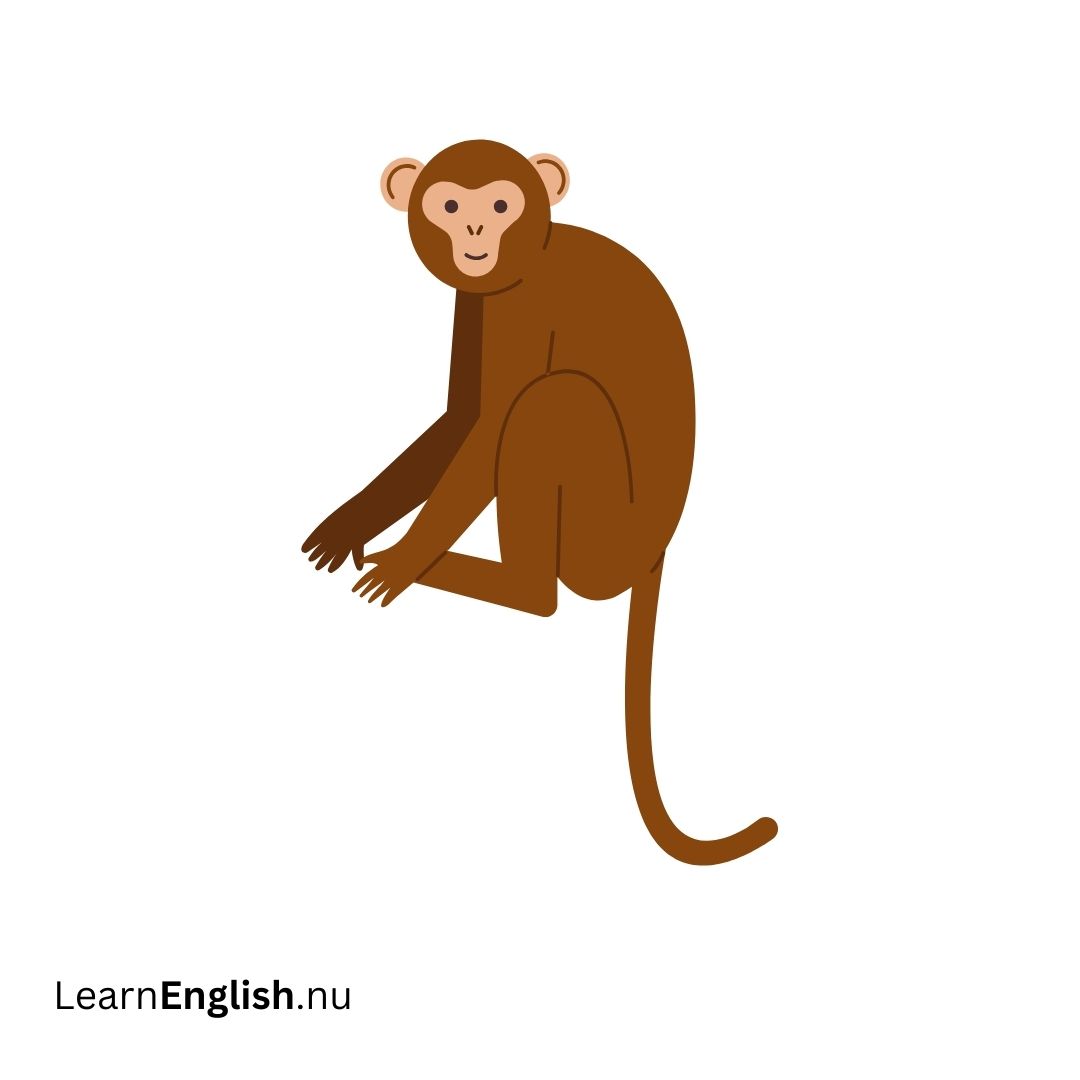 Apa
Apa
Monkey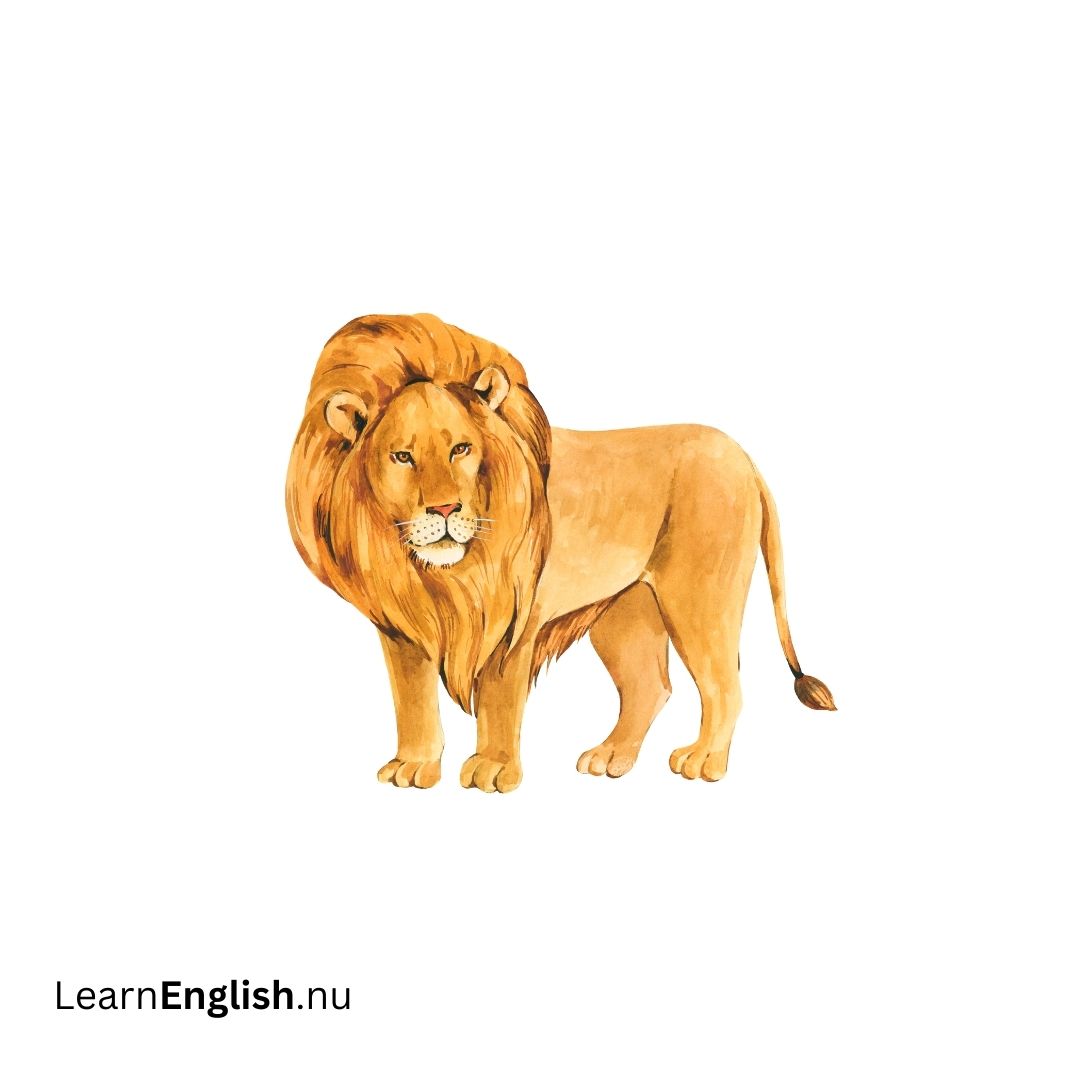 Lejon
Lejon
Lion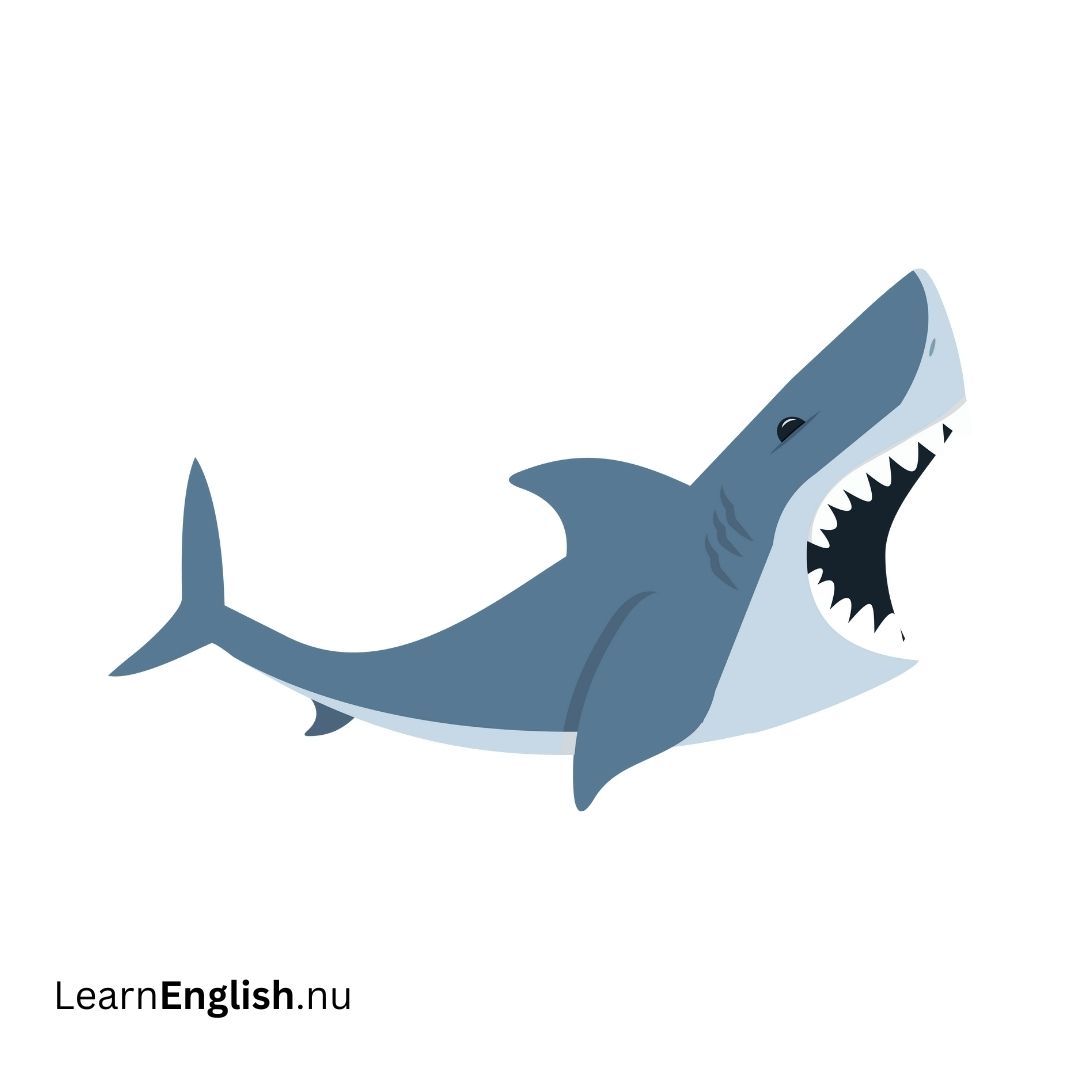 Haj
Haj
Shark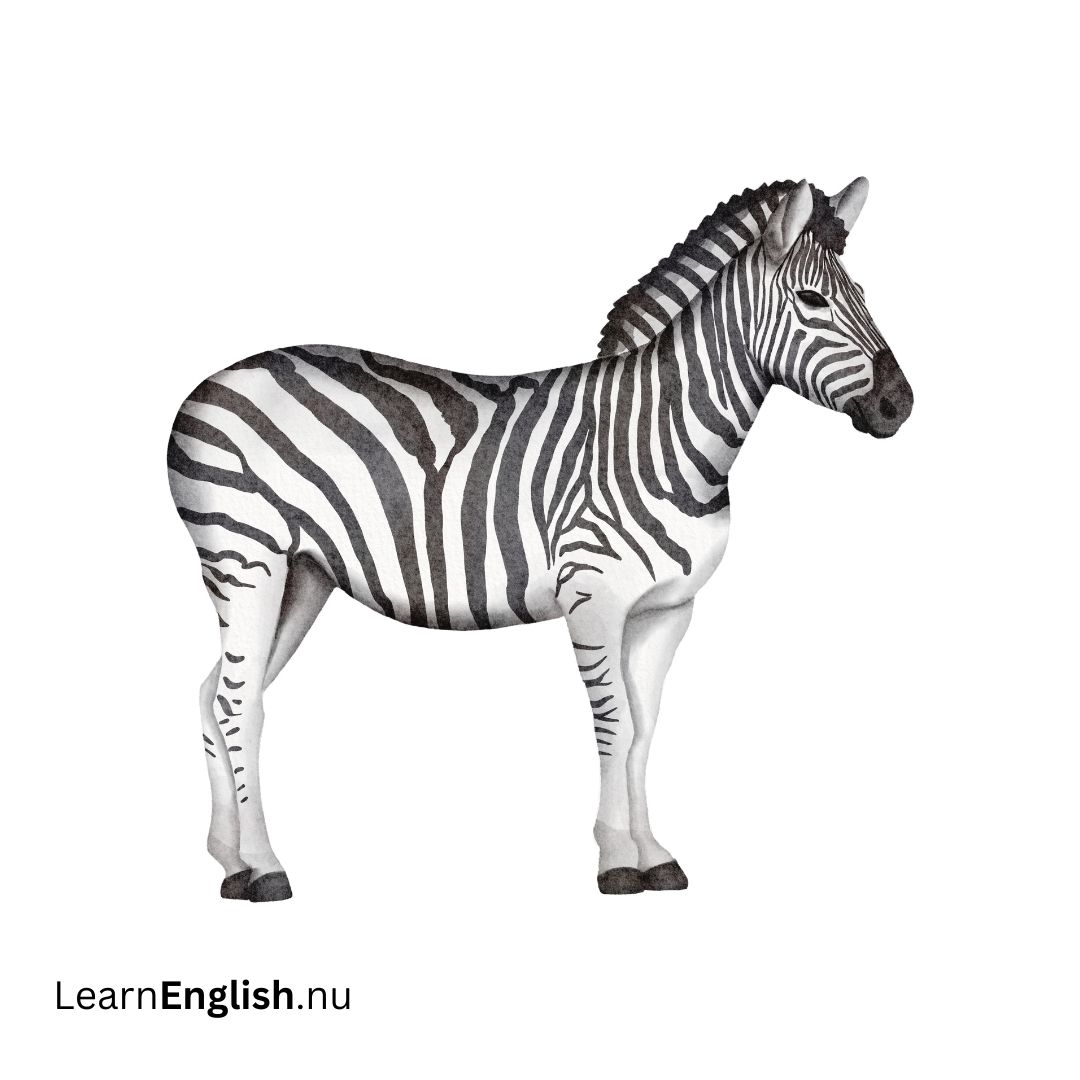 Zebra
Zebra
Zebra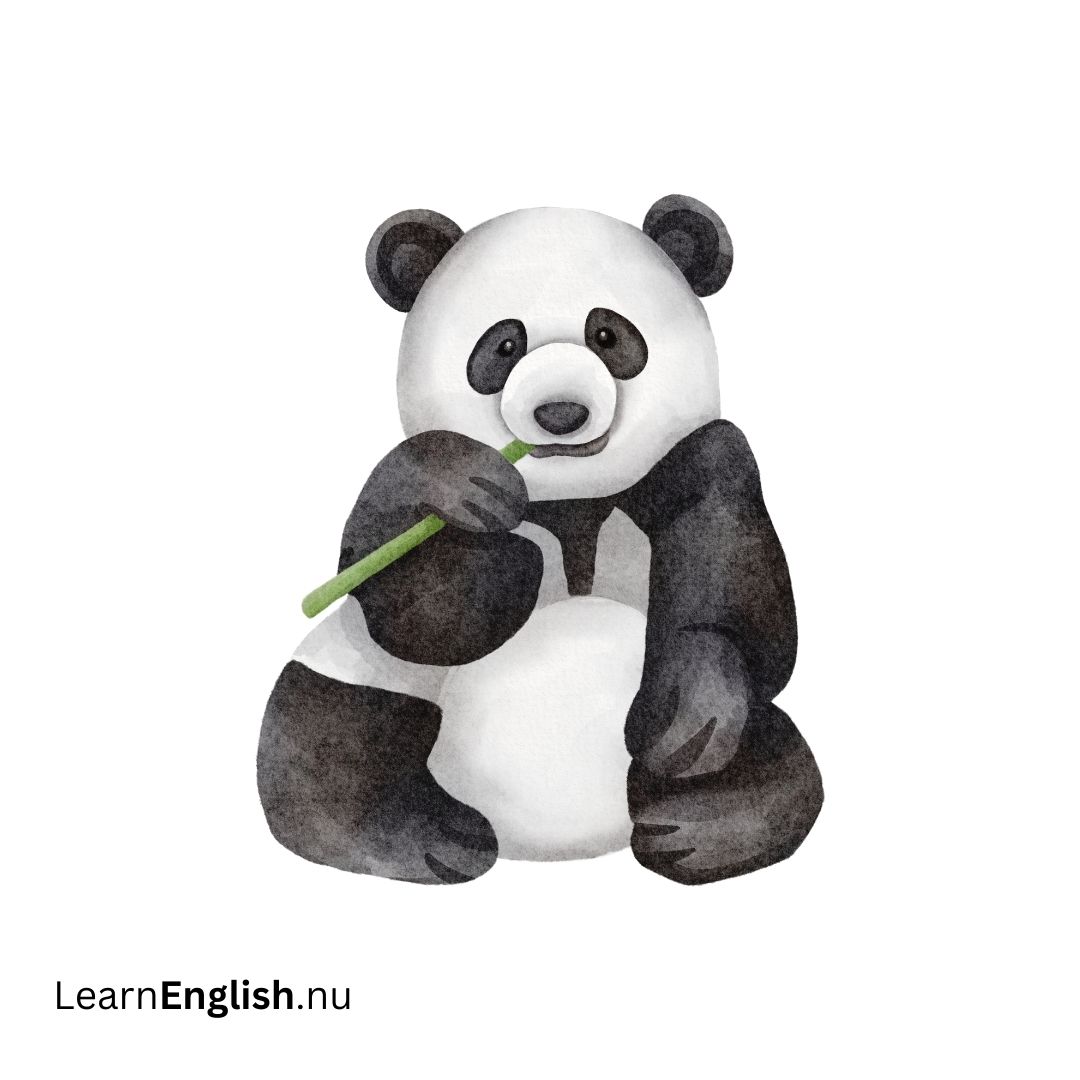 Panda
Panda
Panda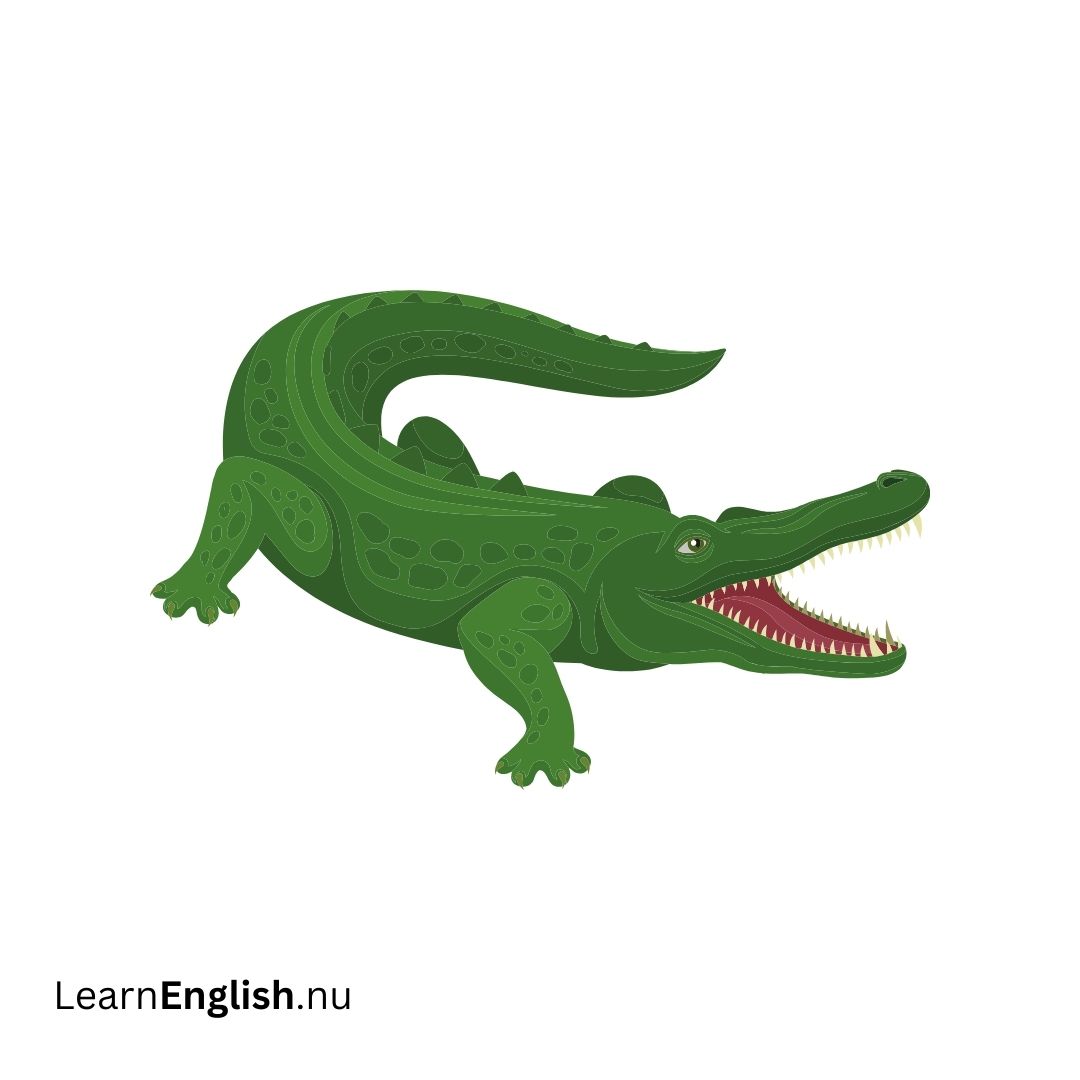 Alligator
Alligator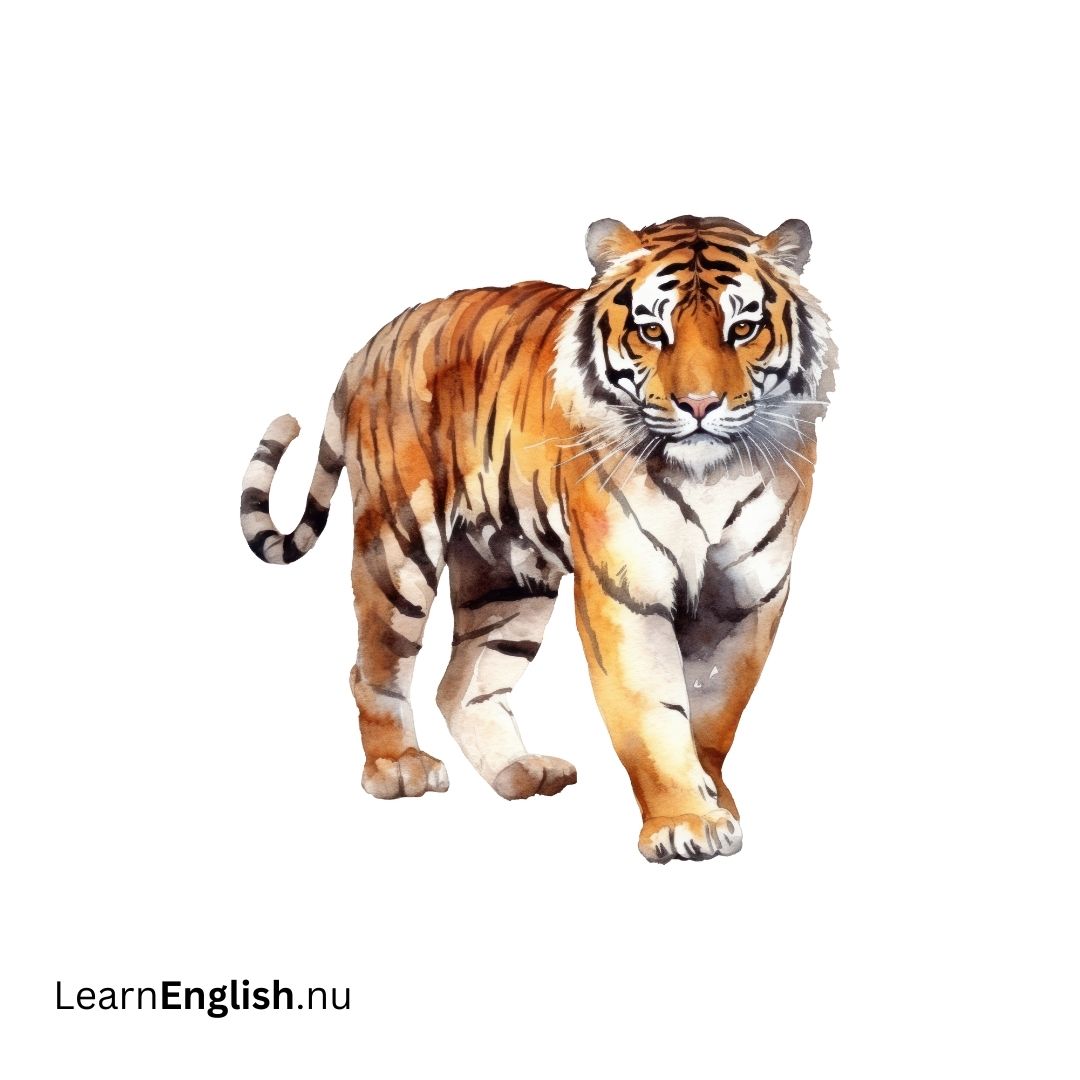 Tiger
Tiger
Tiger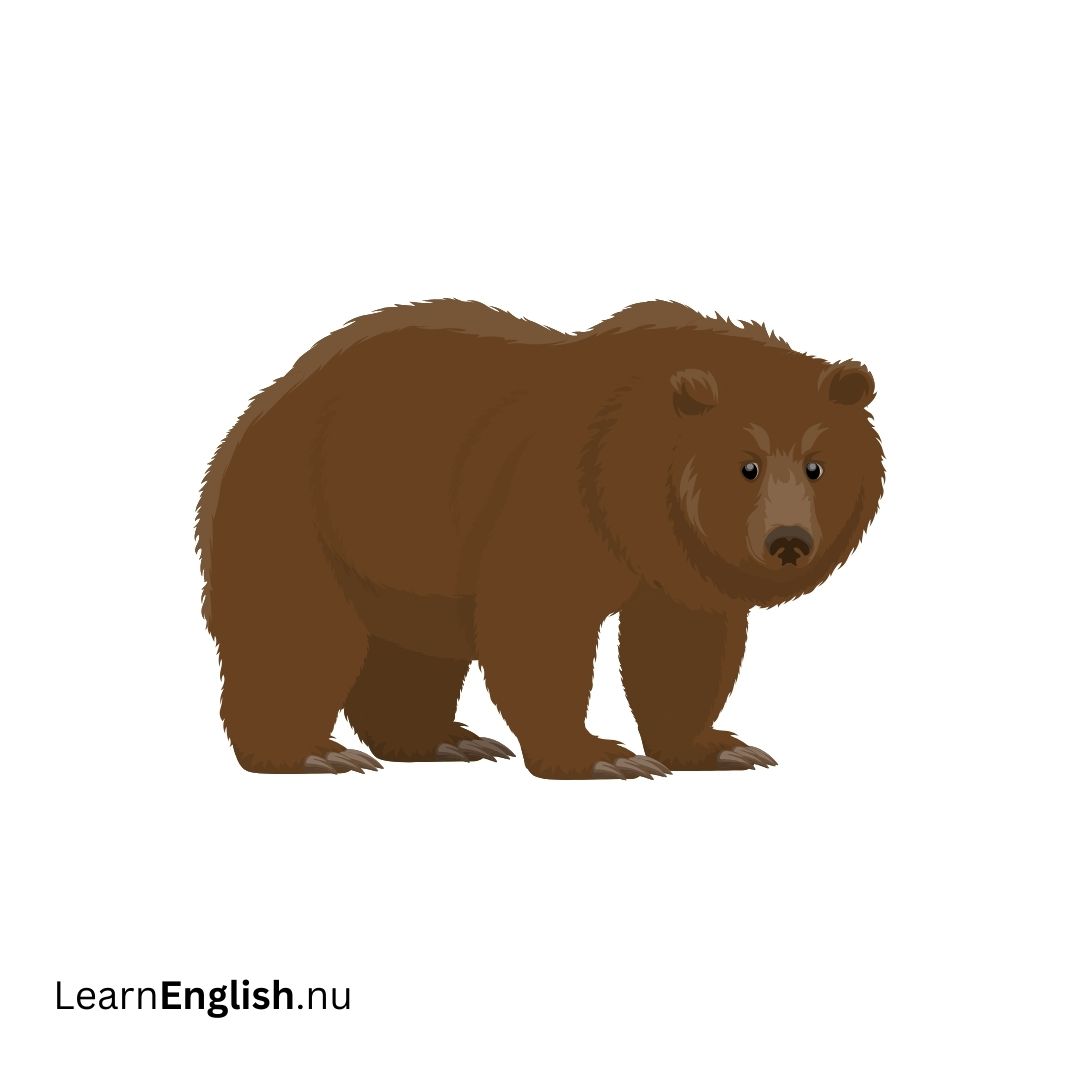 Björn
Björn
Bear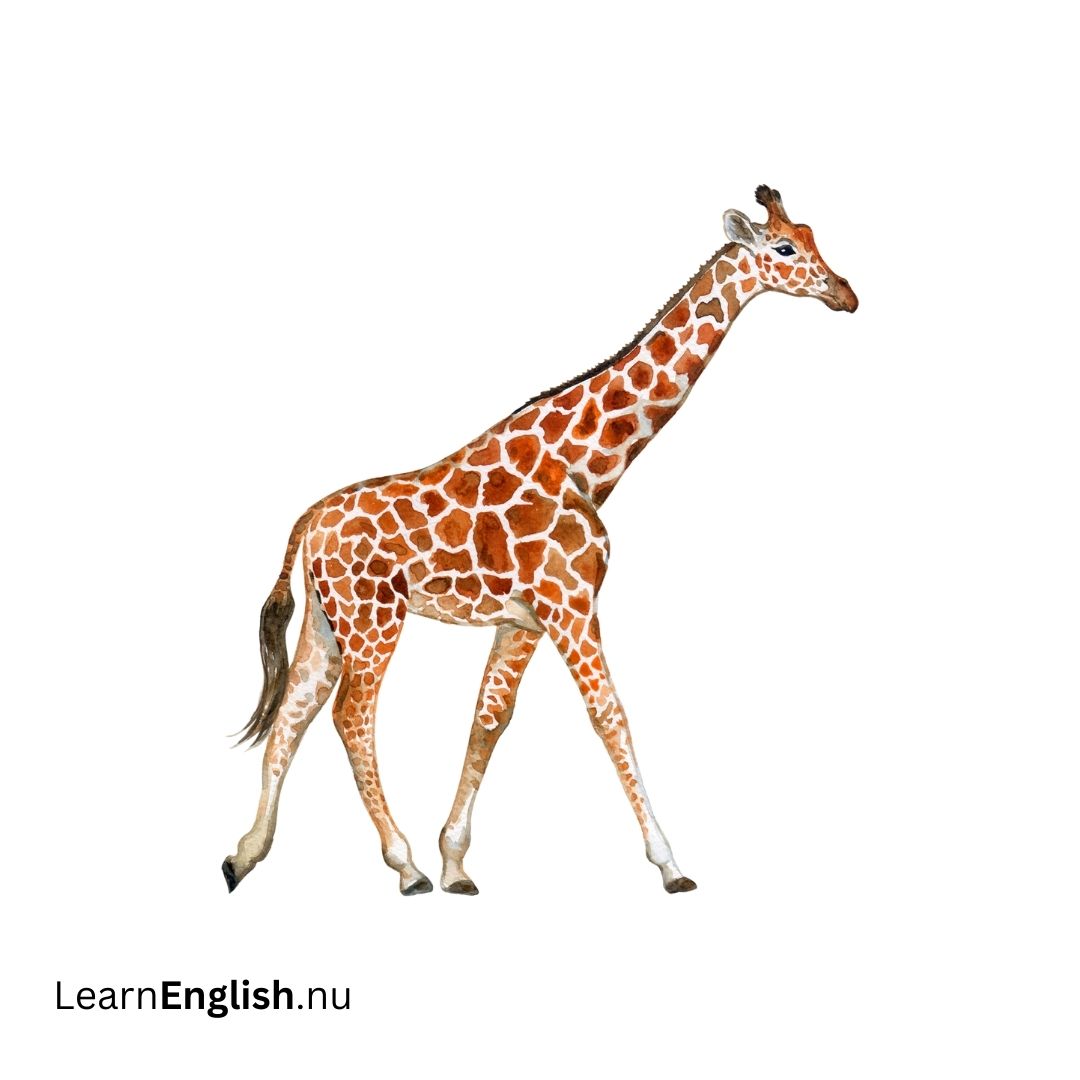 Giraff
Giraffe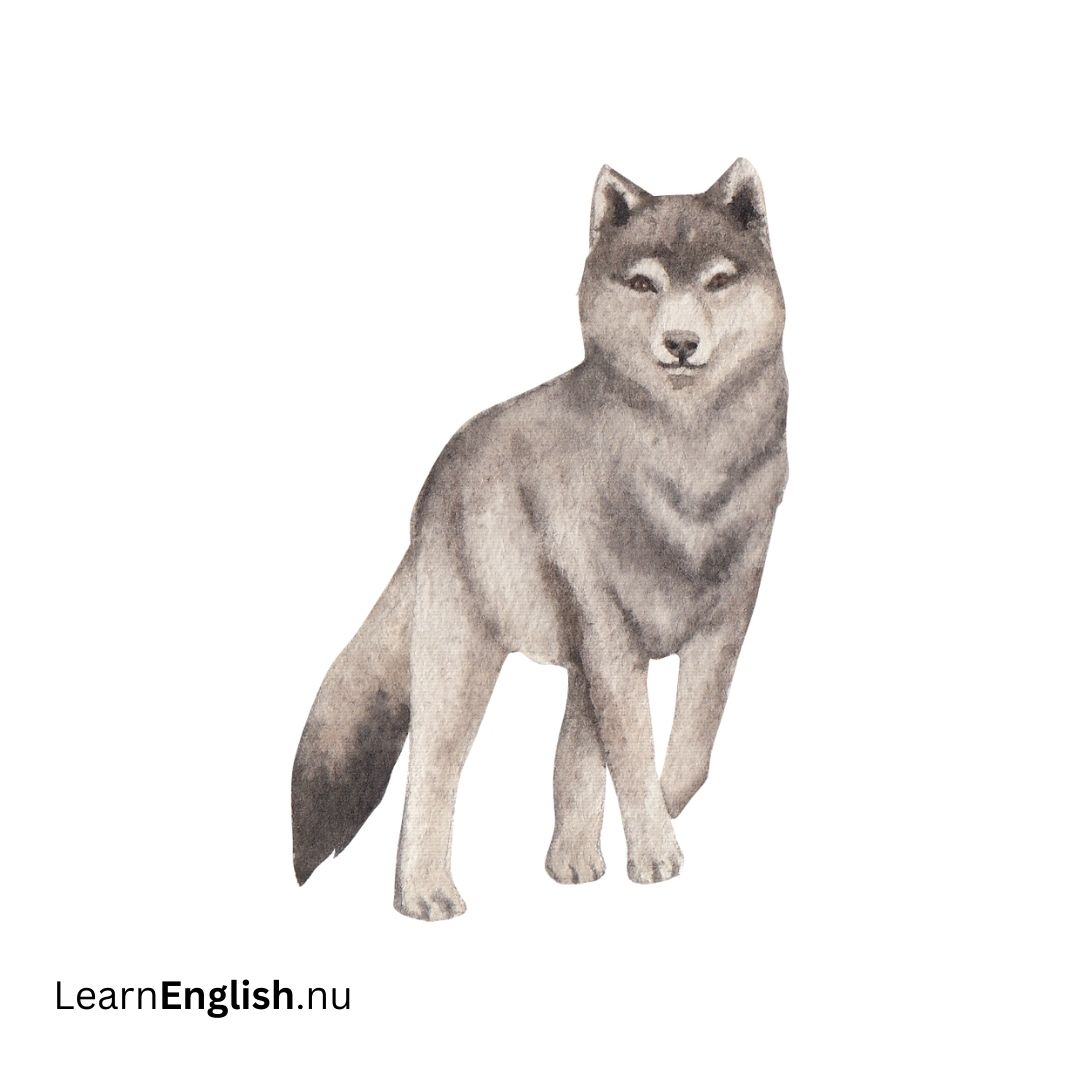 Varg
Varg
Wolf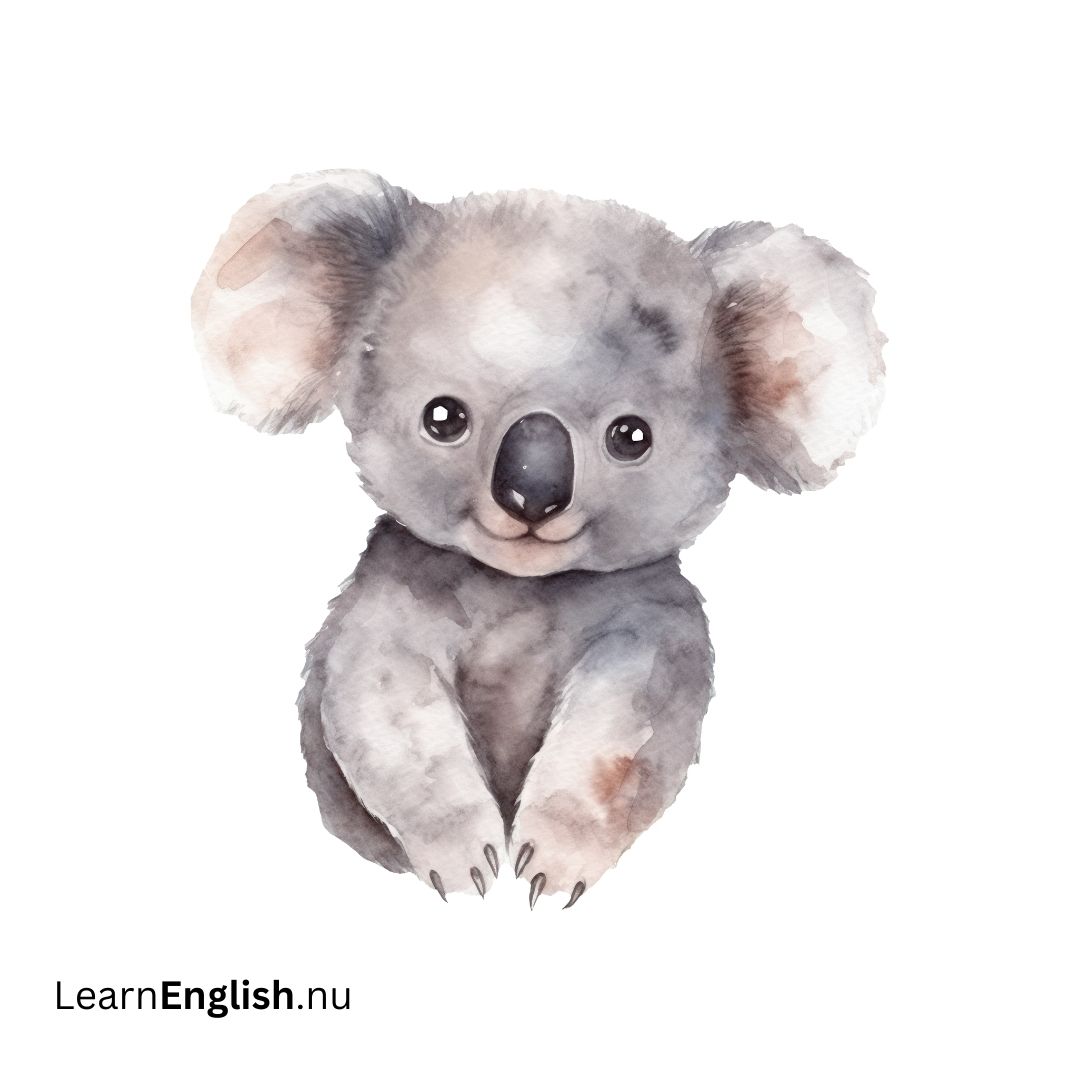 Koala
Koala
Koala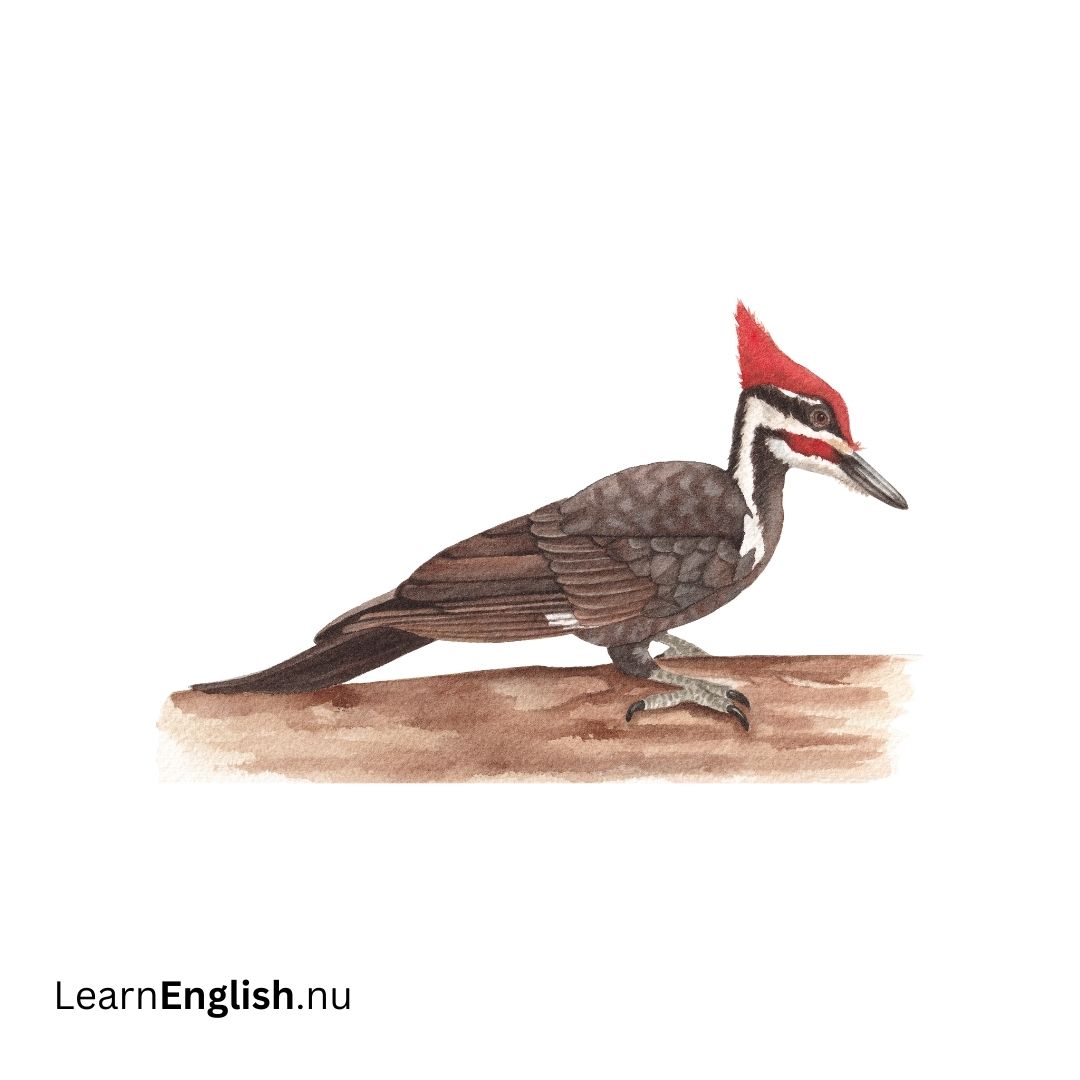 Hackspett
Woodpecker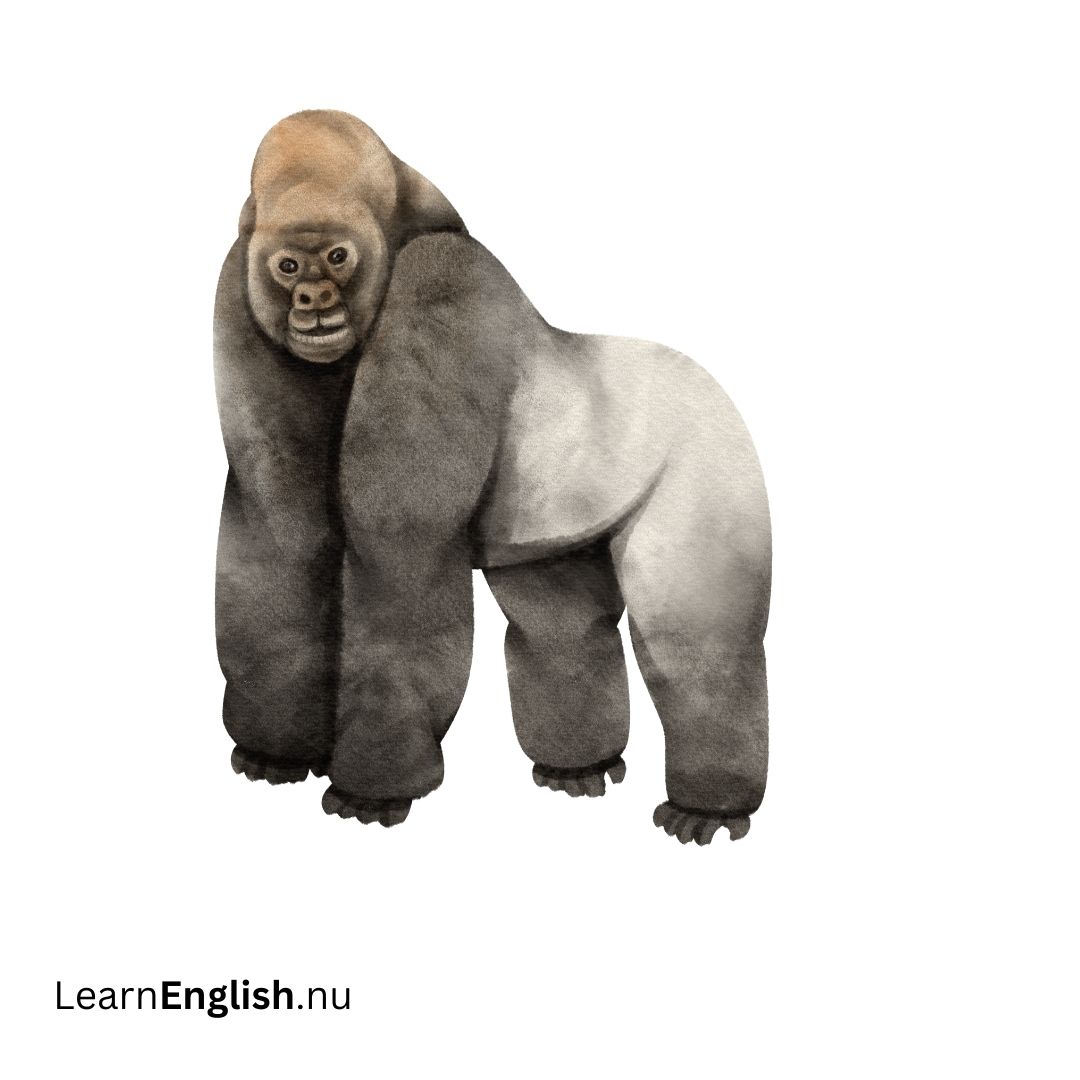 Gorilla
Gorilla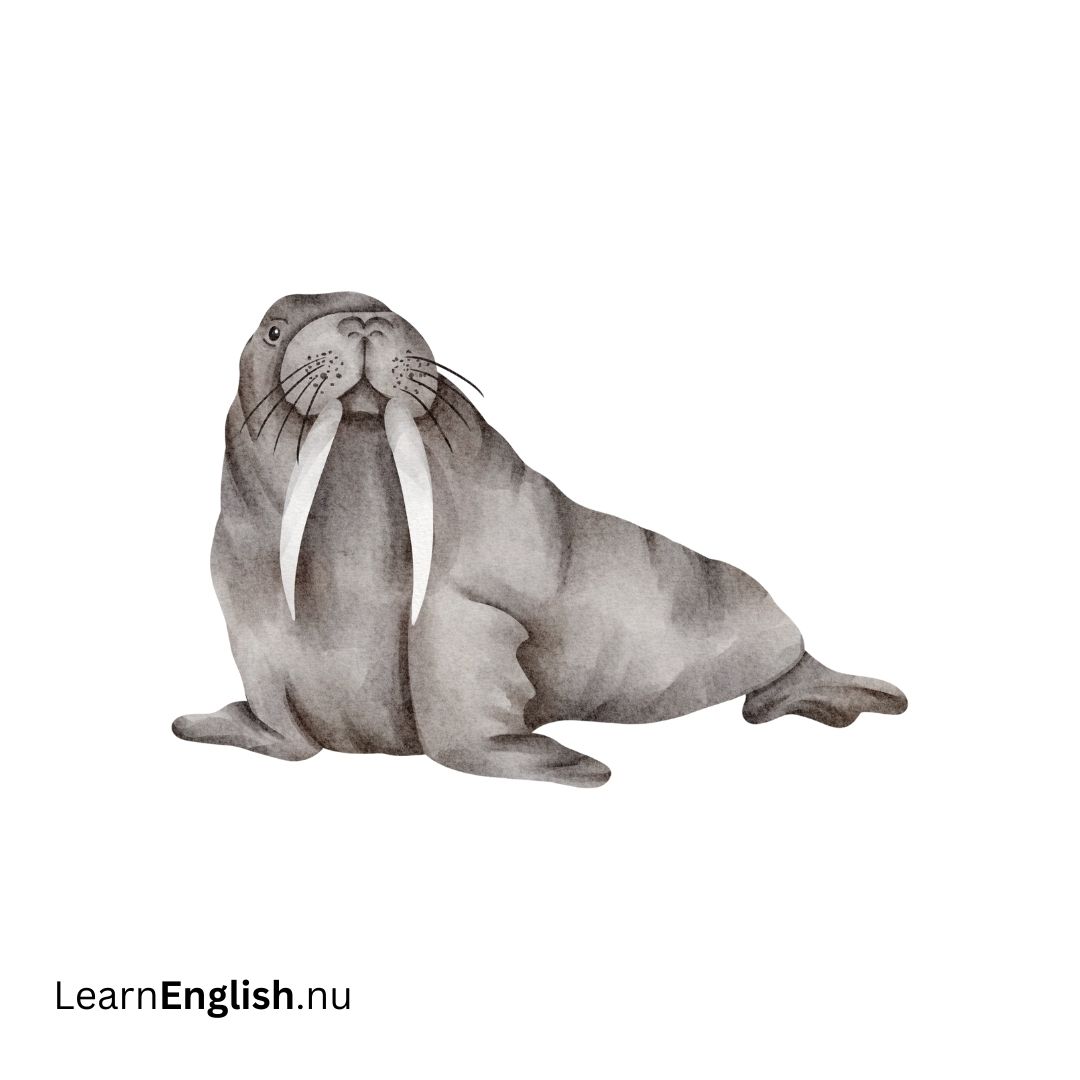 Valross
Walrus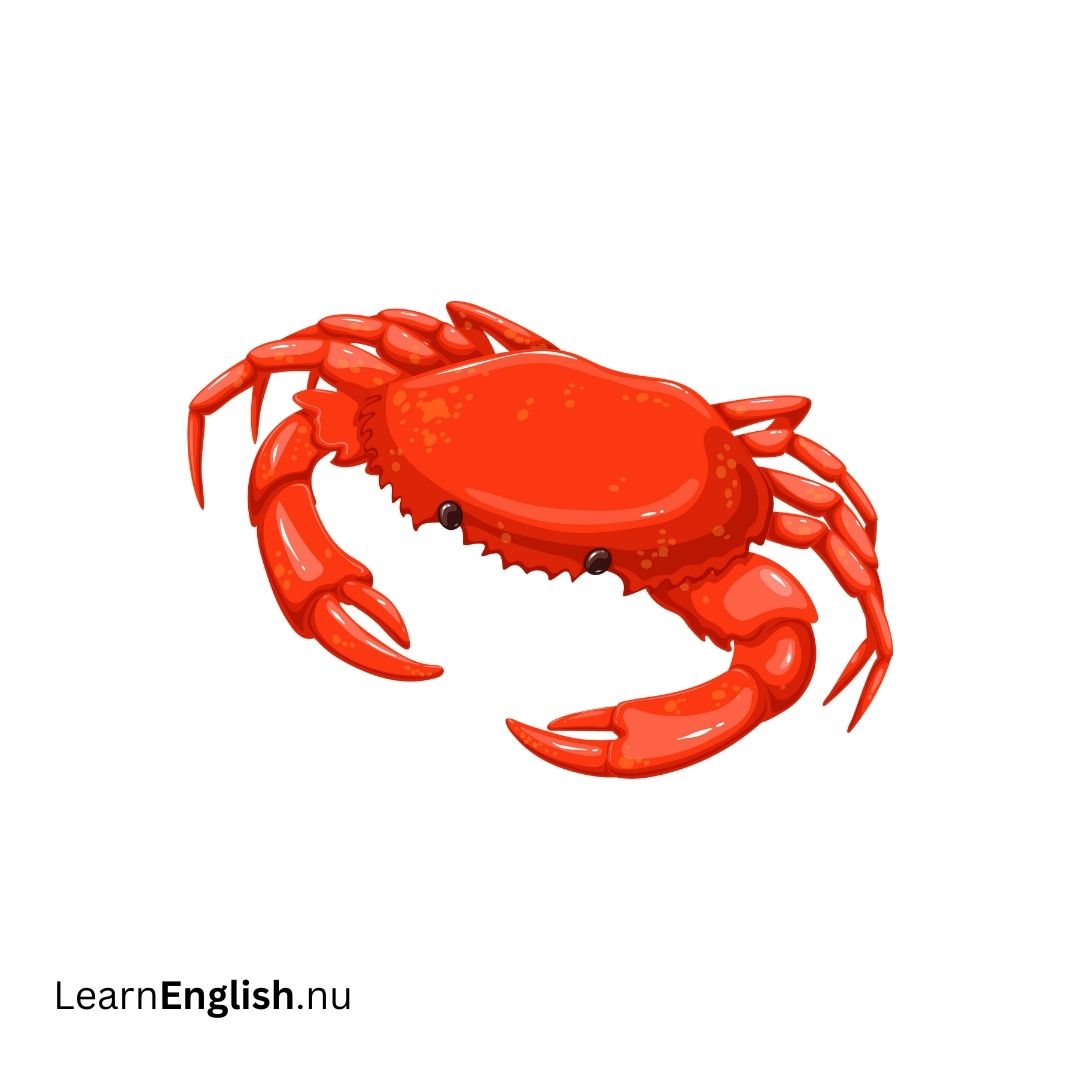 Krabba
Crab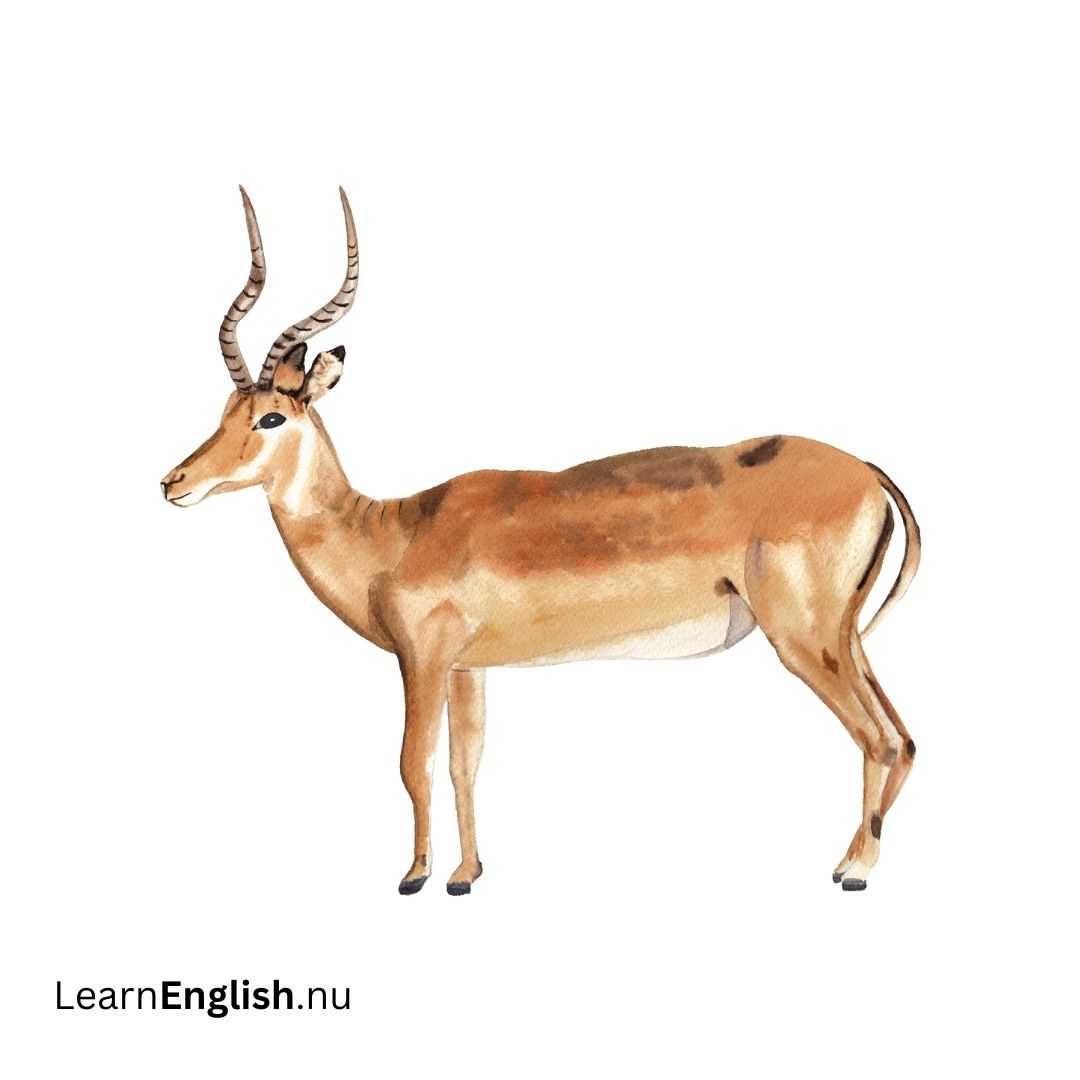 Antilop
Antelope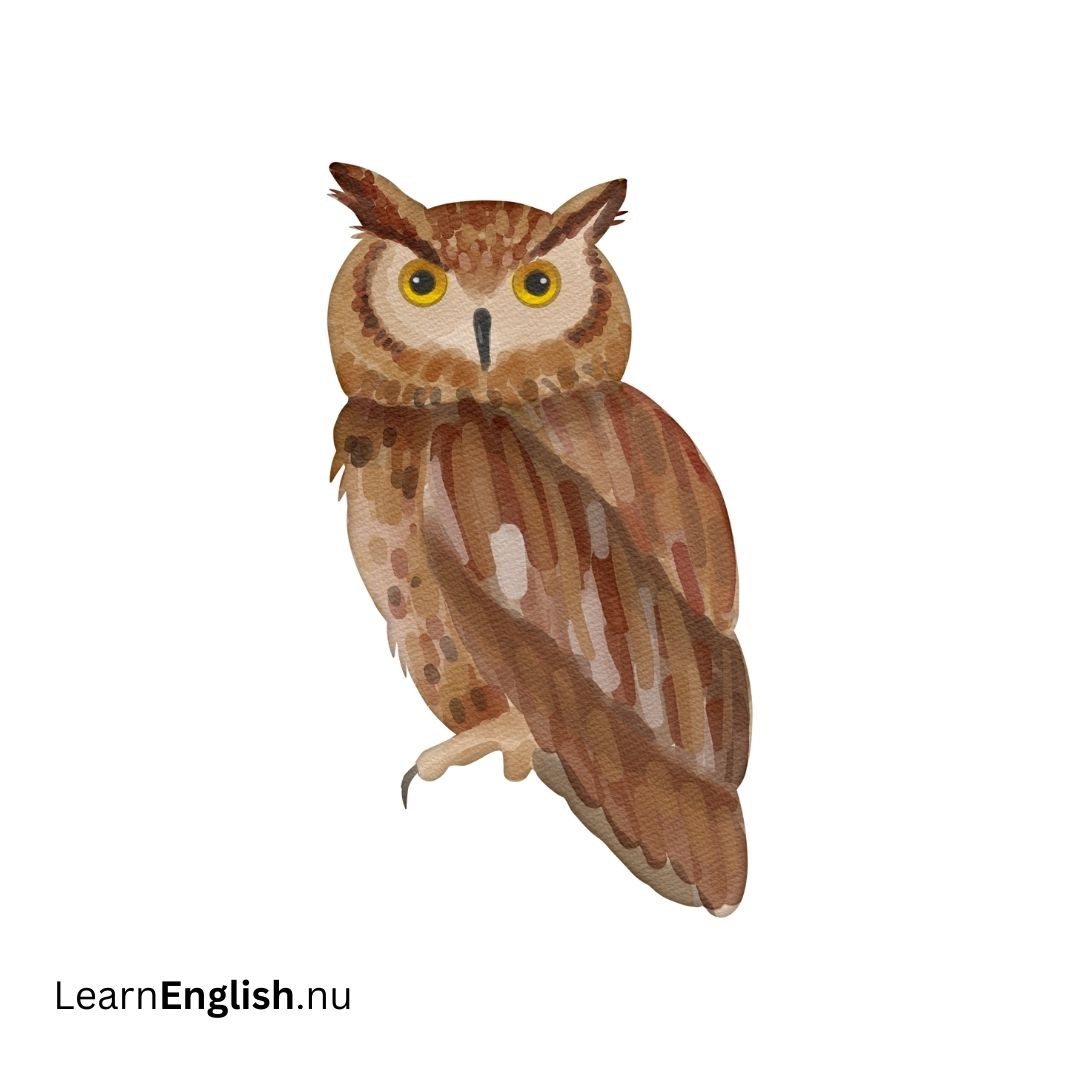 Uggla
Uggla
Owl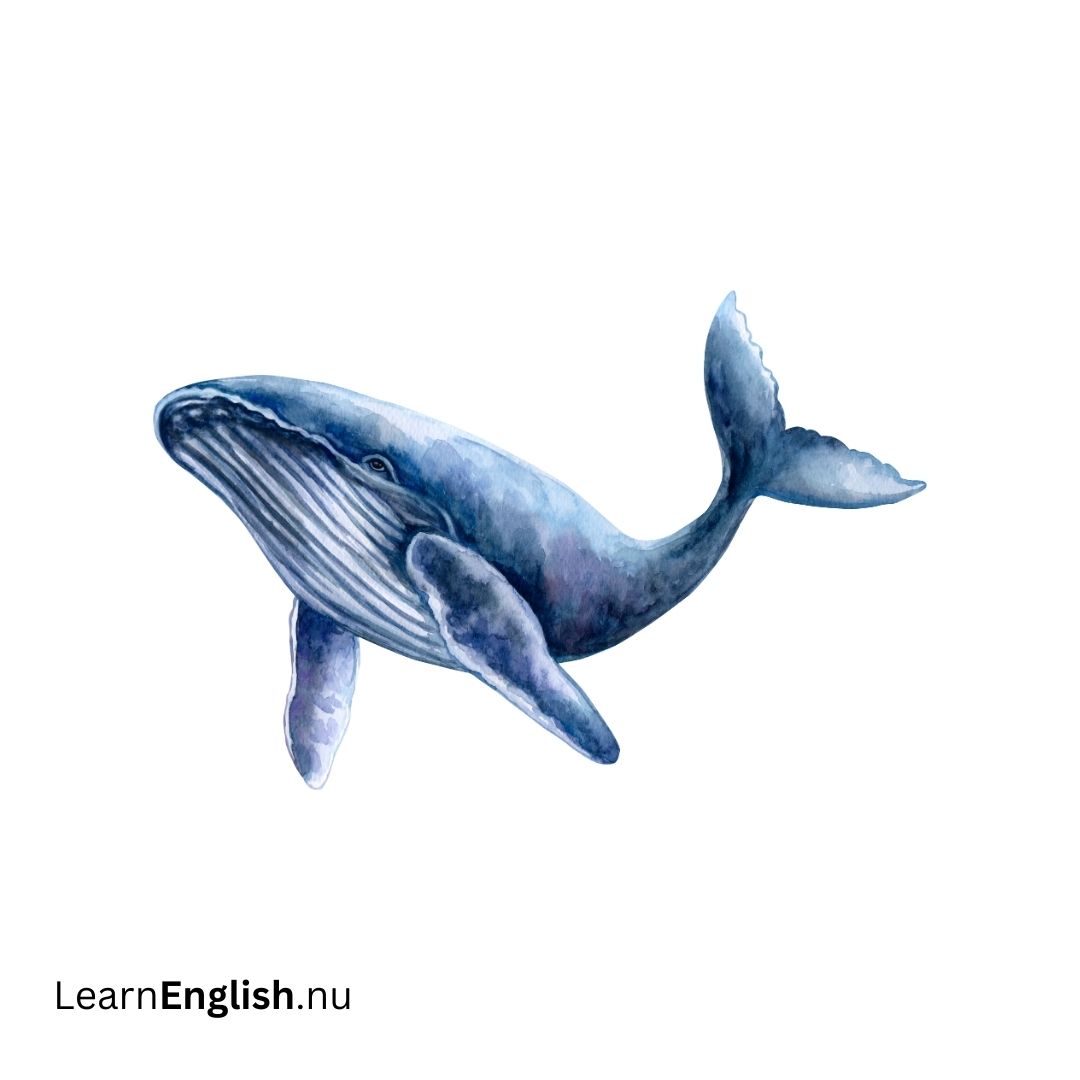 Blåval
Blue Whale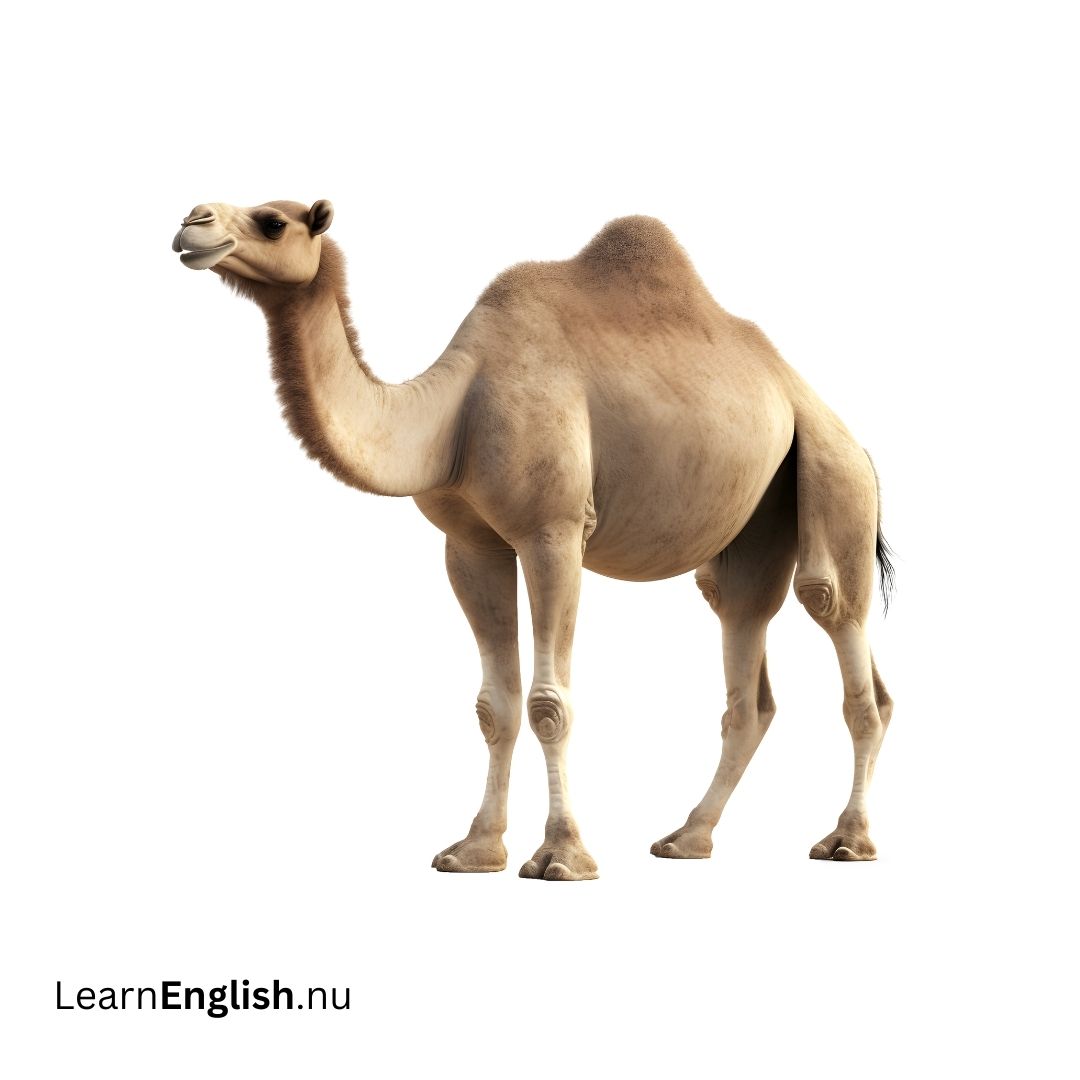 Kamel
Kamel
Camel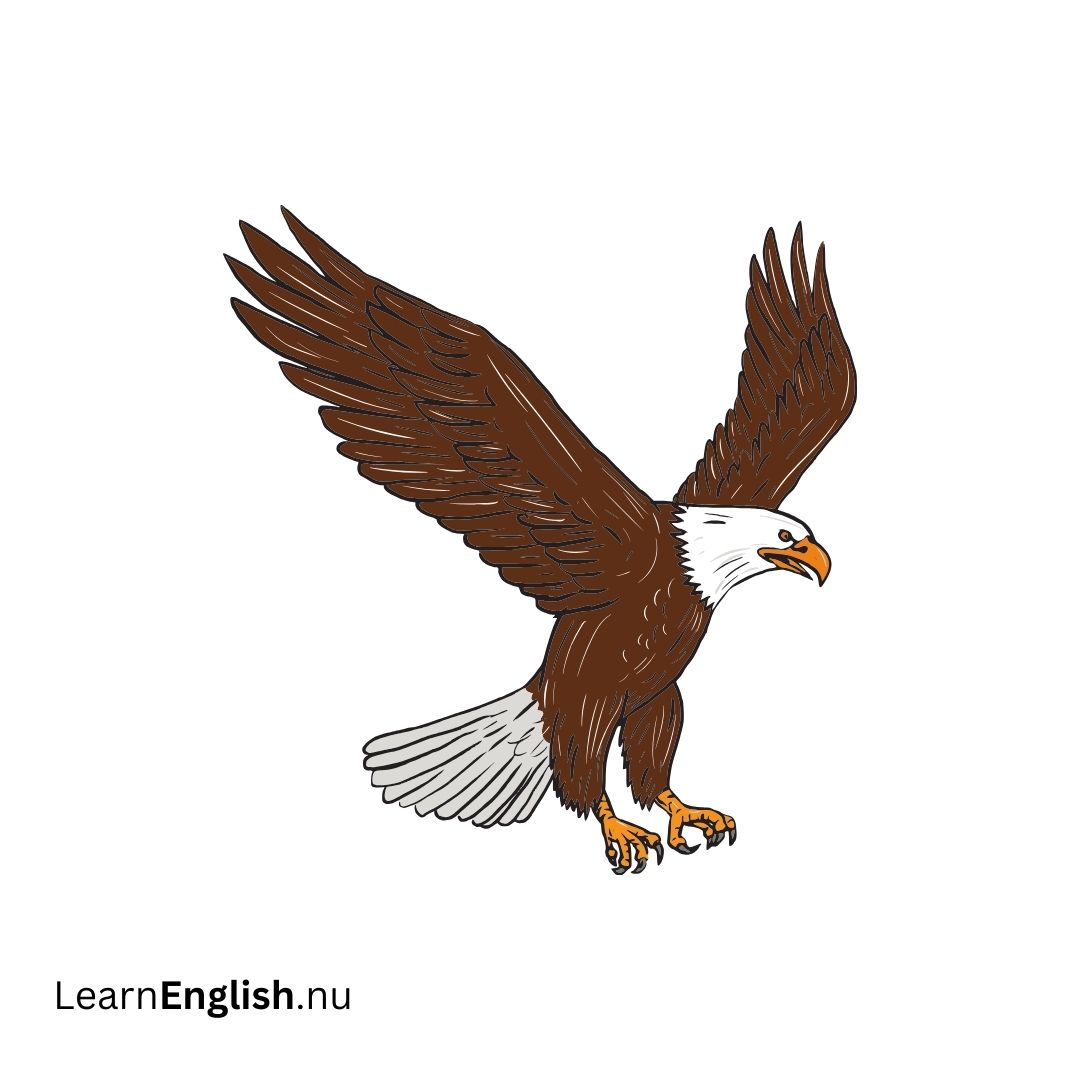 Vithövdad örn
Bald Eagle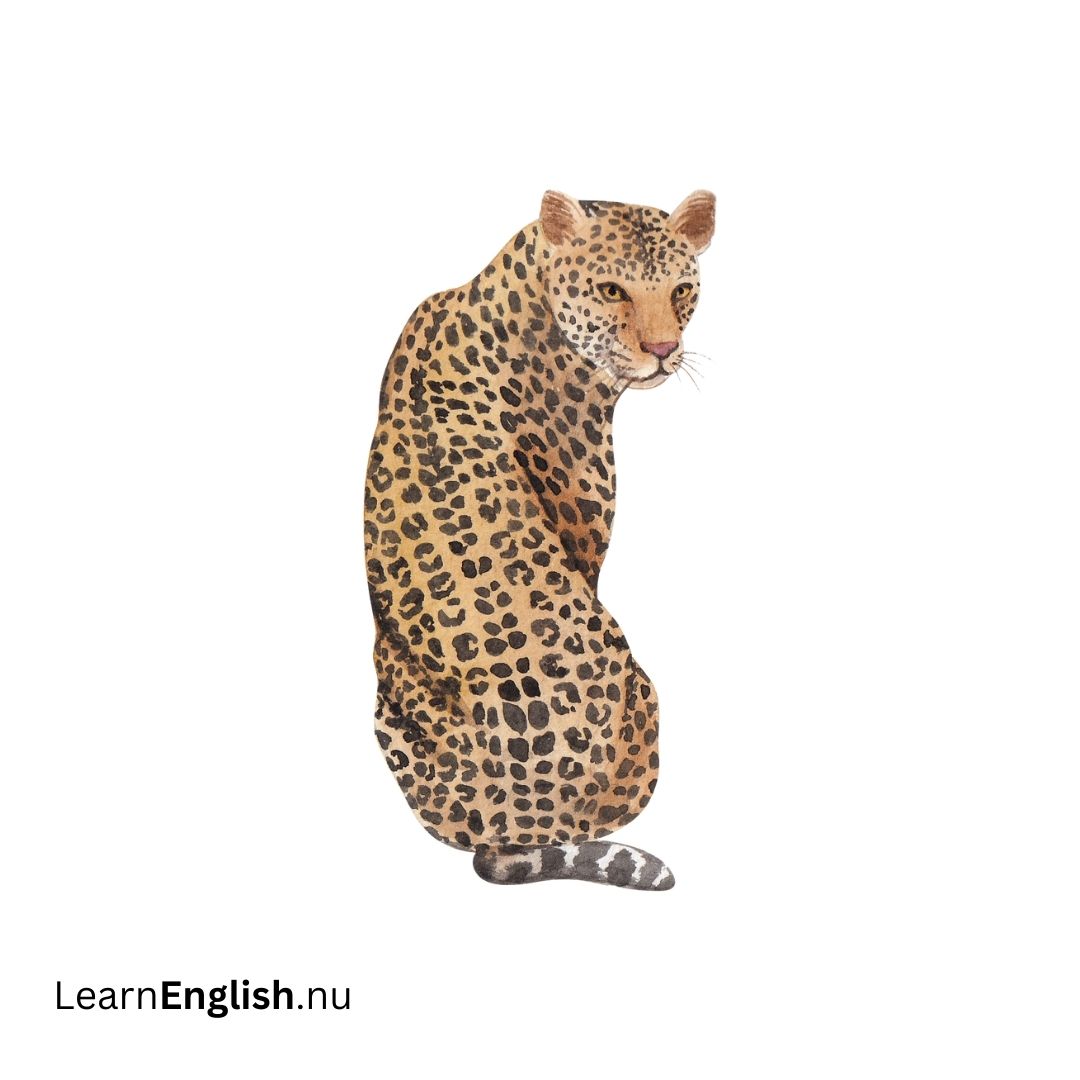 Leopard
Leopard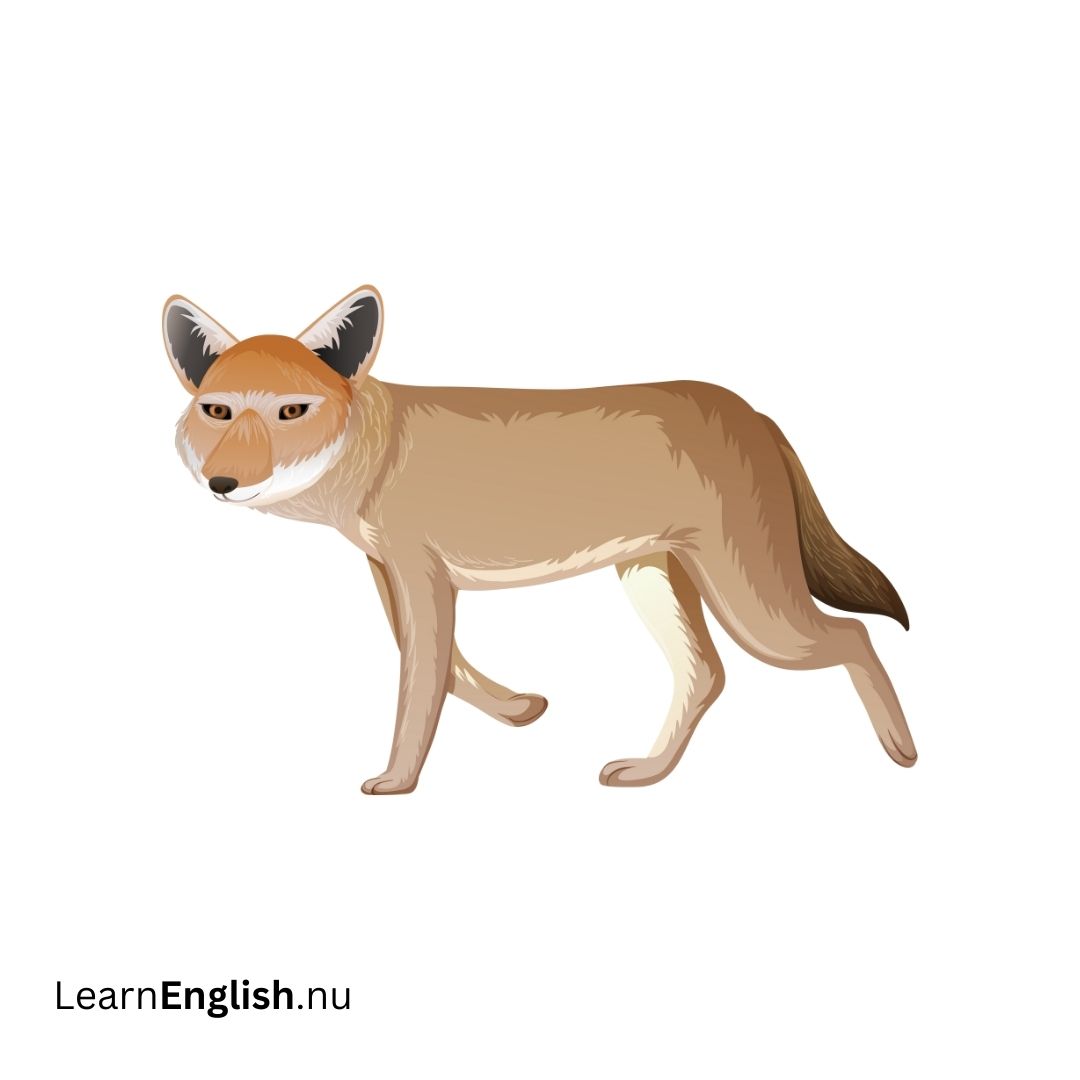 Prärievarg
Coyote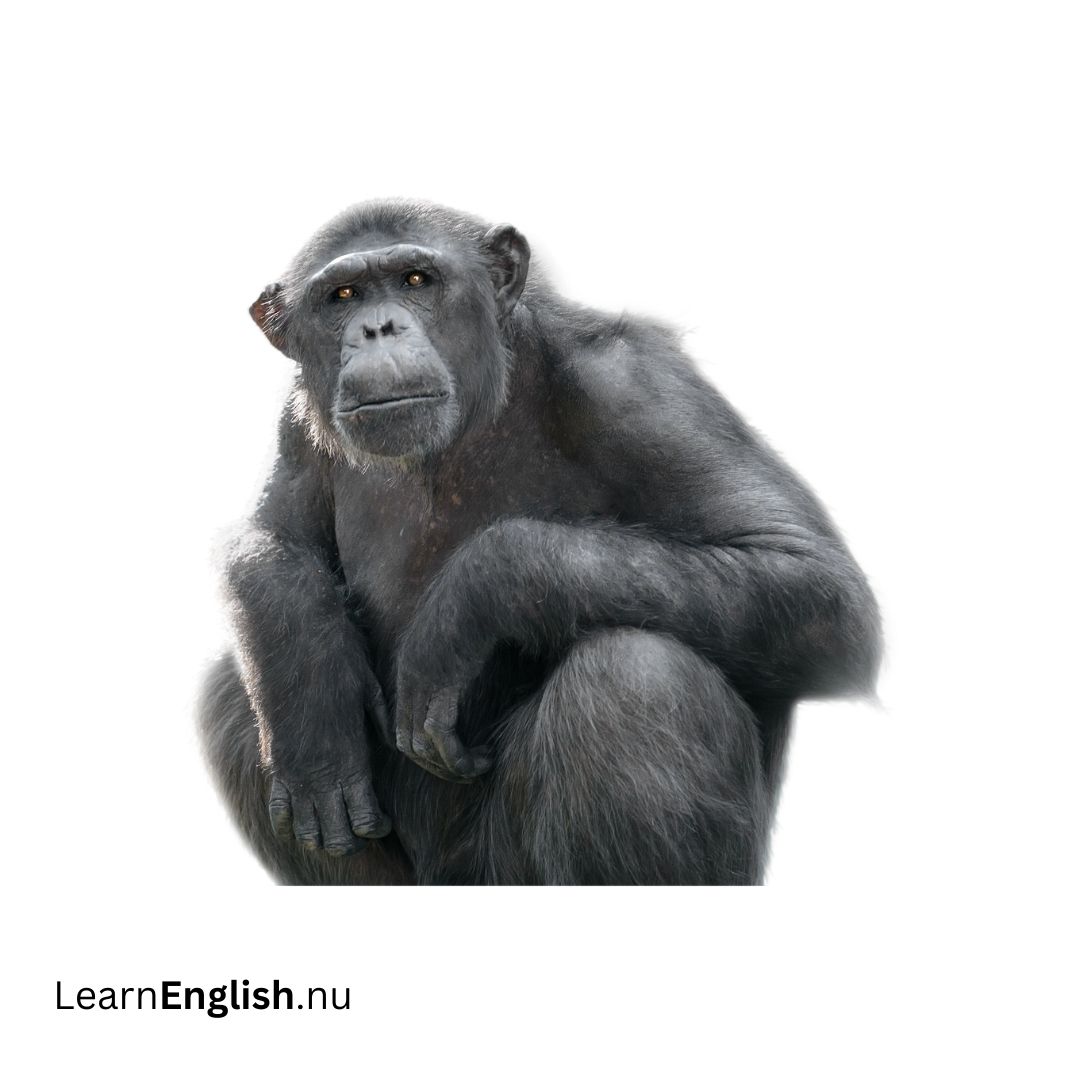 Schimpans
Chimpanzee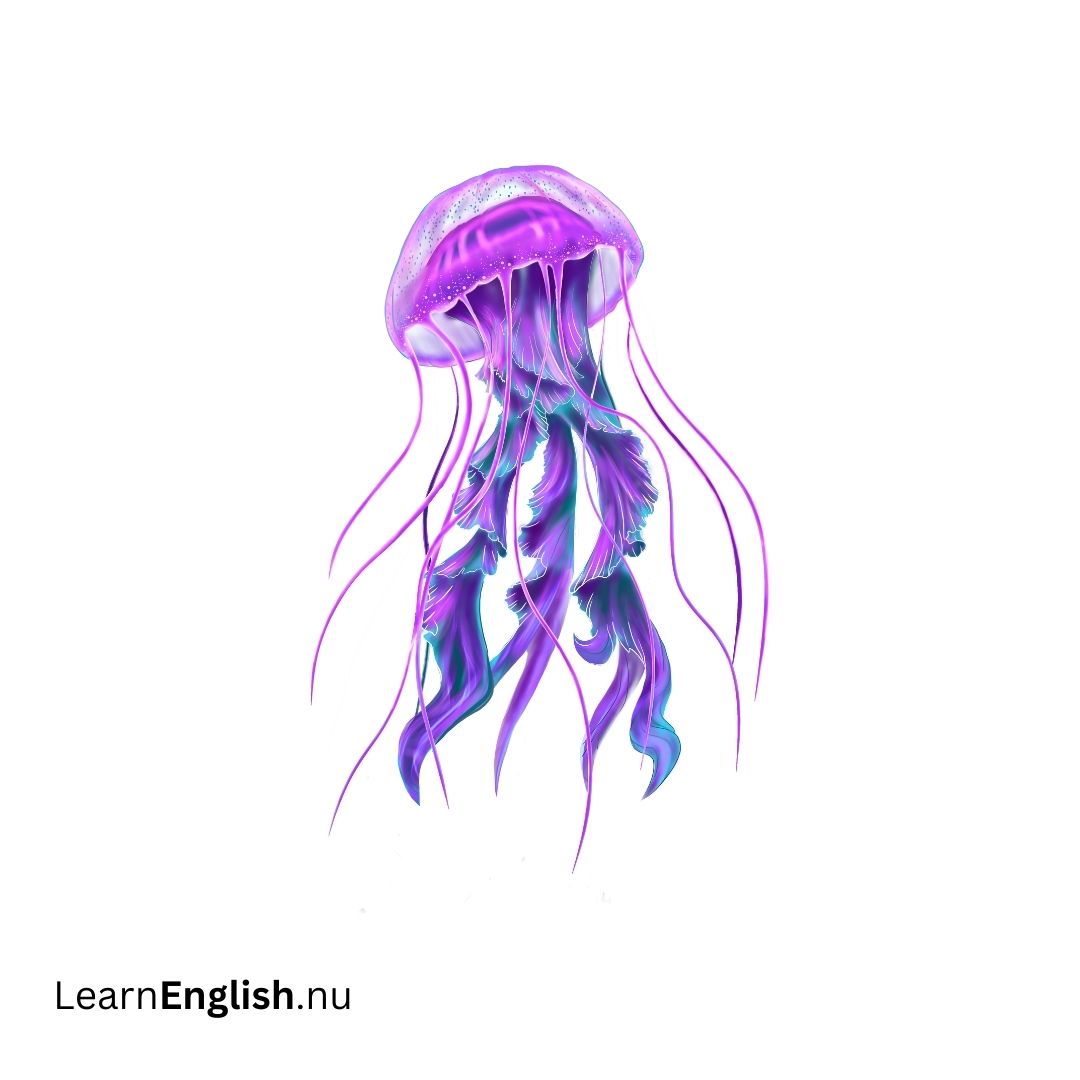 Manet
Manet
Jellyfish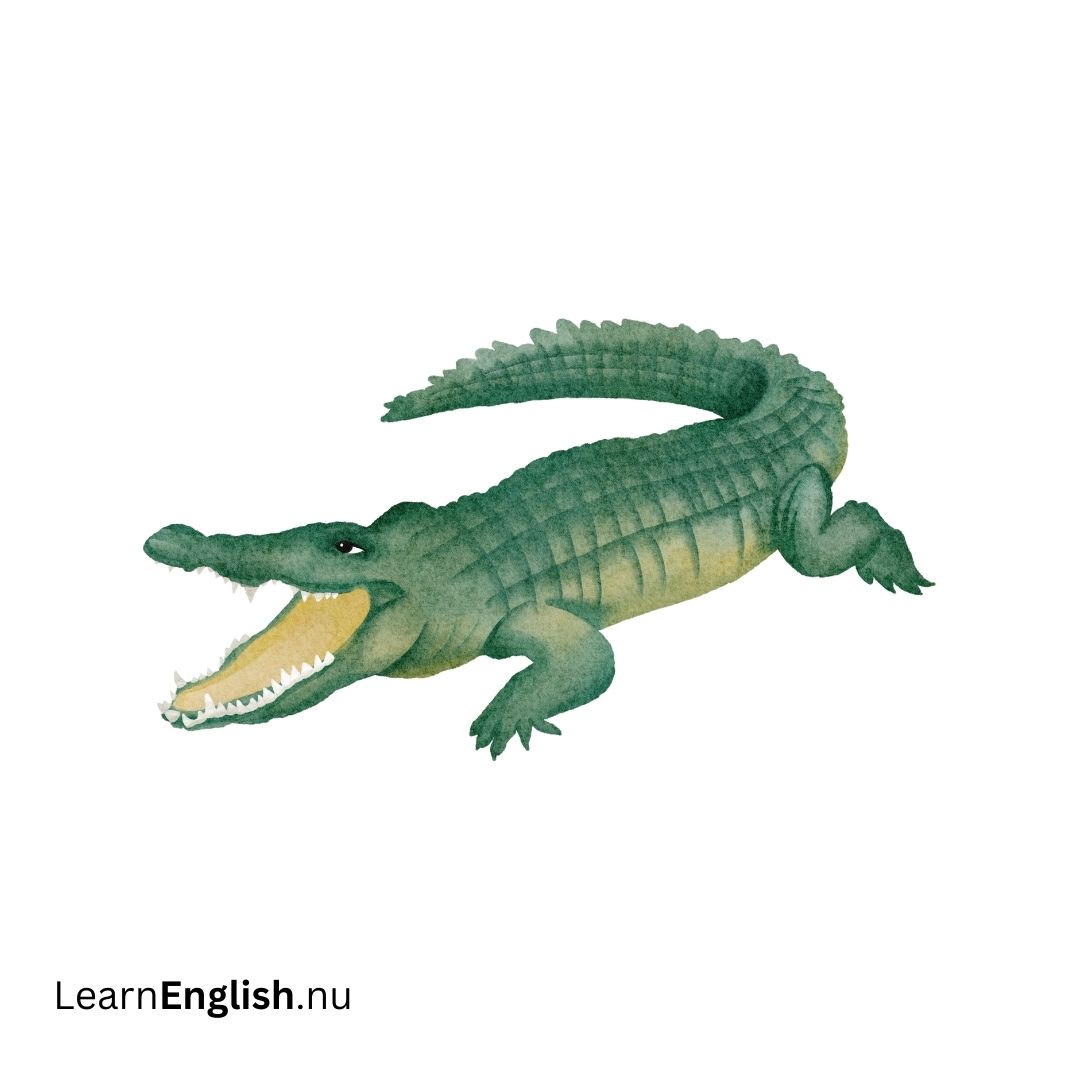 Krokodil
Crocodile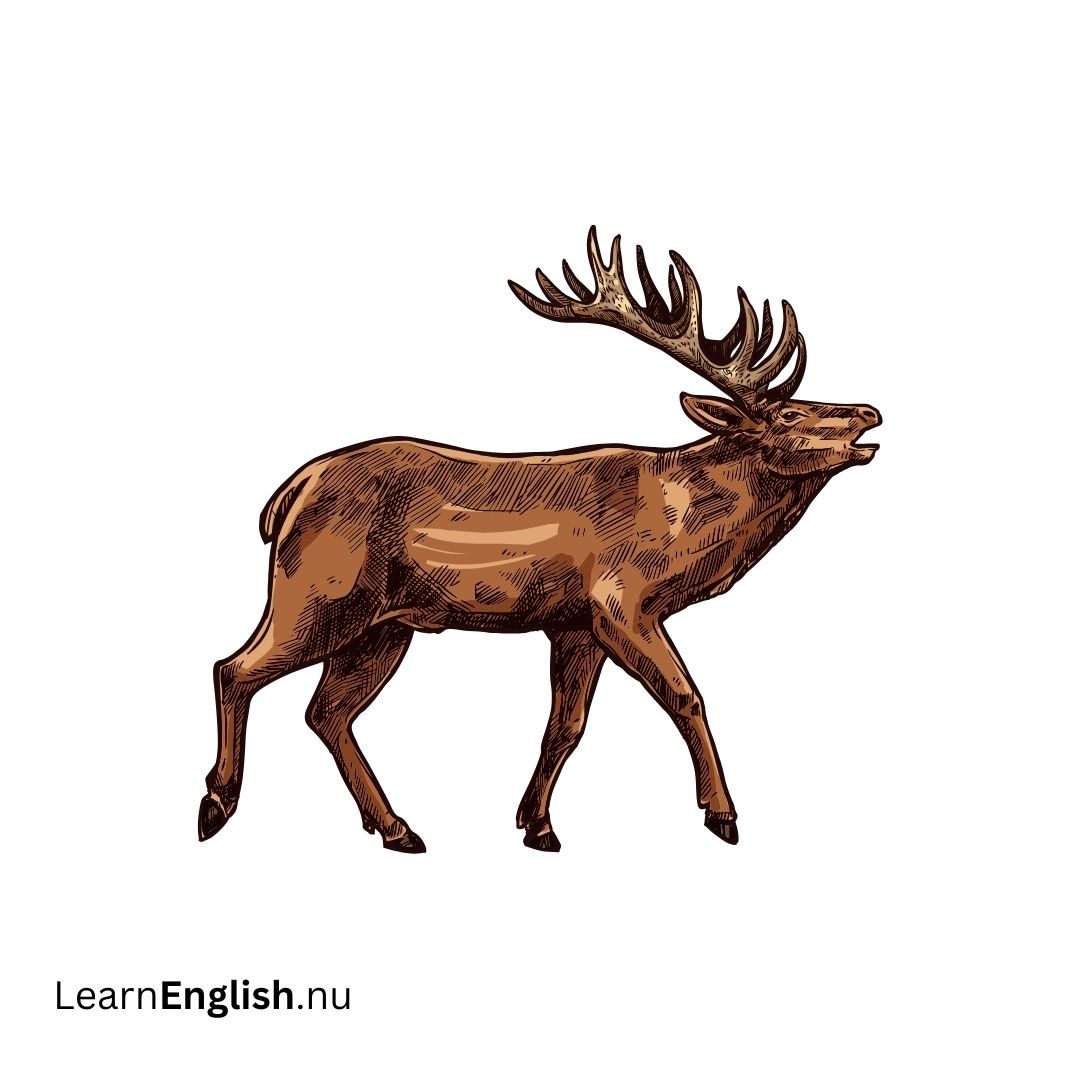 Älg
Älg
Elk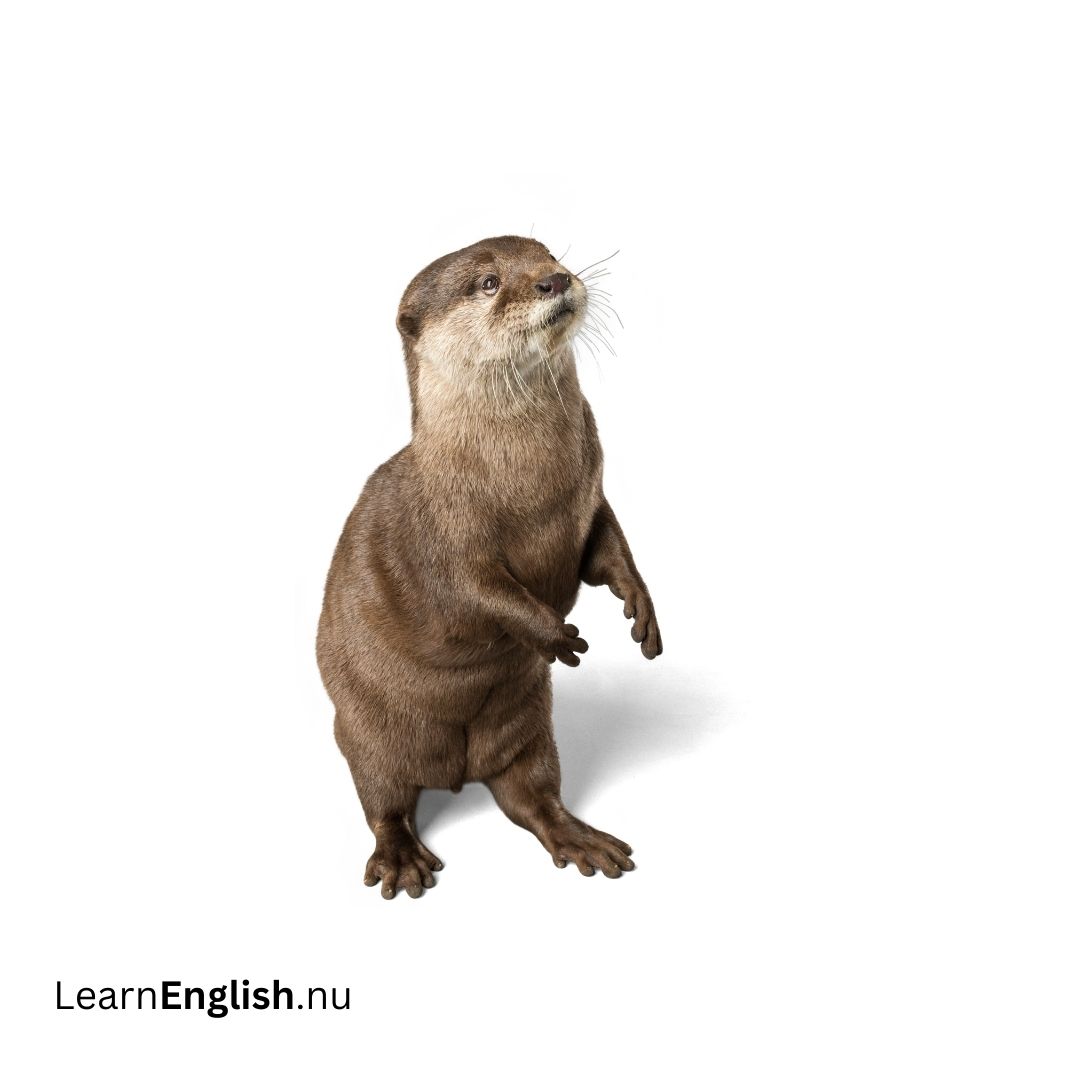 Utter
Utter
Otter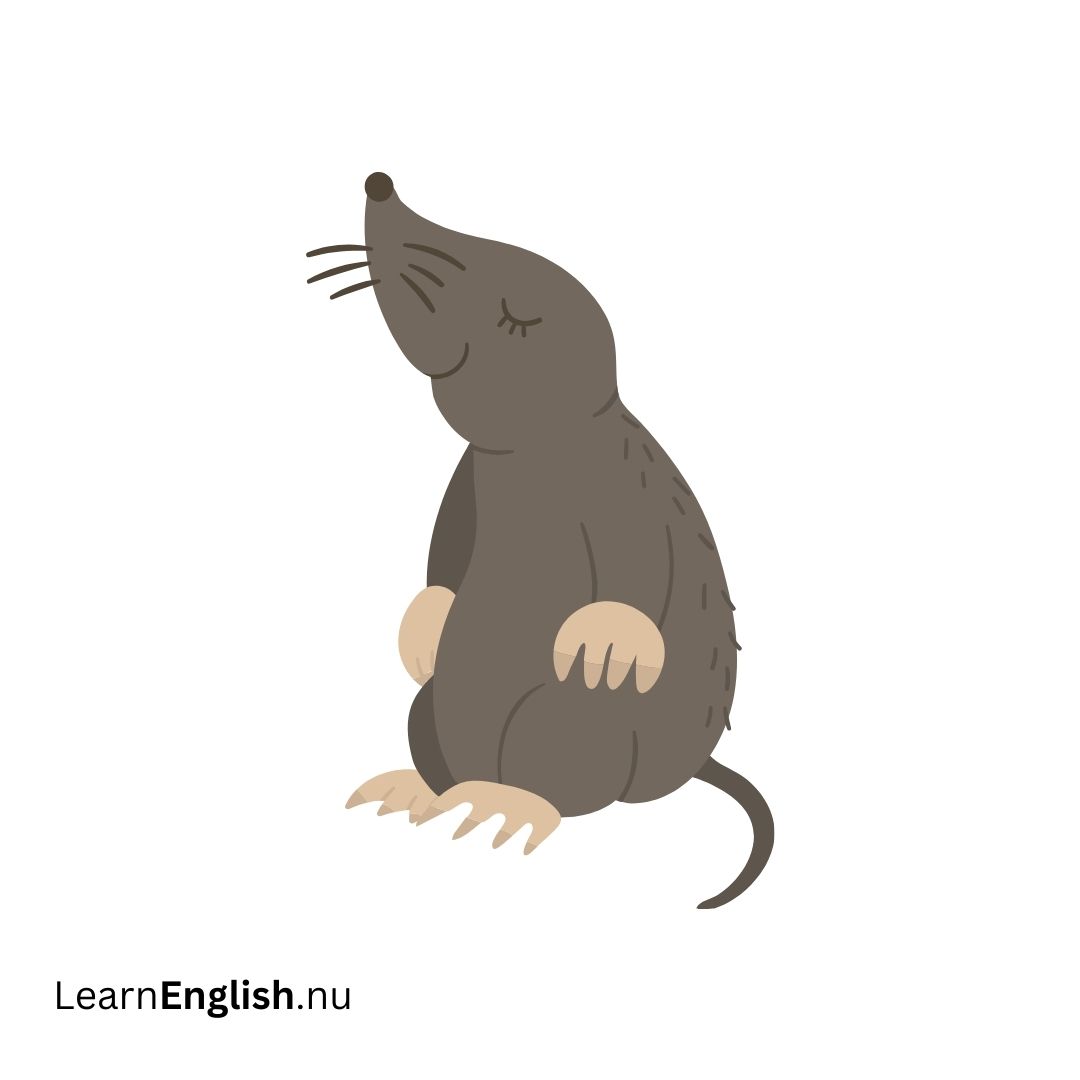 Mullvad
Mole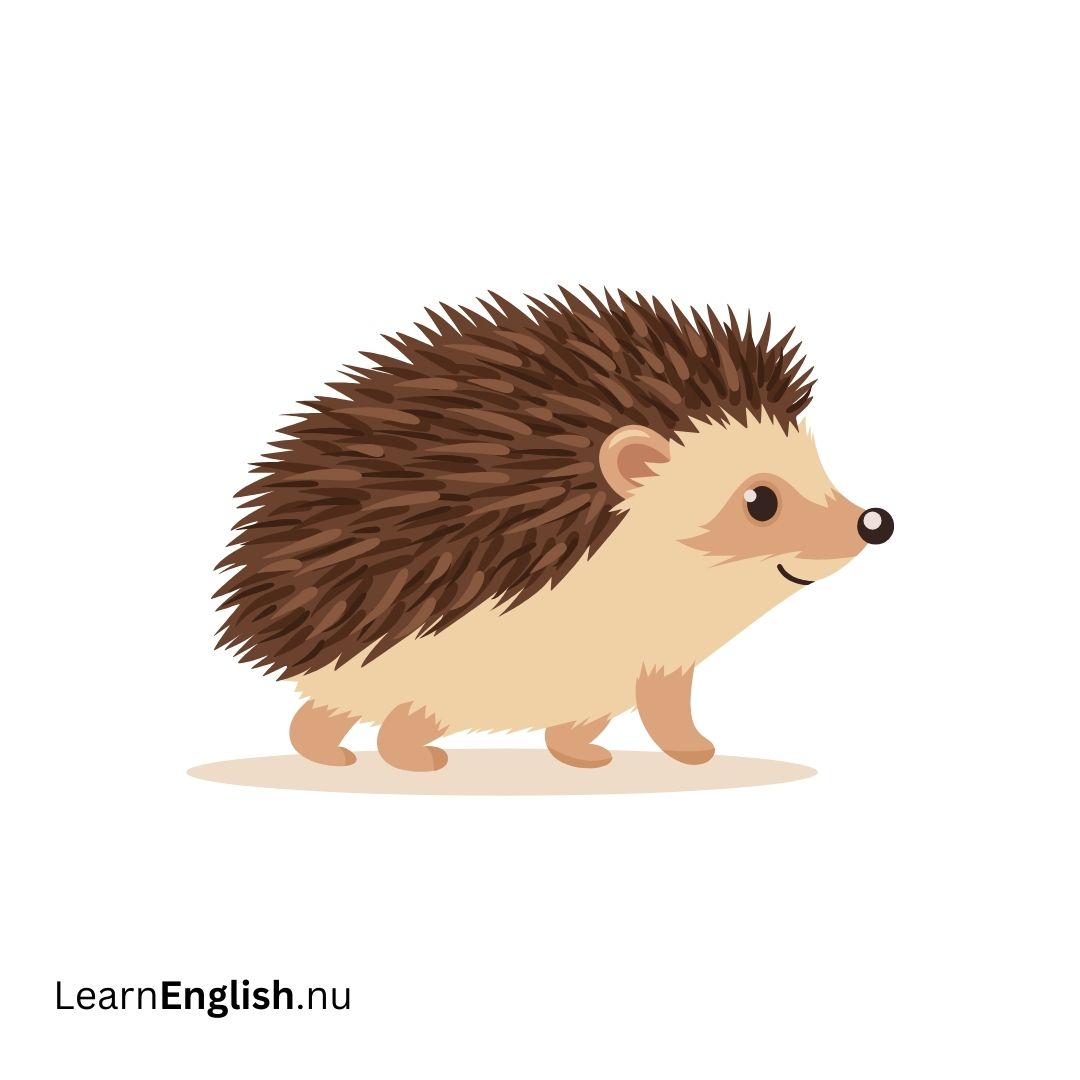 Igelkott
Hedgehog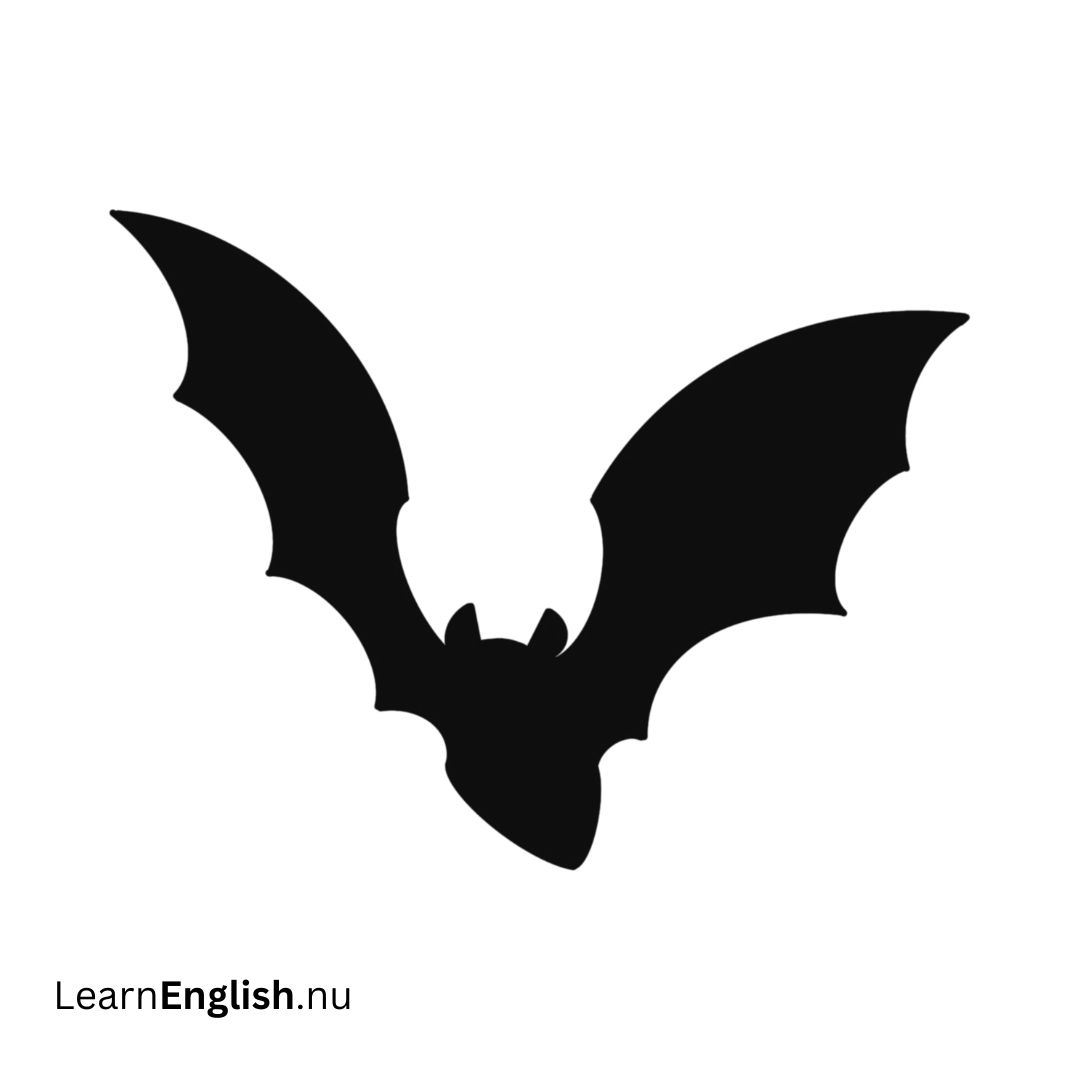 Fladdermus
Bat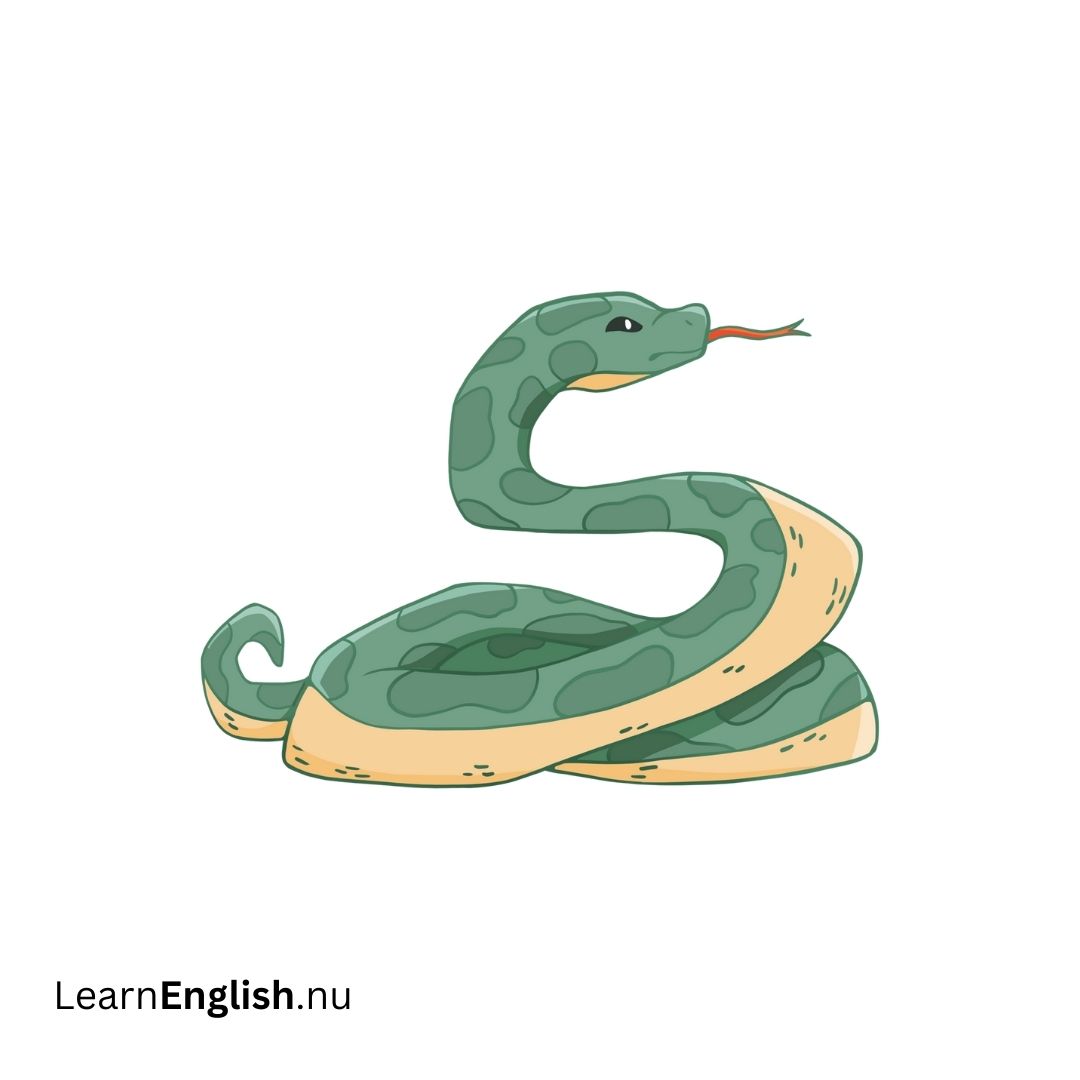 Orm
Orm
Snake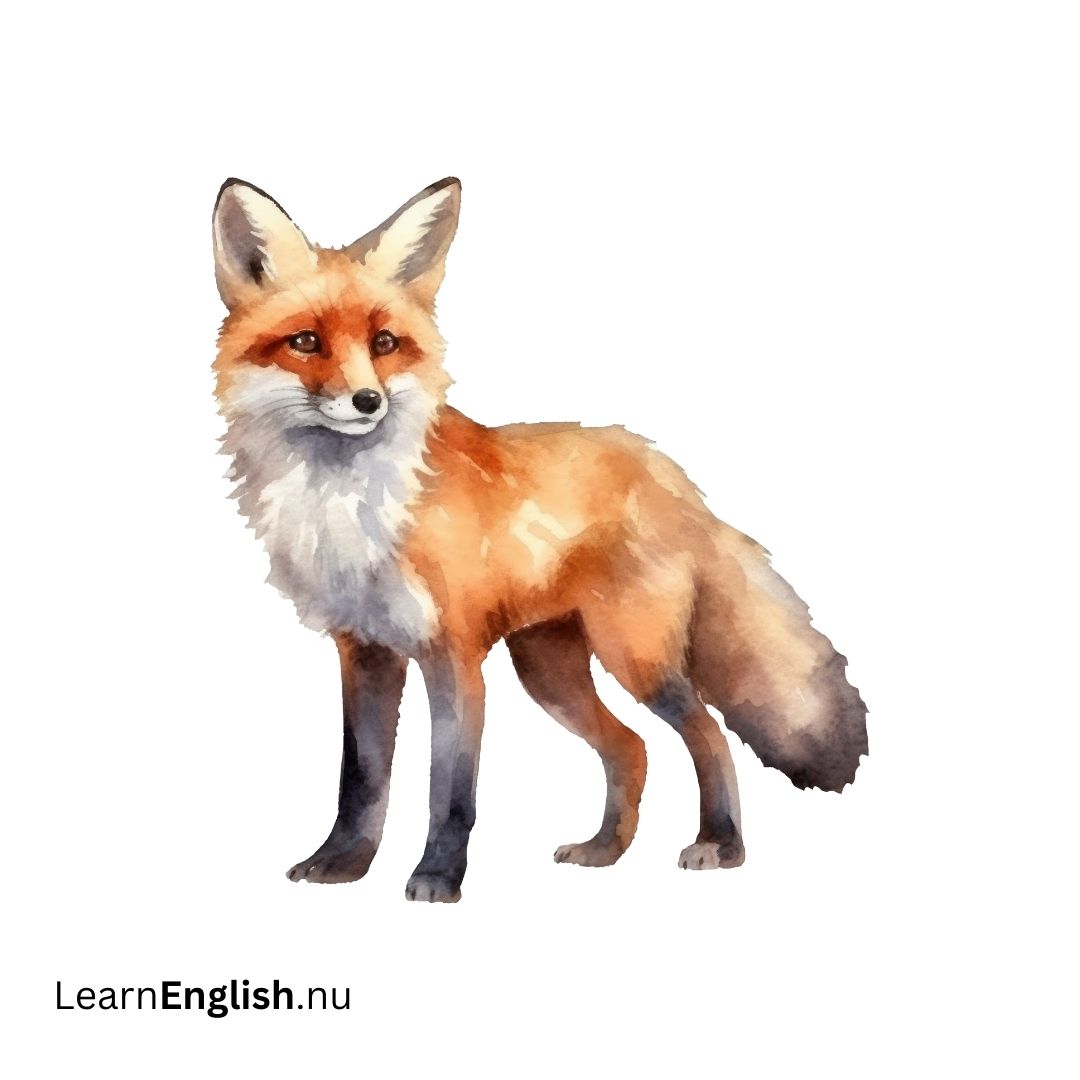 Räv
Räv
Fox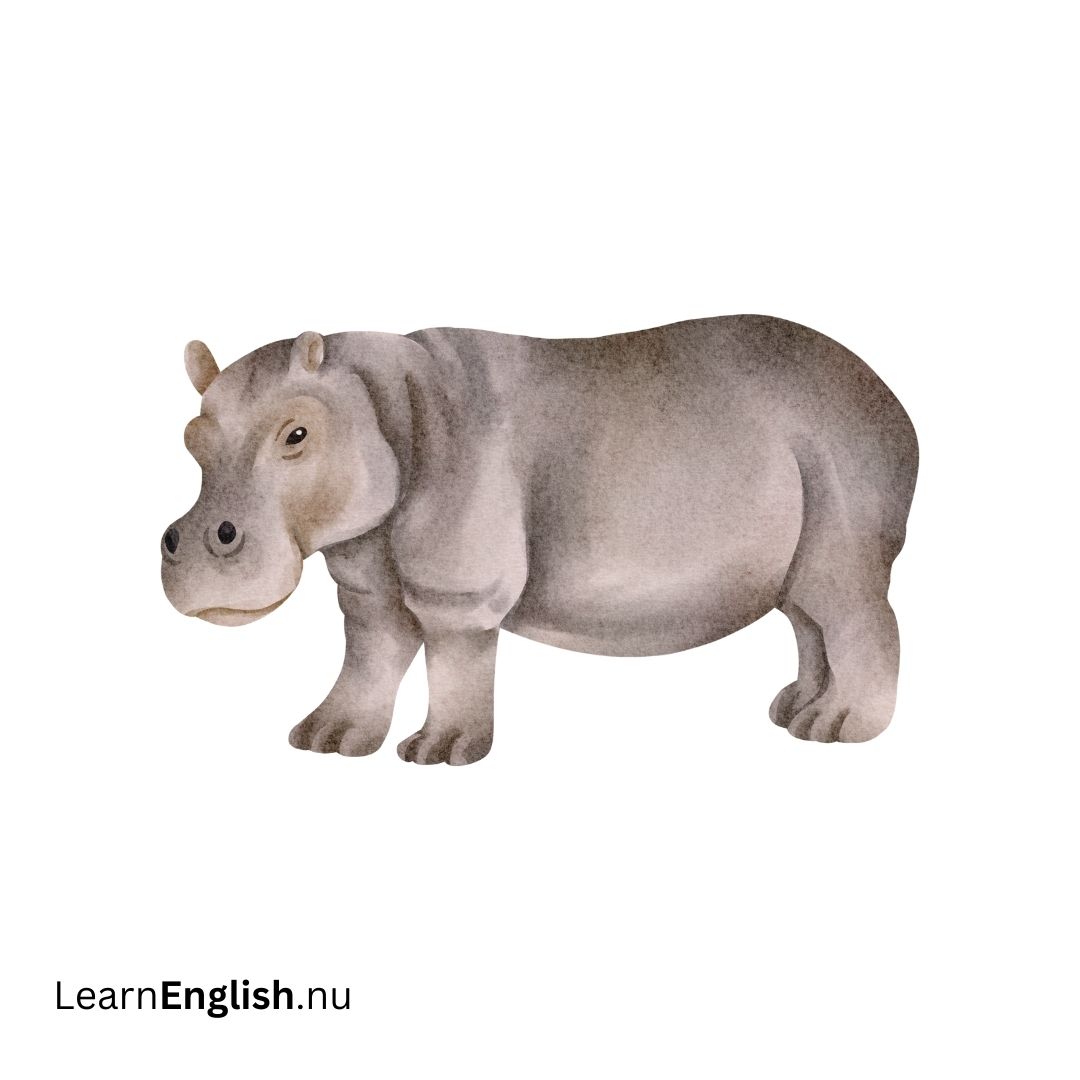 Flodhäst
Hippopotamus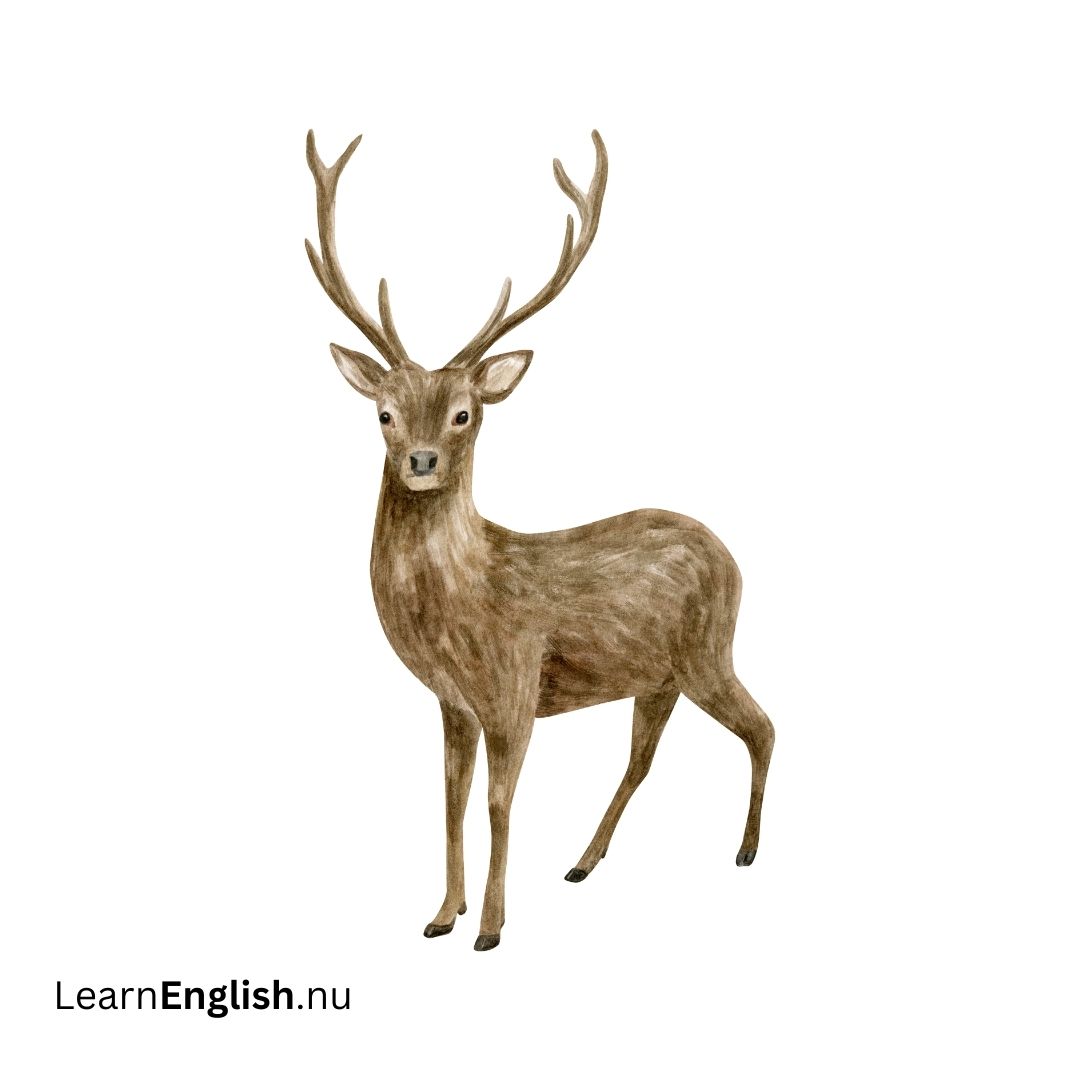 Ren
Ren
Reindeer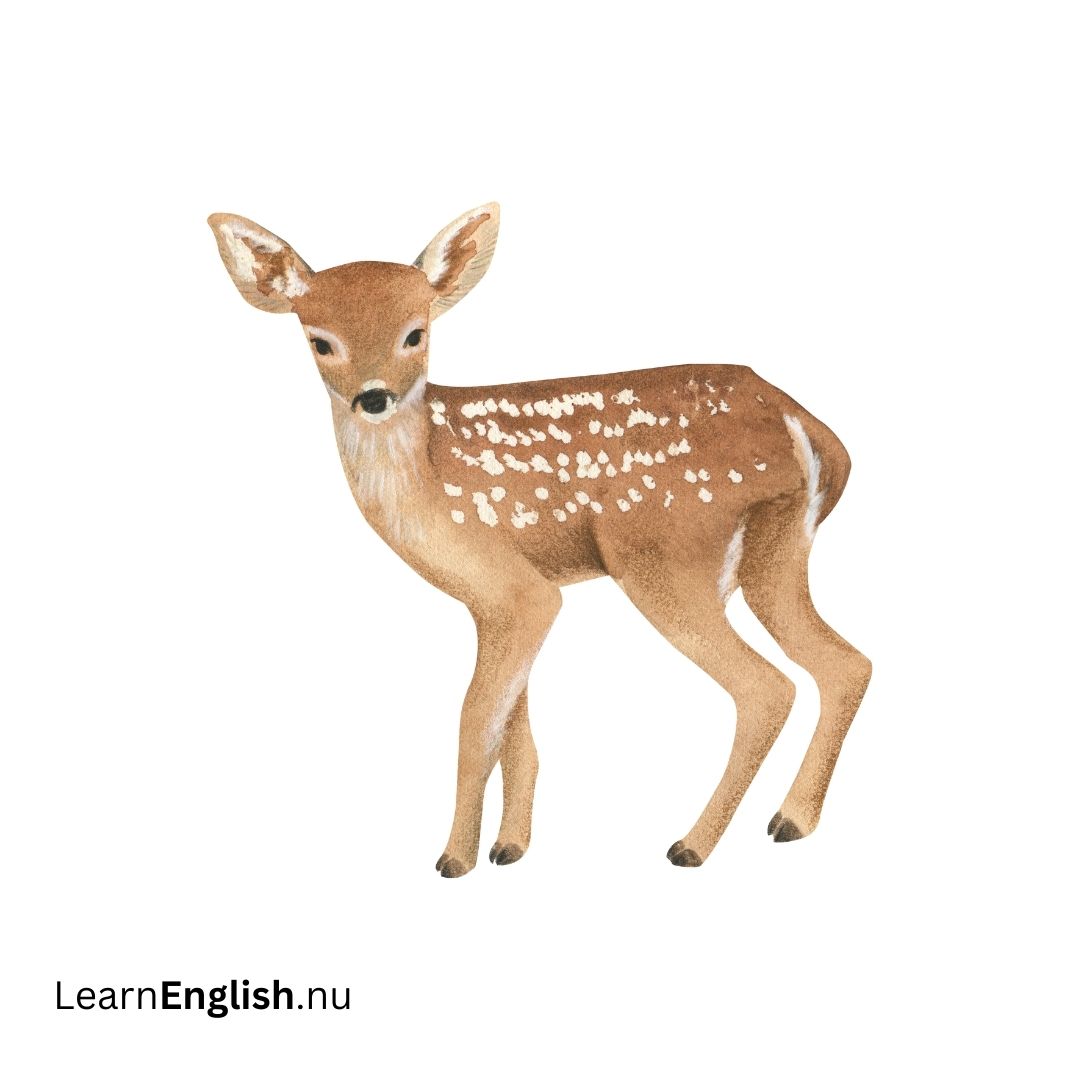 Hjort
Hjort
Deer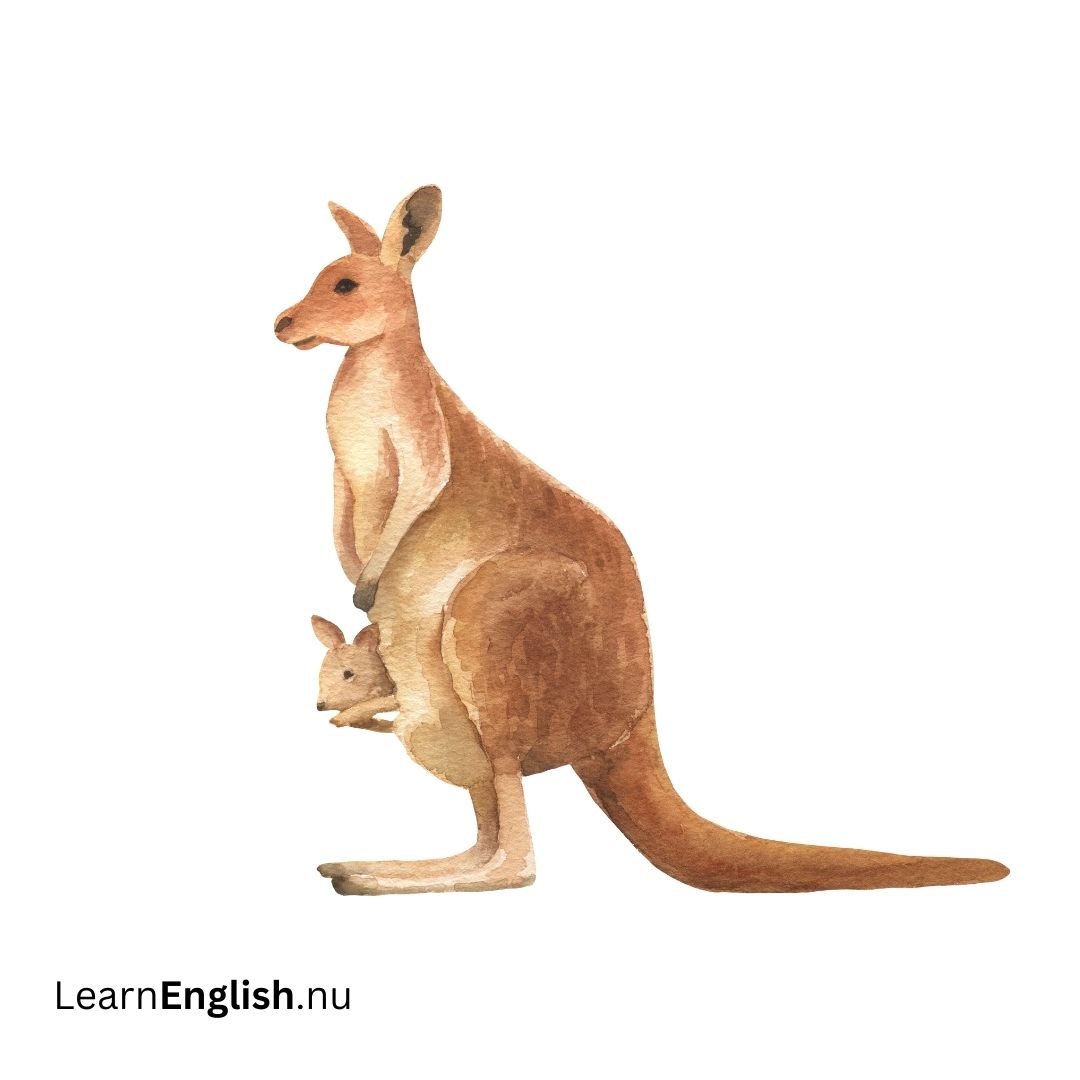 Känguru
Kangaroo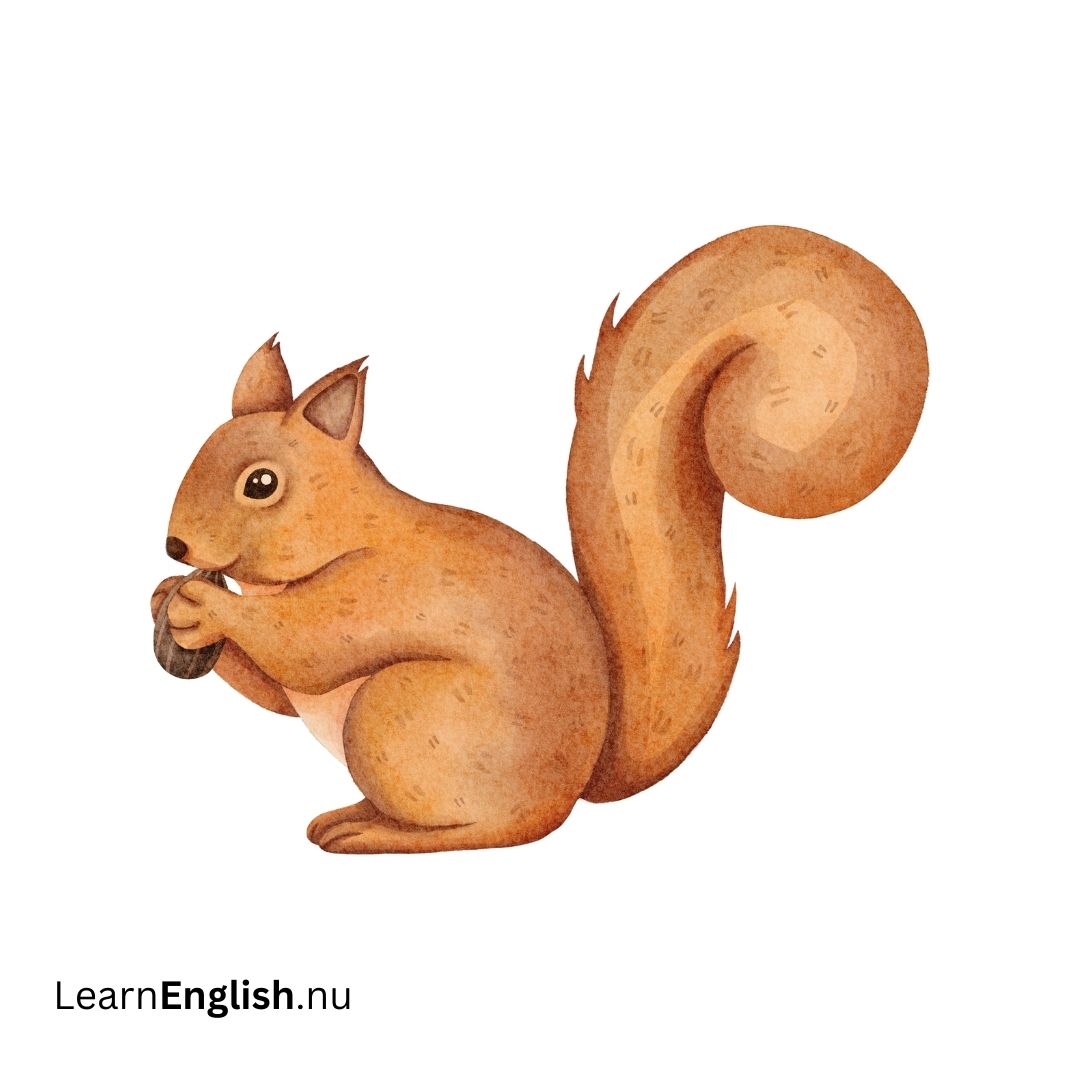 Ekorre
Squirrel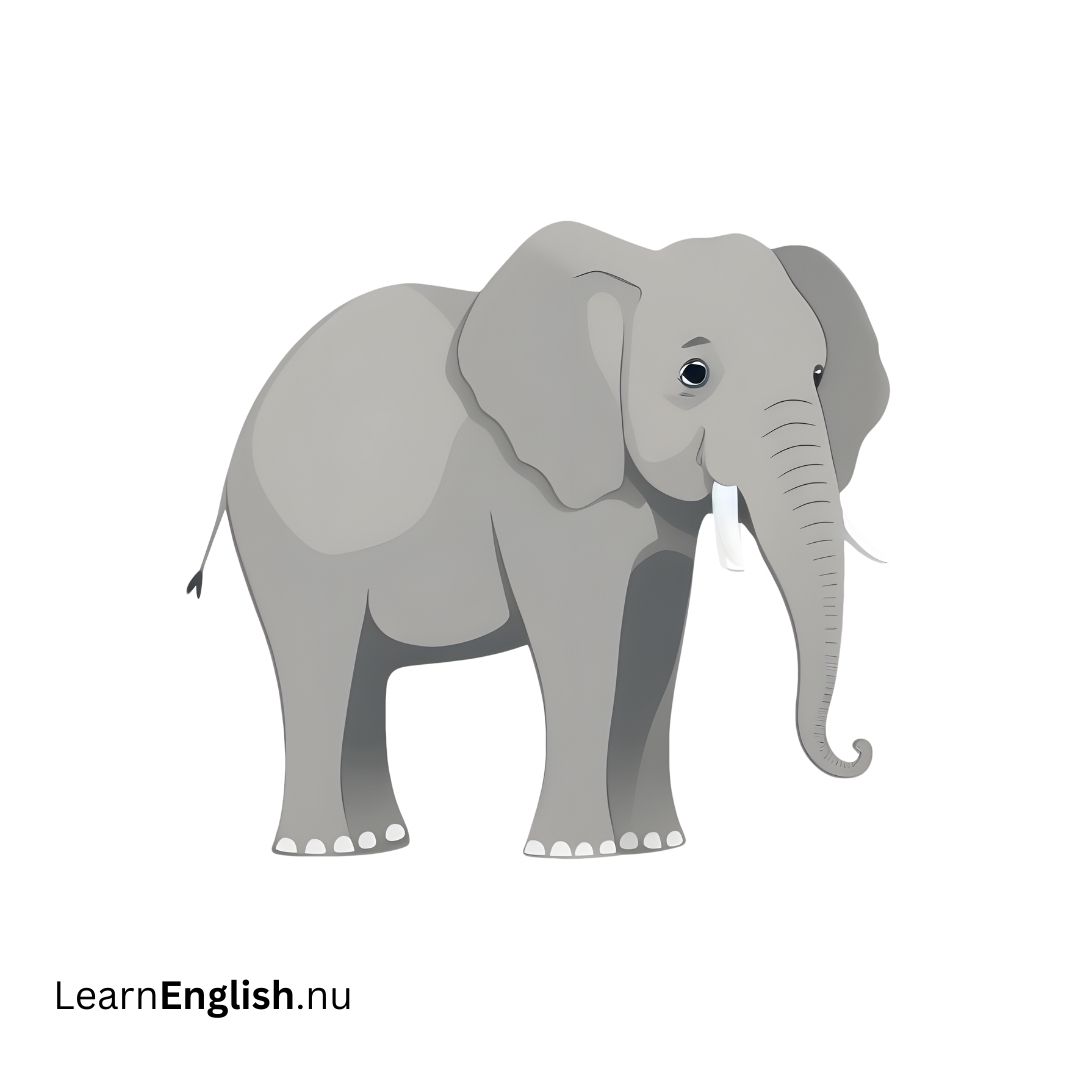 Elefant
Elephant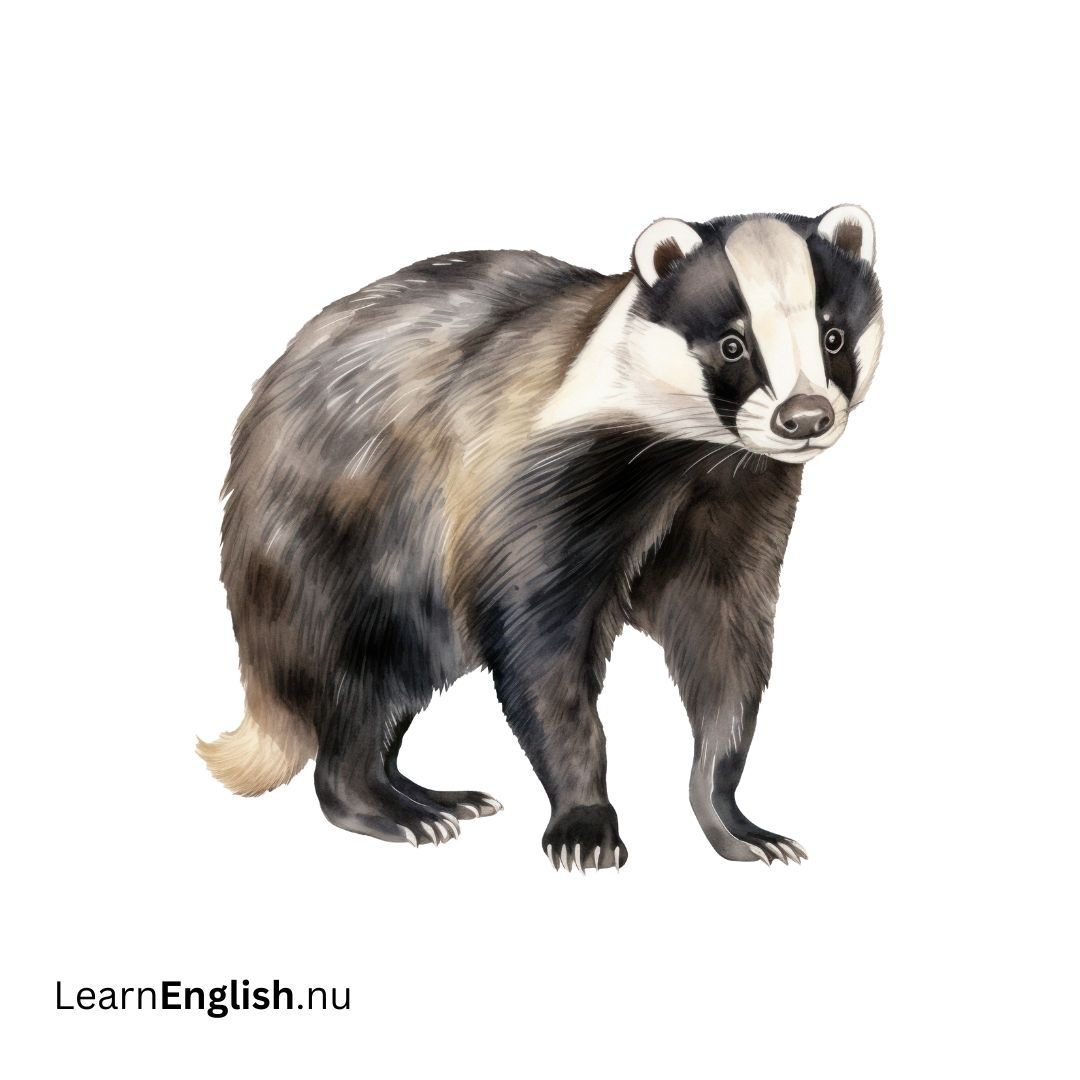 Grävling
Badger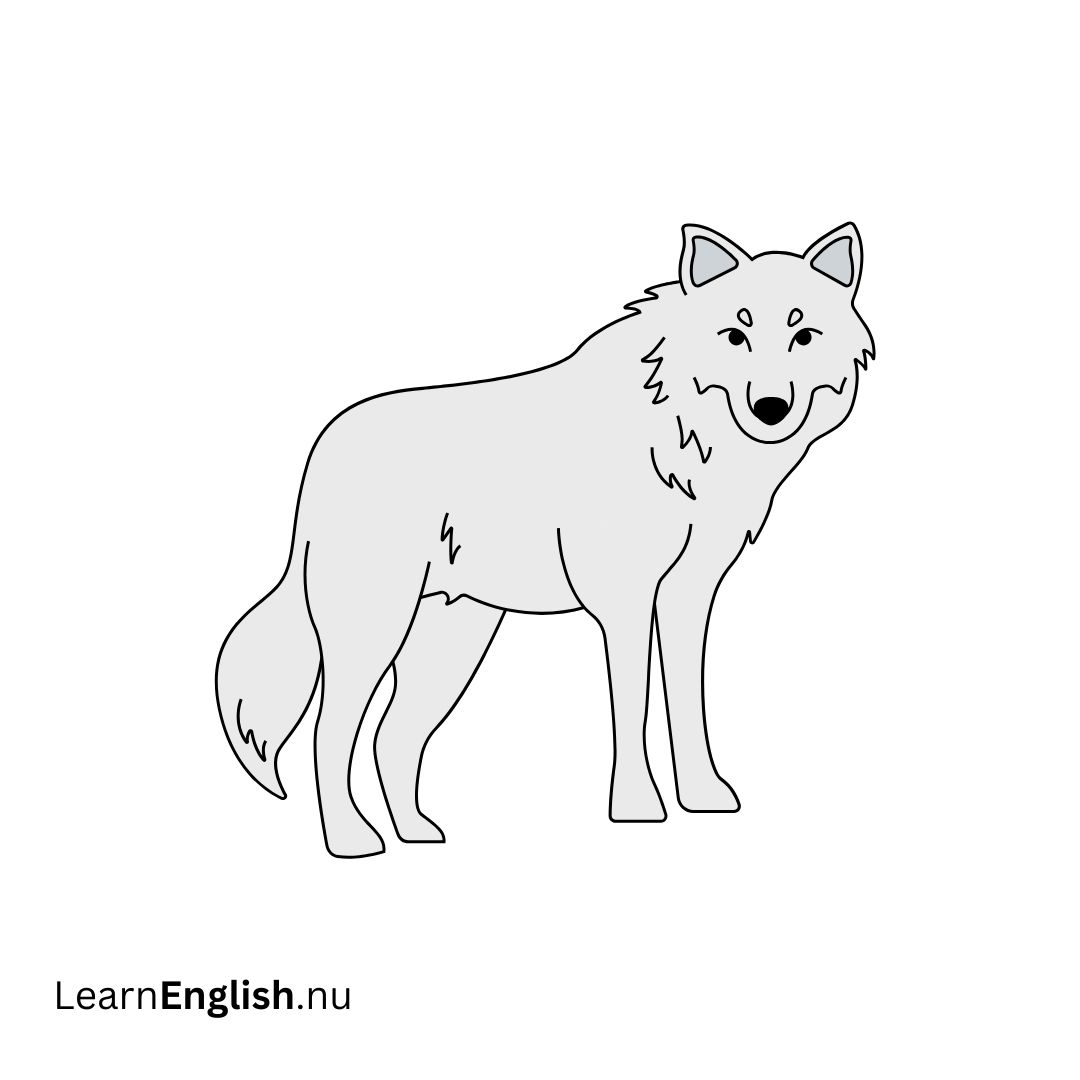 Arktisk varg
Arctic Wolf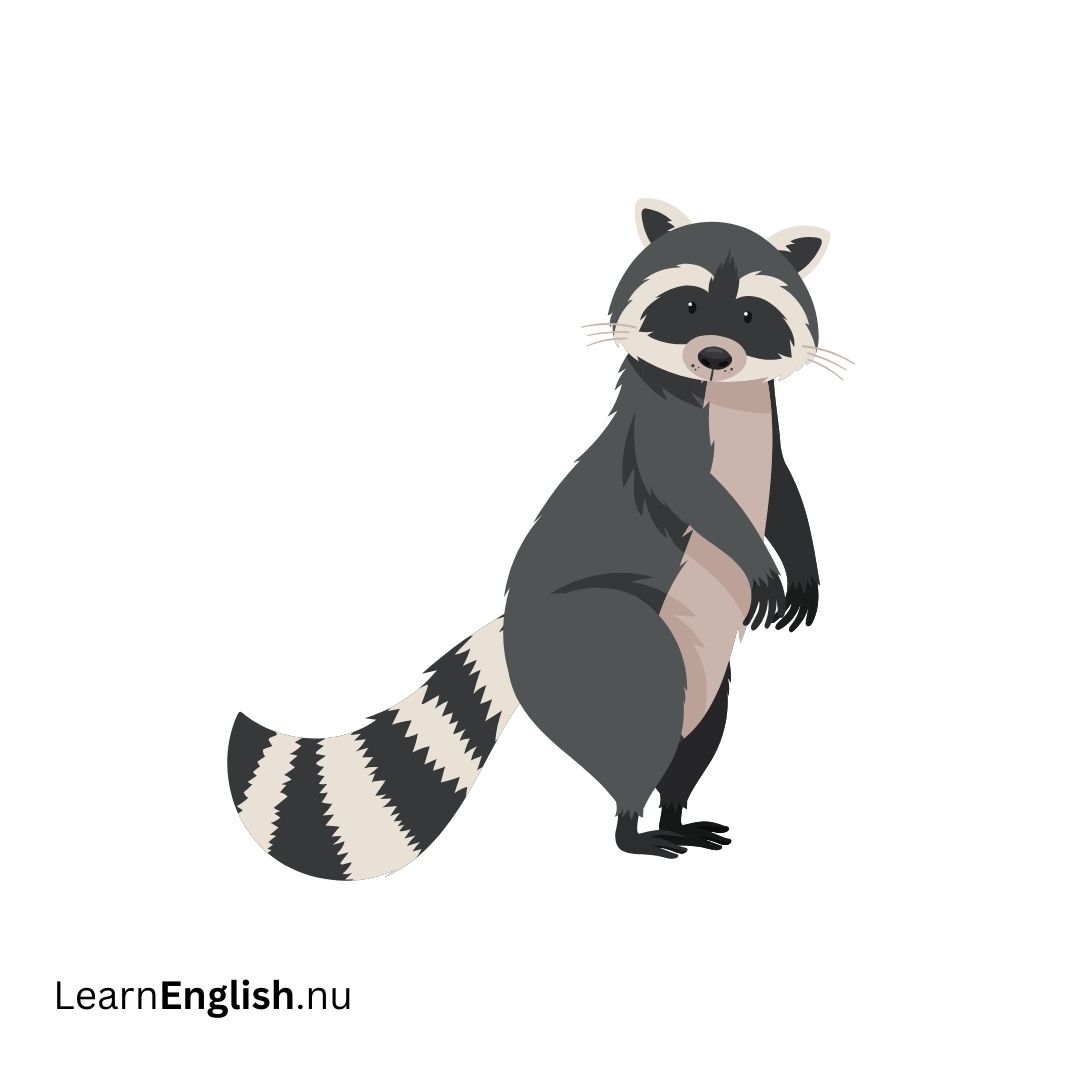 Tvättbjörn
Raccoon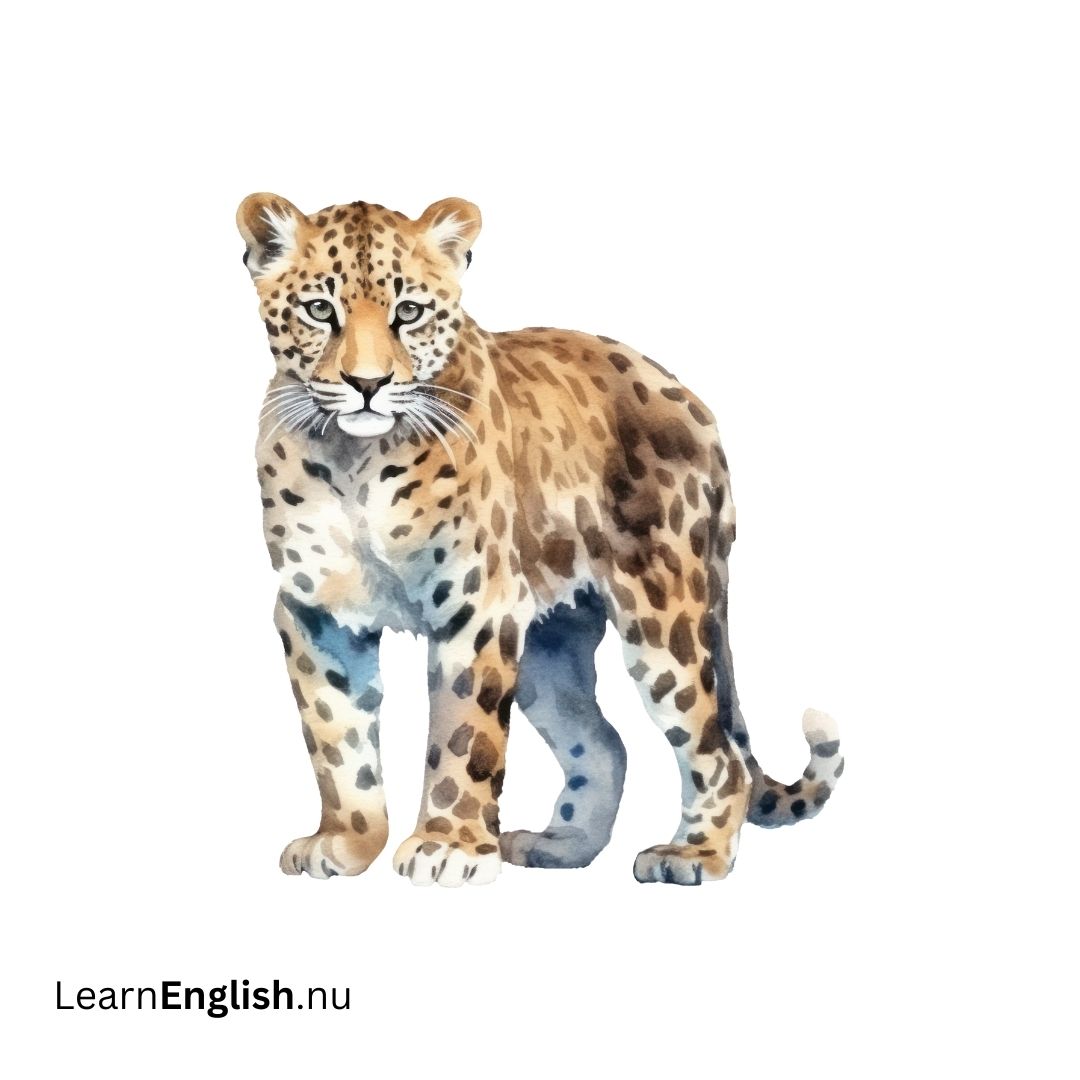 Gepard
Cheetah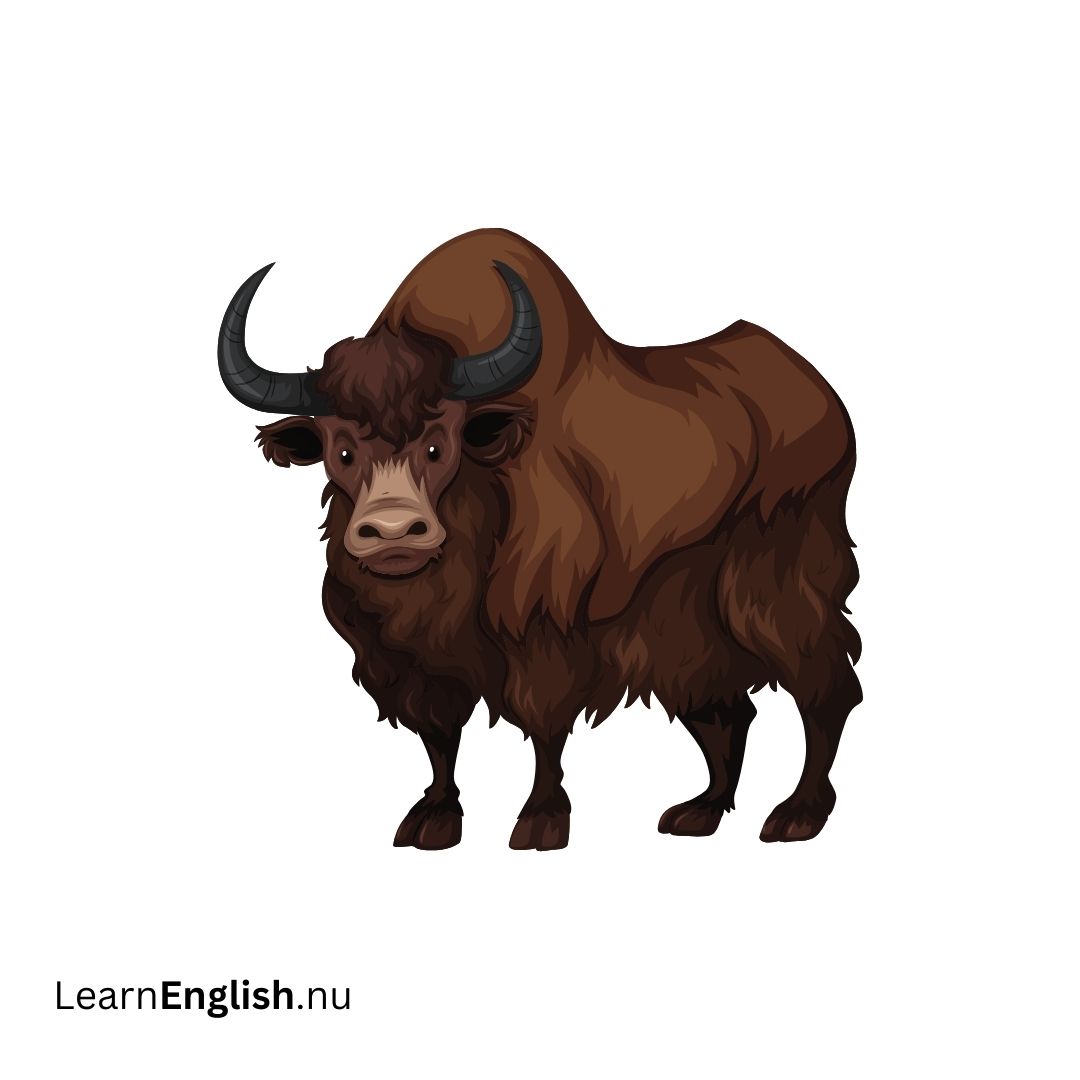 Yak
Yak
Yak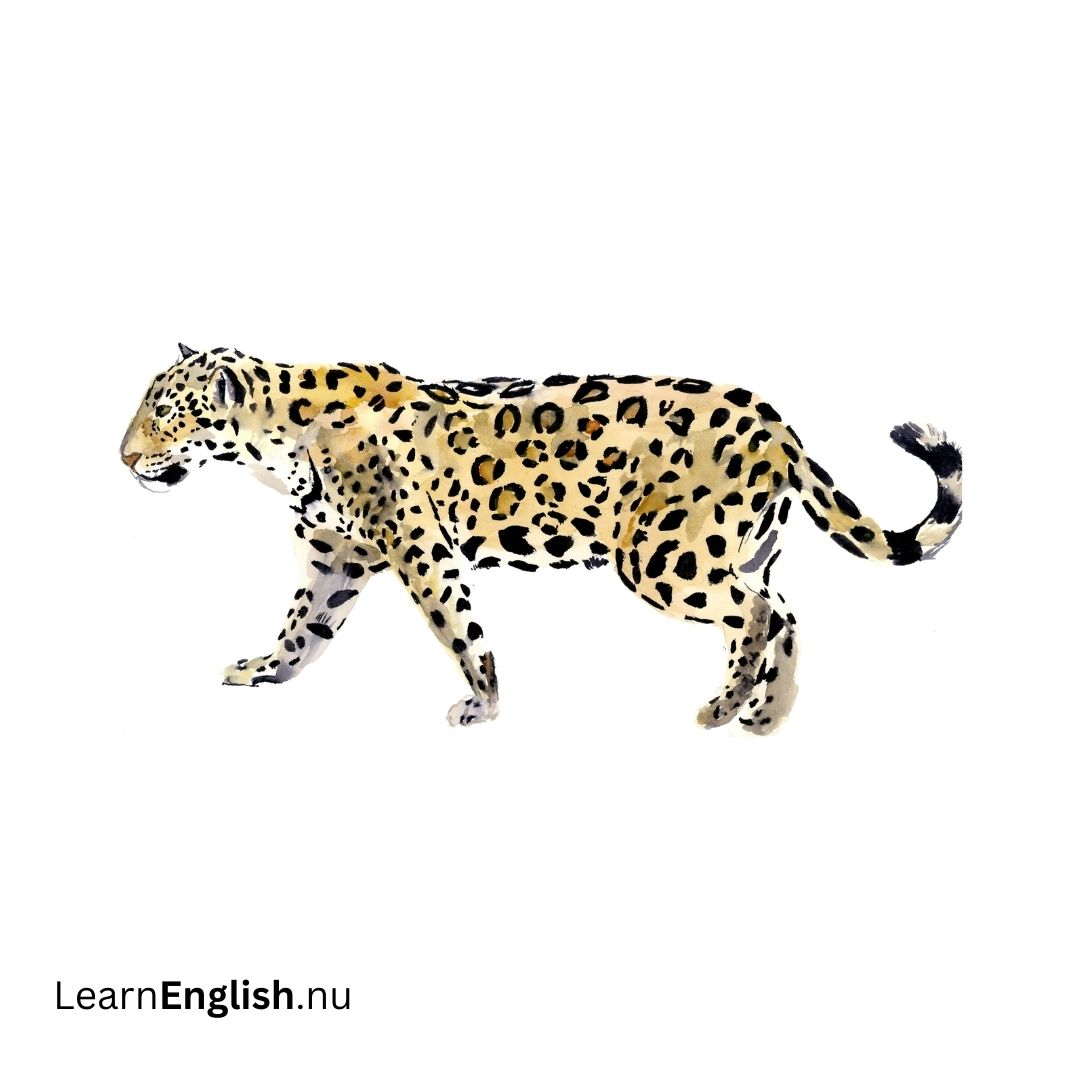 Jaguar
Jaguar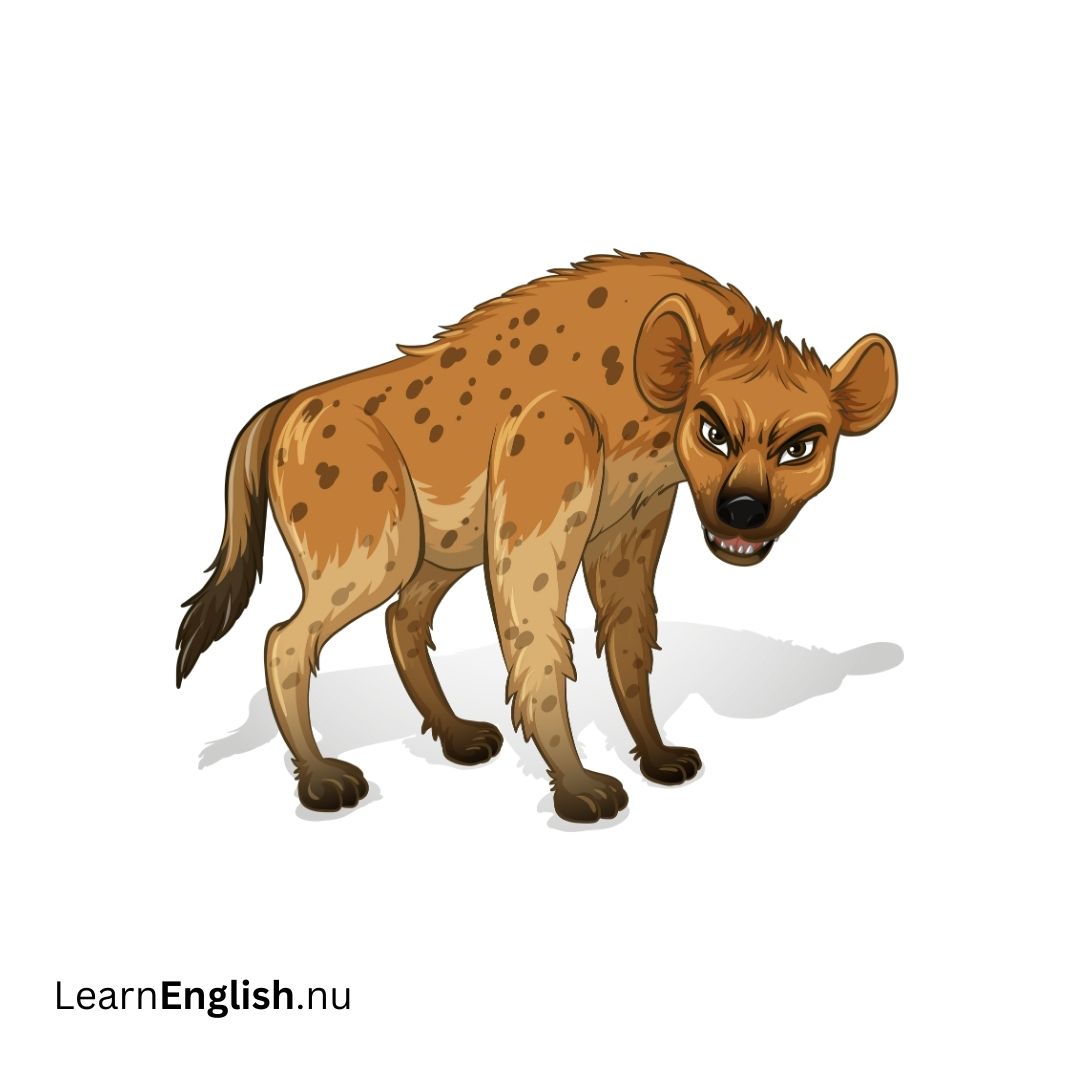 Hyena
Hyena
Hyena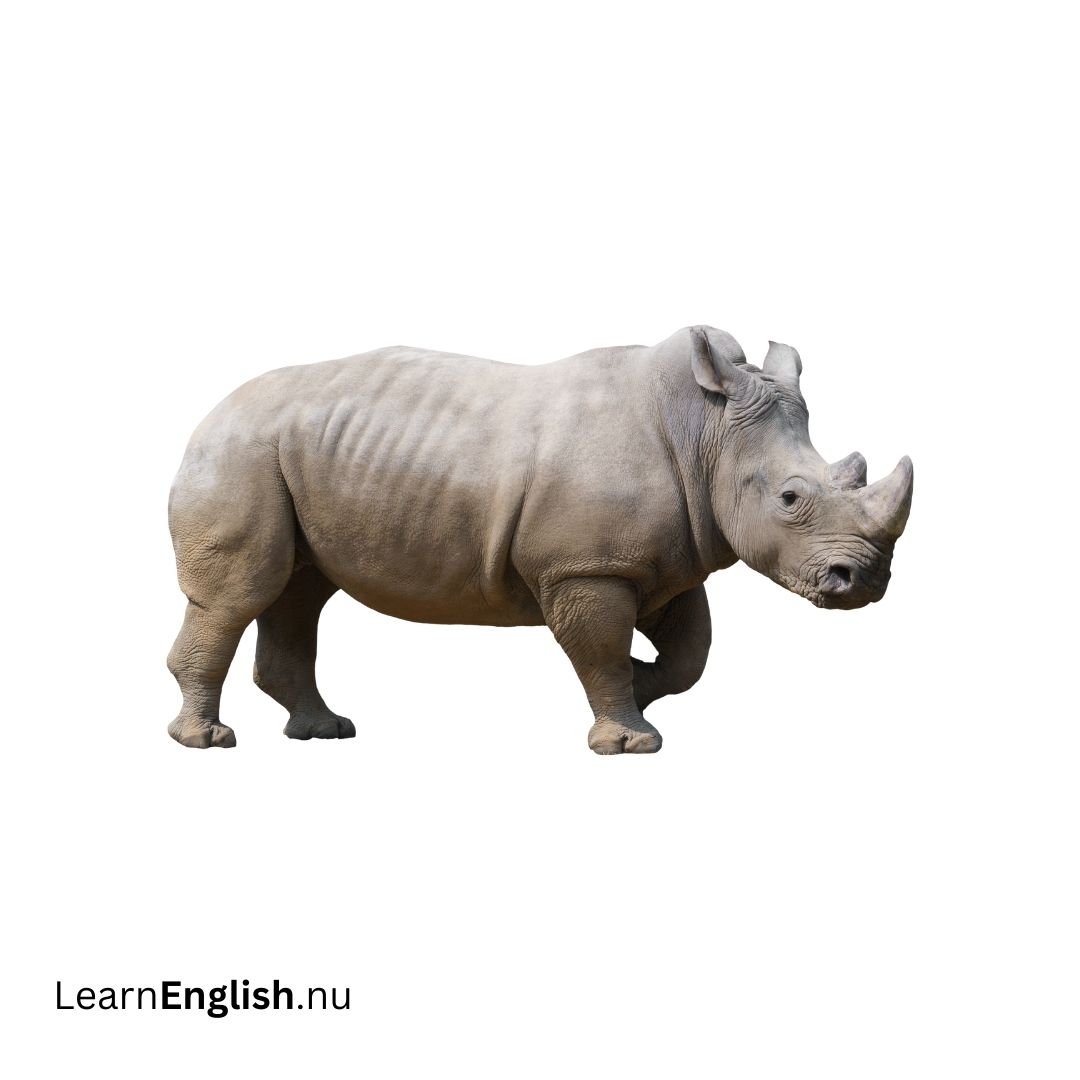 Noshörning
Rhinoceros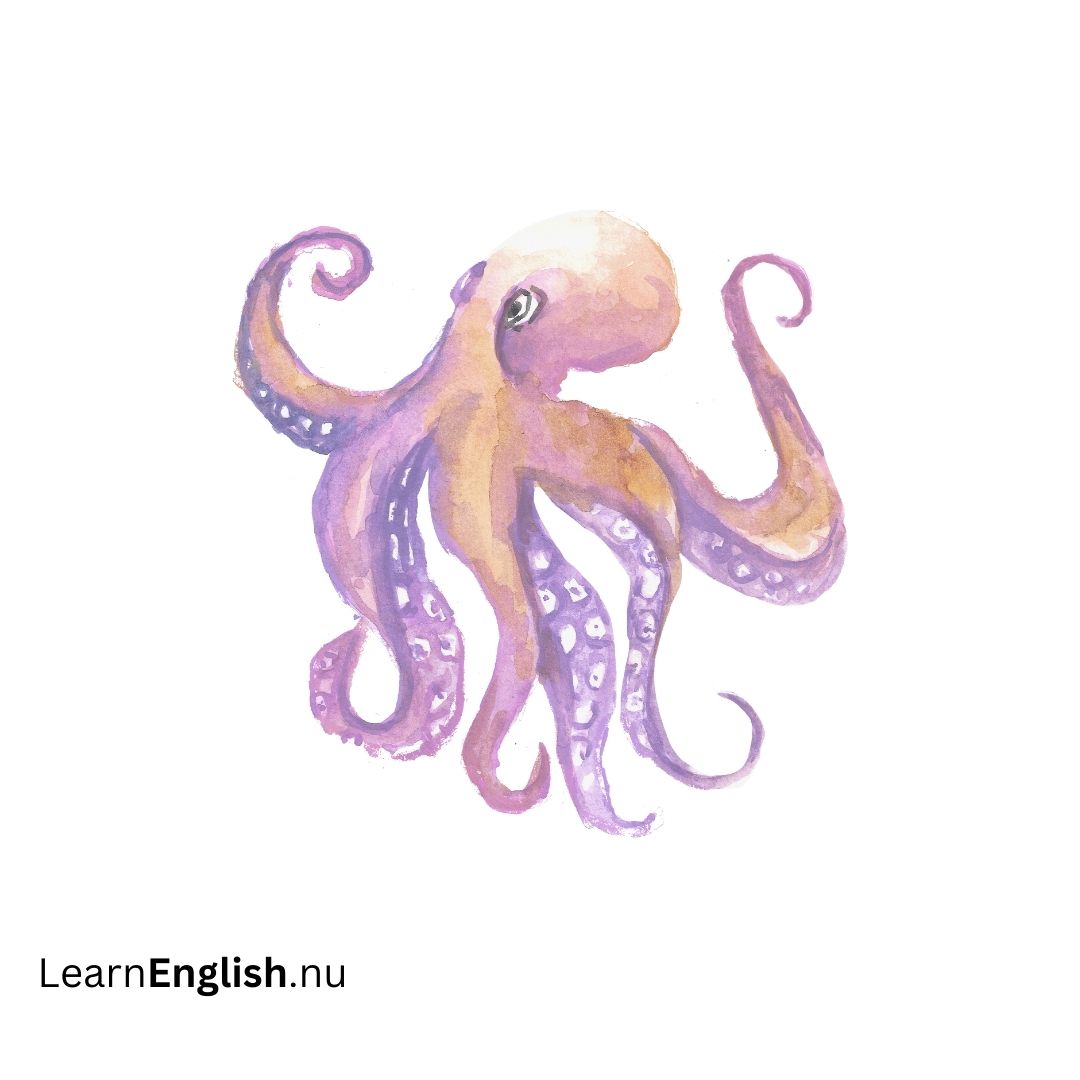 Bläckfisk
Octopus
Swedish Lessons: wild animals names in Swedish
- Apa Monkey
- Lejon Lion
- Haj Shark
- Zebra Zebra
- Panda Panda
- Alligator Alligator
- Tiger Tiger
- Björn Bear
- Giraff Giraffe
- Varg Wolf
- Koala Koala
- Hackspett Woodpecker
- Gorilla Gorilla
- Valross Walrus
- Krabba Crab
- Antilop Antelope
- Uggla Owl
- Blåval Blue Whale
- Kamel Camel
- Vithövdad örn Bald Eagle
- Leopard Leopard
- Prärievarg Coyote
- Schimpans Chimpanzee
- Manet Jellyfish
- Krokodil Crocodile
- Älg Elk
- Utter Otter
- Mullvad Mole
- Igelkott Hedgehog
- Fladdermus Bat
- Orm Snake
- Räv Fox
- Flodhäst Hippopotamus
- Ren Reindeer
- Hjort Deer
- Känguru Kangaroo
- Ekorre Squirrel
- Elefant Elephant
- Grävling Badger
- Arktisk varg Arctic Wolf
- Tvättbjörn Raccoon
- Gepard Cheetah
- Yak Yak
- Jaguar Jaguar
- Hyena Hyena
- Noshörning Rhinoceros
- Bläckfisk Octopus
Swedish predators
- Lejon Lion
- Tiger Tiger
- Varg Wolf
- Björn Bear
- Räv Fox
- Örn Eagle
- Uggla Owl
- Gepard Cheetah
- Leopard Leopard
- Hyena Hyena
- Komodovaran Komodo Dragon
- Kungskobra King Cobra
- Falk Falcon
- Bullhaj Bull Shark
- Vit Haj Great White Shark
- Snöleopard Snow Leopard
- Amerikansk Alligator American Alligator
- Salthavskrokodil Saltwater Crocodile
- Mantisskrabbe Mantis Shrimp
- Tasmansk Demon Tasmanian Devil
- Fläckig Hyena Spotted Hyena
- Pilgrimsfalk Peregrine Falcon
- Harpyörnen Harpy Eagle
- Bateleurörnen Bateleur Eagle
Wild Animal Names in Swedish
If you’re diving into learning Swedish, one exciting area to explore is the names of wild animals. This tutorial provides a list of various wild animals along with their Swedish names and pronunciations. Perfect for beginners, this guide will help you familiarize yourself with the vocabulary you need for discussing wildlife in Swedish.
Wild animals in Sweden
Knowing the names of animals in Swedish can be both fun and educational. This guide covers a range of wild animals from different habitats and regions. Each animal is presented with its Swedish name and pronunciation to help you correctly identify and use these terms in conversation.
Here is a table of wild animal names in Swedish, along with their pronunciations:
| English | Swedish | Pronunciation |
|---|---|---|
| Tiger | Tiger | /ˈtiːɡɛr/ |
| Lion | Lejon | /ˈlɛjʊn/ |
| Elephant | Elefant | /ˈɛlɛfant/ |
| Leopard | Leopard | /ˈlɛoˌpɑrd/ |
| Panther | Panter | /ˈpɑntɛr/ |
| Cheetah | Gepard | /ˈʝɛˌpɑrd/ |
| Wolf | Varg | /vɑːrg/ |
| Jaguar | Jaguar | /ˈjɑɡʊɑr/ |
| Hyena | Hyena | /ˈhʏːnɑ/ |
| Giraffe | Giraff | /ʝɪˈrɑf/ |
| Deer | Hjort | /jɔrt/ |
| Zebra | Zebra | /ˈzɛbrɑ/ |
| Gorilla | Gorilla | /ɡoˈrɪlɑ/ |
| Monkey | Apa | /ˈɑːpa/ |
| Chimpanzee | Schimpans | /ˈɕɪmpɑns/ |
| Bear | Björn | /bjœːrn/ |
| Wild Boar | Vildsvin | /ˈvɪldˌsviːn/ |
| Hippopotamus | Flodhäst | /ˈflʊdˌhɛst/ |
| Kangaroo | Känguru | /ˈkɛŋˌɡʏːru/ |
| Rhinoceros | Noshörning | /ˈnʊˌʃøːnɪŋ/ |
| Crocodile | Krokodil | /ˈkrʊkʊˌdiːl/ |
| Panda | Panda | /ˈpɑndɑ/ |
| Squirrel | Ekorre | /ˈɛːkɔrɛ/ |
| Mongoose | Mongoose | /ˈmɒŋɡuːz/ |
| Porcupine | Piggsvin | /ˈpɪɡˌsvin/ |
| Koala Bear | Koala | /kʊˈɑːlɑ/ |
| Wombat | Vombat | /ˈvɔmbɑt/ |
| Meerkat | Surikat | /ˈsʉːrɪˌkɑːt/ |
| Otter | Utter | /ˈʉːtɛr/ |
| Hedgehog | Igelkott | /ˈiːɡɛlkɔt/ |
| Possum | Possum | /ˈpɒsəm/ |
| Chipmunk | Ekorr | /ˈɛːkɔr/ |
| Raccoon | Tvättbjörn | /ˈtvɛtˌbjœːrn/ |
| Jackal | Schakal | /ˈʃɑːkɑl/ |
| Hare | Hare | /hɑːr/ |
| Mole | Mullvad | /ˈmʊlˌvɑd/ |
| Rabbit | Kanin | /kɑˈniːn/ |
| Alligator | Alligator | /ˈælɪˌɡeɪtə/ |
| Monitor Lizard | Monitorödla | /ˈmɒnɪtəˌrɒdəlɑ/ |
| Oryx | Oryx | /ˈɒrɪks/ |
| Elk | Älg | /ɛlg/ |
| Badger | Grävling | /ˈɡrɛːvlɪŋ/ |
| Dinosaur | Dinosaurie | /ˈdiːnəsɔːri/ |
| Pangolin | Pangolin | /ˈpæŋɡəˌlɪn/ |
| Okapi | Okapi | /oʊˈkɑːpi/ |
| Camel | Kamel | /kɑːˈmɛl/ |
| Wild cat | Vildkatt | /ˈvɪldˌkɑt/ |
| Coyote | Coyote | /kaɪˈoʊti/ |
| Bison | Bison | /ˈbaɪsən/ |
| African Elephant | Afrikansk Elefant | /ˈæfrɪkænks ˈɛlɪˌfænt/ |
| Aardvark | Aardvark | /ˈɑːrdˌvɑːrk/ |
| Antelope | Antelope | /ˈæntɪloʊp/ |
| Alpine Goat | Alpget | /ˈælˌpaɪn ɡoʊt/ |
| Komodo Dragon | Komodovaran | /kəˈmoʊdoʊ ˈdræɡən/ |
| Bearded Dragon | Skäggagam | /ˈbɪədɪd ˈdræɡən/ |
| Royal Bengal Tiger | Kunglig Bengaltiger | /ˈrɔɪəl ˈbɛŋɡɔːl ˈtaɪɡər/ |
| Flying Squirrel | Flygande Ekorr | /ˈflaɪɪŋ ˈɛˌkɔr/ |
| Emu | Emu | /ˈiːmuː/ |
| Eagle | Örn | /œːrn/ |
| Eel | Ål | /oːl/ |
| Asiatic Lion | Asiatiskt Lejon | /æsiˈætɪk ˈlaɪən/ |
| Armadillo | Armadillo | /ˌɑːrməˈdɪloʊ/ |
| Beaver | Bäver | /ˈbeɪvər/ |
| Emperor Penguin | Kejsarpingvin | /ˈɛmpərər ˈpɪŋɡwɪn/ |
| Baboon | Babian | /bɑːˈbiːən/ |
| Bat | Fladdermus | /ˈflædərˌmʌs/ |
| Chameleon | Kameleont | /kəˈmiːliən/ |
| Bull | Tjur | /tʃʉːr/ |
| Giant Panda | Jättesnygg | /ˈdʒaɪənt ˈpændə/ |
| Chihuahua | Chihuahua | /tʃɪˈwɑːwɑː/ |
| Orangutan | Orangutang | /ˌɔːræŋˈɡtæn/ |
| Chinchillas | Chinchilla | /tʃɪnˈtʃɪlə/ |
| Hawk | Hök | /høːk/ |
| Iguana | Leguan | /lɛˈɡwɑːnə/ |
| Ibis | Ibis | /ˈaɪbɪs/ |
| Ibex | Ibex | /ˈaɪbɛks/ |
| King Cobra | Kungskobra | /ˈkɪŋ ˈkoʊbrə/ |
| Jellyfish | Manet | /ˈdʒɛlɪfɪʃ/ |
| Goose | Gås | /ɡɔːs/ |
| Walrus | Valross | /ˈwɔːlrəs/ |
| Seal | Säl | /sɛl/ |
| Skink | Skink | /skɪŋk/ |
| Markhor | Markhor | /ˈmɑːrkˌhɔːr/ |
| Falcon | Falk | /fɑːlk/ |
| Bull Shark | Bullhaj | /bʊl ˈʃɑːrk/ |
| Arctic Wolf | Arktisk Varg | /ˈɑːrktɪk vɑːrg/ |
| Owl | Uggla | /ˈʉːɡlɑ/ |
| Bulbul | Bulbul | /ˈbʊlˌbʊl/ |
| Bobcat | Bobcat | /ˈbɒbˌkæt/ |
| Guinea Pig | Marsvin | /ˈɡɪni pɪɡ/ |
| Yak | Yak | /jæk/ |
| Reindeer | Ren | /reɪn/ |
| Moose | Moose | /muːs/ |
| Puma | Puma | /ˈpjuːmə/ |
| Marten | Mård | /mɔːrd/ |
| Squirrel Monkey | Ekorreapa | /ˈɛˌkɔrˌɛːpa/ |
| Caracal | Caracal | /ˈkærəˌkæl/ |
Predators and Their Young in Swedish: A Beginner’s Guide
Understanding animal vocabulary in Swedish can be both fascinating and practical, especially when it comes to learning about predators and their young. This guide is designed for beginners and will help you learn the names of common predators and their offspring in Swedish, complete with pronunciations for accurate communication.
Learning Predator Names and Their Young
Predators are animals that hunt other animals for food. Knowing their names and the names of their young in Swedish can enhance your ability to discuss wildlife in a variety of contexts. This guide provides a list of common predators and their young, along with their Swedish names and pronunciations.
Here is a table of predators and their young in Swedish:
| English Predator | Swedish Predator | Pronunciation | English Young | Swedish Young | Pronunciation |
|---|---|---|---|---|---|
| Lion | Lejon | /ˈlɛjʊn/ | Cub | Ungdjurs | /ˈʉːŋdʏʂ/ |
| Tiger | Tiger | /ˈtiːɡɛr/ | Cub | Ungdjurs | /ˈʉːŋdʏʂ/ |
| Wolf | Varg | /vɑːrg/ | Pup | Valp | /valp/ |
| Bear | Björn | /bjœːrn/ | Cub | Ungbjörn | /ˈʉːŋˌbjœːrn/ |
| Fox | Räv | /rɛv/ | Kit | Valp | /valp/ |
| Eagle | Örn | /œːrn/ | Eaglet | Örnung | /ˈœːrˌnʊŋ/ |
| Owl | Uggla | /ˈʉːɡlɑ/ | Owlet | Uglunge | /ˈʉːɡlʏŋɡɛ/ |
| Cheetah | Gepard | /ˈʝɛˌpɑrd/ | Cub | Ungdjurs | /ˈʉːŋdʏʂ/ |
| Leopard | Leopard | /ˈlɛoˌpɑrd/ | Cub | Ungdjurs | /ˈʉːŋdʏʂ/ |
| Hyena | Hyena | /ˈhʏːnɑ/ | Cub | Hyenunge | /hʏˈneʉŋɡɛ/ |
Most dangerous animals in Sweden
Sweden is renowned for its stunning landscapes, from vast forests to majestic mountains. Its sparse population density and the Right to Roam laws offer amazing opportunities for exploration. However, while discovering this beautiful country, it's crucial to be aware of the potentially dangerous animals that inhabit these regions. This guide will help you recognize and avoid some of Sweden's most formidable wildlife.
Brown Bear
Sweden is home to around 3,000 brown bears, more than any other European country. These large mammals can weigh up to 300 kg and are usually shy. However, if you encounter a bear, follow these steps:
- Stay Calm: Keep eye contact and slowly back away.
- Leave Distractions: Drop food or clothing items to divert the bear’s attention.
- Avoid Running: Running may trigger a chase. Move away calmly and steadily.
| Feature | Description |
|---|---|
| Size | Up to 300 kg |
| Behavior | Generally shy; may become aggressive if surprised |
European Adder
The European adder is Sweden's only venomous snake. While bites are rare and rarely fatal, they can cause significant pain and allergic reactions. To stay safe:
- Avoid Snakes: If you see a snake with brown and black scales, keep your distance.
- Be Cautious: Particularly if you are elderly, with young children, or have a weakened immune system.
| Feature | Description |
|---|---|
| Venomous | Yes |
| Appearance | Brown and black scales |
Wolverine
Wolverines are rare and usually found in remote areas of Sweden. While they are not known to attack humans, they can become aggressive if threatened. If you encounter a wolverine:
- Give Space: Do not approach. Back away slowly while maintaining eye contact.
- Avoid Sudden Moves: Quick movements might provoke an attack.
| Feature | Description |
|---|---|
| Behavior | Can be aggressive if threatened |
| Interaction | Rarely attacks humans |
Wolf
The Swedish wolf is a majestic yet wild animal. While attacks on humans are extremely rare, wolves can be dangerous if they feel threatened. To avoid conflict:
- Make Noise: Wear bright clothing and be vocal to avoid surprising a wolf.
- Avoid Darkness: Wolves might mistake you for prey in low light.
| Feature | Description |
|---|---|
| Behavior | Generally avoids humans; can be aggressive if threatened |
| Attack Risk | Rare but possible |
Lynx
The lynx, resembling a large domestic cat, is generally not a threat to humans. However, it can scratch if cornered. To minimize risk:
- Observe from a Distance: Lynxes are usually hidden but can be spotted by their thick fur and large ears.
- Avoid Confrontation: Do not try to approach or trap a lynx.
| Feature | Description |
|---|---|
| Size | Medium; resembles a large housecat |
| Behavior | Avoids humans; can scratch if threatened |
Moose
Moose are Sweden's largest land animals and can be aggressive, especially during their mating season or if they feel threatened. To stay safe:
- Be Aware: Moose attacks are common, so always watch for them while walking or driving.
- Avoid Provoking: Do not approach or startle a moose.
| Feature | Description |
|---|---|
| Size | Largest land animal in Sweden |
| Behavior | Can be aggressive; watch for moose on roads |
Wild Boar
Wild boars are widespread and can be dangerous, with the potential for fatal attacks. To avoid danger:
- Keep Distance: Stay far away to prevent startling them.
- Be Cautious: Wild boars can run fast and use their tusks to attack.
| Feature | Description |
|---|---|
| Speed | Up to 30 mph |
| Behavior | Can be aggressive; avoid if encountered |
Endangered Animals in Swedish
Sweden is home to a diverse range of wildlife, including several species that are currently endangered. This guide will introduce you to some of these at-risk animals and their conservation statuses, helping you understand their significance and the efforts being made to protect them.
European Bison (Bison bonasus)
The European bison, or Bison bonasus, is classified as "near threatened" in Sweden. This majestic animal, once widespread across Europe, faced severe population declines due to hunting and habitat loss. Although their numbers have started to recover, continued conservation efforts are crucial for their survival.
| Species | Status |
|---|---|
| European Bison | Near Threatened |
European Otter (Lutra lutra)
The European otter, also known as Lutra lutra, inhabits Sweden’s lakes and rivers. Unlike sea otters, European otters do not spend their entire lives in water. They were nearly driven to extinction by hunting, but their populations are now slowly rebounding in many parts of Europe.
| Species | Status |
|---|---|
| European Otter | Recovering |
Muskox (Ovibos moschatus)
The muskox, or Ovibos moschatus, was once nearly extinct but has been reintroduced into Sweden. These robust animals are now classified as "least concern" due to successful reintroduction efforts and stable populations.
| Species | Status |
|---|---|
| Muskox | Least Concern |
Fin Whale (Balaenoptera physalus)
The fin whale, or Balaenoptera physalus, is the second largest whale species after the blue whale. Once hunted almost to extinction, fin whale populations have been slow to recover. Despite a ban on commercial whaling by the International Whaling Commission, countries like Iceland and Japan continue to hunt this species.
| Species | Status |
|---|---|
| Fin Whale | Endangered |
Pond Bat (Myotis dasycneme)
The pond bat, or Myotis dasycneme, is a medium-sized bat that nests near water. It is one of the nearly extinct bat species in Sweden. Conservation efforts are focused on protecting their nesting sites and habitats to help their populations recover.
| Species | Status |
|---|---|
| Pond Bat | Nearly Extinct |
Bechstein’s Bat (Myotis bechsteini)
Bechstein’s bat, or Myotis bechsteini, is one of the rarest and most endangered bat species in the world. This bat roosts in trees and is critically endangered in Sweden. Protecting their roosting sites and habitat is essential for their survival.
| Species | Status |
|---|---|
| Bechstein’s Bat | Critically Endangered |
Related Topics
Swedish Lessons: Sea Animals - List of marine animals in Swedish
Swedish Lessons: Bird names in Swedish pictures & audio
Swedish Lessons: Plant names , flowers names in Swedish
Farm animals in Swedish: Animal Names in Swedish
Swedish Lessons: Swedish animal names
Swedish Lessons: Action Verbs in Swedish
Swedish Lessons: Swedish tools and equipment Vocabulary Words
Swedish Lessons: Swedish utility room Vocabulary Words
Swedish Lessons: Cooking Verbs in Swedish
Swedish Lessons: Swedish cleaning tools Vocabulary Words
Countries in Swedish - Country Names in Swedish
Swedish Lessons: Swedish Garden Vocabulary Words
Names of things in the street in Swedish
Swedish Lessons: Insects and Reptiles in Swedish pictures & audio
Swedish Lessons: bedroom items list with pictures in Swedish
Swedish Lessons: Living room Vardagsrum Vocabulary Words
Swedish Lessons: Men's Clothing in Swedish
Swedish Lessons: House vocabulary words in Swedish
Pet names in Swedish: Animal Names in Swedish
Swedish Lessons: Fashion accessories in Swedish
Planet names in Swedish and English (Solar system)
Musical instruments names in Swedish language
Swedish Lessons: Summer Clothing in Swedish
Swedish Lessons: Swedish winter clothes
Swedish Lessons: Swedish baby clothes | Swedish Children Clothing
Swedish Lessons: Women's Clothing in Swedish
Swedish Lessons: Swedish Transportation Vocabulary And Phrases
Swedish Lessons: Swedish Drink Words Vocabulary Words
Swedish Lessons: Swedish Food and Meals Vocabulary Words with Pronunciation