Learning the names of winter clothes in Swedish is a practical and fun way to enhance your language skills while preparing for the colder months. Whether you're traveling to Sweden, communicating with Swedish-speaking friends, or simply expanding your vocabulary, knowing these terms will help you describe and discuss winter clothing with ease. This guide provides a comprehensive list of common winter wear items in Swedish, complete with examples to help you understand and use these terms effectively. By familiarizing yourself with these words, you’ll be better equipped to handle chilly weather and engage in conversations about winter attire.
Click on the text to hear the pronunciation
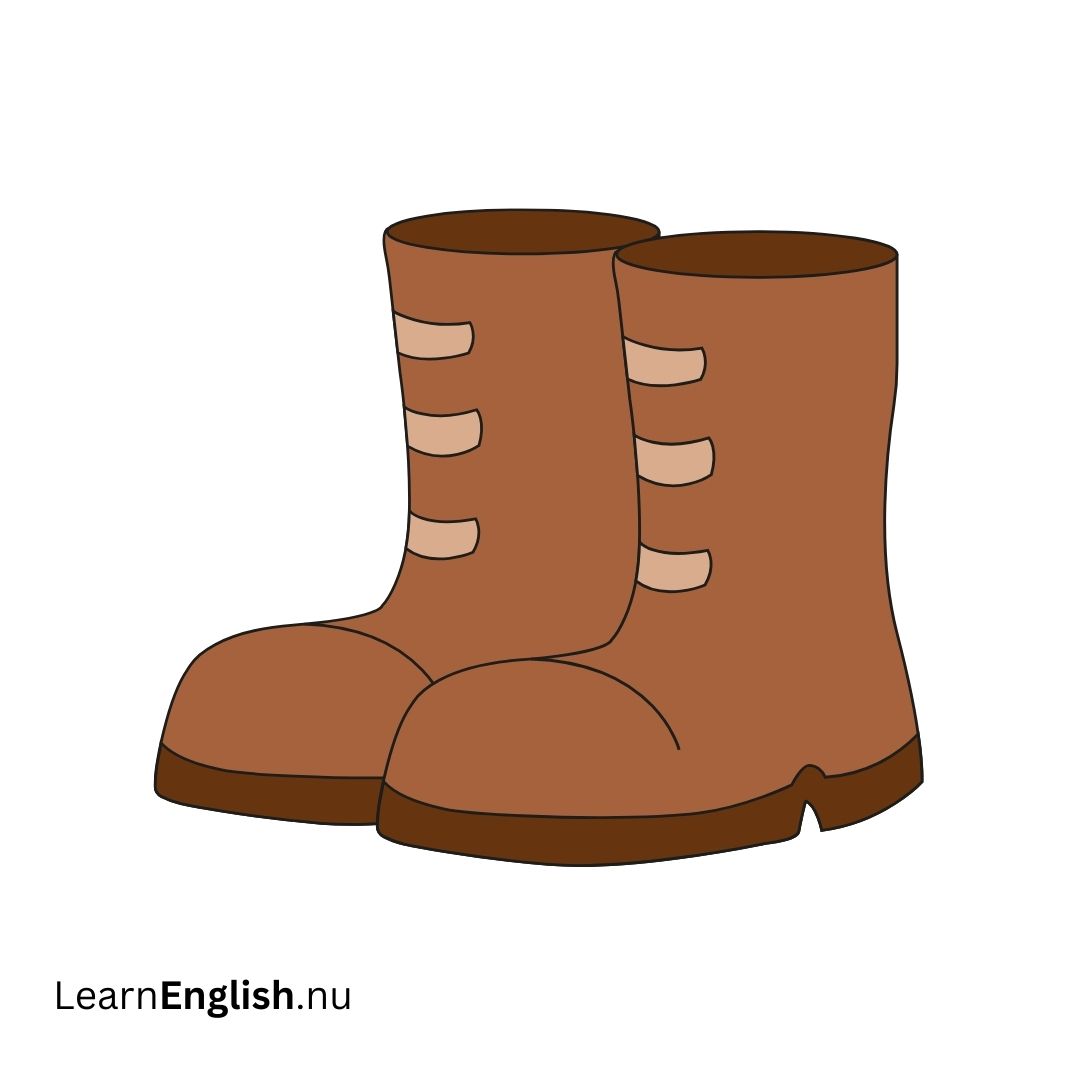 Stövlar
Boots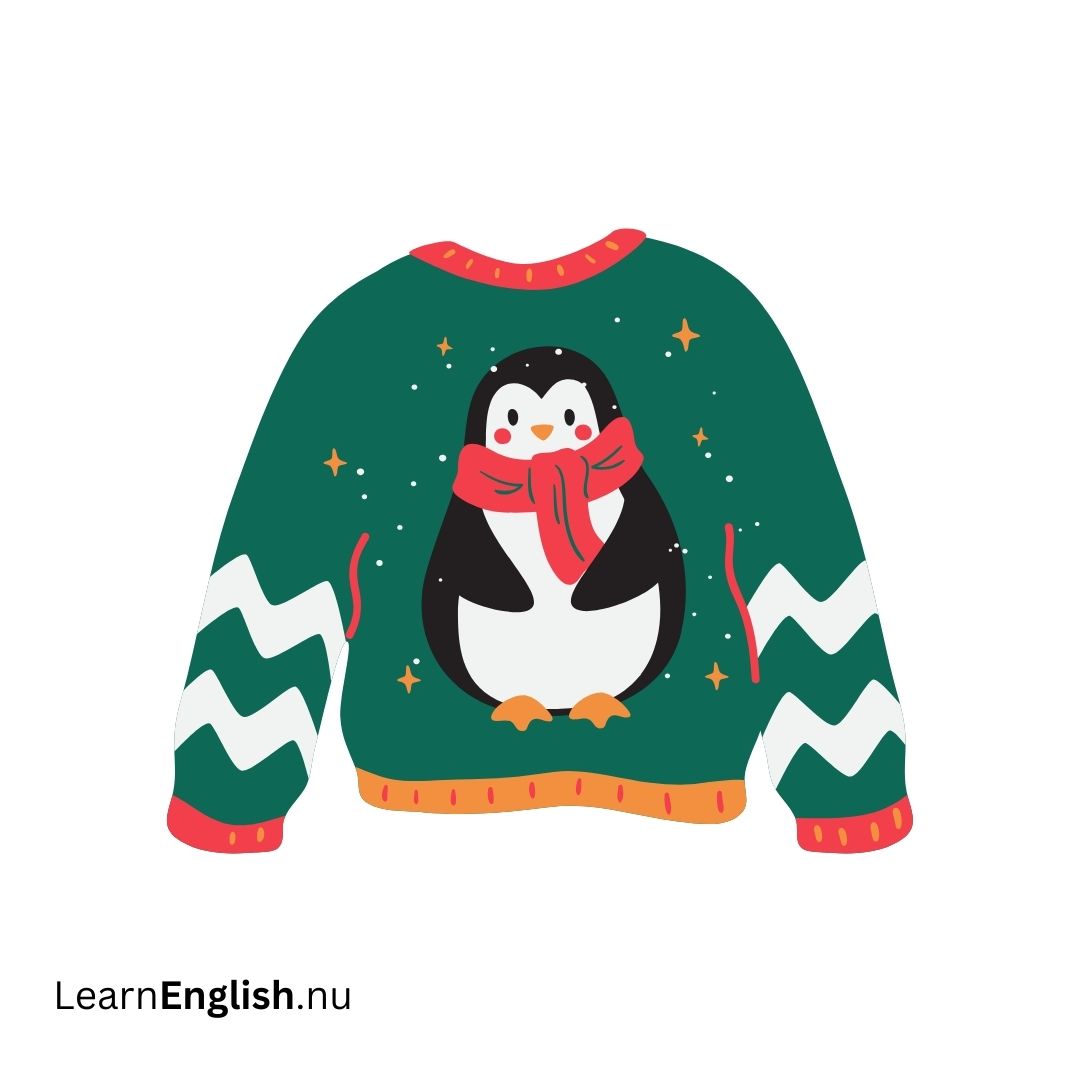 Tröja
Tröja
Jumper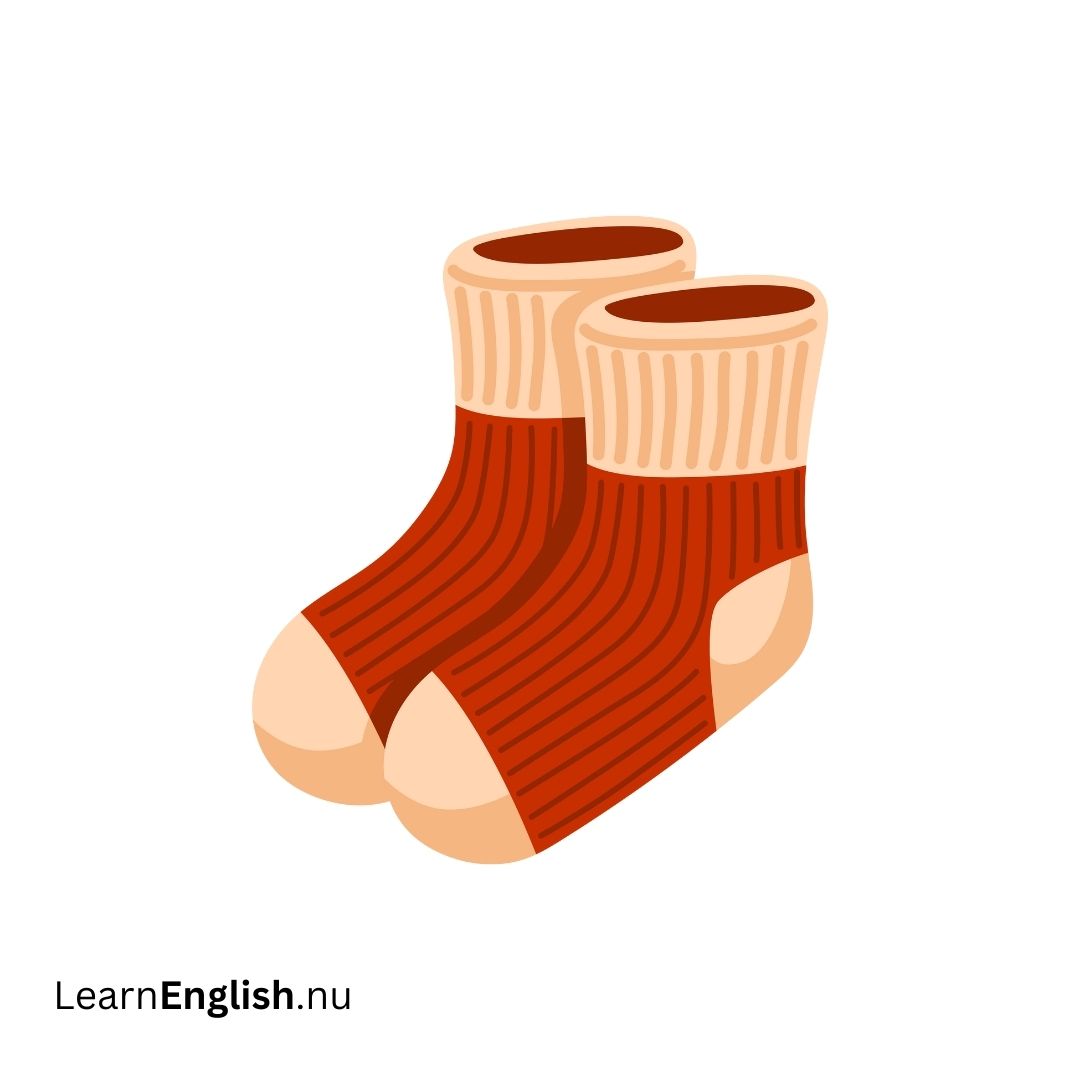 Strumpor
Socks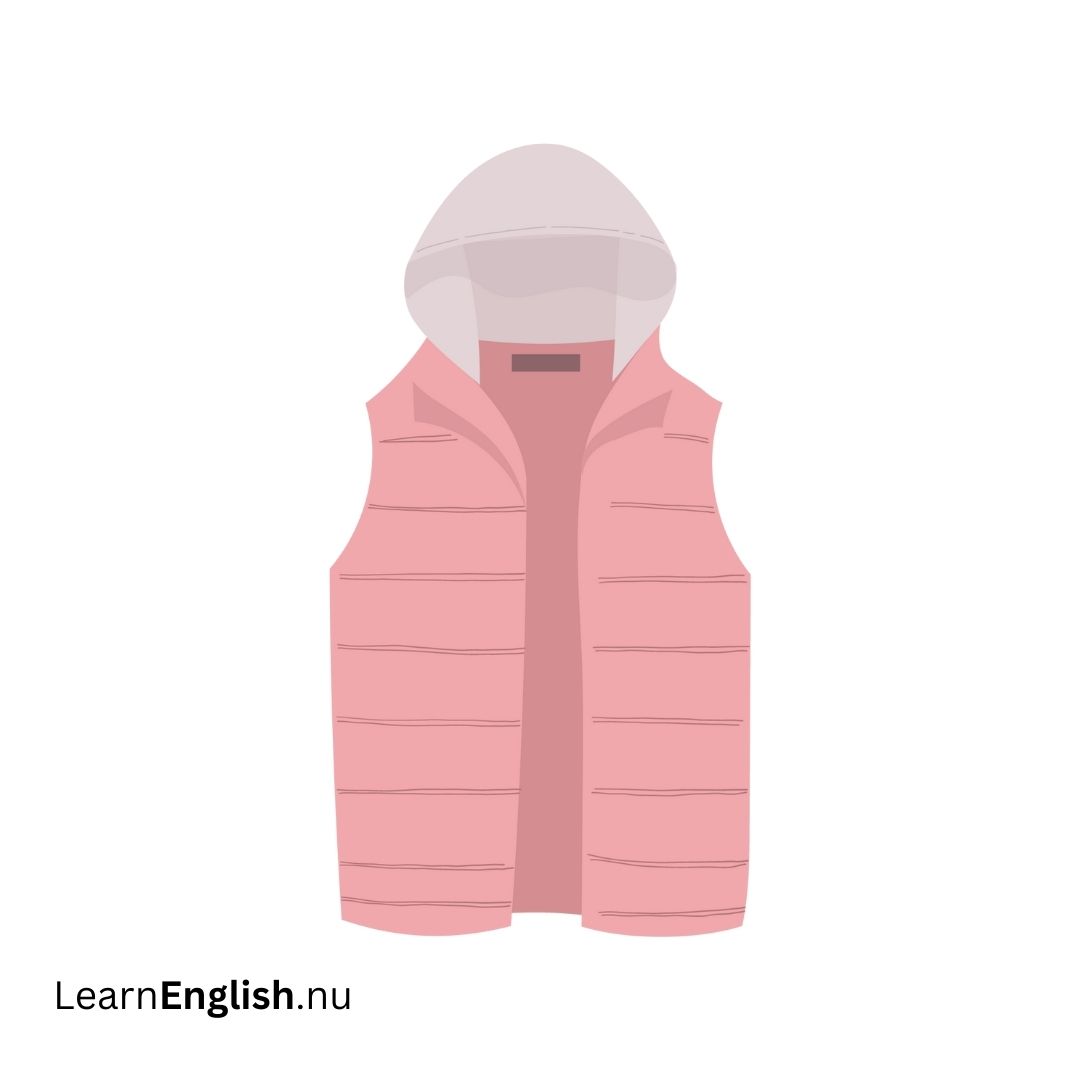 Väst
Väst
Vest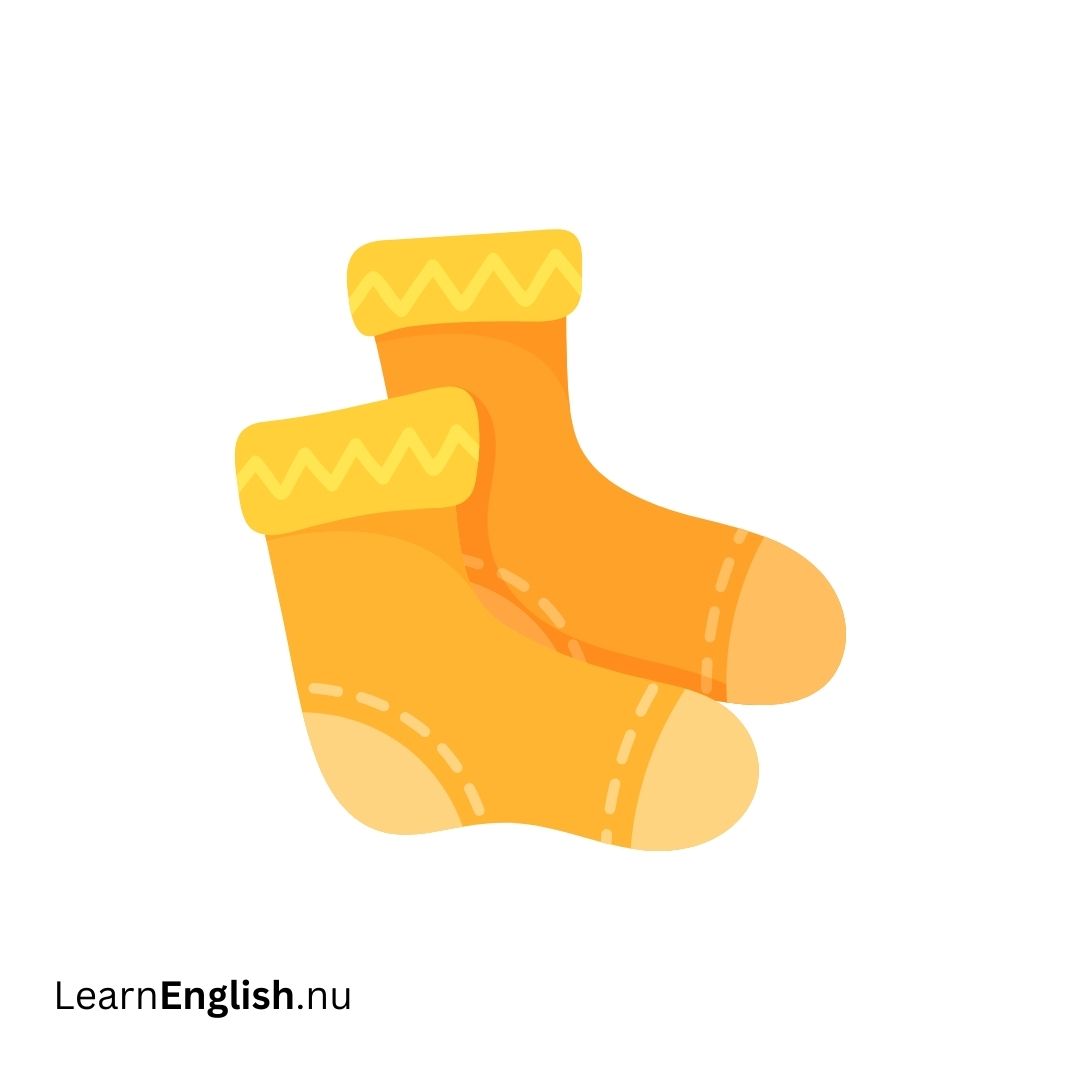 Yllestrumpor
Woolen socks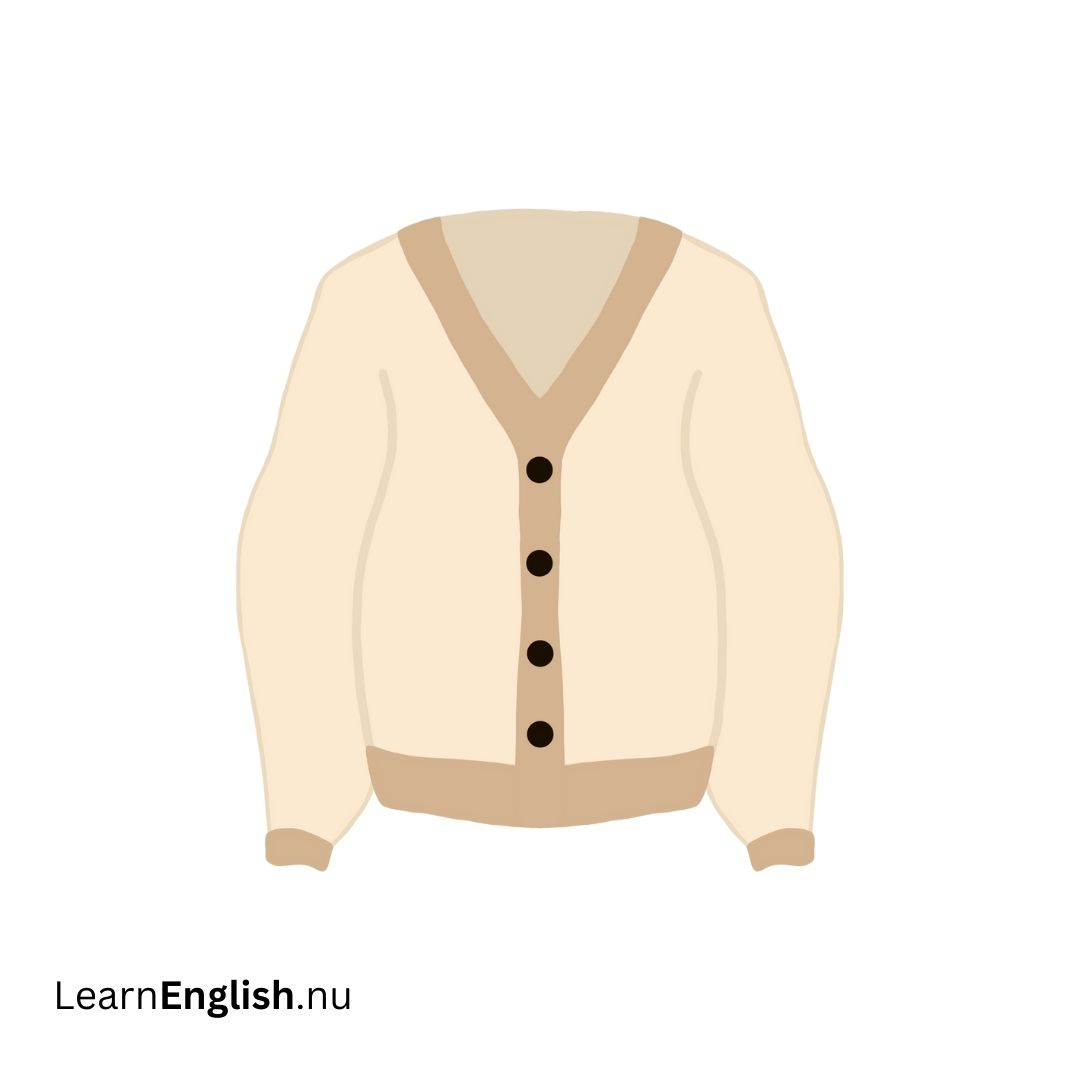 Kofta
Kofta
Cardigan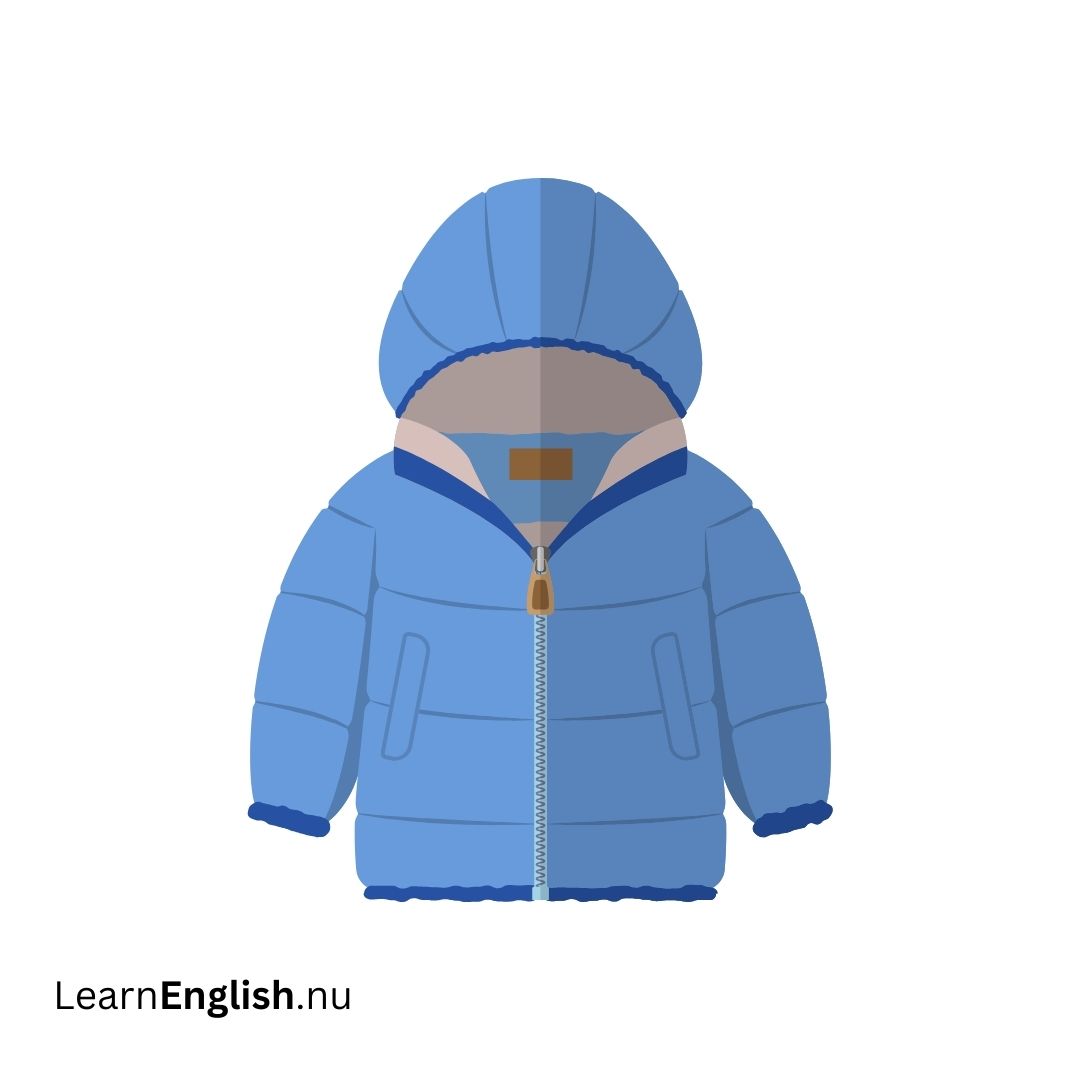 Jacka
Jacka
Jacket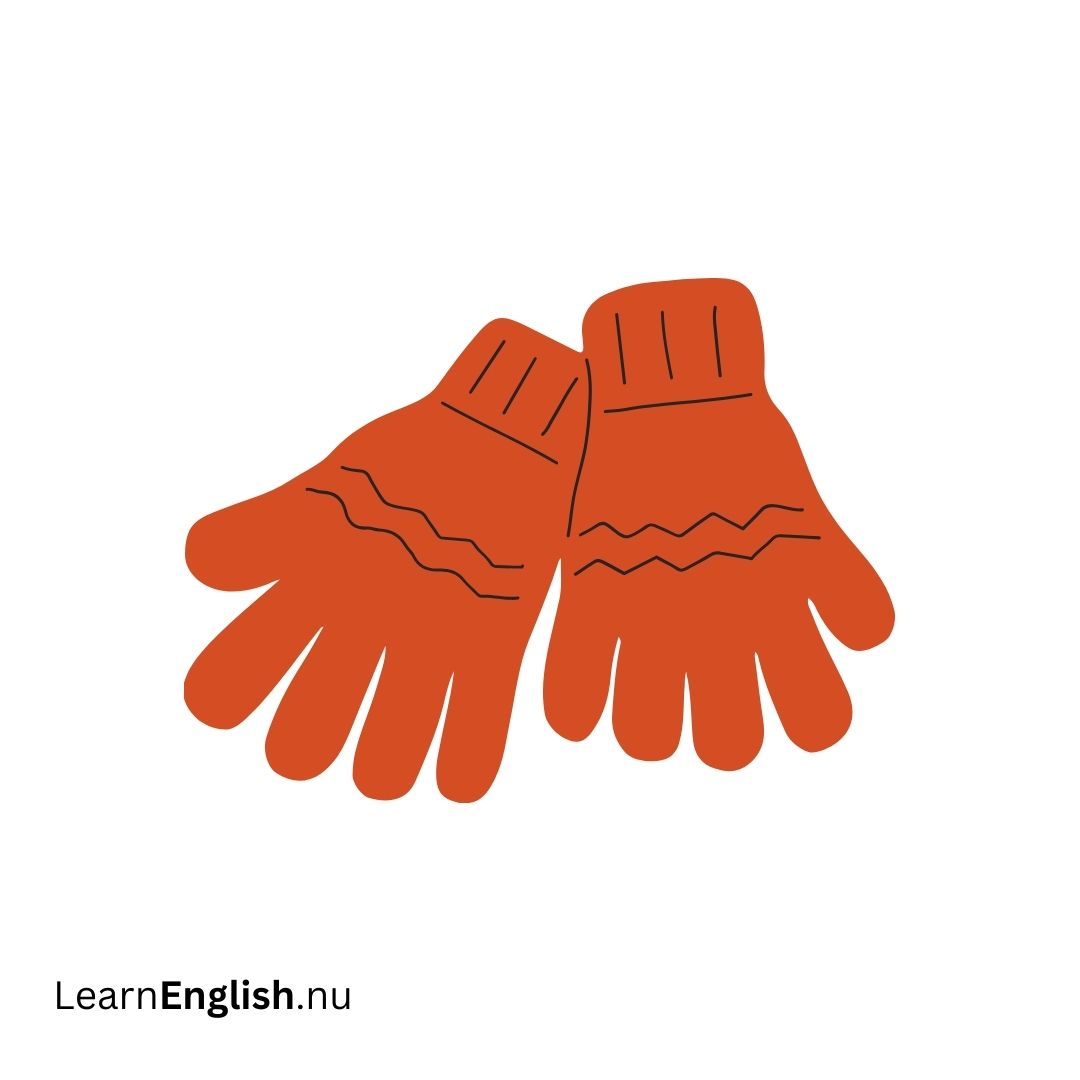 Handskar
Gloves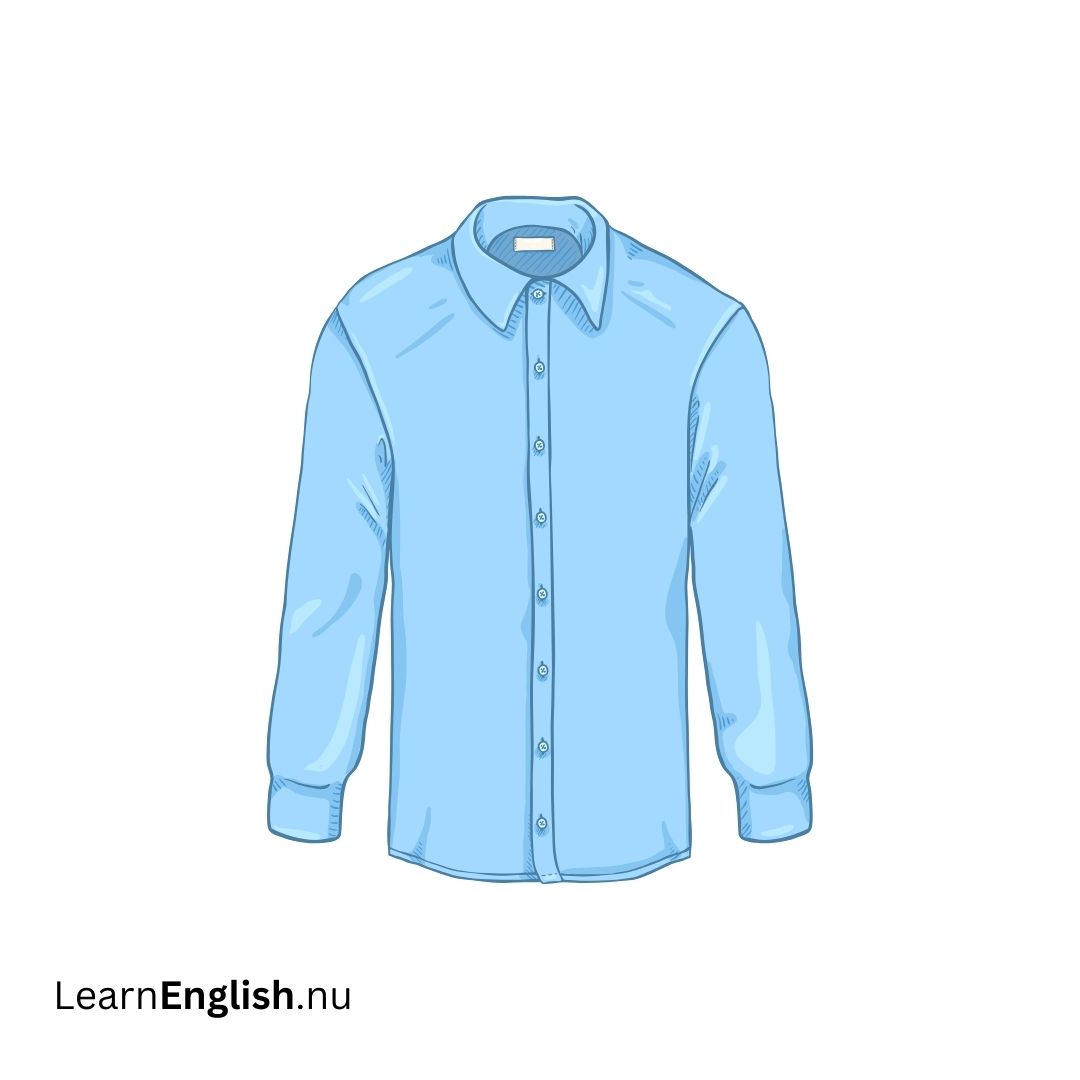 Långärmad skjorta
Long sleeve shirt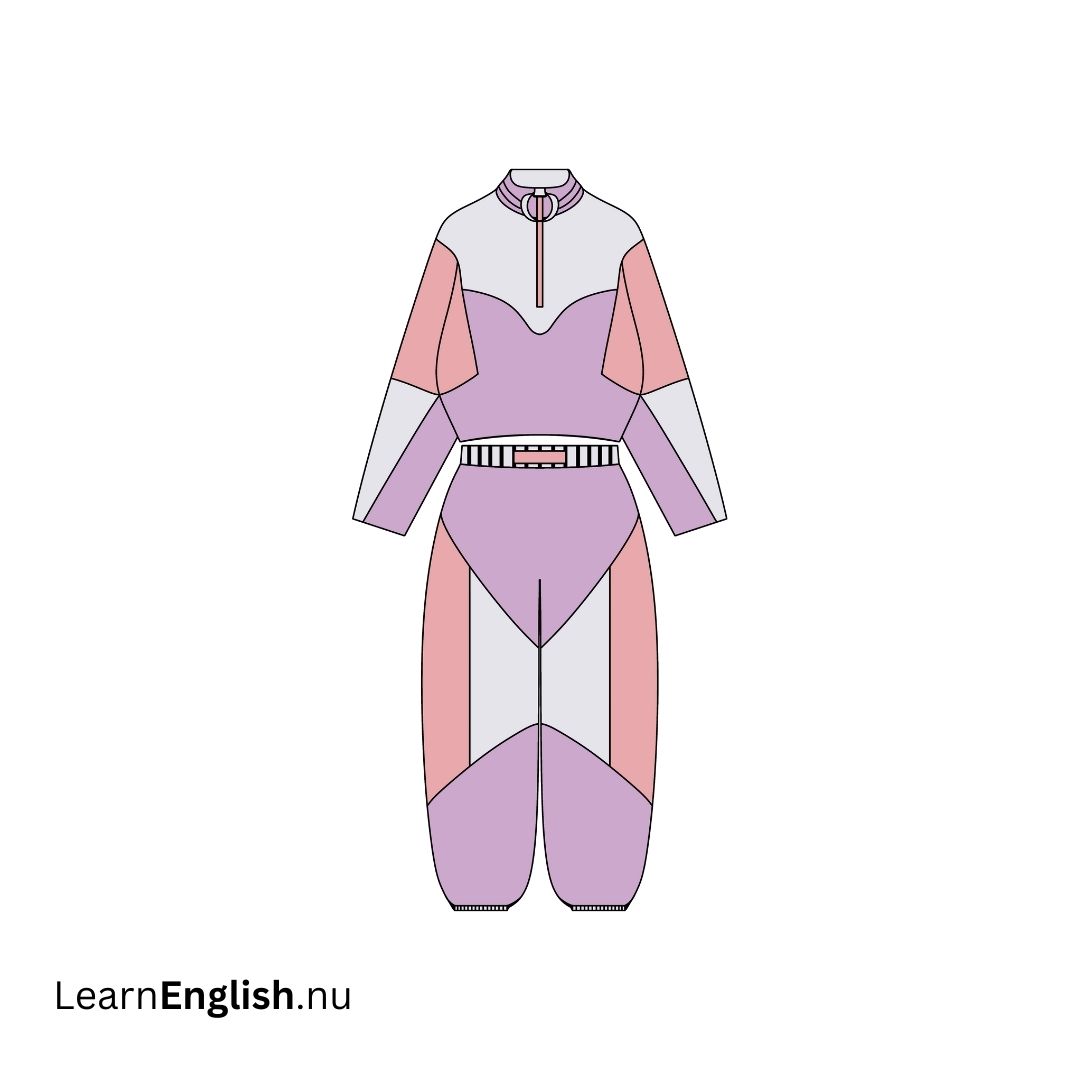 Träningsdräkt
Tracksuit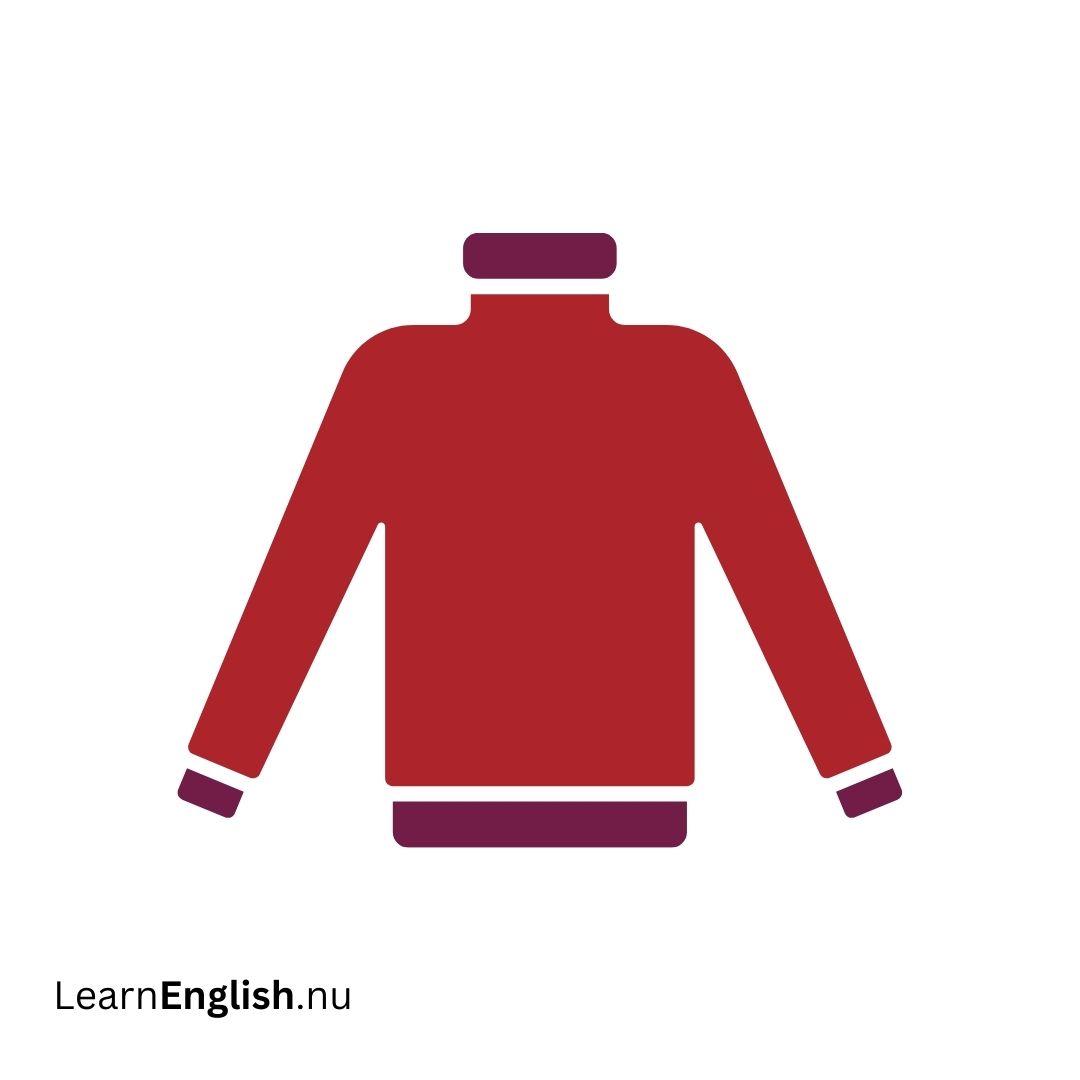 Polotröja
Turtle neck jumper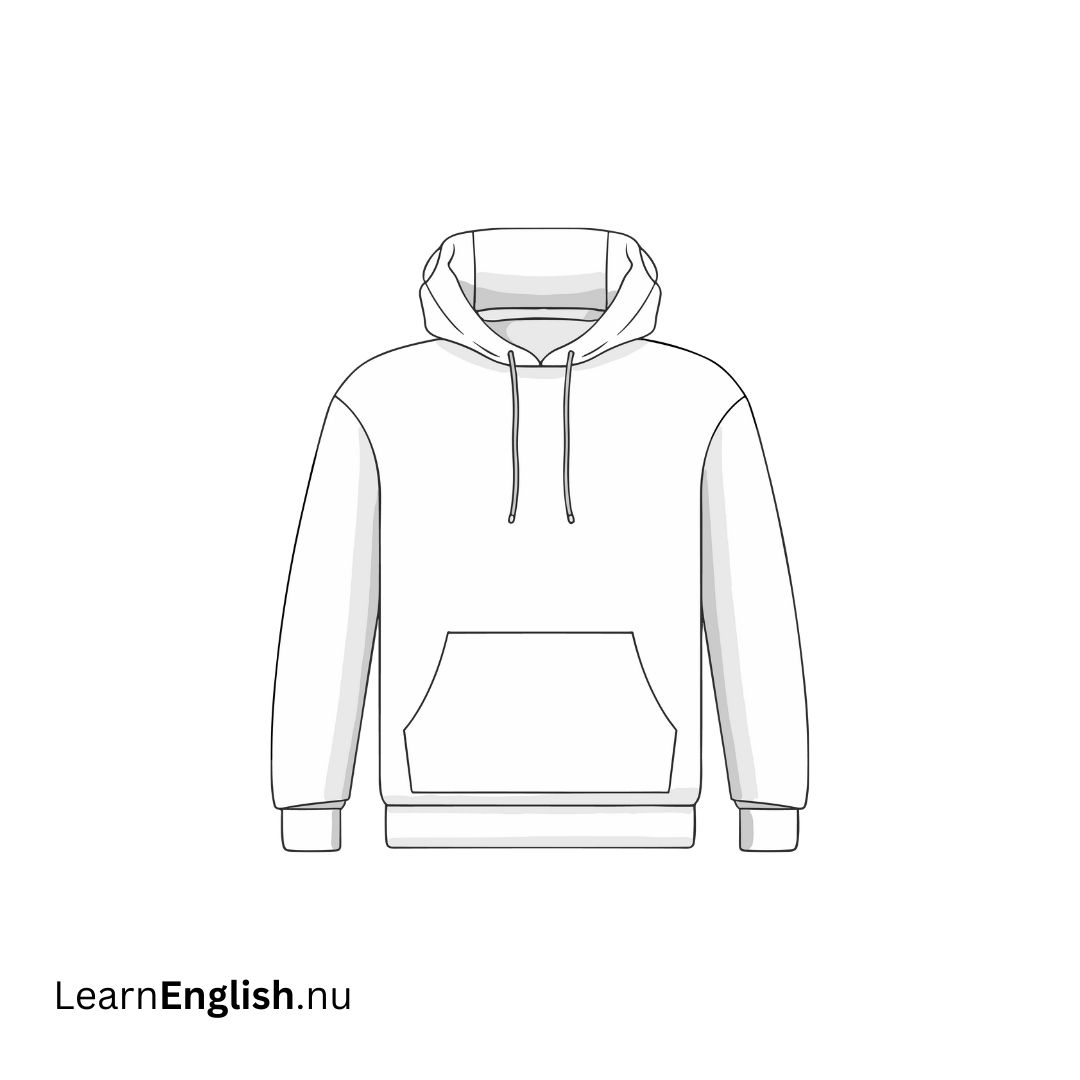 Sweatshirt
Sweatshirt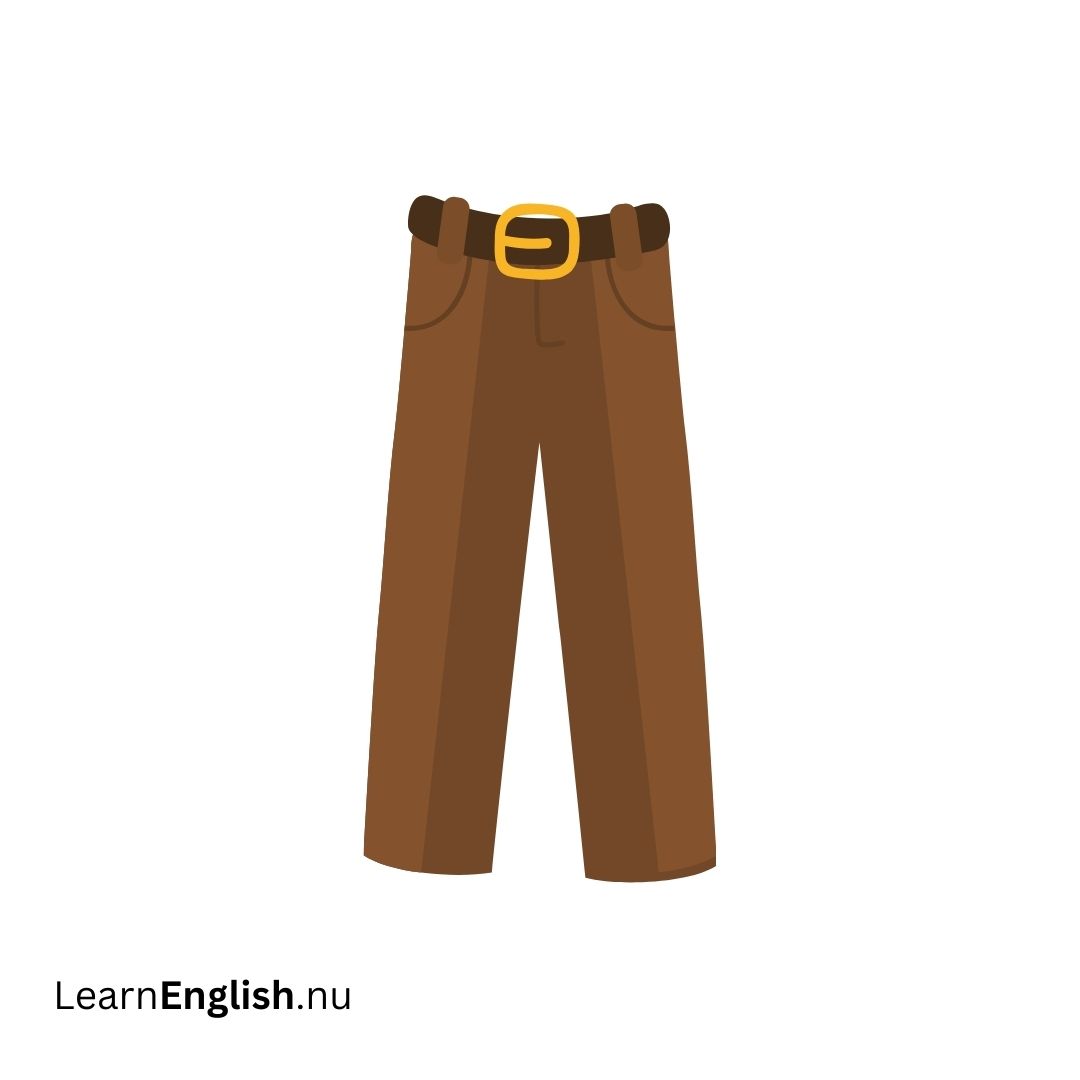 Byxor
Byxor
Trousers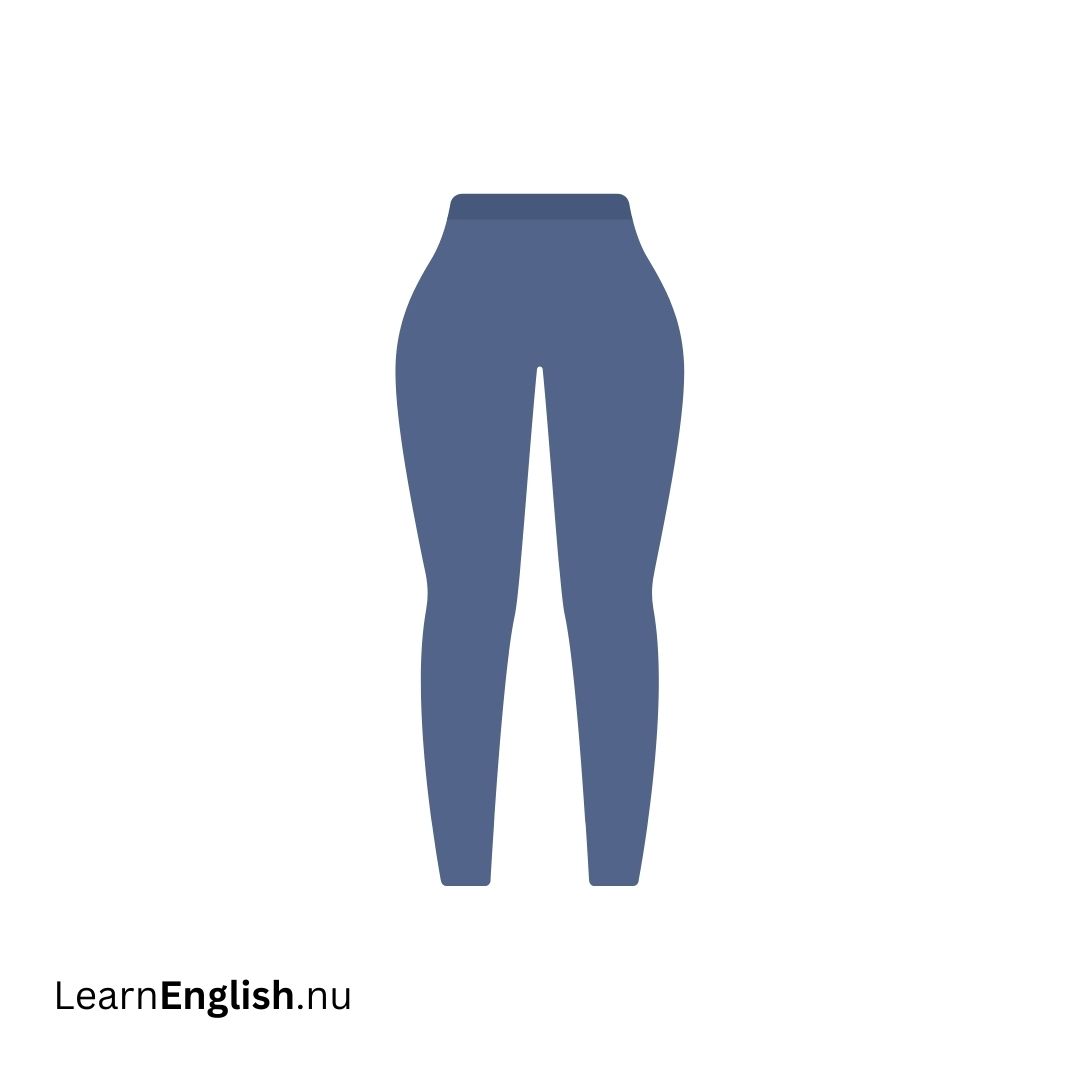 Termoleggings
Thermal leggings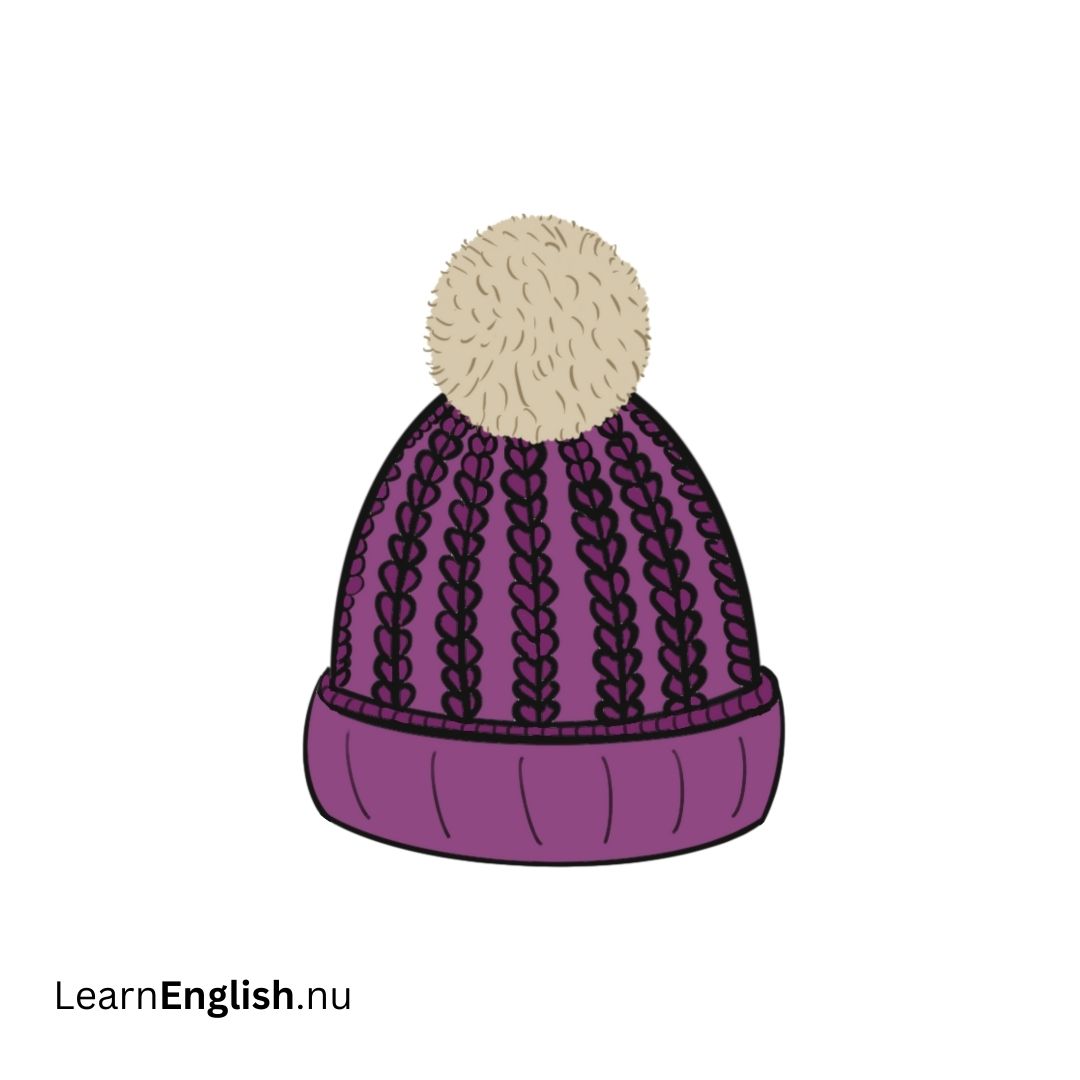 Yllehatt
Woolly hat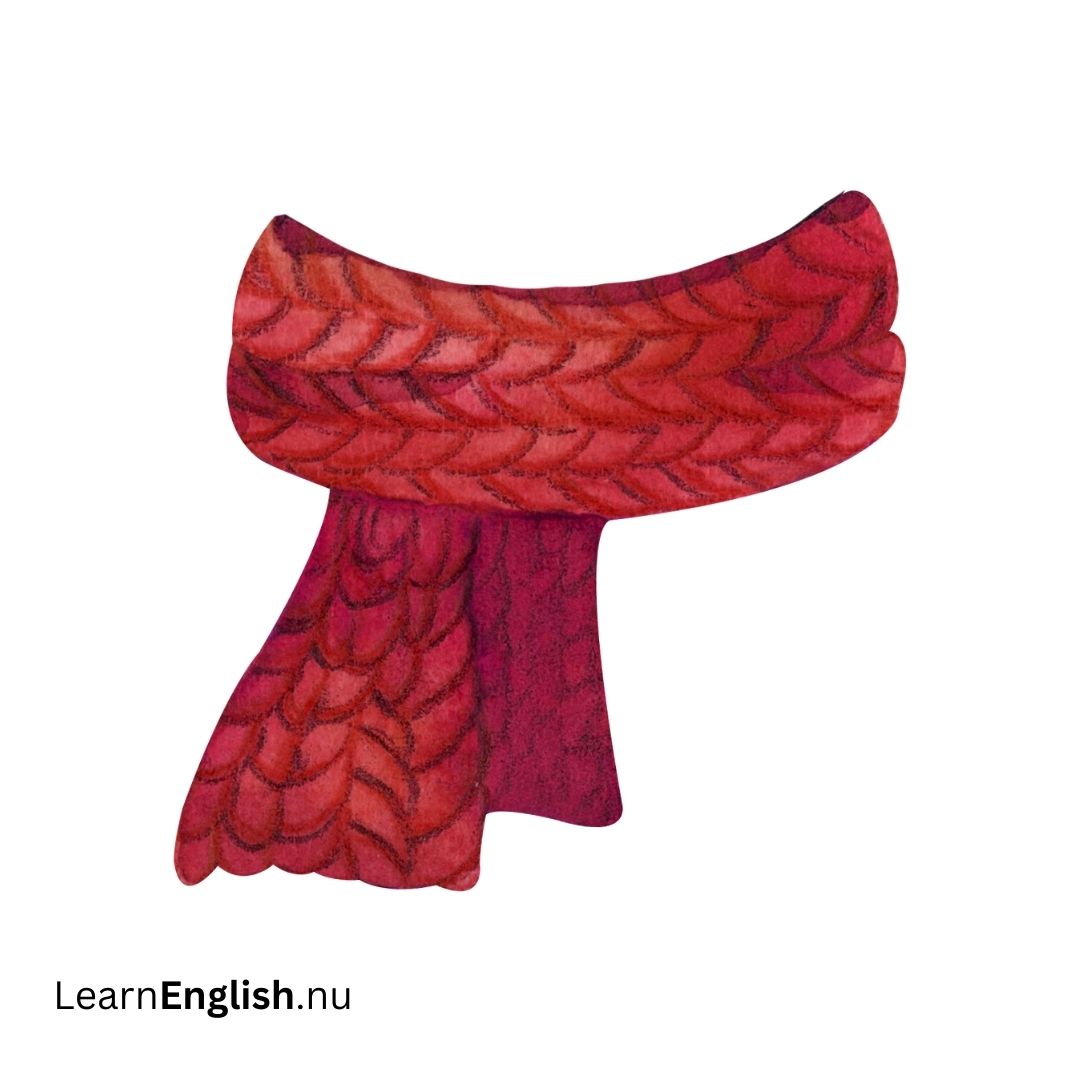 Halsduk
Scarf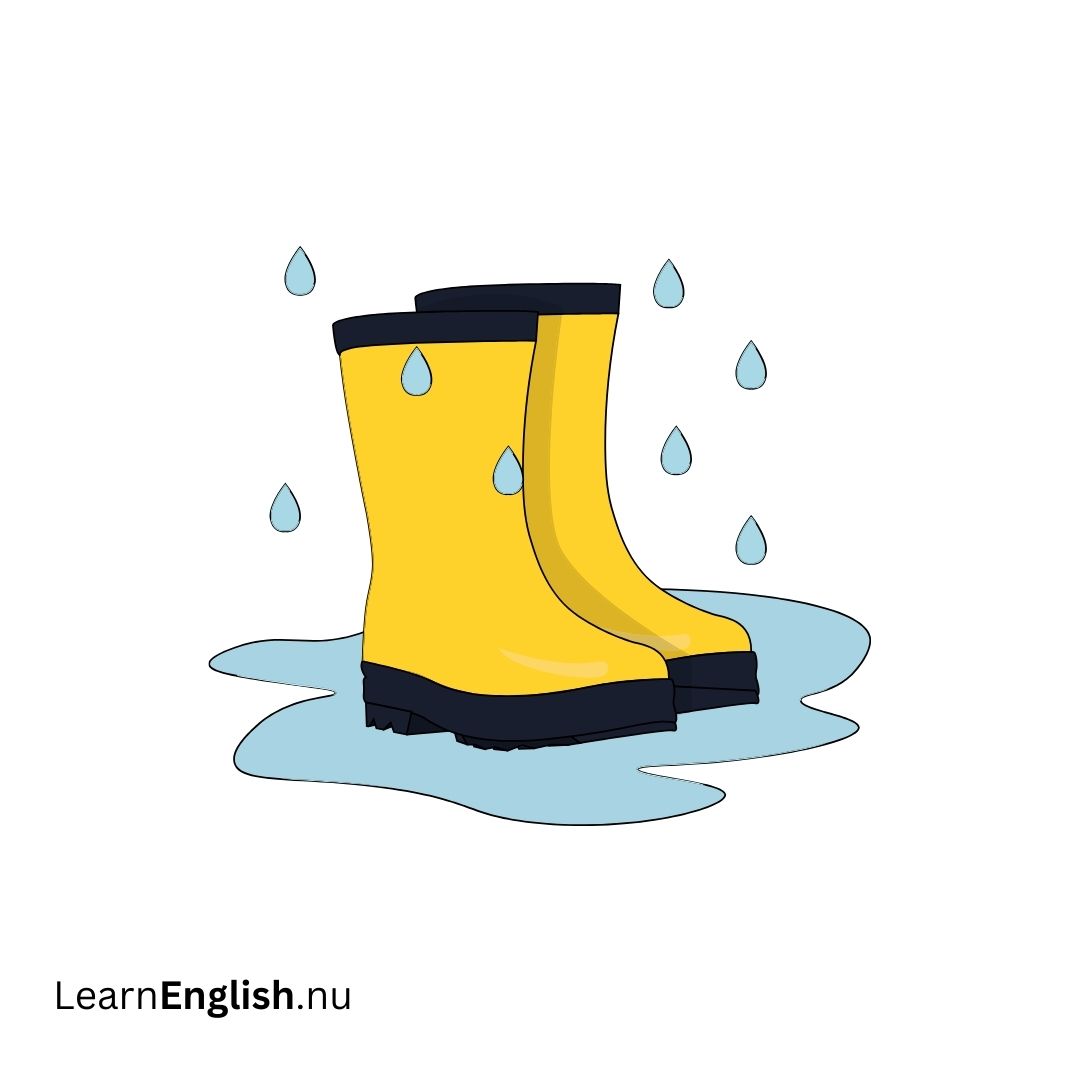 Regnstövlar
Rain boots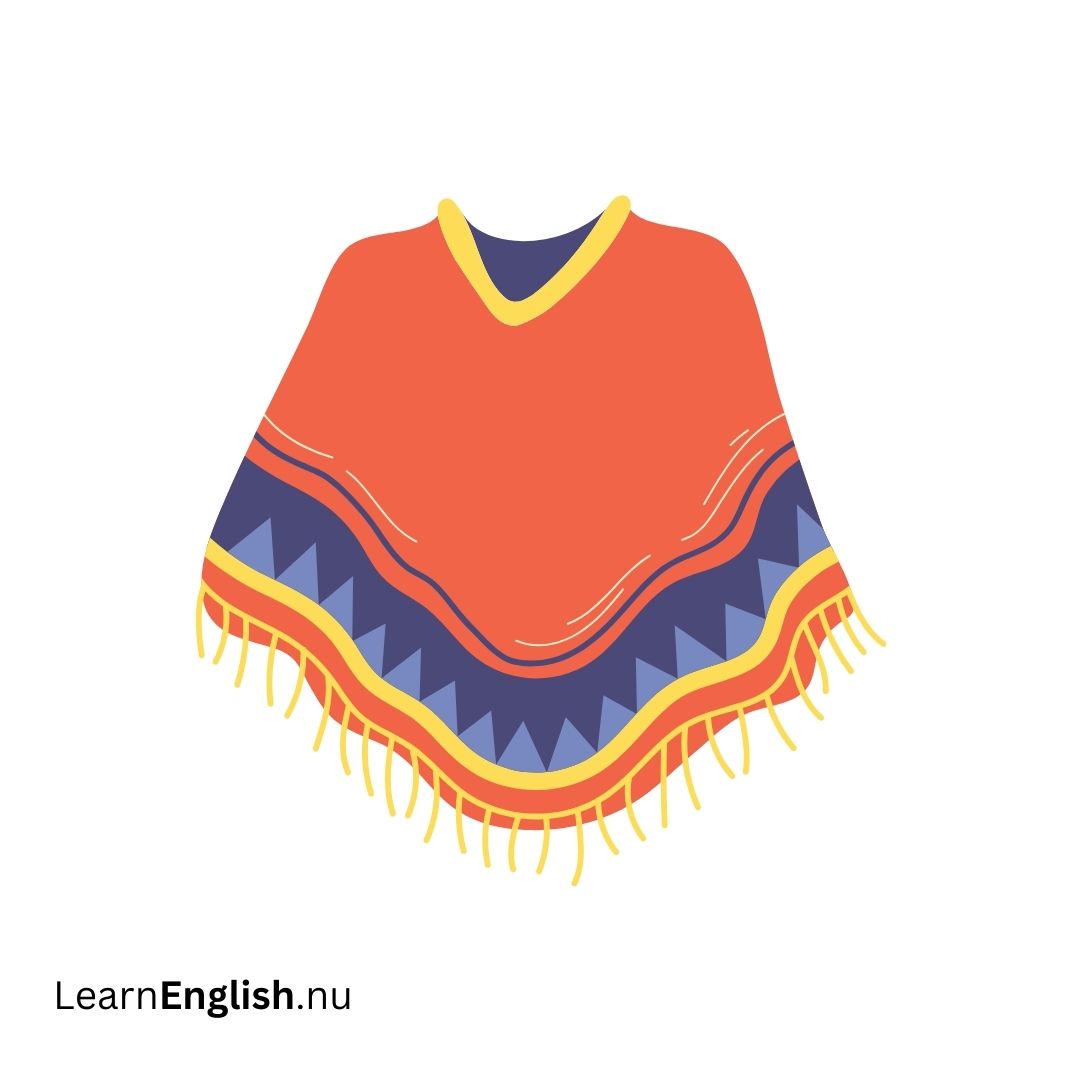 Poncho
Poncho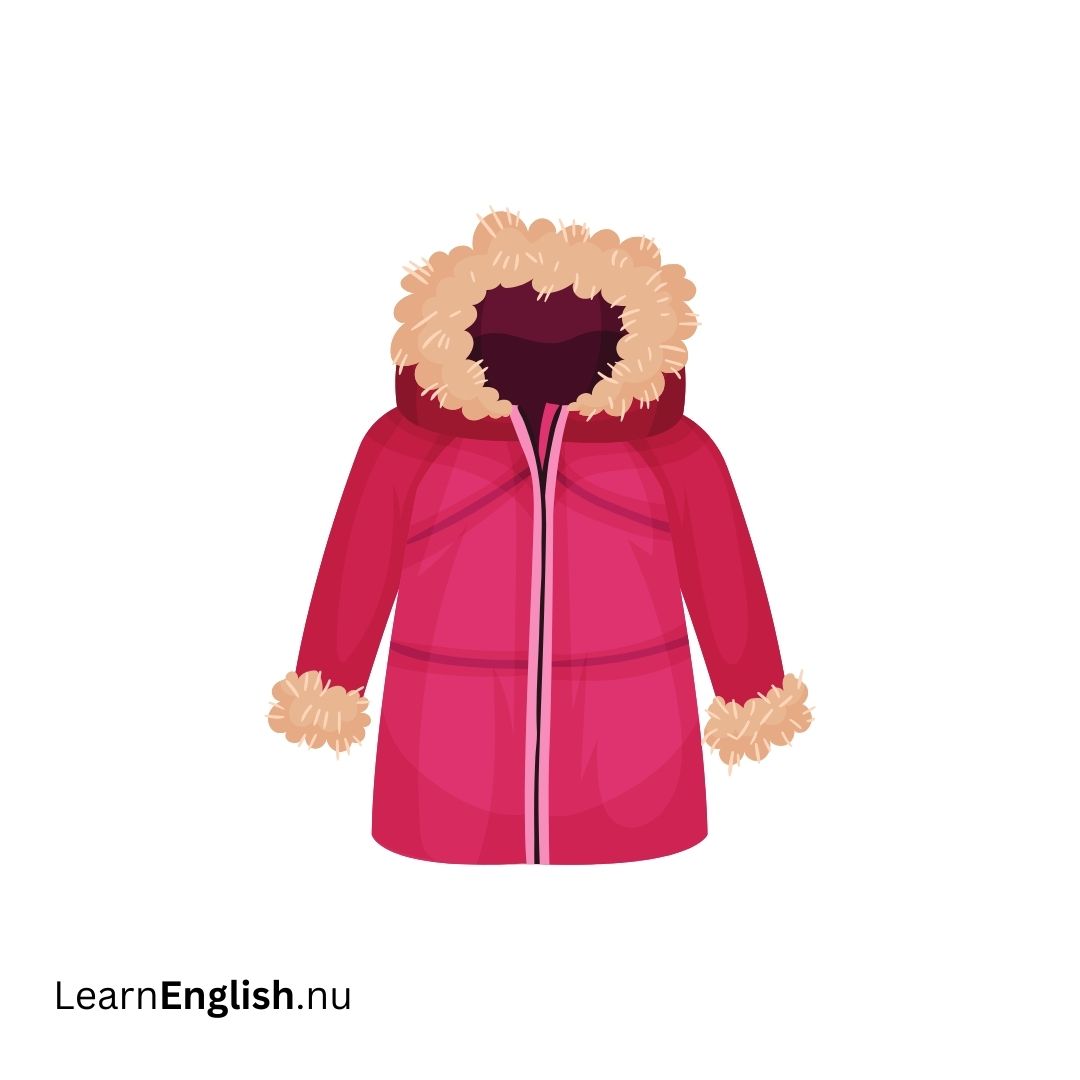 Rock
Rock
Coat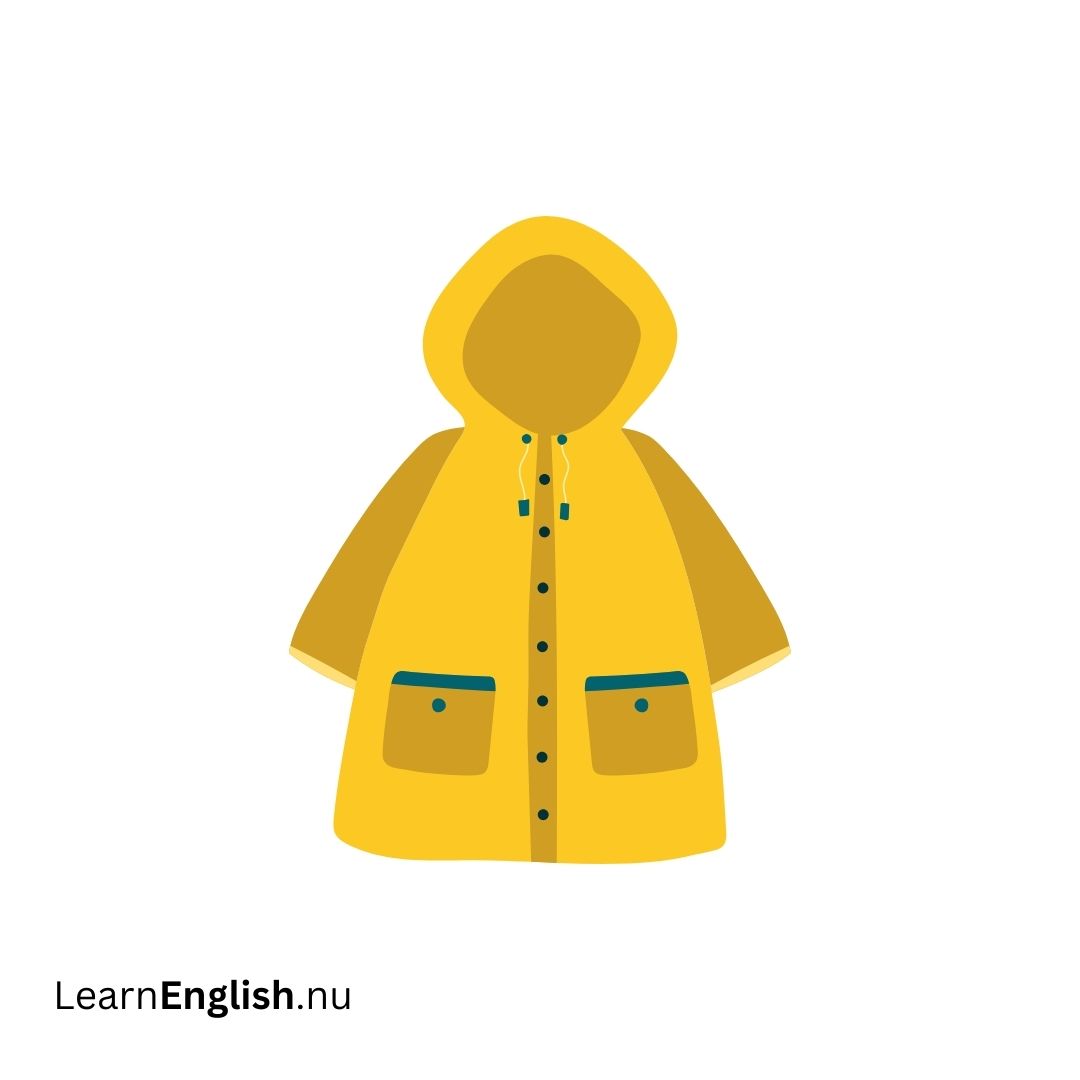 Regnrock
Raincoat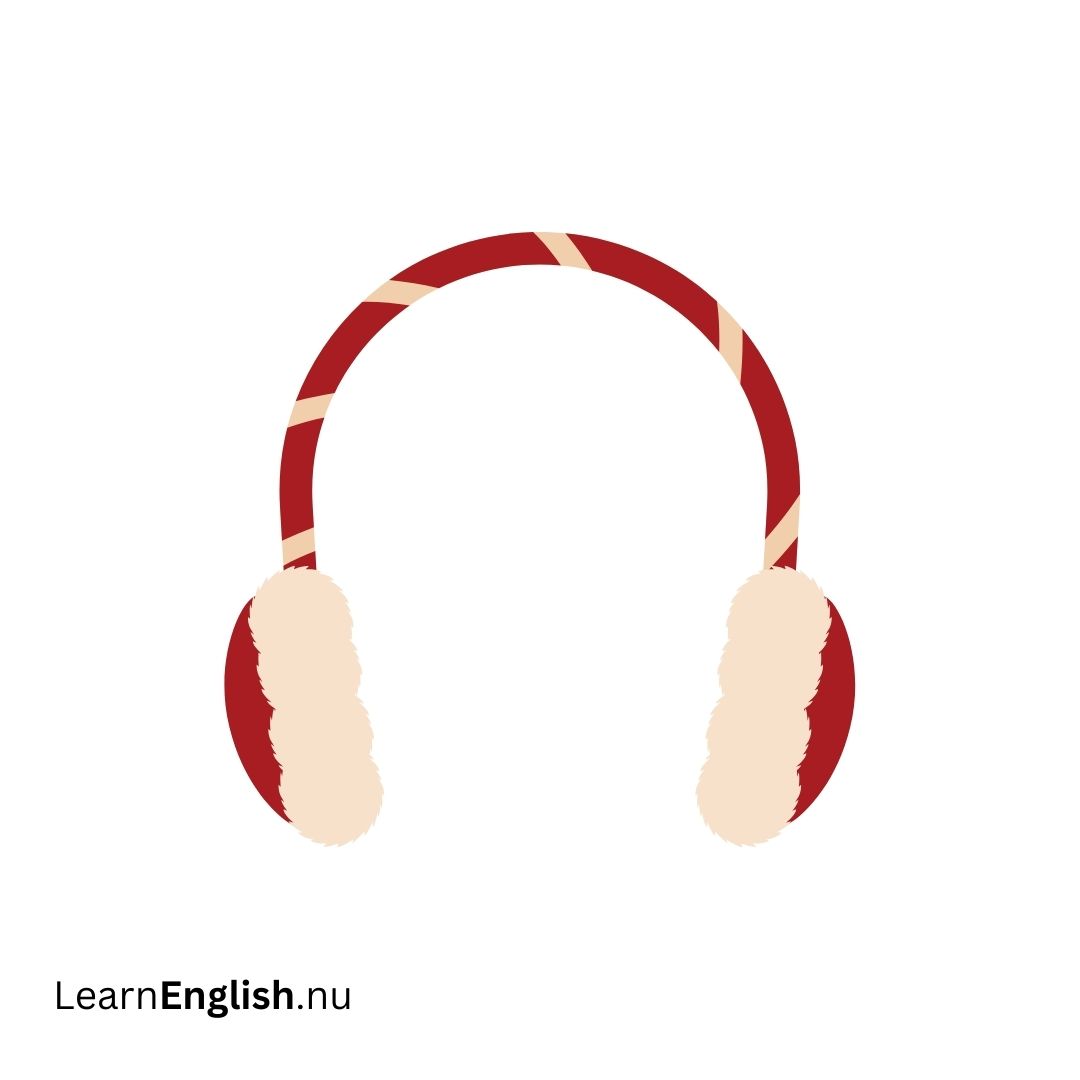 Öronvärmare
Earmuffs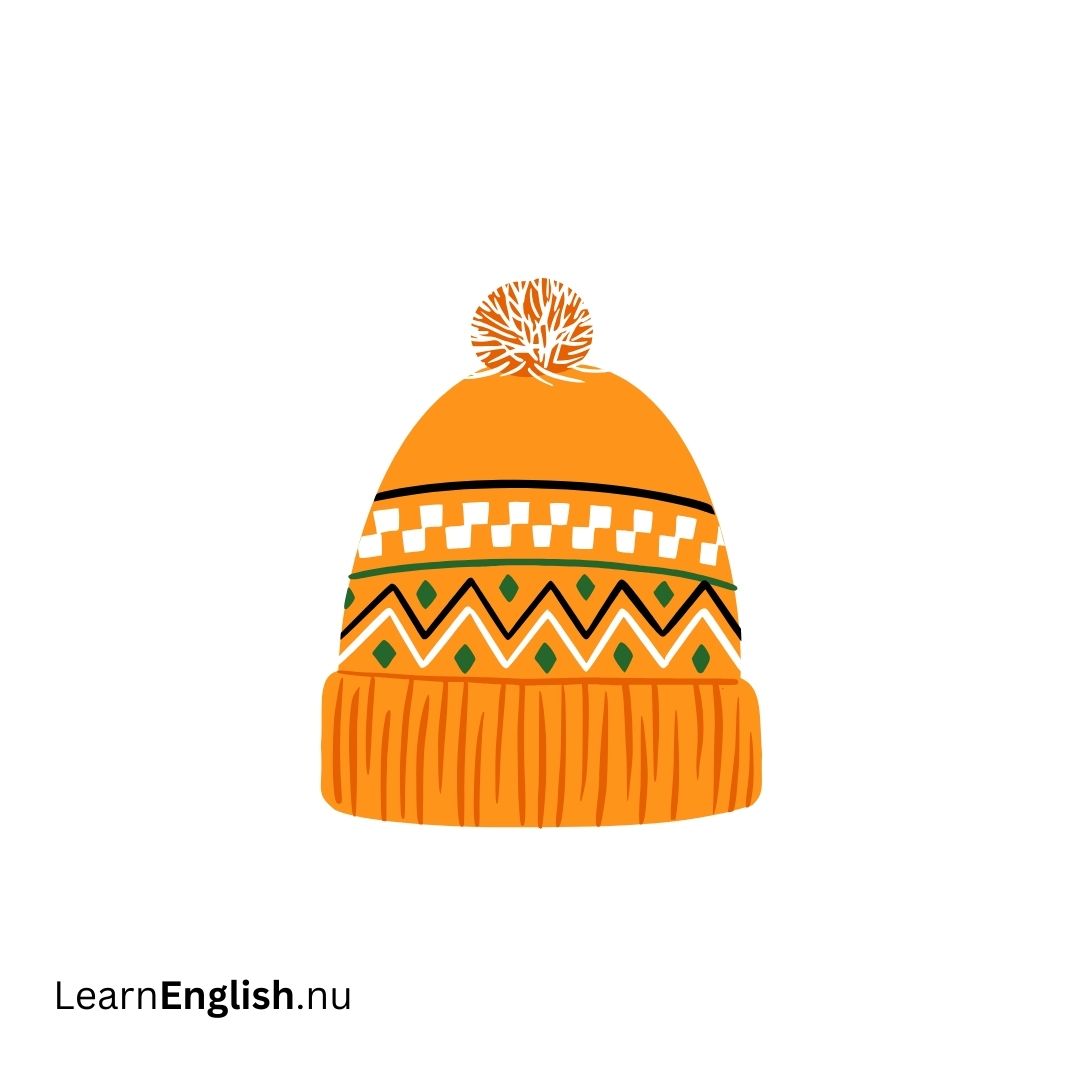 Mössor
Beanies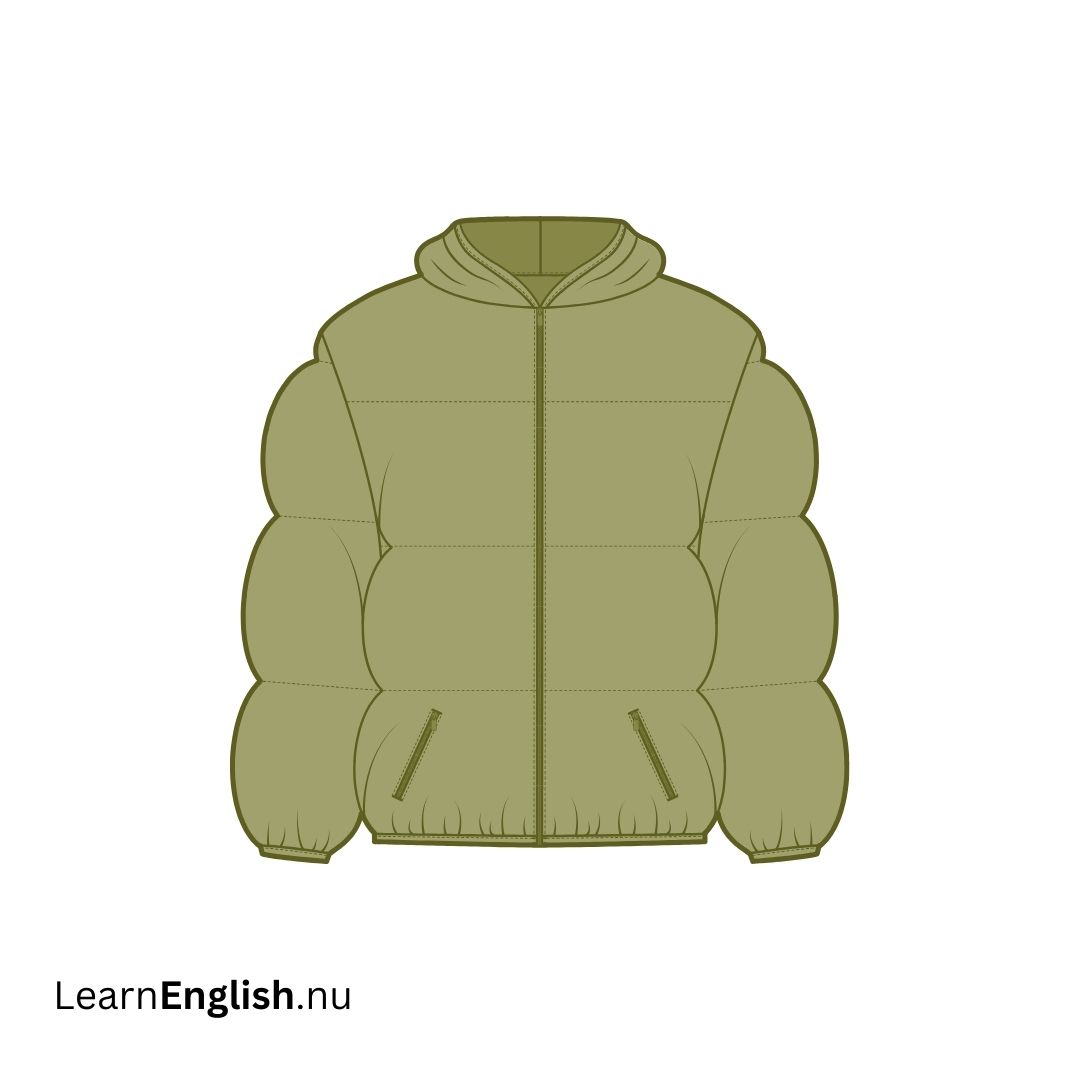 Dunjacka
Down jacket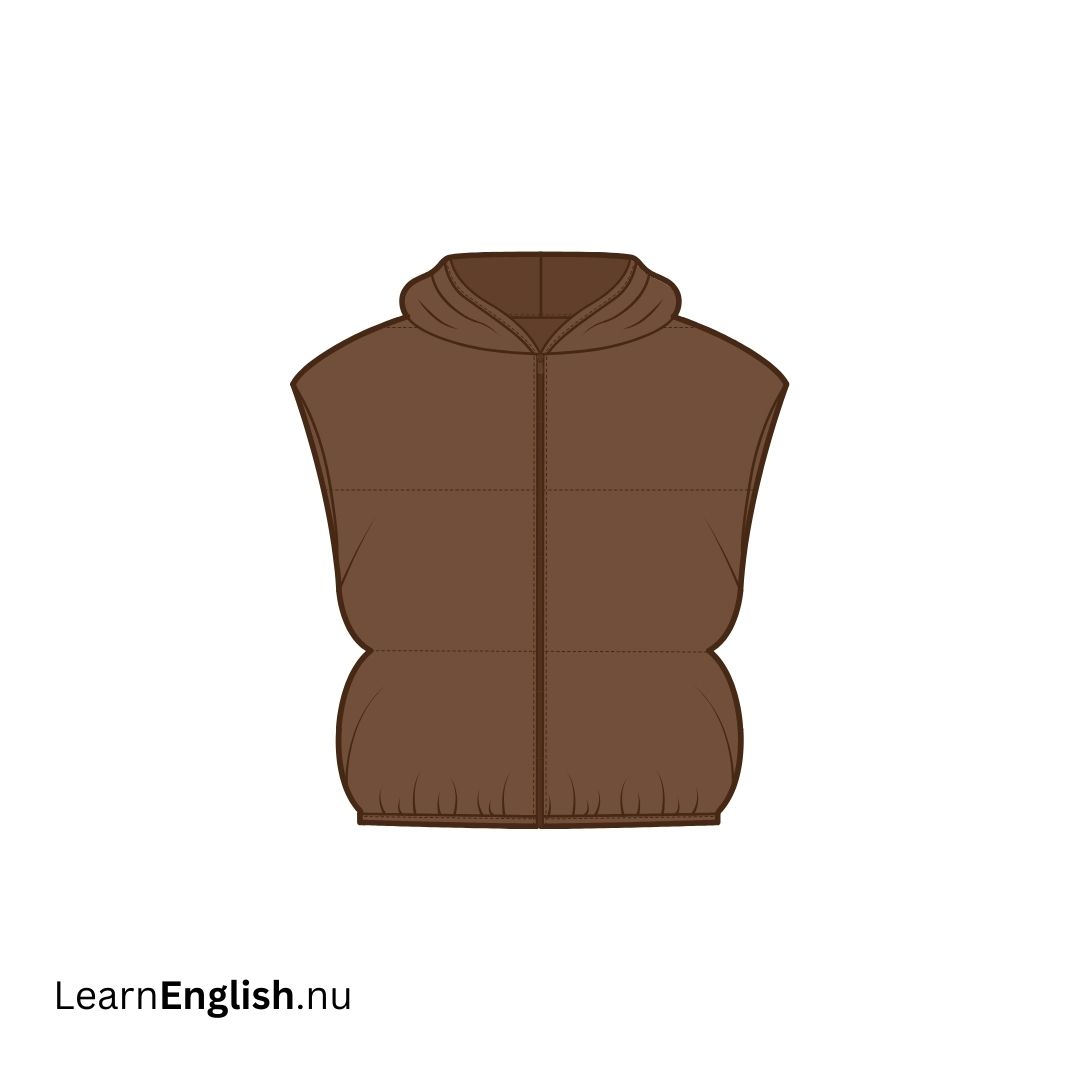 Dunväst
Down vest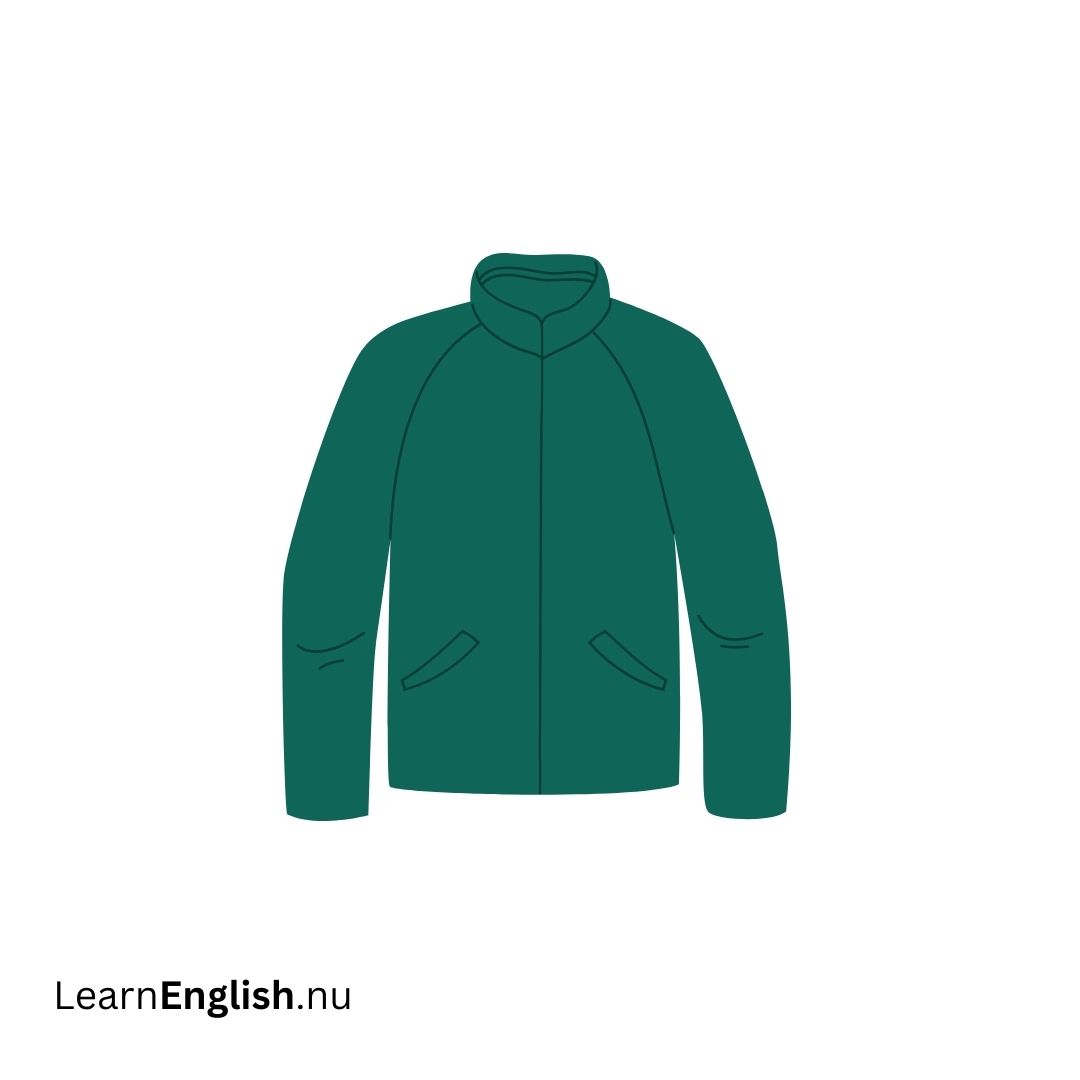 Fleecejackor
Fleece jackets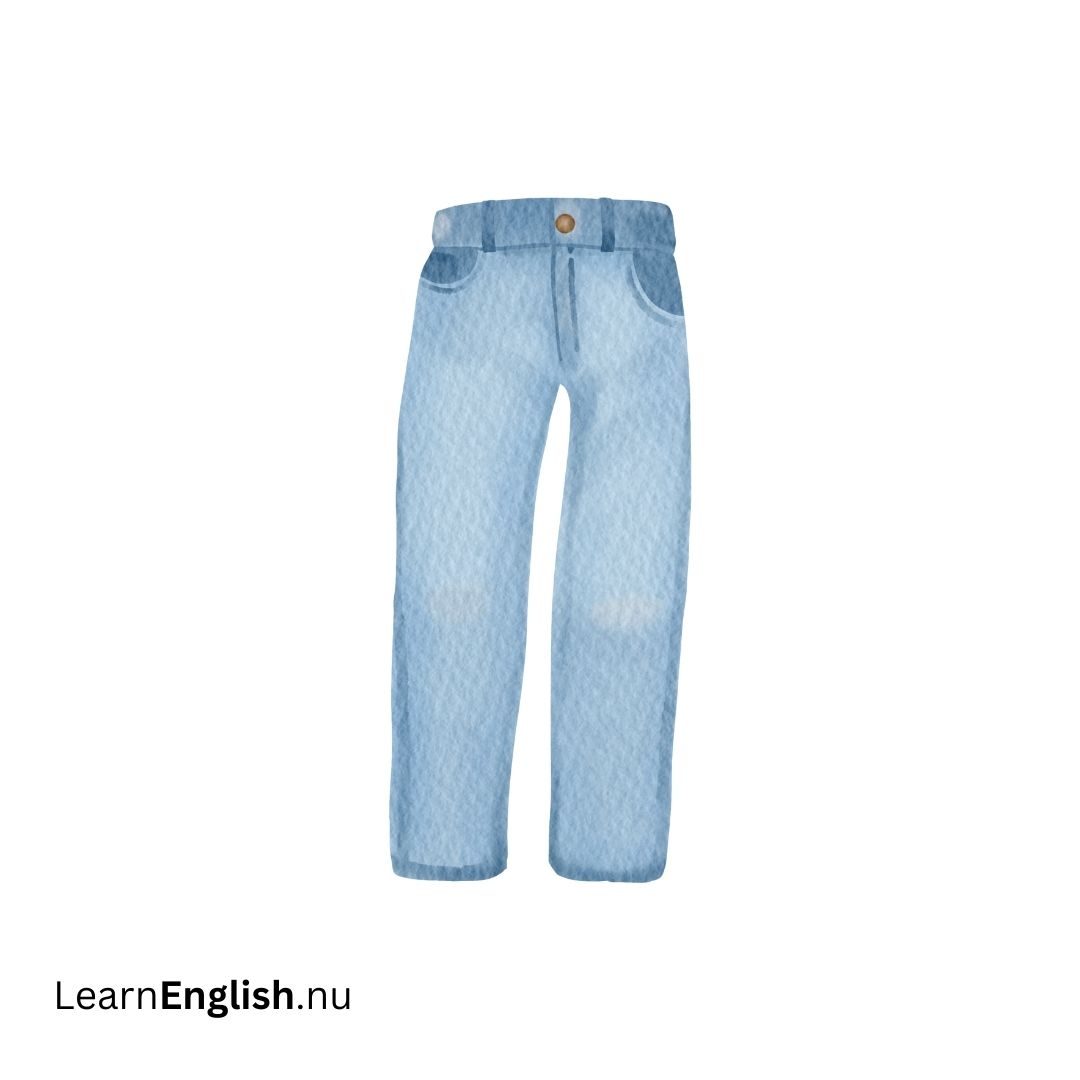 Jeans
Jeans
Jeans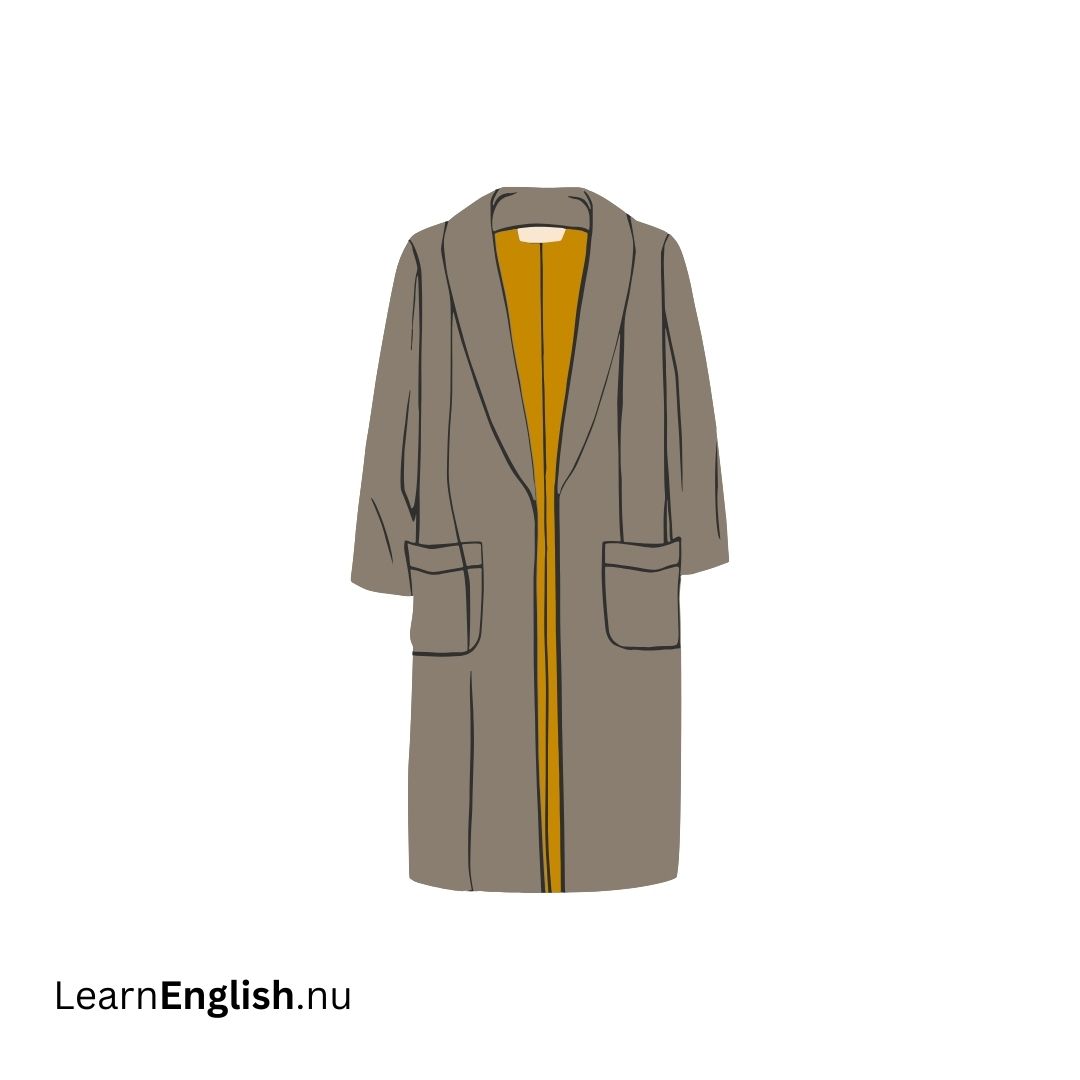 Lång rock
Long coat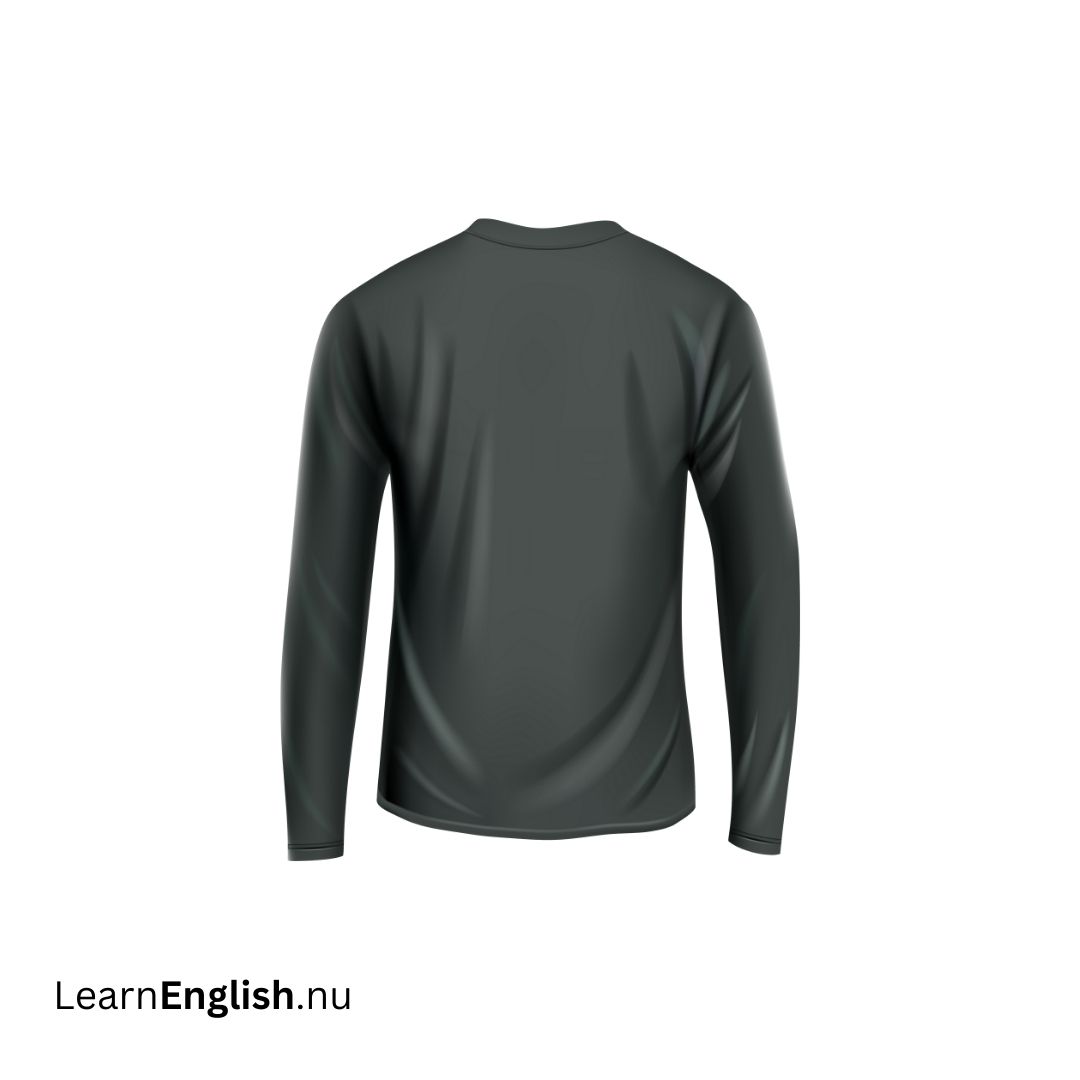 Långärmad topp
Long-sleeved top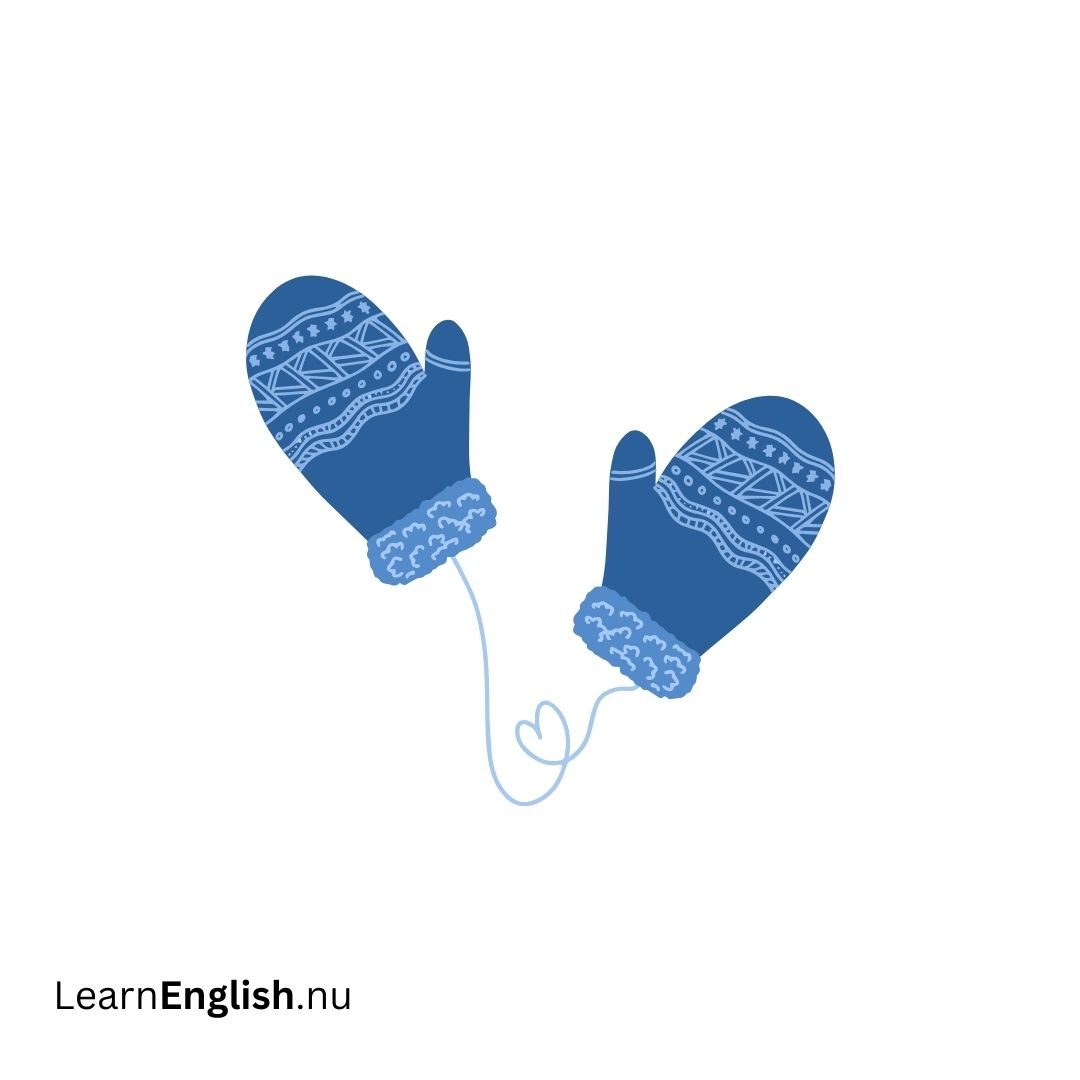 Vantar
Mittens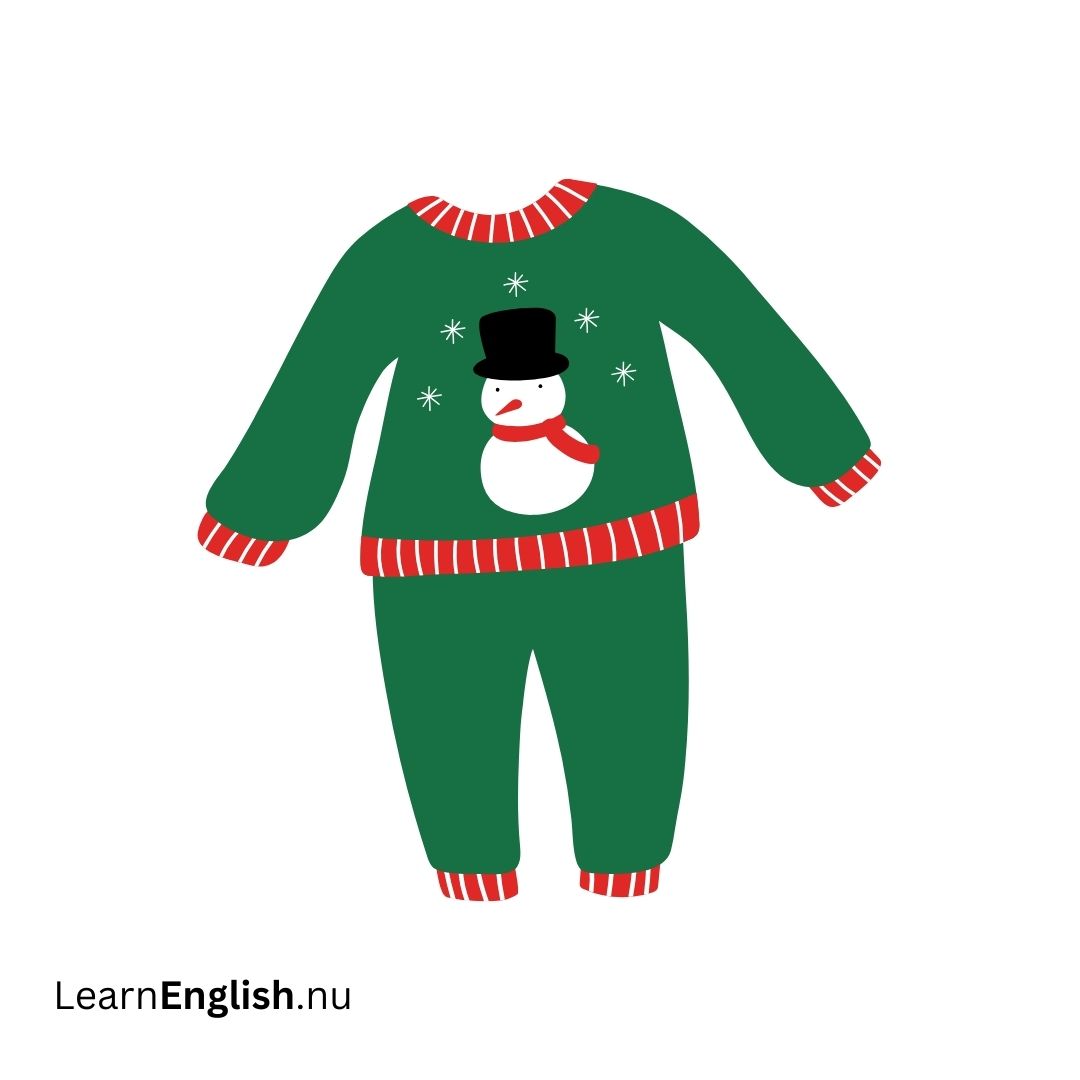 Pyjamas
Pajamas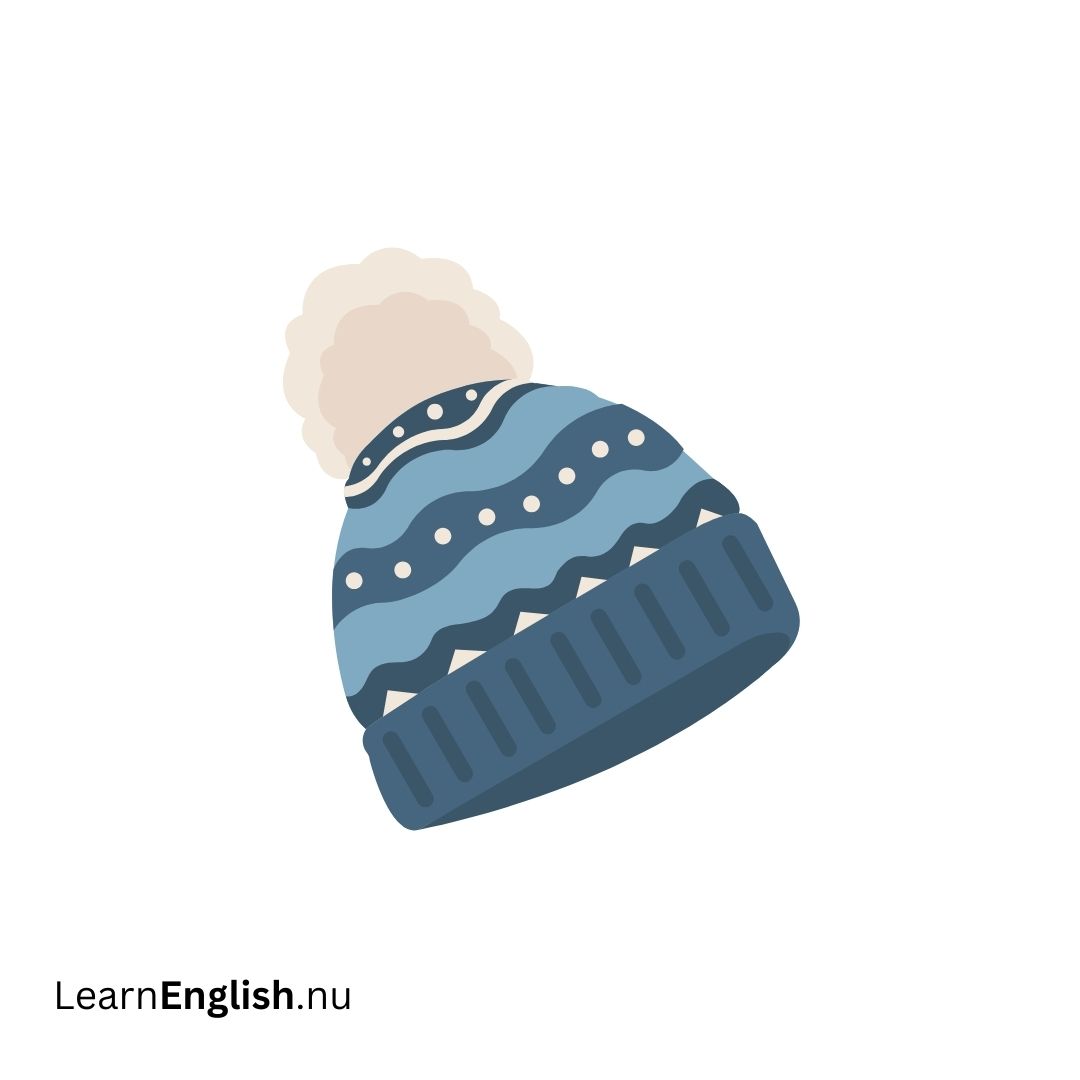 Skidmössa
Ski hat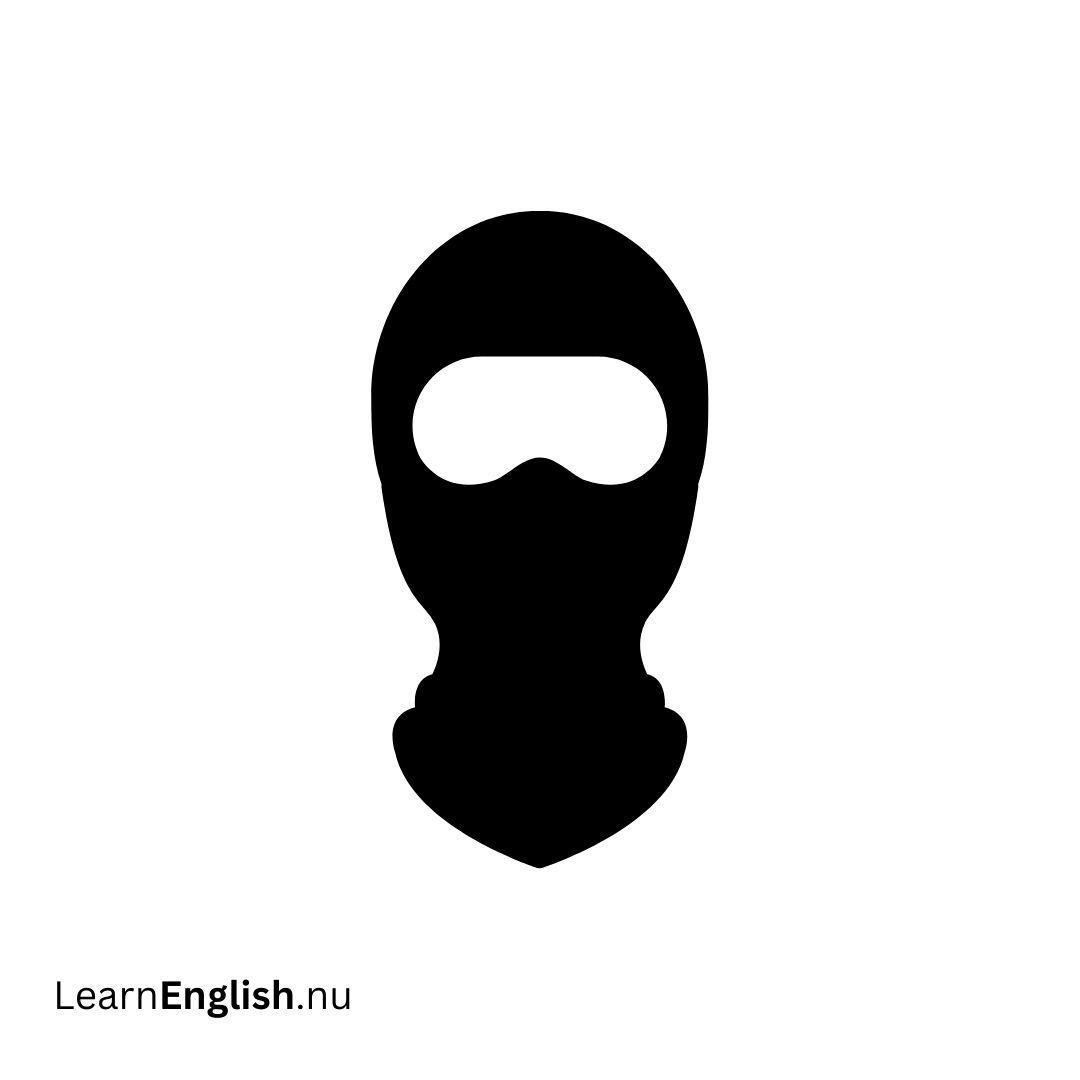 Skidmasker
Ski masks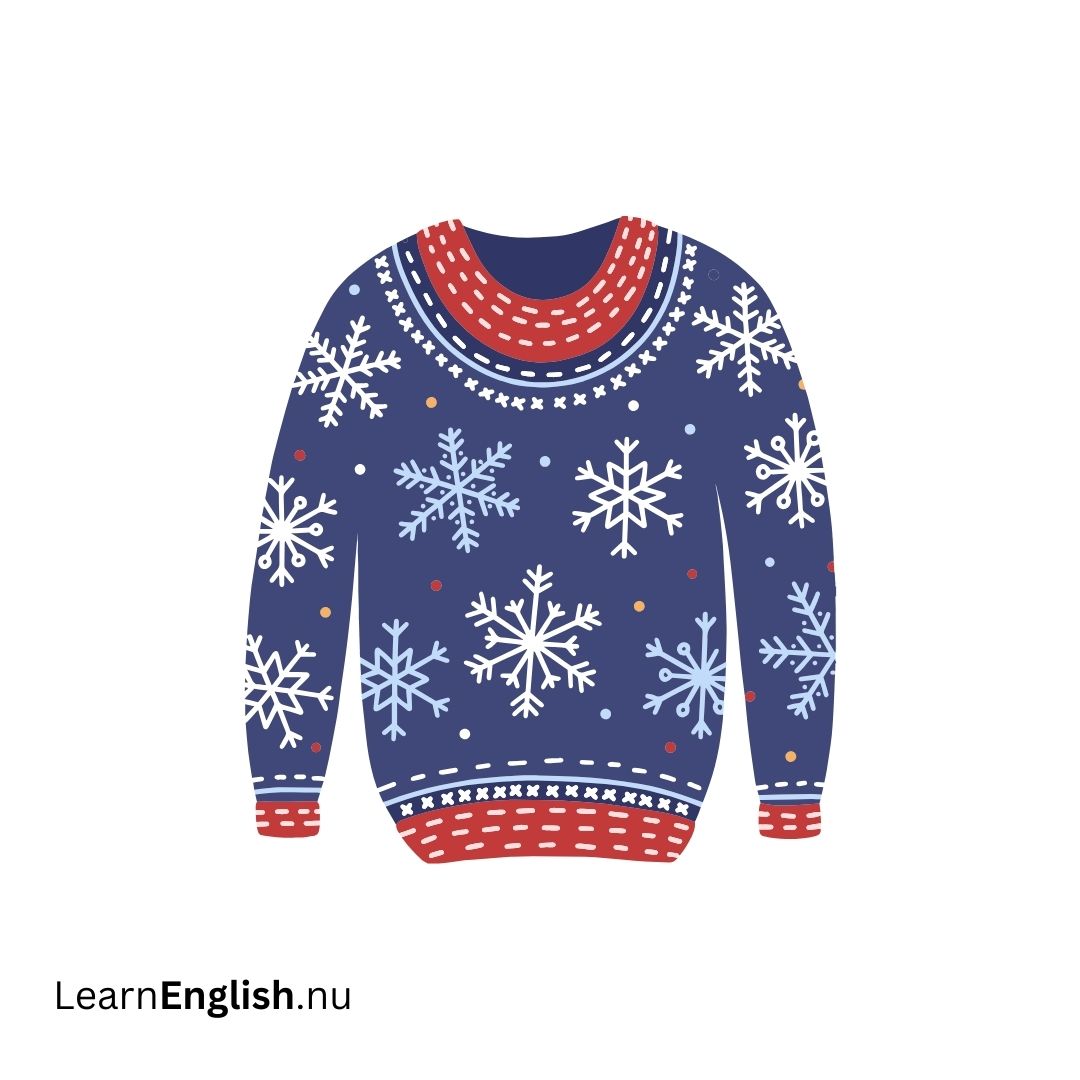 Tröjor
Sweaters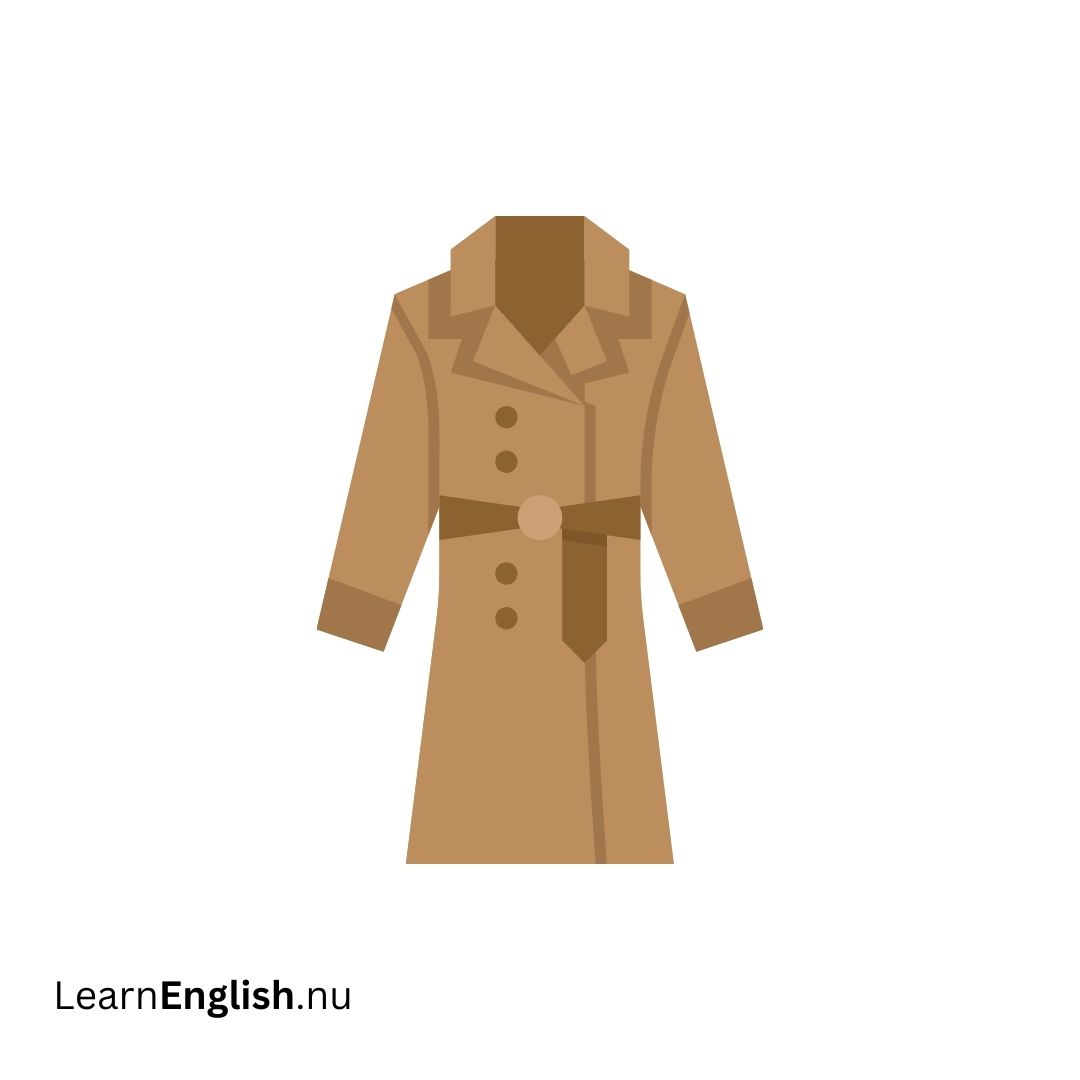 Trenchcoats
Trench coats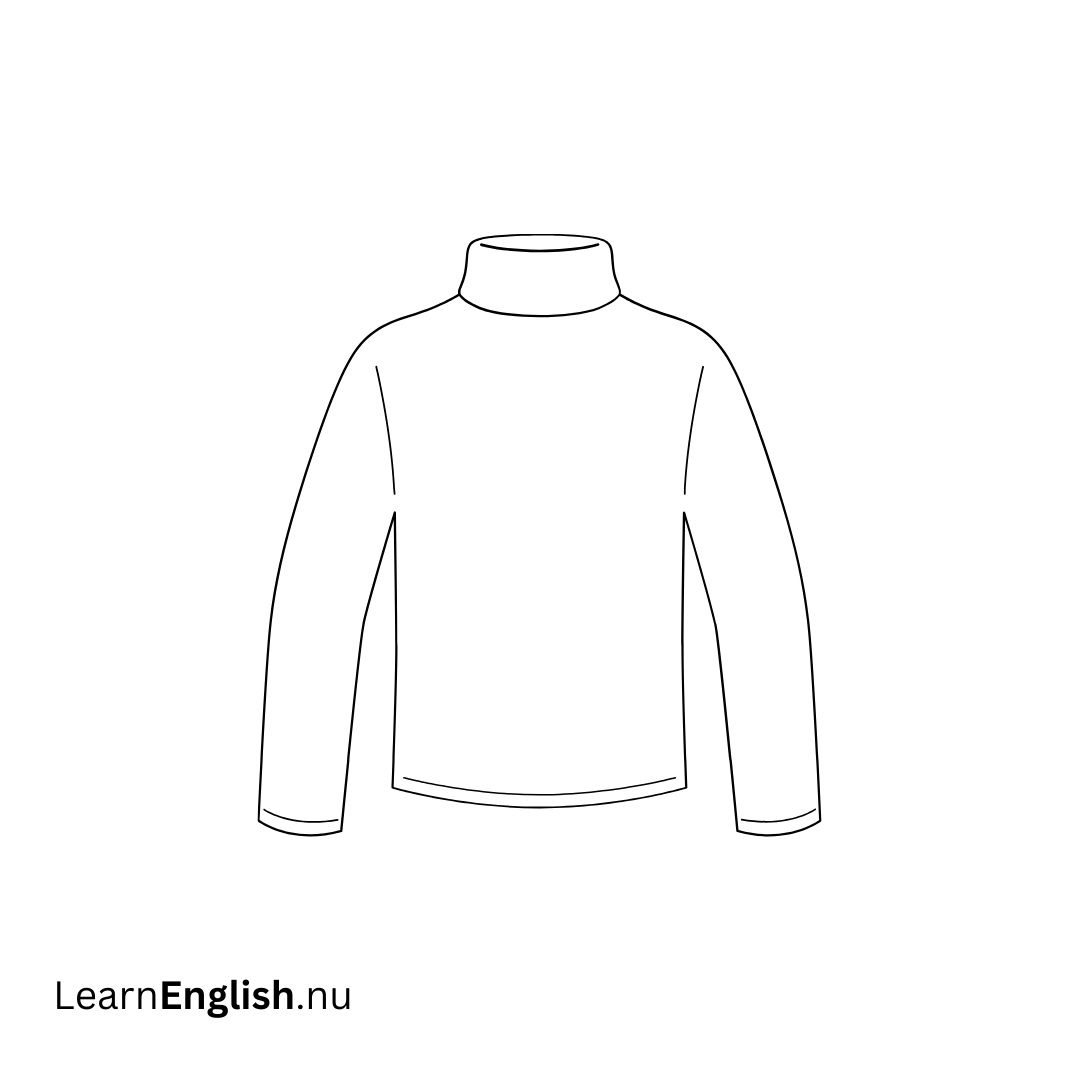 Polokrage
Turtleneck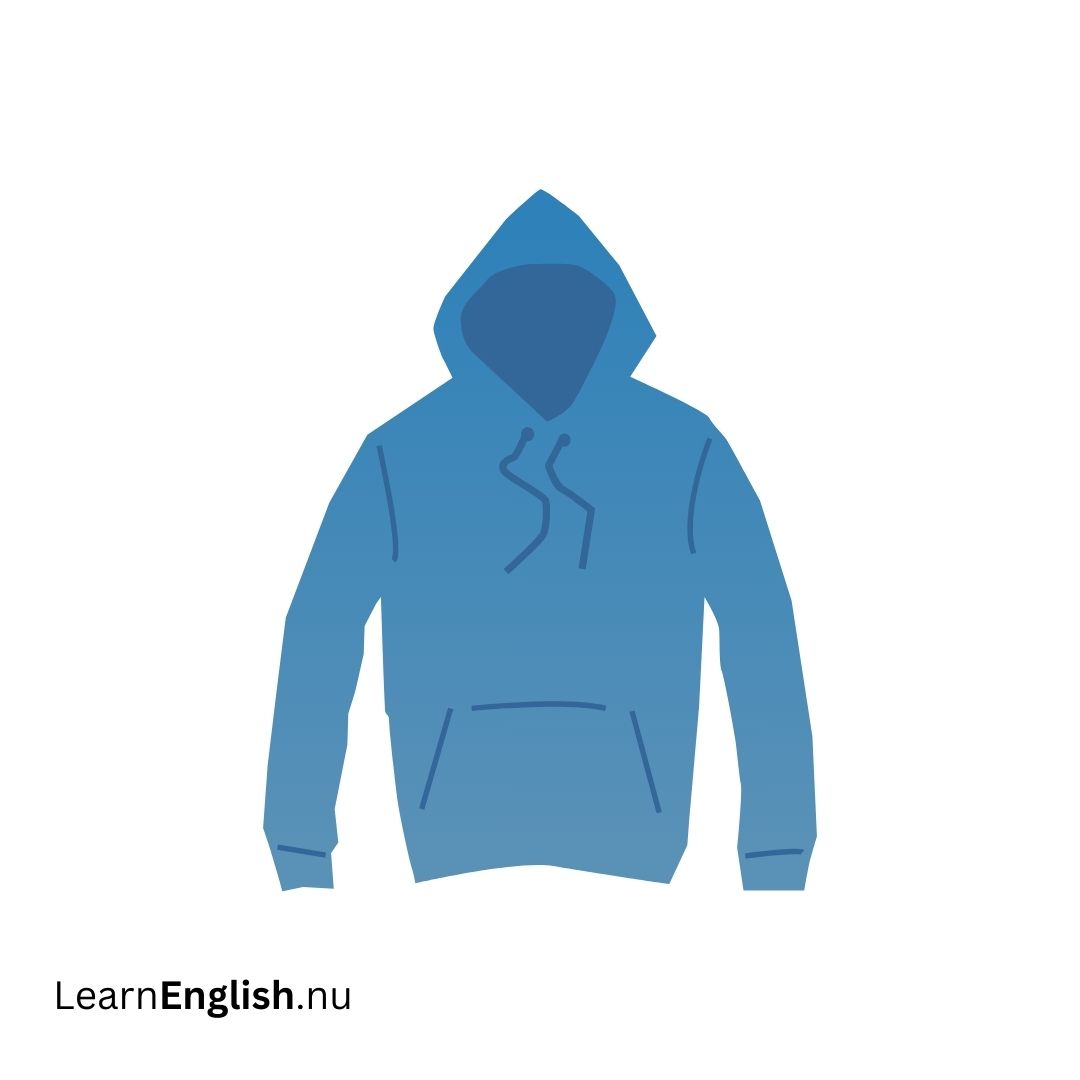 Huvtröja
Hoodie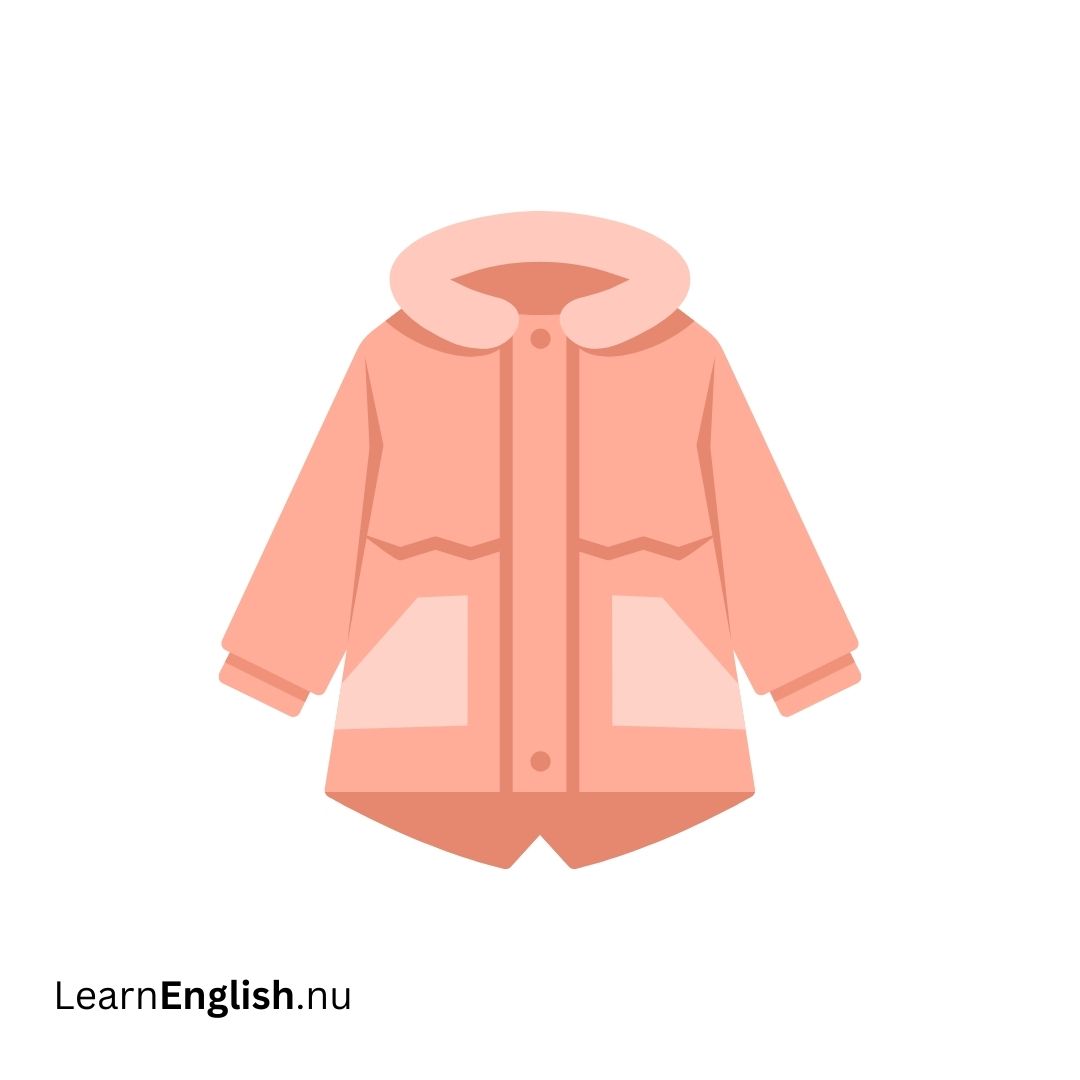 Parkas
Parka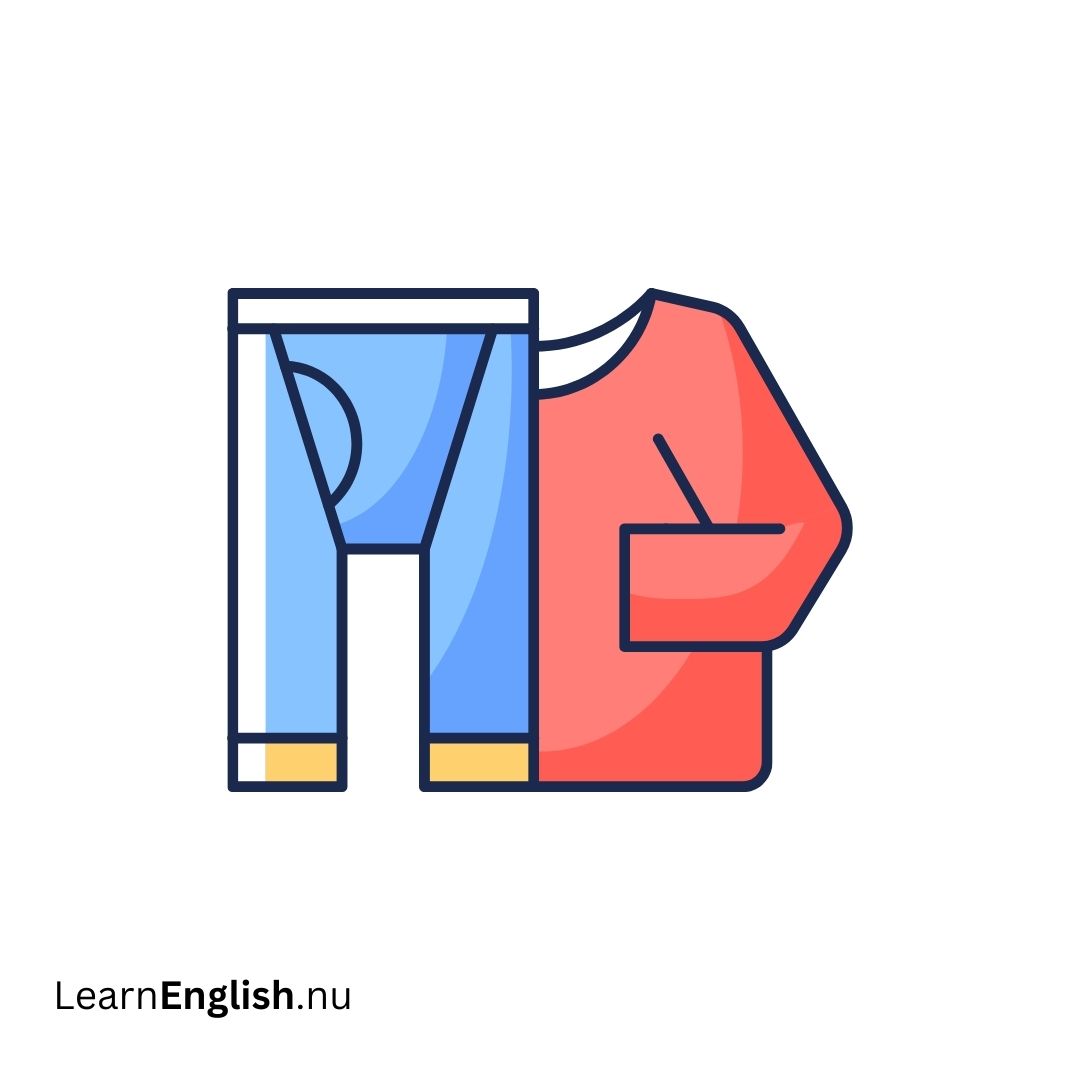 Termounderkläder
Thermal underwear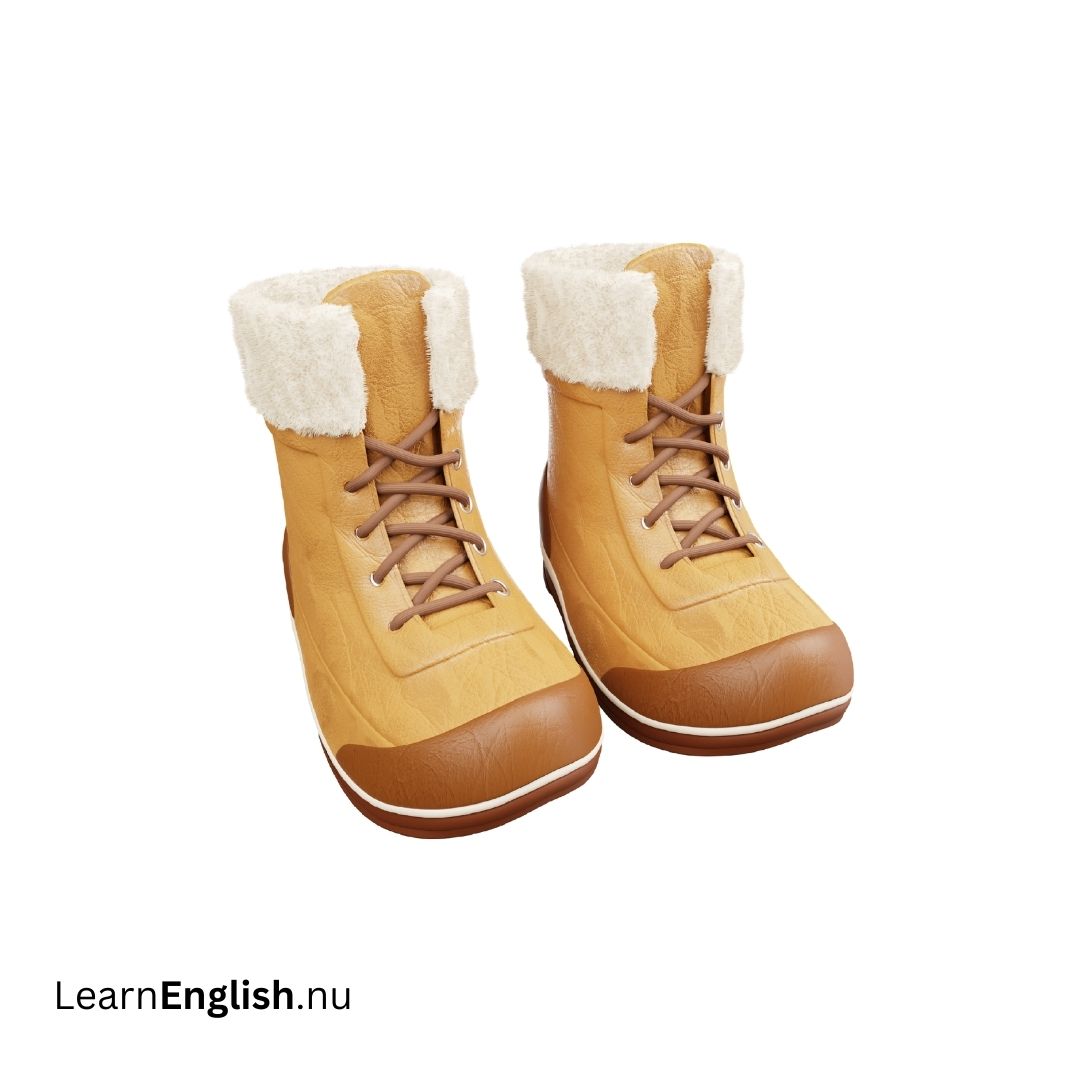 Snöstövlar
Snow boots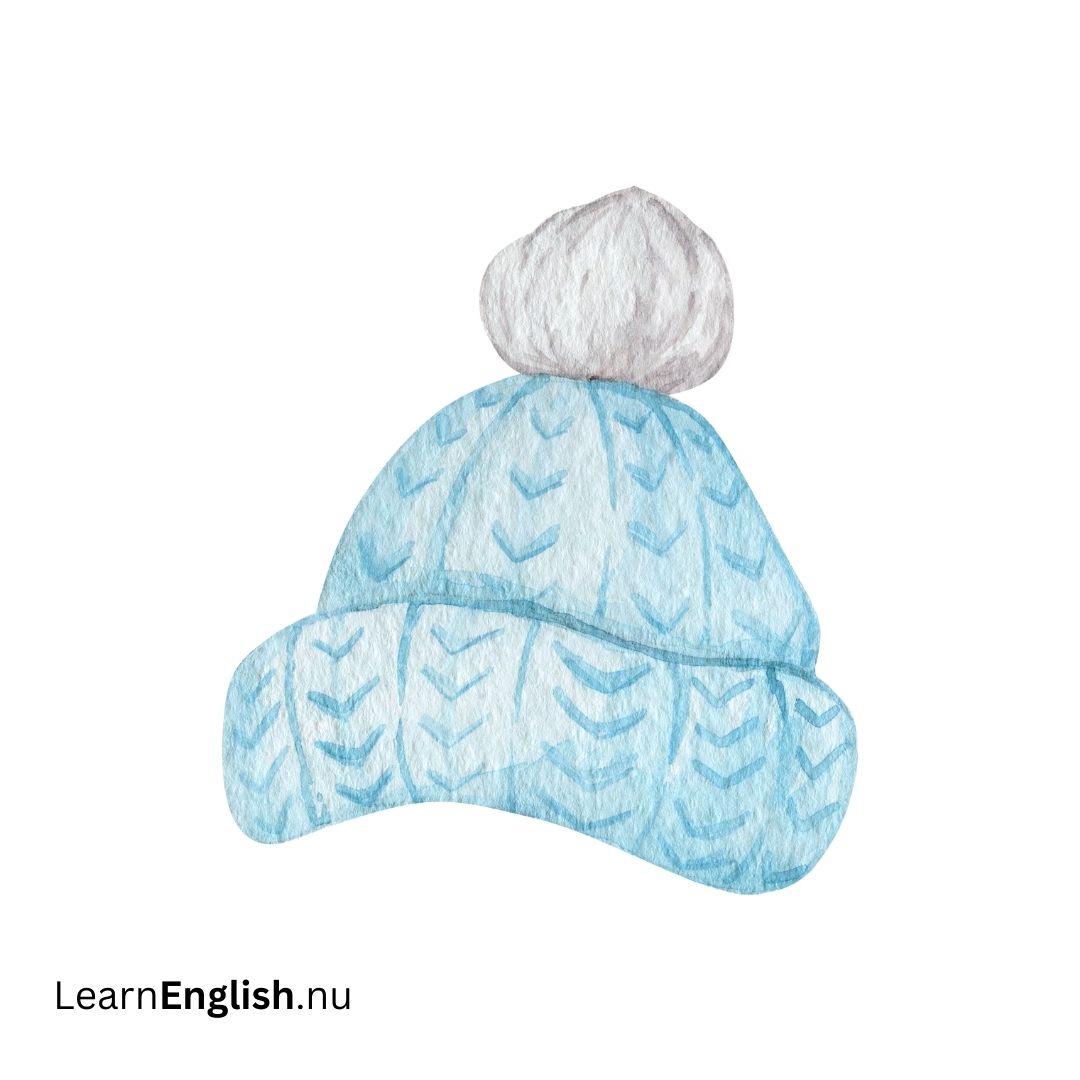 Vinterhatt
Winter hat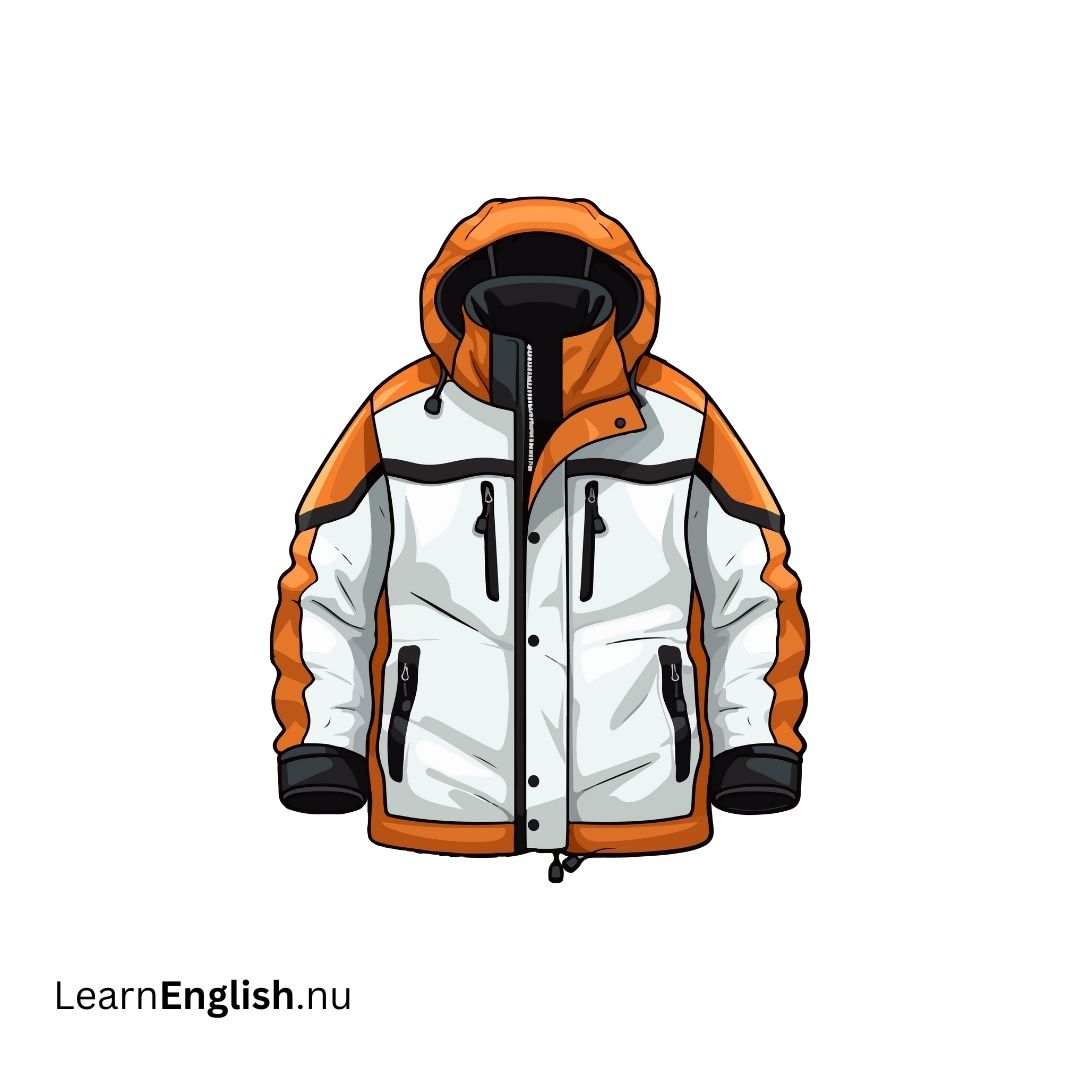 Skidjacka
Ski jacket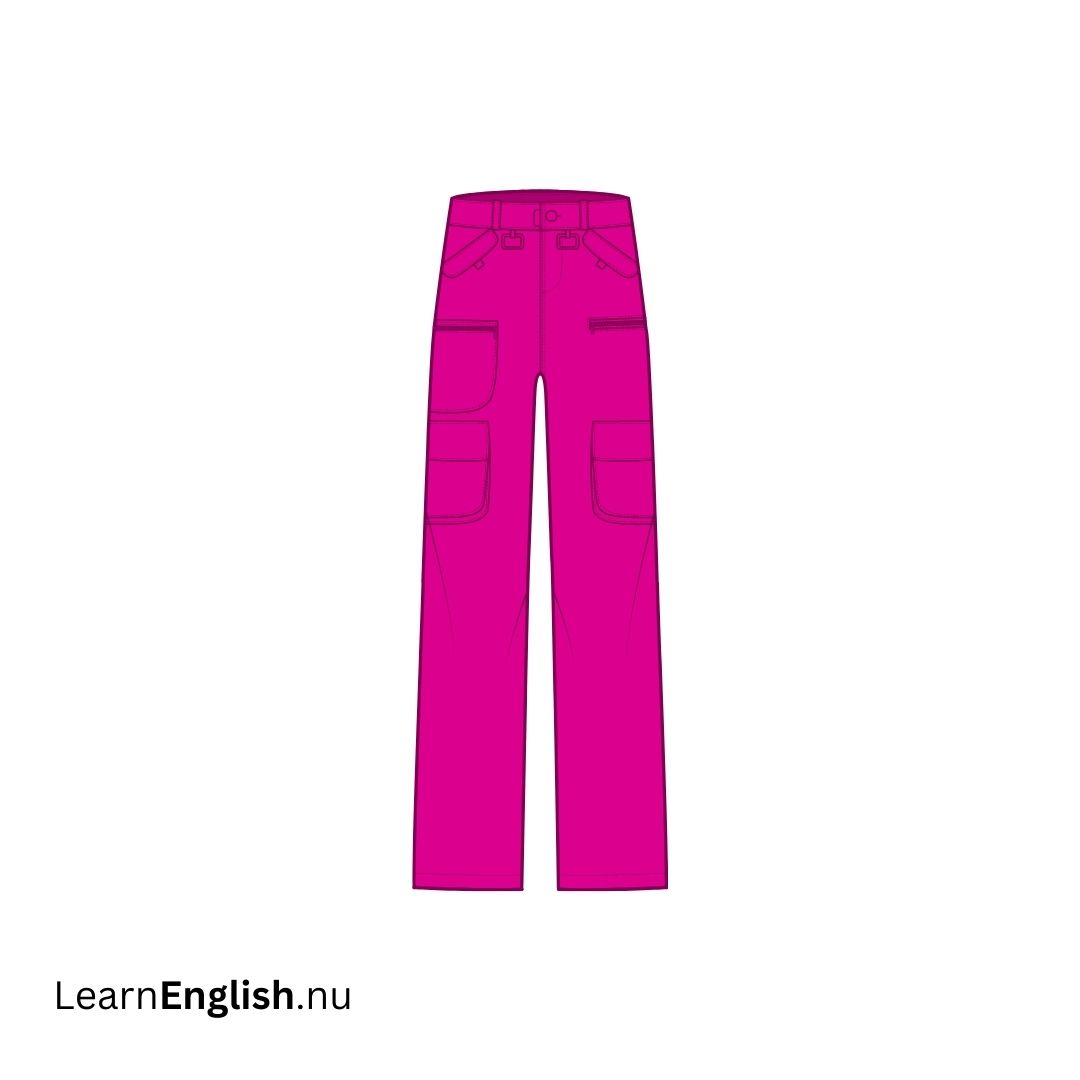 Skidbyxor
Ski pants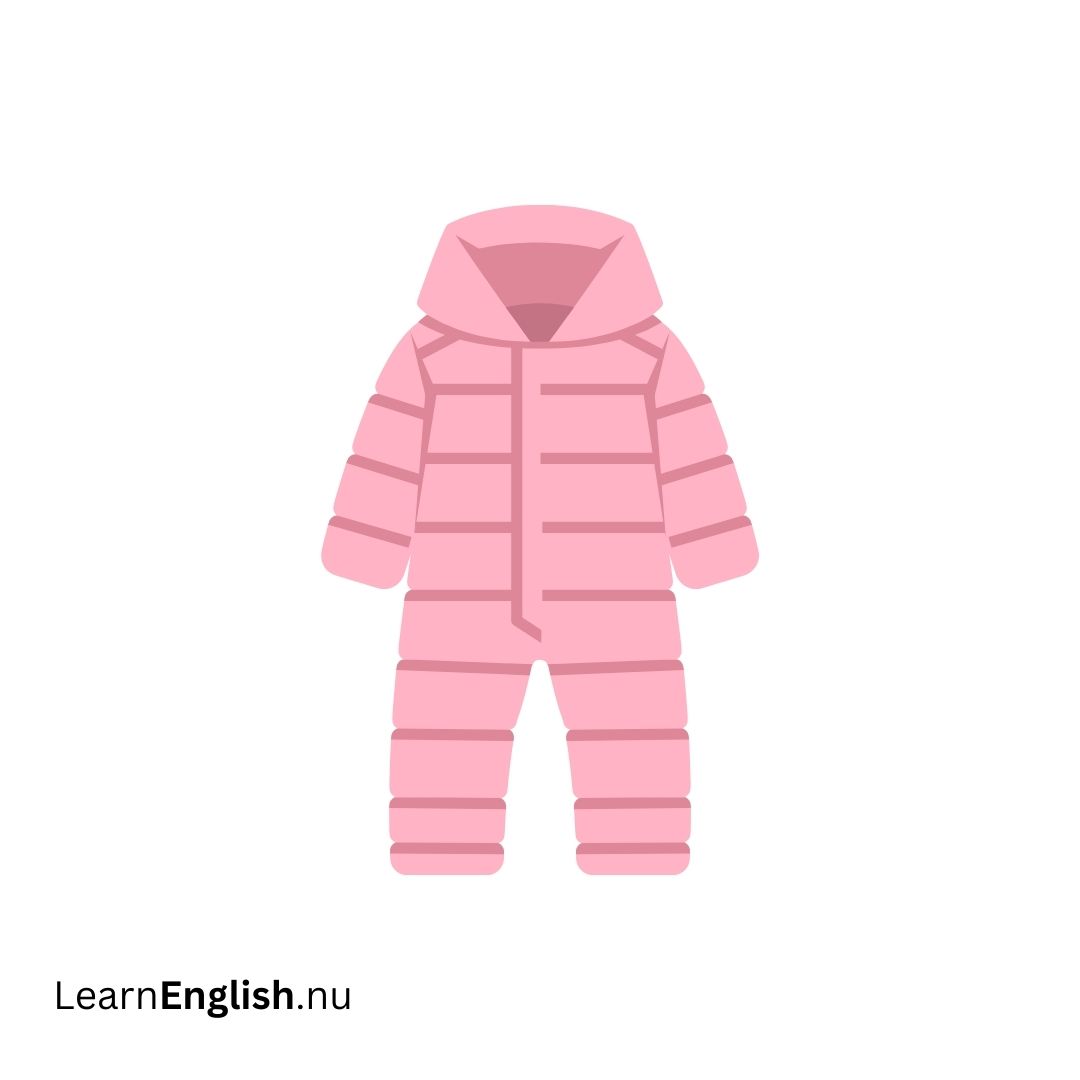 Snödräkt
Snowsuit
Swedish Lessons: Swedish winter clothes
- Stövlar Boots
- Tröja Jumper
- Strumpor Socks
- Väst Vest
- Yllestrumpor Woolen socks
- Kofta Cardigan
- Jacka Jacket
- Handskar Gloves
- Långärmad skjorta Long sleeve shirt
- Träningsdräkt Tracksuit
- Polotröja Turtle neck jumper
- Sweatshirt Sweatshirt
- Byxor Trousers
- Termoleggings Thermal leggings
- Yllehatt Woolly hat
- Halsduk Scarf
- Regnstövlar Rain boots
- Poncho Poncho
- Rock Coat
- Regnrock Raincoat
- Öronvärmare Earmuffs
- Mössor Beanies
- Dunjacka Down jacket
- Dunväst Down vest
- Fleecejackor Fleece jackets
- Jeans Jeans
- Lång rock Long coat
- Långärmad topp Long sleeved top
- Vantar Mittens
- Pyjamas Pajamas
- Skidmössa Ski hat
- Skidmasker Ski masks
- Tröjor Sweaters
- Trenchcoats Trench coats
- Polokrage Turtleneck
- Huvtröja Hoodie
- Parkas Parka
- Termounderkläder Thermal underwear
- Snöstövlar Snow boots
- Vinterhatt Winter hat
- Skidjacka Ski jacket
- Skidbyxor Ski pants
- Snödräkt Snowsuit
Winter Clothes in Swedish
Winter clothes are essential for staying warm and comfortable during the cold months. They differ from summer clothing in that they are made from thicker materials designed to keep you insulated from the cold, snow, and wind. In this guide, we'll cover the key types of winter clothing and their functions.
Types of Winter Clothes
- Sweaters (Tröjor): Sweaters are made from warm fabrics like wool or cotton blends. They help to retain body heat and are a staple for layering during winter.
- Jeans (Jeans): While jeans are generally worn year-round, in winter, you might choose thicker or lined jeans for added warmth.
- Heavier Coats and Jackets (Tyngre kappa och jacka): These are crucial for protecting you from cold temperatures. They come in various styles and materials, often with insulation to provide extra warmth.
- Fleeces (Fleece): Fleeces are lightweight but warm, making them great for layering. They are made from synthetic materials that trap heat effectively.
- Scarves (Sjal): Scarves are worn around the neck to prevent heat loss and add an extra layer of warmth.
- Gloves (Handskar): Gloves keep your hands warm and are essential for protecting them from the cold.
- Hats (Hattar): Hats cover your head, which is a major area where heat can escape, helping to maintain overall body warmth.
Vocabulary Table
| English | Swedish | Pronunciation |
|---|---|---|
| Sweater | Tröja | truh-ya |
| Jeans | Jeans | jeans |
| Heavier Coat | Tyngre kappa | ting-reh kahp-pa |
| Jacket | Jacka | yah-ka |
| Fleece | Fleece | fleece |
| Scarf | Sjal | shahl |
| Gloves | Handskar | hand-skar |
| Hat | Hatt | hat |
List of Winter Clothes in Swedish
Winter clothing is essential for staying warm during the colder months. This guide introduces common winter wear items and their Swedish names, helping you expand your vocabulary while preparing for winter.
Common Winter Clothes
- Beanie (Mössa) A beanie, also known as a cap or skully, is a soft, close-fitting hat made primarily of wool. Some beanies may also include synthetic materials or fleece for extra warmth.
- Cardigan (Kofta) A cardigan is a versatile sweater with an open front, typically featuring buttons. Unlike robes, cardigans have a structured fit and are used as outerwear.
- Earmuffs (Öronmuffar) Earmuffs are accessories designed to cover and protect your ears from the cold. They often have a thermoplastic or metal headband that rests over the top of your head.
- Fleece Jacket (Fleecejacka) A fleece jacket is a lightweight, casual jacket made from polyester. It provides thermal insulation and is ideal for layering during outdoor activities.
- Gloves (Handskar) Gloves are garments designed to keep your hands warm, featuring separate sections for each finger. Woolen gloves are a common choice for winter.
- Jacket (Jacka) A jacket is a lighter coat that offers warmth and protection from the cold. Winter jackets are often made of leather and may include hoods, suitable for mild winters and outdoor activities.
- Winter Coat (Kappor) Winter coats are long and designed for extreme cold climates. They are often made with thick fur or other insulating materials, providing significant warmth.
- Mittens (Vantar) Mittens are similar to gloves but cover the entire hand with separate sections for the thumb. They are designed to keep hands warm in cold weather.
- Puffer Coat (Dunjacka) A puffer coat, or quilted jacket, features a puffy design filled with insulation or synthetic fibers. It is known for its excellent thermal insulation.
- Scarf (Sjal) A scarf is a long strip of wool, silk, or lace worn around the neck. It provides warmth and can also be a fashion accessory.
- Socks (Strumpor) Socks are worn with shoes and keep your feet warm. Winter socks are often thicker and fuzzier, especially for indoor use.
- Sweater (Tröja) A sweater, also known as a pullover or jumper, is a long-sleeved garment made from knitted wool. It is a common and preferred choice for winter wear.
Examples:
- Beanie (Mössa) "Jag köpte en varm mössa för vintern." (I bought a warm beanie for the winter.)
- Cardigan (Kofta) "Hon har en fin kofta som hon alltid bär." (She has a nice cardigan that she always wears.)
- Earmuffs (Öronmuffar) "Earmuffs är perfekta för kalla dagar." (Earmuffs are perfect for cold days.)
- Fleece Jacket (Fleecejacka) "En fleecejacka är bra att ha under höst och vinter." (A fleece jacket is good to have during fall and winter.)
- Gloves (Handskar) "Mina handskar är för små nu." (My gloves are too small now.)
- Jacket (Jacka) "Jag behöver en ny jacka för vintern." (I need a new jacket for winter.)
- Winter Coat (Kappa) "Han har en lång kappa som håller honom varm." (He has a long winter coat that keeps him warm.)
- Mittens (Vantar) "Vantar är bra för små barn eftersom de håller hela handen varm." (Mittens are good for small children because they keep the whole hand warm.)
- Puffer Coat (Dunjacka) "En dunjacka är perfekt för kalla vinterdagar." (A puffer coat is perfect for cold winter days.)
- Scarf (Sjal) "Jag knöt en sjal runt halsen för att hålla mig varm." (I wrapped a scarf around my neck to keep warm.)
- Socks (Strumpor) "Håll dina fötter varma med tjocka strumpor." (Keep your feet warm with thick socks.)
- Sweater (Tröja) "Min tröja är mjuk och bekväm." (My sweater is soft and comfortable.)
Vocabulary Table
| English | Swedish | Pronunciation |
|---|---|---|
| Beanie | Mössa | muh-suh |
| Cardigan | Kofta | kawf-tah |
| Earmuffs | Öronmuffar | uh-ron-moo-fahr |
| Fleece Jacket | Fleecejacka | fleece-yah-kah |
| Gloves | Handskar | hand-skar |
| Jacket | Jacka | yah-ka |
| Winter Coat | Kappor | kah-por |
| Mittens | Vantar | vahn-tar |
| Puffer Coat | Dunjacka | dun-yah-kah |
| Scarf | Sjal | shahl |
| Socks | Strumpor | stroom-por |
| Sweater | Tröja | truh-ya |
Winter Clothes for Children in Swedish
When dressing your child for winter, it's important to layer their clothes properly to keep them warm and dry. This tutorial will guide you through the essentials of winter clothing for kids, using Swedish vocabulary to help you learn how to talk about these items in Swedish.
Keeping your child comfortable during winter involves more than just throwing on a coat. Proper winter attire includes layering clothes to ensure warmth, dryness, and protection from the elements. Understanding these layers and the specific types of clothing used will make it easier to dress your child appropriately for any winter weather.
Understanding the Layers
- Base Layer (Första lager): This layer sits closest to your child's skin and should keep them dry by wicking away sweat. Choose soft and comfortable materials for this layer.
- Middle Layer (Andra lager): The purpose of this layer is to provide insulation. Depending on the temperature, you might use sweaters or a thin jacket to keep your child warm.
- Outer Layer (Ytterlager): This layer protects against wind, rain, and snow. It should be waterproof and wind-resistant to shield your child from harsh weather conditions.
Clothing for Younger Children
For younger children, consider using a overall (one-piece suit). These suits often have high collars and hoods to protect their neck and head. High collars and hoods are safer than scarves, which can pose a risk of getting caught in playground equipment, leading to potential accidents.
Clothing for Older Children
Older children can wear specialized winter jackets and pants designed to handle the cold. These should be:
- Waterproof (Vattentät)
- Warm (Varm)
- Wind-resistant (Vindresistent)
Vocabulary Table
| English | Swedish | Pronunciation |
|---|---|---|
| Base Layer | Första lager | furs-ta lah-ger |
| Middle Layer | Andra lager | ahn-dra lah-ger |
| Outer Layer | Ytterlager | yuh-ter-lah-ger |
| One-Piece Suit | Overall | oh-ver-all |
| Waterproof | Vattentät | vah-ten-tat |
| Warm | Varm | varm |
| Wind-resistant | Vindresistent | vind-res-is-tent |
Related Topics
Swedish Lessons: Swedish baby clothes | Swedish Children Clothing
Swedish Lessons: Action Verbs in Swedish
Swedish Lessons: Swedish Transportation Vocabulary And Phrases
Swedish Lessons: Swedish Drink Words Vocabulary Words
Swedish Lessons: Swedish Food and Meals Vocabulary Words with Pronunciation
Clothes in Swedish vocabulary (Kläder) - Learn Swedish
Swedish Lessons: Men's Clothing in Swedish
Swedish Lessons: Women's Clothing in Swedish
Swedish Lessons: Summer Clothing in Swedish
Swedish Lessons: Fashion accessories in Swedish
Swedish Lessons: Swedish animal names
Swedish Lessons: Swedish tools and equipment Vocabulary Words
Swedish Lessons: Swedish utility room Vocabulary Words
Swedish Lessons: wild animals names in Swedish
Swedish Lessons: Sea Animals - List of marine animals in Swedish
Swedish Lessons: Bird names in Swedish pictures & audio
Swedish Lessons: Insects and Reptiles in Swedish pictures & audio
Swedish Lessons: Plant names , flowers names in Swedish
Swedish Lessons: House vocabulary words in Swedish
Swedish Lessons: bedroom items list with pictures in Swedish
Swedish Lessons: Living room Vardagsrum Vocabulary Words
Swedish Lessons: Swedish kitchen utensils Vocabulary Words
Swedish Lessons: Cooking Verbs in Swedish
Swedish Lessons: Swedish Bathroom Vocabulary Words
Swedish Lessons: Swedish Garden Vocabulary Words
Swedish Lessons: Swedish cleaning tools Vocabulary Words
Swedish Vocabulary: Swedish Occupations Jobs Professions Words