The Parts of the Hand in Swedish
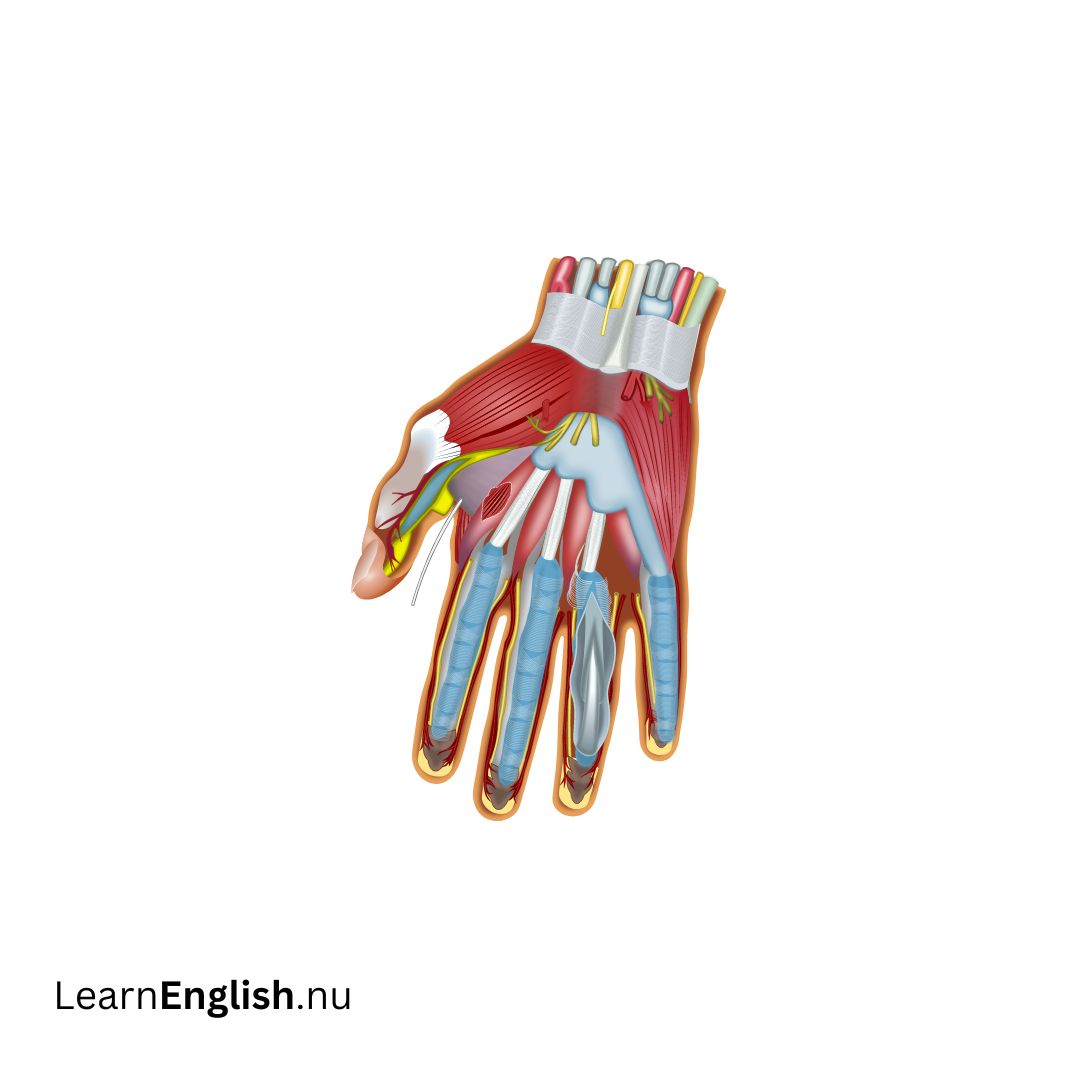
Learning the anatomy of the hand in Swedish can be a valuable part of expanding your vocabulary. This tutorial will guide you through the essential terms related to the hand, helping you become familiar with these words in a practical context.
Terms for Hand Anatomy in Swedish
When talking about the hand in Swedish, there are several key terms you should know. Below is a table listing these terms along with their English translations and pronunciations:
| English |
Swedish |
Pronunciation |
| Hand |
Hand |
[hand] |
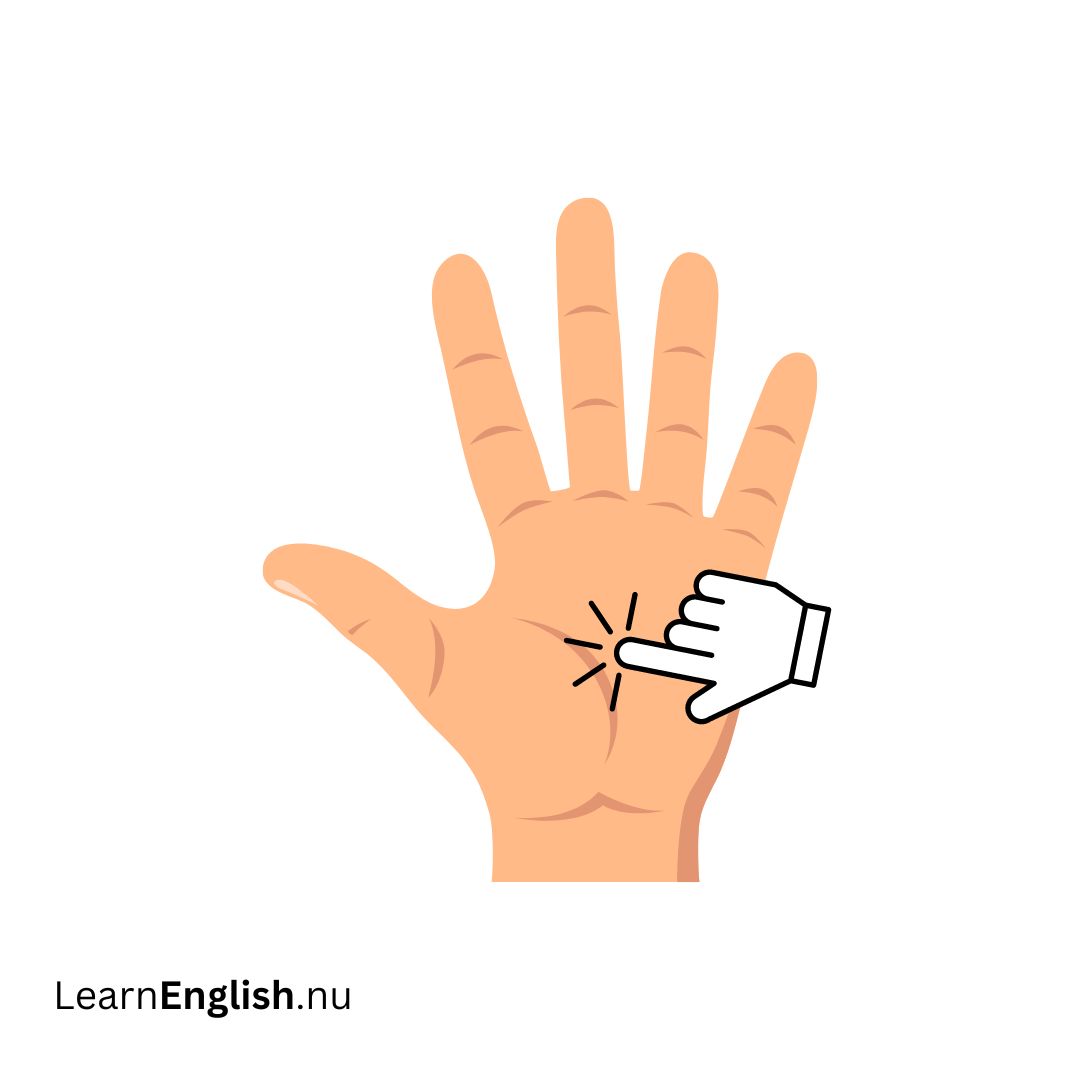
| Palm |
Handflata |
[hɑndˈflɑːta] |
| Fingers |
Fingrar |
[ˈfɪŋɡrɑr] |
| Thumb |
Tumme |
[ˈtʊmə] |
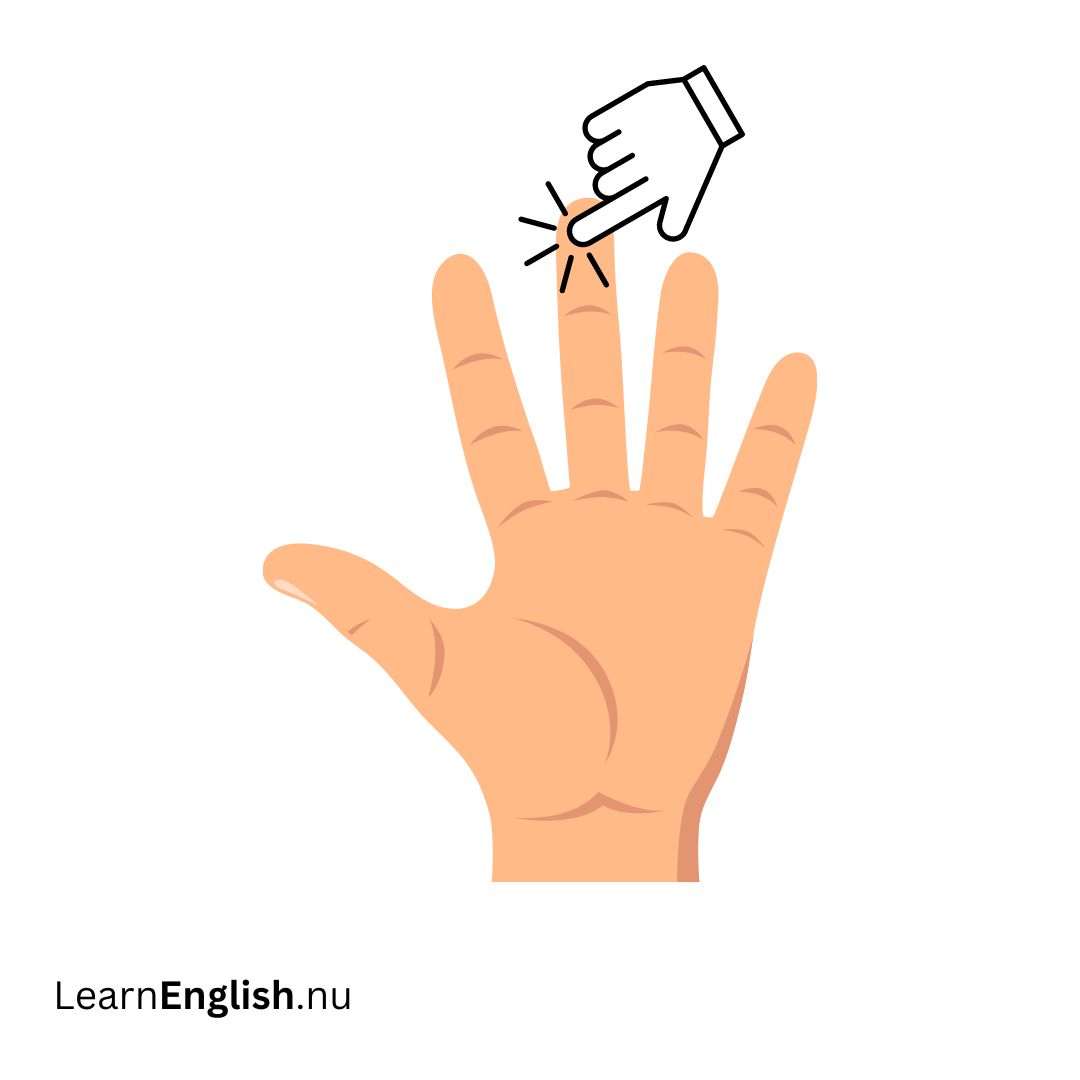
| Index Finger |
Pekfinger |
[ˈpeːkˌfɪŋɡər] |
| Middle Finger |
Mittfinger |
[ˈmɪtˌfɪŋɡər] |
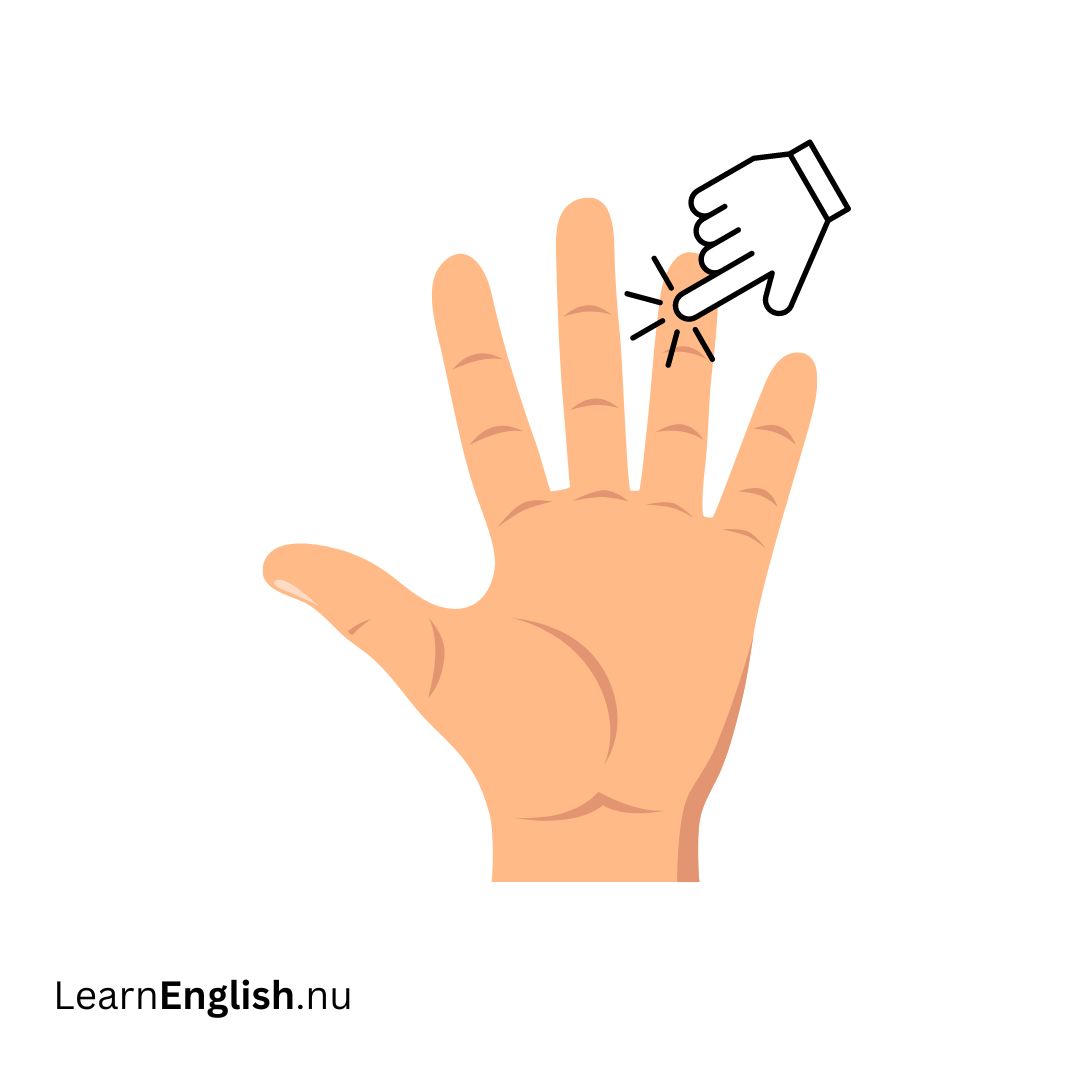
| Ring Finger |
Ringfinger |
[ˈrɪŋˌfɪŋɡər] |
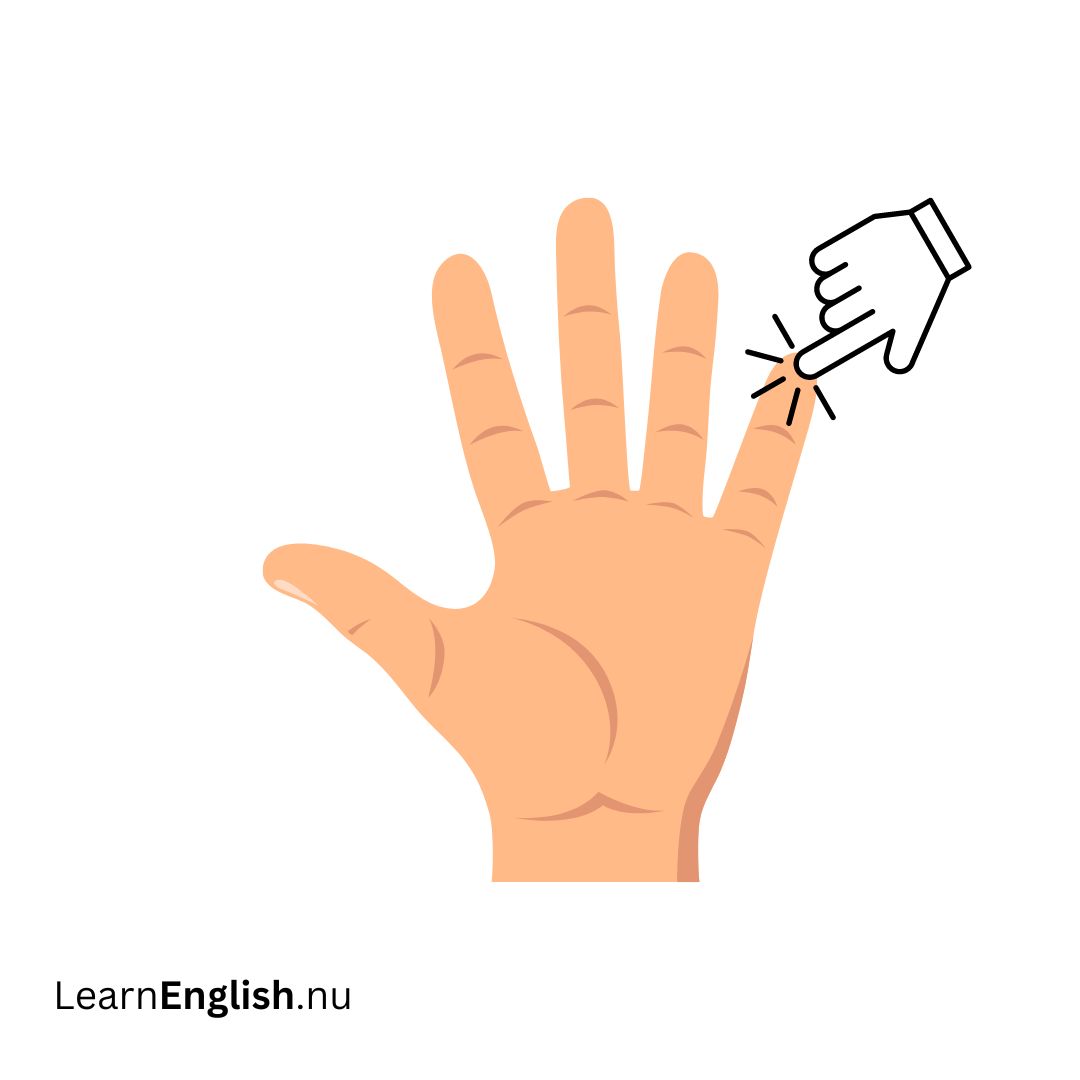
| Little Finger |
Lillfinger |
[ˈlɪlˌfɪŋɡər] |
| Wrist |
Handleder |
[ˈhɑndˌleːdər] |
Using Hand Anatomy Terms
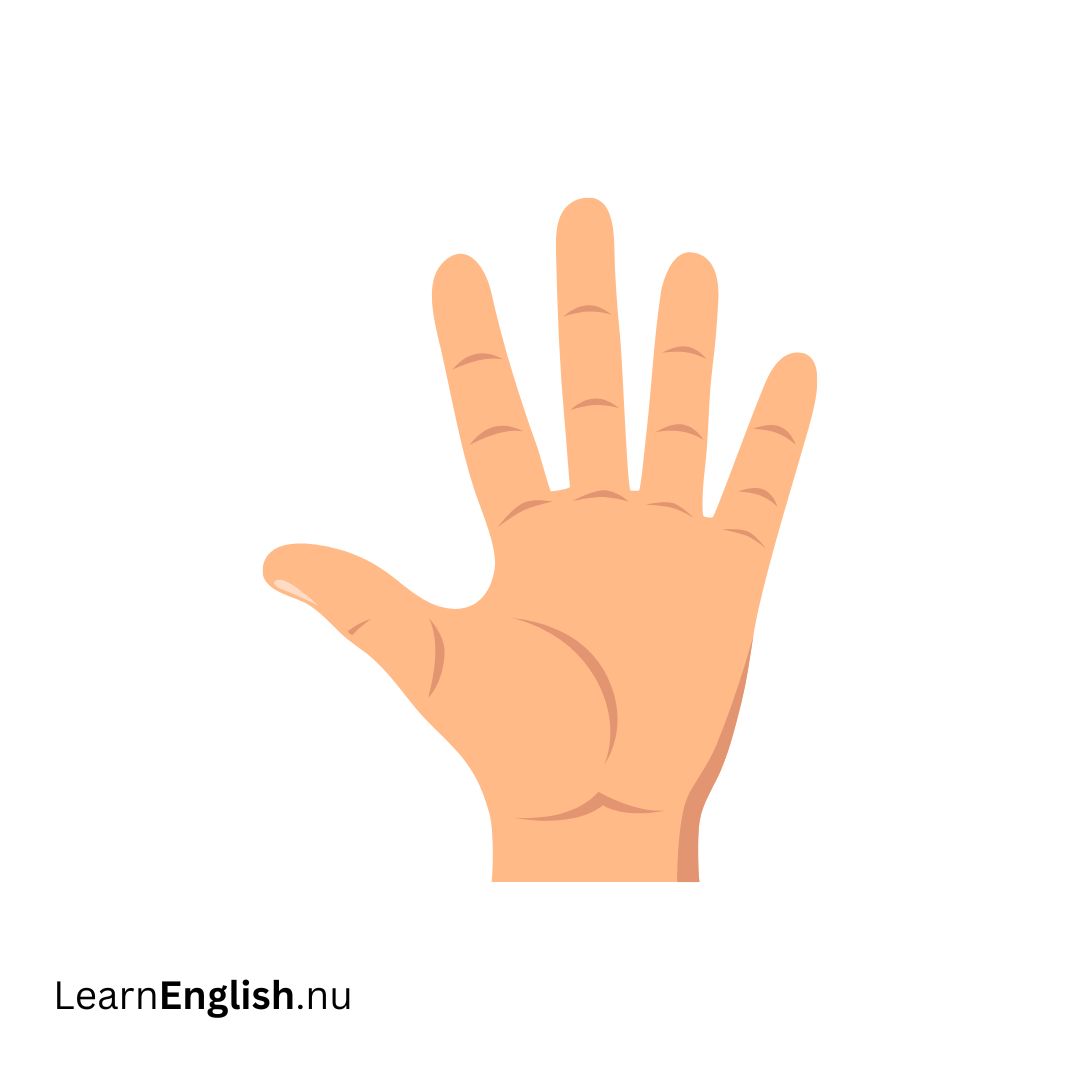
- Hand (Hand): The term for "hand" itself is the same in both English and Swedish—"hand." Pronounced as [hand].
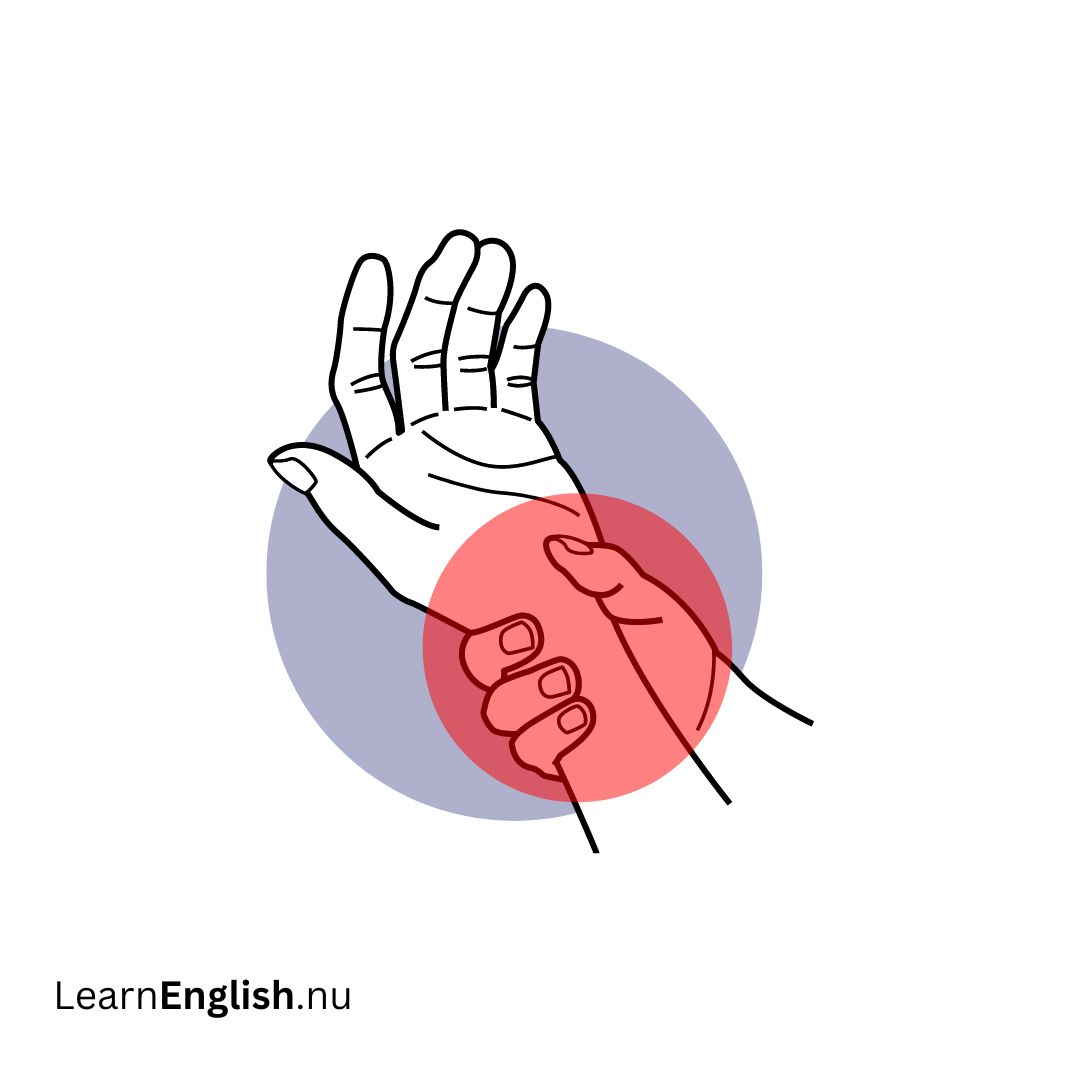
- Palm (Handflata): This refers to the inner part of the hand. It's the part you use to touch or hold objects. Pronounced as [hɑndˈflɑːta].
- Fingers (Fingrar): These are the extensions of the hand used for grasping and manipulating items. Pronounced as [ˈfɪŋɡrɑr].
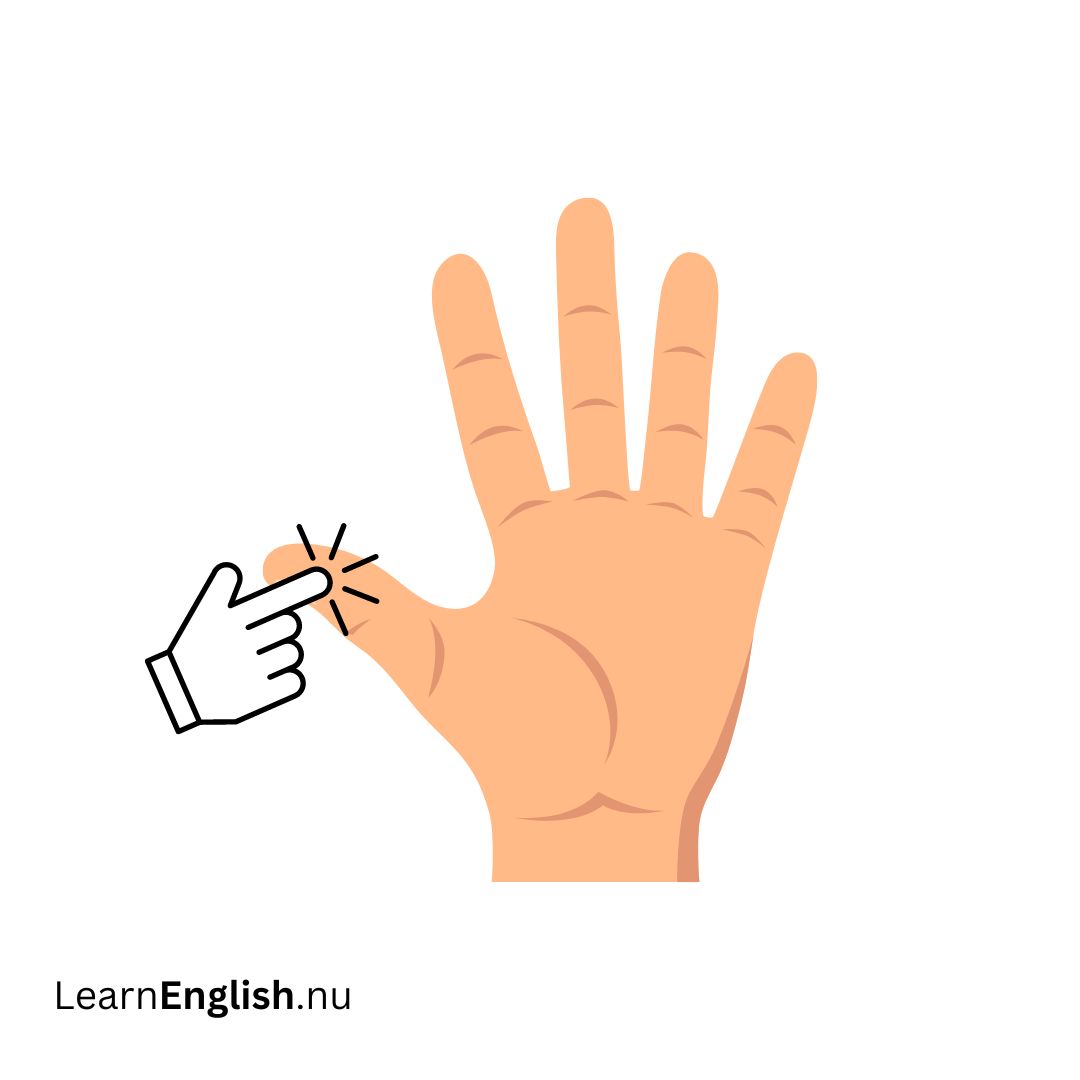
- Thumb (Tumme): The thumb is the short, thick finger on the side of the hand. Pronounced as [ˈtʊmə].
- Index Finger (Pekfinger): The first finger, used for pointing and touching. Pronounced as [ˈpeːkˌfɪŋɡər].
- Middle Finger (Mittfinger): The longest finger in the middle of the hand. Pronounced as [ˈmɪtˌfɪŋɡər].
- Ring Finger (Ringfinger): The finger next to the little finger, often used for wearing rings. Pronounced as [ˈrɪŋˌfɪŋɡər].
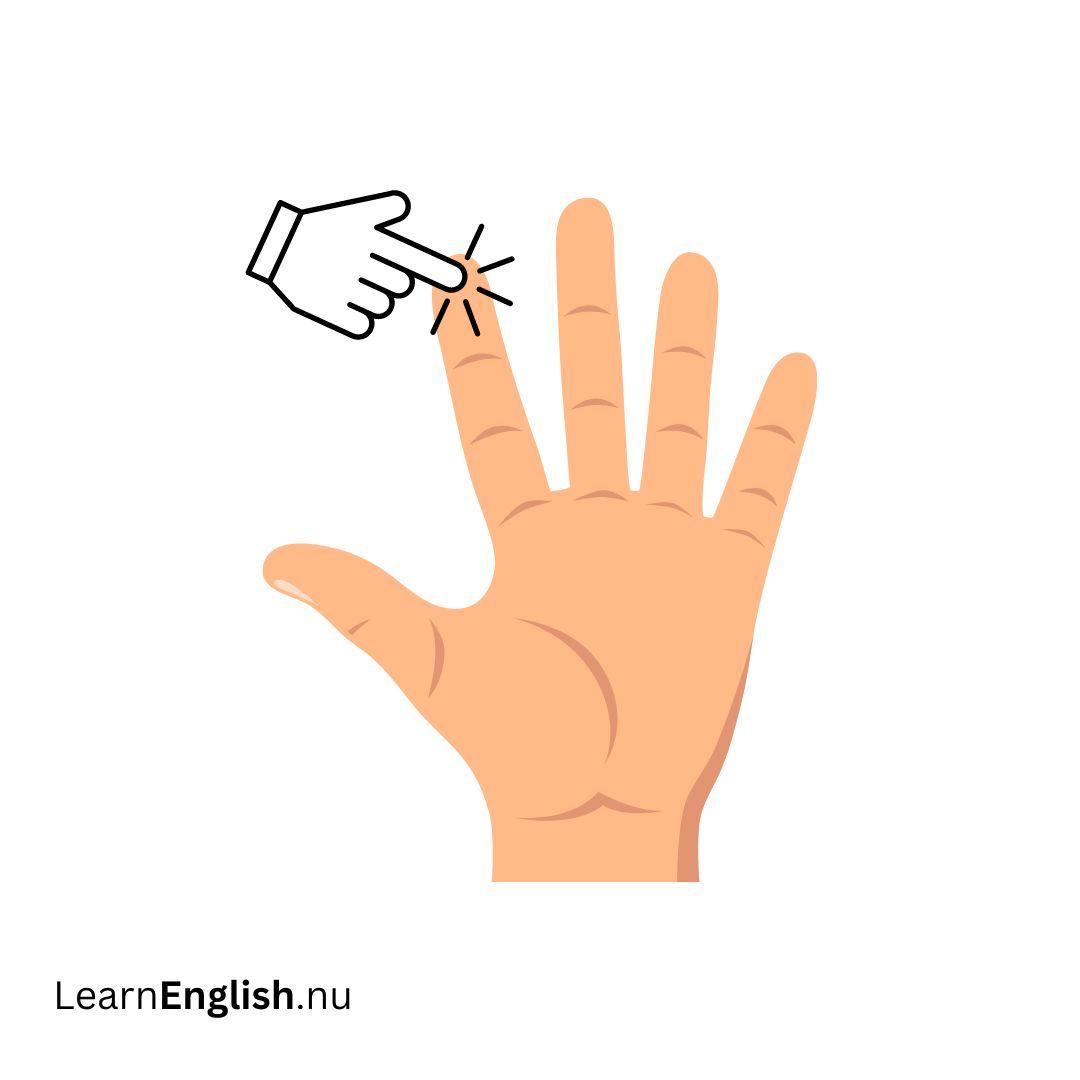
- Little Finger (Lillfinger): The smallest finger on the outer side of the hand. Pronounced as [ˈlɪlˌfɪŋɡər].
- Wrist (Handleder): The joint connecting the hand to the forearm. Pronounced as [ˈhɑndˌleːdər].
the Anatomy of the Hand in Swedish
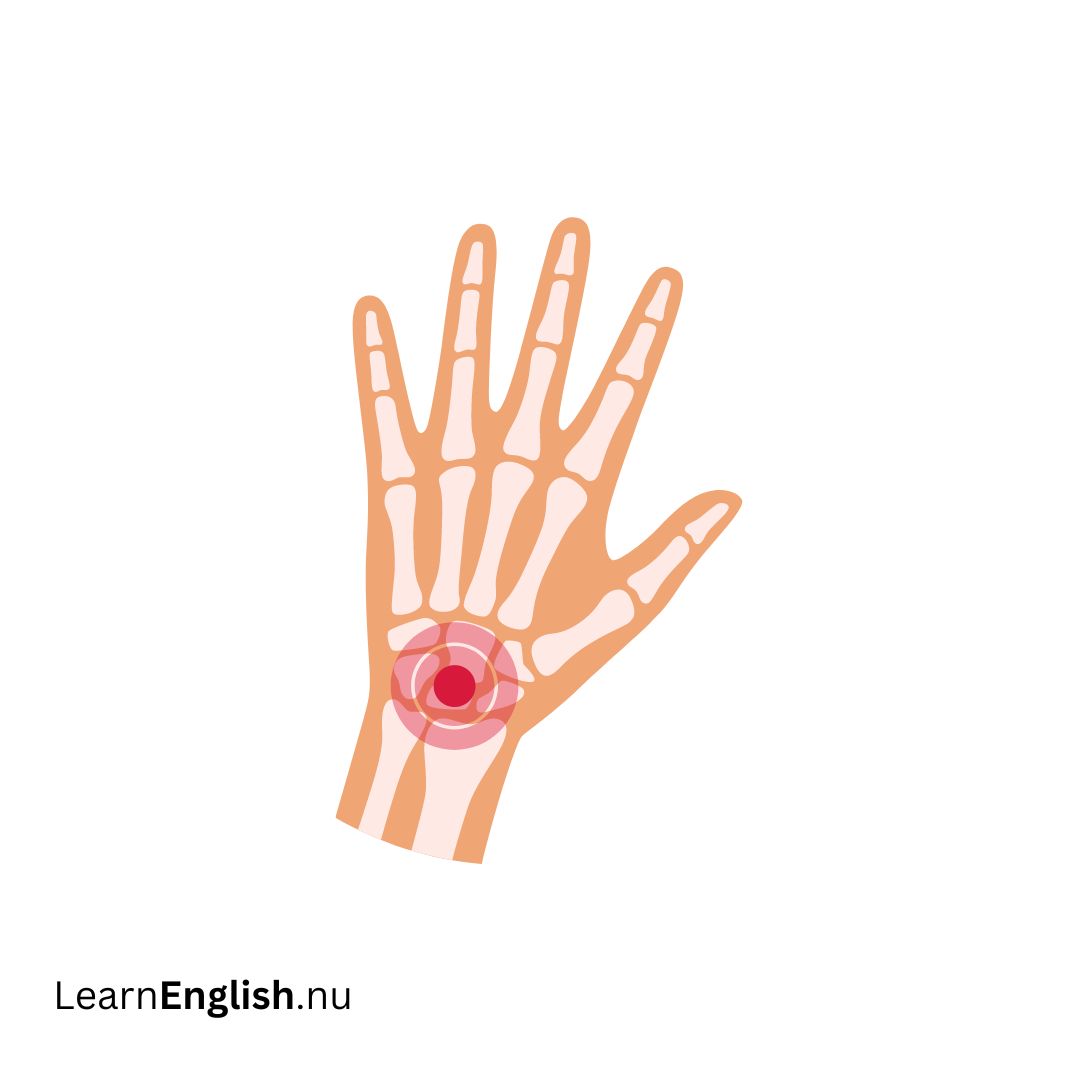
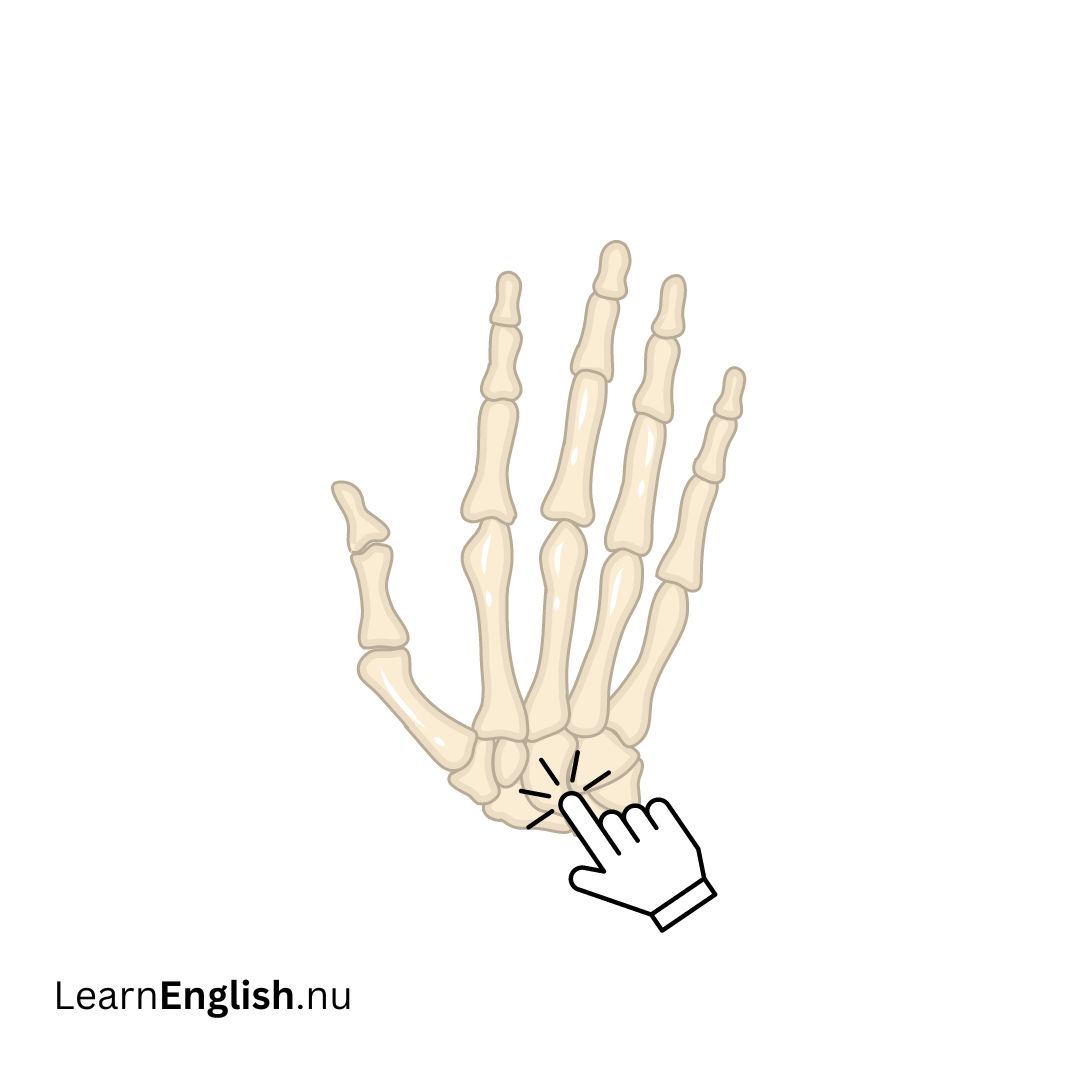
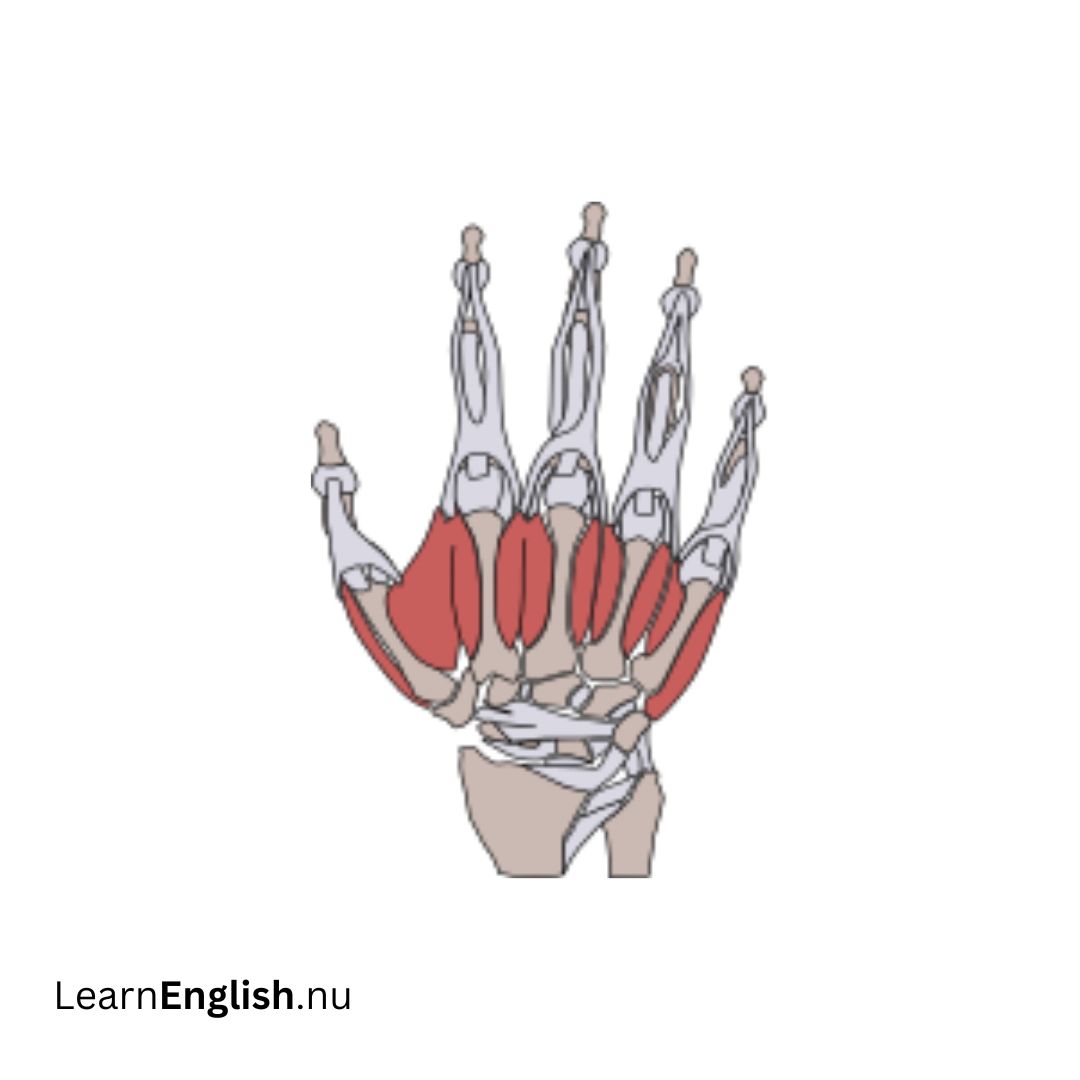
The human hand is made up of various bones, each playing a crucial role in its function. Here’s a detailed look at the bones of the hand, including their Swedish names and pronunciations.
Carpal Bones
The wrist is made up of eight carpal bones arranged in two rows. These bones are crucial for wrist movement and stability.
| English |
Swedish |
Pronunciation |
| Scaphoid |
Skeppformad |
skepp-form-ad |
| Lunate |
Måneformad |
moh-ne-form-ad |
| Triquetrum |
Triangelformad |
tree-ang-el-form-ad |
| Pisiform |
Ärtformad |
urt-form-ad |
| Trapezium |
Trapetsformad |
tra-pets-form-ad |
| Trapezoid |
Trapezformad |
tra-pes-form-ad |
| Capitate |
Huvudformad |
hoo-vud-form-ad |
| Hamate |
Krokformad |
krok-form-ad |
These bones form the wrist's base and support hand movement.
Metacarpal Bones
The five metacarpal bones form the palm of the hand. They connect the carpal bones to the phalanges.
| English |
Swedish |
Pronunciation |
| Metacarpal I |
Metacarpal I |
met-a-kar-pal I |
| Metacarpal II |
Metacarpal II |
met-a-kar-pal II |
| Metacarpal III |
Metacarpal III |
met-a-kar-pal III |
| Metacarpal IV |
Metacarpal IV |
met-a-kar-pal IV |
| Metacarpal V |
Metacarpal V |
met-a-kar-pal V |
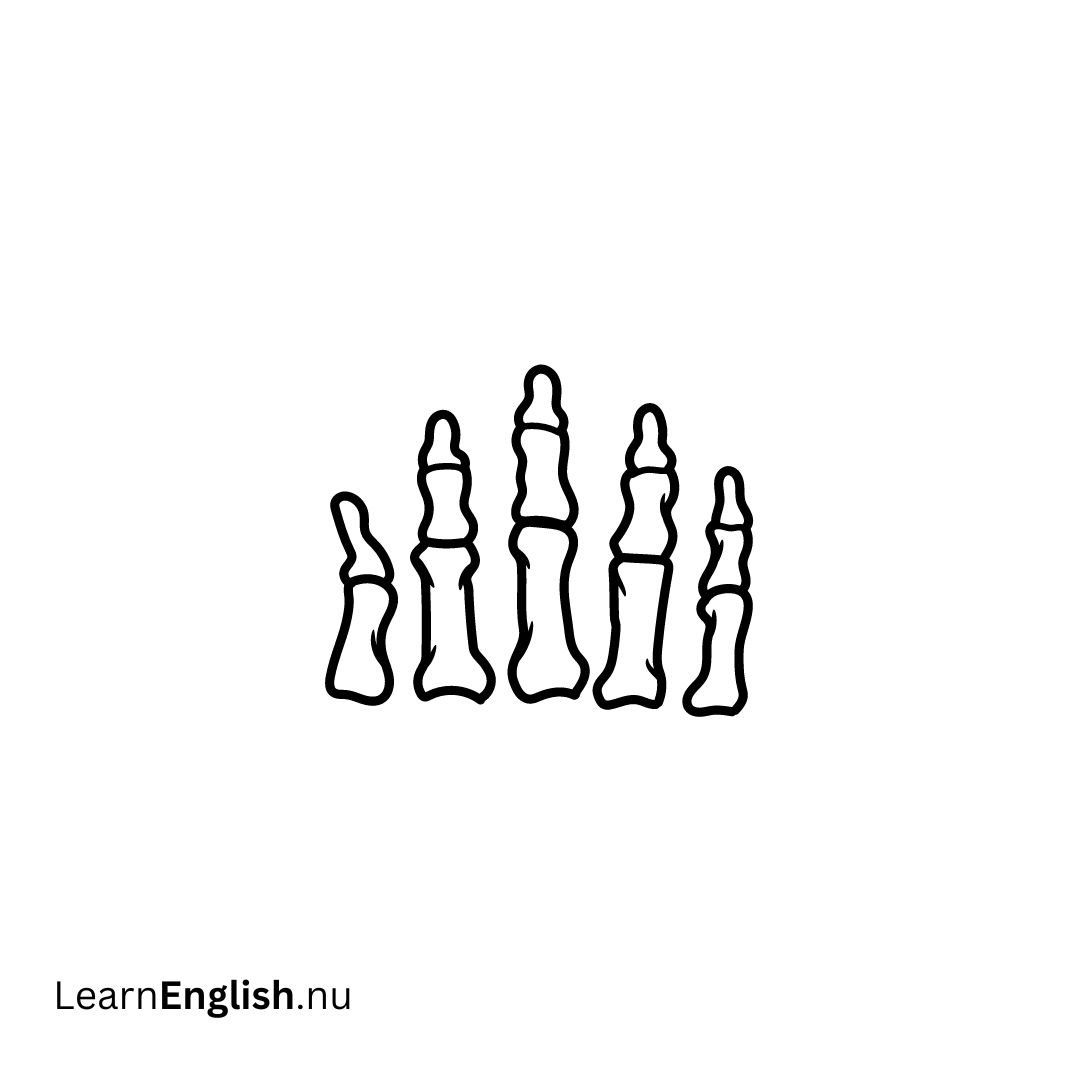
Phalanges
The 14 phalanges make up the fingers. Each finger has three phalanges: proximal, middle, and distal, except the thumb, which has two phalanges (lacking a middle one).
| English |
Swedish |
Pronunciation |
| Proximal Phalanx |
Första falangen |
för-sta fa-lang-en |
| Middle Phalanx |
Andra falangen |
an-dra fa-lang-en |
| Distal Phalanx |
Tredje falangen |
tre-dje fa-lang-en |
Singular and Plural Forms: Hand vs. Händer in Swedish
Understanding how to use singular and plural forms of nouns is essential for mastering Swedish. This tutorial focuses on the word "hand" and its plural form "händer," helping beginners grasp this key grammatical concept.
Singular and Plural Forms
In Swedish, the word for "hand" is hand. To form the plural, you change the ending to händer. This distinction is important for constructing sentences correctly.
Examples:
- Jag har en bok i min hand. (I have a book in my hand.)
- Hon har många böcker i sina händer. (She has many books in her hands.)
Notice how the possessive pronouns change according to the number of hands being referenced: "min" for one hand and "sina" for multiple hands.
Definite Forms: Handen and Händerna
When specifying "the hand" or "the hands," Swedish adds specific endings to indicate definiteness.
Examples:
- Bollen är i handen. (The ball is in the hand.)
- Bollarna är i händerna. (The balls are in the hands.)
In these examples, "handen" and "händerna" show how the definite article "the" is integrated into the noun.
Common Phrases Involving Hands
Swedish has various phrases involving hands, similar to English. These idioms can be figurative, making them interesting yet challenging.
Examples:
Att ha händerna fulla (to have one’s hands full) means to be very busy.
- Kan du hjälpa mig? Nej, jag har händerna fulla just nu. (Can you help me? No, I have my hands full right now.)
Att tvätta händerna (to wash one’s hands) can be used literally or figuratively.
- Efter arbete måste man tvätta händerna. (After work, one must wash their hands.)
Hand-Related Idioms
Swedish idioms often use hand imagery to convey meaning. Understanding these can enhance your grasp of the language.
Examples:
Att ge någon en hjälpande hand (to give someone a helping hand) means to assist someone.
- Min vän gav mig en hjälpande hand när jag flyttade till mitt nya hus. (My friend gave me a helping hand when I moved to my new house.)
Att hålla tummarna (to hold one’s thumbs) is equivalent to "keeping fingers crossed."
- Jag håller tummarna för att du klarar provet. (I’m keeping my fingers crossed that you pass the exam.)
Gesture-Related Vocabulary
Learn verbs and adjectives related to hand actions to expand your vocabulary.
Examples:
Kramar (to squeeze or hug) can describe a hand gesture.
- Hon kramade min hand hårt. (She squeezed my hand tightly.)
Klappa (to pat or clap) is used for actions like clapping hands.
- Barnen klappade händerna när föreställningen började. (The children clapped their hands when the show started.)