Prepositions can be tricky in any language. Just consider how complex they can be in English—sometimes their usage seems illogical or inconsistent. Learning a new language like Swedish adds another layer of difficulty because you have to grasp a whole new set of prepositions. With so many options and nuances, it’s easy to get overwhelmed. This post aims to simplify things by focusing on a key list of Swedish prepositions to help you navigate their usage more easily.
Click on the text to hear the pronunciation
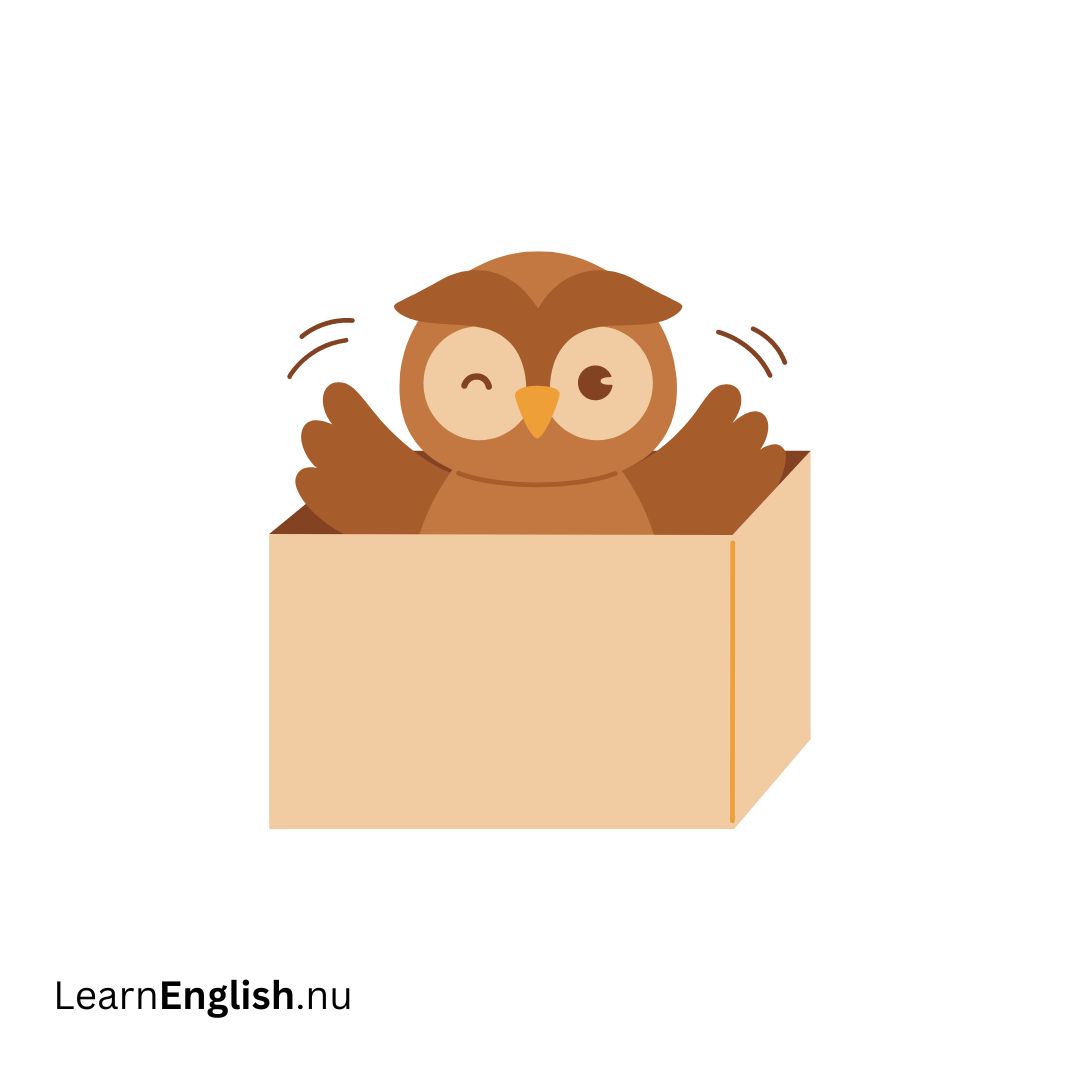 I
I
In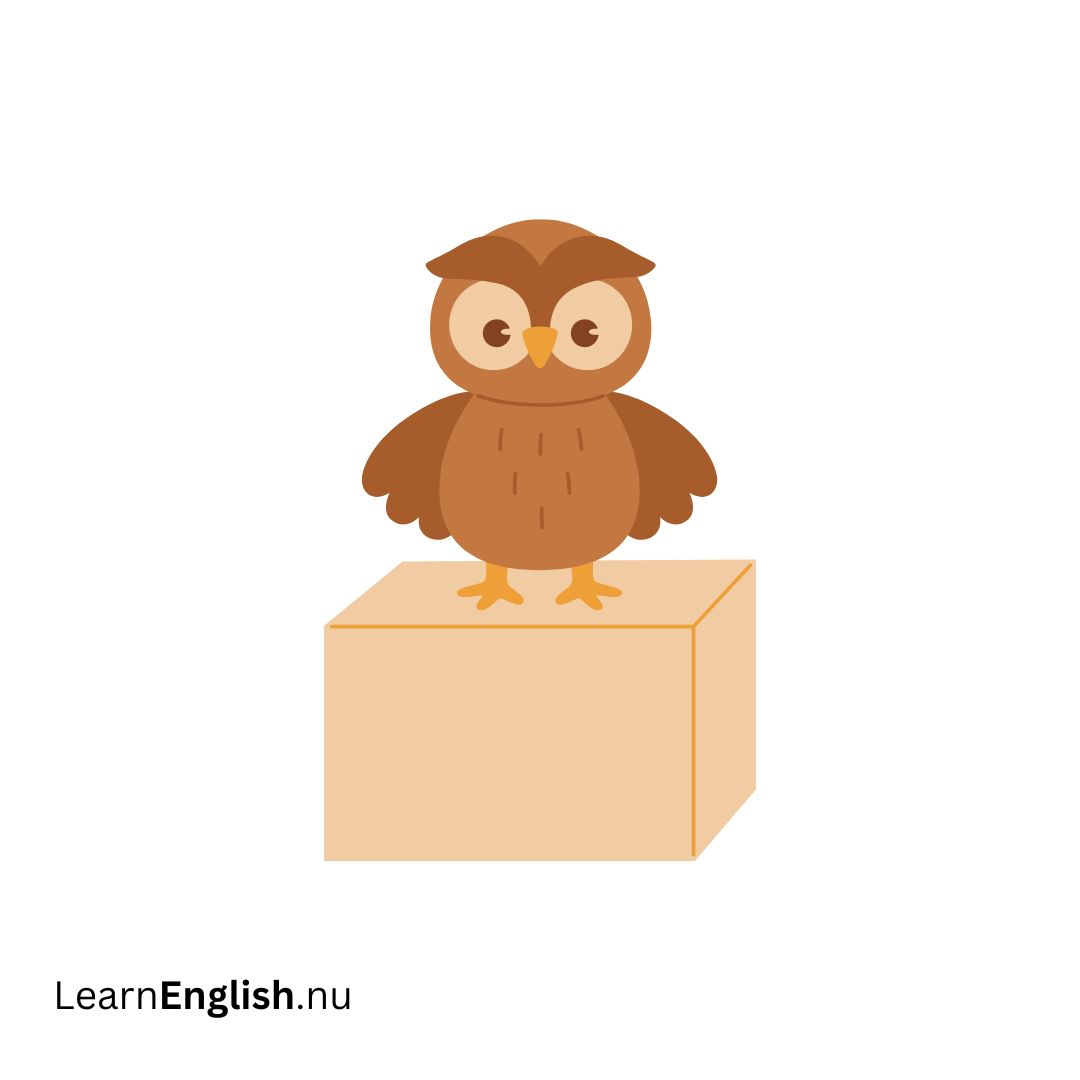 På
På
On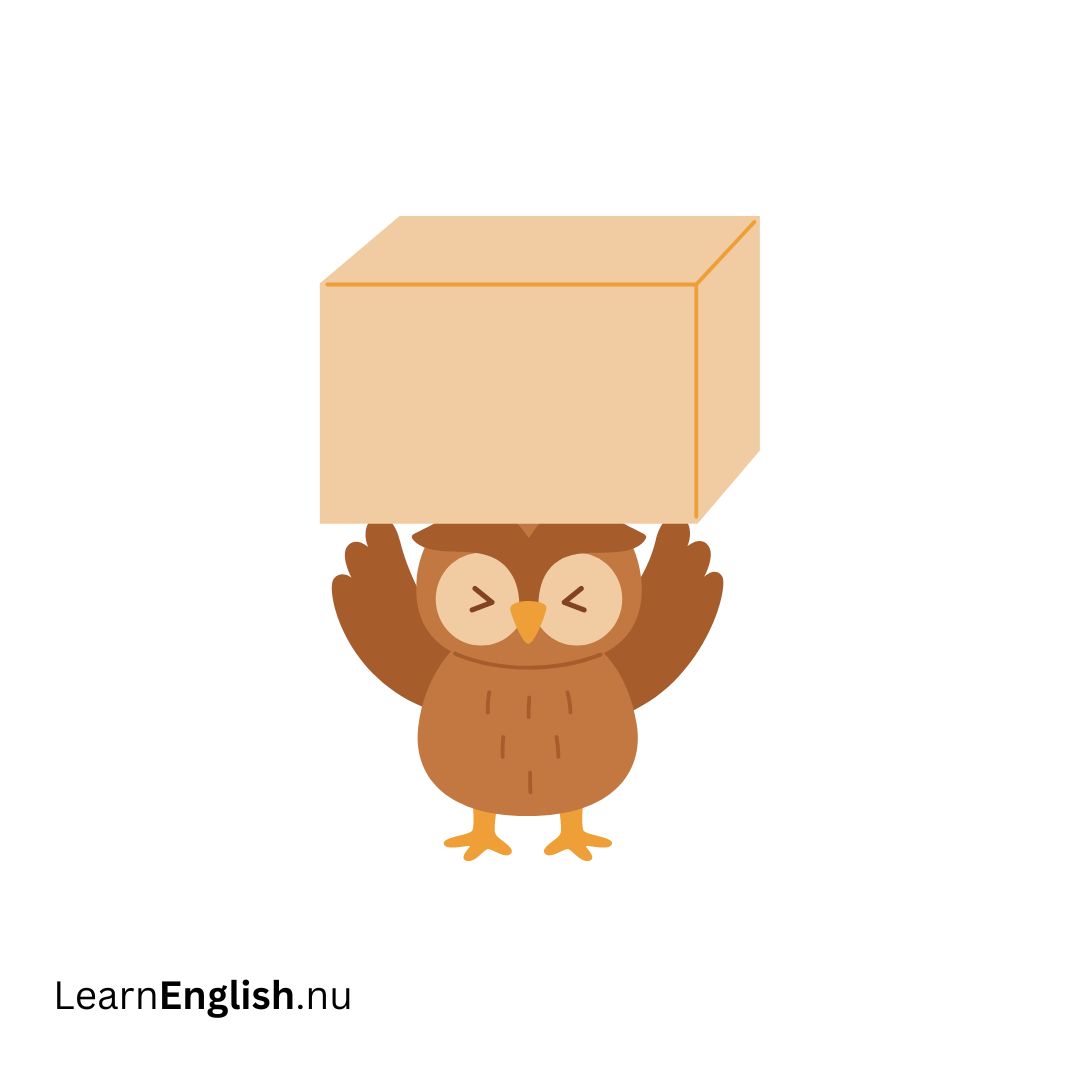 Under
Under
Under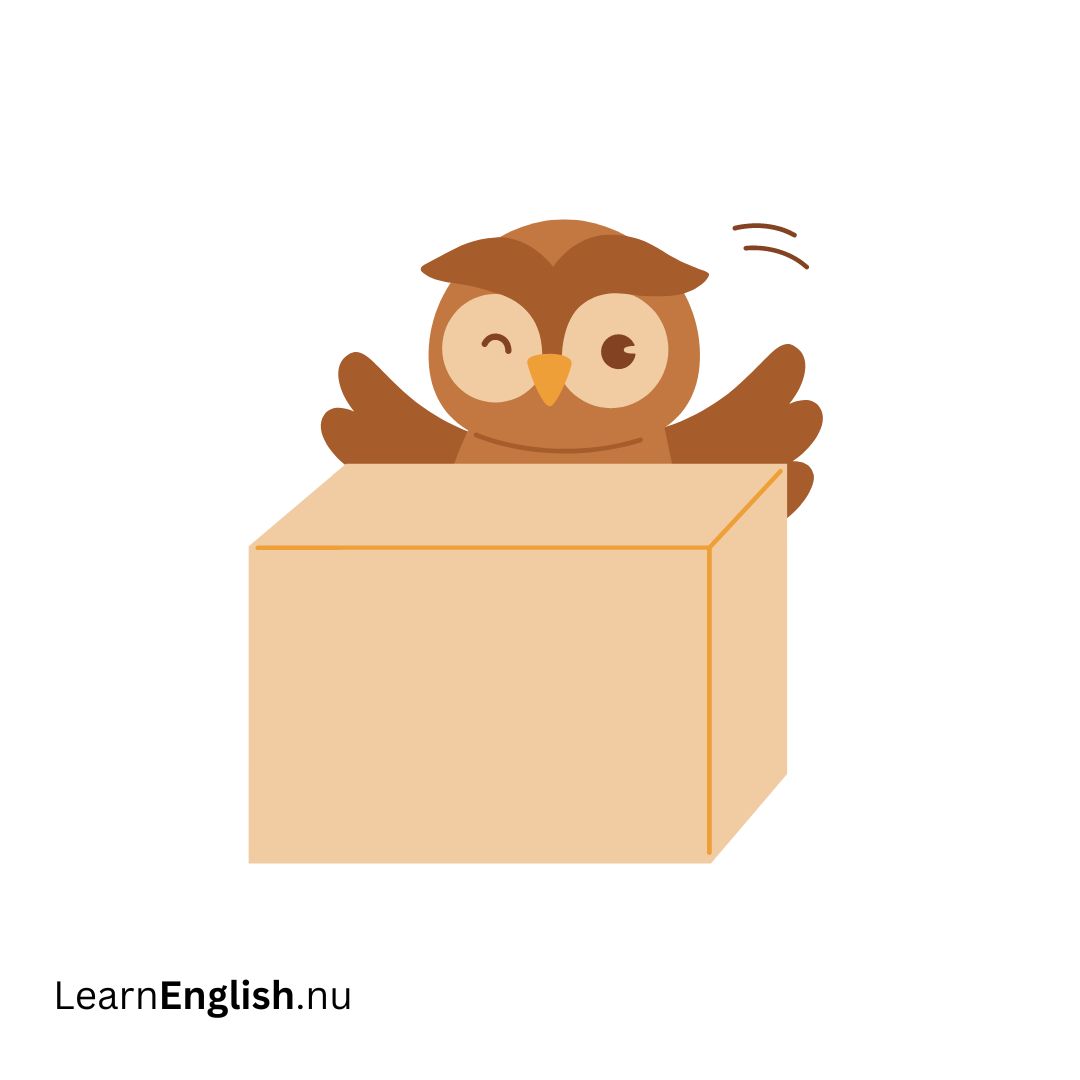 Bakom
Bakom
Behind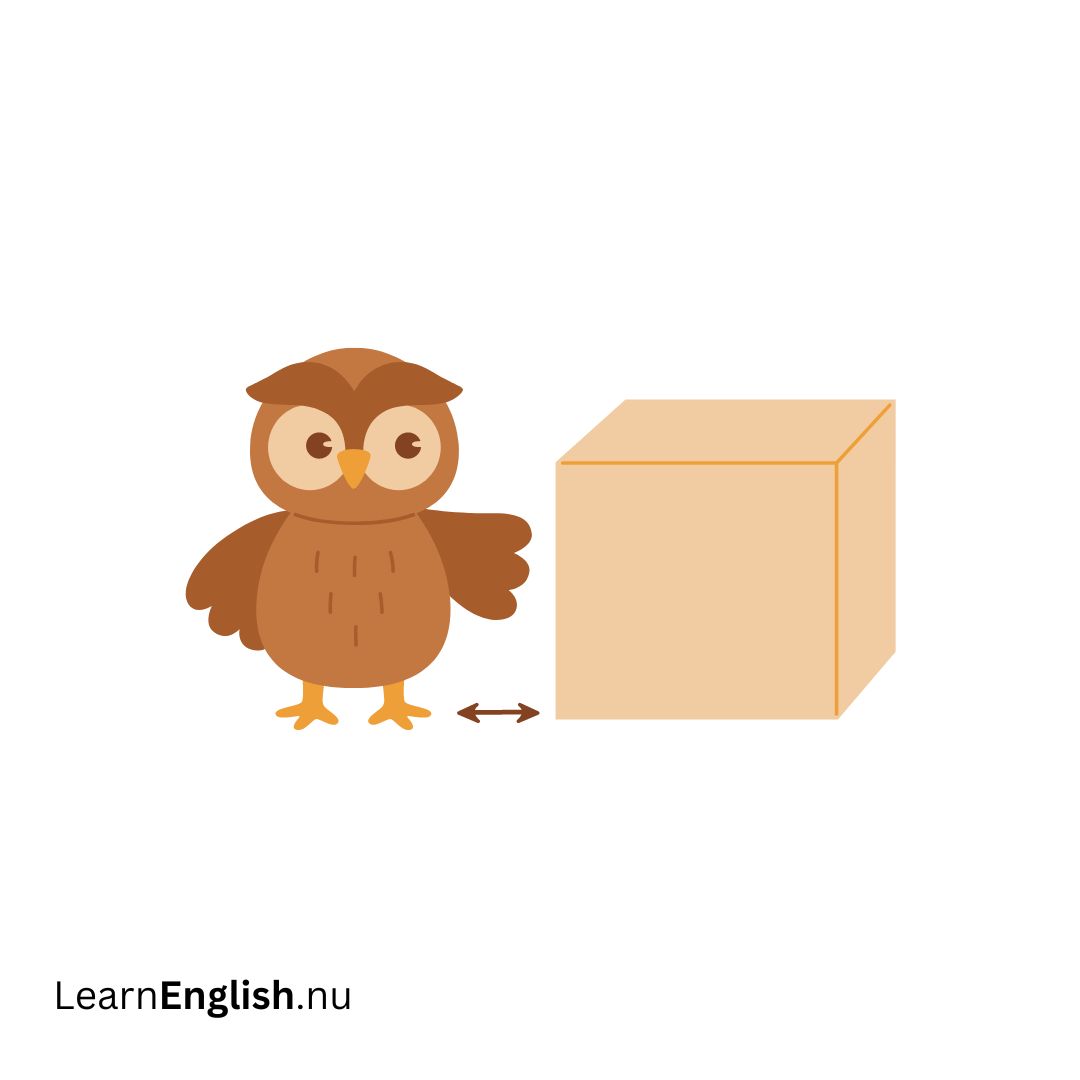 Bredvid
Next to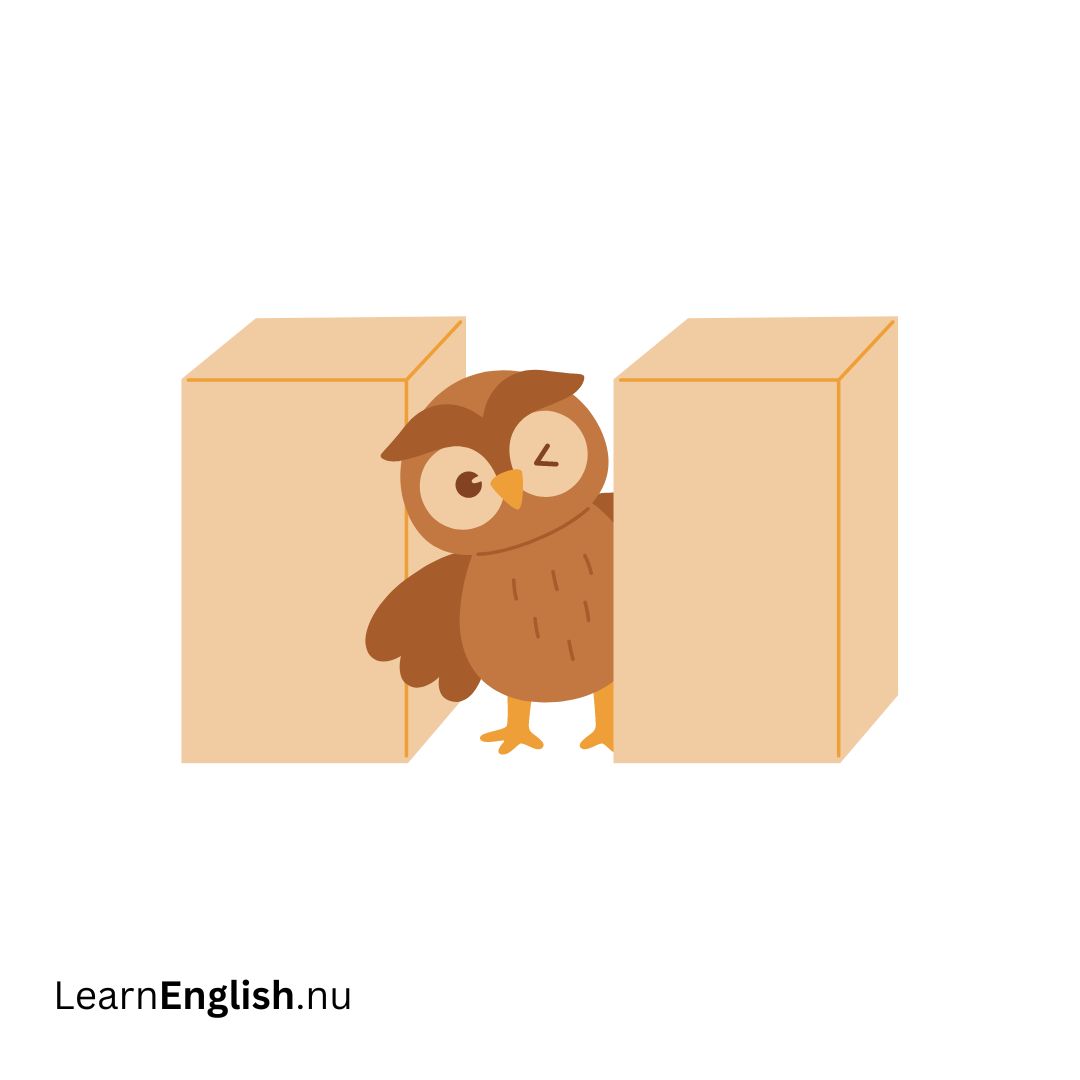 Mellan
Between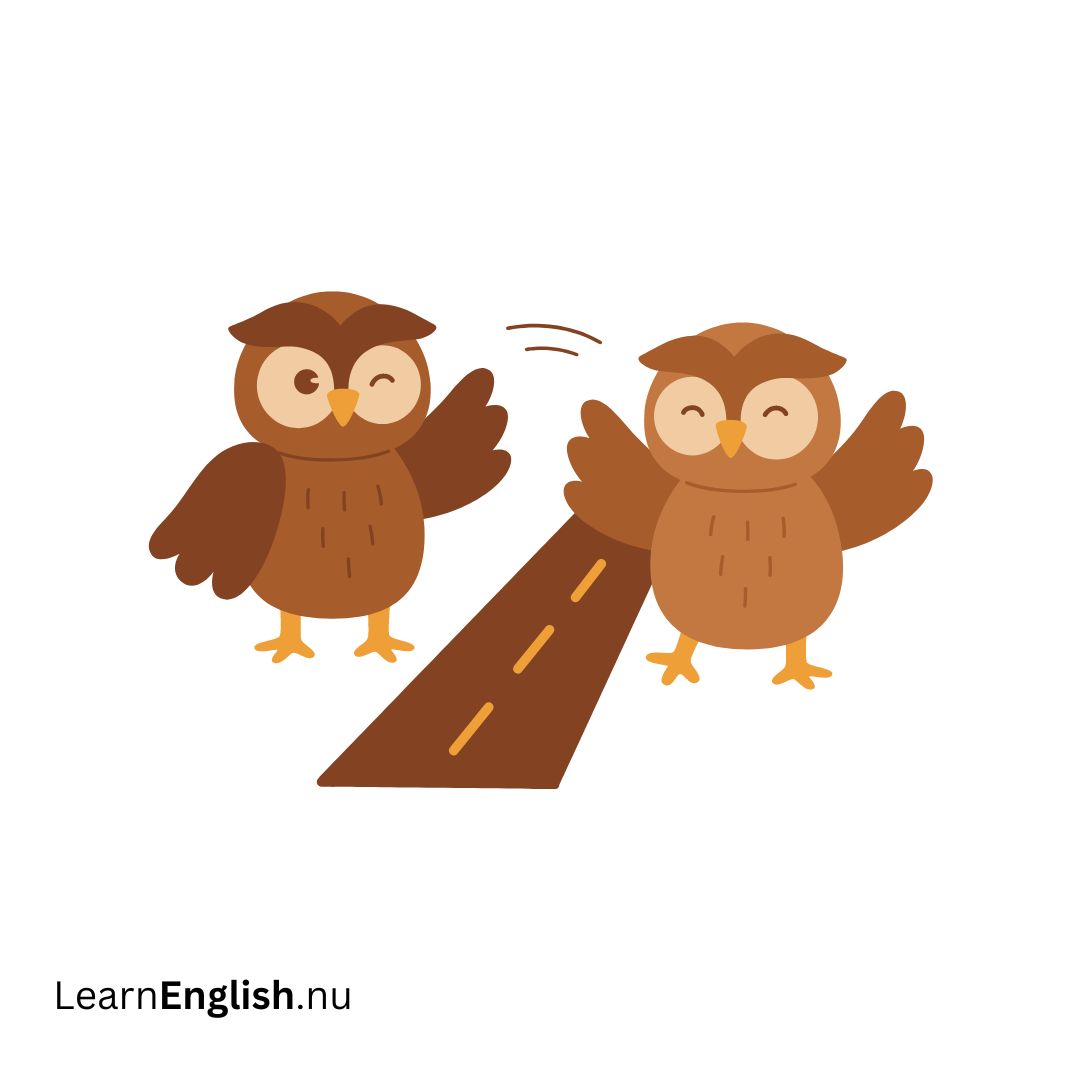 Mittemot
Opposite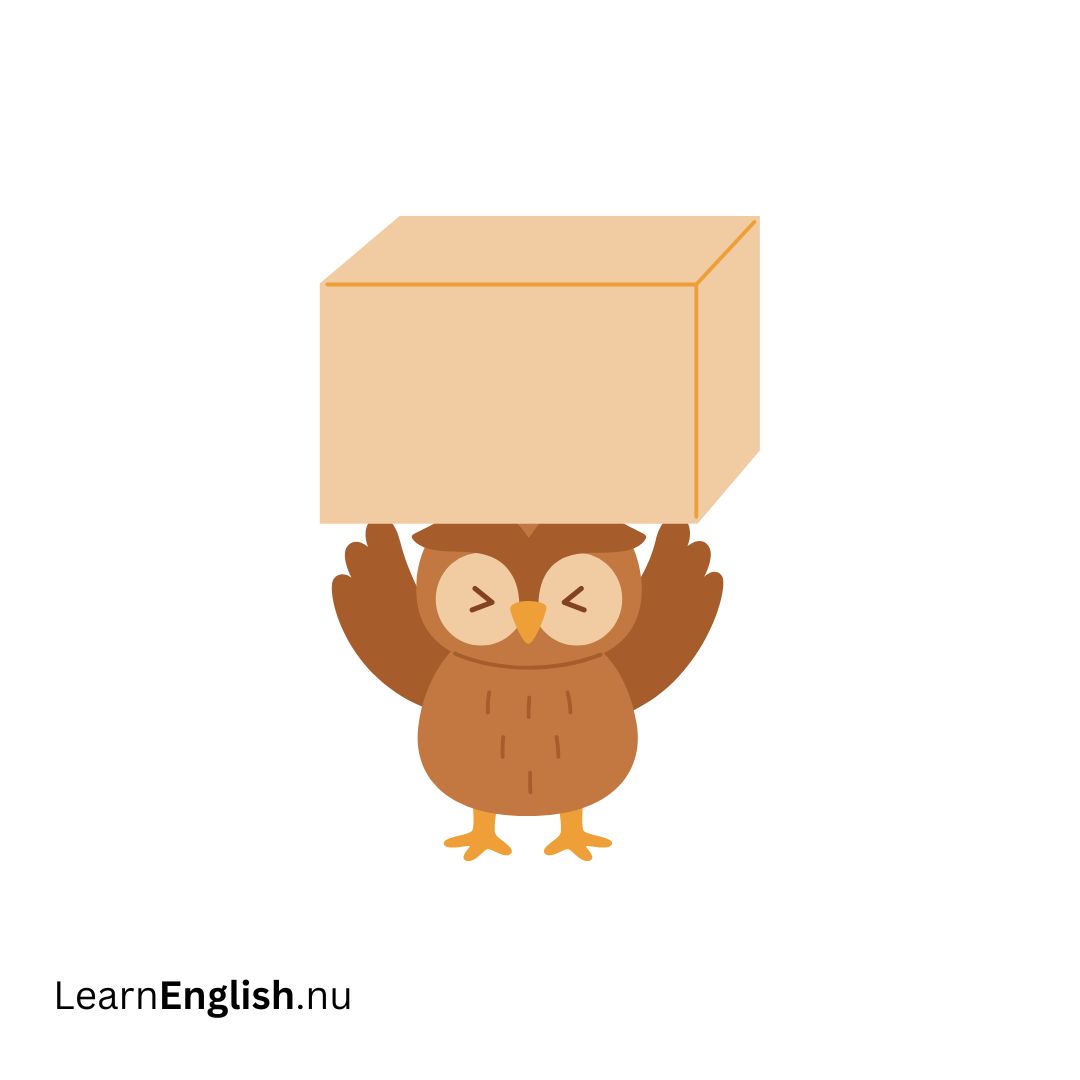 Nedanför
Below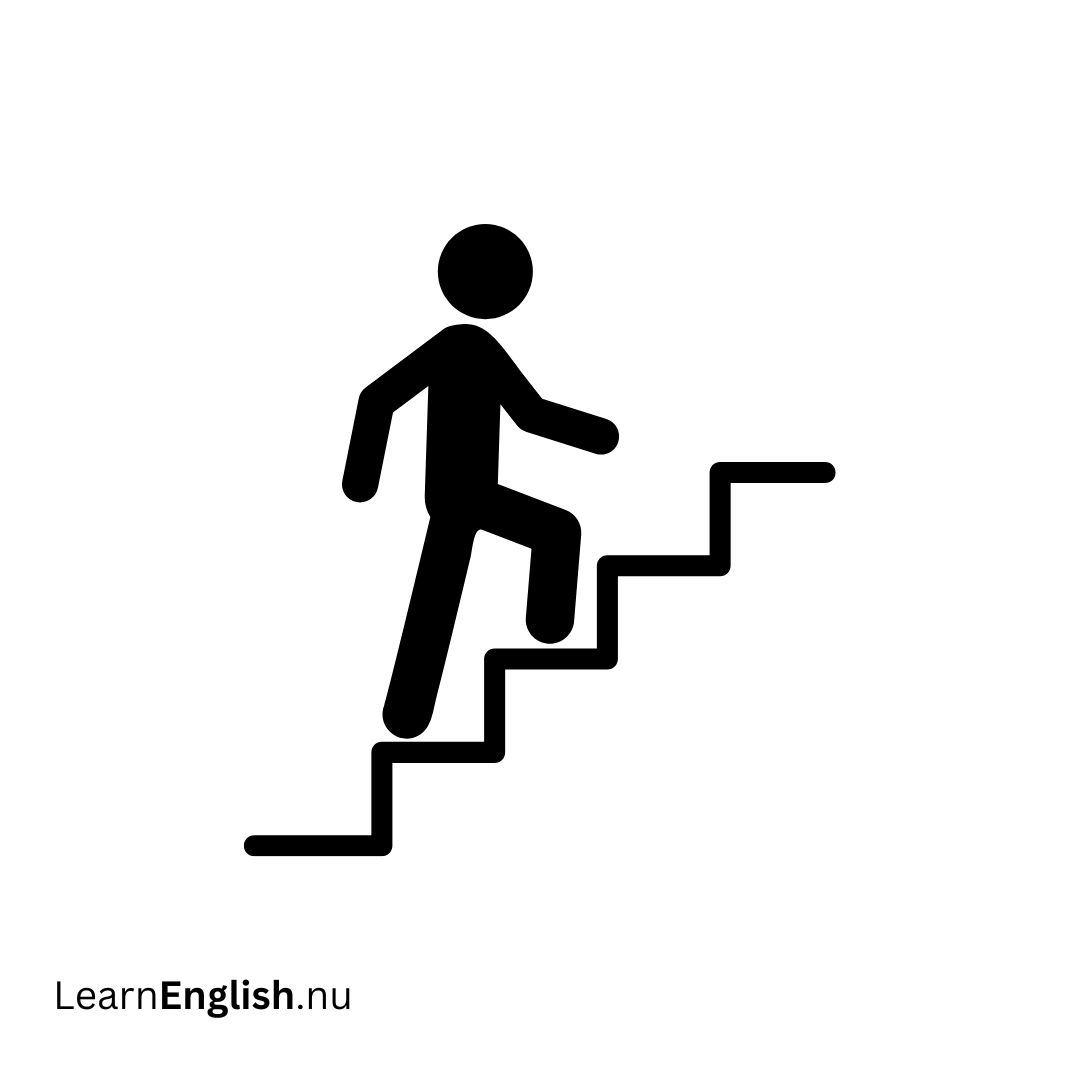 Upp
Upp
Up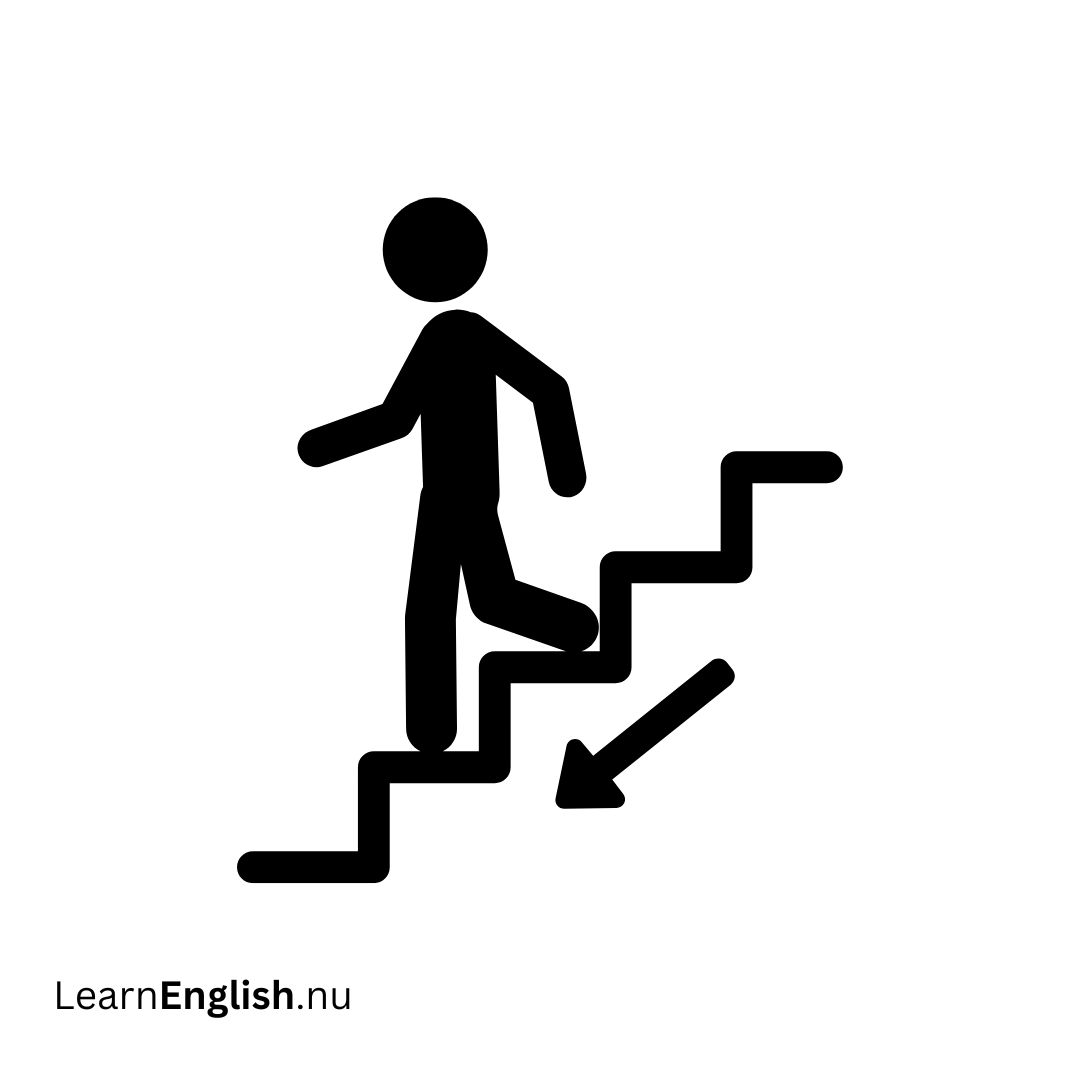 Ner
Ner
Down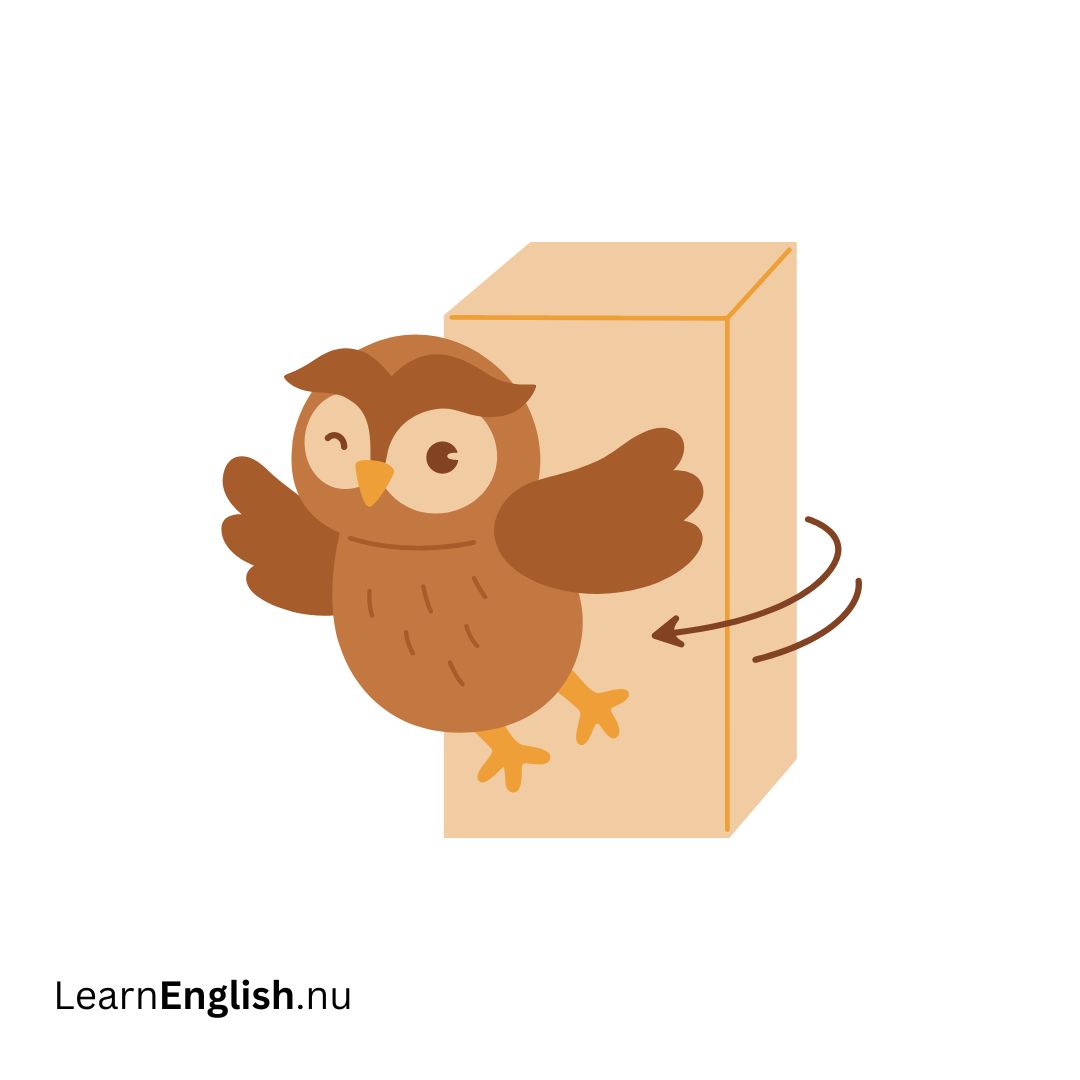 Runt
Runt
Around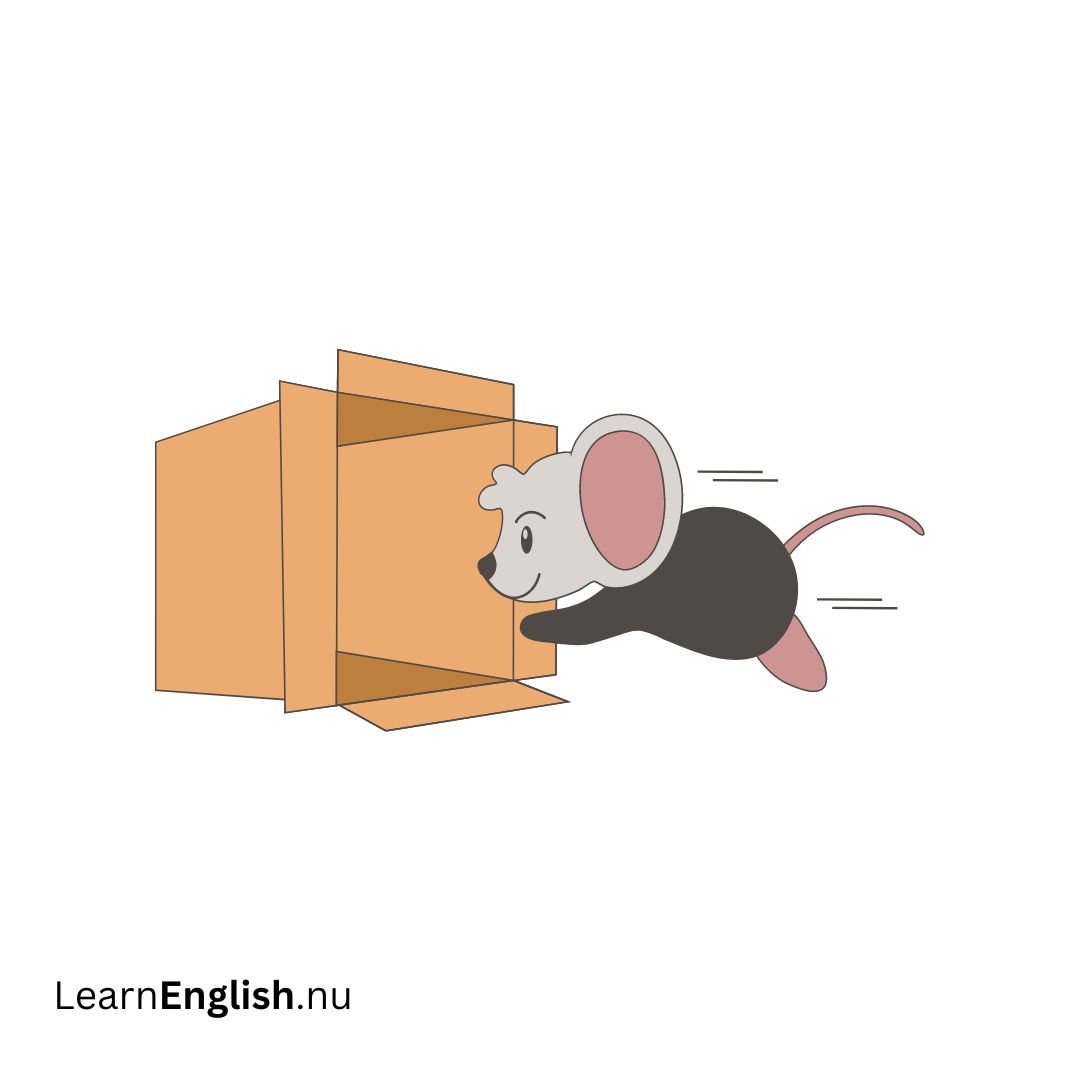 In i
In i
Into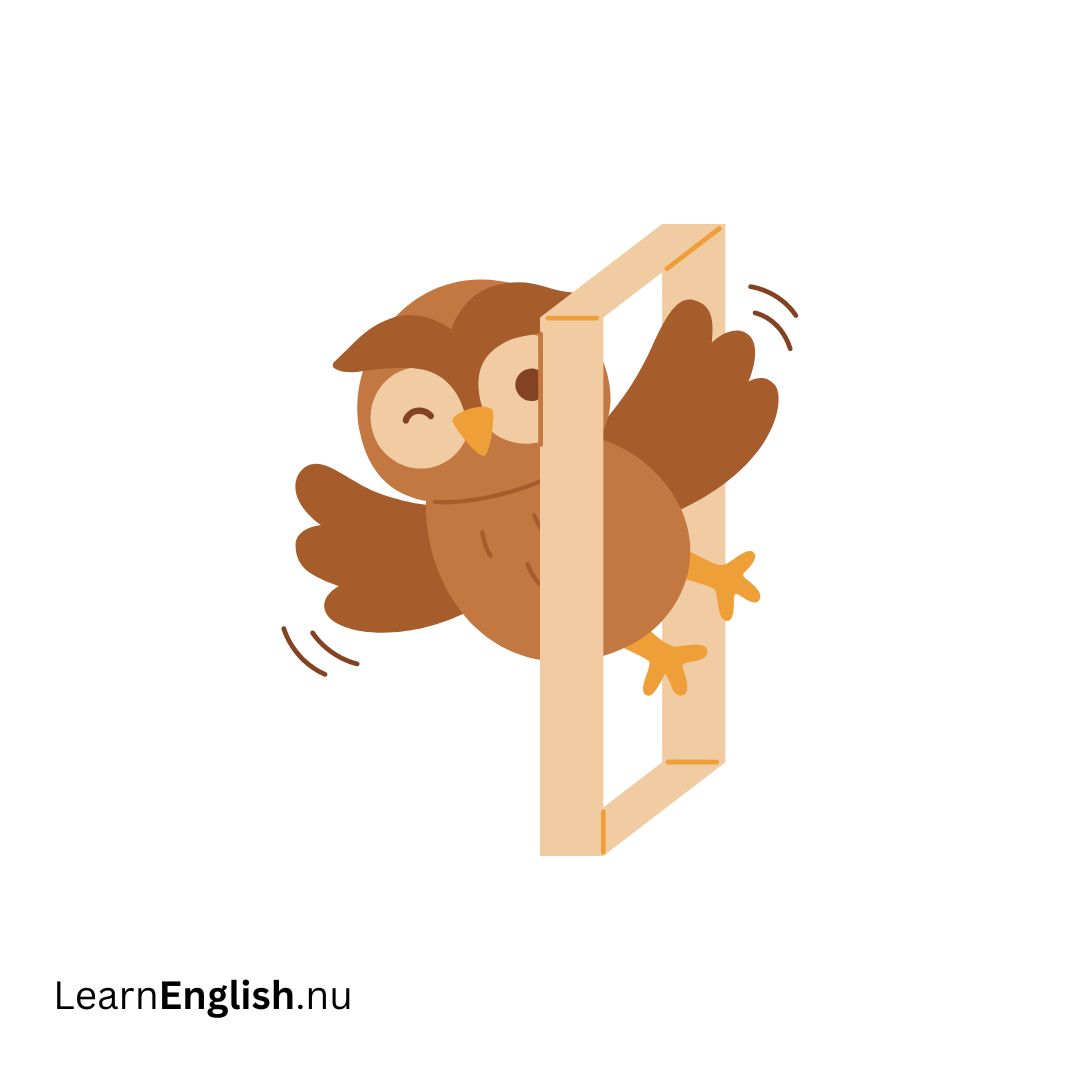 Genom
Genom
Through
Swedish prepositions list - Swedish prepositions
- I In
- På On
- Under Under
- Bakom Behind
- Bredvid Next to
- Mellan Between
- Mittemot Opposite
- Nedanför Below
- Upp Up
- Ner Down
- Runt Around
- In i Into
- Genom Through
prepositions in Swedish
- i in
- på on / at
- under under / below
- genom through
- till to
- från from
- med with
- utan without
- bredvid next to / beside
- framför in front of
- bakom behind
- vid by / at
- över over / above
- ovanför above
- nedanför below
- inne inside
- utanför outside
- mot towards
- motsatt opposite
- kring around
- på grund av because of
- tillfälligt temporarily
- per per
- intill next to / adjacent to
- runt around
- längs along
- bortom beyond
- vid sidan av beside
- mellan between
- utöver beyond / in addition to
- enligt according to
- tack vare thanks to
- i närheten av near / close to
- tillsammans med together with
- på väg till on the way to
- medan while / during
- förutom except for / besides
Swedish Prepositions for Beginners
Understanding prepositions is crucial for navigating and describing locations in Swedish. In this tutorial, we'll explore some essential prepositions, including their meanings and how to use them in everyday situations. This guide will help you confidently give and follow directions while you explore Sweden or interact with Swedish speakers.
Top – topp
The word "top" refers to the highest point of something, like the summit of a mountain or the uppermost floor of a building. For instance, reaching the top of a skyscraper gives you a stunning view of the city.
| English | Swedish |
|---|---|
| Top | topp |
Bottom – nedersta
"Bottom" is used to describe the lowest point of an object or location. It could be the bottom of a staircase, the base of a mountain, or the ground floor of a building.
| English | Swedish |
|---|---|
| Bottom | nedersta |
Up – upp
The word "up" indicates movement or direction towards a higher place. You can use it when referring to going up a hill, an elevator, or even in a hot air balloon.
| English | Swedish |
|---|---|
| Up | upp |
Down – ner
"Down" is used to describe movement towards a lower place or position. It’s useful when asking for directions to return from a higher location or when descending a staircase.
| English | Swedish |
|---|---|
| Down | ner |
Middle – mitt
"Middle" refers to a point roughly between two horizontal lines. It’s used to describe something located centrally within a given space, such as the middle of a street or a park.
| English | Swedish |
|---|---|
| Middle | mitt |
Center – mitt
In Swedish, "center" is the same as "middle" and refers to the exact central point of a circular area. When asking for directions to the center of town, you are seeking the main area or hub.
| English | Swedish |
|---|---|
| Center | mitt |
Front – framsida
"Front" indicates the most forward part of something. For example, you might wait in front of a hotel or building.
| English | Swedish |
|---|---|
| Front | framsida |
Back – baksida
"Back" refers to the rear part or side of something. Knowing this term is helpful when describing or asking for the location of places behind other landmarks.
| English | Swedish |
|---|---|
| Back | baksida |
Side – sida
The word "side" means the left or right part of something. For instance, you might need to find an entrance on the side of a building.
| English | Swedish |
|---|---|
| Side | sida |
East – öst
"East" is the direction towards which the Earth rotates and where the sun rises. It’s helpful for navigation and orientation.
| English | Swedish |
|---|---|
| East | öst |
West – väst
"West" is the opposite of east and is where the sun sets. It’s used in navigation and describing the direction.
| English | Swedish |
|---|---|
| West | väst |
North – norr
"North" is the top point on a map and is used for orientation. The North Star can help you find north in the night sky.
| English | Swedish |
|---|---|
| North | norr |
South – söder
"South" is the opposite of north and perpendicular to east and west. It helps in determining direction and location.
| English | Swedish |
|---|---|
| South | söder |
Outside – utanför
"Outside" refers to any location that is not under a roof or is open air. You might look for events or places that are held outside.
| English | Swedish |
|---|---|
| Outside | utanför |
Inside – inne
"Inside" denotes being within a covered area or building. It’s often used for describing locations that are enclosed.
| English | Swedish |
|---|---|
| Inside | inne |
Opposite – motsatt
"Opposite" means directly across from something. This term is useful when indicating a location relative to another.
| English | Swedish |
|---|---|
| Opposite | motsatt |
Adjacent – närliggande
"Adjacent" means next to or adjoining something. It helps in describing locations that are close to each other.
| English | Swedish |
|---|---|
| Adjacent | närliggande |
Toward – mot
"Toward" describes moving in the direction of something. It is used to indicate direction and approach.
| English | Swedish |
|---|---|
| Toward | mot |
Facing – vänd mot
"Facing" means looking directly at something. It’s used to describe the direction something is oriented towards.
| English | Swedish |
|---|---|
| Facing | vänd mot |
Beside – brevid
"Beside" indicates a location immediately next to something. This term is useful for describing proximity.
| English | Swedish |
|---|---|
| Beside | brevid |
Corner – hörn
"Corner" is where two roads or walls meet at an angle. It’s a useful landmark for finding locations.
| English | Swedish |
|---|---|
| Corner | hörn |
Distant – avlägsen
"Distant" refers to locations that are remote or far away. It describes the remoteness rather than the time required to reach a place.
| English | Swedish |
|---|---|
| Distant | avlägsen |
Far – långt
"Far" indicates a significant distance that may require considerable travel time. It’s useful for describing lengthy journeys.
| English | Swedish |
|---|---|
| Far | långt |
Close – nära
"Close" refers to a short distance that is easy to cover. It’s used to indicate nearby locations.
| English | Swedish |
|---|---|
| Close | nära |
By – vid
"By" means in close proximity to something. It’s used to describe locations near or beside other places.
| English | Swedish |
|---|---|
| By | vid |
Surrounding – kringliggande
"Surrounding" describes being enclosed on all sides. It’s used for locations that are encircled by other features.
| English | Swedish |
|---|---|
| Surrounding | kringliggande |
All Sides – alla sidor
"All sides" indicates that something is visible from every direction around it. It’s useful for describing panoramic views.
| English | Swedish |
|---|---|
| All Sides | alla sidor |
Next to – bredvid
"Next to" means immediately adjacent or beside something. It helps in describing the exact location of an object relative to another.
| English | Swedish |
|---|---|
| Next to | bredvid |
Above – ovanför
"Above" refers to a position higher than something else. It’s used for locations that are located higher up.
| English | Swedish |
|---|---|
| Above | ovanför |
Under – under
"Under" denotes a position below something else. It’s used for describing locations that are beneath or covered by another object.
| English | Swedish |
|---|---|
| Under | under |
Swedish Prepositional Phrases
In Swedish, prepositional phrases are crucial for giving extra information about time, location, or direction. These phrases begin with a preposition and are followed by a noun or pronoun, forming a complete unit. Understanding how these phrases work will help you describe various situations more accurately in Swedish.
Time-Related Prepositional Phrases
Swedish uses prepositional phrases to indicate when something happens. Here are some key time-related prepositions:
- Om: Used for duration, similar to 'in' or 'within' in English. Example: "Vi ses om en timme" (We will meet in an hour).
- Vid: Refers to a specific time, like 'at' in English. Example: "Mötet börjar vid klockan nio" (The meeting starts at nine o’clock).
- Under: Corresponds to 'during' in English. Example: "Jag studerar svenska under sommaren" (I study Swedish during the summer).
Location-Based Prepositional Phrases
To describe where something is, Swedish uses prepositional phrases related to location:
- På: Can mean 'on', 'at', or 'in', depending on the context. Example: "Boken ligger på bordet" (The book is on the table).
- I: Typically means 'in' when talking about locations. Example: "Han bor i Stockholm" (He lives in Stockholm).
- Framför: Means 'in front of'. Example: "Bilen är parkerad framför huset" (The car is parked in front of the house).
Directional Prepositional Phrases
Directional phrases help indicate movement or direction in Swedish:
- Till: Translates to 'to', indicating movement towards a destination. Example: "Jag går till affären" (I go to the store).
- Från: Means 'from', showing the starting point or origin. Example: "Resan börjar från centralstationen" (The journey starts from the central station).
- Genom: Means 'through', describing movement within a space. Example: "Vi går genom parken" (We walk through the park).
Exceptions and Irregularities
Swedish prepositions can be tricky and sometimes do not translate directly into English:
- Meaning Variations: Some prepositions change meaning based on whether they are followed by a definite or indefinite noun. For instance, 'på' can mean 'on', 'at', or 'in', while 'i' usually means 'in'.
- Irregular Verbs: The form of the object in a prepositional phrase can vary with irregular verbs.
- Example: "att tänka på något/någon" (to think of something/someone).
- Unique Translations: Not all Swedish prepositions have a direct English equivalent. For example, 'utav' (a formal version of 'av' meaning 'of' or 'by') doesn't have a precise English counterpart.
Summary Table of Swedish Prepositional Phrases
| Preposition | Meaning | Example |
|---|---|---|
| Om | In/within | Vi ses om en timme |
| Vid | At | Mötet börjar vid klockan nio |
| Under | During | Jag studerar svenska under sommaren |
| På | On/at/in | Boken ligger på bordet |
| I | In | Han bor i Stockholm |
| Framför | In front of | Bilen är parkerad framför huset |
| Till | To | Jag går till affären |
| Från | From | Resan börjar från centralstationen |
| Genom | Through | Vi går genom parken |
| Utav | Of/by (formal) | (Example usage varies) |
Common Swedish Prepositions
Prepositions are essential in Swedish, helping us describe locations, movements, and purposes. Understanding these basic prepositions will improve your ability to form sentences and express ideas clearly. This guide covers some of the most commonly used Swedish prepositions and how they translate into English.
Prepositions of Location
- I (in): Used to indicate that something is inside or within a place.
Examples:
- "Vi bor i Sverige." (We live in Sweden.)
- "Boken ligger i väskan." (The book is in the bag.)
På (on): Used for describing positions on surfaces or specifying time and events.
Examples:
- "Han sitter på stolen." (He’s sitting on the chair.)
- "Vi ses på måndag." (I’ll see you on Monday.)
Under (under): Indicates that something is positioned below or beneath something else.
Examples:
- "Katten ligger under bordet." (The cat is lying under the table.)
- "Det finns en tunnel under floden." (There is a tunnel under the river.)
Prepositions of Movement
Genom (through): Used to describe movement from one side to another, often within or across spaces.
Examples:
- "Vi gick genom parken." (We walked through the park.)
- "Röret går genom väggen." (The pipe goes through the wall.)
Till (to): Shows movement towards a destination or object.
Examples:
- "Vi åker till skolan." (We go to the school.)
- "Jag gav blommor till henne." (I gave flowers to her.)
Prepositions of Purpose
- För (for): Used to indicate the purpose of an action or the intended recipient of something.\
Examples:
- "Jag köpte en present för dig." (I bought a present for you.)
- "Vi är här för att hjälpa dig." (We’re here to help you.)
Summary Table of Common Swedish Prepositions
| Preposition | Meaning | Example |
|---|---|---|
| I | In | Vi bor i Sverige (We live in Sweden) |
| På | On/at | Han sitter på stolen (He’s sitting on the chair) |
| Under | Under/below | Katten ligger under bordet (The cat is lying under the table) |
| Genom | Through | Vi gick genom parken (We walked through the park) |
| Till | To | Vi åker till skolan (We go to the school) |
| För | For | Jag köpte en present för dig (I bought a present for you) |
Related Topics
Swedish Lessons: bedroom items list with pictures in Swedish
Swedish Lessons: Sea Animals - List of marine animals in Swedish
Swedish Electrical Appliances: Household Devices Word List
Grocery shopping list words in Swedish - Learn Swedish
List of vegetables Grönsaker in Swedish
Toys name list in Swedish language with pictures
The Most Common Swedish Verbs - Swedish verbs list
Swedish Lessons: Swedish Food and Meals Vocabulary Words with Pronunciation
Basic Swedish words with pronunciation
Swedish Lessons: Swedish Drink Words Vocabulary Words
Swedish Lessons: Swedish Transportation Vocabulary And Phrases
Swedish Vocabulary: Swedish Occupations Jobs Professions Words
Office supplies - Office equipment words vocabulary in Swedish
Swedish emergency expressions , words and phrases
Swedish Vocabulary: Words and Phrases for Restaurant in Swedish
Communication vocabulary words in Swedish - Learn Swedish
Sports vocabulary words in Swedish - Learn Swedish
Swedish Lessons: Swedish tools and equipment Vocabulary Words
Swedish Lessons: Swedish utility room Vocabulary Words
Swedish Lessons: Action Verbs in Swedish
Swedish Lessons: Swedish cleaning tools Vocabulary Words
Swedish Lessons: Swedish Garden Vocabulary Words
Swedish Lessons: Swedish Bathroom Vocabulary Words
Swedish Lessons: Cooking Verbs in Swedish
Swedish Lessons: Swedish kitchen utensils Vocabulary Words
Swedish Lessons: Living room Vardagsrum Vocabulary Words