Learning how to tell time is a fundamental skill when mastering a new language. In Swedish, time vocabulary encompasses a range of expressions and formats that are quite different from those in English. From understanding how to say "half past" and "quarter to" to interpreting digital time formats, mastering these expressions will enhance your ability to communicate effectively. This guide will walk you through the essential time vocabulary and phrases in Swedish, helping you to navigate everyday conversations and schedules with ease.
Click on the text to hear the pronunciation
 Dag
Dag
Day Vecka
Vecka
Week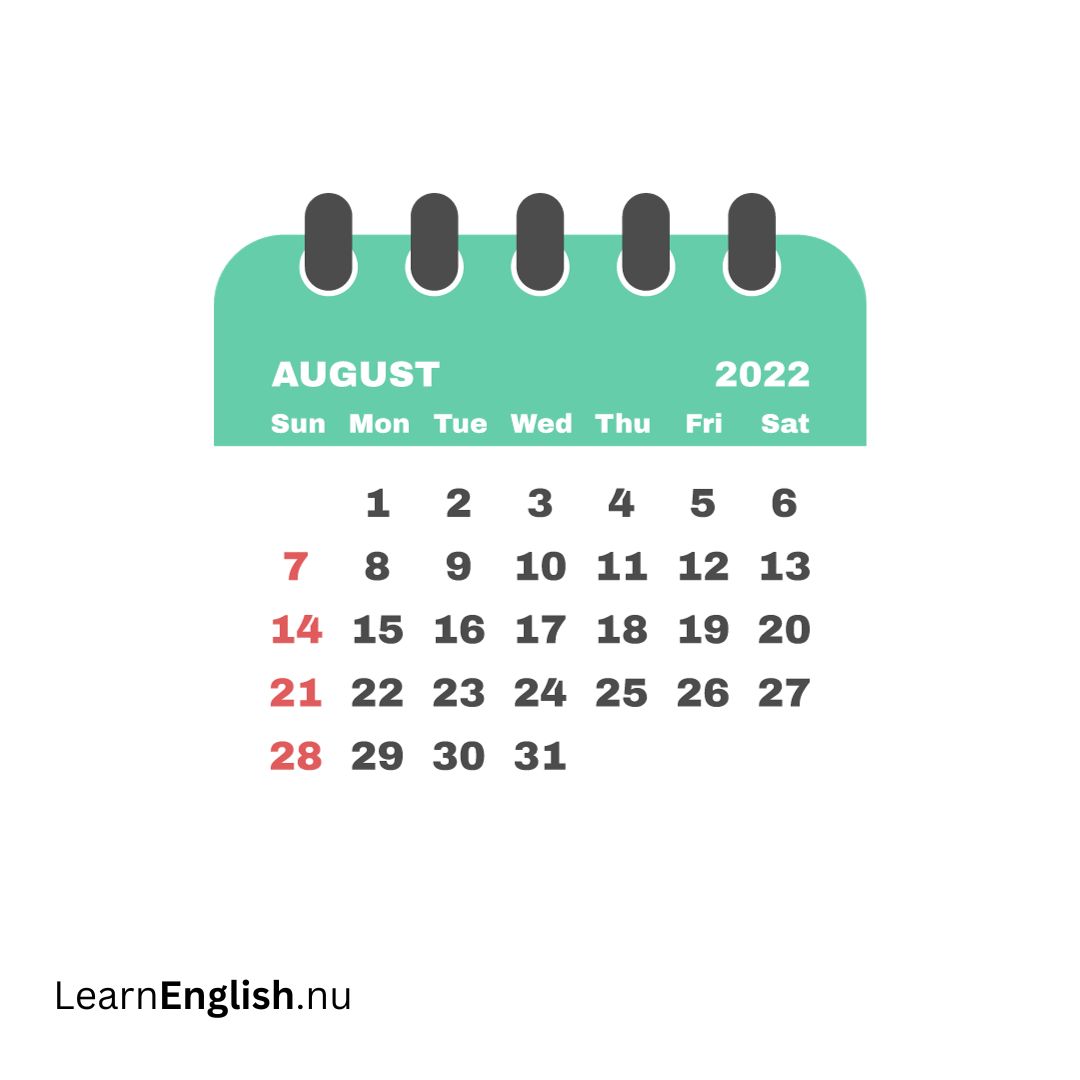 Månad
Månad
Month Sekund
Second Minut
Minut
Minute Timme
Timme
Hour Natt
Natt
Night Morgon
Morning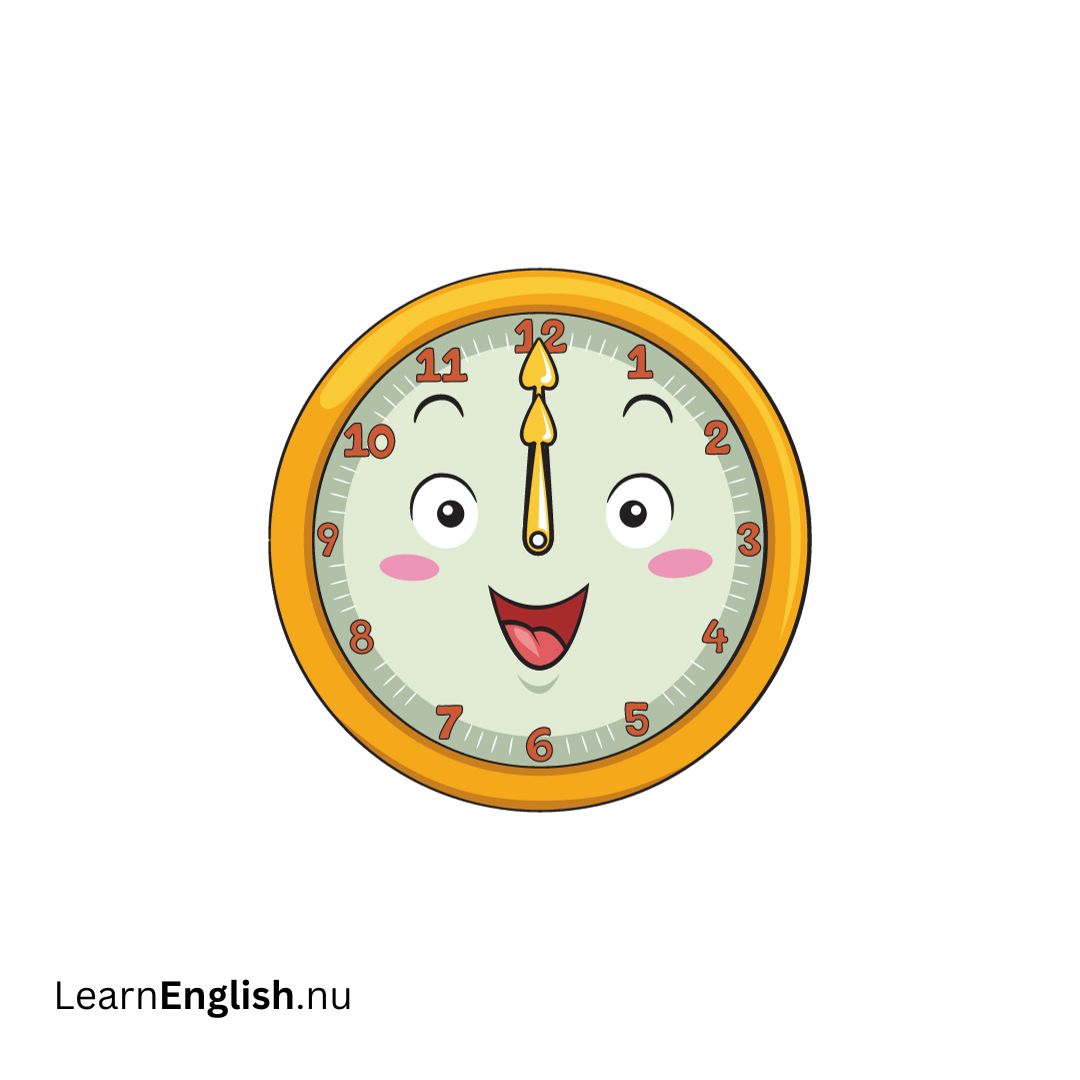 Middag
Noon Eftermiddag
Afternoon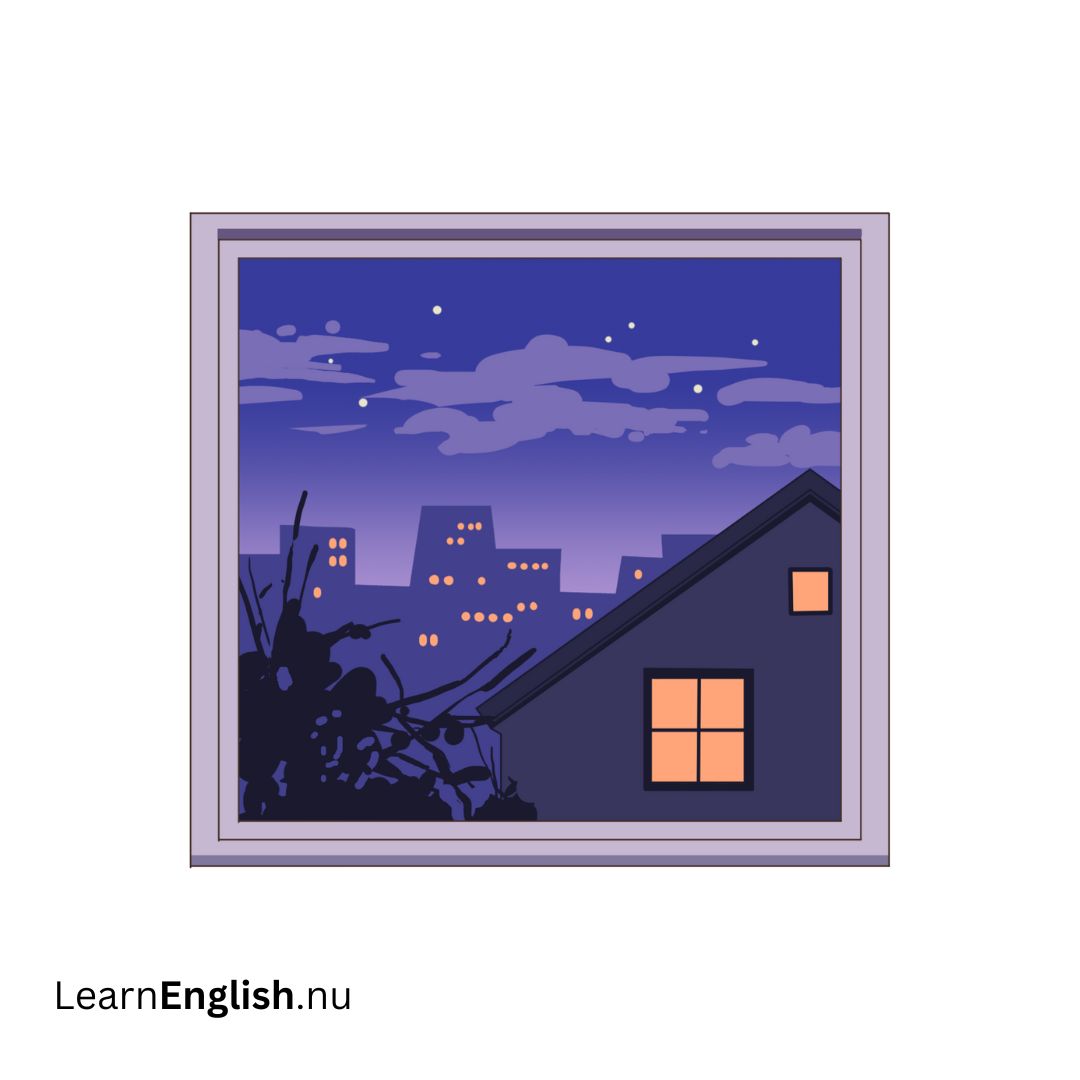 Kväll
Kväll
Evening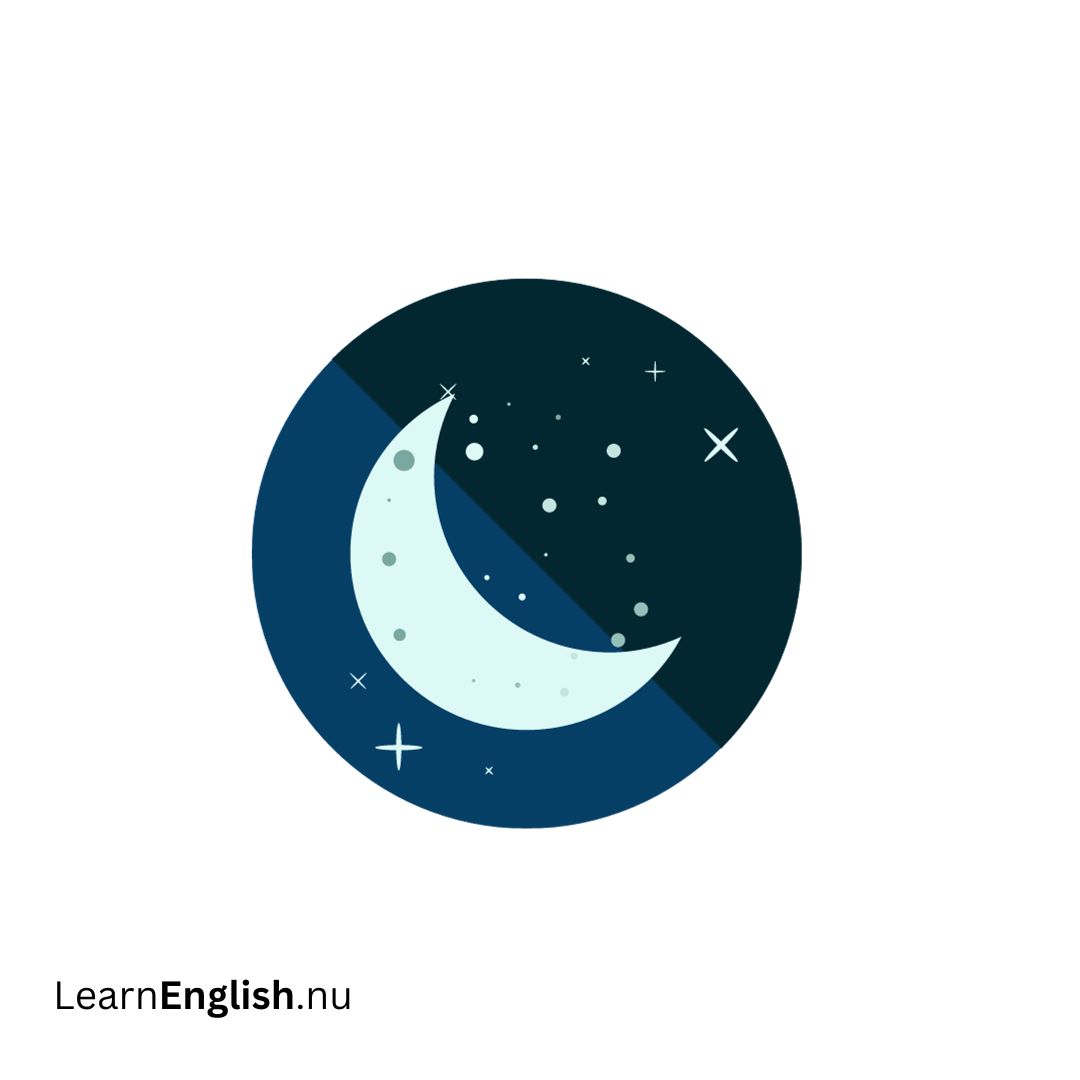 Midnatt
Mid-night Igår
Igår
Yesterday Imorgon
Tomorrow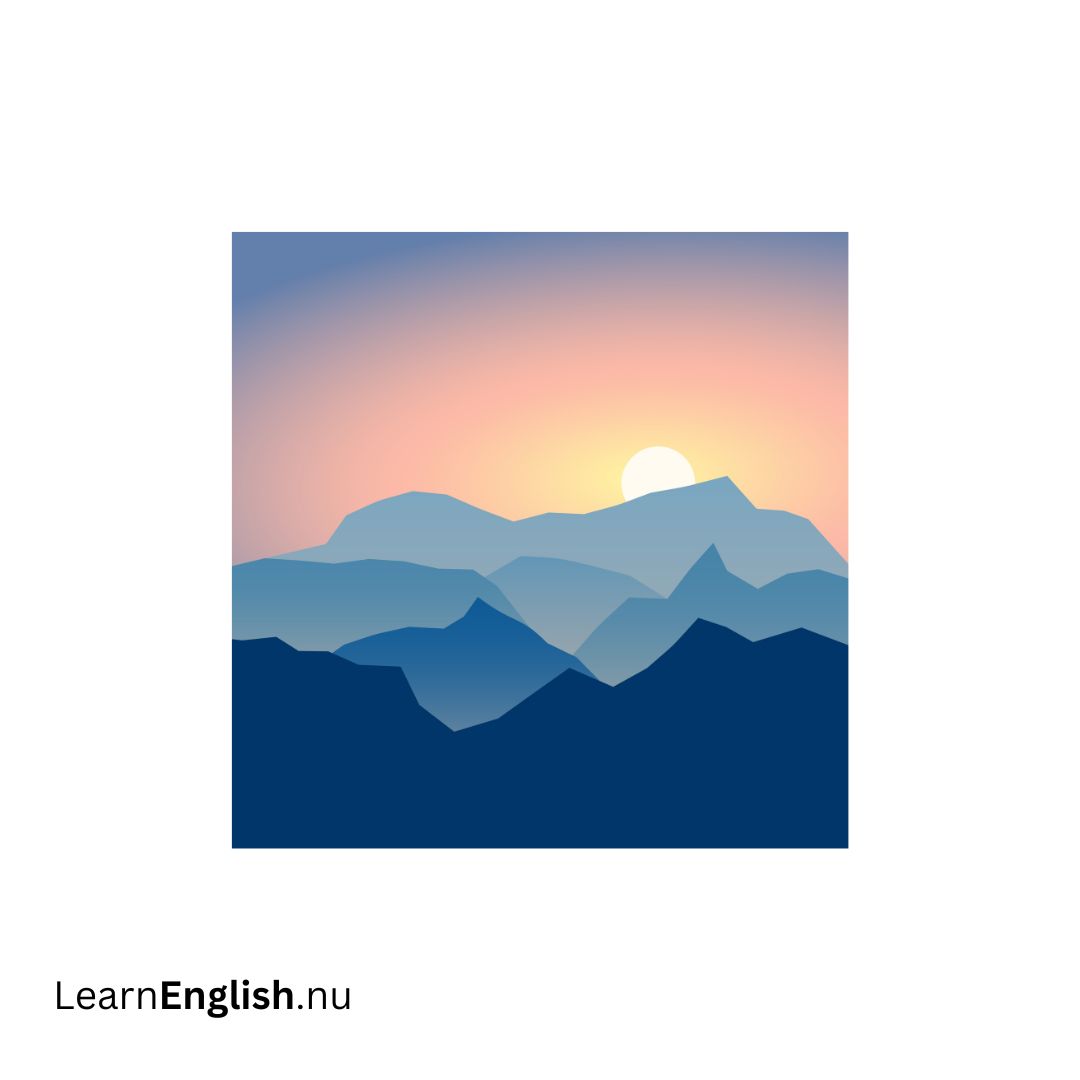 Gryning
Dawn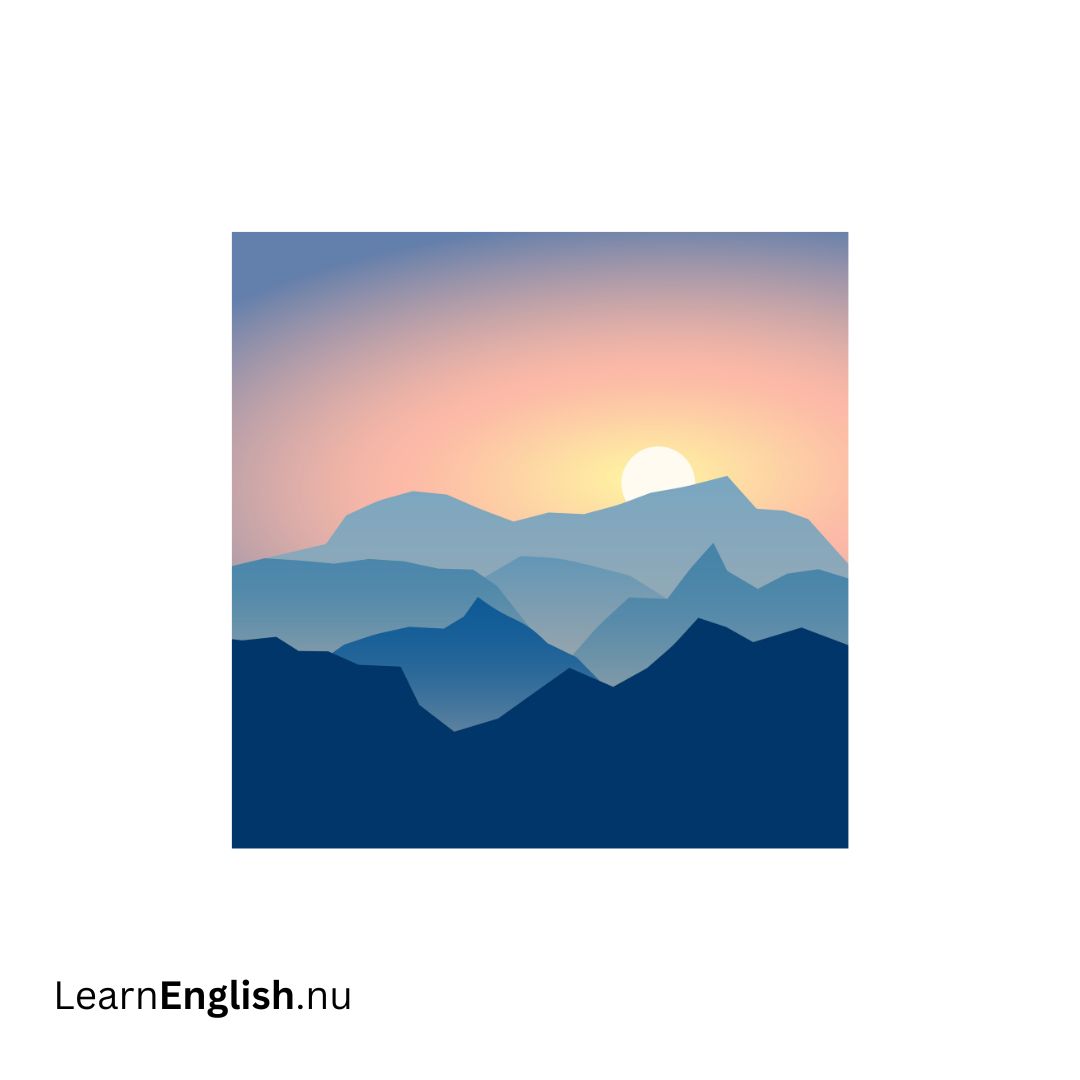 Soluppgång
Sunrise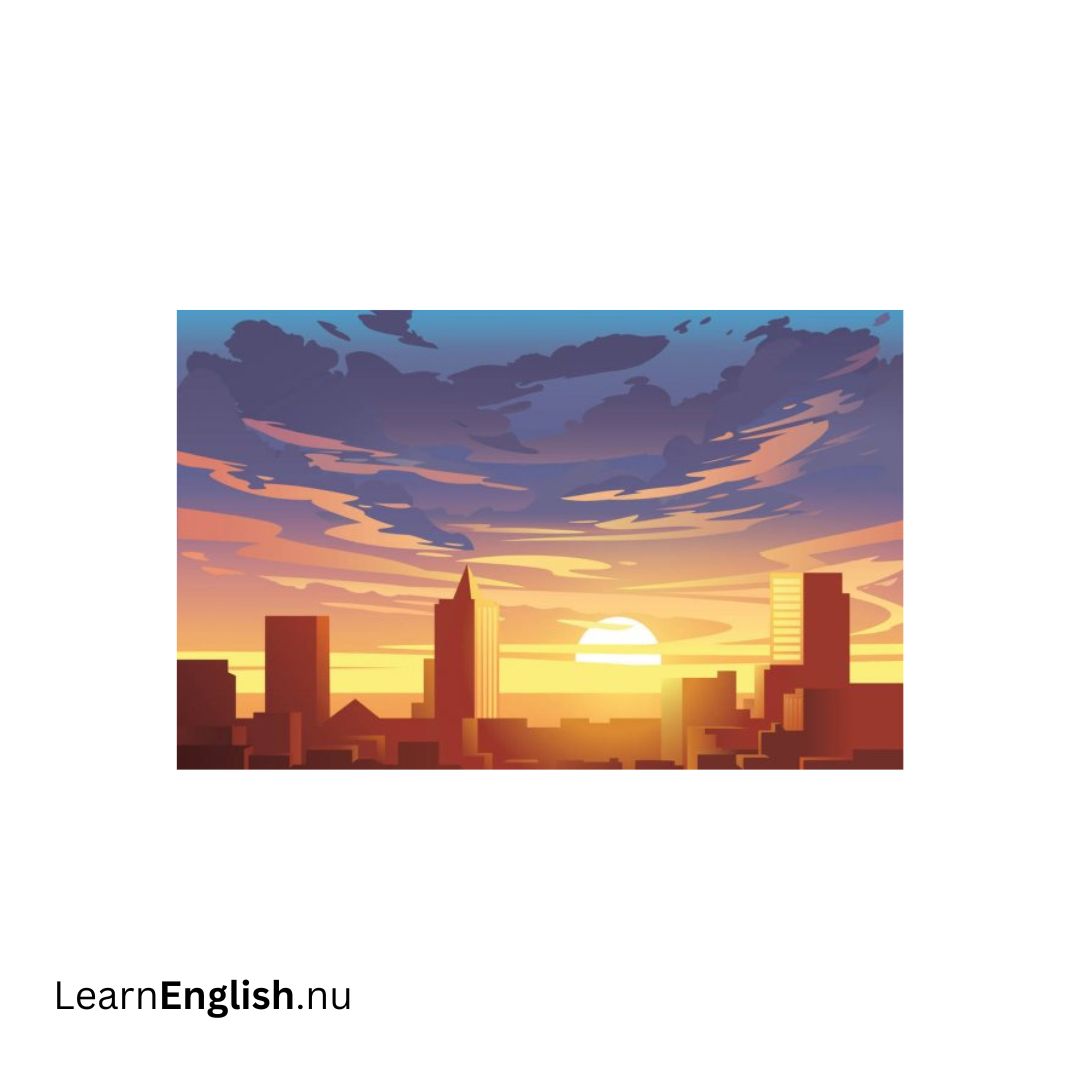 Solnedgång
Sunset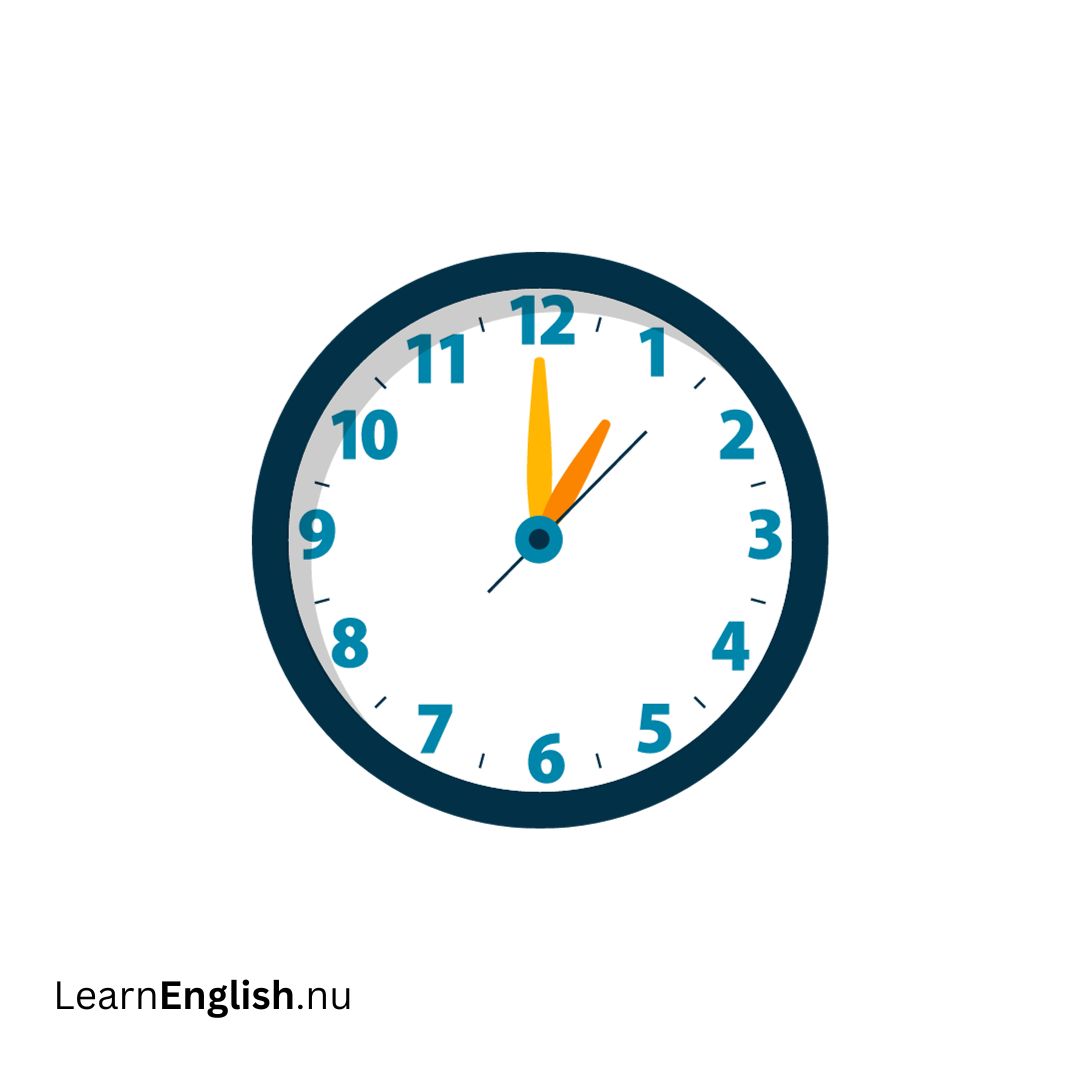 Klockan
O'clock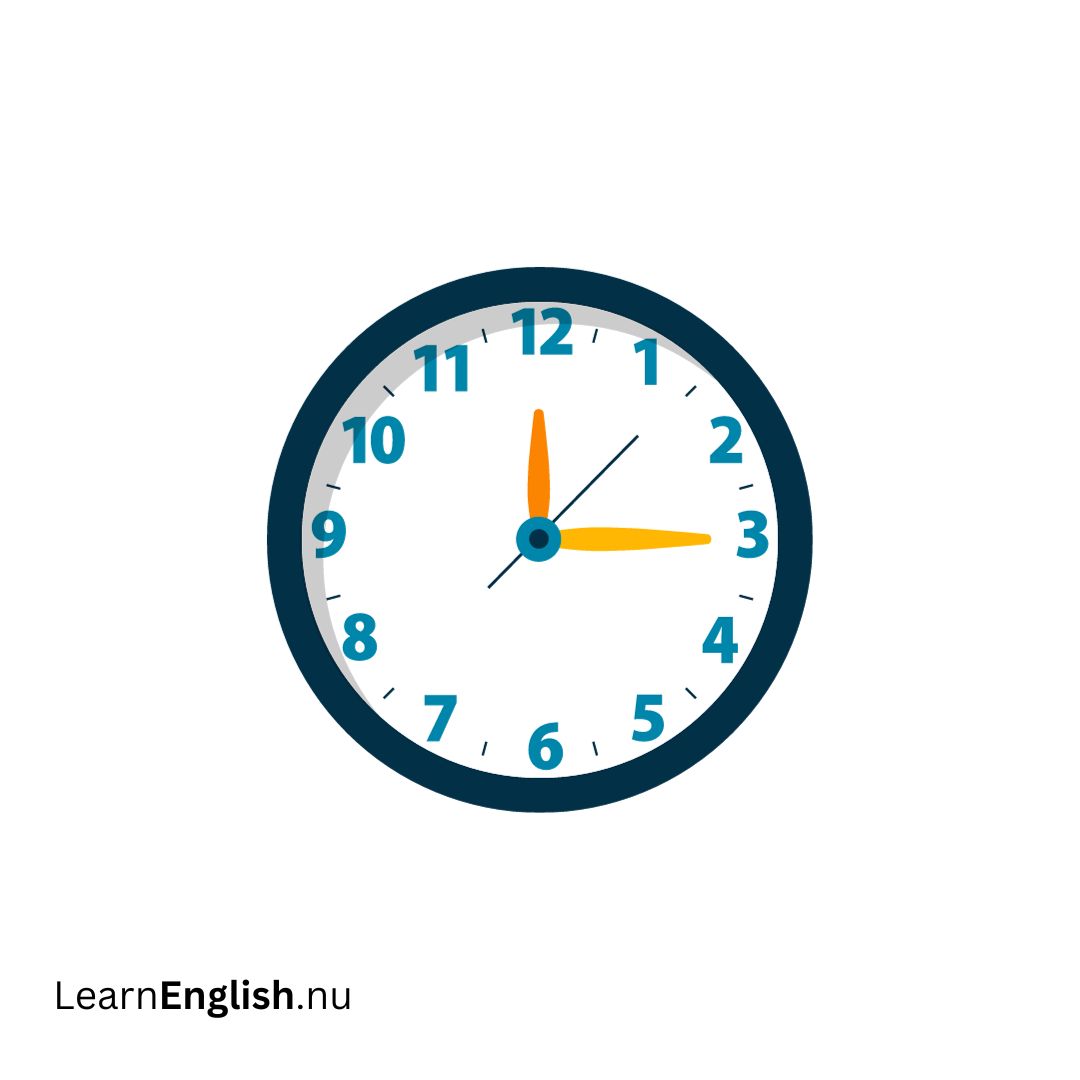 Kvart över
Quarter past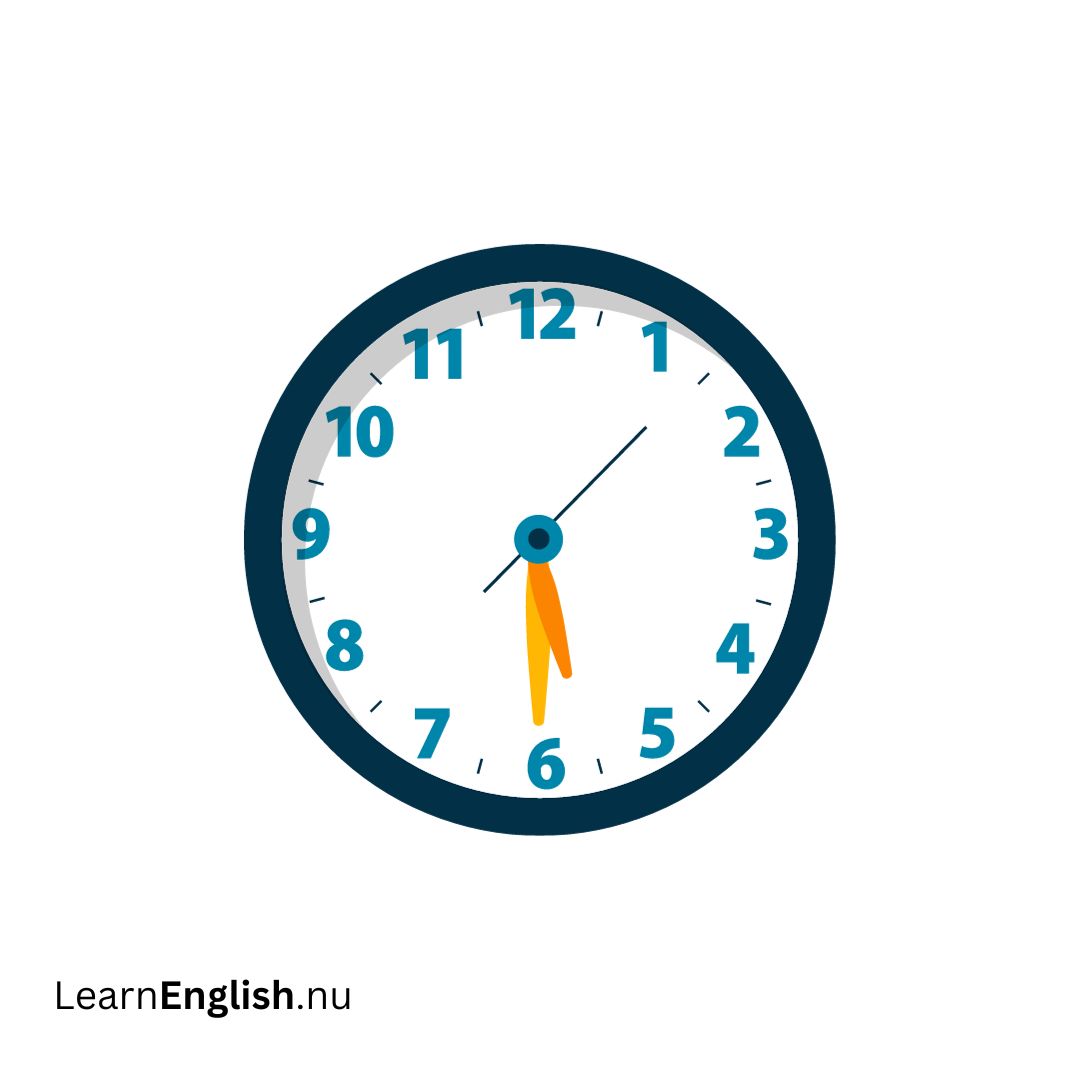 Halv
Halv
Half past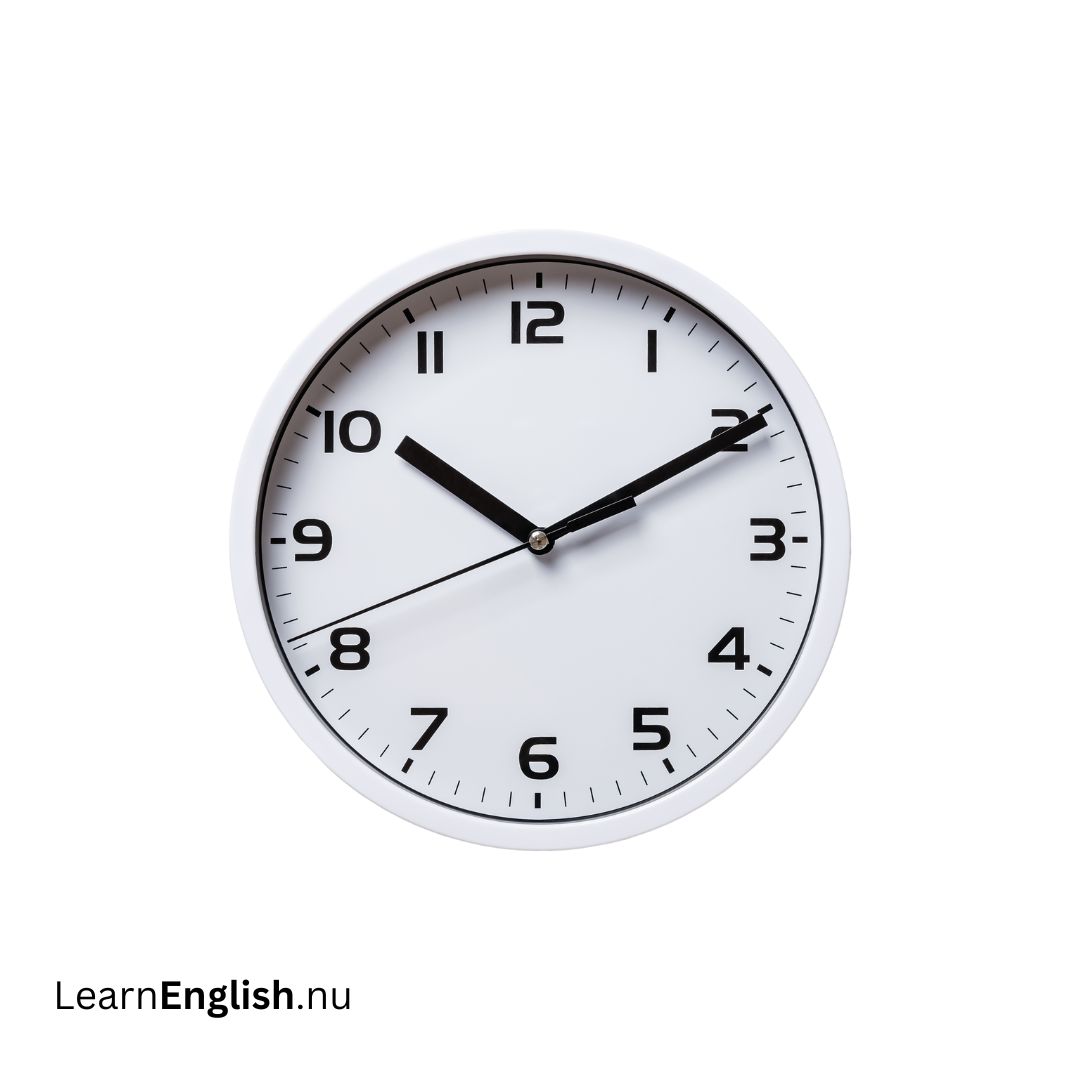 Tio över
Ten past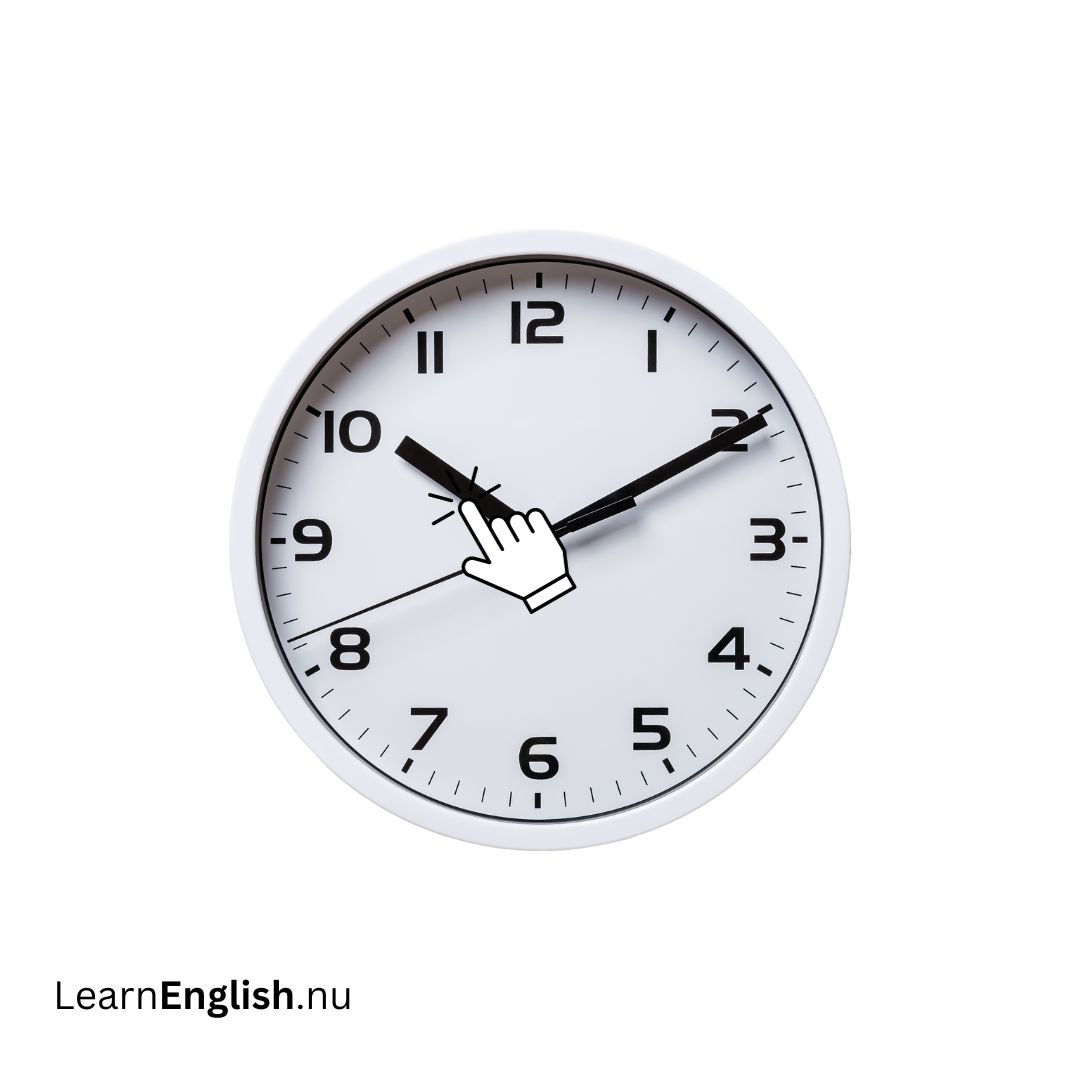 Timvisare
Hour hand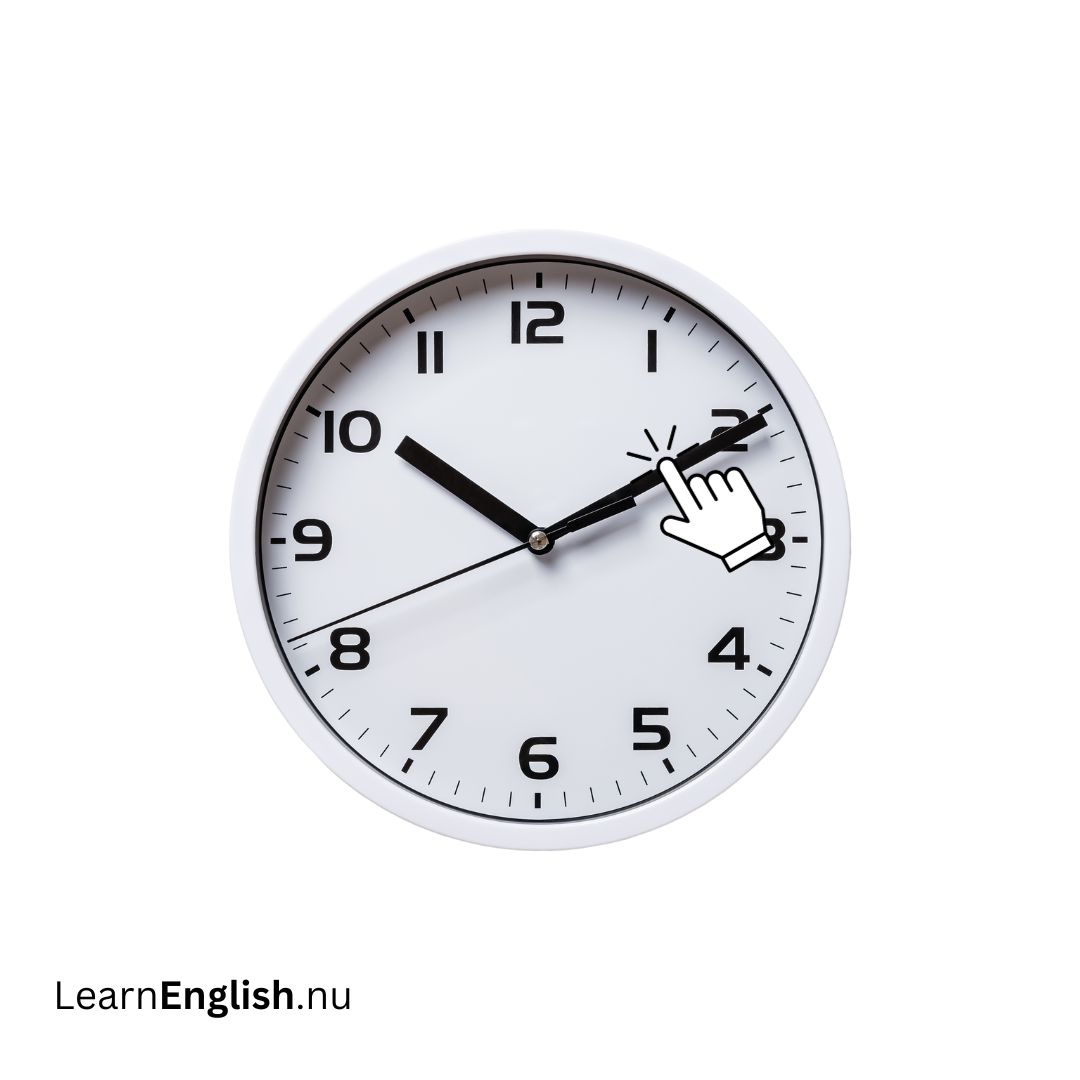 Minutvisare
Minute hand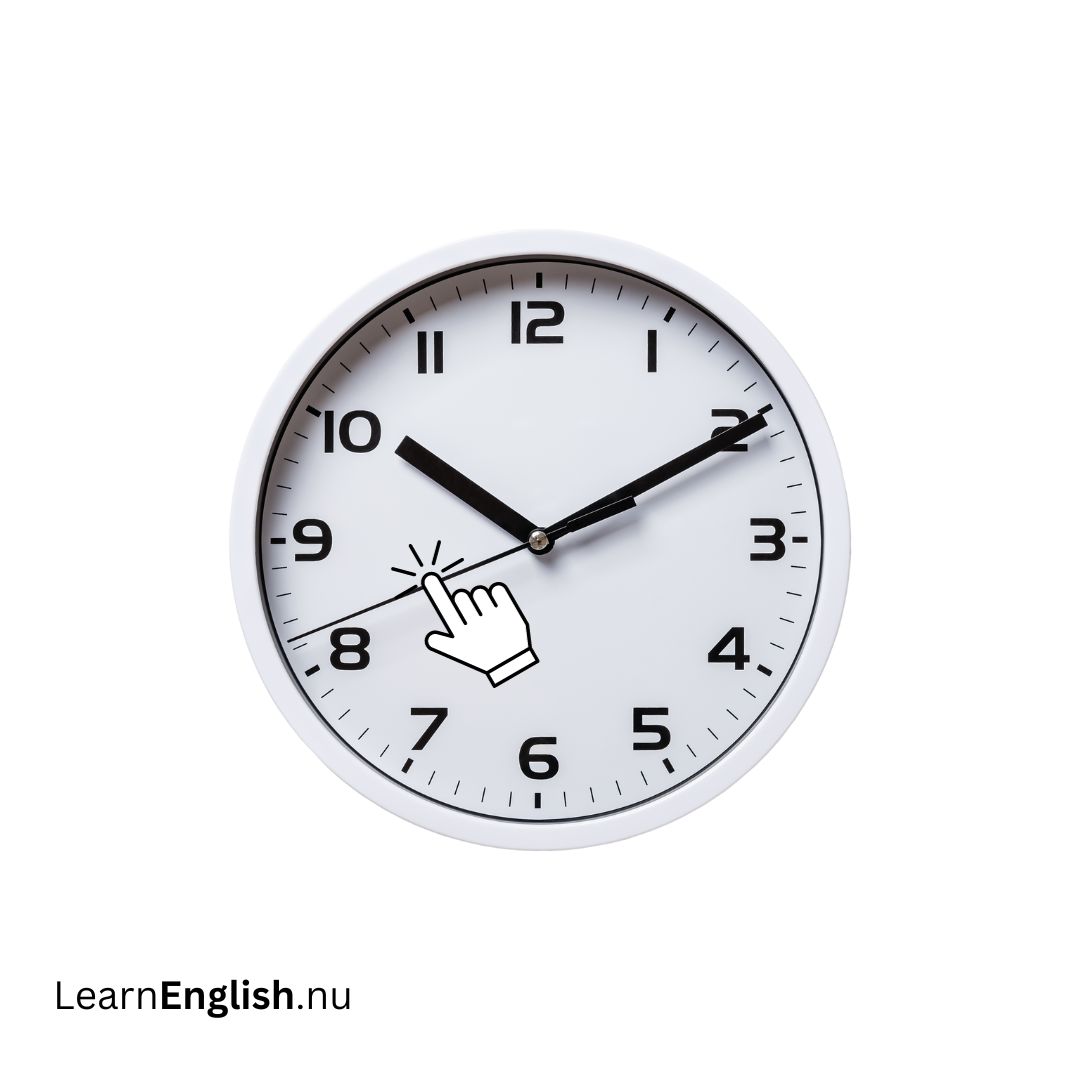 Sekundvisare
Second hand
Time Vocabulary in Swedish - Telling Time in Swedish
- Dag Day
- Vecka Week
- Månad Month
- Sekund Second
- Minut Minute
- Timme Hour
- Natt Night
- Morgon Morning
- Middag Noon
- Eftermiddag Afternoon
- Kväll Evening
- Midnatt Mid night
- Igår Yesterday
- Imorgon Tomorrow
- Gryning Dawn
- Soluppgång Sunrise
- Solnedgång Sunset
- Klockan O'clock
- Kvart över Quarter past
- Halv Half past
- Tio över Ten past
- Timvisare Hour hand
- Minutvisare Minute hand
- Sekundvisare Second hand
Time in Sweden
- Timme Hour
- Minut Minute
- Sekund Second
- Klockan The clock/time
- På morgonen In the morning
- På förmiddagen In the forenoon
- På lunchen At lunchtime
- På eftermiddagen In the afternoon
- På kvällen In the evening
- På natten At night
- Tid Time
- Klockslag O'clock
- Punktlig Punctual
- Försenad Late
- Tidtabell Schedule
- Schema Timetable
- Om en timme In an hour
- Om en minut In a minute
- Om en sekund In a second
- Tidigare Earlier
- Senare Later
- Strax Soon
- Direkt Immediately
- Till middag By noon
- Framåt Forward
- Till kvällen By evening
Essential Swedish Time Vocabulary for Beginners
Understanding time is crucial in any language, and Swedish is no exception. This guide introduces you to essential Swedish words and phrases related to time, with a focus on pronunciation and practical usage.
Morning – Morgon
Introduction: Morning, or "morgon" in Swedish, marks the start of a new day. It’s the time when we wake up and prepare for the day ahead, making it an ideal moment for activities like language practice.
Details: In the morning, many people start their day with a cup of coffee and enjoy the quiet hours before diving into their tasks. This period is often used for personal reflection or study. In Swedish, "morning" is pronounced as [ˈmɔrgɔn].
| Swedish Word | English Translation | Pronunciation |
|---|---|---|
| Morgon | Morning | [ˈmɔrgɔn] |
Evening – Kväll
Introduction: Evening, or "kväll" in Swedish, is the time when the day winds down. It’s a period for relaxation and unwinding from daily activities.
Details: Whether enjoying dinner, a show, or a quiet night at home, "kväll" represents the time to relax and recharge. Evening is also a great time to continue learning Swedish in a calm environment. Pronounced as [kvɛl].
| Swedish Word | English Translation | Pronunciation |
|---|---|---|
| Kväll | Evening | [kvɛl] |
Daytime – Dagtid
Daytime, or "dagtid" in Swedish, spans from sunrise to sunset. It’s when the sun is visible and activities are carried out.
Details: The amount of daylight varies depending on your location and the season. In extreme northern and southern latitudes, unique phenomena like the midnight sun and polar night occur. "Dagtid" is pronounced [ˈdɑːkˌtiːd].
| Swedish Word | English Translation | Pronunciation |
|---|---|---|
| Dagtid | Daytime | [ˈdɑːkˌtiːd] |
Nighttime – Nattetid
Nighttime, or "nattetid" in Swedish, is the period from sunset to sunrise. It can vary from quiet and still to bustling with activity, depending on the location.
Details: In regions experiencing midnight sun, nighttime can last for more than 24 hours during winter. Pronounced [ˈnɑtːɛˌtiːd], "nattetid" encompasses the hours of darkness.
| Swedish Word | English Translation | Pronunciation |
|---|---|---|
| Nattetid | Nighttime | [ˈnɑtːɛˌtiːd] |
Hour – Timme
An hour, or "timme" in Swedish, is a basic unit of time consisting of 60 minutes.
Details: The concept of an hour is vital for scheduling and timekeeping. Pronounced [ˈtɪmːɛ], it is one of the fundamental ways we measure and organize our day.
| Swedish Word | English Translation | Pronunciation |
|---|---|---|
| Timme | Hour | [ˈtɪmːɛ] |
Minute – Minut
A minute, or "minut" in Swedish, is one-sixtieth of an hour and consists of 60 seconds.
Details: Used for more precise timekeeping, a minute can signify short but significant intervals in time. Pronounced [mɪˈnʏt].
| Swedish Word | English Translation | Pronunciation |
|---|---|---|
| Minut | Minute | [mɪˈnʏt] |
O’clock – Klockan
"Klockan" is the Swedish term for "o’clock," used to specify the exact hour without minutes.
Details: The term originates from medieval clocks and is used when discussing the 12-hour clock system. Pronounced [ˈklɔkːan].
| Swedish Word | English Translation | Pronunciation |
|---|---|---|
| Klockan | O’clock | [ˈklɔkːan] |
Half Past – Halv
"Halv" in Swedish denotes "half past" the hour, indicating 30 minutes past the hour.
Details: This term is universally used to refer to the halfway mark within an hour. Pronounced [halv].
| Swedish Word | English Translation | Pronunciation |
|---|---|---|
| Halv | Half Past | [halv] |
Time in Sweden now AM or pm
AM – Förmiddag
"Förmiddag" refers to the time period before midday, or AM in Swedish.
Details: This abbreviation, derived from Latin "ante meridiem," helps specify morning times. Pronounced [ˈfœːrˌmɪdːaɡ].
| Swedish Word | English Translation | Pronunciation |
|---|---|---|
| Förmiddag | AM | [ˈfœːrˌmɪdːaɡ] |
PM – Eftermiddag
"Eftermiddag" denotes the time period after midday, or PM in Swedish.
Details: Derived from Latin "post meridiem," this term is used for afternoon and evening times. Pronounced [ˈɛfːtɛrˌmɪdːaɡ].
| Swedish Word | English Translation | Pronunciation |
|---|---|---|
| Eftermiddag | PM | [ˈɛfːtɛrˌmɪdːaɡ] |
Idiomatic Time Expressions in Swedish
Idiomatic time expressions in Swedish can help you sound more natural and fluent in conversations. These phrases often don't translate directly into English, so learning them can give you a deeper understanding of the language.
Common Swedish Idiomatic Time Expressions
Here are some frequently used idiomatic time expressions in Swedish:
| English | Swedish | Pronunciation |
|---|---|---|
| To kill time | att slå ihjäl tiden | [aht sloh ee-hel tee-den] |
| In no time | på nolltid | [paw noll-teed] |
| Time flies | tiden går fort | [tee-den gawr fort] |
| On time | i tid | [ee teed] |
| To waste time | att slösa tid | [aht slay-sah teed] |
| A long time | en lång tid | [en long teed] |
Examples of Use
- To kill time: Jag brukar läsa böcker för att slå ihjäl tiden. (I usually read books to kill time.)
- In no time: Vi är klara på nolltid. (We’re ready in no time.)
- Time flies: Tiden går fort när man har roligt. (Time flies when you’re having fun.)
- On time: Vi måste vara i tid för mötet. (We need to be on time for the meeting.)
- To waste time: Att slösa tid på onödiga saker är inte bra. (Wasting time on unnecessary things is not good.)
- A long time: Det var länge sedan jag såg honom. (It’s been a long time since I saw him.)
Tips to remmeber Time Vocabulary in Swedish
- Flashcards: Create flashcards with Swedish words for time expressions on one side and their meanings in English on the other. Quiz yourself regularly.
- Daily Practice: Incorporate time-related vocabulary into your daily routine. Label items around your home with Swedish words for times of day (morning, afternoon, evening) or daily activities (breakfast, lunch, dinner).
- Association: Associate Swedish time words with images or situations. For example, "morgon" (morning) could be associated with breakfast or sunrise.
- Use in Context: Practice using time expressions in sentences. Describe your daily schedule or talk about future plans using Swedish time words.
- Writing Practice: Write short paragraphs or journal entries using Swedish time vocabulary. This helps reinforce spelling and usage.
- Conversation Practice: Practice speaking with others who speak Swedish or use language exchange apps. Discussing daily routines or plans can help solidify time-related vocabulary.
- Review and Repeat: Regularly review what you've learned. Repetition is key to retaining vocabulary.
Related Topics
How to tell time in Swedish for beginners
Office supplies - Office equipment words vocabulary in Swedish
Swedish Nature Vocabulary with Pronunciation - Learn Swedish
Places in town words vocabulary in Swedish
Swedish Lessons: Swedish Garden Vocabulary Words
Swedish Lessons: Swedish cleaning tools Vocabulary Words
Directions :: Swedish vocabulary
Swedish Lessons: Swedish Bathroom Vocabulary Words
Swedish vocabulary: At the Beach Words and Phrases
Swedish Lessons: Swedish kitchen utensils Vocabulary Words
Swedish Vocabulary: Words and Phrases for Restaurant in Swedish
Swedish Lessons: House vocabulary words in Swedish
Swedish Lessons: Living room Vardagsrum Vocabulary Words
Sports vocabulary words in Swedish - Learn Swedish
Communication vocabulary words in Swedish - Learn Swedish
Technology Vocabulary in Swedish
Internet Vocabulary in Swedish
Computer Vocabulary in Swedish
Swedish Lessons: Swedish utility room Vocabulary Words
Swedish Lessons: Swedish tools and equipment Vocabulary Words
Swedish Lessons: Swedish Food and Meals Vocabulary Words with Pronunciation
Swedish Parts of the Body Vocabulary
Internal organs :: Swedish vocabulary: Learn Swedish
Swedish Lessons: Swedish Drink Words Vocabulary Words
Swedish Lessons: Swedish Transportation Vocabulary And Phrases
Swedish Vocabulary: Swedish Occupations Jobs Professions Words