Learning the seasons in Swedish is essential for understanding and discussing the weather throughout the year. Knowing how to refer to each season helps you plan activities, discuss events, and comprehend cultural references related to seasonal changes. This guide will introduce you to the Swedish names for the four seasons—spring, summer, autumn, and winter—along with their pronunciation and usage in everyday conversations. By mastering these terms, you'll enhance your language skills and better navigate seasonal discussions in Swedish.
Click on the text to hear the pronunciation
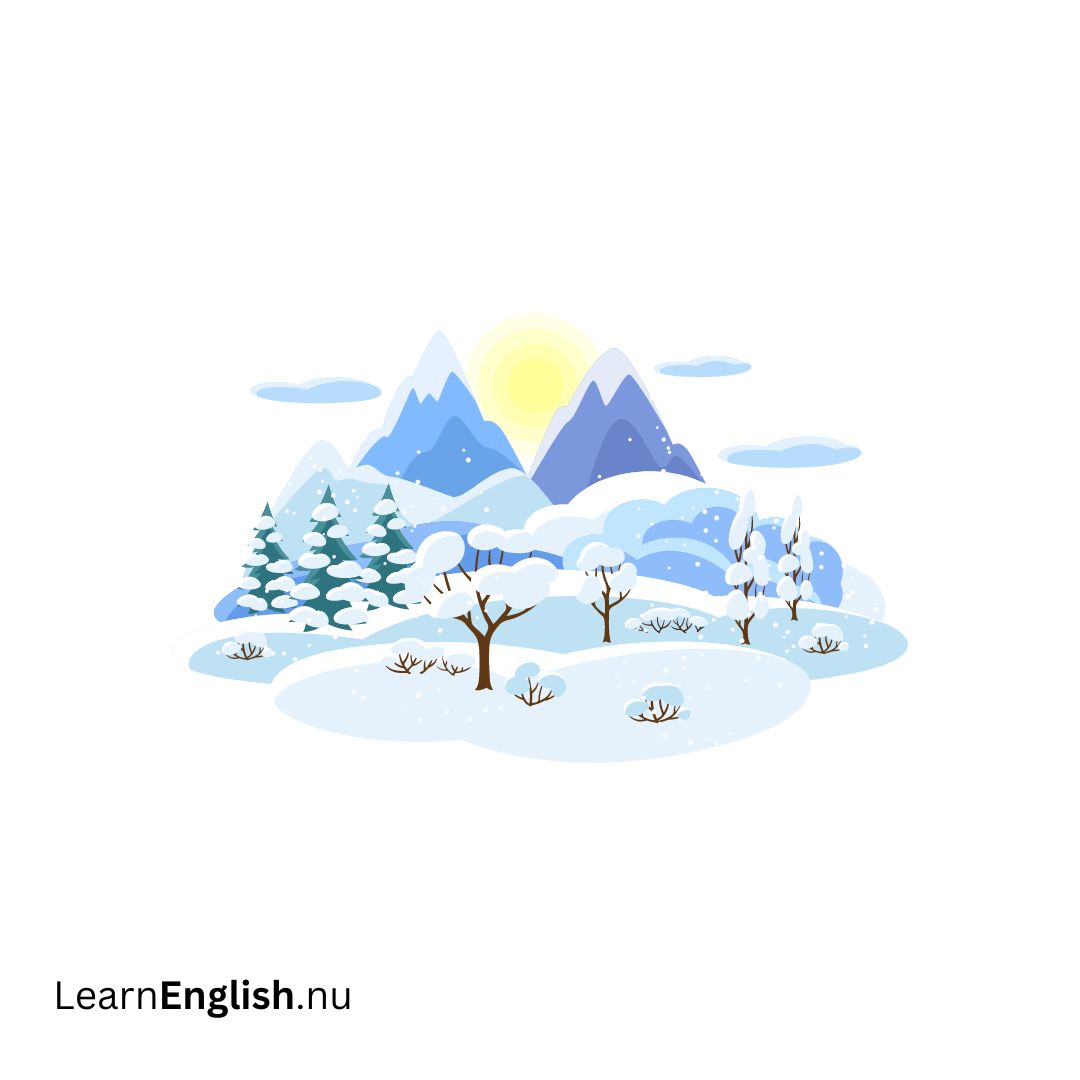
Seasons in Swedish
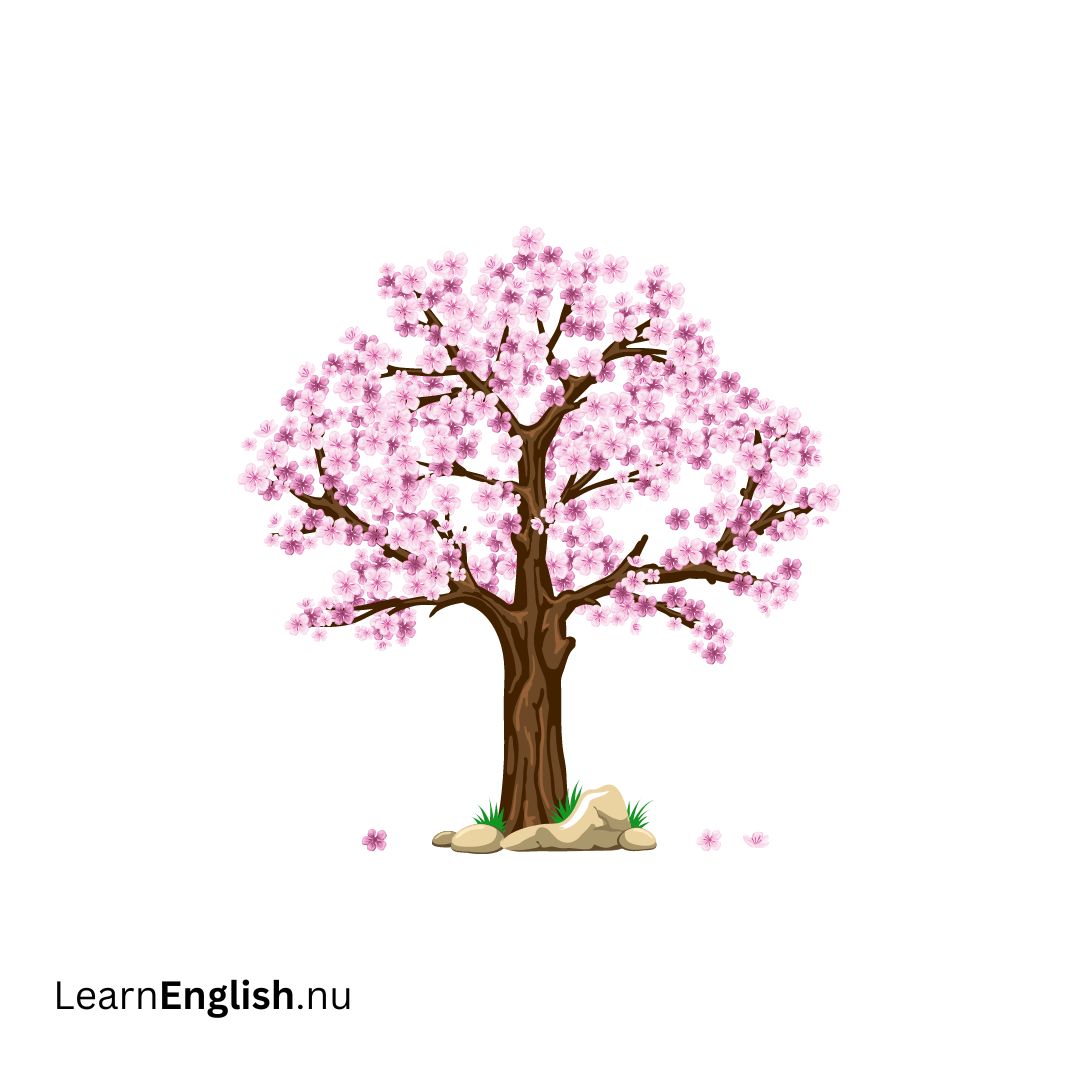
- Vår Spring
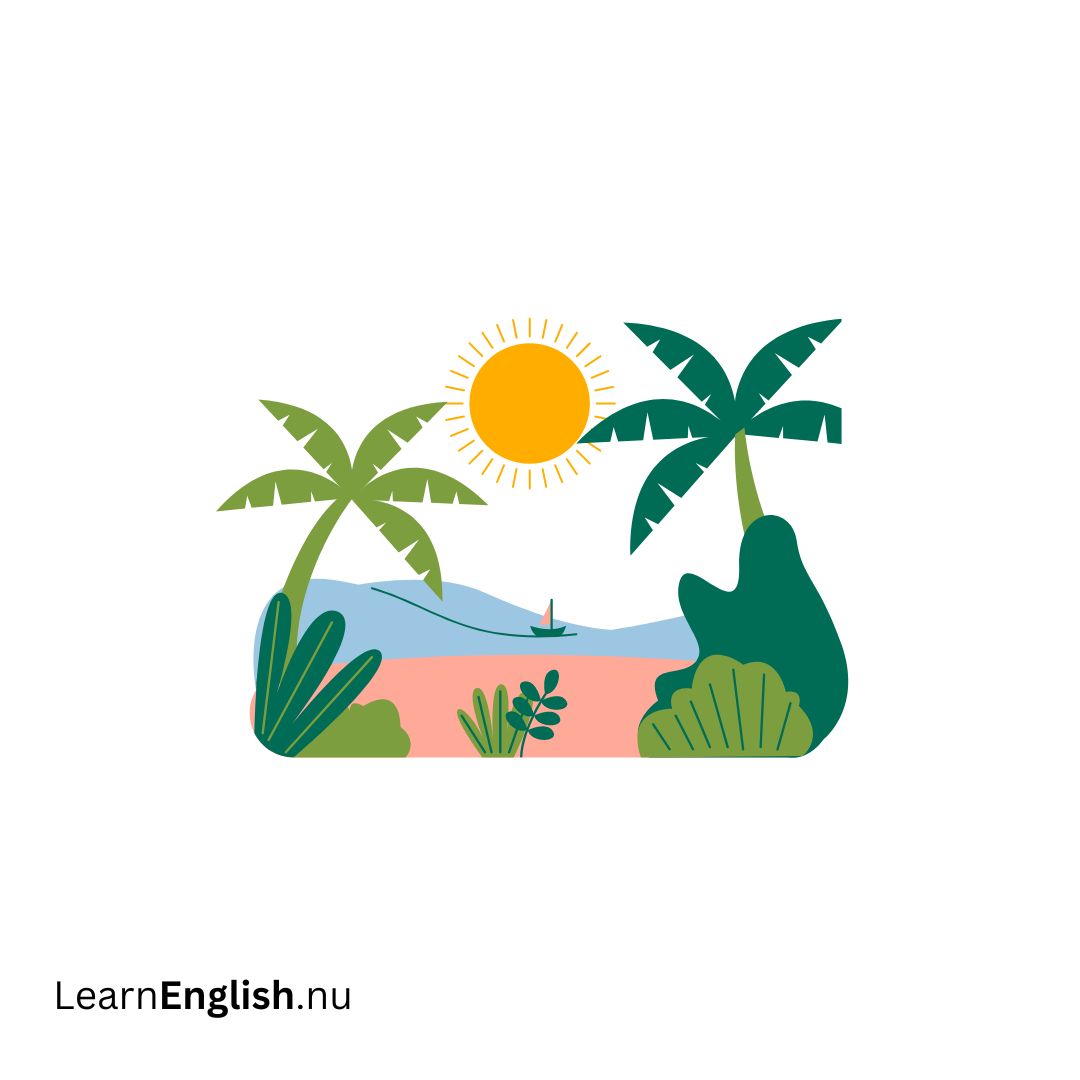
- Sommar Summer
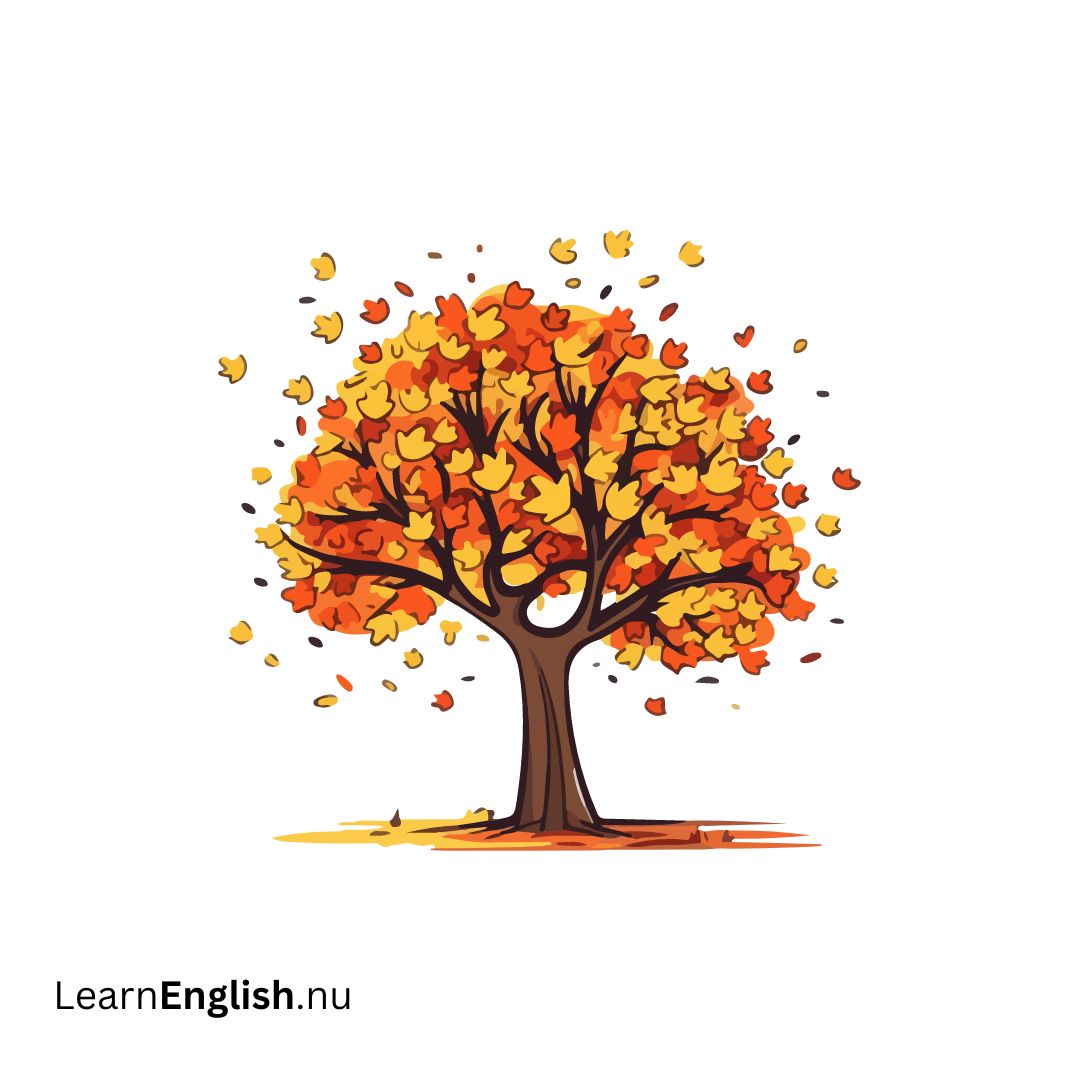
- Höst Fall
- Vinter Winter
List of vocabulary for the seasons of the year in Swedish
- vår spring
- blommor flowers
- regn rain
- vårsol spring sun
- snösmältning snow melting
- sommar summer
- sol sun
- värme warmth
- semester vacation
- badsäsong swimming season
- höst autumn
- löv leaves
- kyla cold
- regn rain
- skörd harvest
- vinter winter
- snö snow
- kall cold
- is ice
- vinterjacka winter coat
- mörker darkness
- Weather Väder
- väder weather
- temperatur temperature
- soligt sunny
- molnigt cloudy
- blåsigt windy
- dimma fog
- storm storm
- åska thunder
- regn rain
- snöfall snowfall
- klar clear
- fuktigt humid
Spring in Sweden
Introduction: Spring in Sweden brings significant changes in weather and landscape. This guide will help you understand what to expect during the spring months in Sweden, including variations between different regions and how the weather evolves from March to May.
Spring Weather in Sweden:
March:
- Daylight: In March, daylight hours start increasing, offering longer days.
- Weather: In Stockholm, precipitation is minimal, but snow remains prevalent. The snow may begin to melt in the southern regions.
- Activities: Snow remains in many areas, allowing for continued winter activities.
April:
- Weather: In southern and western Sweden, snow begins to melt, leading to potential flooding as rivers and lakes start to thaw.
- Activities: Some ski resorts in western Sweden may see the end of their season as snow decreases.
- Floral Display: On the island of Gotland, spring brings vibrant floral carpets of poppies, showcasing a stunning array of colors.
May:
- Northern Sweden: The northern regions experience bleak landscapes, with snow lasting until mid-May. Vegetation is minimal.
- White Nights: By the end of May, the Arctic region enters the "white nights" period, where the sun doesn’t set fully, a phenomenon lasting until August. This affects the northern part of the country, while southern areas experience only a few hours of darkness.
The Spring Months:
| Month | Description |
|---|---|
| March | Increasing daylight, minimal precipitation in the capital, snow persists. |
| April | Snow melting in southern regions, potential flooding, end of ski season in some areas, vibrant flowers in Gotland. |
| May | Northern Sweden remains snowy, white nights begin in the Arctic, minimal darkness in the north. |
Explanation:
- March: As daylight extends, snow still covers many parts of Sweden, especially in the capital, Stockholm. Southern regions start to see the snow melt, but winter sports can continue.
- April: The snow melts more significantly in the south and west, which can lead to floods as rivers and lakes thaw. On Gotland, spring showcases bright floral displays, signaling the season’s arrival.
- May: The northern parts of Sweden remain under snow, with limited vegetation until mid-May. The white nights begin in late May in the Arctic, providing extended daylight hours.
Summer in Sweden: June to August
June:
- Weather: The beginning of summer is generally mild and comfortable. In the capital, Stockholm, temperatures can reach up to 27°C, though this is not common.
- Daylight: The days are long, with approximately 17 hours of daylight.
- Activities: It's a great time for outdoor activities, as the weather is pleasant and sunny.
July:
- Weather: The weather continues to be warm, especially in southern Sweden. Central and northern regions experience cooler temperatures.
- Seasonal Highlights: Cloudberries ripen in mid-July, and blueberry season starts soon after, lasting until early September.
- Daylight: Daylight remains extensive, with the Arctic experiencing 24-hour daylight.
August:
- Weather: Temperatures gradually start to cool down, especially in the northern regions.
- Seasonal Activities: The summer tourist season is at its peak, and many outdoor festivals and events take place.
- Daylight: Days start getting shorter, but there are still long hours of daylight.
The Summer Months:
| Month | Description |
|---|---|
| June | Mild and comfortable weather, up to 27°C, long daylight. |
| July | Warm temperatures, cloudberries and blueberries ripen, extensive daylight. |
| August | Cooling temperatures, peak tourist season, shortening daylight. |
Explanation:
- June: Mild temperatures and long daylight hours make it ideal for outdoor activities.
- July: Warm weather continues with cloudberry and blueberry seasons. The Arctic enjoys continuous daylight.
- August: Temperatures start to drop, but the summer activities and extended daylight continue.
Autumn in Sweden: September to November
September:
- Weather: Temperatures begin to fall, and the weather becomes more variable with increased rainfall.
- Scenery: Autumn colors become prominent, with vibrant foliage across Sweden.
- Daylight: Daylight hours decrease as the month progresses.
October:
- Weather: Cooler temperatures and shorter days. Frost can occur, especially in northern regions.
- Seasonal Highlights: Autumn harvests are in full swing, and the landscapes are covered in autumnal colors.
- Daylight: Further reduction in daylight hours.
November:
- Weather: November is cold and often overcast, with increasing likelihood of snow in northern regions.
- Daylight: Daylight is limited, with long nights and short days.
- Seasonal Activities: Preparations for winter and the holiday season begin.
The Autumn Months:
| Month | Description |
|---|---|
| September | Falling temperatures, vibrant autumn colors, decreasing daylight. |
| October | Cooler weather, shorter days, autumn harvests, frost possible. |
| November | Cold, overcast, increasing snow in the north, very short daylight hours. |
Explanation:
- September: Cooling temperatures and vibrant autumn scenery mark the start of fall.
- October: The weather becomes colder, and daylight continues to decrease.
- November: Cold and often snowy, with minimal daylight hours.
Winter in Sweden: December to February
December:
- Weather: Cold temperatures with varying amounts of snow, especially in northern regions.
- Daylight: Very short days, especially in the north where daylight is minimal or nonexistent.
- Seasonal Highlights: The holiday season brings festive activities and celebrations.
January:
- Weather: Coldest month of the year with significant snowfall and frosty conditions.
- Daylight: Continues to be very limited, with long nights and short days in the north.
- Activities: Winter sports and activities are in full swing.
February:
- Weather: Temperatures remain cold, with snow and ice prevalent across the country.
- Daylight: Gradual increase in daylight hours as the month progresses.
- Seasonal Activities: Winter sports continue, and the days start to lengthen slightly.
The Winter Months:
| Month | Description |
|---|---|
| December | Cold, snowy, very short daylight hours, festive season. |
| January | Coldest temperatures, significant snow, minimal daylight. |
| February | Continued cold and snow, gradual increase in daylight hours. |
Explanation:
- December: Winter starts with cold temperatures and minimal daylight, featuring festive activities.
- January: Coldest month with heavy snow and very short days.
- February: Cold conditions persist, but daylight hours begin to increase.
Related Topics
Swedish Lessons: Swedish Drink Words Vocabulary Words
Swedish Vocabulary: Words and Phrases for Restaurant in Swedish
Swedish for Travelers: Useful Swedish Phrases and Words
Names of things in the street in Swedish
Swedish Nature Vocabulary with Pronunciation - Learn Swedish
Places in town words vocabulary in Swedish
Top 22 Words for Nature Basics in Swedish
Swedish vocabulary: At the Beach Words and Phrases
Planet names in Swedish and English (Solar system)
Musical instruments names in Swedish language
Swedish Electrical Appliances: Household Devices Word List
Swedish emergency expressions , words and phrases
Office supplies - Office equipment words vocabulary in Swedish
Swedish Vocabulary: Swedish Occupations Jobs Professions Words
Swedish Lessons: Swedish Transportation Vocabulary And Phrases
Swedish astrology - Star signs in Swedish (zodiac signs)
Swedish Lessons: Swedish Food and Meals Vocabulary Words with Pronunciation
Swedish Lessons: Swedish tools and equipment Vocabulary Words
Swedish Lessons: Swedish utility room Vocabulary Words
Swedish Lessons: Action Verbs in Swedish
Swedish Lessons: Swedish cleaning tools Vocabulary Words
Swedish Lessons: Swedish Garden Vocabulary Words
Swedish Lessons: Swedish Bathroom Vocabulary Words
Swedish Lessons: Cooking Verbs in Swedish
Swedish Lessons: Swedish kitchen utensils Vocabulary Words
Swedish Lessons: Living room Vardagsrum Vocabulary Words
Swedish Lessons: bedroom items list with pictures in Swedish