Pronouns are essential building blocks in any language, helping to simplify sentences and avoid repetition by replacing nouns. In Swedish, pronouns are used to refer to people, animals, and things in a clear and concise way. Mastering Swedish pronouns is crucial for anyone looking to improve their fluency and comprehension in the language. This guide will introduce you to the various types of pronouns in Swedish, including subject, object, and possessive pronouns, along with their proper usage and pronunciation. Whether you're a beginner or looking to refine your skills, understanding pronouns will significantly enhance your ability to communicate effectively in Swedish.
Click on the text to hear the pronunciation


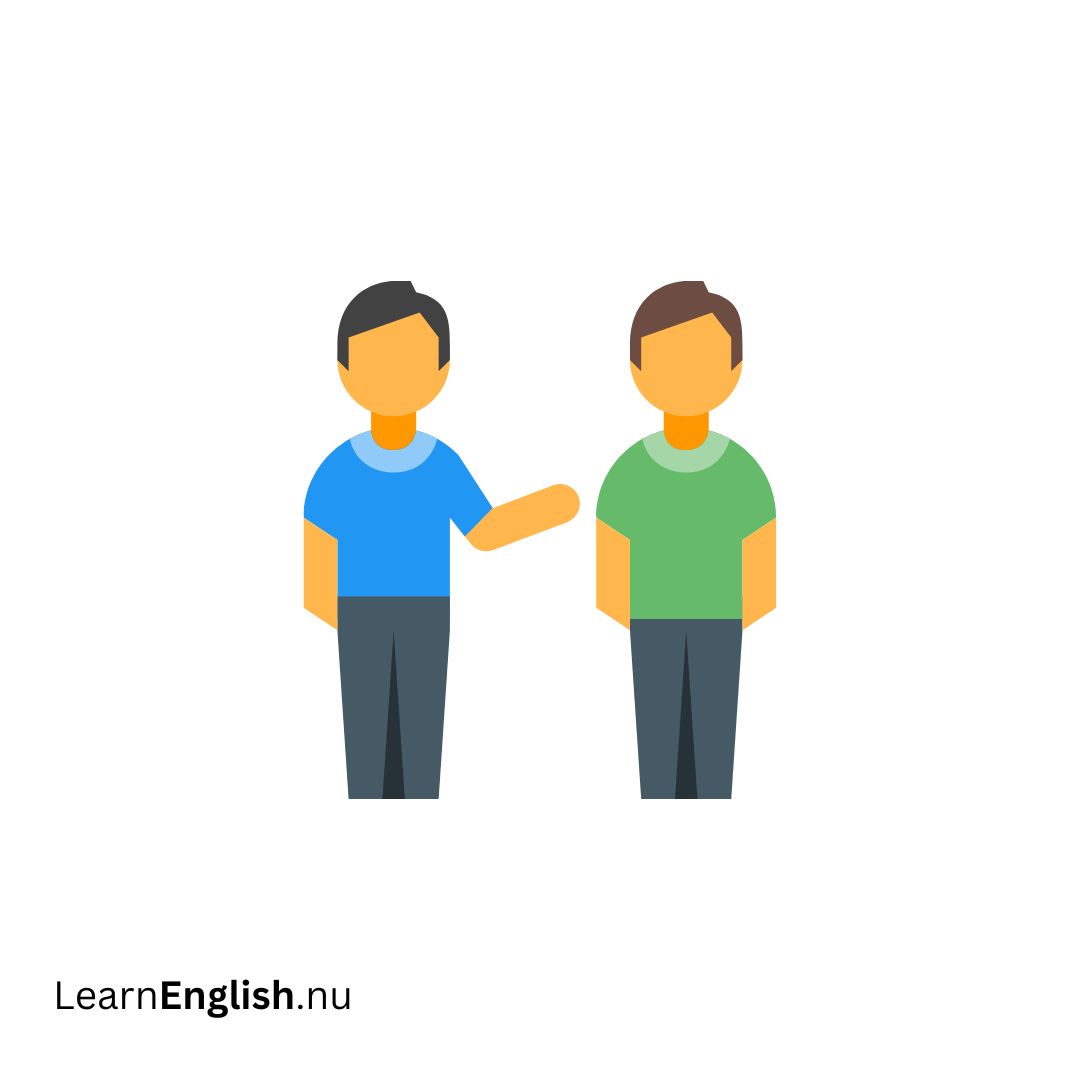
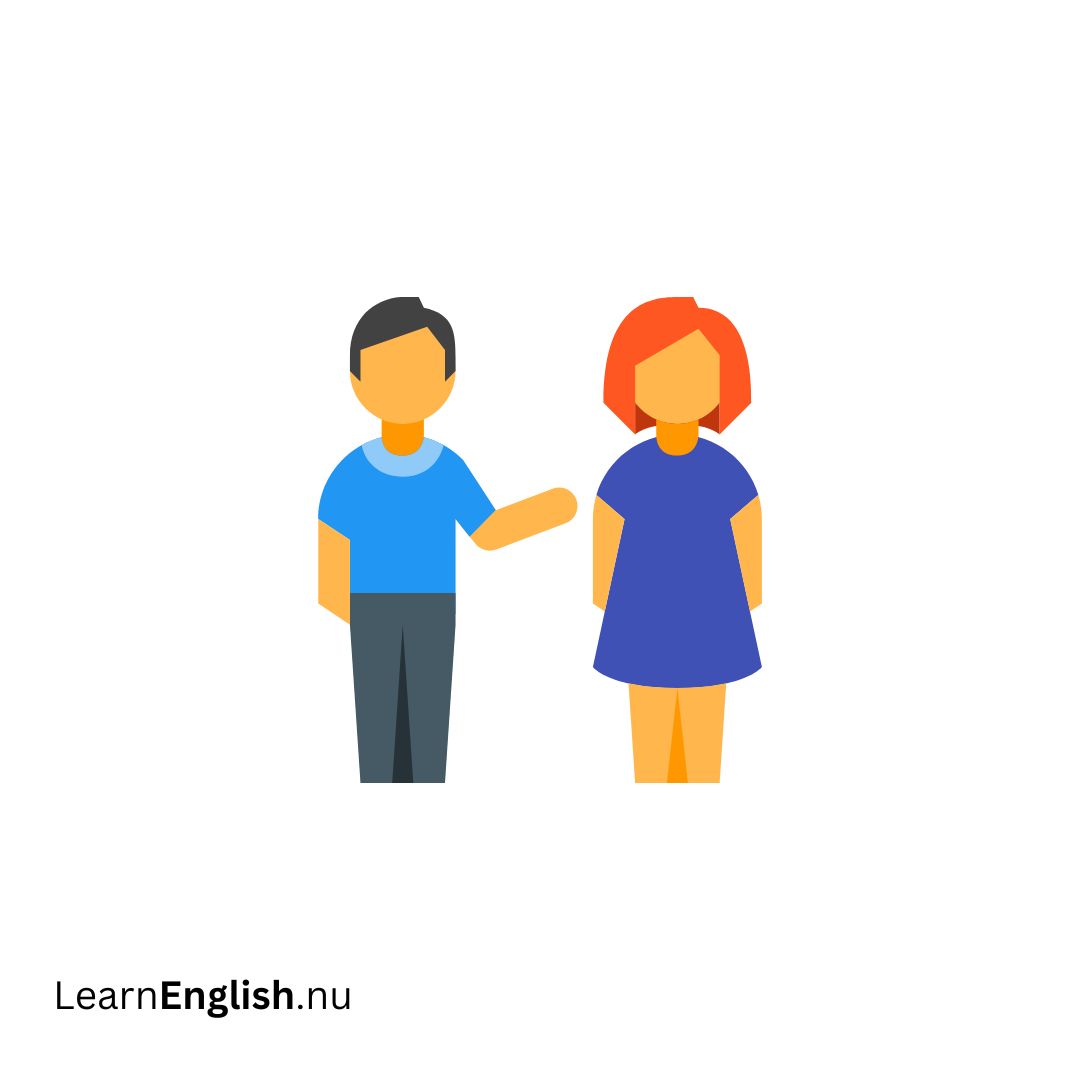
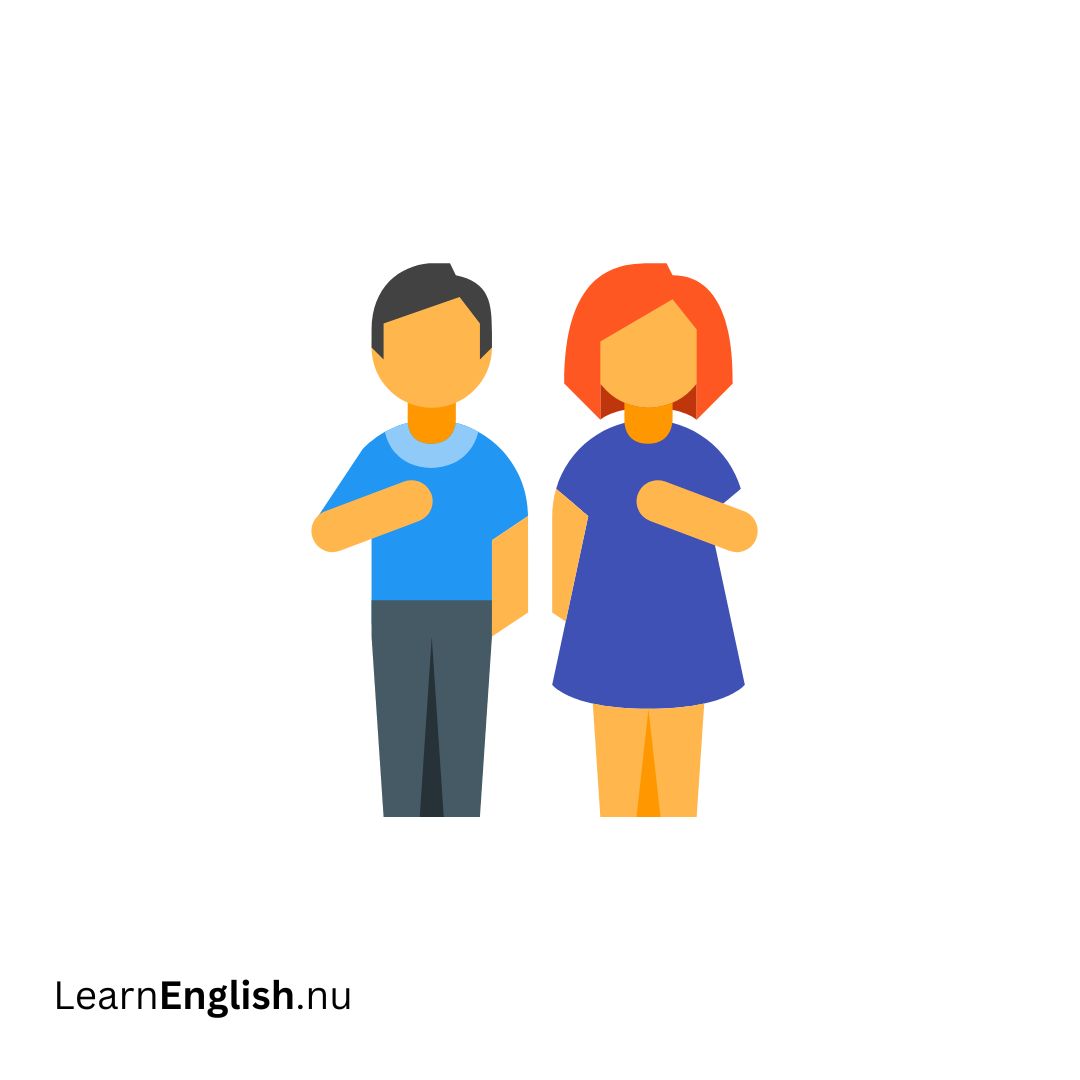

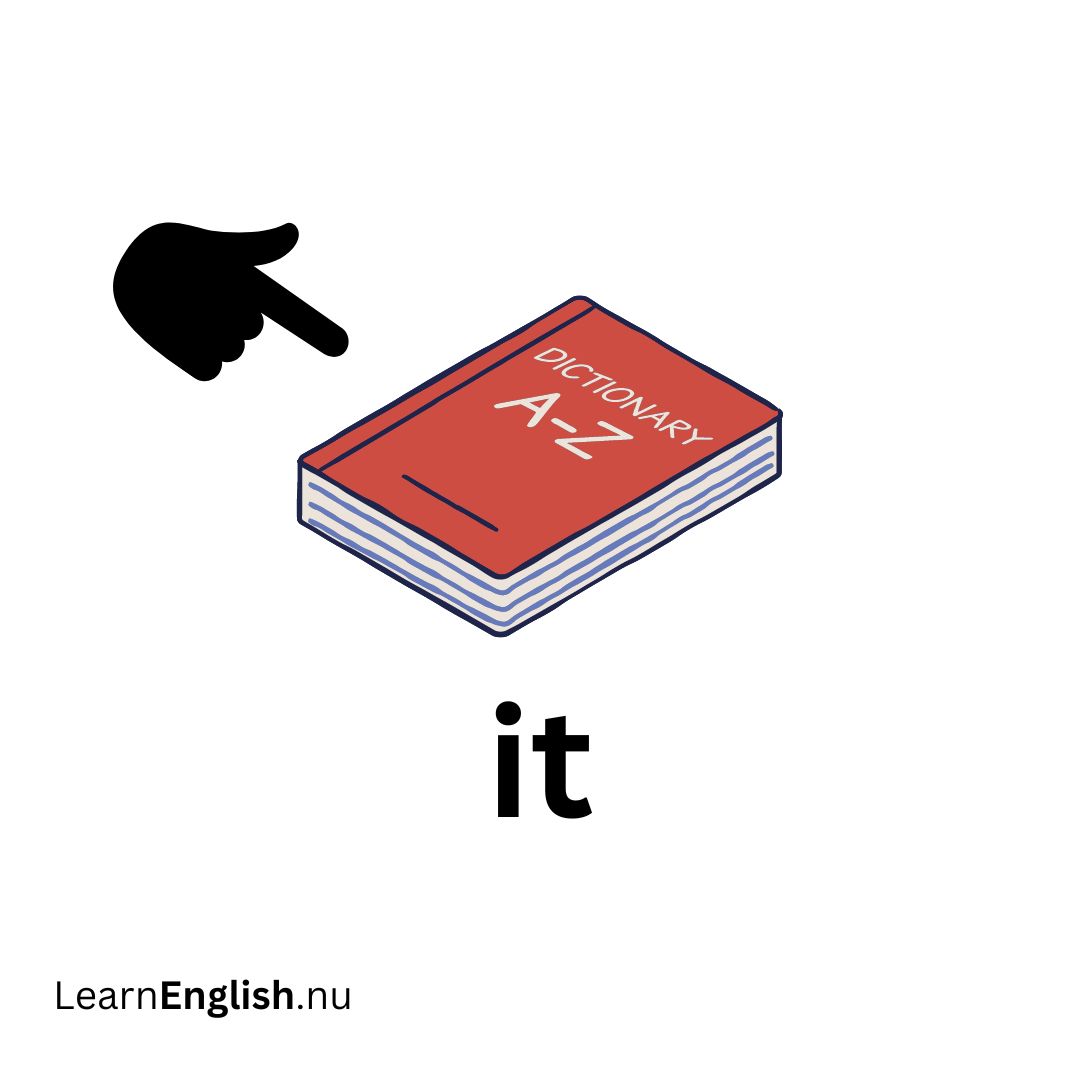
Pronouns in Swedish - Subject and Object
- Jag I
- Du you
- Han he
- Hon she
- Vi we
- De they
- Det it
- Ni you
Personal Pronouns in Swedish
Here's a summary table of Swedish personal pronouns with their English equivalents and pronunciation:
| Role | English | Swedish | Pronunciation |
|---|---|---|---|
| Subject | I | jag | yahg |
| Subject | you | du | doo |
| Subject | he | han | hahn |
| Subject | she | hon | hoon |
| Subject | it | den/det | den/deht |
| Subject | we | vi | vee |
| Subject | you (plural) | ni | nee |
| Subject | they | de | dom |
| Subject | they (neutral) | hen | hen |
| Object | me | mig | mayg |
| Object | you | dig | dayg |
| Object | him | honom | hoh-nom |
| Object | her | henne | hen-nuh |
| Object | it | den/det | den/deht |
| Object | us | oss | oss |
| Object | you (plural) | er | ehr |
| Object | them | dem | dem |
| Object | them (neutral) | henom | hen-om |
| Possessive | my | min/mitt/mina | meen/meet/mee-nah |
| Possessive | your | din/ditt/dina | deen/deet/dee-nah |
| Possessive | his | hans | hahns |
| Possessive | her | hennes | hehn-nes |
| Possessive | its | dess | dess |
| Possessive | our | vår/vårt/våra | vohr/vohrt/voh-rah |
| Possessive | your (plural) | er/ert/era | ehr/ehrt/eh-rah |
| Possessive | their | deras | deh-rahs |
Understanding Swedish Pronouns
Pronouns are essential in any language, and Swedish is no exception. They help replace nouns, making sentences clearer and more concise. In Swedish, pronouns are divided into two main categories: subject pronouns and object pronouns. This tutorial will walk you through these categories and their uses in sentences.
Swedish Subject pronouns
Subject pronouns are used as the subject of a sentence. They indicate who or what is performing the action. Here are the Swedish subject pronouns with their English equivalents and pronunciation:
| Swedish | English | Pronunciation |
|---|---|---|
| Jag | I | yahg |
| Du | You (singular) | doo |
| Han | He | hahn |
| Hon | She | hoon |
| Den/Det | It | den/deht |
| Vi | We | vee |
| Ni | You (plural) | nee |
| De | They | dom |
Swedish object pronouns
Object pronouns are used as the object of a sentence. They indicate who or what is receiving the action. Here are the Swedish object pronouns with their English equivalents and pronunciation:
| Swedish | English | Pronunciation |
|---|---|---|
| Mig | Me | mayg |
| Dig | You (singular) | dayg |
| Honom | Him | hoh-nom |
| Henne | Her | hen-nuh |
| Den/Det | It | den/deht |
| Oss | Us | oss |
| Er | You (plural) | ehr |
| Dem | Them | dem |
Using Pronouns in Sentences
Now that you know the subject and object pronouns, let's see how they work in sentences.
Examples with Subject Pronouns:
- Jag gillar att läsa. (I like to read.)
- Vi går till skolan. (We are going to school.)
Examples with Object Pronouns:
- Hon ser mig. (She sees me.)
- Vi köpte en present till dem. (We bought a gift for them.)
Swedish pronoun hen
Swedish includes a gender-neutral pronoun, "Hen," which is used to refer to a person when their gender is unknown or when gender neutrality is preferred. This pronoun can function as both a subject pronoun and an object pronoun, providing a more inclusive way to communicate.
Using "Hen" as a Subject Pronoun
"Hen" can be used just like any other subject pronoun in Swedish sentences. It replaces the need for specifying gender, making communication more inclusive. Here is an example with pronunciation:
- Hen pratar svenska. (They speak Swedish.) | Pronunciation: hen prah-tahr svehn-skah
Using "Hen" as an Object Pronoun
"Hen" can also be used as an object pronoun. It ensures that sentences remain neutral and inclusive, regardless of the gender of the person being referred to. Here is an example with pronunciation:
- Jag ser henom i parken. (I see them in the park.) | Pronunciation: yahg seer hen-om ee par-ken
| Usage | Example in Swedish | Translation | Pronunciation |
|---|---|---|---|
| Subject | Hen pratar svenska. | They speak Swedish. | hen prah-tahr svehn-skah |
| Object | Jag ser henom i parken. | I see them in the park. | yahg seer hen-om ee par-ken |
Reflexive Pronouns in Swedish
Reflexive pronouns are used to indicate that the subject of a sentence is also its object, meaning that the action is being performed on oneself. In Swedish, these pronouns help to convey this self-directed action clearly and concisely.
List of Swedish Reflexive Pronouns
Here are the Swedish reflexive pronouns with their English equivalents and pronunciation:
| Swedish | English | Pronunciation |
|---|---|---|
| sig | himself, herself, itself, themselves | si(g) |
| mig | myself | mayg |
| dig | yourself | dayg |
| oss + själva | ourselves | oss + shwel-vah |
| er + själva | yourselves | ehr + shwel-vah |
Using Reflexive Pronouns in Sentences
Reflexive pronouns are used when the subject and the object of a sentence refer to the same person or group. Here are examples with pronunciation to help you understand their usage:
Examples:
- Jag skadar mig. (I hurt myself.) | Pronunciation: yahg skah-dar mayg
- Du tvättar dig. (You wash yourself.) | Pronunciation: doo tvah-tar dayg
- Han ser sig i spegeln. (He sees himself in the mirror.) | Pronunciation: hahn seer si(g) ee speh-geln
- Vi njuter av oss själva. (We enjoy ourselves.) | Pronunciation: vee nyoo-ter ahv oss shwel-vah
- Ni måste ta hand om er själva. (You must take care of yourselves.) | Pronunciation: nee maw-steh tah hand ohm ehr shwel-vah
| Pronoun | Example in Swedish | Translation | Pronunciation |
|---|---|---|---|
| mig | Jag skadar mig. | I hurt myself. | yahg skah-dar mayg |
| dig | Du tvättar dig. | You wash yourself. | doo tvah-tar dayg |
| sig | Han ser sig i spegeln. | He sees himself in the mirror. | hahn seer si(g) ee speh-geln |
| oss + själva | Vi njuter av oss själva. | We enjoy ourselves. | vee nyoo-ter ahv oss shwel-vah |
| er + själva | Ni måste ta hand om er själva. | You must take care of yourselves. | nee maw-steh tah hand ohm ehr shwel-vah |
Possessive Pronouns in Swedish
Possessive pronouns are used to indicate ownership or possession. In Swedish, these pronouns change based on the gender and number of items possessed. This tutorial will help you understand and use Swedish possessive pronouns effectively.
List of Swedish Possessive Pronouns
Here are the Swedish possessive pronouns with their English equivalents and pronunciation:
| Swedish | English | Pronunciation |
|---|---|---|
| min, mitt, mina | my (depending on gender and number of items) | meen, meet, mee-nah |
| din, ditt, dina | your (singular, depending on gender and number of items) | deen, deet, dee-nah |
| hans | his | hahns |
| hennes | her | hehn-nes |
| dess | its | dess |
| vår, vårt, våra | our (depending on gender and number of items) | vohr, vohrt, voh-rah |
| er, ert, era | your (plural, depending on gender and number of items) | ehr, ehrt, eh-rah |
| deras | their | deh-rahs |
Using Possessive Pronouns in Sentences
Possessive pronouns in Swedish need to match the gender and number of the nouns they refer to. Here are examples with pronunciation:
Examples:
- Min bok är på bordet. (My book is on the table.) | Pronunciation: meen book ahr poh bohr-det
- Mitt hus är stort. (My house is big.) | Pronunciation: meet hoos ahr stort
- Mina vänner är här. (My friends are here.) | Pronunciation: mee-nah ven-ner ahr här
- Din katt är söt. (Your cat is cute.) | Pronunciation: deen kaht ahr soot
- Ditt barn sover. (Your child is sleeping.) | Pronunciation: deet bah-rn soh-ver
- Dina böcker är intressanta. (Your books are interesting.) | Pronunciation: dee-nah book-er ahr in-tres-san-tah
- Hans hund är glad. (His dog is happy.) | Pronunciation: hahns hoond ahr glad
- Hennes bil är ny. (Her car is new.) | Pronunciation: hehn-nes beel ahr nee
- Vår trädgård är stor. (Our garden is big.) | Pronunciation: vohr treh-gord ahr stohr
- Vårt rum är rent. (Our room is clean.) | Pronunciation: vohrt room ahr rent
- Våra barn leker. (Our children are playing.) | Pronunciation: voh-rah barn lay-ker
- Er lärare är bra. (Your teacher is good.) | Pronunciation: ehr lah-rah-reh ahr brah
- Ert hus är gammalt. (Your house is old.) | Pronunciation: ehrt hoos ahr gam-malt
- Era idéer är bra. (Your ideas are good.) | Pronunciation: eh-rah ee-deh-er ahr brah
- Deras arbete är viktigt. (Their work is important.) | Pronunciation: deh-rahs ahr-beh-teh ahr vik-tigt
| Pronoun | Example in Swedish | Translation | Pronunciation |
|---|---|---|---|
| min, mitt, mina | Min bok är på bordet. | My book is on the table. | meen book ahr poh bohr-det |
| din, ditt, dina | Din katt är söt. | Your cat is cute. | deen kaht ahr soot |
| hans | Hans hund är glad. | His dog is happy. | hahns hoond ahr glad |
| hennes | Hennes bil är ny. | Her car is new. | hehn-nes beel ahr nee |
| dess | Dess färg är grön. | Its color is green. | dess fehrg ahr grehn |
| vår, vårt, våra | Vår trädgård är stor. | Our garden is big. | vohr treh-gord ahr stohr |
| er, ert, era | Er lärare är bra. | Your teacher is good. | ehr lah-rah-reh ahr brah |
| deras | Deras arbete är viktigt. | Their work is important. | deh-rahs ahr-beh-teh ahr vik-tigt |
Swedish pronouns female
In Swedish, pronouns are used to replace nouns and simplify sentences. Female pronouns are specifically used to refer to female individuals. This tutorial will guide you through the Swedish female pronouns, their usage, and pronunciation.
Subject Pronouns for Female
Subject pronouns are used to indicate who is performing the action in a sentence. Here is the Swedish subject pronoun for females:
| English | Swedish | Pronunciation |
|---|---|---|
| she | hon | hoon |
Object Pronouns for Female
Object pronouns are used to indicate who is receiving the action in a sentence. Here is the Swedish object pronoun for females:
| English | Swedish | Pronunciation |
|---|---|---|
| her | henne | hen-nuh |
Possessive Pronouns for Female
Possessive pronouns indicate ownership or possession. Here are the Swedish possessive pronouns for females:
| English | Swedish | Pronunciation |
|---|---|---|
| her | hennes | hehn-nes |
Related Topics
Swedish Lessons: Swedish Drink Words Vocabulary Words
Swedish Vocabulary: Words and Phrases for Restaurant in Swedish
Swedish for Travelers: Useful Swedish Phrases and Words
Names of things in the street in Swedish
Swedish Nature Vocabulary with Pronunciation - Learn Swedish
Places in town words vocabulary in Swedish
Top 22 Words for Nature Basics in Swedish
Swedish vocabulary: At the Beach Words and Phrases
Planet names in Swedish and English (Solar system)
Musical instruments names in Swedish language
Swedish Electrical Appliances: Household Devices Word List
Swedish emergency expressions , words and phrases
Office supplies - Office equipment words vocabulary in Swedish
Swedish Vocabulary: Swedish Occupations Jobs Professions Words
Swedish Lessons: Swedish Transportation Vocabulary And Phrases
Swedish astrology - Star signs in Swedish (zodiac signs)
Swedish Lessons: Swedish Food and Meals Vocabulary Words with Pronunciation
Swedish Lessons: Swedish tools and equipment Vocabulary Words
Swedish Lessons: Swedish utility room Vocabulary Words
Swedish Lessons: Action Verbs in Swedish
Swedish Lessons: Swedish cleaning tools Vocabulary Words
Swedish Lessons: Swedish Garden Vocabulary Words
Swedish Lessons: Swedish Bathroom Vocabulary Words
Swedish Lessons: Cooking Verbs in Swedish
Swedish Lessons: Swedish kitchen utensils Vocabulary Words
Swedish Lessons: Living room Vardagsrum Vocabulary Words
Swedish Lessons: bedroom items list with pictures in Swedish