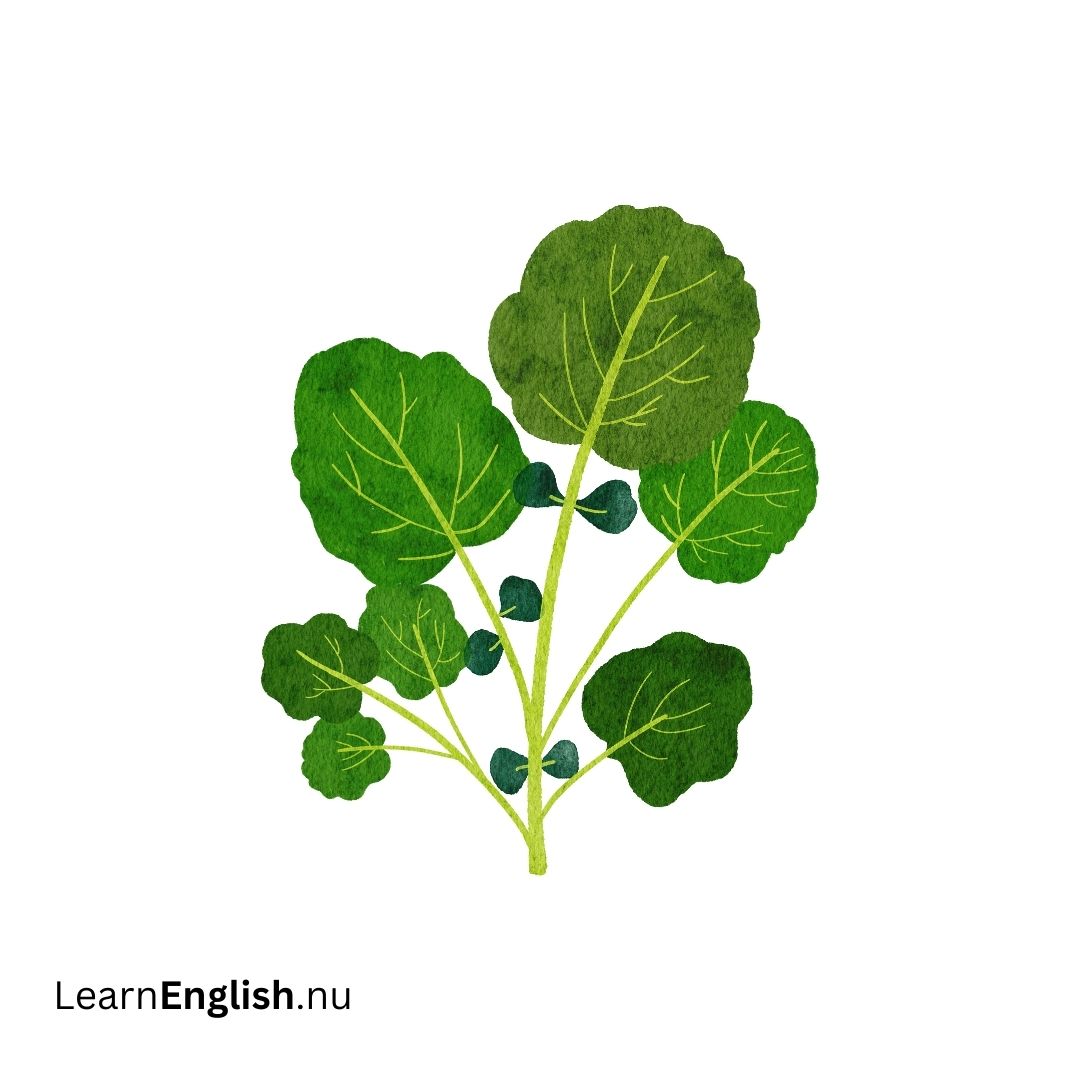
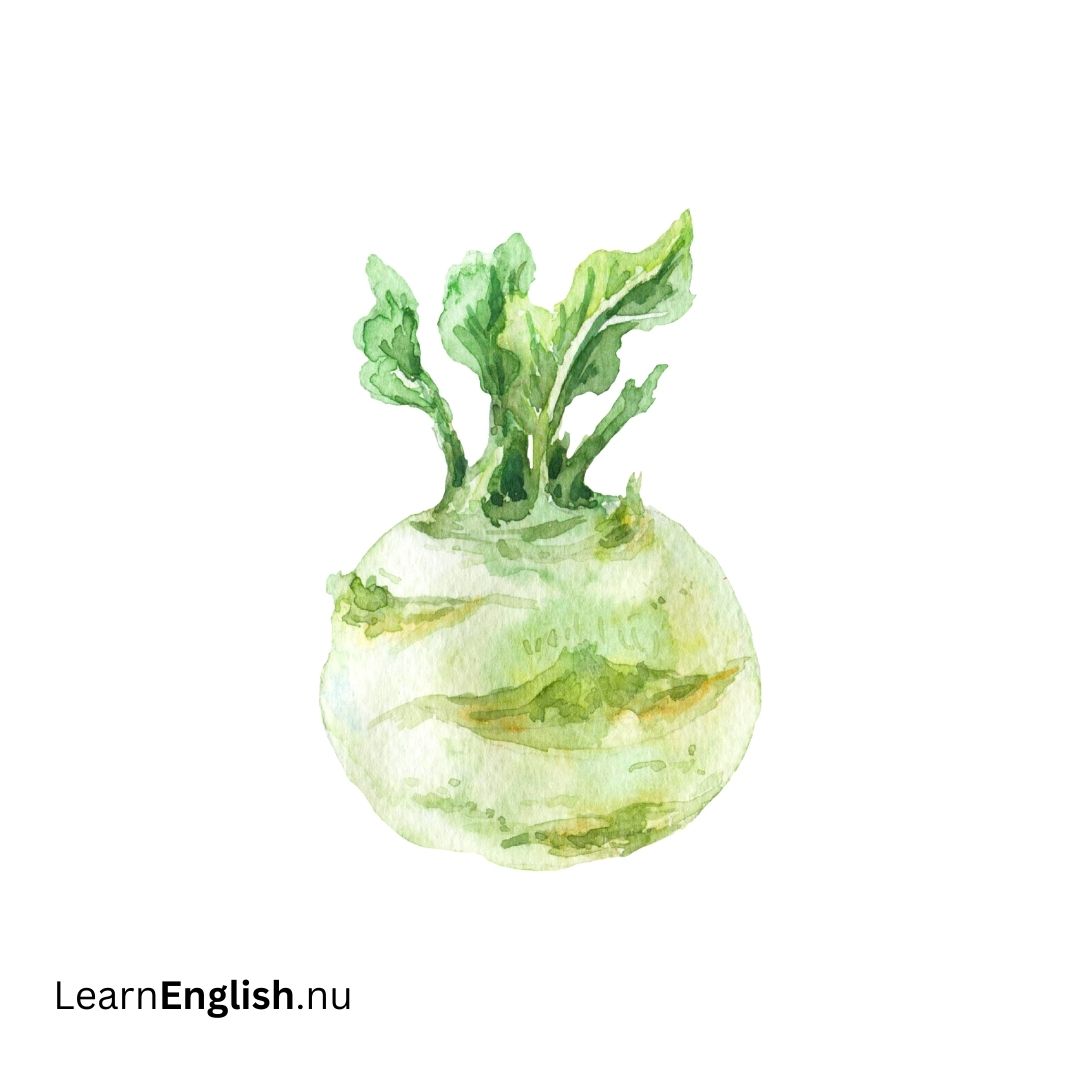
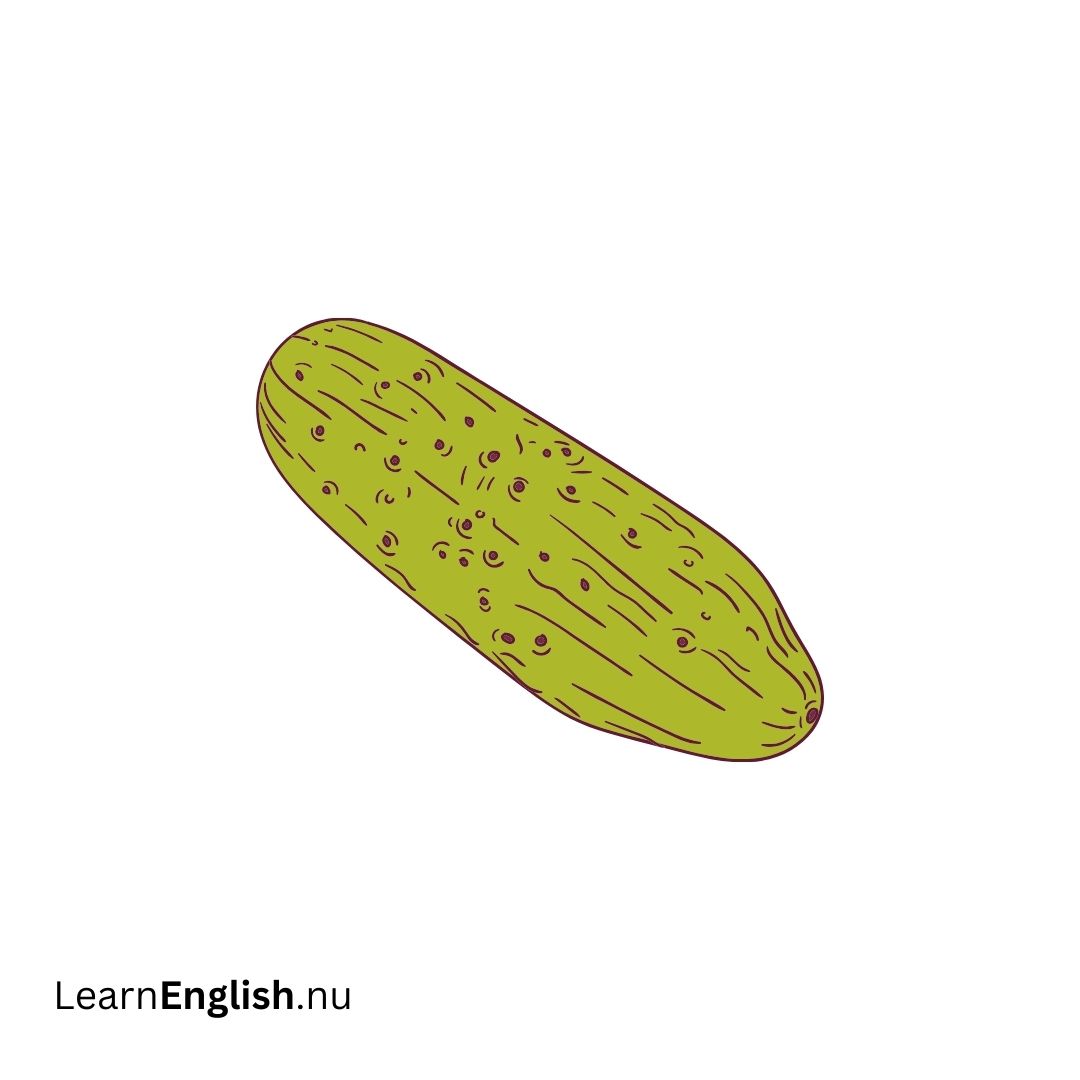
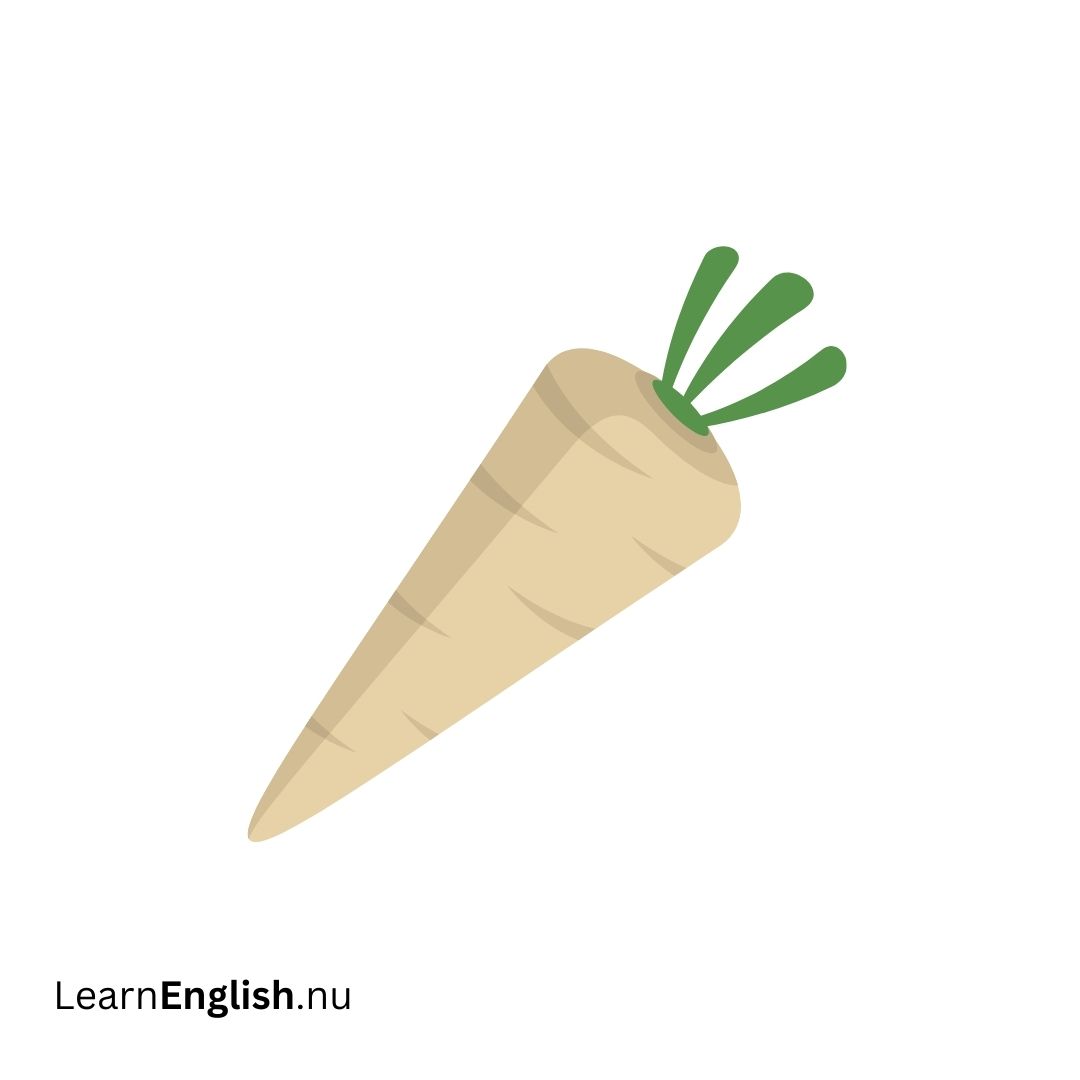
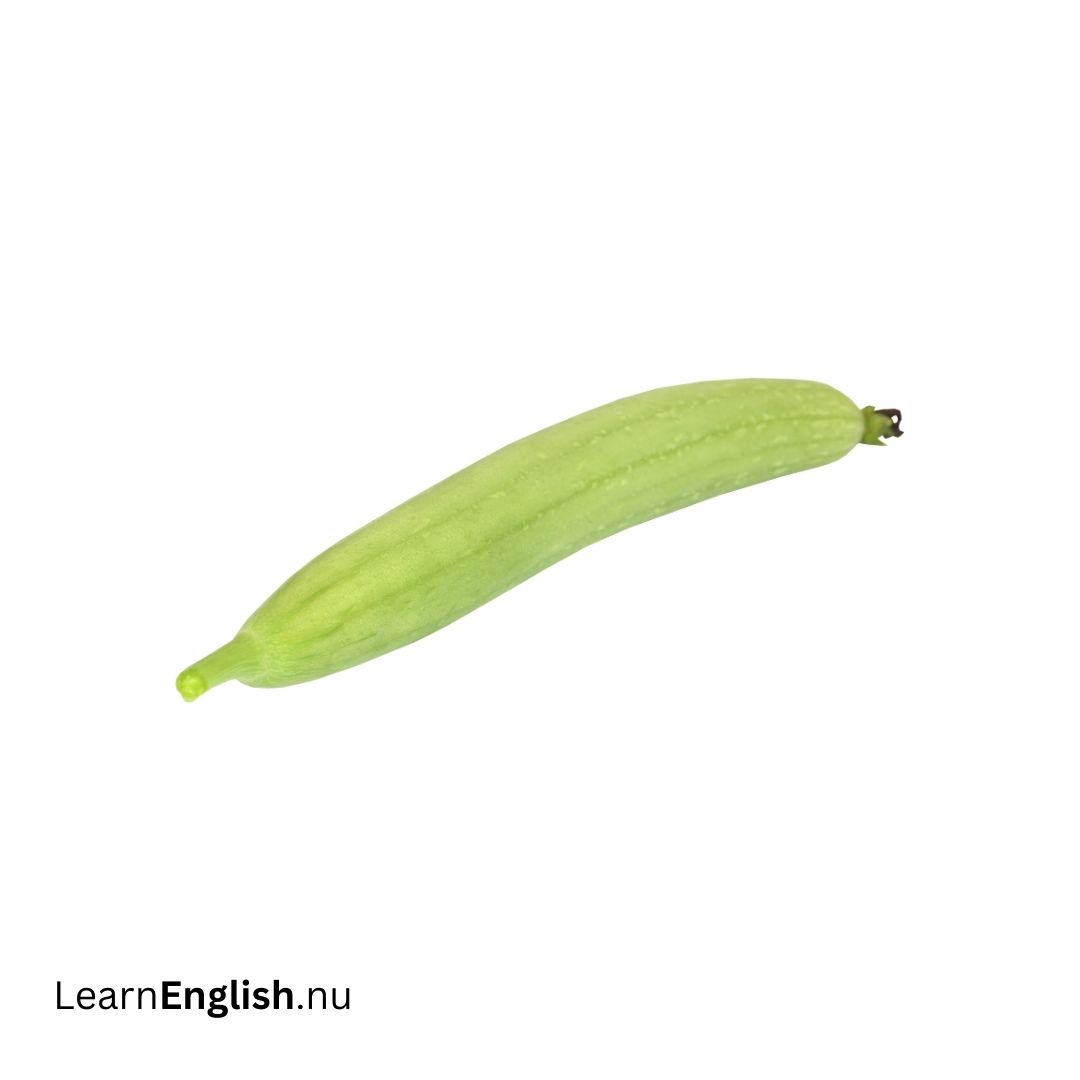
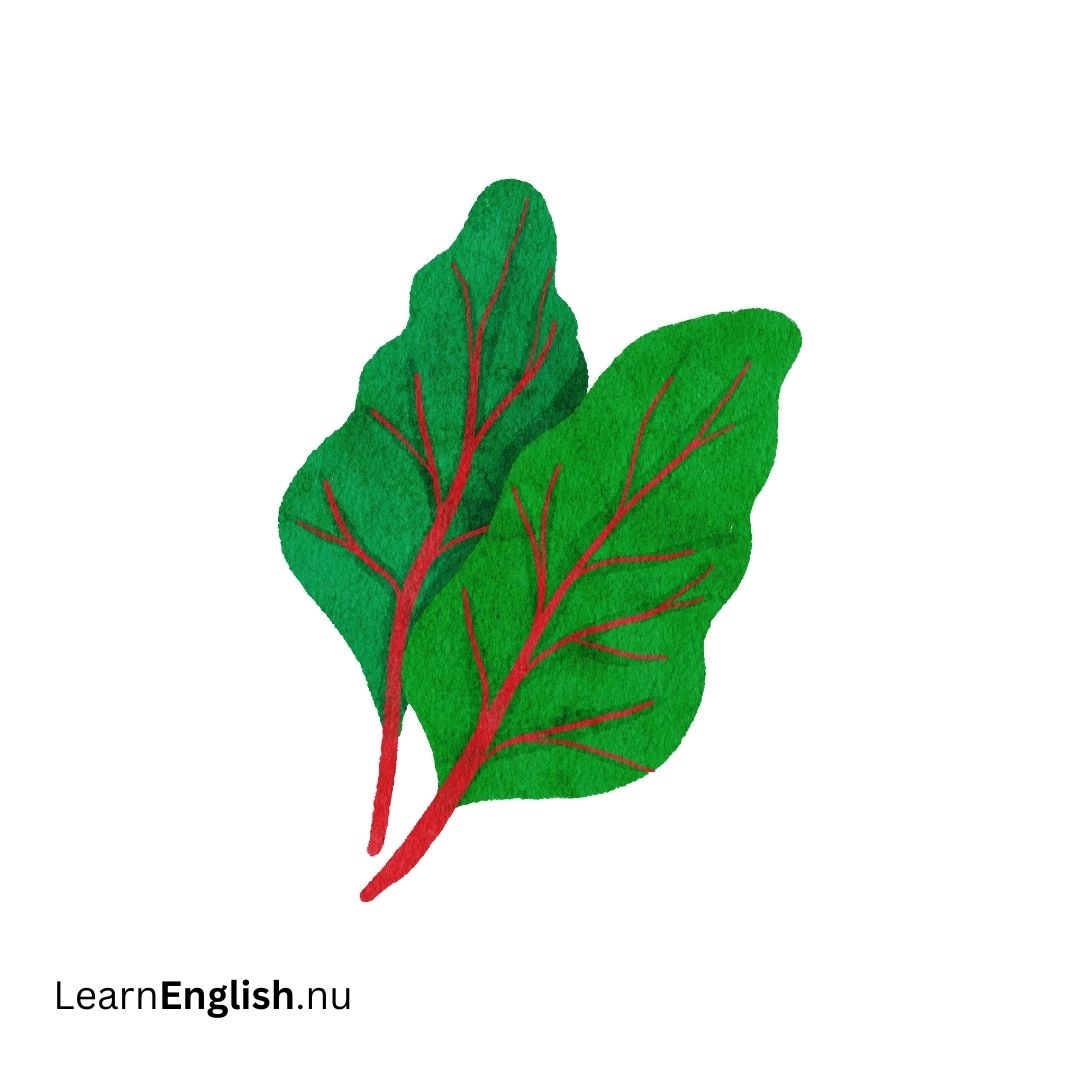
Names of vegetables in Swedish
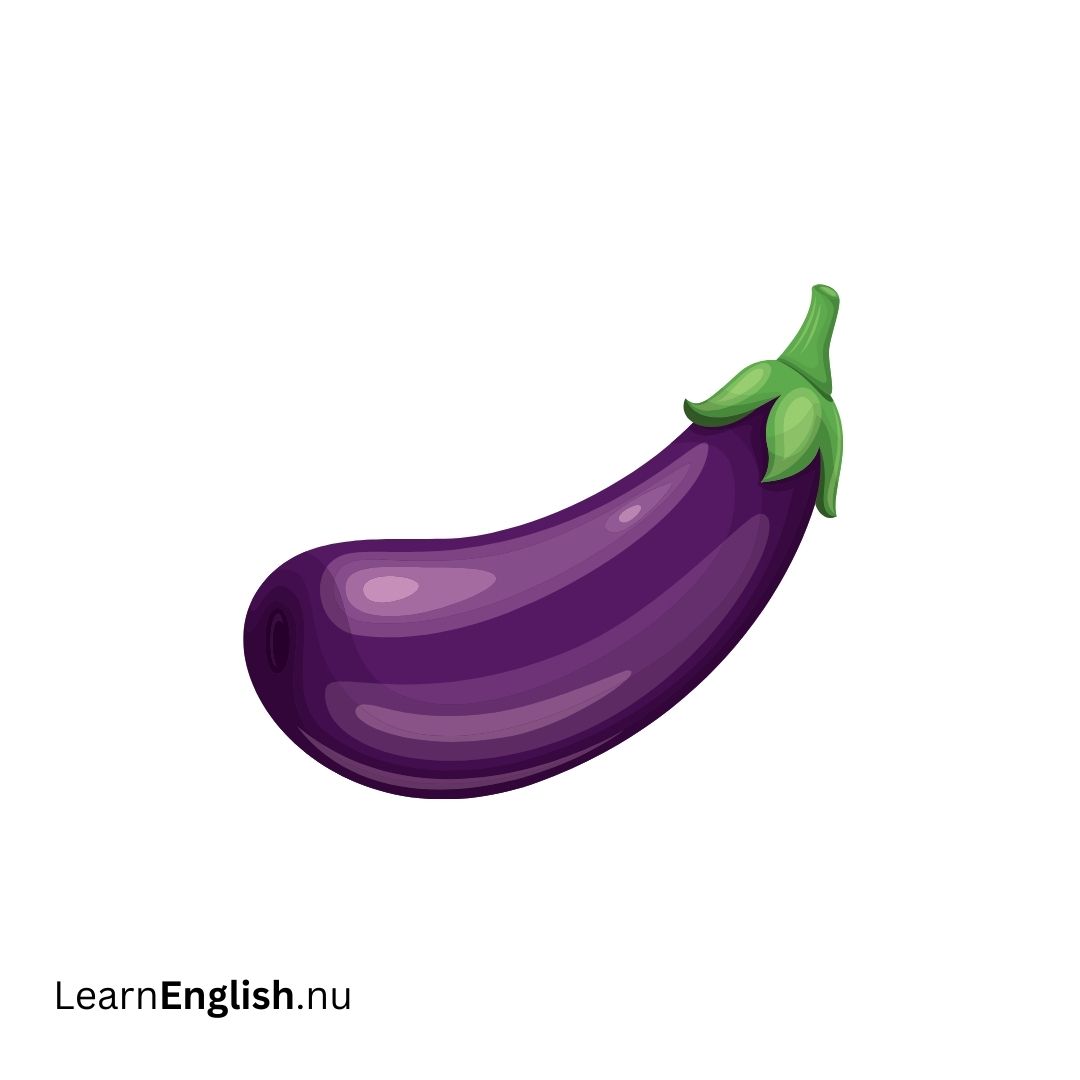
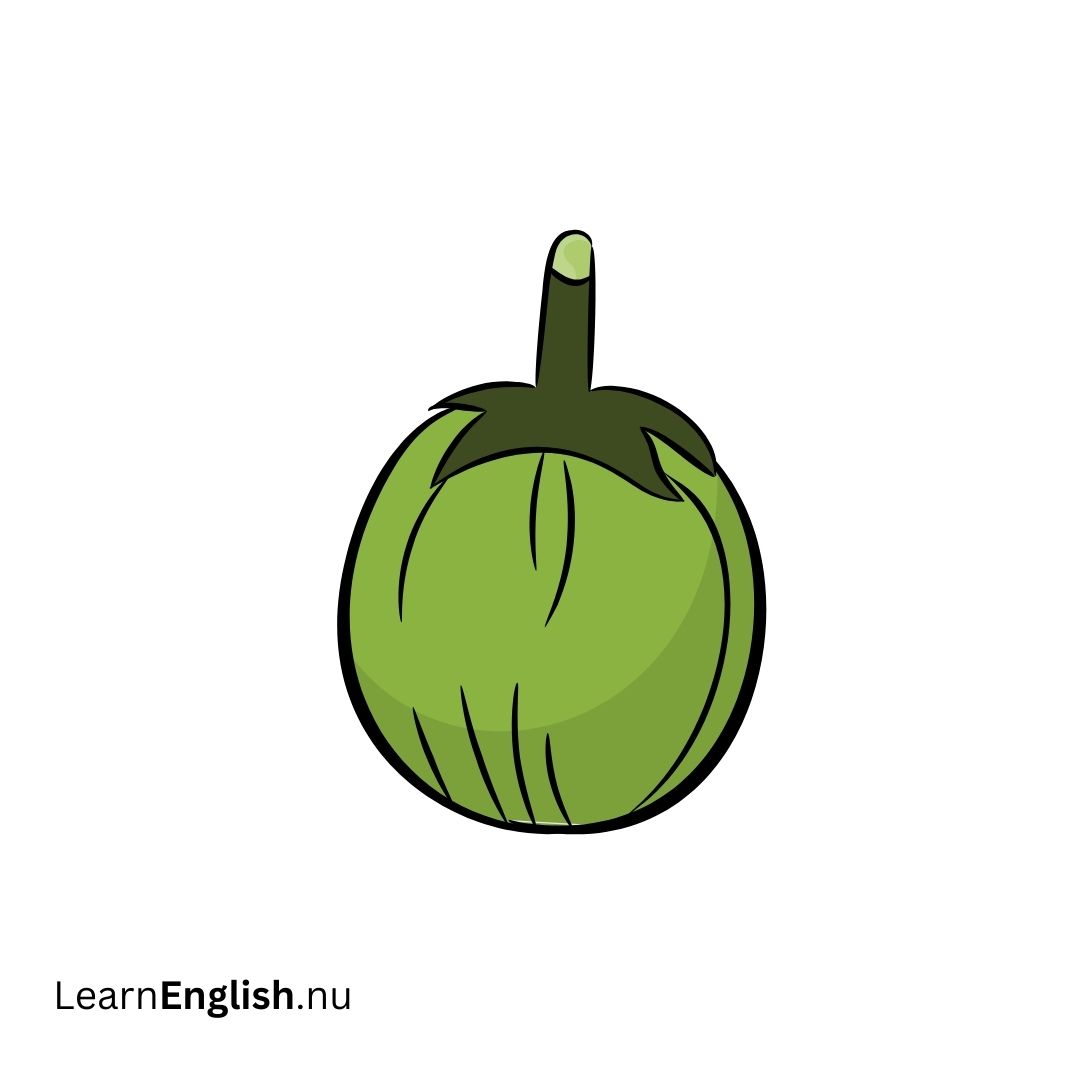
- Äggplanta Brinjal
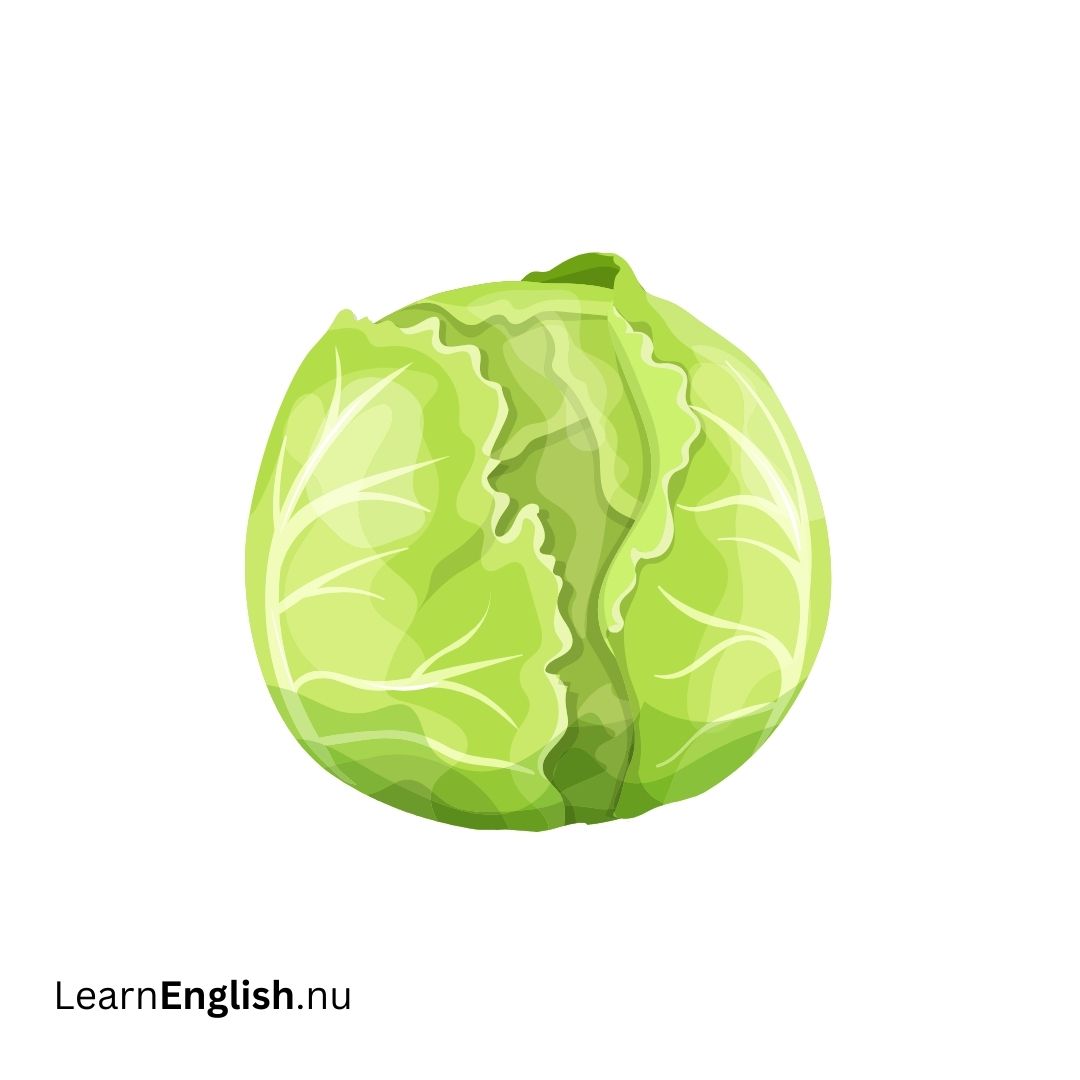
- Kål Cabbage
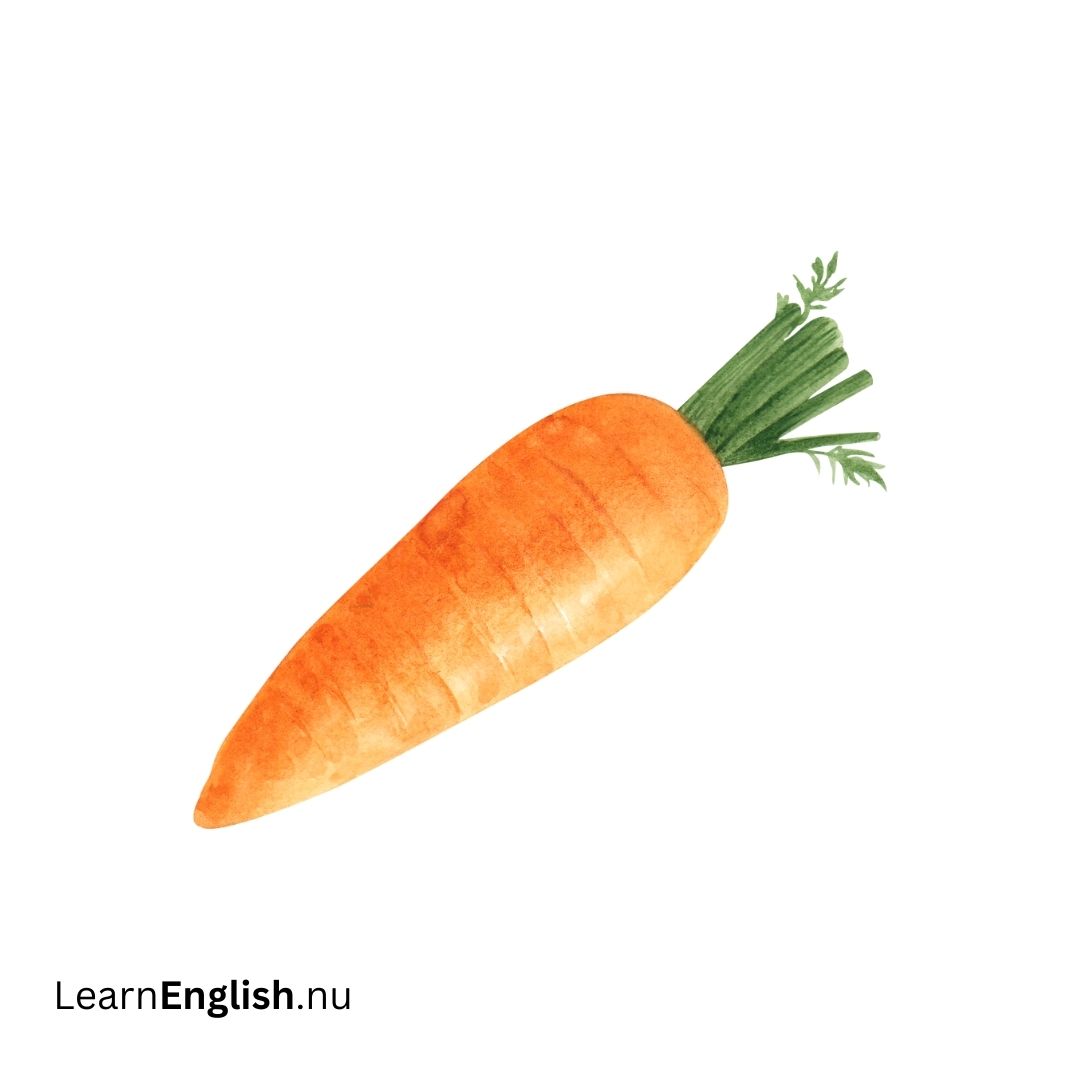
- Morot Carrot
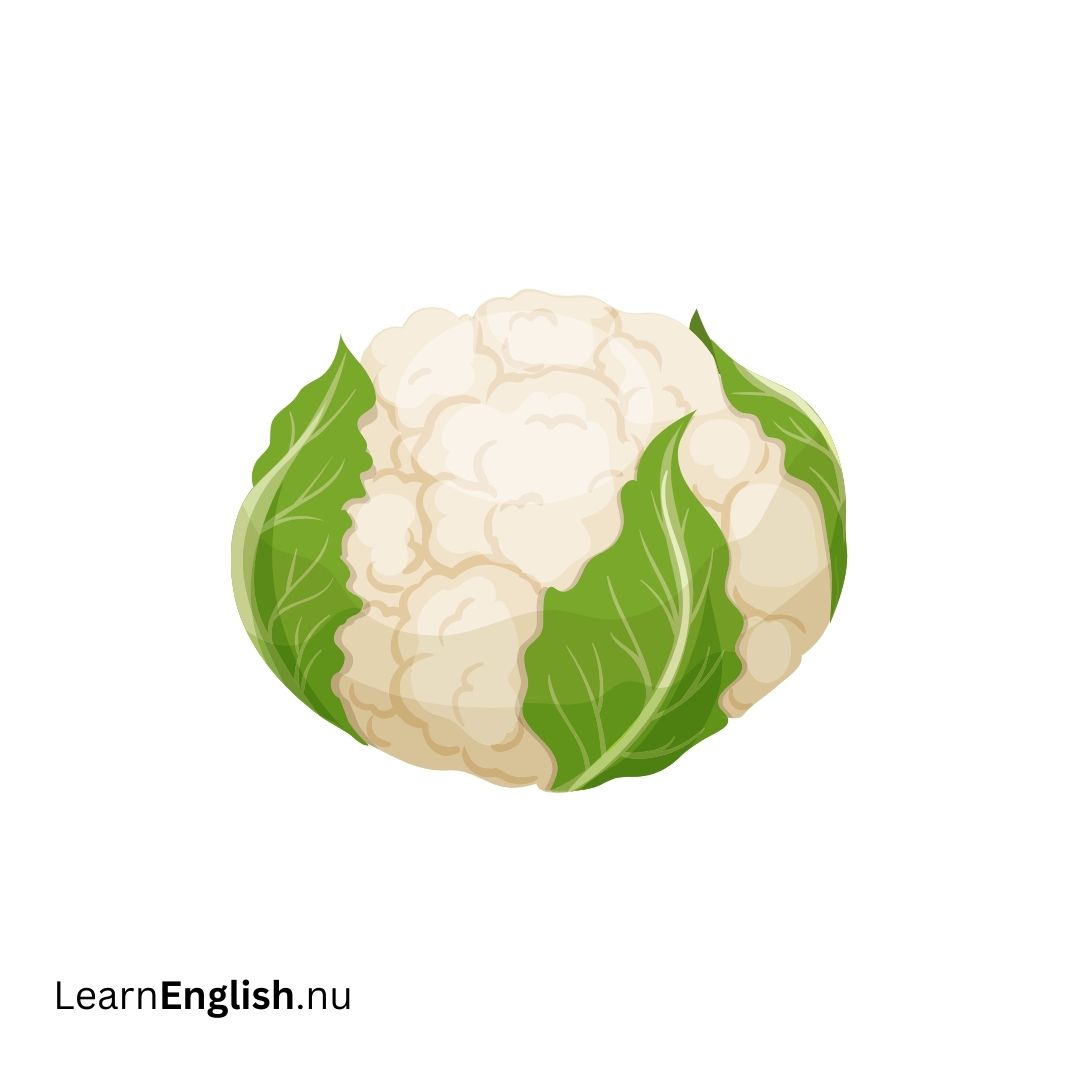
- Blomkål Cauliflower
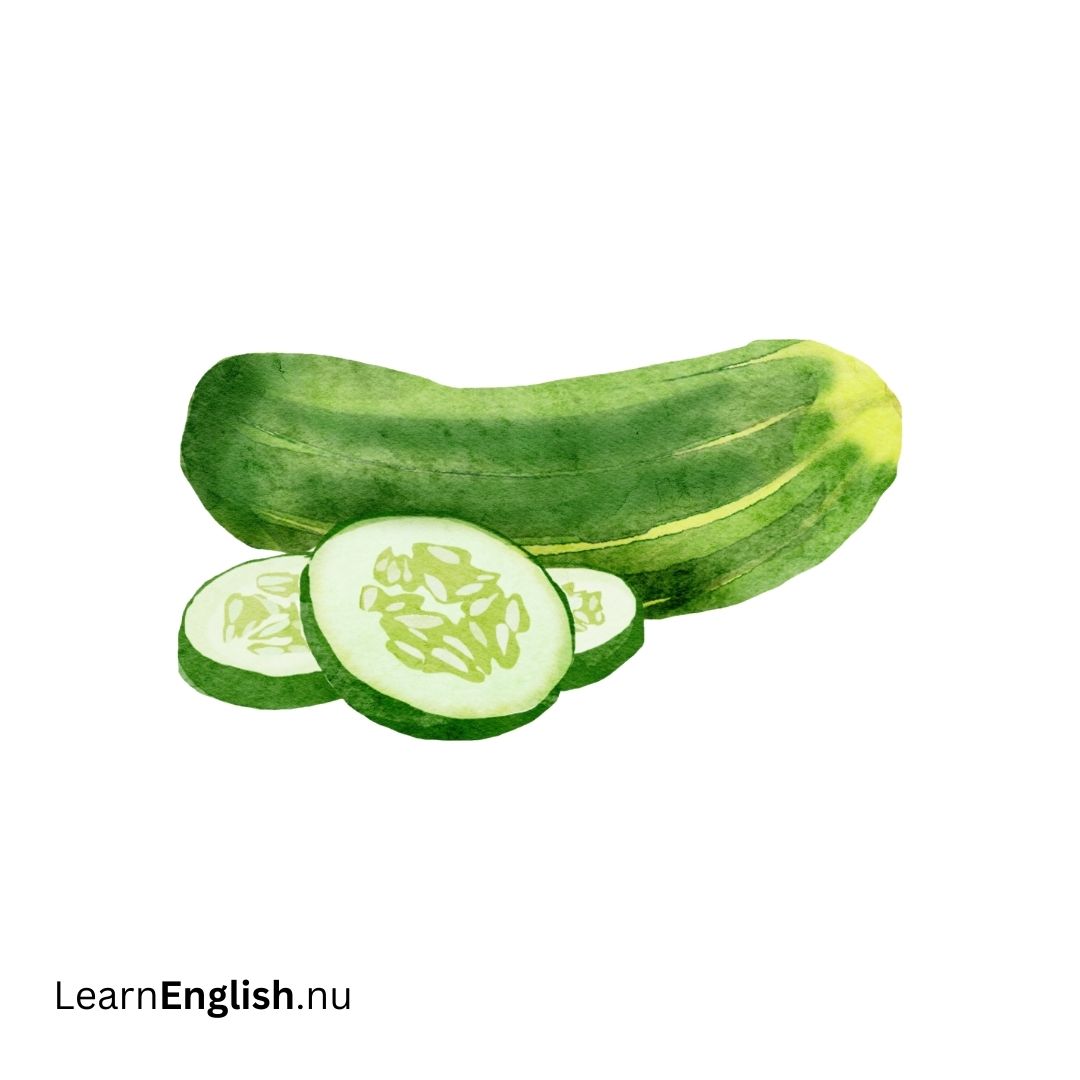
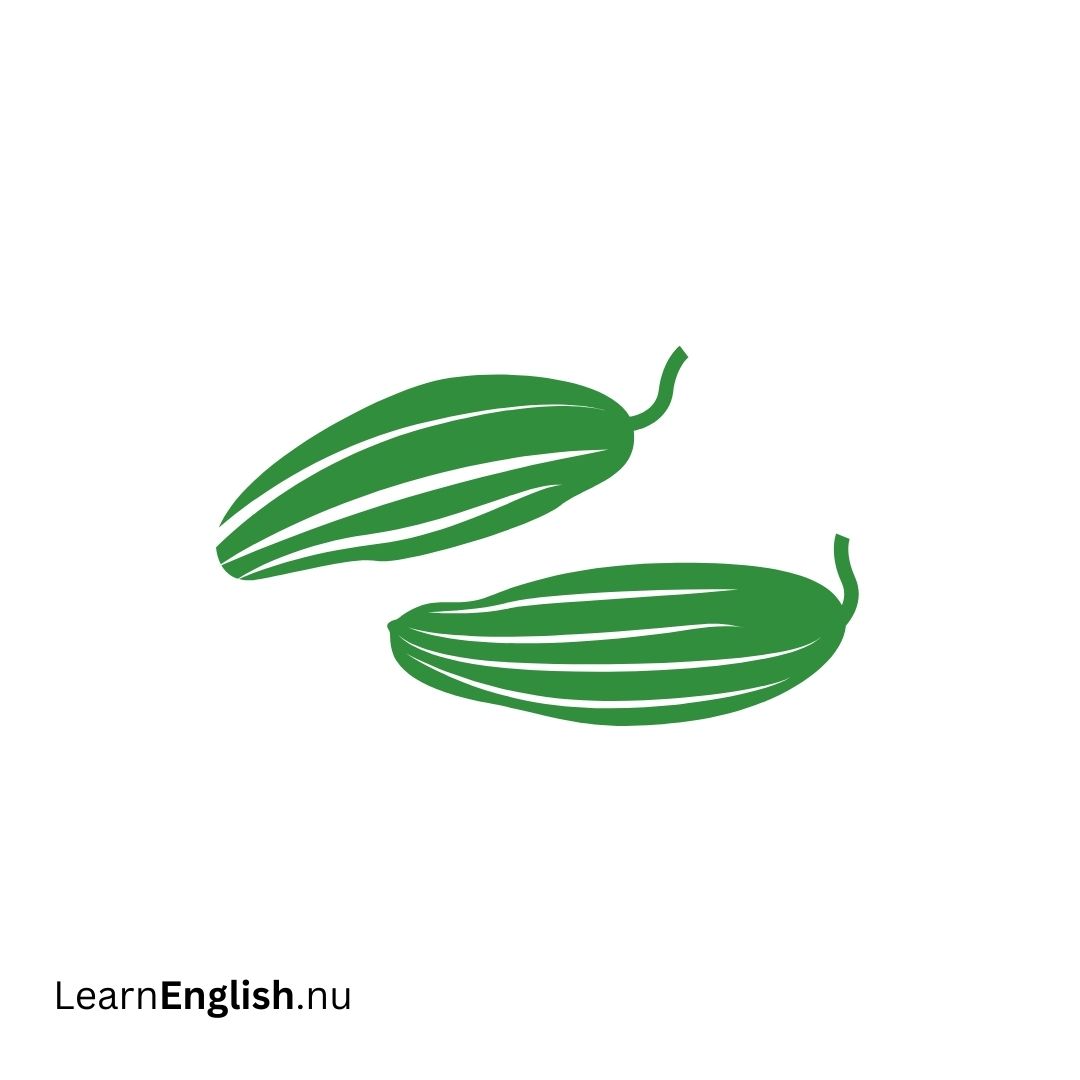
- Gurka Cucumber
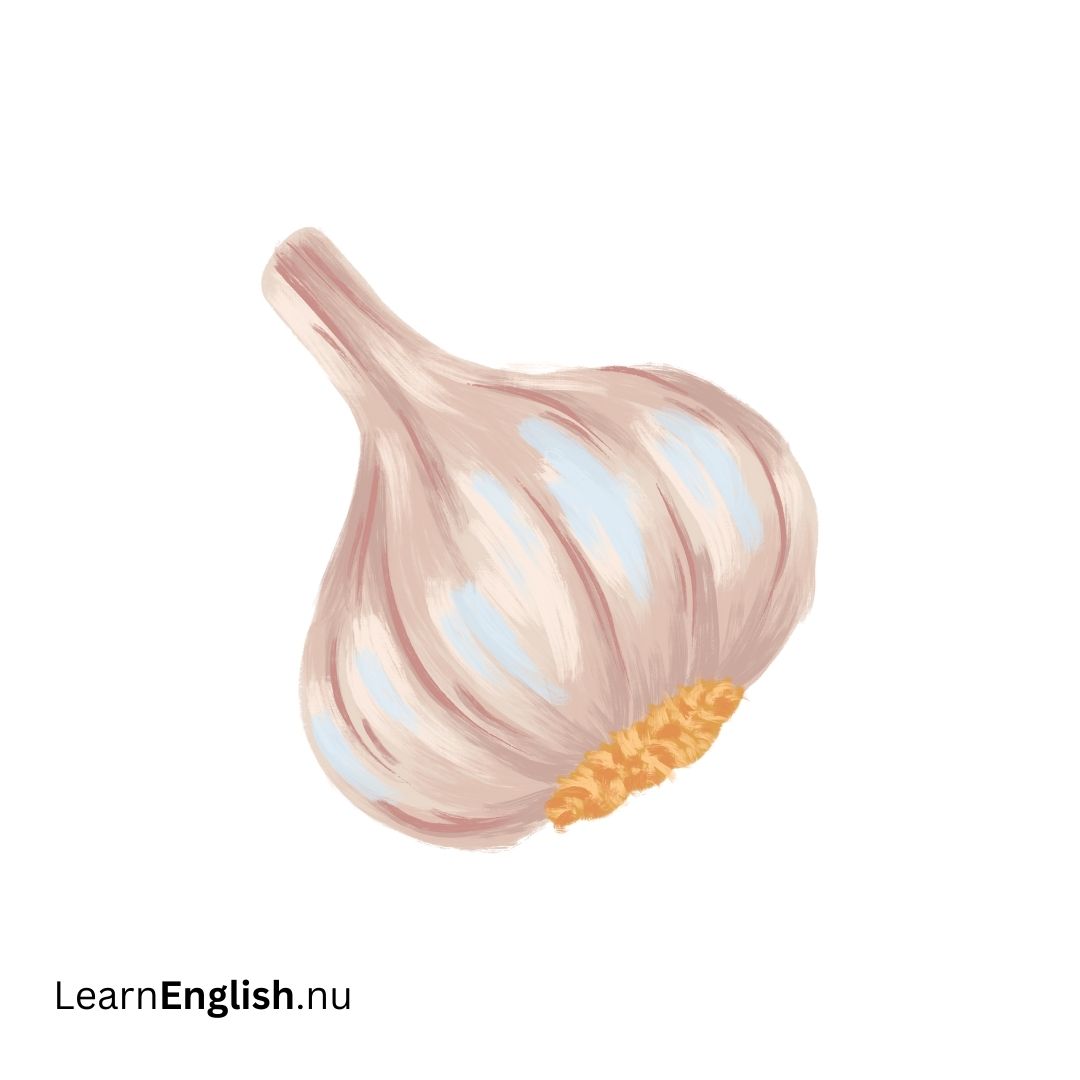
- Vitlök Garlic
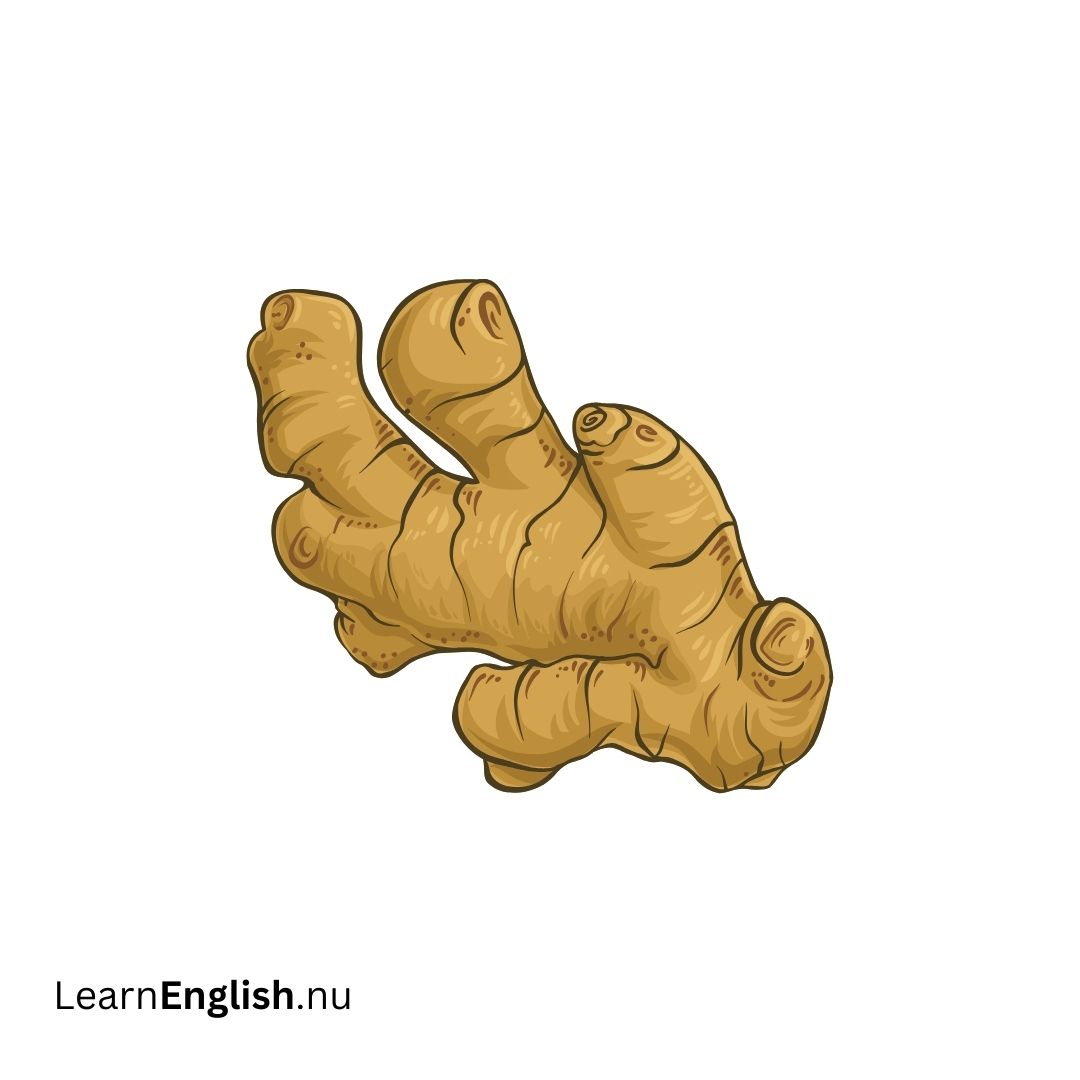
- Ingefära Ginger
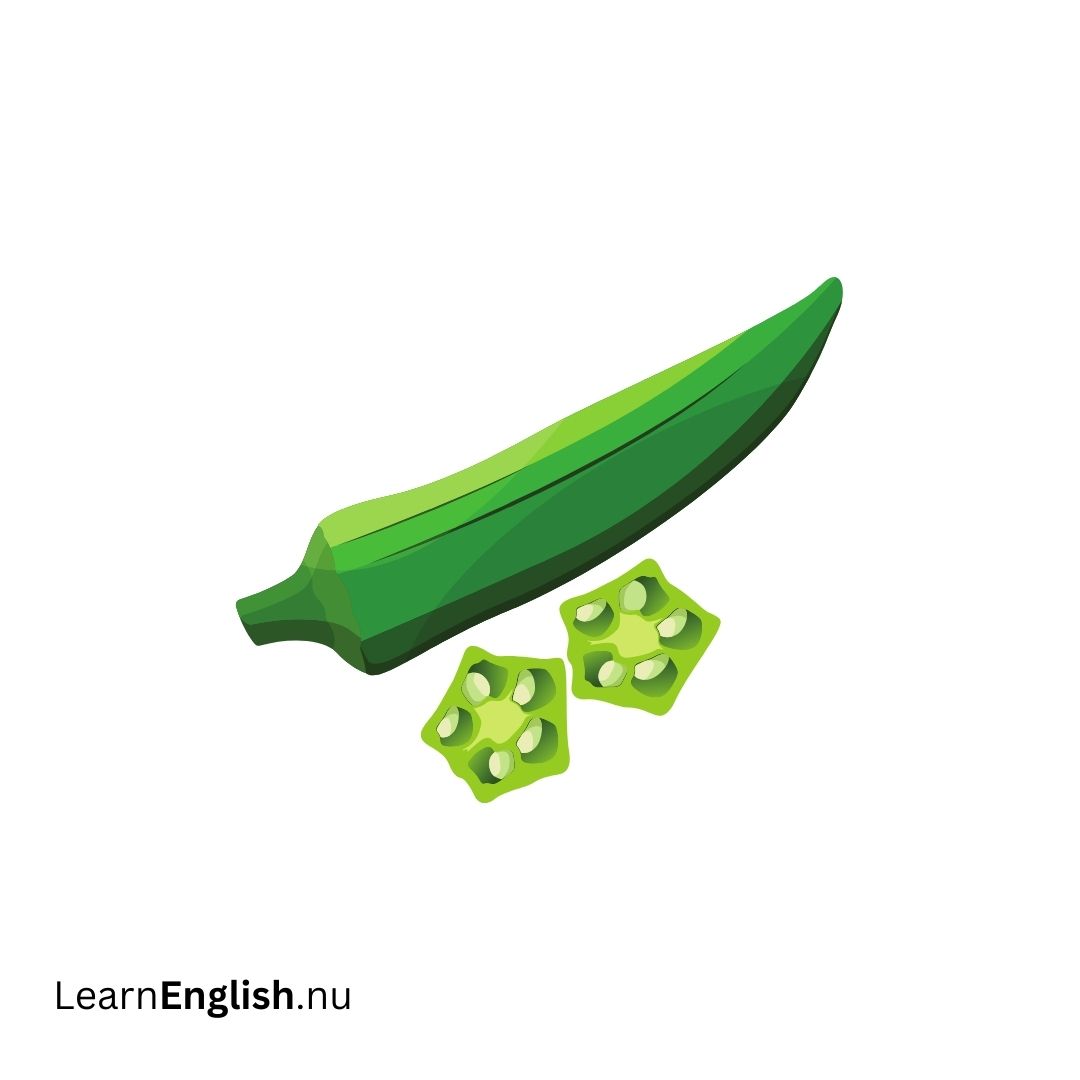
- Kvinnofinger Ladys Finger
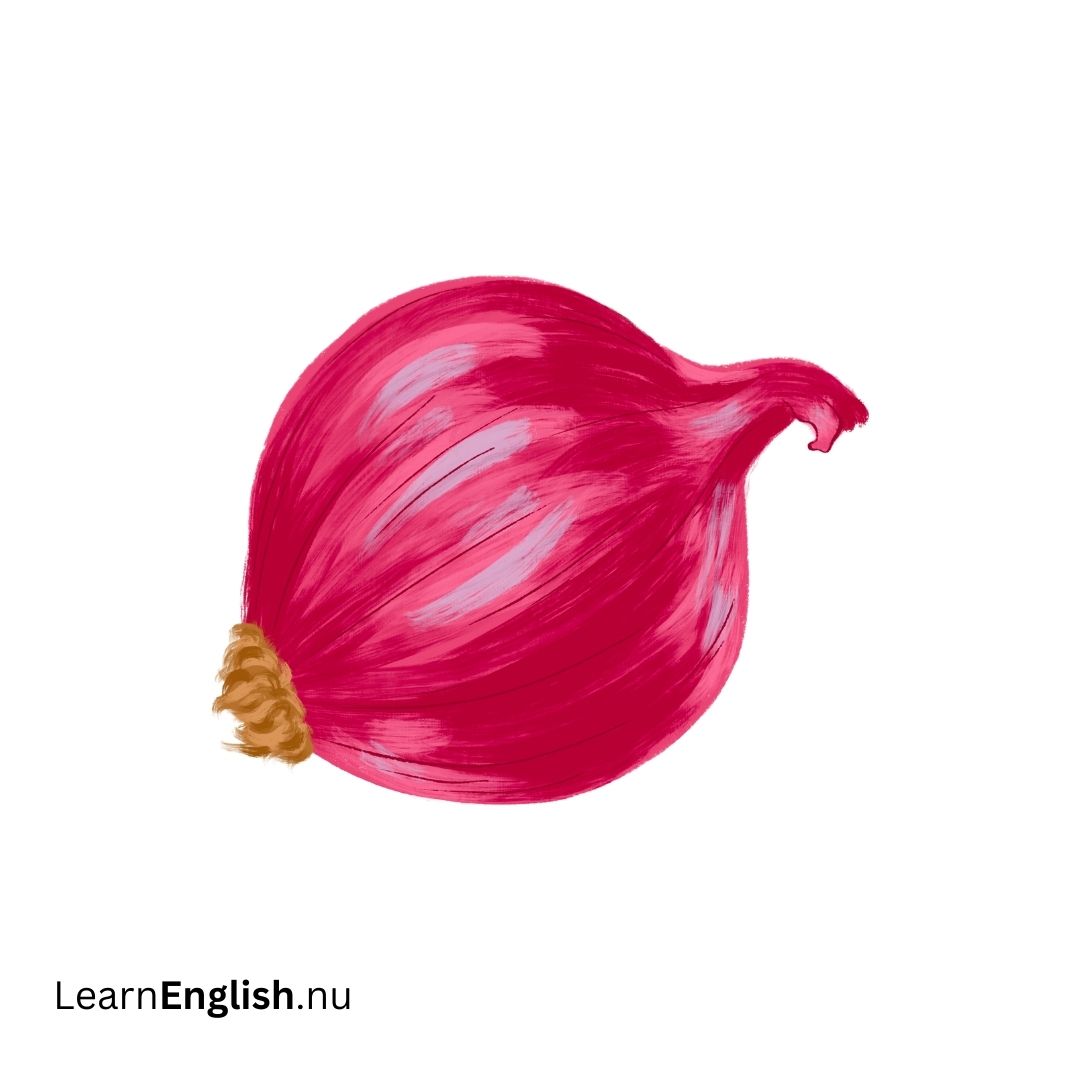
- Lök Onion
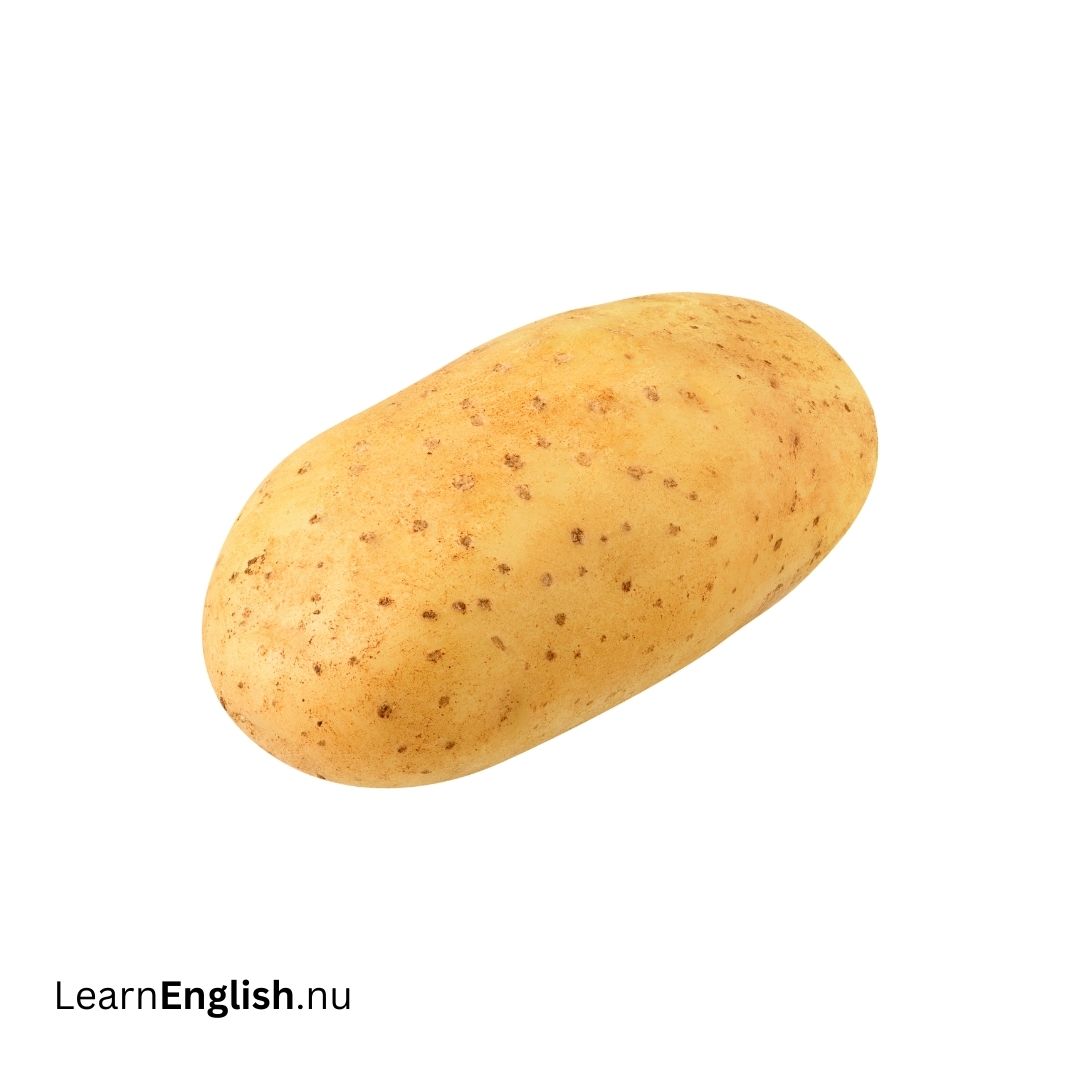
- Potatis Potato
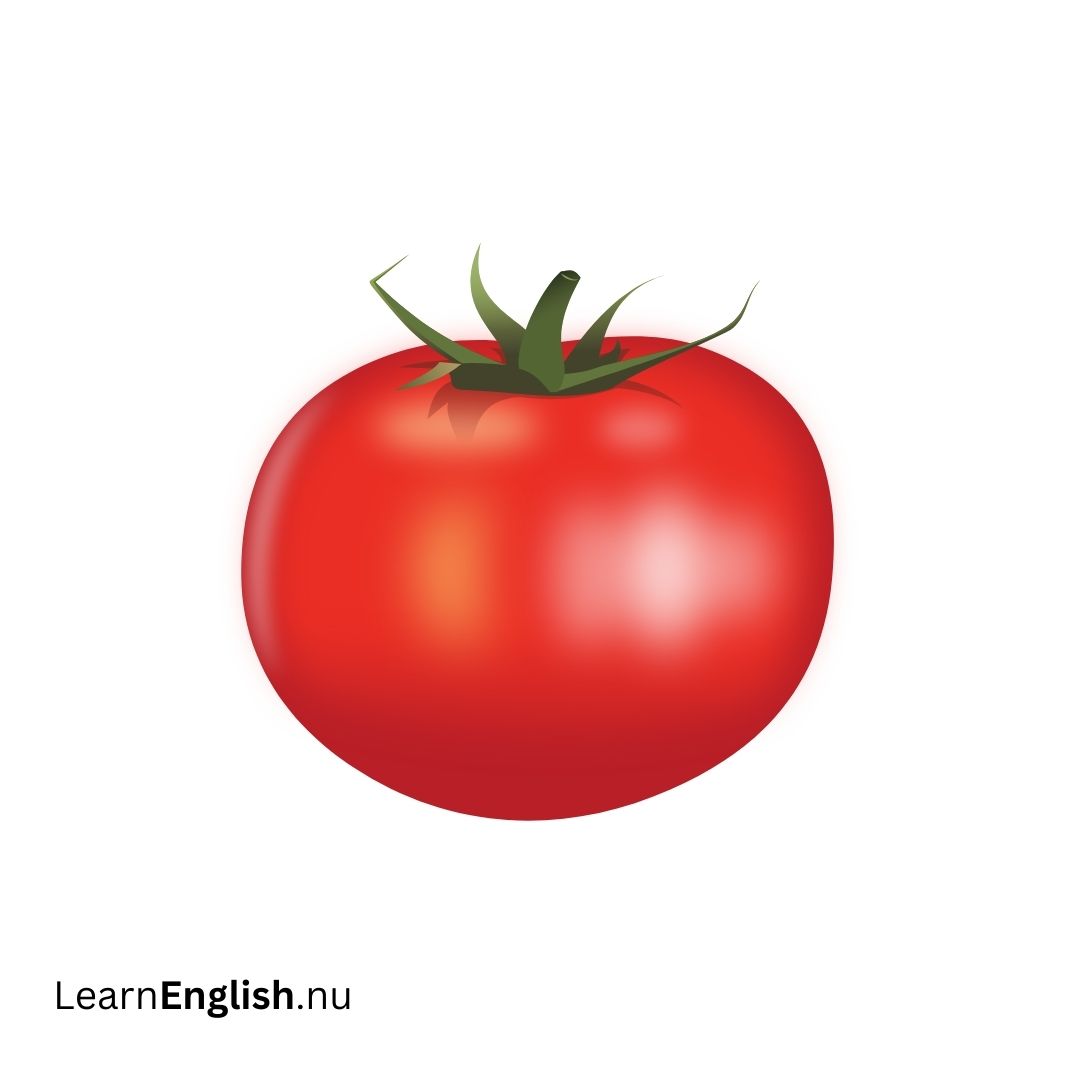
- Tomat Tomato
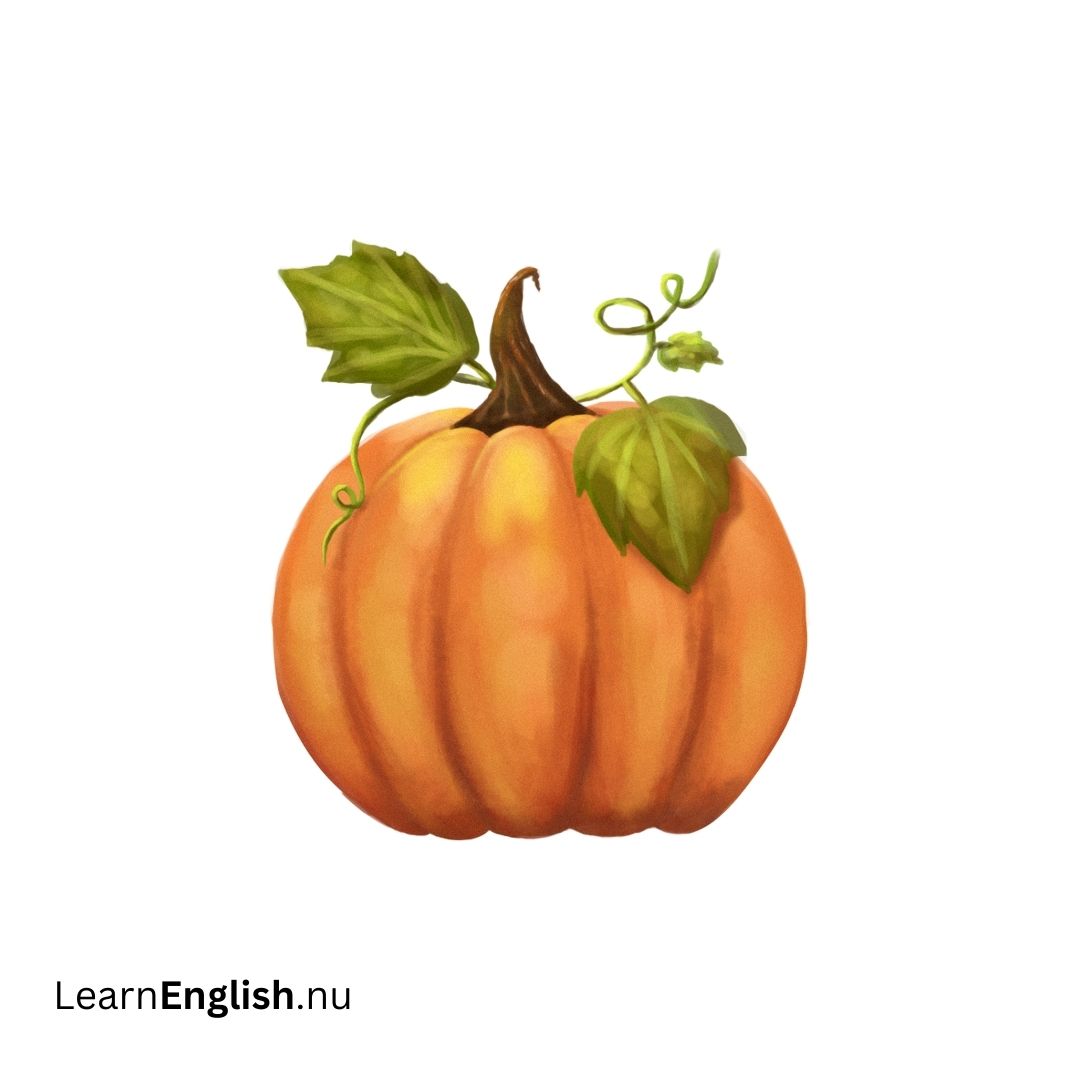
- Pumpa Pumpkin
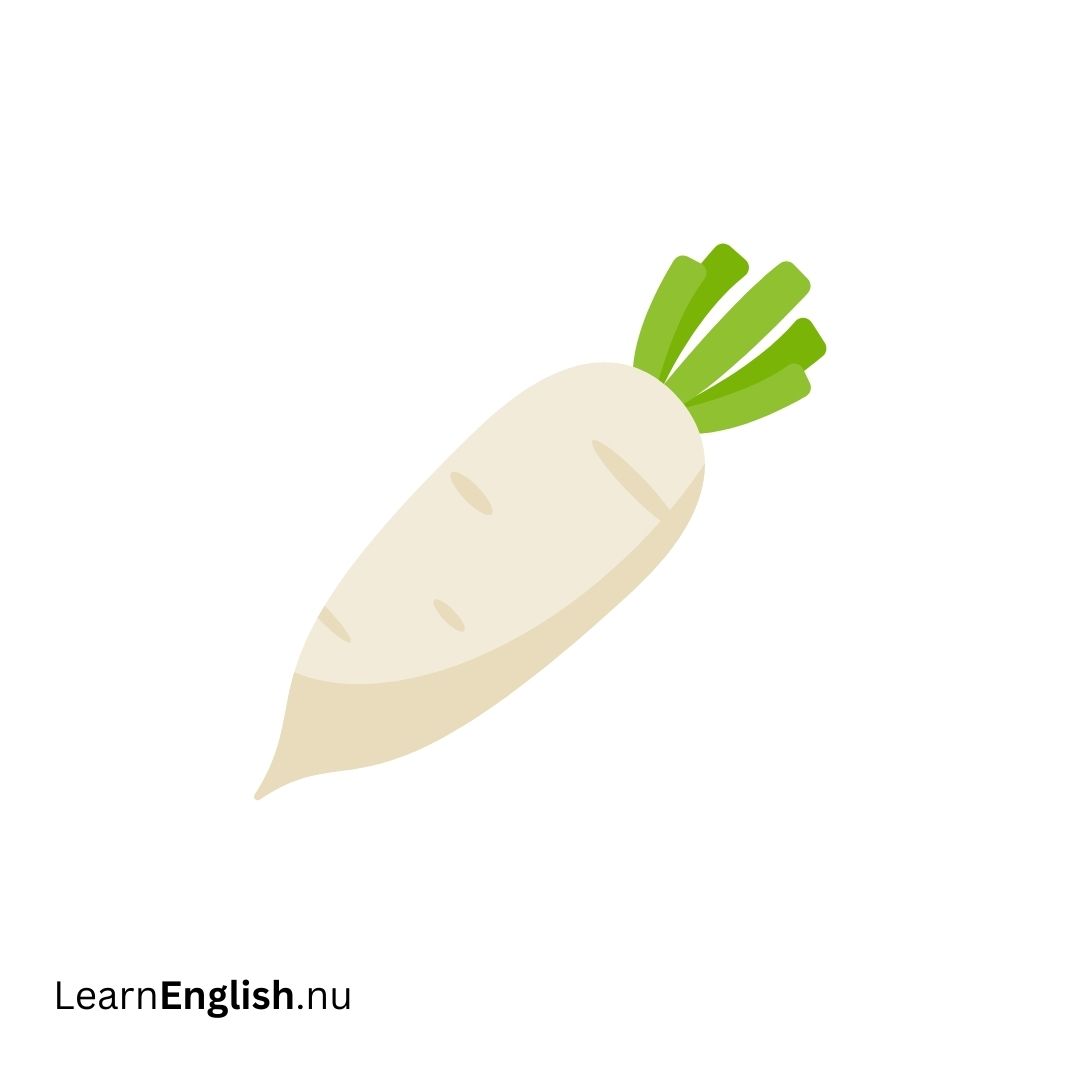
- Rädisa Radish
- Räfflad Kalebass Ridged Gourd
- Orm Kalebass Snake Gourd
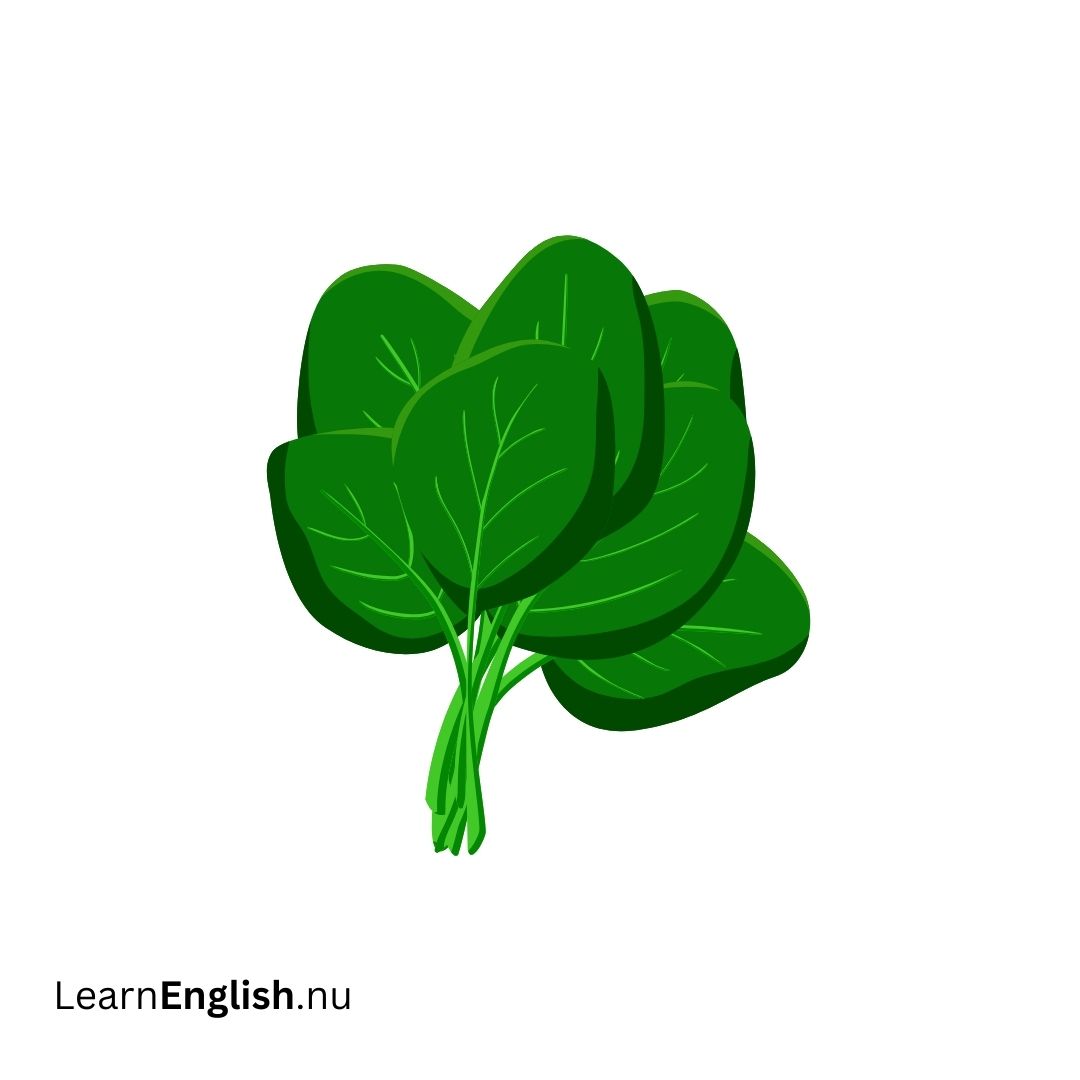
- Spenat Spinach
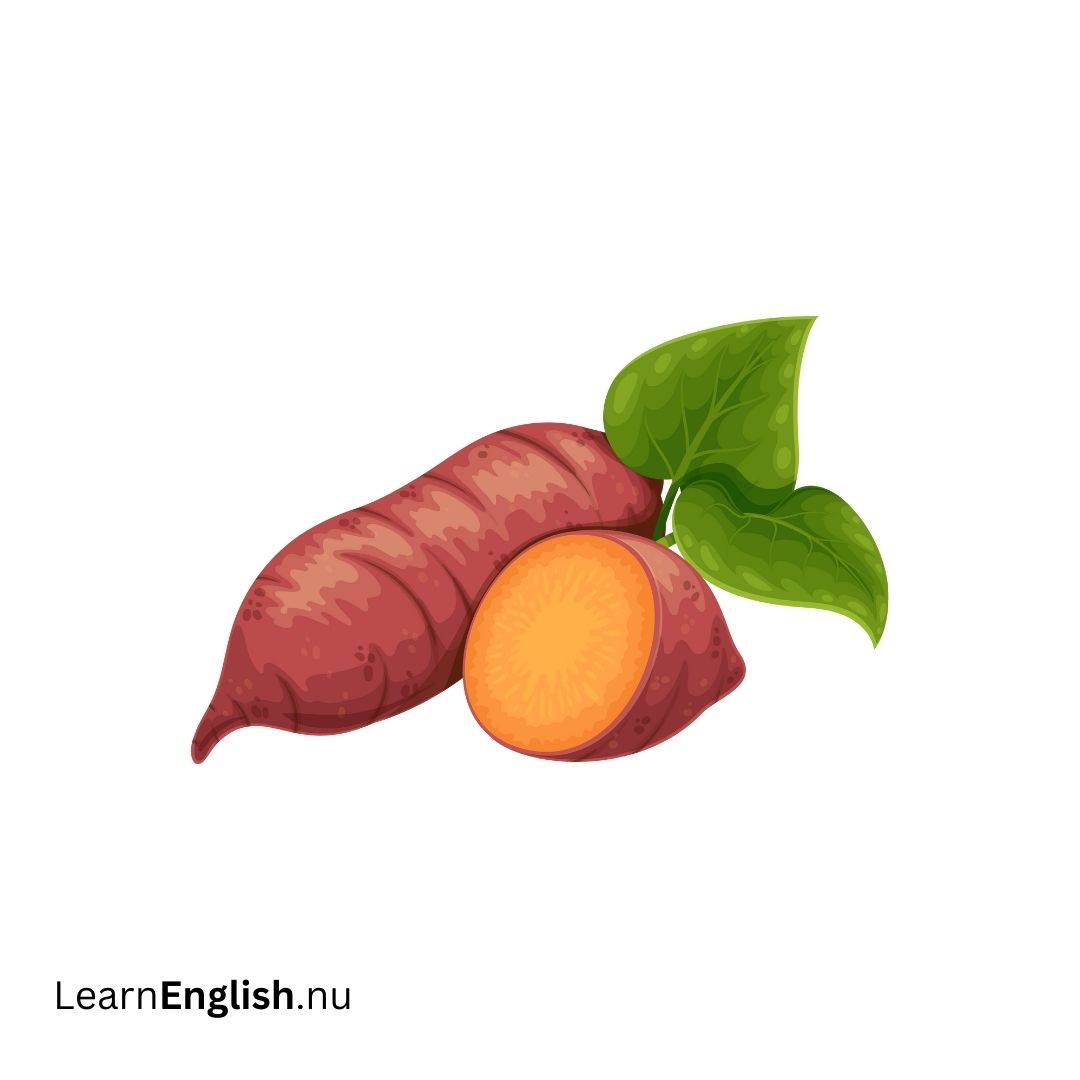
- Sötpotatis Sweet Potato
- Amaranth Amaranth
- Aska Kalebass Ash Gourd
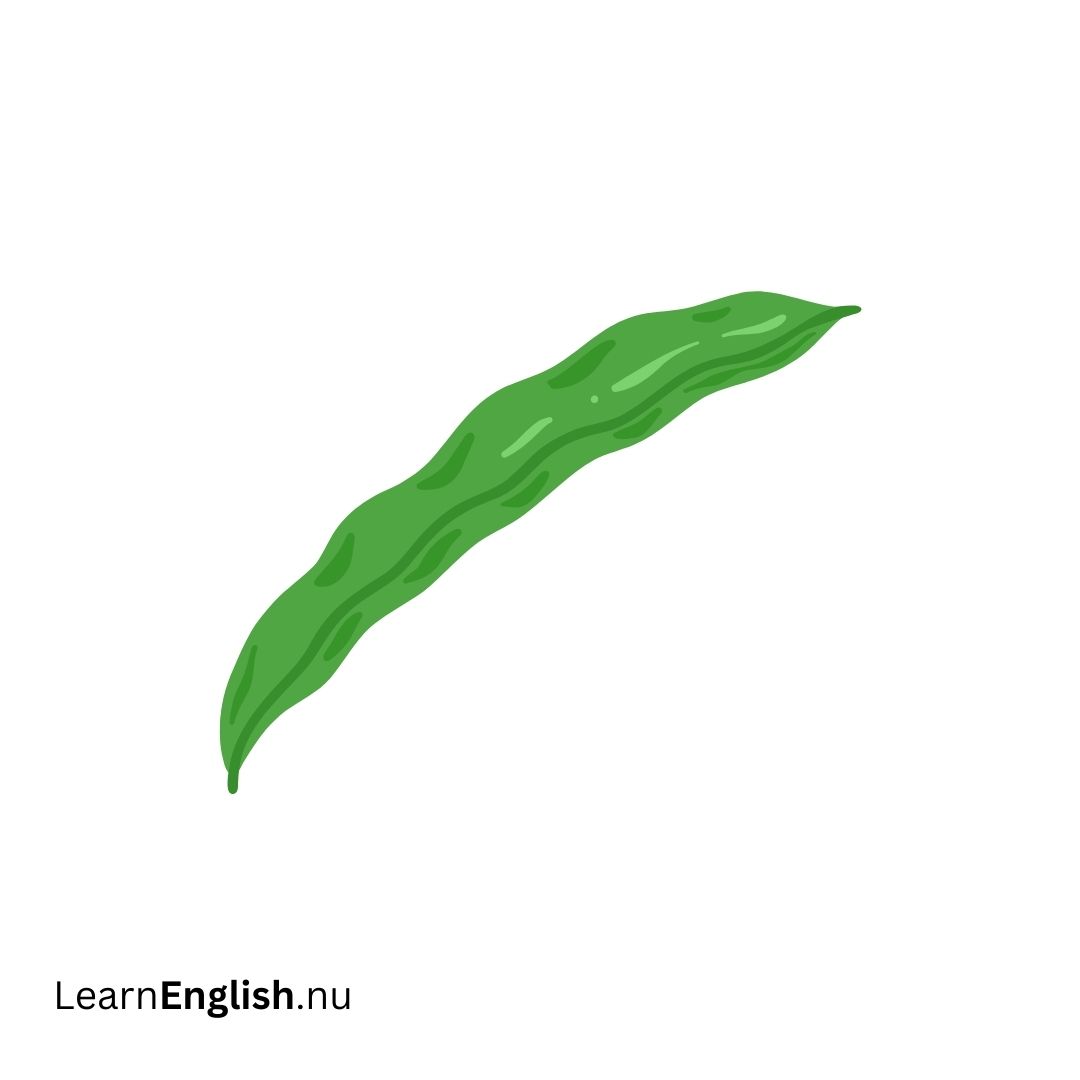
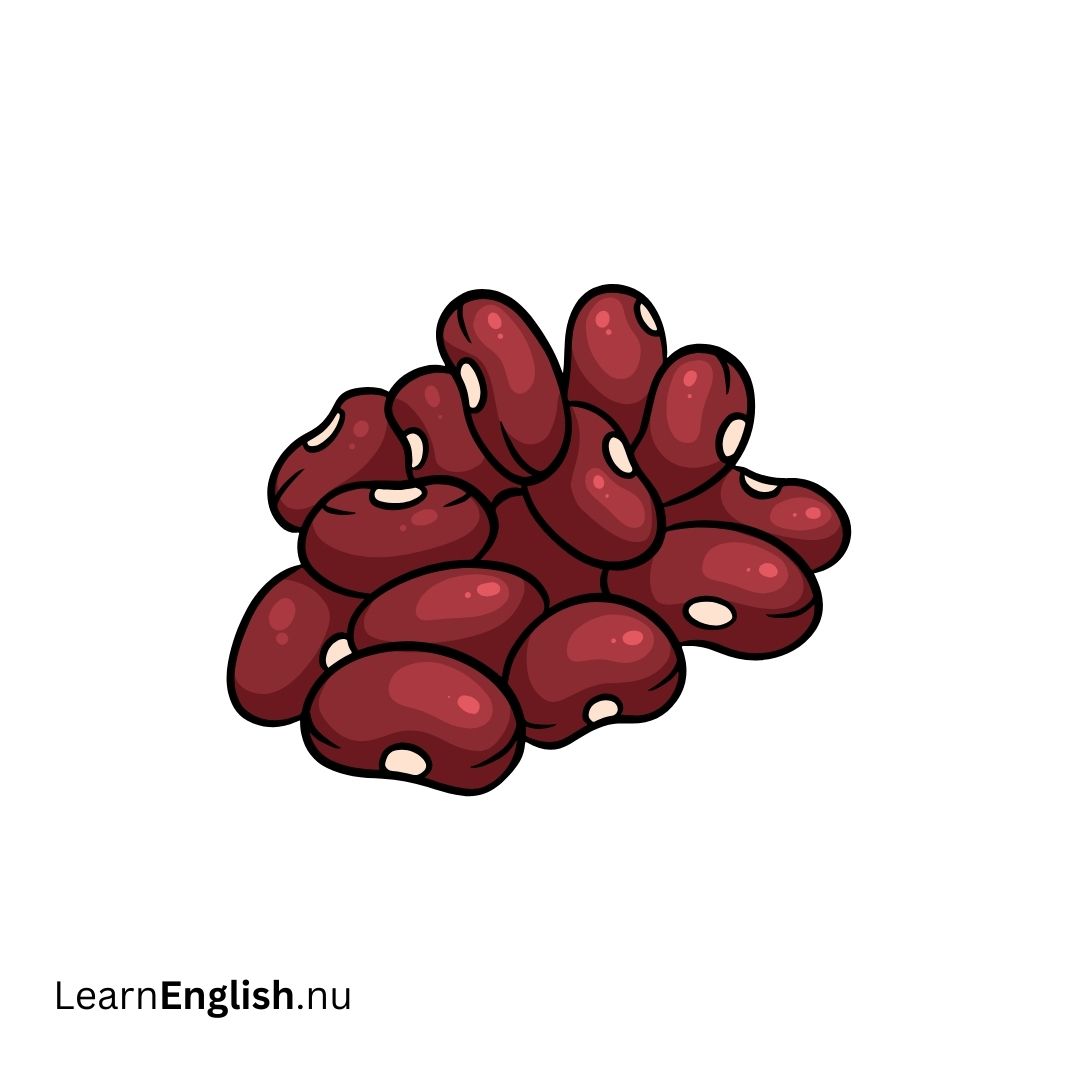
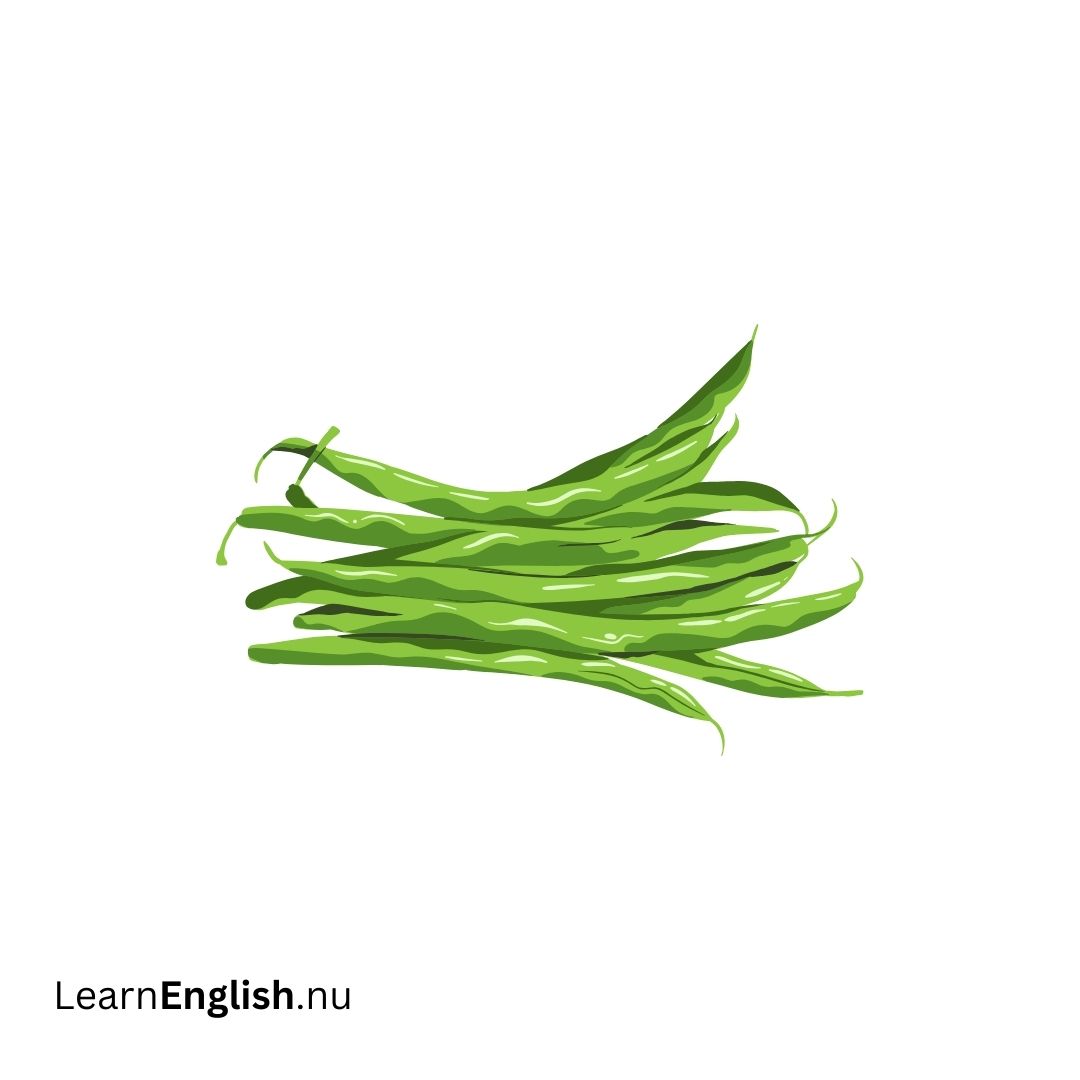
- Bönor Beans
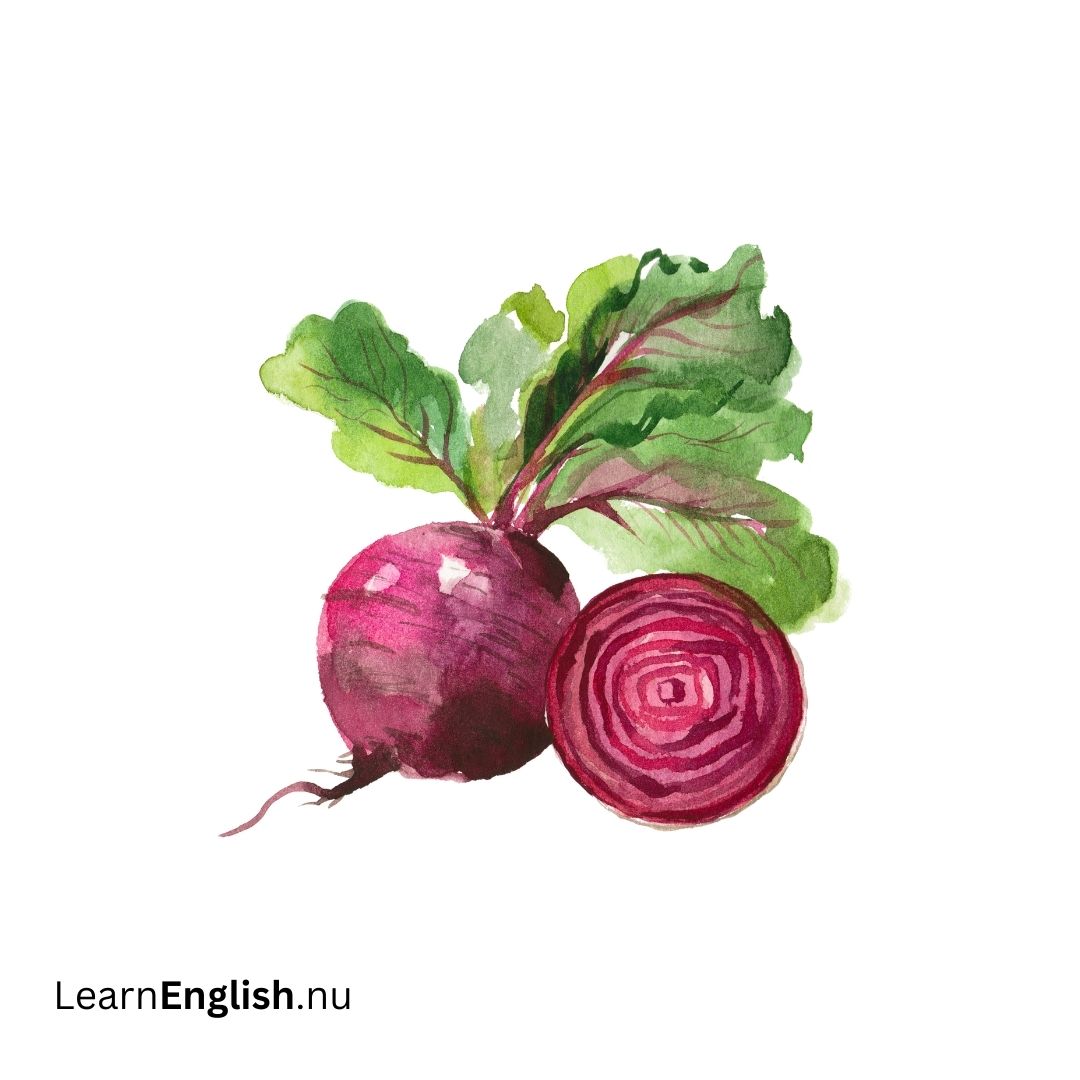
- Rödbeta Beetroot
- Bengal Gram Bengal Gram
- Bitter Kalebass Bitter Gourd
- Svartpeppar Black Pepper
- Flaska Kalebass Bottle Gourd
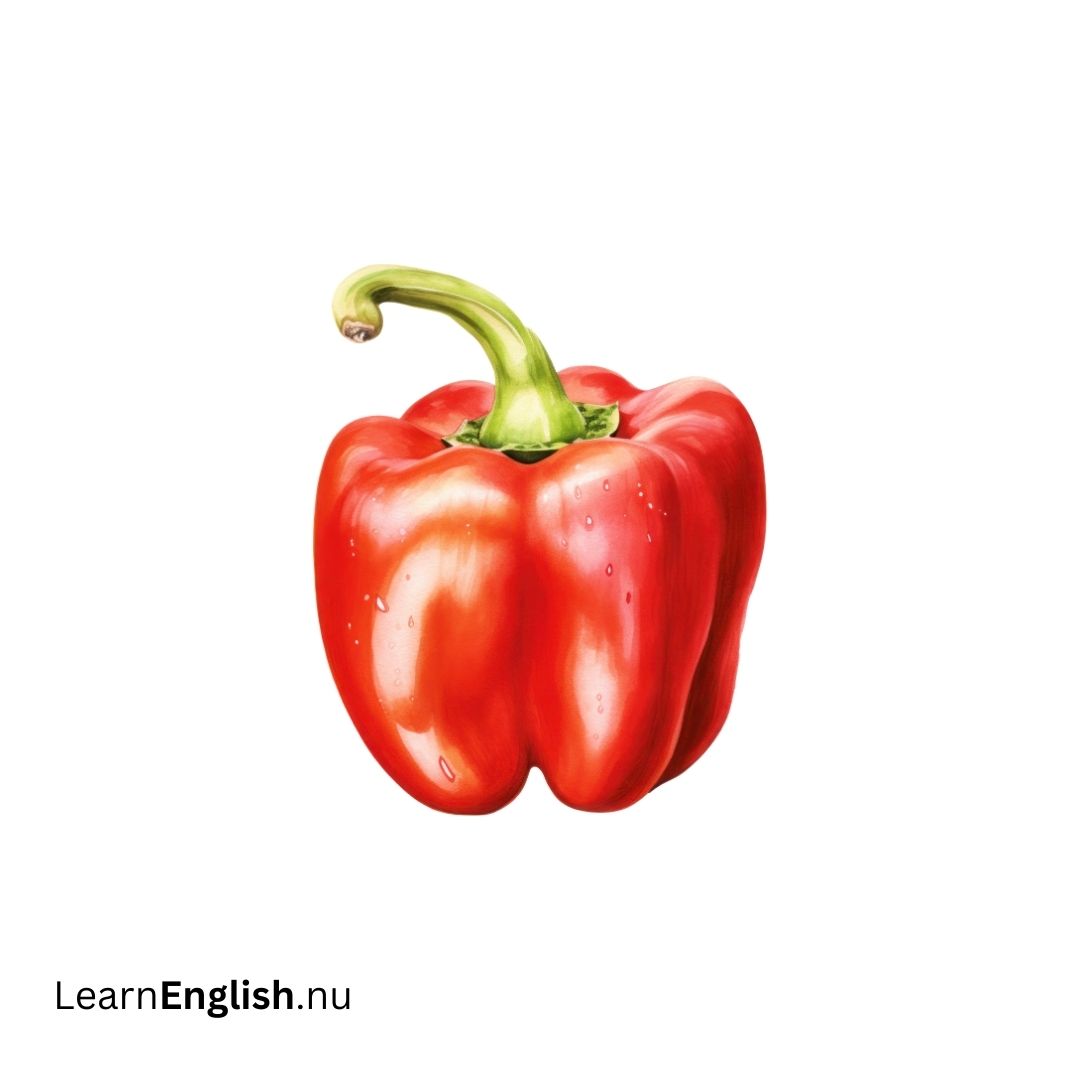
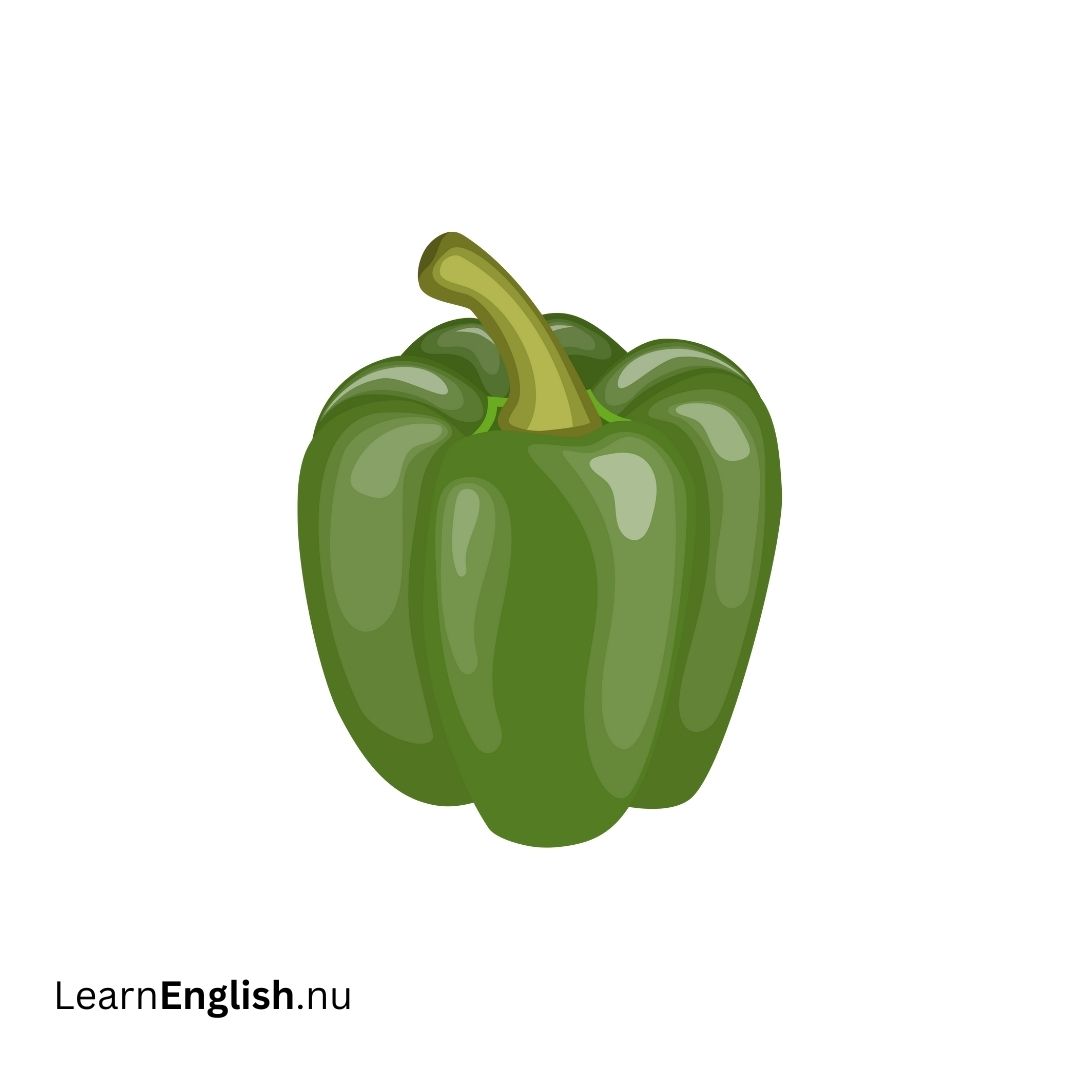
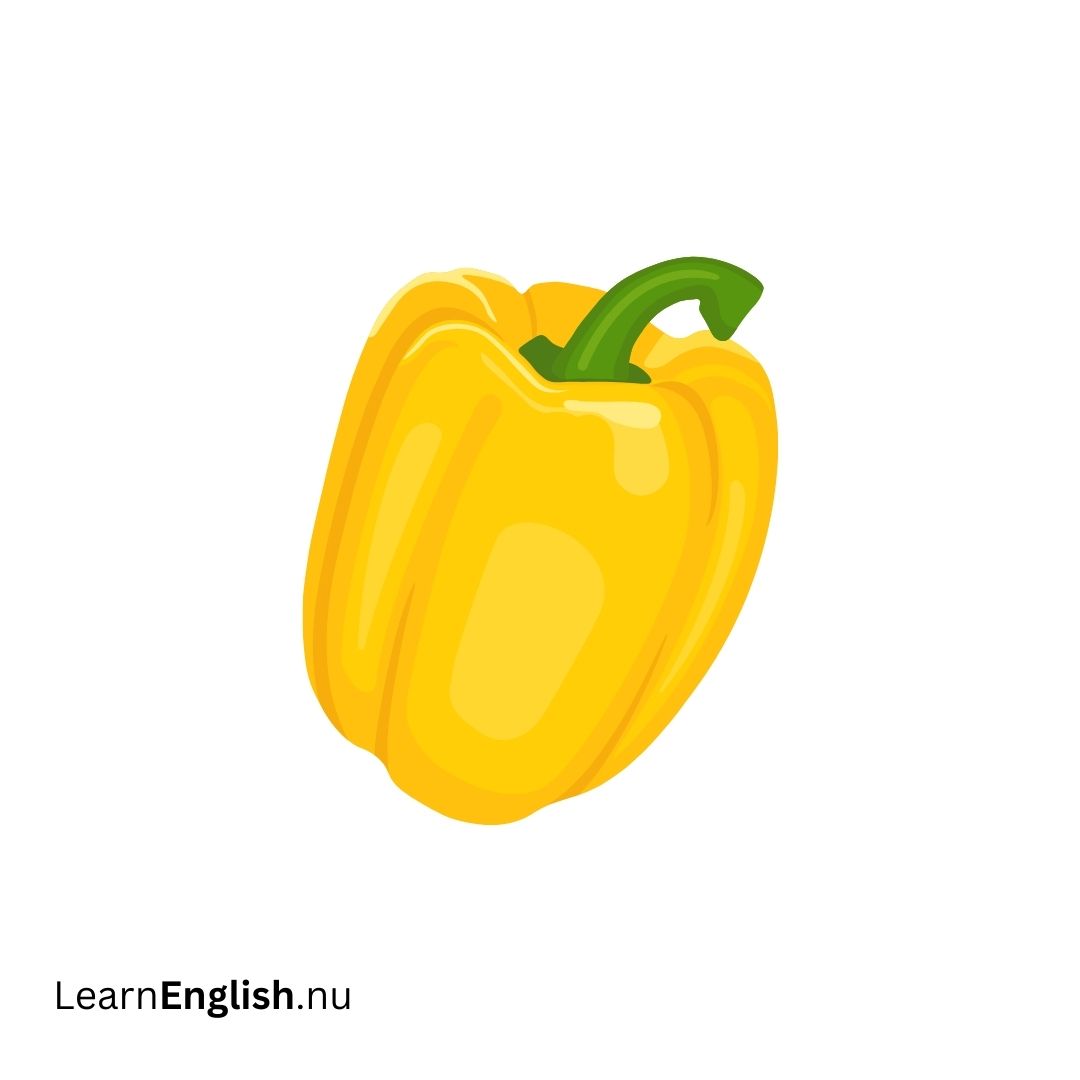
- Spansk Peppar Capsicum
- Selleri Celery
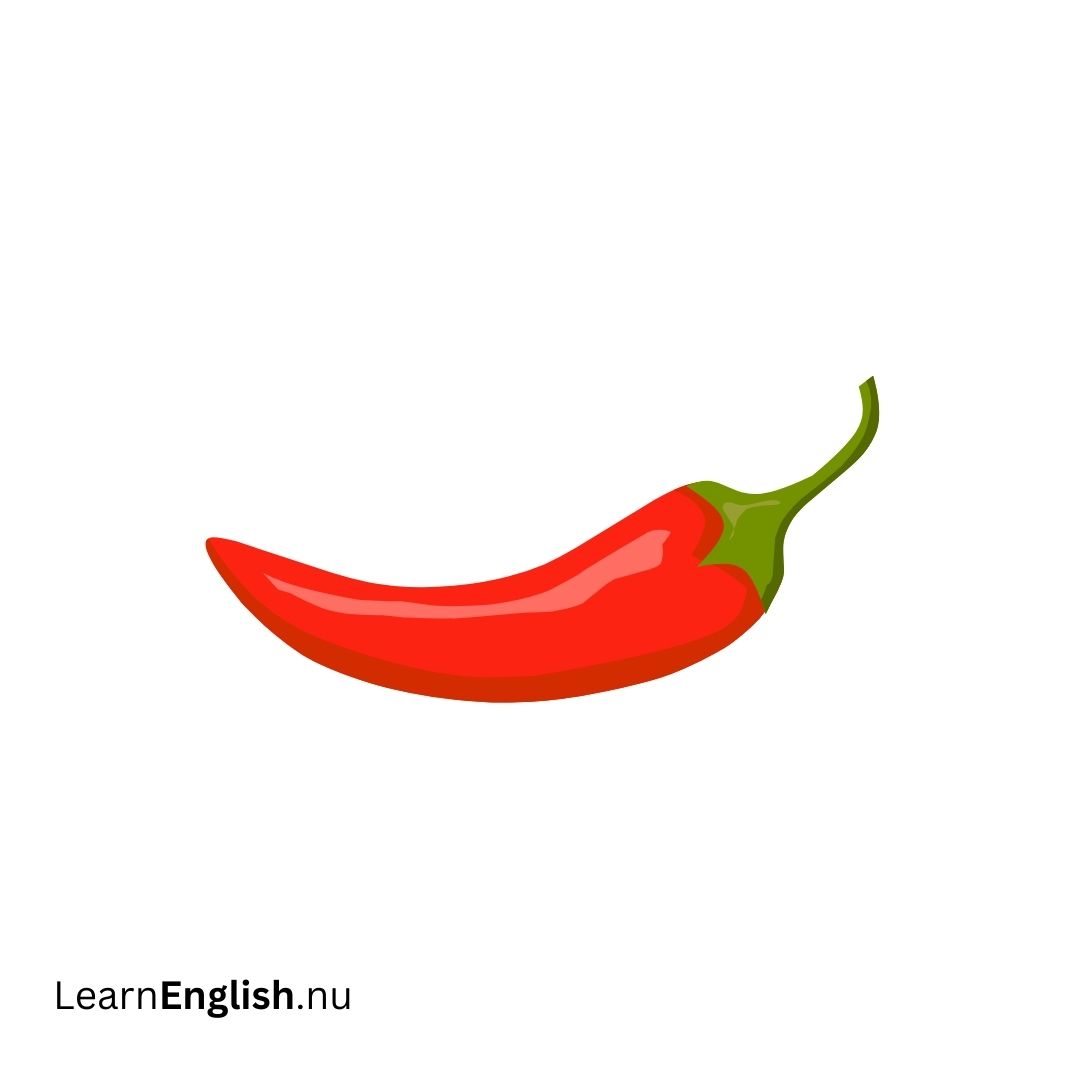
- Chili Chilli
- Klusterbönor Cluster Beans
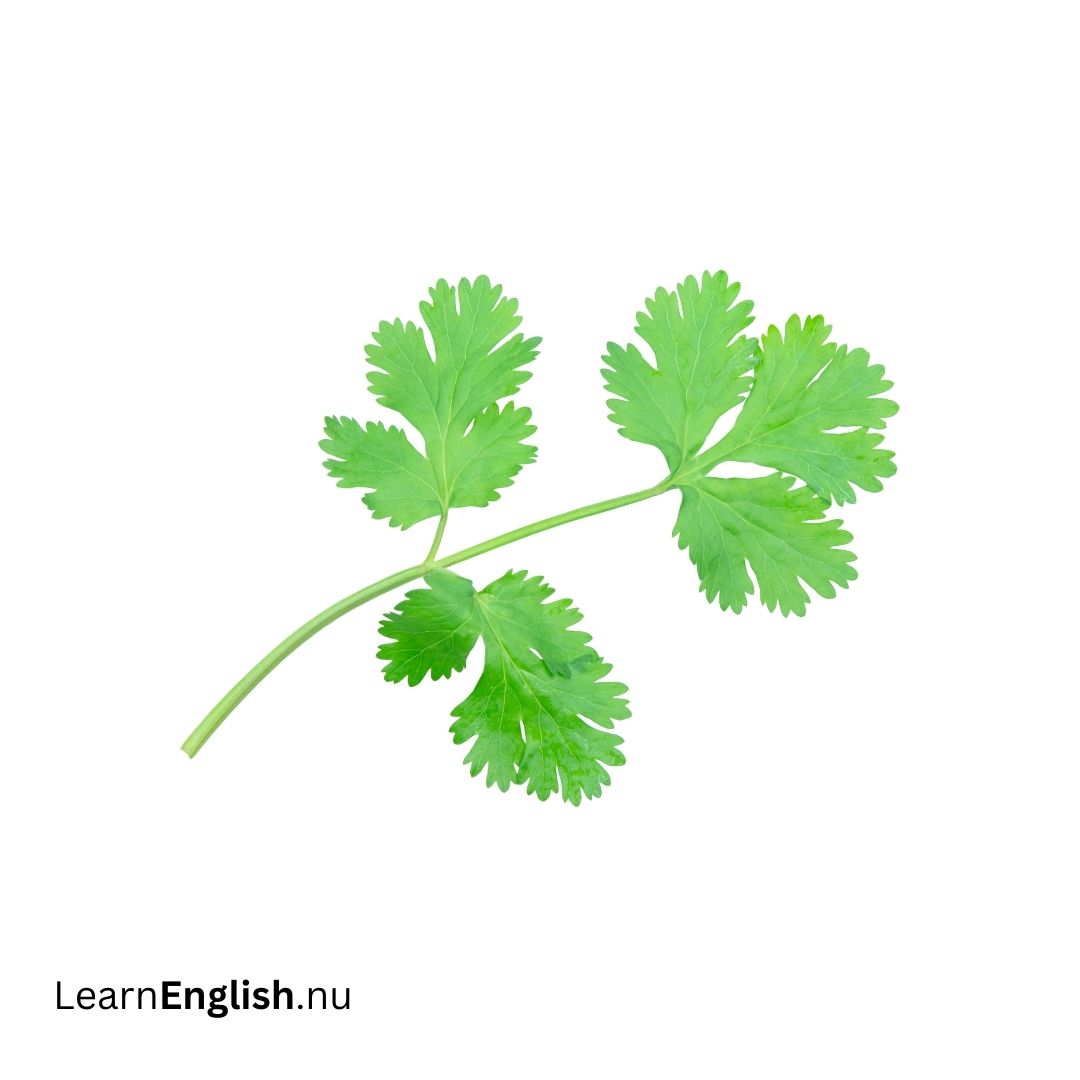
- Koriander Coriander
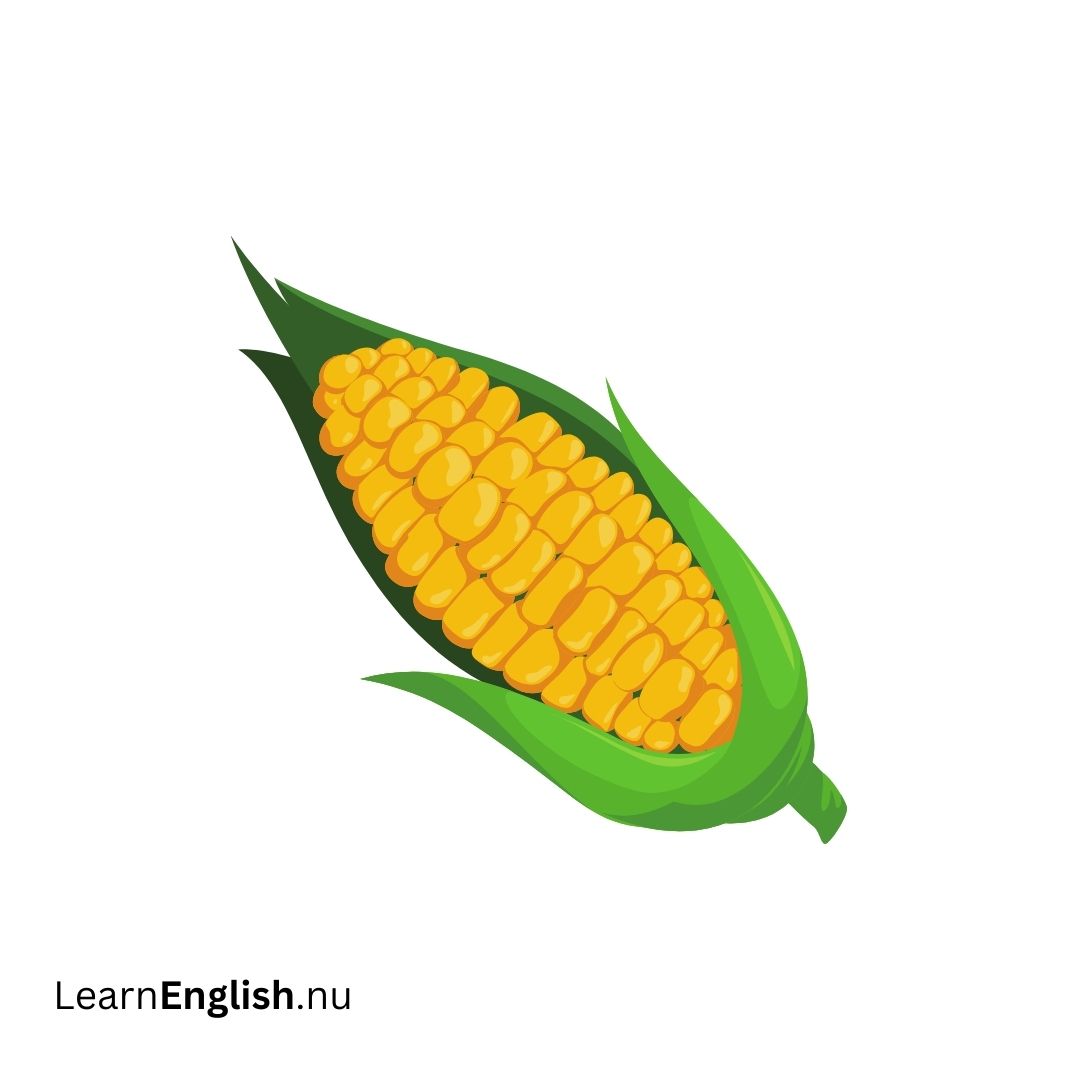
- Majs Corn
- Cowpea Cowpea
- Trumpinne Drum Stick
- Bockhornsklöver blad Fenugreek Leaf
- Kalebass Gourd
- Grön Chili Green Chilli
- Grönt Gram Green Gram
- Grön Groblad Green Plantain
- Murgröna Kalebass Ivy Gourd
- Grönkål Kale
- Citron Lemon
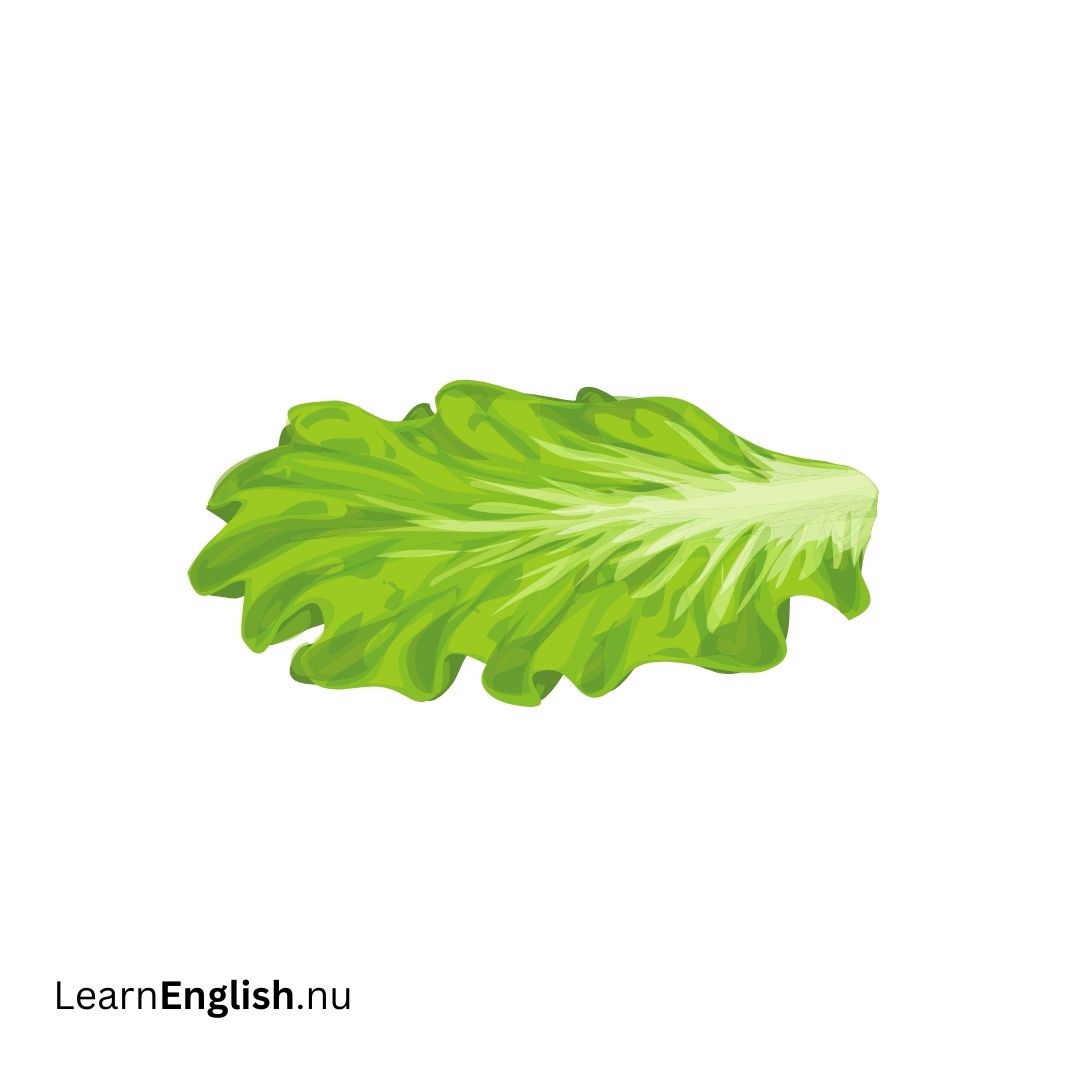
- Sallad Lettuce
- Luffa Luffa
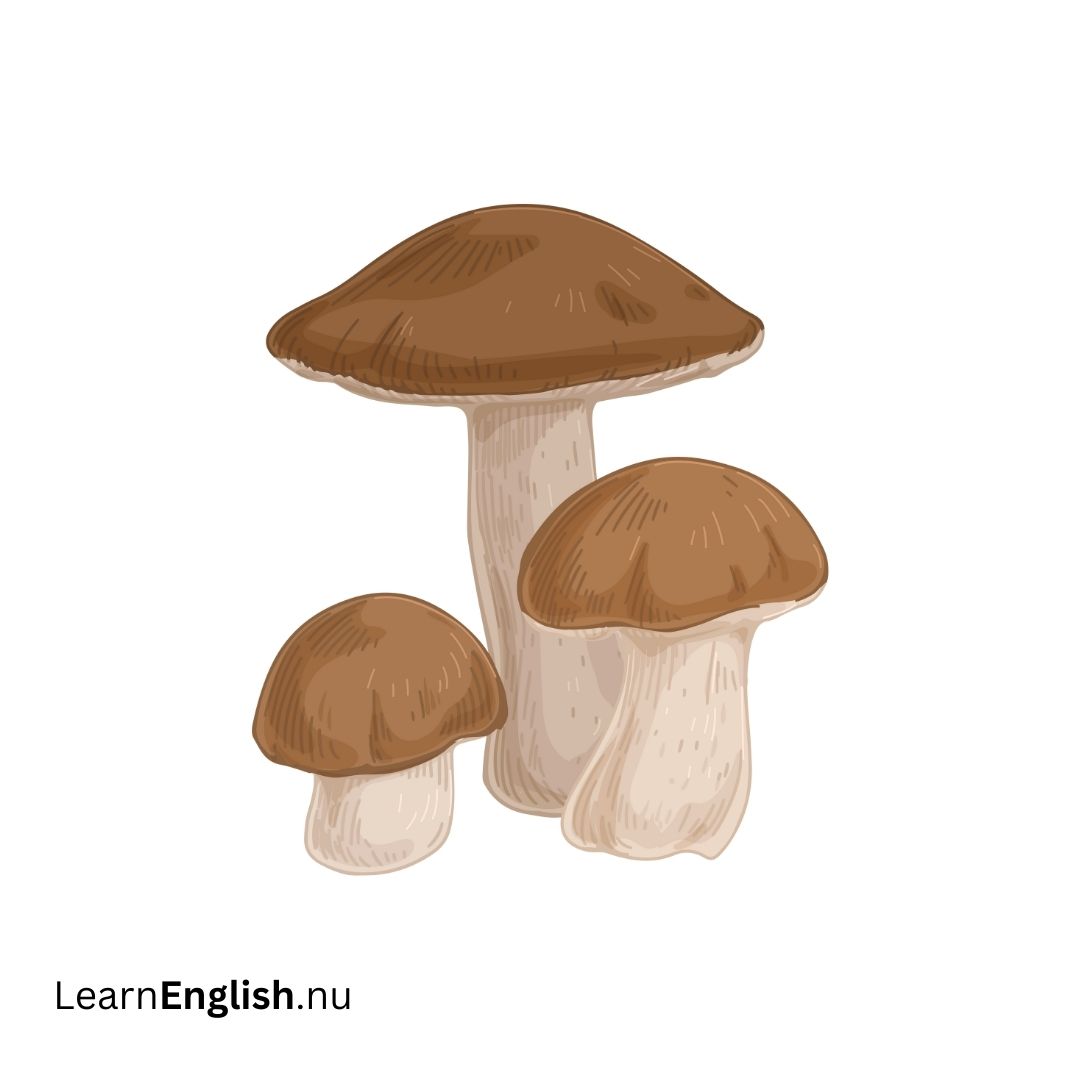
- Svamp Mushroom
- Senapsgrönsaker Mustard Greens
- Curryblad Curry Leaf
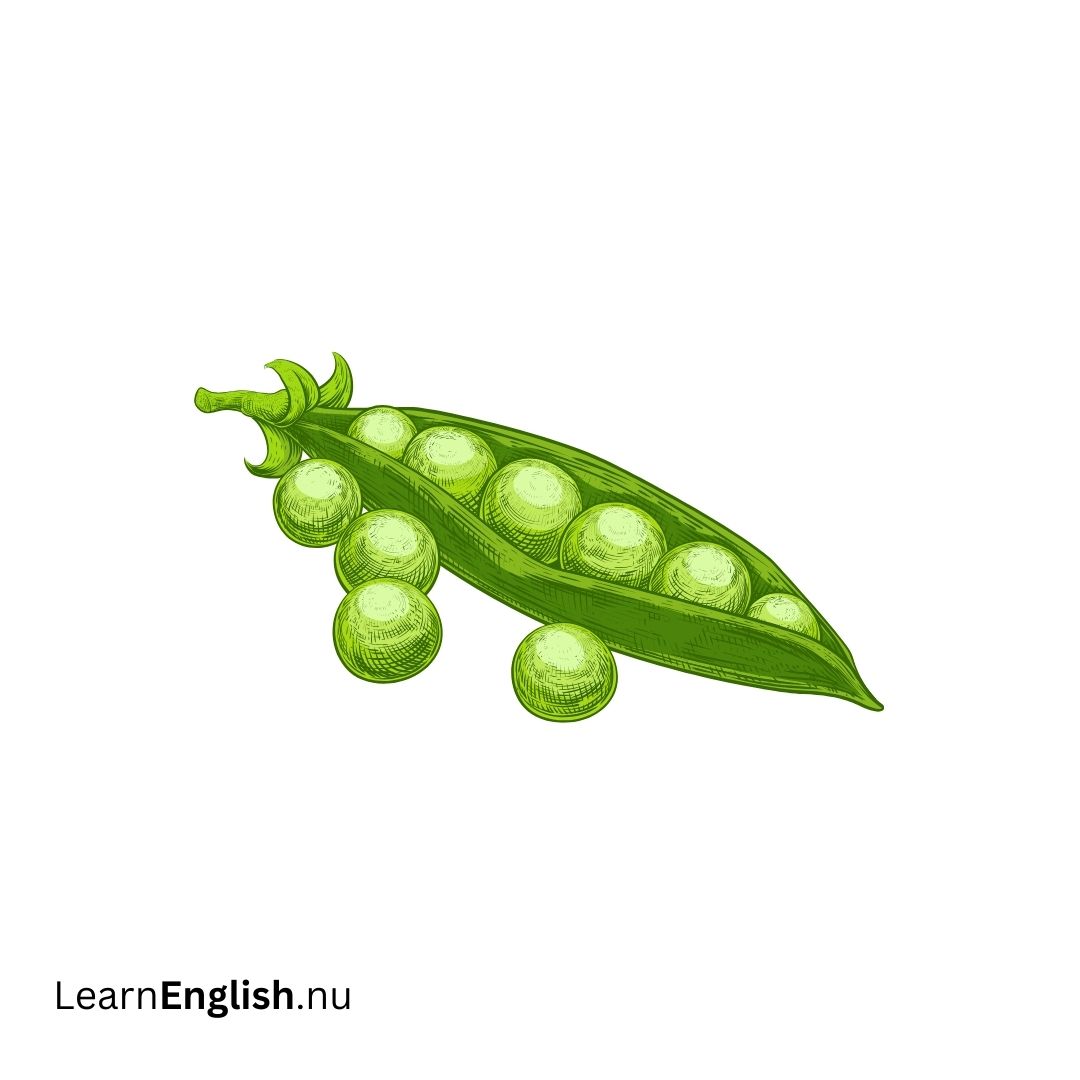
- Ärt Pea
- Pepparmynta Peppermint
- Groblad Plantain
- Tapioka Tapioca
- Mynta Mint
- Gurkmeja Turmeric
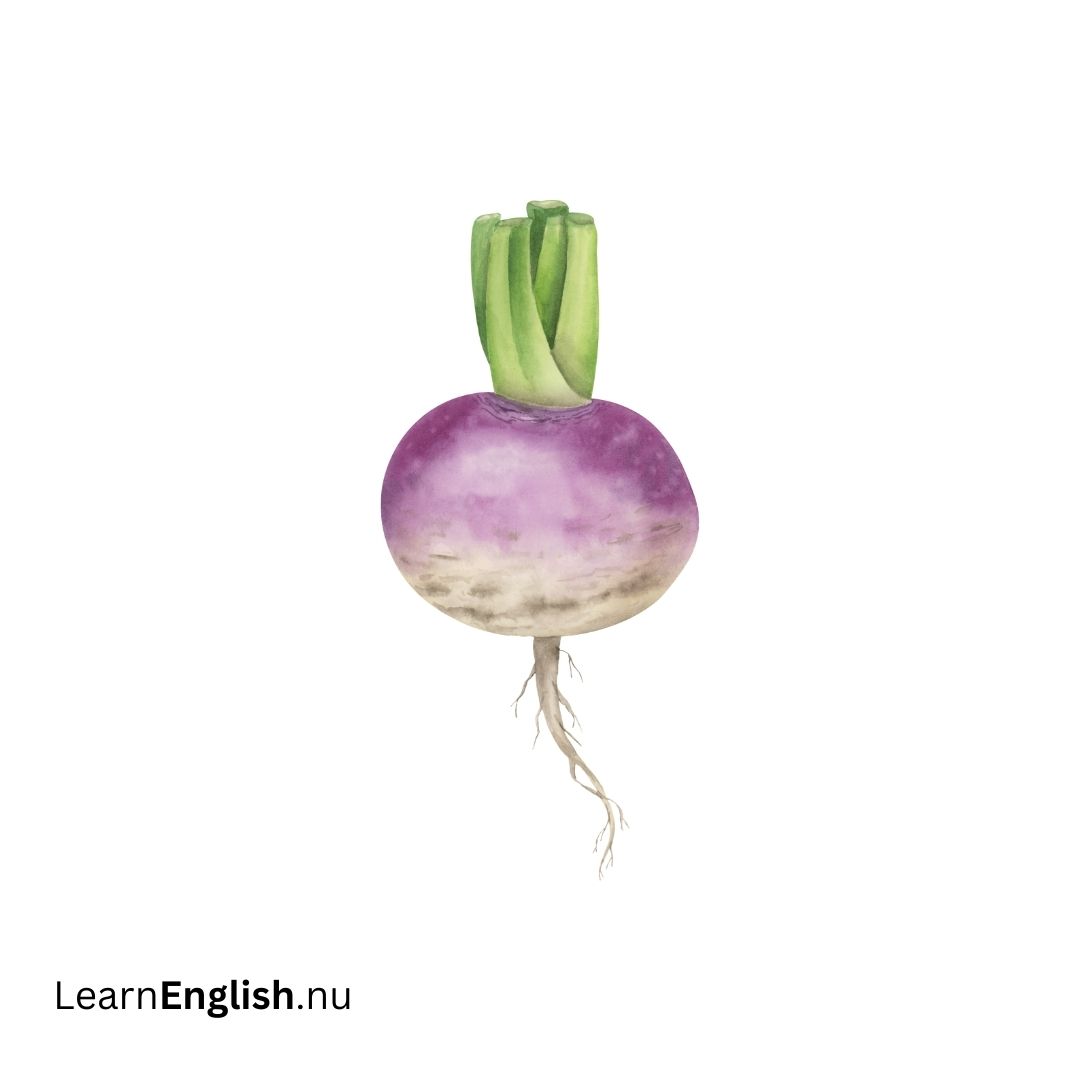
- Rova Turnip
- Jams Yam
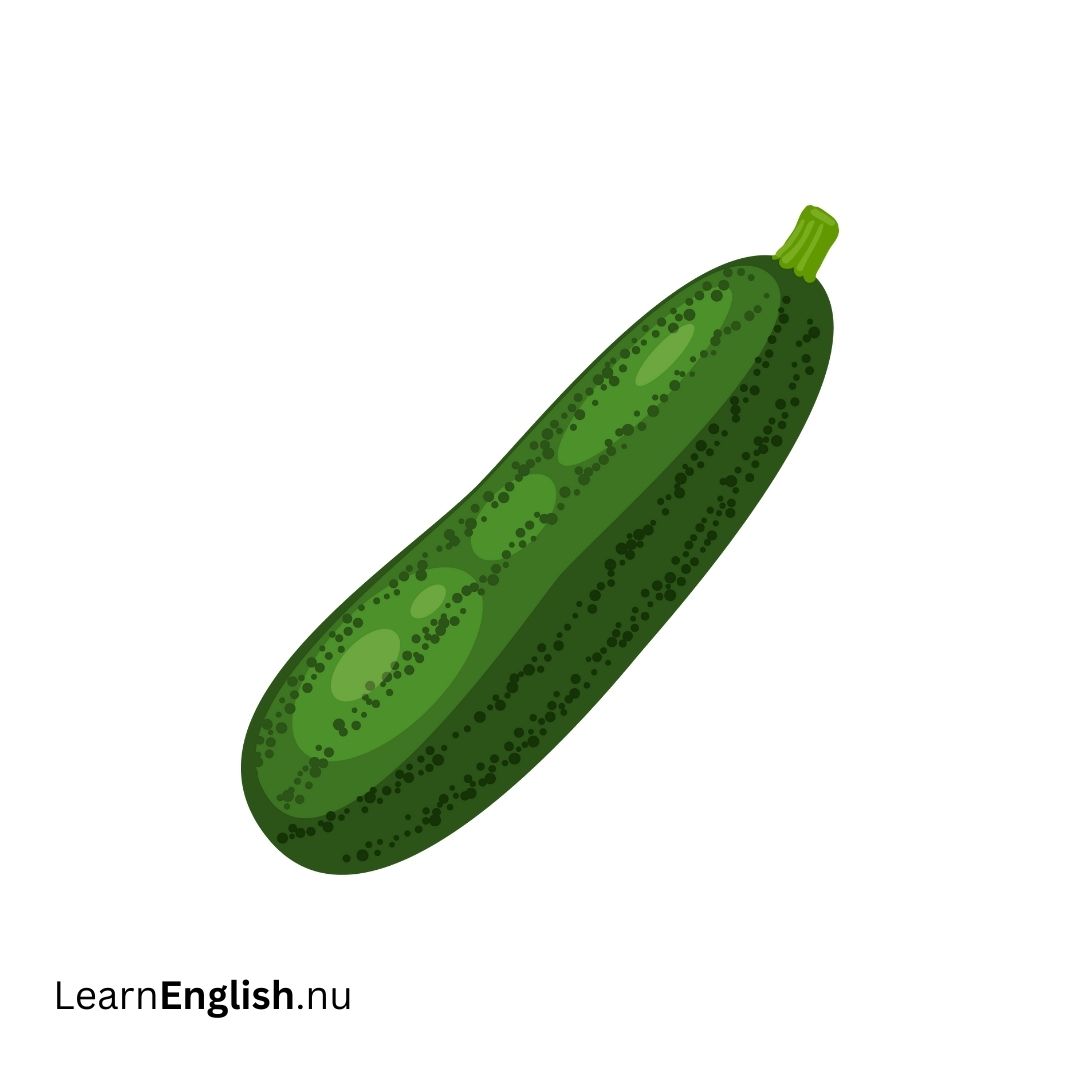
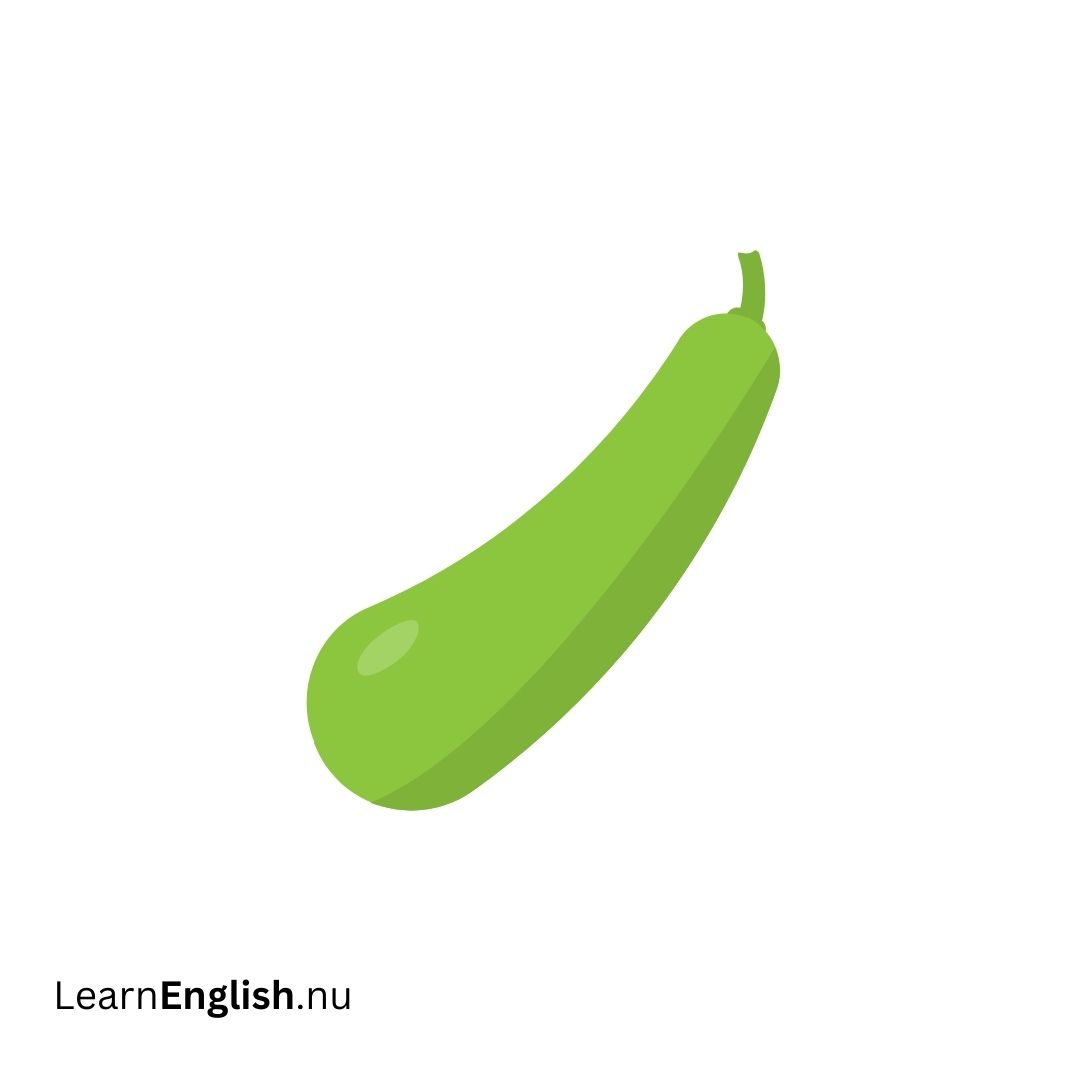
- Zucchini Zucchini
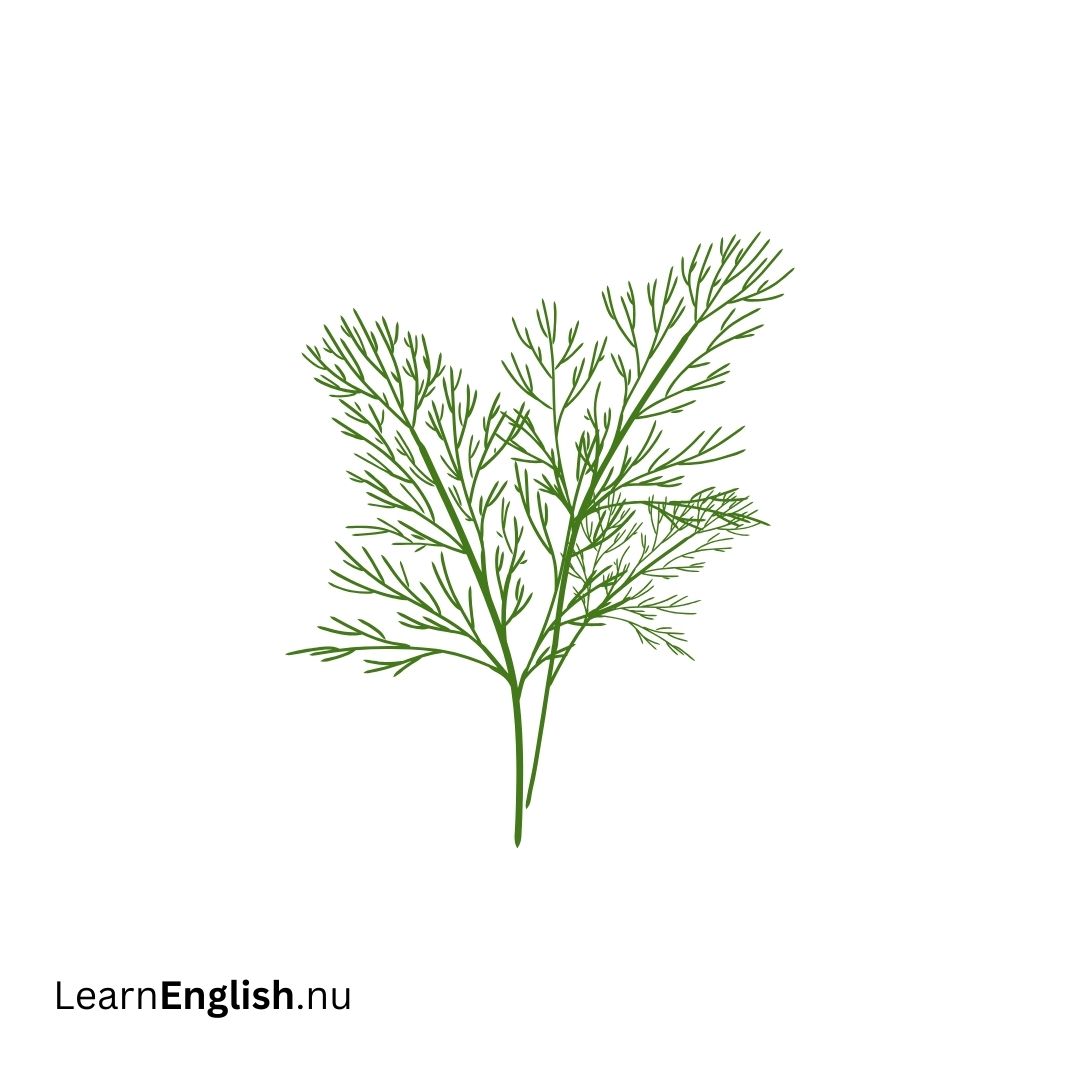
- Fänkål Fennel
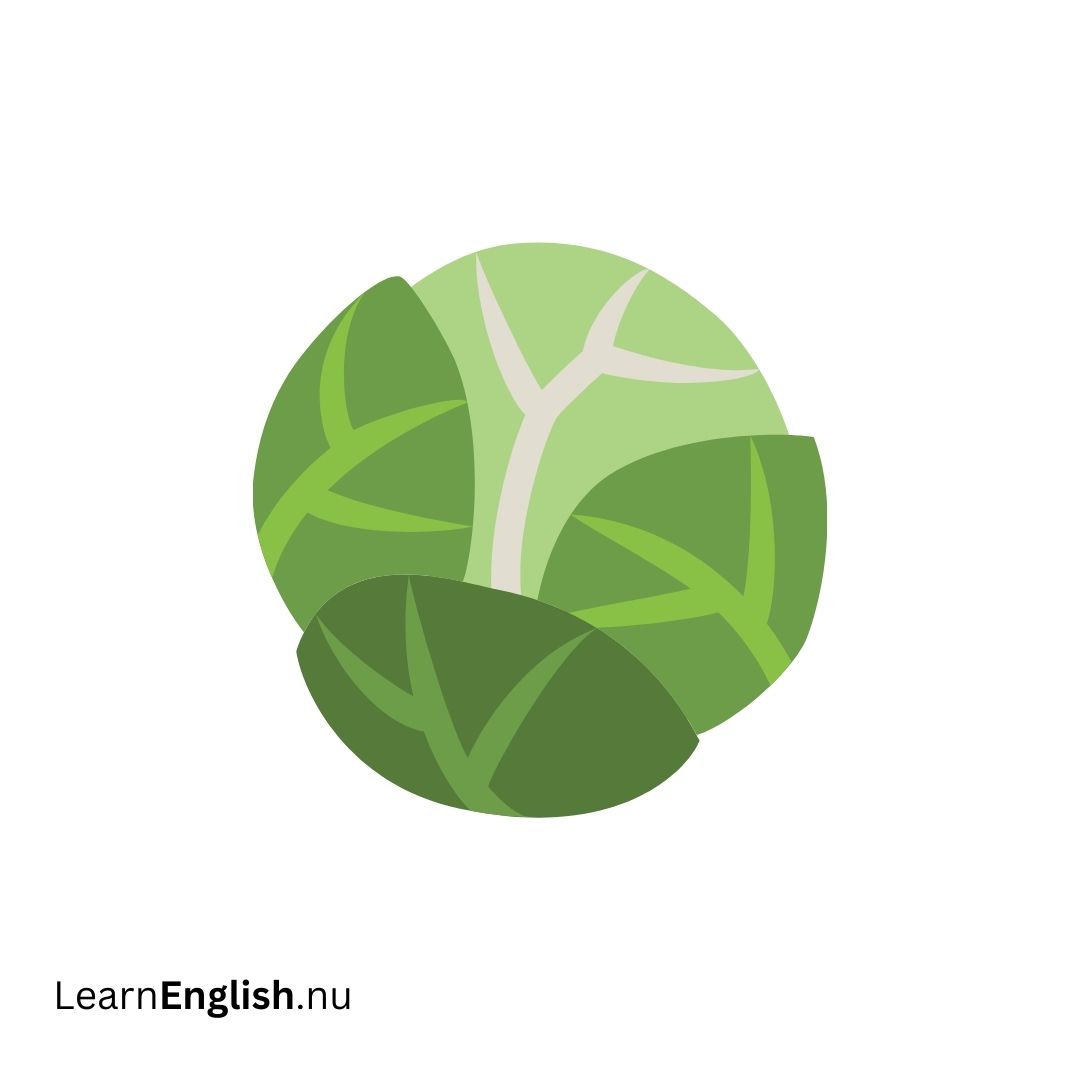
- Brysselkål Brussels Sprouts
- Mangold Swiss Chard
- Palsternacka Parsnip
- Rödbetor Beets
- Edamame Edamame
- Bete Beet
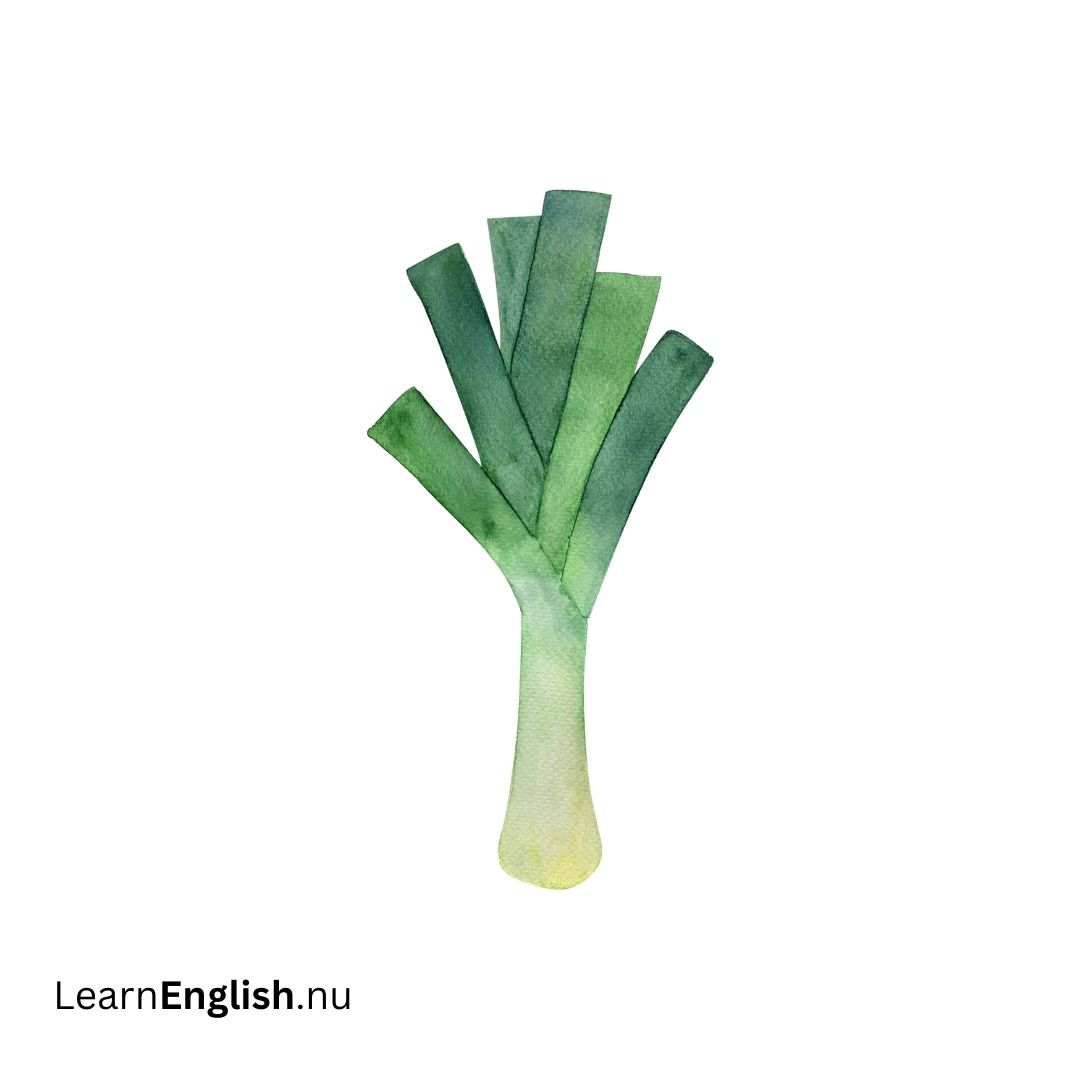
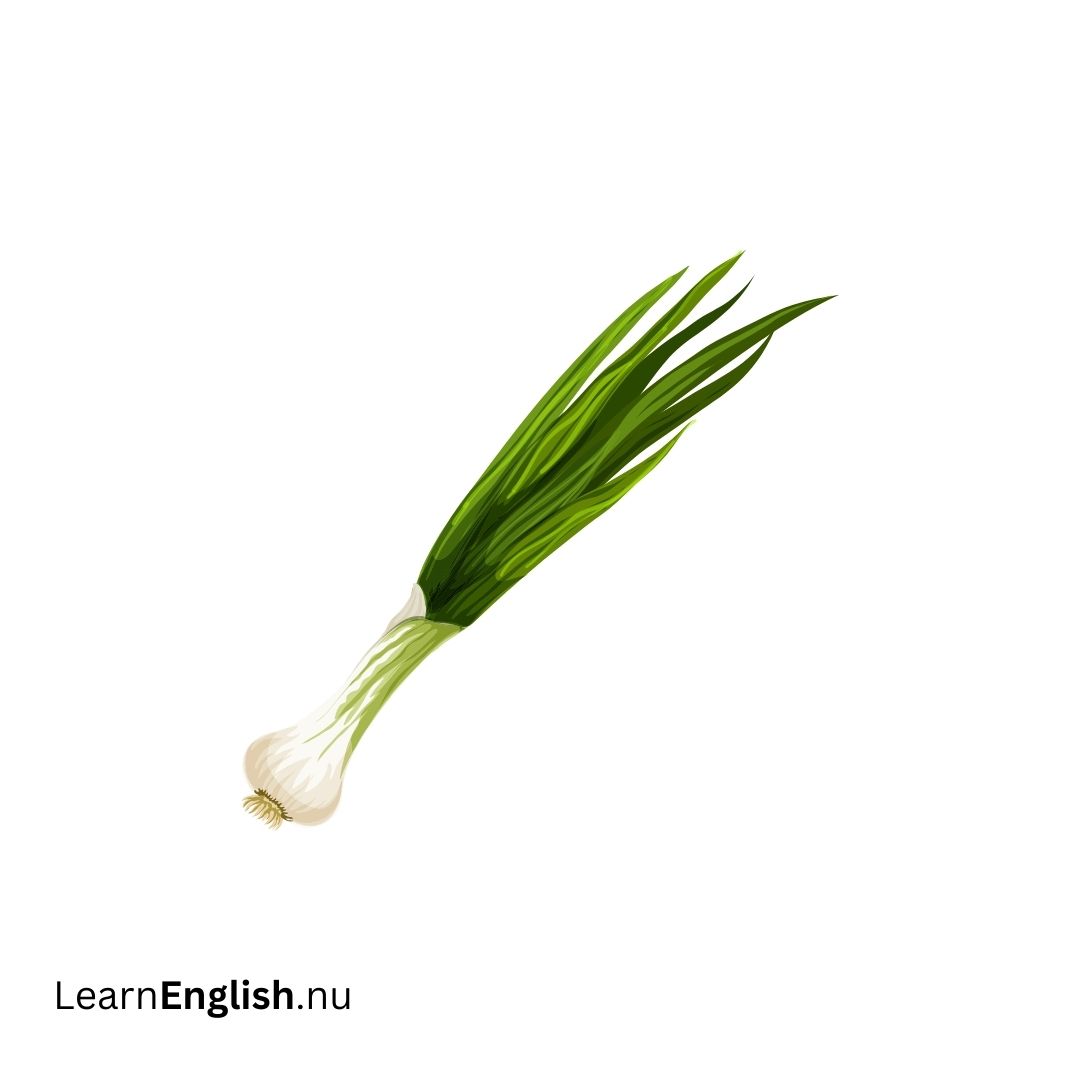
- Purjolök Leek
- Spenat Spinach
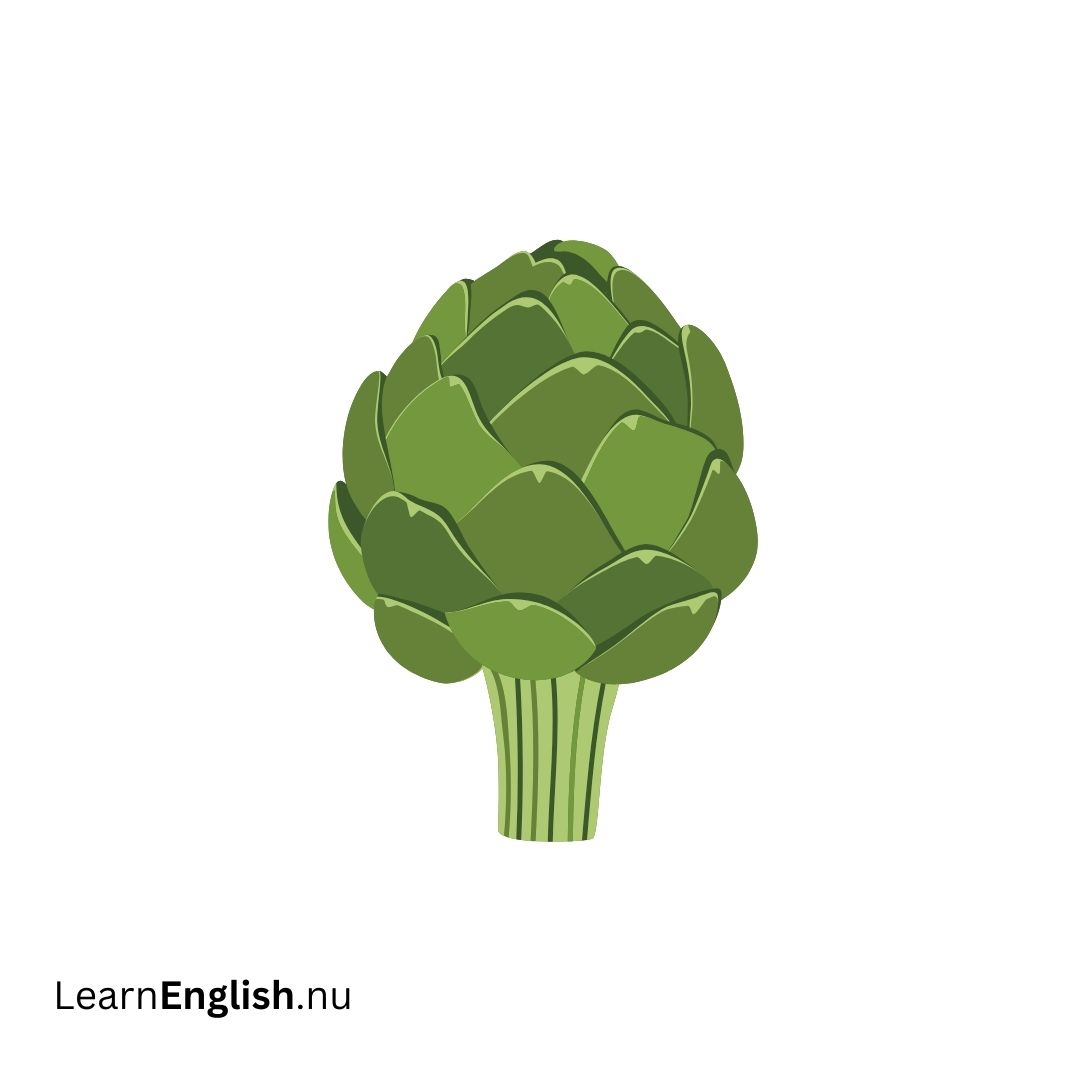
- Artichoke Artichoke
- Bladselleri Celery
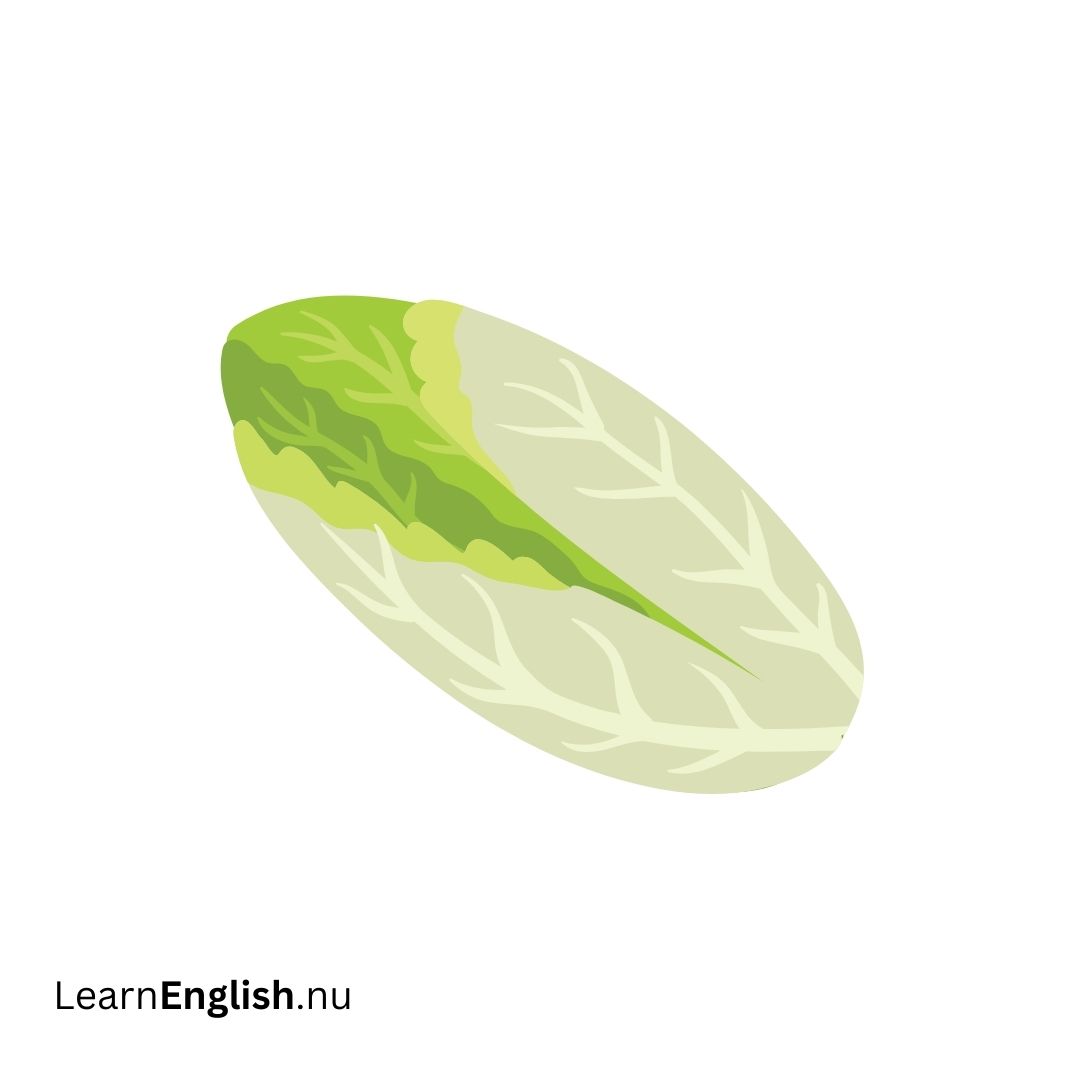
- Endive Endive
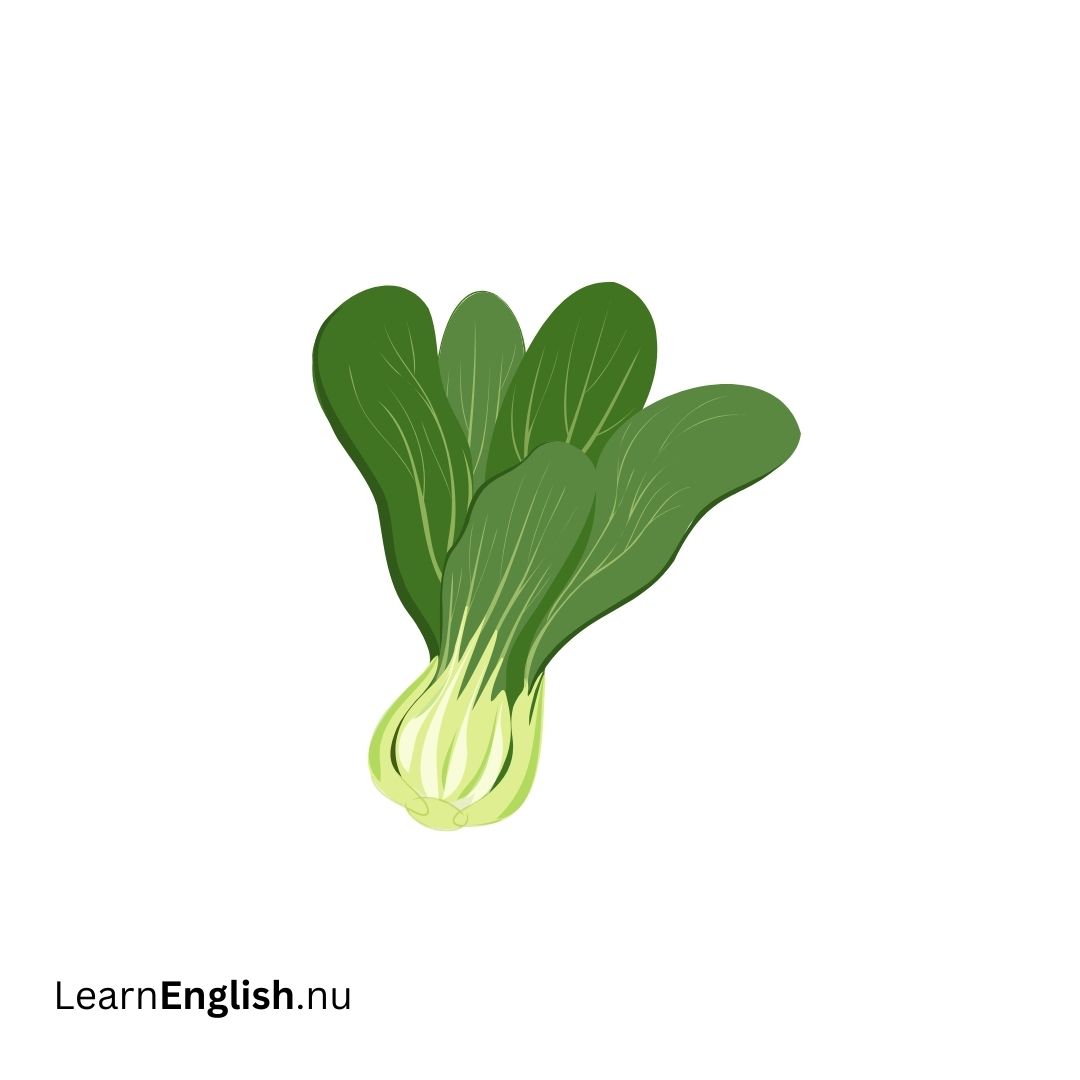
- Pak Choi Pak Choi
- Rädisa Radish
- Tångkål Sea Kale
- Vitlök Garlic
- Morot Carrot
- Kruskål Brussels Sprouts
- Rosépeppar Rose Pepper
- Sockerärtor Sugar Snap Peas
- Stjälkselleri Celery Stalk
- Tomatillo Tomatillo
- Jicama Jicama
- Yarrow Yarrow
- Lovage Lovage
Learning Swedish Vegetables Vocabulary
When learning Swedish, it's crucial to build a solid foundation of common vocabulary. Among these, vegetable names are essential for everyday conversations. Understanding vegetable names in Swedish will not only enrich your language skills but also make your daily interactions more meaningful. This tutorial provides a straightforward guide to vegetable vocabulary in Swedish, offering translations from English to Swedish to help you get started.
Why Learn Vegetable Names in Swedish?
Vegetable names are a fundamental part of daily life and are frequently used in various contexts, such as cooking, shopping, and dining. Knowing these terms will help you navigate conversations and enhance your ability to understand and engage in Swedish-speaking environments.
Practical Tips for Learning Vegetable Vocabulary
To effectively learn vegetable names in Swedish, consider using interactive methods such as quizzes, picture vocabulary games, and other educational activities. These approaches will make learning more engaging and enjoyable, preventing monotony. Additionally, focusing on a broad range of common words, from short to long, will help you build a comprehensive vocabulary base.
Why Knowing Vegetable Names and Pronunciations Matters
Accurate pronunciation is crucial when learning a new language, as it ensures clear communication and helps you be understood by native speakers. By learning both the vocabulary and pronunciation, you'll improve your ability to participate in everyday conversations and understand Swedish better.
Swedish Vegetables Vocabulary Table
| English |
Swedish |
Pronunciation |
| Carrot |
Morot |
MOH-rot |
| Potato |
Potatis |
poh-TAH-tis |
| Onion |
Lök |
LUH-k |
| Cucumber |
Gurka |
GOOR-kah |
| Tomato |
Tomat |
TOH-maht |
| Lettuce |
Sallad |
SAHL-lahd |
| Pepper |
Paprika |
PAH-pree-kah |
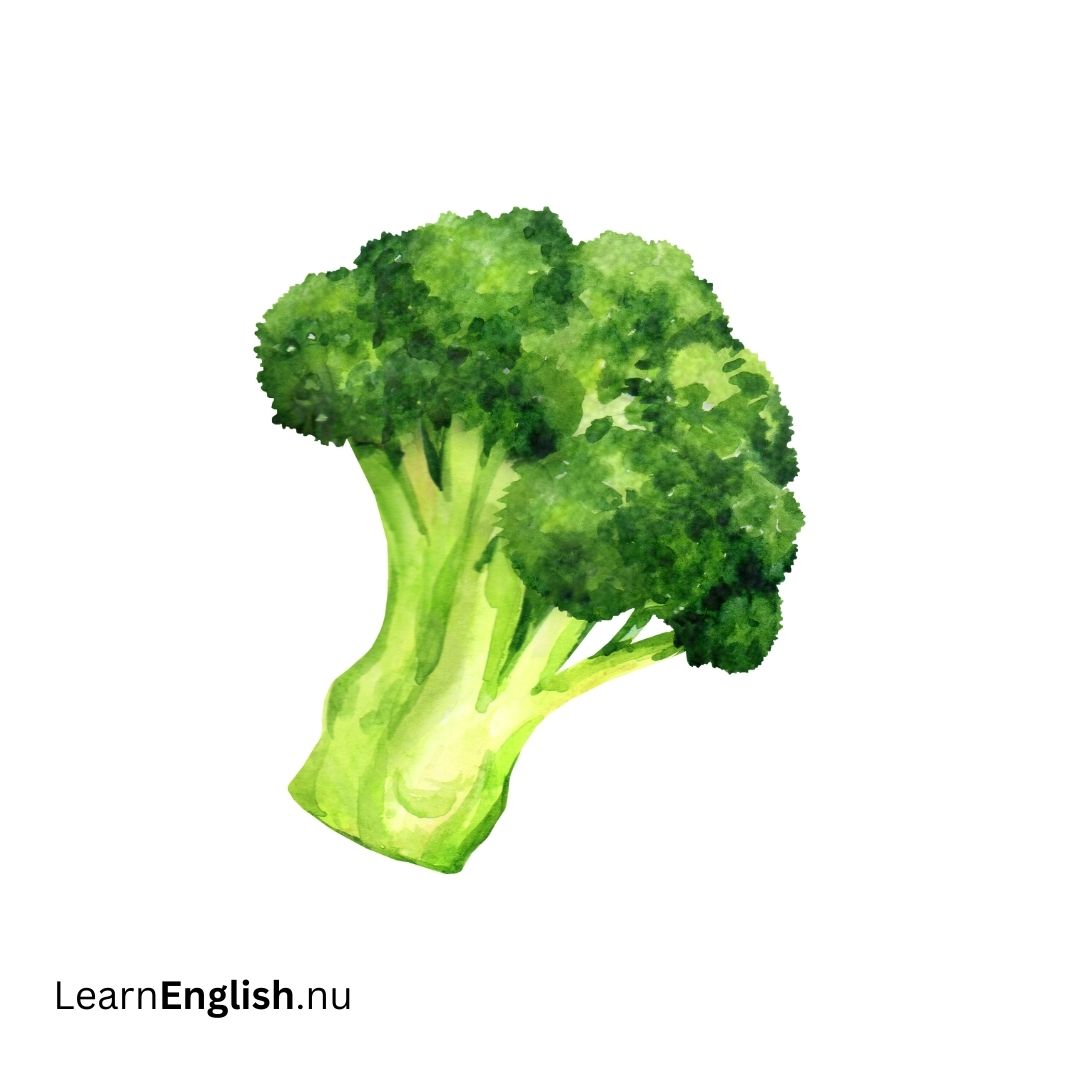
| Broccoli |
Broccoli |
BROH-koh-lee |
| Spinach |
Spenat |
SPEH-naht |
| Garlic |
Vitlök |
VEET-luhk |
| Beetroot |
Rödbeta |
ROH-beh-tah |
| Zucchini |
Zucchini |
zoo-KEE-nee |
| Cauliflower |
Blomkål |
BLOHM-kawl |
| Peas |
Ärtor |
AIR-tor |
| Radish |
Rädisa |
RED-ee-sah |
| Brussels Sprouts |
Brysselkål |
BRUHS-sel-kawl |
| Asparagus |
Sparris |
SPAHR-ris |
| Sweet Corn |
Majs |
MYSS |
| Artichoke |
Kronärtskocka |
kroh-NAYRT-skoh-kah |
| Leek |
Purjolök |
PUR-yoh-luhk |
| Fennel |
Fänkål |
FEN-kawl |
| Mushroom |
Svamp |
SVAMP |
Singular and Plural Forms of Vegetables in Swedish
Understanding both singular and plural forms of vegetables in Swedish is essential for clear communication. Whether you're shopping, cooking, or discussing food, knowing how to use these terms correctly will enhance your Swedish language skills. This guide provides a clear overview of how to form and use both singular and plural vegetable names.
Singular and Plural Forms of Vegetables
In Swedish, nouns change form depending on whether they are singular or plural. This guide will help you learn the correct forms for common vegetables, making it easier to use them in conversation and writing.
Swedish Vegetables: Singular and Plural Forms
| English |
Singular (Swedish) |
Plural (Swedish) |
| Brinjal |
Äggplanta |
Äggplantor |
| Cabbage |
Kål |
Kål |
| Carrot |
Morot |
Morötter |
| Cauliflower |
Blomkål |
Blomkålar |
| Cucumber |
Gurka |
Gurkor |
| Garlic |
Vitlök |
Vitlökar |
| Ginger |
Ingefära |
Ingefäror |
| Ladys Finger |
Kvinnofinger |
Kvinnofingrar |
| Onion |
Lök |
Lökar |
| Potato |
Potatis |
Potatisar |
| Tomato |
Tomat |
Tomater |
| Pumpkin |
Pumpa |
Pumpor |
| Radish |
Rädisa |
Rädisa |
| Ridged Gourd |
Räfflad Kalebass |
Räfflade Kalebasser |
| Snake Gourd |
Orm Kalebass |
Ormar Kalebasser |
| Spinach |
Spenat |
Spenat |
| Sweet Potato |
Sötpotatis |
Sötpotatisar |
| Amaranth |
Amaranth |
Amaranth |
| Ash Gourd |
Aska Kalebass |
Askor Kalebasser |
| Beans |
Bönor |
Bönor |
| Beetroot |
Rödbeta |
Rödbetor |
| Bengal Gram |
Bengal Gram |
Bengal Grams |
| Bitter Gourd |
Bitter Kalebass |
Bitter Kalebasser |
| Black Pepper |
Svartpeppar |
Svartpeppar |
| Bottle Gourd |
Flaska Kalebass |
Flaskor Kalebasser |
| Capsicum |
Spansk Peppar |
Spanska Peppar |
| Celery |
Selleri |
Sellerier |
| Chilli |
Chili |
Chilis |
| Cluster Beans |
Klusterbönor |
Klusterbönor |
| Coriander |
Koriander |
Koriander |
| Corn |
Majs |
Majs |
| Cowpea |
Cowpea |
Cowpeas |
| Drum Stick |
Trumpinne |
Trumpinnar |
| Fenugreek Leaf |
Bockhornsklöver blad |
Bockhornsklöver blad |
| Gourd |
Kalebass |
Kalebasser |
| Green Chilli |
Grön Chili |
Gröna Chilis |
| Green Gram |
Grönt Gram |
Gröna Gram |
| Green Plantain |
Grön Groblad |
Gröna Groblad |
| Ivy Gourd |
Murgröna Kalebass |
Murgröna Kalebasser |
| Kale |
Grönkål |
Grönkålar |
| Lemon |
Citron |
Citrons |
| Lettuce |
Sallad |
Sallader |
| Luffa |
Luffa |
Luffor |
| Mushroom |
Svamp |
Svampar |
| Mustard Greens |
Senapsgrönsaker |
Senapsgrönsaker |
| Curry Leaf |
Curryblad |
Curryblad |
| Pea |
Ärt |
Ärter |
| Peppermint |
Pepparmynta |
Pepparmyntor |
| Plantain |
Groblad |
Grobladar |
| Tapioca |
Tapioka |
Tapioka |
| Mint |
Mynta |
Myntor |
| Turmeric |
Gurkmeja |
Gurkmejor |
| Turnip |
Rova |
Rovor |
| Yam |
Jams |
Jams |
| Zucchini |
Zucchini |
Zucchinis |
Tips for Using Singular and Plural Forms
- Practice Regularly: Use the singular and plural forms in sentences to become familiar with their usage.
- Listen and Repeat: Pay attention to native speakers to hear the correct forms in context.
- Engage in Conversations: Practice using these terms in conversations to solidify your understanding.