Learning how to talk about family members in Swedish is an essential part of mastering the language. Whether you're engaging in everyday conversations or discussing relationships, knowing the correct terms for family members will greatly enhance your ability to communicate effectively. In Swedish, family vocabulary includes specific terms for each relative, from grandparents to grandchildren, and even extended family. Understanding these terms not only helps you build a solid foundation in the language but also provides insight into Swedish culture and family structures. This guide will help you learn and use Swedish family terms accurately, enabling you to discuss your own family and understand others’ references to their family members.
Click on the text to hear the pronunciation
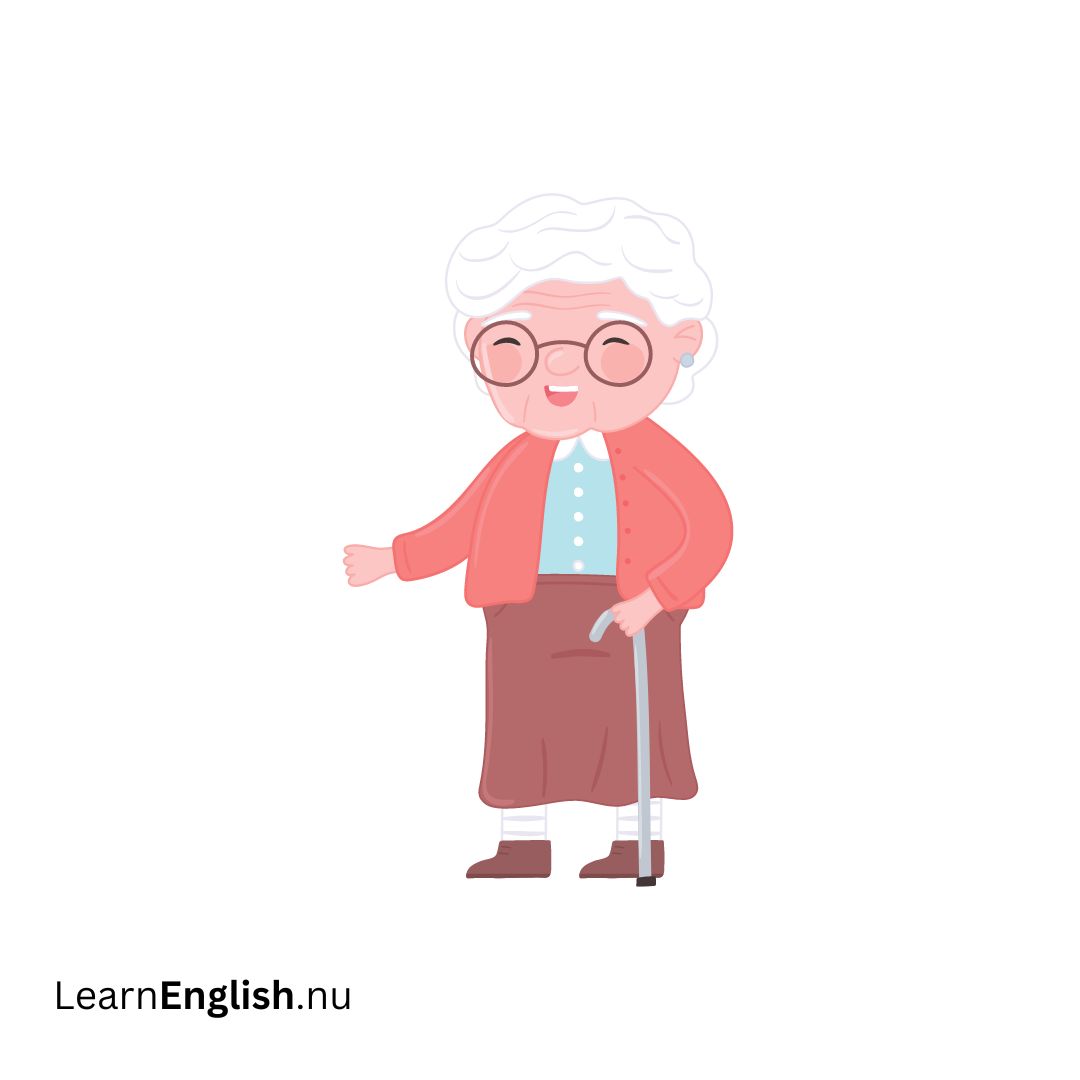 Mormor
Grandmother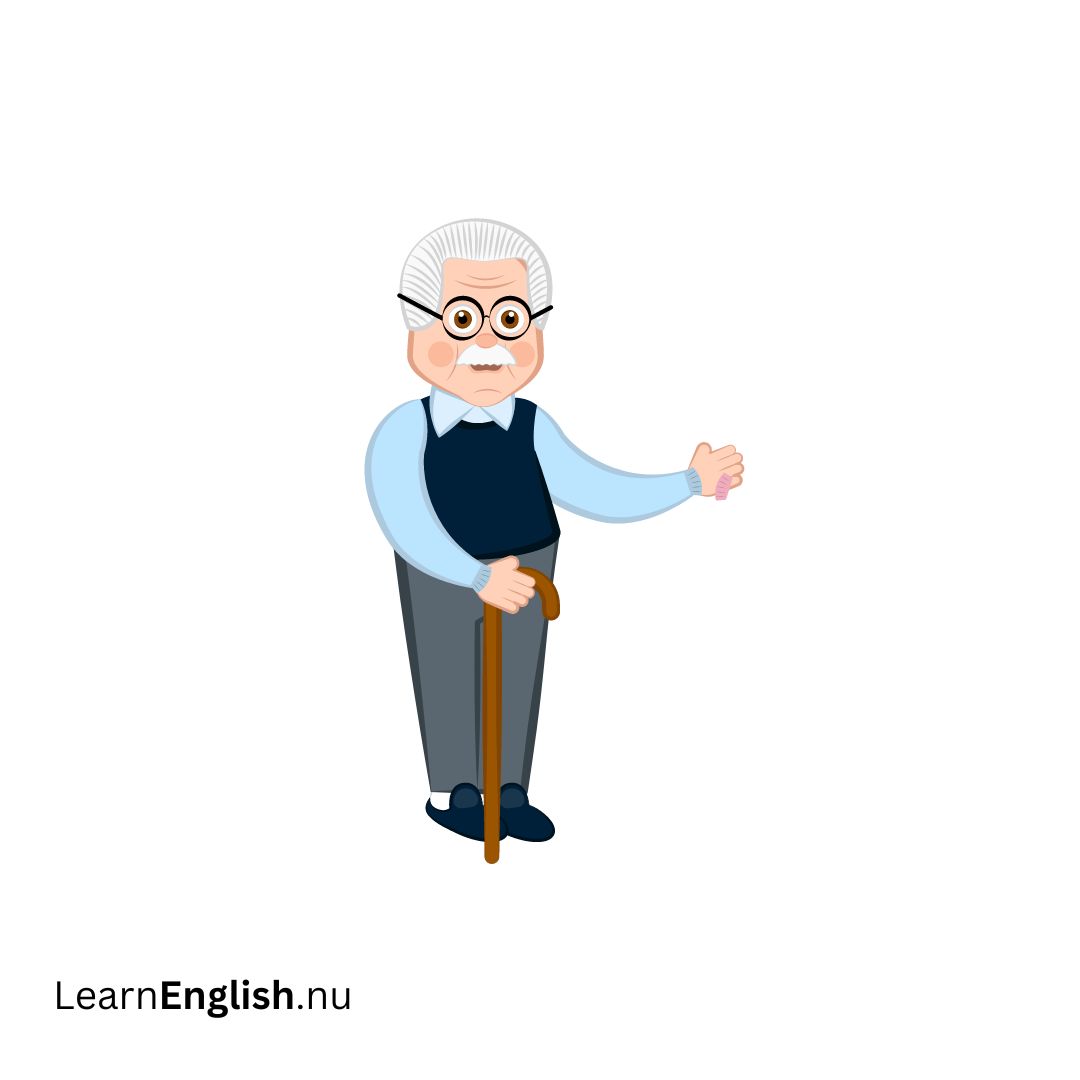 Morfar
Grandfather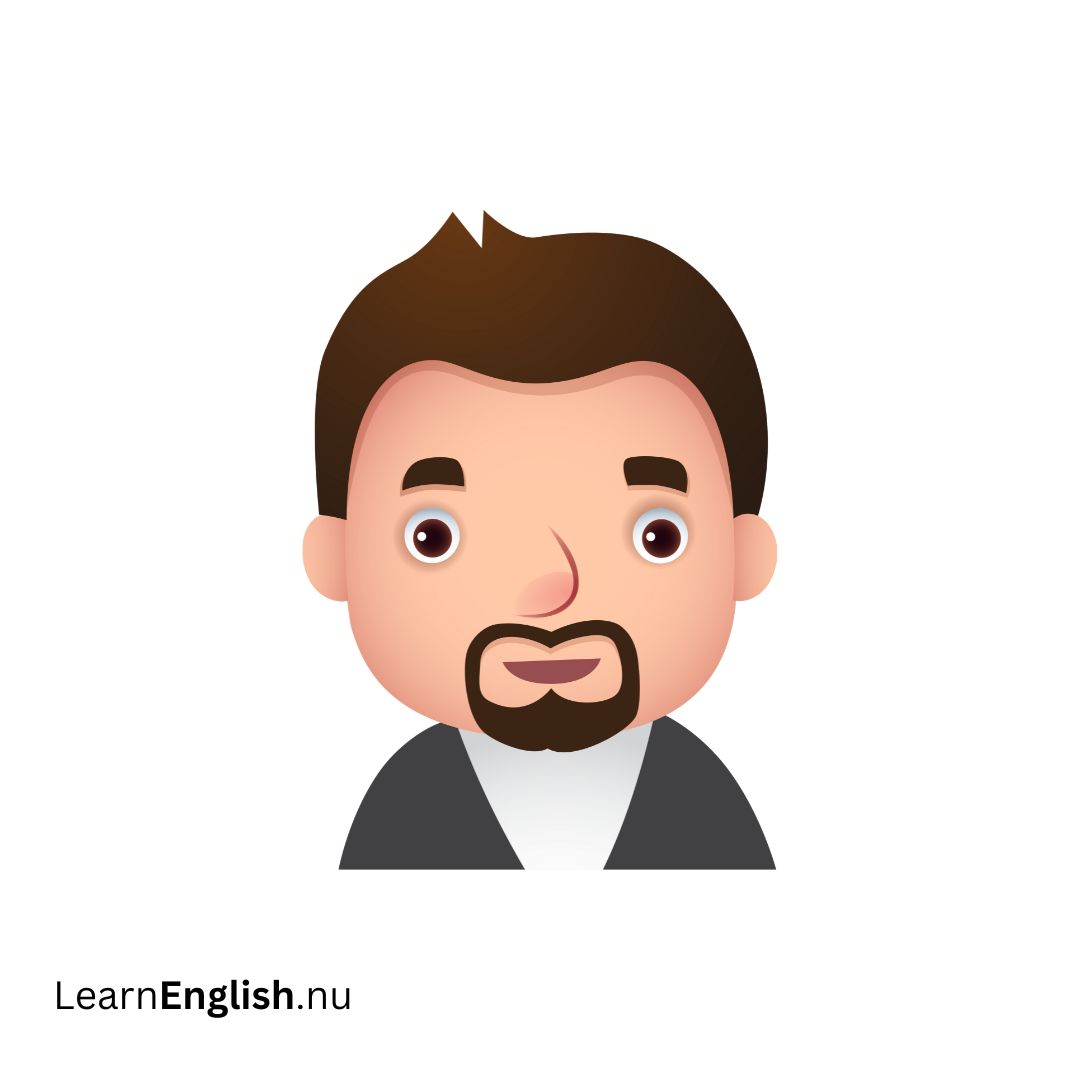 Farbror
Uncle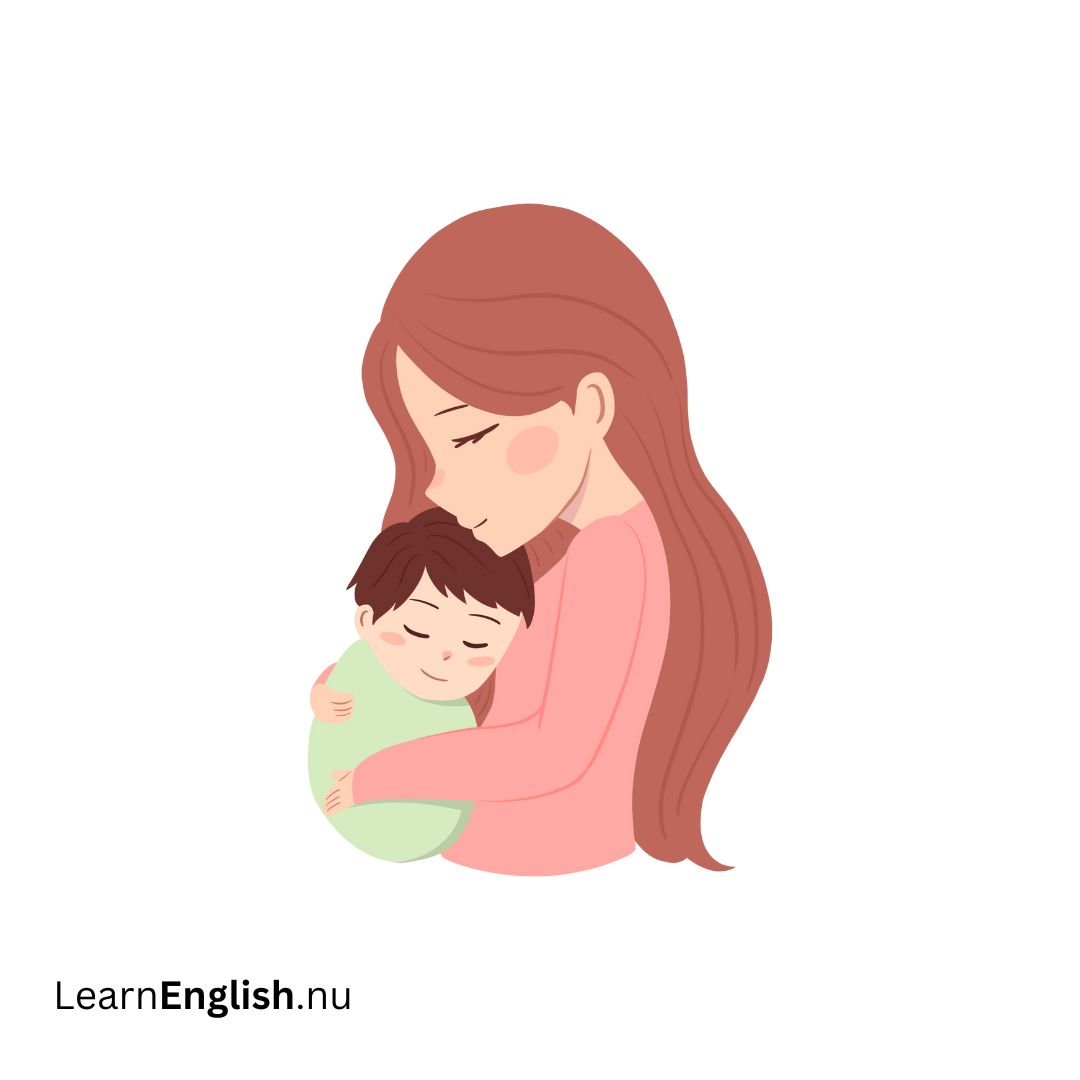 Mamma
Mamma
Mother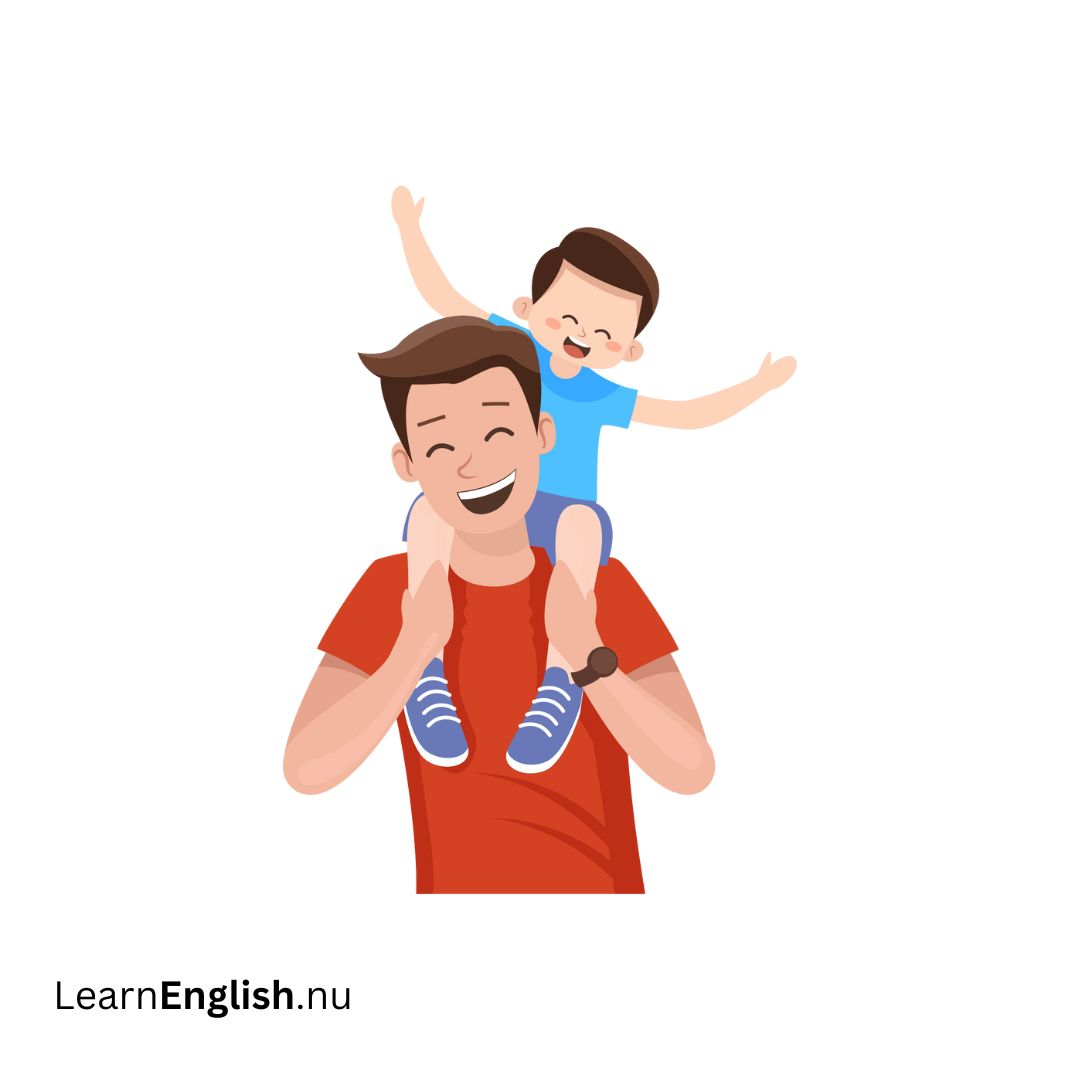 Pappa
Pappa
Father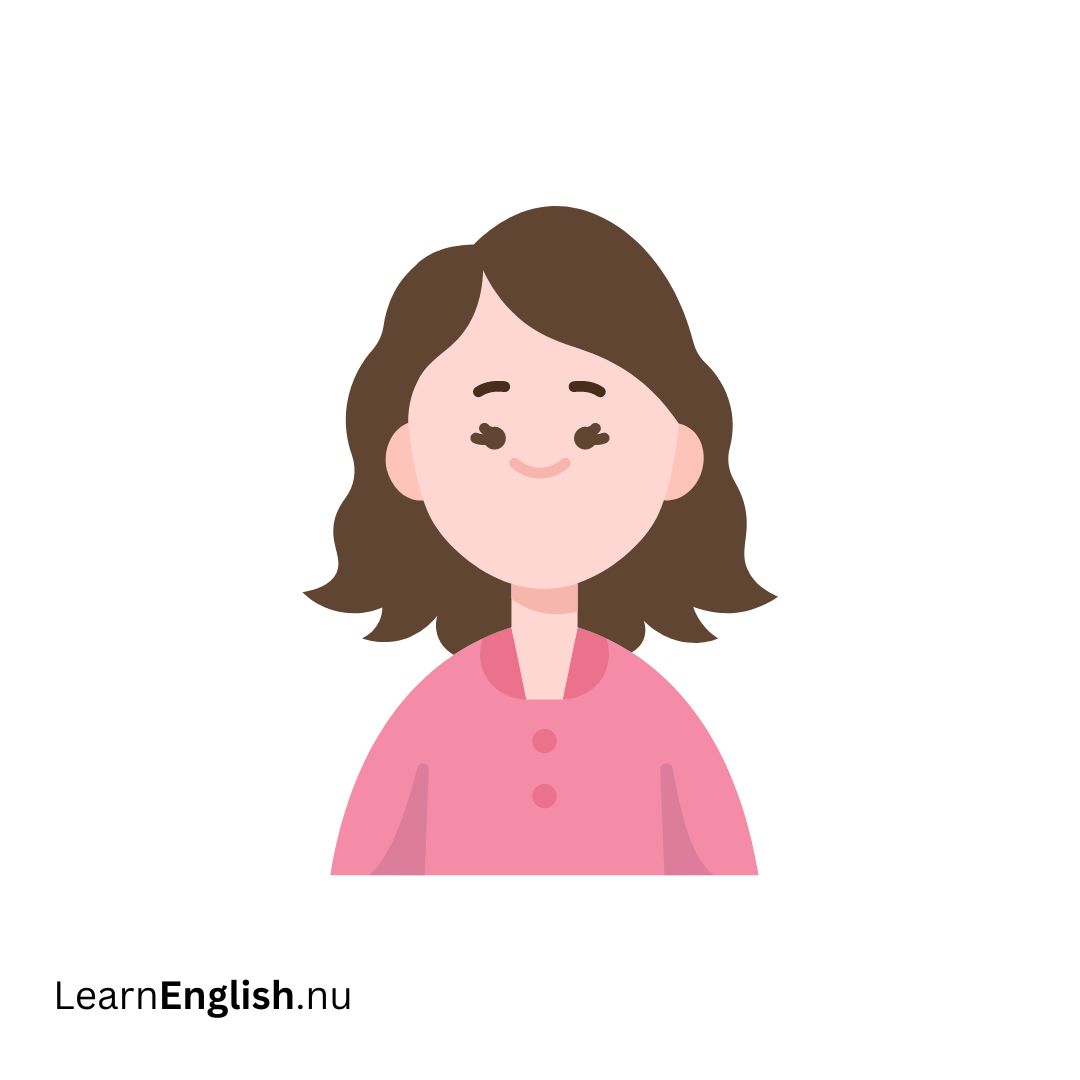 Faster
Aunt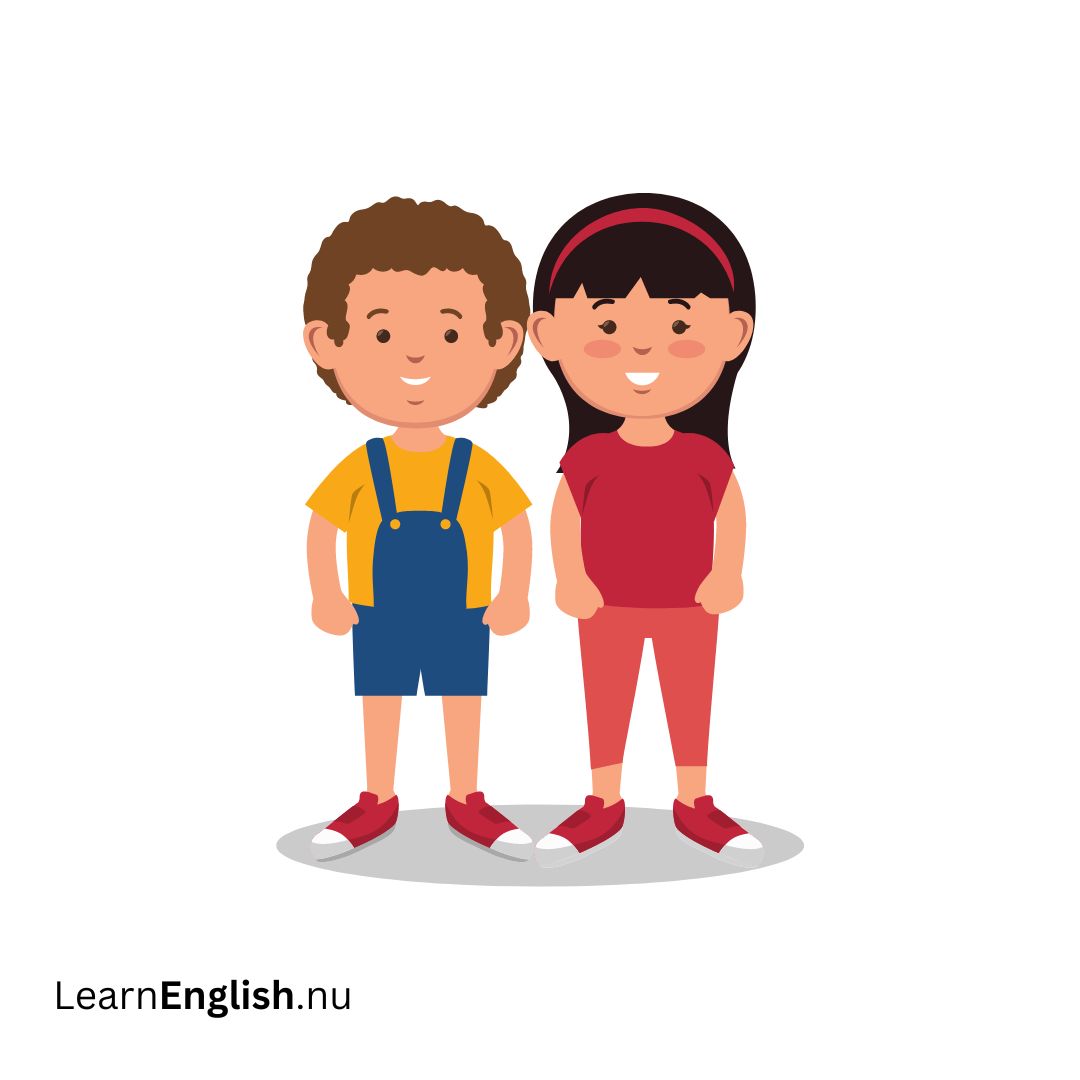 Kusin
Kusin
Cousin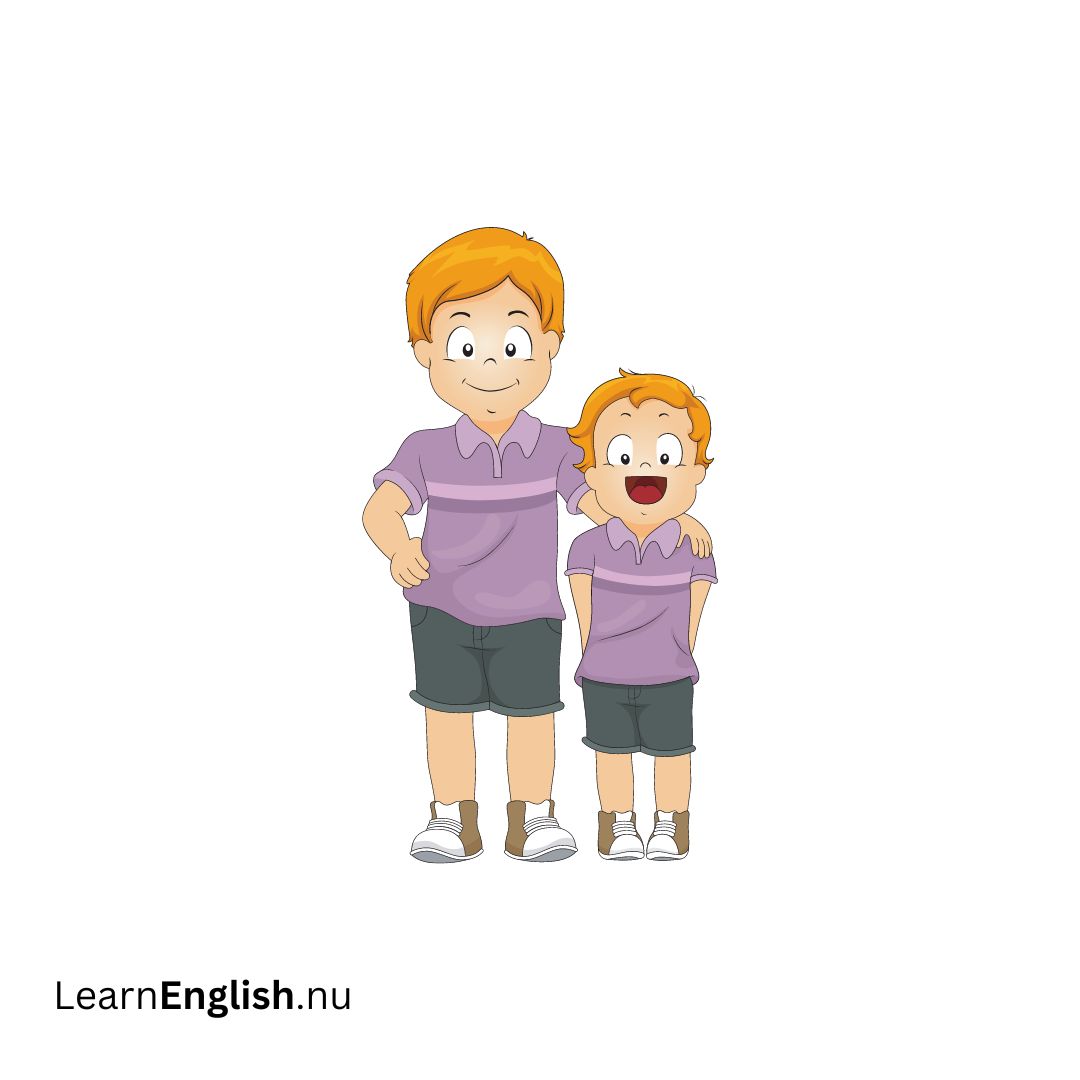 Bror
Bror
Brother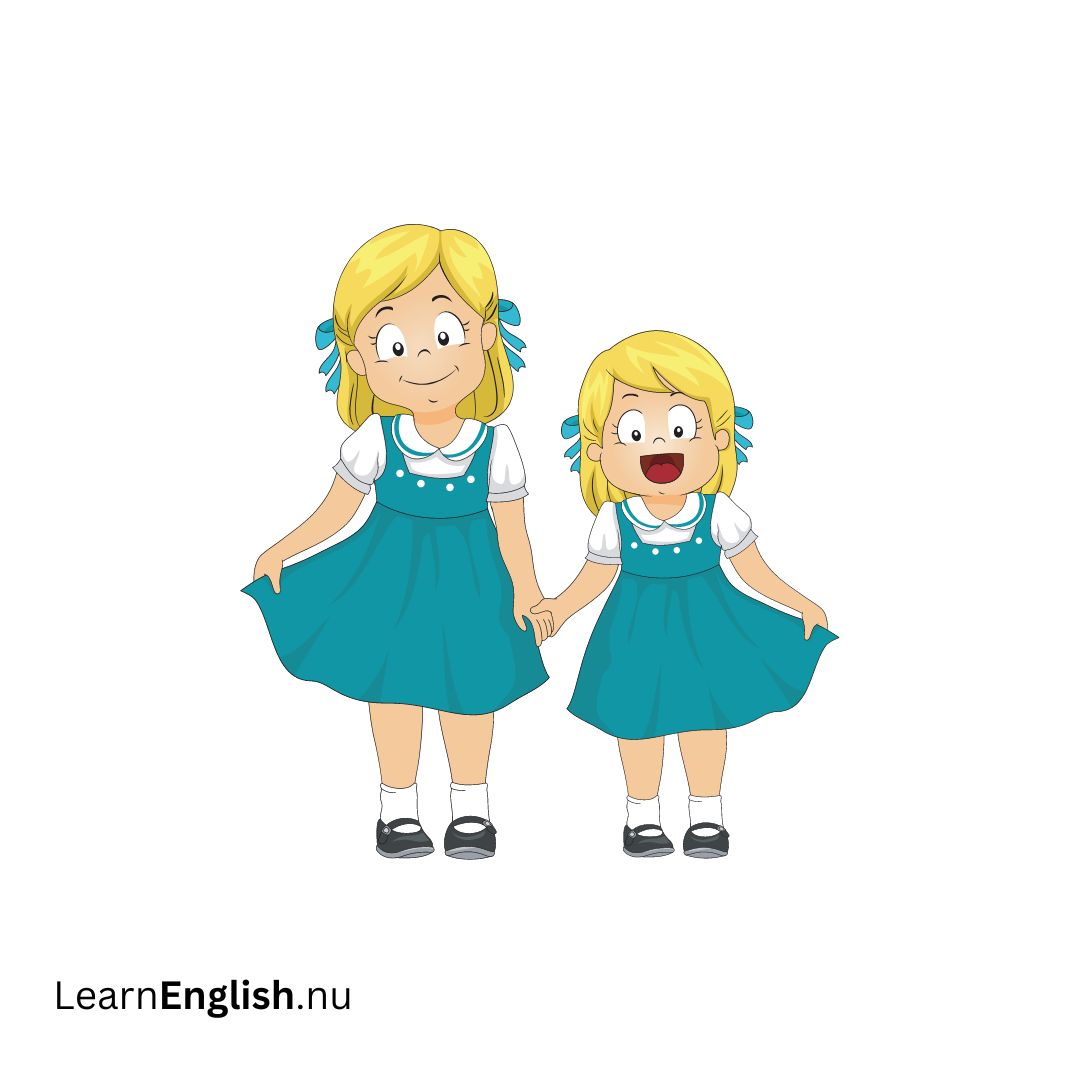 Syster
Sister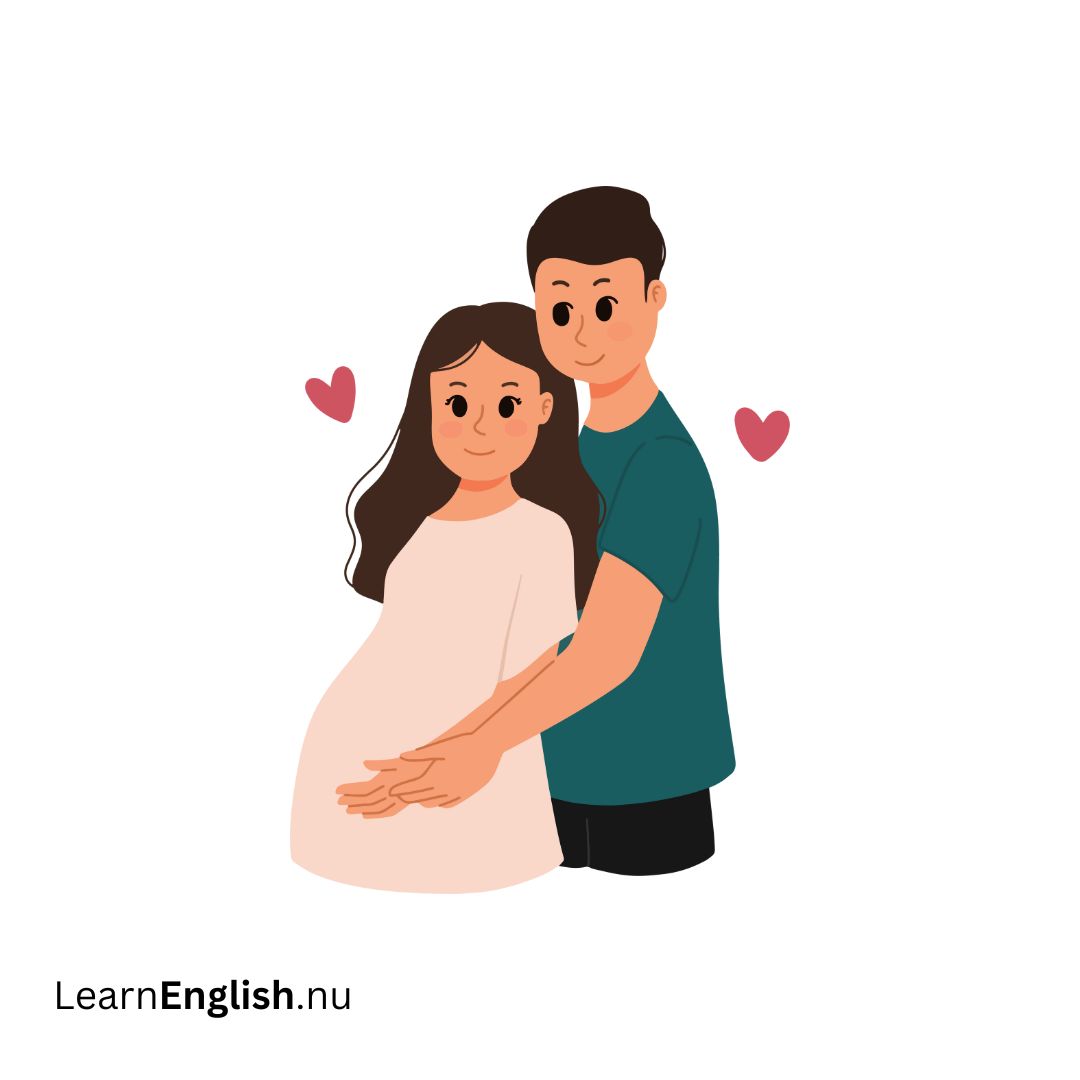 Man
Man
Husband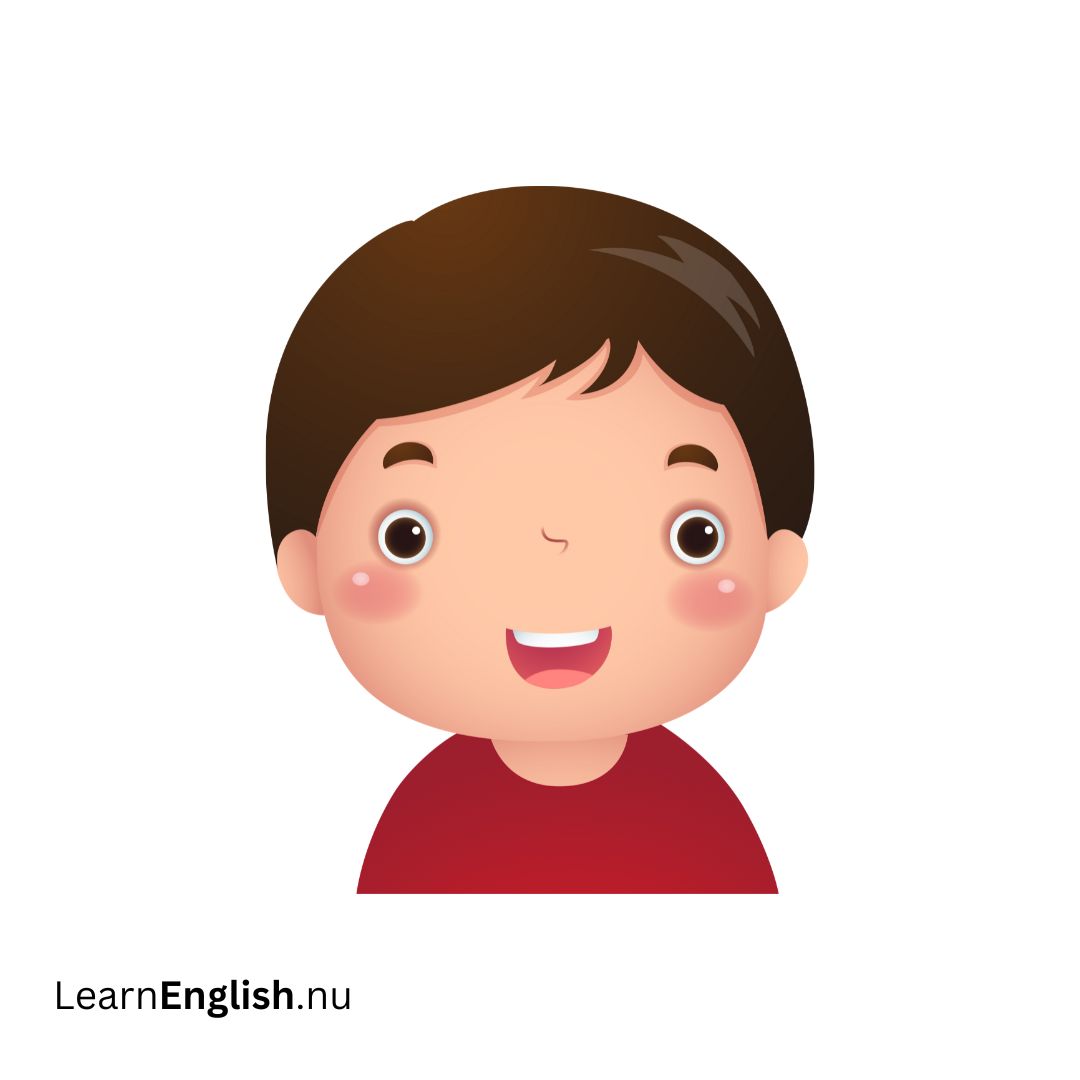 Syskonbarn
Nephew / Niece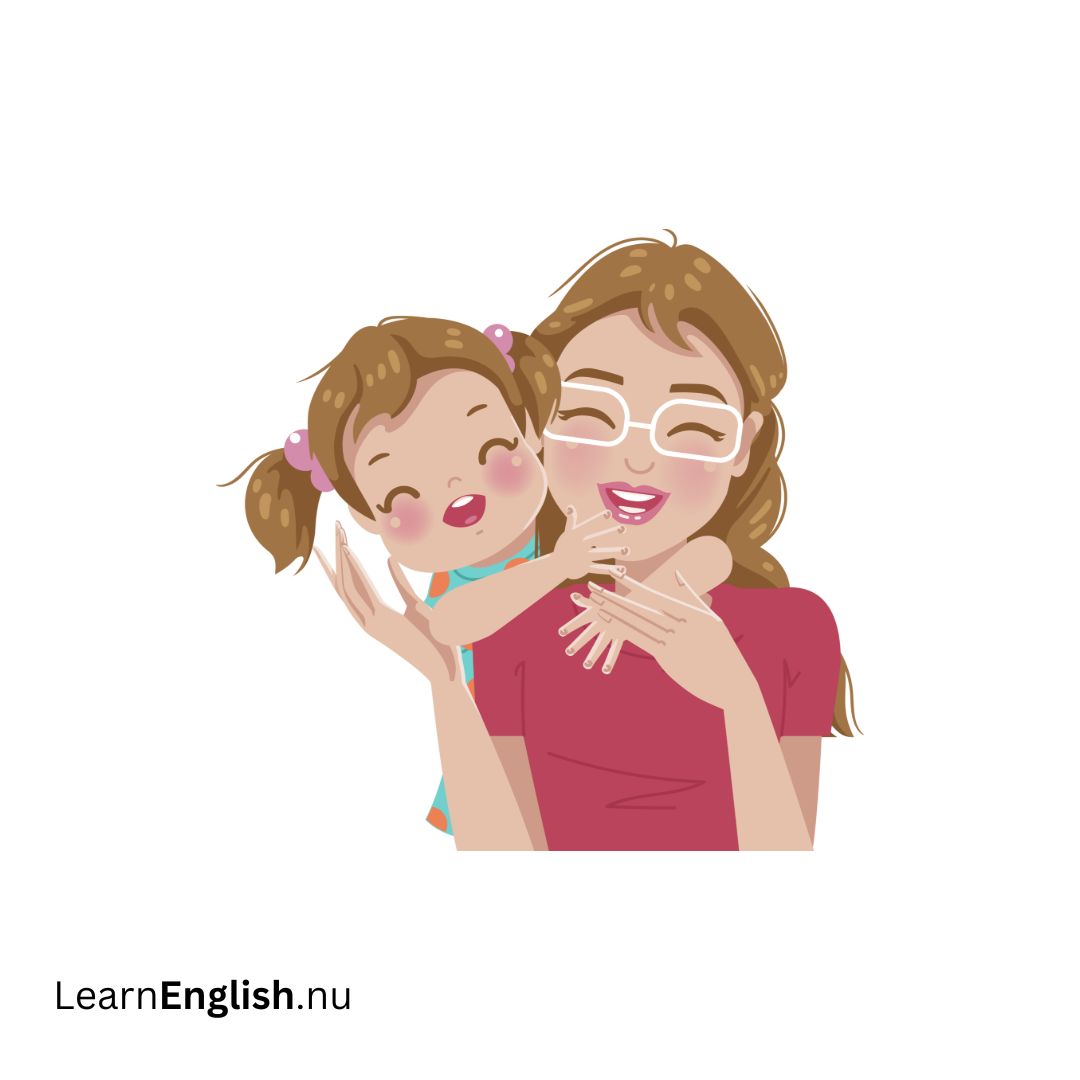 Dotter
Daughter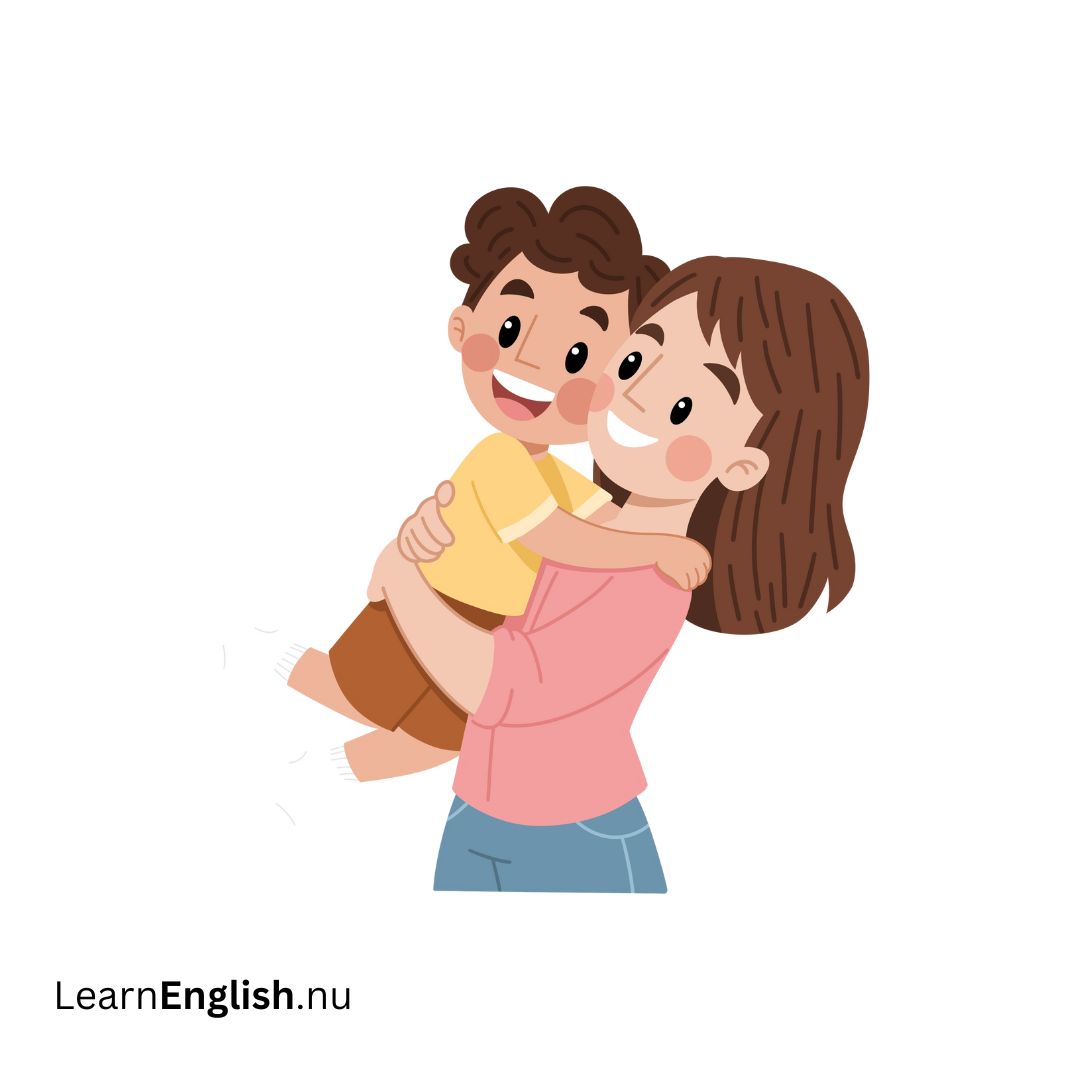 Son
Son
Son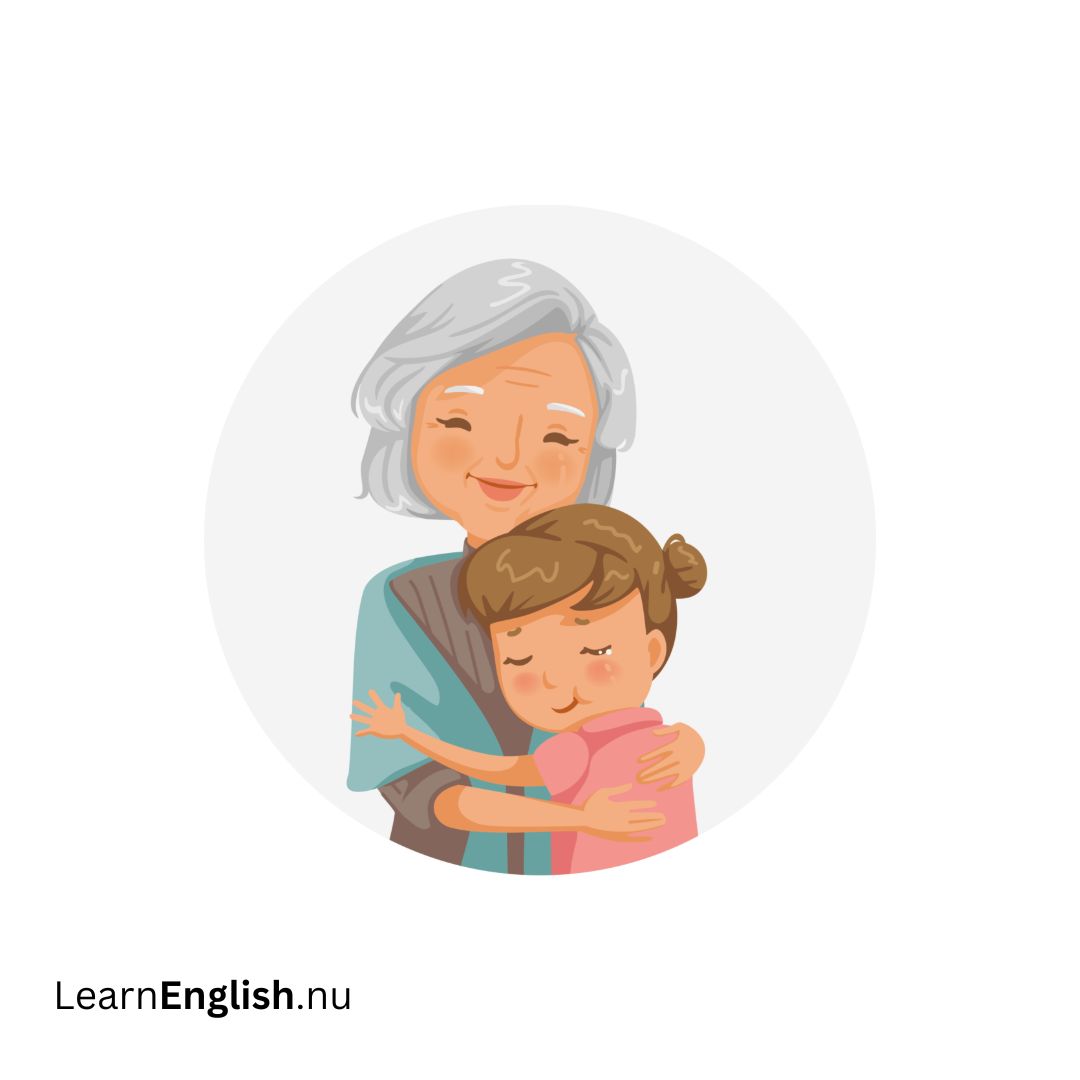 Barnbarn
GrandDaughter / GrandSon
Family members in Swedish pronunciation
- Mormor Grandmother
- Morfar Grandfather
- Farbror Uncle
- Mamma Mother
- Pappa Father
- Faster Aunt
- Kusin Cousin
- Bror Brother
- Syster Sister
- Man Husband
- Syskonbarn Nephew / Niece
- Dotter Daughter
- Son Son
- Barnbarn GrandDaughter / GrandSon
Family members in Swedish
- Farföräldrar, Morföräldrar Grandparents
- Farfar Father’s Father
- Farmor Father’s Mother
- Morfar Mother’s Father
- Mormor Mother’s Mother
- Föräldrar Parents
- Far Father
- Mor Mother
- Farbror Father’s Brother
- Morbror Mother’s Brother
- Faster Father’s Sister
- Moster Mother’s Sister
- Gudfader Godfather
- Gudmor Godmother
- Svärfar Father-in-law
- Svärmor Mother-in-law
- Jämlikar Peers
- Bror Brother
- Syster Sister
- Kusin Cousin
- Fru Wife
- Man Husband
- Svåger Brother-in-law
- Svägerska Sister-in-law
- Barn Children
- Son Son
- Dotter Daughter
- Brorson Brother’s Son
- Systerson Sister’s Son
- Brorsdotter Brother’s Daughter
- Systerdotter Sister’s Daughter
- Svärson Son-in-law
- Svärdotter Daughter-in-law
- Barnbarn Grandchildren
- Sonson Son’s Son
- Dotterson Daughter’s Son
- Sondotter Son’s Daughter
- Dotterdotter Daughter’s Daughter
My family in Swedish
When learning Swedish, you'll notice that the language makes a clear distinction between different branches of the family. This is particularly true for terms related to family members like grandparents, grandchildren, aunts, uncles, nieces, and nephews. Swedish has specific words for relatives depending on whether they are on your maternal or paternal side.
The Basics of Swedish Family Terms
In Swedish, the word "familj" refers to your immediate family, including those you live with or are very close to. On the other hand, "släkt" encompasses more distant relatives who you might not be as close to. Here's a brief overview of how these terms are used:
- Familj (Family): Typically used for your immediate family, including parents, siblings, and children.
- Släkt (Relatives): Refers to extended family members, including those you might not see as often.
Family Terms Based on Maternal and Paternal Sides
Swedish vocabulary has specific terms for family members depending on which side of the family they are from. Here's a simple table to help you understand:
| English | Swedish (Maternal Side) | Swedish (Paternal Side) |
|---|---|---|
| Grandfather | Morfar | Farfar |
| Grandmother | Mormor | Farmor |
| Uncle | Morbror | Farbror |
| Aunt | Moster | Faster |
| Nephew | Brorson | Syskonbarn (general term) |
| Niece | Brorsdotter | Syskonbarn (general term) |
| Grandchild | Barnbarn | Barnbarn |
family vocabulary in Swedish
Understanding family vocabulary in Swedish is key to talking about relatives and family relationships. This guide covers essential Swedish terms for family members across different generations, helping you to communicate more effectively about family structures.
Family Terms in Swedish
Here’s a comprehensive list of Swedish family vocabulary:
| English | Swedish | Pronunciation |
|---|---|---|
| Grandparents Generation | Farföräldrar och Morföräldrar | /ˈfɑːrˌføːrˌældrar/ |
| Father’s Father | Farfar | /ˈfɑːrˌfɑːr/ |
| Father’s Mother | Farmor | /ˈfɑːrˌmʊr/ |
| Mother’s Father | Morfar | /ˈmɔːrˌfɑːr/ |
| Mother’s Mother | Mormor | /ˈmɔːrˌmɔːr/ |
| Parents Generation | Föräldrar | /føˈrɛldrar/ |
| Father | Far | /fɑːr/ |
| Mother | Mor | /mɔːr/ |
| Father’s Brother | Farbror | /ˈfɑːrˌbrʊr/ |
| Mother’s Brother | Morbror | /ˈmɔːrˌbrʊr/ |
| Father’s Sister | Faster | /ˈfɑːstɛr/ |
| Mother’s Sister | Moster | /ˈmʊstɛr/ |
| Godfather | Gudfader | /ˈɡʉːdˌfɑːdɛr/ |
| Godmother | Gudmor | /ˈɡʉːdˌmʊr/ |
| Father-in-law | Svärfar | /ˈsvæːrˌfɑːr/ |
| Mother-in-law | Svärmor | /ˈsvæːrˌmɔːr/ |
| Peers | Jämlikar | /ˈjɛːmlɪˌkɑːr/ |
| Brother | Bror | /brʊr/ |
| Sister | Syster | /ˈsʏstɛr/ |
| Cousin | Kusin | /kʉˈsiːn/ |
| Wife | Fru | /fruː/ |
| Husband | Man | /man/ |
| Brother-in-law | Svåger | /ˈsvoːɡɛr/ |
| Sister-in-law | Svägerska | /ˈsvɛːɡɛrska/ |
| Children Generation | Barn Generation | /bɑːrn/ |
| Son | Son | /sʊn/ |
| Daughter | Dotter | /ˈdɔːtɛr/ |
| Brother’s Son | Brorson | /ˈbrʊrˌsʊn/ |
| Sister’s Son | Systerson | /ˈsʏstɛrˌsʊn/ |
| Brother’s Daughter | Brorsdotter | /ˈbrʊrˌsdɔːtɛr/ |
| Sister’s Daughter | Systerdotter | /ˈsʏstɛrˌdɔːtɛr/ |
| Son-in-law | Svärson | /ˈsvæːrˌsʊn/ |
| Daughter-in-law | Svärdotter | /ˈsvæːrˌdɔːtɛr/ |
| Grandchildren Generation | Barnbarn | /ˈbɑːrnˌbɑːrn/ |
| Son’s Son | Sonson | /ˈsʊnˌsʊn/ |
| Daughter’s Son | Dotterson | /ˈdɔːtɛrˌsʊn/ |
| Son’s Daughter | Sondotter | /ˈsʊnˌdɔːtɛr/ |
| Daughter’s Daughter | Dotterdotter | /ˈdɔːtɛrˌdɔːtɛr/ |
This table provides a quick reference for Swedish family terms based on whether they are on your mother's or father's side.
Usage Tips
- Familj is often used for the people you live with or are closest to.
- Släkt is more commonly used for distant relatives or extended family members.
Swedish Family Vocabulary: Maternal vs. Paternal Distinctions
When learning Swedish, you'll discover that the language has a unique way of distinguishing family members based on their lineage. Unlike English, where we use one term for "cousin" regardless of gender, Swedish has specific words for relatives depending on whether they are from your mother's or father's side of the family. This guide will help beginners grasp these distinctions and the related vocabulary.
Maternal vs. Paternal Family Terms
In Swedish, family terms can vary significantly depending on whether the relative is from your mother's or father's side. This approach to family vocabulary might seem complex at first, but it follows a logical structure that can be learned with practice. Here’s a breakdown of some key terms:
Grandparents
Swedish differentiates between maternal and paternal grandparents:
- Maternal Grandmother: Mormor
- Maternal Grandfather: Morfar
- Paternal Grandmother: Farmor
- Paternal Grandfather: Farfar
Grandchildren
For grandchildren, Swedish uses distinct terms based on whether they are the child of your son or daughter:
- Grandson (Son’s Son): Sonson
- Grandson (Daughter’s Son): Dotterson
- Granddaughter (Son’s Daughter): Sonsondotter
- Granddaughter (Daughter’s Daughter): Dotterdotter
Aunts and Uncles
Swedish also has specific terms for aunts and uncles based on their lineage:
- Maternal Aunt: Moster
- Paternal Aunt: Faster
- Maternal Uncle: Morbror
- Paternal Uncle: Farbror
Nieces and Nephews
Similarly, nieces and nephews are classified by the side of the family:
- Niece (Brother’s Daughter): Brorsdotter
- Niece (Sister’s Daughter): Systerdotter
- Nephew (Brother’s Son): Brorson
- Nephew (Sister’s Son): Syskonson
Sister in Swedish
In Swedish, different terms are used to describe various types of sisters. Whether you're referring to a biological sister, a foster sister, or a soul sister, each term has its own specific word. This guide will help you understand and use these terms accurately.
Sister Terms in Swedish
Here are the Swedish words for different types of sisters:
| English | Swedish | Pronunciation |
|---|---|---|
| Sister | Syster | /ˈsʏstɛr/ |
| Foster Sister | Fostersyster | /ˈfɔːstɛrsystɛr/ |
| Elder Sister | Äldre Syster | /ˈɛːldrɛ ˈsʏstɛr/ |
| Older Sister | Äldre Syster | /ˈɛːldrɛ ˈsʏstɛr/ |
| Hello Sister | Hej Syster | /heɪ ˈsʏstɛr/ |
| Baby Sister | Lillasyster | /ˈlɪlːɑːˈsʏstɛr/ |
| Soul Sister | Själsyster | /ˈɧɛːlsystɛr/ |
| Twin Sister | Tvillingsyster | /ˈtvɪlːɪŋˌsʏstɛr/ |
| Half Sister | Halvsyster | /ˈhalvˌsʏstɛr/ |
| Big Sister | Storasyster | /ˈstɔːrasystɛr/ |
| My Sister | Min Syster | /mɪn ˈsʏstɛr/ |
Wife in Swedish
If you’re learning Swedish and want to know how to refer to your wife, it’s important to use the correct term. In Swedish, the phrase for "my wife" is straightforward but can vary slightly depending on the context. This guide will help you understand and use the term properly.
Saying "My Wife" in Swedish
The common way to say "my wife" in Swedish is:
| English | Swedish | Pronunciation |
|---|---|---|
| My Wife | Min Fru | /mɪn fruː/ |
Additional Terms
In Swedish, there are other terms related to "wife" that might be useful:
| English | Swedish | Pronunciation |
|---|---|---|
| Wife (noun) | Fru, Hustru, Maka | /fruː/, /ˈhʉːstrʉ/, /ˈmɑːka/ |
| My (pronoun) | Min | /mɪn/ |
Father in Swedish
When learning Swedish, knowing how to say "my father" is fundamental. There are a couple of ways to refer to your father in Swedish, each with its own nuance. This guide will help you understand and use these terms correctly.
Saying "My Father" in Swedish
To say "my father" in Swedish, you can use:
| English | Swedish | Pronunciation |
|---|---|---|
| My Father | Min Far | /mɪn fɑːr/ |
Additional Terms
Swedish has a few other terms related to "father":
| English | Swedish | Pronunciation |
|---|---|---|
| My Father | Min Pappa | /mɪn ˈpappa/ |
| Father (noun) | Far, Fader | /fɑːr/, /ˈfaːdɛr/ |
Related Topics
Common Swedish phrases with pronunciation
Swedish Lessons: Swedish Food and Meals Vocabulary Words with Pronunciation
Basic Swedish words with pronunciation
Swedish Nature Vocabulary with Pronunciation - Learn Swedish
Numbers in Swedish pronunciation
Swedish Lessons: Swedish Drink Words Vocabulary Words
Top 22 Words for Nature Basics in Swedish
Swedish vocabulary: At the Beach Words and Phrases
Names of things in the street in Swedish
Swedish for Travelers: Useful Swedish Phrases and Words
Places in town words vocabulary in Swedish
Musical instruments names in Swedish language
Swedish Electrical Appliances: Household Devices Word List
Swedish emergency expressions , words and phrases
Office supplies - Office equipment words vocabulary in Swedish
Swedish Vocabulary: Swedish Occupations Jobs Professions Words
Swedish Lessons: House vocabulary words in Swedish
Swedish Lessons: Swedish Transportation Vocabulary And Phrases
Swedish Lessons: Living room Vardagsrum Vocabulary Words
Learn Swedish : The 57 Most Common Swedish Adjectives
Swedish Lessons: Swedish tools and equipment Vocabulary Words
Swedish Lessons: Swedish utility room Vocabulary Words
Swedish Lessons: Action Verbs in Swedish
Swedish Lessons: Swedish cleaning tools Vocabulary Words
Swedish Lessons: bedroom items list with pictures in Swedish
Swedish Lessons: Swedish Garden Vocabulary Words
Swedish Lessons: Swedish Bathroom Vocabulary Words