Mastering the days of the week is a foundational skill in learning any new language, and Swedish is no exception. Knowing how to say and use the days of the week allows you to discuss dates, schedule events, and engage in everyday conversations. In Swedish, the days of the week are quite straightforward and closely resemble their English counterparts, making them easier to remember. This guide will introduce you to the Swedish days of the week, including their pronunciations and common usage. Whether you're planning your week or discussing past and future events, understanding these terms will help you navigate the Swedish language with confidence.
Click on the text to hear the pronunciation
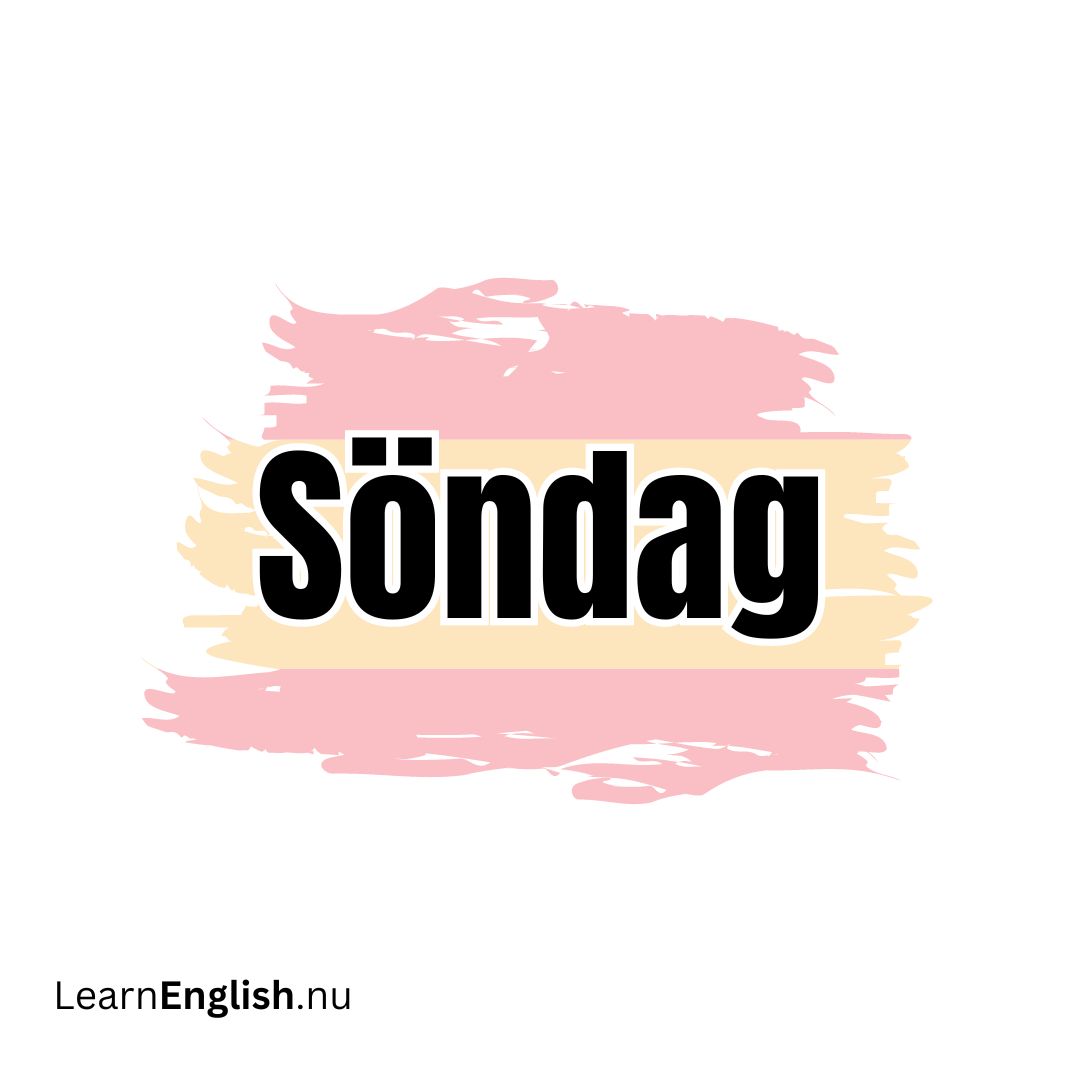
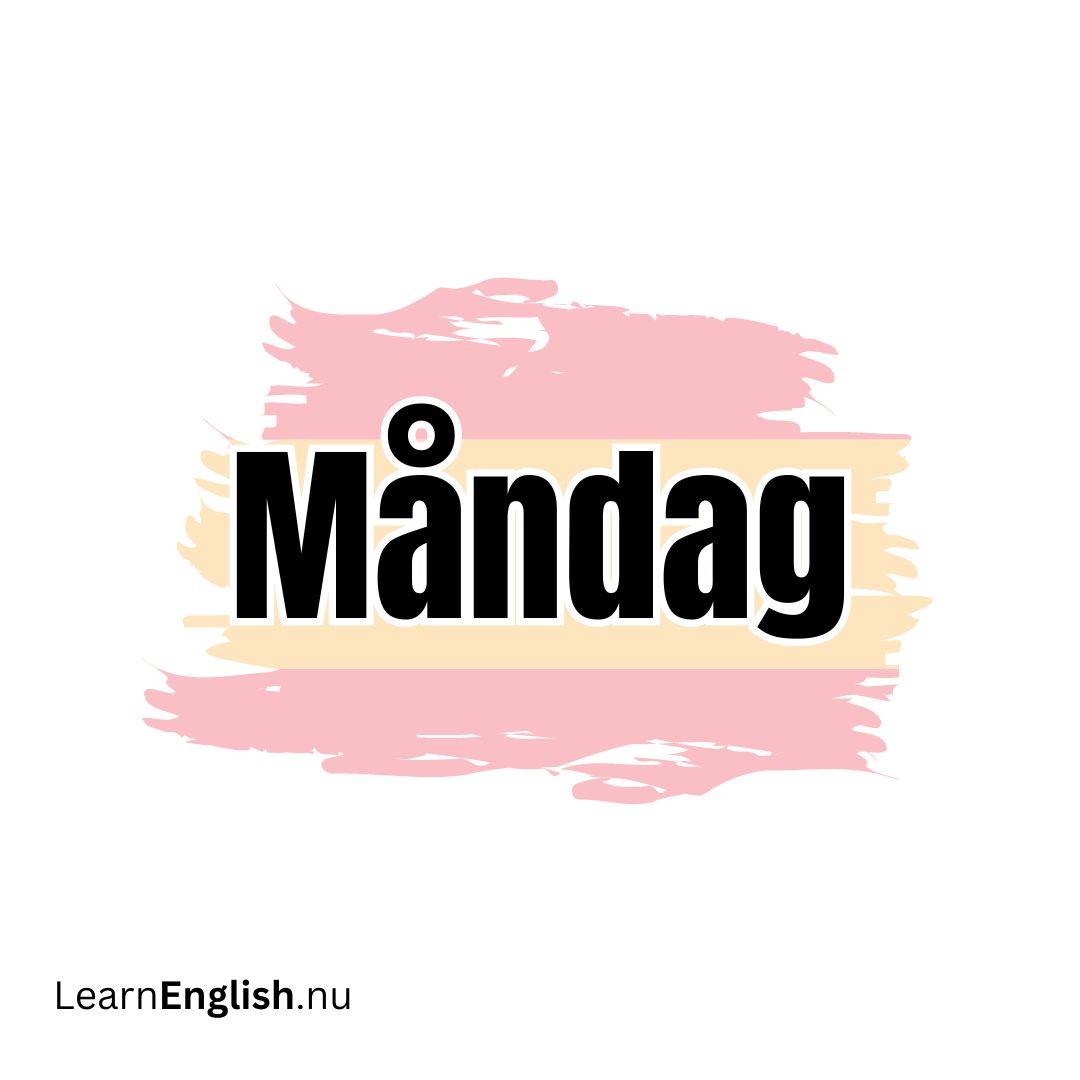
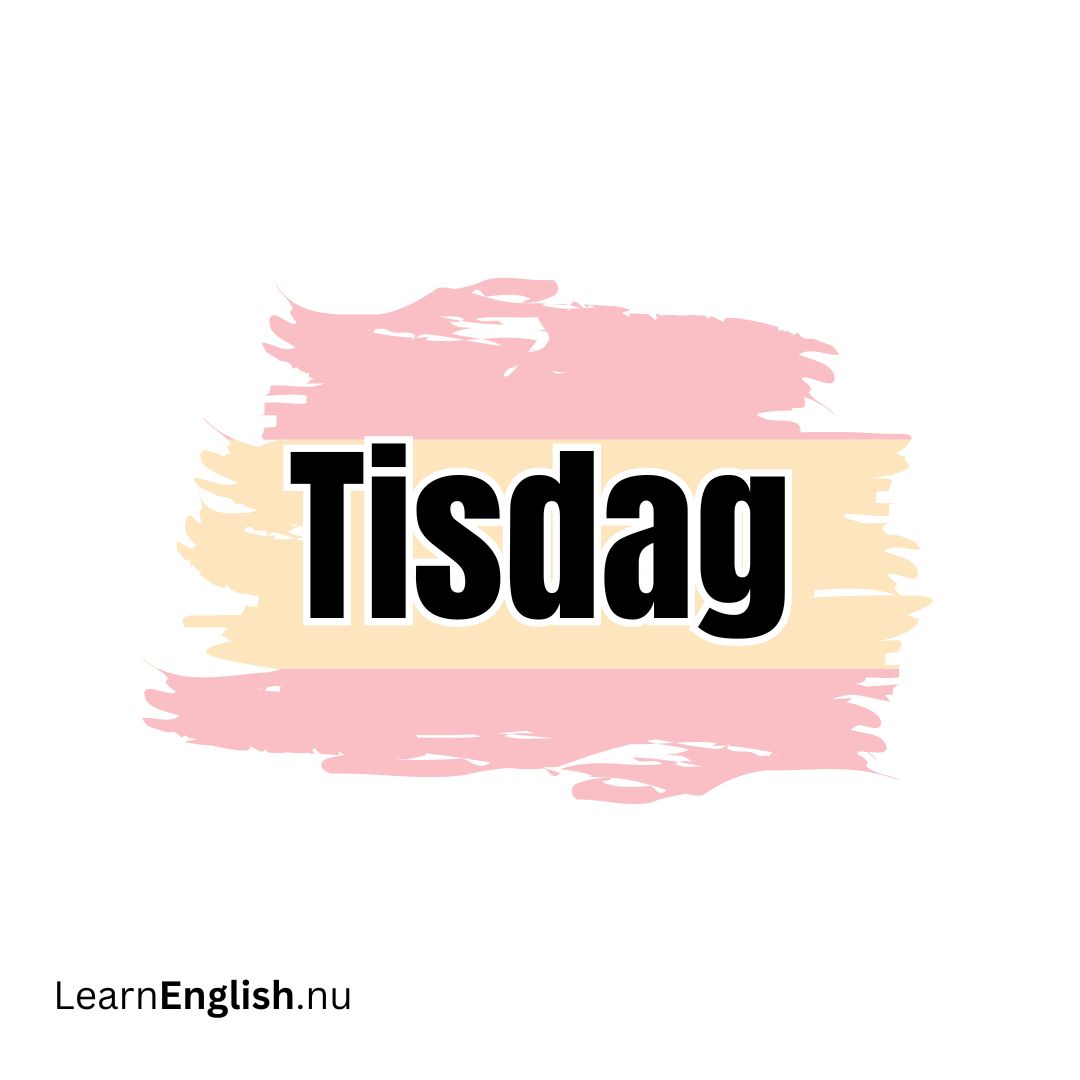
Days of the Week in Swedish - Days in Swedish
- Söndag Sunday
- Måndag Monday
- Tisdag Tuesday
- Onsdag Wednesday
- Torsdag Thursday
- Fredag Friday
- Lördag Saturday
days in Swedish
- måndag Monday
- tisdag Tuesday
- onsdag Wednesday
- torsdag Thursday
- fredag Friday
- lördag Saturday
- söndag Sunday
- vecka Week
- helg Weekend
- vardag Weekday
- dag Day
- morgon Morning
- eftermiddag Afternoon
- kväll Evening (after 6 pm)
- afton Evening (before 6 pm)
- natt Night
- idag Today
- imorgon Tomorrow
- i övermorgon Day after tomorrow
- ikväll Tonight
- igår Yesterday
- i förrgår Day before yesterday
- igår natt Last night
- daglig Daily
- veckolig Weekly
Days of the Week in Swedish
Learning the days of the week is one of the first steps in mastering a new language. In Swedish, this task is quite manageable because many of the names for the days closely resemble their English counterparts. This tutorial will guide you through the Swedish days of the week, their pronunciations, and how to use them in simple sentences.
Days of the Week in Swedish
The Swedish names for the days of the week are mostly similar to English, making them easier to remember. Here’s a quick reference table:
| Svenska | Engelska |
|---|---|
| Måndag | Monday |
| Tisdag | Tuesday |
| Onsdag | Wednesday |
| Torsdag | Thursday |
| Fredag | Friday |
| Lördag | Saturday |
| Söndag | Sunday |
Additional Terms
Besides the days, there are a few more terms related to time in Swedish:
| Svenska | Engelska |
|---|---|
| Vardagar | Weekdays |
| Helgdagar | Holidays |
| Helgen | The weekend |
| Vecka | Week |
Using Days of the Week in Sentences
In Swedish, the days of the week are typically preceded by "på" when indicating a specific day:
| Swedish | English |
|---|---|
| på måndag | on Monday |
| på tisdag | on Tuesday |
| på onsdag | on Wednesday |
| på torsdag | on Thursday |
| på fredag | on Friday |
| på lördag | on Saturday |
| på söndag | on Sunday |
How to Use Days of the Week in Sentences
Understanding how to use these words in context is crucial. Here are some basic sentences that incorporate the days of the week:
| Svenska | Engelska |
|---|---|
| Igår var MÅNDAG. | Yesterday was Monday. |
| Idag är TISDAG. | Today is Tuesday. |
| Imorgon är ONSDAG. | Tomorrow is Wednesday. |
| Jag läser svenska på TORSDAG. | I study Swedish on Thursday. |
| Jag jobbar inte på FREDAG. | I don’t work on Friday. |
| Min favoritdag är LÖRDAG. | My favorite day is Saturday. |
| Jag spelar amerikansk fotboll på SÖNDAG. | I play American football on Sunday. |
Common Phrases for Regular Occurrences
When talking about events that happen regularly, use these phrases:
| Swedish | English |
|---|---|
| varje måndag | every Monday |
| varje tisdag | every Tuesday |
| varje onsdag | every Wednesday |
| varje torsdag | every Thursday |
| varje fredag | every Friday |
| varje lördag | every Saturday |
| varje söndag | every Sunday |
Practice Questions
To reinforce your learning, try answering these questions using the days of the week in Swedish:
- Vilka dagar jobbar du? (Which days do you work?)
- Vilka dagar läser du svenska? (Which days do you study Swedish?)
- Vad är det för dag idag? (What day is it today?)
- Vad var det för dag igår? (What day was it yesterday?)
- Vilken dag är din favorit? (Which day is your favorite?)
Days of the Week in Swedish with pronunciation
Here’s a table with the Swedish days of the week, their English translations, and pronunciations:
| English | Swedish | Pronunciation |
|---|---|---|
| Monday | måndag | /ˈmɔːnˌdɑːɡ/ |
| Tuesday | tisdag | /ˈtɪsˌdɑːɡ/ |
| Wednesday | onsdag | /ˈʊnsˌdɑːɡ/ |
| Thursday | torsdag | /ˈtɔːʂˌdɑːɡ/ |
| Friday | fredag | /ˈfreːˌdɑːɡ/ |
| Saturday | lördag | /ˈlœːrˌdɑːɡ/ |
| Sunday | söndag | /ˈsœnˌdɑːɡ/ |
Common Time-Related Words
Learn these essential Swedish words for discussing different times of the day and other related concepts:
| English | Swedish | Pronunciation |
|---|---|---|
| day | dag | /dɑːɡ/ |
| morning | morgon | /ˈmɔːrˌɡɔn/ |
| afternoon | eftermiddag | /ˈɛfːtɛrˌmɪdˌdɑːɡ/ |
| evening (before 6 pm) | afton | /ˈɑːfˌtɔn/ |
| evening (after 6 pm) | kväll | /kvɛlː/ |
| night | natt | /nɑːt/ |
| today | idag | /iːˈdɑːɡ/ |
| tomorrow | imorgon | /ɪˈmɔːrˌɡɔn/ |
| day after tomorrow | i övermorgon | /iː ˈøːvɛrˌmɔːrˌɡɔn/ |
| tonight | ikväll | /ˈɪkˌvɛl/ |
| yesterday | igår | /iˈɡoːr/ |
| day before yesterday | i förrgår | /iː ˈfœrˌɡoːr/ |
| last night | igår natt | /iˈɡoːr nɑːt/ |
| week | vecka | /ˈvɛkːa/ |
| weekend | helg | /hɛlɡ/ |
| daily | daglig | /ˈdɑːɡˌlɪɡ/ |
| weekly | veckolig | /ˈvɛkːoˌlɪɡ/ |
Swedish days of the week meaning
Learning how to say the days of the week in Swedish is a key step in mastering the language. This tutorial will cover the names of the days, their meanings, and how to pronounce them correctly.
Meanings and Usage
- Måndag (Monday): The first day of the week.
- Tisdag (Tuesday): The second day of the week.
- Onsdag (Wednesday): The middle of the week.
- Torsdag (Thursday): The day before Friday.
- Fredag (Friday): The last working day of the week for many.
- Lördag (Saturday): The first day of the weekend.
- Söndag (Sunday): The second day of the weekend and often a day of rest.
Monday in Swedish
If you're learning Swedish, knowing how to say the days of the week is essential. This guide will focus on how to say "Monday" in Swedish, including its pronunciation and usage.
How to Say Monday in Swedish
The Swedish word for Monday is "måndag." Here's how you can pronounce it:
| English | Swedish | Pronunciation |
|---|---|---|
| Monday | måndag | /ˈmɔːnˌdɑːɡ/ |
Usage and Context
- Måndag is the first day of the week in Sweden, similar to Monday in English-speaking countries.
- In sentences, you would use "på måndag" to say "on Monday." For example, "Jag har ett möte på måndag" means "I have a meeting on Monday."
Wednesday in Swedish
Learning the names of the days of the week is crucial when studying Swedish. This tutorial will focus on how to say "Wednesday" in Swedish, including its pronunciation and how to use it in sentences.
How to Say Wednesday in Swedish
The Swedish word for Wednesday is "onsdag." Here’s the pronunciation and how it looks in Swedish:
| English | Swedish | Pronunciation |
|---|---|---|
| Wednesday | onsdag | /ˈʊnsˌdɑːɡ/ |
Usage and Context
- Onsdag is the third day of the week in Swedish, following Tuesday and preceding Thursday.
- To use "onsdag" in a sentence, you can say "på onsdag" which means "on Wednesday." For example, "Vi ses på onsdag" translates to "We’ll see each other on Wednesday."
Abbreviations for Days of the Week in Swedish
In Swedish, abbreviations for the days of the week are commonly used for convenience in written and digital communication. This tutorial will guide you on how to abbreviate each day of the week in Swedish, including their pronunciation.
Abbreviations for Days of the Week
Here’s a table with the full names of the days, their abbreviations, and pronunciations:
| English | Swedish | Abbreviation | Pronunciation |
|---|---|---|---|
| Monday | måndag | Mån | /ˈmɔːnˌdɑːɡ/ |
| Tuesday | tisdag | Tis | /ˈtɪsˌdɑːɡ/ |
| Wednesday | onsdag | Ons | /ˈʊnsˌdɑːɡ/ |
| Thursday | torsdag | Tor | /ˈtɔːʂˌdɑːɡ/ |
| Friday | fredag | Fre | /ˈfreːˌdɑːɡ/ |
| Saturday | lördag | Lör | /ˈlœːrˌdɑːɡ/ |
| Sunday | söndag | Sön | /ˈsœnˌdɑːɡ/ |
Usage of Abbreviations
- Abbreviations are often used in calendars, schedules, and informal writing to save space and simplify text.
- For example, you might see "Mån" in a calendar to represent Monday or "Fre" to indicate Friday.
Related Topics
Swedish Lessons: Swedish Drink Words Vocabulary Words
Swedish Vocabulary: Words and Phrases for Restaurant in Swedish
Swedish for Travelers: Useful Swedish Phrases and Words
Names of things in the street in Swedish
Swedish Nature Vocabulary with Pronunciation - Learn Swedish
Places in town words vocabulary in Swedish
Top 22 Words for Nature Basics in Swedish
Swedish vocabulary: At the Beach Words and Phrases
Planet names in Swedish and English (Solar system)
Musical instruments names in Swedish language
Swedish Electrical Appliances: Household Devices Word List
Swedish emergency expressions , words and phrases
Office supplies - Office equipment words vocabulary in Swedish
Swedish Vocabulary: Swedish Occupations Jobs Professions Words
Swedish Lessons: Swedish Transportation Vocabulary And Phrases
Swedish astrology - Star signs in Swedish (zodiac signs)
Swedish Lessons: Swedish Food and Meals Vocabulary Words with Pronunciation
Swedish Lessons: Swedish tools and equipment Vocabulary Words
Swedish Lessons: Swedish utility room Vocabulary Words
Swedish Lessons: Action Verbs in Swedish
Swedish Lessons: Swedish cleaning tools Vocabulary Words
Swedish Lessons: Swedish Garden Vocabulary Words
Swedish Lessons: Swedish Bathroom Vocabulary Words
Swedish Lessons: Cooking Verbs in Swedish
Swedish Lessons: Swedish kitchen utensils Vocabulary Words
Swedish Lessons: Living room Vardagsrum Vocabulary Words
Swedish Lessons: bedroom items list with pictures in Swedish