Learning the continents of the world in Swedish can be an exciting and rewarding experience. Whether you're a language enthusiast, a student, or someone planning to travel, knowing these geographical names can enrich your understanding of Swedish and improve your global knowledge. This tutorial will guide you through the names of the continents in Swedish, offering practical tips and tricks to help you remember them effortlessly. By the end of this guide, you'll be able to confidently name all the continents in Swedish and use them in conversation. Let's embark on this linguistic journey together!
Click on the text to hear the pronunciation
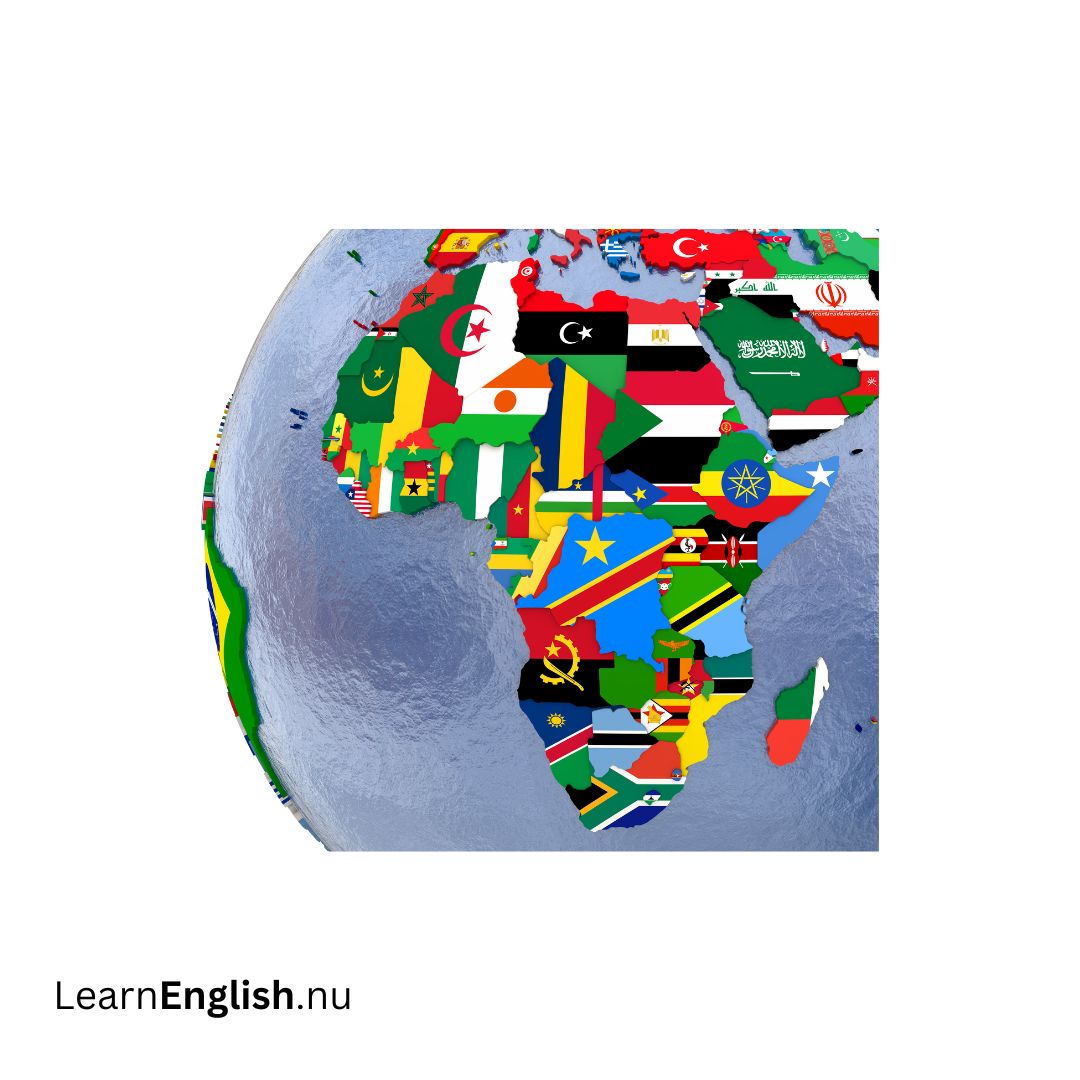 Afrika
Africa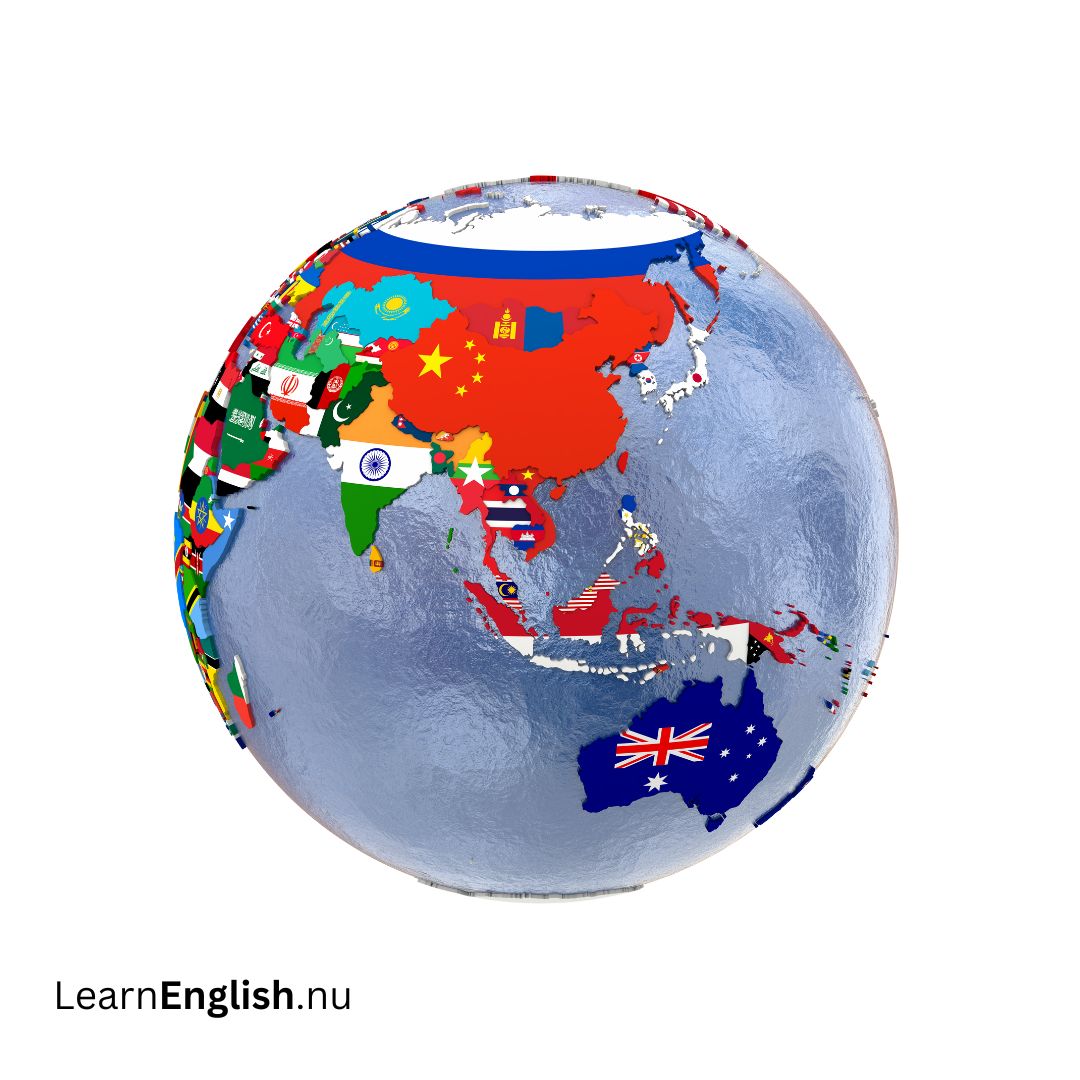 Asien
Asien
Asia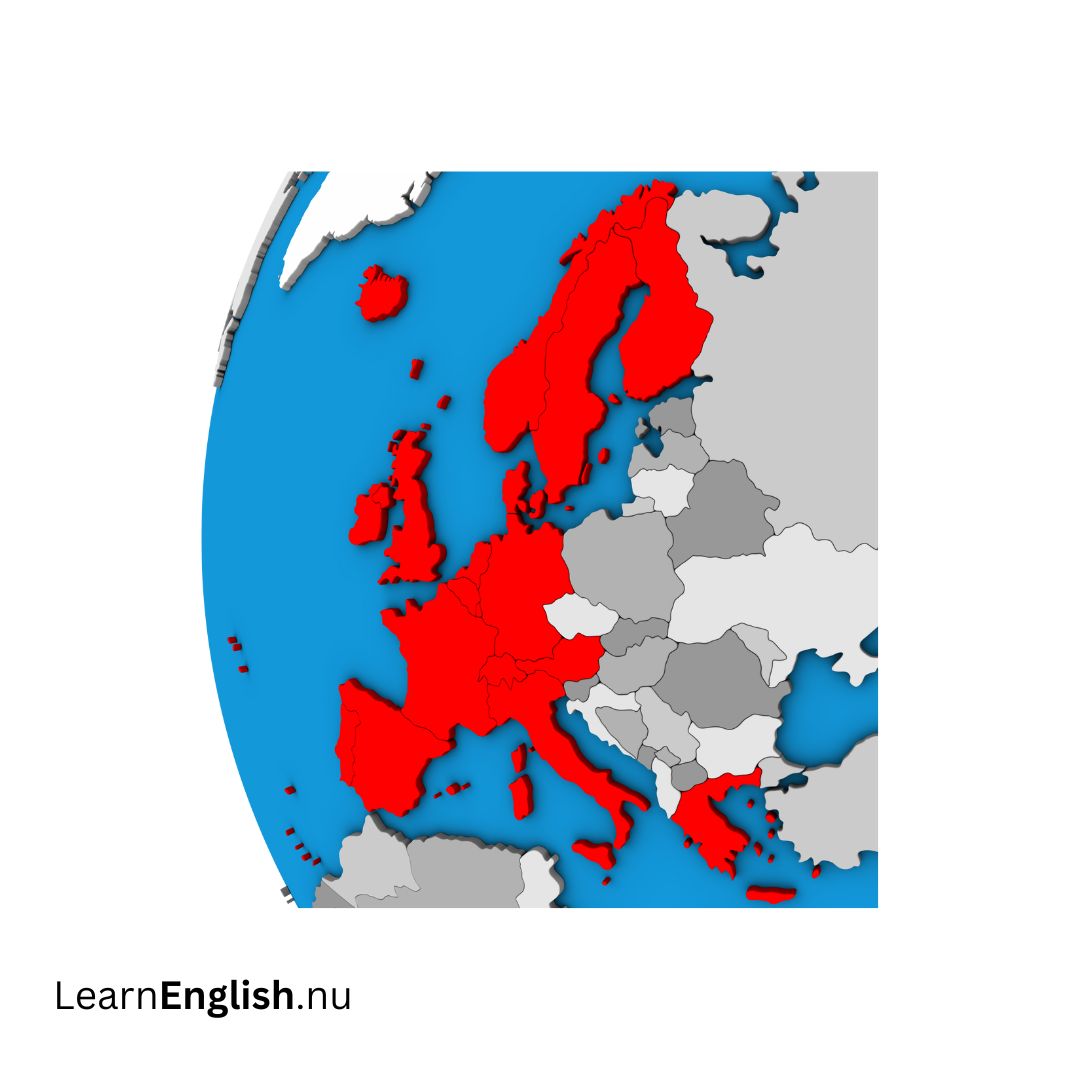 Europa
Europe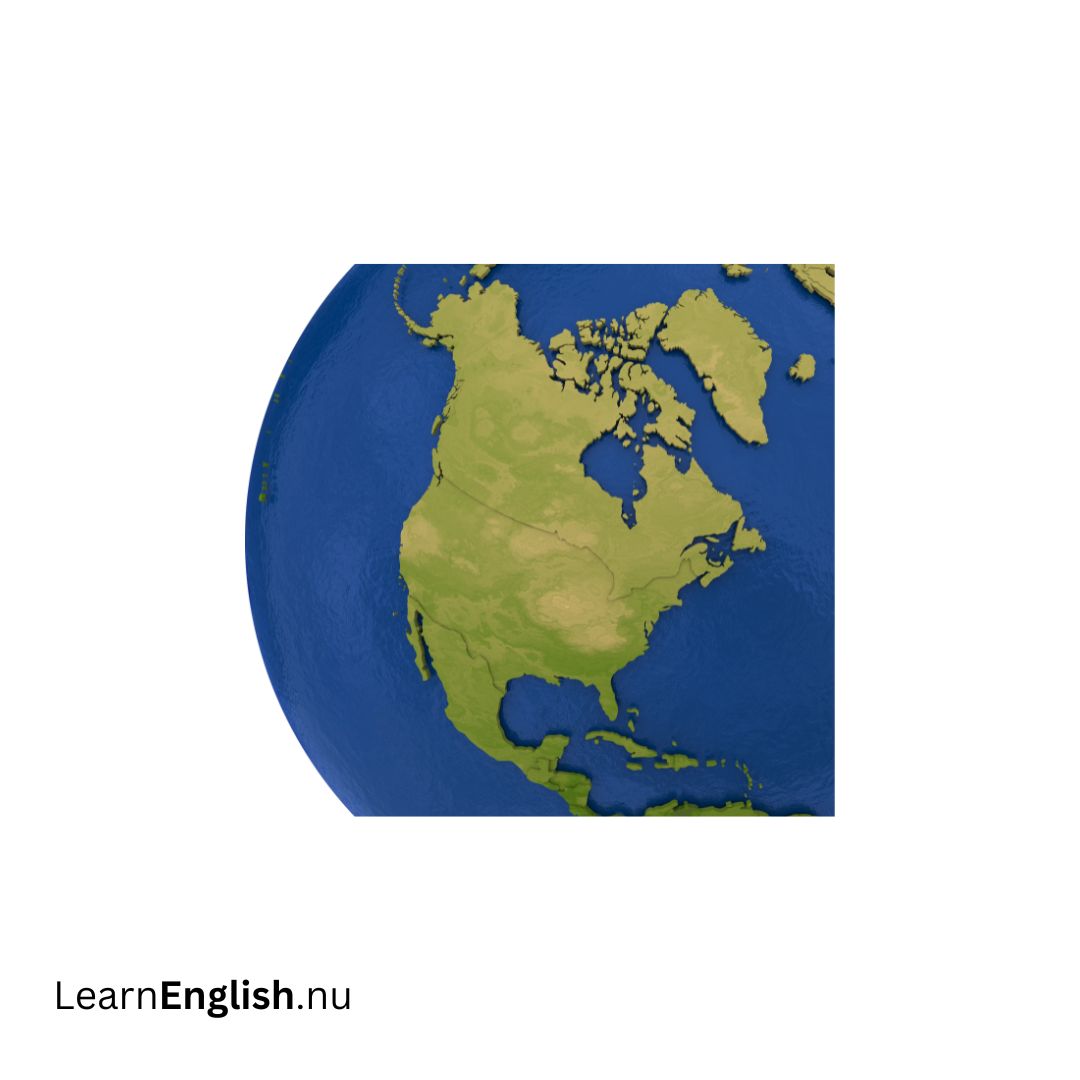 Nordamerika
North America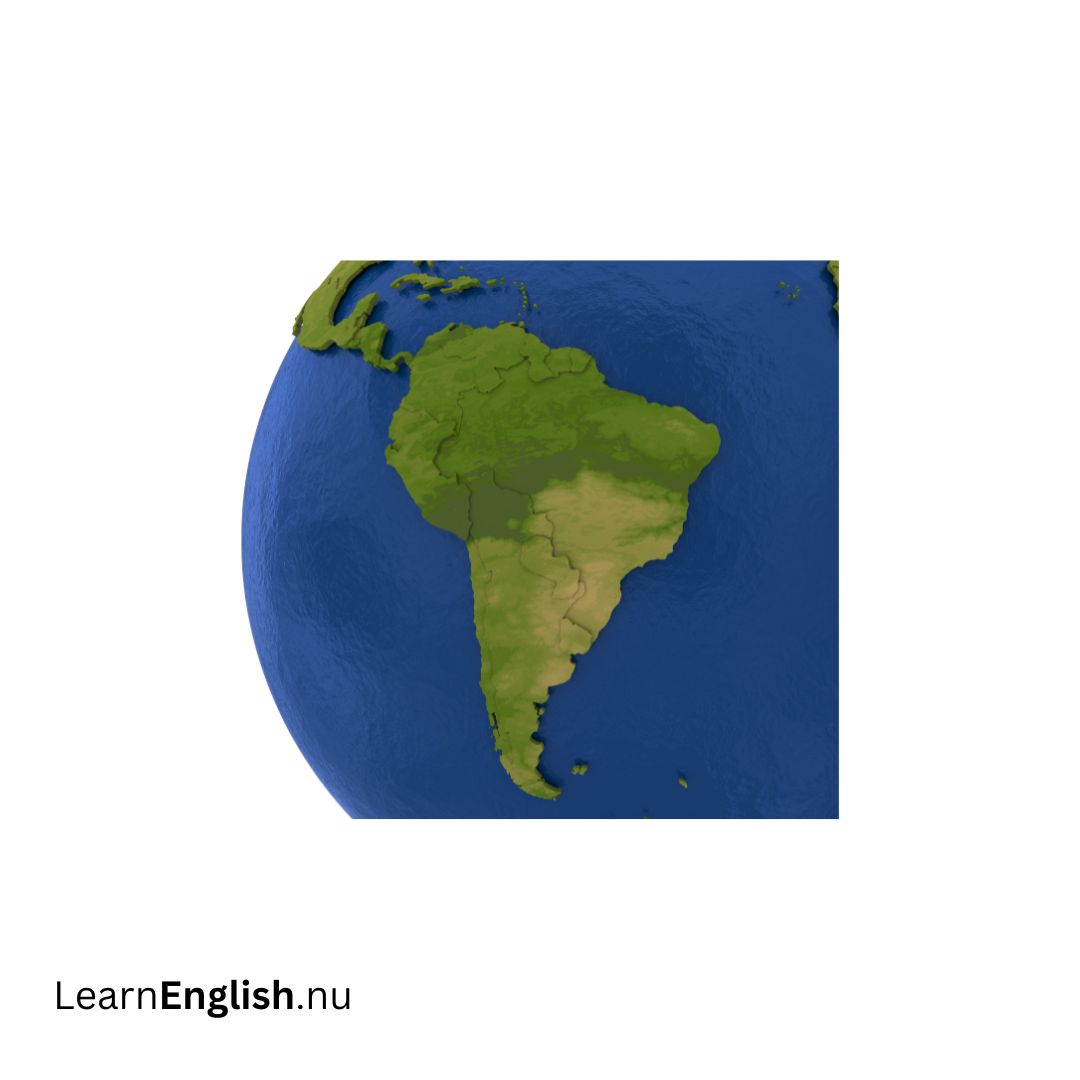 Sydamerika
South America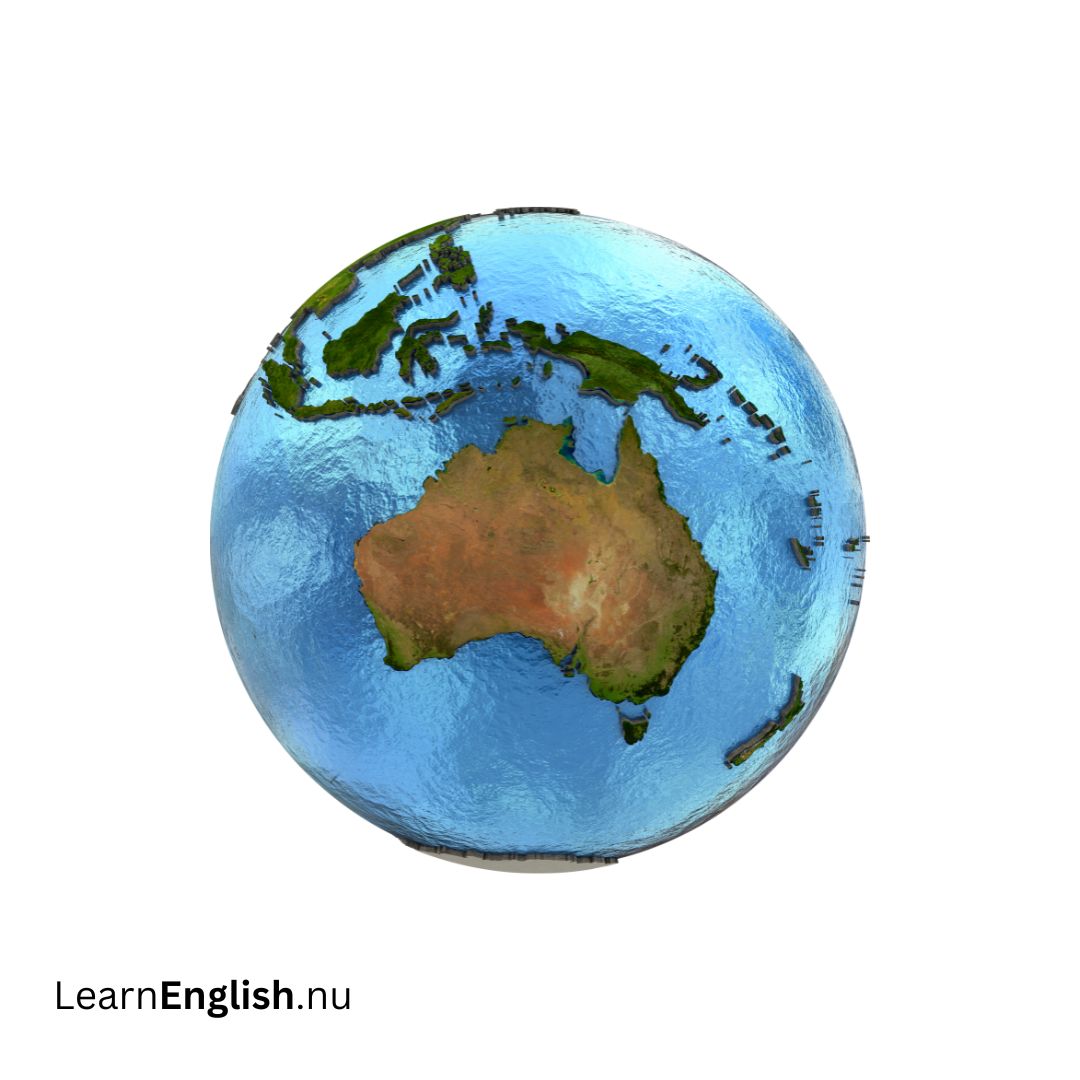 Australien
Australia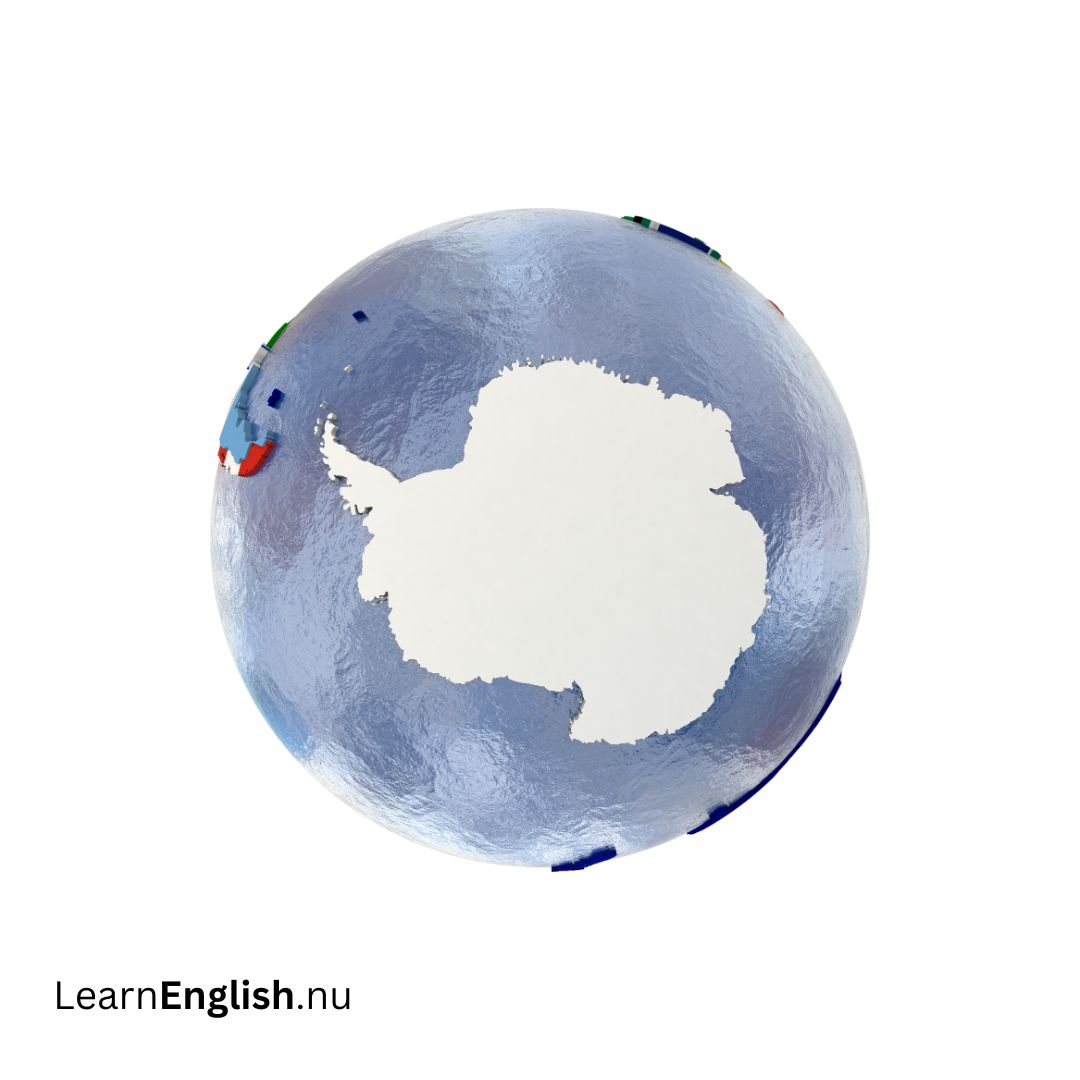 Antarktis
Antarctica
Continents of the world in Swedish
- Afrika Africa
- Asien Asia
- Europa Europe
- Nordamerika North America
- Sydamerika South America
- Australien Australia
- Antarktis Antarctica
World Continents in Swedish
Learning the names of continents and territories in Swedish is crucial for enhancing geographical vocabulary. This tutorial provides a straightforward guide to pronouncing these geographical names correctly.
Pronunciation Guide for Continents and Territories
| Swedish | English | Pronunciation |
|---|---|---|
| Asien | Asia | ah-see-en |
| Europa | Europe | yew-roh-pah |
| Australien | Australia | ow-strah-lee-en |
| Afrika | Africa | ah-free-kah |
| Sydamerika | South America | sewd-ah-meh-ree-kah |
| Nordamerika | North America | nohrd-ah-meh-ree-kah |
| Antarktis | Antarctica | ant-ark-tees |
| Centralamerika | Central America | sen-trahl-ah-meh-ree-kah |
| Mellanöstern | Middle East | meh-lahn-uh-stern |
| jorden | Earth | yor-den |
Details and Usage
Understanding how to pronounce these geographical names correctly is helpful for various contexts, such as travel, education, and global discussions.
Asien (Asia): Commonly used when referring to the continent of Asia.
- Example: "karta över Asien" (map of Asia)
Europa (Europe): Frequently mentioned in discussions about European countries or geography.
- Example: "karta över Europa" (map of Europe)
Australien (Australia): Useful when talking about the country or continent of Australia.
- Example: "Australiens premiärminister" (Prime Minister of Australia)
Afrika (Africa): Often used in contexts involving the African continent.
- Example: "Kontinenten Afrika" (continent of Africa)
Sydamerika (South America): Relevant for discussions about South American geography.
- Example: "kontinenten Sydamerika" (continent of South America)
Nordamerika (North America): Important when referring to the North American continent.
- Example: "karta över Nordamerika" (map of North America)
Antarktis (Antarctica): Useful for conversations about the polar continent.
- Example: "två pingviner i Antarktis" (two penguins in Antarctica)
Centralamerika (Central America): Commonly used when discussing the region of Central America.
- Example: "satellitbild på Centralamerika" (satellite image of Central America)
Mellanöstern (Middle East): Relevant in discussions about the Middle East region.
- Example: "karta över Mellanöstern" (map of the Middle East)
jorden (Earth): Essential for general discussions about the planet Earth.
- Example: "planeten Jorden" (planet Earth)
Countries and Their Capitals – Seven Continents in Swedish
Each continent is home to many countries, each with its own capital. This tutorial provides a detailed list of countries and their capitals across the seven continents, focusing on their Swedish names and pronunciation.
Asia
Asia is the largest continent, comprising 49 countries. Some countries, like Russia and Egypt, are geographically in Asia but are often considered part of Europe or Africa. Asian countries are categorized into different regions: East Asia, Southeast Asia, South Asia, West Asia, and Central Asia.
South Asian Countries and Capitals
The list below includes South Asian countries and their capitals in Swedish, along with pronunciation.
| English | Swedish | Capital (English) | Capital (Swedish) | Pronunciation (Country/Capital) |
|---|---|---|---|---|
| India | Indien | New Delhi | New Delhi | in-dee-en / nyoo del-ee |
| Nepal | Nepal | Kathmandu | Katmandu | neh-pahl / kat-muhn-doo |
| Bhutan | Bhutan | Thimphu | Thimphu | boo-tahn / tim-poo |
| Maldives | Maldiverna | Male | Male | mahl-dee-ver-na / mah-leh |
| Sri Lanka | Sri Lanka | Colombo | Colombo | sree lahn-ka / kuh-luhm-boh |
| Bangladesh | Bangladesh | Dhaka | Dhaka | bahng-lah-desh / dah-kuh |
| Afghanistan | Afghanistan | Kabul | Kabul | ahf-gah-ni-stahn / kah-bool |
East Asian Countries and Capitals
The list below includes East Asian countries and their capitals in Swedish, along with pronunciation.
| English | Swedish | Capital (English) | Capital (Swedish) | Pronunciation (Country/Capital) |
|---|---|---|---|---|
| China | Kina | Beijing | Peking | kee-nah / bay-jing |
| Japan | Japan | Tokyo | Tokyo | yah-pahn / toh-kee-oh |
| South Korea | Sydkorea | Seoul | Seoul | syd-ko-ray-ah / sohl |
| North Korea | Nordkorea | Pyongyang | Pyongyang | noord-ko-ray-ah / pyong-yang |
| Mongolia | Mongoliet | Ulaanbaatar | Ulaanbaatar | mon-go-lee-et / oo-lahn-bah-tar |
| Taiwan | Taiwan | Taipei | Taipei | tie-wahn / tie-pay |
Southeast Asian Countries and Capitals
The list below includes Southeast Asian countries and their capitals in Swedish, along with pronunciation.
| English | Swedish | Capital (English) | Capital (Swedish) | Pronunciation (Country/Capital) |
|---|---|---|---|---|
| Indonesia | Indonesien | Jakarta | Jakarta | in-doe-nee-see-en / juh-kar-tuh |
| Philippines | Filippinerna | Manila | Manila | fee-lee-pee-ner-na / muh-nih-luh |
| Vietnam | Vietnam | Hanoi | Hanoi | vee-et-nahm / hah-noy |
| Cambodia | Kambodja | Phnom Penh | Phnom Penh | kahm-boh-jah / puh-nom pen |
| Laos | Laos | Vientiane | Vientiane | lah-ohs / vee-en-tyahn |
| Myanmar | Myanmar | Naypyidaw | Naypyidaw | myan-mar / nay-pyid-aw |
| Malaysia | Malaysia | Kuala Lumpur | Kuala Lumpur | mah-lay-see-ah / kwah-lah loom-poor |
| Thailand | Thailand | Bangkok | Bangkok | tie-lahnd / bang-kok |
| Brunei | Brunei | Bandar Seri | Bandar Seri | broo-nay / bahn-dar seh-ree |
| Singapore | Singapore | Singapore | Singapore | sing-ah-pohr / sing-uh-pore |
West Asian Countries and Capitals
The list below includes West Asian countries and their capitals in Swedish, along with pronunciation.
| English | Swedish | Capital (English) | Capital (Swedish) | Pronunciation (Country/Capital) |
|---|---|---|---|---|
| Iraq | Irak | Baghdad | Bagdad | ee-rahk / bag-dad |
| Iran | Iran | Tehran | Teheran | ee-rahn / teh-rahn |
| Saudi Arabia | Saudiarabien | Riyadh | Riyadh | sah-oo-dee-ah-rah-bee-en / ree-yahd |
| Kuwait | Kuwait | Kuwait City | Kuwait City | koo-wayt / koo-wayt sit-ee |
| Oman | Oman | Muscat | Muskat | oh-mahn / mus-kat |
| Bahrain | Bahrain | Manama | Manama | bah-rehn / mah-nah-mah |
| Lebanon | Libanon | Beirut | Beirut | leb-ah-non / bay-root |
| Yemen | Jemen | Sana'a | Sana’a | yeh-men / sah-nah |
| Syria | Syrien | Damascus | Damaskus | see-ree-en / duh-mas-kus |
| Jordan | Jordanien | Amman | Amman | yor-dah-nee-en / ah-mahn |
| Qatar | Qatar | Doha | Doha | kah-tahr / doh-hah |
| United Arab Emirates | Förenade Arabemiraten | Abu Dhabi | Abu Dhabi | foo-reh-nah-deh ah-rah-beh-mee-rah-ten / ah-boo dah-bee |
How Many Continents Are There in the World?
The number of continents in the world can vary depending on cultural, historical, geographical, and scientific perspectives. This guide explores the different views on how many continents there are and the reasoning behind each perspective.
Five Continents
In some parts of the world, there is a view that there are five continents: Asia, Africa, Europe, Australia/Oceania, and the Americas. This perspective is influenced by cultural and historical factors, seeing Europe and Asia as one landmass due to their shared history and geography.
Six Continents
Another common view recognizes six continents by combining North and South America into one continent called the Americas. This view is based on geographic and political factors, emphasizing the connectedness between the two landmasses.
Eight Continents
Some perspectives suggest there are eight continents. This includes Antarctica as a separate continent due to its unique characteristics and divides Europe and Asia into two separate continents based on their cultural and historical differences.
More Than Eight Continents
There are even views that propose more than eight continents. For example, some scientists consider Zealandia, a submerged landmass in the Pacific Ocean, as a separate continent.
Table of Views on Continents
| Number of Continents | Continents Included | Basis for View |
|---|---|---|
| Five | Asia, Africa, Europe, Australia/Oceania, Americas | Cultural and historical factors |
| Six | Asia, Africa, Europe, Australia/Oceania, North America, South America | Geographic and political factors |
| Eight | Asia, Africa, Europe, Australia/Oceania, North America, South America, Antarctica, Zealandia | Scientific and cultural differences |
| More Than Eight | Includes all of the above plus any additional recognized landmasses | Extended scientific perspectives on landmasses |
Tips to Remember Continents of the World in Swedish
Learning the names of the continents in Swedish can be fun and easy with the right techniques. Here are some effective tips to help you remember them.
Use Flashcards Flashcards are a great way to memorize new words. Write the name of each continent in Swedish on one side and the English equivalent on the other. Review them regularly.
Visual Associations Associate each continent with an image or a landmark that represents it. For example:
- Asien (Asia): Picture the Great Wall of China.
- Afrika (Africa): Imagine a safari with elephants and lions.
- Europa (Europe): Think of the Eiffel Tower in Paris.
- Australien (Australia): Visualize kangaroos and the Sydney Opera House.
- Sydamerika (South America): Picture the Amazon rainforest or Machu Picchu.
- Nordamerika (North America): Think of the Statue of Liberty or the Grand Canyon.
- Antarktis (Antarctica): Imagine icebergs and penguins.
- Centralamerika (Central America): Picture tropical beaches and ancient ruins.
- Mellanöstern (Middle East): Visualize desert landscapes and historical sites.
- jorden (Earth): Think of the globe or space images of our planet.
Create Mnemonics Use mnemonics to create a memorable phrase or sentence. For example: Angry Elephants Attacked A Silly Ninja At Central Market Junction
- Asien (Asia)
- Europa (Europe)
- Australien (Australia)
- Afrika (Africa)
- Sydamerika (South America)
- Nordamerika (North America)
- Antarktis (Antarctica)
- Centralamerika (Central America)
- Mellanöstern (Middle East)
- Jorden (Earth)
Practice with Maps Use a world map and label each continent in Swedish. Practice pointing to each continent and saying its name out loud in Swedish.
Watch Videos and Listen to Songs Find educational videos or songs that teach the continents in Swedish. Music and visuals can reinforce memory through repetition and engagement.
Use Language Apps Language learning apps often have interactive exercises and games that can help you practice and remember new vocabulary.
Group Study Studying with friends or classmates can make learning more enjoyable. Quiz each other on the continents and use the Swedish names in conversations.
Related Topics
Swedish Lessons: Swedish Drink Words Vocabulary Words
Swedish Vocabulary: Words and Phrases for Restaurant in Swedish
Swedish for Travelers: Useful Swedish Phrases and Words
Names of things in the street in Swedish
Swedish Nature Vocabulary with Pronunciation - Learn Swedish
Places in town words vocabulary in Swedish
Top 22 Words for Nature Basics in Swedish
Swedish vocabulary: At the Beach Words and Phrases
Planet names in Swedish and English (Solar system)
Musical instruments names in Swedish language
Swedish Electrical Appliances: Household Devices Word List
Swedish emergency expressions , words and phrases
Office supplies - Office equipment words vocabulary in Swedish
Swedish Vocabulary: Swedish Occupations Jobs Professions Words
Swedish Lessons: Swedish Transportation Vocabulary And Phrases
Swedish astrology - Star signs in Swedish (zodiac signs)
Swedish Lessons: Swedish Food and Meals Vocabulary Words with Pronunciation
Swedish Lessons: Swedish tools and equipment Vocabulary Words
Swedish Lessons: Swedish utility room Vocabulary Words
Swedish Lessons: Action Verbs in Swedish
Swedish Lessons: Swedish cleaning tools Vocabulary Words
Swedish Lessons: Swedish Garden Vocabulary Words
Swedish Lessons: Swedish Bathroom Vocabulary Words
Swedish Lessons: Cooking Verbs in Swedish
Swedish Lessons: Swedish kitchen utensils Vocabulary Words
Swedish Lessons: Living room Vardagsrum Vocabulary Words
Swedish Lessons: bedroom items list with pictures in Swedish