Learning a new language goes beyond just mastering grammar and vocabulary; it involves grasping the culture and emotions of its speakers. This guide will introduce you to simple words for moods and emotions in German. By familiarizing yourself with these terms, you'll be able to express yourself more effectively and engage in more meaningful conversations with native German speakers. Let's get started!
Click on the text to hear the pronunciation
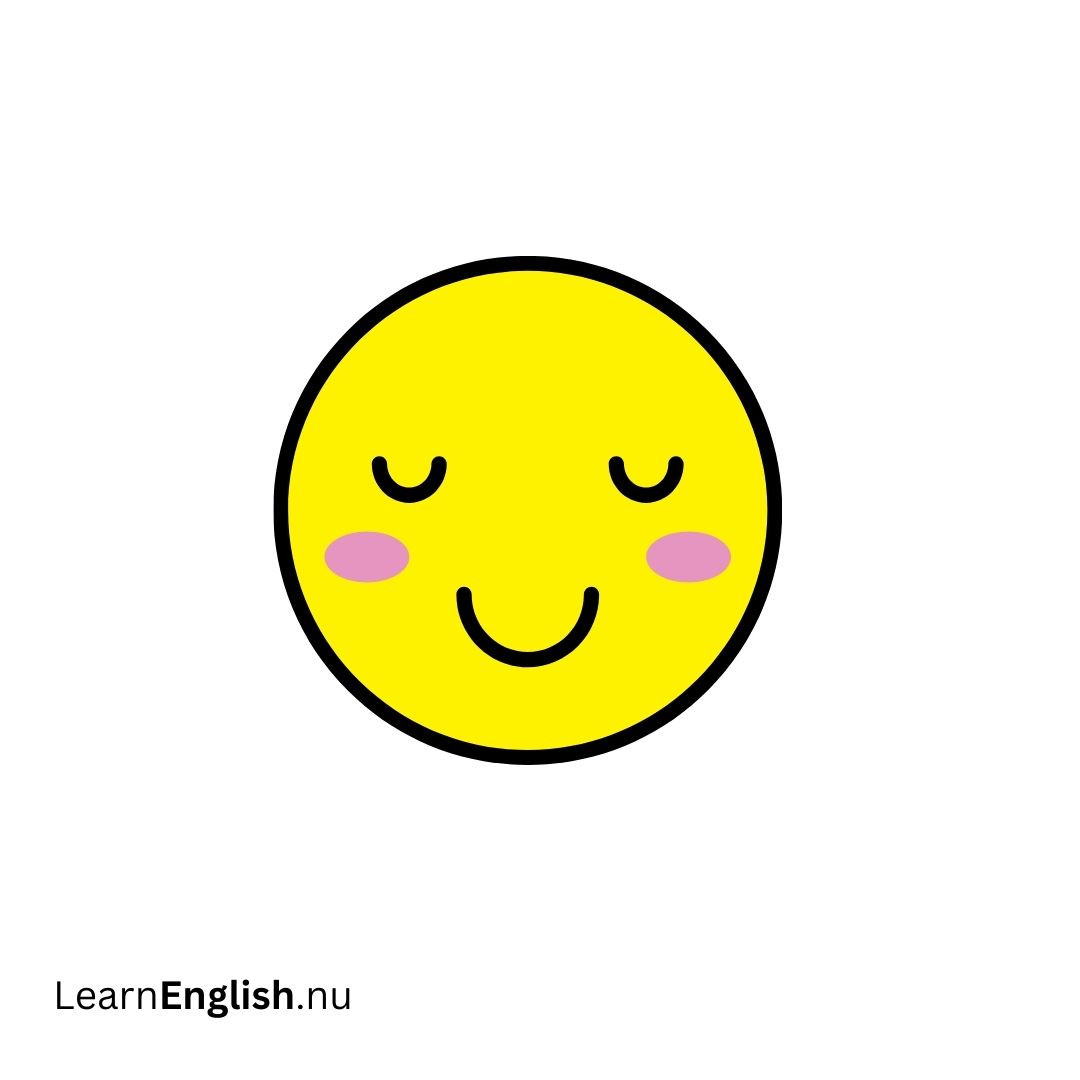 Zufrieden
Pleased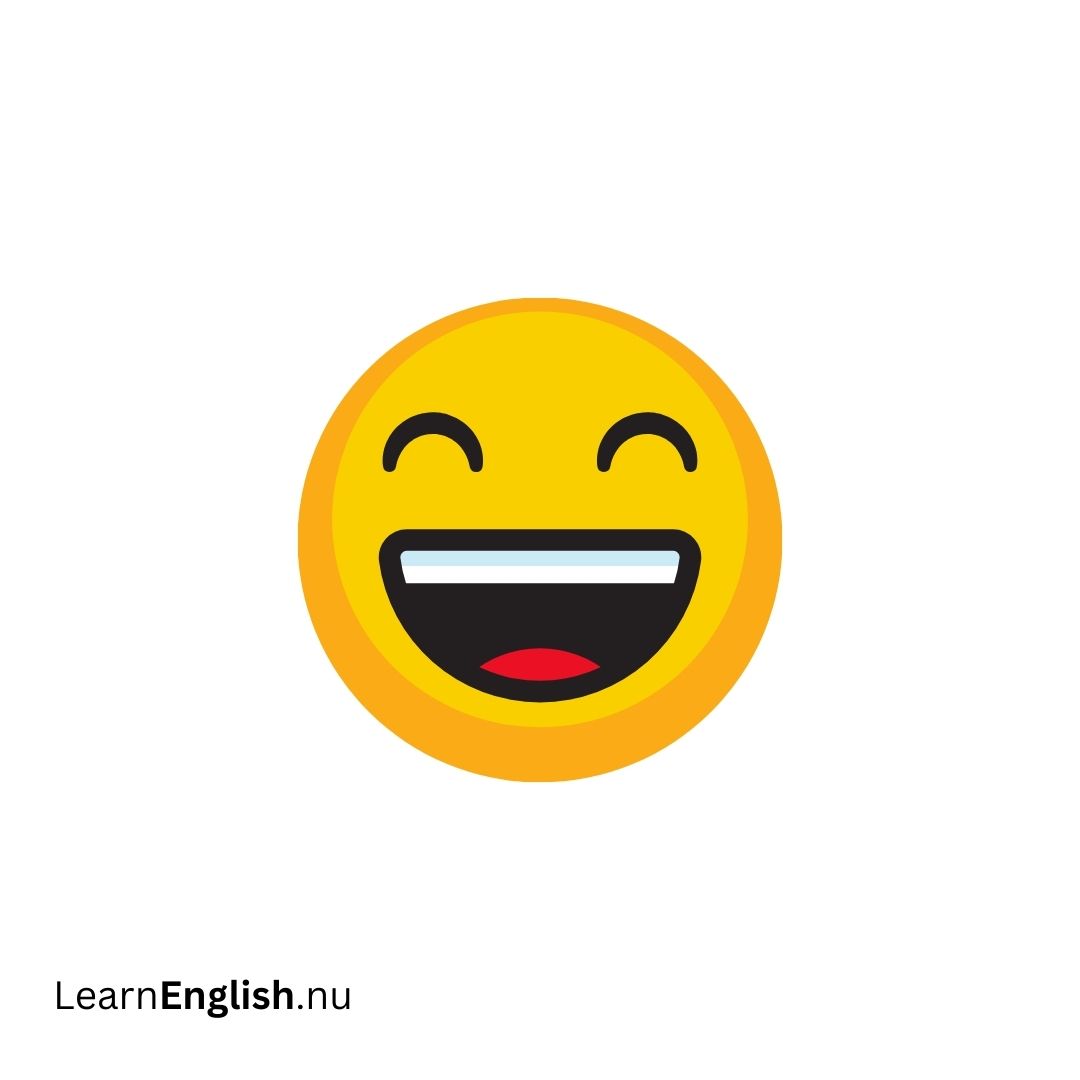 Glücklich
Happy Froh
Froh
Glad Entzückt
Delighted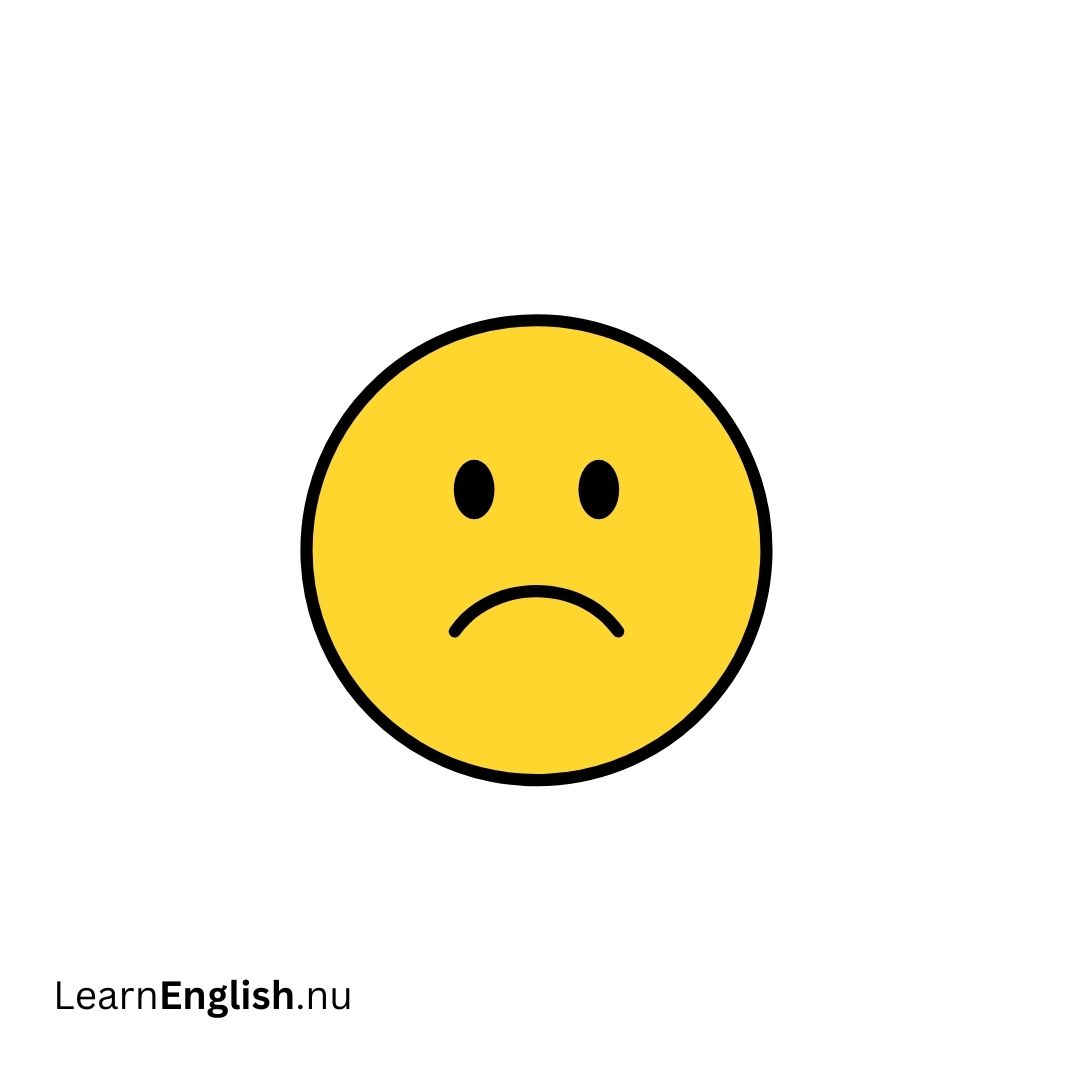 Traurig
Sad Begeistert
Enthusiastic Besorgt
Worried Schockiert
Shock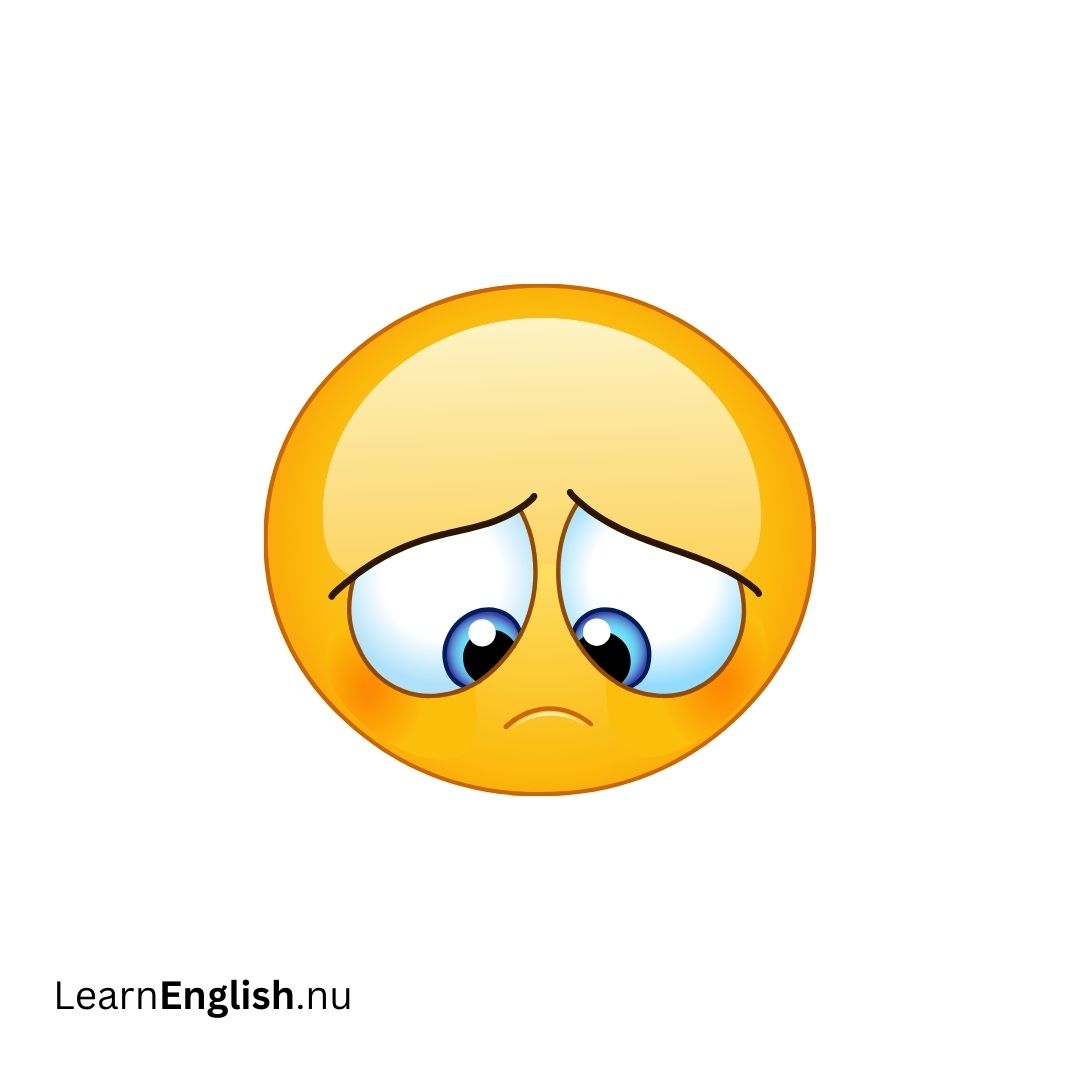 Depressiv
Depressed Enttäuscht
Disappointed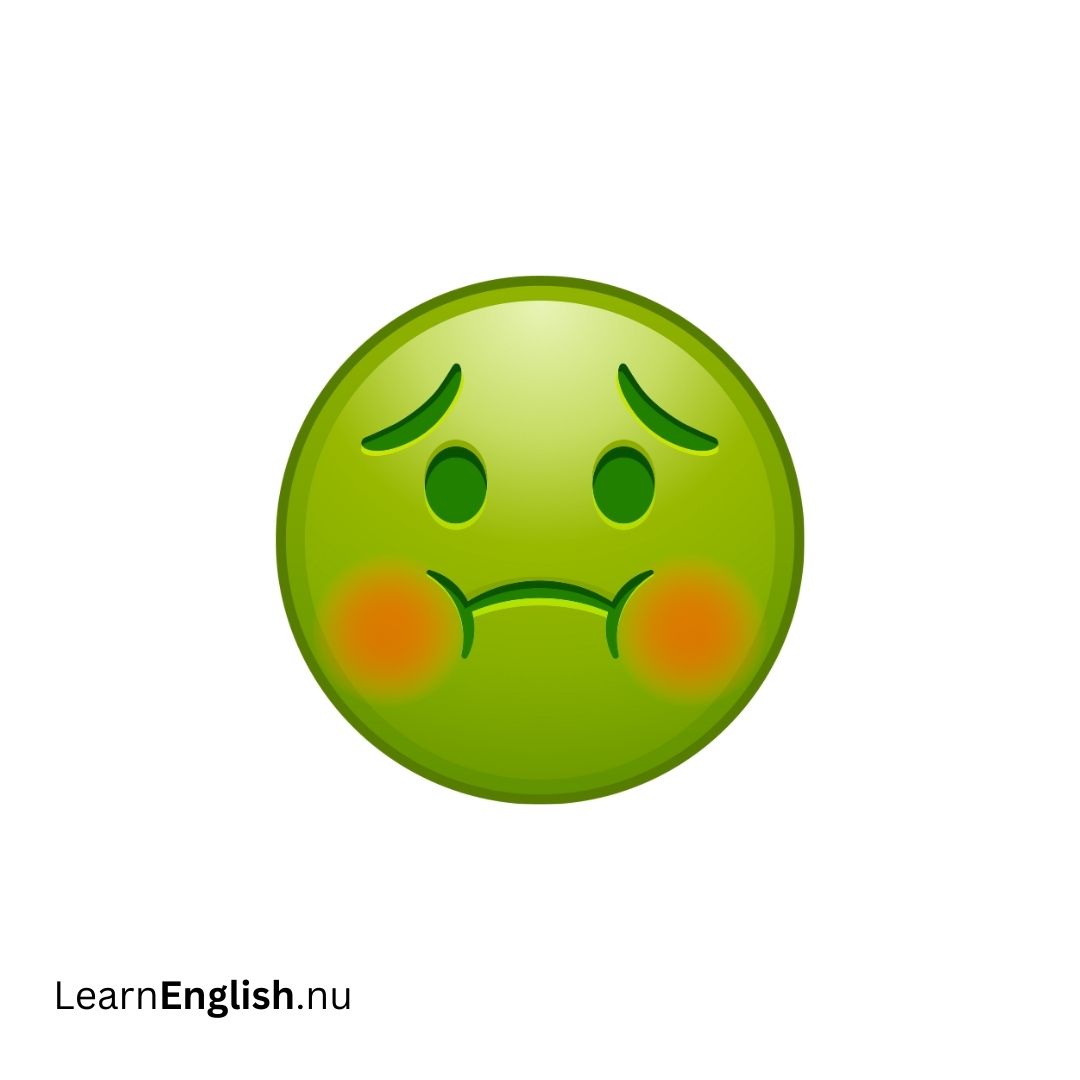 Angeekelt
Disgusted Ruhig
Ruhig
Calm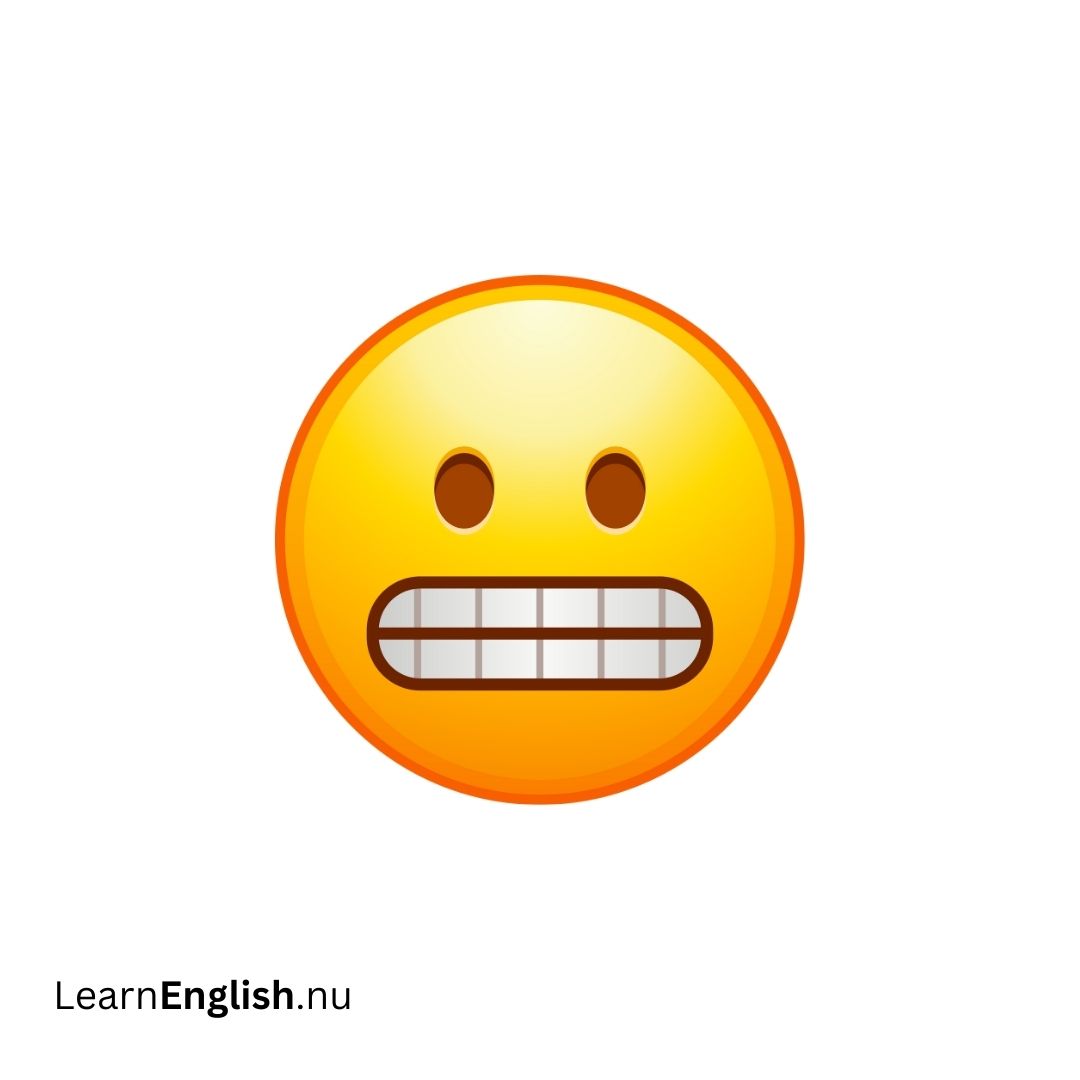 Nervös
Nervous Gelangweilt
Bored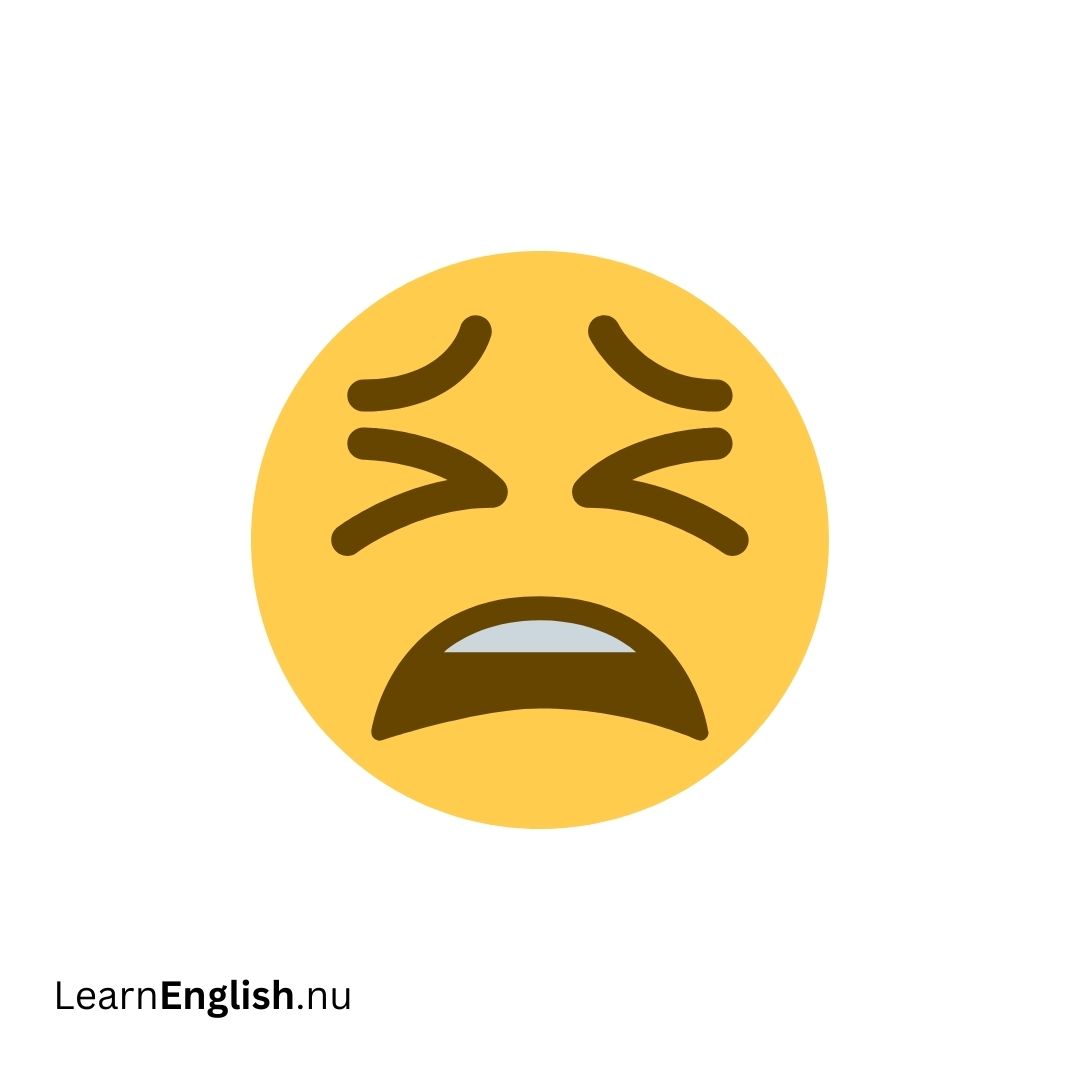 Müde
Müde
Tired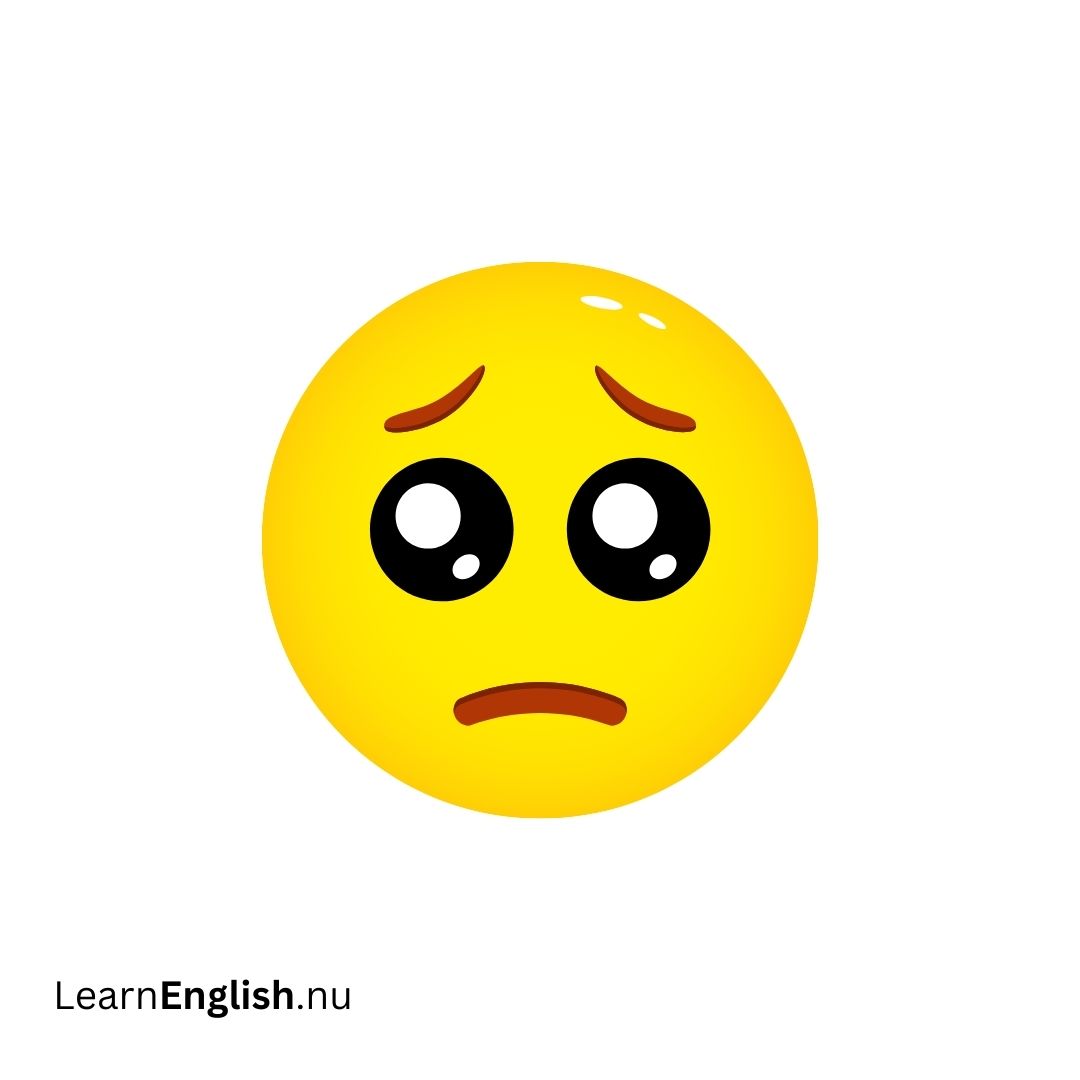 Verärgert
Upset Elend
Elend
Miserable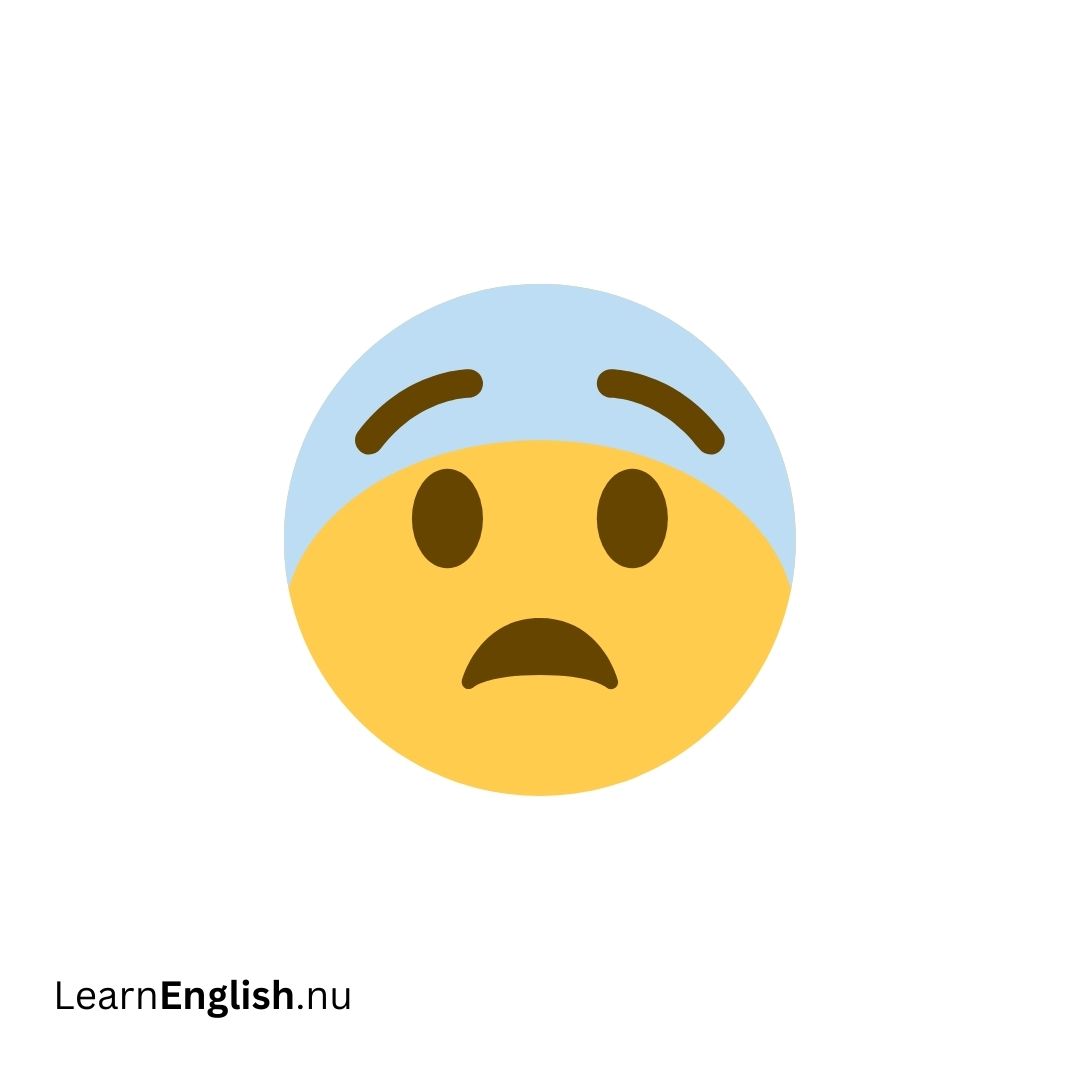 Ängstlich
Scared Entspannt
Relaxed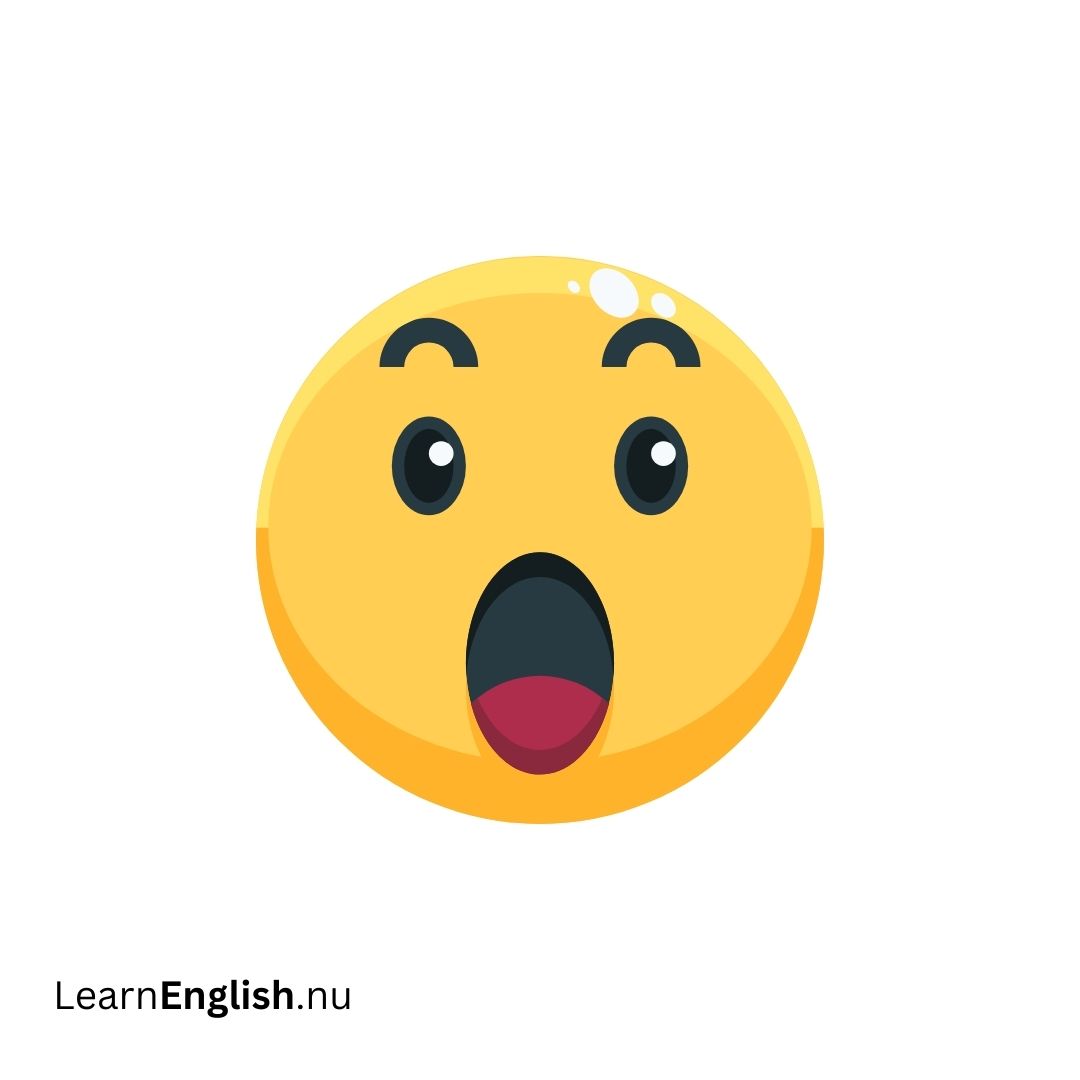 Überrascht
Surprised Krank
Krank
Sick Schläfrig
Sleepy Befriedigt
Satisfied Schüchtern
Shy Schuldig
Guilty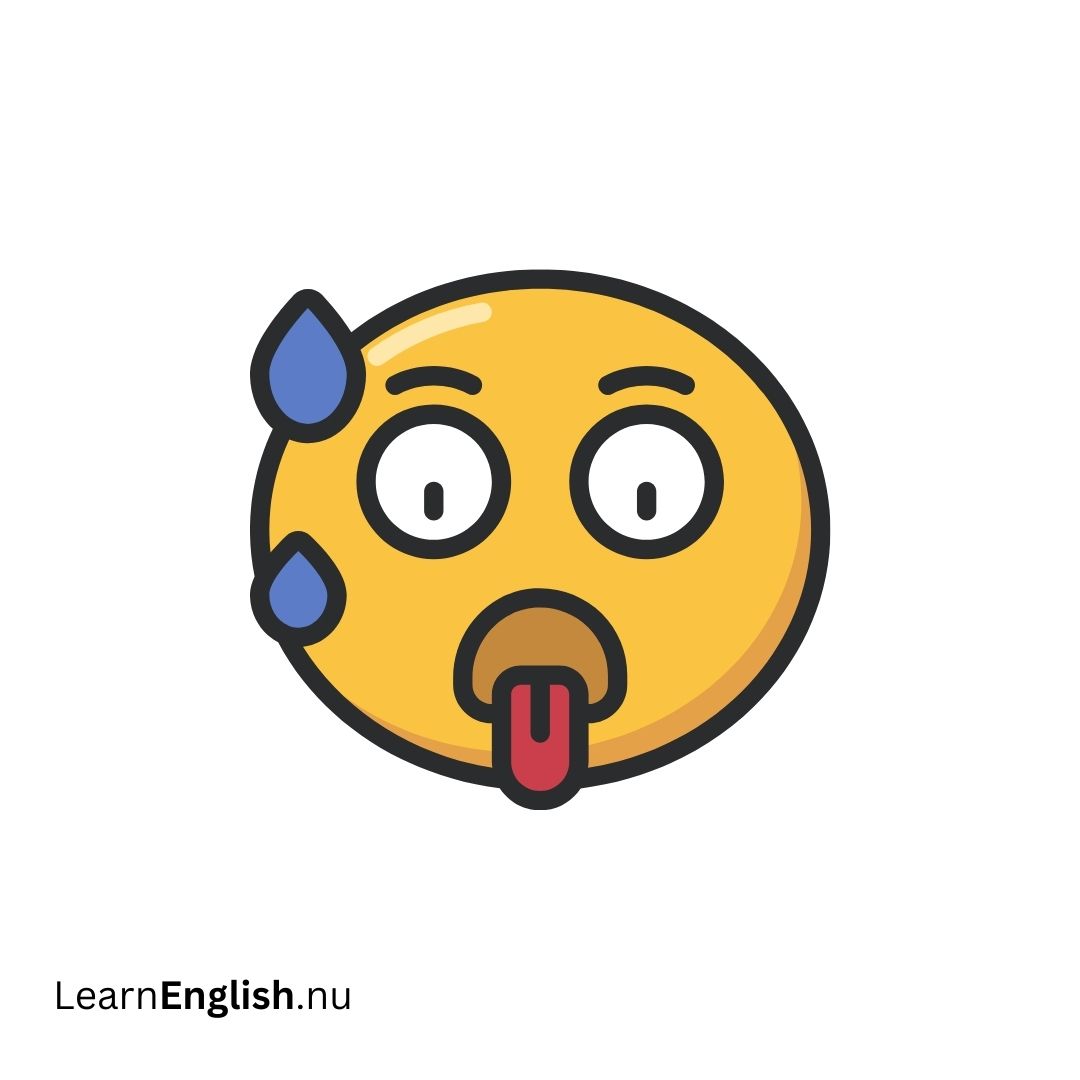 Durstig
Thirsty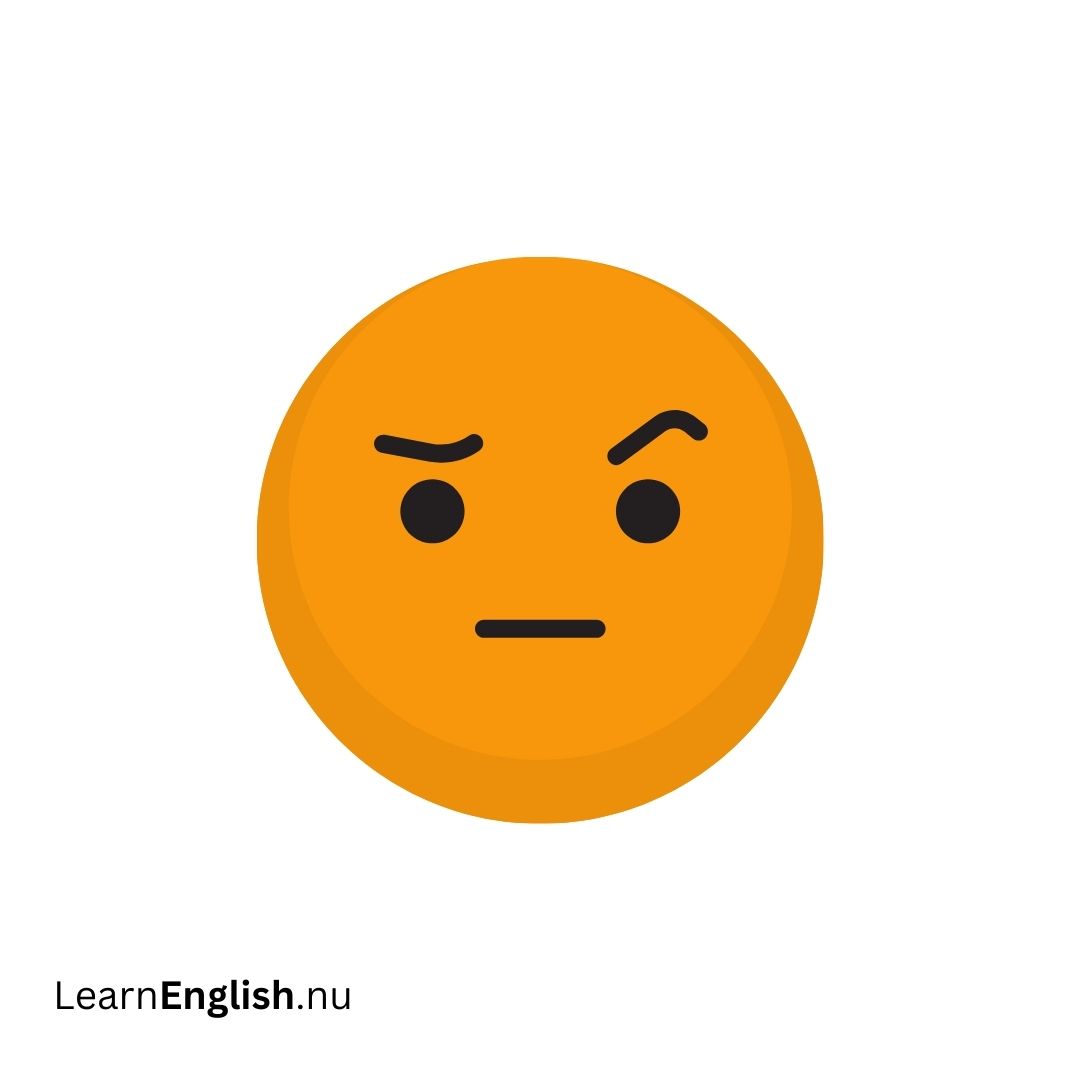 Misstrauisch
Suspicious Selbstbewusst
Confident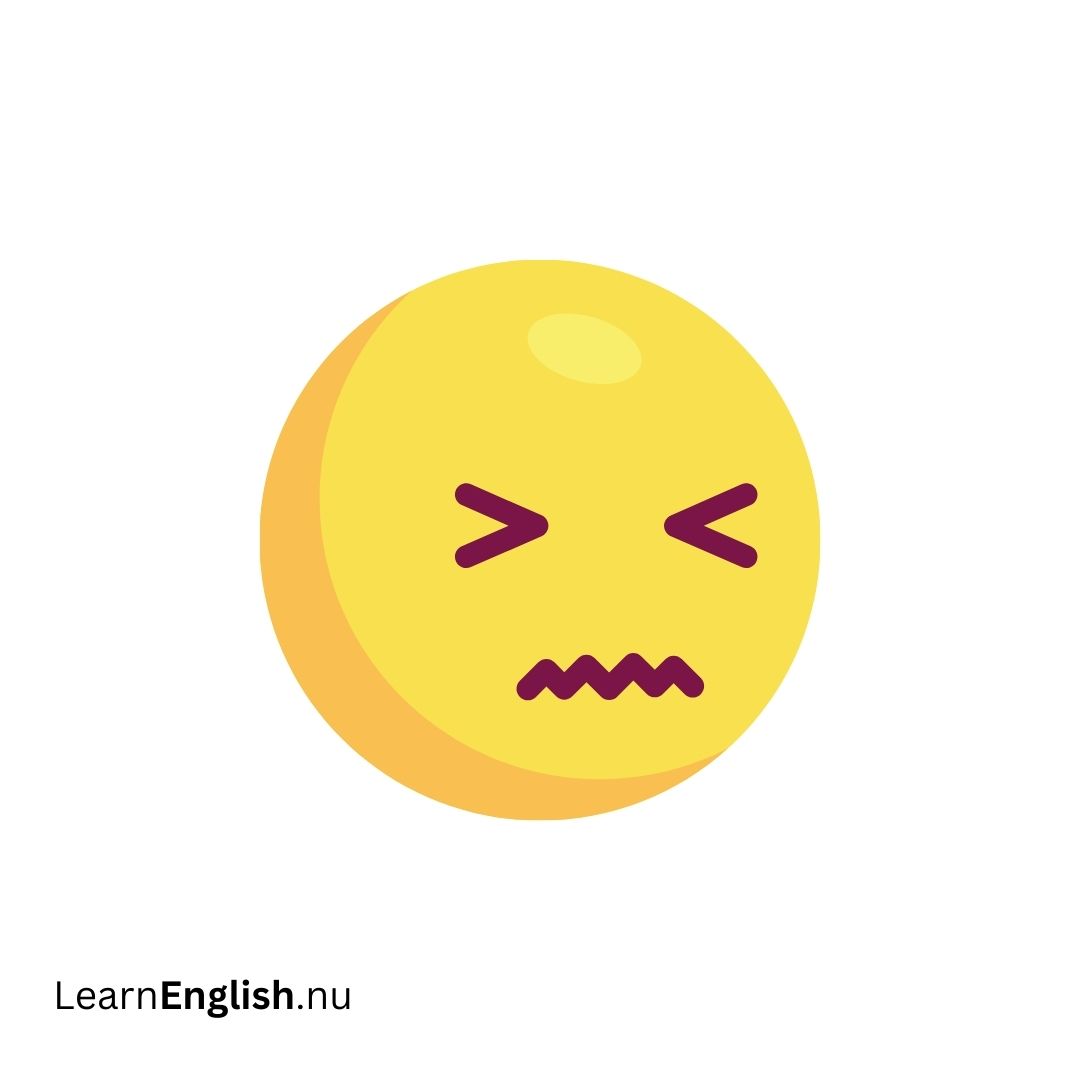 Erschrocken
Frightened Liebevoll
Loving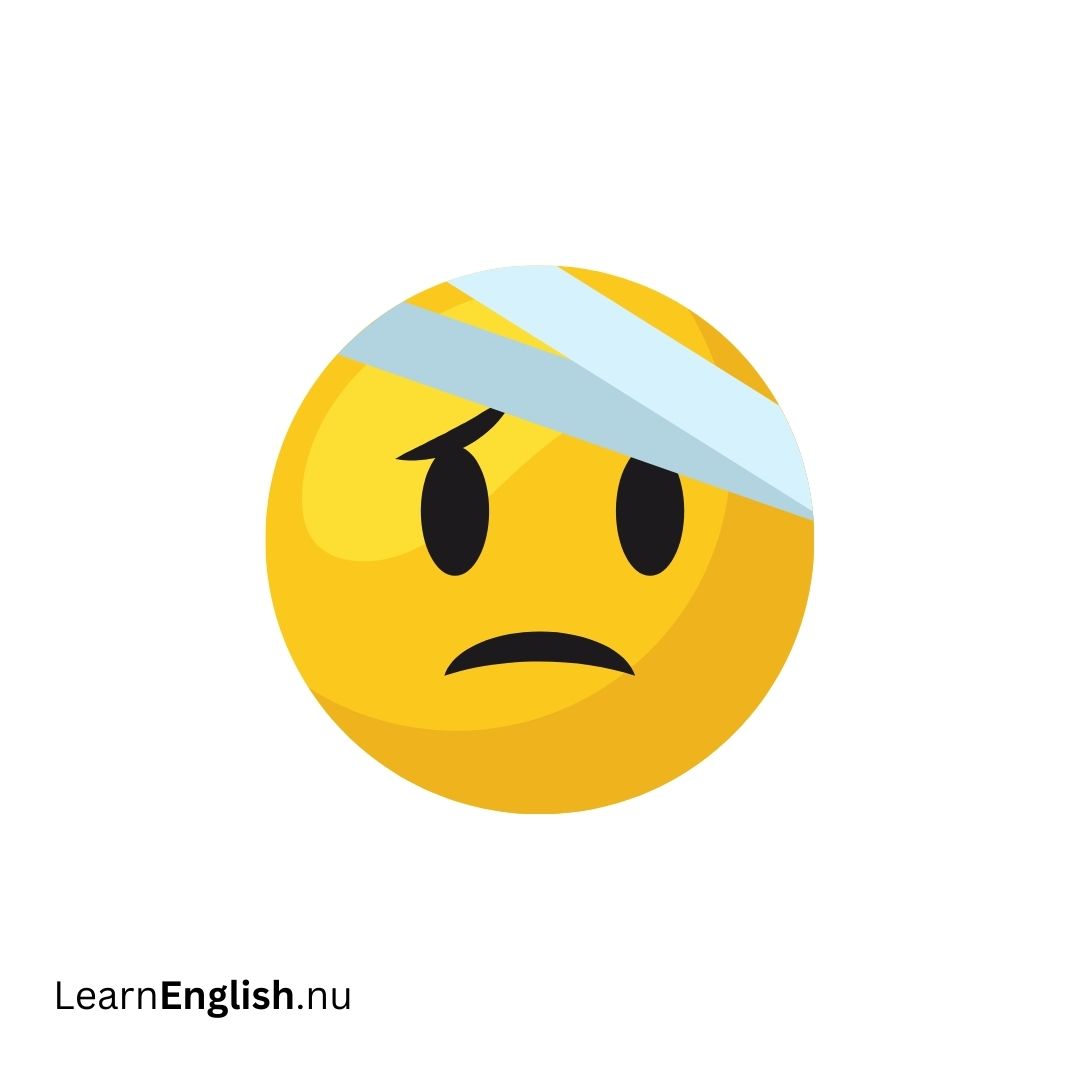 Verletzt
Hurt Gierig
Greedy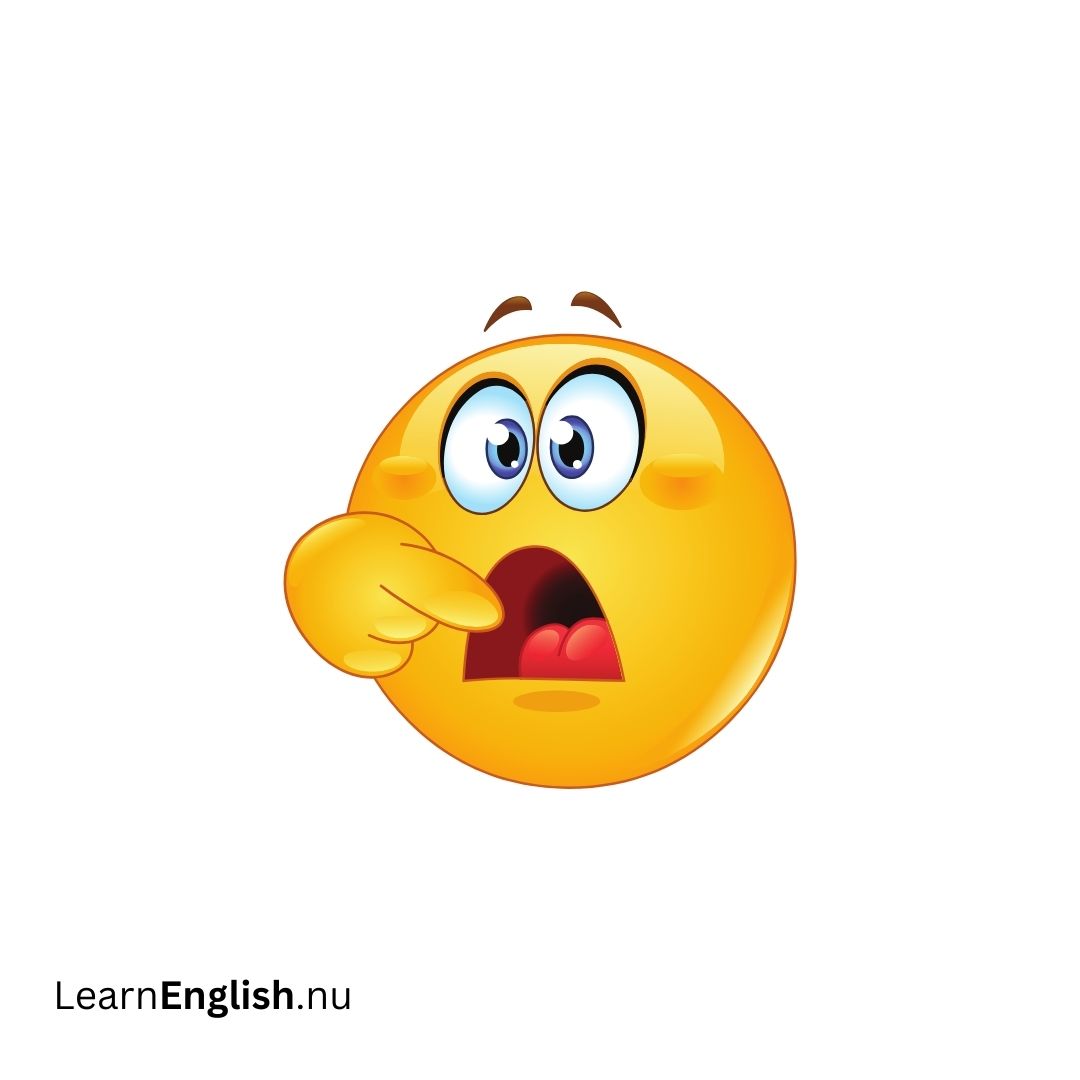 Hungrig
Hungry
Human Emotions in German
- Zufrieden Pleased
- Glücklich Happy
- Froh Glad
- Entzückt Delighted
- Traurig Sad
- Begeistert Enthusiastic
- Besorgt Worried
- Schockiert Shock
- Depressiv Depressed
- Enttäuscht Disappointed
- Angeekelt Disgusted
- Ruhig Calm
- Nervös Nervous
- Gelangweilt Bored
- Müde Tired
- Verärgert Upset
- Elend Miserable
- Ängstlich Scared
- Entspannt Relaxed
- Überrascht Surprised
- Krank Sick
- Schläfrig Sleepy
- Befriedigt Satisfied
- Schüchtern Shy
- Schuldig Guilty
- Durstig Thirsty
- Misstrauisch Suspicious
- Selbstbewusst Confident
- Erschrocken Frightened
- Liebevoll Loving
- Verletzt Hurt
- Gierig Greedy
- Hungrig Hungry
Expressing Feelings and Moods in German
Understanding how to describe your feelings and moods in German is essential for effective communication. Here’s a guide to help you learn the most frequently used German adjectives to express emotions.
Common Positive Emotions
Use these words to describe positive feelings and moods:
- amüsiert amused
- aufgeregt excited
- befriedigt satisfied
- begeistert excited
- berührt touched
- dankbar thankful
- erfreut pleased
- erleichtert relieved
- fasziniert intrigued
- froh glad
- fröhlich happy
- glücklich happy
- hoffnungsvoll hopeful
- inspiriert inspired
- interessiert interested
- motiviert motivated
- optimistisch optimistic
- ruhig calm
- sorgenfrei worriless
- stolz proud
- verliebt in love
- zufrieden pleased
- zuversichtlich confident
Common Negative Emotions
These words will help you describe negative feelings and moods:
- angespannt tensed
- ängstlich afraid
- apathisch apathetic
- bedrückt depressed
- beleidigt offended
- beschämt ashamed
- besorgt worried
- beunruhigt concerned
- böse angry
- deprimiert depressed
- durstig thirsty
- eifersüchtig jealous
- eingeschüchtert awed
- einsam lonely
- entmutigt discouraged
- entspannt relaxed
- enttäuscht disappointed
- erschöpft exhausted
- erschreckt frightened
- erschrocken shocked
- erstaunt astonished
- gelähmt paralyzed
- gelangweilt bored
- geringwertig inferior
- gestresst stressed
- gleichgültig indifferent
- hilflos helpless
- hoffnungslos hopeless
- hungrig hungry
- irritiert irritated
- müde tired
- nachdenklich thoughtful
- nervös nervous
- satt full
- schuldig guilty
- traurig sad
- überwältigt overwhelmed
- unentschlossen undecided
- unglücklich unhappy
- unruhig restless
- unsicher uncertain
- unzufrieden discontented
- verängstigt scared
- verärgert upset
- verblüfft stunned
- verlegen embarrassed
- verletzlich vulnerable
- verletzt hurt
- verwirrt confused
- verwundert astonished
- verzweifelt desperate
- wahnsinnig mad
- wütend angry
- zögernd hesitant
- zornig wrathful
Exploring Mixed Emotions in German
Understanding and expressing mixed emotions is essential for effective communication. Here are some German phrases and words to help you articulate feelings of ambivalence, conflict, uncertainty, and embarrassment:
| German | English | Example |
|---|---|---|
| Gemischte Gefühle | Mixed feelings | Ich habe gemischte Gefühle darüber, die Stadt zu verlassen. (I have mixed feelings about leaving the city.) |
| Zwiespalt | Inner conflict | Er fühlte einen inneren Zwiespalt zwischen Pflicht und Wunsch. (He felt an inner conflict between duty and desire.) |
| Ambivalenz | Ambivalence | Ihre Ambivalenz gegenüber der Entscheidung war offensichtlich. (Her ambivalence about the decision was evident.) |
| Unsicherheit | Uncertainty | Die Unsicherheit über die Zukunft belastete sie. (The uncertainty about the future weighed on her.) |
| Verlegenheit | Embarrassment | Seine Verlegenheit war offensichtlich, als er den Raum betrat. (His embarrassment was evident when he entered the room.) |
Happiness and Joy in German
Expressions of happiness and joy are universal, but knowing how to express these feelings in German can help you share your positive vibes and spread cheer. Whether celebrating a special occasion or enjoying life’s simple pleasures, these terms will be useful.
Common Words for Happiness and Joy
Here are some key German words and their English translations to help you express happiness and joy:
| English | German | Pronunciation (IPA) |
|---|---|---|
| happy | glücklich | /ˈɡlʏklɪç/ |
| glad | froh | /fʁoː/ |
| cheerful | fröhlich | /ˈfʁøːlɪç/ |
| satisfied | zufrieden | /tsuˈfʁiːdən/ |
| excited | begeistert | /bəˈɡaɪ̯stɐt/ |
| thankful | dankbar | /ˈdaŋkˌbaːɐ̯/ |
| relieved | erleichtert | /ɛʁˈlaɪ̯çtɐt/ |
| hopeful | hoffnungsvoll | /ˈhɔfnuŋsˌfɔl/ |
| inspired | inspiriert | /ɪnspiˈʁiːʁt/ |
| interested | interessiert | /ɪntəʁɛsiˈʁiːʁt/ |
| joyous | freudig | /ˈfʁɔɪ̯dɪç/ |
| blissful | selig | /ˈzeːlɪç/ |
| elated | überglücklich | /ˈyːbɐˌɡlʏklɪç/ |
Expressing Sadness and Sorrow in German
Everyone has their down days, and it's important to express those feelings. Here are some German terms to help you convey sadness or sorrow, so you can seek comfort and understanding from others.
Common German Words for Sadness and Sorrow
Use these words to articulate your emotions when feeling down:
| English | German | Pronunciation (IPA) |
|---|---|---|
| sad | traurig | /ˈtʁaʊ̯ʁɪç/ |
| depressed | deprimiert | /deːpʁiˈmiːʁt/ |
| lonely | einsam | /ˈaɪ̯nzaːm/ |
| disappointed | enttäuscht | /ʔɛntˈtɔʏ̯ʃt/ |
| hopeless | hoffnungslos | /ˈhɔfnuŋsˌloːs/ |
| frustrated | frustriert | /fʁʊsˈtʁiːʁt/ |
| angry | wütend | /ˈvyːtənd/ |
| scared | verängstigt | /fɛʁˈʔɛŋstɪçt/ |
| miserable | elend | /ˈeːlənt/ |
| guilty | schuldig | /ˈʃʊldɪç/ |
Usage Examples
Small Talk
- If someone asks how you're feeling, you could say, "Ich bin heute traurig" (I am sad today).
Discussing Feelings with Friends
- When talking to friends about your feelings, you might say, "Ich fühle mich einsam" (I feel lonely).
At the Doctor's Office
- Describe your emotional state to a doctor with phrases like, "Ich bin deprimiert" (I am depressed) to help them understand your mental health.
Expressing Peacefulness in German
Learning how to describe feelings of peace and tranquility in German can enhance your ability to communicate serenity and calmness. Here are some phrases to help you express peacefulness in various situations:
| English | German | IPA |
|---|---|---|
| It’s so peaceful | Es ist so friedlich | [ɛs ɪst zo: fʁiɪç] |
| I’m peaceful | Ich bin friedlich | [ɪç bɪn fʁiɪç] |
| You seem peaceful | Du wirkst friedlich | [du: vɪɐ̯kʃt fʁiɪç] |
| He / She is so peaceful | Er / Sie ist so friedlich | [e:ɐ̯ / zi: ɪst zo: fʁiɪç] |
| It’s nicely peaceful here | Hier ist es schön friedlich | [hi:ɐ̯ ɪst ɛs ʃøfʁiɪç] |
| We’re at peace | Wir sind im Reinen | [vi:ɐ̯ zɪnt ɪm ʁaɪ̯nən] |
| You look at peace (plural) | Ihr seht zufrieden aus | [i:ɐ̯ zetsuʁiən aʊ̯s] |
| They are really peaceful | Sie sind wirklich friedlich | [zi: zɪnt vɪɐ̯klɪç fʁiɪç] |
| I’m at peace | Ich bin zufrieden | [ɪç bɪn tsuʁiən] |
| Peace be with you! | Friede sei mit dir! | [fʁiə zaɪ̯ mɪt di:ɐ̯] |
| Happy International Day of Peace | Herzlichen Glückwunsch zum Internationalen Tag des Friedens | [hɛɐ̯t͡slɪçən glʏkvʊnʃ t͡sʊm ɪntɐnat͡sjo:naən tadɛs fʁiəns] |
| Calm down | Beruhig dich | [bəʁu:ɪç dɪç] |
| Let’s make peace | Lass uns Frieden schließen | [las ʊns fʁiən ʃliən] |
| Harmony | Harmonie | [ˌhaʁmoˈniː] |
| Serenity | Gelassenheit | [ɡəˈlasn̩haɪ̯t] |
| World peace | Weltfrieden | [ˈvɛltˌfʁiːdn̩] |
| Love and peace | Liebe und Frieden | [ˈliːbə ʊnt ˈfʁiːdn̩] |
How to Talk About Feelings and Emotions in German
Germans may not be known for being the most expressive people, but they experience the same range of emotions. Sometimes, it's necessary to express these feelings. Here are common situations where you'll need to talk about your emotions in German.
Small Talk with a German-Speaker
When traveling to Germany, imagine surprising someone by saying, "Ich freu mich heute richtig, weil ich das erste Mal in Deutschland bin" (I’m really excited to be in Germany for the first time!) during small talk.
Clearing the Air with a German Friend or Colleague
In relationships, misunderstandings happen. You might feel overlooked because your boss didn’t give you that promotion or feel betrayed because your partner attended a party without you. It’s crucial to express your feelings clearly to give others a chance to understand and apologize.
Confessing Your Feelings to a German Love Interest
If you like someone from Germany, it’s extra special to confess your feelings in their language. Once you’re ready, there are many ways to say "I love you" in German that can make your confession even more memorable.
At the Doctor’s Office
Visiting a doctor in a different country can be intimidating. Knowing how to express your symptoms in German, like feeling sick (krank), nauseous (mir ist übel), or weak (schwach), can be very helpful. Also, knowing the German names for body parts can help you communicate your symptoms more effectively.
Integrating Emotions into Daily Conversations in German
Adding emotions to your daily conversations in German adds richness and authenticity to your interactions. Germans value honesty and directness, so expressing your true feelings can deepen your connections with others. Here are practical examples of how to incorporate emotions into everyday exchanges:
| Expression | English Translation |
|---|---|
| Wie fühlst du dich heute? | How do you feel today? |
| Mir geht es nicht so gut. | I am not feeling well. |
| Ich bin total begeistert! | I am totally thrilled! |
| Das macht mich traurig. | That makes me sad. |
| Ich bin so stolz auf dich! | I am so proud of you! |
Related Topics
Parts of the Human Body in German
German Office Words: Office Vocabulary in German
German Lessons: 100 Common German Words You Need to Know
German Lessons: German Restaurant Vocabulary Phrases & Words
German Lessons: Hospital and Medical Vocabulary in German
German Lessons: Beach Vocabulary In German Words & Phrases
German Lessons: Useful German Travel Phrases & Words
German Lessons: Learn German Street Vocabulary
German Lessons: Nature Vocabulary Word List & Pronunciation
Solar system planet names in German
Musical instruments in German with pictures
German Words For Appliances: Electrical appliances in German
German Phrases for Emergencies: Disaster Vocabulary In German
Zodiac Signs in German: das Tierkreiszeichen
Professions , Occupations , Jobs in German Vocabulary List
Transportation words in German
Drinks vocabulary in German - Essential Food And Drinks Vocabulary
Food and Fast Food Items in German - Food in German
German vocabulary - Tools and Equipment in German
German Laundry & Storage Room Vocabulary-The Utility Room
Cleaning vocabulary words in German: cleaning Tools in German
German Garden Vocabulary: garden Vocabulary in German
Bathroom vocabulary words in German: bathroom items in German
German Cooking Vocabulary: Cooking Verbs in German
German Vocabulary for Kitchen Utensils - Kitchen Tools in German