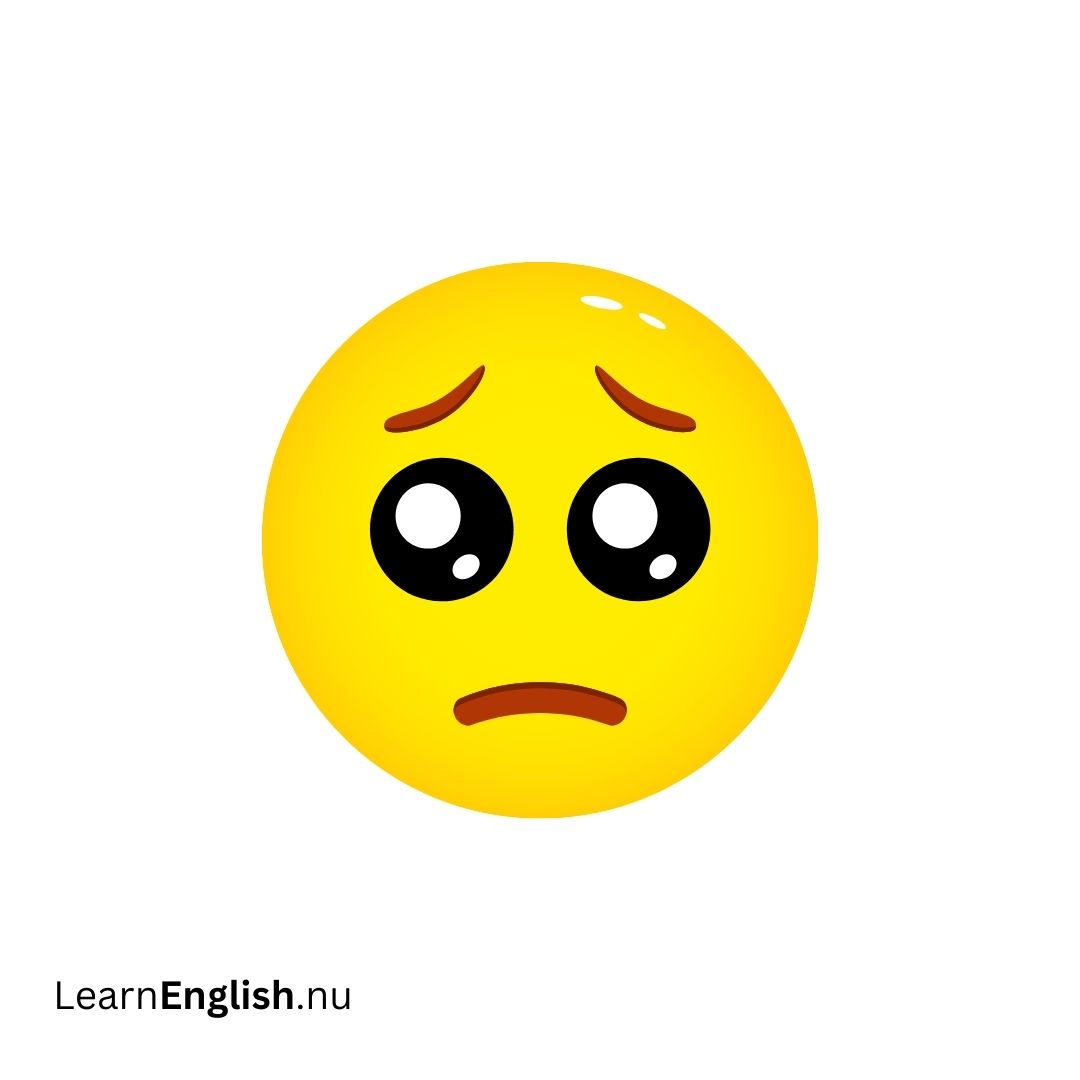
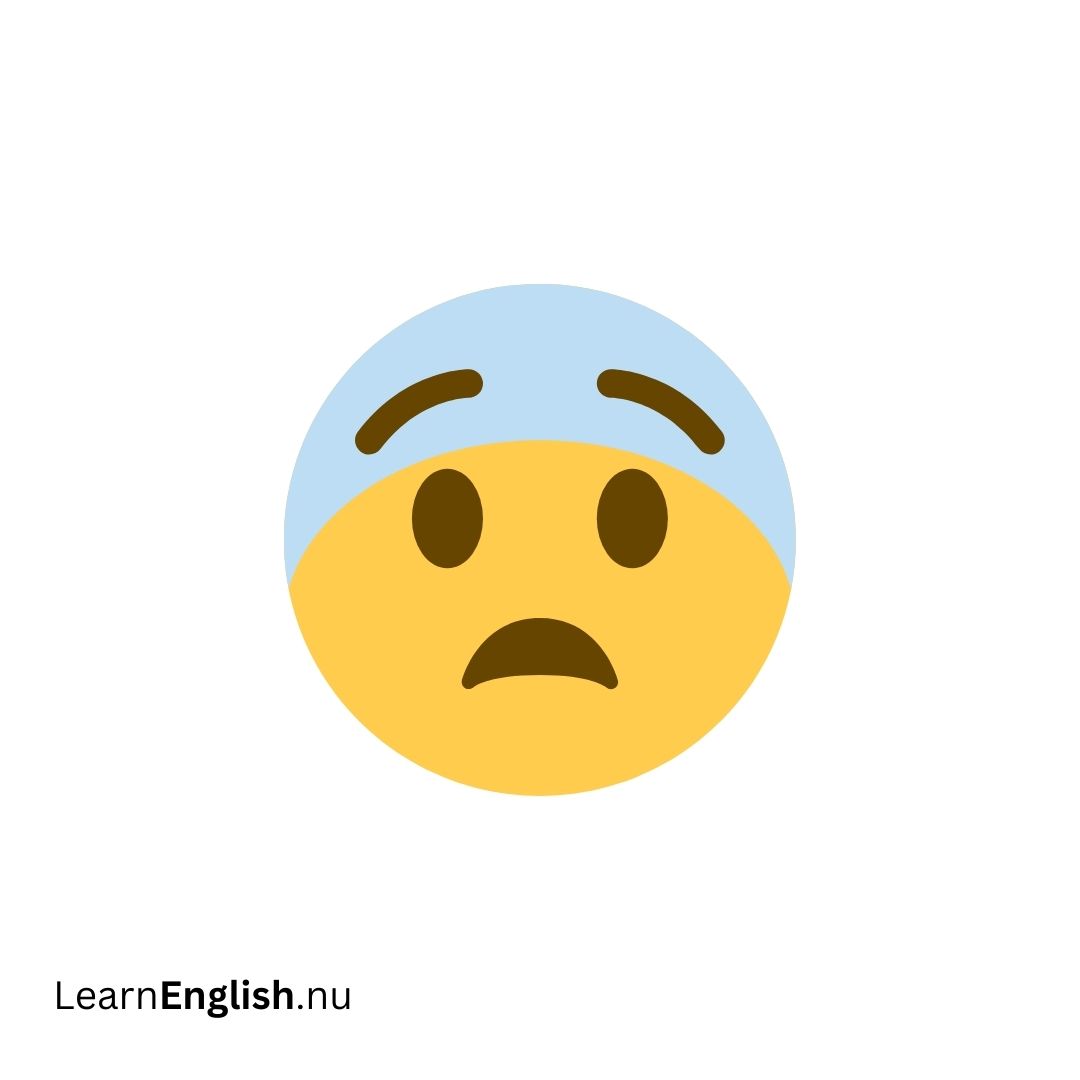
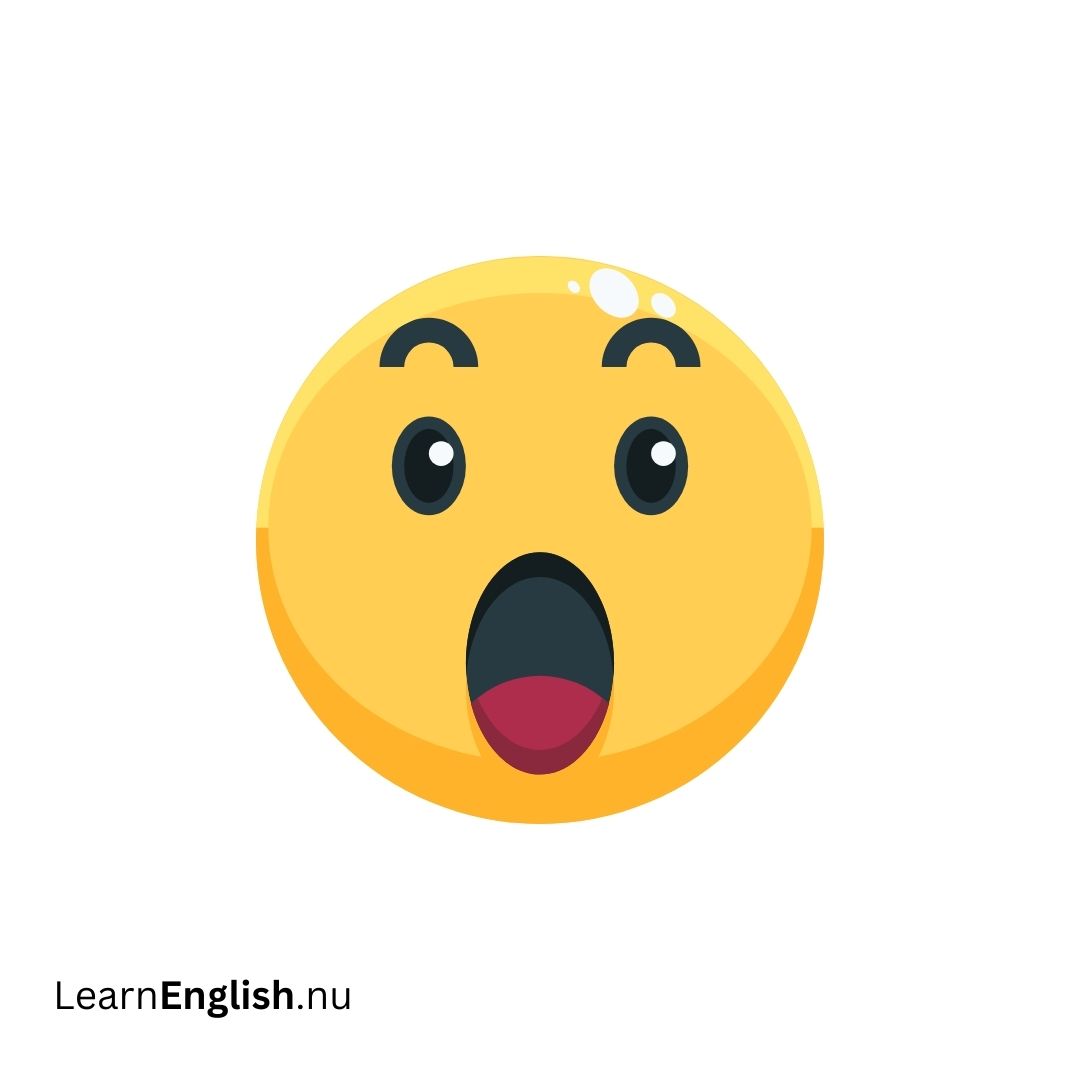
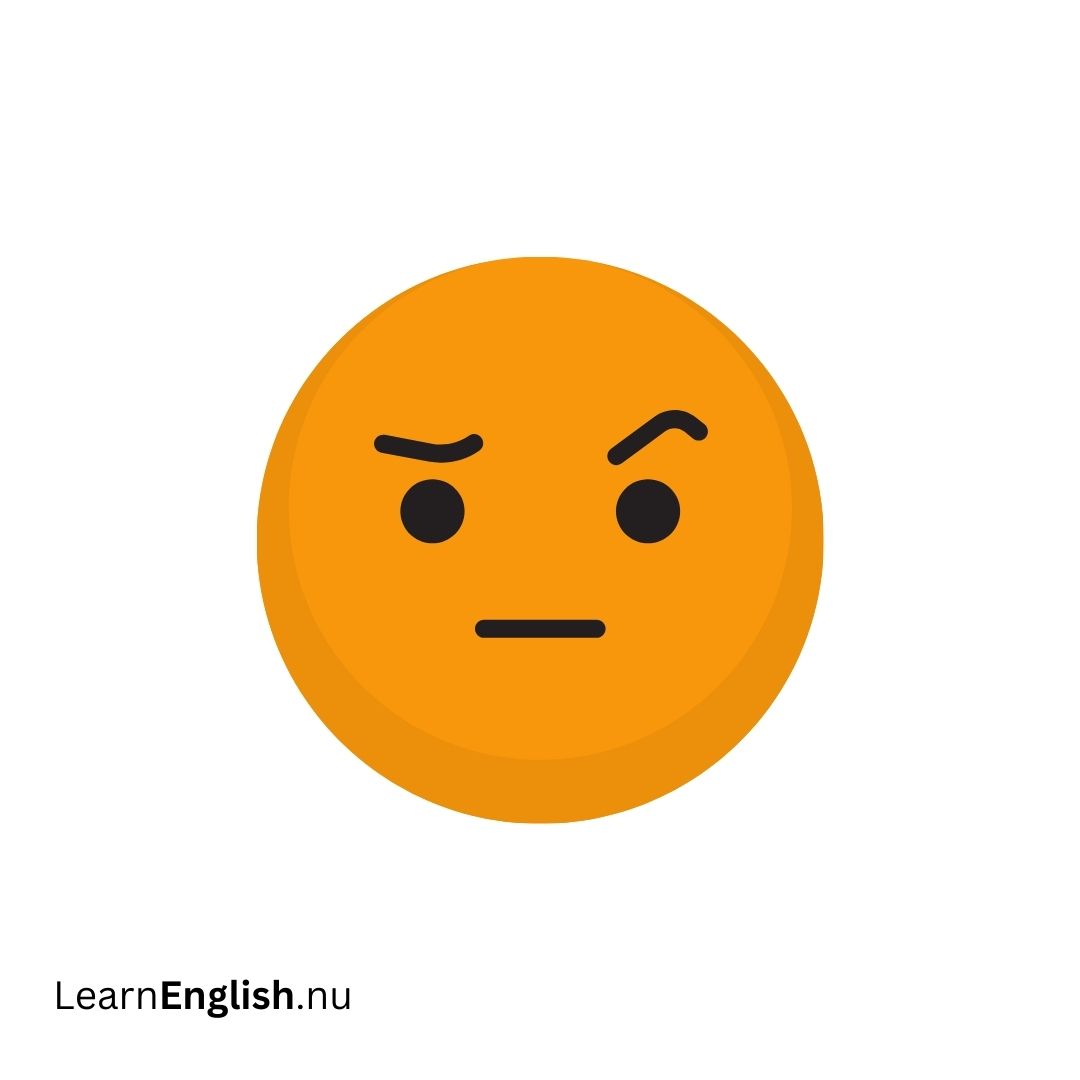
Swedish Words for Emotions
Learning to express feelings and emotions is a key part of mastering any language, and Swedish is no exception. By expanding your emotional vocabulary in Swedish, you can communicate more effectively and authentically. This guide will introduce you to some commonly used Swedish words that describe various emotional states.
Emotional Vocabulary in Swedish
Understanding and using emotion-related vocabulary will enhance your ability to convey your feelings and understand others better. Below is a list of common Swedish words used to express different emotions, along with their meanings and example sentences.
| Swedish Word |
English Translation |
Example Sentence |
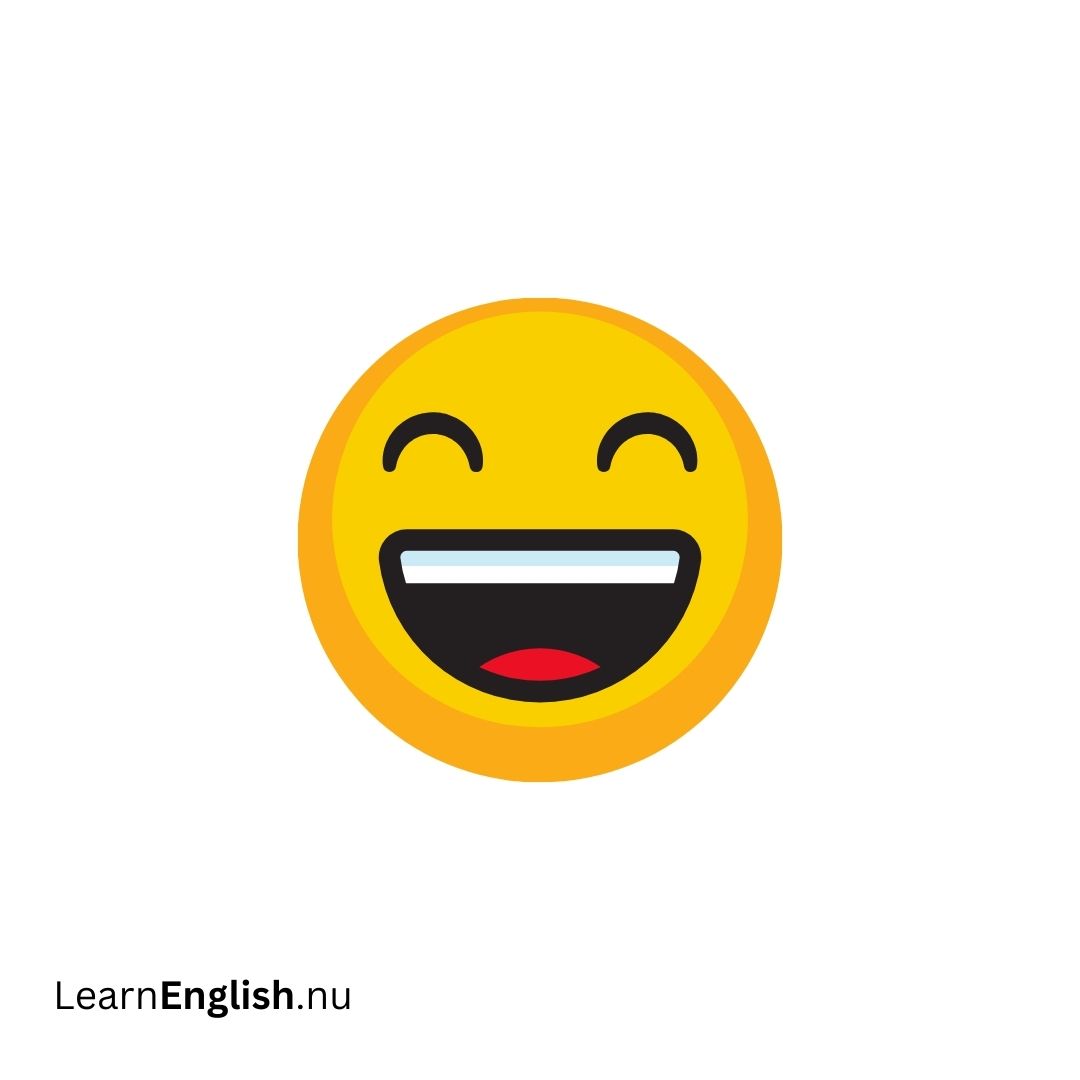
| Glädje |
Joy |
Hon sprudlade av glädje på sin födelsedag. |
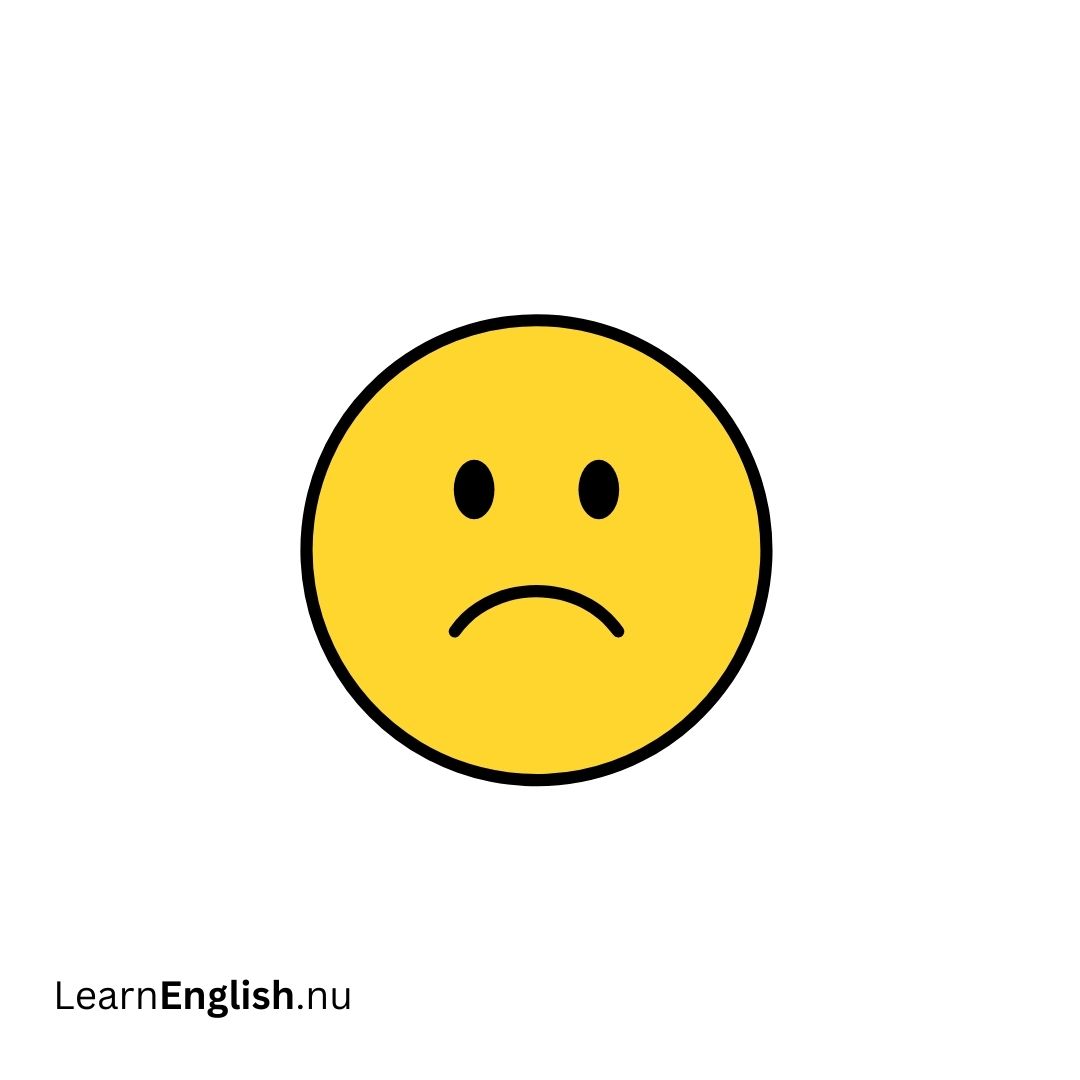
| Ledsen |
Sad |
Han var mycket ledsen över nyheterna. |
| Rädd |
Scared |
Barnet var rädd för mörkret. |
| Arg |
Angry |
Hon blev arg när hon missade bussen. |
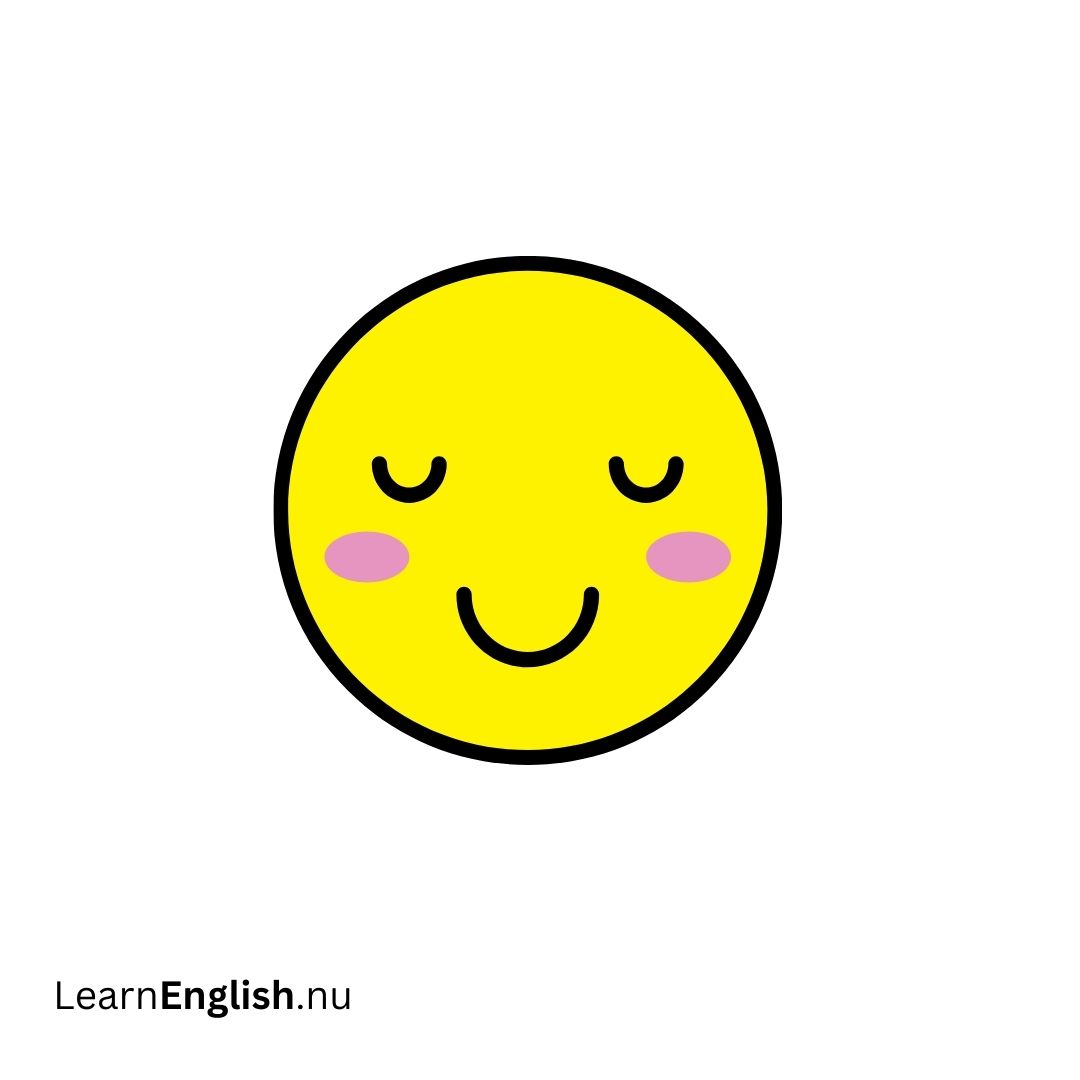
| Lycklig |
Happy |
De kände sig så lyckliga på sin bröllopsdag. |
| Spänd |
Tense |
Han kände sig spänd inför intervjun. |
| Upprörd |
Upset |
Hon var upprörd över att ha förlorat sitt jobb. |
| Förvånad |
Surprised |
Han var förvånad över att vinna priset. |
| Orolig |
Worried |
Hon var orolig för sin vän som var sjuk. |
| Stolt |
Proud |
De var stolta över sin prestation i tävlingen. |
| Ensam |
Lonely |
Han kände sig ensam utan sina vänner. |
| Förtvivlad |
Desperate |
Hon kände sig förtvivlad efter att ha förlorat allt i branden. |
| Självständig |
Independent |
Hon strävar efter att vara ekonomiskt självständig. |
| Kär |
In love |
De var djupt kära i varandra. |
| Avslappnad |
Relaxed |
Han kände sig avslappnad efter semestern. |
| Ängslig |
Anxious |
Hon kände sig ängslig inför det stundande provet. |
| Generad |
Embarrassed |
Han blev generad när han snubblade framför alla. |
| Nervös |
Nervous |
Hon var nervös inför sin första dag på nya jobbet. |
| Passionerad |
Passionate |
Han är passionerad om miljöfrågor. |
| Besviken |
Disappointed |
Hon var besviken över att hon inte fick rollen i pjäsen. |
emotions Vocabulary in Swedish
Understanding and using emotional vocabulary is essential for effective communication. In Swedish, as in any language, knowing how to express feelings and emotions accurately helps you connect with others and navigate conversations more effectively. This guide will introduce you to essential Swedish words for expressing a range of emotions, from basic to nuanced.
Basic Emotional Vocabulary
Start by learning common Swedish words that describe basic emotions. These words will help you express everyday feelings and understand those of others.
| Swedish Word |
English Translation |
Example Sentence |
| Glad |
Happy |
Jag är så glad idag! (I am so happy today!) |
| Lycklig |
Joyful |
Hon känner sig lycklig över sitt nya jobb. (She feels joyful about her new job.) |
| Kär |
In love |
Han är kär i henne. (He is in love with her.) |
| Tacksam |
Grateful |
Jag är tacksam för din hjälp. (I am grateful for your help.) |
| Stolt |
Proud |
Vi är stolta över vårt landslag. (We are proud of our national team.) |
Negative Emotions
These words describe feelings that are generally negative and can help you discuss challenging emotions.
| Swedish Word |
English Translation |
Example Sentence |
| Ledsen |
Sad |
Jag känner mig ledsen idag. (I feel sad today.) |
| Arg |
Angry |
Han blev arg när han hörde nyheten. (He became angry when he heard the news.) |
| Rädd |
Afraid |
Hon är rädd för att tala inför publik. (She is afraid of public speaking.) |
| Besviken |
Disappointed |
Vi är besvikna över resultatet. (We are disappointed with the result.) |
| Orolig |
Worried |
Jag är orolig för min vän. (I am worried about my friend.) |
Complex Emotions
Some emotions are more intricate and might not fit neatly into positive or negative categories. These words describe such complex feelings.
| Swedish Word |
English Translation |
Example Sentence |
| Förvånad |
Surprised |
Jag blev förvånad över hennes beslut. (I was surprised by her decision.) |
| Generad |
Embarrassed |
Han kände sig generad när han gjorde misstaget. (He felt embarrassed when he made the mistake.) |
| Lättad |
Relieved |
Vi var lättade när vi hörde de goda nyheterna. (We were relieved when we heard the good news.) |
Nuanced Emotional Expressions
For a deeper understanding of emotions, these Swedish words offer more subtle expressions of feelings.
| Swedish Word |
English Translation |
Example Sentence |
| Skamsen |
Ashamed |
Han kände sig skamsen för sitt beteende. (He felt ashamed of his behavior.) |
| Euforisk |
Euphoric |
Hon var euforisk efter att ha vunnit tävlingen. (She was euphoric after winning the competition.) |
| Melankolisk |
Melancholic
|
Han hade en melankolisk känsla hela dagen. (He had a melancholic feeling all day.) |
| Förargad |
Annoyed |
Jag blev förargad över den långa väntetiden. (I was annoyed by the long wait.) |
| Ångestfylld |
Anxious |
Hon kände sig ångestfylld inför provet. (She felt anxious about the exam.) |
How to Talk About Your Feelings in Swedish
Talking about your feelings is a crucial part of effective communication. In Swedish, expressing emotions clearly can help you connect with others and convey your state of mind. This guide will introduce you to essential phrases and vocabulary for discussing your feelings in Swedish, making it easier for you to express yourself accurately.
Basic Expressions for Talking About Feelings
Start with common phrases and vocabulary that you can use to describe your feelings in everyday situations.
| Swedish Phrase |
English Translation |
Example Sentence |
| Jag känner mig glad. |
I feel happy. |
Jag känner mig glad över att vara här. (I feel happy to be here.) |
| Jag är ledsen. |
I am sad. |
Jag är ledsen för att jag missade mötet. (I am sad that I missed the meeting.) |
| Jag är rädd. |
I am afraid. |
Jag är rädd för att tala inför folk. (I am afraid of speaking in public.) |
| Jag är arg. |
I am angry. |
Jag är arg över den långa väntetiden. (I am angry about the long wait.) |
Describing Positive Emotions
Use these phrases to express positive feelings and convey happiness, joy, and contentment.
| Swedish Phrase |
English Translation |
Example Sentence |
| Jag känner mig lycklig. |
I feel joyful. |
Jag känner mig lycklig över min nya bil. (I feel joyful about my new car.) |
| Jag är tacksam. |
I am grateful. |
Jag är tacksam för all hjälp. (I am grateful for all the help.) |
| Jag är stolt. |
I am proud. |
Jag är stolt över min prestation. (I am proud of my performance.) |
Describing Negative Emotions
Learn how to talk about negative emotions to express sadness, anger, and worry.
| Swedish Phrase |
English Translation |
Example Sentence |
| Jag är orolig. |
I am worried. |
Jag är orolig för min väns hälsa. (I am worried about my friend's health.) |
| Jag är besviken. |
I am disappointed. |
Jag är besviken över resultatet. (I am disappointed with the result.) |
| Jag känner mig ensam. |
I feel lonely. |
Jag känner mig ensam utan mina vänner. (I feel lonely without my friends.) |
Discussing Complex Emotions
For more nuanced feelings, use these phrases to describe a range of complex emotions.
| Swedish Phrase |
English Translation |
Example Sentence |
| Jag är förvånad. |
I am surprised. |
Jag är förvånad över den nya designen. (I am surprised by the new design.) |
| Jag känner mig generad. |
I feel embarrassed. |
Jag känner mig generad när jag gör misstag. (I feel embarrassed when I make mistakes.) |
| Jag är lättad. |
I am relieved. |
Jag är lättad att allt gick bra. (I am relieved that everything went well.) |
Using Pronouns and Tenses
To accurately describe your feelings, use appropriate pronouns and tenses based on the context.
| Pronoun/Tense |
Usage Example |
English Translation |
| Jag (I) |
Jag är glad. (I am happy.) |
I am happy. |
| Du (You) |
Du verkar stressad. (You seem stressed.) |
You seem stressed. |
| Han/Hon (He/She) |
Han känns förvånad. (He feels surprised.) |
He feels surprised. |
| Vi (We) |
Vi känner oss stolta. (We feel proud.) |
We feel proud. |
Tips for Learning Emotional Vocabulary in Swedish
Expanding your emotional vocabulary in Swedish can greatly enhance your language skills. Here are more tips to help you master these expressions effectively and use them confidently in conversation.
Engage with Swedish Media
Expose yourself to Swedish media, such as movies, TV shows, and books. Listening to native speakers and seeing how emotional vocabulary is used in context will deepen your understanding and retention.
| Media Type |
Example |
Benefit |
| Movies/TV Shows |
Watch a Swedish drama |
See emotional vocabulary used in realistic situations. |
| Books |
Read Swedish novels |
Understand the emotional depth in written language. |
Practice with Native Speakers
Engage in conversations with native Swedish speakers. Practicing emotional vocabulary in real conversations will help you use it naturally and understand different emotional nuances.
| Practice Method |
Example |
Benefit |
| Language Exchange |
Join a Swedish language exchange group |
Get feedback and improve your usage in real conversations. |
| Conversation Partner |
Speak with a Swedish friend |
Practice emotional expressions in a supportive environment. |
Keep a Vocabulary Journal
Maintain a journal where you record new emotional vocabulary and phrases. Write down meanings, example sentences, and any personal reflections. Review this journal regularly to reinforce your learning.
| Journal Entry |
Example Entry |
Benefit |
| Word/Expression |
Generad (Embarrassed) |
Helps track progress and practice usage. |
| Example Sentence |
Han blev generad när han snubblade framför alla. |
Provides context and usage examples. |
Use Flashcards for Active Recall
Create flashcards with Swedish emotional vocabulary on one side and English translations or example sentences on the other. Regularly test yourself to improve recall and understanding.
| Flashcard Example |
Front Side |
Back Side |
| Generad |
Embarrassed |
Han blev generad när han snubblade framför alla. (He felt embarrassed when he tripped in front of everyone.) |
Learn Synonyms and Antonyms
Expand your vocabulary by learning synonyms and antonyms for emotional words. This will help you express emotions more precisely and understand subtle differences in meaning.
| Word |
Synonym |
Antonym |
Example Sentence |
| Glad |
Lycklig |
Ledsen |
Han var glad över nyheterna. (He was happy about the news.) |
| Arg |
Upprörd |
Lugn |
Hon blev arg när hon missade bussen. (She got angry when she missed the bus.) |
Use Online Tools and Apps
Leverage language learning apps and online tools that focus on emotional vocabulary. Many apps offer exercises, quizzes, and interactive activities to reinforce learning.
| Tool/App |
Example Feature |
Benefit |
| Language Apps |
Emotional vocabulary exercises |
Interactive practice to strengthen vocabulary skills. |
| Flashcard Apps |
Customizable flashcard sets |
Create and review personalized flashcards. |
Reflect on Your Emotions
Regularly reflect on your own emotions and try to describe them using Swedish vocabulary. This personal connection can help you remember and use words more effectively.
| Reflection Method |
Example Activity |
Benefit |
| Daily Journal |
Write about your daily emotional experiences |
Reinforces vocabulary through personal context. |
| Self-Talk |
Describe your feelings out loud in Swedish |
Helps practice pronunciation and emotional expression. |